




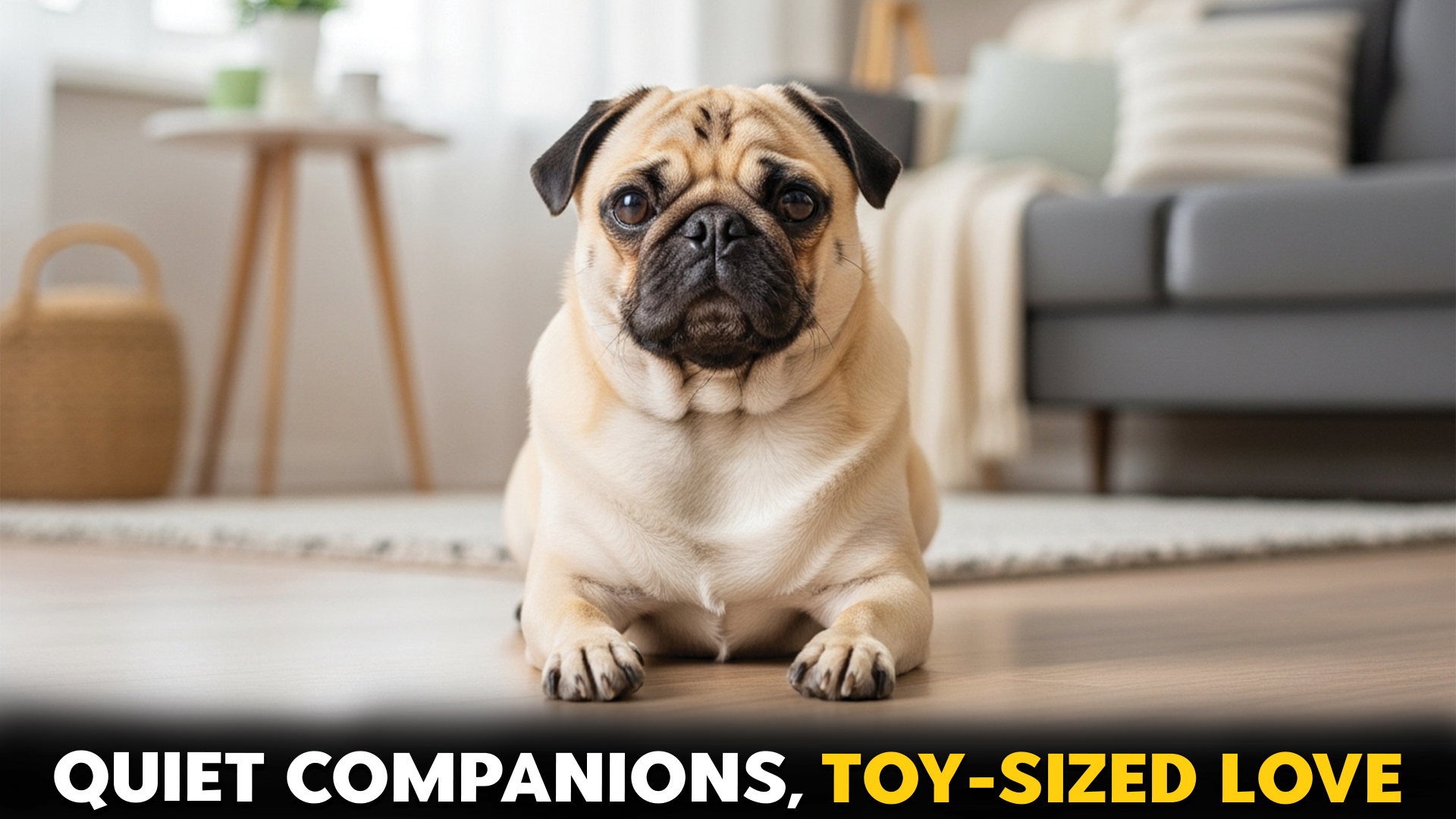
A calm home has its own rhythm. Mornings move gently. Evenings settle without noise. For people who value that quiet balance, choosing the right dog matters more than size or trend.
Toy dogs often seem lively at first glance, but some are naturally suited for peaceful households where barking is minimal and energy stays controlled. These dogs bring companionship without chaos, affection without disruption, and presence without pressure.
For apartments, small families, or anyone craving a calmer atmosphere, the right toy dog can enhance daily life rather than overwhelm it. The comfort they offer comes from consistency, not constant activity. Their appeal lies in how seamlessly they blend into a quiet space.
Ahead, you will explore nine toy dog breeds carefully chosen for calm households, each offering a unique form of low-key companionship that fits peaceful living.
Key Takeaways
Gentle, low-key companions can transform quiet homes into happy, attentive spaces. These toy dogs show exactly how.
Pekingese watch over their surroundings with quiet confidence, while Italian Greyhounds and Pugs blend elegance with playful attentiveness.
Cavalier King Charles Spaniels, Havanese, and Japanese Chin follow their humans with grace, offering companionship without overwhelming energy.
By the end, you’ll see which nine breeds can turn slow days at home into peaceful, joyful experiences.
Top Toy Dog Breeds Ideal For Calm Households
1. Pekingese
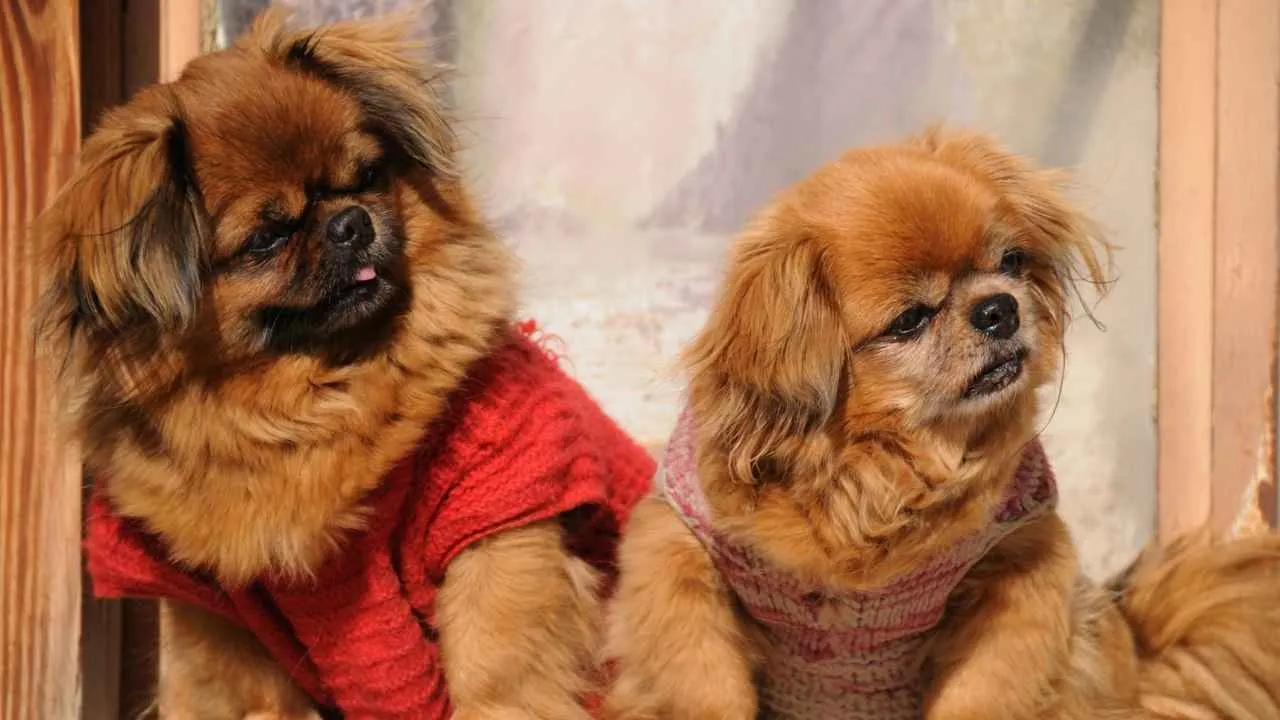
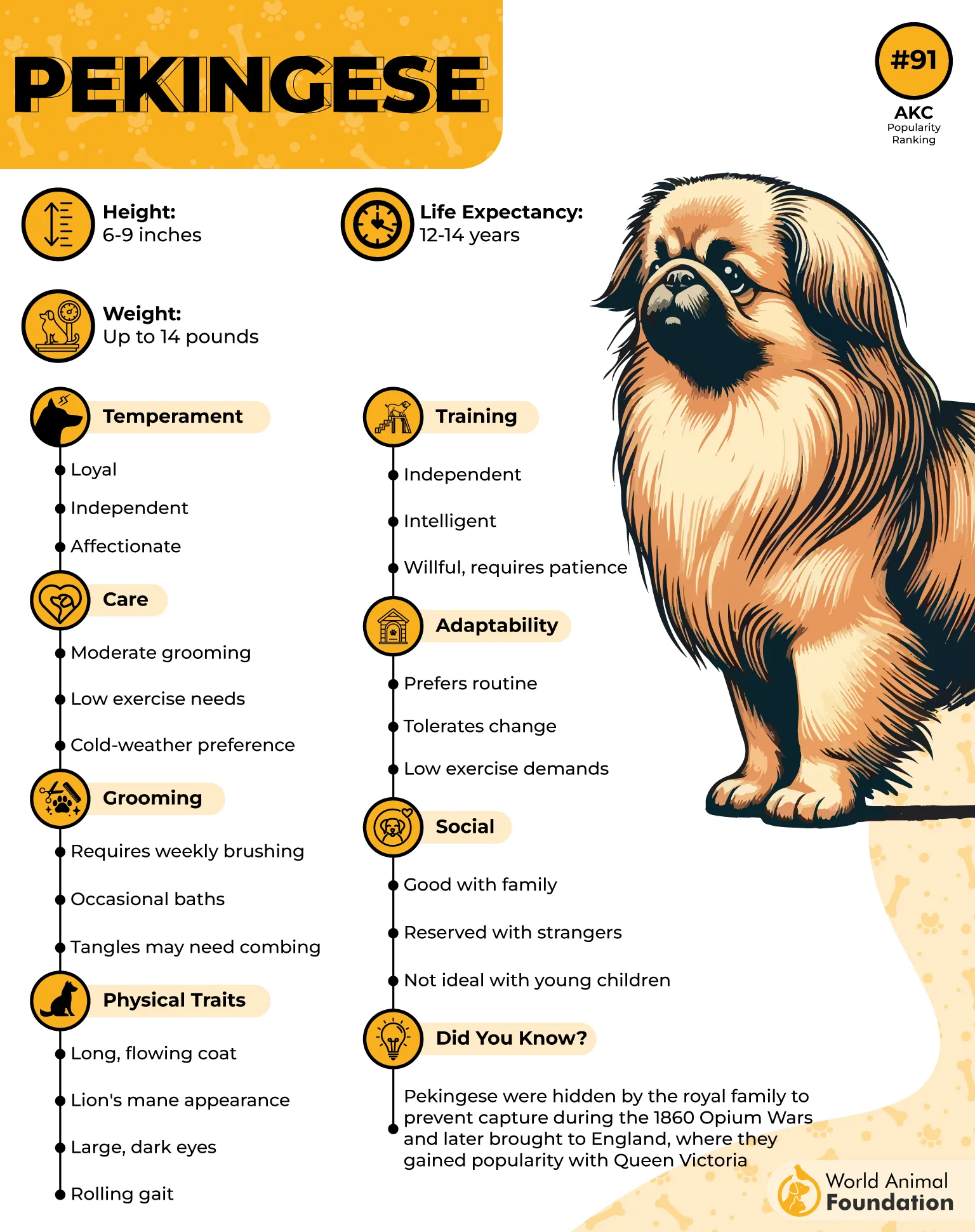
Pekingese dogs are compact toy dogs with a broad, short-muzzled head and a sparkling dark eye that commands attention. Their distinctive rolling gait and thick lion-like mane set them apart from other small breeds. This confident posture translates into calm awareness suitable for quiet homes.
Alertness and Awareness
These small dog breeds remain attentive in familiar surroundings, noting subtle changes in movement and sound around them. That natural alertness makes them surprisingly effective small watchdogs.
Their refined traits include:
Steady observation of household activity
Graceful movement even in tight spaces
Quick recognition of unusual visitor
Loyal and Independent
Pekingese form tight bonds with a favored person while maintaining serene independence, as the AKC stated. Their palace-bred ancestry gives them confidence without constant demand for attention. They balance affection with a measured personal space instinct.
2. Italian Greyhound
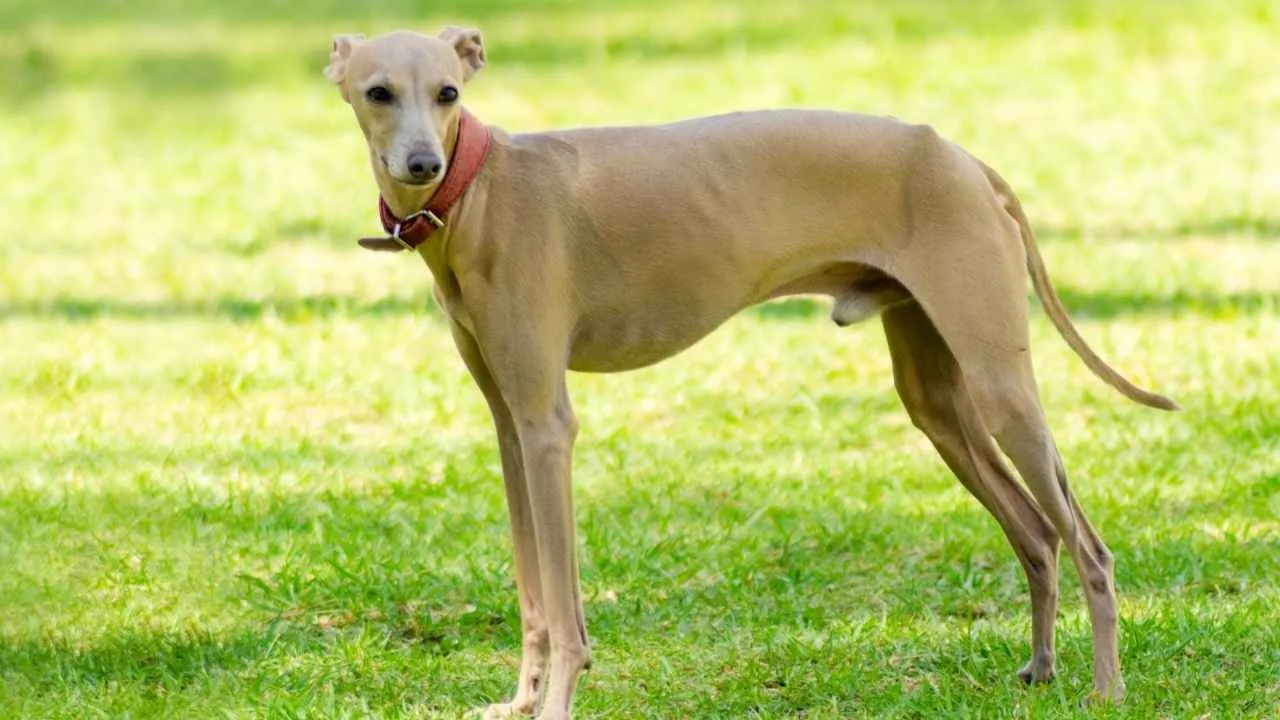
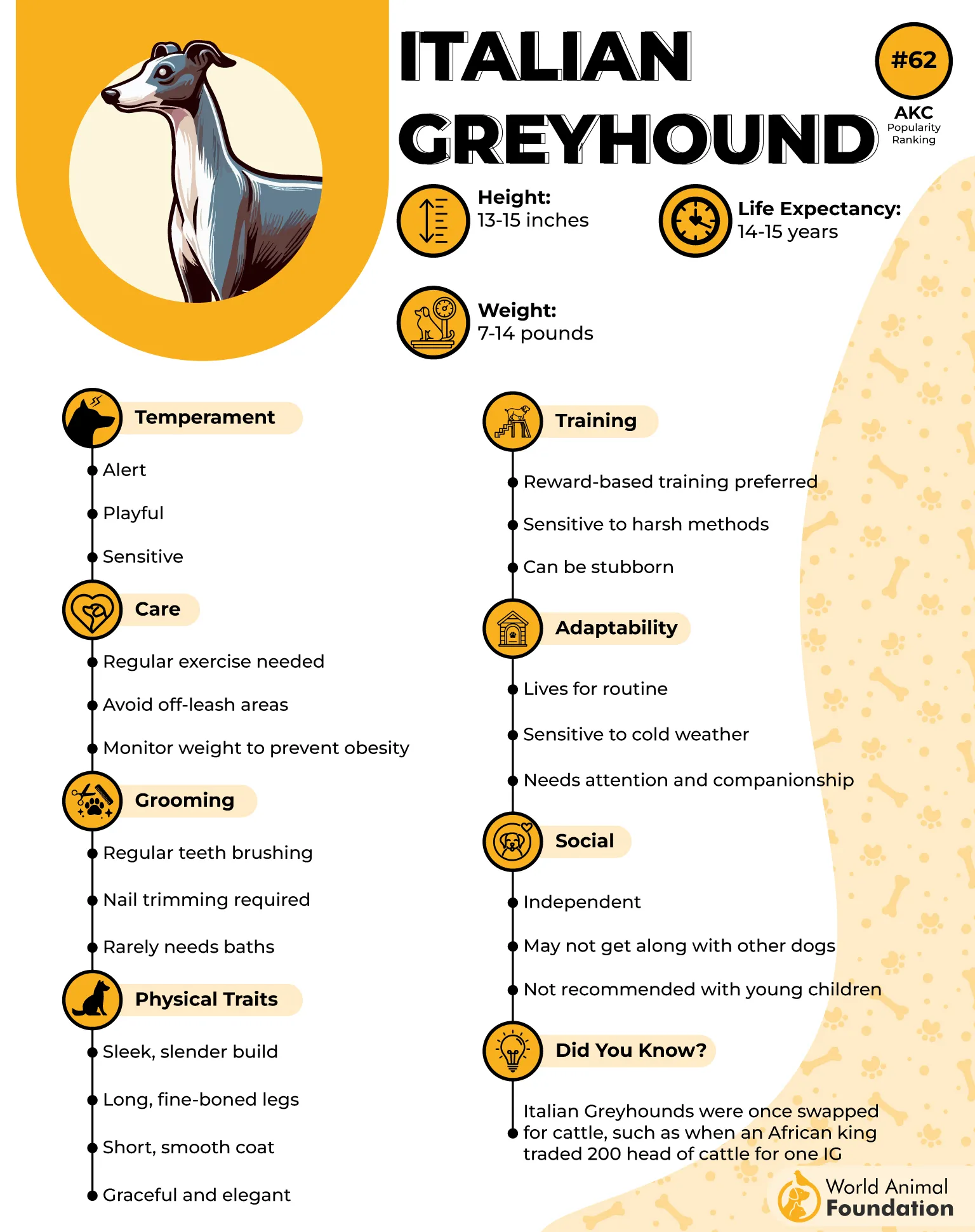
Italian Greyhound is a miniature coursing hound with elegant lines and long, fine-boned legs that define its refined appearance. The breed moves with a light, springy gait, reflecting centuries of selective breeding for speed and agility. Their alert and playful nature blends lapdog attentiveness with instinctive hunting drive.
Keen Instincts
Despite its delicate frame, the Italian Greyhound has a strong prey drive and sharp observation skills around moving objects, as WebMD claims. That attentiveness translates into keen awareness indoors, making them responsive to small changes in their surroundings.
Qualities that highlight this focus include:
Quick detection of sudden movement
Rapid response to environmental changes
Sharp attention to sounds and activity
Close Companionship
The breed forms tight bonds and often seeks proximity to its person, favoring laps or beds for comfort. This closeness enhances their ability to notice subtle shifts in routine and environment. Their affectionate behavior is paired with high energy that can make brief bursts of playfulness unpredictable.
3. Pug
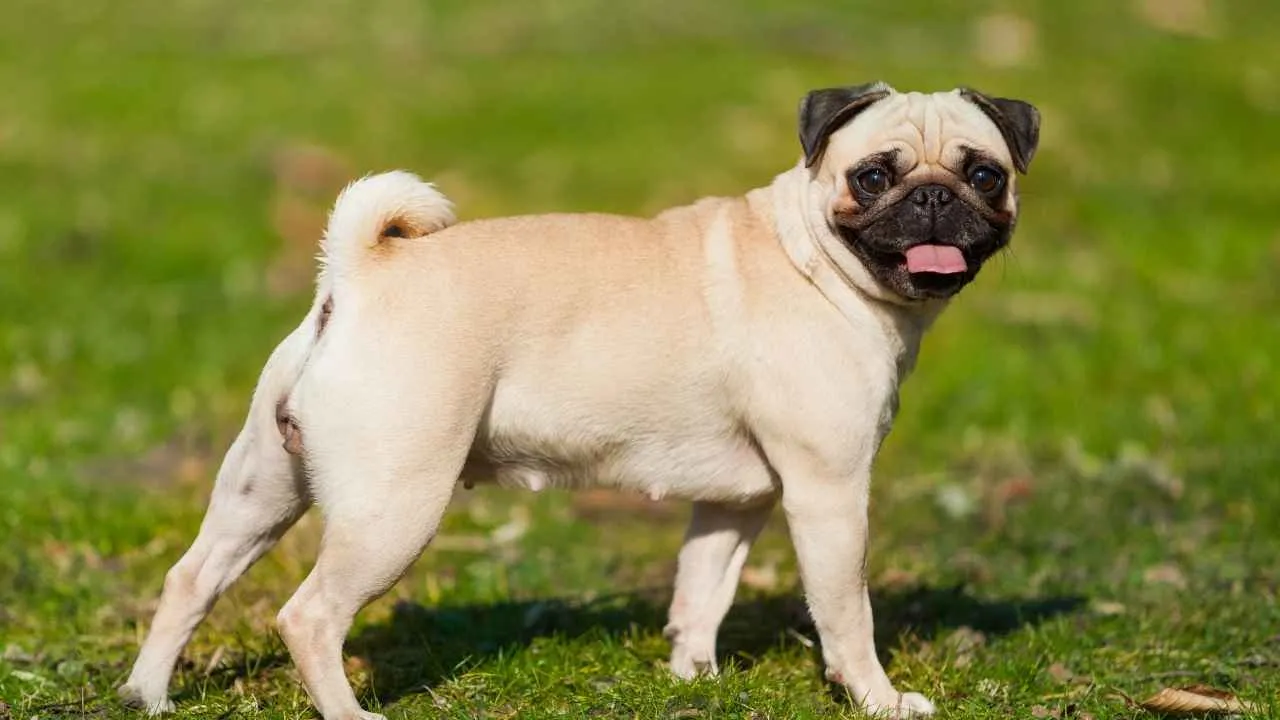
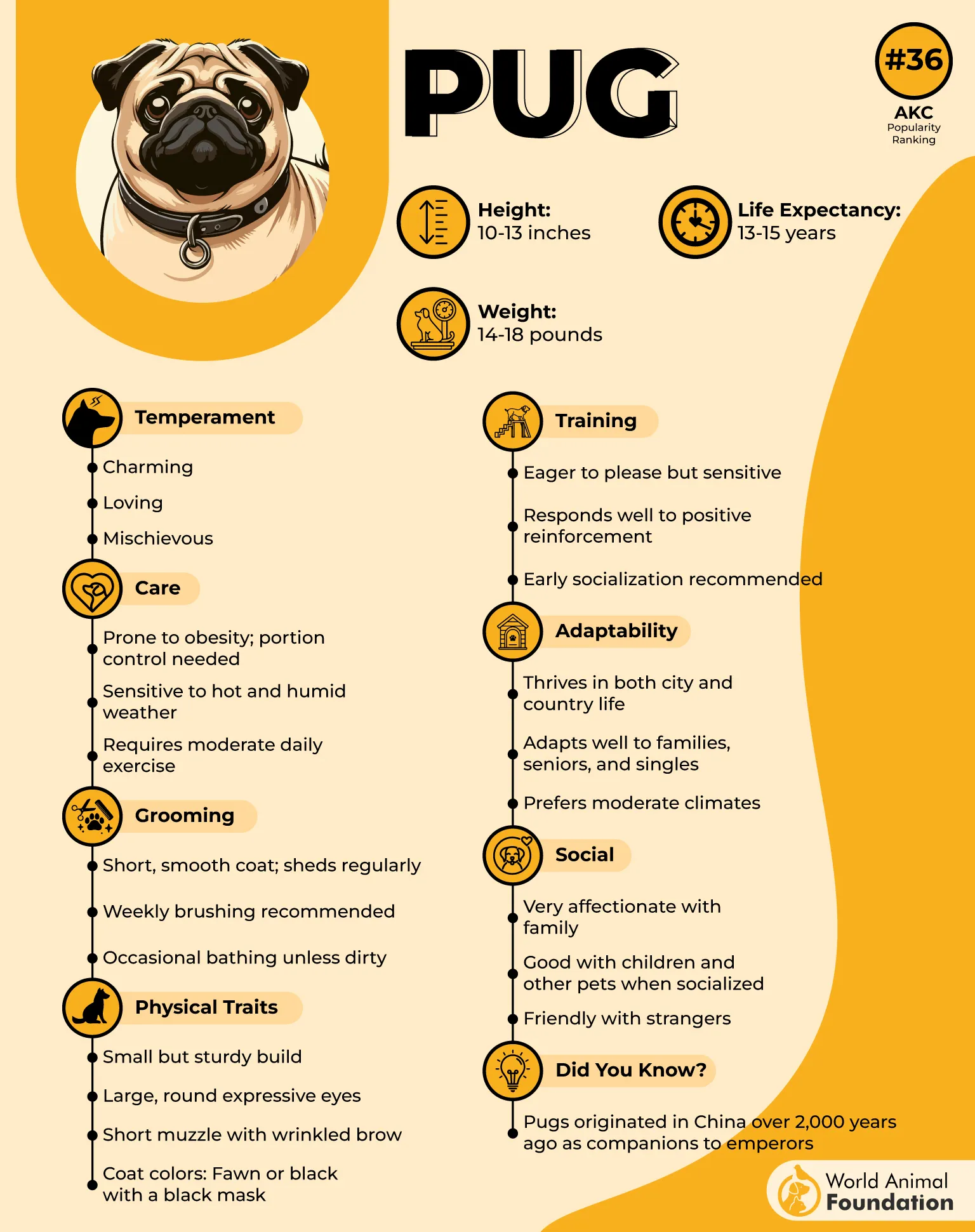
The Pug has roots as a companion for Chinese emperors and later became the mascot of Holland’s royal House of Orange. This small but muscular dog carries centuries of refined companionship, offering expressive gestures that make interactions lively and engaging.
Expressions and Temperament
Known for its large, sparkling eyes and wrinkled brow, the Pug conveys a wide range of emotions that seem almost human. These signals help the dog communicate needs and mood without excessive noise.
This expressive nature highlights several practical qualities:
Keen observation of household activity
Quick adaptation to family schedules
Gentle interaction with children or other pets
Adaptable and Cheerful
This little dog thrives in moderate climates and adjusts to city or country life with ease, as Pawlicy Advisor notes. They appreciate structured feeding and care, which keeps their energy and weight balanced. With these habits, Pugs maintain their cheerful personality while blending seamlessly into calm households.
4. Japanese Chin
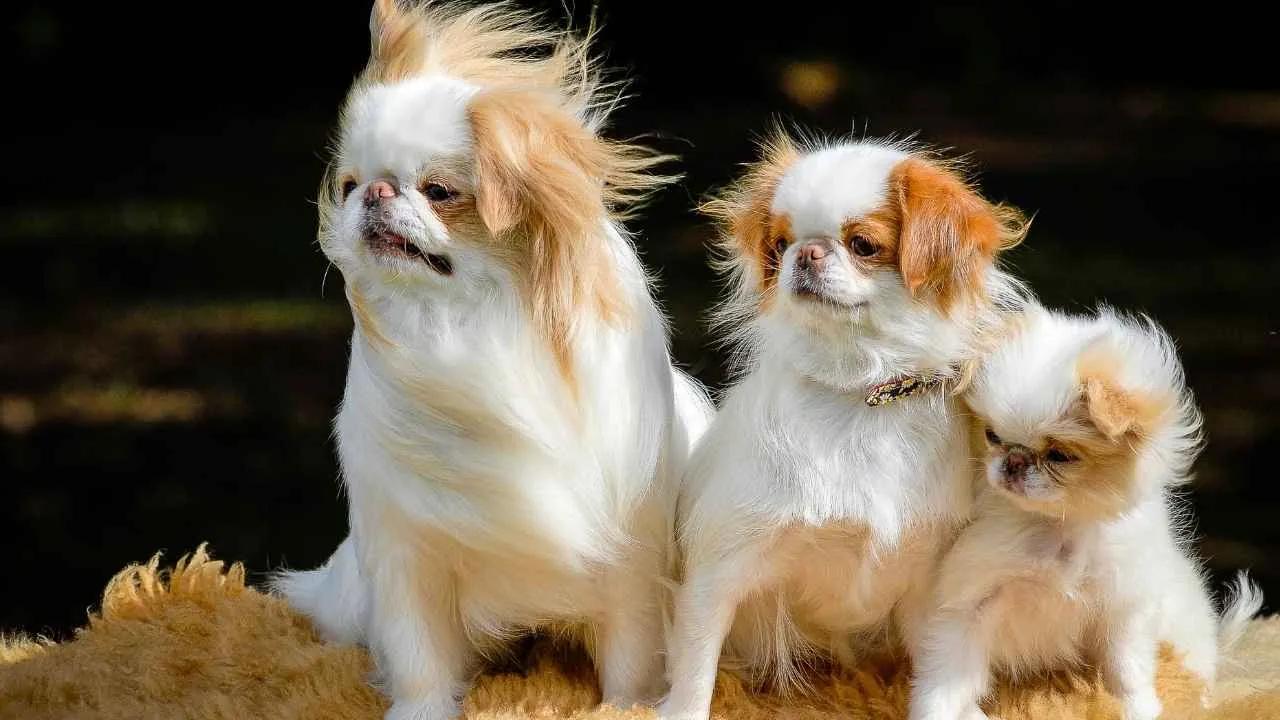
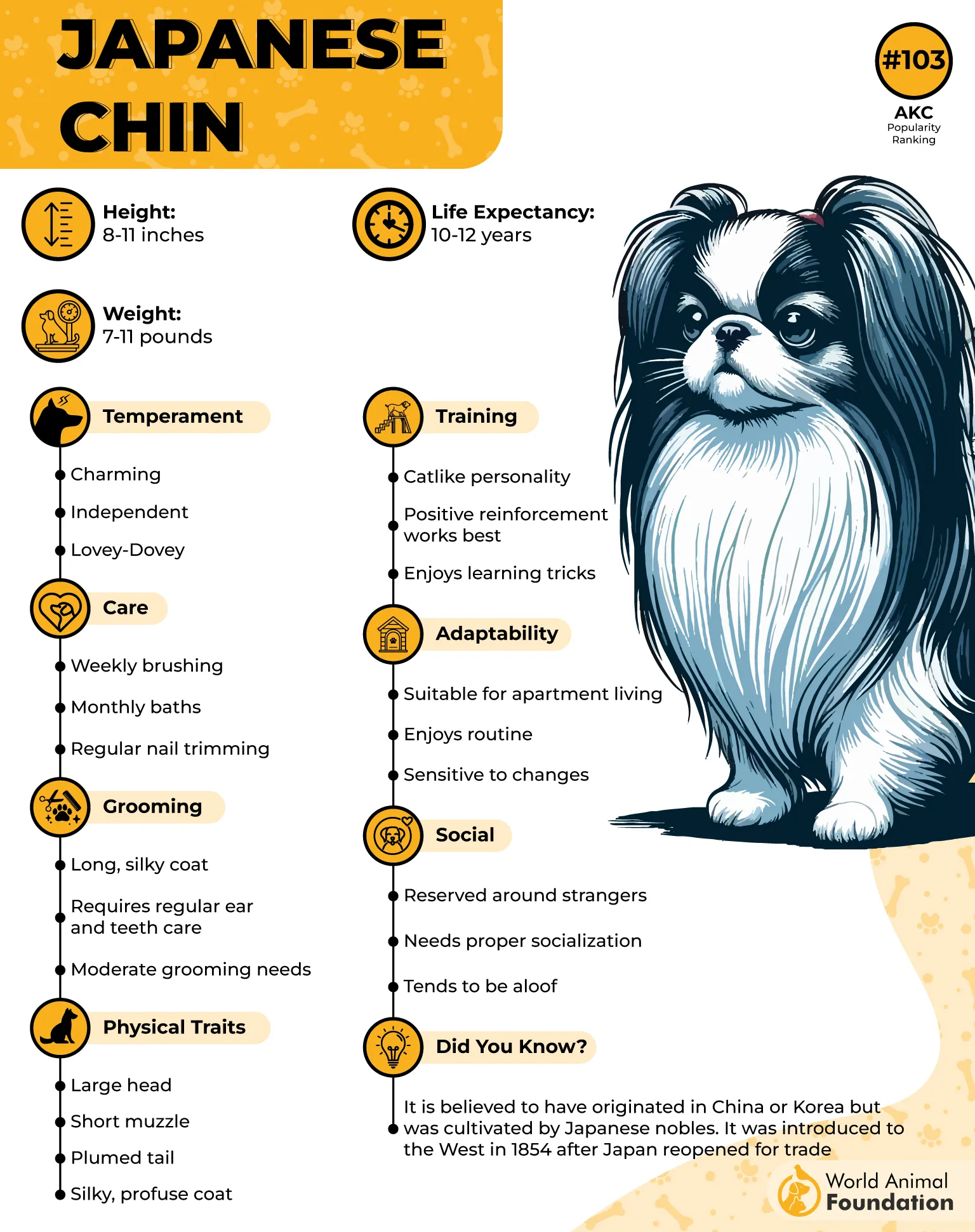
Japanese Chin is a refined toy breed with a silky, abundant coat and unmistakably noble posture. Its large, round eyes convey an almost astonished expression, enhancing a delicate, elegant appearance. This breed moves gracefully indoors, offering quiet companionship without demanding attention.
Observant and Responsive
Chins are alert to subtle household changes and respond with keen awareness rather than noise or fuss. Their attentive nature supports a calm environment ideal for serene households.
These few traits reflect that precision:
Quick adaptation to indoor routines
Awareness of small changes in movement
Graceful, measured reactions to stimuli
Compact Bonding Style
Japanese Chin tends to form a close bond with its person, often choosing to stay nearby during daily activities. That connection allows them to sense moods and adjust behavior appropriately. Their petite size and composed demeanor make them gentle, low-stress companions for quiet homes.
5. Shih Tzu
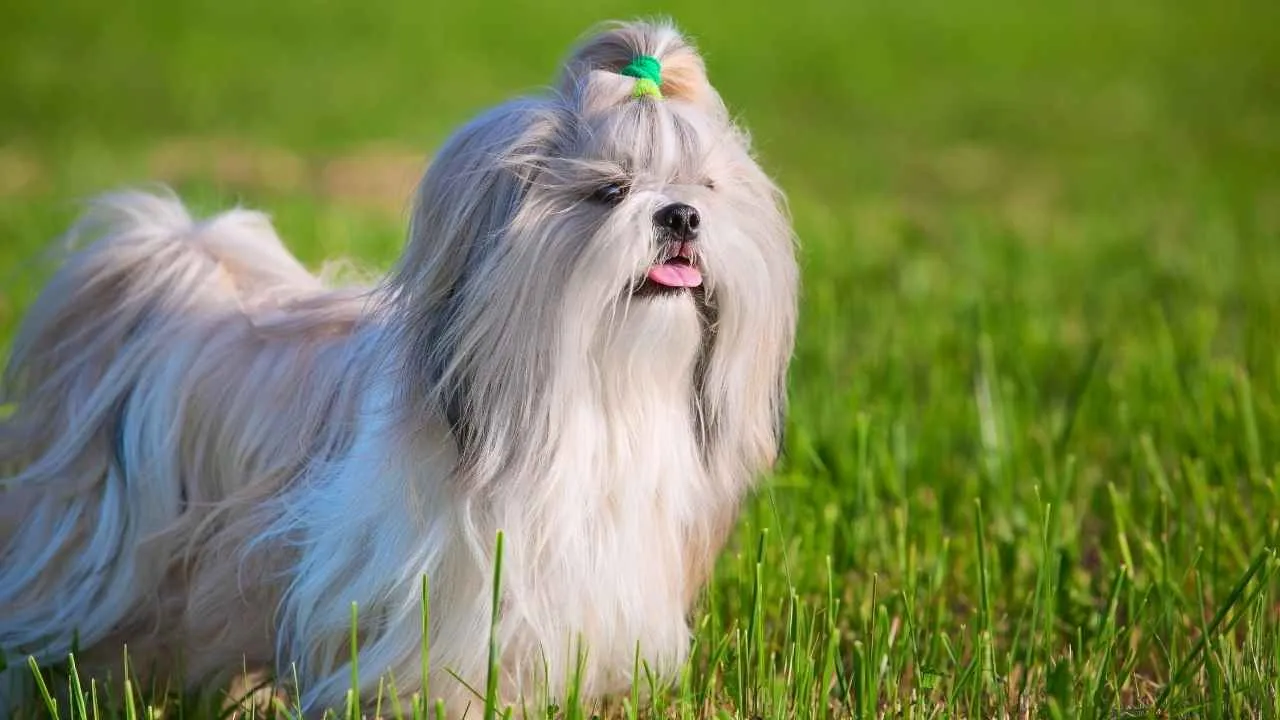
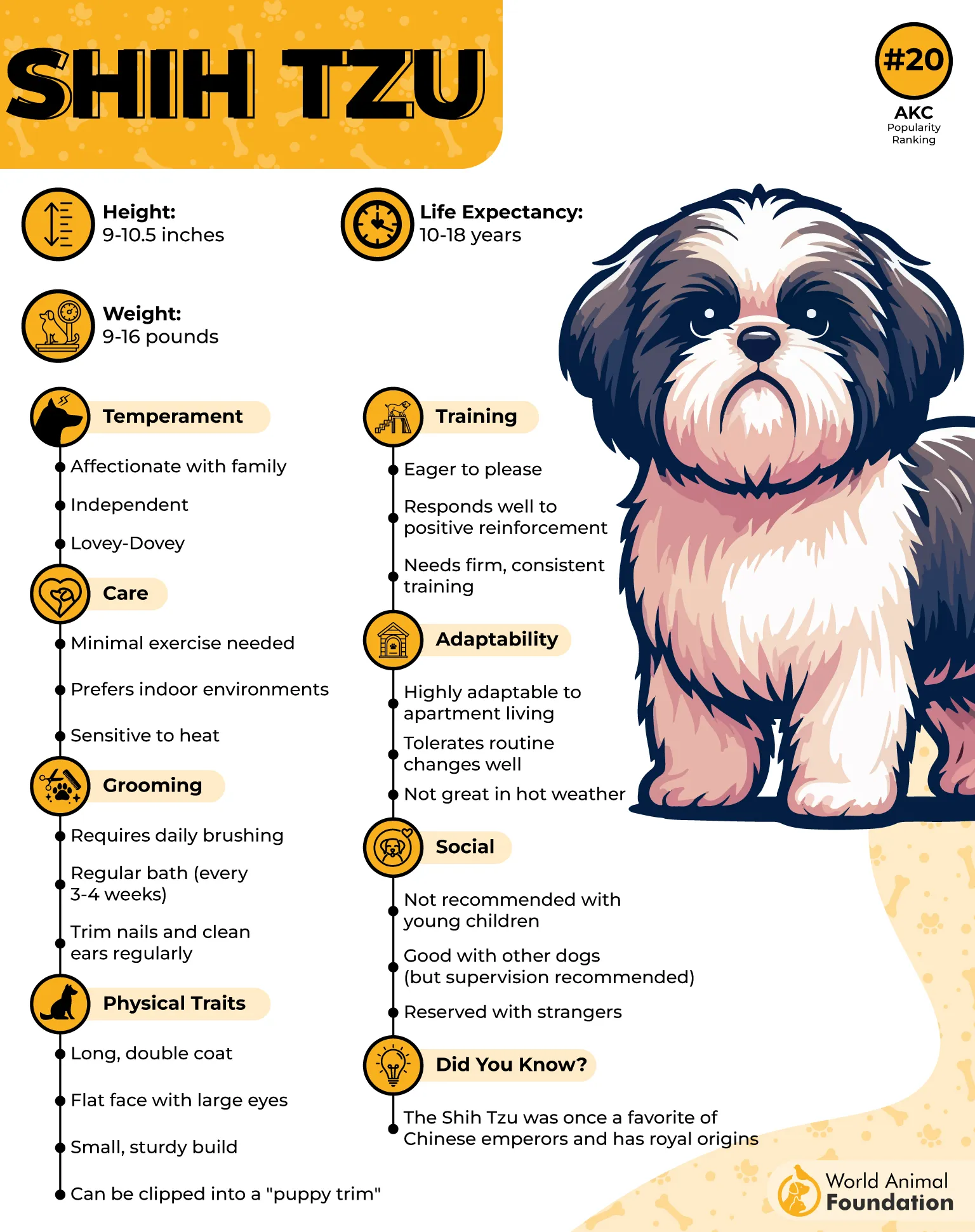
The Shih Tzu is a centuries-old companion bred to live among royalty, known for its confident posture and expressive dark eyes. Its playful curiosity often keeps a lively energy around the home, making it a cheerful presence in smaller living spaces.
Gentle Engagement
These small dogs adapt well to indoor life, showing affection and alertness without demanding constant activity. Their personality traits make them ideal for environments where relaxation and companionship are valued.
These characteristics highlight their charm:
Maintains focus on their person without fuss
Reads social cues and adjusts behavior naturally
Enjoys quiet interaction and light play
Adaptable Companion
This tiny dog responds well to structured routines and enjoys being included in daily household rhythms. Their calm temperament allows them to blend with children or other dogs, providing gentle company. The breed’s compact size and confident attitude make it a subtle but engaging presence.
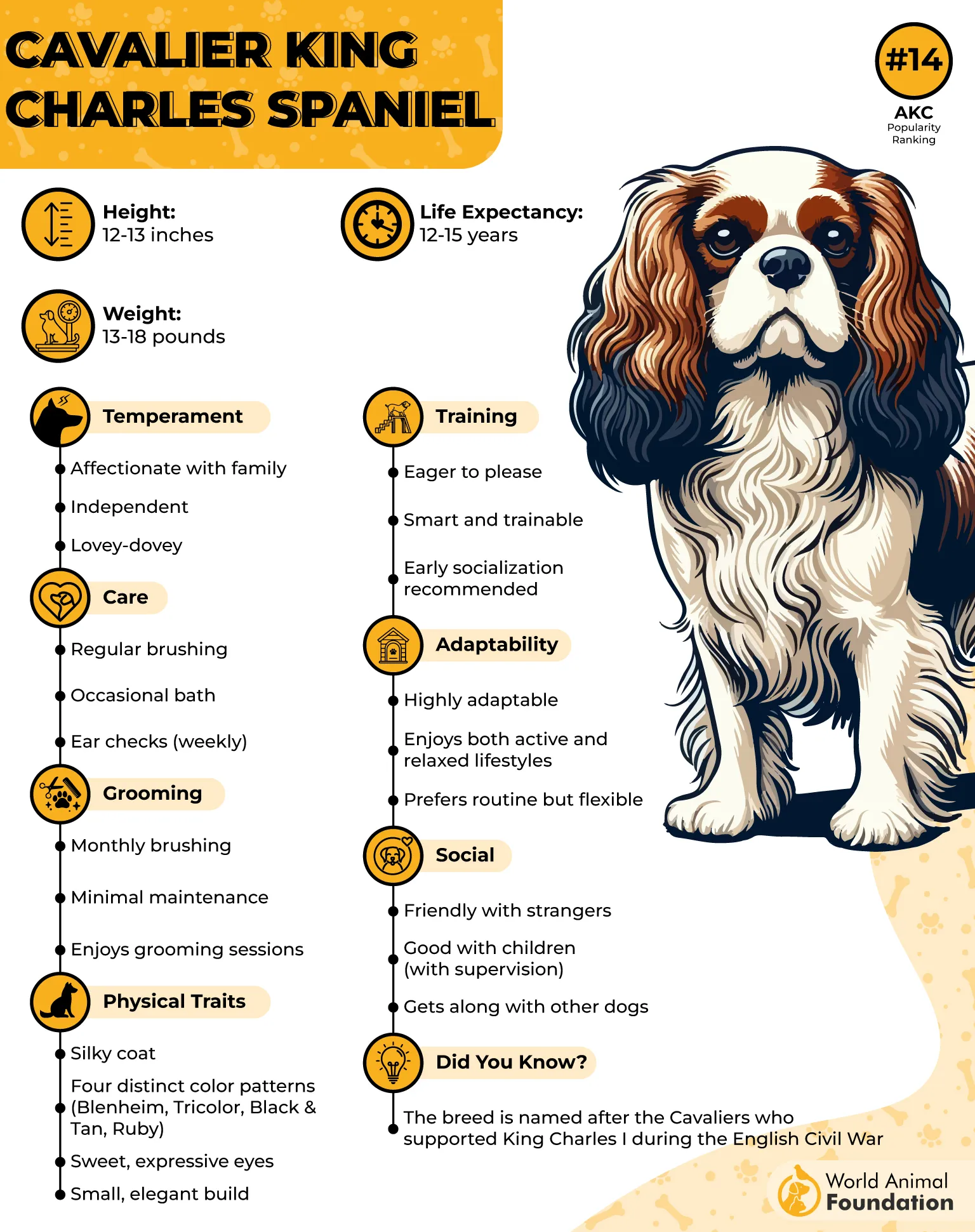
6. Cavalier King Charles Spaniel
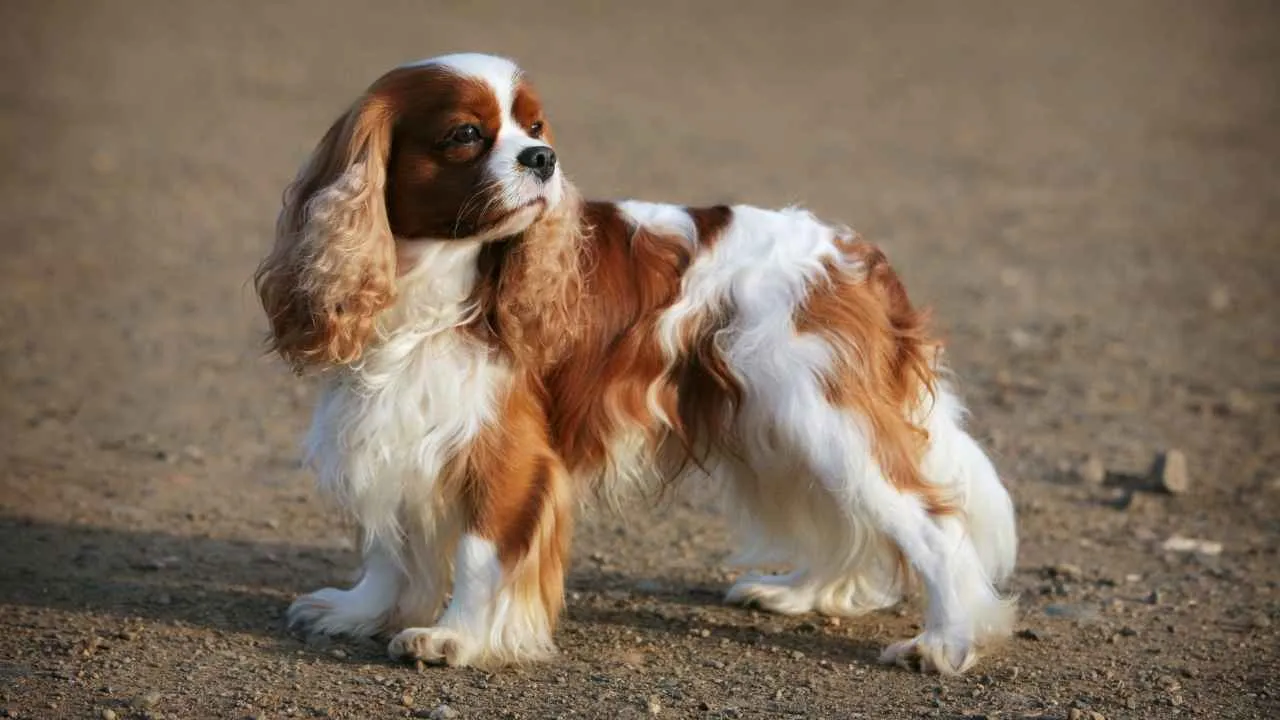
Cavalier King Charles Spaniel traces its identity to British royal courts, where refinement and companionship shaped the breed. That heritage shows in its composed manners and ease in shared indoor spaces. Calm environments tend to suit this breed’s natural rhythm and expectations.
Adaptable Temperament
Cavalier King Charles Spaniel blends the attentiveness of a toy dog with the lively instincts of a sporting spaniel. This balance allows the breed to adjust smoothly to quieter homes without becoming withdrawn.
It often appears through traits like:
Steady indoor behavior
Gentle social responses
Comfort with predictable routines
Lifestyle Flexibility
Cavalier King Charles Spaniel can shift between relaxed indoor time and short bursts of activity without frustration. Backyard play or brief outdoor exploration usually satisfies its sporting background. This flexibility supports households that value peace without complete inactivity.
7. Havanese
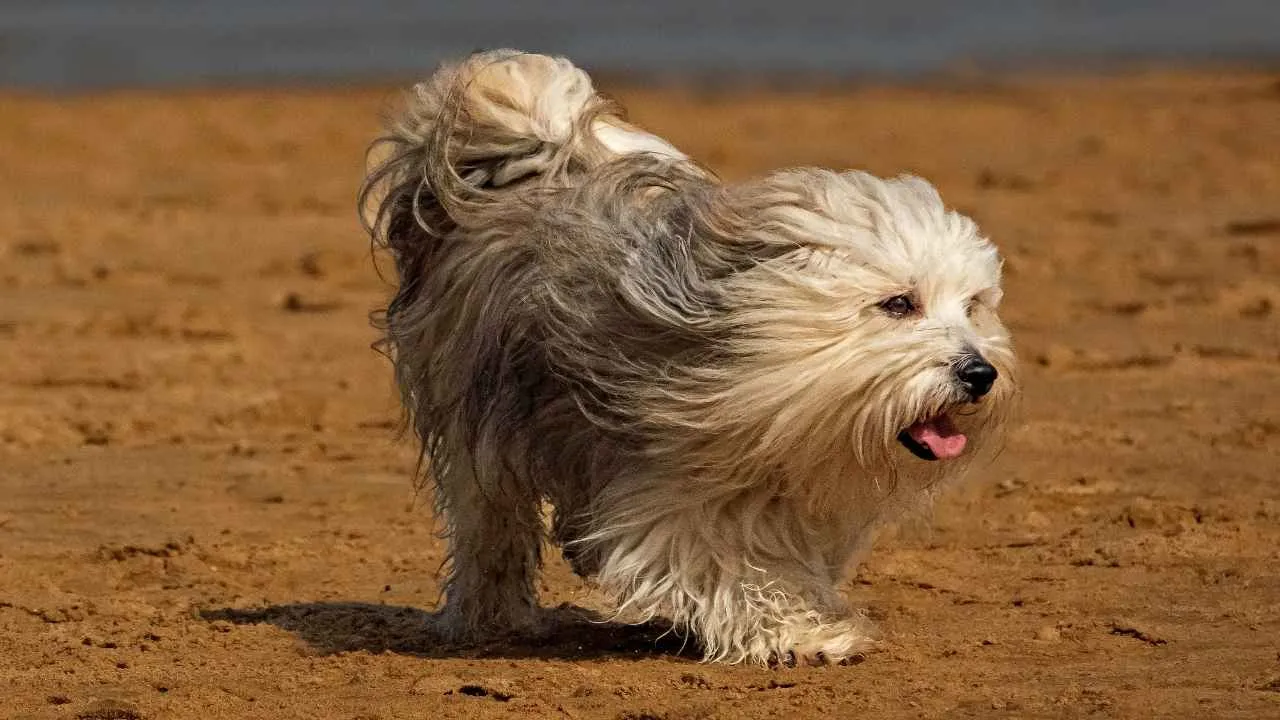
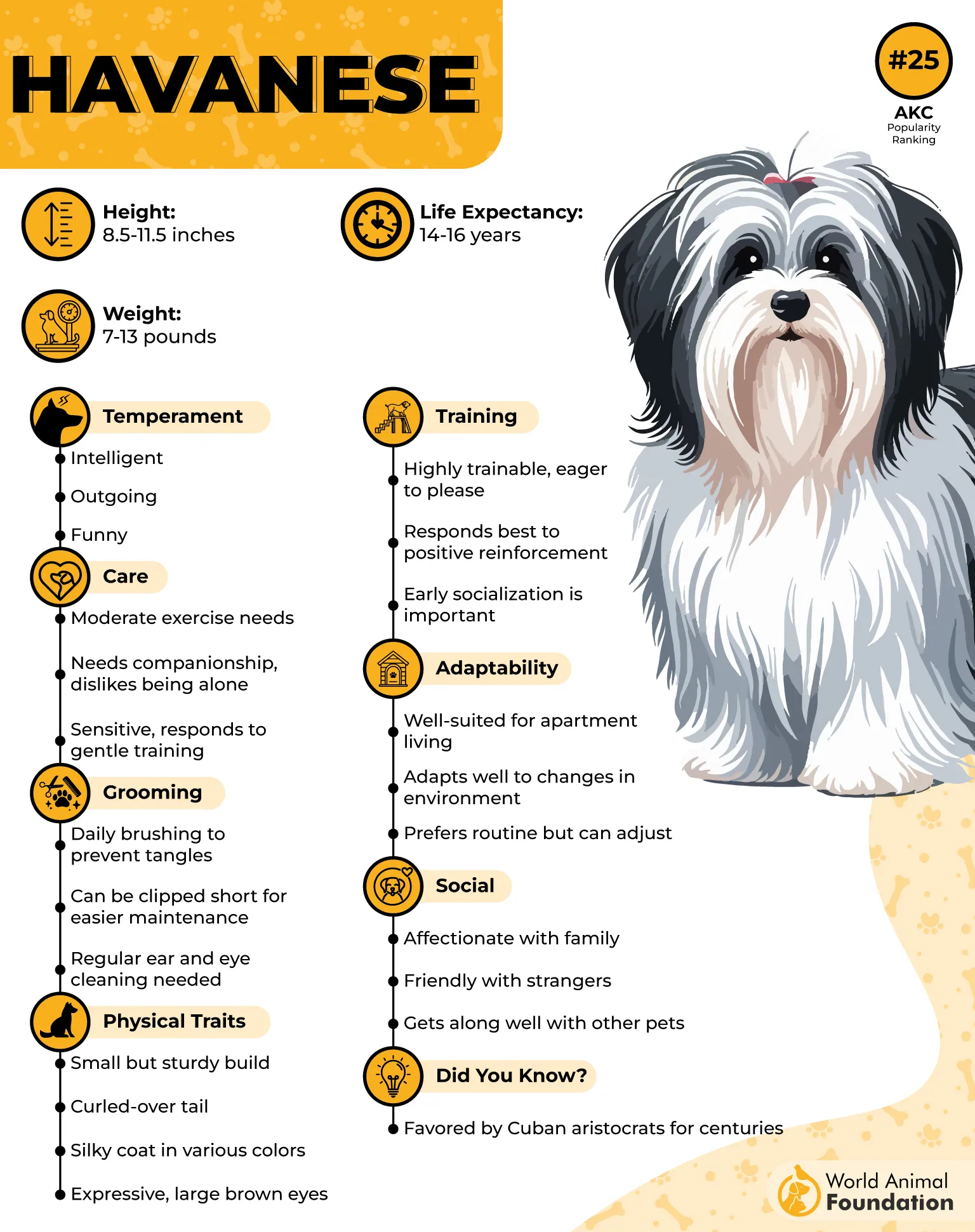
The Havanese was developed in Cuba as a companion breed known for lively movement and expressive eyes. That cheerful alertness often shows up as awareness of household activity rather than restless energy. In quiet homes, this balance supports steady routines without disrupting calm spaces.
Social Awareness Indoors
Havanese dogs are naturally sociable and attentive, traits that help them settle smoothly into apartment living. Their adaptable behavior allows them to stay engaged without becoming overwhelming in close quarters.
A few habits reinforce that calm reliability:
Quick response to familiar sounds
Focused attention on people nearby
Measured vocal reactions
Built for Close Living
Havanese have small but sturdy bodies that handle indoor movement with ease and control. Their trainable nature and playful intelligence make them natural trick learners without constant prompting. This mix places them comfortably among the best small dog breeds for relaxed households.
8. English Toy Spaniel
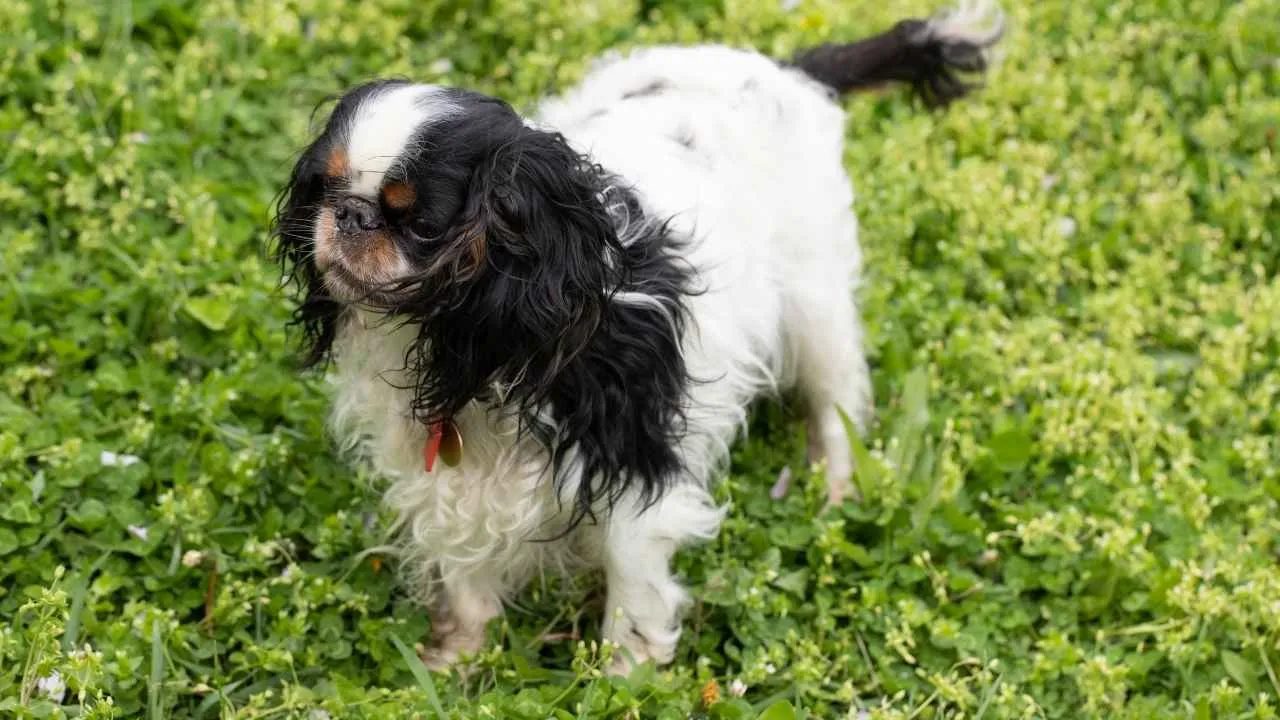
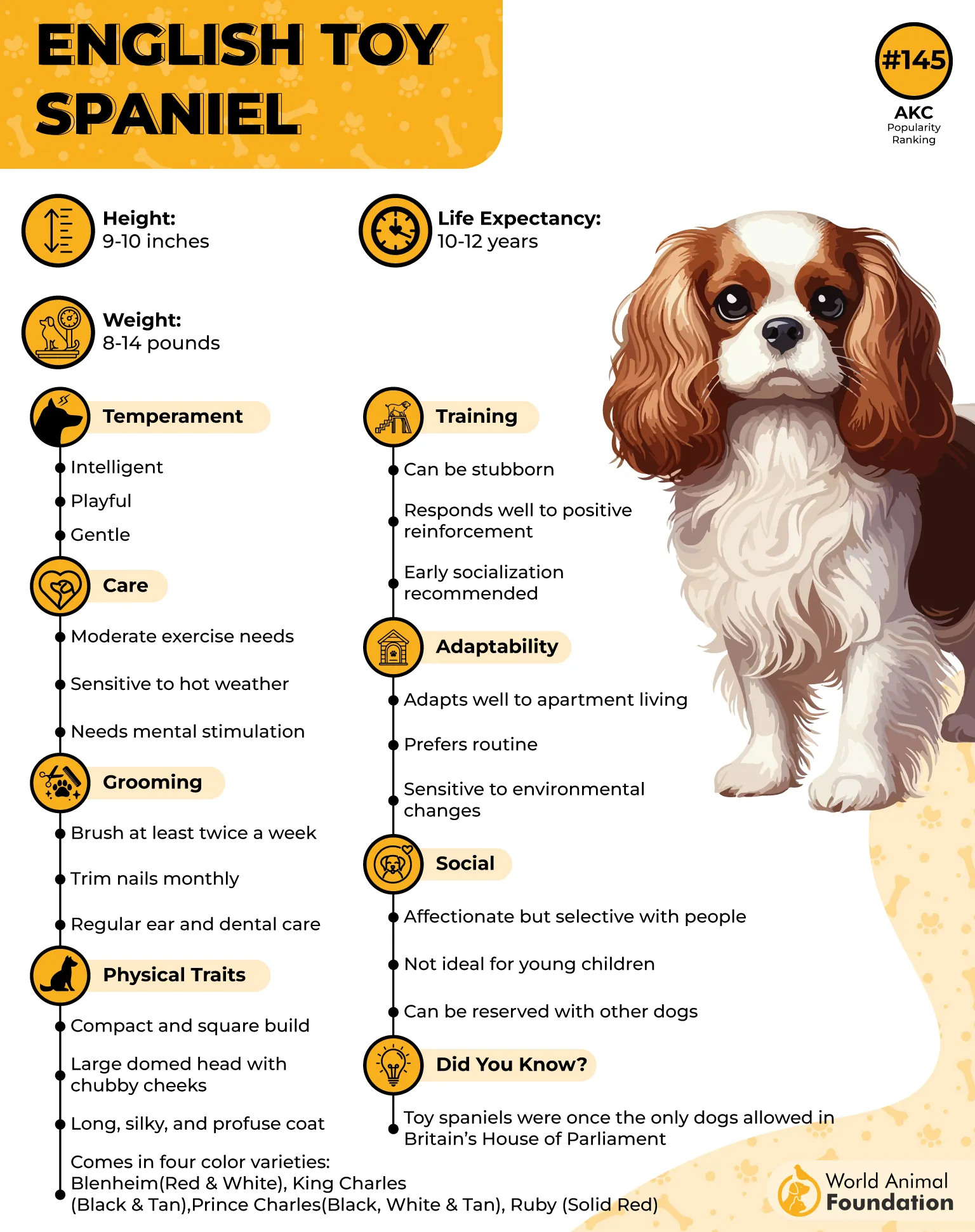
The English Toy Spaniel was shaped as a royal companion, bred to live closely with nobility rather than serve utilitarian roles. That history influenced a dog comfortable with quiet interiors and predictable routines. Such refinement suits households where calm and structure matter more than constant activity.
Selective Social Nature
English Toy Spaniel often shows a discerning approach to social interaction, choosing familiarity over novelty. This preference supports stable household rhythms and controlled social energy indoors.
That behavior tends to show up in subtle, everyday ways:
Strong preference for familiar people
Measured reactions to new visitors
Consistent attachment to known spaces
Temperament at Home
The English Toy Spaniel carries a sweet nature that reflects centuries of close living with humans. Affection stays focused on chosen people, creating loyal companions rather than broadly social pets. This bond supports steady human companionship without demanding attention.
9. Pomeranian
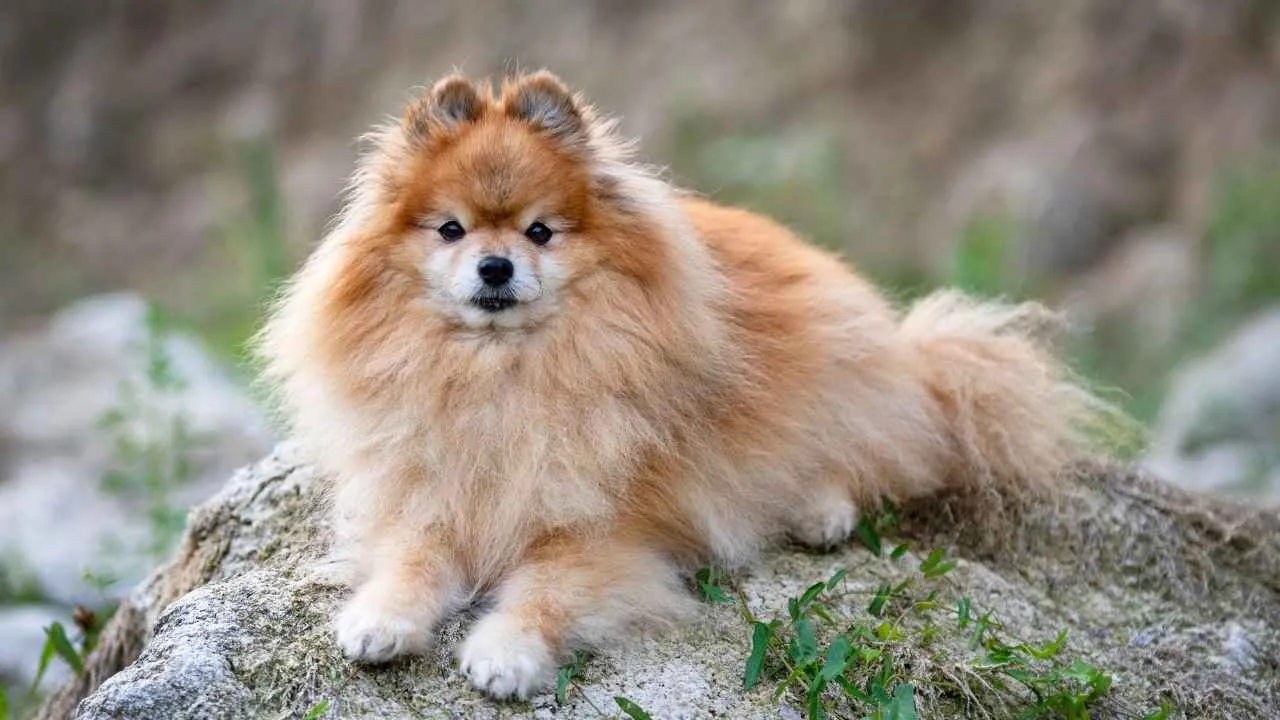
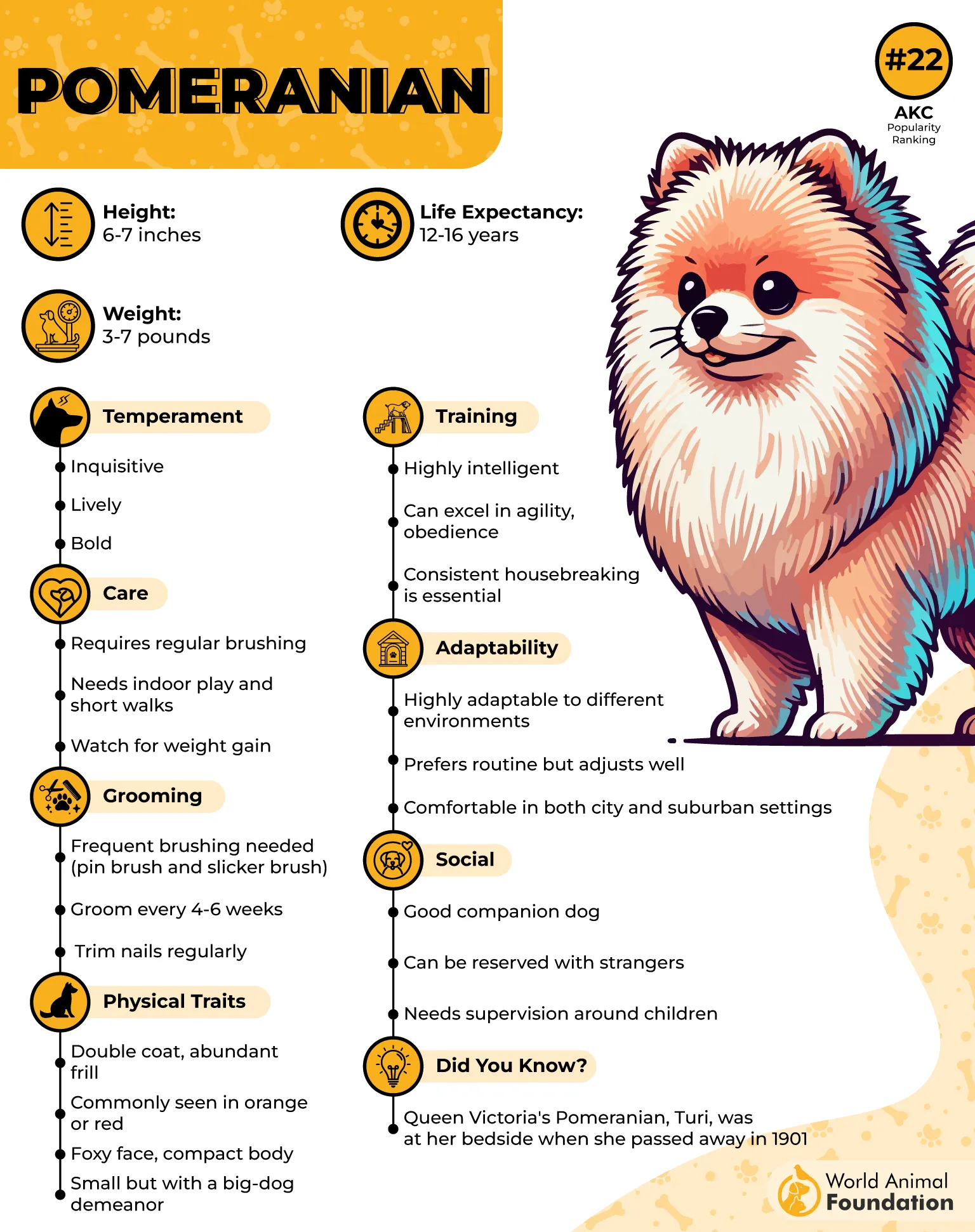
Pomeranians are little dogs with a commanding presence that belies their size. Their abundant double coat fluffs over the chest and shoulders, creating a frilled silhouette. Alert and lively, they engage actively with their environment while maintaining controlled awareness.
Intelligence and Alertness
This breed learns quickly, picking up tricks, games, and routines with ease. Their sharp observation skills make them attentive companions indoors.
Here’s what makes them particularly responsive:
Quick recognition of familiar routines
Sharp reaction to unusual sounds
Maintains focus on their person
Playful Companionship
Pomeranians balance spirited energy with an affectionate nature, offering constant interaction and joy. They enjoy indoor play and short walks, adjusting comfortably to small spaces. This blend of activity and devotion creates a dependable connection with their human.
Conclusion
Calm households thrive on balance, and these toy companions show how small dogs can support peaceful routines. Each breed brings a quiet presence shaped by attentiveness rather than noise, making them a natural fit for relaxed living.
While they belong to the toy group, they are not fragile in spirit and enjoy mental stimulation through simple games and shared time. Unlike high-energy dogs, their playful energy appears in short, manageable moments.
Many are popular breeds for good reason, offering steady companionship, gentle awareness, and a comforting rhythm that blends naturally into slower days at home.
