




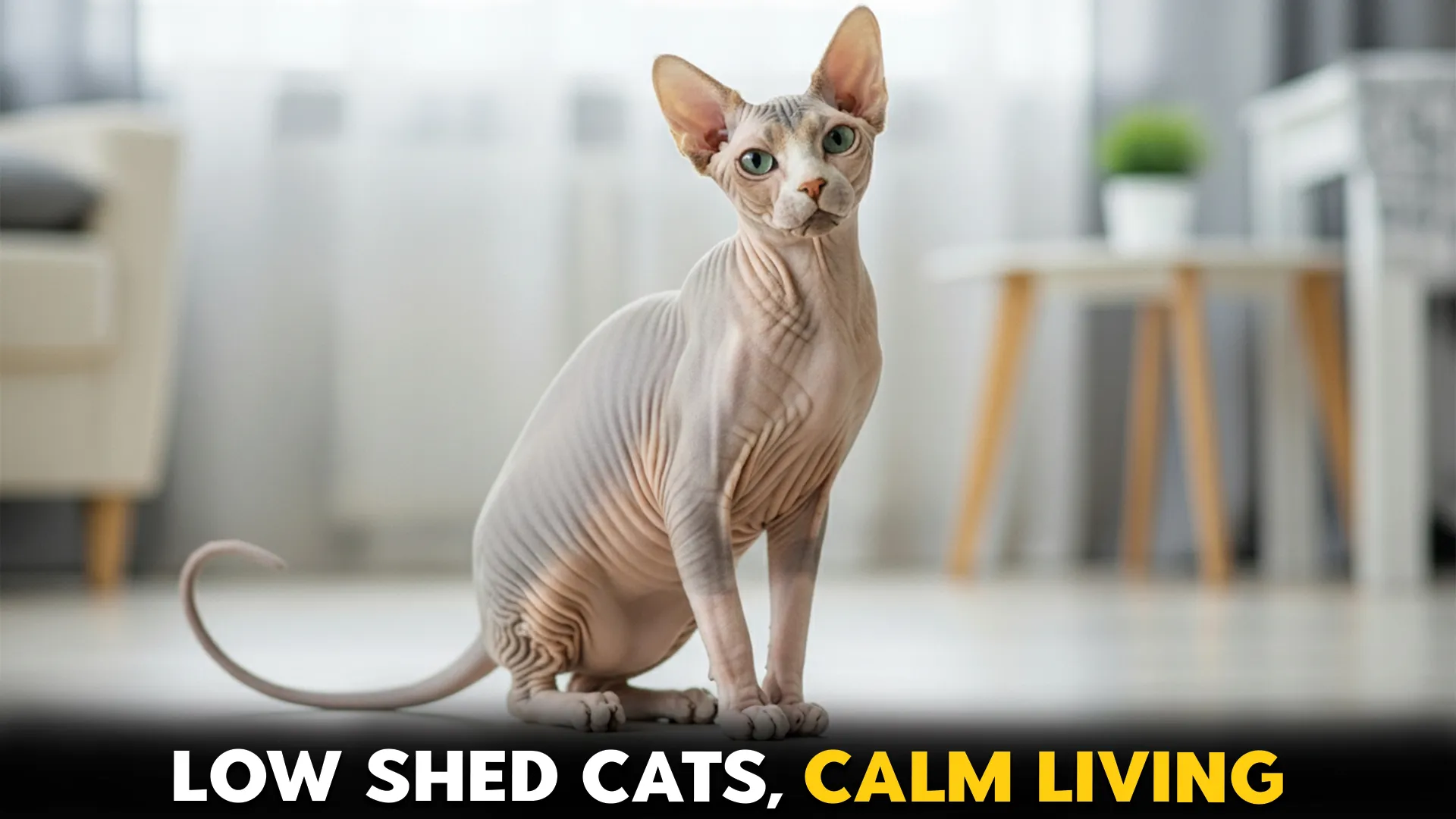
Springtime often highlights just how much fur our feline companions can leave behind—but not all cats shed the same way. When people talk about “low-shedding” cats, they’re usually referring to breeds with coat structures or hair cycles that release less loose fur into the home.
For cat lovers who value cleaner furniture, fewer hairballs, and easier upkeep, understanding what low-shedding really means can make a big difference when choosing the right companion.
Shedding levels are influenced by genetics, coat type, and even how much natural oil a cat’s skin produces. Some breeds have fine, short coats that don’t trap loose hair, while others shed less because their fur grows differently or lacks a dense undercoat. These traits don’t mean zero grooming—but they often result in noticeably less fur floating around your living space.
Beyond tidiness, low-shedding cats offer practical benefits for allergy-sensitive households and busy lifestyles. Less shedding can mean fewer allergens, simpler grooming routines, and a more comfortable day-to-day experience—allowing you to enjoy your cat’s personality without constantly chasing tumbleweeds of fur.
Cat breeds known for low-shedding coats
1. Sphynx
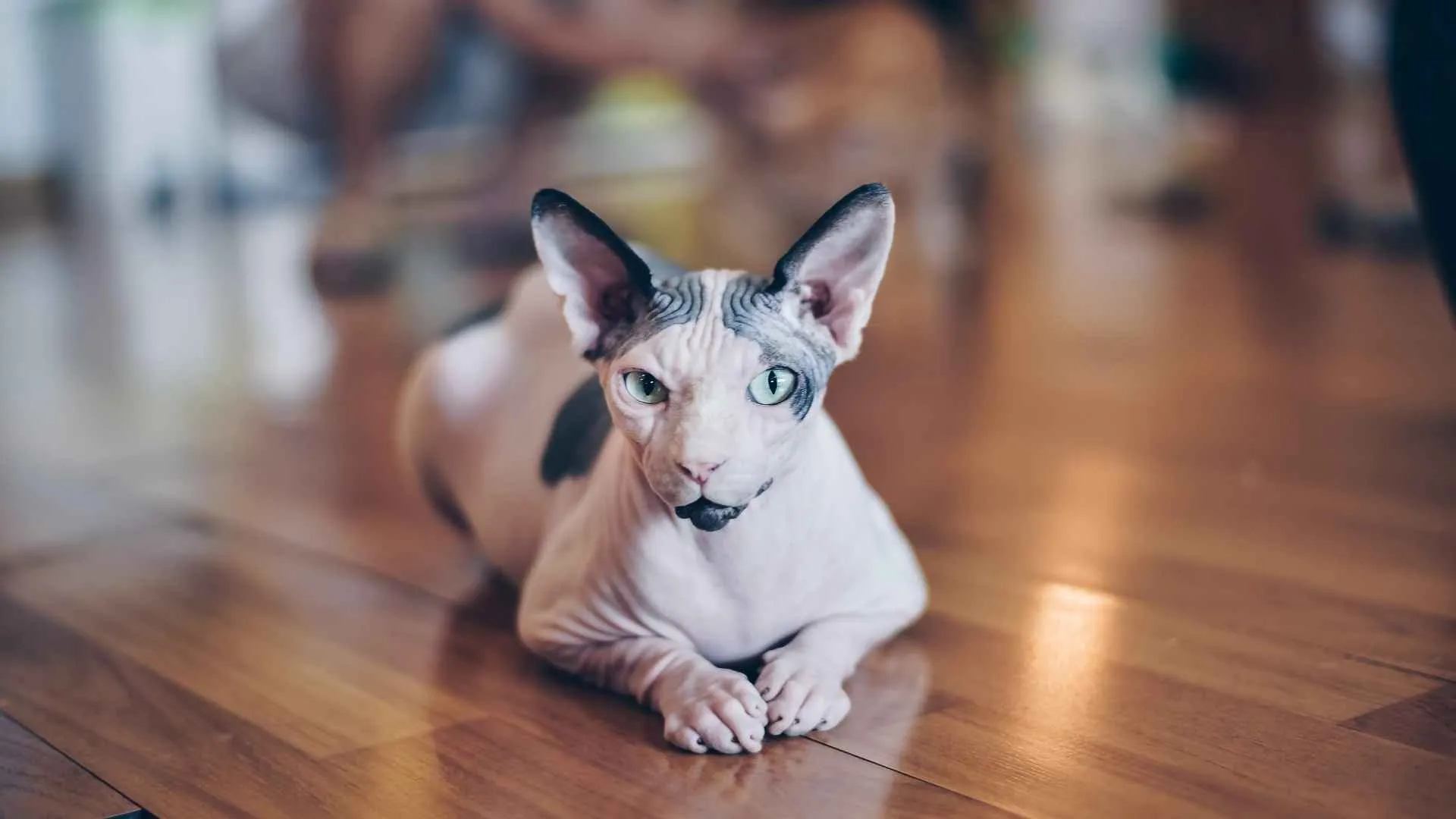
The Sphynx, sometimes called the Canadian Hairless, is instantly recognizable for its nearly fur-free body and wrinkled skin. Medium-sized and muscular, this breed is known for its bold, attention-loving personality.
According to Britannica, the Sphynx is a hairless domestic cat breed that originated from two spontaneous genetic mutations in short-haired cats.
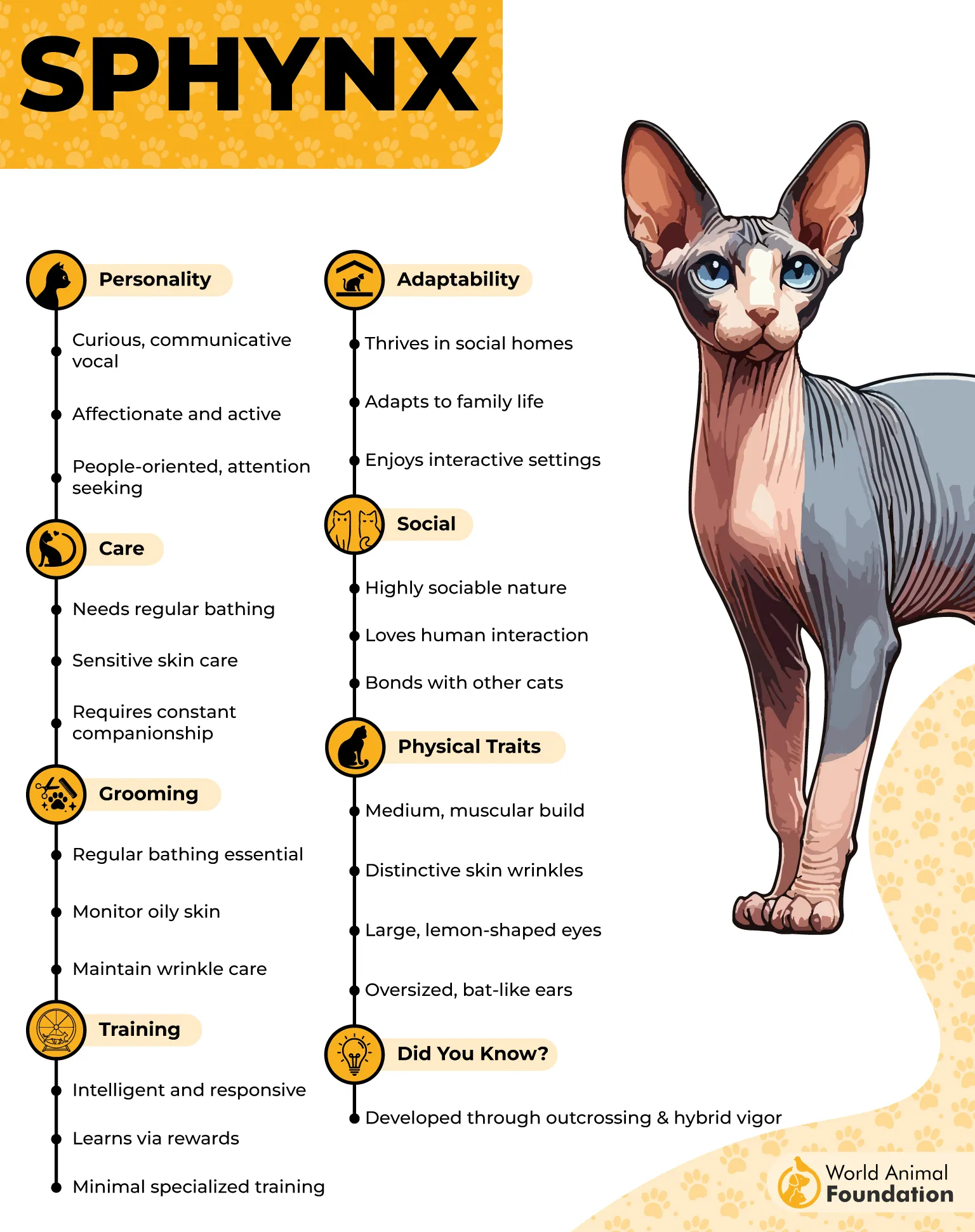
When it comes to shedding, the Sphynx is hard to beat. With only a fine layer of peach-fuzz rather than a full coat, loose hair around the home is minimal to nonexistent, making them a standout choice for those seeking low-shedding cats.
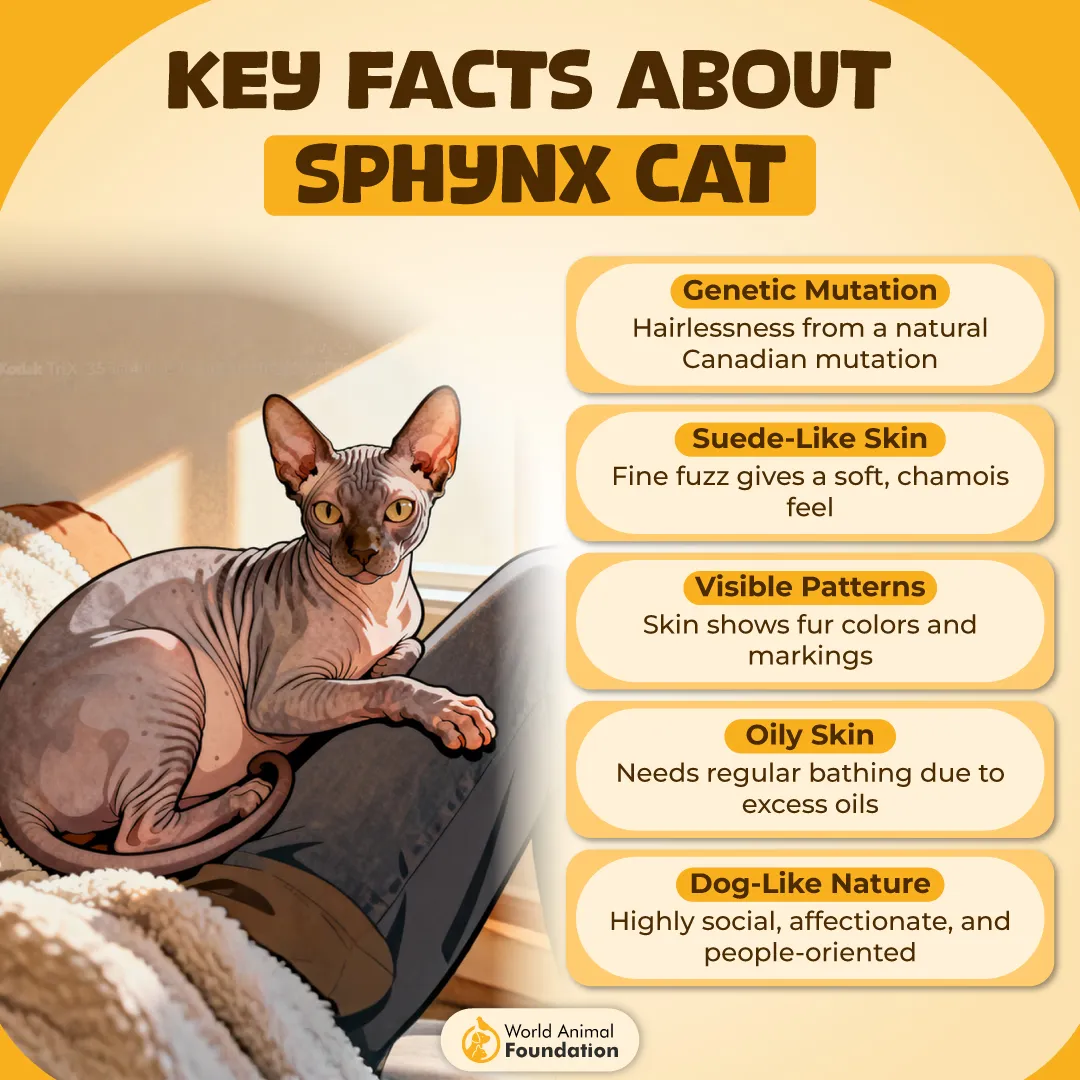
That said, low shedding doesn’t mean no care. Because their skin lacks fur to absorb natural oils, Sphynx cats need regular bathing to prevent buildup, which helps keep skin healthy while maintaining a clean living space.
Beyond coat concerns, their affectionate and social nature shines. Sphynx cats love human company, often following their people from room to room and thriving indoors, where their sensitive skin is protected, and their lively, people-focused personality can flourish.
Fact: Sphynx cats almost never shed, but they require weekly baths due to oil buildup on their skin.
2. Cornish Rex
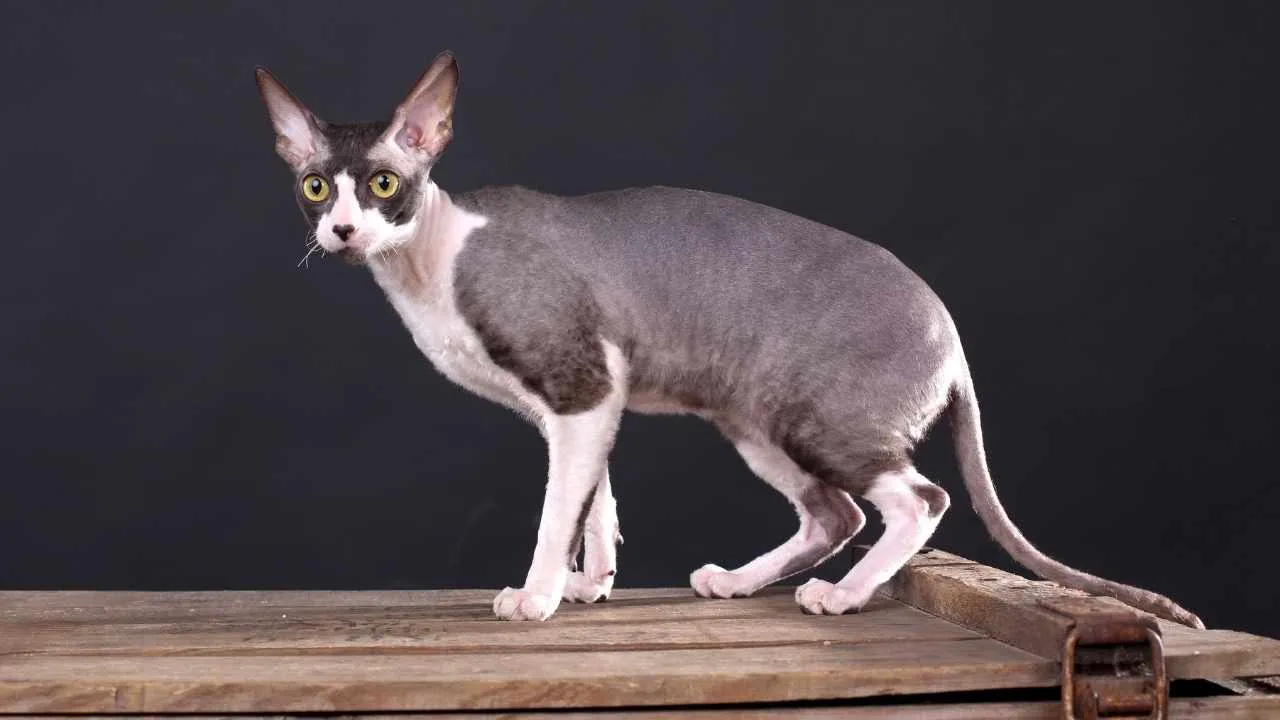
Often called the “Greyhound of the cat world,” the Cornish Rex stands out for its slim build, large ears, and signature curly coat. Originating in Cornwall, England, this breed has a short, rippled coat that feels velvety and hugs the body closely.
According to PetMD, the Cornish Rex is eye-catching due to its short, curly or wavy coat, angular face, high cheekbones, and large ears, which distinguish it from other cats.
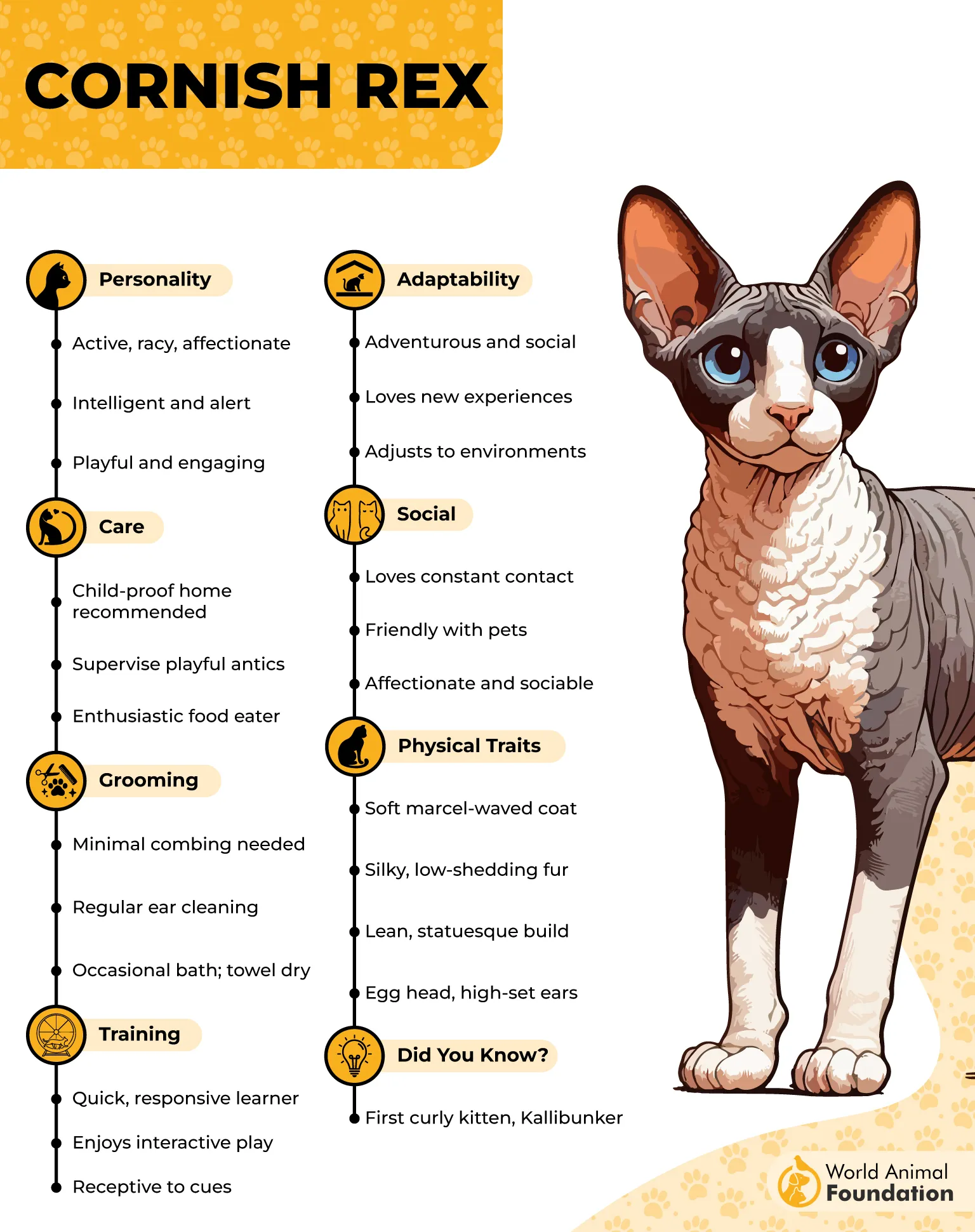
What makes the Cornish Rex ideal for low-shedding homes is its single-layer coat. With no guard hairs or thick undercoat, loose fur is minimal, meaning far less hair on furniture and clothing compared to many other breeds.
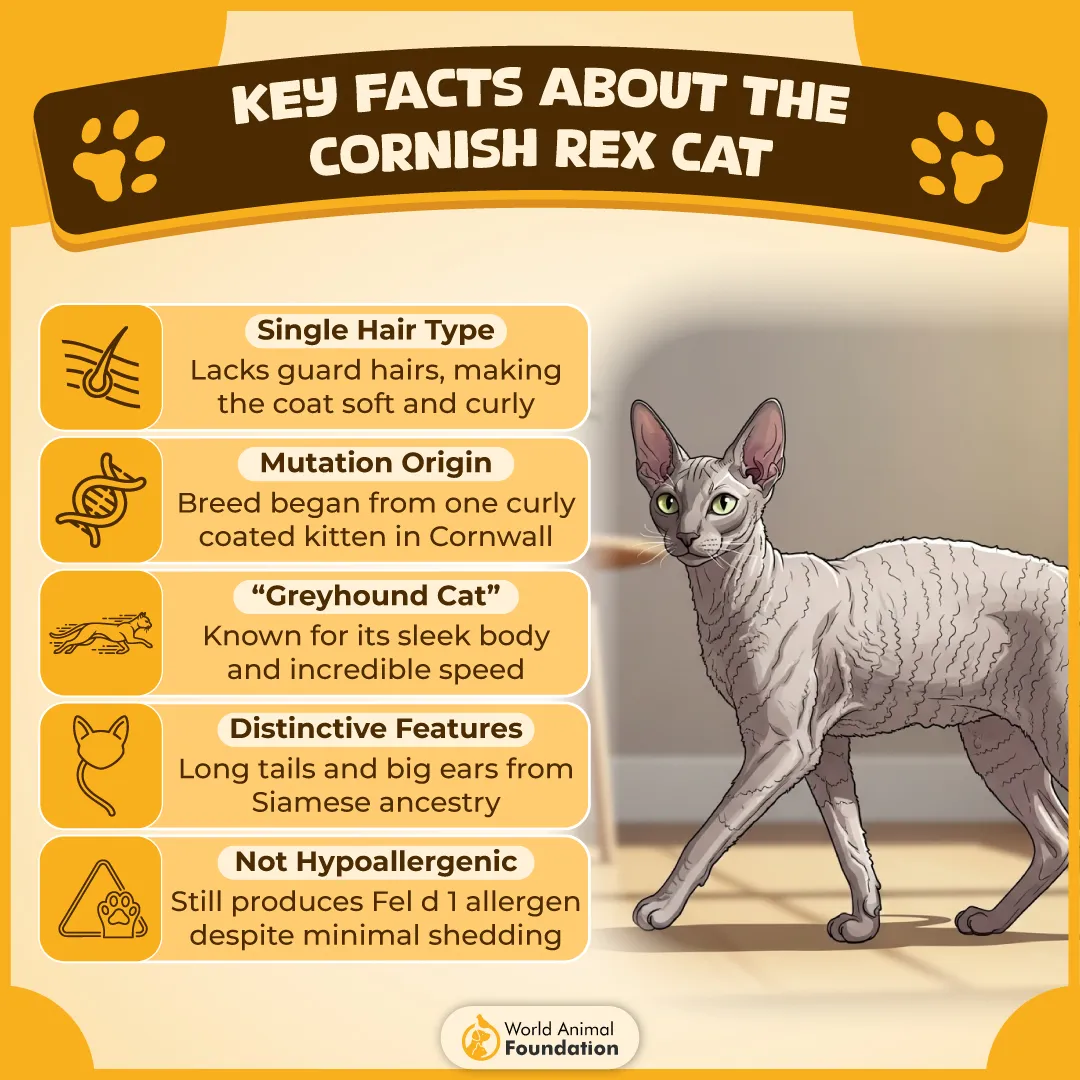
Grooming needs are light, usually limited to occasional wiping to manage natural skin oils. Because their coat is so fine, they shed very little year-round, though they do prefer warm indoor environments due to limited insulation.
Beyond the coat, Cornish Rex cats are playful, energetic, and highly people-oriented. They love interactive games and tend to stay close to their humans, combining a sleek appearance with a tidy, low-shedding lifestyle.
Fact: The Cornish Rex coat comes from a natural genetic mutation first discovered in England in 1950.
3. Russian Blue
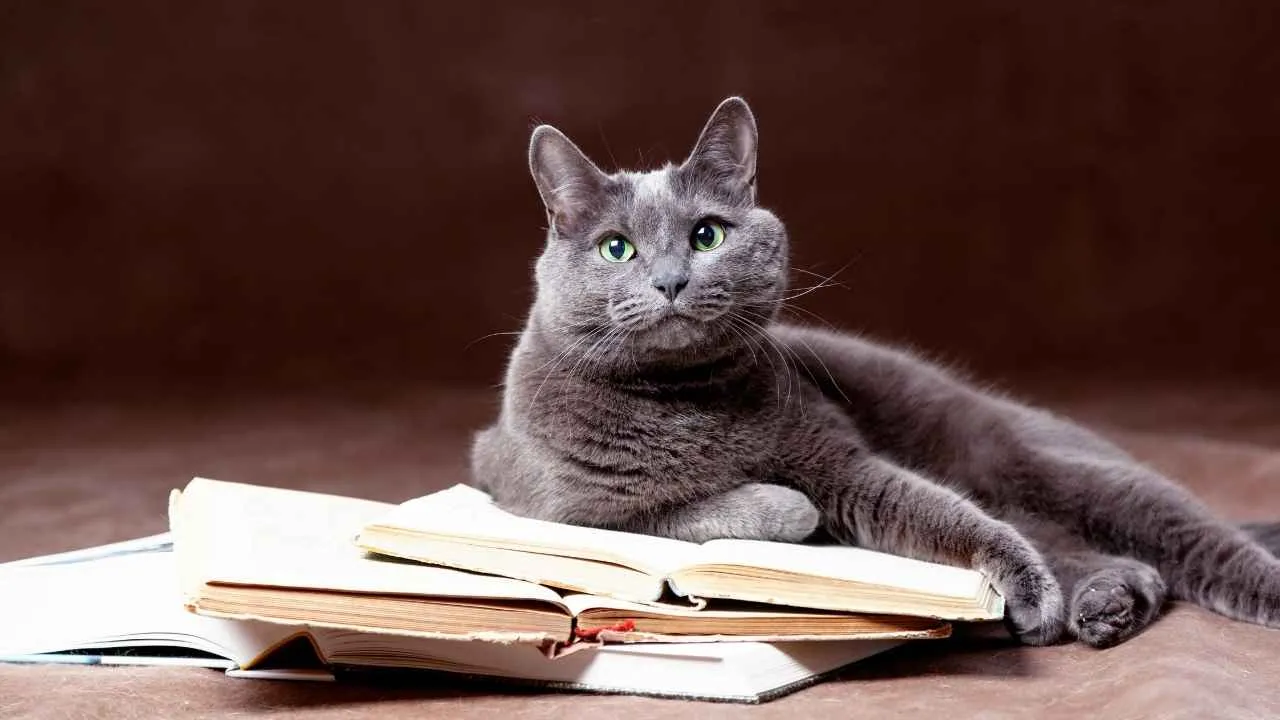
Often called the Archangel Blue, the Russian Blue is instantly recognizable for its shimmering blue-gray coat tipped with silver and its elegant, slender build.
According to WebMD, Russian Blue cats are known for being playful and intelligent. This breed is known for a quiet, reserved personality and a strong bond with familiar people.
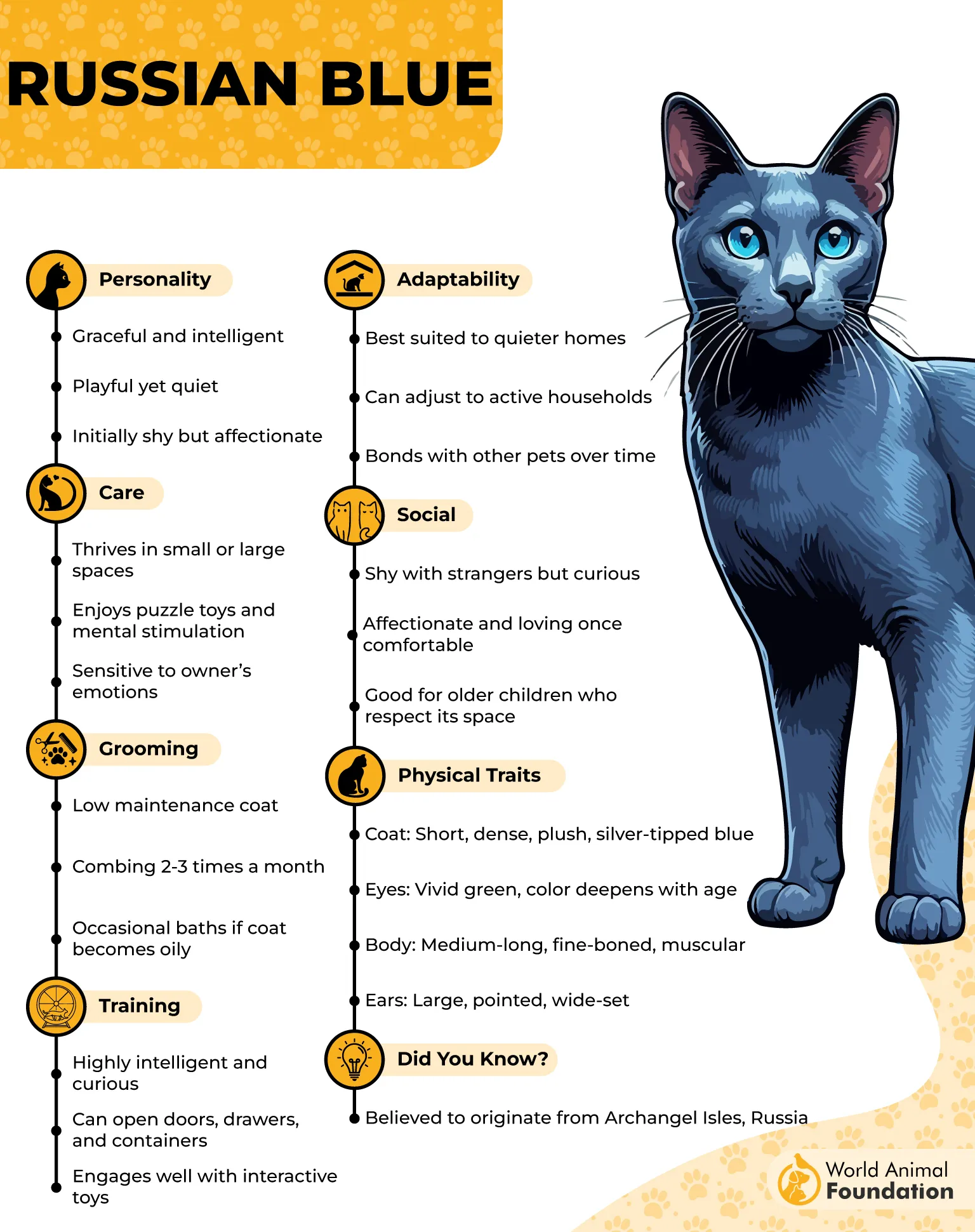
That plush double coat may look thick, but it’s surprisingly tidy. Russian Blues shed far less than many breeds, making them a smart choice for owners who want soft fur without constant cleanup around the house.
Their low-shedding nature pairs well with an easy grooming routine. Outside of heavier seasonal shedding in spring and fall, occasional brushing is usually enough to keep loose hair under control and the coat looking polished.
Beyond coat care, these cats appreciate a calm environment and consistent routines. Loyal yet independent, they enjoy gentle play and cuddles on their own terms while maintaining a naturally neat appearance.
Fact: Russian Blues have short, dense double coats that shed very minimally for most of the year, with heavier shedding mainly during seasonal changes.
4. Devon Rex
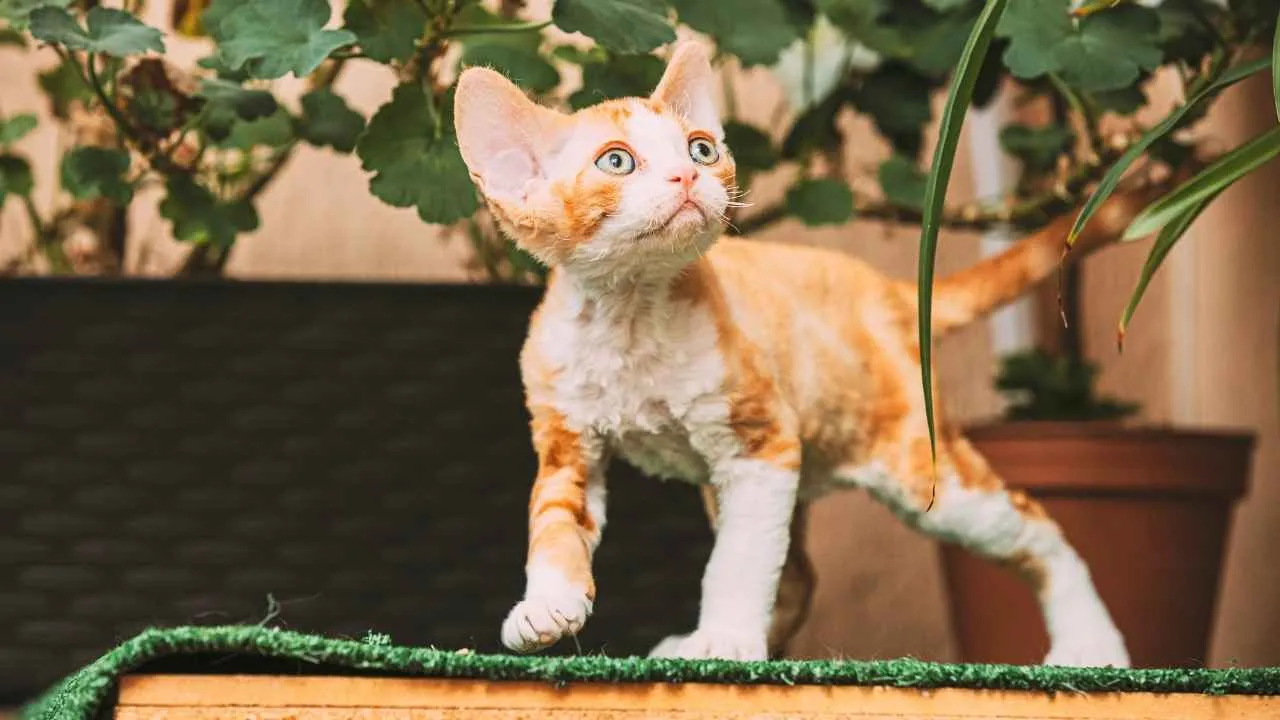
The Devon Rex—often nicknamed the “Pixie Cat” or compared to its cousin, the Cornish Rex—is instantly recognizable for its elfin face, oversized ears, and softly curled coat. Originating in Devon, England, this small, people-loving breed is known for charm packed into a lightweight frame.
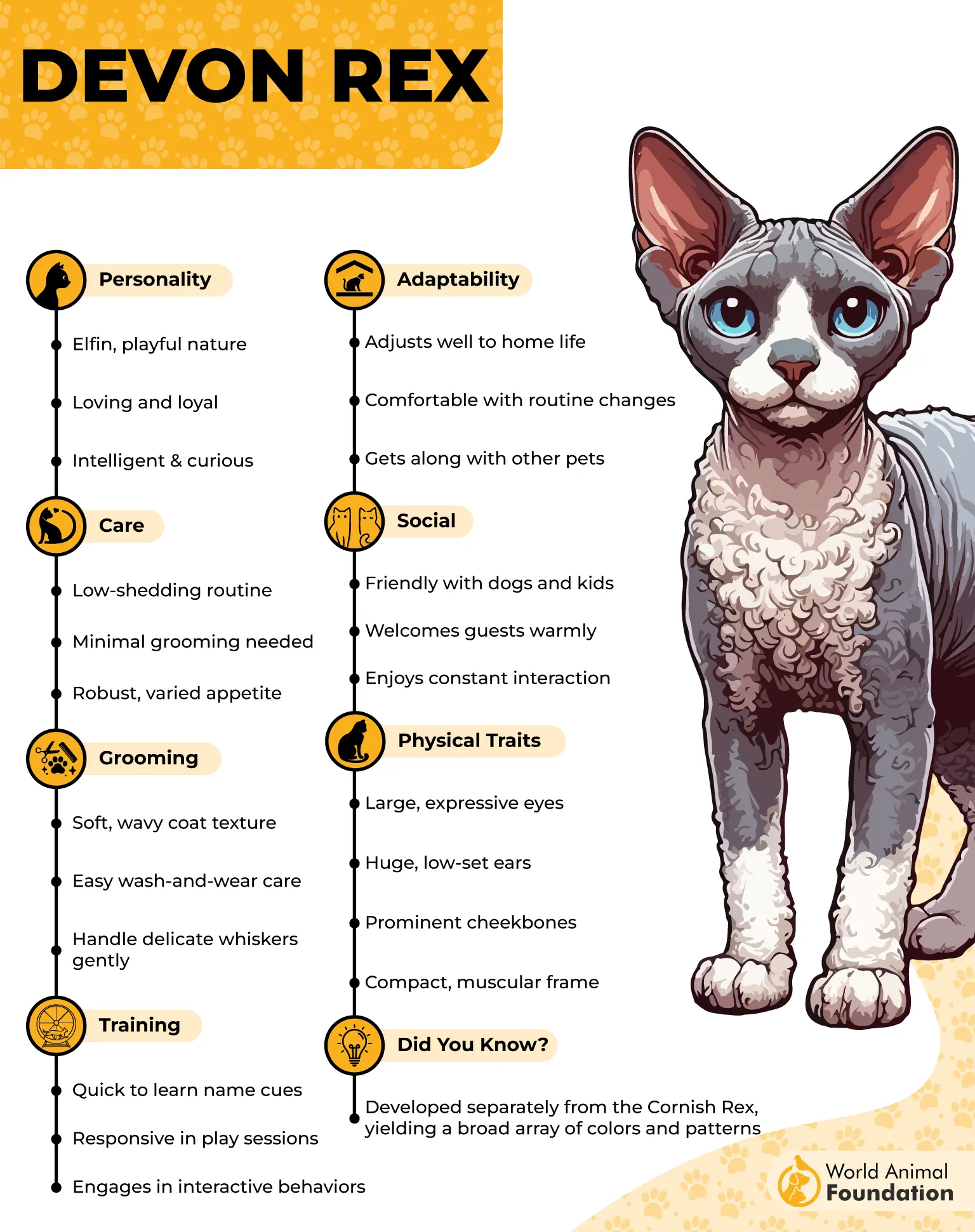
What truly sets the Devon Rex apart is its naturally wavy, downy coat caused by a genetic mutation. With very little guard hair and no heavy undercoat, shedding is minimal, making it a standout choice for households seeking a cleaner, low-maintenance companion.
Because loose fur is so fine and sparse, routine grooming is simple and infrequent. A gentle wipe or light comb every couple of weeks helps maintain skin oils without triggering excess shedding, which keeps furniture and clothing largely fur-free.
Beyond coat care, their affectionate and mischievous personality adds to their appeal. Devon Rex cats love laps, warmth, and human attention, happily trading tumbleweeds of fur for cuddles and play.
Fact: Devon Rex cats typically weigh between 6 and 9 pounds and have a short, naturally wavy coat that sheds very little.
5. Burmese
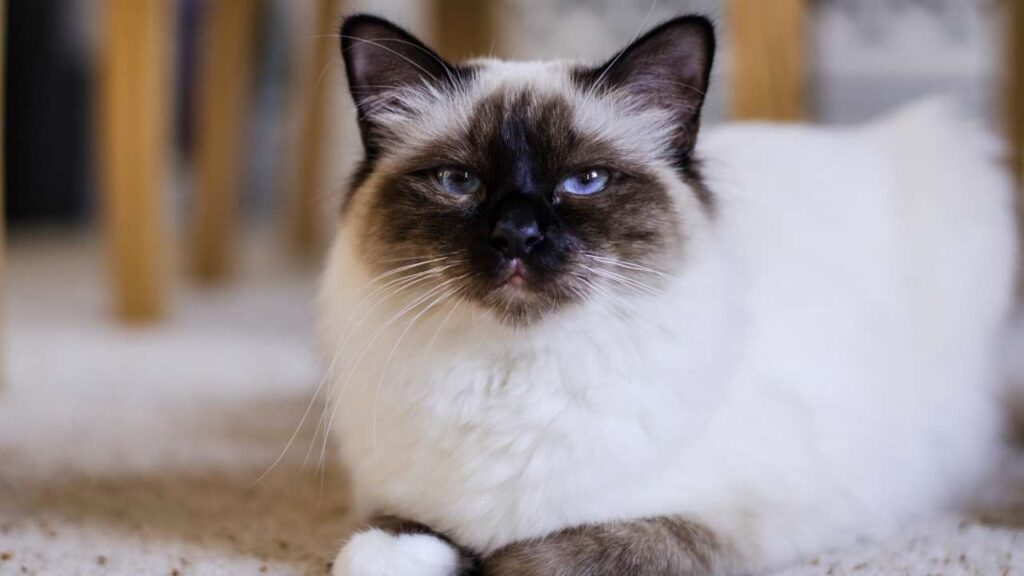
The Burmese, sometimes linked closely to the Siamese due to shared ancestry, is a compact, people-oriented cat with a sleek build and expressive eyes. This breed traces back to a single foundation cat named Wong Mau and is admired for its smooth, short coat and affectionate personality.
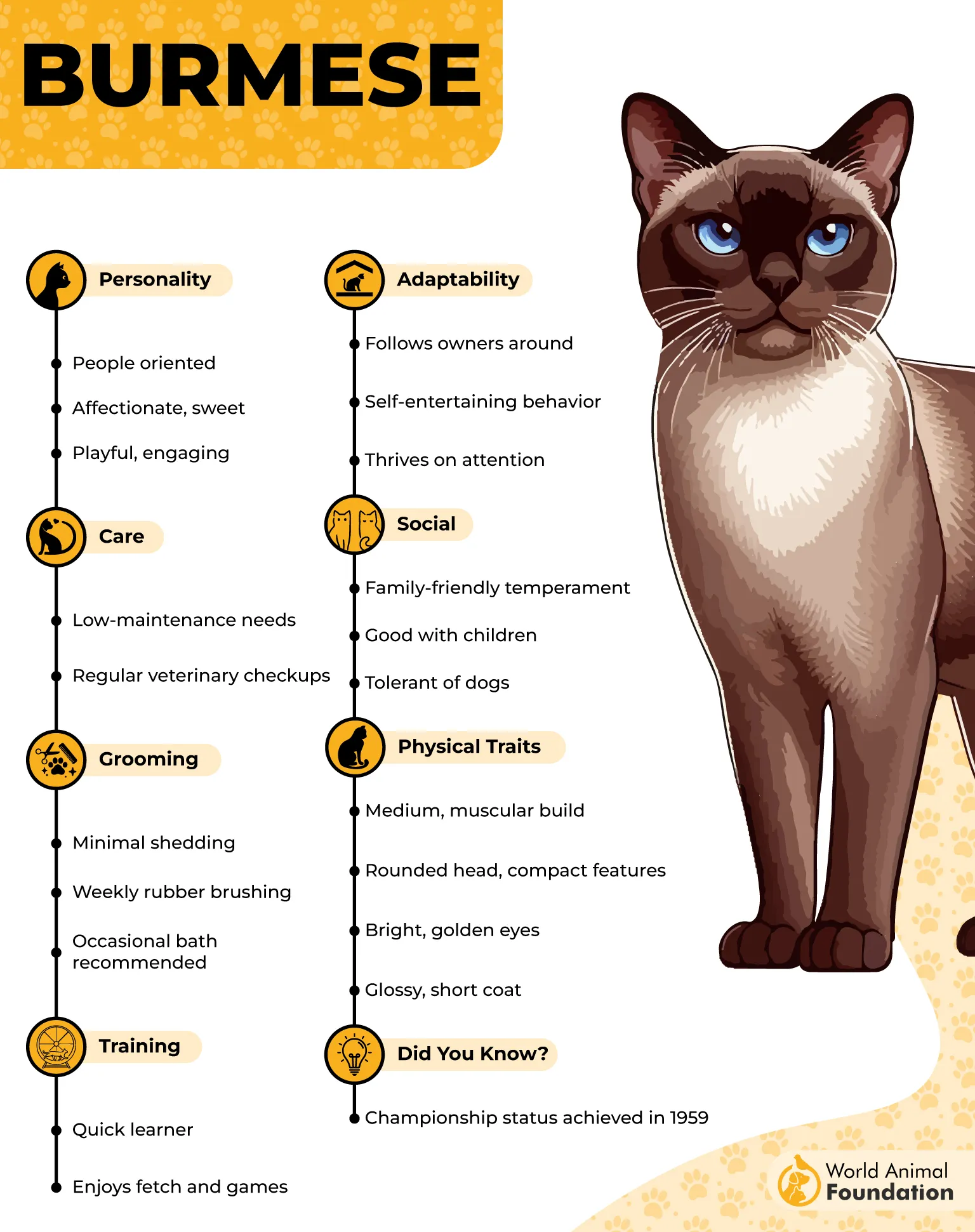
Thanks to its fine, close-lying fur, the Burmese is widely recognized as a low-shedding breed. The coat releases very little loose hair year-round, making routine cleanup easier and helping keep furniture and clothing noticeably fur-free.
Grooming needs are minimal, as the Burmese naturally maintains its glossy appearance. Occasional brushing with a soft brush helps redistribute skin oils, but heavy shedding seasons are rarely an issue, even in warmer months.
Beyond coat care, Burmese cats are known for their gentle, loyal nature and love of human companionship. They often stay close to their owners without becoming clingy and may even enjoy interactive games like fetch.
Fact: Burmese cats typically weigh between 8 and 12 pounds and are often described as “hypoallergenic” because they shed very little compared to many other breeds.
6. American Wirehair
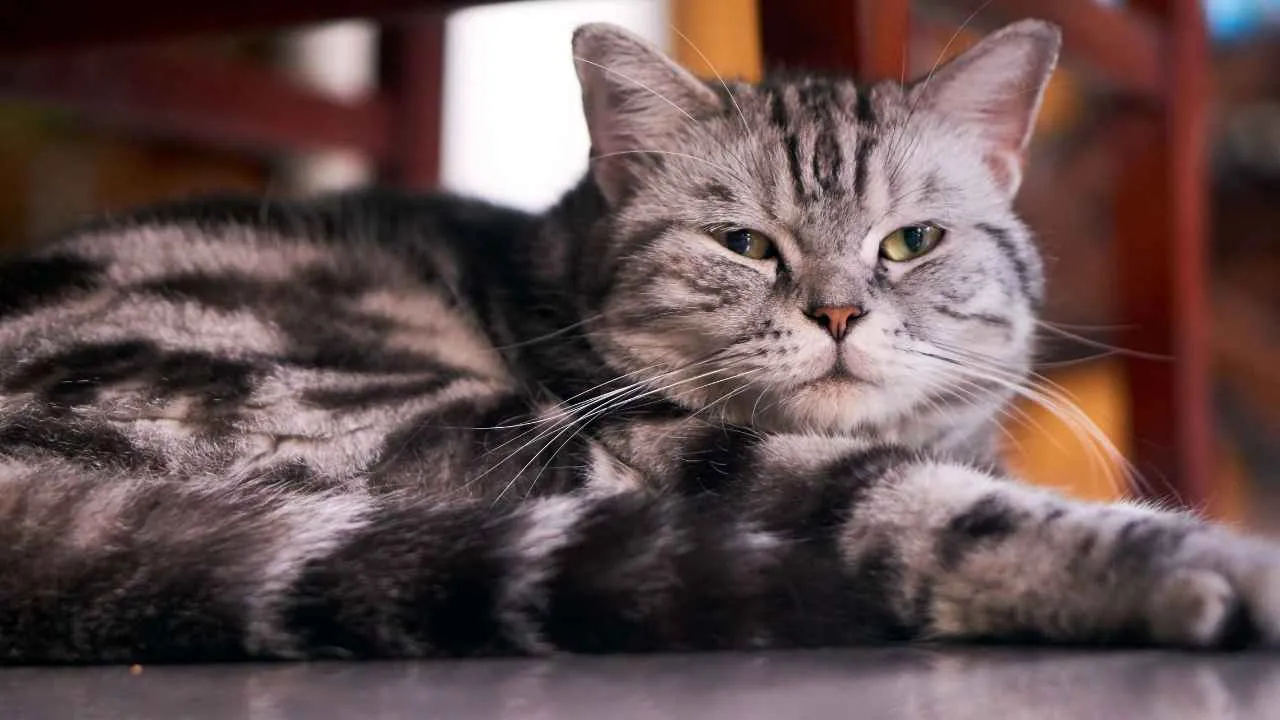
The American Wirehair, sometimes mistaken for an American Shorthair, is a distinct offshoot breed known for its unique wiry, springy coat and easygoing personality. Medium-sized at about 8–12 pounds, this cat combines a playful spirit with a relaxed, adaptable nature.
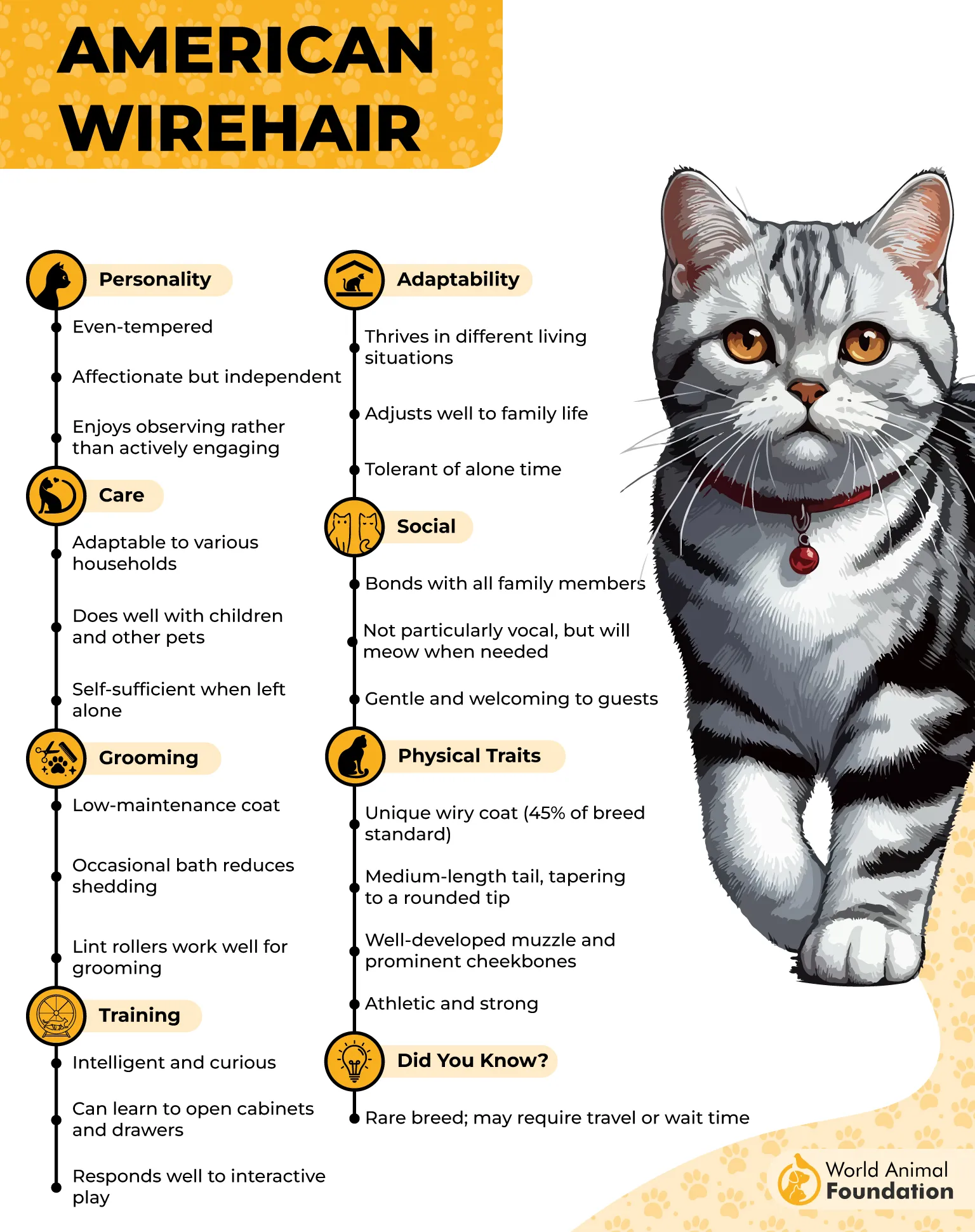
What earns the American Wirehair a spot among low-shedding breeds is its unusual coat texture. The coarse, crimped hairs tend to trap loose fur rather than releasing it into the home, resulting in noticeably less shedding compared to many short-coated cats.
Despite its textured appearance, the coat is soft to the touch and surprisingly low maintenance. Outside of a light seasonal shed—usually once a year—this breed requires minimal grooming, making it appealing for owners who want less fur on furniture and clothing.
The American Wirehair is affectionate yet independent, content to entertain itself or relax nearby without constant attention. A helpful
Fact: Grooming is often discouraged for this breed unless shedding increases, as excessive brushing can damage its delicate, wiry coat.
7. Siamese
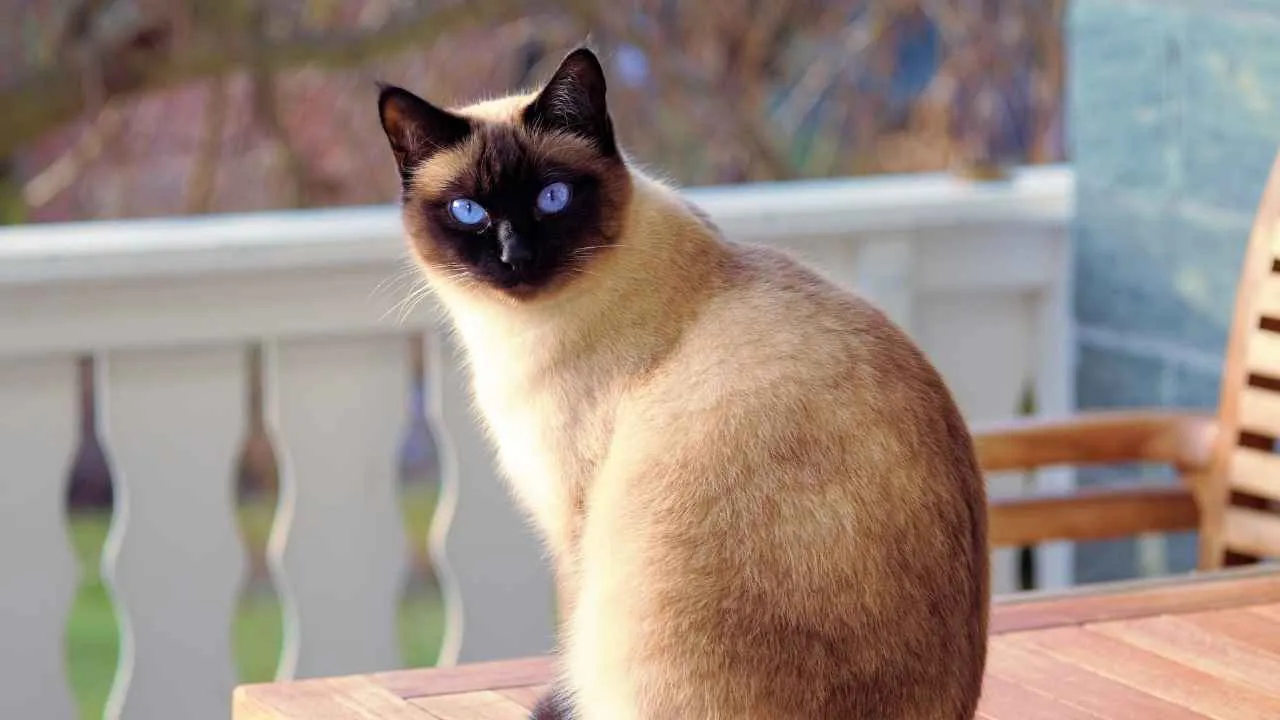
The Siamese, also known as the Thai cat, is instantly recognizable for its sleek body, wedge-shaped face, and striking colorpoint markings. With a short, fine coat and expressive blue eyes, this breed is both elegant and easy to groom.
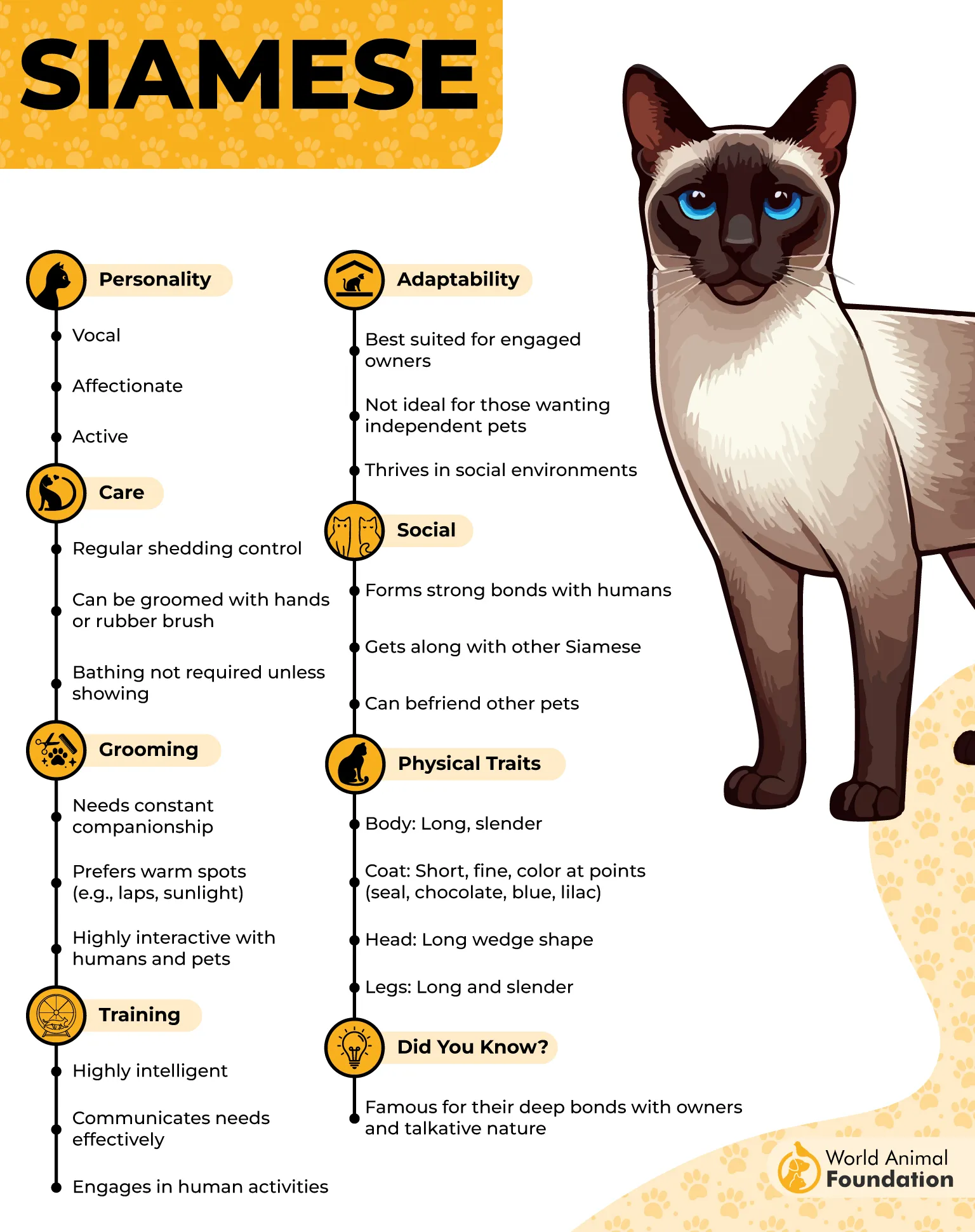
When it comes to low-shedding coats, the Siamese stands out because its fur lies flat and close to the body. Loose hair doesn’t cling easily to furniture or clothing, making everyday cleanup far simpler than with fluffier breeds.
Their short coat also means grooming is minimal—occasional brushing helps manage seasonal shedding without much effort. While they do shed more during spring and fall, the hair is fine and less noticeable compared to longer-coated cats.
Active, social, and famously vocal, Siamese cats balance their lively personalities with practical coat care. Despite not being completely shed-free, their smooth fur makes them a popular choice for tidy homes.
Fact: Siamese cats typically weigh between 6 and 10 pounds and have a naturally short, glossy coat.
8. Singapura
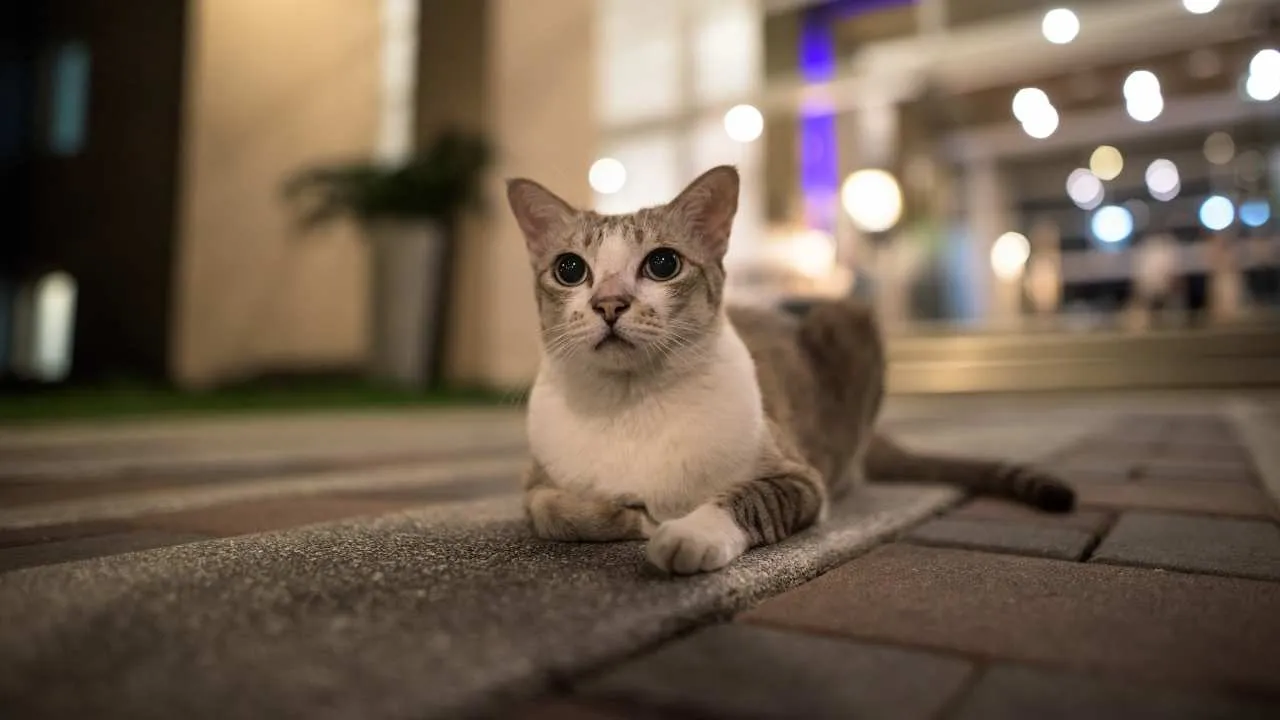
The Singapura—sometimes called the “Singapore Cat” or affectionately known as Kucinta—is the smallest recognized domestic cat breed, admired for its oversized eyes and delicate build. With a short, close-lying coat and naturally glossy finish, this breed stands out for elegance without excess fur.
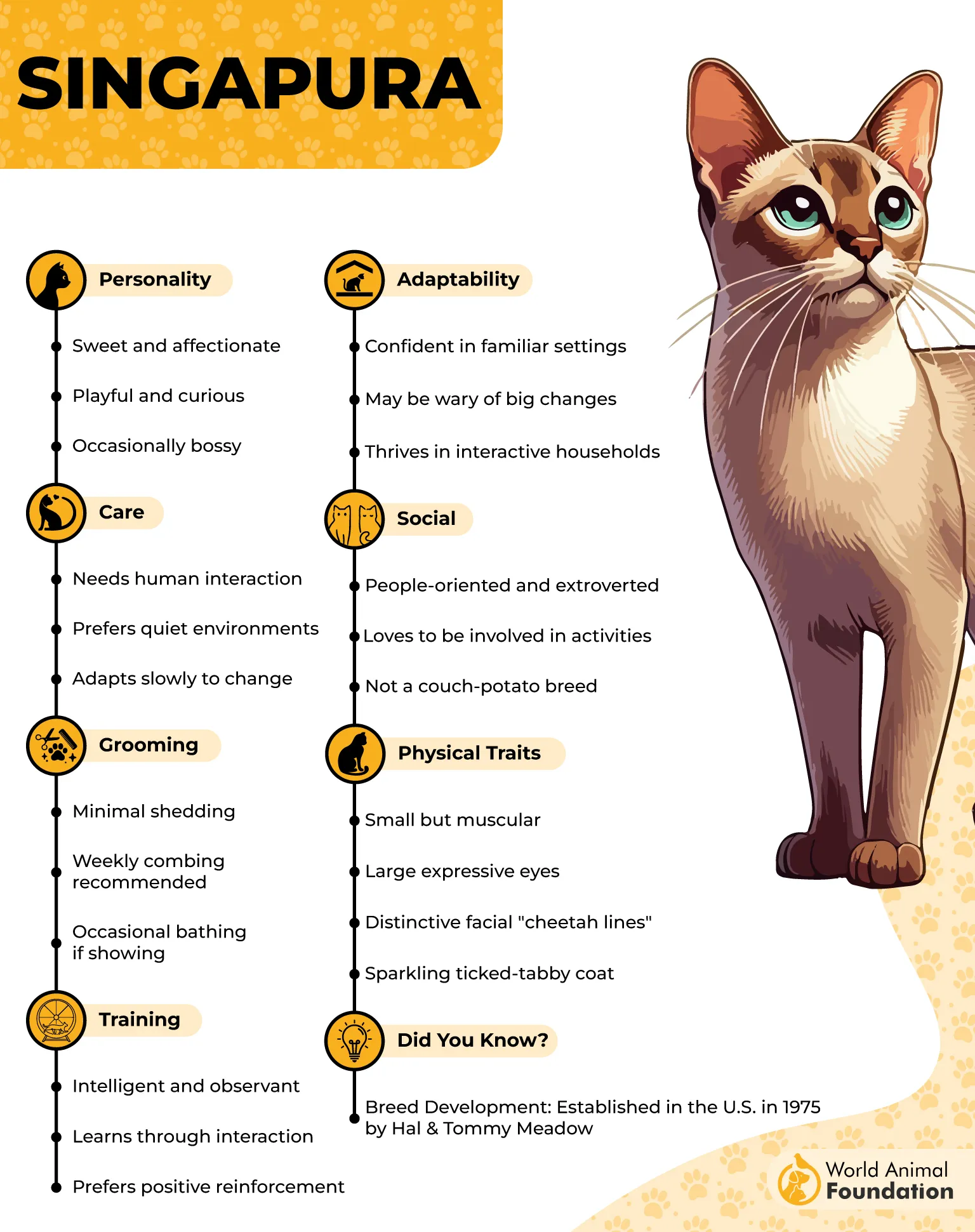
That fine, ticked sepia coat is a major reason Singapuras are considered low-shedding. Loose hair is minimal year-round, making them a smart choice for owners who want less fur on furniture while still enjoying a warm, silky coat to the touch.
Despite their petite size, Singapuras are lively and curious, often following their people from room to room. Their lightweight coat doesn’t mat or trap hair, so grooming needs stay simple, even with an active, exploratory lifestyle.
Because their fur grows close to the body and lacks a heavy undercoat, shedding stays light and manageable.
Fact: Singapuras are widely recognized as the smallest cat breed in the world and typically reach full size around two years of age.
9. Peterbald
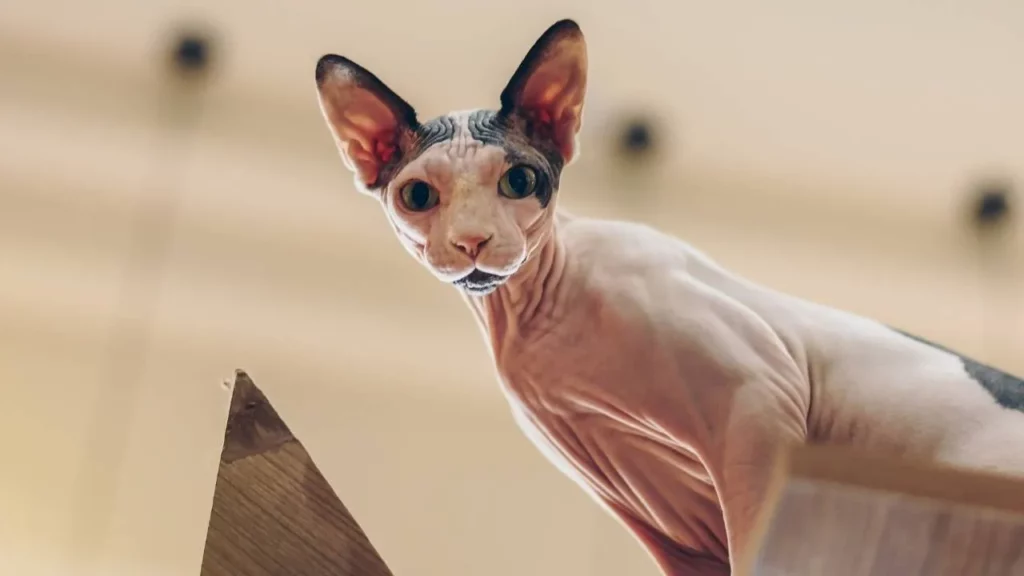
The Peterbald, sometimes called the Russian Hairless, is a rare and elegant breed developed from the Donskoy and Oriental Shorthair. Known for large bat-like ears, almond eyes, and a slim, muscular frame, this cat comes in hairless, peach-fuzz, velour, or short-coat varieties.
What sets the Peterbald apart for low-shedding households is its coat genetics. Whether completely bald or lightly coated, all Peterbalds shed very little, making them a practical choice for allergy-sensitive homes that want minimal loose fur.
Beyond coat concerns, Peterbalds are famously affectionate and people-focused. They bond closely with their owners, follow them from room to room, and prefer constant companionship, which helps reduce stress-related grooming and excess shedding.
Highly intelligent and playful, this breed thrives on interaction and mental stimulation. Puzzle toys and daily engagement keep them happy, while their fine or absent coat keeps grooming needs simple—especially compared to heavier-shedding breeds.
Fact: According to The International Cat Association, all Peterbald coat types—from hairless to velour—are considered low-shedding.
10. LaPerm
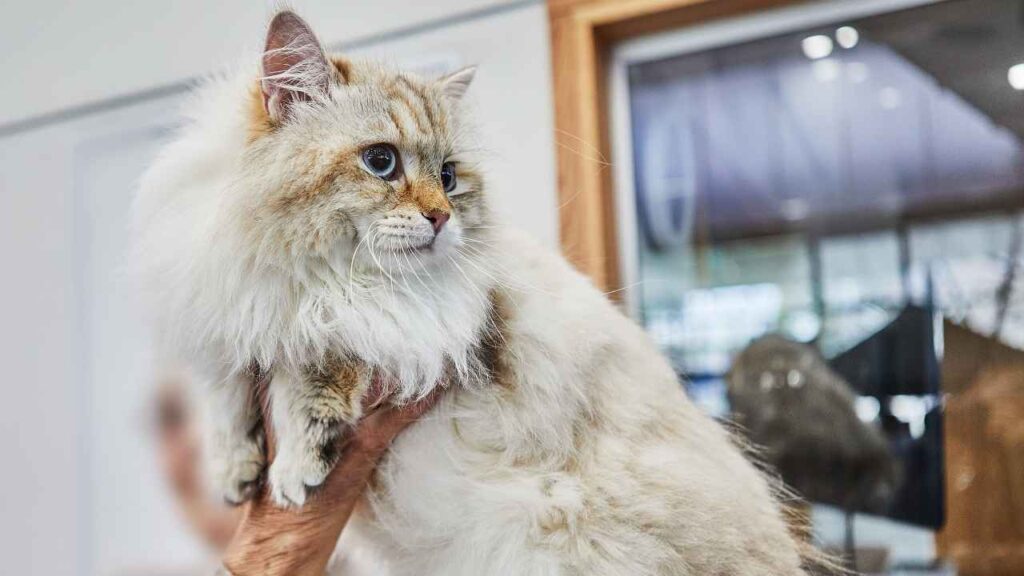
The LaPerm, sometimes called the “curly rex,” stands out instantly thanks to its soft, wavy coat that forms loose curls and ringlets. Available in both shorthaired and longhaired varieties, this medium-sized cat weighs around 8–10 pounds and is best known for its naturally low-shedding fur.
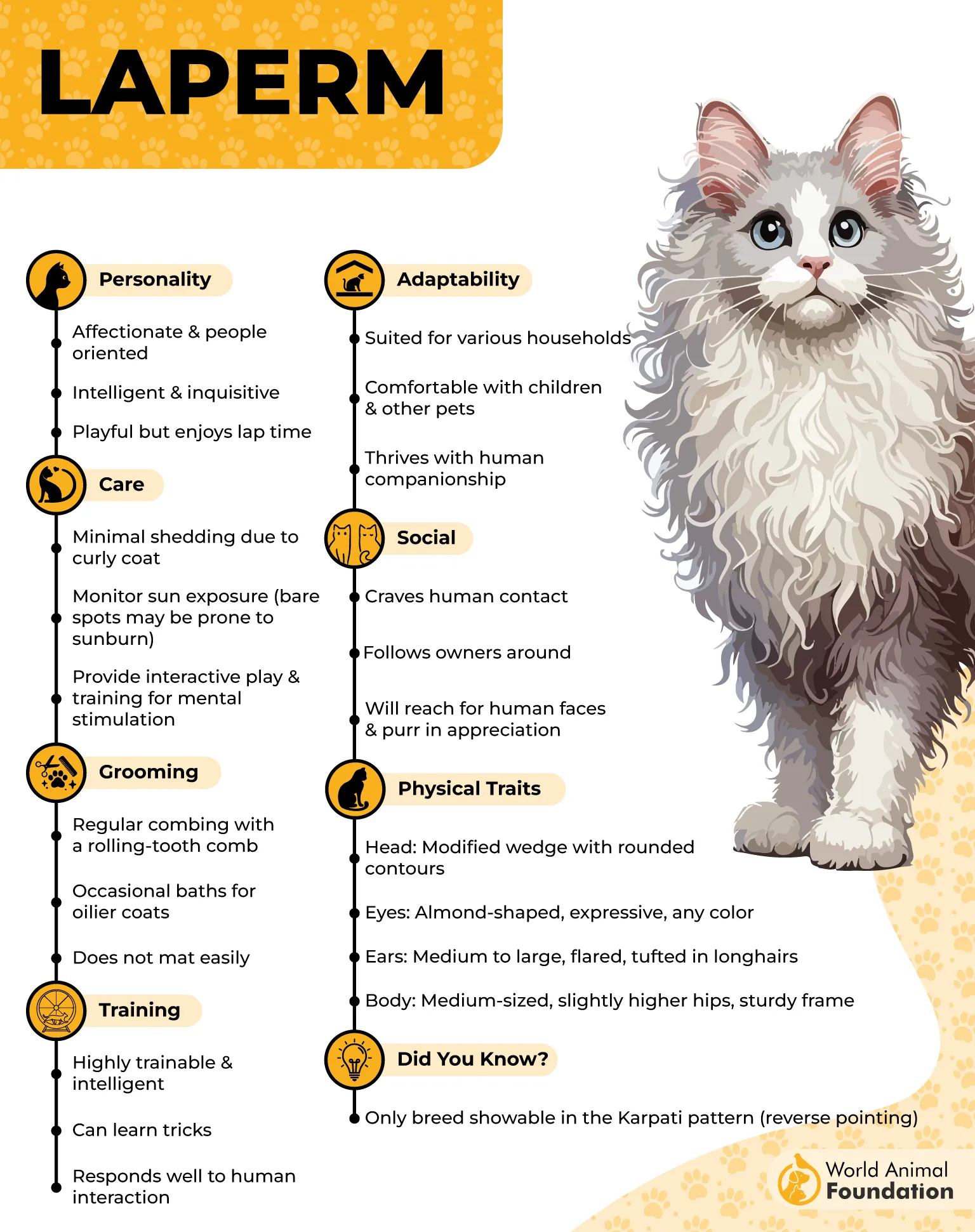
What earns the LaPerm a spot among low-shedding breeds is its unique coat structure. The rexed hair traps loose strands instead of releasing them into the home, meaning far less fur on furniture and clothing compared to many other cats.
Grooming is refreshingly simple for a curly-coated cat. Occasional hand-grooming or a gentle pass with a wide-toothed comb is usually enough, and frequent brushing is discouraged since it can pull out delicate hairs and straighten the curls.
Because the coat is meant to look slightly tousled, LaPerms don’t need elaborate grooming routines or regular baths.
Fact: LaPerms shed very little and typically only require light grooming once every week or two to remove dead hair.
Conclusion
Choosing cat breeds known for low-shedding coats can make daily life easier for pet parents who love cats but dislike constant cat fur and cat hair around the home. While no cat is totally hairless unless you choose hairless cat breeds, some cats that don’t shed or rarely shed come impressively close.
These breeds often have unique coat structures that reduce excessive shedding, help keep the coat clean, and limit allergic reactions for allergy sufferers dealing with cat allergies.
For any cat owner, finding the right cat means balancing grooming needs, lifestyle, and comfort for both you and other pets in the same room. From low-maintenance cat options to breeds that don’t shed as much as long-haired breeds like the Maine Coon, thoughtful choices matter.
Regular habits like weekly brushing, clean scratching posts, and proper care support a hypoallergenic cat breed experience, making it easier to manage allergies while enjoying a playful breed that fits your home and lifestyle.
