




When you bring a dog into your life, you’re signing up for a bundle of joy, loyalty, and yes—sometimes a whole lot of stubbornness. Dogs, like people, have their own personalities, and while some are happy to chill and follow commands, others have a wild streak that can test even the most patient trainers.
It’s not just about being “naughty”—some pups are naturally independent thinkers, full of energy, and driven by curiosity, making training a real adventure.
Even the smartest dogs don’t always want to play by the rules. They might decide that nap time or a quick zoom around the yard sounds way more appealing than sitting still for a command.
And the truth is, this challenging behavior isn’t just about stubbornness—it’s often rooted in their genetics, their early experiences, and their unique way of seeing the world.
Ready to dive into the dogs that keep trainers on their toes? Let’s explore what makes these canine rebels so irresistible—and so challenging.
Key Takeaways
Huskies, Basenjis, and Jack Russells challenge even the most patient trainers with their stubborn streaks.
Afghan Hounds, Shiba Inus, and Chow Chows show affection only on their own terms.
Dogs with strong prey drives and fierce loyalty require unique training approaches.
With the right techniques, these independent dogs become loyal and rewarding companions.
Top Unruly Dog Breeds That Challenge Even the Best Trainers
1. Siberian Husky
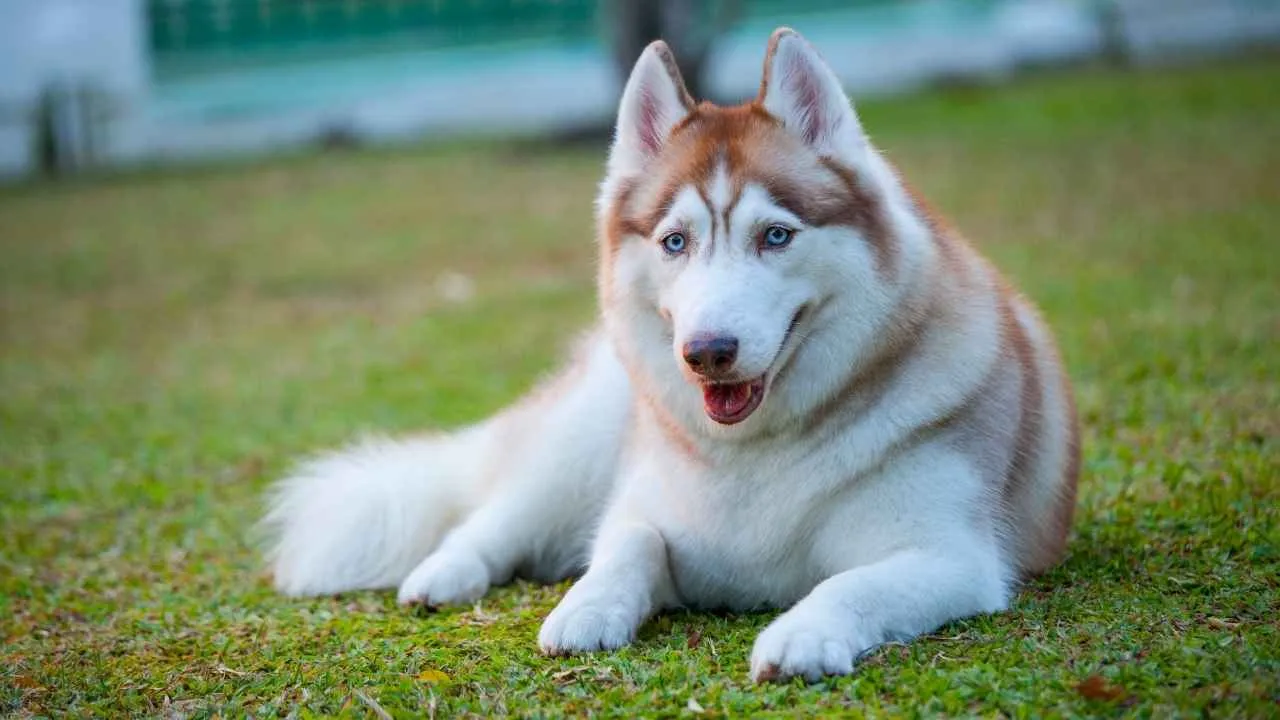
Siberian Huskies are known for their stunning wolf-like looks and adventurous spirit. Related to the Alaskan Malamute, they were bred to work in packs in cold northern climates.
Their pack mentality means they usually get along well with other dogs, but their loyalty is more independent and sometimes stubborn. They have a wild streak that often surprises new owners.
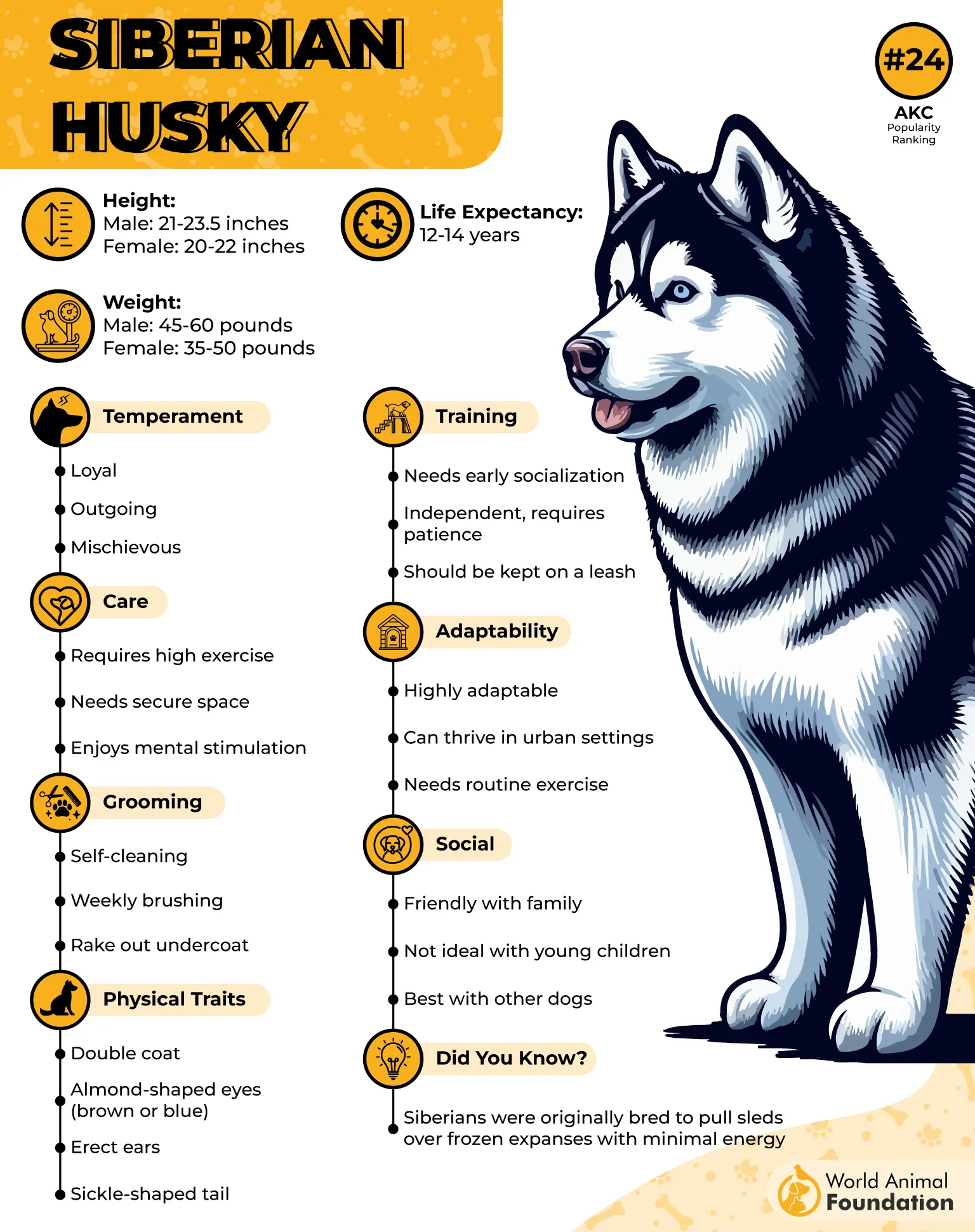
These intelligent dogs are famously willful and challenging to train. Huskies often follow commands during training, but not always in daily life. They love to roam and can escape if bored or under-exercised.
Their intelligence and independence make them one of the toughest breeds for trainers. They also tend to bark, dig, and test boundaries regularly.
Pro Training Tip: Begin training early and give plenty of exercise and social time. Patience, positive reinforcement techniques, and humor are key.
2. Afghan Hound
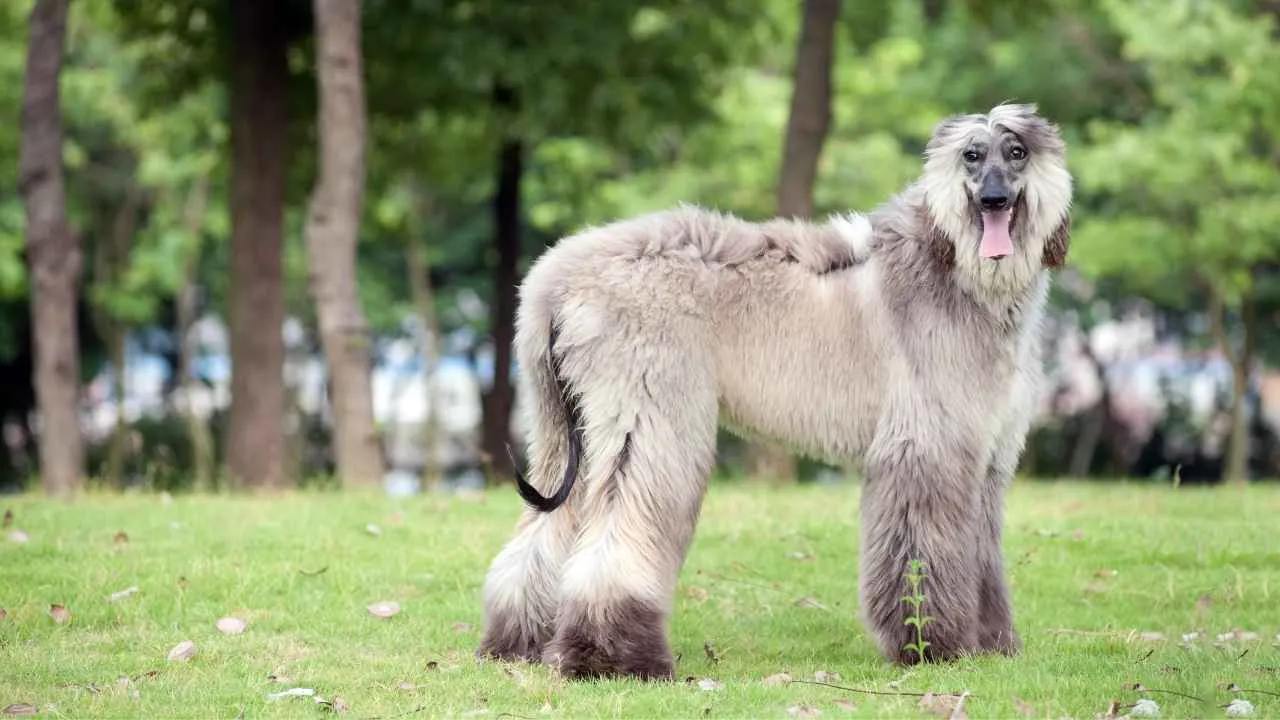
Afghan Hounds are graceful dogs that seem to “take it or leave it” when it comes to human attention. They’re dignified and alert but often distracted by their surroundings. Unlike some dogs, they won’t jump all over you when you get home—they show affection on their own terms.
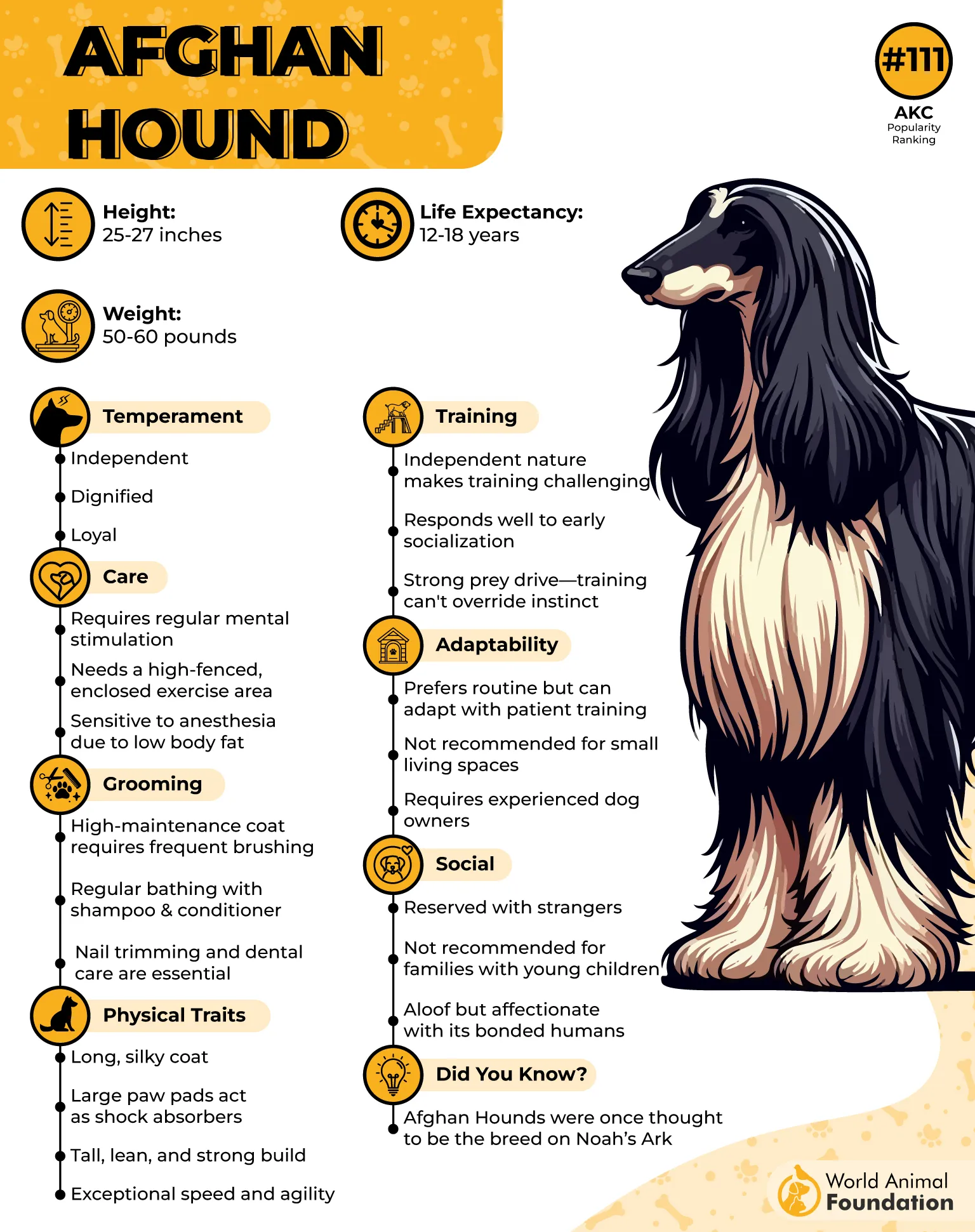
Known for their stunning appearance, Afghan Hounds have a strong prey drive, as mentioned by PetMD. This means they’ll often chase after small animals without hesitation. Their independent streak makes them less likely to listen to commands, which can be frustrating for some owners.
Pro Training Tip: Afghan Hounds are not recommended for beginners or first-time dog owners. These large dogs need experienced pet parents who understand their unique personalities. Patience and consistent training help, but expect a challenge.
3. Basenji
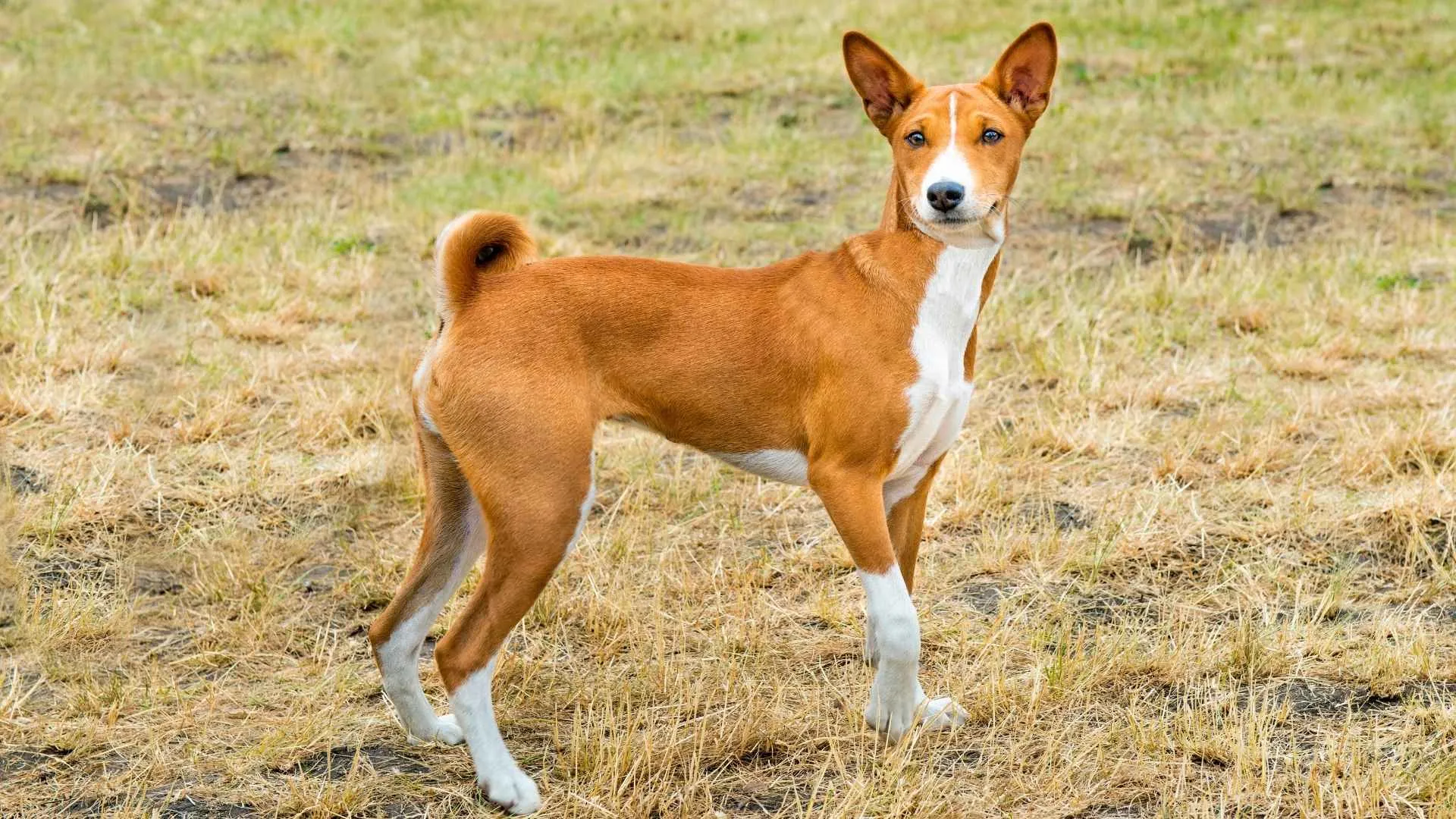
Basenjis are independent dogs who enjoy being near you—but on their own terms and sometimes at a distance. They’re often compared to cats because they’re clean, quiet, and self-sufficient. AKC mentions that, unlike most dogs, Basenjis don’t bark; instead, they make unique yodel-like sounds.
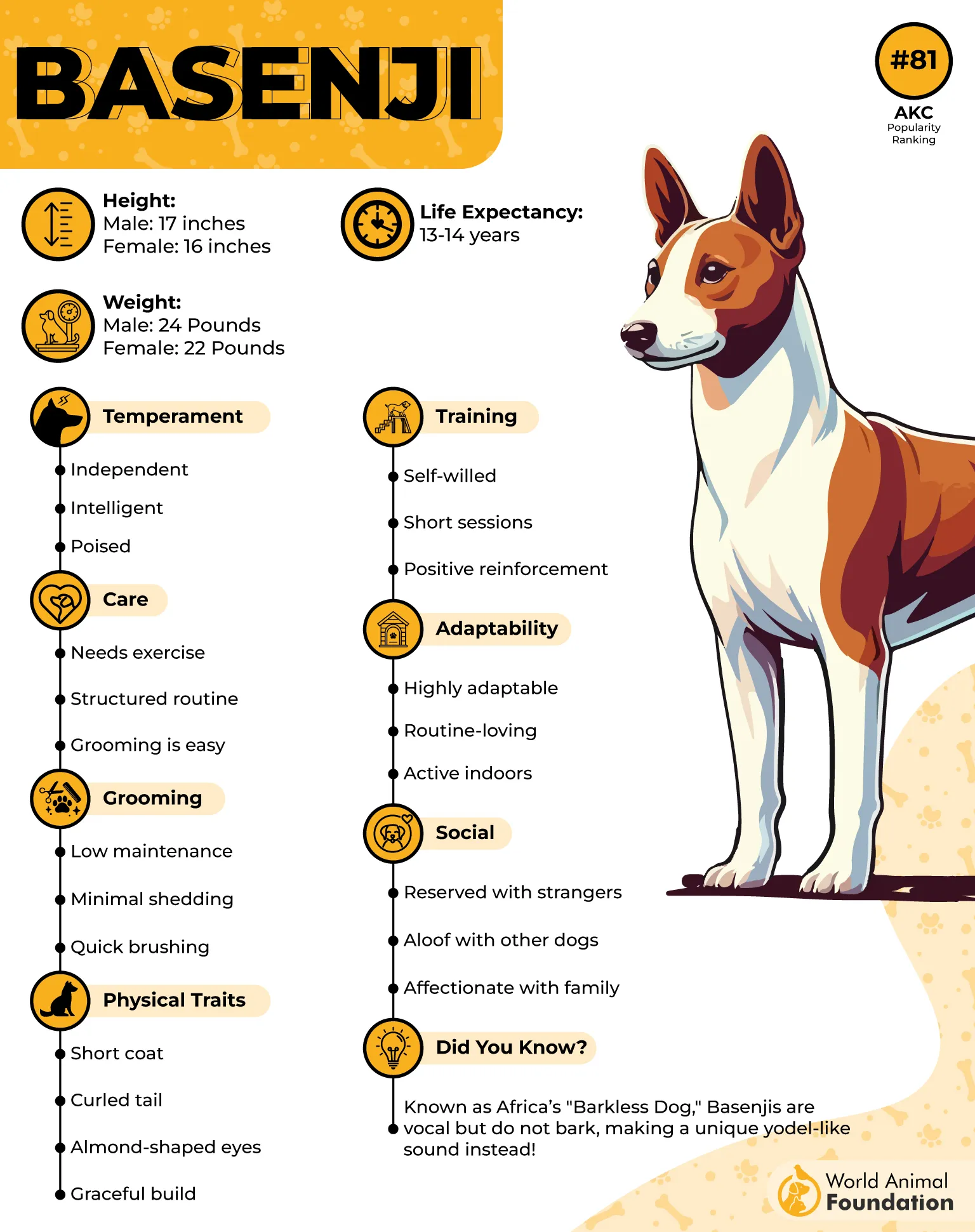
Highly intelligent and energetic, Basenjis can be a handful to train. Their stubborn streak and quick boredom make it hard to keep their attention. They have a strong prey drive, so distractions like squirrels or birds can easily pull them away from you.
While they may seem aloof with strangers, Basenjis form strong bonds with their families. Their selective personality means they might ignore commands in busy or exciting places.
Pro Training Tip: Avoid old-fashioned, repetitive training. Instead, keep sessions short, engaging, and mentally stimulating. Give them plenty of space to explore safely and find what motivates them best to encourage good behavior.
4. Chow Chow
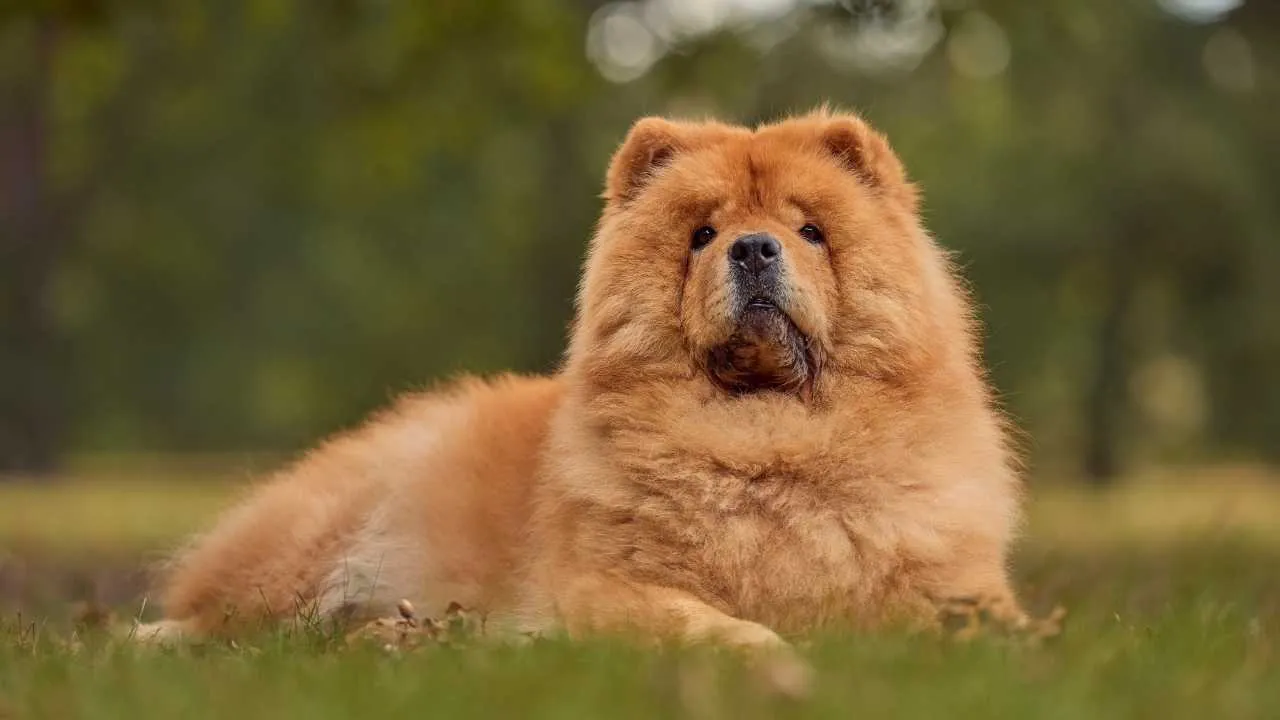
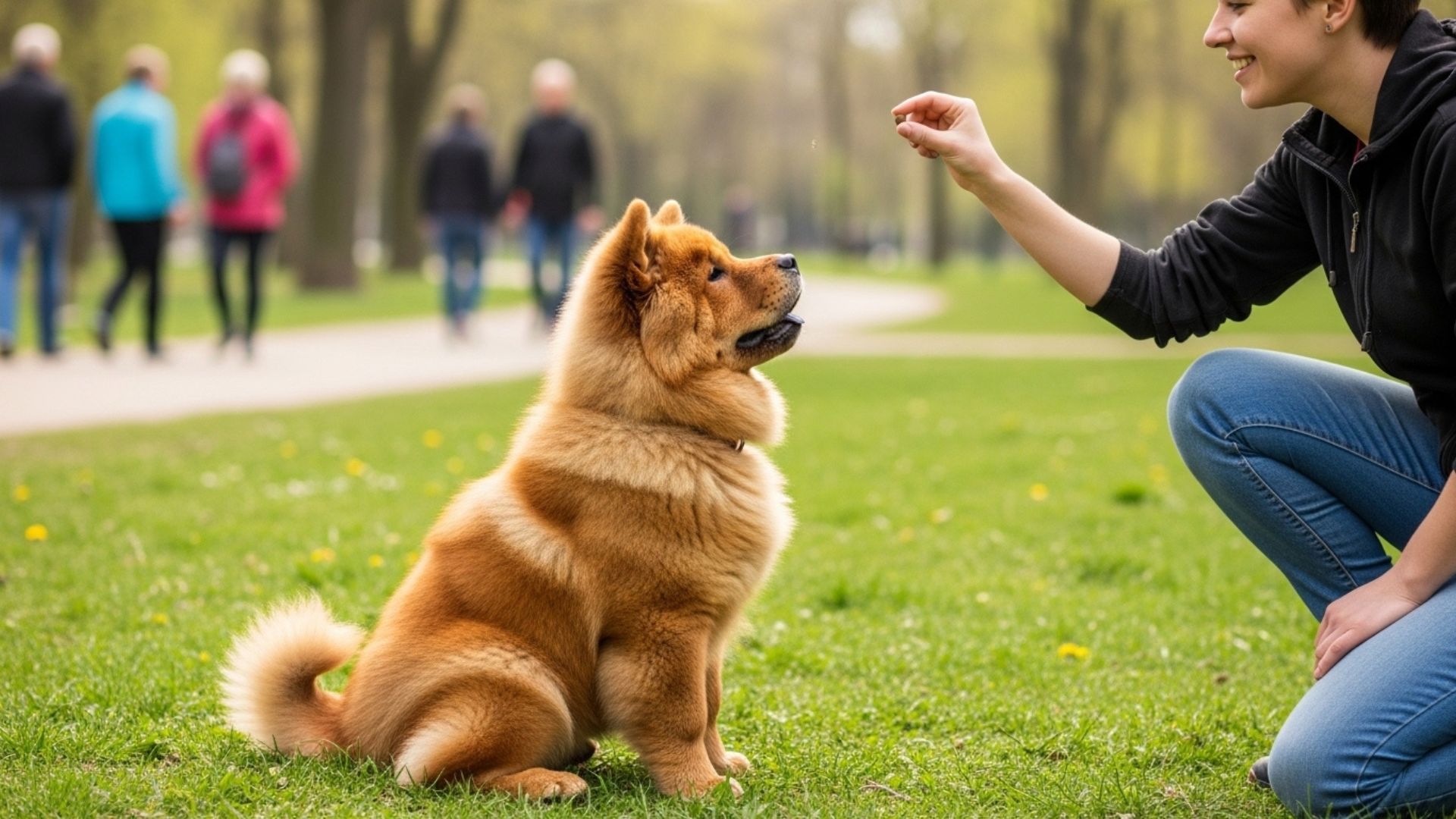
Chow Chows may look like fluffy teddy bears, but don’t expect them to be clingy or overly cuddly. These dogs come from Chinese working dogs and have a cool, sometimes distant attitude.
Their aloof nature has even earned them the nickname “cat-like” because they’re not quick to warm up and prefer affection on their own terms.
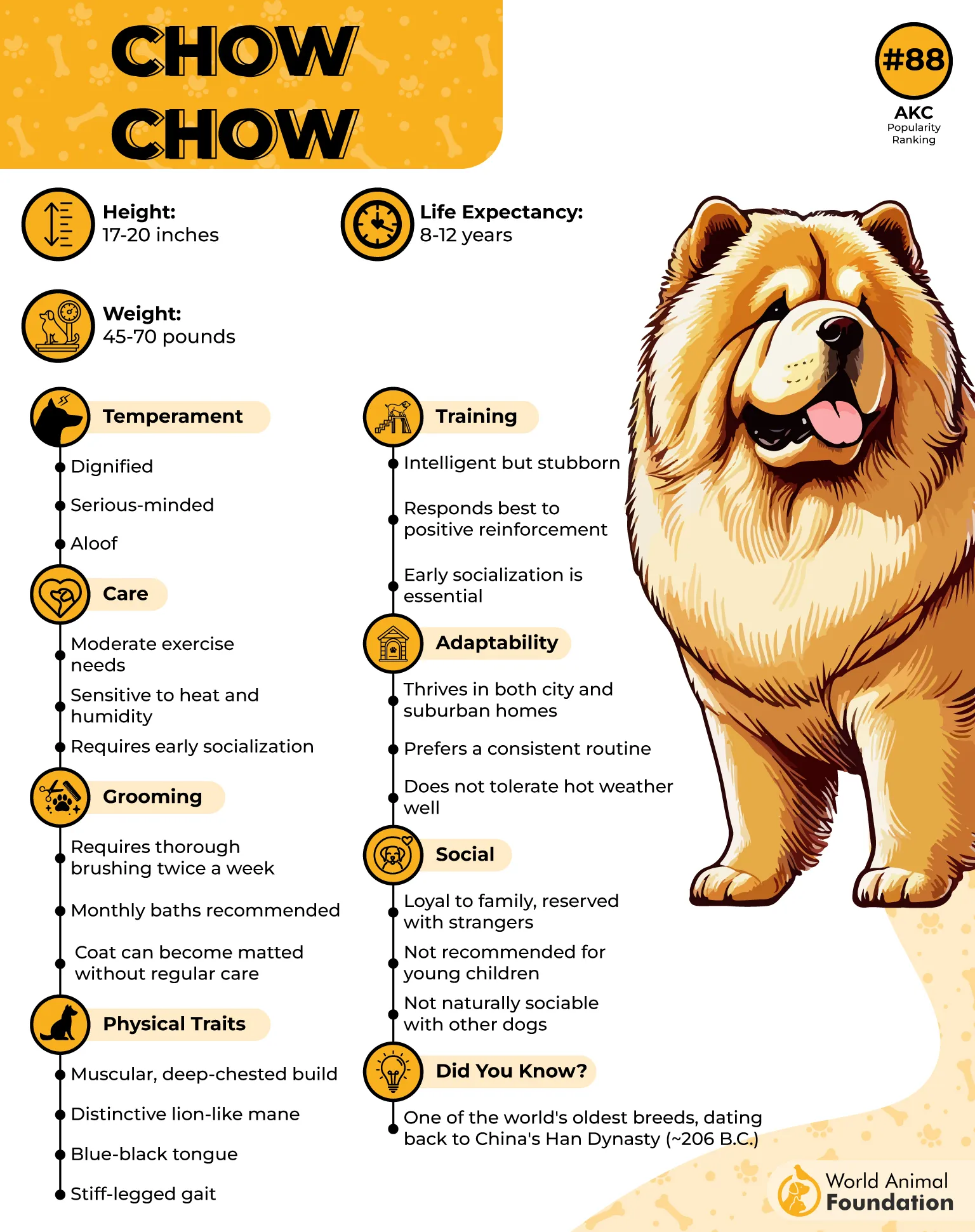
Known for their distinctive lion-like mane and rare blue-black tongue, Chow Chows are intelligent and independent. They usually form a strong bond with one special person in the family, but stay somewhat self-sufficient and watchful.
Their history as guard dogs means they’re protective and alert, making early training sessions and proper socialization important from a young age.
Chow Chows housebreak easily, keep themselves mostly clean, and don’t need a ton of exercise. They’re great companions for owners who appreciate a regal dog with a mind of their own—one who rules the home quietly but fiercely.
Pro Training Tip: Start training and socialization early to help manage their natural protectiveness. Consistent boundaries and gentle leadership will earn you their loyalty and respect without forcing affection.
5. Jack Russell Terrier
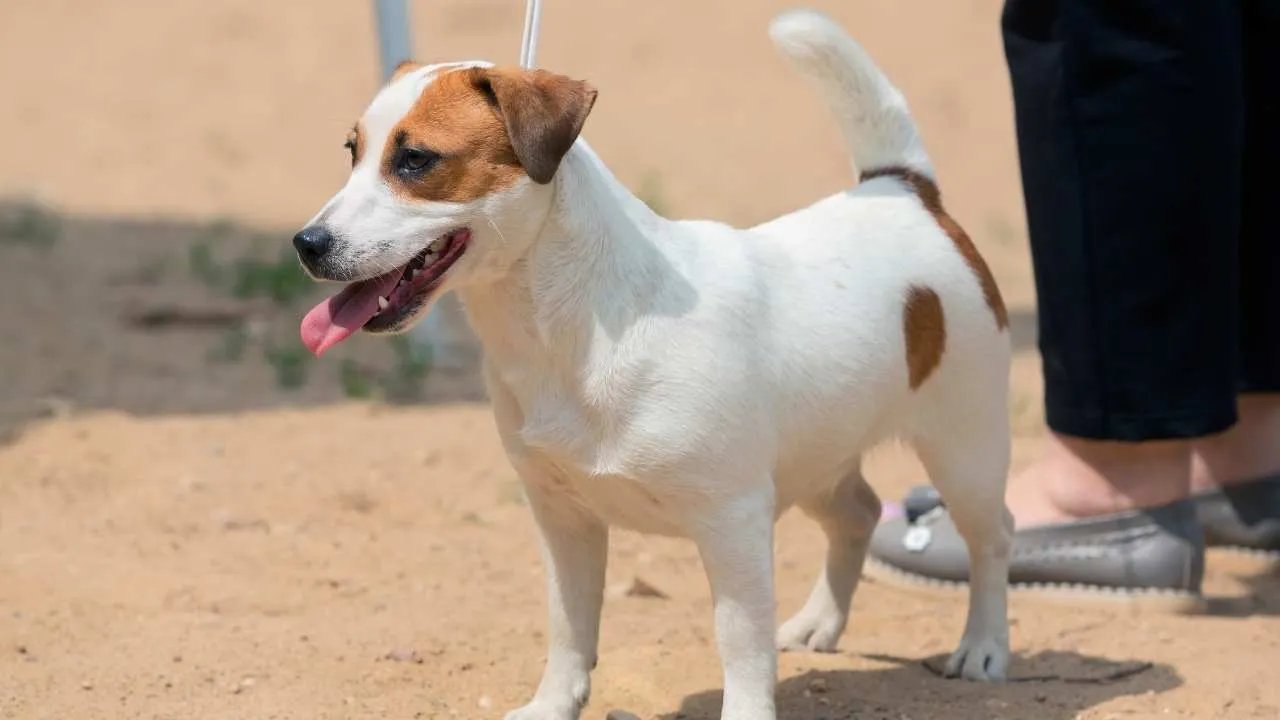
Jack Russell Terriers may be small, but they pack a serious punch. Often seen as pushy or insistent, what these dogs really crave is work, not just cuddles. They want to chase balls, hunt squirrels, and go on adventures—anything to keep them busy.
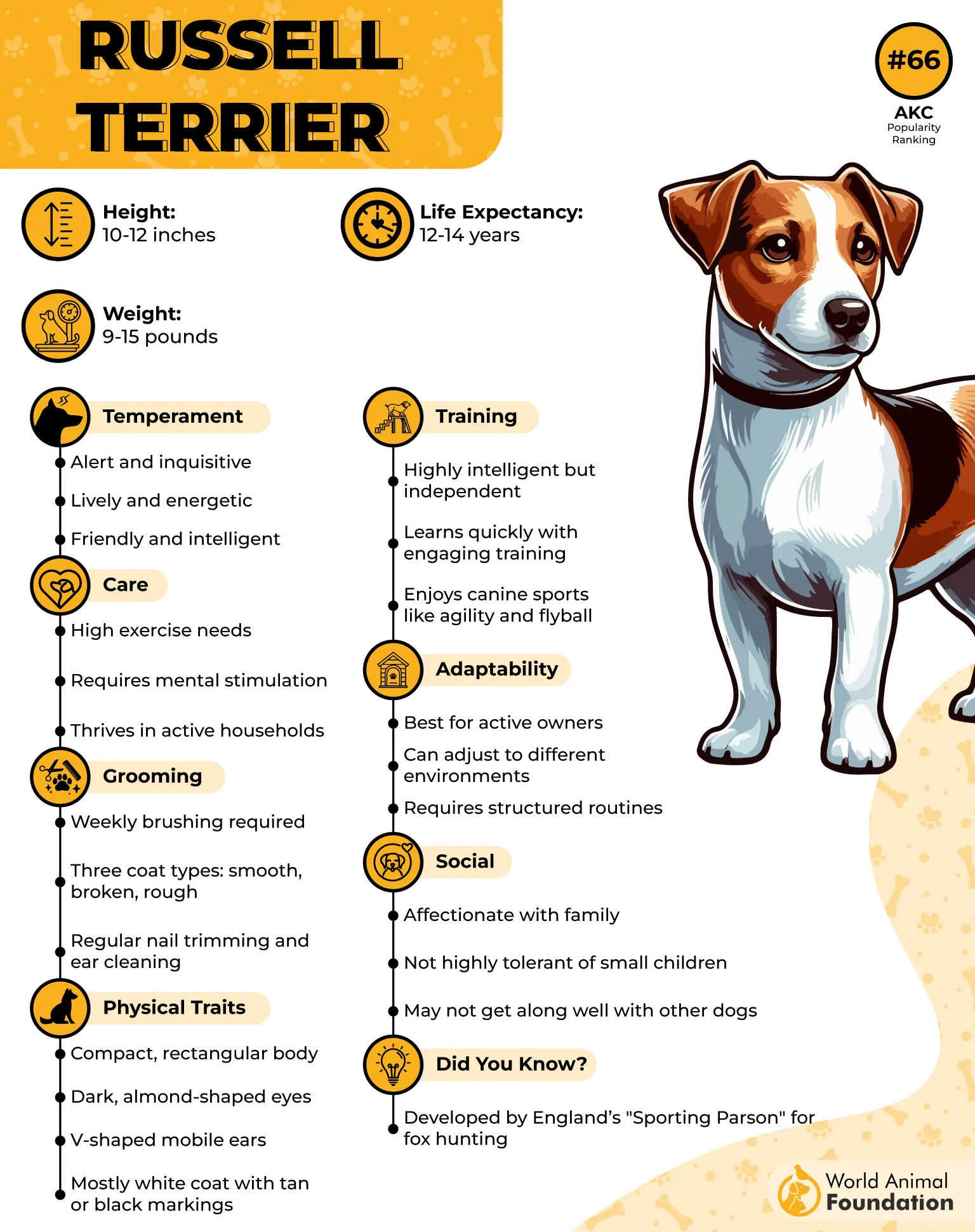
Originally bred for fox hunting, they have a strong prey drive that makes training difficult. Their intelligence and playful nature mean they love learning new tricks, but can get bored quickly. Without sufficient exercise and mental challenges, Jack Russells might become destructive or mischievous.
They’re fiercely independent and need owners who can keep up with their energy. These dogs thrive with lots of physical activity and tasks that engage their minds.
Pro Training Tip: Provide plenty of outlets for your Jack Russell’s energy. Use obedience training, brain games, and daily exercise to keep them focused and happy.
6. Beagle
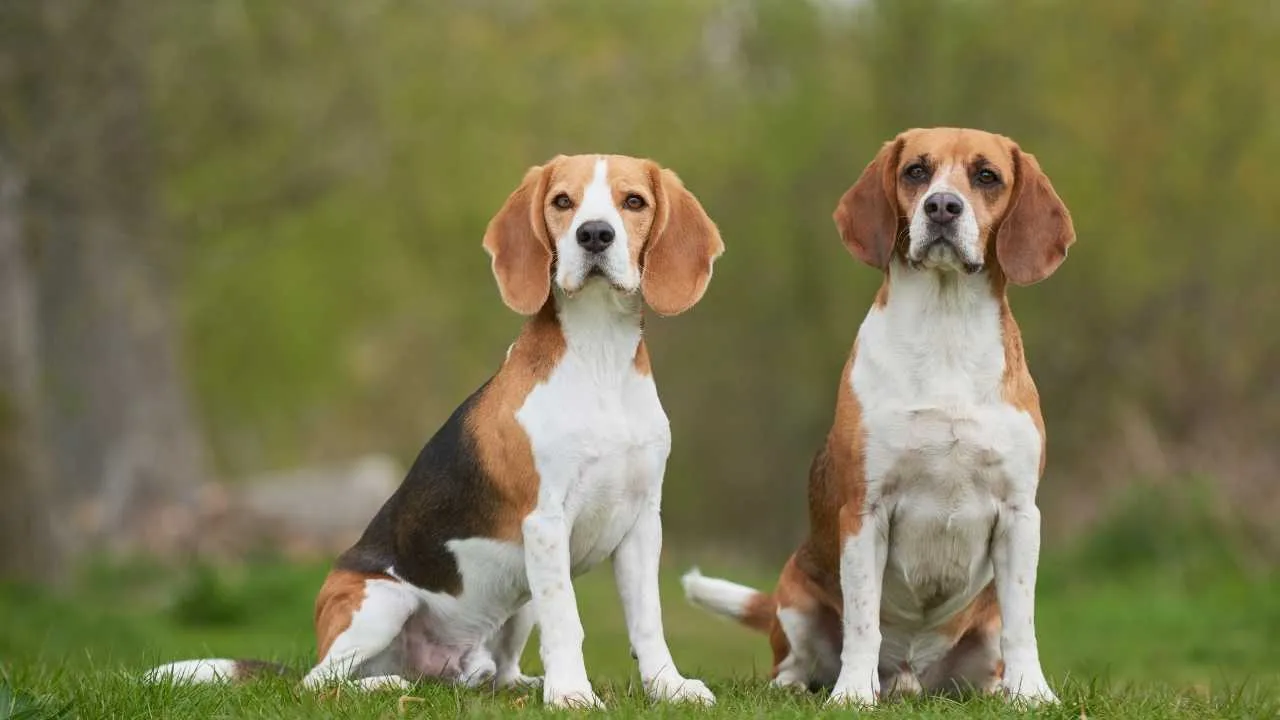
Beagles are friendly, cute, and smart dogs that many families love. But don’t let their sweet nature fool you—they’re independent hunters with a nose that leads them on wild adventures.
Given the chance, a Beagle might escape the yard and follow a scent trail for days, chasing after small animals or charming treats from strangers.
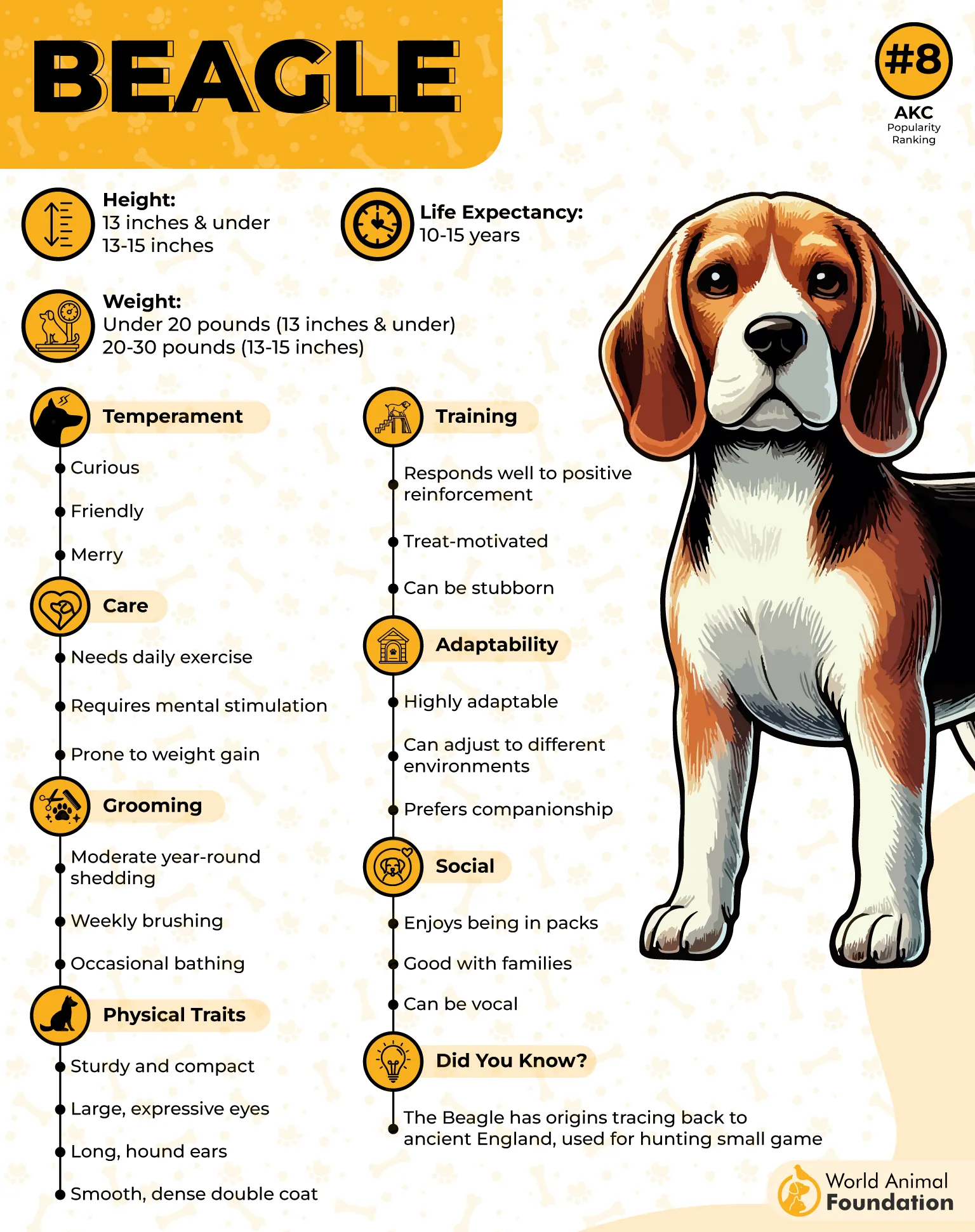
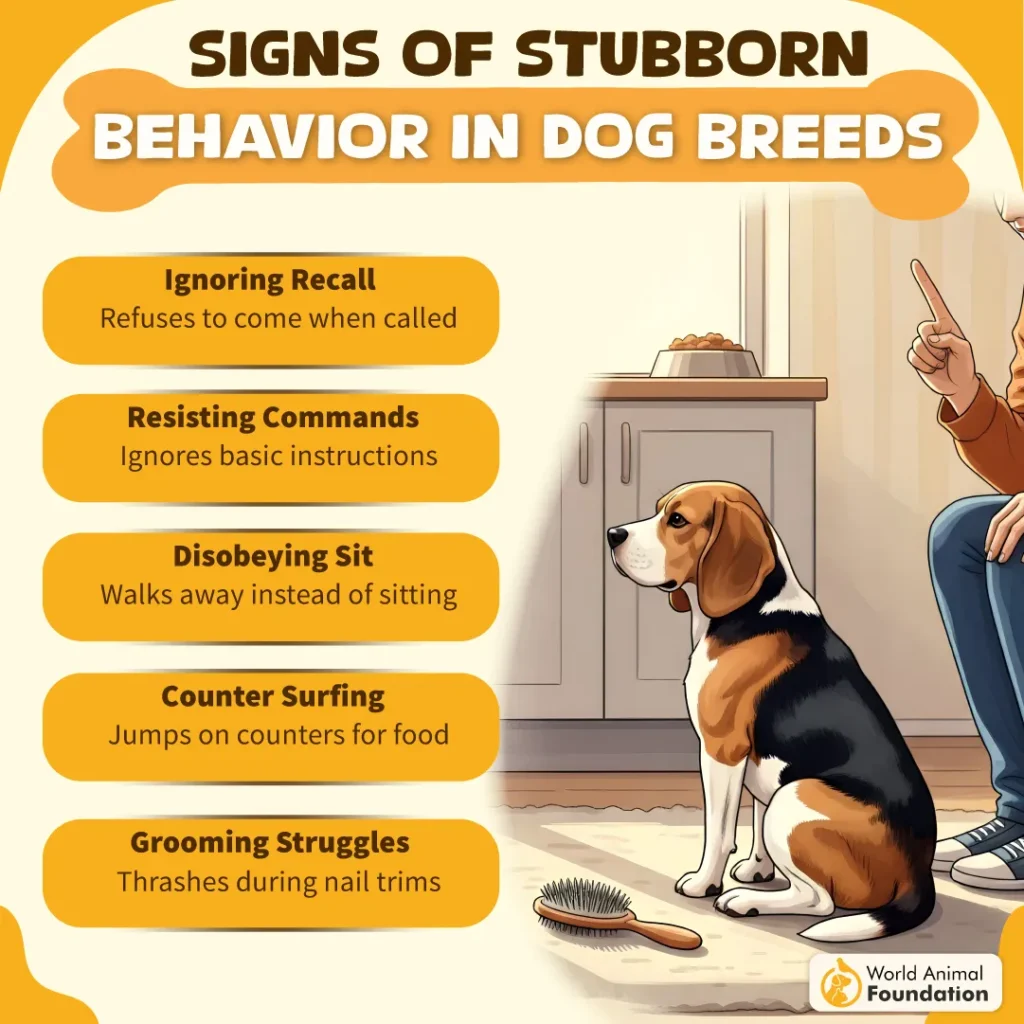
These dogs are great with kids and families, but their strong focus on smells makes training tricky. Beagles have a natural instinct to follow scents, which means they can easily get distracted outdoors or ignore calls when off-leash. This makes recall training one of the biggest challenges.
Pro Training Tip: The good news? Beagles are usually very motivated by food. Using tasty treats during training can keep them engaged and help teach good manners and commands—even in distracting environments.
7. Akita
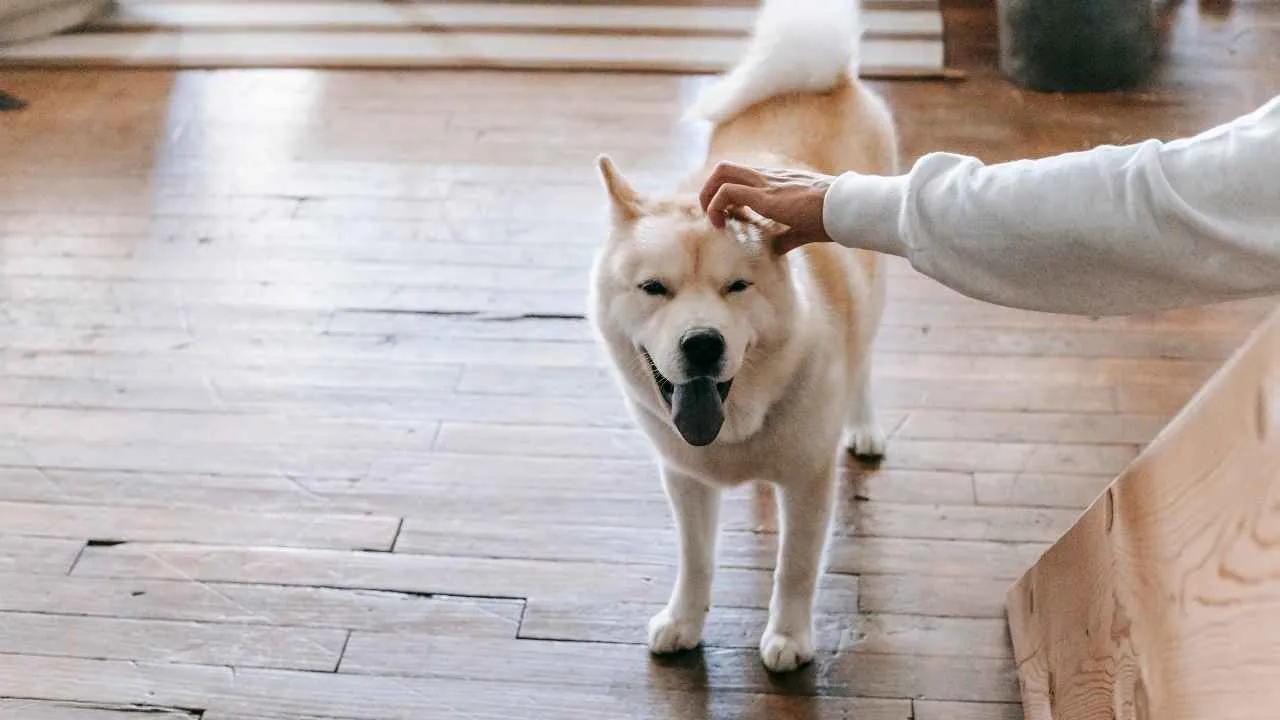
Akitas are known for their loyal nature and strong protective instincts. Unlike some dogs that demand attention, Akitas show affection quietly and on their own terms. They are steady, intuitive, and arguably one of the most independent breeds you’ll find.
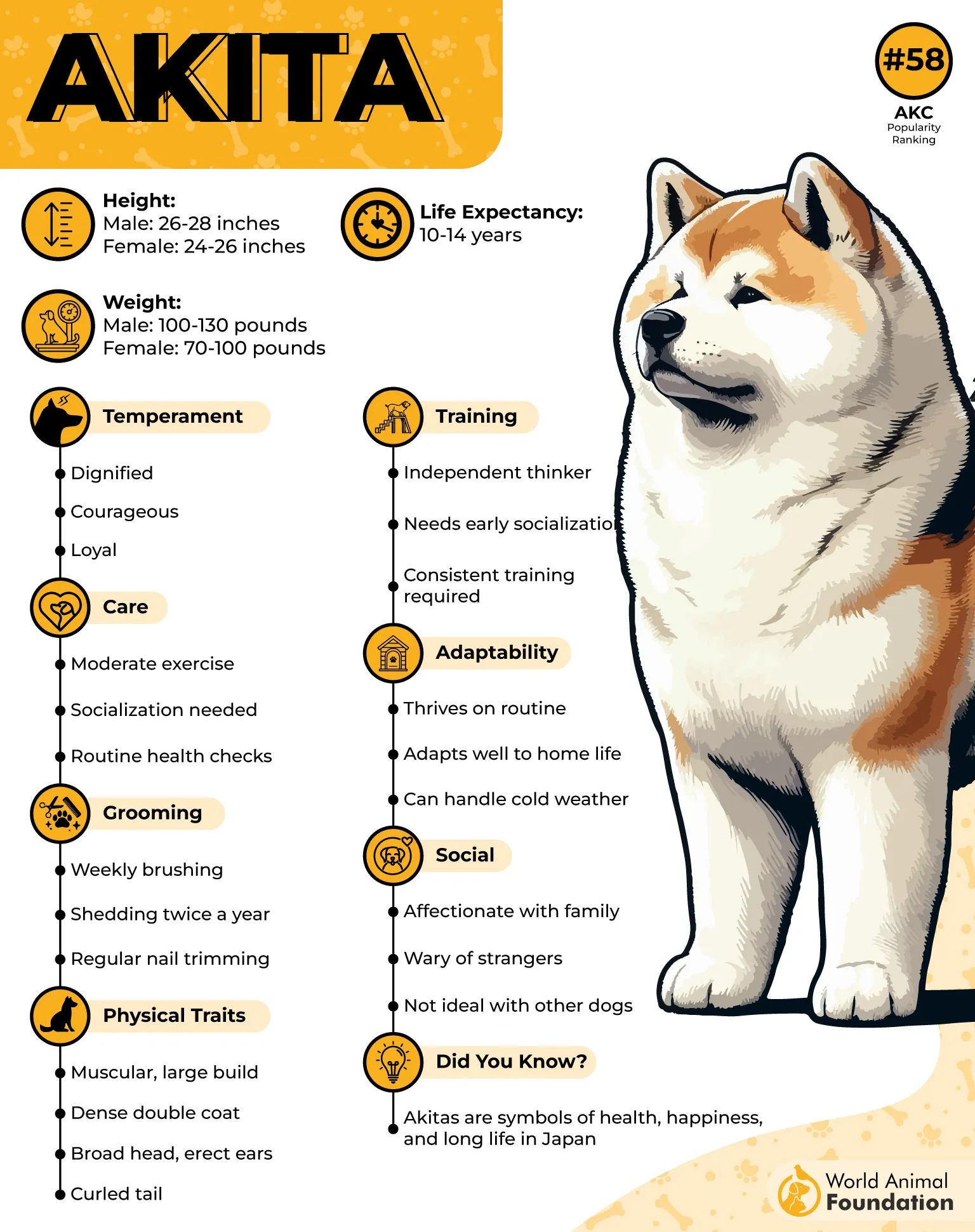
This noble breed, related to the smaller Shiba Inu, has a rich history as a hunting and guard dog in Japan. Akitas are strong-willed and very protective of their families, but tend to be aloof and imposing with strangers. They need early socialization to handle new people well.
Akitas aren’t the easiest dogs for beginners. Their independence and size mean they require careful training and a confident owner. But with responsible care, they reward their families with unmatched loyalty and love.
Pro Training Tip: Start socialization and training early. Consistent leadership and patience are key to managing their strong-willed nature and helping them become well-balanced and loyal companions.
8. Shiba Inu
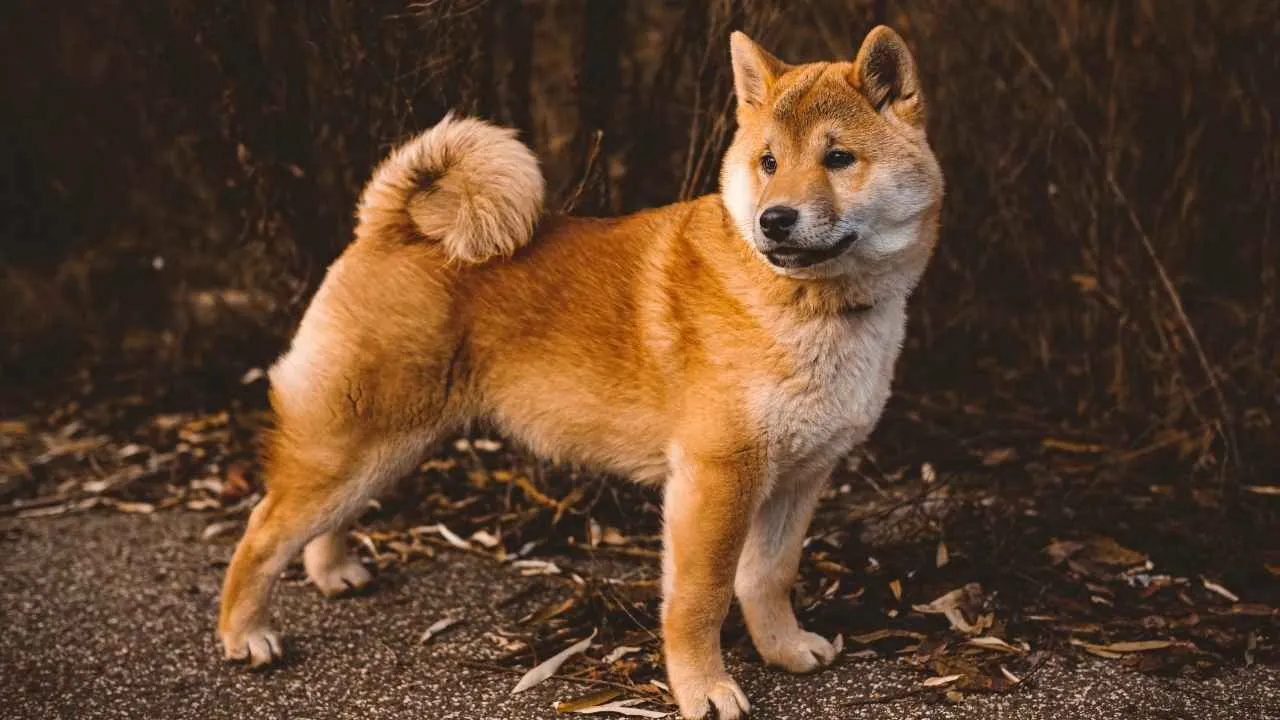
Shiba Inus, famous as the face of the Doge meme, are dramatic, expressive, and fiercely independent. Petplan mentions that they’re known for the “Shiba scream”—a high-pitched yell they use to show fear, joy, or excitement. While it can be startling, it’s just their unique way of communicating.
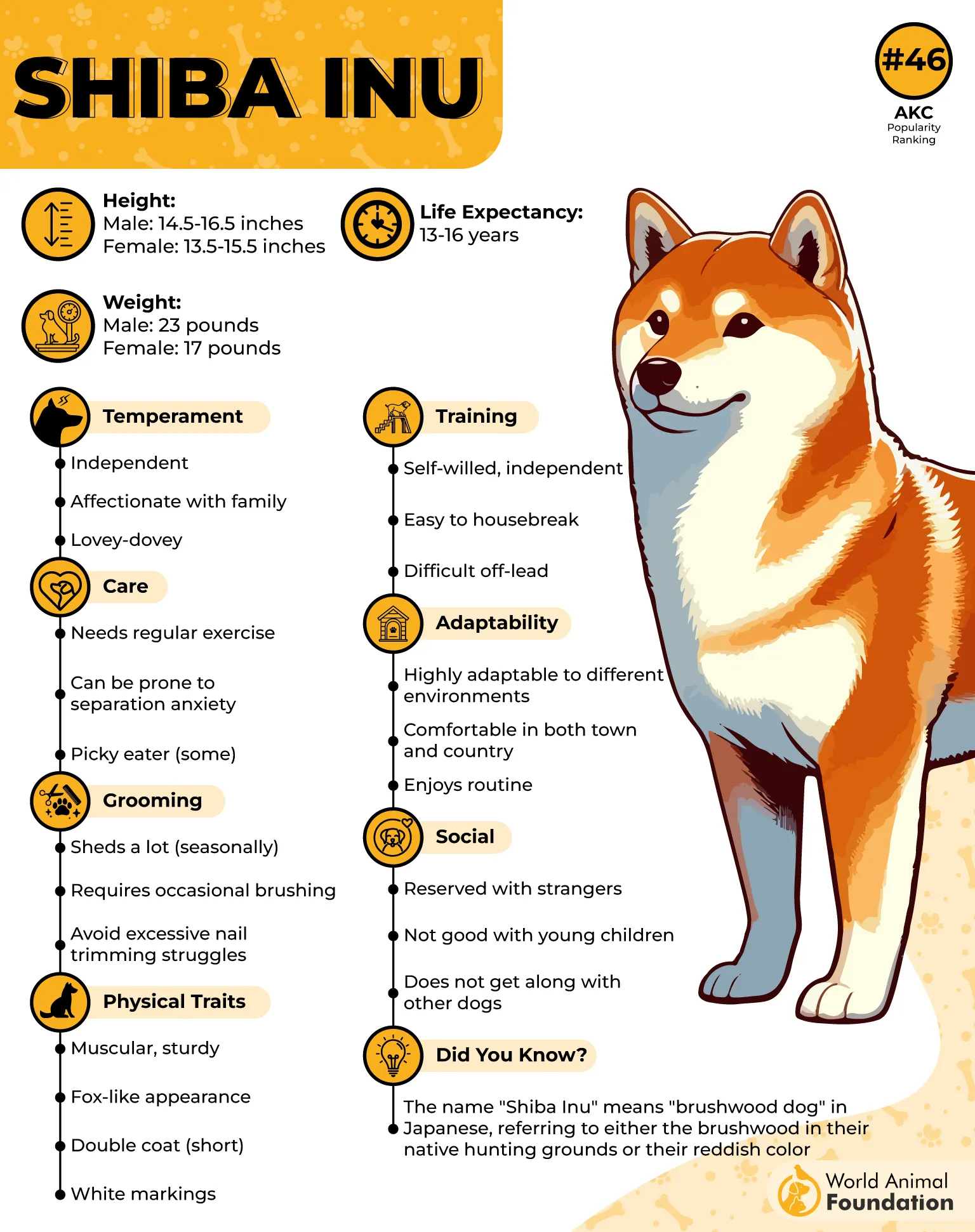
These ancient Japanese dogs were bred to hunt alone, giving them a strong sense of confidence and attitude. Shibas are wary of strangers but loyal and affectionate with their families. They often bond closely with one person and can be cautious around children.
Shibas are very self-sufficient and don’t need constant attention. Their cat-like independence and spirited nature make them both charming and a bit challenging to train.
Pro Training Tip: Early socialization and consistent training are essential. Respect their independent streak, but stay patient—this helps raise a well-mannered and happy Shiba.
9. Chinese Shar-Pei
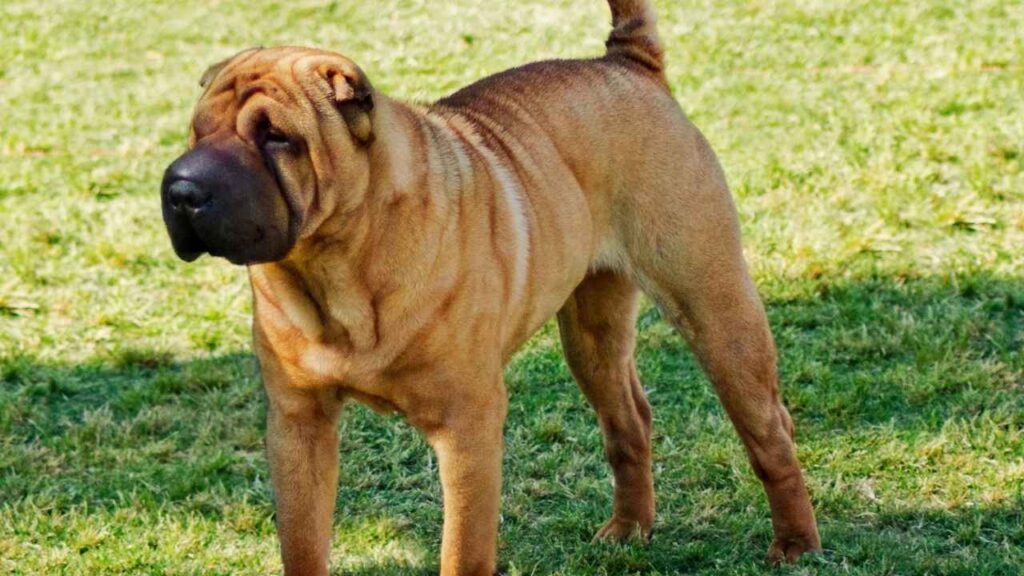
Chinese Shar-Peis are famous for their deep wrinkles and unique blue-black tongues. Often compared to tiny hippos, these dogs have a strong protective instinct from their past as property guardians. They’re independent, stubborn, and usually show affection only to close family members.
Royal Canin states that Shar-Peis are loyal but reserved around strangers. They have moderate energy and adapt well to apartment living. But they definitely like to do things their own way, making training a test of patience. Their calm demeanor can be a great fit for quieter households.
Shar-Peis also need special care because of their wrinkles and a condition called Shar-Pei fever. For families ready to handle their unique needs, these loyal guardians make fascinating pets and excellent guard dogs.
Pro Training Tip: Early socialization and gentle, consistent, and proper training help manage their stubborn nature. Keep their skin clean and monitor for health issues to keep them happy and healthy.
10. Alaskan Malamute
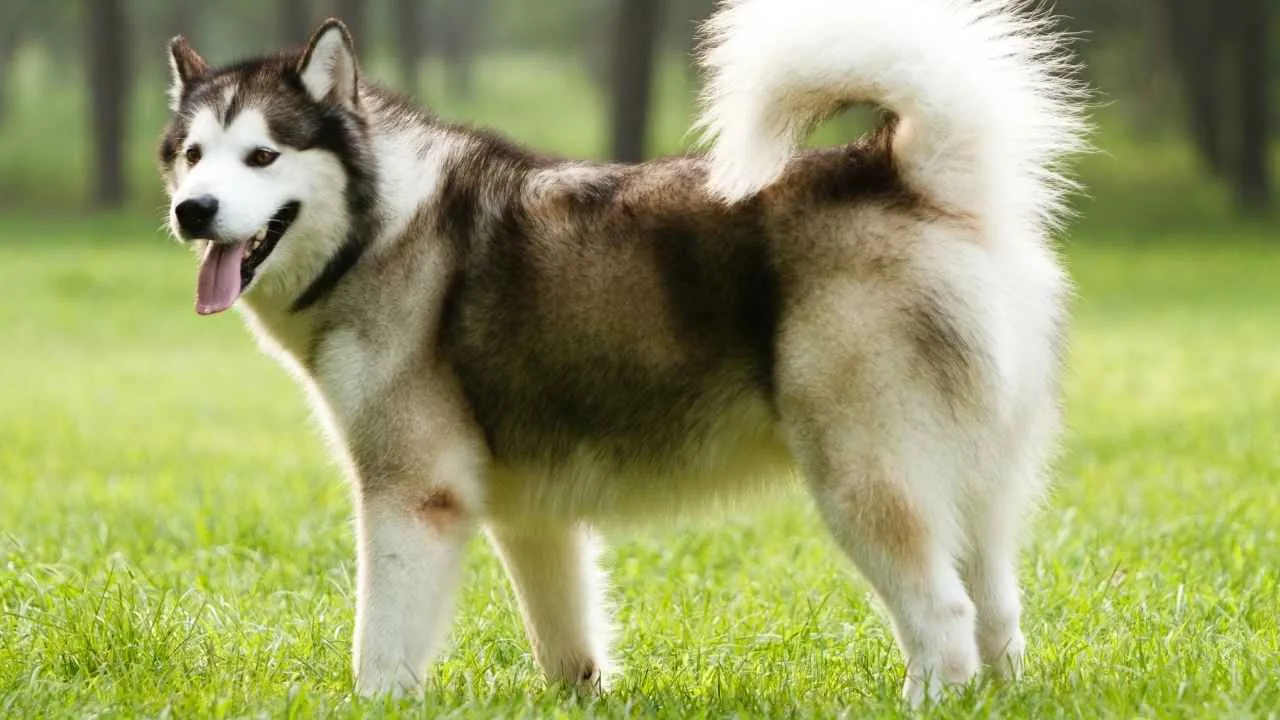
Alaskan Malamutes are hardworking dogs bred for sled pulling in cold climates. They have thick coats and a calm, quiet nature, preferring to relax indoors unless they’re outside working or playing. Despite their friendly demeanor, they’re fiercely independent and strong-willed.
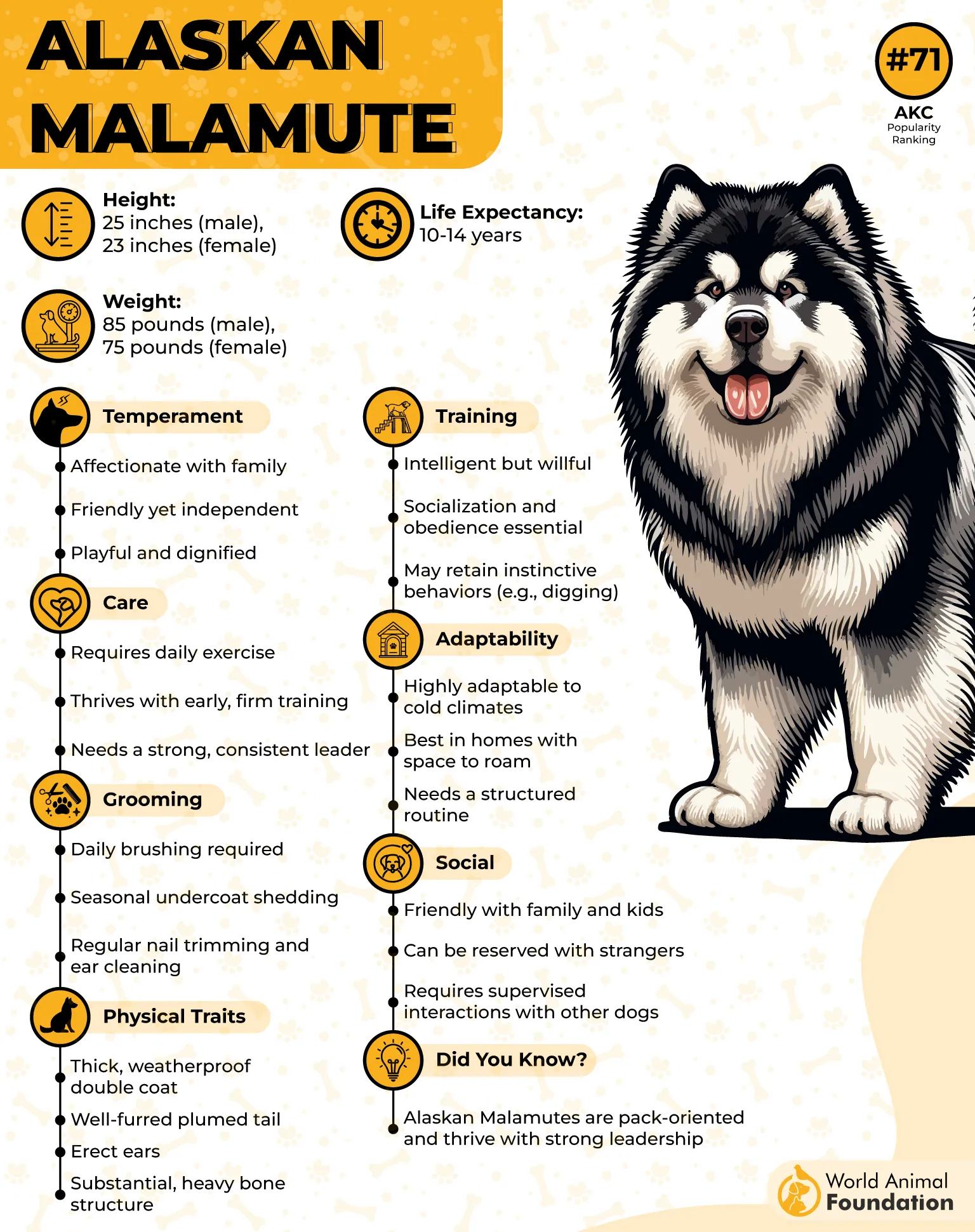
These sled dogs are highly loyal to their family but often choose to do things their own way. Unlike many breeds, Malamutes aren’t motivated by food or toys, which can make training a real challenge. They also have a strong prey drive and may chase smaller animals if not properly managed.
Because of their independent nature and strength, Malamutes need plenty of physical and mental stimulation. Activities like pulling sleds, skiing, or playing with a flirt pole help satisfy their natural instincts and keep them focused.
Pro Training Tip: Give your Malamute plenty of breed-specific outlets for energy. Regular enrichment and exercise are essential to channel their prey drive and keep training on track.
Conclusion
Training a dog takes patience, understanding, and a sense of humor—especially with independent and stubborn breeds. Each unruly dog brings its own challenges and rewards, but knowing what to expect helps build a stronger bond and a happier home.
Beyond these breeds, many dogs have different training styles. Highly trainable and obedient dog breeds are eager to please and respond well to dog training. Smaller breeds can be spirited but manageable.
Some need firm guidance, while some breeds tend to be laid-back but occasionally stubborn. Even less obedient breeds charm their way into our hearts.
