




Looking for a furry friend who’ll be by your side for many joyful years? Choosing a dog isn’t just about picking a cute face—it’s also about finding a lifelong companion who shares your journey through all of life’s ups and downs.
One big question many pet lovers ask is, “Which dogs live the longest?” Because let’s be real: every extra wag, every cuddle, and every tail-wagging adventure means the world.
Well, size, genetics, and lifestyle all play a starring role. Smaller dogs generally age more slowly and stick around longer, while bigger breeds tend to have shorter lifespans. But it’s not just about size—how you care for your dog makes a massive difference in their health and happiness.
In this article, we’ll walk you through the most popular dog breeds known for their long, happy lives and share tips on how to help your pup thrive well into their golden years. Ready to meet your future best friend and learn how to give them the happiest, healthiest life possible? Let’s dive in!
Key Takeaways
Meet long-living breeds like Shih Tzus, Toy Poodles, and Dachshunds, and learn what makes them last.
Learn simple care tips to help your dog stay happy and healthy for years.
Discover bold little breeds like Yorkies and gentle giants like Finnish Lapphunds.
See how lifestyle and love can add more wagging years to your pup’s life.
Popular Dog Breeds with the Longest Lifespans and Happy Hearts
1. Shih Tzu
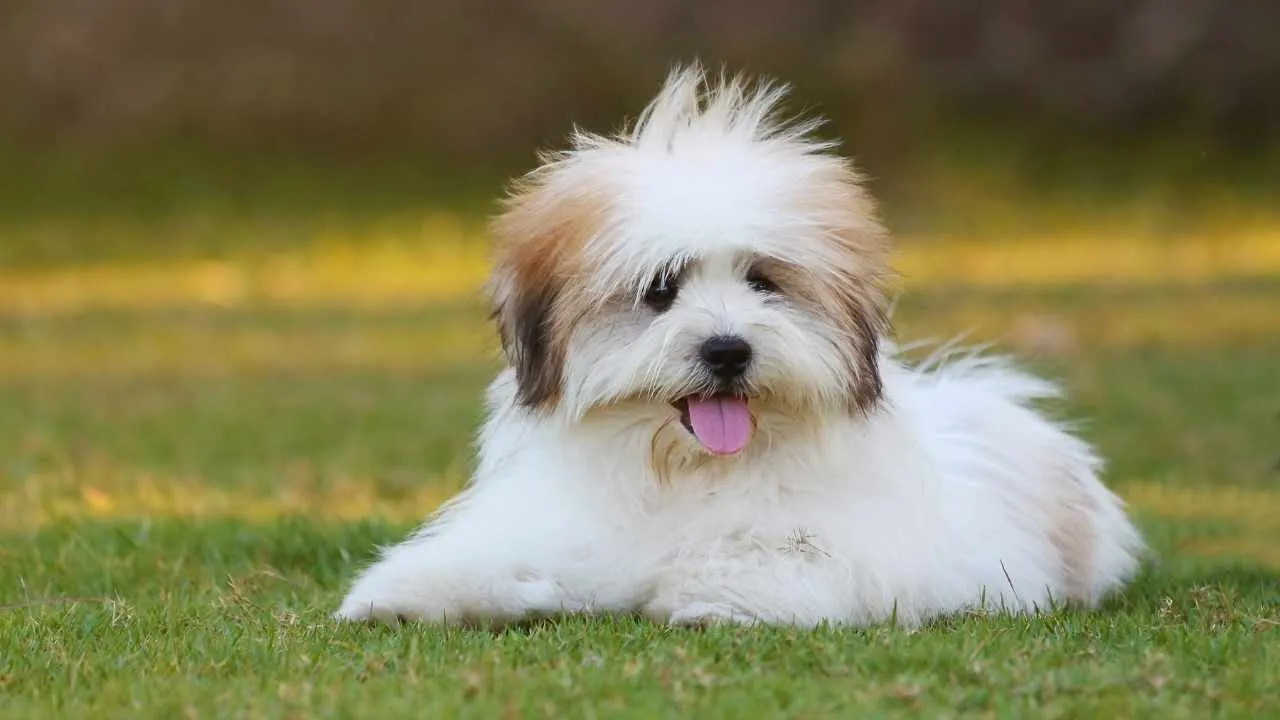
The Shih Tzu is an ancient breed that was kept as a beloved companion by Chinese royalty for centuries. Bred purely for companionship, these dogs are affectionate, friendly, and gentle by nature.
They enjoy playtime with their pet parents but are just as happy curling up on a lap, making them wonderful indoor companions with truly happy hearts.
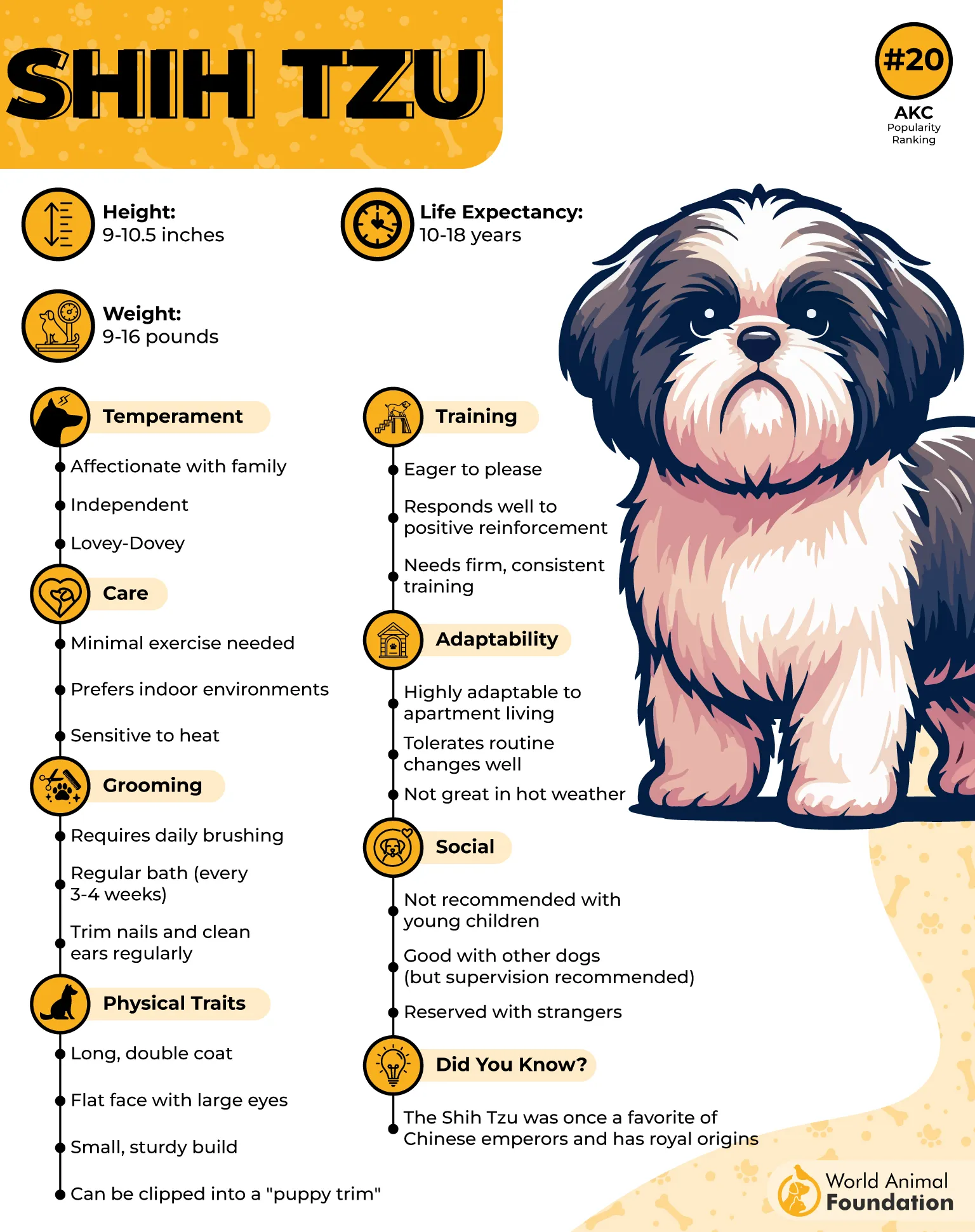
With an average lifespan of 10 to 18 years, Shih Tzus commonly live 14 years or longer. They were selectively bred for temperament and resilience, which contributes to their longevity. These adaptable dogs need only short daily walks and light playtime and are generally easy to care for in a home setting.
However, Shih Tzus have a brachycephalic (flat-faced) structure, which can cause health concerns throughout life. Breathing problems and overheating are common, especially in hot weather, and studies show brachycephalic dogs have a lower median life expectancy if not carefully managed.
Key Care Points to Support a Long, Happy Life:
Keep exercise light and avoid overheating
Provide daily brushing or regular coat trimming
Monitor breathing, eye health, and skin conditions
Maintain routine veterinary care
2. Bichon Frise
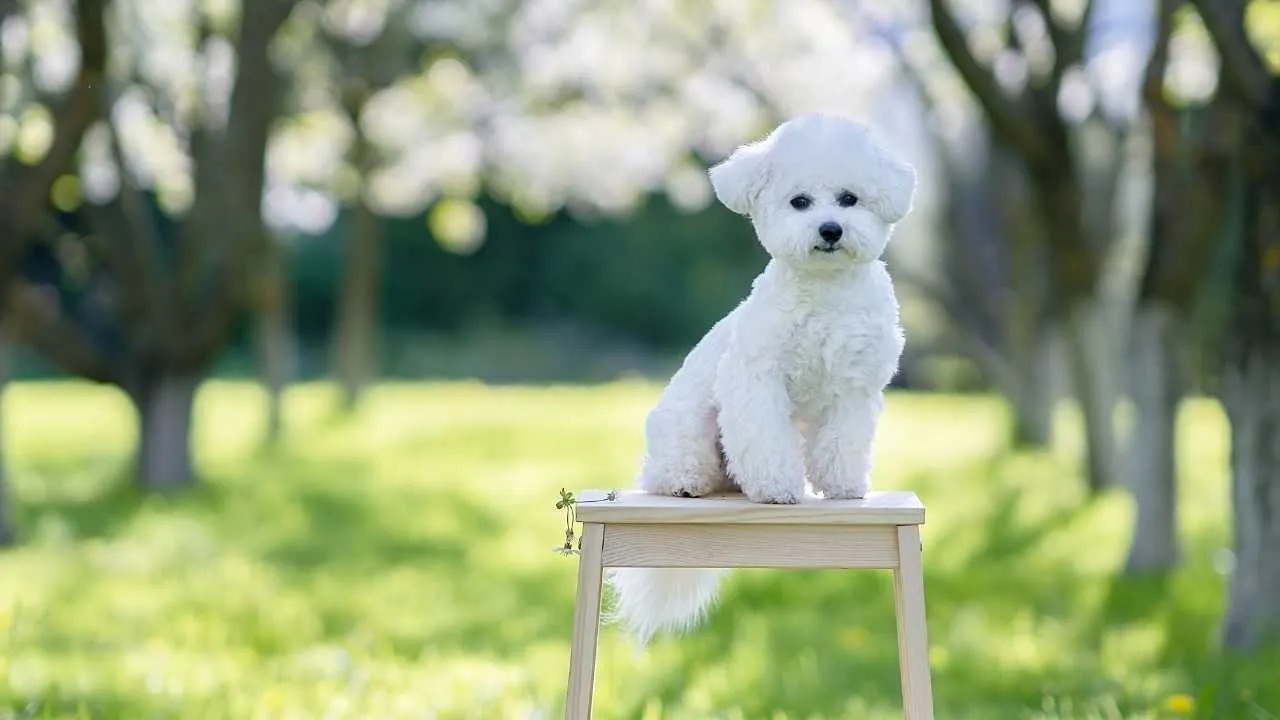
It’s hard to resist the Bichon Frise and their cheerful, smiling expression. These curious, peppy, and affectionate dogs seem to be on a mission to make everyone around them happy.
They love playing with toys, learning fun tricks, cuddling on the couch, and being the center of attention. Friendly and social, they get along well with children, other dogs, and even thrive in multi-pet homes.
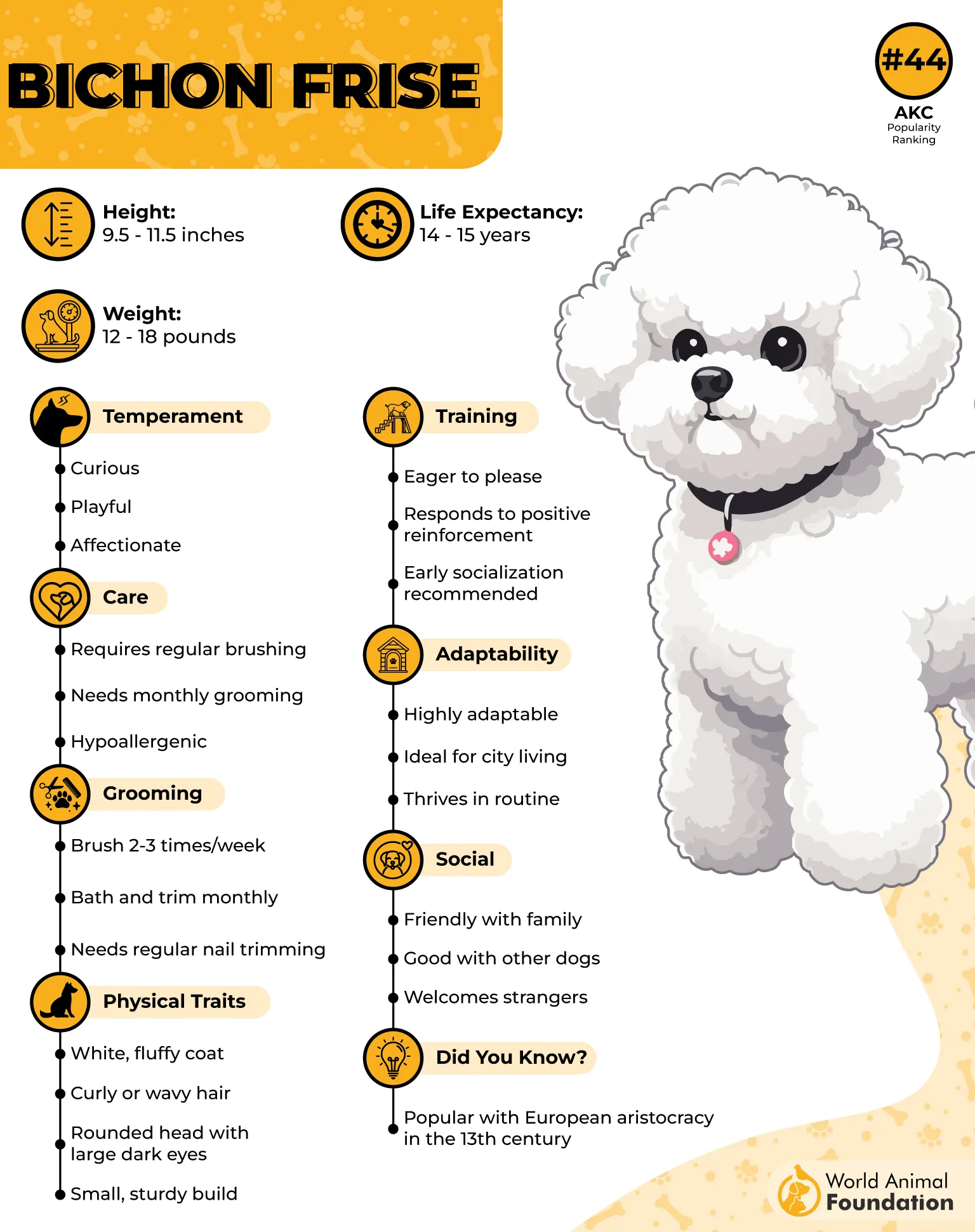
The Bichon Frise has an average lifespan of 14 to 15 years, with many living well into their teens. PetMD mentions that their curly coat is often called hypoallergenic, and while no dog is completely allergen-free, they can be a good fit for some people with allergies.
Overall, Bichon Frises are considered a generally healthy breed, but they are prone to certain conditions. These include diabetes mellitus, dental disease, allergies, patellar luxation, and eye issues such as cataracts.
Their coat requires proper grooming, and positive reinforcement training works best, as they can sometimes show a stubborn streak. With proper care, they can enjoy long, fulfilling lives.
Key Care Points to Support a Long, Happy Life:
Maintain regular grooming and dental care
Use positive reinforcement for training
Monitor for eye, dental, and joint issues
Provide daily companionship and gentle exercise
3. Dachshund

Long-bodied and instantly recognizable, Dachshunds proudly embrace their famous “wiener dog” nickname. Don’t let their short legs fool you—these energetic dogs are muscular, energetic, and were originally bred to hunt badgers.
Affectionate, playful, and full of bold curiosity, Dachshunds form strong bonds with their families and never hesitate to share devotion or sound the alarm when something catches their attention.
Dachshunds are one of the longest-living popular dog breeds, with an average lifespan of 12 to 16 years, and it’s not uncommon to meet one over 15 years old.
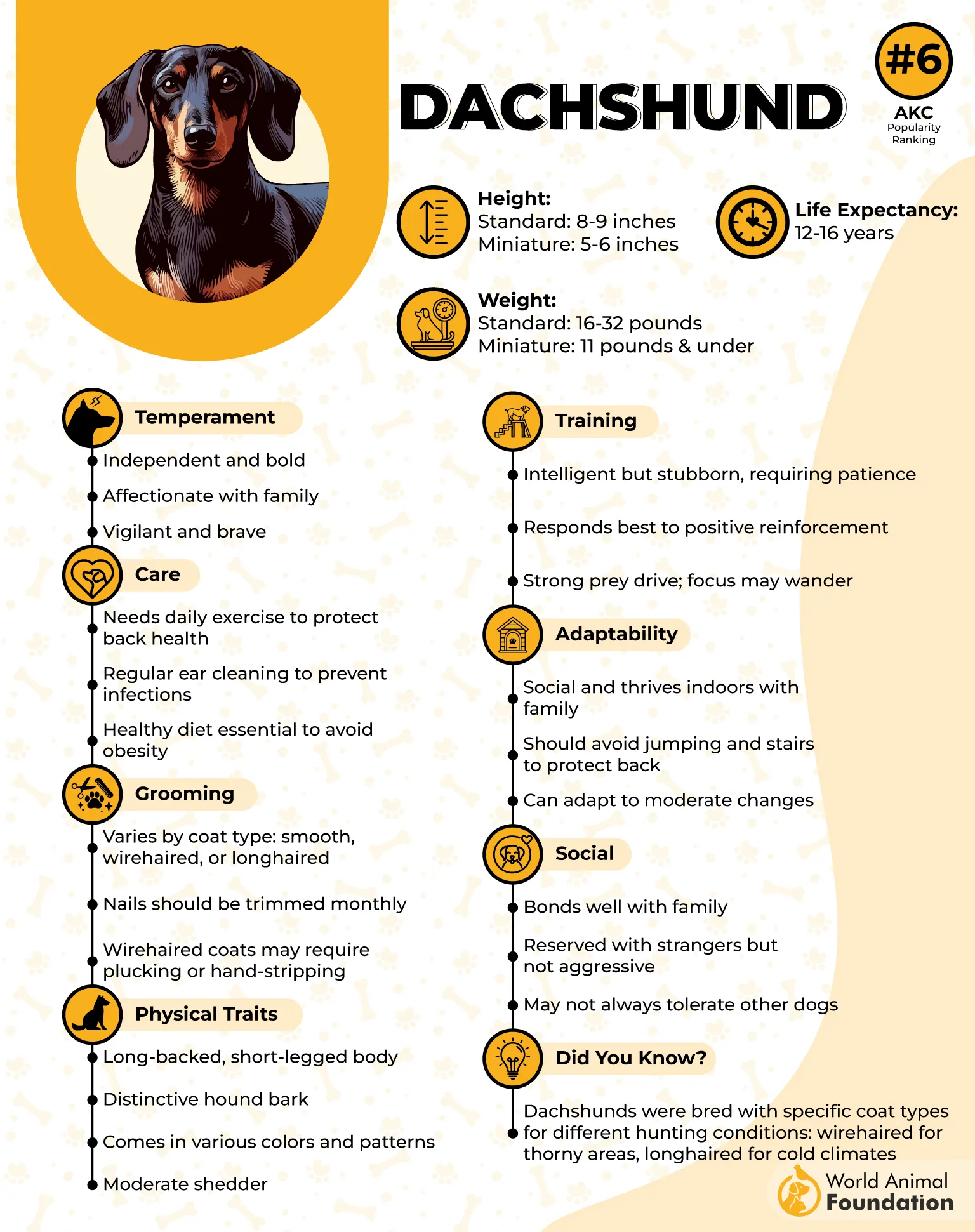
A Dachshund named Chanel even set a Guinness World Record, living to 21 years old. Their independence, active lifestyle, and sturdy nature may all play a role in their longevity, as long as pet owners do their part to support their unique build.
Because of their long backs, Dachshunds require special care as they age. They love to eat, and even slight obesity can increase the risk of back injuries and intervertebral disc disease (IVDD).
Jumping and excess strain can worsen these issues. While they can be vocal, they are eager to please and respond well to training with treats, making them loving and loyal companions for many years.
Key Care Points to Support a Long, Happy Life:
Maintain a healthy weight to protect their back
Prevent jumping and excessive strain
Monitor for signs of back problems or IVDD
Use positive, treat-based training methods
4. Rat Terrier

The Rat Terrier is a true American original, with its breed name said to have been coined by Teddy Roosevelt. Originally bred as a tough and efficient exterminator dog, this smooth-coated terrier is compact, athletic, and built for action.
Despite their working roots, Rat Terriers are happy-go-lucky, playful, and affectionate companions who love being involved in family life. Known for being one of the longest-living dog breeds, Rat Terriers typically live 12 to 18 years.
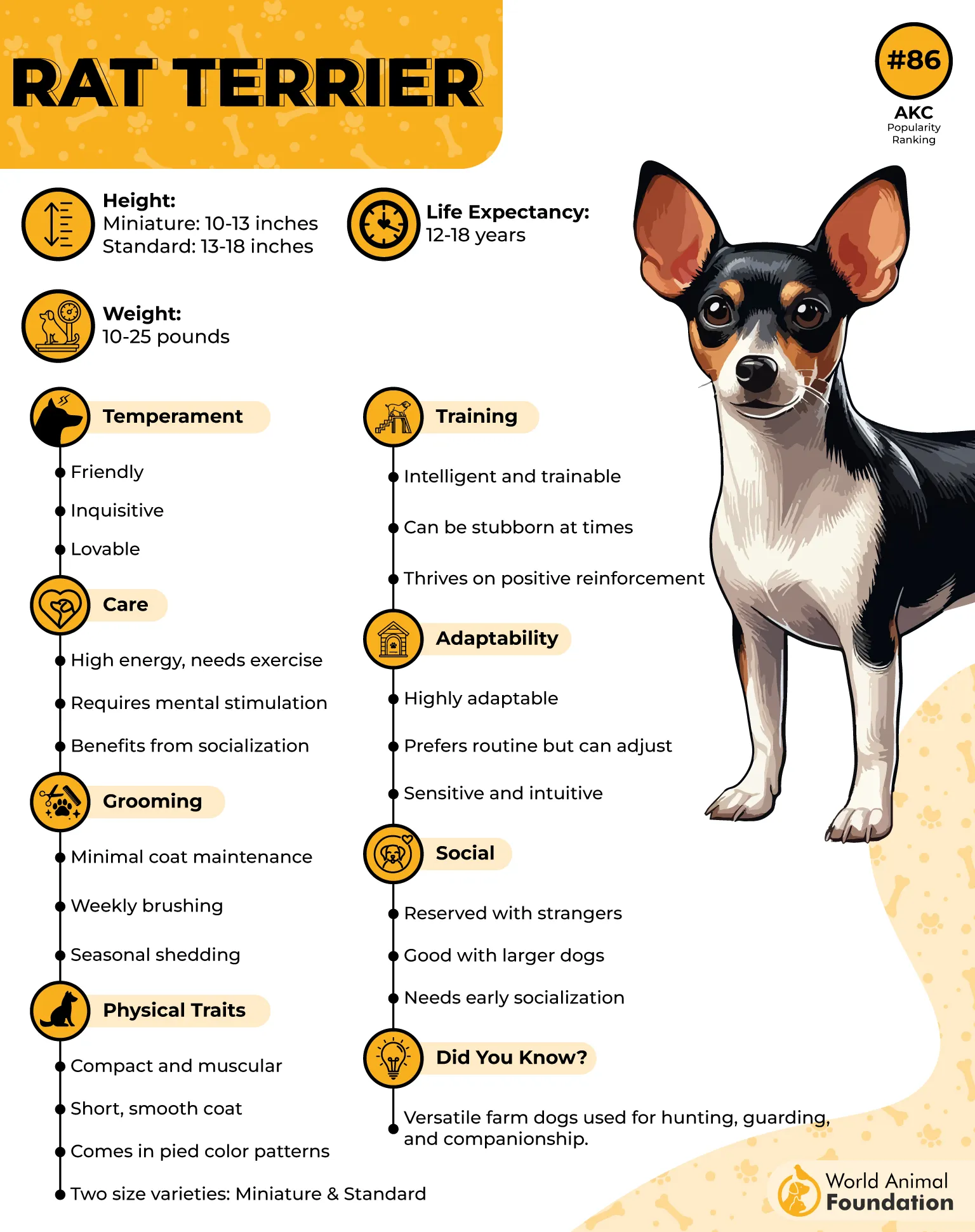
Their sturdy build, intelligence, and high energy levels may contribute to their impressive longevity. While they were bred to hunt rats, today’s Rat Terriers are family-oriented dogs that want to join in on whatever their people are doing.
As a hardy breed, Rat Terriers are spirited and can be stubborn at times, as mentioned by WebMD. They are opinionated and like to understand why they should listen before responding.
Consistent boundaries, obedience training, and positive reinforcement help them thrive. These dogs are active, entertaining, and full of personality, making them a great match for patient and experienced pet parents.
Personality Traits & Care Highlights
Affectionate and playful
Great with young children
Intelligent but strong-willed
Thrive with consistent training and structure
5. Poodle
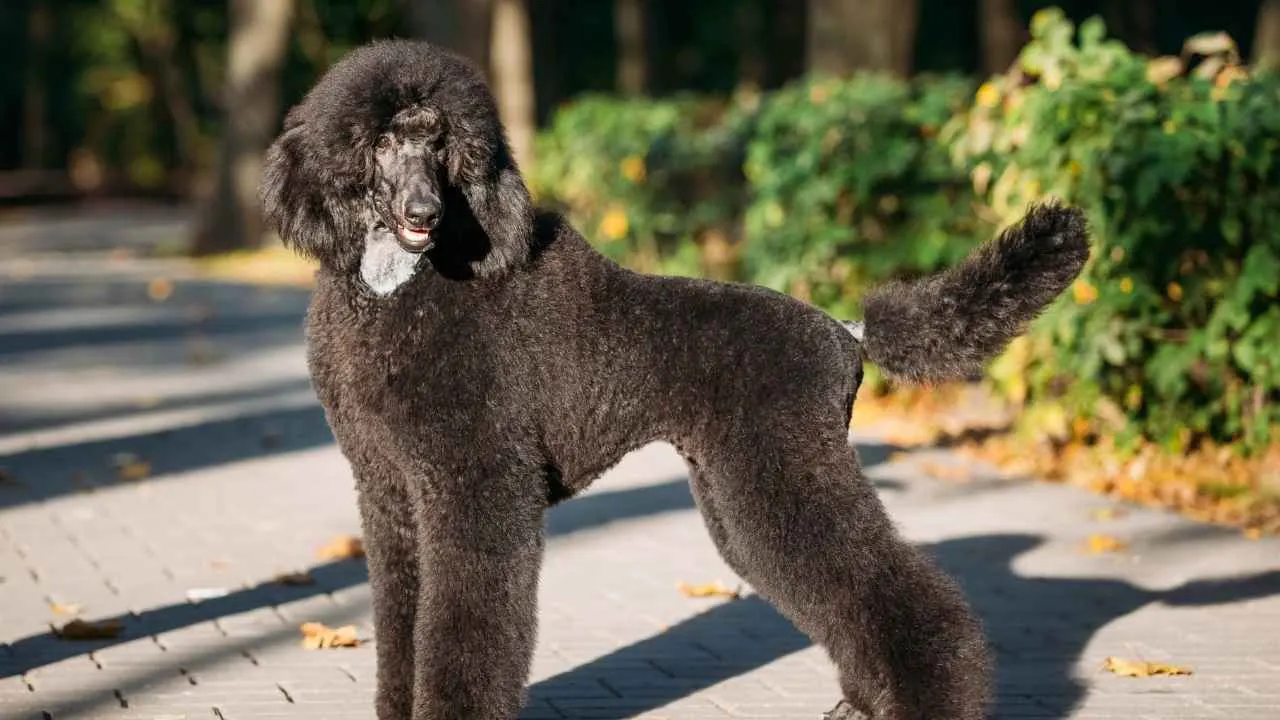
Toy Poodles may be small, but their personality and intelligence are anything but. Known for their sharp minds and eager attitude, these dogs love learning new things and enjoy being mentally engaged.
Loyal and devoted to their families, they are friendly with strangers, other dogs, and pets, making them wonderful companions with truly happy hearts.
As the smallest of the three Poodle varieties, Toy Poodles are also the longest-living. It’s not uncommon for them to reach 16 to 18 years, placing them among the longest-living dog breeds.
Poodles are considered one of the healthiest dog breeds overall, with relatively lower genetic disease risks, and their small stature further supports their impressive longevity.
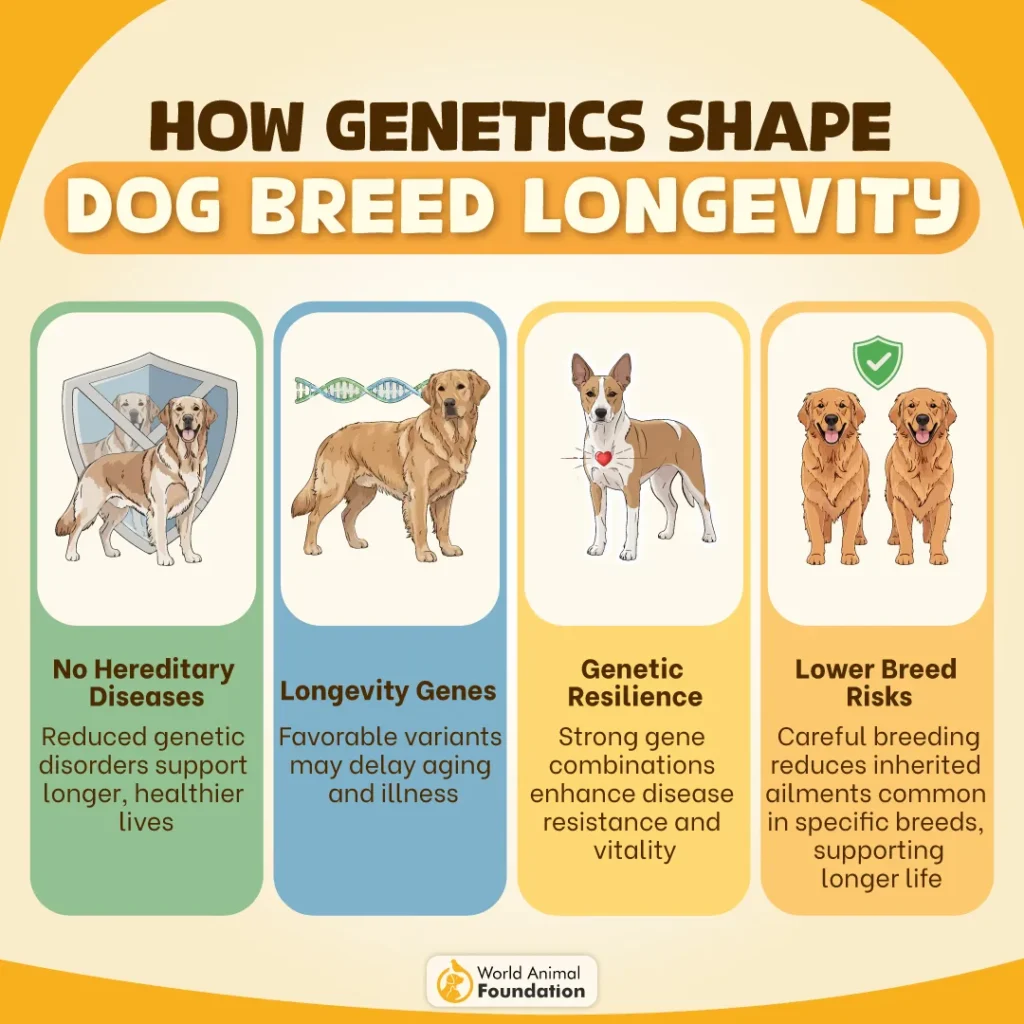
Despite their long lifespan, Toy Poodles can face some common small-dog health issues. These include eye problems, dental disease, luxating patellas, and Legg-Calvé-Perthes disease.
Because they are highly intelligent, mental exercise is just as important as physical care. Training, puzzle toys, and regular engagement help keep their minds sharp well into old age.
Key Care Points to Support a Long, Happy Life
Provide daily mental stimulation and training
Watch for dental, joint, and eye issues
Use positive reinforcement to satisfy their eager nature
Maintain regular veterinary checkups
6. Yorkshire Terrier

Yorkshire Terriers may be small, but their personality is bold and fearless. Affectionate, curious, and always ready for adventure, these spunky terriers are known for their lively spirit.
They are loyal to their families, eager to please, and full of charm, though they aren’t shy about being vocal or showing their strong guarding instincts. Yorkies are one of the longest-living popular dog breeds, with many living 13 to 15 years, and some reaching 14 to 16 years with proper care.
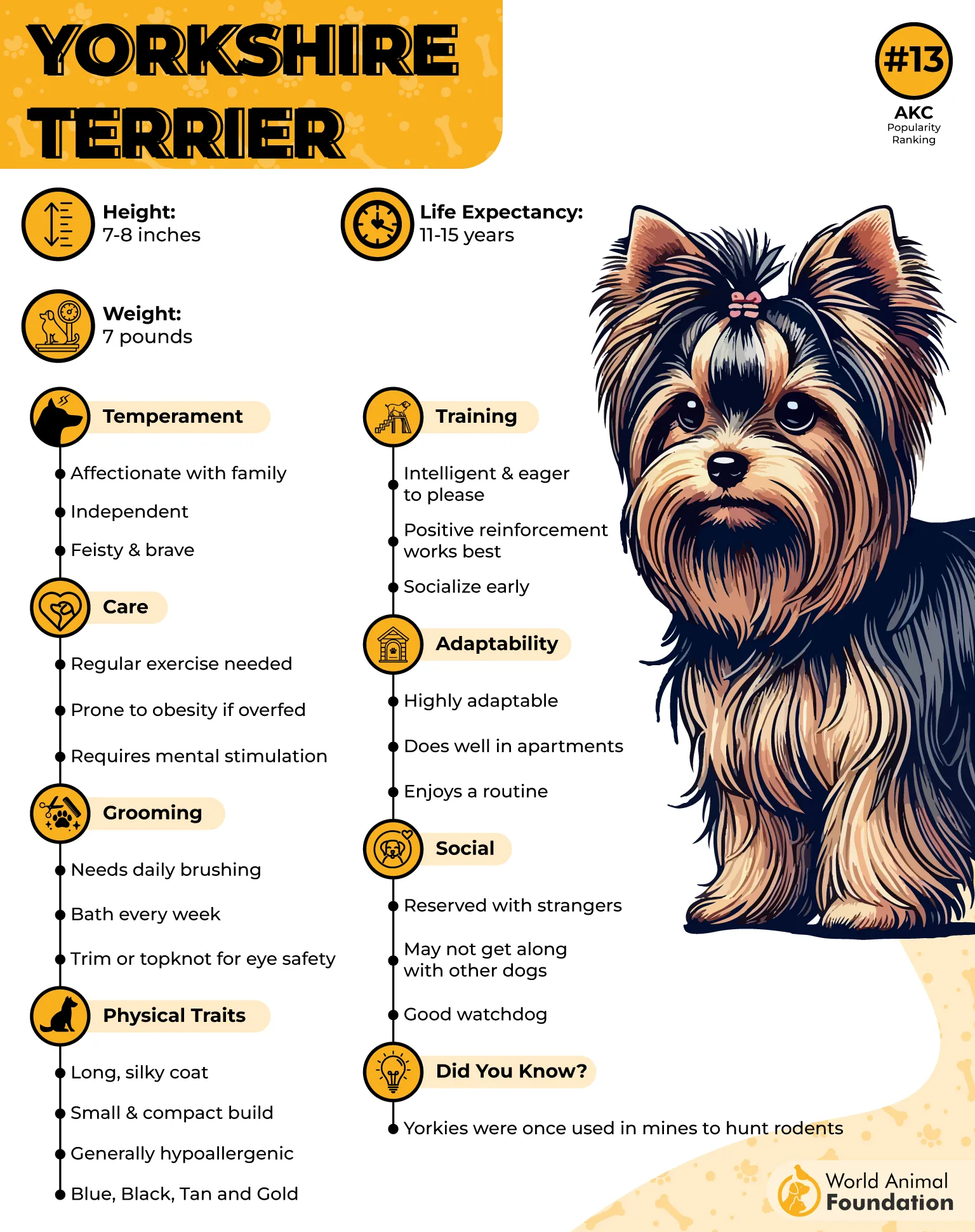
Originally bred for ratting, they have a feisty, determined nature that contributes to their impressive longevity. Intelligent and food-motivated, they often learn new tricks easily but can become bored and mischievous if not mentally engaged.
While generally a healthy breed, Yorkshire Terriers are prone to certain health concerns. These include patellar luxation, tracheal collapse, Legg-Calvé-Perthes disease, eye issues, and periodontal disease.
Yearly dental cleanings and regular veterinary checks are important. Using a harness instead of a collar can help protect their delicate throat and support long-term health.
Key Care Points to Support a Long, Happy Life
Use a harness to protect the throat
Maintain dental care and regular vet visits
Watch for knee, joint, and breathing issues
Provide mental stimulation to prevent boredom
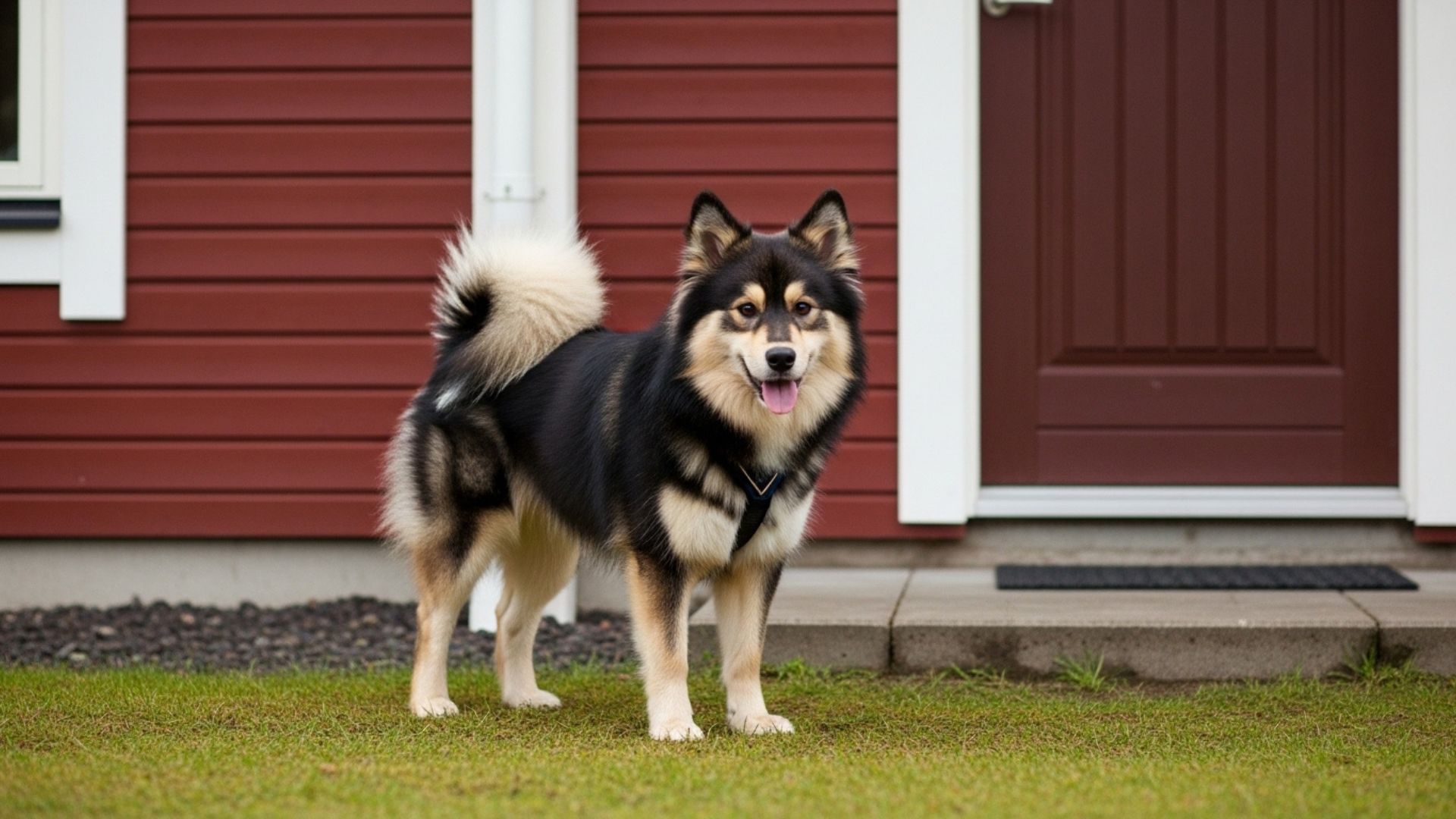
7. Finnish Lapphund
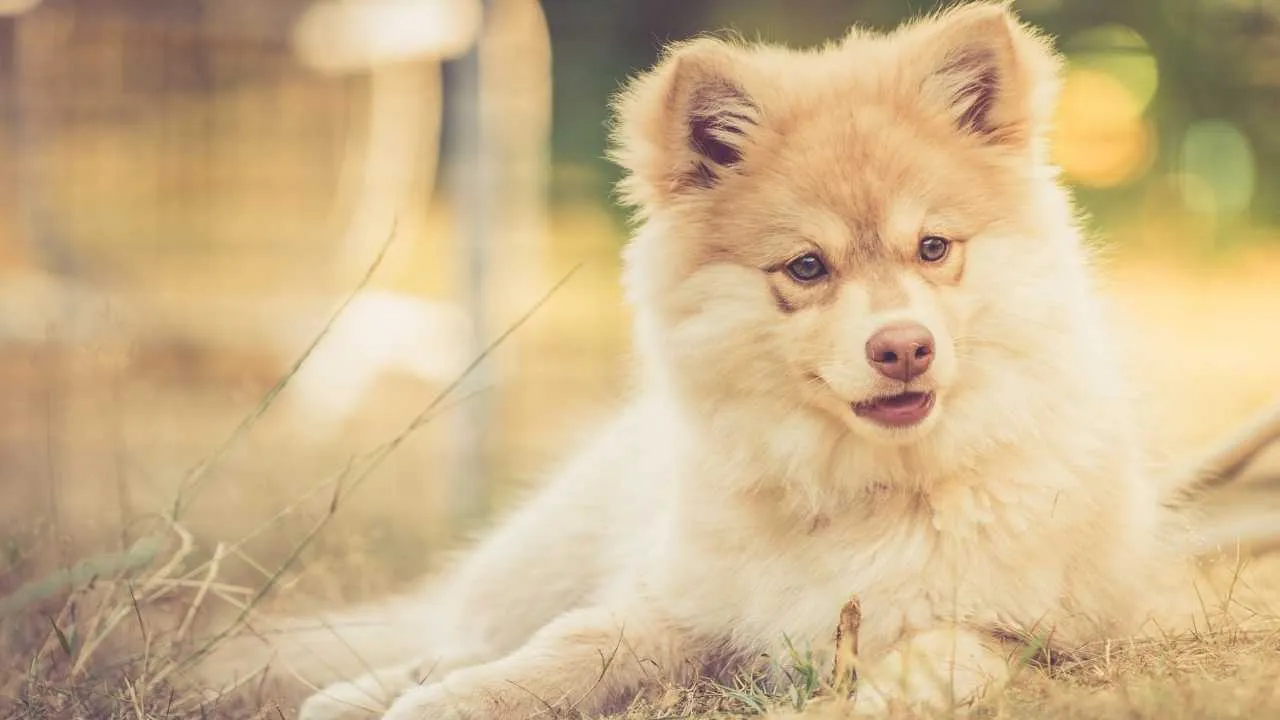
The Finnish Lapphund looks like it stepped straight out of an Arctic fairytale. Originating from Lapland, these dogs were traditionally used to herd reindeer, as mentioned by Royal Canin.
Tough, robust, and weatherproof, they are also known for their calm, friendly nature and strong desire to please, making them loving and devoted family companions.
With a typical lifespan of 12 to 15 years, Finnish Lapphunds combine resilience with longevity. Bred by the Sami people for endurance and hard work, they are agile, quick-moving, and built to last.
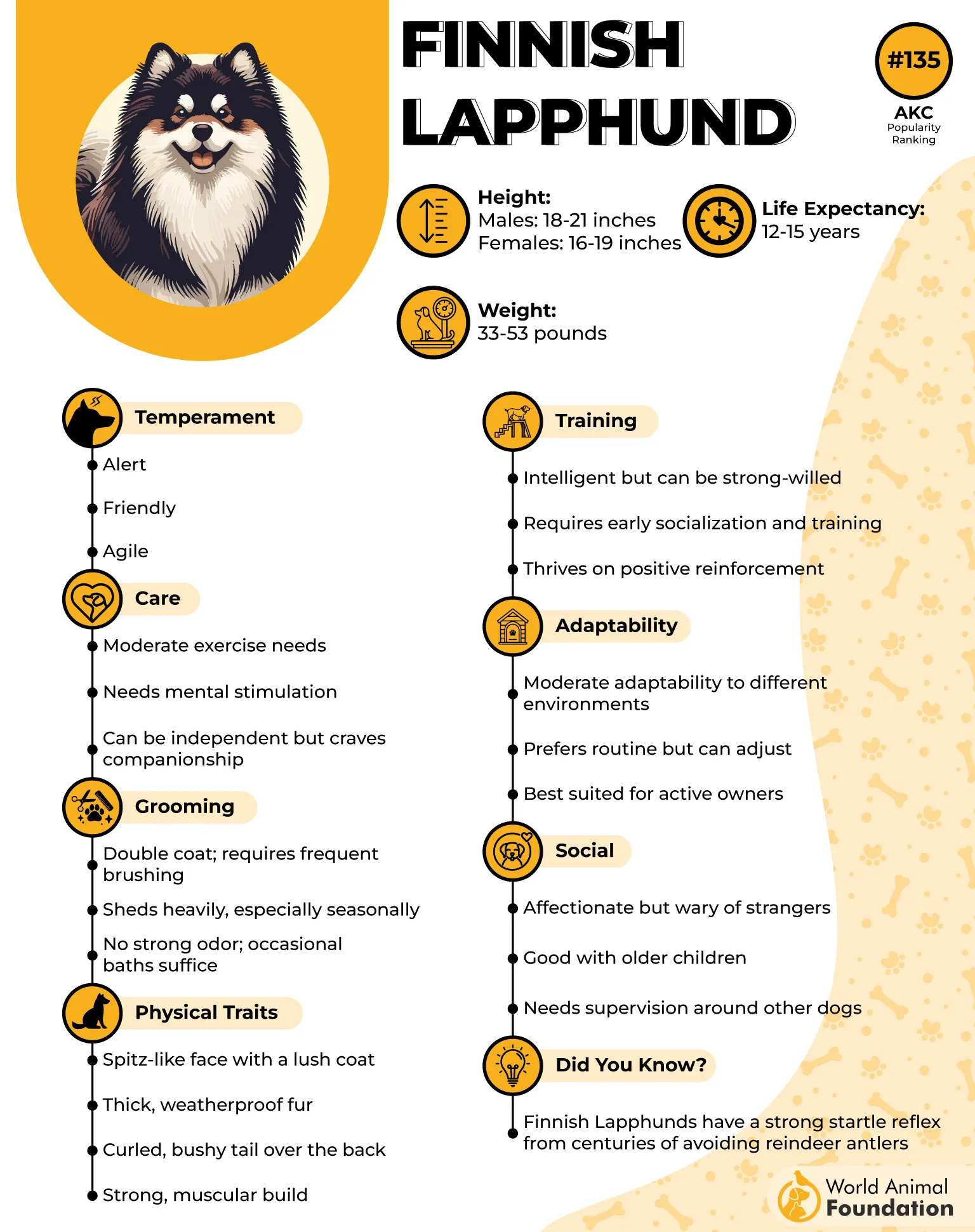
Over time, their friendly personality and loyal temperament helped them transition from working dogs to beloved household pets who form deep bonds with their owners.
While they are friendly and submissive with their families, they may be cautious around strangers. Known for shedding and barking, they also have a strong startle reflex from generations of working closely with reindeer.
Key Care Points to Support a Long, Happy Life
Provide daily companionship and interaction
Expect regular shedding and some barking
Respect their cautious nature with strangers
Avoid long periods of isolation
Conclusion
Choosing a dog with a longer lifespan means more years of joy, companionship, and unforgettable memories. While small dog breeds tend to live longer, every dog’s overall well-being and happiness depend on loving care, proper nutrition, regular exercise, and regular vet check-ups.
By understanding the unique needs of these popular long-living breeds, you can give your future furry friend the best chance at a healthy, happy life. If you’re ready to welcome a new pup into your family, take the time to find a breed from a reputable breeder that fits your lifestyle and heart.
Remember, every dog brings its own special kind of love—no matter how many years you have together, those moments will last a lifetime. So here’s to many happy years filled with wagging tails and joyful adventures!
There are other dog breeds as well that have long lives. These include the Australian Cattle Dog, Jack Russell Terrier, Chinese Crested Dog, Border Collie, and Australian Shepherd.
