




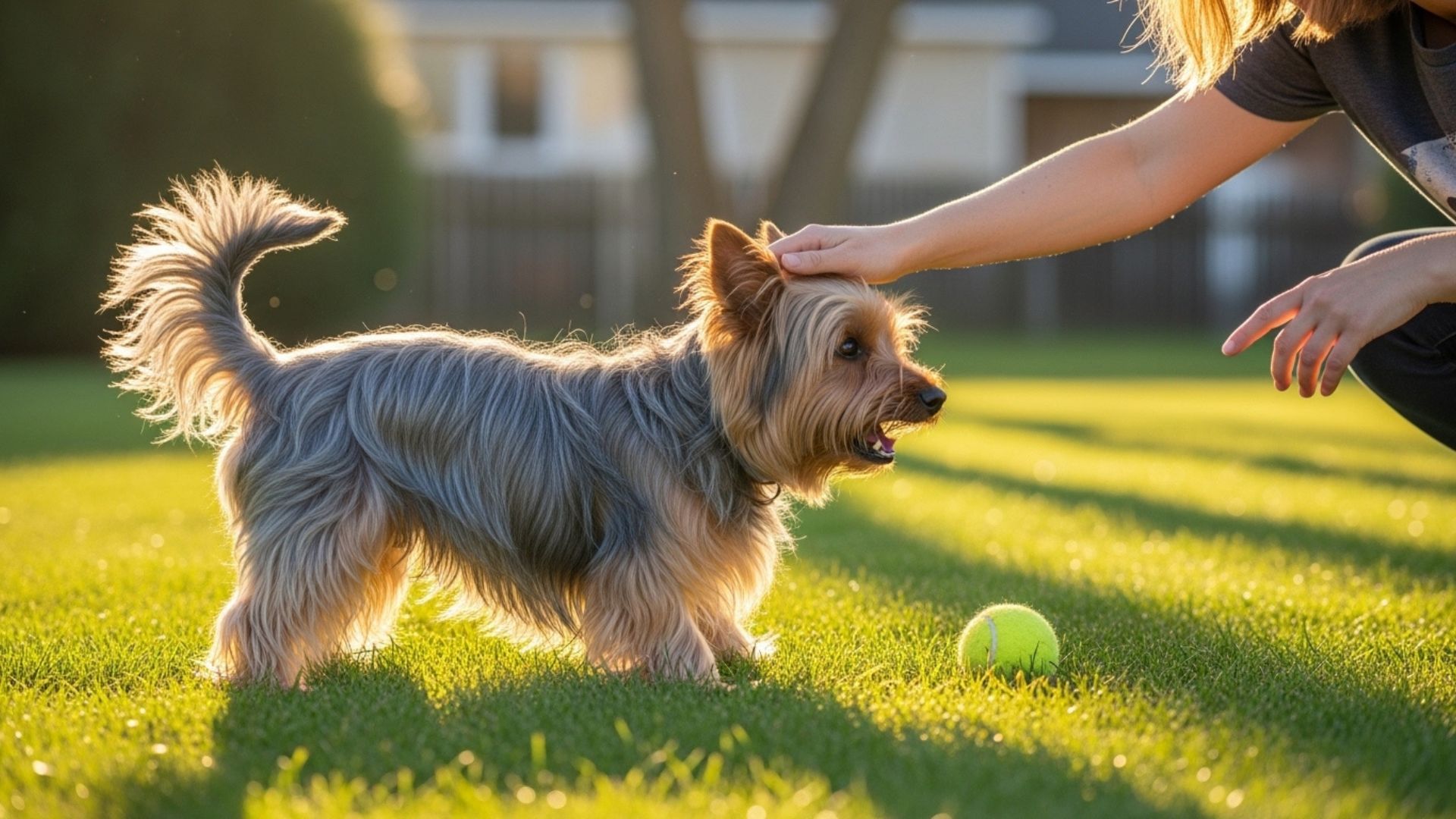
Some people want a dog for protection. Others want a dog for activity. Many people want something simpler and deeper. They want companionship. They want a small presence that fills quiet rooms, follows them from space to space, and turns ordinary routines into shared moments.
Toy dog breeds have long filled that role for people seeking connection rather than control. These dogs thrive on closeness. They notice moods, respond to attention, and build bonds that feel personal rather than performative.
For individuals living alone, working from home, or craving emotional steadiness, companionship matters more than size or strength. A toy dog becomes part of the daily rhythm, not a background detail. The comfort they provide often feels constant, steady, and deeply reassuring.
This article explores how toy dog breeds meet emotional needs, adapt to intimate lifestyles, and offer companionship that feels intentional, lasting, and deeply human from the very first day.
Key Takeaways
True companionship often comes in small packages, where attentiveness and presence matter more than size.
Maltese and Pomeranians notice moods and respond to subtle cues, following their humans from room to room.
Japanese Chin and English Toy Spaniel pair alertness with calm elegance, offering comfort that blends seamlessly into daily life.
By the end, you’ll see which breeds create a bond that feels constant, steady, and deeply human.
Best Toy Dog Breeds for People Seeking a Companion
1. Maltese
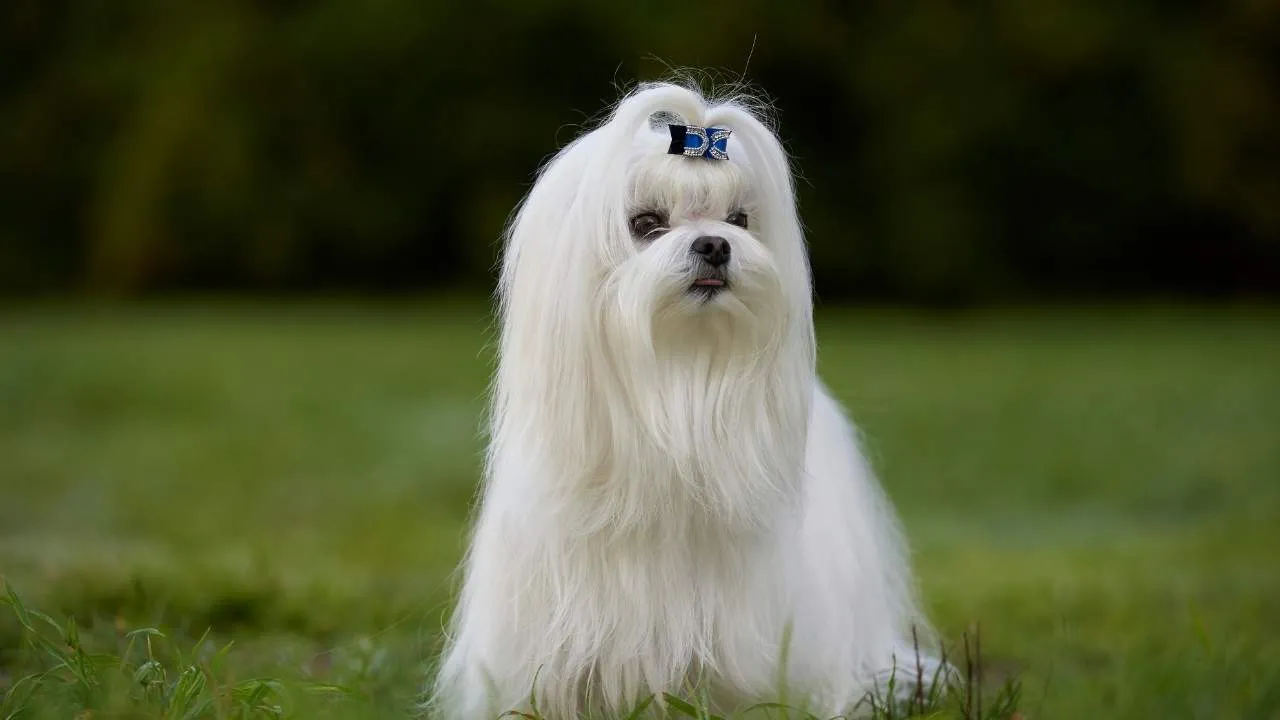
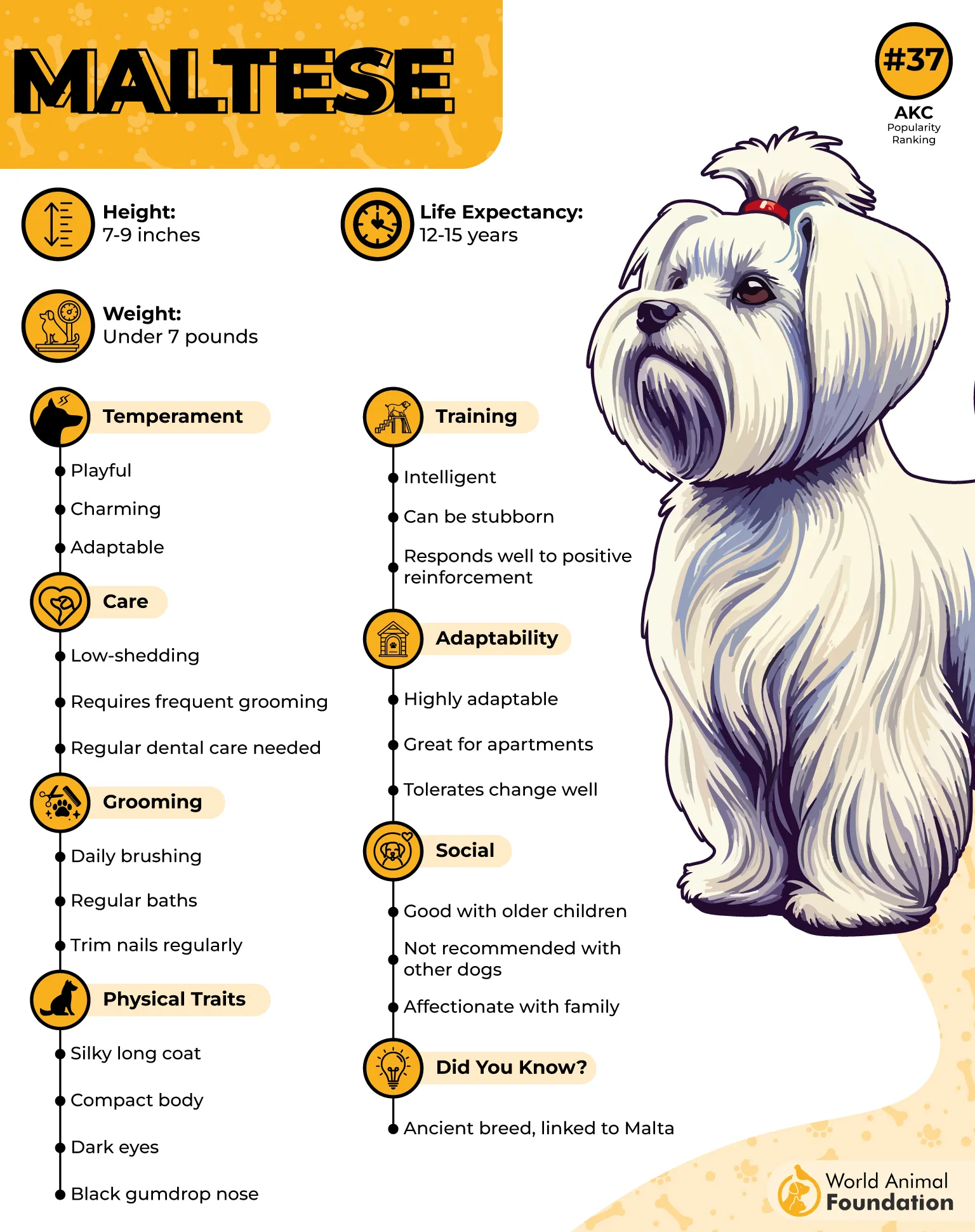
Maltese is one of the oldest toy companions, celebrated since antiquity as Ye Ancient Dogge of Malta. This long association with close human company shaped a dog that values presence, routine, and shared space. For people seeking a true companion, that history still shows in everyday behavior.
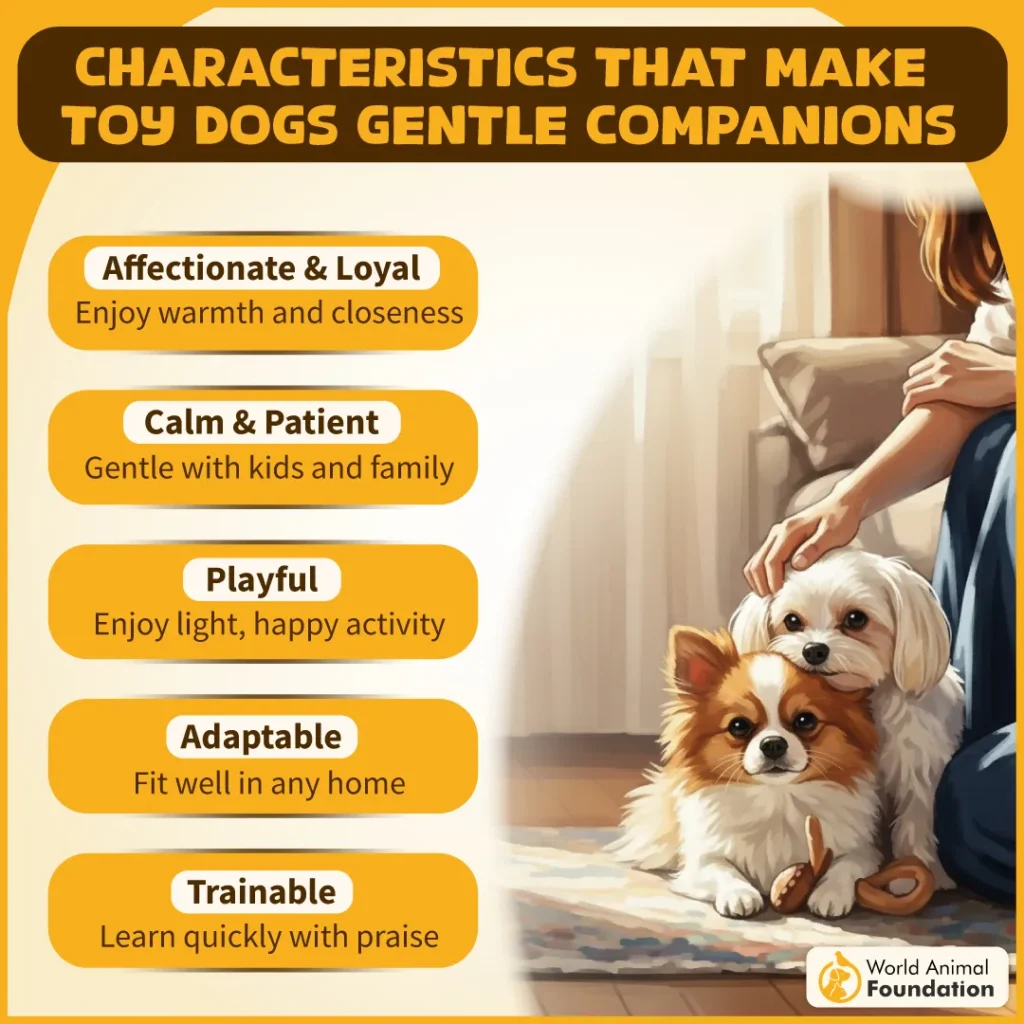
Alertness in a Small Frame
Maltese dogs pair elegance with an unexpectedly alert nature, often noticing changes in sound or movement indoors, as per the AKC. That awareness adds reassurance without disrupting a calm home atmosphere.
A few traits quietly support that attentiveness.
Quick reaction to unfamiliar sounds
Confident posture in familiar spaces
Strong recognition of daily patterns
Built for Close Living
Beneath the flowing white coat is a compact body that moves with a smooth, effortless gait. This balance makes the breed comfortable in apartments and smaller homes, where constant adjustment is important. The graceful movement also reflects a dog tuned to staying near its person.
2. Pomeranian
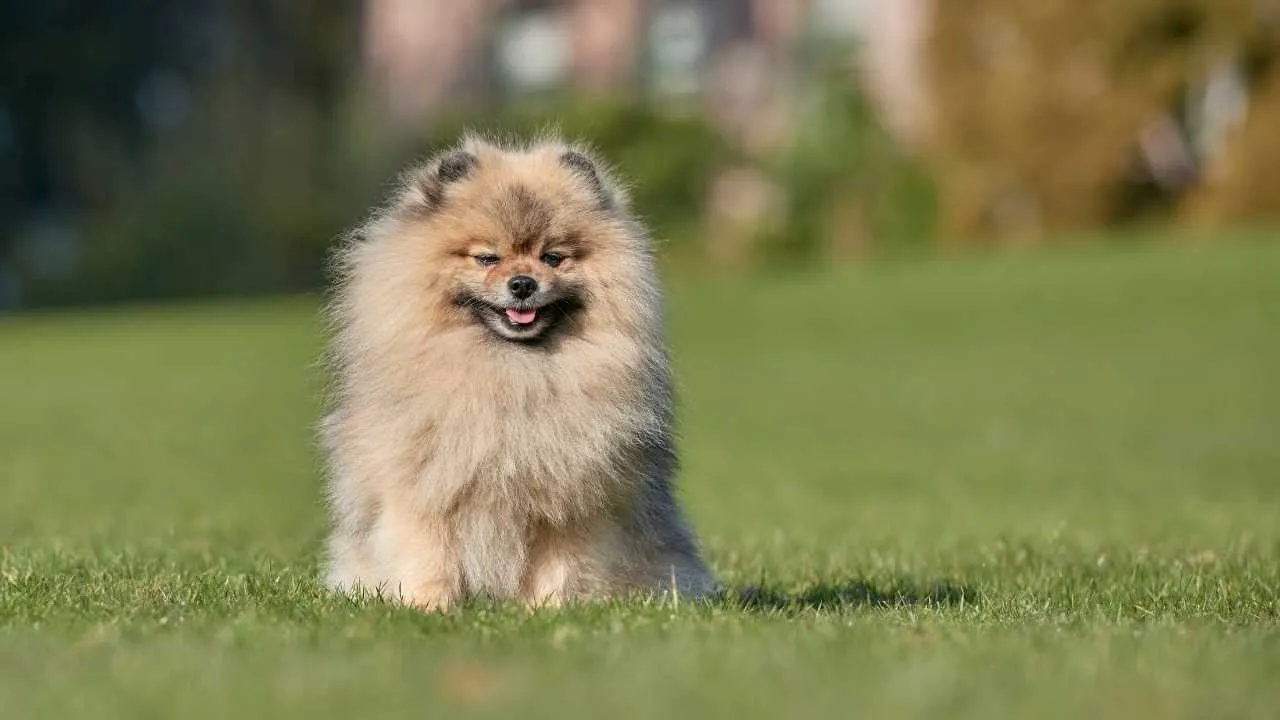
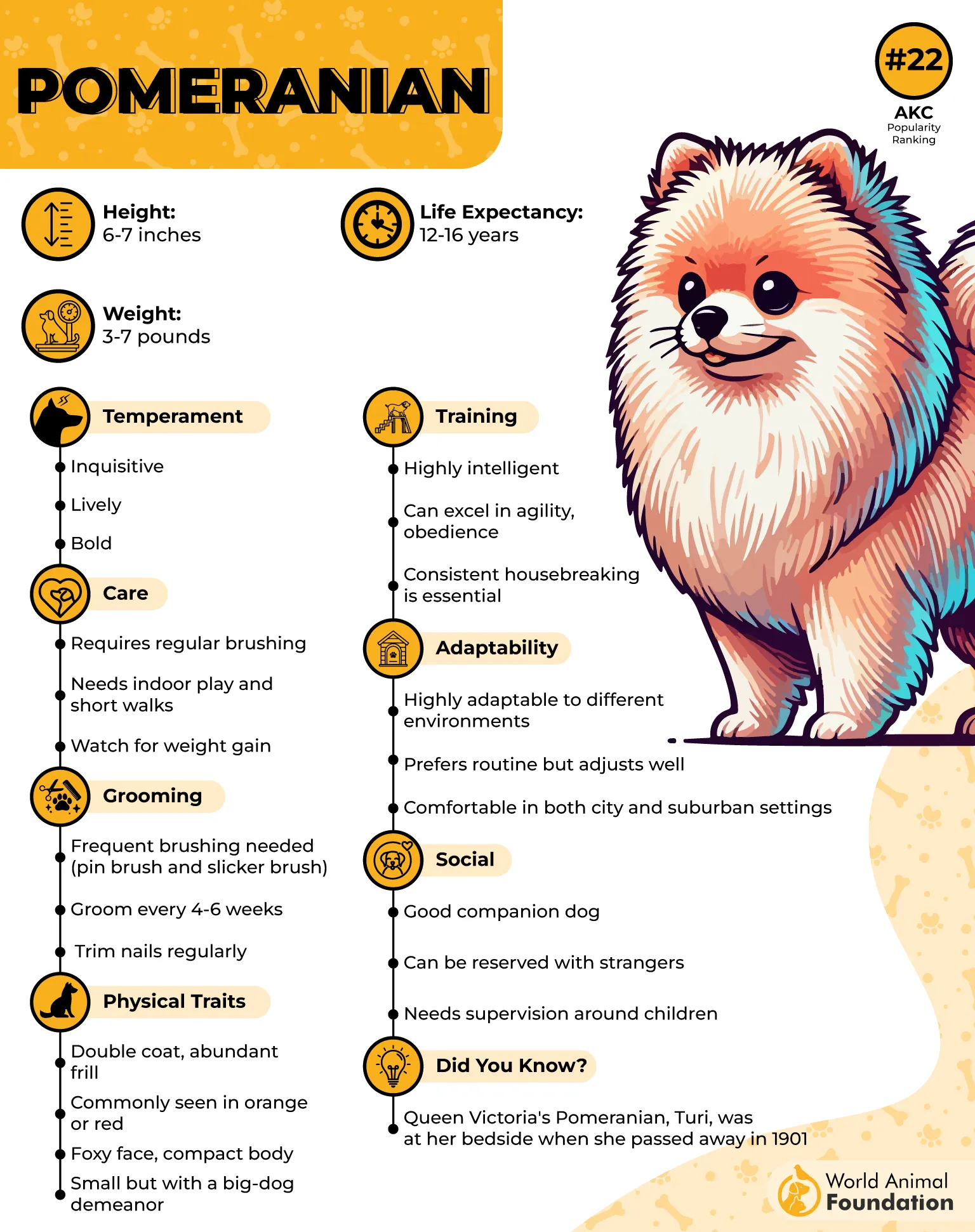
Pomeranian stands out for their bold, alert expression and a personality that fills a room before it moves. That confident demeanor has long made the breed a favored companion across households and royal courts alike. The constant awareness gives this small dog a sense of involvement in daily life.
Alertness as Engagement
Pomeranian responds quickly to sounds, movement, and changes within the home environment. This attentiveness naturally blends into companionship that feels interactive rather than passive.
These few behaviors shape that engagement clearly:
Fast reaction to unfamiliar noises
Strong focus on household activity
Consistent interest in human interaction
Built for Close Companionship
These small dog breed thrives on being mentally involved with their person, often turning simple routines into shared moments. The breed learns tricks and games easily, reinforcing communication through play. That responsiveness helps create a steady emotional connection indoors.
3. Pekingese
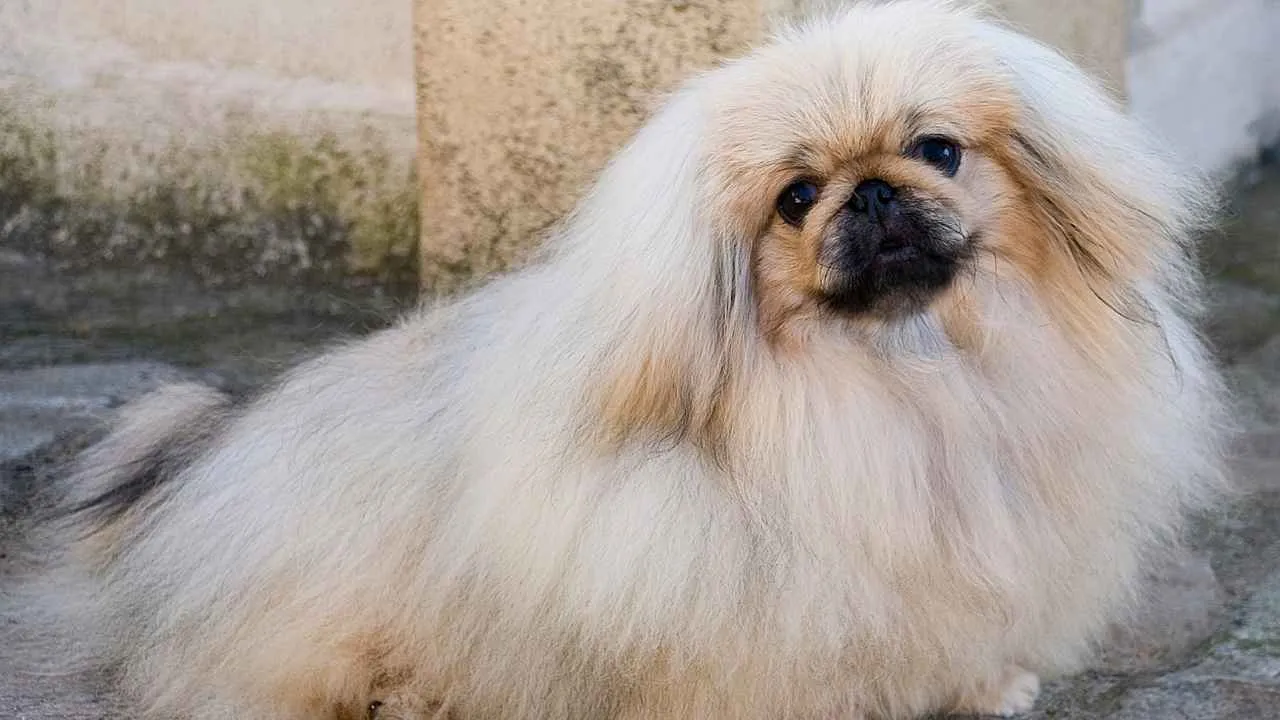
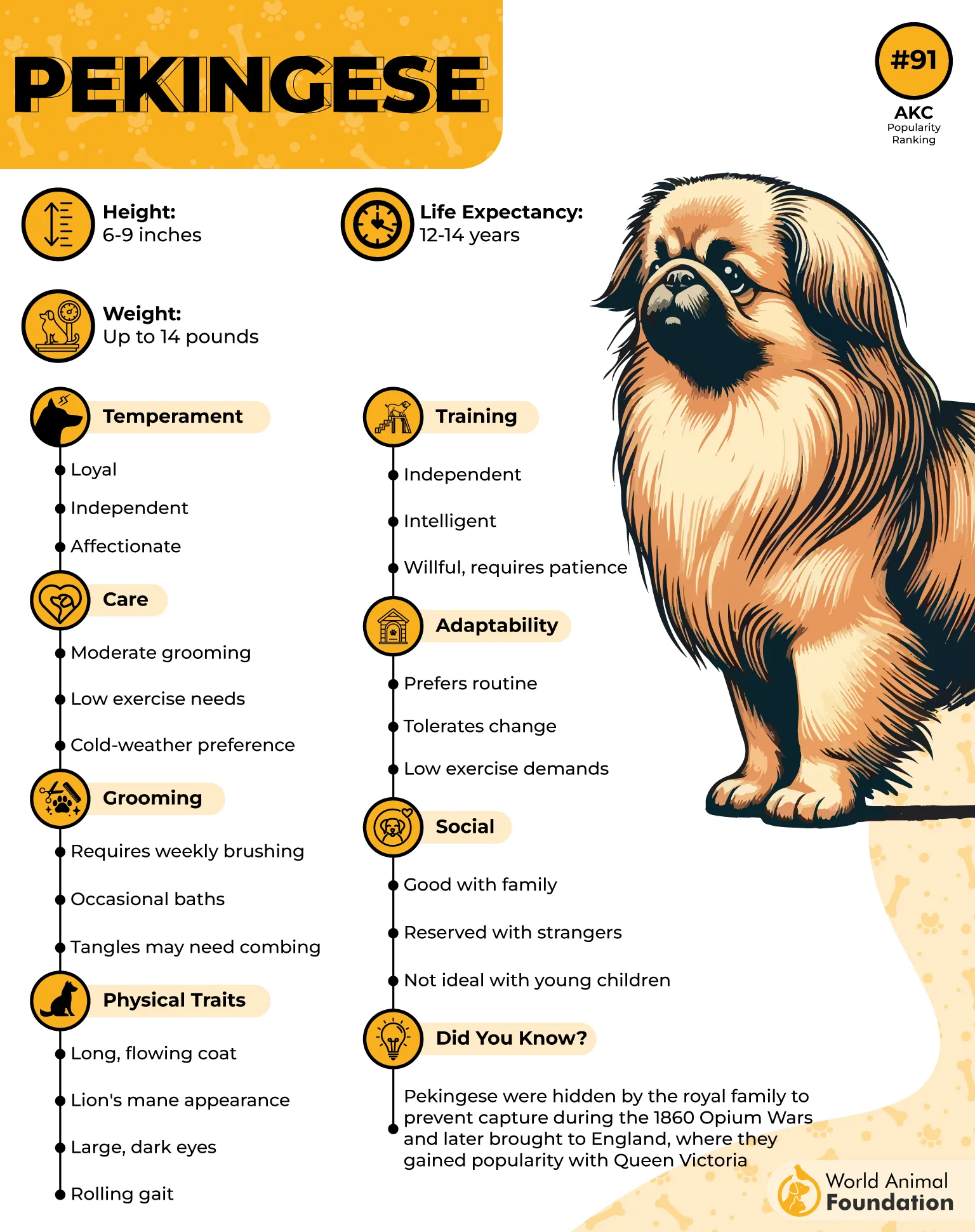
Pekingese emerged in ancient China as palace companions bred exclusively for the ruling class. Their regal bearing, compact form, and distinctive rolling gait were shaped for indoor life among emperors. That long history shows in how comfortably they settle into close human companionship.
Attentive by Design
Pekingese are naturally alert dogs with a strong sense of awareness shaped by centuries of living within guarded spaces, as Omlet writes. Their large expressive eyes and forward focus make them quick to notice changes in their surroundings.
This attentiveness shows up in small but meaningful ways:
Immediate response to unfamiliar sounds
Strong awareness of personal space
Quick recognition of regular routines
Selective Attachment
This toy breed develops a deep bond with one preferred person rather than spreading attention evenly. This focused attachment fits people seeking a steady, emotionally present companion at home. Independence also shows through an opinionated streak that reflects their palace-bred past.
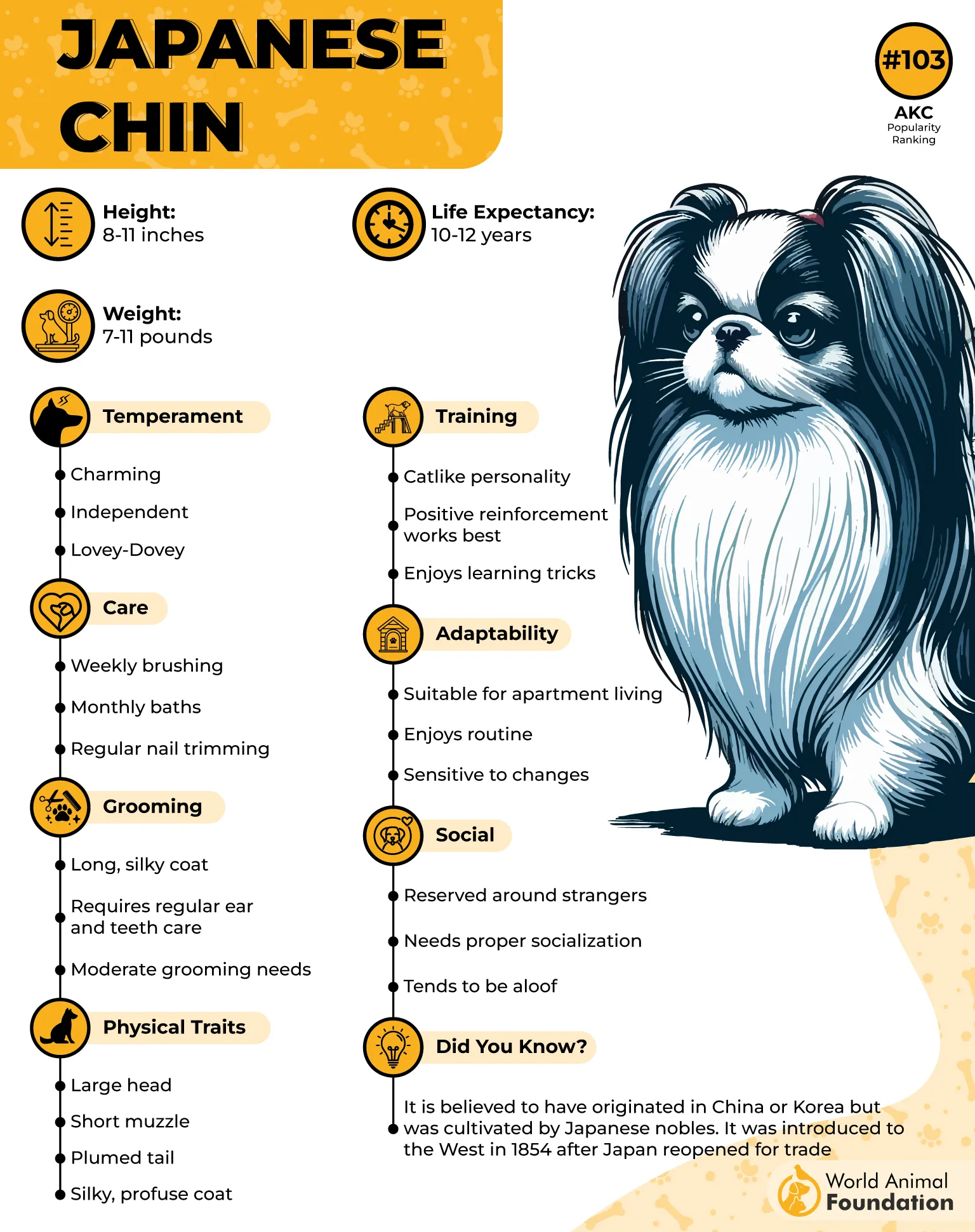
4. Japanese Chin
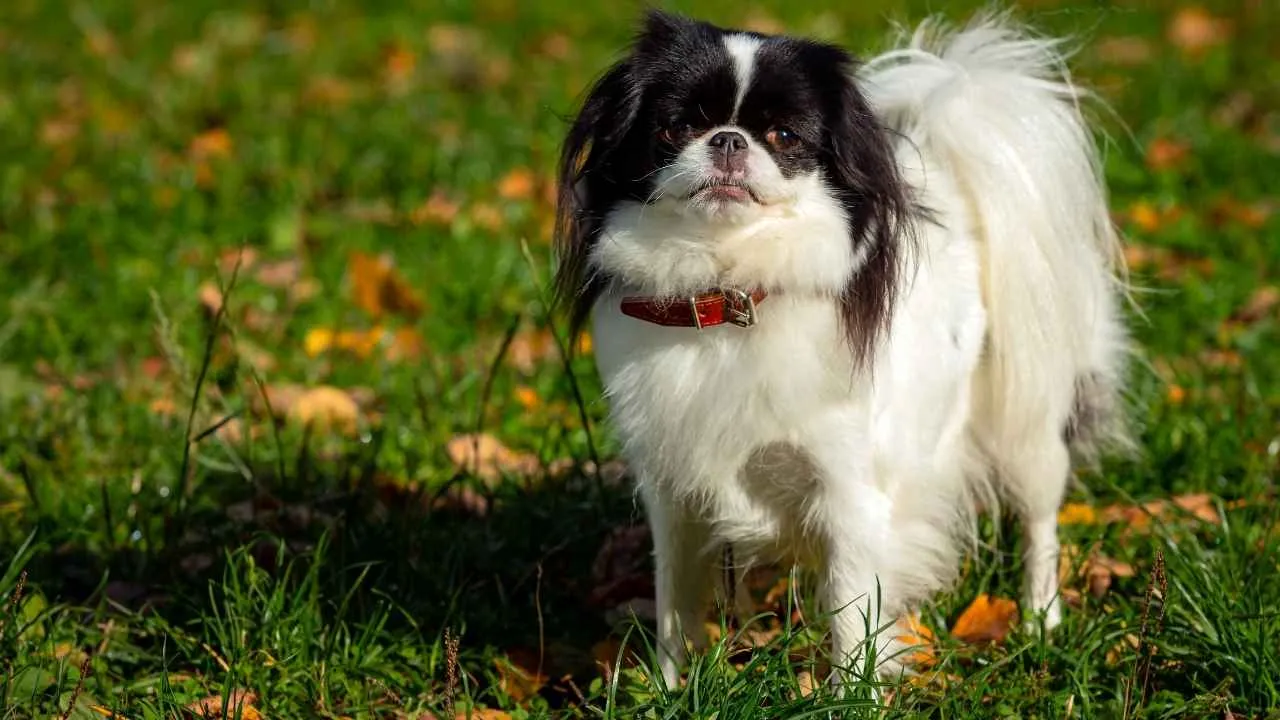
Japanese Chin is known for its distinctly aristocratic bearing and refined indoor manner. The breed developed as a close companion in quiet, controlled environments rather than active outdoor settings. This background shaped a dog that feels most at ease sharing space, routines, and still moments.
Feline-Like Awareness
This great lap dog is often described as feline in both movement and behavior, showing fastidious habits and graceful motion, as WebMD stated. That subtle awareness makes daily companionship feel intuitive rather than demanding.
Small details tend to define the experience:
Soft, deliberate movement indoors
Quiet observation without constant attention-seeking
Sensitivity to changes in mood and space
Expressive Features
Japanese Chin has a large head, short muzzle, and round dark eyes, often described as showing a look of astonishment. These expressive features create constant visual communication during everyday interactions. The breed’s calm presence often feels responsive without being intrusive.
5. Silky Terrier
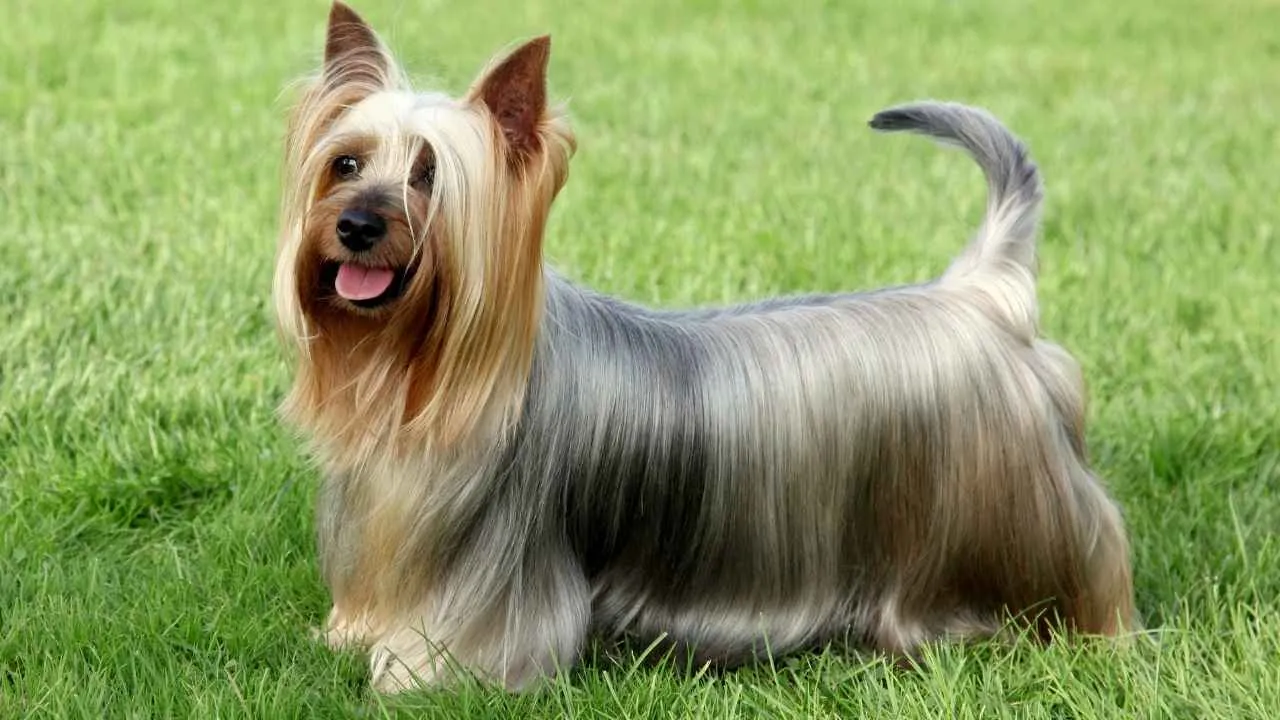
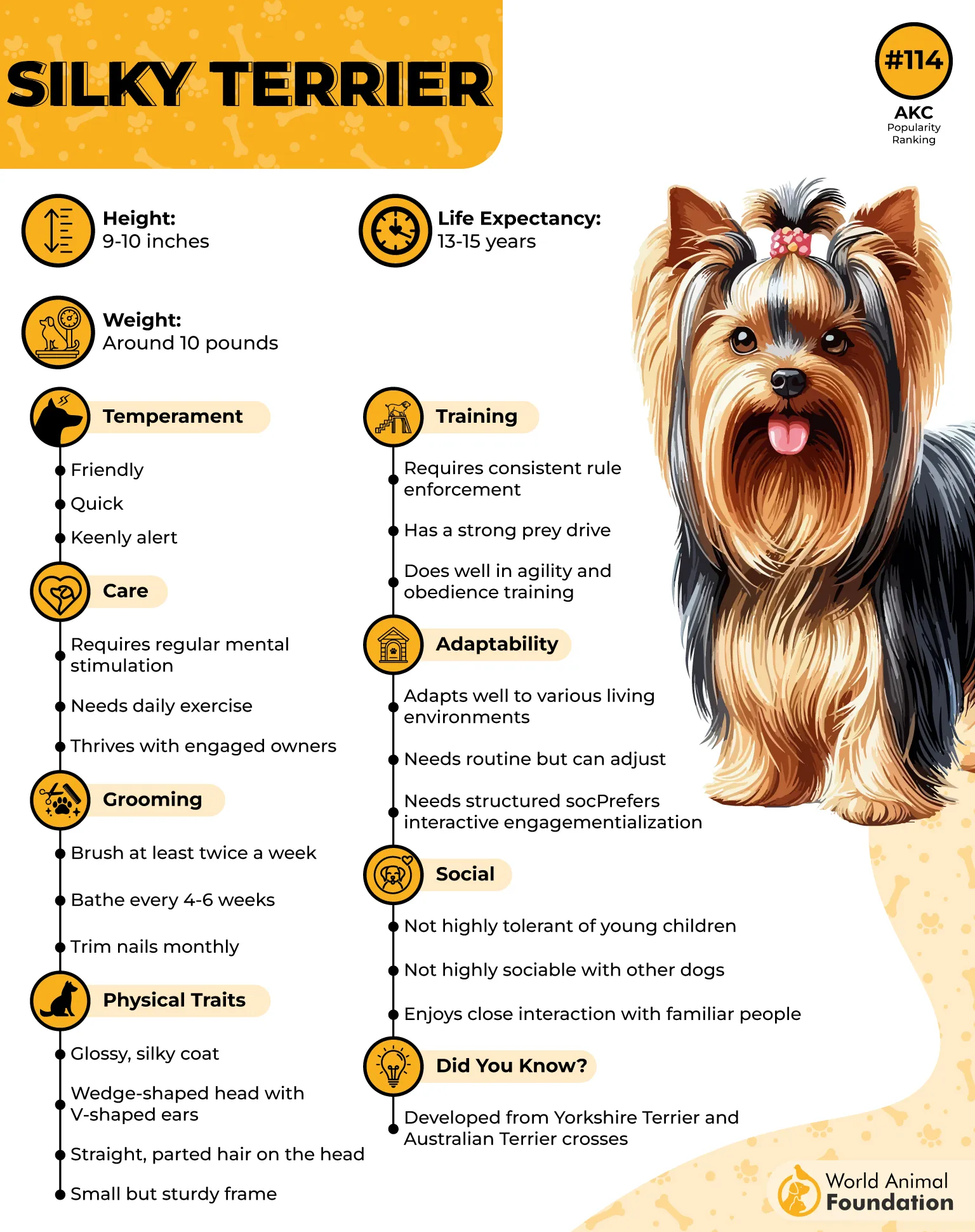
The Silky Terrier was developed in Sydney as a compact toy breed with the instincts and structure of a true earthdog. Its refined build and alert expression reflect terrier ancestry rather than decorative breeding alone. That balance appeals to people seeking a small companion with substance.
Presence in Daily Life
This tiny dog shows curiosity and awareness through its upright ears and focused gaze, often tracking movement within the home. The breed tends to stay mentally engaged with its surroundings rather than fading into the background.
That engagement shows up through everyday habits like these:
Quick response to familiar voices
Strong interest in household routines
Noticeable alertness to movement
Bonding Style
Silky Terrier often forms a close connection with its person, preferring interaction over passive lounging. The coat texture, similar to human hair, encourages frequent handling and grooming, which deepens daily contact. This regular interaction supports companionship built on routine and closeness.
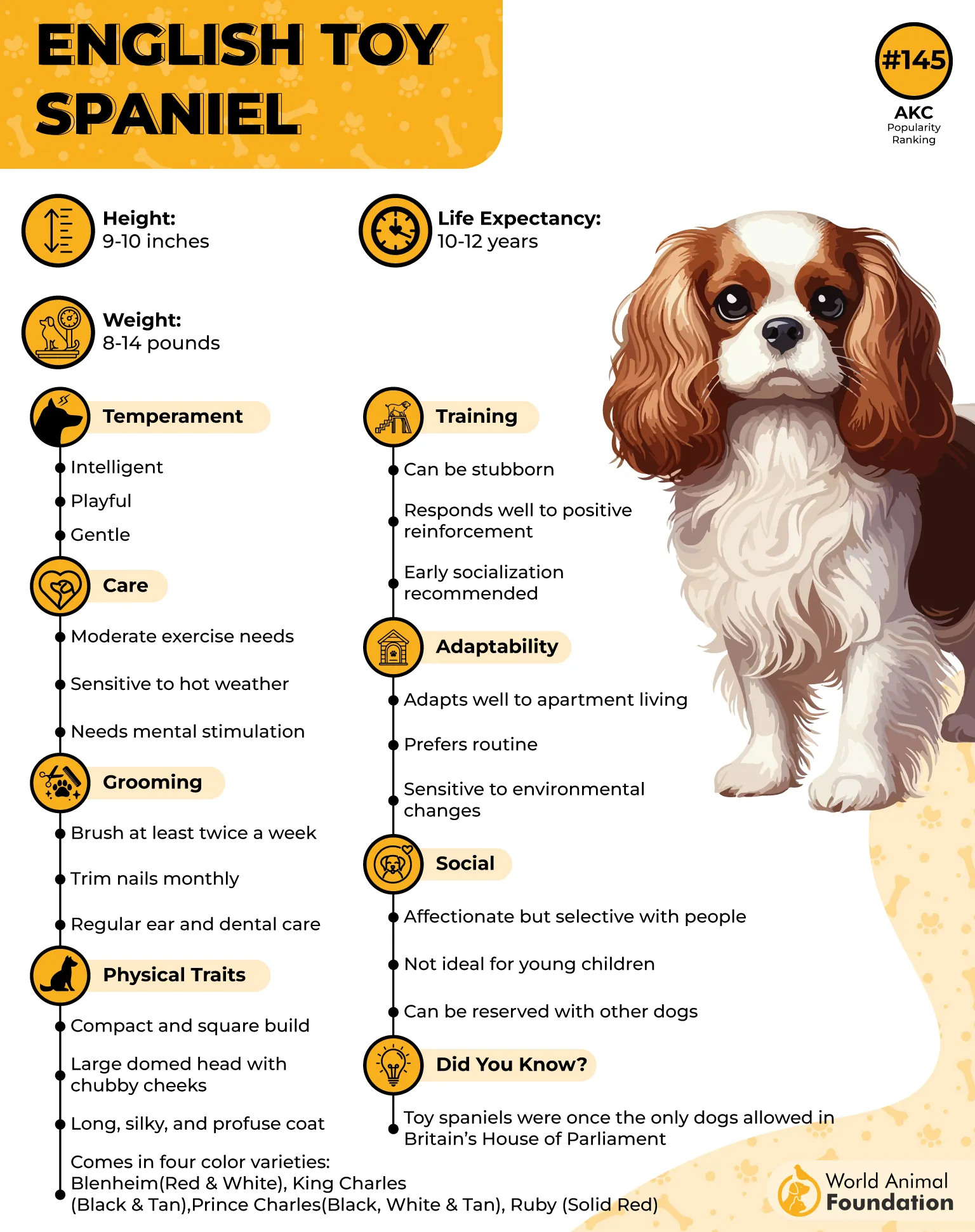
6. English Toy Spaniel
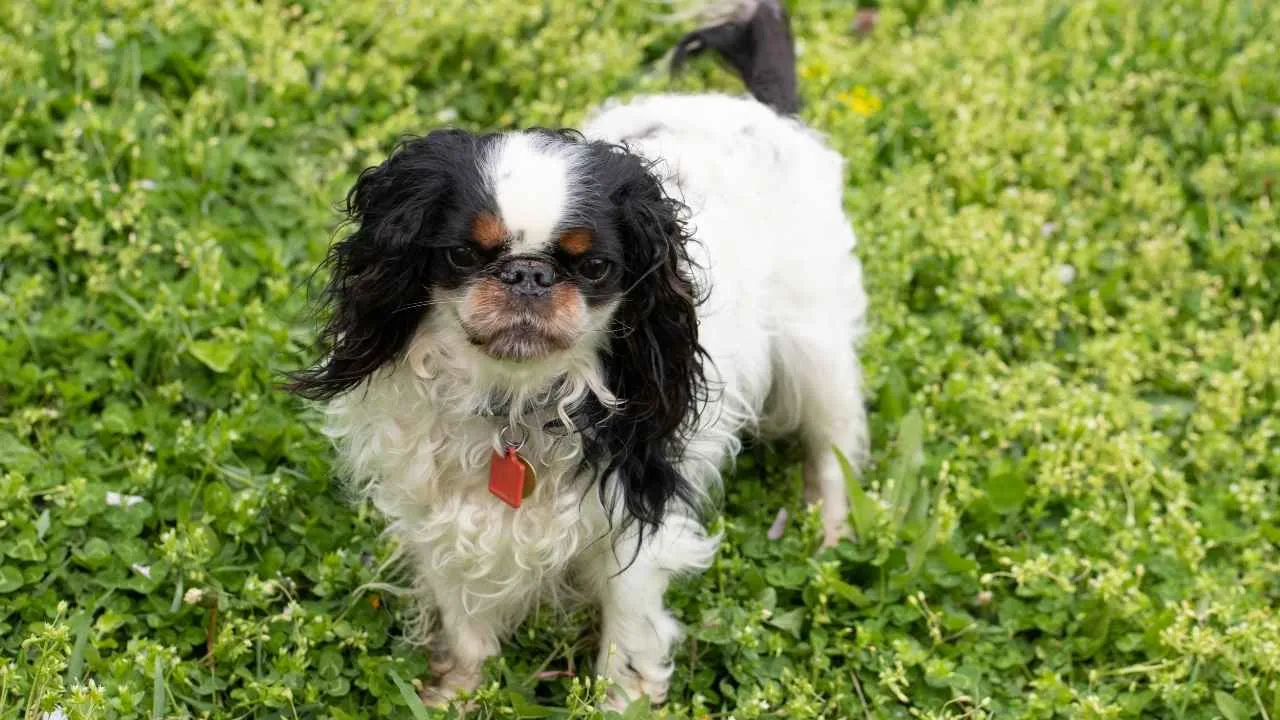
The English Toy Spaniel was shaped as a royal companion, bred to remain close to people of status and routine. That background produced a dog attuned to presence, attention, and subtle emotional shifts. Its spaniel roots show through a bright, willing temperament beneath the refined appearance.
Selective Social Nature
English Toy Spaniel often shows a discerning approach to social interaction, choosing familiarity over novelty. This selective warmth creates a close-knit dynamic that suits people seeking steady companionship at home.
A few defining tendencies shape that experience:
Clear preference for familiar faces
Calm observation in quiet settings
Expressive eye contact during interaction
Personality at Home
This small breed carries a proud streak that reflects its long association with aristocratic households. That confidence pairs with affectionate behavior once trust is established. Indoors, curiosity and playfulness surface in short, focused bursts.
Did you know: The Blenheim variety of this breed is named after Blenheim Palace, where the red head marking became a defining feature of the line.
7. Papillon
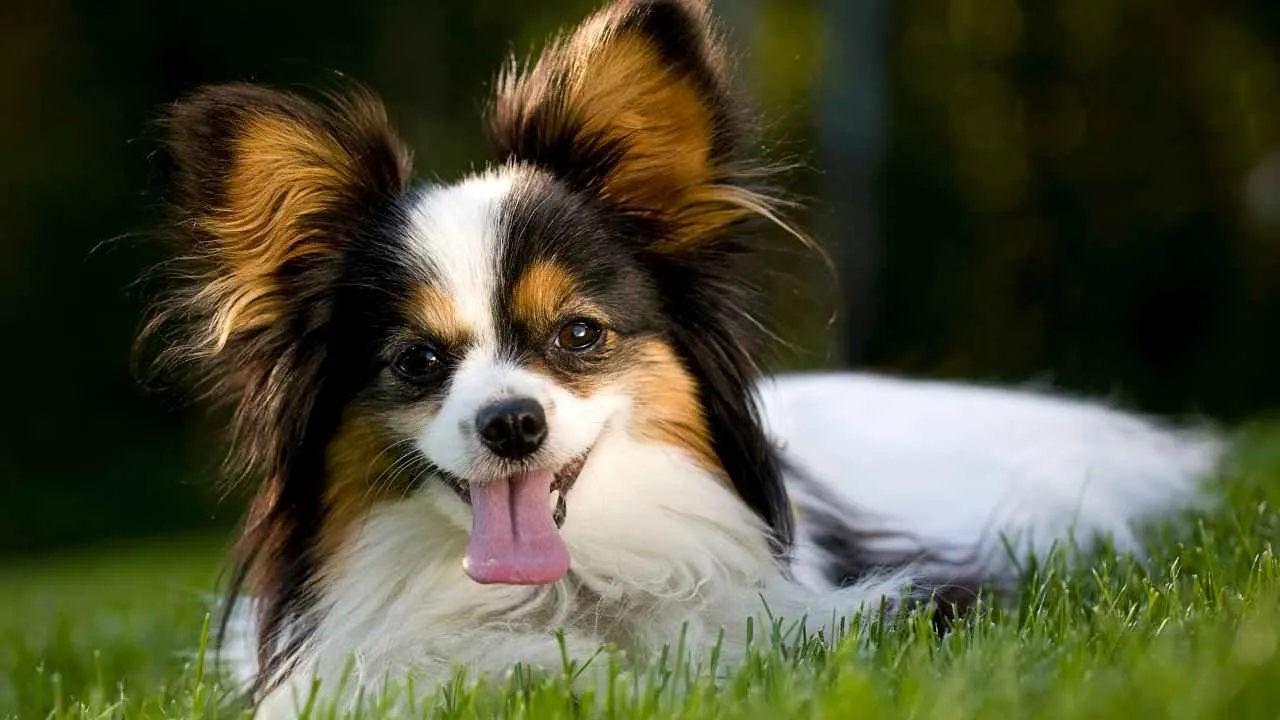
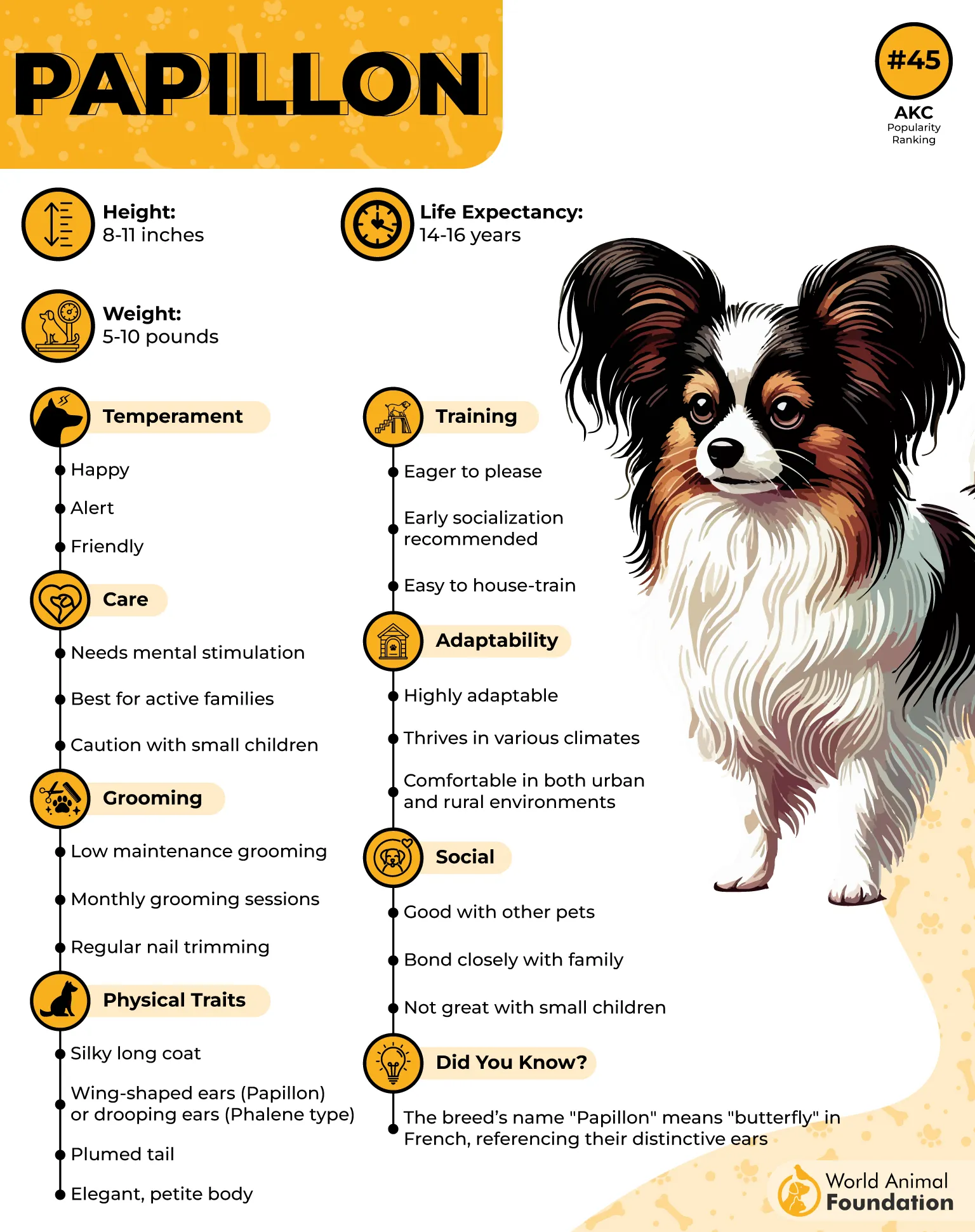
Papillon is instantly recognized by its large, wing-shaped ears that earned the breed its butterfly name in French. Those ears sit high and open, giving the dog constant awareness of sounds and movement indoors. That alertness fits well with people who want a companion that stays tuned into their space.
Small Dog With Range
Papillon carries a hardy constitution beneath its elegant frame, often surprising first-time owners with its stamina. The breed adapts easily to different living environments and stays engaged in daily routines.
That adaptability shows up through habits like:
Quick pattern recognition
Strong response to verbal cues
Consistent attention to nearby activity
Built for Interaction
Papillons are known for their upbeat athleticism and consistent success in agility settings at high levels. That natural coordination supports interactive bonding rather than passive companionship. Trick training and structured play tend to hold their attention longer than idle lounging.
8. Yorkshire Terrier
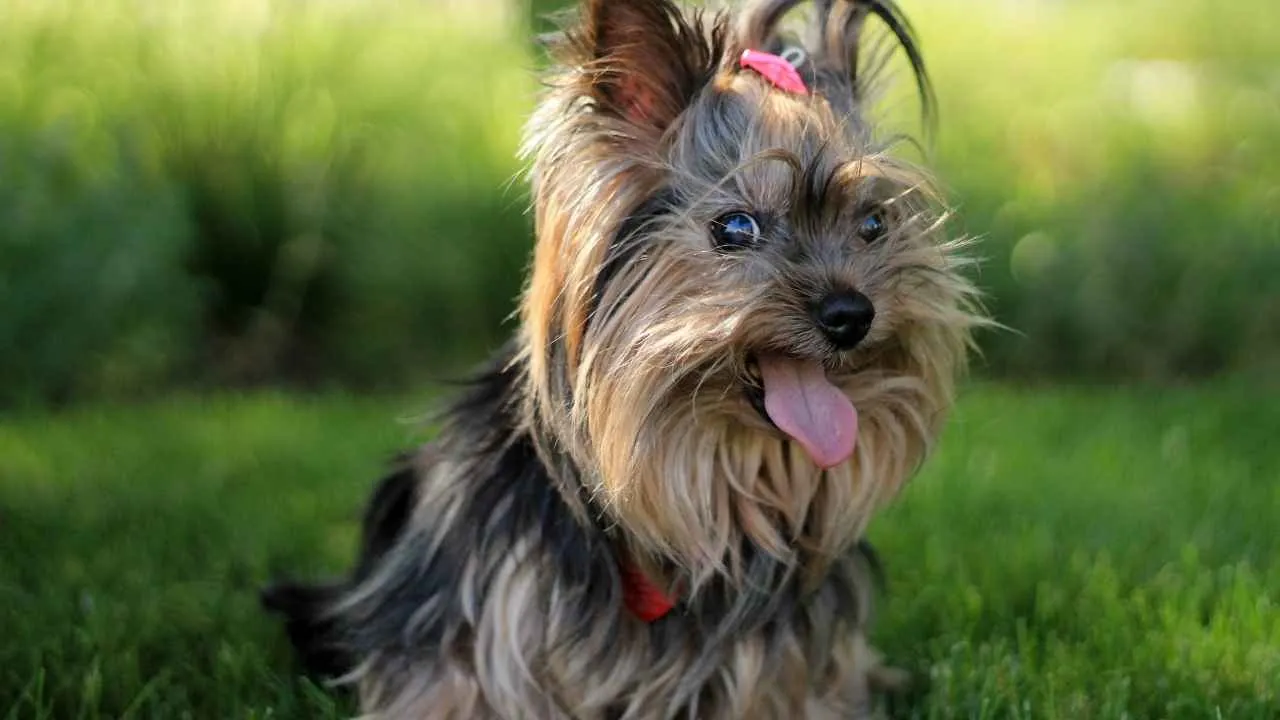
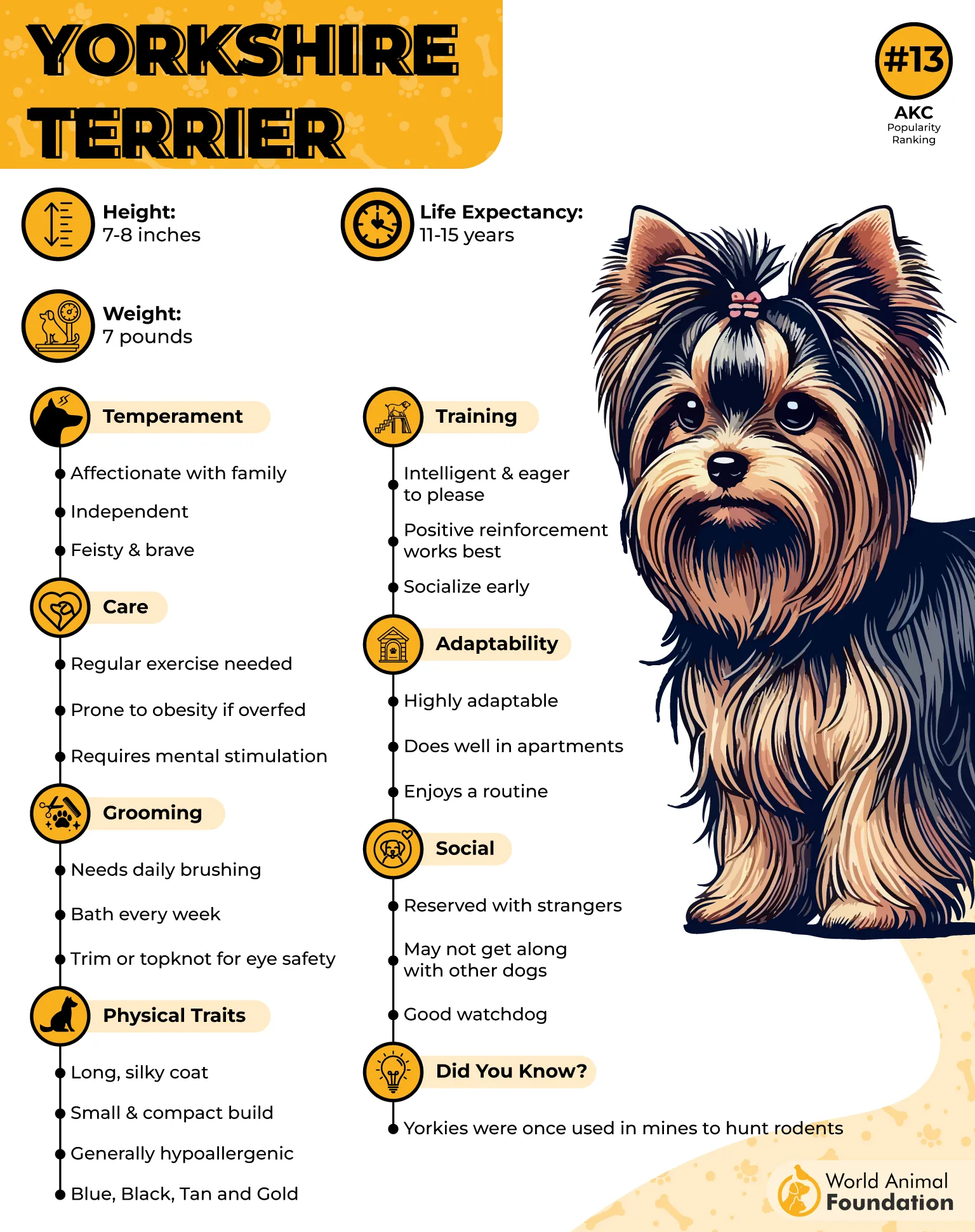
The Yorkshire Terrier developed as a working ratter in mills and mines, shaping a bold and alert mindset from the start. That early purpose still shows in how closely this breed watches its surroundings indoors. Size never dilutes awareness, which is why the breed fits companion-focused homes.
Awareness in Small SpaThe ces
The Yorkshire Terrier carries classic terrier confidence that keeps it attentive to movement, sound, and routine changes. The breed reacts quickly to unfamiliar activity without needing physical dominance.
That awareness shows up in everyday habits:
Sharp response to new sounds
Quick recognition of familiar patterns
Consistent attention toward entrances
Personality in Daily Life
This little dog is often described as a true personality breed, known for confidence and a self-important streak. That strong sense of self creates engagement rather than passivity in close living environments. Companionship feels active, expressive, and closely shared.
9. Toy Poodle
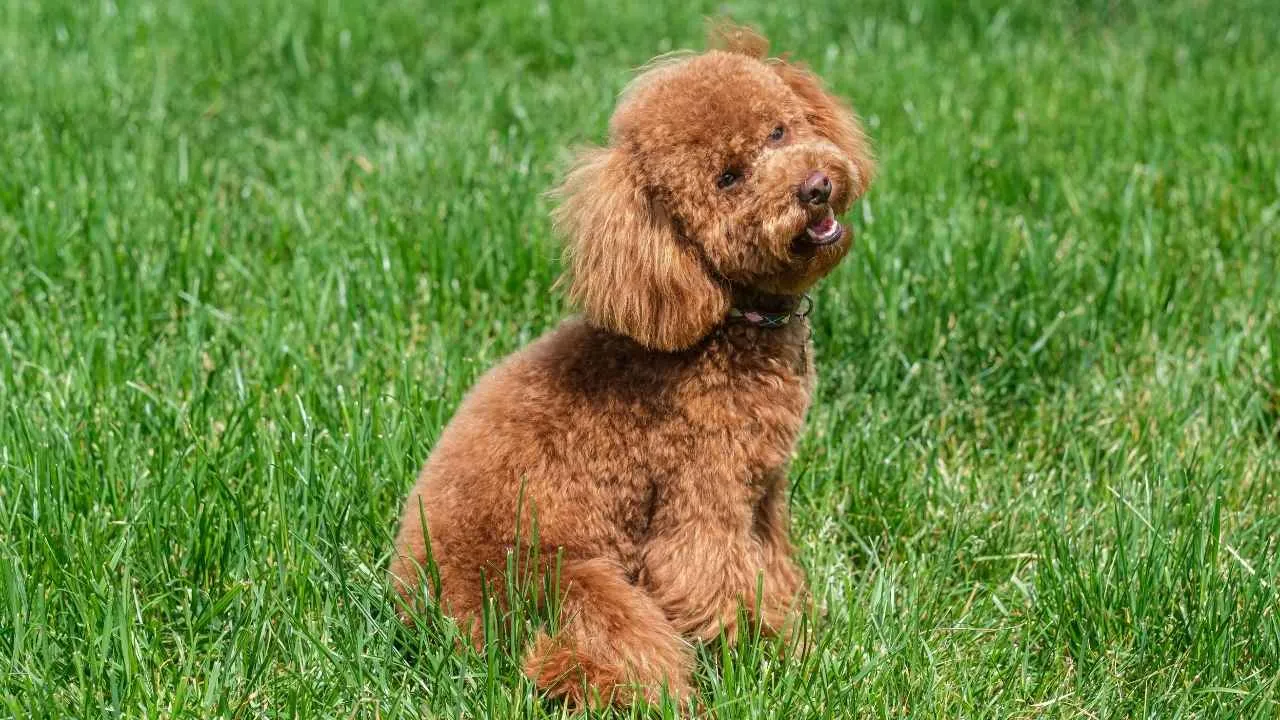
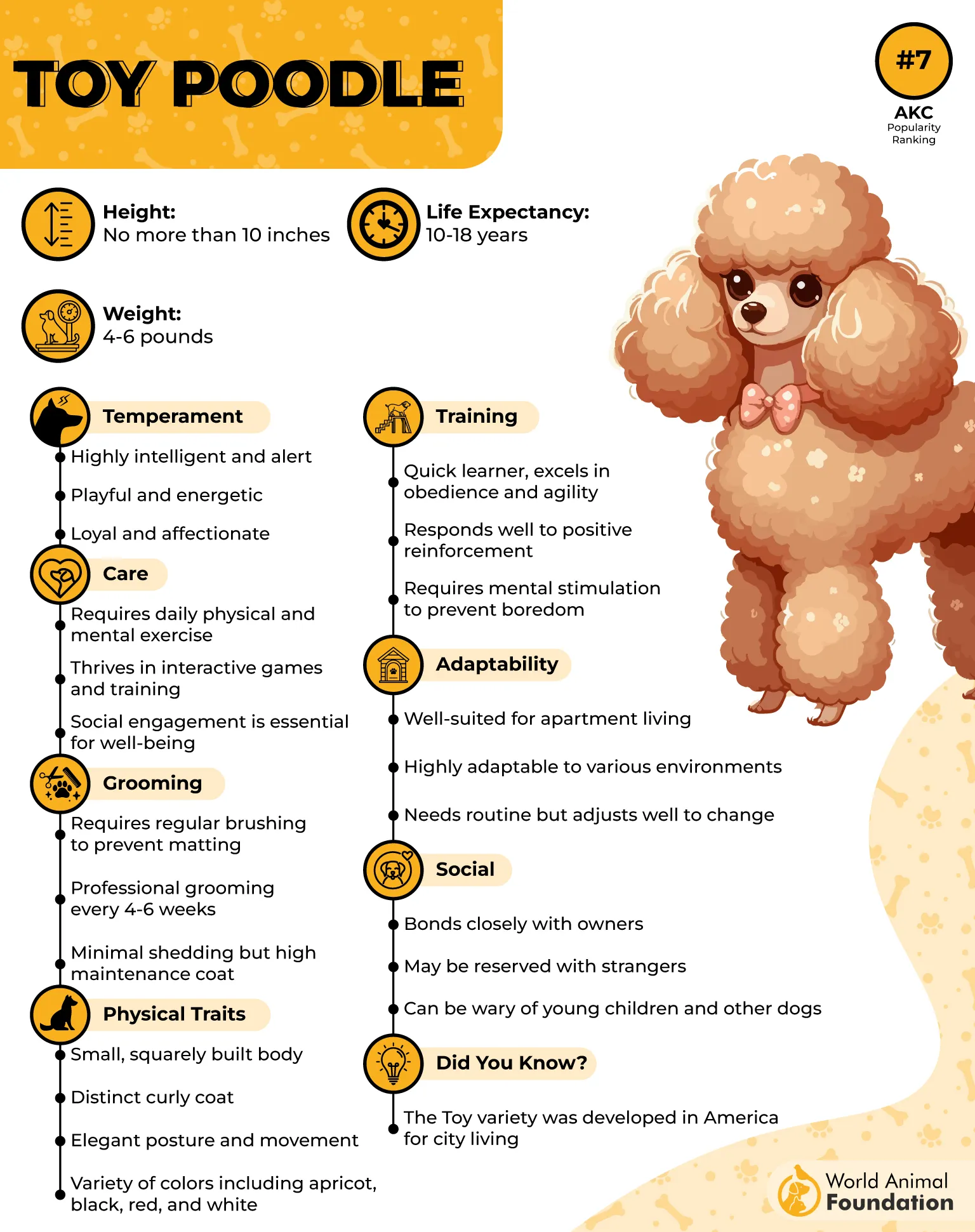
Toy Poodle stands among the oldest companion breeds shaped with balance, precision, and alert movement. Beneath the tightly curled, low-allergen coat sits a squarely built, smoothly muscled frame. That elegant structure supports a companion that fits daily routines without demanding constant adjustment.
Clever Presence
Toy Poodle brings a sharp, observant mind into close living spaces where awareness matters more than size. The breed’s eagerness to learn shows through quick pattern recognition and strong responsiveness.
These few qualities quietly explain that appeal:
Fast command pickup
Consistent attention to human cues
Ease of adapting to indoor rhythms
Everyday Companionship
These popular small dog breeds thrive on interaction and shared activity, which makes emotional availability part of their charm.
Its athletic roots support light movement indoors while staying settled during downtime. That balance places it naturally among the best small dog breeds for people wanting closeness without overwhelm.
Conclusion
Companionship sits at the center of why these toy breeds remain so valued. Among many small dog breeds, they stand out for their presence rather than size. Their affectionate nature turns quiet routines into shared habits that feel steady and personal.
For dog owners choosing the right small dog breed, these pups offer consistency without pressure. They adapt easily to apartment living and often coexist calmly with other dogs.
Unlike larger breeds, their closeness feels constant rather than imposing. In the dog world, they are wonderful companions who form strong bonds through proximity, making each one a perfect family dog.
