




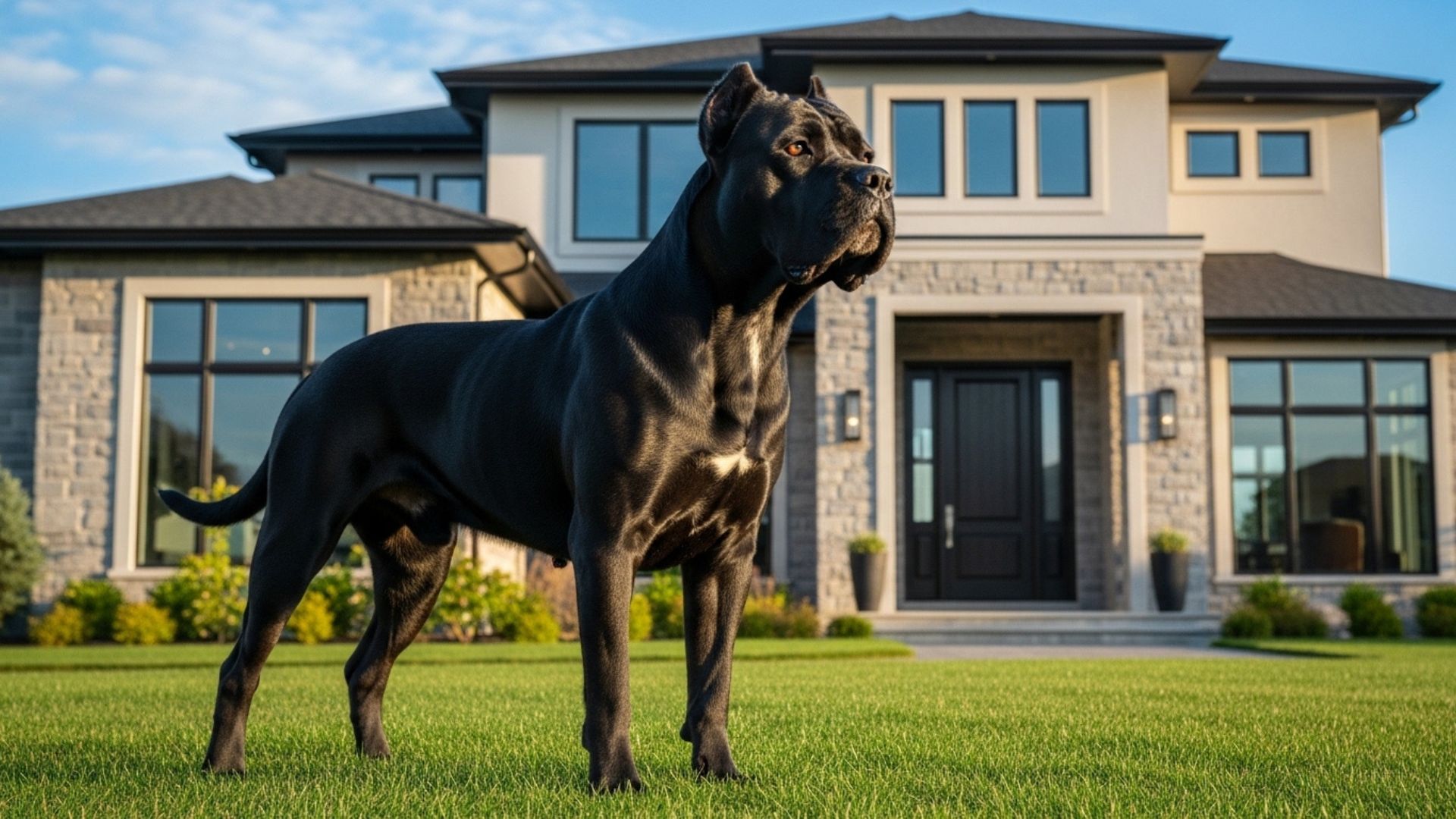
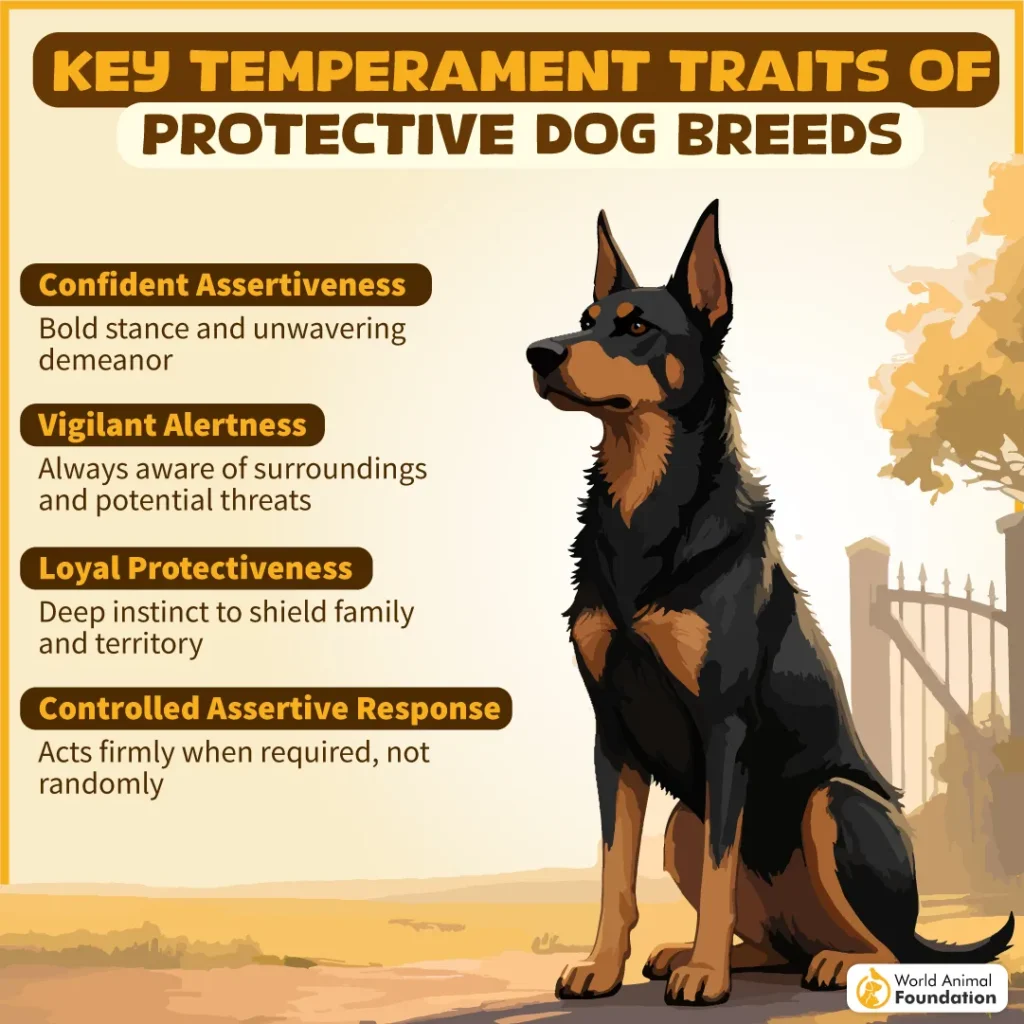
Most people think a guard dog has to be aggressive to be effective. That is one of the biggest myths about protective breeds. The best guardians are often calm, alert, and deeply loyal.
Protection matters because peace of mind matters. Whether you want to feel safer at home, protect your family, or simply know your dog will alert you when something feels off, the right breed can make a real difference in everyday life. A study published in PubMed Central associated dog ownership with lower violent crime rates, reinforcing the real-world value of guard dogs.
A dog with a protective nature is not just about size or strength. Intelligence, confidence, loyalty, and proper training play a much bigger role than people realize. To build a reliable protector without creating fear or overreacting, start with positive reinforcement training methods that reward calm, controlled behavior. The goal is a dog that can tell the difference between a real threat and a normal situation.
In this guide, we explore the 10 best guard dog breeds known for their natural guarding instincts and balanced temperaments. You will also learn what makes each breed an excellent guard dog and how to choose one that fits your lifestyle.
Top Protective Dog Breeds: A Guardian’s Guide
1. German Shepherd
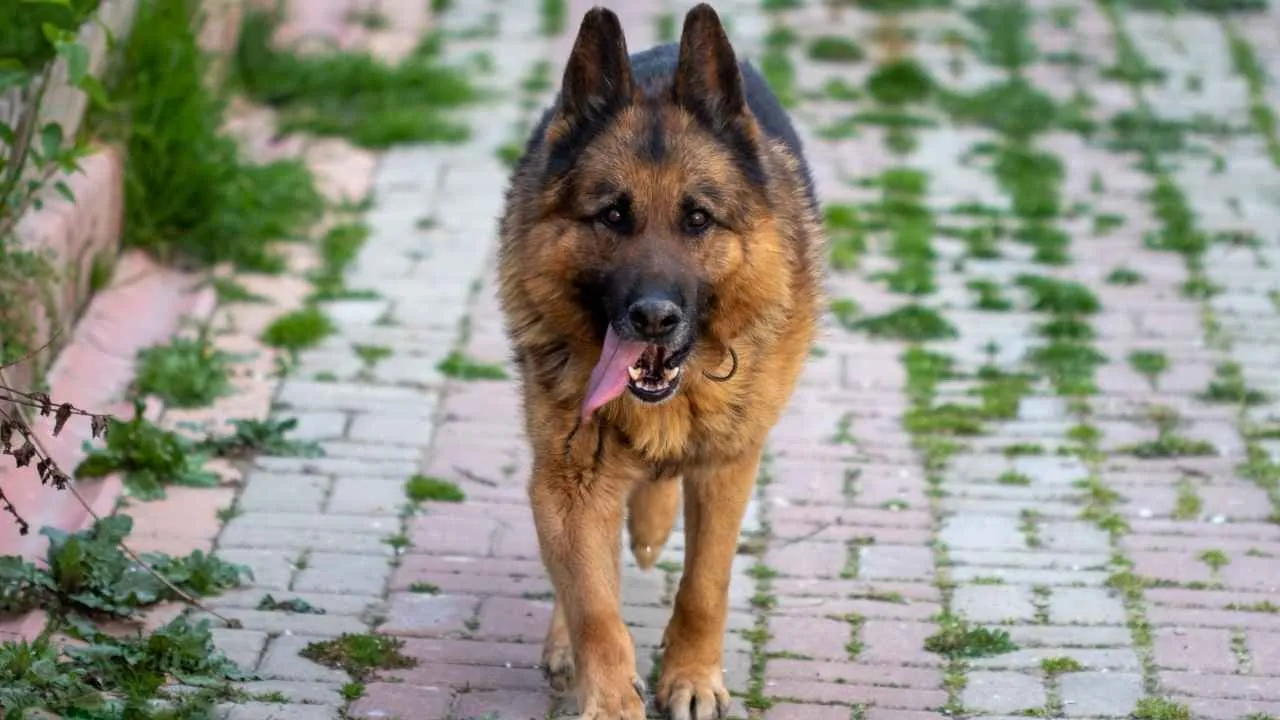
Trusted across the world, the German Shepherd is one of the most popular protective dog breeds for home and family protection. Britannica notes that German Shepherds are known for intelligence, focus, and quick reflexes, which make them great watchdogs and in police and security work.
At home, that same awareness makes them natural guard dogs that quickly notice changes in their surroundings.

German Shepherds form strong bonds with their families and are naturally protective without being aggressive. They tend to observe first, then respond when something truly feels wrong. This balance makes them reliable family watchdogs.
Regular training and daily exercise are essential. With structure, German Shepherds remain calm, confident, and dependable home protection dogs.
2. Doberman Pinscher
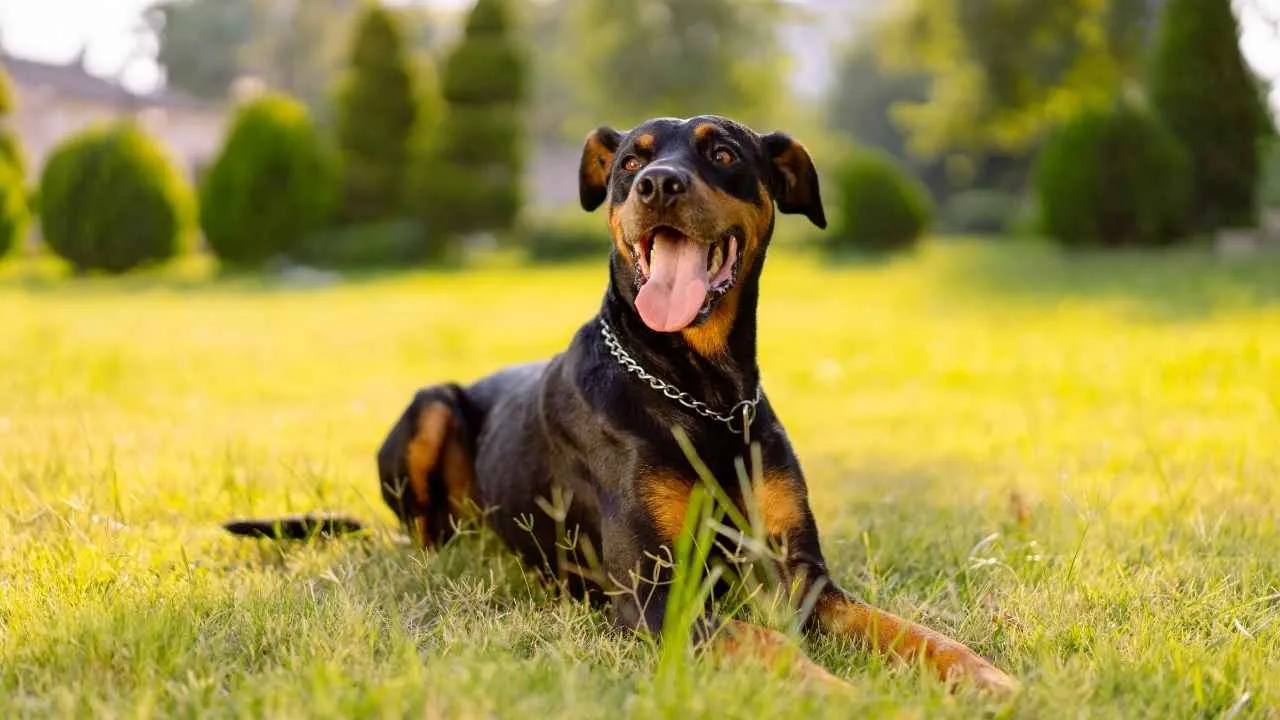
Fast, sleek, and highly alert, the Doberman Pinscher is often considered one of the best guard dogs for personal protection. This breed stays close to its family, making it an excellent indoor watchdog rather than a distant yard guard.
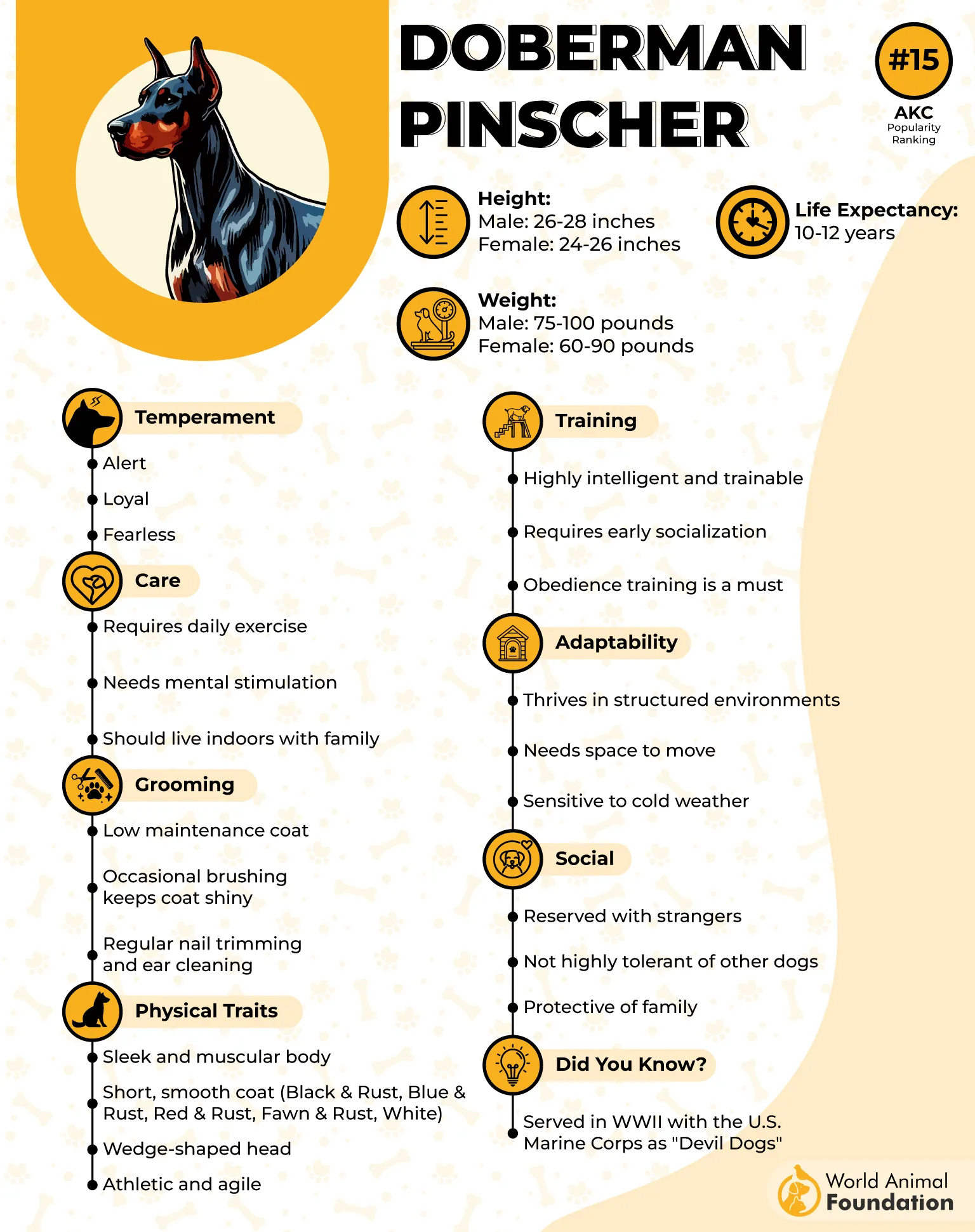
Dobermans are known for loyalty and a strong people focus. They are naturally cautious around strangers but typically stable when trained early. Proper socialization helps shape them into confident and controlled guard dogs.
They suit dog owners who enjoy routine and activity. With guidance, the Doberman becomes a calm, dependable home guardian and loyal companion.
3. Rottweiler
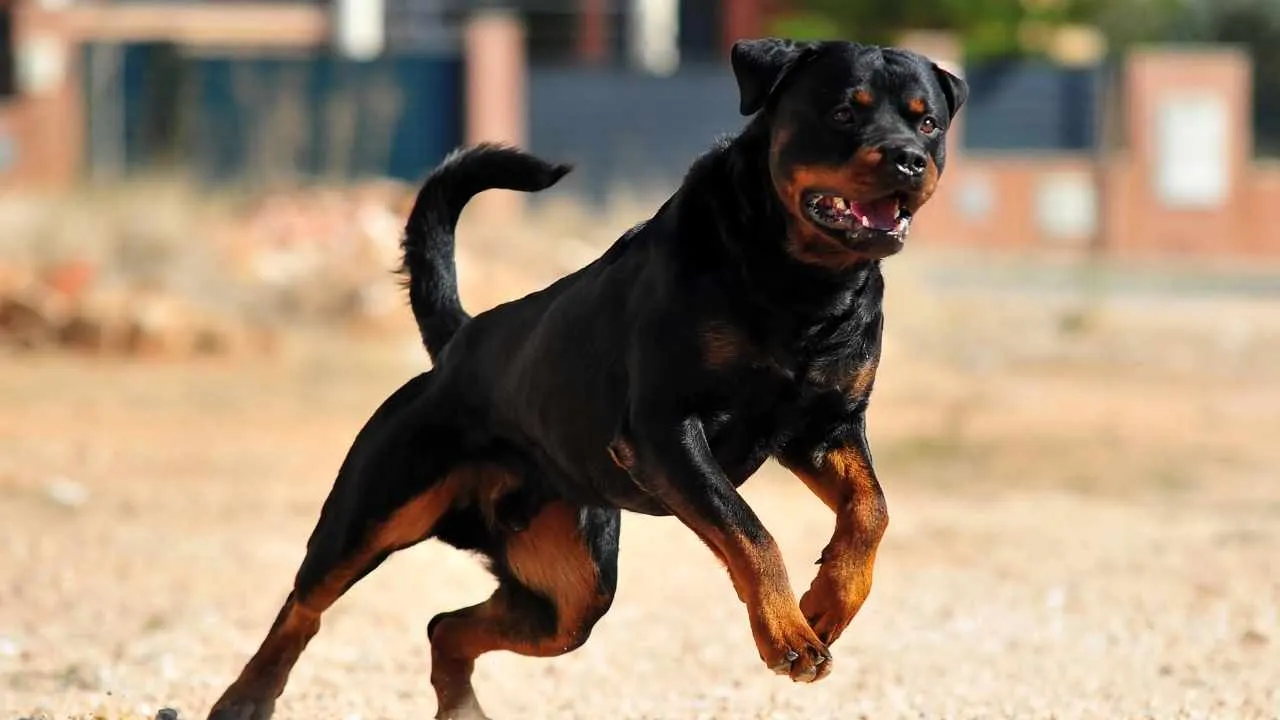
The Rottweiler’s physical strength is impressive, but its calm judgment is what makes it a powerful protection dog. Historically used to guard property and livestock, this breed is known for confidence rather than unnecessary aggression.
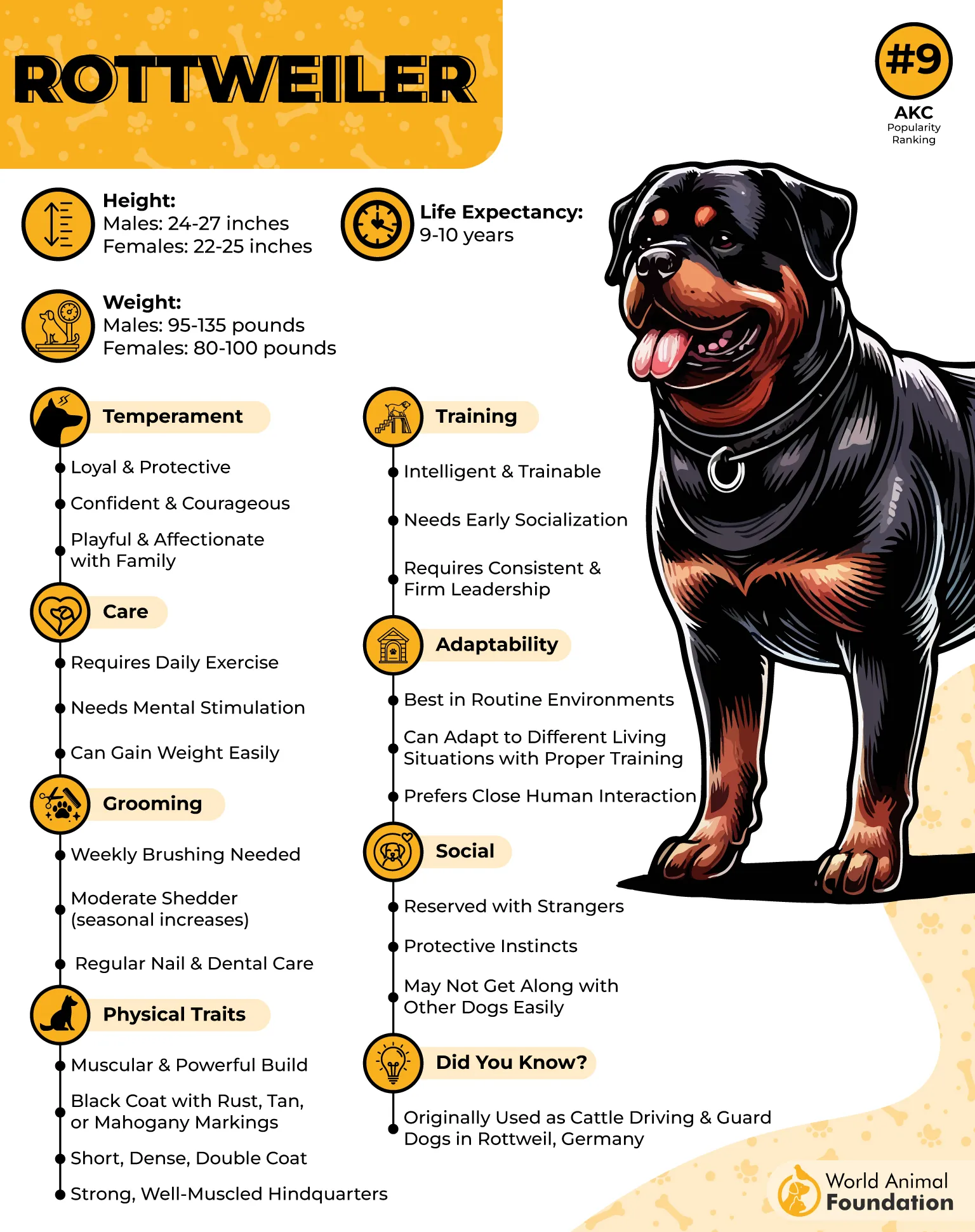
With family, Rottweilers are affectionate and deeply loyal. They rely more on presence than barking, making them effective home protectors without constant noise. Socialization helps them respond appropriately to potential threats.
Clear rules and consistent training are key. Rottweilers are best for experienced owners seeking a strong, reliable guard dog for the home.
4. Boxer
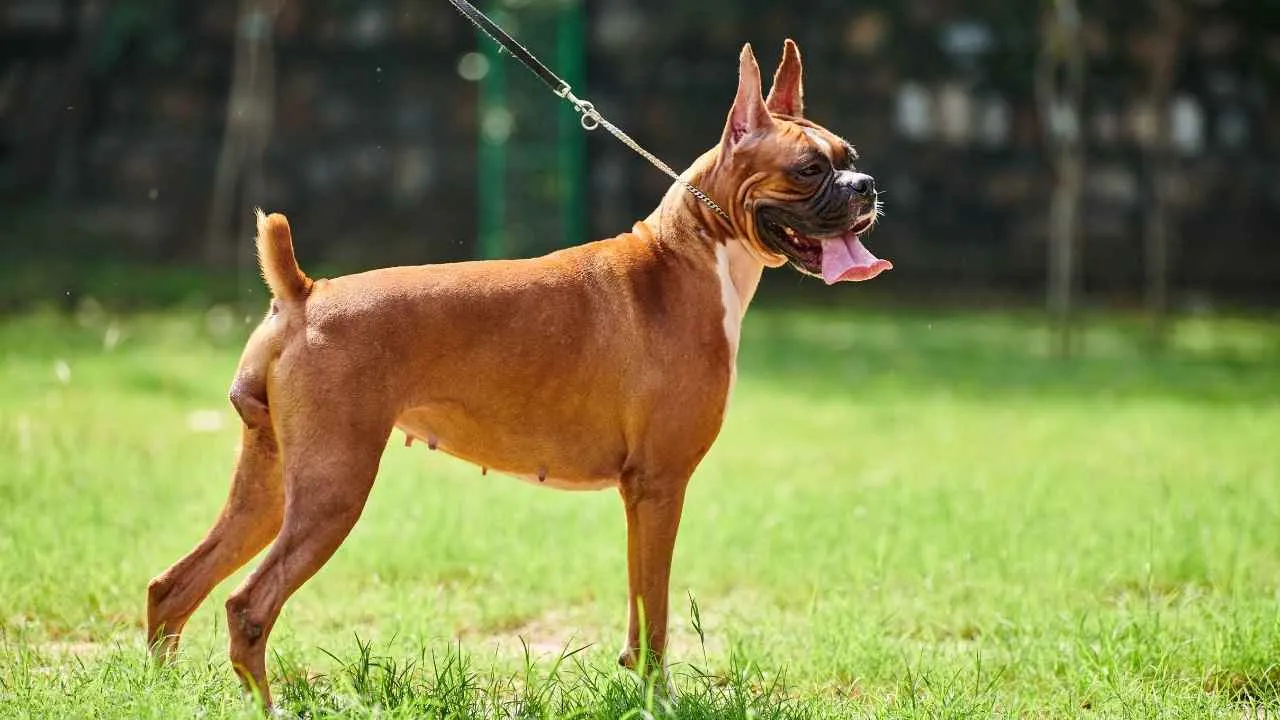
The Boxer’s playful personality often hides its natural watchdog instincts. This active guard dog is alert, observant, and quick to react when something feels unfamiliar, making it a solid family guard dog.
Boxers are deeply bonded to their families and tend to be friendly yet watchful. Their expressive behavior makes it easy to notice when they sense something unusual. Regular interaction supports confident behavior.
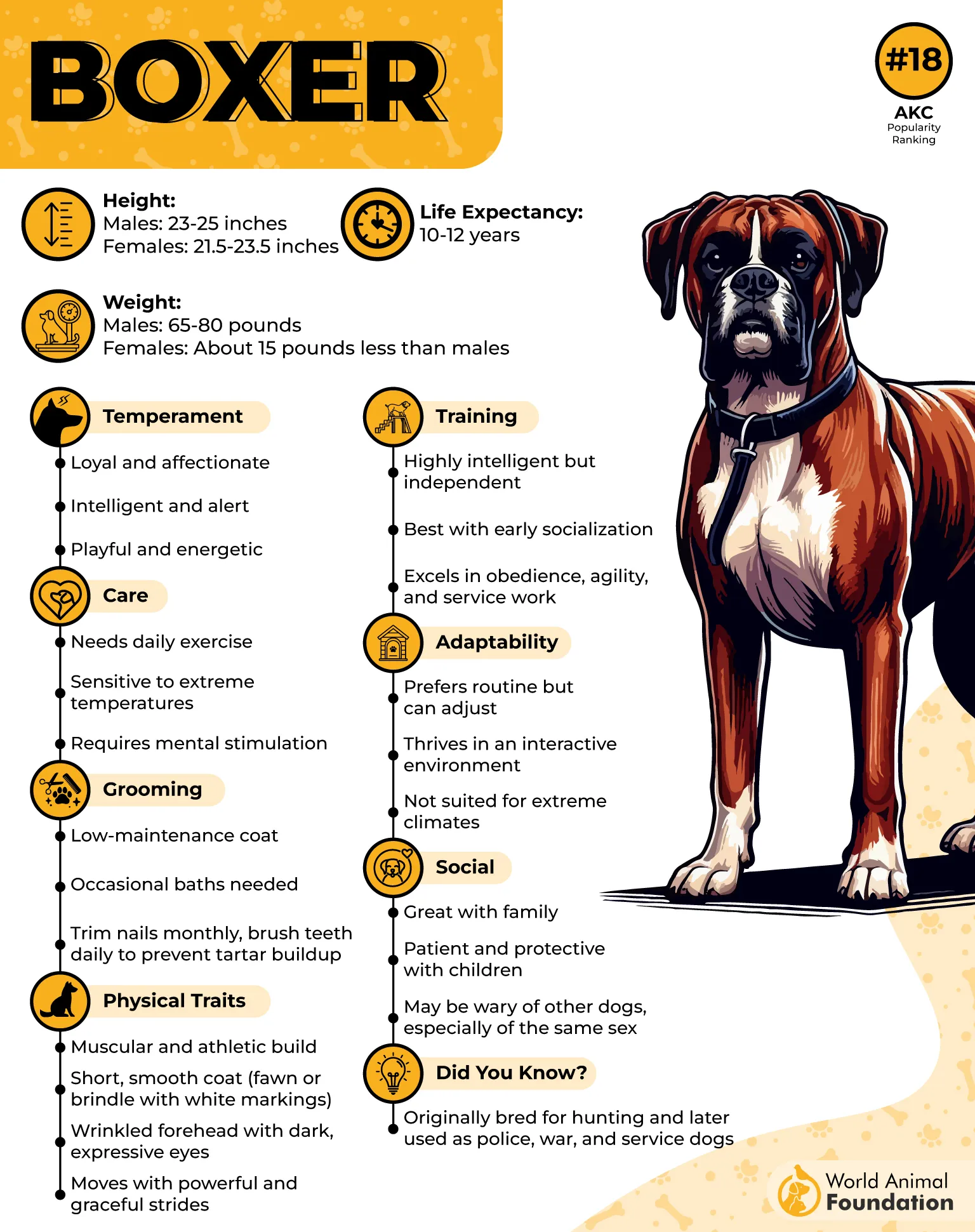
They thrive in active households. With exercise and training, Boxers become both loving companions and dependable home watchdogs. Although these dogs require plenty of physical activity, their short coat makes grooming simple and low maintenance.
5. Bullmastiff
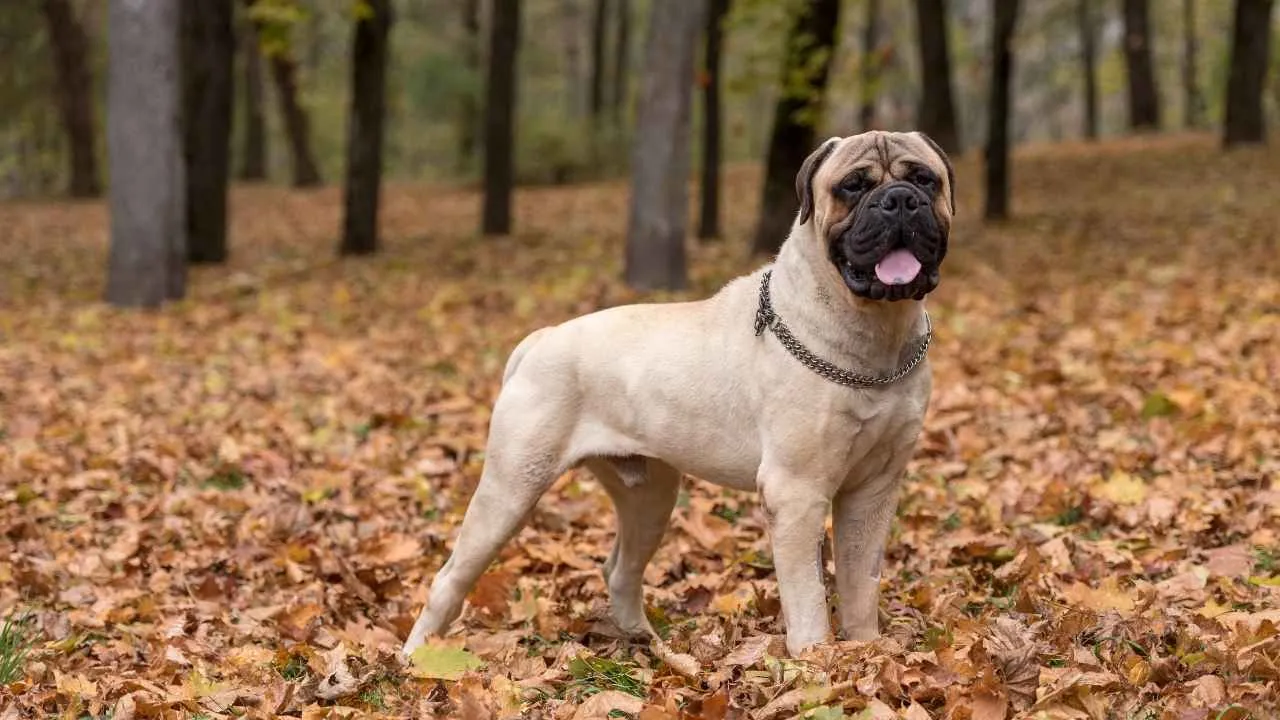
Quiet strength defines the Bullmastiff, a breed developed specifically for guarding property. Unlike many watchdogs, Bullmastiffs are calm and observant rather than overly vocal, relying on presence to deter intruders.
They are gentle and patient with family members and prefer staying close to home. Their steady temperament makes them feel reassuring rather than reactive. The American Kennel Club describes this breed as fearless at work, but docile at home, which is a rare guardian combo.
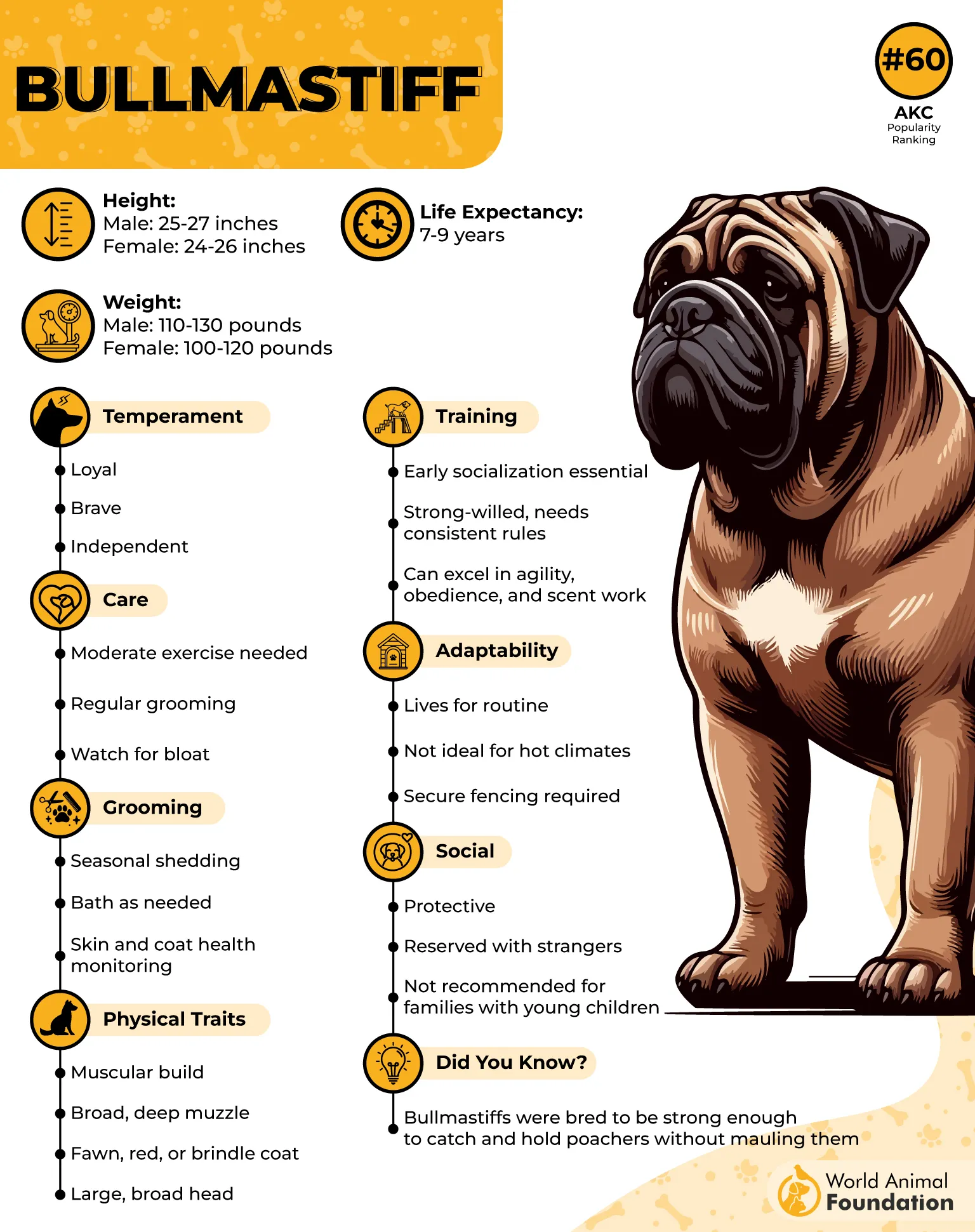
Because of their size, training is essential. Bullmastiffs suit families looking for a calm, loyal guard dog with moderate exercise needs. They are generally good with young children and other dogs, though interactions between children and pets should always be supervised, regardless of breed. Bullmastiffs are highly intelligent and typically learn quickly during training.
6. Akita
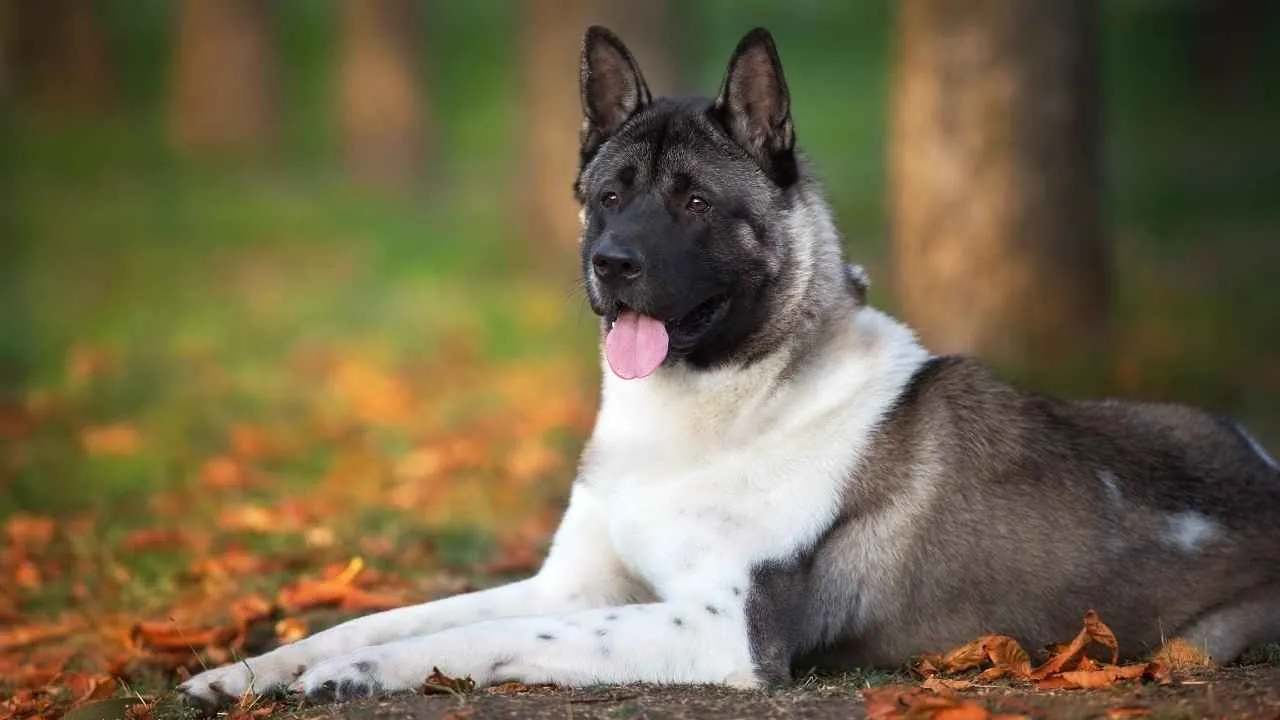
Independent and reserved, the Akita is a naturally protective dog breed with strong territorial instincts. They are cautious around strangers but intensely loyal to their family, making them effective home guardians.
Akitas are typically quiet and observant, stepping in only when something truly feels wrong. They rely more on awareness than barking to protect their space. Their calm, watchful style makes them one of the quiet dog breeds, appealing to owners who prefer alertness without constant barking.
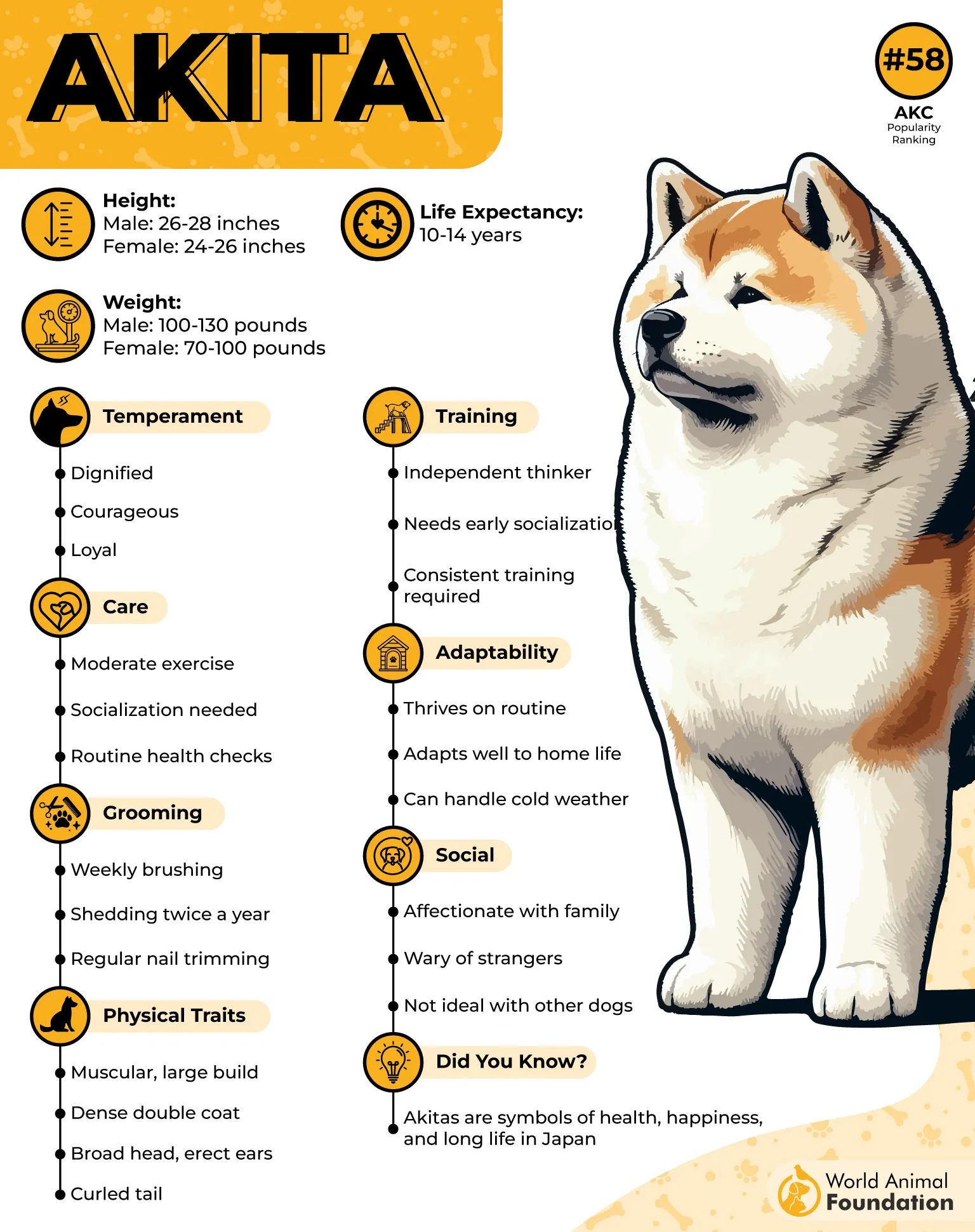
Akitas are strong-willed dogs originally bred for independent work. As a result, they need consistent training and early socialization to thrive, making experienced pet parents the best fit for raising an Akita puppy. With early training and socialization, Akitas become steady, dignified protection dogs for the home.
7. Belgian Malinois
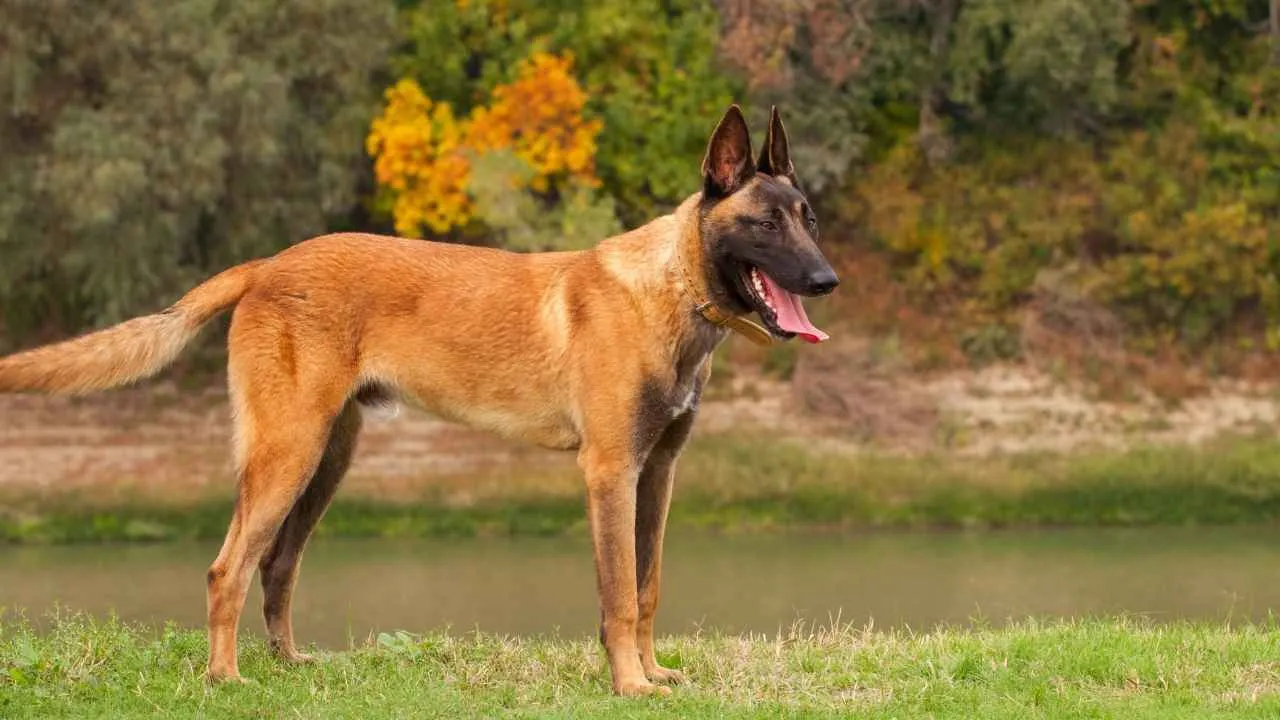
Highly focused and driven, the Belgian Malinois is known as a high-performance protection dog. Originally bred for herding, this Belgian dog breed later proved so trainable and driven that it excelled in roles such as police work, search and rescue, and bomb and drug detection.
As a result, Belgian Malinois thrive in homes where they have a job to do, whether through agility, tracking, obedience, or other structured activities.
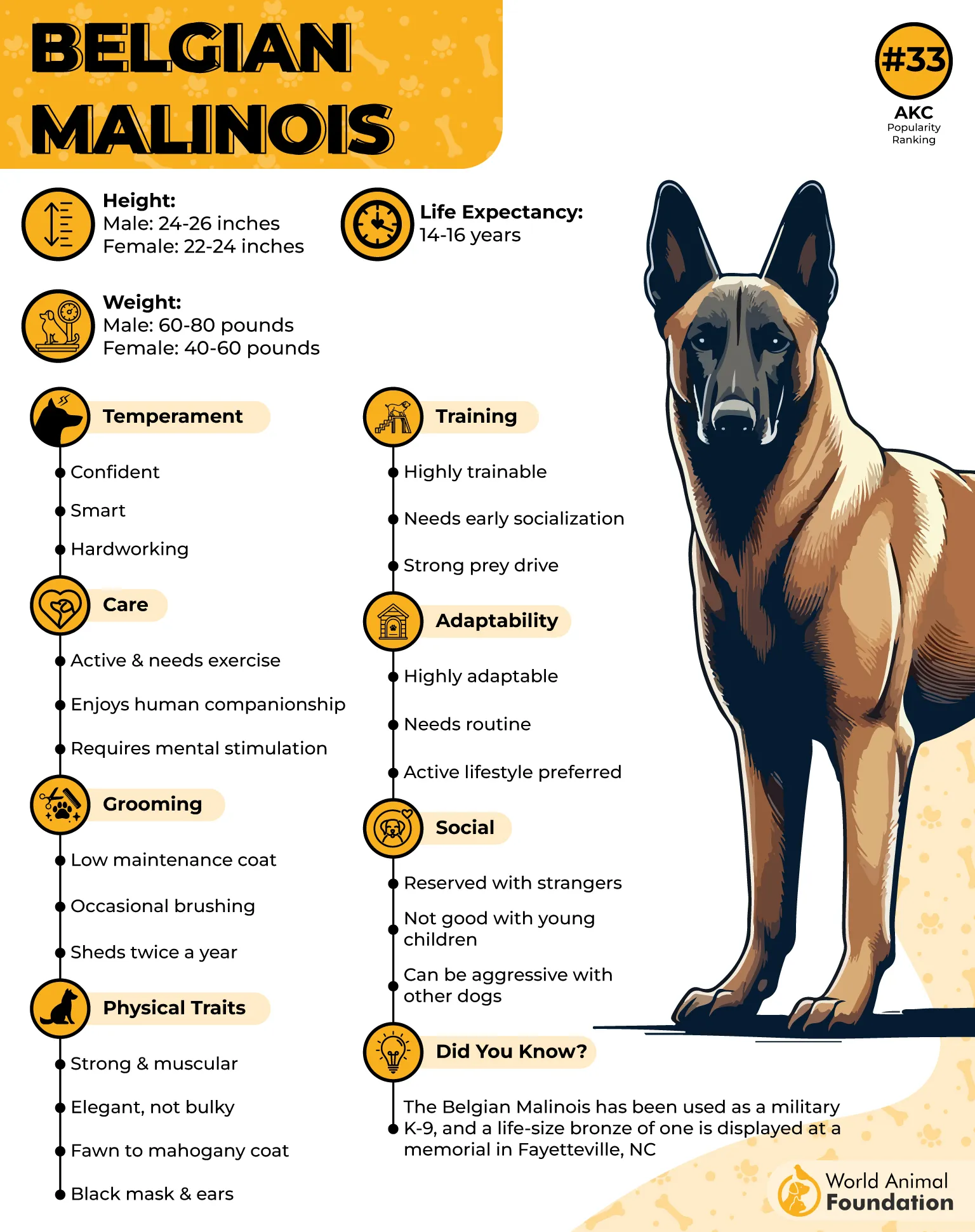
Malinois dogs need both mental and physical challenges. Without structure, their energy can become misplaced, but training helps channel their guarding instincts productively.
They are best for experienced, active owners. In the right environment, the Belgian Malinois is a sharp, reliable home protection dog.
8. Staffordshire Bull Terrier
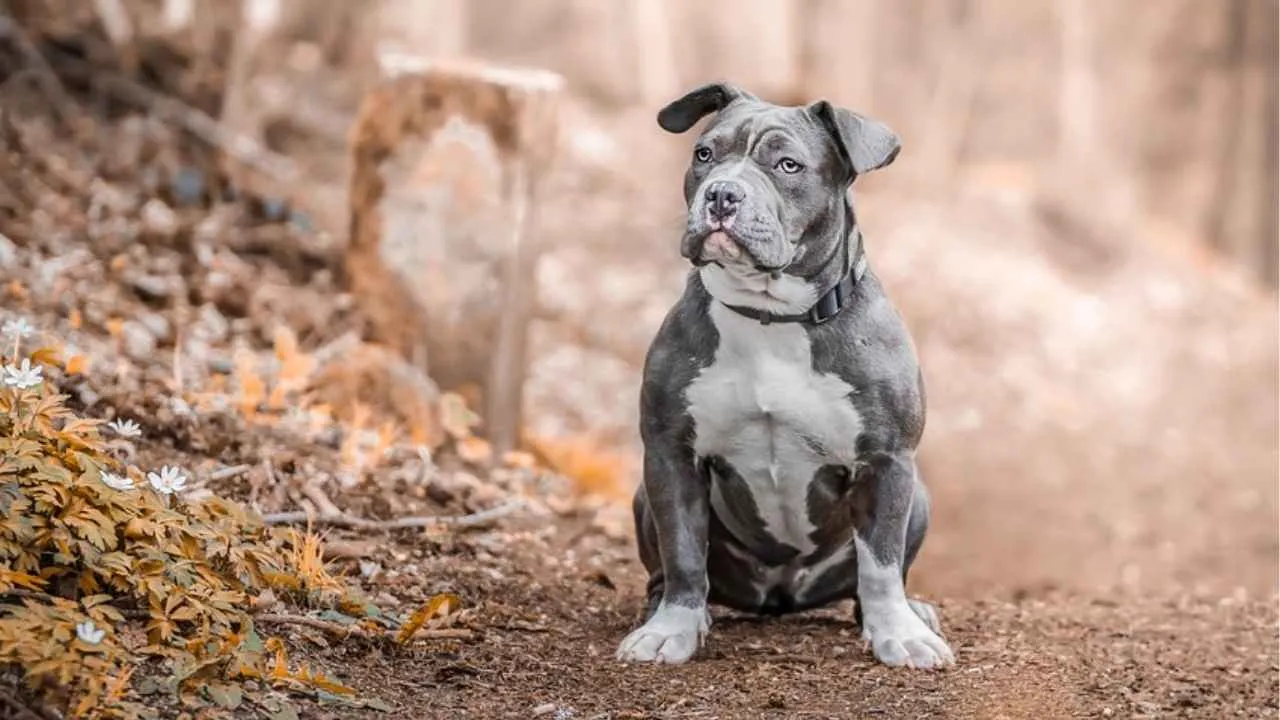
Small but confident, the Staffordshire Bull Terrier is often underestimated as a protective dog. Known for courage and loyalty, this breed stays close to its people and reacts quickly to unfamiliar activity.
Despite their muscular build, they are affectionate and people-focused. Socialization helps balance enthusiasm and strengthens judgment around visitors.
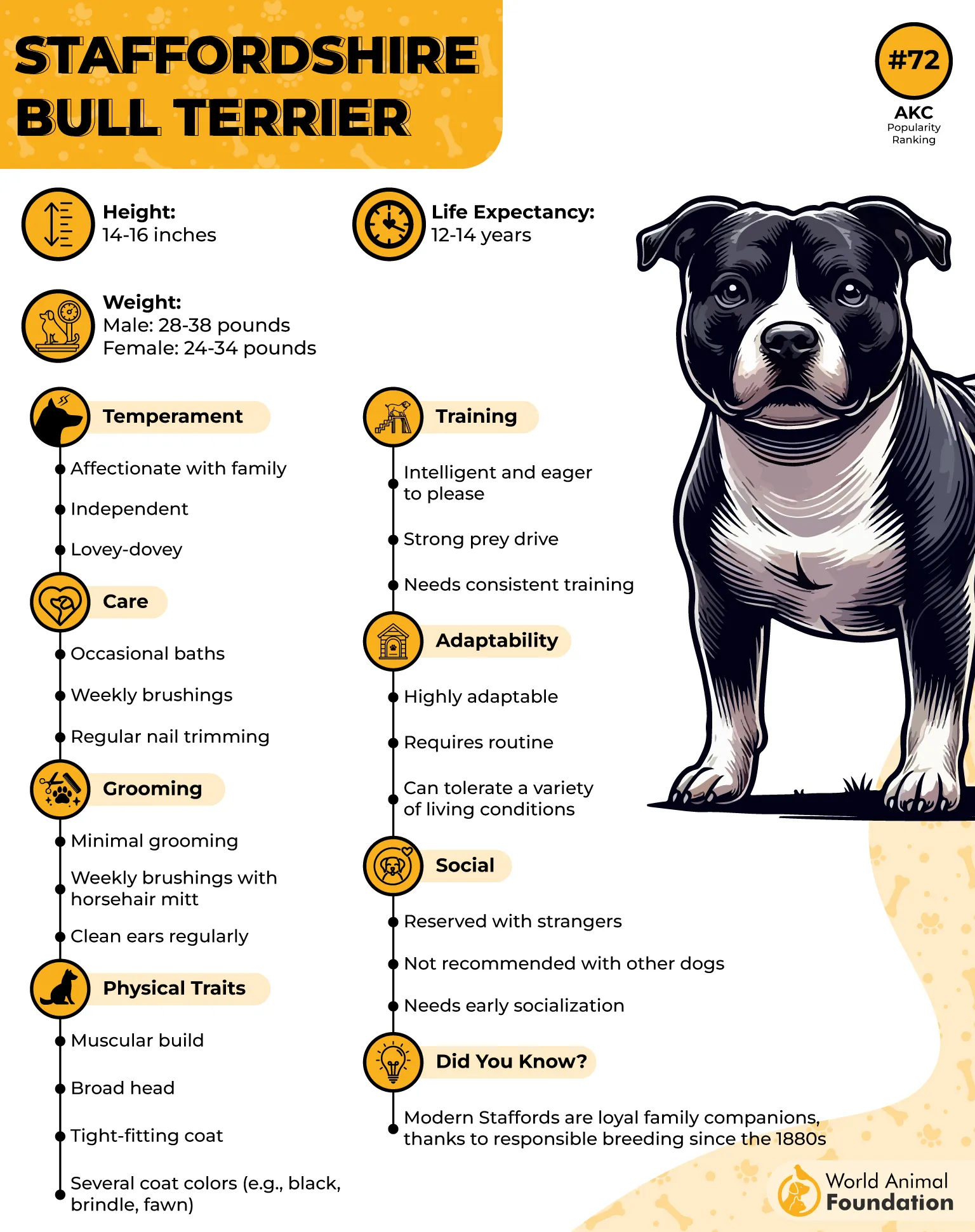
Staffordshire Bull Terriers suit families seeking a compact watchdog. With guidance, they provide alertness without excessive suspicion.
They are known for their gentle nature with children—so much so that they’ve earned the nickname “the nanny dog.” While they need regular exercise and long walks to meet their high energy levels, they’re just as happy curling up for a nap on the couch.
9. Giant Schnauzer
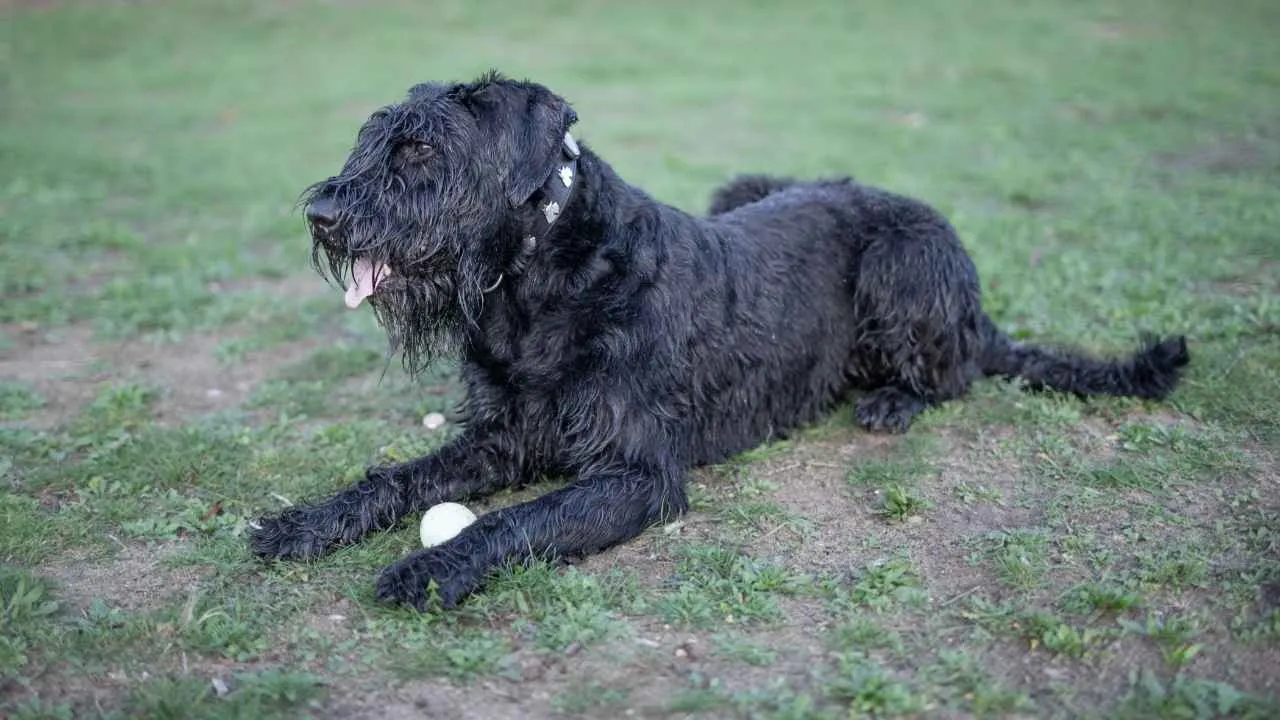
Bold and expressive, the Giant Schnauzer was bred to guard farms and businesses. This breed is naturally alert and uses its strong bark as an effective warning system.
They are intelligent and strong-willed, making training a priority. Clear structure prevents overprotective behavior and builds reliability.
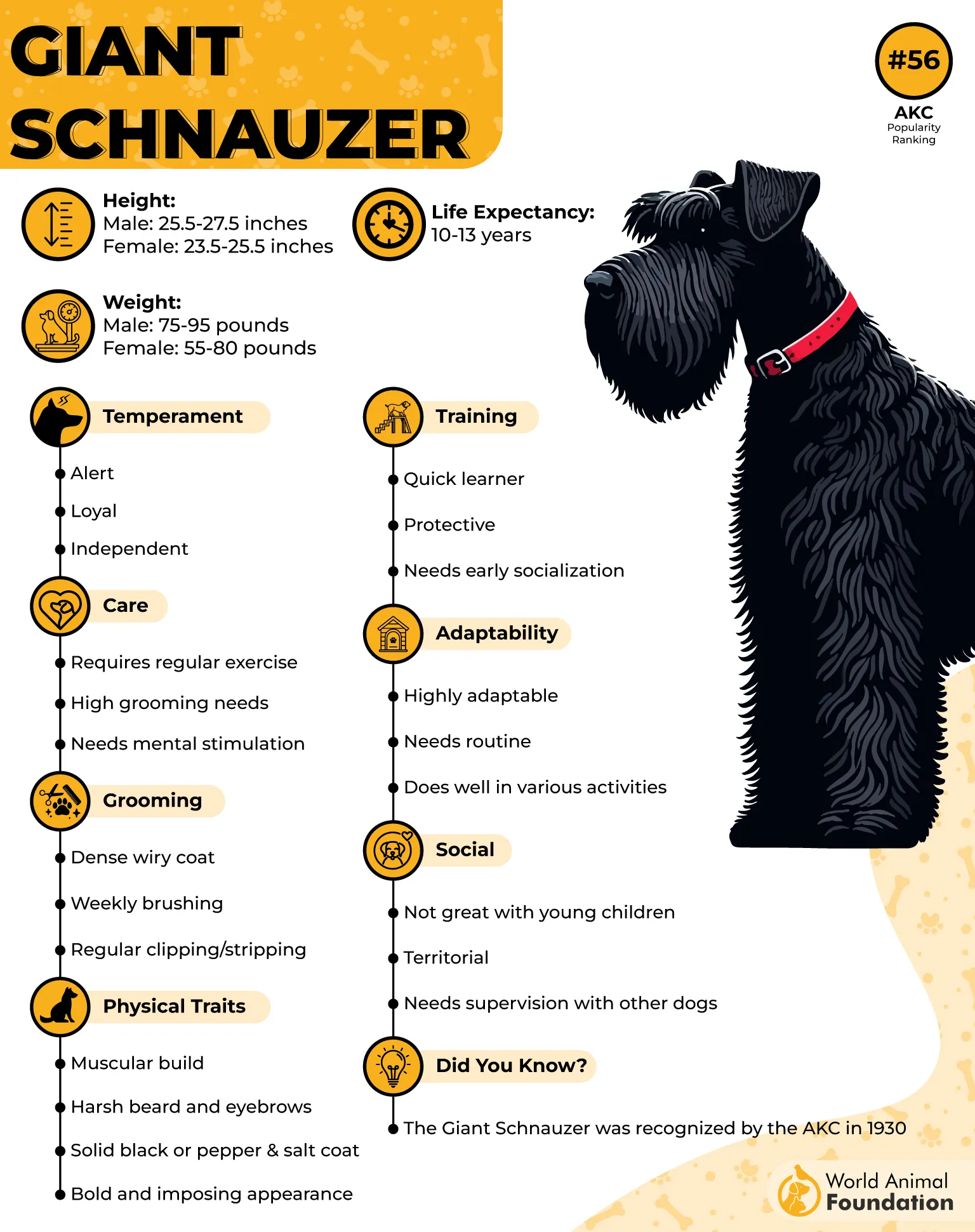
They are highly intelligent, eager-to-please dogs that are generally easy to train. Bred as guard dogs, they can be naturally wary of strangers, but they are affectionate and gentle with their families. Early socialization is essential to help Giant Schnauzer puppies learn that new people, animals, and experiences are positive and non-threatening.
Giant Schnauzers thrive with daily engagement. They suit owners who want an energetic but dependable guard dog for home protection.
10. Cane Corso
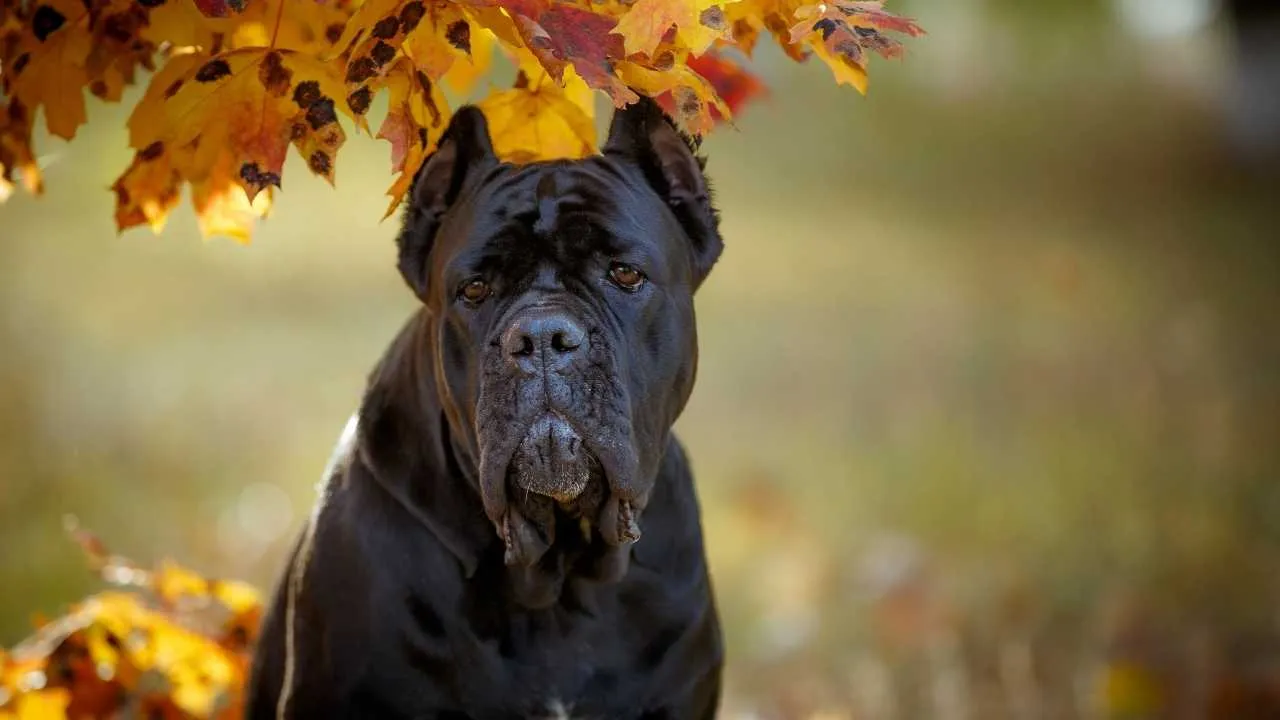
The Cane Corso carries a calm, commanding presence that makes it a powerful guard dog. Descended from ancient guard dogs, this breed has strong territorial awareness and deep family loyalty.
Corsos often position themselves between their people and anything unfamiliar. They prefer quiet observation over constant reaction.
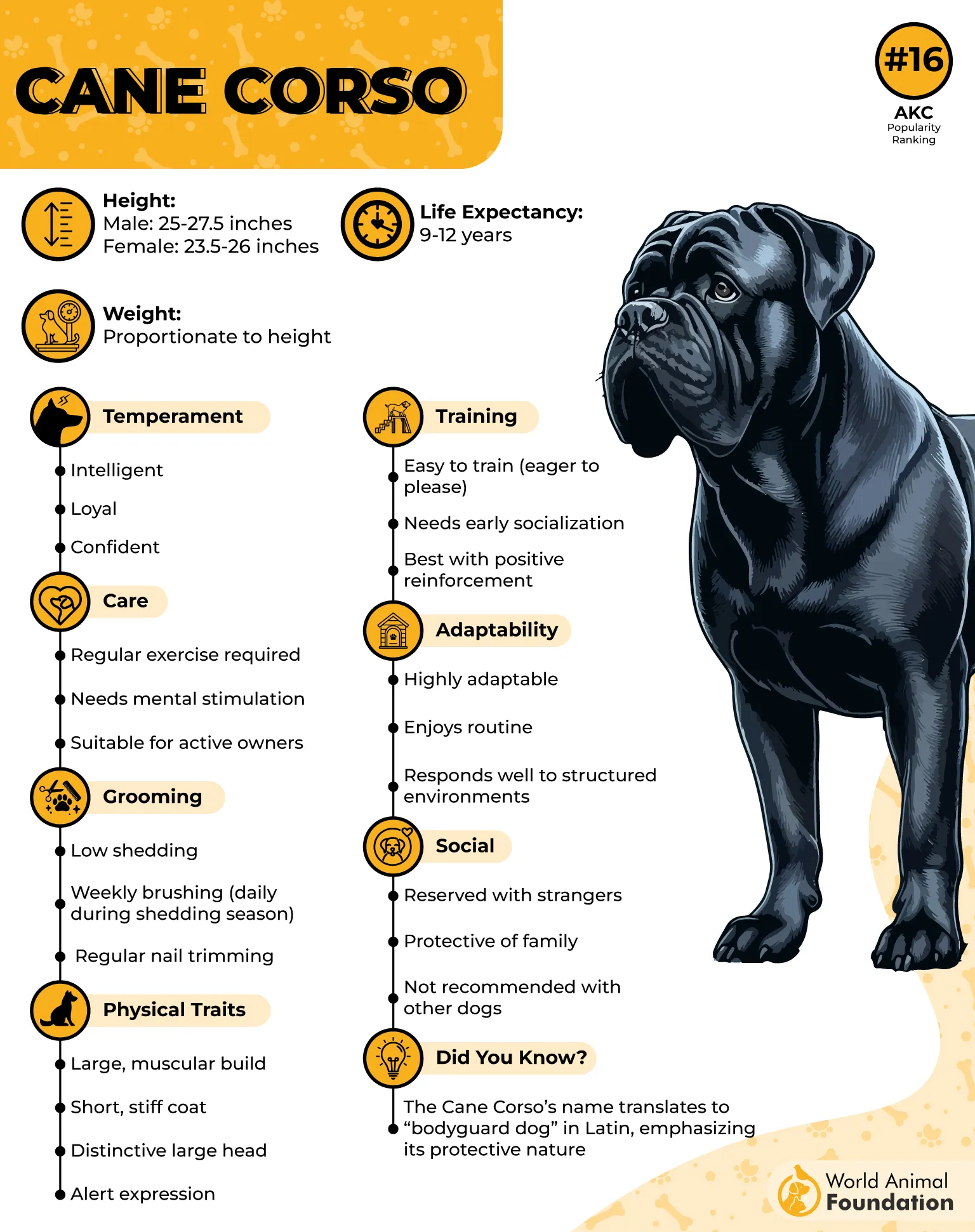
Always supervise your Cane Corso during interactions with children or other pets, and teach children how to interact with dogs appropriately. Cane Corsi prefer to keep their family close and are happiest when everyone is in the same room.
Because of their size and confidence, training is essential. Early, steady socialization helps a Cane Corso stay composed around visitors while still being a confident home guardian. Cane Corsos are best for experienced owners seeking a serious, steady home guardian.
Conclusion
Choosing a protective dog is not about finding the biggest or most intimidating breed. It is about finding a dog whose instincts, energy level, and temperament match your lifestyle. A well-suited guard dog should make you feel safer without creating stress or fear inside your home.
Training and socialization matter just as much as breed. Even the most naturally guard dogs need guidance to understand boundaries and respond appropriately.
Before making a decision, consider your living space, activity level, and experience as a dog owner. The effective protectors will not only guard your home but also become a loyal companion that brings confidence, comfort, and peace of mind to your daily life.
