




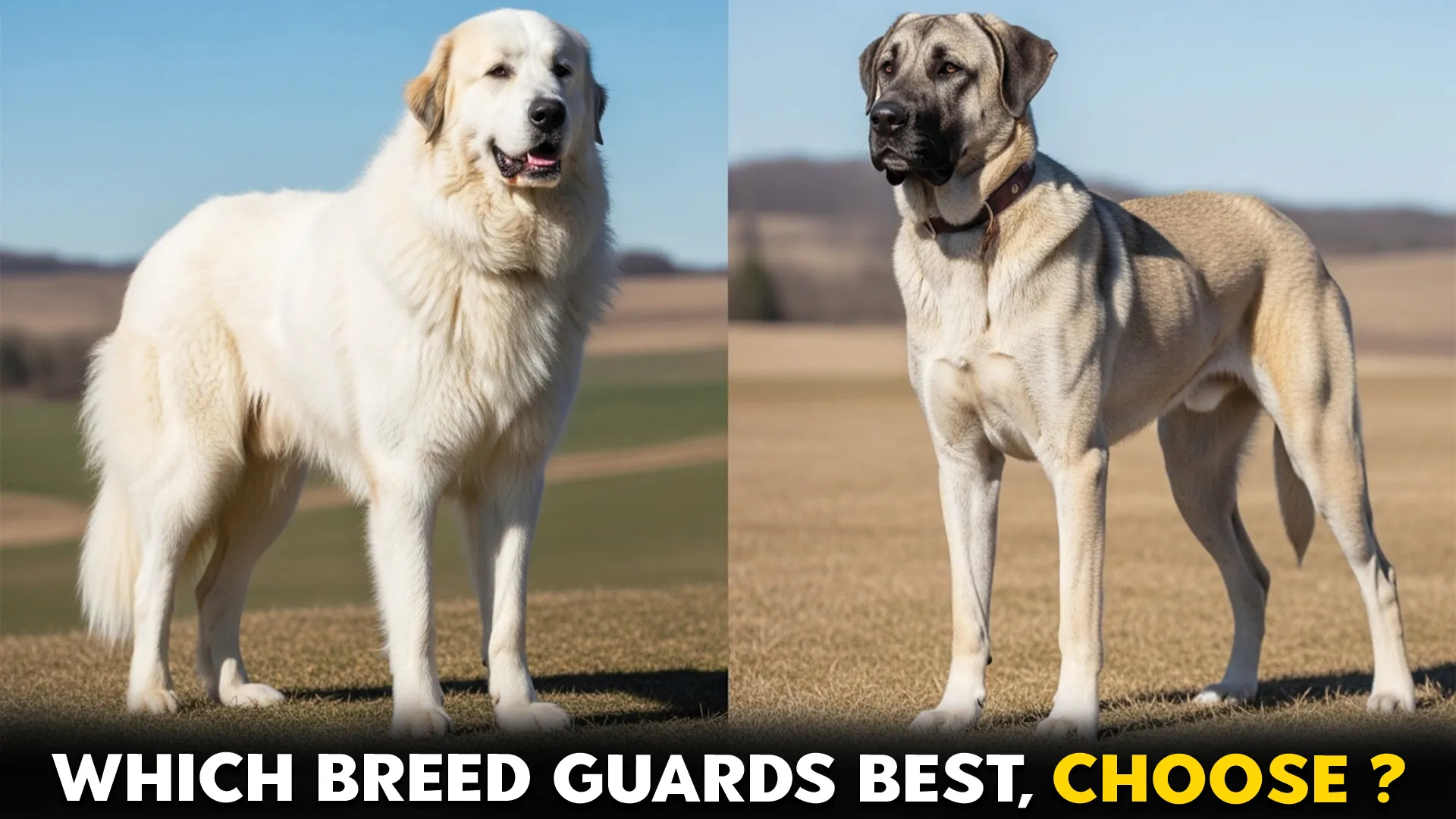
The process of selecting a guardian dog requires more than just choosing the largest or most powerful dog breed. The best dog for this role needs to understand livestock and follow established boundaries while remaining vigilant during human rest periods.
For farmers and homesteaders, the decision often comes down to two legendary guardians: the Great Pyrenees and the Anatolian Shepherd.
For centuries, both breeds have protected livestock by keeping their flocks safe from various predators, which include wolves, coyotes, and bears. Their working methods, personality traits, and daily requirements show strong contrasts.
The first option uses peaceful behavior and routine security work, while the second option requires its workers to make fast decisions based on their own judgments.
Fun Fact
The natural work schedule of livestock guardian dogs requires them to operate during nighttime hours. Most guardians experience a light sleep pattern throughout daytime hours, which leads them to maintain peak vigilance after darkness falls.
Great Pyrenees vs Anatolian Shepherd: Which is Better for Guardianship
Overview
The Great Pyrenees and Anatolian Shepherd are two of the world’s most respected livestock guardian breeds, each with a long history of protecting animals in harsh environments.
The Great Pyrenees originated in the Pyrenees Mountains, which extend across the border between France and Spain, where the breed existed alongside flocks of sheep and goats for many generations.
PetMD states that these dogs developed instinctive guardian abilities without requiring continual human supervision. They protect livestock through their powerful size and strength, but their peaceful nature and patient behavior make them ideal companions for farms that have children, pets, and various farm animals.
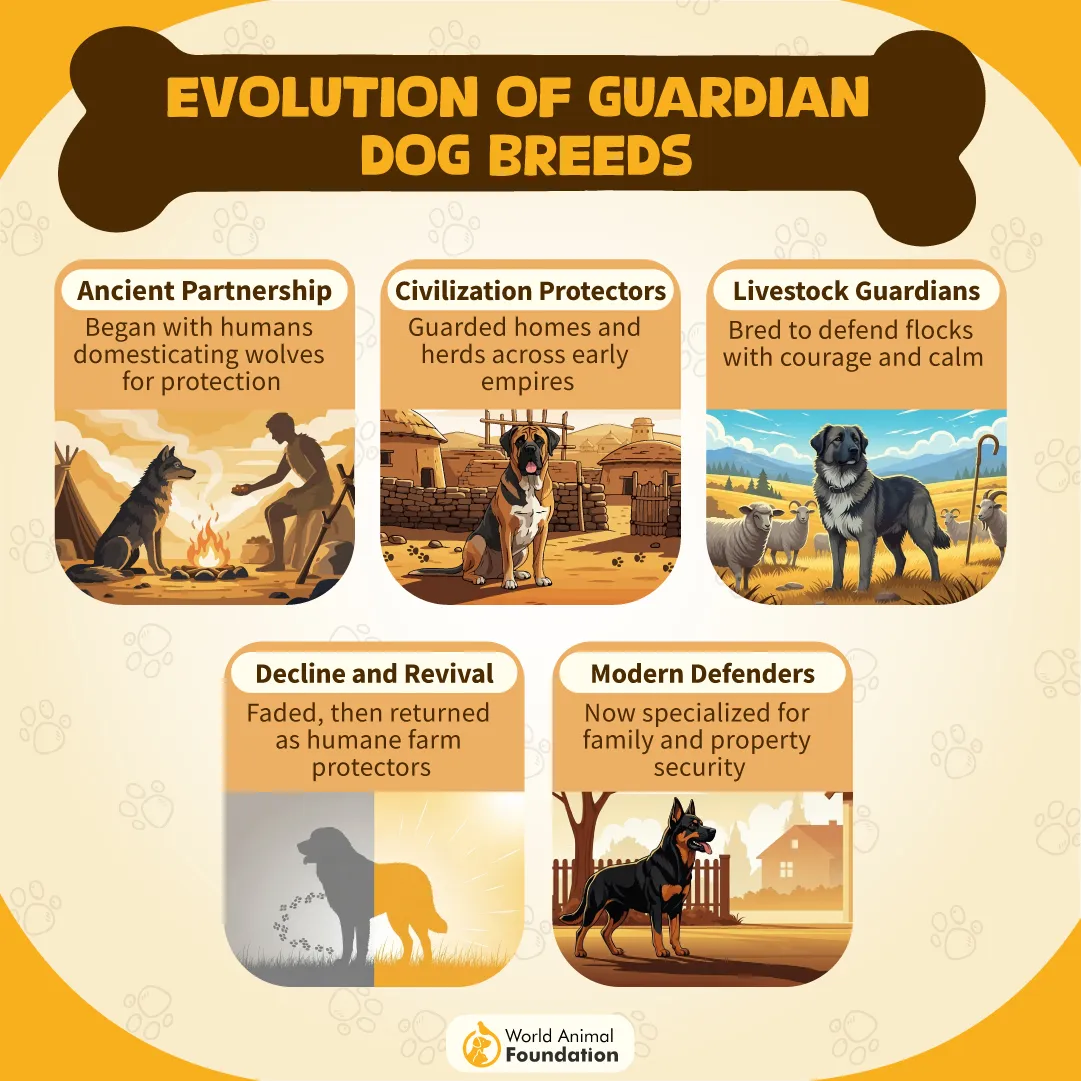
The historical roots of the Anatolian Shepherd trace back to Turkey, where it developed into one of the earliest dog breeds that humans used for protection purposes. The dogs of this breed were developed to guard cattle in extensive open environments, which human beings could not monitor continuously.
Their independence helped them develop the ability to handle dangerous situations through their ability to make decisions that showed their self-assurance. The 1950s brought the Anatolian Shepherd to America, where it became known as a guardian dog breed that dedicated itself to protecting its livestock and territory above all other things.
Physical Characteristics
Great Pyrenees Physical Features
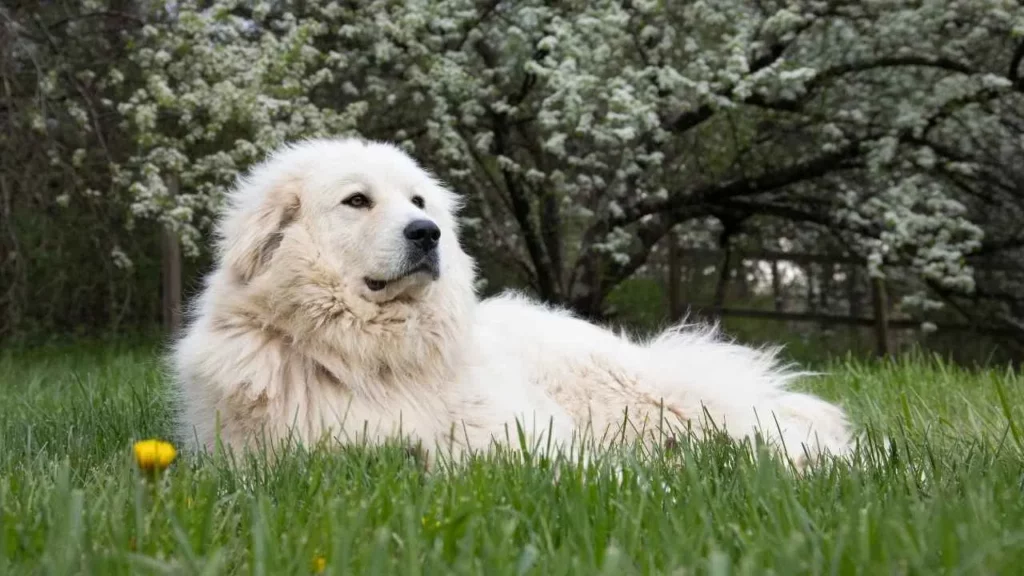
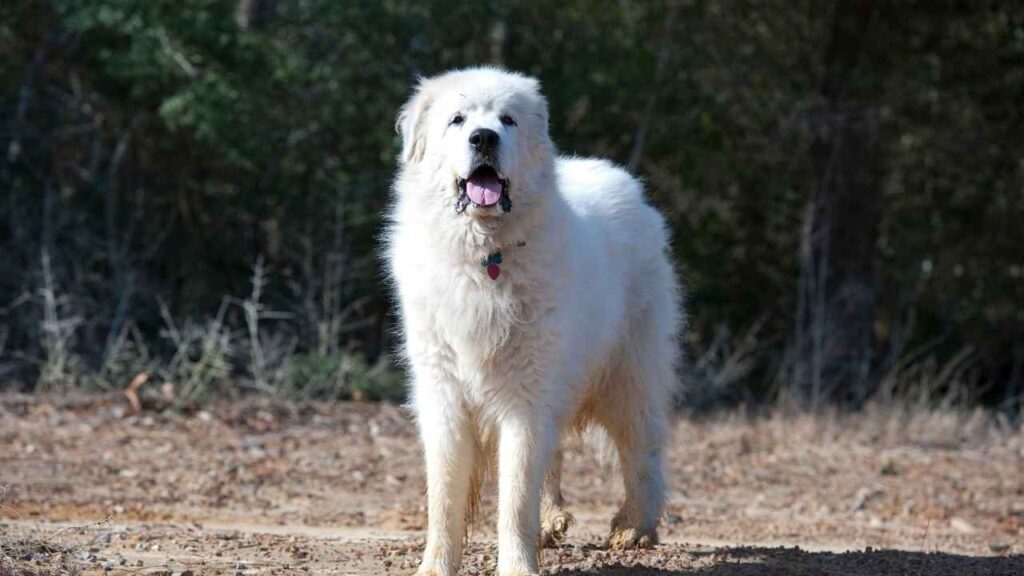
Their broad head, dark eyes, and slow movements give them a calm appearance, but their strength should not be underestimated. The heavily plumed tail remains in a low position until the dog detects potential danger.
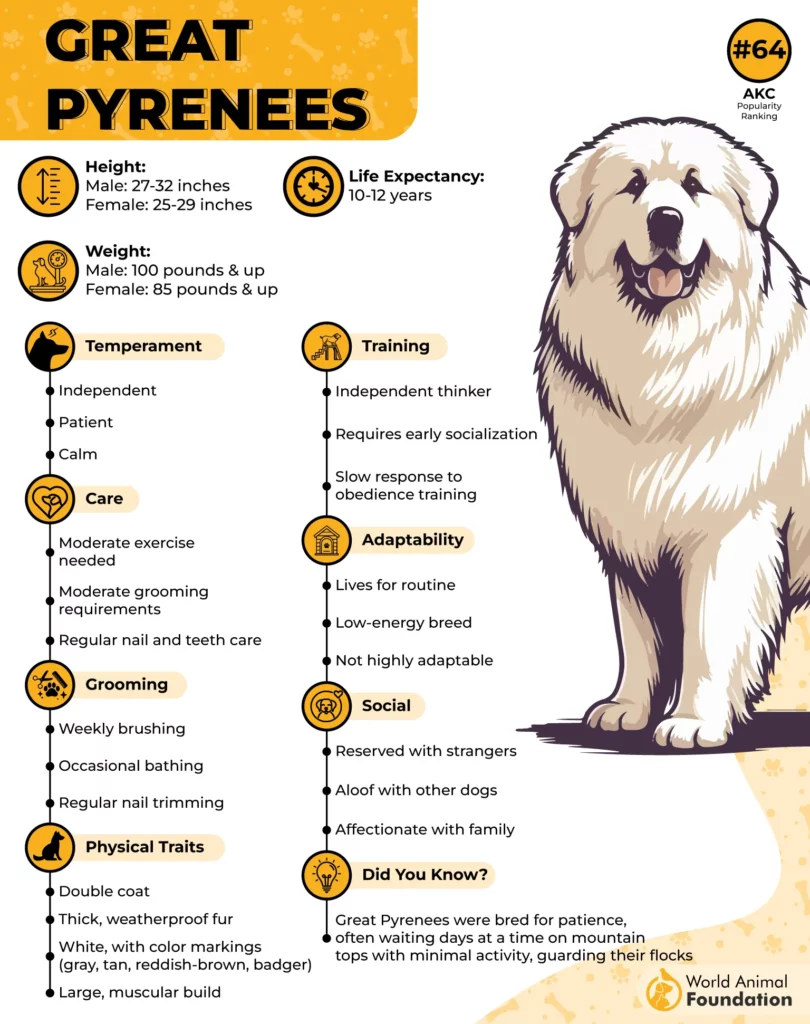
The need for strong fencing arises because of their large size. The Pyrenees dog shows boundary protection behavior, but they will escape through weak fencing.
Anatolian Shepherd Physical Features
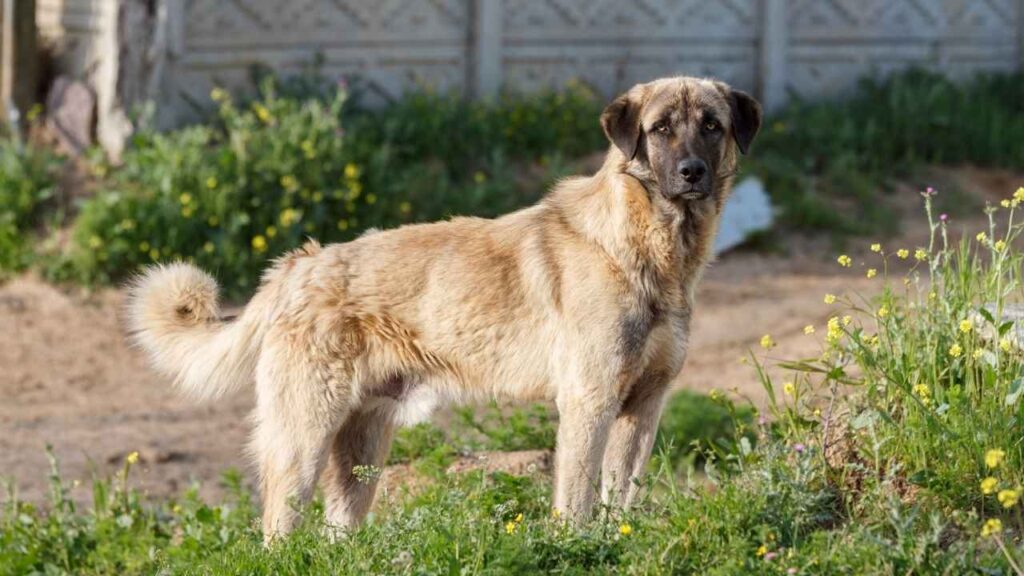
Anatolian Shepherds exhibit greater height, but they possess lower weight than Great Pyrenees dogs. They possess strong muscular bodies and athletic build, which enables them to sustain physical activity over long periods.
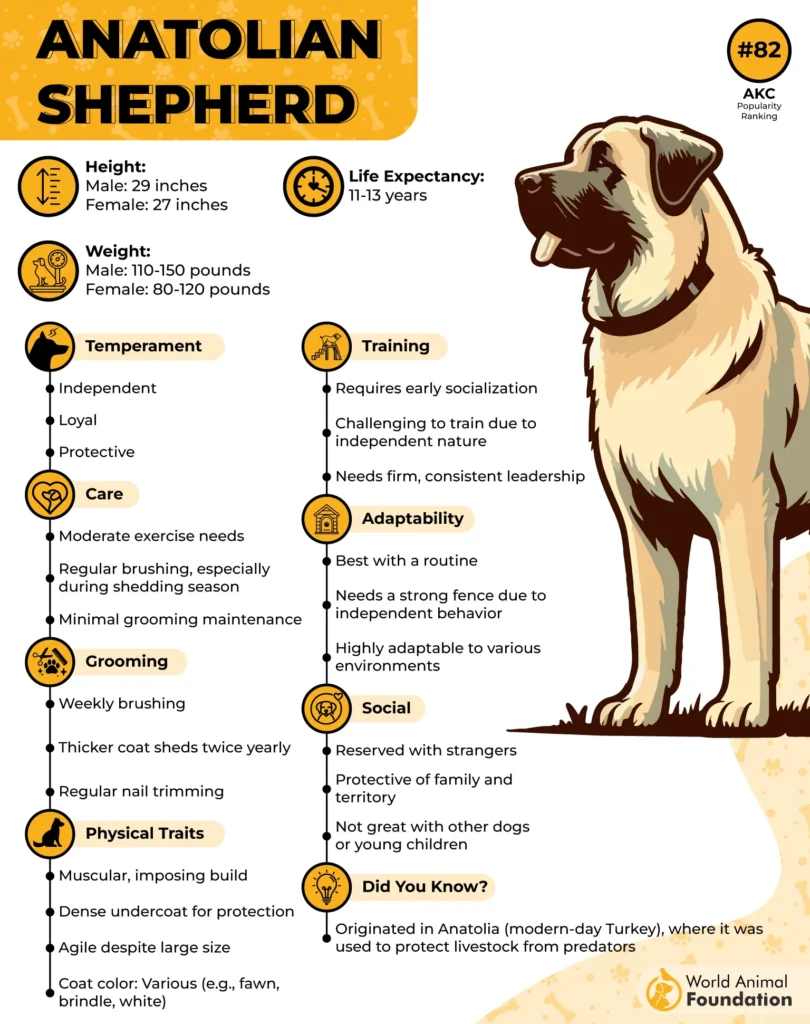
Their short, dense coat protects them in both hot and cold climates. Common colors include fawn, brindle, and white, which frequently appear with a black facial mask.
The physical structure enables them to traverse extensive agricultural areas while maintaining constant vigilance for extended periods
Speed & Strength
The Great Pyrenees breed uses its strong physical presence to protect livestock because it does not rely on speed as its primary defense mechanism. VCA Hospitals report that their powerful deep barking sound effectively protects them from danger because it frightens away potential threats before any actual fight occurs.
Anatolian Shepherds show greater speed and movement capabilities. They can move at fast speeds to create a barrier between dangerous animals and protected animals because they show confidence through their body language.
Both breeds have the ability to fight when necessary, but their primary duty as livestock guardians requires them to avoid fighting for their entire work period.
Exercise & Energy Levels
Anatolian Shepherds are active dog breeds that work as professional service animals. That they require at least one hour of daily exercise along with mental stimulation to stay balanced.
Great Pyrenees dogs require daily exercise although their energy levels fall between regular and high-energy activities. 30 to 40 minutes of walking combined with free movement inside a fenced space serves as sufficient exercise.
They make poor running companions because they tend to wander when off-leash due to their natural independent behavior. Dogs with heavy coats require special consideration during hot weather conditions.
They perform best in cold environments which provide wide open spaces for their patrol activities.
Training & Intelligence
Great Pyrenees dogs demonstrate intelligence yet they choose which skills they want to acquire. That this breed was developed to make independent decisions which creates an appearance of stubborn behavior during training. The most effective learning method consists of repeating the material with a calm approach while showing patience.
Anatolian Shepherds possess high intelligence, but they exhibit natural tendencies toward disobedience. First-time dog owners experience difficulties controlling this breed because it prefers to make its own choices.
Both dog breeds show no positive response to extreme training methods. Trust development together with early socializing and maintaining consistent behavior patterns forms the base which leads to successful outcomes.
Socialization and Living Environment
Great Pyrenees show greater friendliness toward people and children and other animals. Confirms that these animals maintain peaceful relationships when they share living spaces with chickens and goats and other pets.
Anatolian Shepherds display a reserved nature. They exhibit natural stranger danger behavior while they safeguard their home territories. Socialization training during early development periods helps to decrease excessive aggressive behavior.

Great Pyrenees serve as better pets for homes that receive many guests, while Anatolian Shepherds function better on remote farms.
Coat Grooming Needs
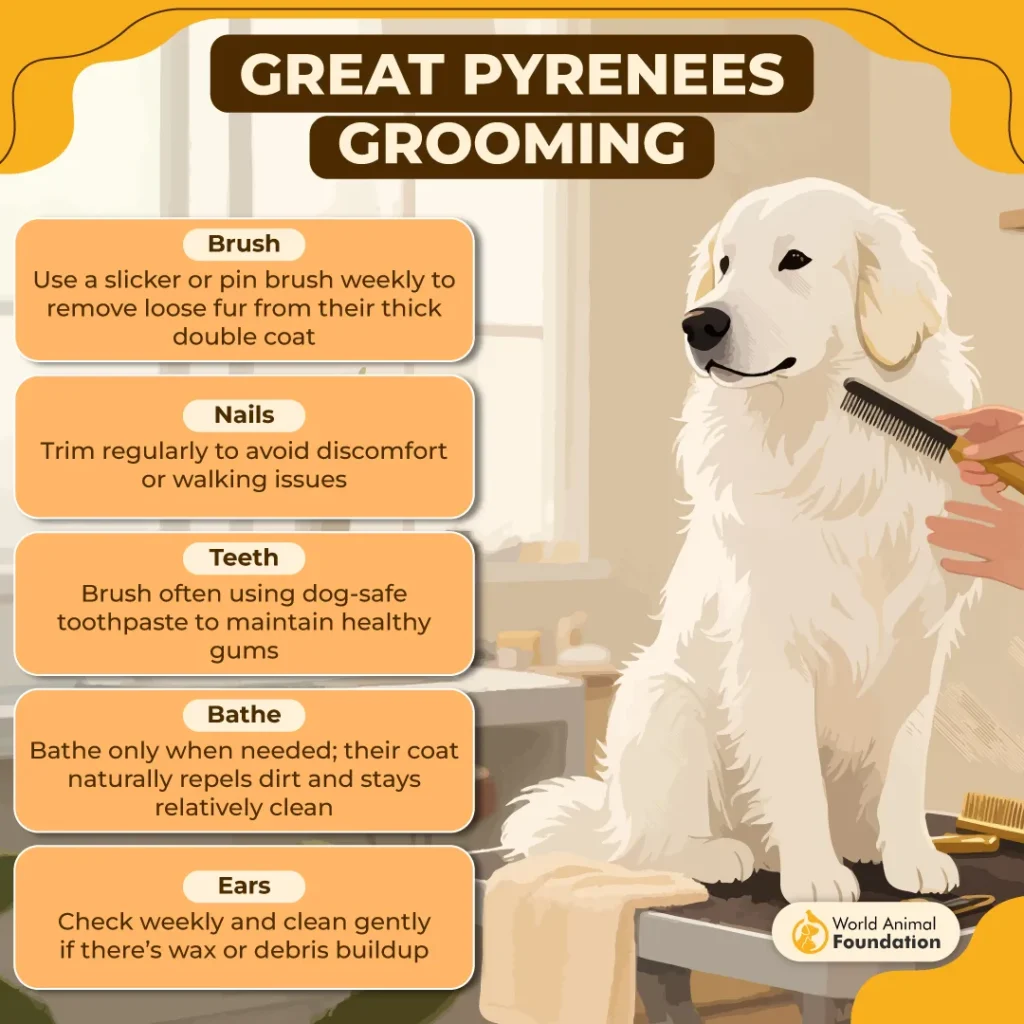
Great Pyrenees need constant brushing to control their excessive shedding problems.
Anatolian Shepherds require less grooming work. Their short coat sheds seasonally and requires minimal maintenance.
Your lifestyle will determine which dog breed matches your needs based on time requirements and grooming dedication.
The combination of long walks and patrol routines together with puzzle toys functions as a solution to stop their boredom. The absence of proper stimulation leads to destructive behavior, which includes both digging and damaging walls.
They require spaces that exceed the dimensions of apartments and compact residential areas. A large farm with tall, secure fencing-sometimes even electric fencing-is ideal.
Health & Lifespan
The health of Great Pyrenees shows multiple problems which affect their lifespan from 10 to 12 years The common health issues include hip dysplasia and bloat. The puppy growth process requires controlled development because it protects their joint health.
The combination of regular veterinary visits and proper dietary practices leads to extended life expectancy.
Anatolian Shepherds generally live 11 to 13 years. According to the AKC, they are a hardy breed but may experience joint or thyroid issues.
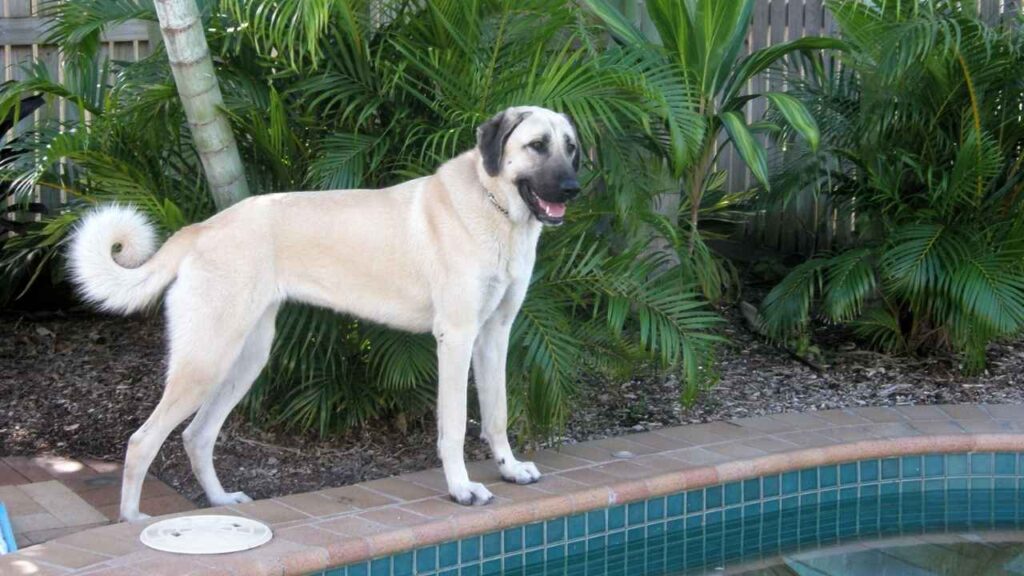
The dog maintains better joint health throughout its life because of its slender physique which decreases stress on its joints.
Are Great Pyrenees and Anatolian Shepherd Good for Guardianship?
The two breeds serve as effective livestock protection animals, but their effectiveness depends on the specific situation and the handler’s expertise.
Great Pyrenees serve as an ideal family dog which protects mixed agricultural farms while displaying peaceful behavior toward both people and animals.
Anatolian Shepherds function as effective guardian dogs which protect large agricultural operations that face serious threats from predators.
The most suitable dog for your needs exists when your land space and fencing system and livestock type and daily activities match with each other.
Conclusion
The selection of a Great Pyrenees versus an Anatolian Shepherd breed requires evaluation of how each dog functions and their mental processes and protective abilities.
If you need a dog that creates a peaceful atmosphere while strengthening family ties and providing stable security during the night, the Great Pyrenees breed will fulfill your requirements. The Anatolian Shepherd breed provides the best solution for your needs when you need a dog that can operate independently while moving quickly to protect large areas.
Both breeds will develop into dedicated protectors of your livestock and home, and your personal tranquility when you implement proper training, establish effective fencing, and acknowledge their instincts.
