




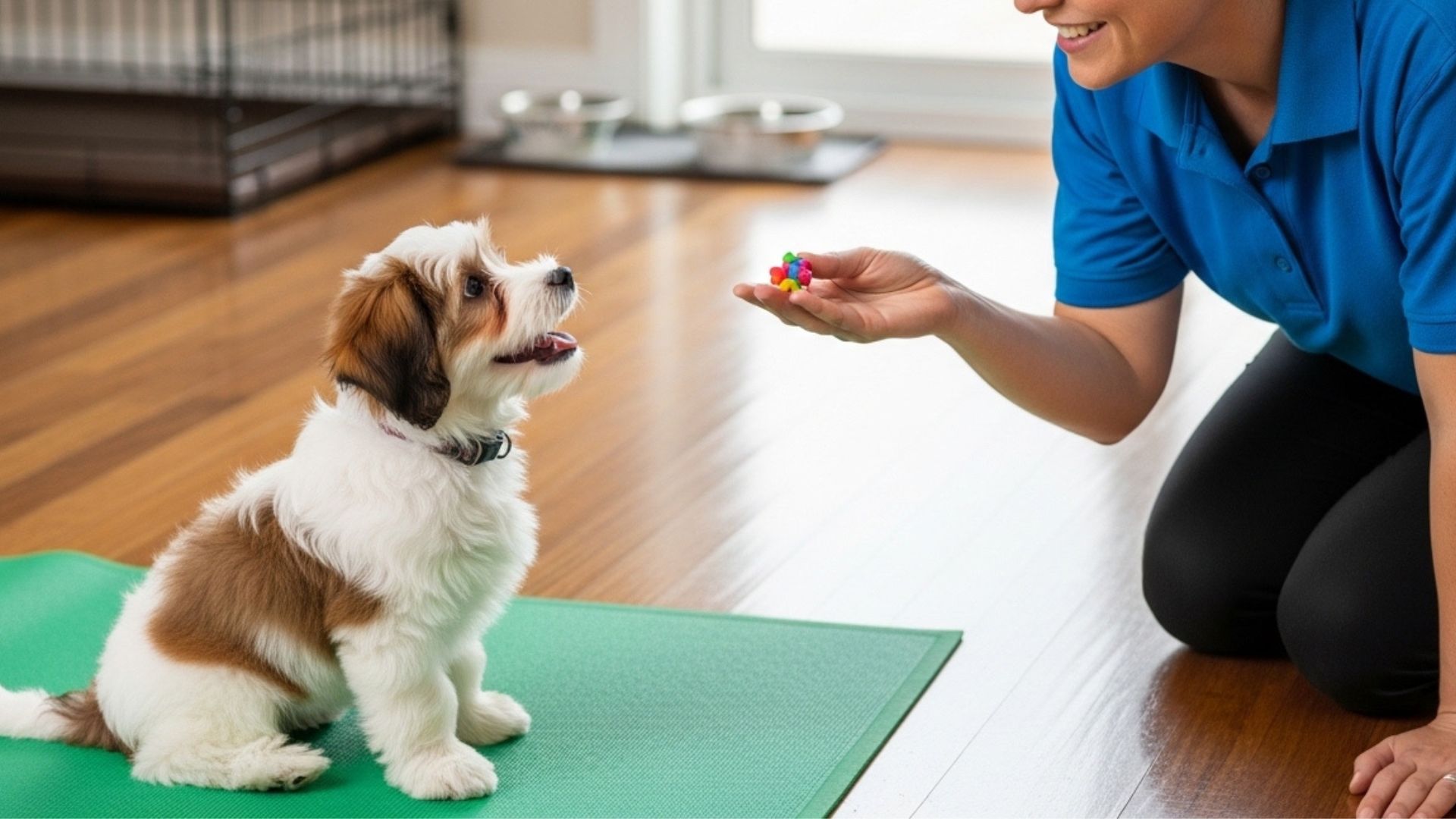
Tiny paws. Big hearts. Training can actually feel fun.
Picking a small dog can feel like choosing a new best friend and a new daily routine. Some puppies catch on fast. Others act like “sit” is a rumor. So this blog sticks to small dog breeds that usually learn well, enjoy people, and fit real homes. Think short sessions, clear words, and lots of praise. That is the whole vibe.
And here’s the best part! Training is not only about rules. It is about trust. A small dog with a sharp mind often loves the little games that come with basic skills.
Add early socialization, kind handling, and mental stimulation, and life gets easier for everyone in the house. No perfection needed. Just steady steps, a calm tone, and a happy family goal.
Best Small Dog Breeds That Are Easy To Train
1. French Bulldog
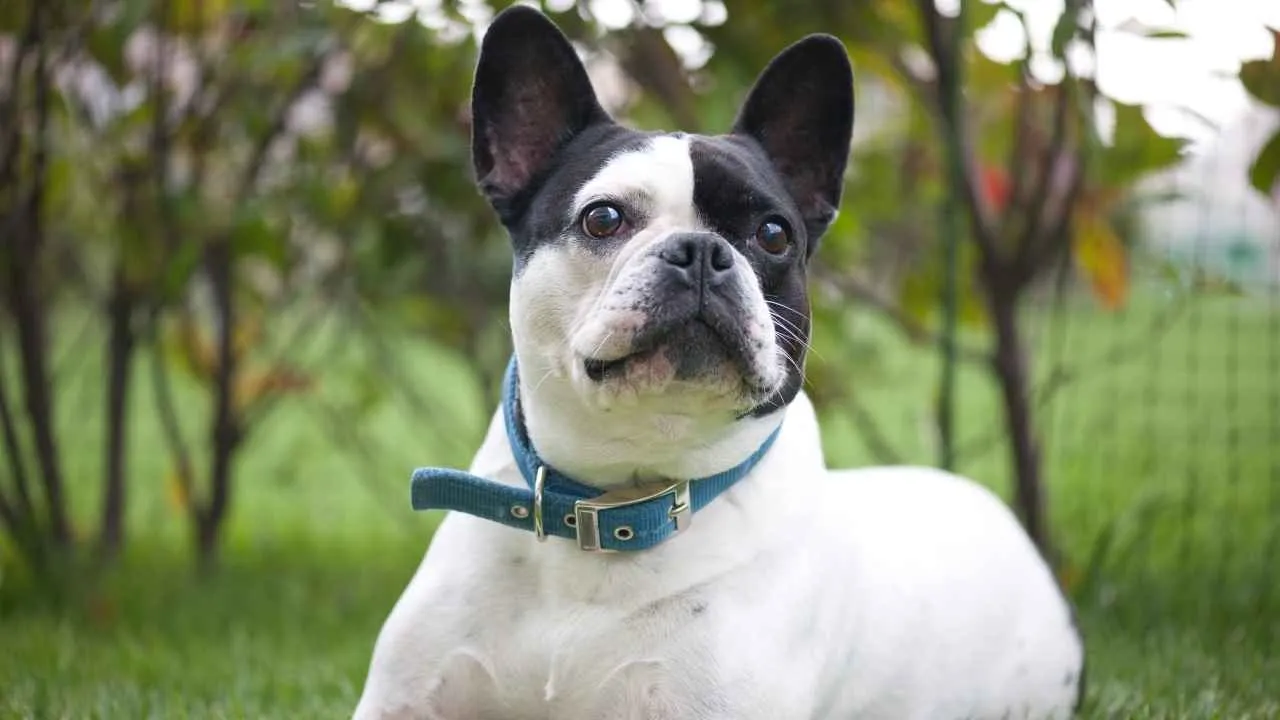
French bulldogs look like tiny comedians with those bat ears. But behind the cute face is a calm dog that often wants one thing most: being close to family.
In a smaller space, this breed usually feels safe and settled. That makes the training process smoother, since stress can slow learning. Many owners notice these puppies respond best to a gentle voice and a steady routine inside the house.
This small dog also tends to stay calm during everyday noise. Less barking can mean fewer habits to fix later. That is a big deal for apartment living. Low exercise needs help, too.
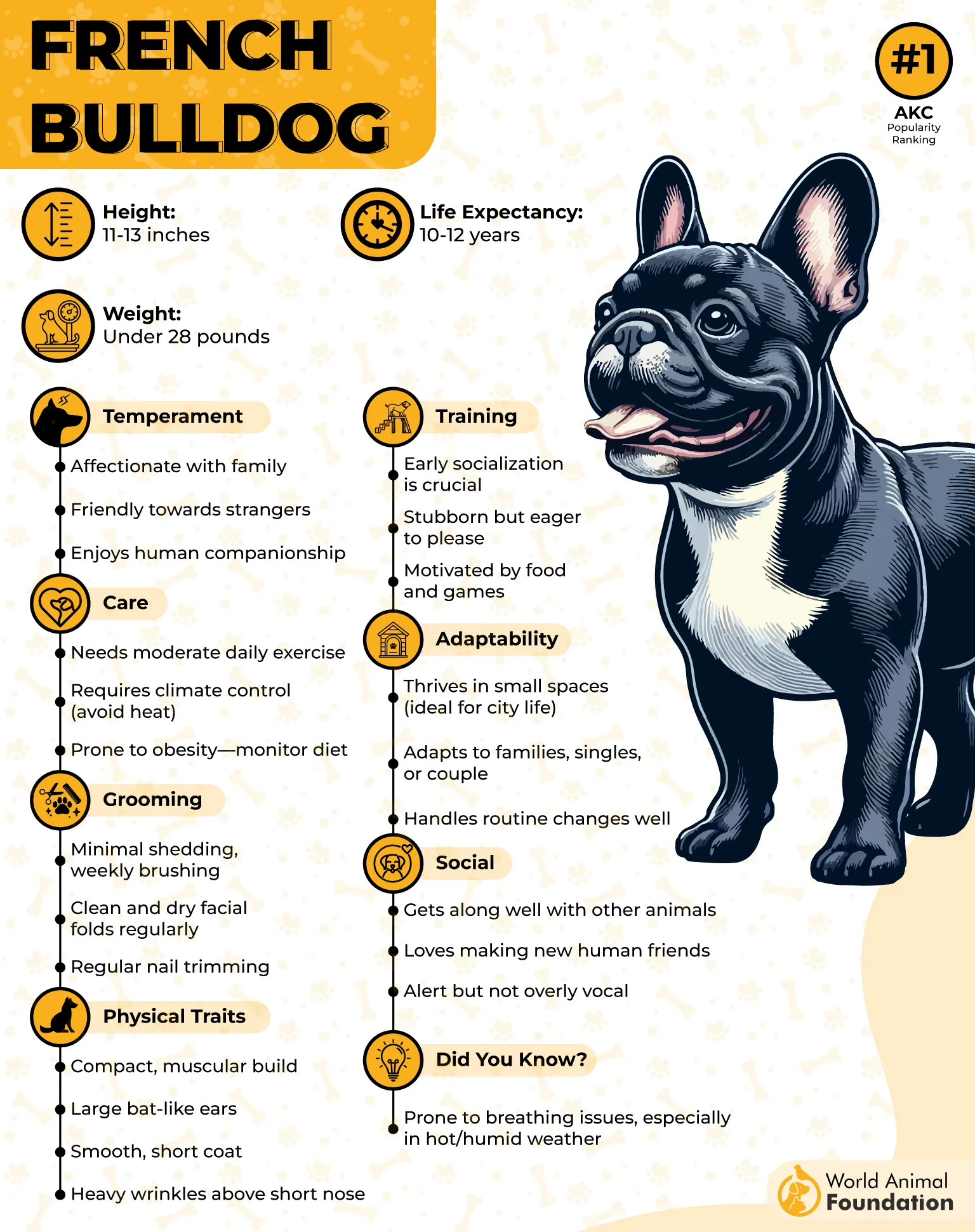
A couple of short walks and light play can be enough exercise for many days. When energy levels are balanced, a dog can focus better and become well-behaved without drama.
But why bother with that? Because calm dogs can still be playful. A French Bulldog can learn basic skills like “sit,” “wait,” and “leave it” with positive reinforcement.
Keep sessions short. Use treats, praise, and a quick game as a reward. With early socialization, this small dog can grow into a steady pet that fits into family life without turning the home into chaos.
How To Train This Loving Breed?
Train in short bursts, then let the dog rest
Keep floors safe since this breed can be clumsy
Use a quiet cue for calm moments in the house
Watch the exercise needs so the dog does not overheat
2. Papillon
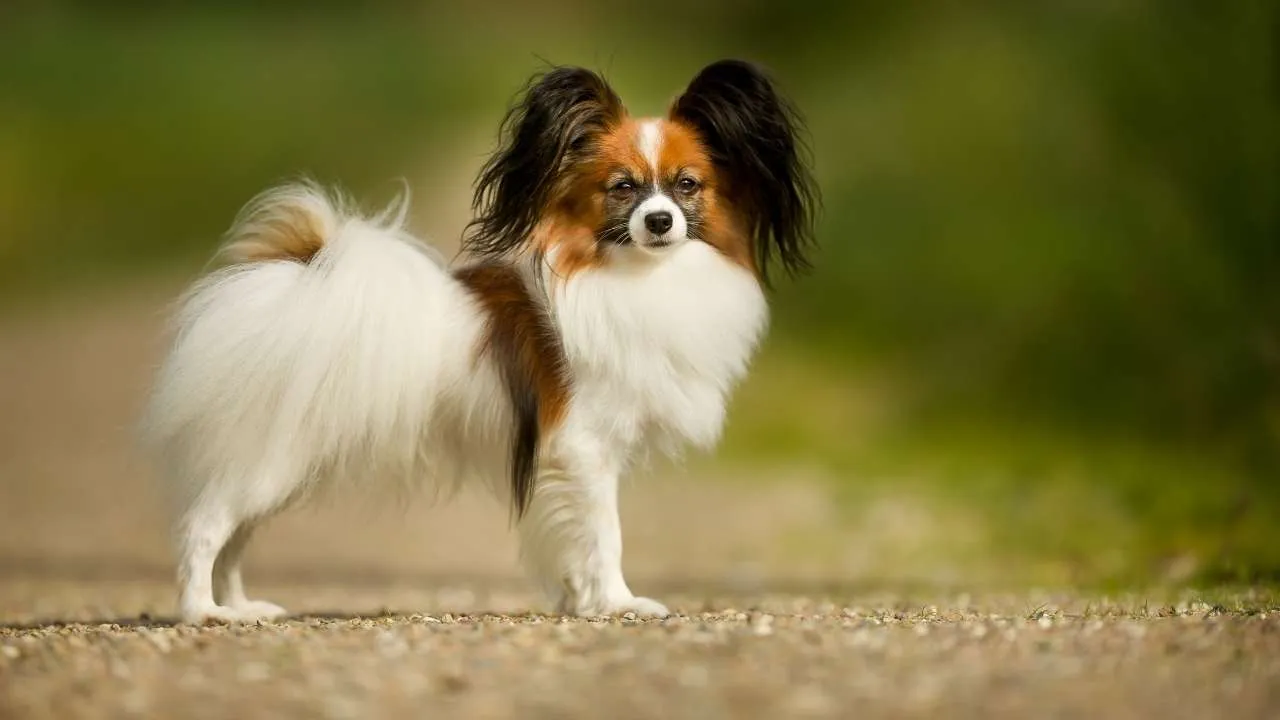
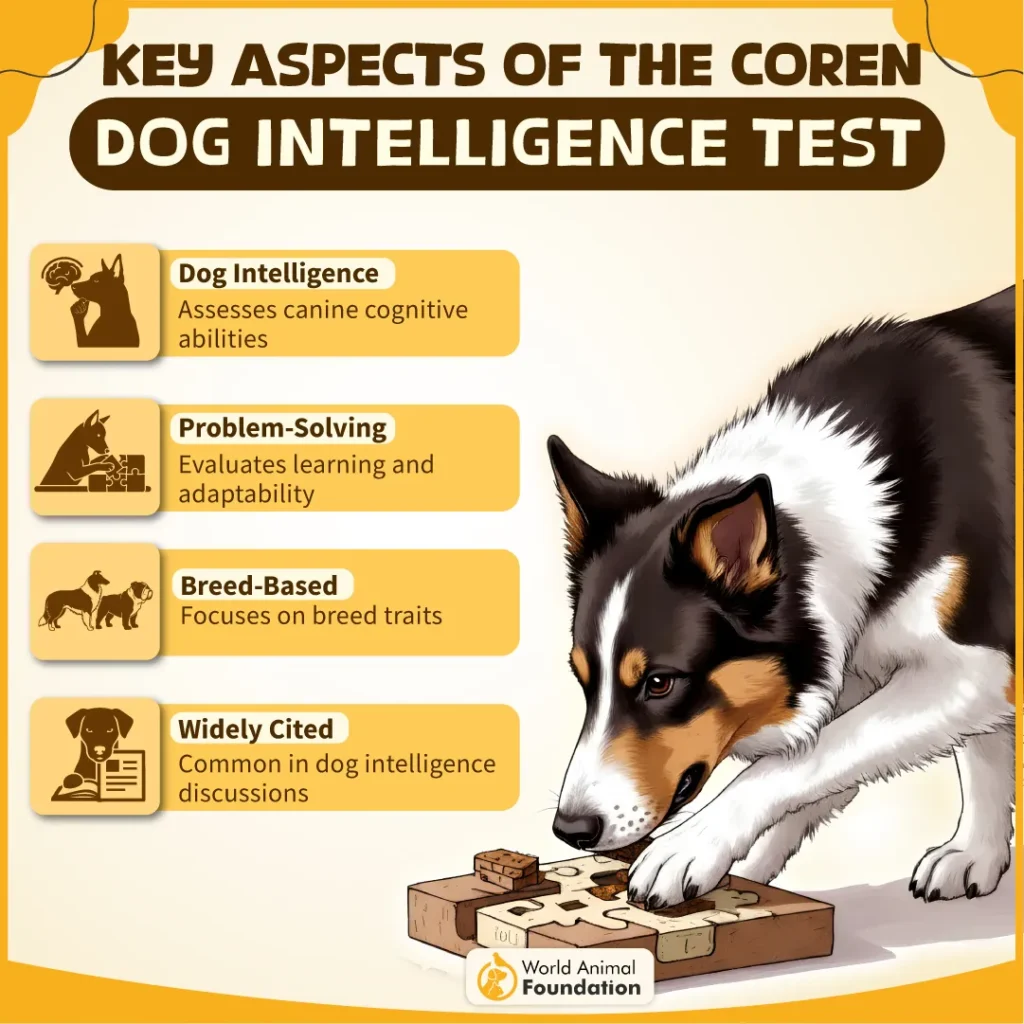
Papillons have that fancy “butterfly ear” look, but they are not fragile little ornaments. This small dog is highly intelligent and often loves learning new things.
Many puppies from this breed enjoy attention, and that can turn training into a fun daily habit. Some owners say these are one of the most intelligent dog breeds to teach when the mood stays upbeat, and the steps stay simple.
A Papillon is usually eager to please, and that matters when it is time to train. Clear cues, quick rewards, and a happy tone can build confidence fast. These quick learners often enjoy advanced tricks too, as long as the sessions feel like play.
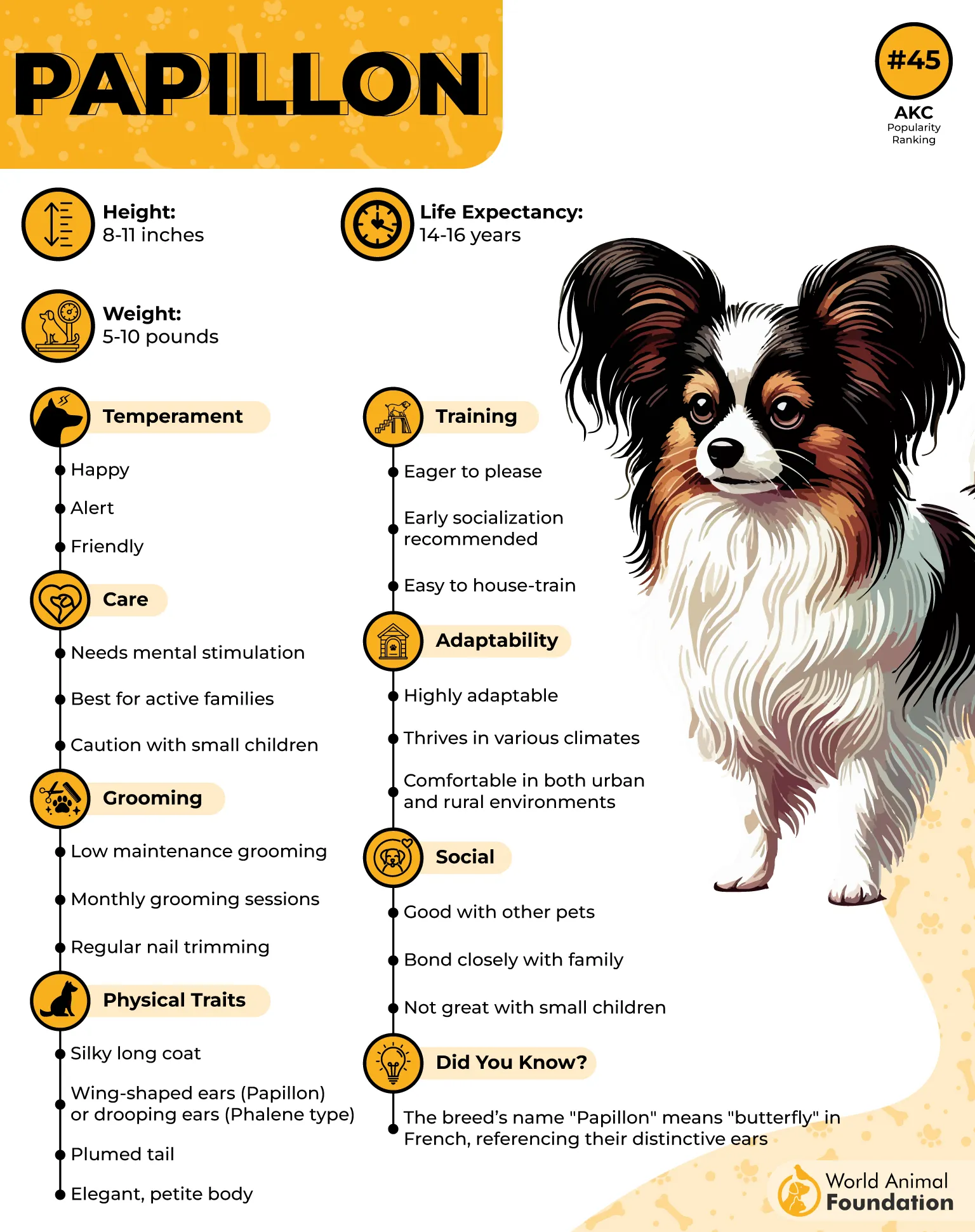
It gets even worse, though, when training is boring. If lessons drag on, this smart little pup may wander off and make its own fun.
Early socialization helps this breed stay relaxed in the world. New sounds, new people, and safe meetings with other dogs can shape an outgoing, steady pet.
Obedience classes can also help owners learn timing and rewards. With the right rhythm, this small dog can grow into a bright companion with strong manners and a cheerful attitude at home.
How To Train This Loving Breed?
Use positive reinforcement and keep rewards tiny
Teach one cue at a time during the training process
Add simple agility games for extra mental stimulation
End sessions while the dog still wants more
3. Cavalier King Charles Spaniel
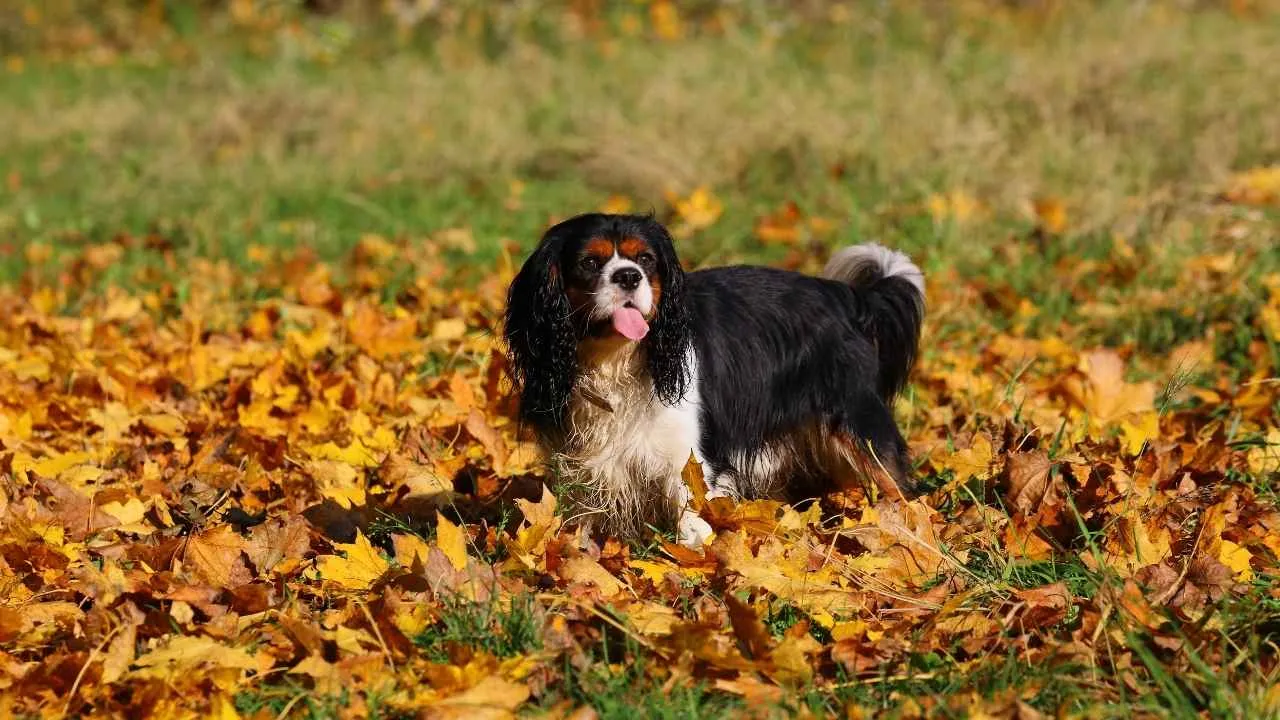
This pup has soft eyes that melt stress fast. AKC notes that this small dog was originally bred to be close to people, and it shows in daily life.
Many puppies from this breed settle in quickly, especially in a child-friendly house. A gentle nature can make training feel less like a battle and more like teamwork.
This breed often becomes one of those great family dogs that just fit. The dog tends to be calm indoors, but still playful when it is time for fun.
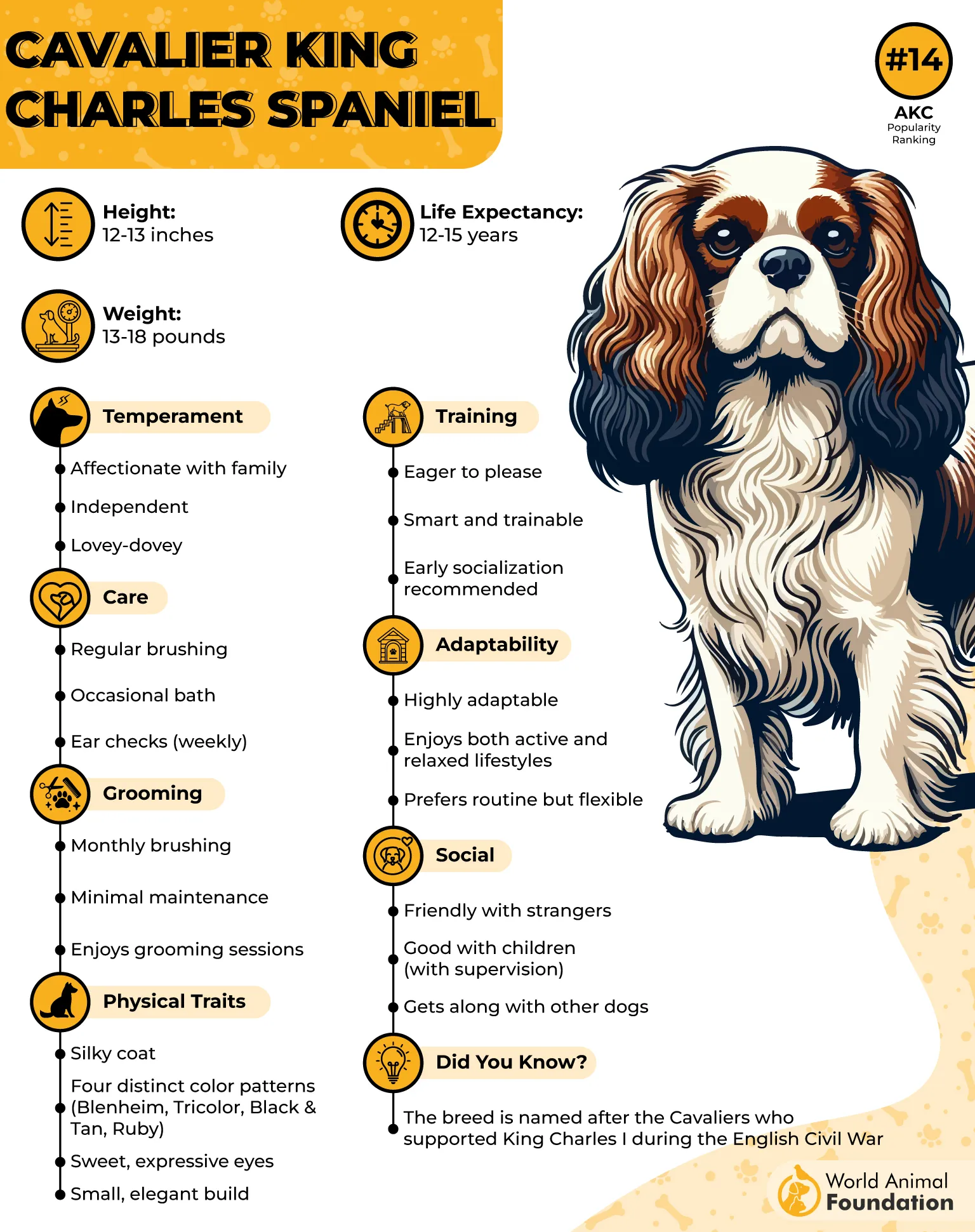
Many families love how this pet can spend time cuddling, then switch into learning mode for a few minutes. That balance helps with focus. It also helps when teaching house rules, like staying off certain furniture or waiting by a door.
Here’s the good part. This small dog is often easy to train because it is eager and people-focused. Praise works well. Treats help too, but warm attention can be just as powerful. Keep exercise steady with gentle walks and light games.
A calm routine supports healthy habits, and regular check-ups help keep this breed feeling its best through life.
How To Train This Loving Breed?
Practice basic skills during calm moments in the house
Use gentle handling and a soft voice
Keep exercise simple and steady, not intense
Reward calm greetings so the dog stays polite
4. Havanese
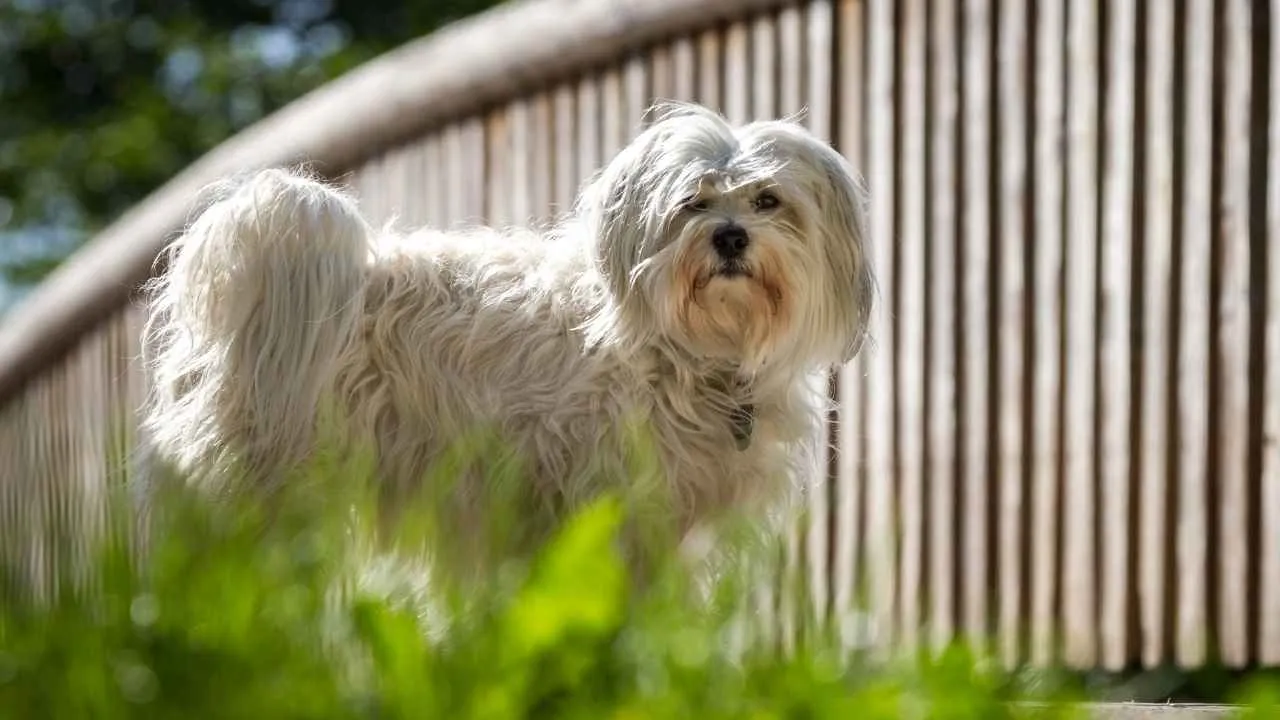
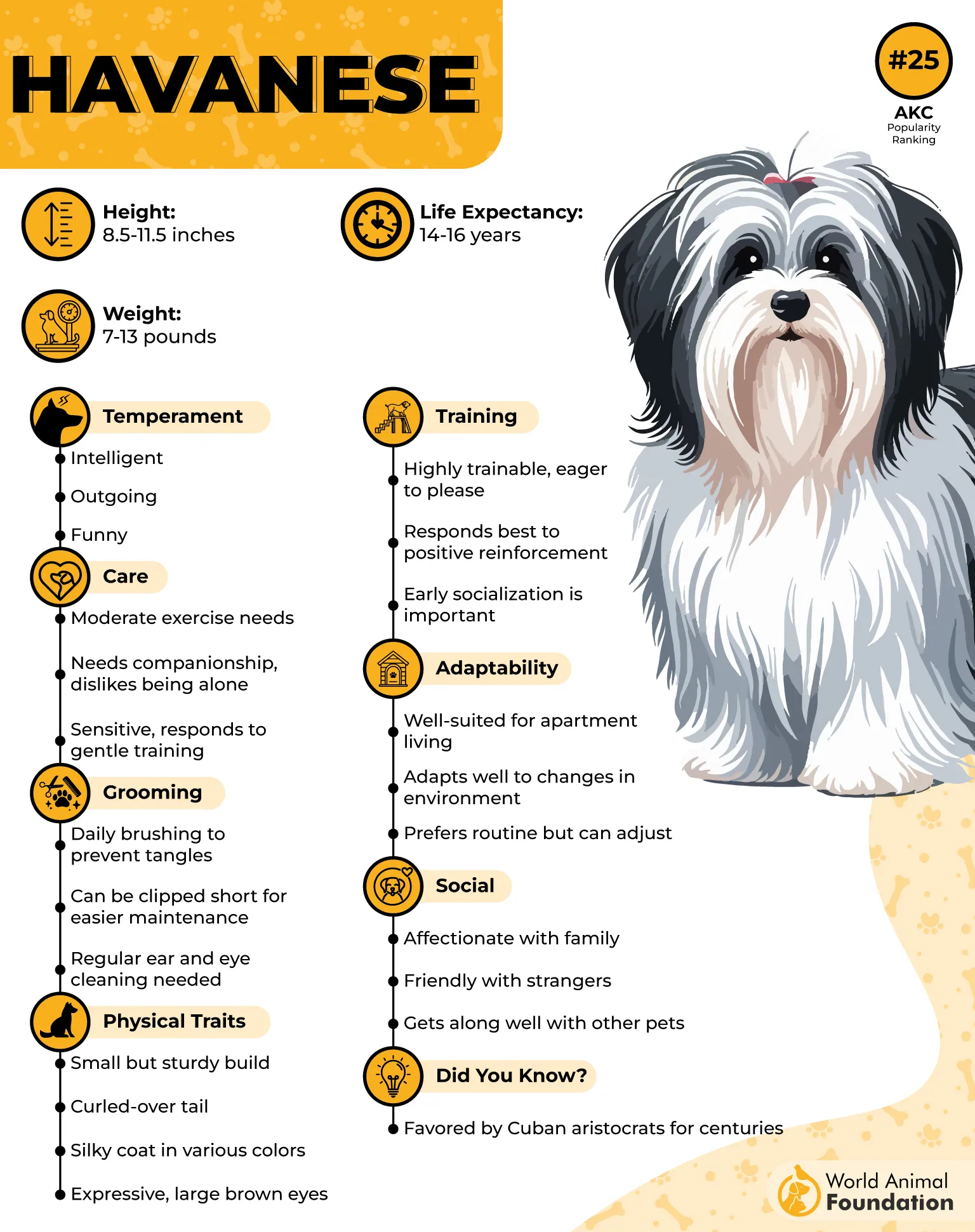
Havanese puppies often act like they woke up ready to meet the world. This small dog is friendly, has an affectionate nature, and is full of outgoing personalities. Many owners pick this breed for city living because it adapts well to a smaller space.
Moderate exercise needs also make it easier to keep a routine, even on busy weeks. When a dog’s day feels predictable, training tends to stick.
This breed often becomes one of those affectionate companions that follow family members from room to room. That closeness helps when it is time to train, because the dog wants to stay engaged. Many Havanese are highly trainable, especially when lessons feel like a game.
Sounds crazy, right? A tiny dog that enjoys practice. But it happens a lot with this breed.
Grooming matters here, because a longer coat can tangle. Daily brushing can prevent matting and keep the dog comfortable. Some families look for a hypoallergenic coat, and this breed is often on that list, though every person reacts differently.
Keep sessions upbeat, use treats and praise, and add gentle agility play for body control. With early socialization, this small dog can stay happy and relaxed in many places.
How To Train This Loving Breed?
Train right after a short walk, when the dog is calm
Keep grooming gentle so the pet stays relaxed
Mix obedience with playful games to hold attention
Teach polite greetings with eager but controlled energy
5. Toy Fox Terrier
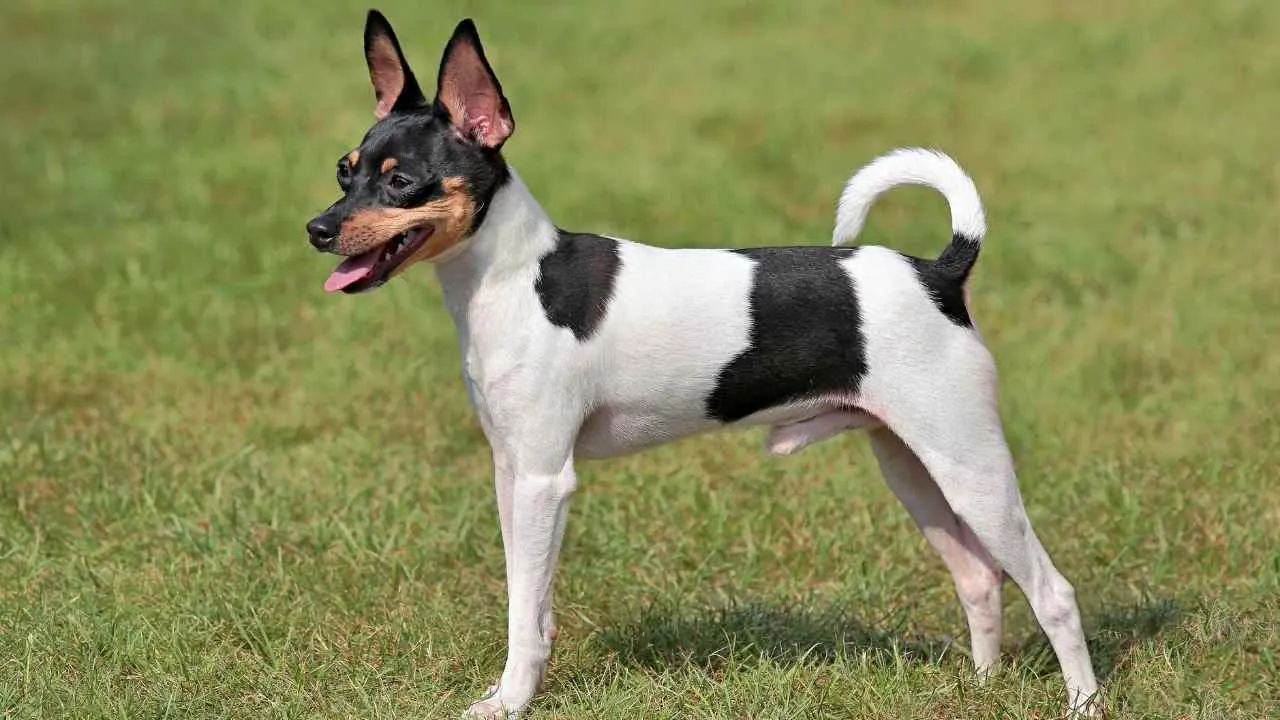
The Toy Fox Terrier may be small, but its affectionate personality brings big confidence. According to WebMD, this breed came from the United States and was bred to be quick, alert, and handy. Many puppies show sharp minds early.
That can make training feel fast, since this dog tends to notice patterns and learn rules with less repetition. Owners who like a lively home often enjoy this bright little character.
This small dog often has high energy levels, so daily exercise matters. A brisk walk, a short game, and a few minutes of skill practice can keep the dog balanced.
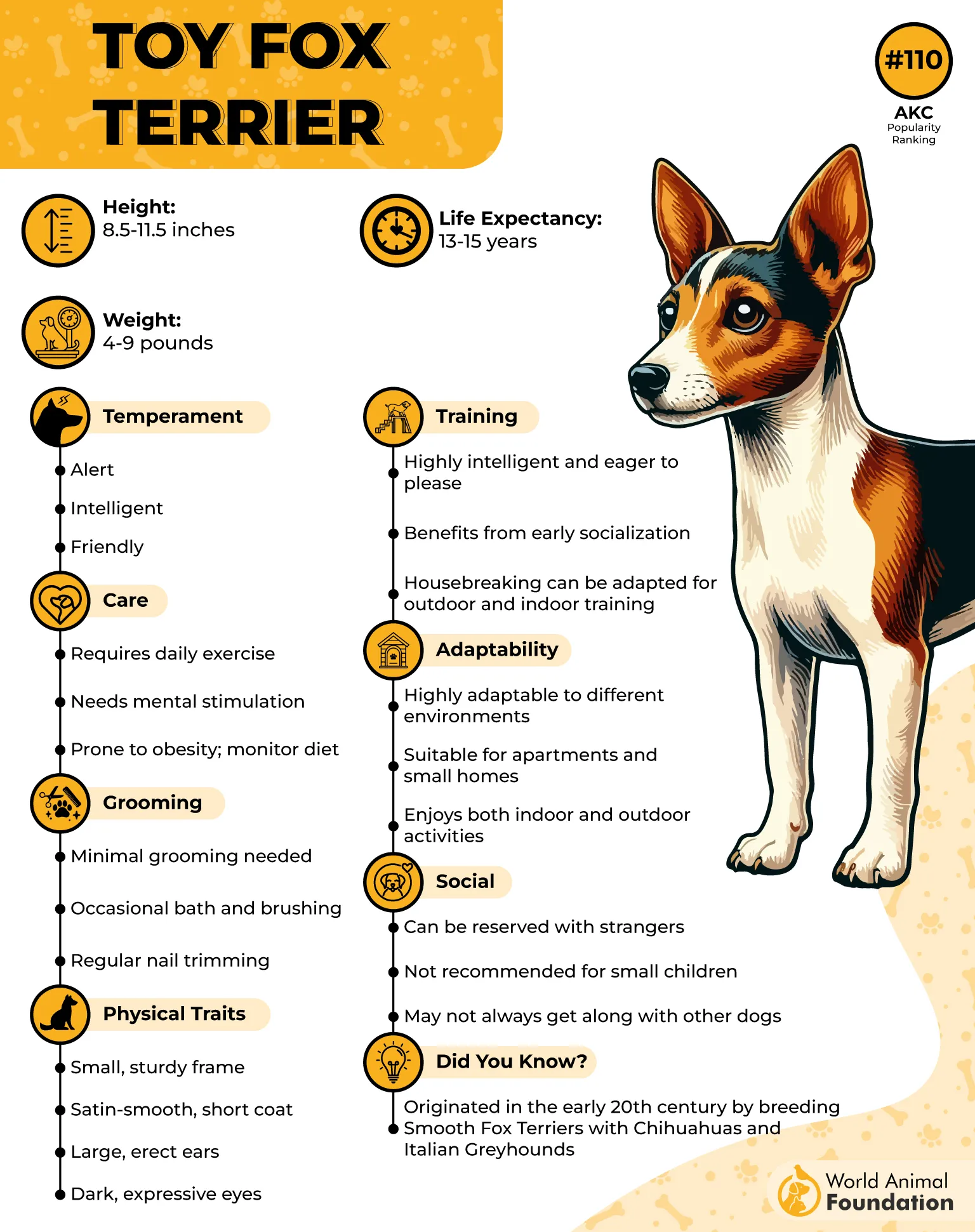
Without enough activity, it gets even worse, though, because boredom can lead to mischief. The good news is that the Toy Fox Terrier is often eager to please and enjoys a challenge.
Here’s the good part: this breed often shines in agility and can pick up advanced tricks with patience and clear cues. Keep lessons short and upbeat. Use positive reinforcement and a calm tone when correcting mistakes.
With early socialization, this small dog can stay confident around normal sights and sounds. For many homes, it can be an excellent choice when a lively, smart pet is the goal.
How To Train This Loving Breed?
Add short agility drills for focus and control
Use a clear reward system so the dog stays eager
Keep exercise daily to support well-behaved habits
Practice recall indoors before trying it outside
6. Yorkshire Terrier
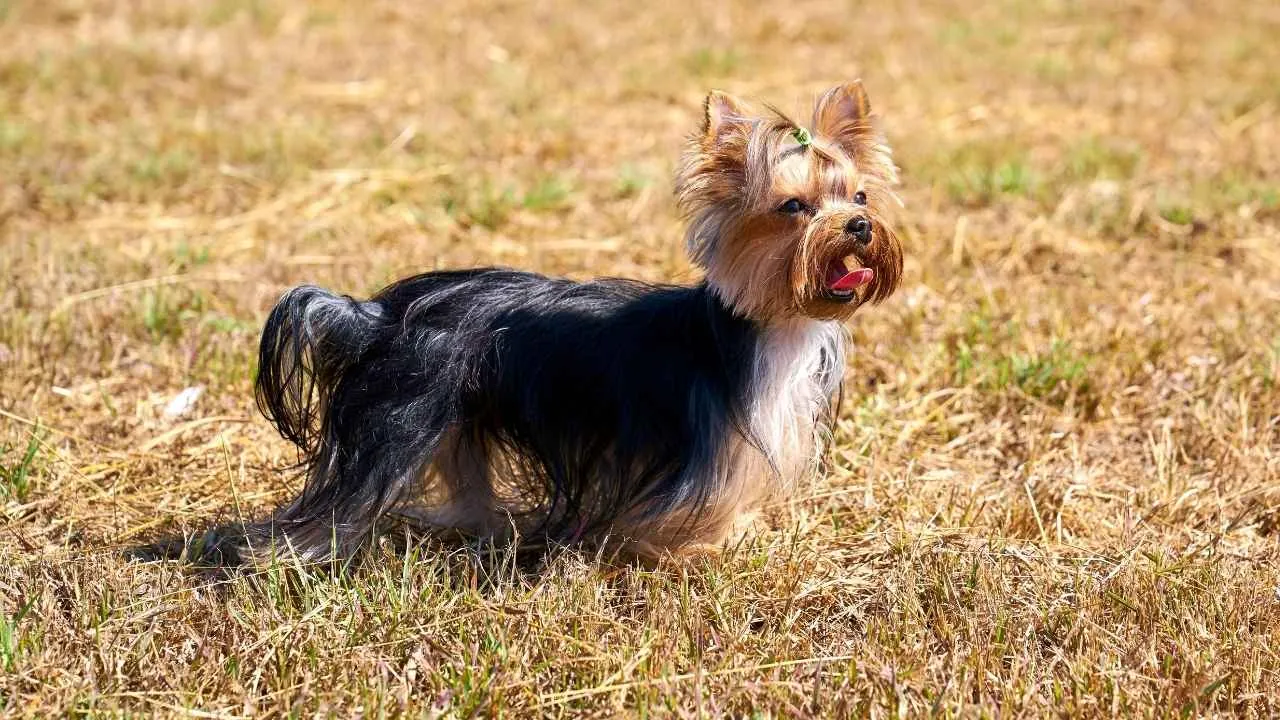
Yorkshire Terriers look like tiny fashion icons, but their brains are serious business. This small dog is intelligent, alert, and often very tuned in to what is happening in the house.
Many puppies learn routines quickly, especially when training stays consistent. This breed can be a good breed for people who enjoy gentle structure and daily practice.
A Yorkie can be calm in the right setting, but it may also have a bold streak. That is not “bad,” it just means the dog needs clear limits.
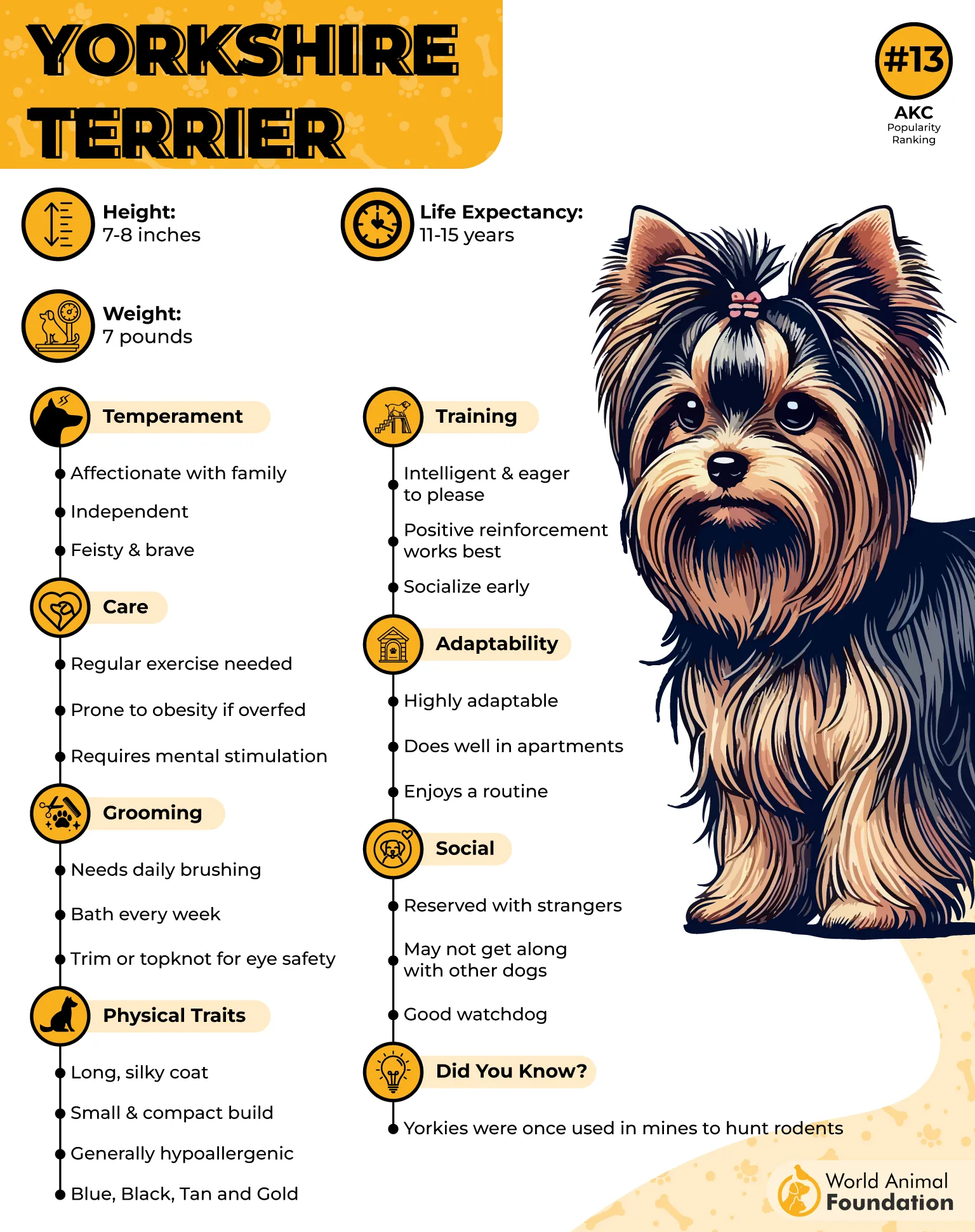
Teach basic skills early and keep the rules steady. Use positive reinforcement, not harsh correction. A kind tone builds trust. And trust is what helps a small dog relax enough to learn.
But wait, there’s more! This breed often loves little jobs. Fetching a toy, finding a treat, or doing a simple “spin” can keep the dog engaged.
This is great mental stimulation and helps channel energy levels in a healthy way. Grooming also matters, since the coat can tangle. With steady practice, this small dog can become well-behaved, confident, and fun to live with.
How To Train This Loving Breed?
Use short, clear cues and reward fast
Keep grooming gentle so the dog stays calm
Practice polite barking control inside the house
Build confidence with early socialization in safe places
7. Maltese
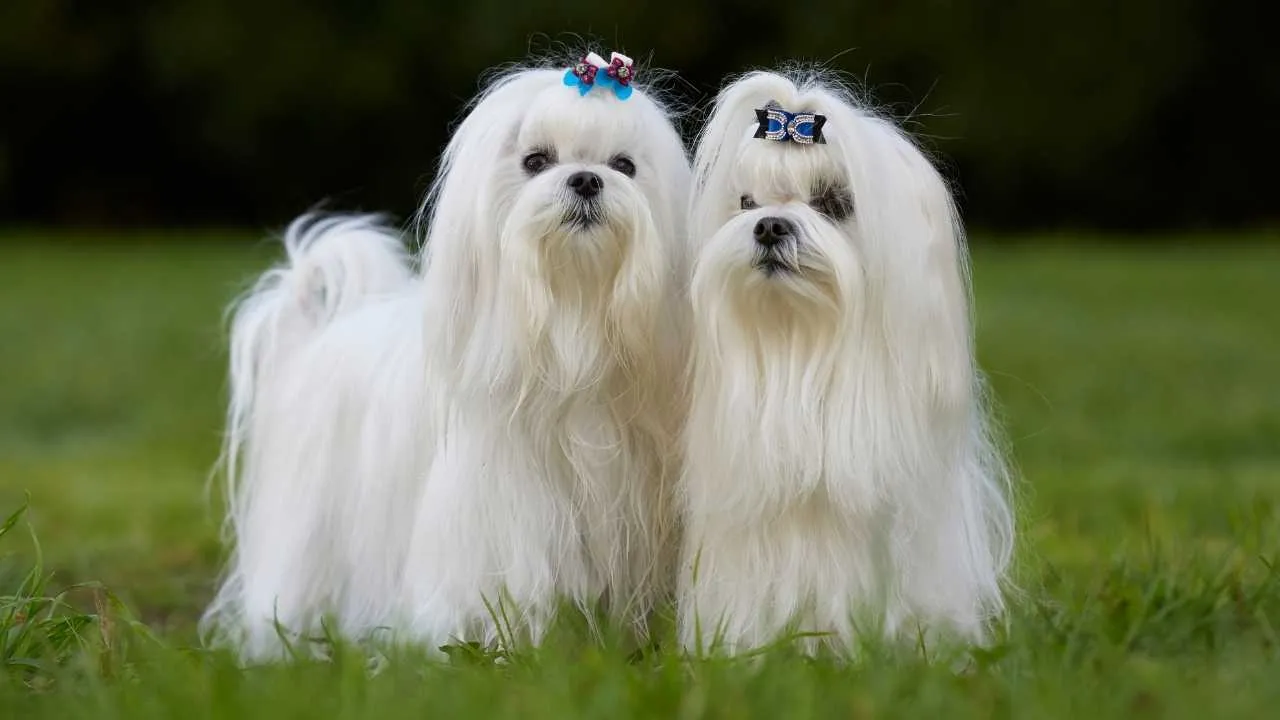
PetMD notes that the Maltese is a classic small dog with a bright white coat and a sweet vibe. This breed often bonds deeply with family and loves being close.
Many puppies thrive when they can spend time near their people, even during simple chores. That closeness can make training easier, because the dog wants attention and responds well to praise.
This small dog is often playful in short bursts, then happy to relax. That balance helps when shaping manners. Use positive reinforcement and keep lessons short.
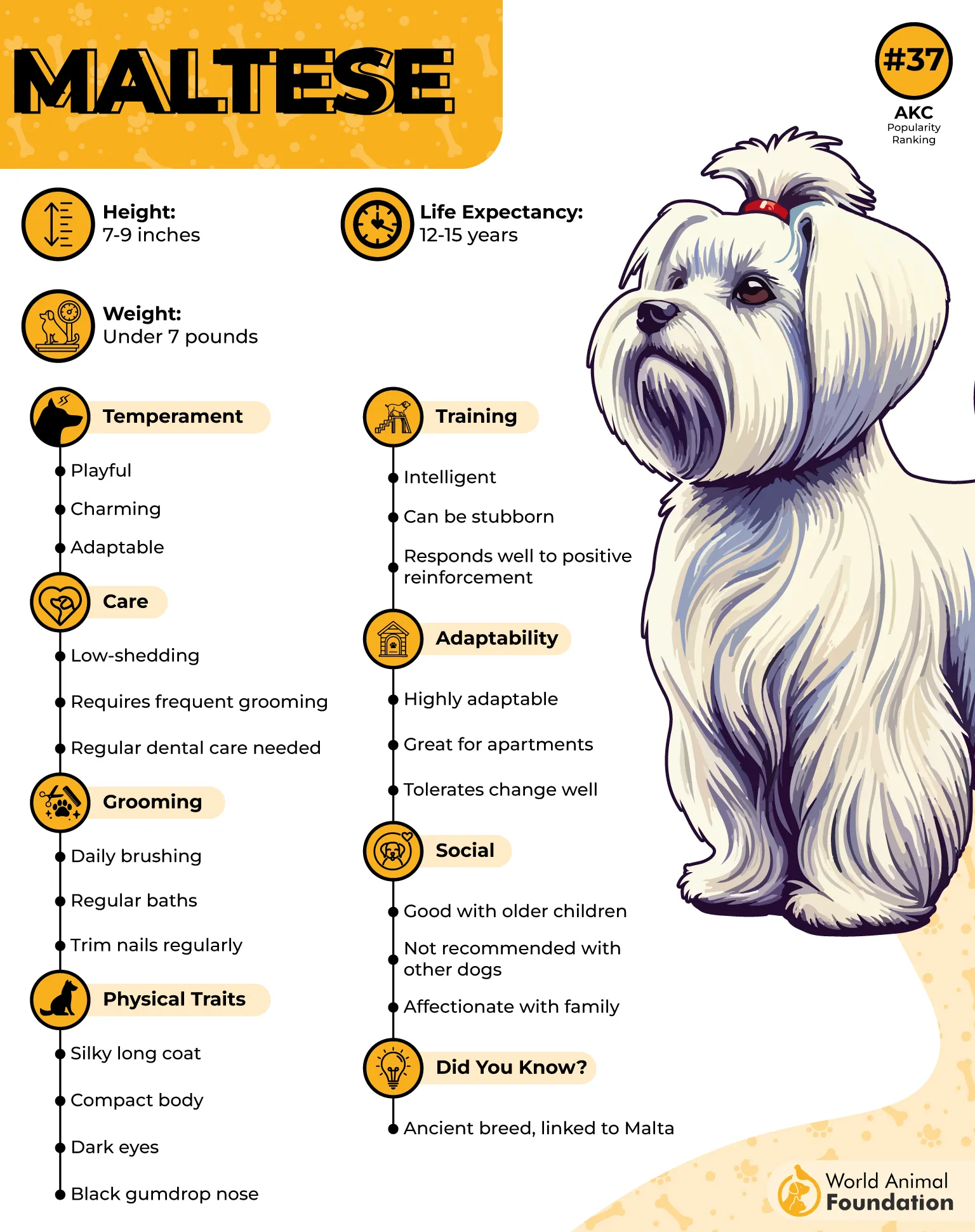
The Maltese can be highly intelligent, but sensitive. A calm tone, gentle hands, and clear steps work best. Harsh handling can shut down progress fast, so keep it kind and steady.
Here’s the best part! This breed often learns fun tricks because it enjoys one-on-one time. Teach basics first, then add small challenges.
Many owners also like that this dog tends to shed less than some other dogs, though grooming is still needed to keep the coat neat and healthy. Regular brushing helps prevent matting, and regular check-ups support long-term comfort through life.
How To Train This Loving Breed?
Keep sessions upbeat and end on a win
Reward calm behavior to support a calm home
Mix basic skills with playful games for focus
Use gentle grooming as bonding time
Conclusion
Training a small dog breed should feel like building a friendship, not winning a fight. Keep exercise steady, add mental stimulation, and lean on positive reinforcement. Most puppies also need early socialization, so new places and friendly faces do not feel scary later.
Sounds crazy, right? Small dog training can be fun.
Start today with one cue, one reward, and one calm moment in the house. Even pups from the same litter can learn at different speeds, so trust the process.
With patience, family support, and daily practice, a furry friend can grow into a confident pet for life.
