





Tiny body, big nerve, and a loud bark can change everything.
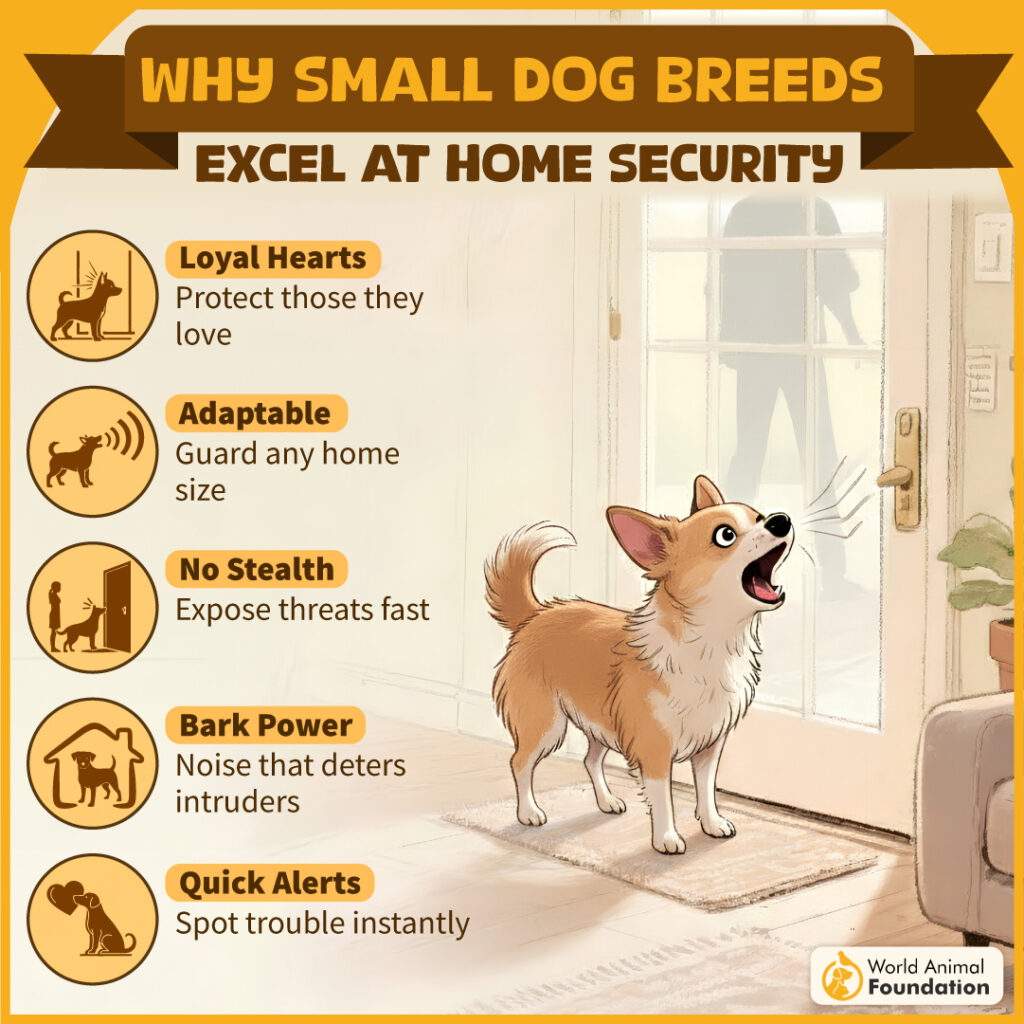
Home security is not only about locks and cameras. Sometimes, it is about having dogs who notice the weird stuff first. A small guard dog can hear a sound at the door, spot movement at a window, and warn the whole house in seconds.
And here’s the best part! Many small breeds fit apartment life, love their family, and still take their job seriously.
This blog will cover dog breeds that tend to stay alert, act protective, and protect their space with confidence. Each breed brings a different instinct, a different style of watchful energy, and a different way to bond.
With proper training, clear rules, and calm daily habits, pet owners can turn that natural protective nature into a steady, reliable guard for real life.
Protective Small Dog Breeds for Home Security
1. Miniature Pinscher
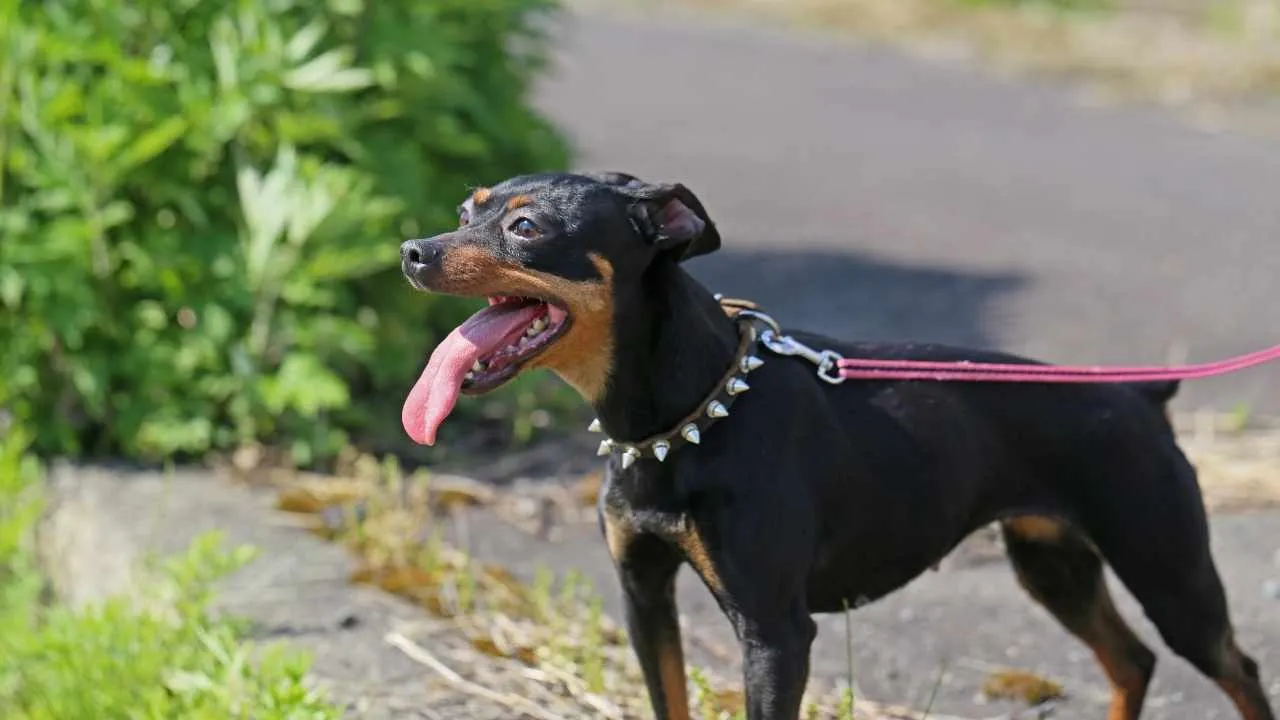
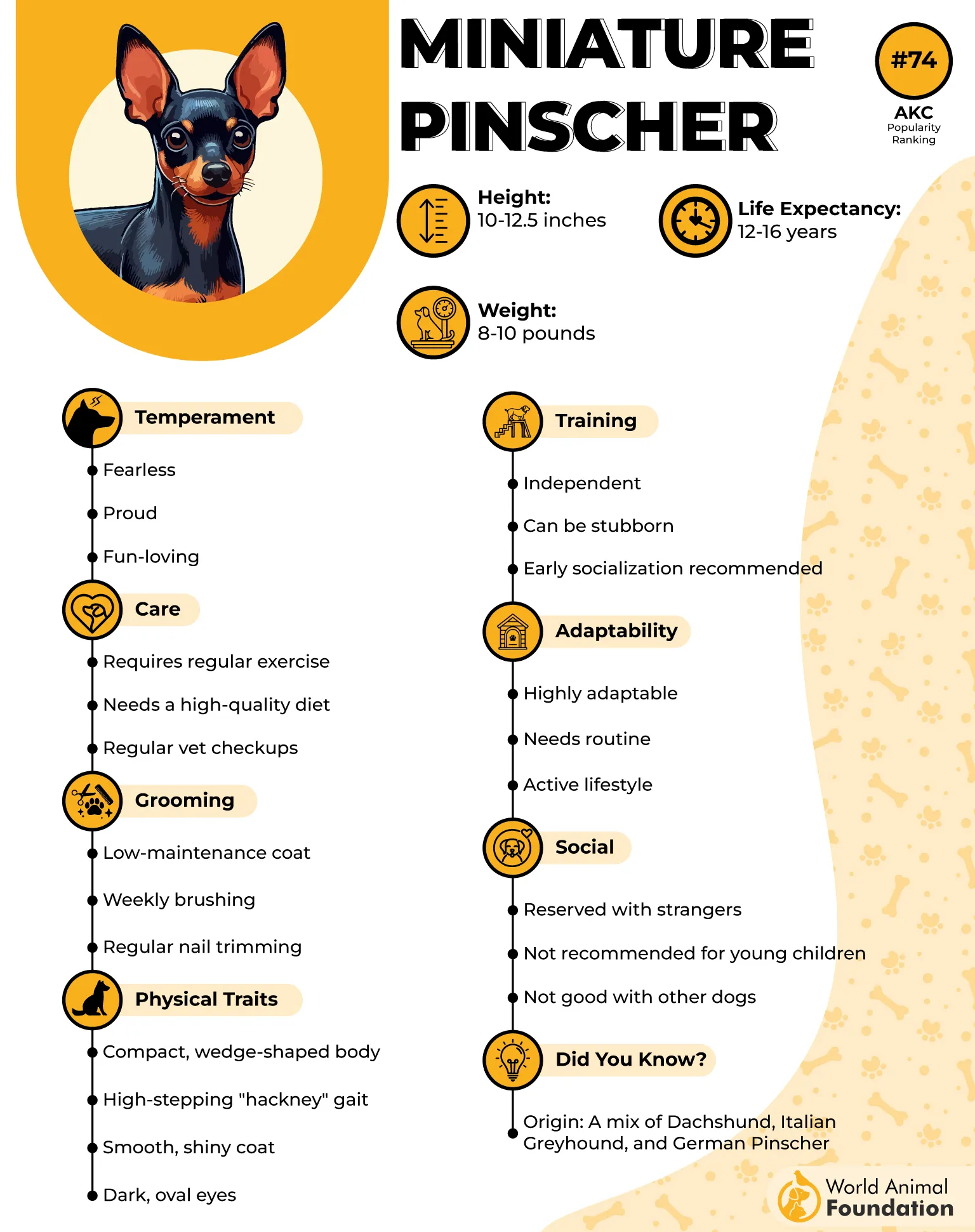
According to AKC, this breed comes from Germany and was originally bred to guard and hunt pests. That history still shows up today. The Miniature Pinscher stays alert, moves fast, and acts as if the house belongs to them.
Sounds crazy, right?. Yet that fearless instinct makes this breed a good guard in a small home. When the door clicks or a strange sound pops up, the bark often starts right away.
This excellent guard dog has a short coat and a compact, muscular build. The look feels sharp, and the attitude matches it. Many owners love how the breed forms close bonds with family while still keeping a watchful eye on the property.
This small breed can warm up fast at home, but strangers may get a loud warning first. That “check it out” mindset helps protect the house from unwanted intruders.
Training matters because this breed can be strong-willed. Keep lessons short and steady. Use kind rules, then stick to them. Add simple games for the brain, too.
But why bother with that? Because a smart, confident dog without structure can pick the wrong job. With proper training, this breed tends to stay steady, loyal, and protective in everyday life.
Quick home-security check
Keep the leash handy near the door for fast control
Practice “quiet” after the bark to avoid noise stress
Ask a veterinarian about knee health checks over life
2. Cairn Terrier
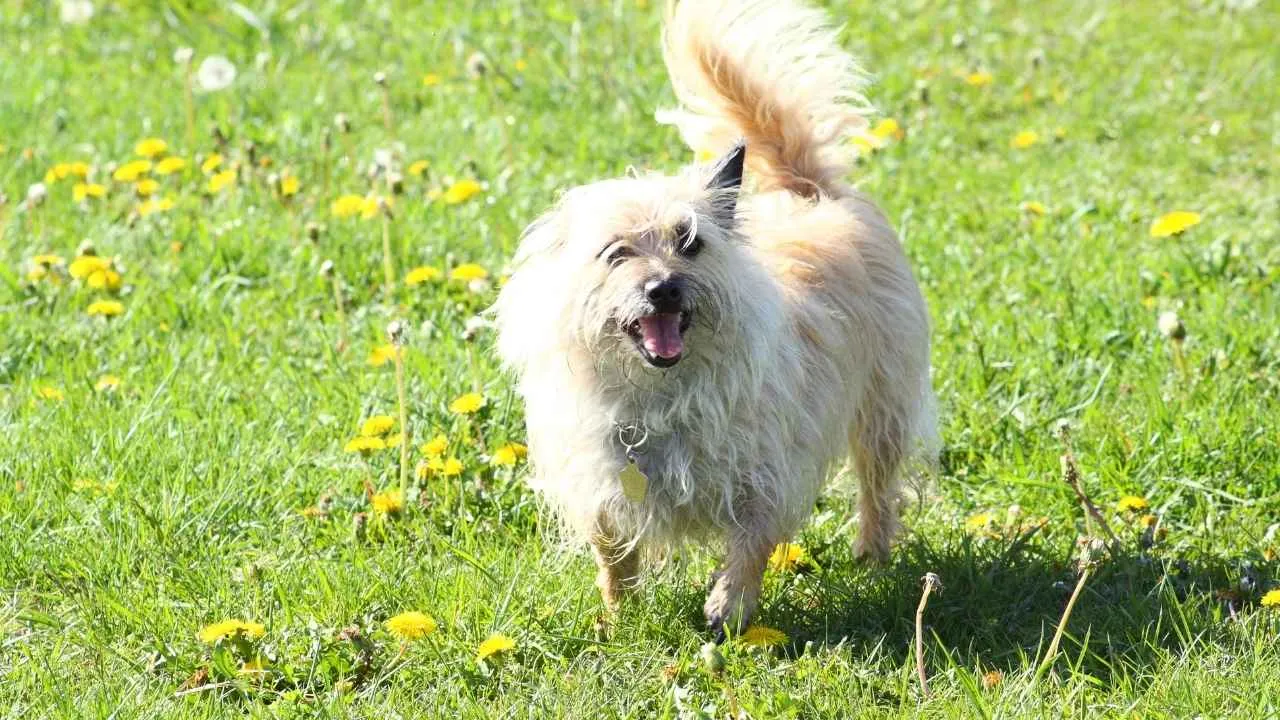
Cairn Terriers come from Scotland, where they worked hard and stayed brave. That worker spirit still lives in the breed today.
This small guard dog tends to scan the world like a little guard dog on duty. If something feels wrong, the bark comes fast. Here’s the good part: that early warning can be gold for home security.
This breed often builds strong family ties and loves to stay close to the action. Cairns can feel gentle with their people, yet watchful with strangers. That mix can make them good guard dogs for daily life, especially when the home needs a quick alert system.
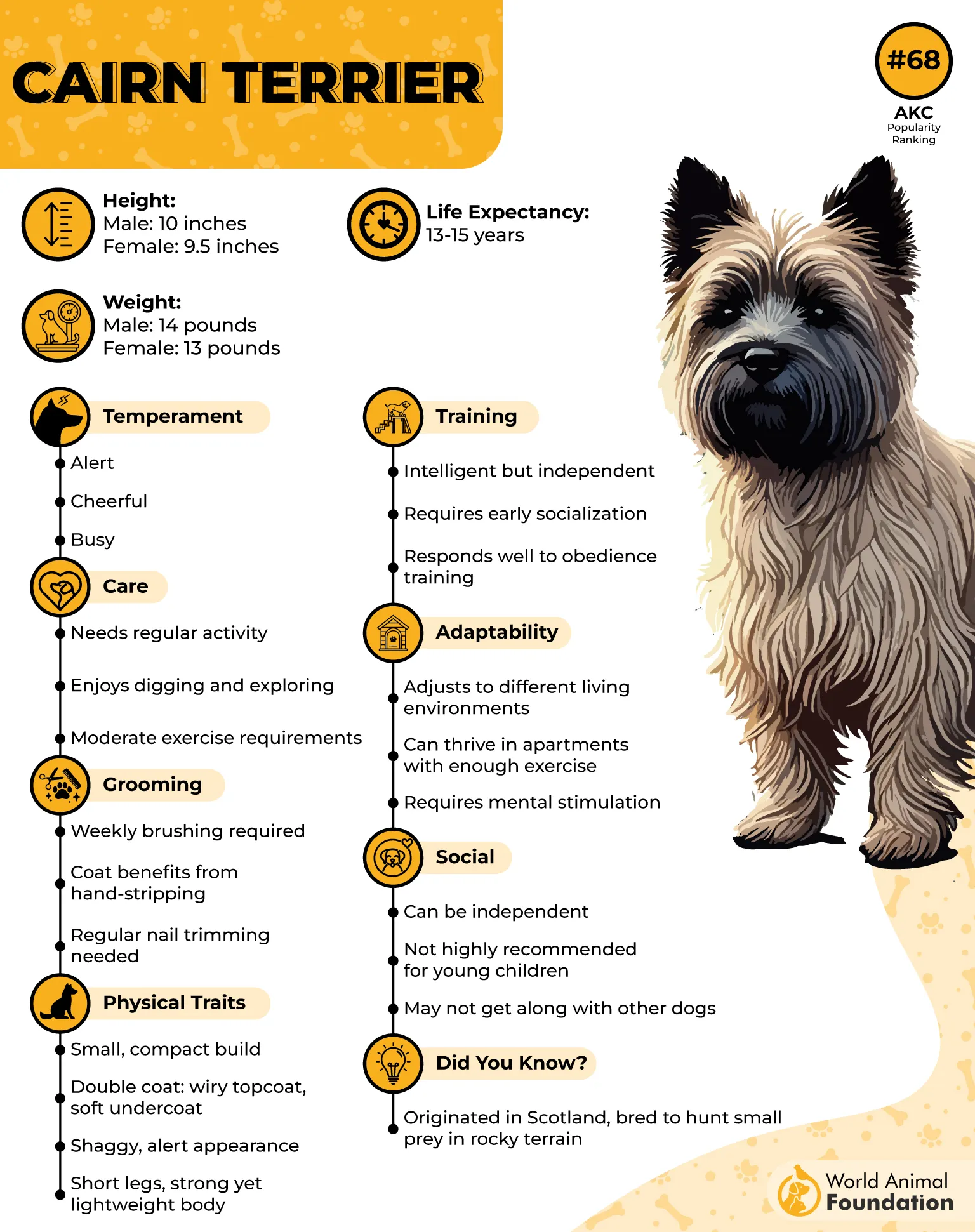
Many dogs will ignore soft sounds. This breed tends to notice them. That sharp instinct helps protect the house before trouble gets close.
Cairns do best with regular walks and busy play. They can carry high energy, so a bored day can turn into digging, barking, or trouble.
It gets even worse, though, when rules change every week. Keep training simple and steady. Use calm praise, clear limits, and early social time. With that base, this breed can protect the home with focus, not chaos.
Quick home-security check
Weekly grooming helps manage the double coat
Teach a “place” cue for calm control when guests arrive
Use food rewards to keep training fun and fast
3. Lhasa Apso
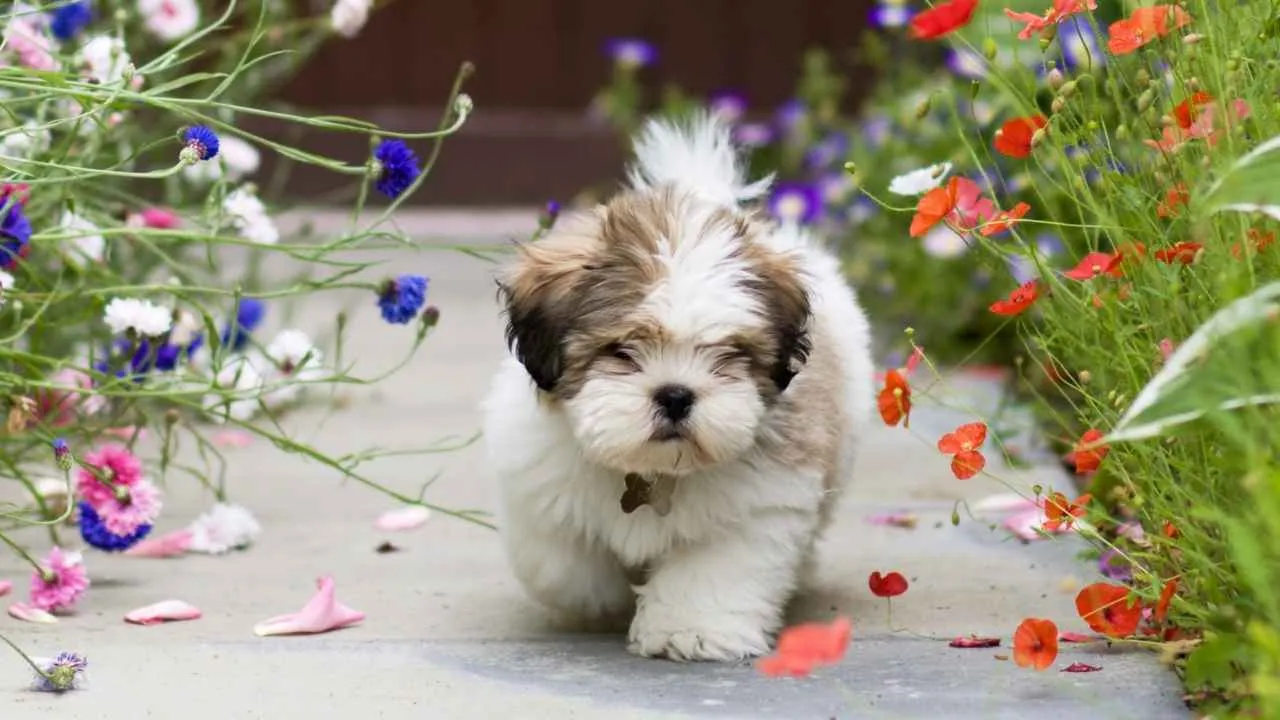
The Lhasa Apso comes with a long history as a monastery watchdog. That is not a cute story. It is the reason this breed often acts like a tiny guard dog with a strong sense of duty.
PetMD notes that this breed likes to watch, listen, and then bark when something changes. That makes it a good guard dog that can protect a calm home with sharp awareness.
At home, this breed can feel relaxed and sweet with family. The personality can be funny and confident, almost like a little comedian who also does security. But strangers may get a warning bark first, especially near the door.
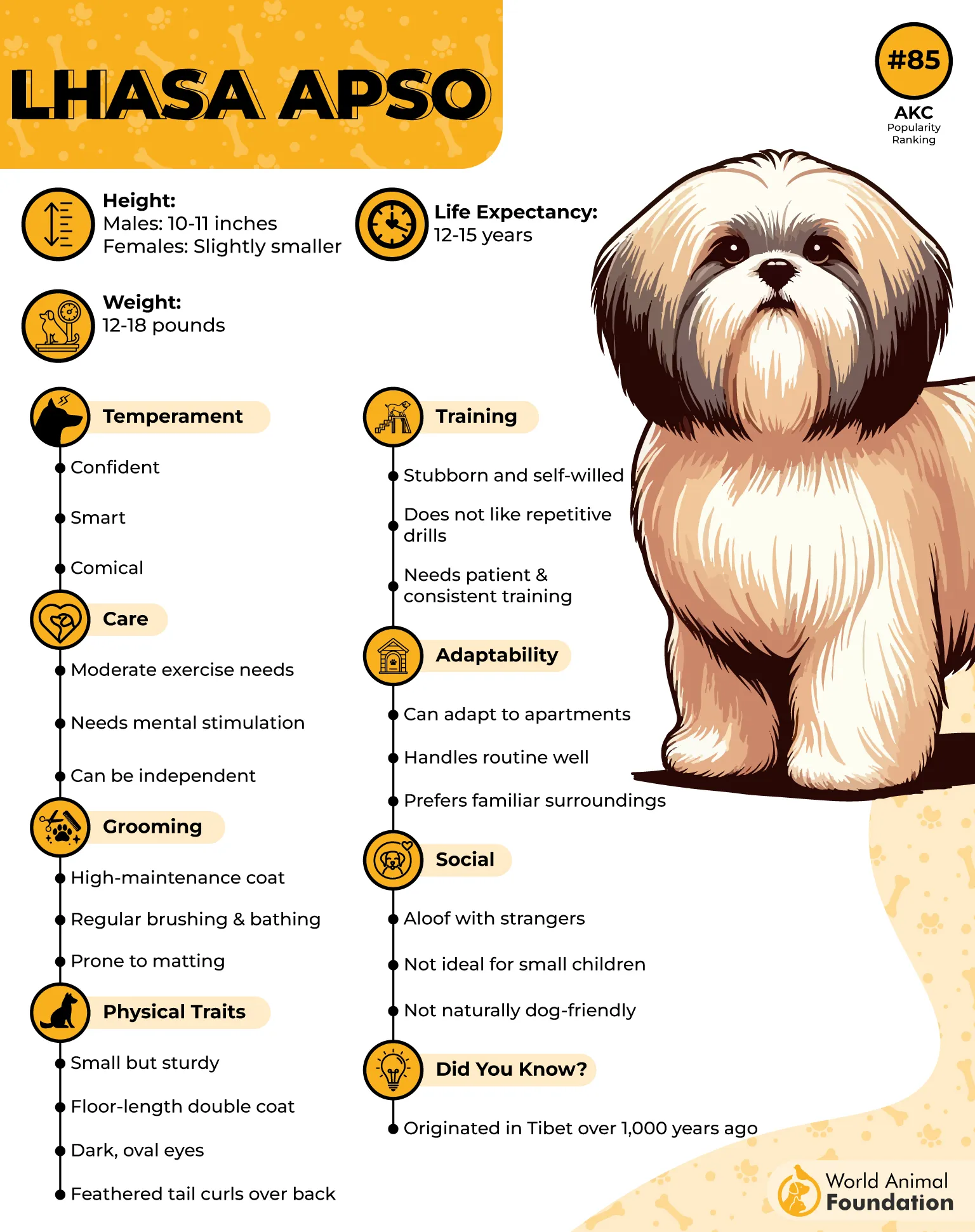
And here’s the best part! Many owners find the breed feels low maintenance in daily energy needs, as long as routines stay steady and the mind stays busy.
Grooming takes real effort because the coat can grow long and tangle. Keep it clean and brushed to avoid pain. Training should focus on calm alerts.
The goal is a good guard, not nonstop noise. Practice short sessions and reward the quiet moment after the bark. With a smart structure, this breed can protect the house with a steady, watchful presence instead of stress.
Quick home-security check
Teach a door routine: sit, bark once, then settle
Use a shelter-style safe spot for calm downtime
Keep coat care on schedule to avoid matting
4. Scottish Terrier
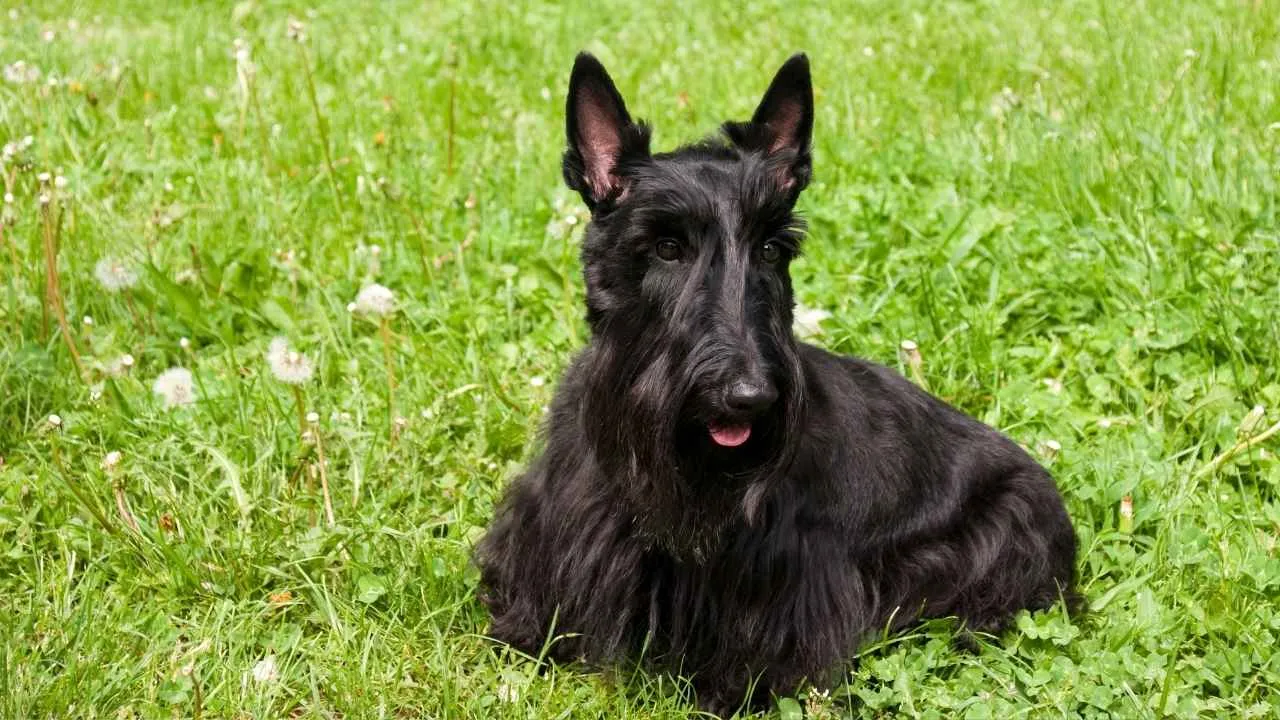
Scottish Terriers carry a bold spirit and a serious stare. Many people call this breed a “big dog” with a compact body, and that vibe shows up around the house.
The breed often stays alert and acts protective when someone new shows up. That can make this a good guard for smaller spaces, especially when a quick warning matters.
This breed often bonds hard with family, then keeps a polite distance from strangers. That natural caution can support home security because the breed tends to notice changes fast. The bark can sound strong, and the posture can look confident.
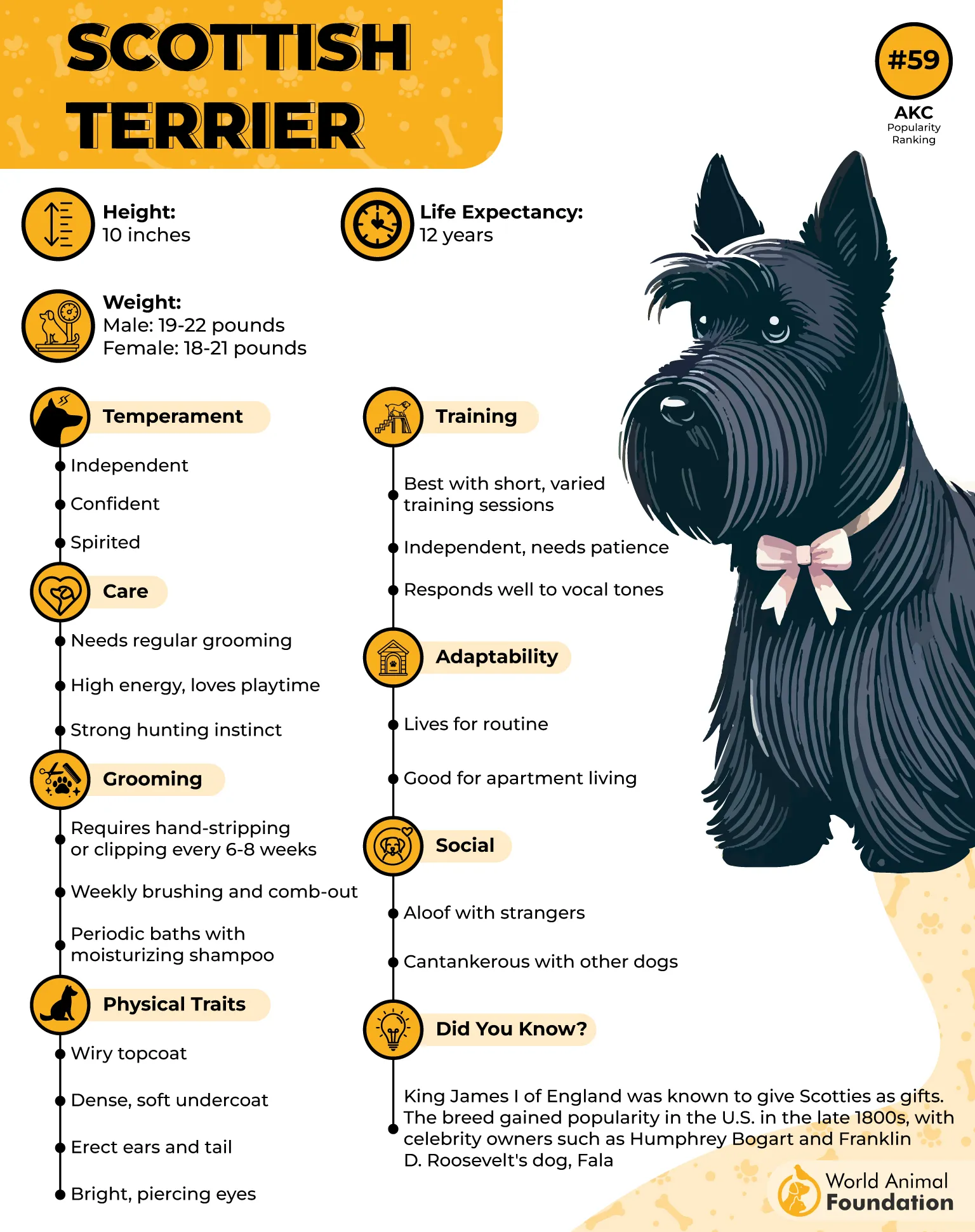
A Scottish Terrier may protect the house with a steady, no-nonsense style. This is not about being aggressive. It is about instinct and a watchful routine.
Training needs patience because this breed can be independent. But wait, there’s more! Once the rules feel fair and consistent, the breed often respects them. Keep sessions short.
Use the same words each time. Reward calm choices. Add mental games, too. With proper training, this breed can protect the property, stay loyal to the pack, and still act gently at home.
Quick home-security check
Practice calm greetings to reduce barking at the door
Use a leash indoors during training weeks if needed
Give puzzle toys to keep the mind busy
5. Chihuahua
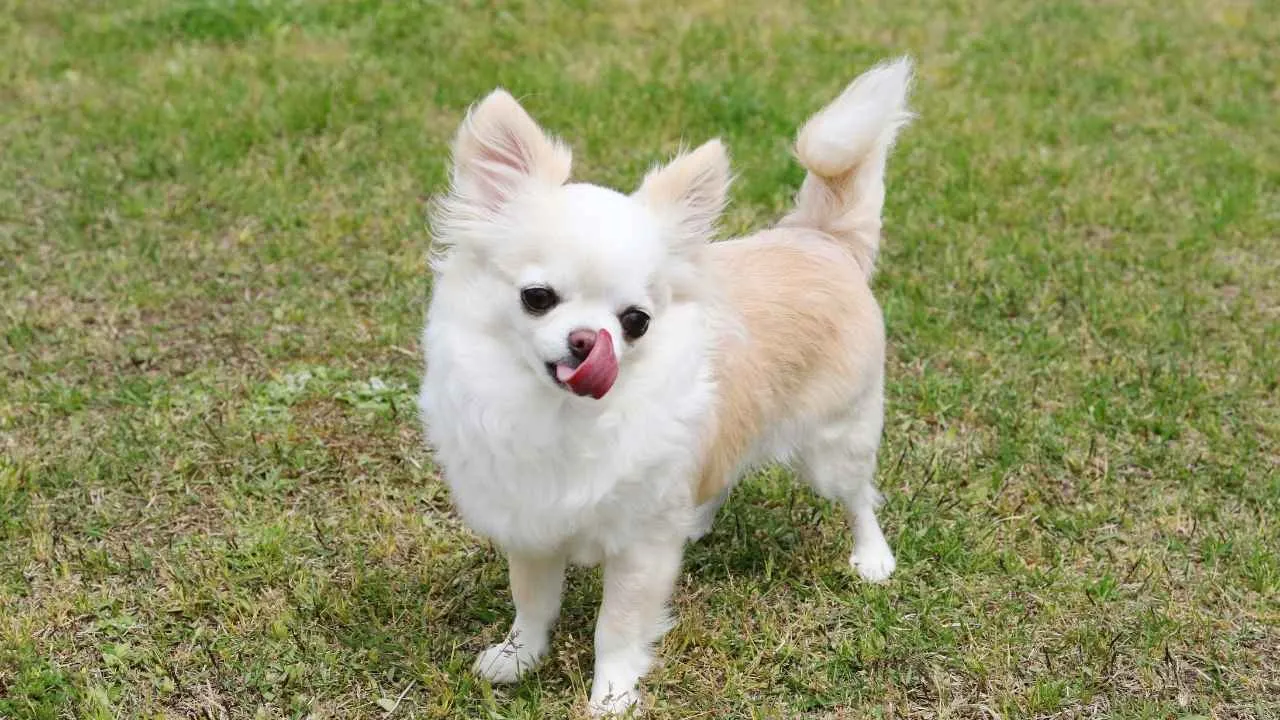
The chihuahua has a reputation for big feelings in a small size. That can be a gift for home security when handled well. This breed often stays alert, reacts fast, and barks when something feels off.
Many owners see it as a small guard dog that takes the job personally. The warning system can be loud, but the goal is control, not chaos.
This breed often forms close bonds with family and wants to stay near their favorite humans. That deep connection can make the breed loyal and protective at home. The breed may act watchful around strangers and may guard the house as if it were a treasure chest.
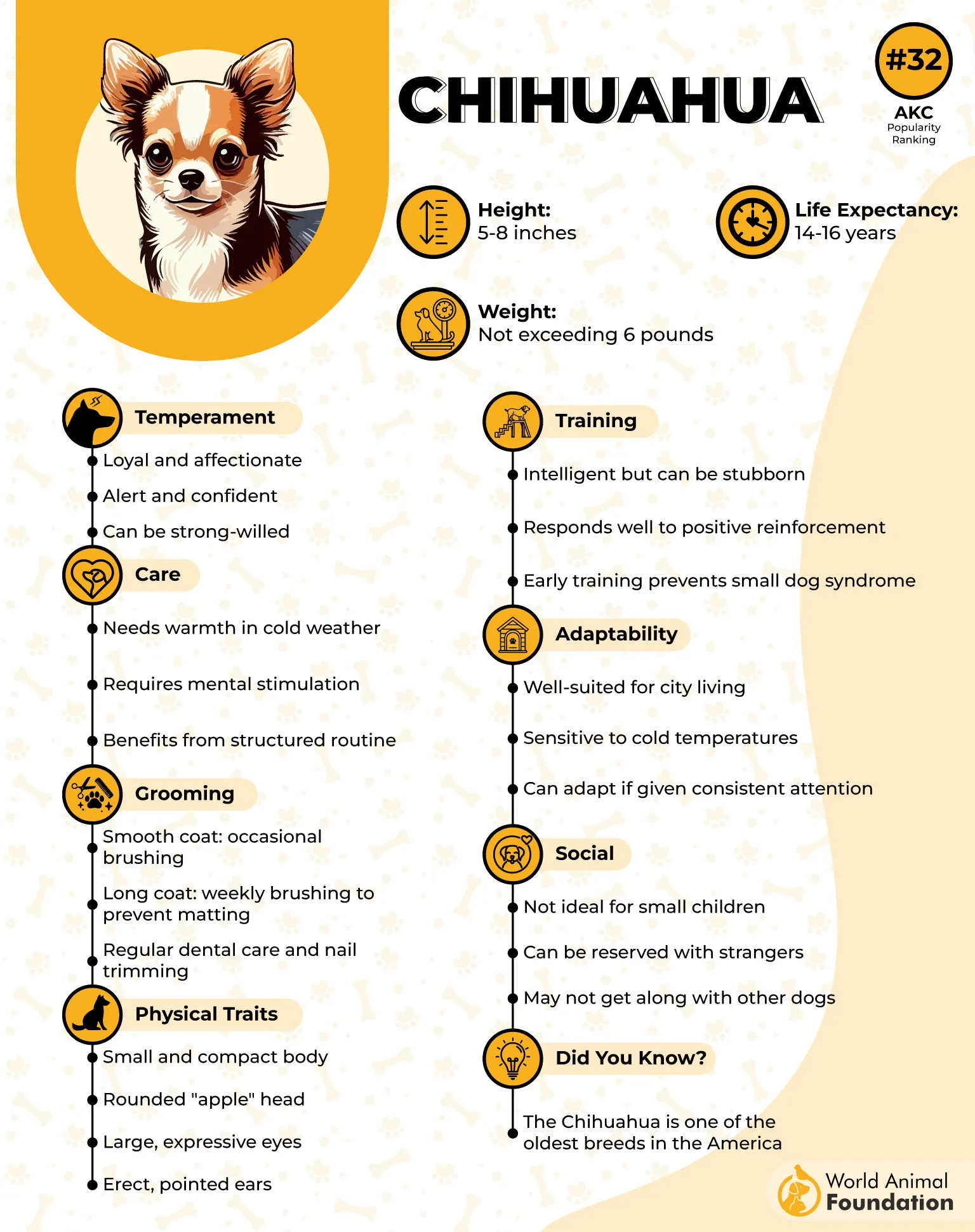
Sounds crazy, right?. Yet in many homes, this instinct becomes a real layer of protection when training shapes it.
The risk comes when social time is skipped. Then the breed may tend to bark too much, or even try to bite out of fear. That is not cute, and it is not safe. Keep things calm. Teach a settle cue. Reward quiet choices.
Use gentle practice with visitors. With steady training, this breed can protect the house, stay smart about danger, and still be a loving family dog.
Quick home-security check
Keep small children supervised to avoid rough handling
Use short, daily training to prevent “tiny boss” habits
Make a calm corner space to reduce stress sounds
6. Dachshund
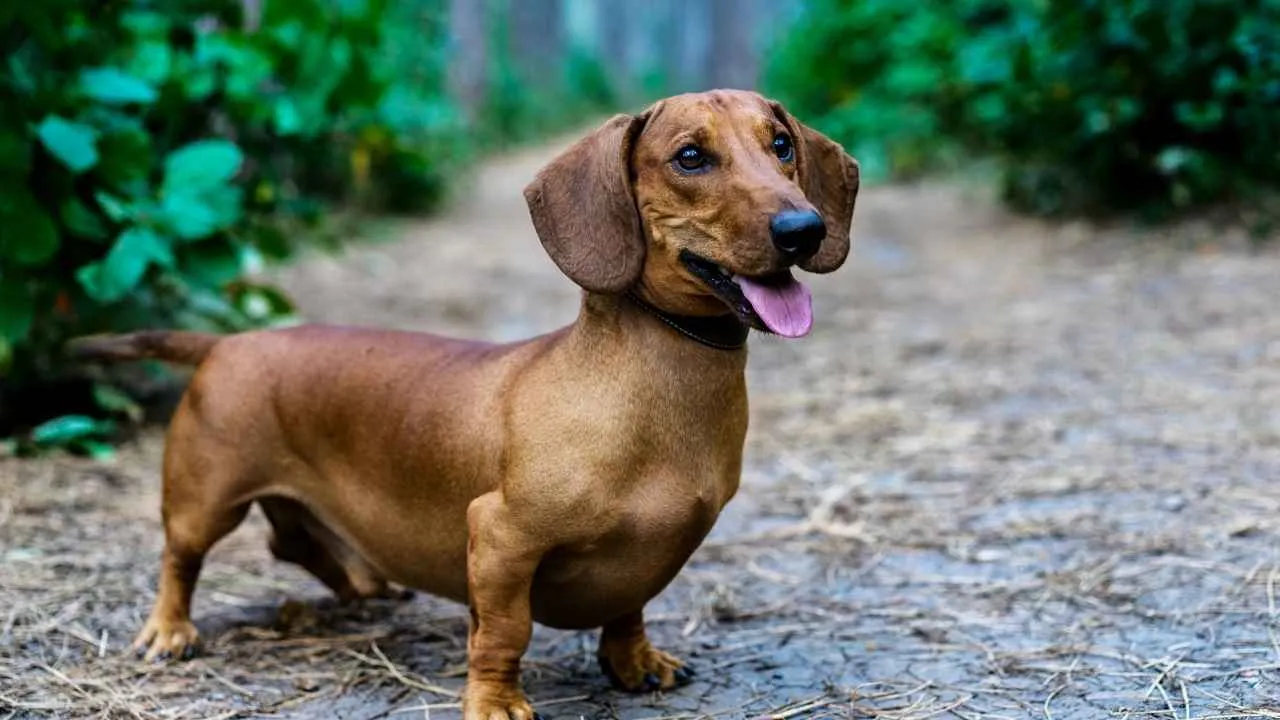
The dachshund was bred for hard work, and the courage still shows. This breed tends to act fearlessly, even when the world looks bigger than them.
That bold instinct can make this breed a good guard in a home that needs a loud early warning. When the door moves, when steps hit the hall, the bark often fires up fast.
This breed bonds deeply with family and can become very loyal. Once trust forms, the breed may protect the house with stubborn devotion. That devotion feels sweet, but it can also turn into strong guarding of a person or a room.
Here’s the good part: with training, the breed can learn clean rules and stay steady around guests, while still keeping that watchful edge.
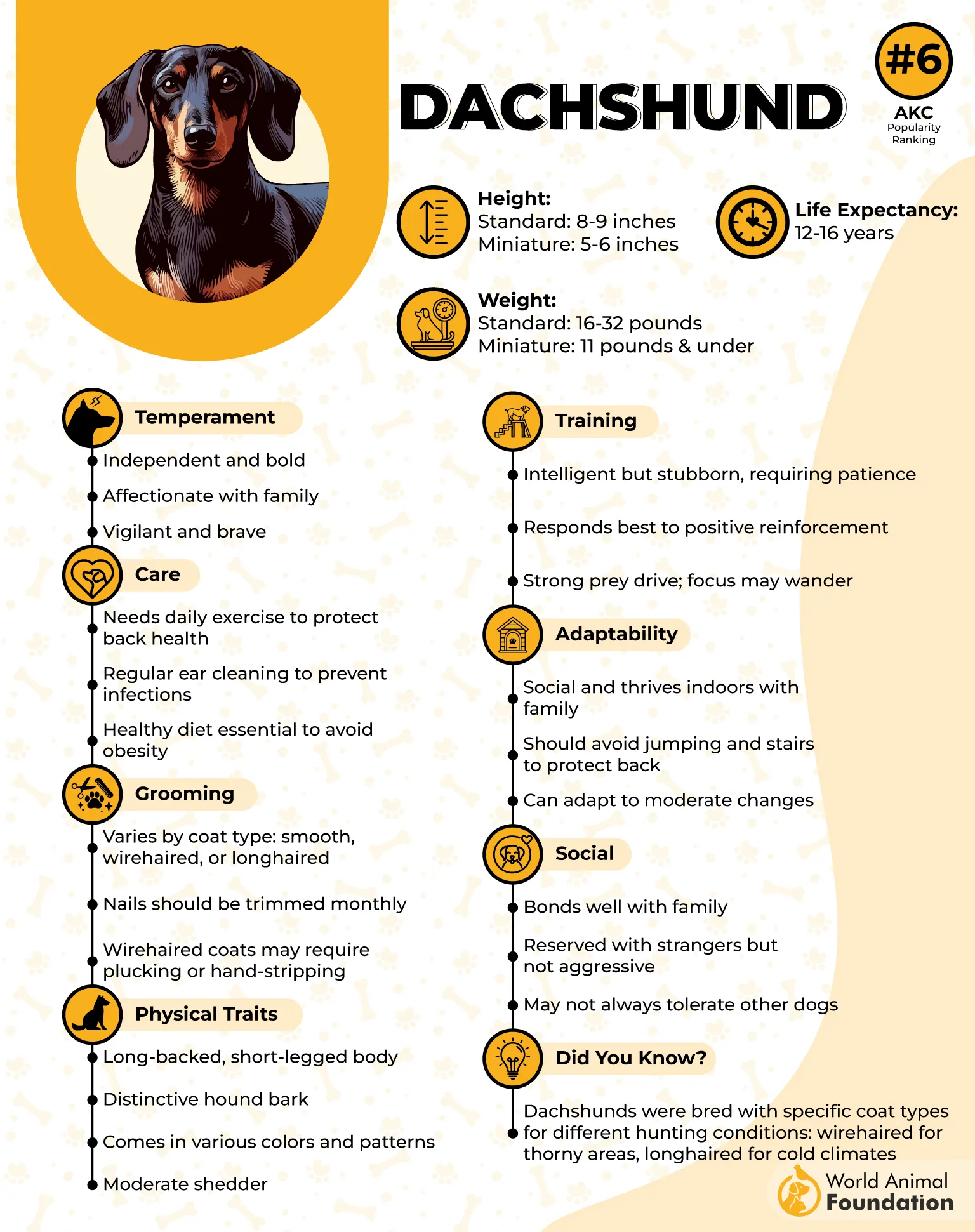
Training can take patience because this breed can tend to push limits. But why bother with that? Because a brave dog without rules can make bad choices. Teach recall, teach “leave it,” and teach calm door behavior.
Also, according to PDSA, protect the back and joints with safe play, smart weight control, and steady movement. With the right routine, this breed can protect the property, stay alert, and enjoy a long life.
Quick home-security check
Keep stairs limited to protect the spine
Use food rewards in training, but measure portions
Practice a door routine so barking stays useful
7. Miniature Schnauzer
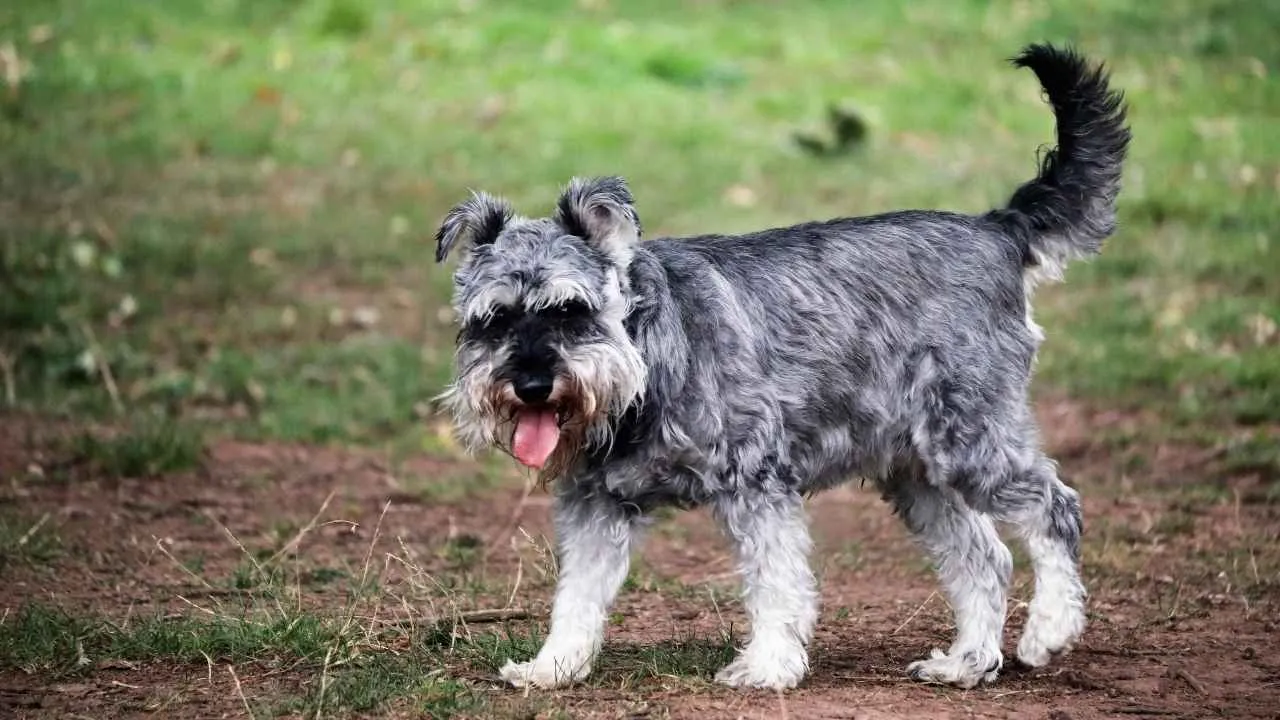
The Miniature Schnauzer has a strong presence and a serious sense of duty. This breed often stays alert and acts like the house manager.
When something strange happens, the bark comes fast and clear. That makes this breed one of the excellent guard dogs for people who want a small guard dog that still feels confident and capable.
This breed often acts smart and is eager to learn. Give a job, and this clever dog tends to take it seriously. That problem-solving side can be a real advantage in home security. The dog notices patterns, tracks movement, and reacts to change.
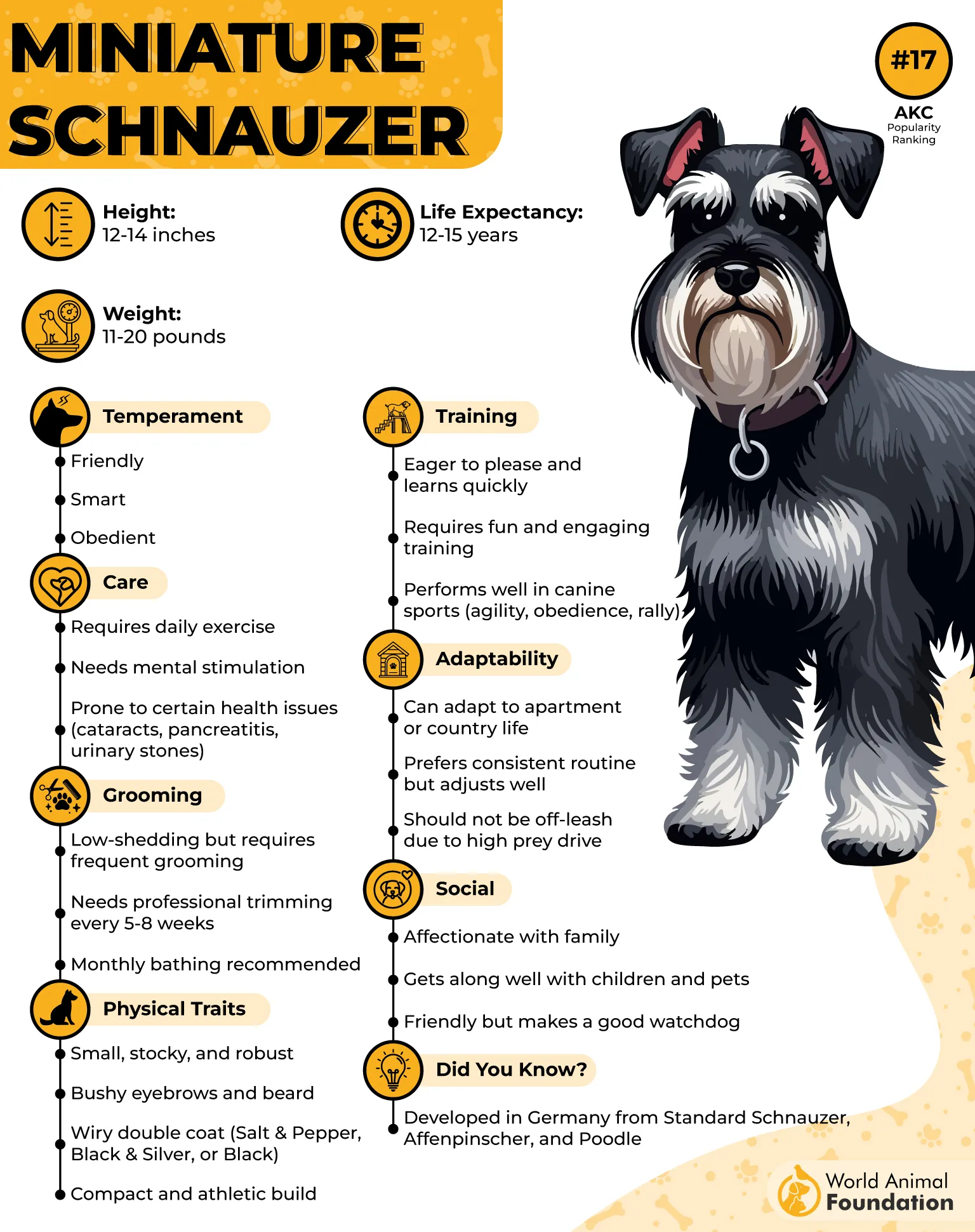
Many owners love that the breed feels protective without being wild, especially when training builds calm control and strong habits.
This breed can fit many homes, but it needs structure. Keep regular walks, simple rules, and daily training. Add mental games so the brain stays busy. Without that, barking can grow too much, and the dog may guard every sound.
It gets even worse, though, if the home rewards barking by rushing to the window each time. Teach “thank you” cues, reward calm, and keep routines steady. With that plan, the breed can protect the house with focus and heart.
Quick home-security check
Plan grooming to keep the coat neat and comfy
Teach a quiet cue right after the alert bark
Keep training consistent so guarding stays healthy
Conclusion
Protective dog breeds can bring real peace to home life. They stay alert, they bark at the door, and they protect the house with bold instinct. The key is shaping that instinct with training, calm routines, and steady rules.
These dogs do not need to be perfect. They need clear guidance, safe social time, and a home that understands their breed needs.
And here’s the best part! When pet owners put in that effort, the reward feels huge. A loyal, watchful companion can help the whole family feel safer.
Pick a breed that matches the home, commit to proper training, and build a routine that supports a stable, protective nature.
That is how a small guard dog becomes a true good guard.
