




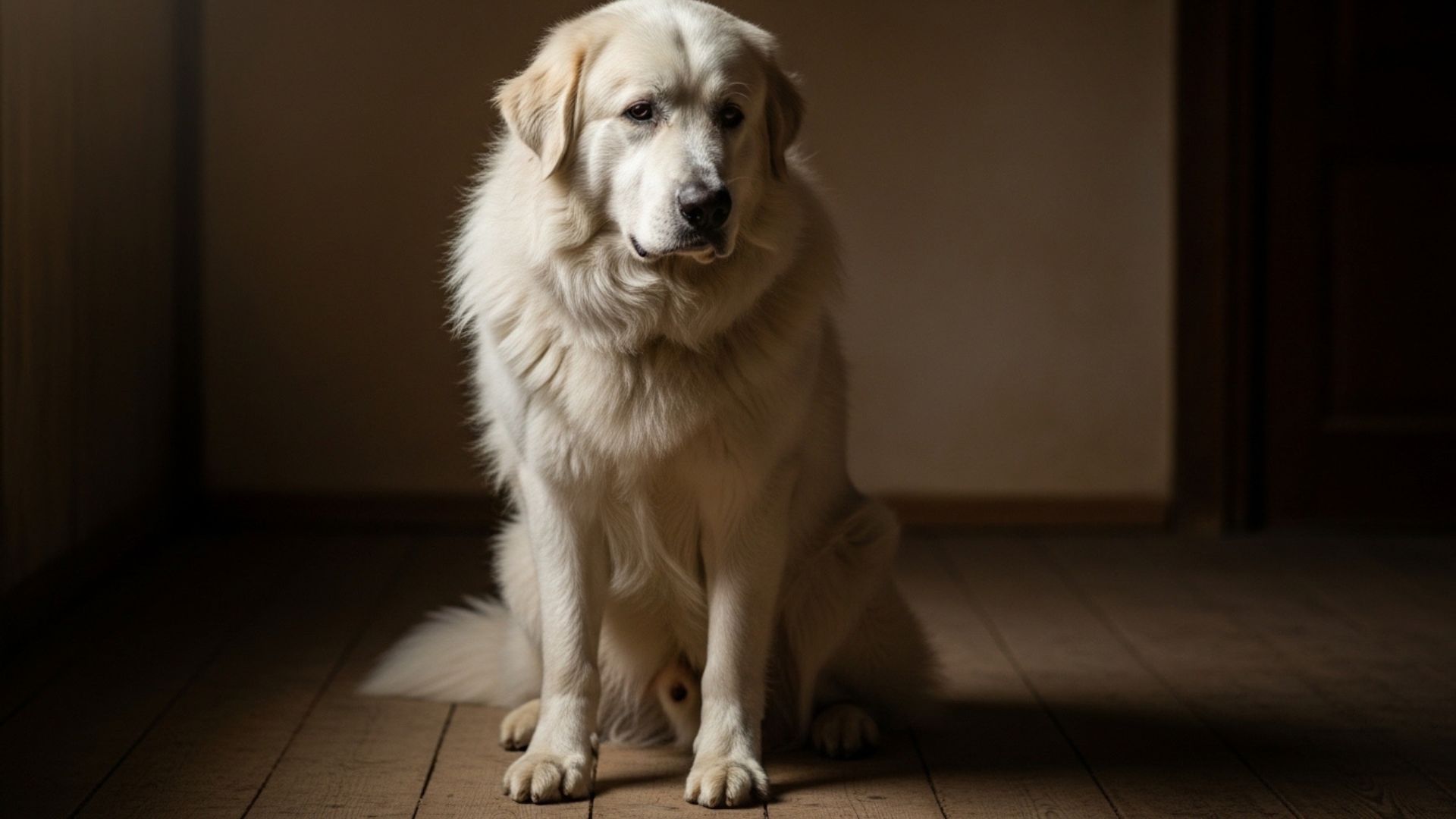
For many families, the ideal guard dog isn’t one that barks excessively or displays constant high energy. Instead, they seek calm and reliable guard dog breeds that quietly monitor their surroundings and respond only when a genuine threat is present.
These composed protectors combine steady temperaments with strong protective instincts, offering effective security without unnecessary disruption.
Historically bred to guard livestock, farms, and families, these dogs rely on physical presence, intelligence, and deep loyalty rather than noise or aggression. They are devoted to their families, naturally alert to unfamiliar situations, and capable of forming strong emotional bonds with their human companions.
Their watchful nature makes them the best guard dogs who protect with purpose and restraint. Let’s dive in.
Fun Fact
Research suggests that dogs with calm temperaments can help reduce household stress by creating stable routines and a peaceful environment, supporting emotional well-being without overstimulation.
Low-Key Guard Dog Breeds: Calm and Reliable
1. Great Pyrenees
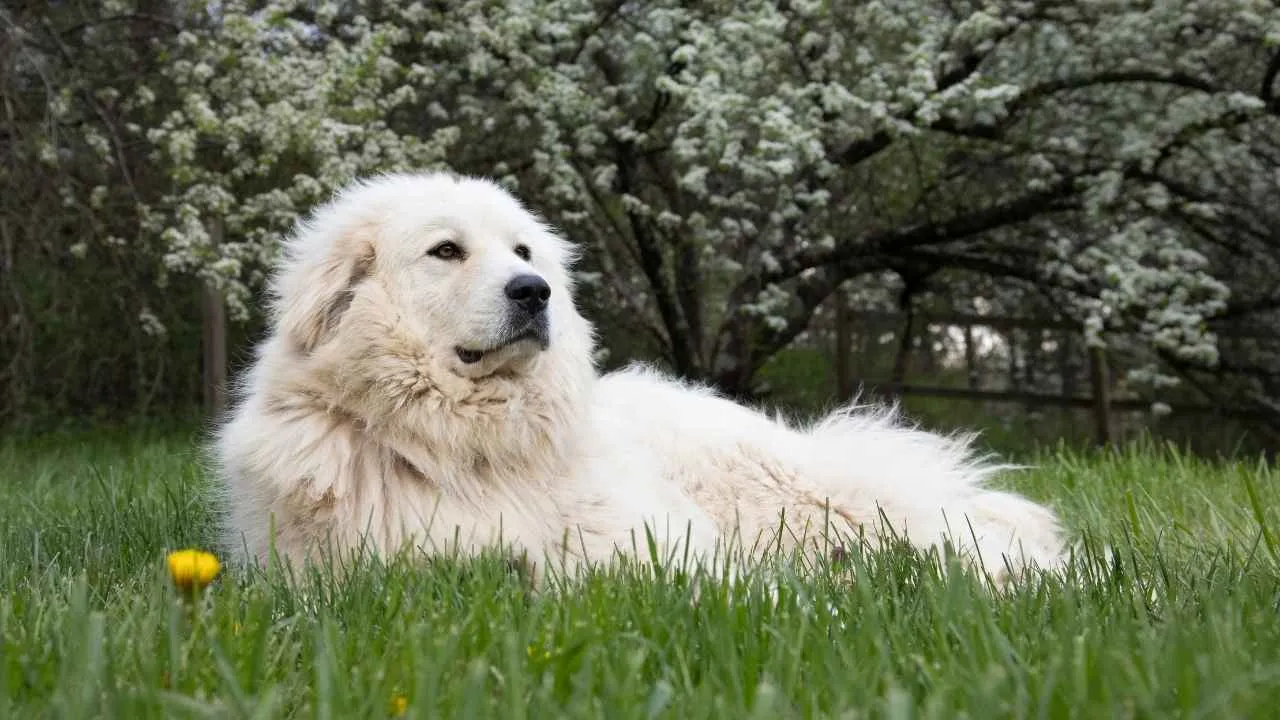
The Great Pyrenees serves as a highly famous livestock guardian breed, which was first developed to protect sheep from threats in the extreme weather conditions of the Pyrenees Mountains.
This breed maintains serious and calm behavior while dedicating itself to faithful loyalty and complete dedication to its work by maintaining silent observation until its moment of active duty. Potential intruders will back away from the area because of the dog’s massive physical presence.
The Great Pyrenees breed displays protective behavior but shows love and loyalty to its family members. The breed creates a relationship where they protect both people and pets that share their home.
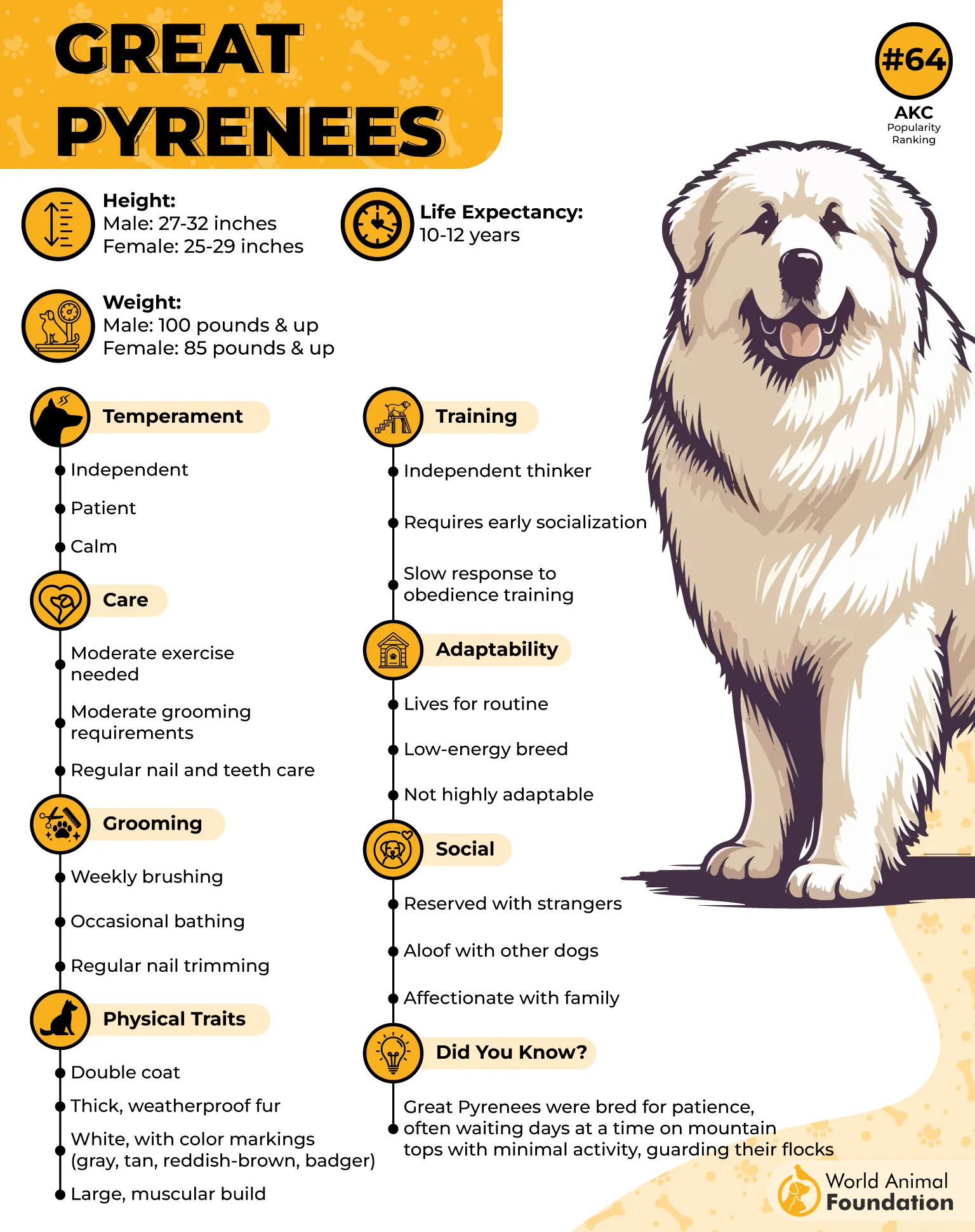
Great Pyrenees dogs maintain their low energy level indoors because they become satisfied with their guarding work when they finish their duties. The combination of regular exercise, mental activity, and established rules enables them to achieve a stable condition.

Hill’s Pet states that their double coat needs frequent brushing during shedding seasons, but the grooming process becomes easy with regular maintenance.
2. Saint Bernard
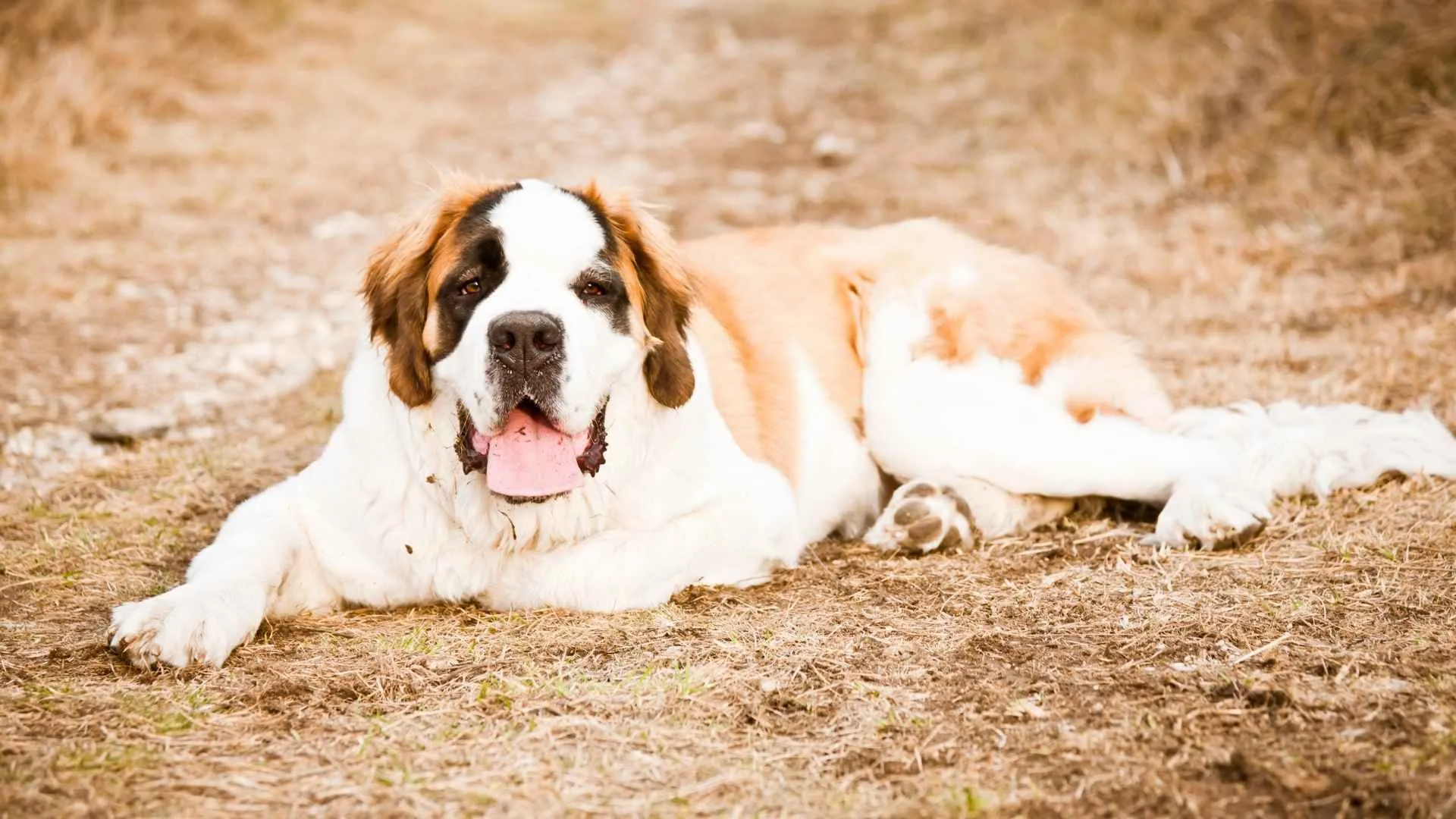
Monks in the Swiss Alps created Saint Bernards as search and rescue dogs to help stranded travelers, which has shaped their modern temperament. These gentle giants show calmness and affection and display extreme patience, which makes them suitable family pets despite their extremely large size.
The dogs lack aggressive behavior, yet their deep bark and strong physical presence create an automatic deterrant effect against intruders. The Saint Bernard breed maintains emotional stability, which allows them to function better in environments that exhibit peaceful behavior.
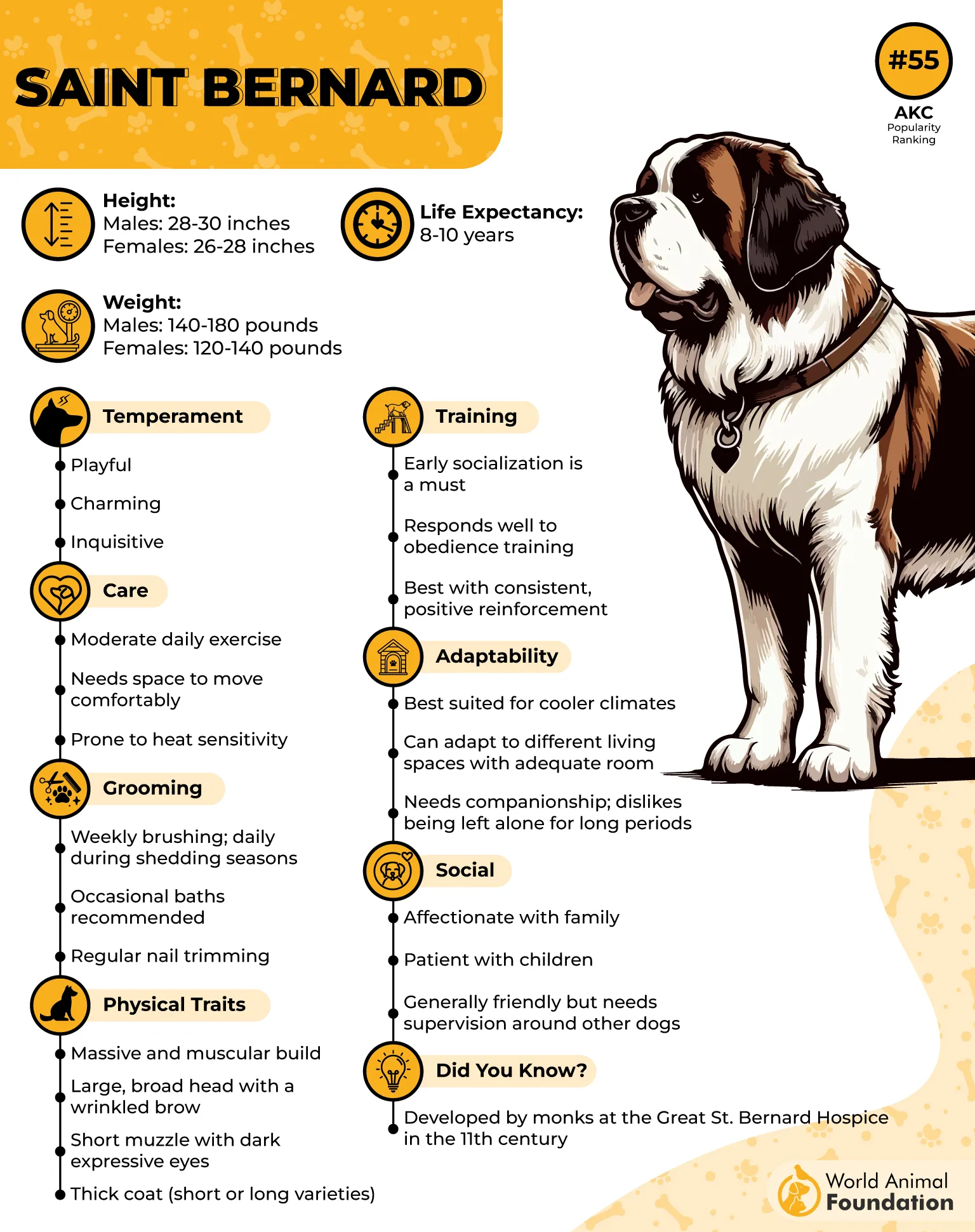
Saint Bernards develop strong bonds of loyalty that last throughout their lives with their family members. According to Britannica, people need to supervise their powerful strength because it can endanger small dogs and young children.
Their large size requires supervision with young children. Their muscular build requires them to maintain a specific exercise routine while consuming appropriate nutrition and managing their joint health.
3. Tibetan Mastiff
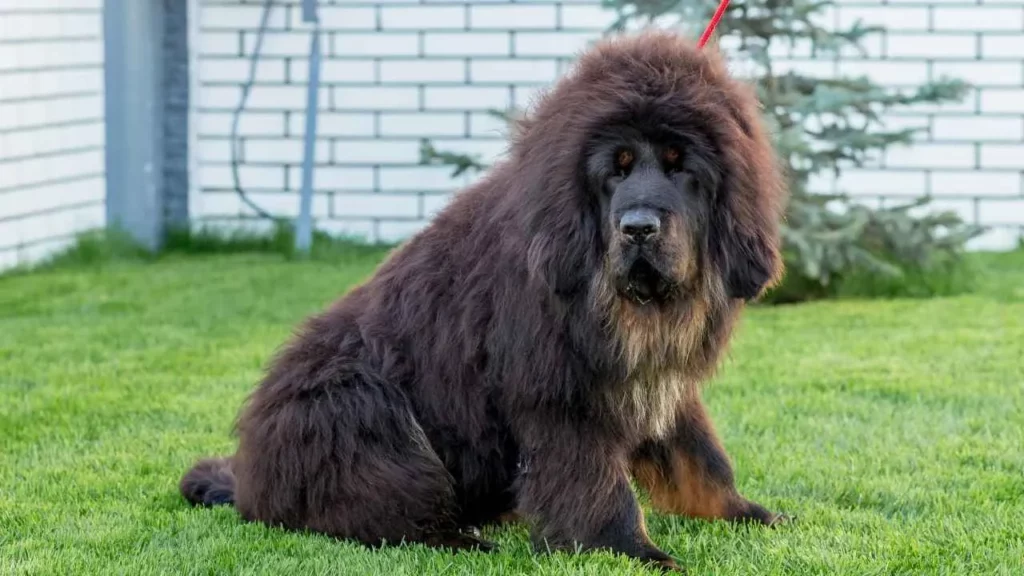
The Tibetan Mastiff descends from ancient origins as a breed which build its guarding abilities through centuries of development. The breed developed as a protective dog which safeguard both livestock and monasteries in the remote Himalayan areas.
Tibetan Mastiffs think independently, which distinguishes them from German Shepherds and other guard dogs with high energy. The dogs evaluate their surroundings and choose to act only when needed because this behavior makes them trustworthy watchdogs who will protect their home.
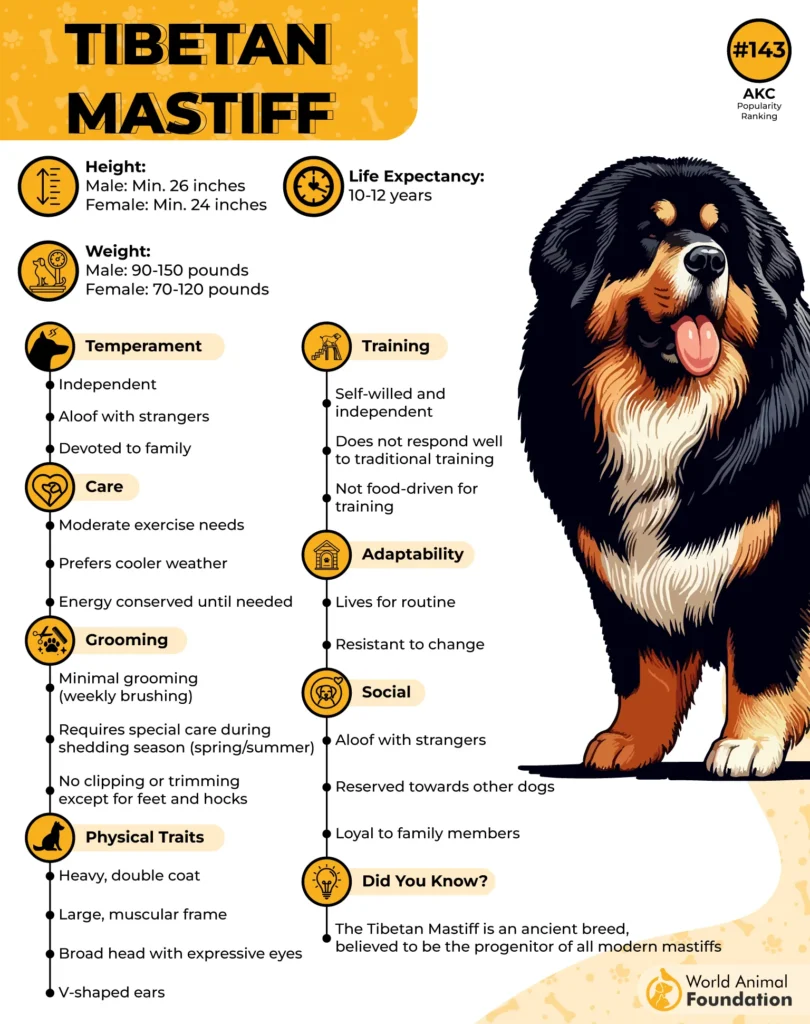
Dog owners need to maintain a moderate grooming routine for their thick-coated dogs except when their dogs experience intense shedding during seasonal changes. Orvis states that Tibetan Mastiffs need both their physical and mental faculties to undergo structured training as well as their dedicated exercise schedule.
The breed needs experienced owners who possess knowledge about the guardian’s instincts, while they should understand the need for dogs to preserve their natural independence.
4. Boerboel
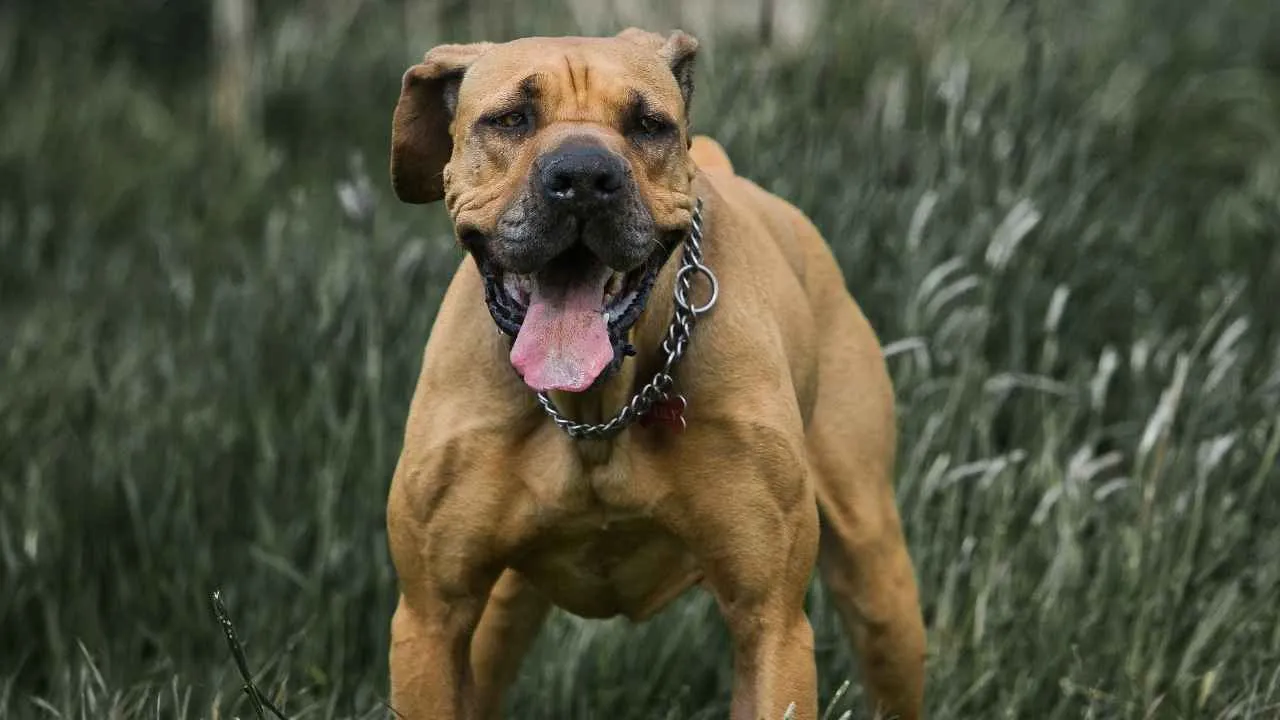
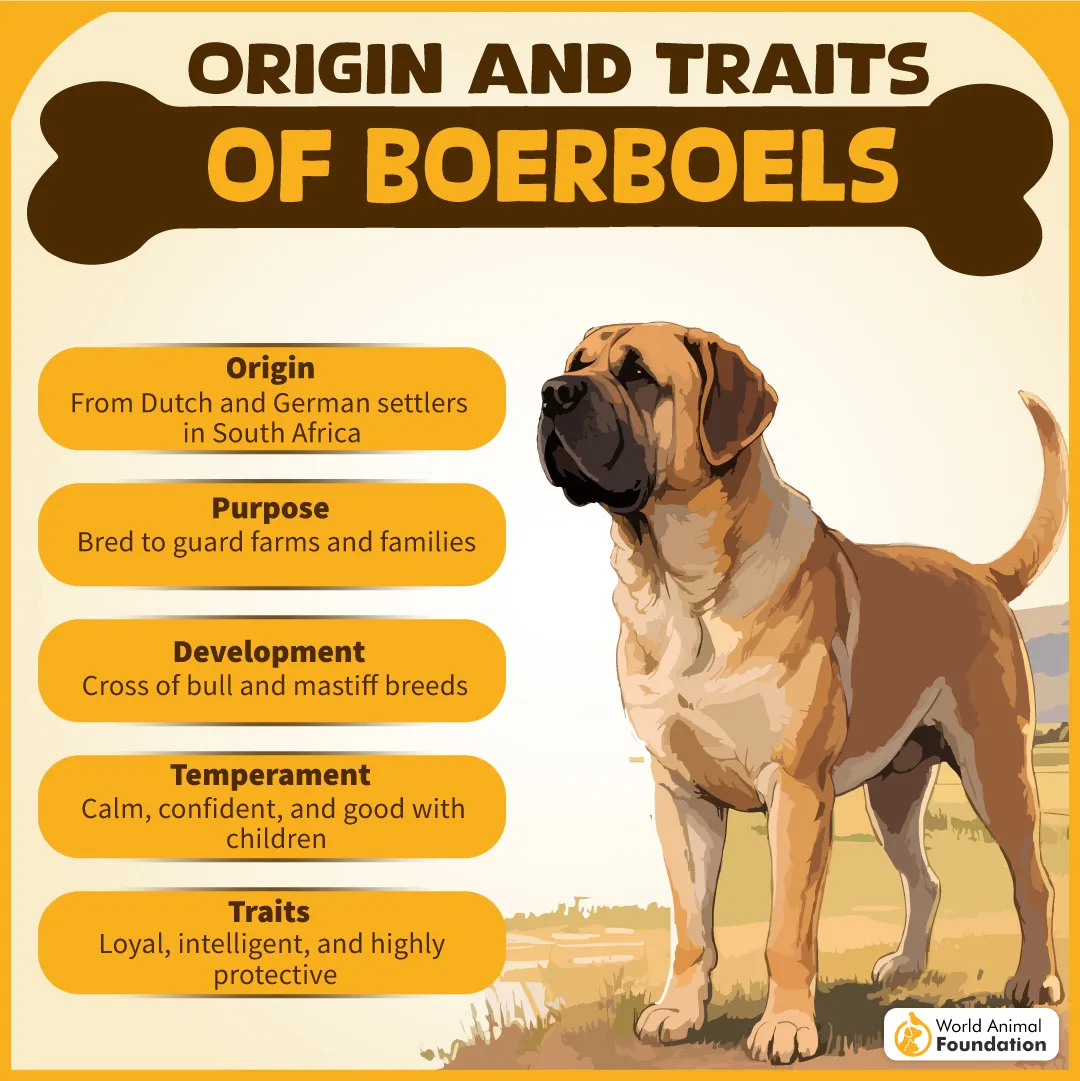
The Boerboel functions as an effective protection dog that people originally bred to defend South African farms and their livestock. The breed exhibits a calm and confident demeanor, which enables it to identify actual threats from normal daily situations, thus making it an ideal protection dog for home environments.
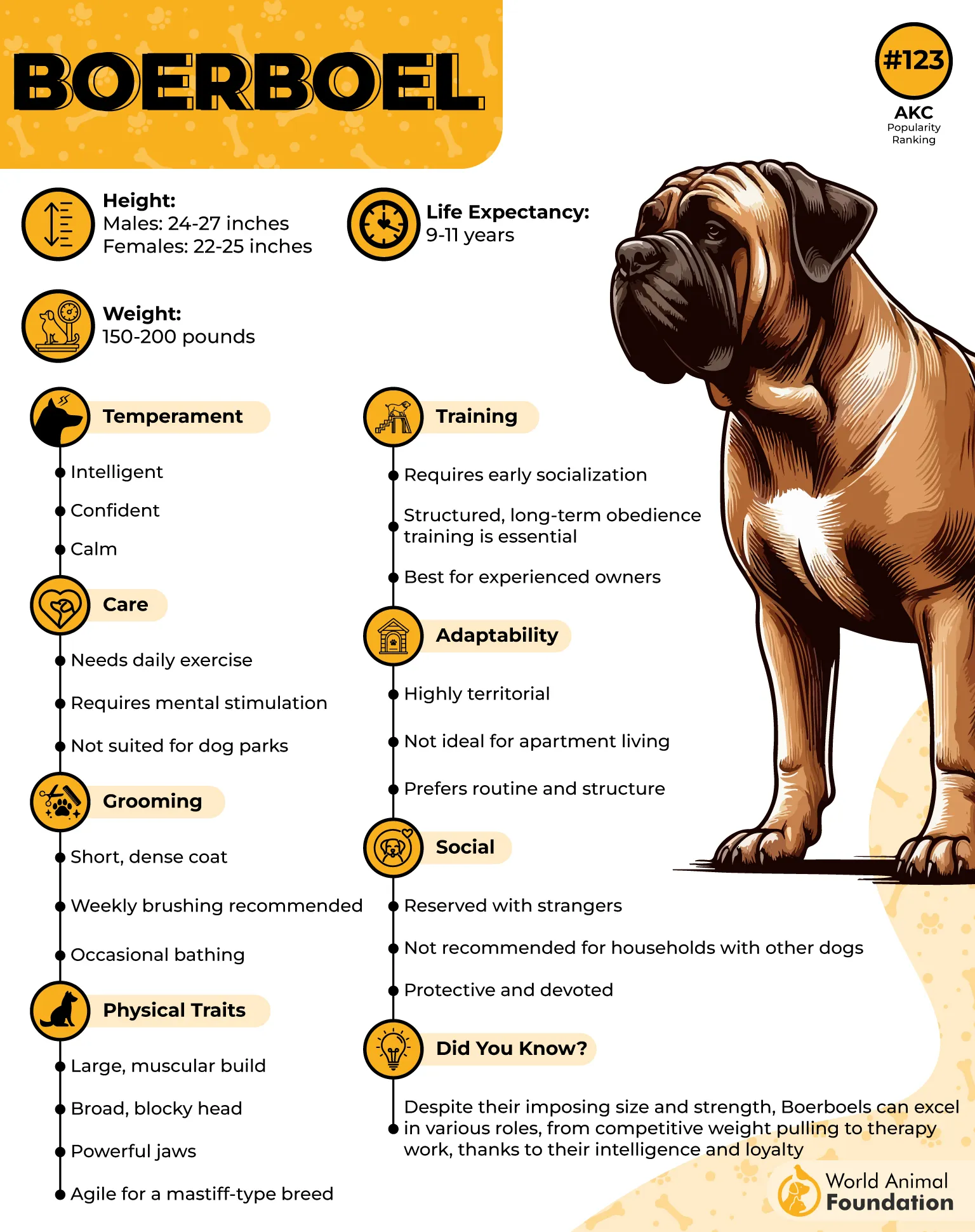
Boerboels show affection toward their owners while they maintain a natural tendency to distrust anyone who is not part of their familiar group. The breed requires immediate training from its first year of life because its strong protective behavior needs special socialization.
According to Chewy, Boerboels are strong-willed and best suited for owners with prior experience training large dogs. The dogs require minimal upkeep because their short coat needs no extensive treatment, and they succeed when their owners provide them with clear guidance, social interaction, and scheduled activities.
The Veterinary community advises against tail docking because it serves no medical purpose and functions as a cosmetic procedure.
5. Kuvasz
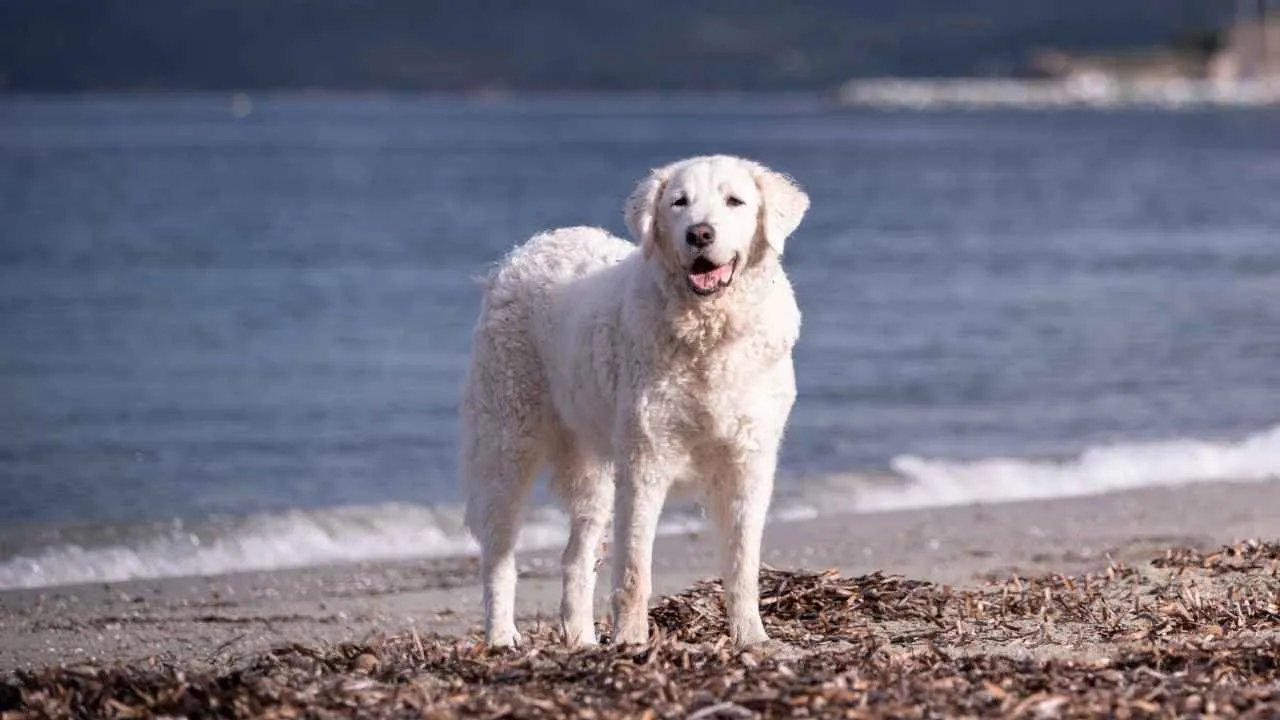
The Kuvasz breed originated as a majestic livestock guardian breed that Hungarian noblemen developed to safeguard their royal estates and their farm animals. The breed shows both elegance and serious protective instincts through its distinctive white coat and its peaceful behavior.
Kuvasz dogs develop deep family loyalty while showing natural suspicion toward people they do not know. The dogs need time for training because they think independently and require trainers who use patient methods instead of forceful techniques.
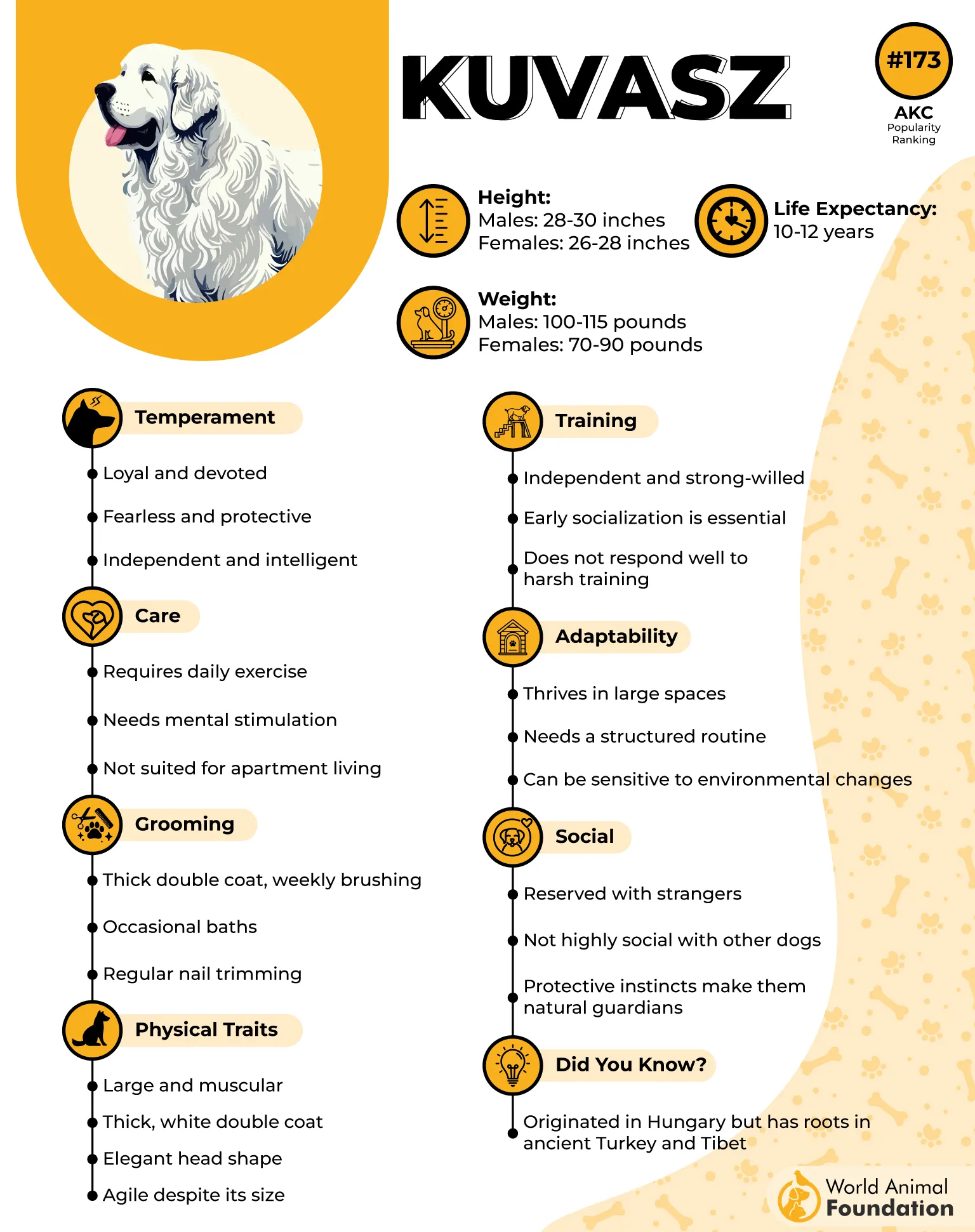
The American Kennel Club describes the Kuvasz as intelligent, devoted, and strong-willed. The breed requires moderate grooming, while its physical health needs exercise, and its emotional state needs mental stimulation. This breed does best in homes that understand guardian breeds and value structured training.
6. Great Dane
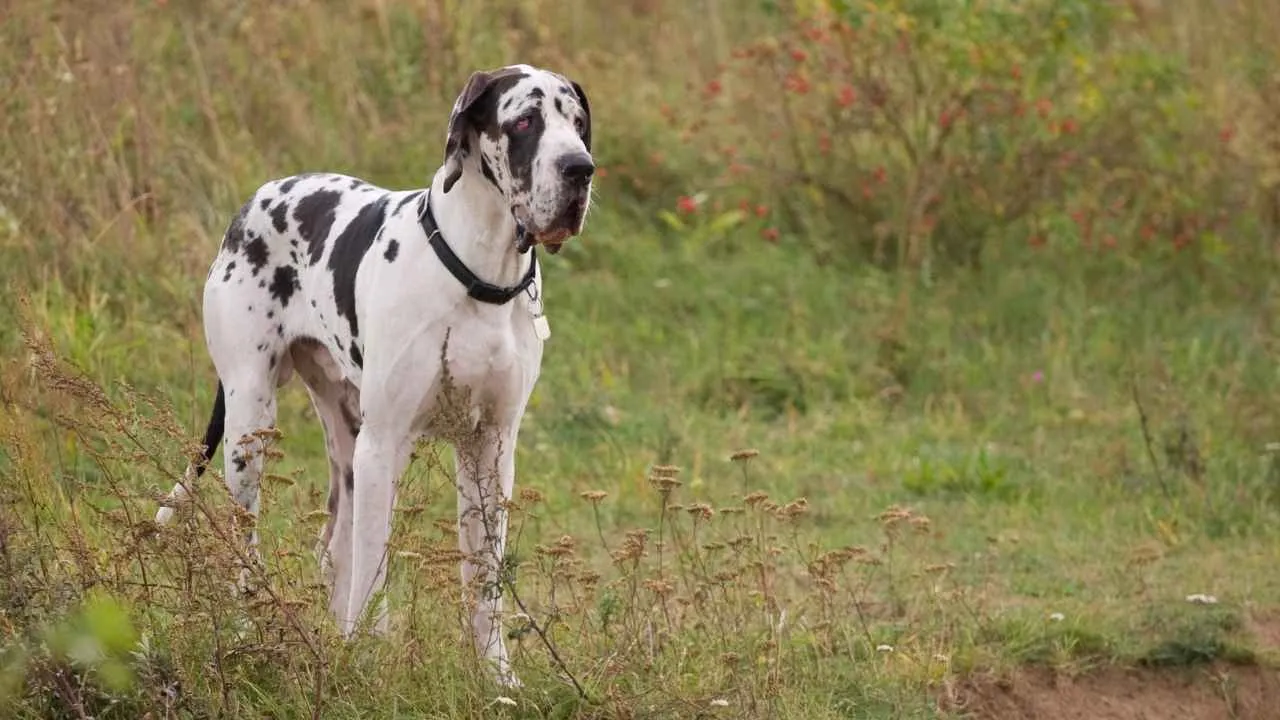
The Great Dane, which people call the “Apollo of Dogs,” exists as a gentle giant whose personality combines calmness with affection. The dogs make excellent family pets because of their loyal, friendly personality, which requires proper training to develop.
Great Danes protect their owners because of their protective nature, but they do not show any signs of aggression. Their large size functions as an effective deterrent because their friendly temperament makes them easy to approach and loving at home.
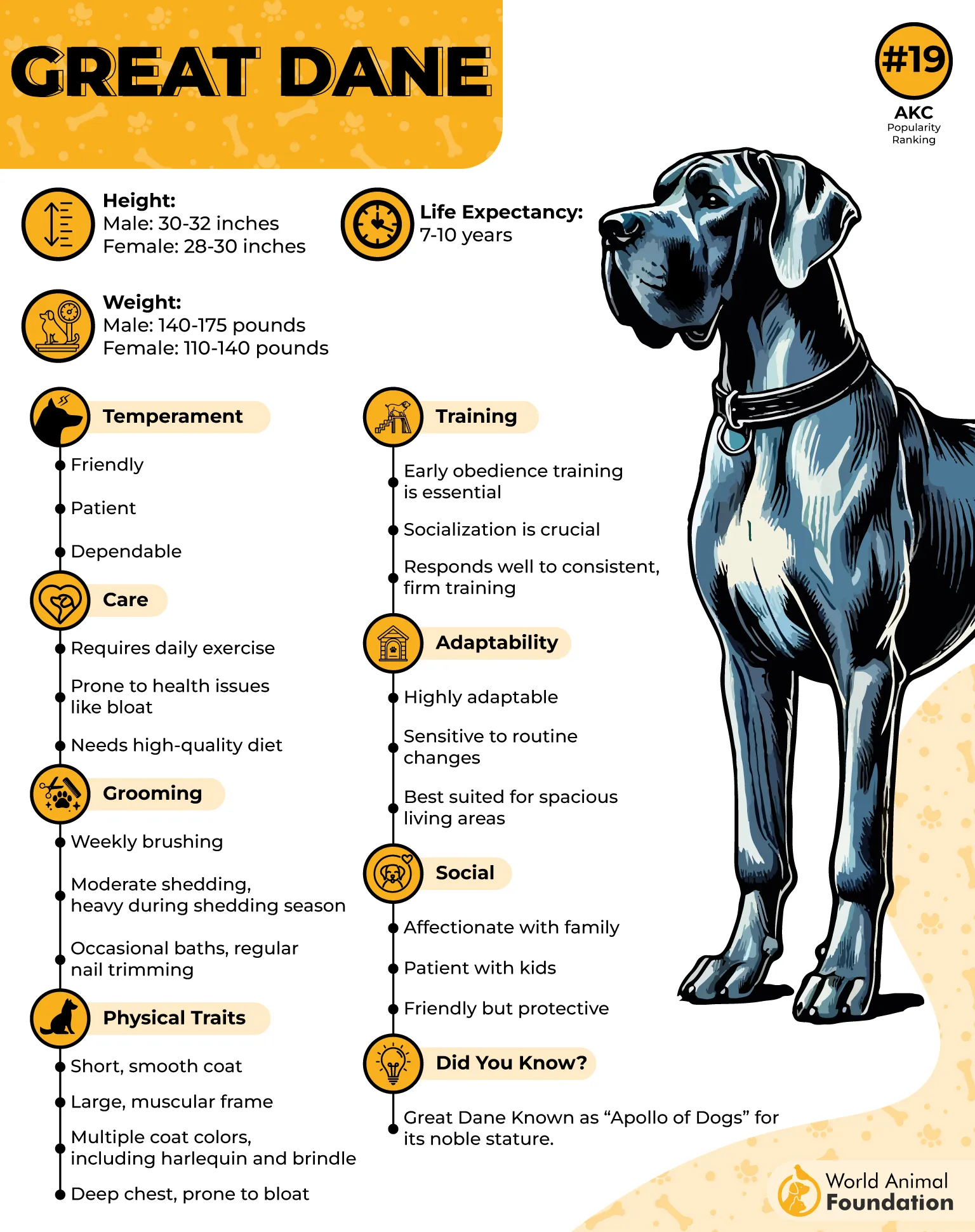
The process of socializing dogs together with ongoing training needs to begin at an early age because puppyhood brings risks of injuries caused by their size and their active nature.
Great Danes need to exercise their bodies and minds while receiving training through positive reinforcement methods. The basic grooming needs are simple, but owners must constantly monitor their dogs for dangerous health conditions like bloat. With proper care, they become highly dependable and loving animal companions.
7. Newfoundland
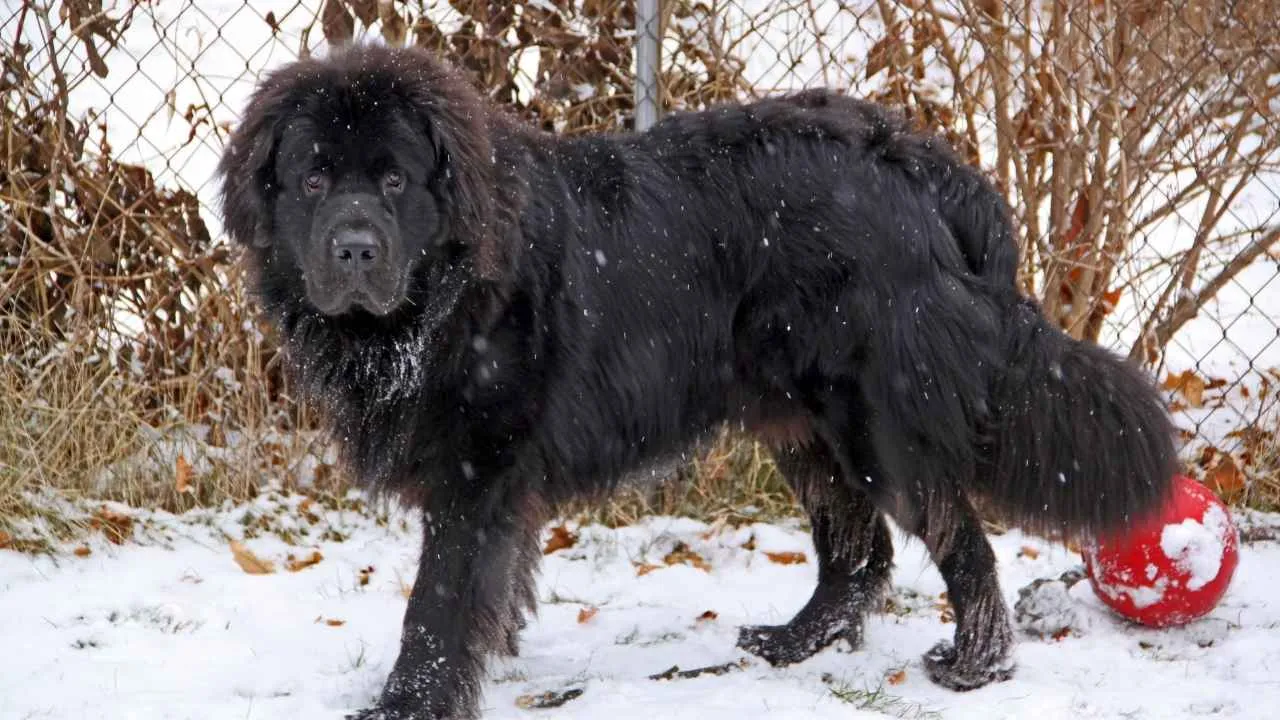
The Newfoundland breed maintains a peaceful nature and shows protective behavior toward children. These gentle giants developed from water rescue dogs into strong and patient pets who remain loyal to their families.
Newfoundlands protect their homes through their size, bark, and active monitoring of their surroundings, which makes them suitable for guarding. They form strong connections with their family members and their other pets.
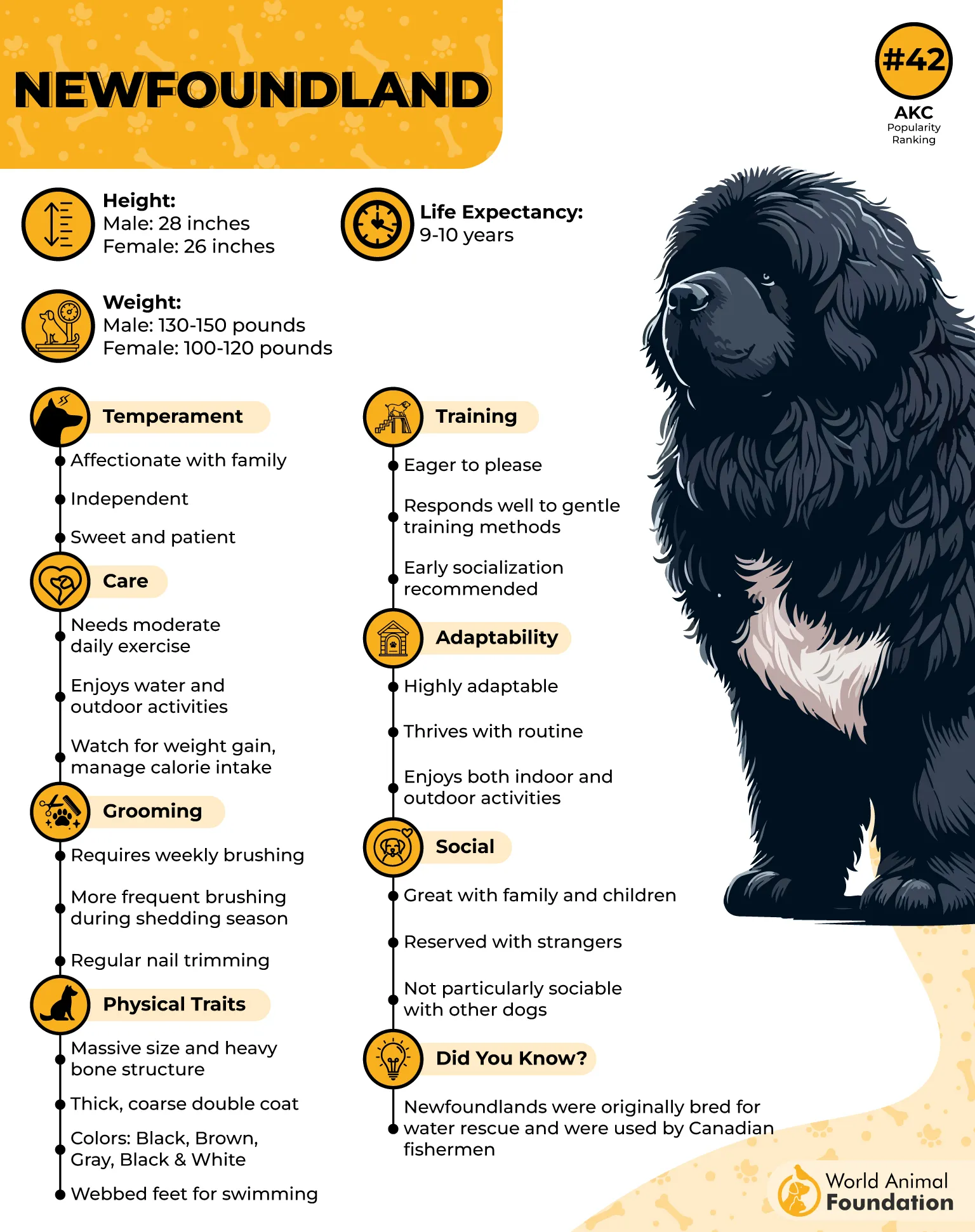
The family needs a protector who displays calm behavior and provides dependable security because they prefer peaceful home environments.
PetMD states that Newfoundlands need moderate exercise, which includes walking and swimming, because these activities help them stay healthy and avoid becoming overweight. The dogs need regular grooming because of their thick coat, and their early socialization helps them develop into confident dogs who behave well with people and pets.
Conclusion
The existence of low-key guard dog breeds demonstrates that protection can be achieved without creating disruptive behavior. These best dog breeds exhibit calmness and reliability as their intelligence, loyalty, and physical presence serve to protect livestock and farms and families from danger.
The excellent guard dog breeds become outstanding family pets and trustworthy protectors through early socialization and positive reinforcement training. People who need home security but also desire a peaceful environment should select a calm guard dog because this choice delivers both safety and tranquility.
