





Some dogs come into our lives quietly and, before we realize it, become our constant companions through every stage of life. They grow alongside us, share in our everyday moments, and offer unwavering loyalty that makes their presence truly priceless.
While appearance often catches a future owner’s eye, a dog’s health, longevity, and overall well-being are just as important when choosing a lifelong companion.
The truth is that some dog breeds are naturally blessed with longer lifespans. Factors such as genetics, size, and care needs allow them to enjoy healthier, longer lives compared to many larger breeds. With proper nutrition, mental stimulation, preventive healthcare, and responsible breeding, these dogs often exceed their expected lifespan and remain active well into their senior years.
Let’s get to know these remarkable breeds.
Fun Fact
Studies show that smaller dogs and breeds with lower genetic health risks often live several years longer than larger dogs, aging more slowly and maintaining better health over time.
Dog Breeds Known for Exceptional Longevity
1. Chihuahua
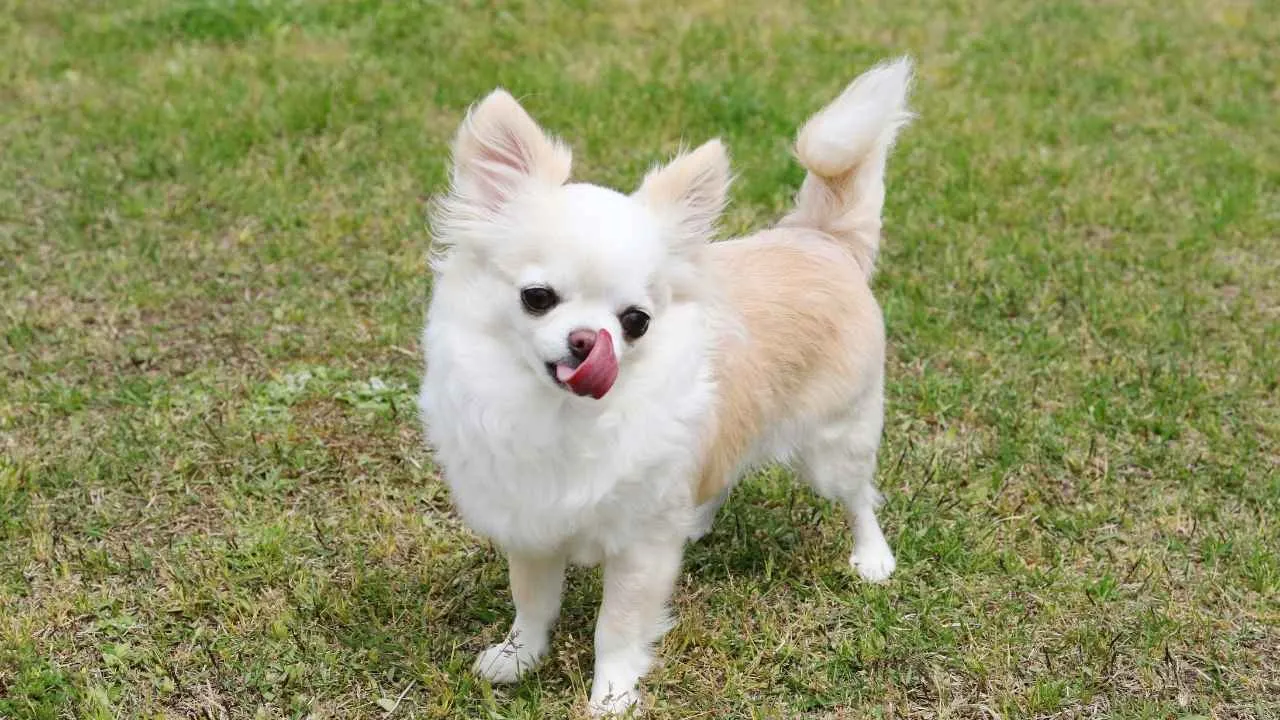
The Chihuahua is the smallest recognized breed in the world. Originating from Mexico, the breed traces its roots back to the ancient Techichi dogs kept by the Toltec civilization. Their long history of development is believed to contribute to the Chihuahua’s impressive longevity.
Chihuahuas may be the smallest dog breed, but they are full of personality and confidence. They are known for their distinctive features, including a rounded head, large ears, and alert, expressive eyes. The breed comes in both smooth- and long-haired varieties and is available in a wide range of colors and patterns.
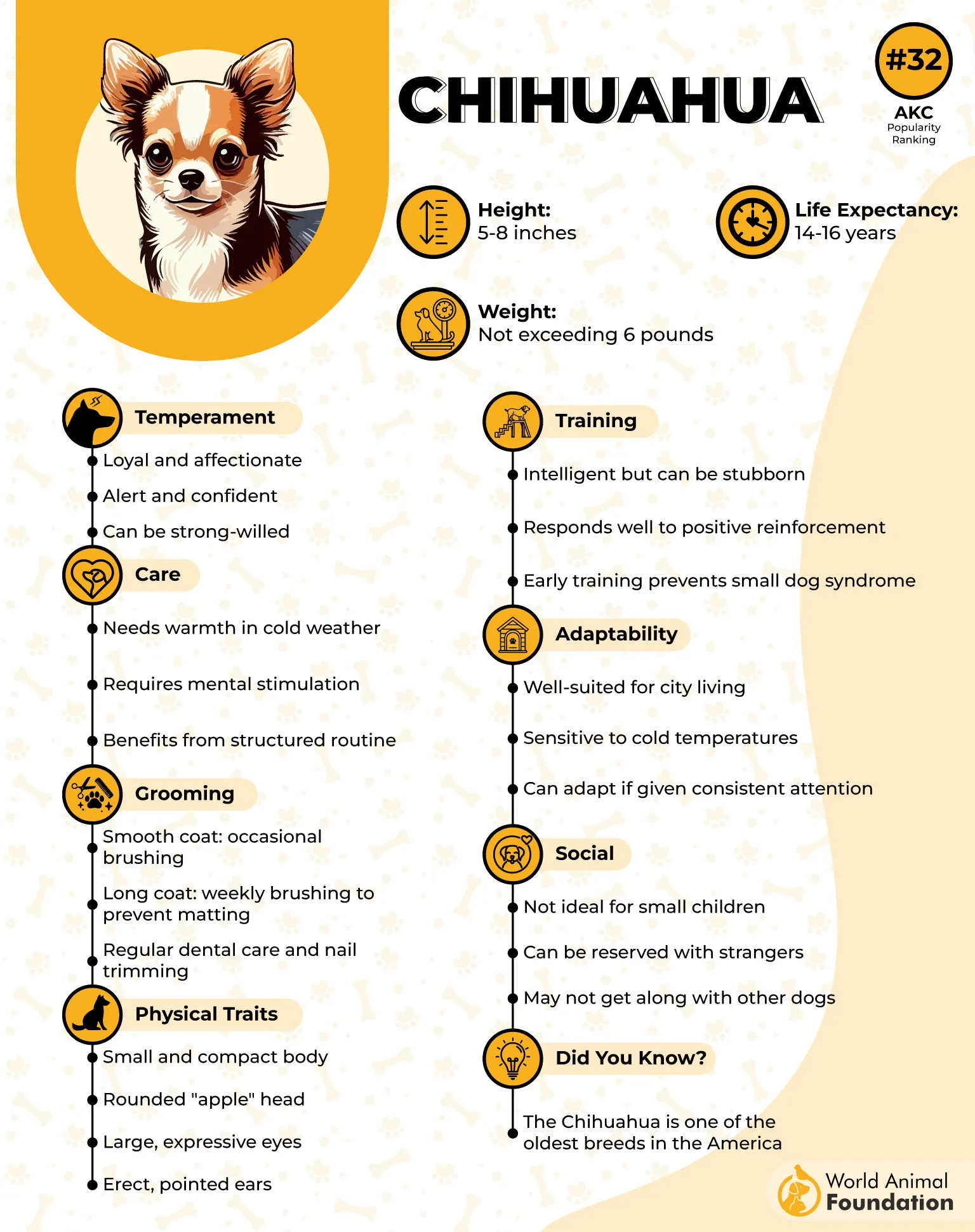
Chihuahua show deep affection to their pet owners, which leads them to form strong bonds of loyalty with their pet parents. The dogs show both alertness and boldness, which enable them to perform their duties as watchdogs. The dogs require mental stimulation through socialization, which they receive from their loving environment, yet they show caution toward unfamiliar people.
The small dog breed needs only a little space, yet its owners should provide daily exercise and mental activities. Dog owners must help their pets maintain proper weight because excess weight leads to heart disease and other health problems.
2. Beagle

Beagles are cheerful, affectionate dogs with a naturally loving personality and a strong curiosity about the world around them. As scent hounds, they possess an exceptional sense of smell and a pack-oriented nature, which makes them social, friendly, and eager to be part of family life.
Their gentle temperament makes them well-suited for family homes, especially active households that enjoy outdoor activities.
This medium-sized breed has a sturdy build, soulful eyes, and long, floppy ears that add to its charm. Beagles are generally healthy dogs and, with proper care, balanced nutrition, and regular exercise, they can enjoy long and happy lifespans. According to Purina, their sturdy build and active nature play a key role in supporting a longer, healthier dog’s life.
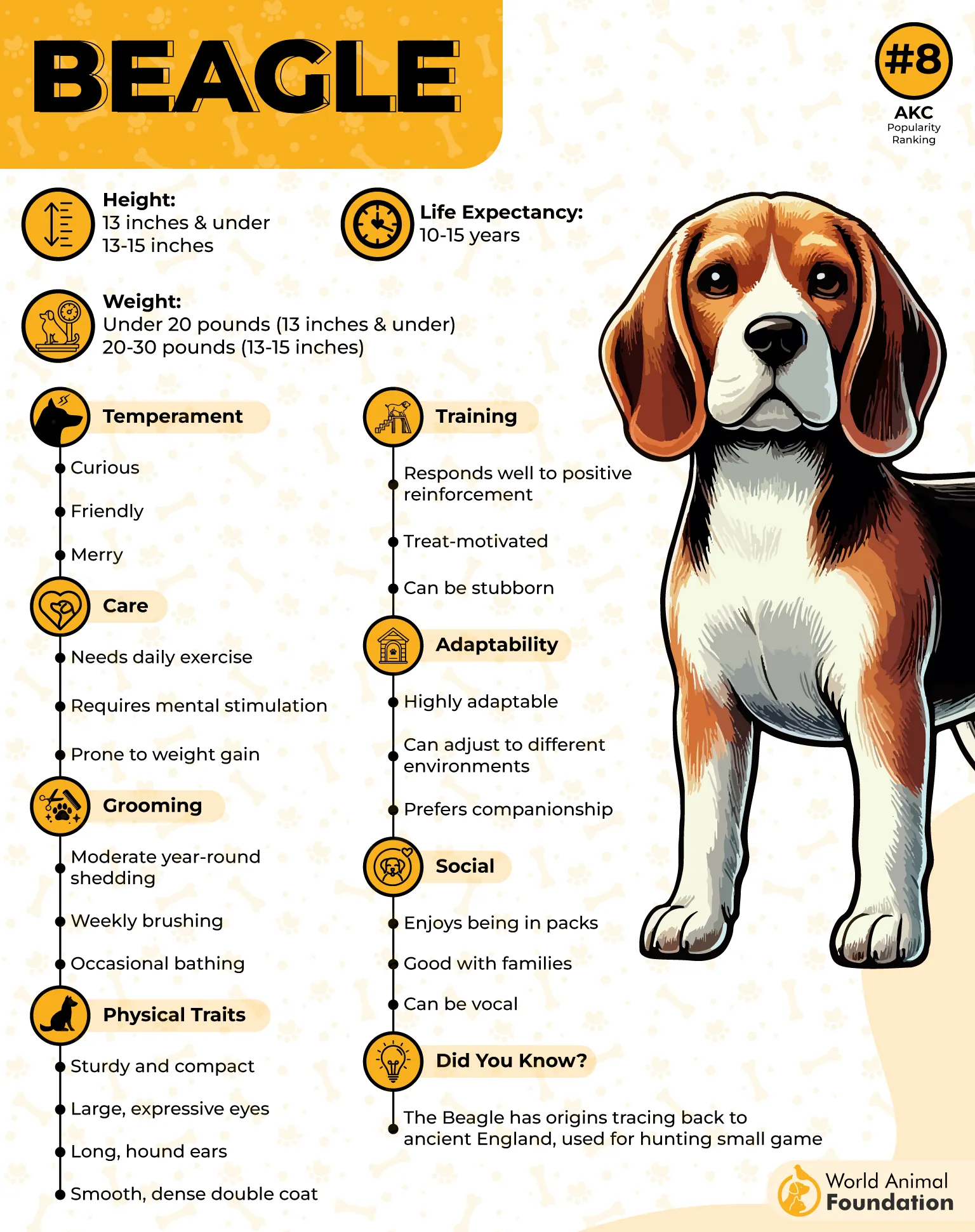
They thrive on companionship and enjoy being close to both their pack and people. When left bored, even for short periods in a kennel (not necessarily a crate), they may develop misbehavior. Loud noises, phone calls, or frequent visitors can also disrupt their focus.
Regular exercise is essential for Beagles and should never be optional. Daily walks and playtime support cardiovascular health and help prevent obesity-related issues. With a balanced diet and proper preventive care, Beagles can remain one of the longest-living dog breeds.
3. Australian Cattle Dog
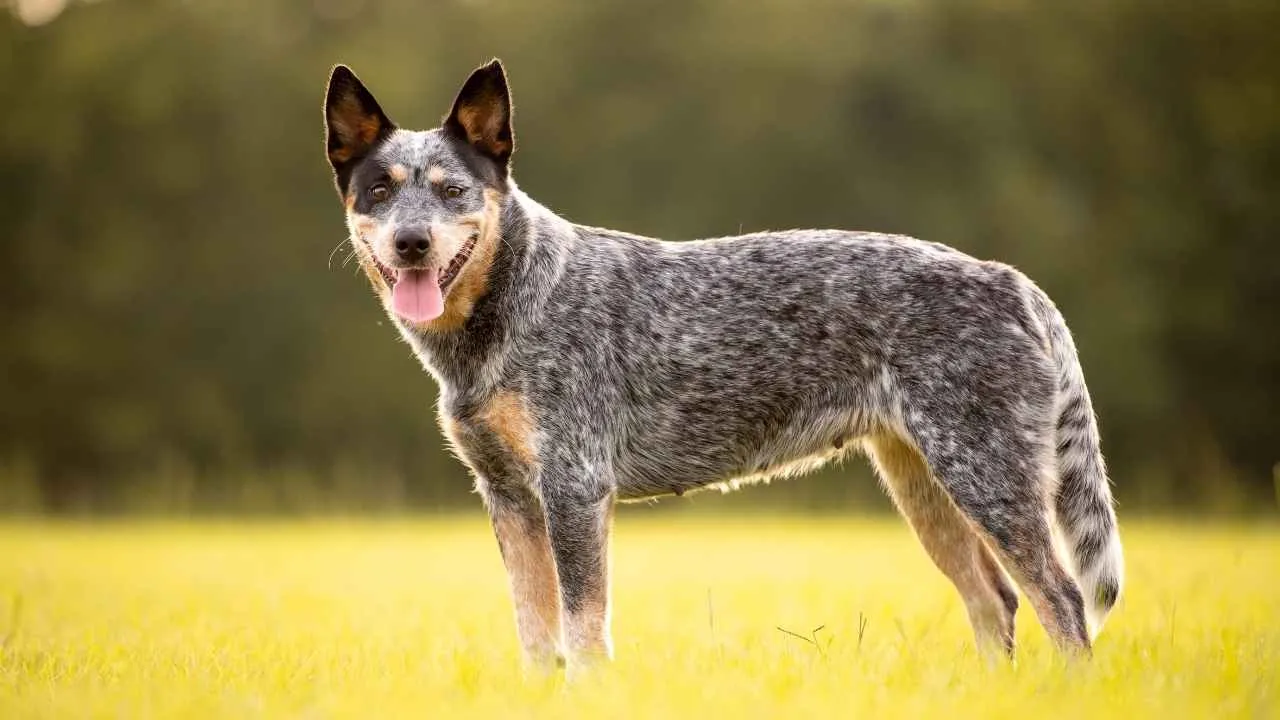
The Australian Cattle Dog represents strength, intelligence, and stillness. Bred to herd cattle across vast territories, this breed requires impressive physical stimulation and carries an inordinate capacity for resilience.
Australian Cattle Dogs tend to sit low, with their bodies angled slightly to the side, almost cow-like in posture. They do not gaze upward with playful expression, nor does confinement stop them from behaving as though they prefer to be left alone. Their excellent double coat contributes to a sturdy build and supports a long, healthy life.
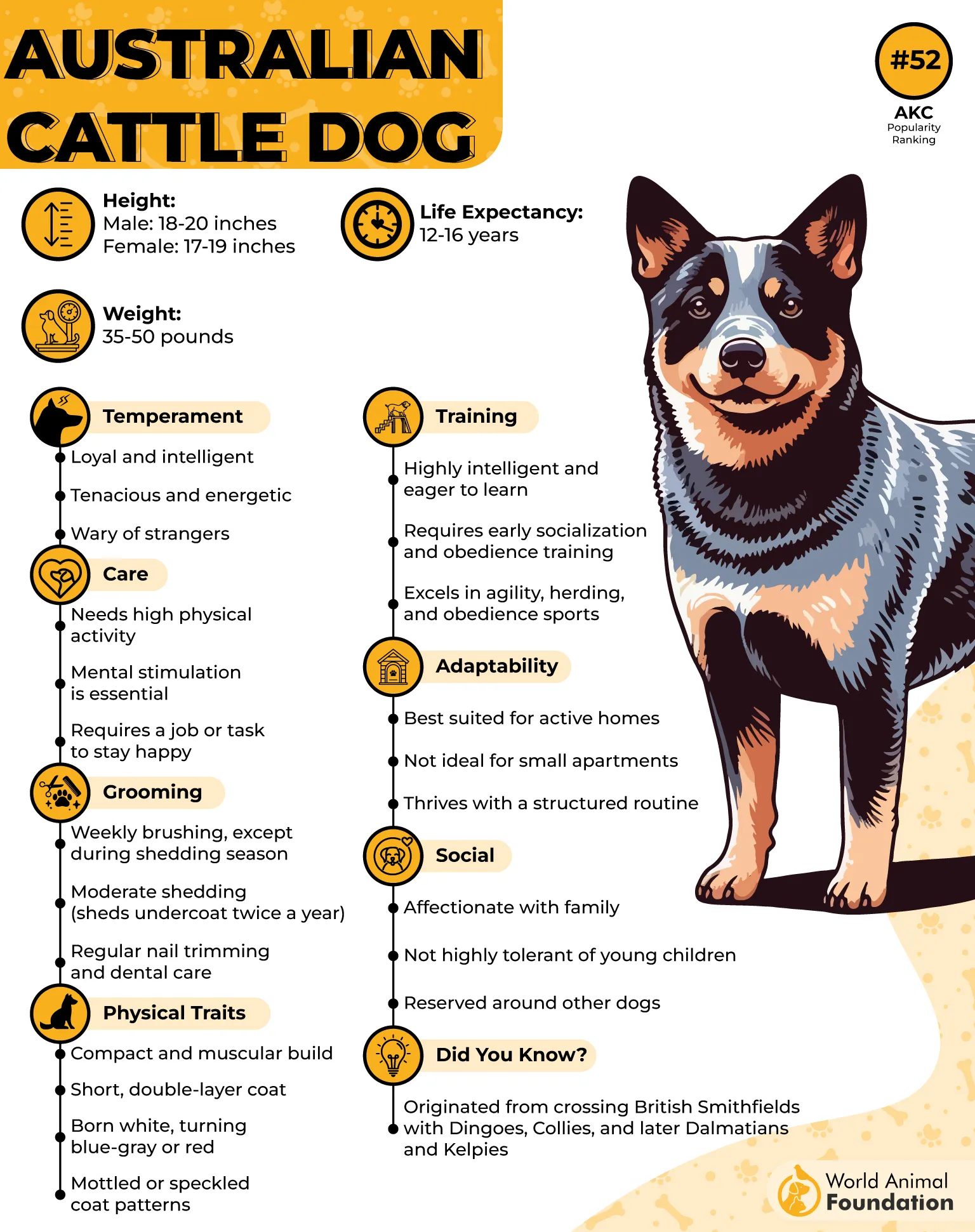
This highly human-oriented and engaging breed is exceptionally intelligent and brave. It devotes itself wholeheartedly to those it considers family while excelling at tasks that require both sharp thinking and physical toughness. Without sufficient mental and physical stimulation, boredom can lead to behavioral issues.
Australian Cattle Dogs are known for their strong resistance to disease and relatively low risk of genetic disorders, factors that contribute to their notably long lifespan.

Hill’s Pet states that the breed’s physical strength, together with its active behavior, helps dogs live longer. Australian Cattle Dogs frequently live beyond their expected lifespan, provided they receive regular grooming and exercise and follow a balanced diet.
4. Basenji
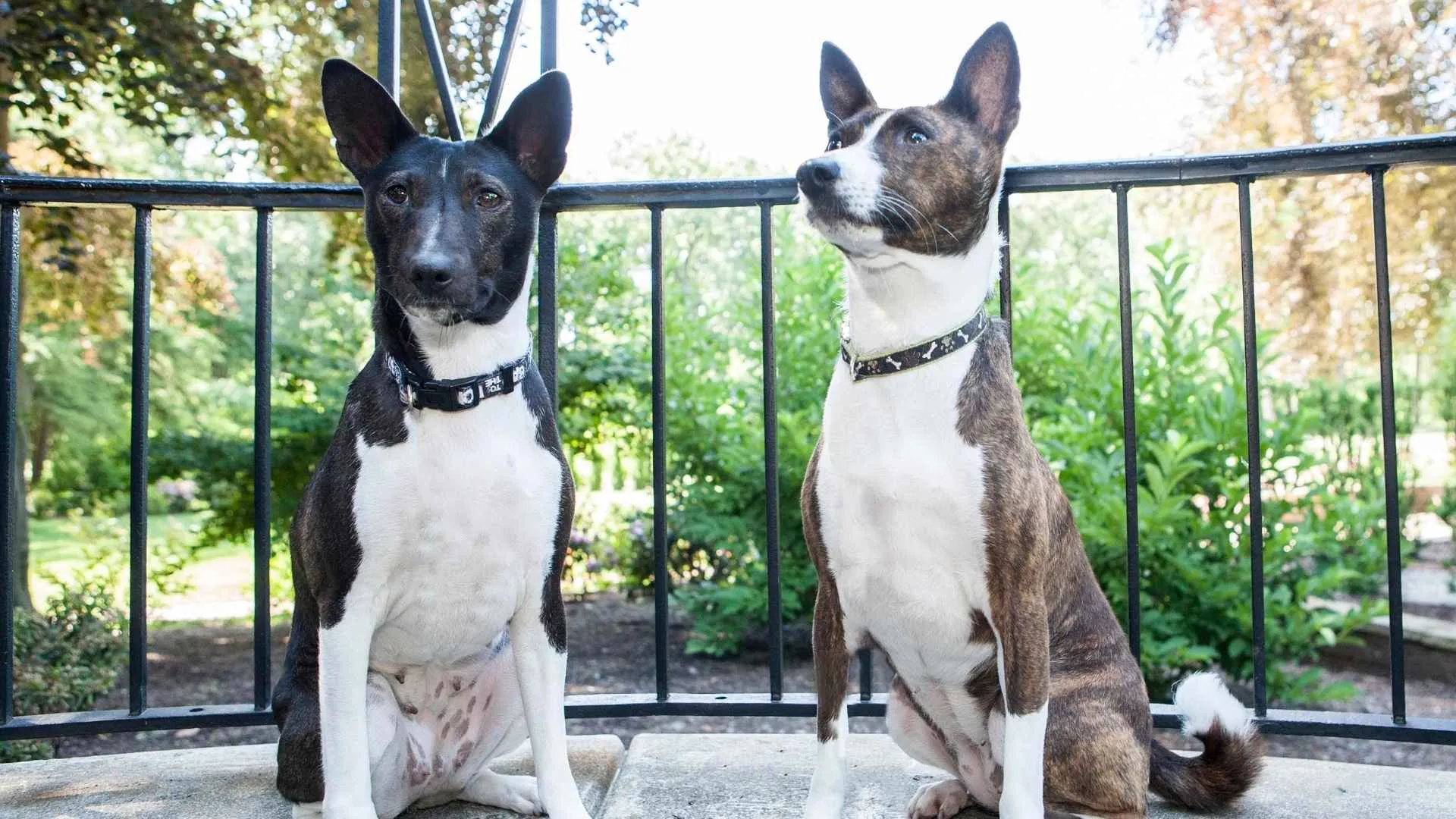
The Basenji, often called Africa’s “barkless dog,” communicates through distinctive yodel-like sounds rather than traditional barking. This graceful breed is one of the oldest known dog breeds, and its long history contributes to its notably healthy and extended lifespan.
Basenjis have a slim, athletic build with a wrinkled forehead, almond-shaped eyes, and a tightly curled tail. They require minimal grooming due to their short coat and naturally clean habits.
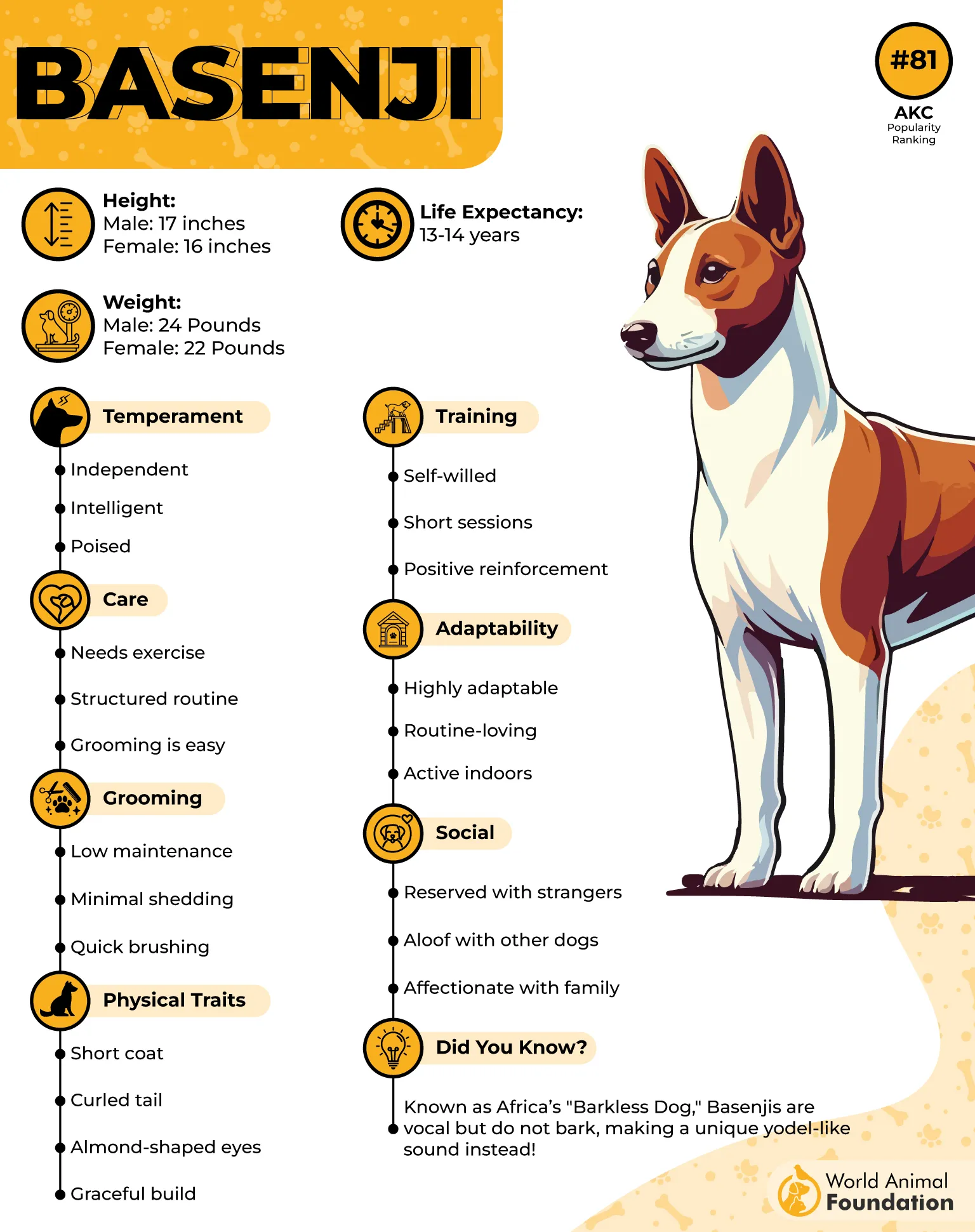
Basenjis are independent yet affectionate with their families and are often compared to cats in personality. Their keen intelligence demands consistent mental stimulation and structured training, which should begin early in life for the best results.
The American Kennel Club defines independent nature as a core characteristic of the breed, which determines their behavior patterns and lifetime health outcomes.
This breed, with its ethical breeding practices, results in reduced health issues that the dog breed passes down through generations. Dogs gain extended lifespans when their owners provide them with proper nutrition, preventive health measures, and regular veterinary evaluations, and modern dog breeds do not match this longevity.
5. Shih Tzu

Tibetan royal families originally bred Shih Tzus as companion dogs, which represented warmth, loyalty, and devotion. These small dogs were created to look like lions according to Buddhist beliefs, and they continue to be popular pet animals throughout the globe.
Shih Tzus are well known for their silky coats, flat facial structure, and expressive eyes that seem to reflect a wide range of emotions. As a small breed, their compact physical size plays a role in shaping their overall lifespan.
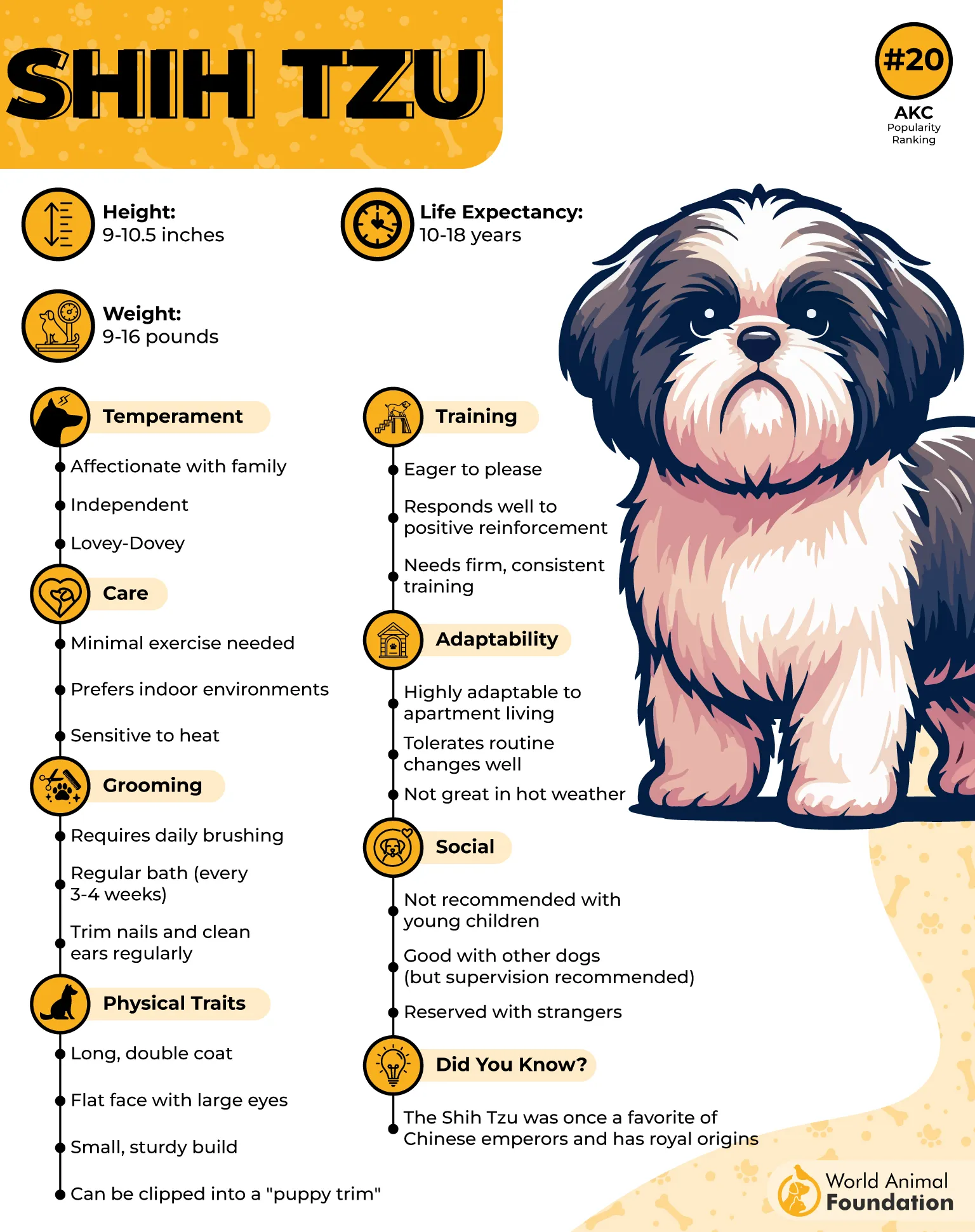
Shih Tzus display two main traits, which include showing affection and being gentle, while needing human interaction to survive. The dogs establish strong emotional connections with their pet parents, yet they experience distress when left alone for extended periods.
People need to follow proper procedures, which include regular grooming and dental cleanings, and a balanced diet, because these steps help to maintain their health. Proper maintenance allows Shih Tzus to become healthy dogs who normally live longer than bigger dog breeds.
6. Chinese Crested
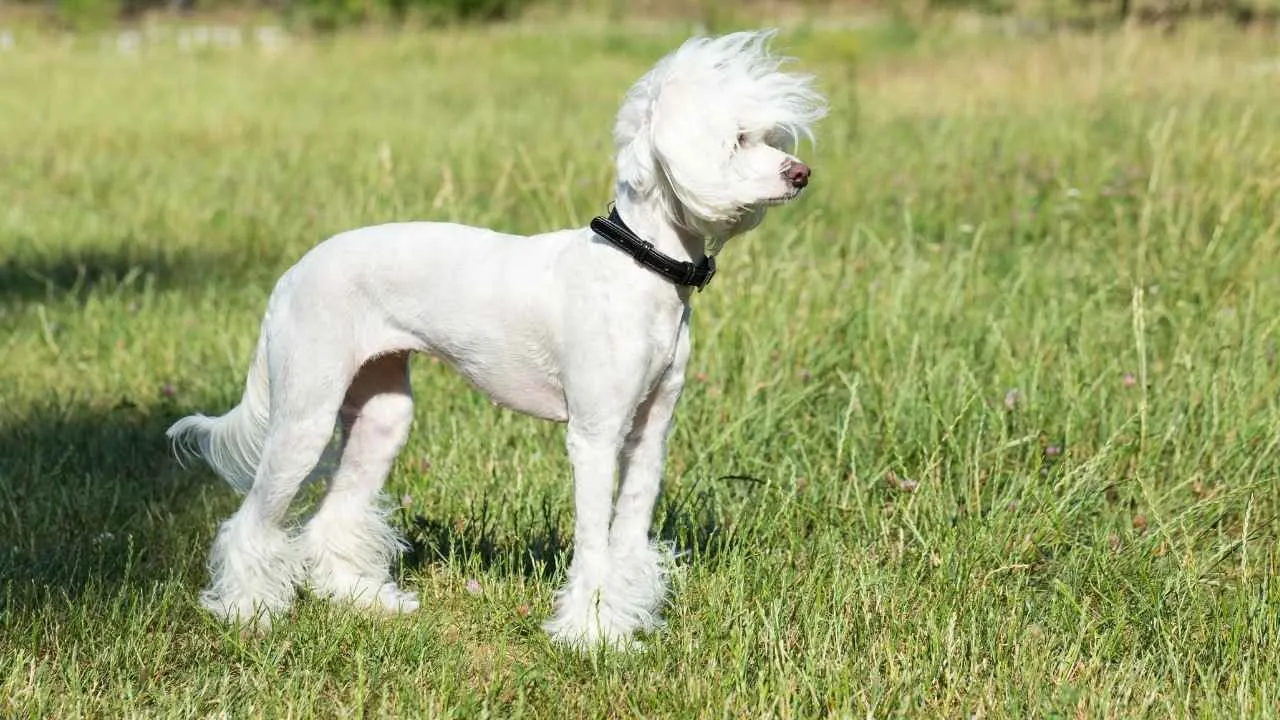
The Chinese Crested breed exists as a distinct toy breed because people appreciate its beautiful appearance and its capacity to show love. The breed originates from ancient hairless dogs, which sailors used as their international ship companions.
The two categories of the breed include Hairless and Powderpuff, which both require minimal grooming because they suit pet owners who want simple maintenance.
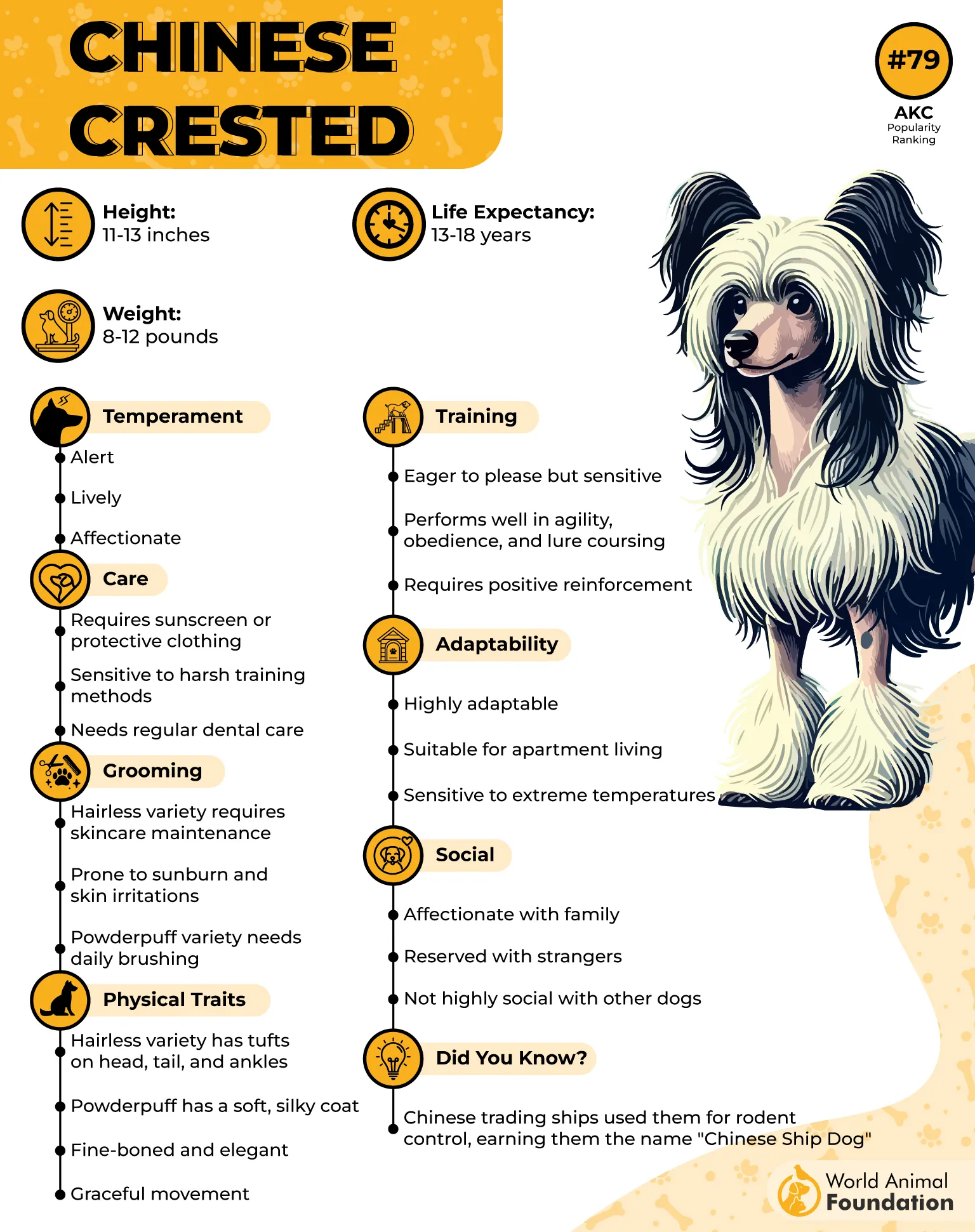
Chinese Cresteds develop strong bonds with their owners, which makes them require constant human interaction and mental exercises. The dogs need tender training methods because they respond better to positive training methods, which use rewards.
The breed achieves an extended lifespan through regular grooming practices, which include preventive health measures and correct nutritional intake. The dog maintains strong health throughout its life because it possesses a low genetic susceptibility to diseases.
7. Dachshund

Dachshunds exhibit boldness and a lovable nature because they possess an energetic character. The dogs originated in Germany as hunters, which they used to track down animals that live underground.
Their short legs, long bodies, and expressive faces make them instantly recognizable. Available in standard and miniature sizes, Dachshunds are widely admired for their impressive longevity. According to Petplan, their small size and sturdy build contribute significantly to a longer and healthier canine lifespan.
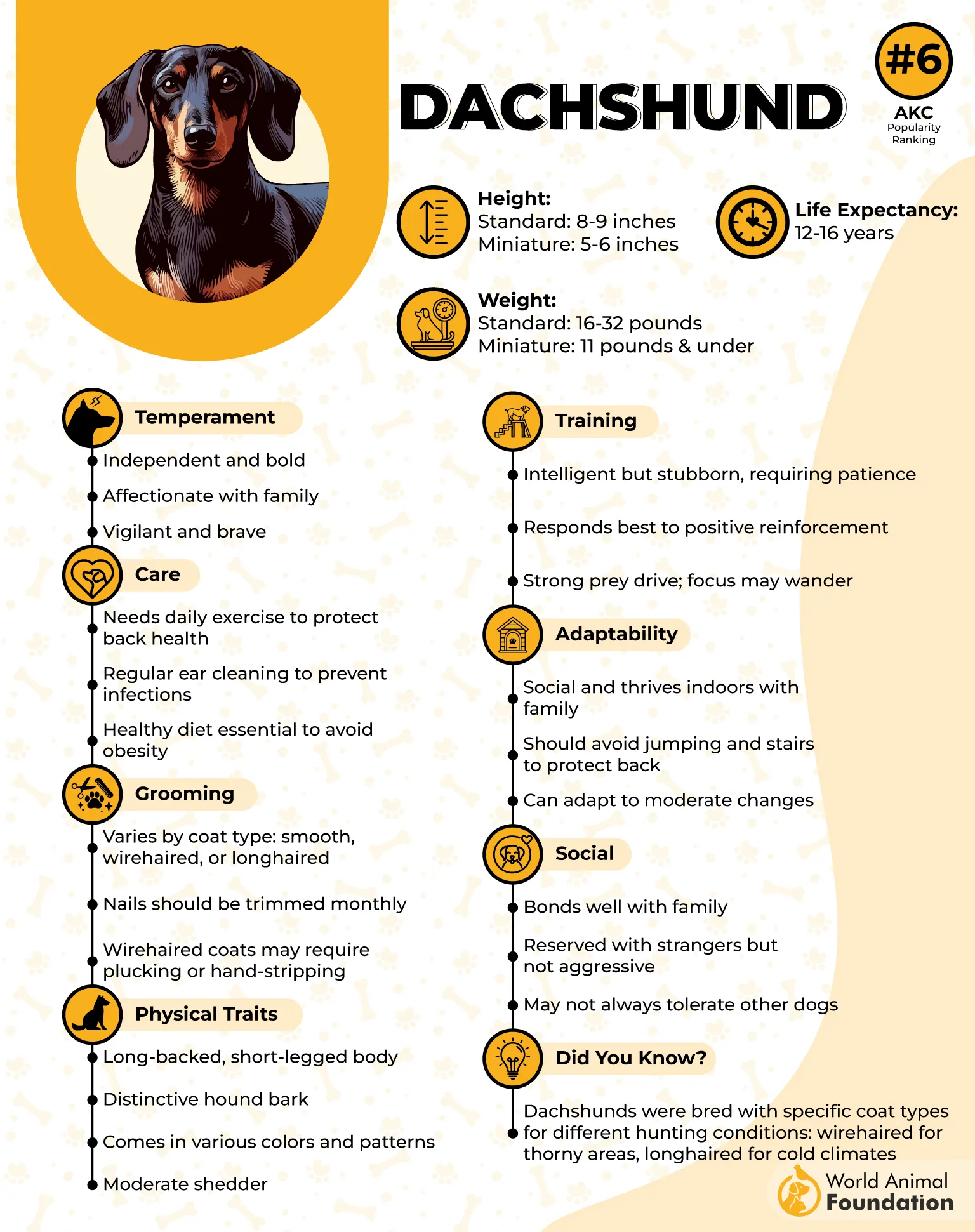
Dachshunds show traits that make them both loving and watchful home defenders. The dogs need careful treatment because their extended spine needs their body weight to be monitored through structured activities.
A dog requires essential elements, such as regular physical activity and proper nutrition, to live out its full lifespan. With responsible pet ownership, Dachshunds can often enjoy lives that extend beyond their average life expectancy.
Conclusion
Dog ownership requires you to make an extended commitment, which affects your daily activities, emotional experiences, and established schedules. The top dog breeds that achieve exceptional life spans demonstrate how a dog’s size, genetic makeup, and responsible ownership practices determine its lifespan.
Certain dog breeds have genetic characteristics that enable them to achieve longer lifespans, while mixed-breed dogs can also live healthy lives for extended periods. Dog owners can help with a dog’s longevity and their pets can experience a joyful life by taking them to their regular vet check-ups, giving them a balanced diet and mental stimulation, proper social skills, and preventive health measures.
The extended life span of a dog brings about shared experiences and stronger relationships, and infinite moments of pure love, which present the genuine gift of everlasting friendship.
