




Big paws. Soft eyes. Zero drama. These gentle giants might steal hearts fast.
Some giant dog breeds look serious at first glance. Then they turn out to be total marshmallows at home. That is the magic. Many people think big dogs are hard, wild, or scary.
Sounds crazy, right?. But a giant dog can be calm, loving, and deeply tuned in to family life. Some of the best dog breeds for a warm home are the quiet “hidden” ones that do not get enough hype.
And here’s the best part! A steady, gentle nature often comes with brains, patience, and a strong bond with human companions.
This blog will share 7 giant dog breeds with incredible temperament, plus the real-life stuff that matters, like space, training, grooming, and daily habits that help them thrive.
Secret Giant Dog Breeds with Incredible Temperament
1. Mastiff
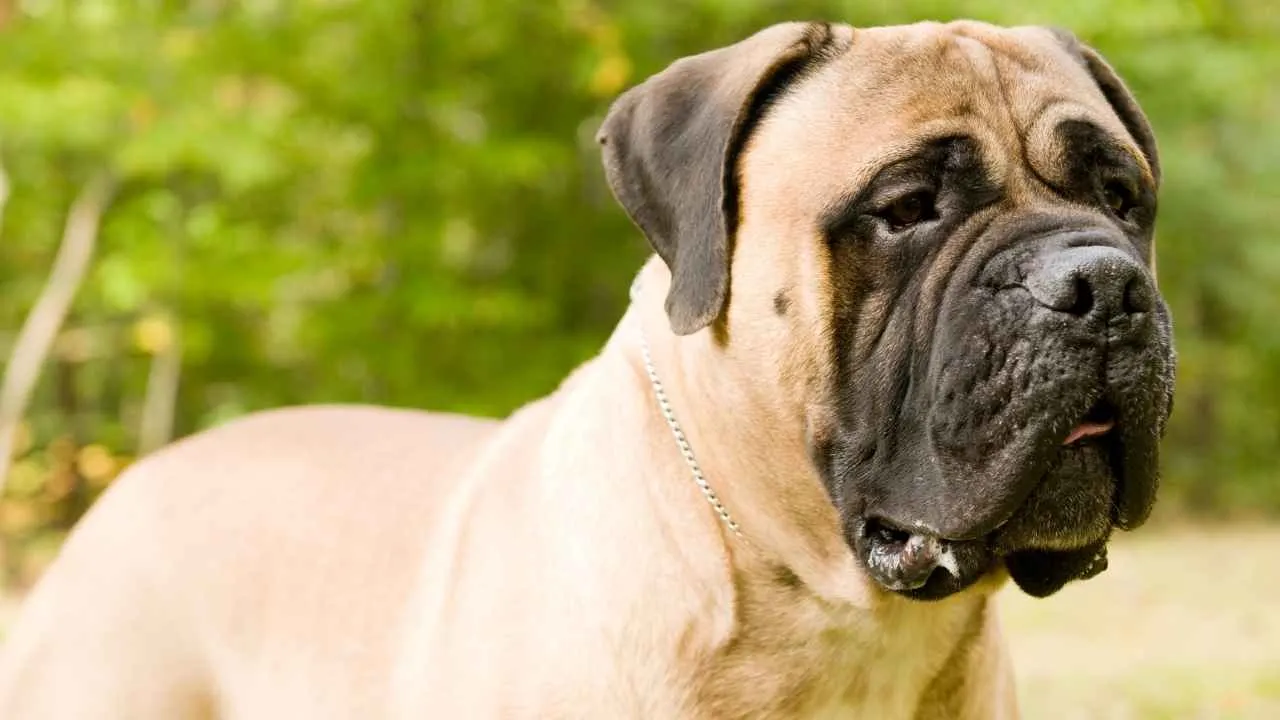
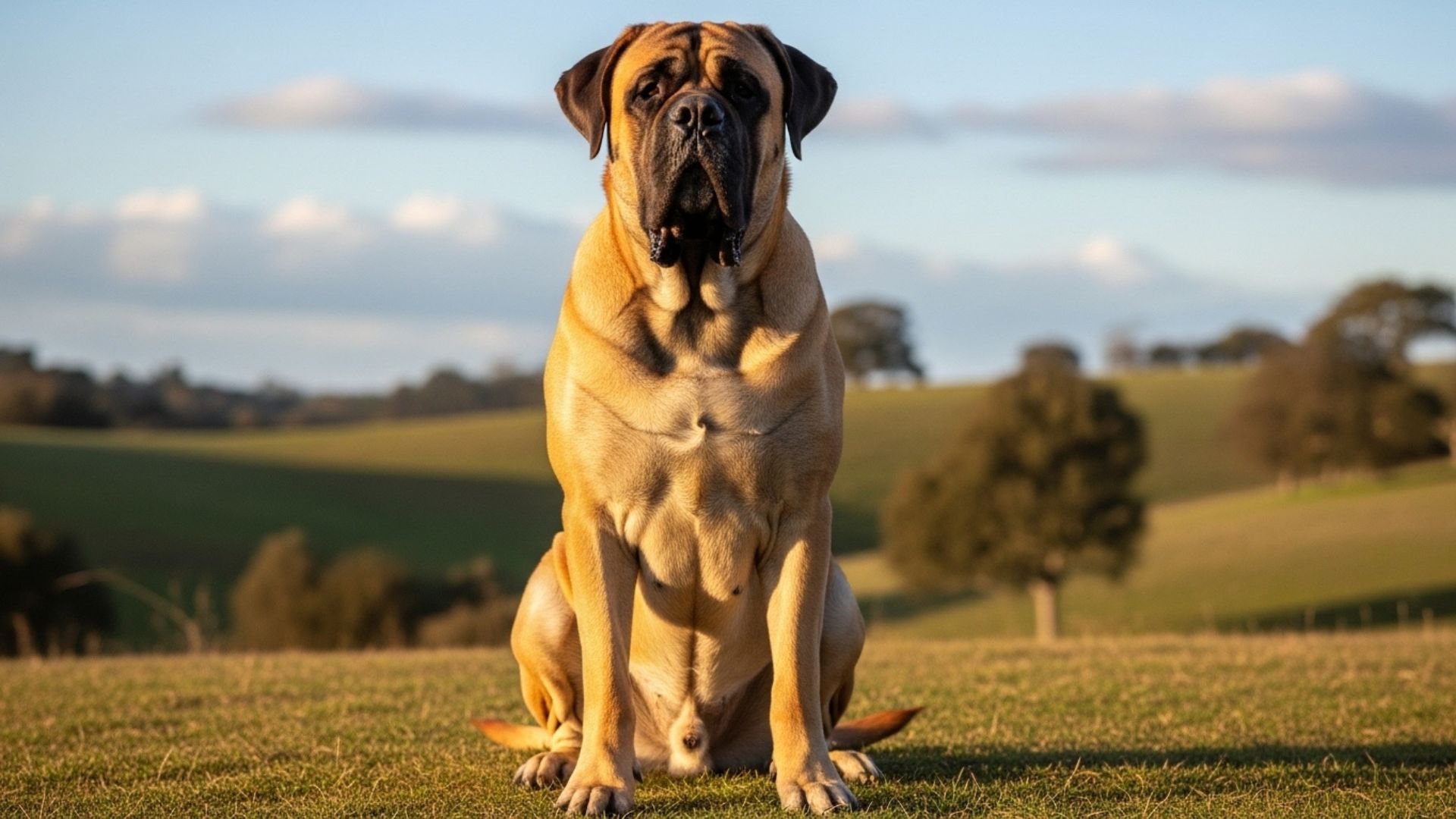
The Mastiff has a long, dramatic past and a surprisingly sweet present. This breed was originally bred in Britain for guarding, hunting, and even war work in medieval times. That history left a bold body and strong protective instincts.
But today’s English Mastiff is known for a calm demeanor at home, not chaos. This is the kind of giant dog that can look like a tank, then lean in for a slow, gentle hello.
With family, the Mastiff is affectionate and steady. Many are incredibly loyal once they feel safe. Around children, the vibe is often patient and gentle, but size changes everything. A happy tail can clear a coffee table.
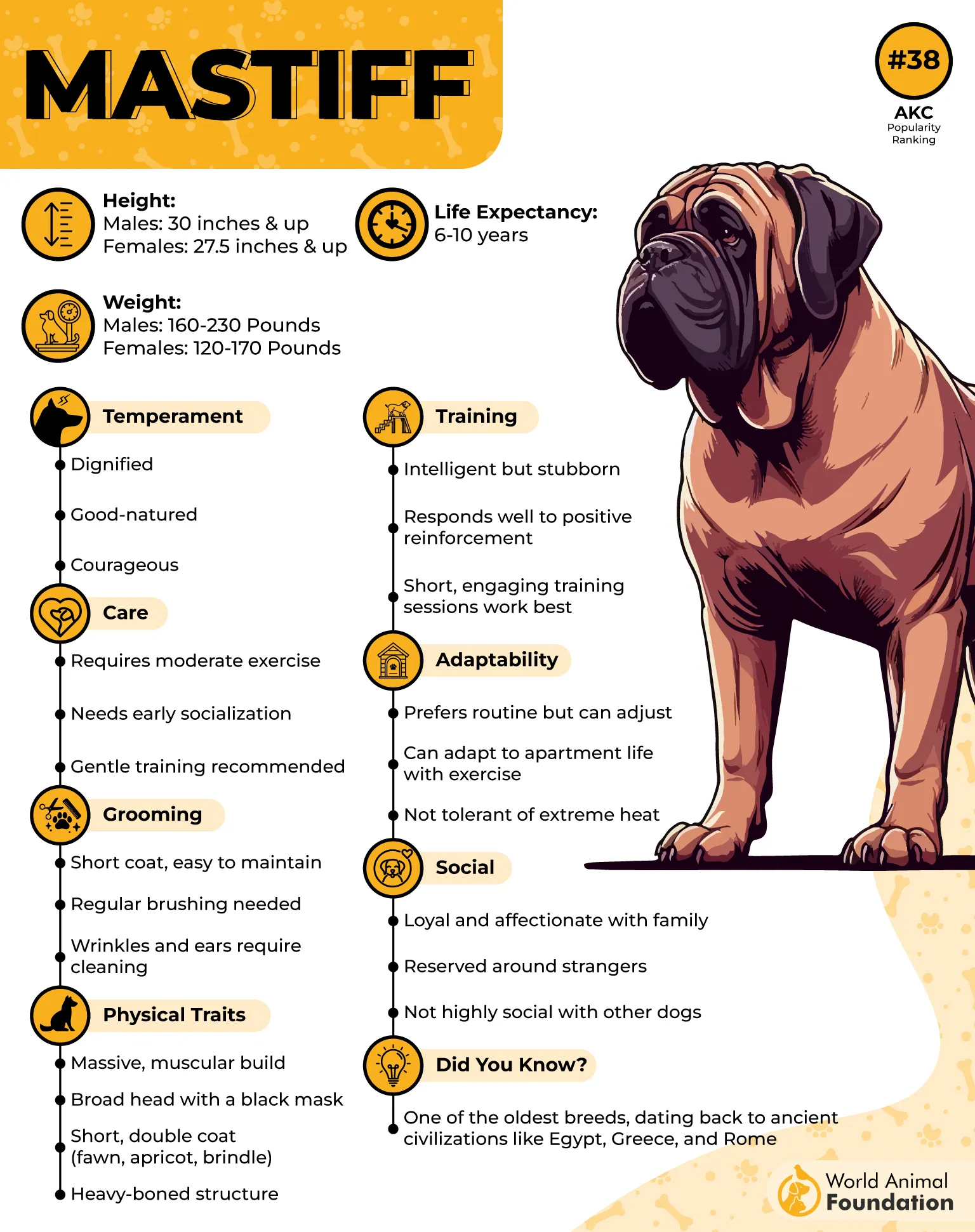
So calm routines matter. Short, simple rules help. So does early social time, so strangers do not feel like a threat. Here’s the good part. When the mastiff trusts the home, the whole place feels protected without constant barking.
But why bother with training if they seem calm already? Because this is one of the most powerful dog breeds on the planet. A small pull can turn into a big problem. A clear plan, kind handling, and steady boundaries keep this giant breed easy to live with.
Social visits, quiet walks, and basic manners build a safe adult dog. A mastiff that learns “wait” and “leave it” is a dream. A mastiff that never learns is a stress bomb.
What Should Families Know About Them?
Gentle, affectionate nature with loved ones
Protective instincts show up as quiet watchfulness
Needs early social time to stay relaxed around strangers
Space at home helps big bodies move safely
2. Greater Swiss Mountain Dog
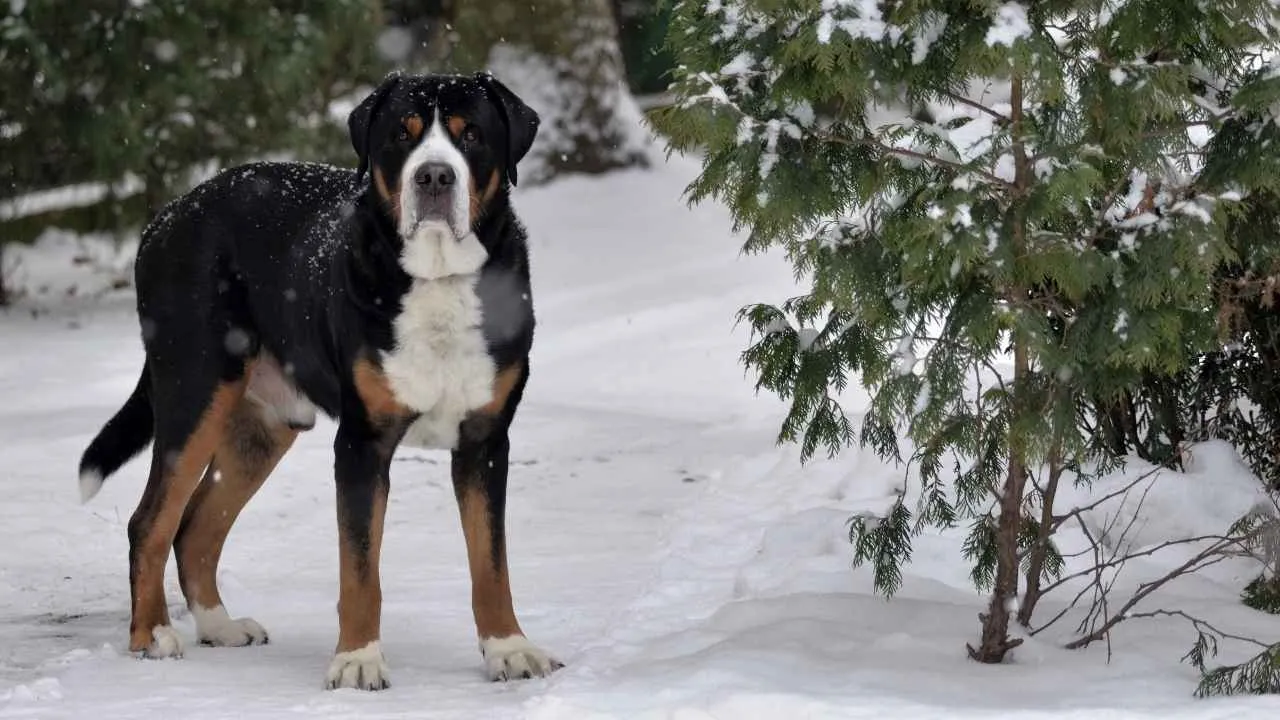
The Greater Swiss Mountain Dog is a mountain dog with a big chest and an even bigger grin, according to CKC. This working dog comes from strong roots. Ancestors were linked to Roman Molossian dogs, later shaped in the Swiss Alps for farm life.
They guarded property, helped move goods, and stayed close to the people they loved. The result is a powerful build with a friendly personality that can feel both playful and sure of itself.
In family life, Swissies often act like wonderful companions who want to be included. Many are gentle giants with a sweet, easy vibe indoors, then a confident “on duty” mode outdoors. That mix is part of the charm.
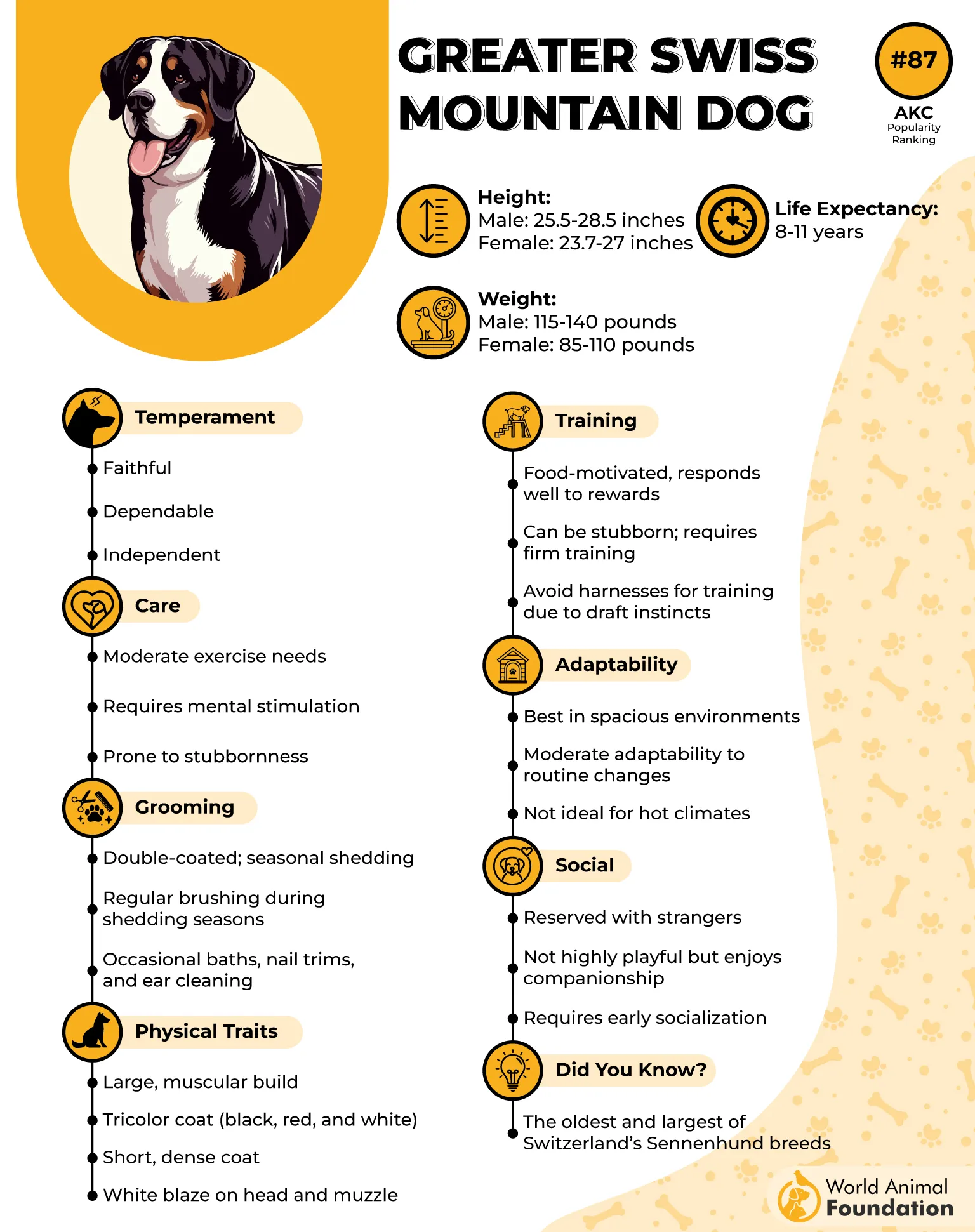
They can be calm in the house, then light up when there is a job. Carting, carrying a pack, or learning tasks gives their brain something to chew on. And yes, they can be stubborn. Not in a mean way. More like, “convince me.” A soft voice and clear rewards usually work better than force.
Swissies also have protective instincts and can be territorial. That can be a gift if handled well. They often make solid guard dogs just by being alert and huge. They are not known for pointless aggression, but they do notice everything.
This is where early manners and calm temperaments really matter. Short sessions, patience, and structure build a dog that is confident without being pushy. When the day is balanced, they bond deeply with family and become wonderful family companions.
What Should Families Know About Them?
A drafting dog that loves purpose and routine
Often gentle with children, but size needs supervision
A double coat needs steady brushing in shedding seasons
Protective without being wild when socialized early
3. Giant Schnauzer
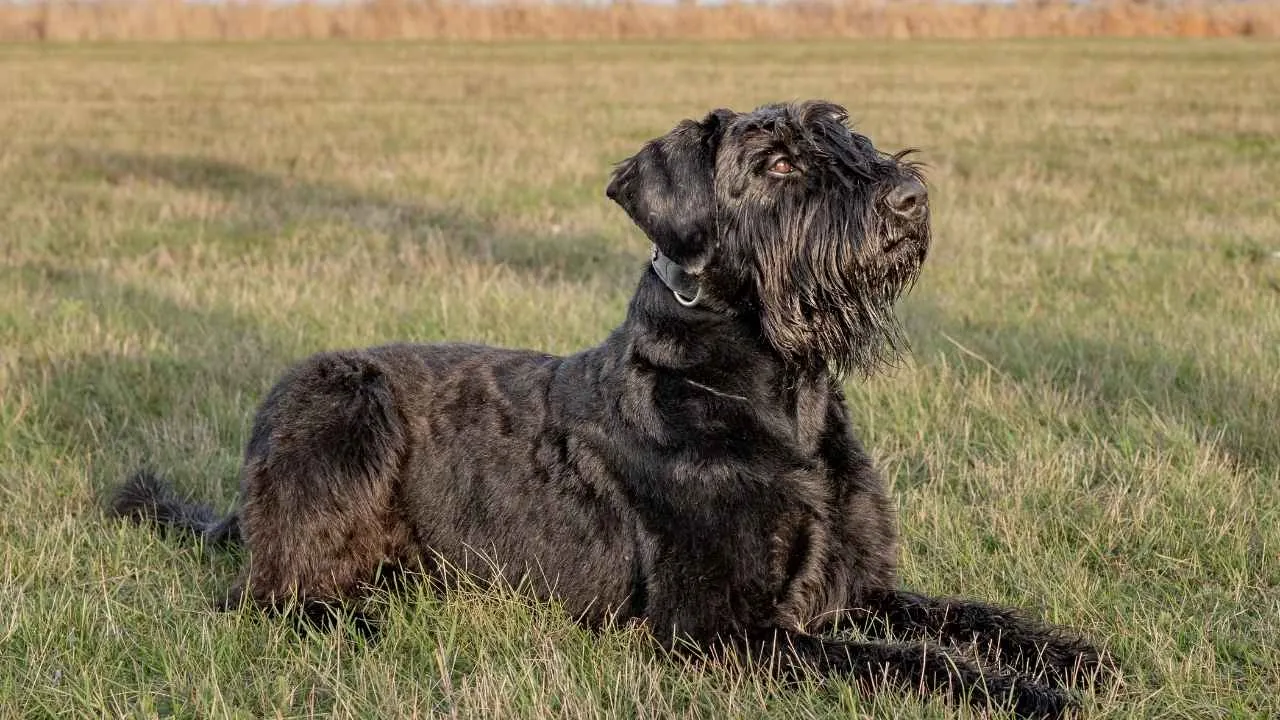
The Giant Schnauzer has a sharp look and a soft heart. This is a giant dog with a bold beard, bright eyes, and a brain that never stops. Many people miss this breed because they assume it is “too intense.”
But with the right home, the temperament can be steady, affectionate, and deeply connected. This is one of those giant dog breeds that loves being close, not left out.
This breed tends to be loyal and focused on its people. A Giant Schnauzer often wants a job, even if that “job” is walking with you and checking the yard. They can be incredibly affectionate with their inner circle and may follow from room to room like a shadow.
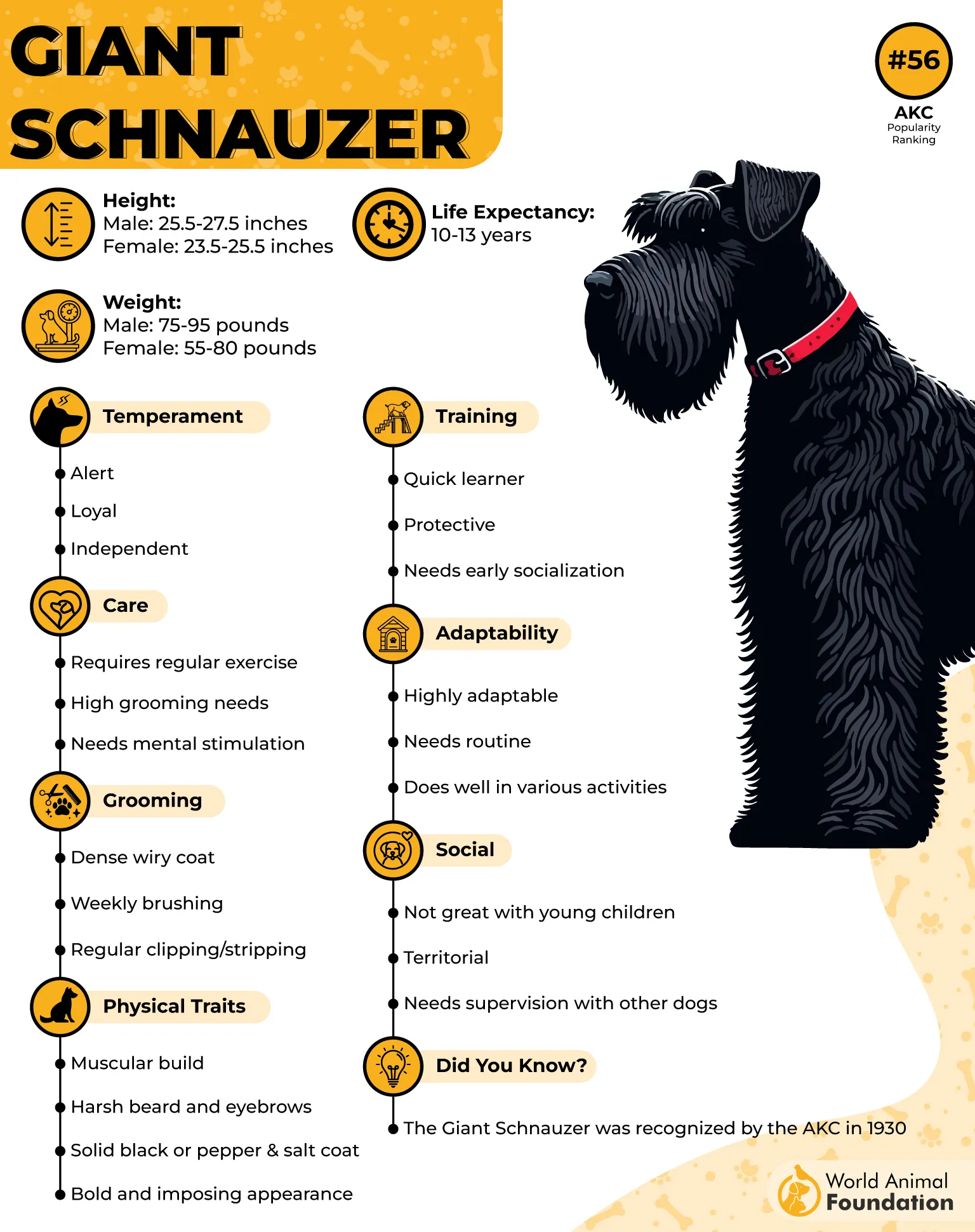
But wait, there’s more! They also tend to be smart enough to invent their own fun if bored. It gets even worse, though, if the home has no plan for daily activities. Without structure, they may bark, chew, or act pushy. With structure, they shine.
Training should feel like teamwork, not a wrestling match. Clear rules, calm energy, and steady practice help a lot. They do well with a routine that includes play, learning, and movement. If the home already has other pets, careful early introductions help set a good tone.
This is not a “plop anywhere” dog. This is a “tell me what we are doing next” dog. When needs are met, they become ideal companions with a confident, even-tempered feel.
What Should Families Know About Them?
Loyal dogs that enjoy close contact and routine
Protective nature shows up as alertness, not panic
Best with daily goals and a steady active lifestyle
Needs thoughtful grooming for that signature coat
4. Newfoundland
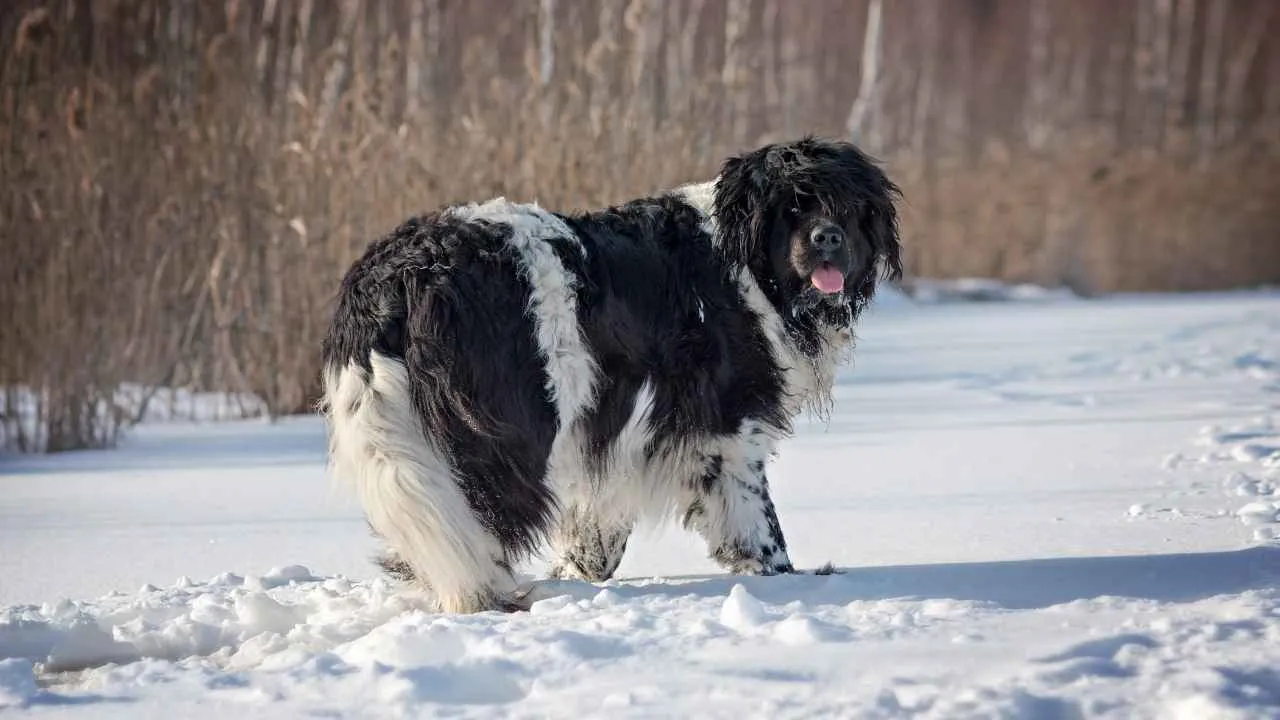
The Newfoundland is basically a walking hug in a thick coat. This giant dog is famous for its gentle spirit and a deep love for people, PetMD notes. Many homes adore this breed because the temperament often feels warm, patient, and safe.
Newfies are gentle giants with a soft way of moving around children, like they know they are huge and choose care on purpose.
Newfoundlands were originally bred to work hard. They hauled loads, helped with fishing tasks, and handled rough conditions. That strength is real. But the best part is how it blends with a calm demeanor indoors.
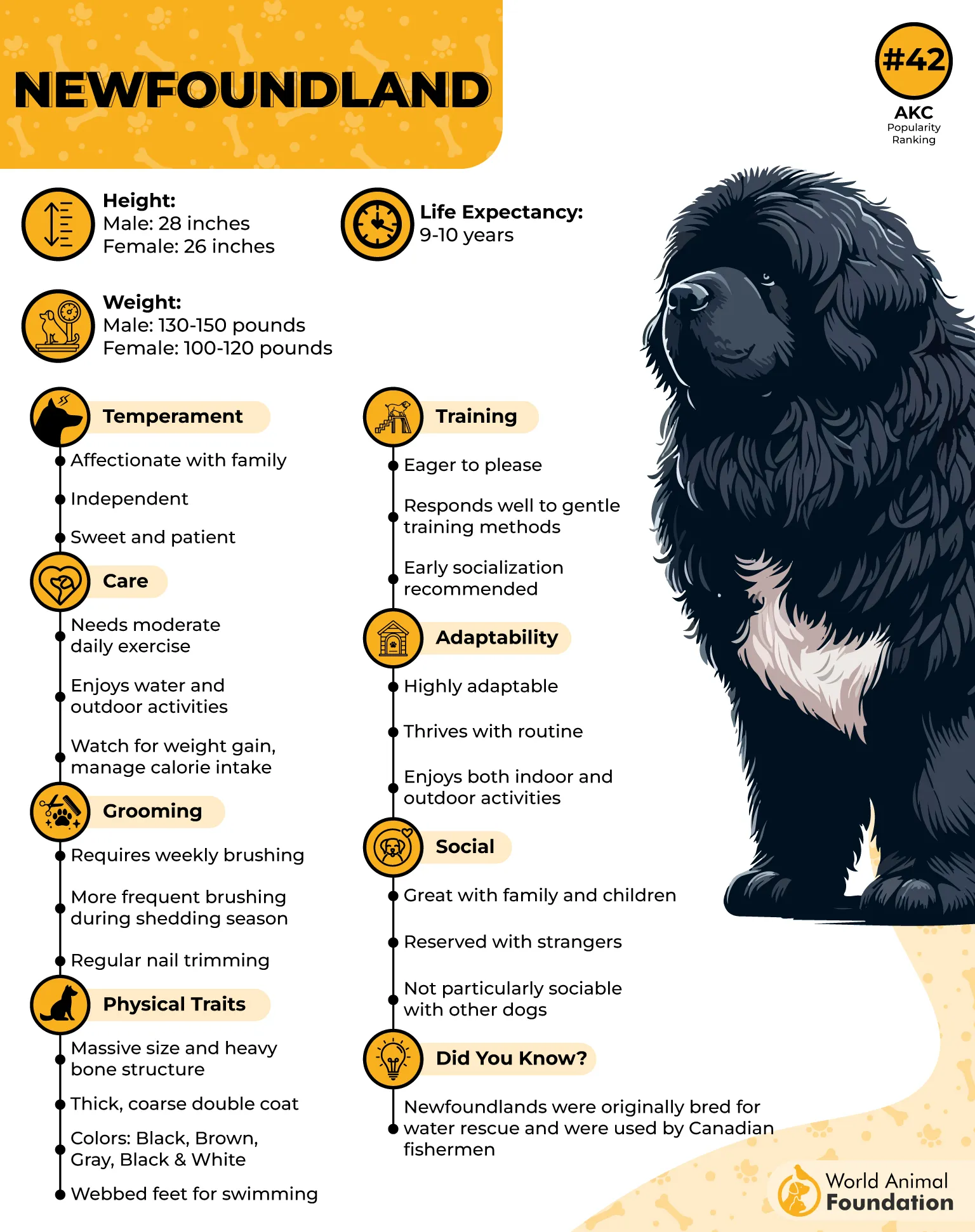
They often act like big dogs who want to be near the family, not running the show. They can also be great pets around other pets when raised with good manners. Many are incredibly loyal and seem to read emotions fast, which makes them wonderful companions during stressful weeks.
Now for the practical side. Their coats are heavy and can trap dirt and water. Some even have waterproof coats, which is cool, but it also means brushing matters. Drool can also be part of life, so towels become best friends.
Exercise is needed, but the style is usually steady, not frantic. A good walk, gentle play, and safe cool-down time often fit well. With training and calm handling, this breed can feel like a small horse that decided love is the main job.
What Should Families Know About Them?
Often calm, affectionate, and careful around kids
Strong build that can handle heavy tasks if needed
Coat care is a must, plus some drool patience
Protective just by presence, without acting tough
5. Bernese Mountain Dog
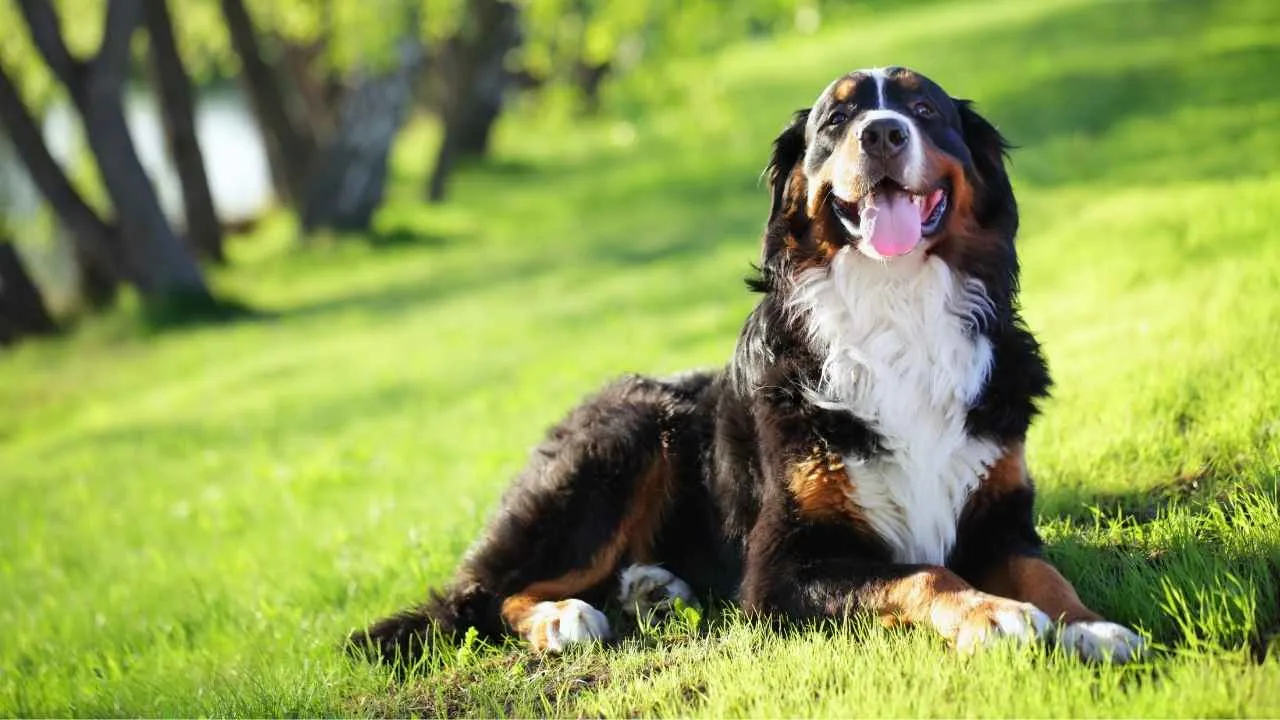
The Bernese Mountain Dog is a mountain dog that looks like a postcard and acts like a best friend. This is one of those giant dog breeds that can deter trouble just by being seen, yet stay sweet inside the home.
Many families love the gentle nature and the way this breed leans into connection. They are social, loyal, and often very tuned in to the mood of the room.
This breed tends to do well with children and can be friendly with pets when raised with steady guidance. They often want to be part of everything. If the family laughs in the kitchen, they want in. If the family relaxes on the couch, they want in too. Sounds simple, but it matters.
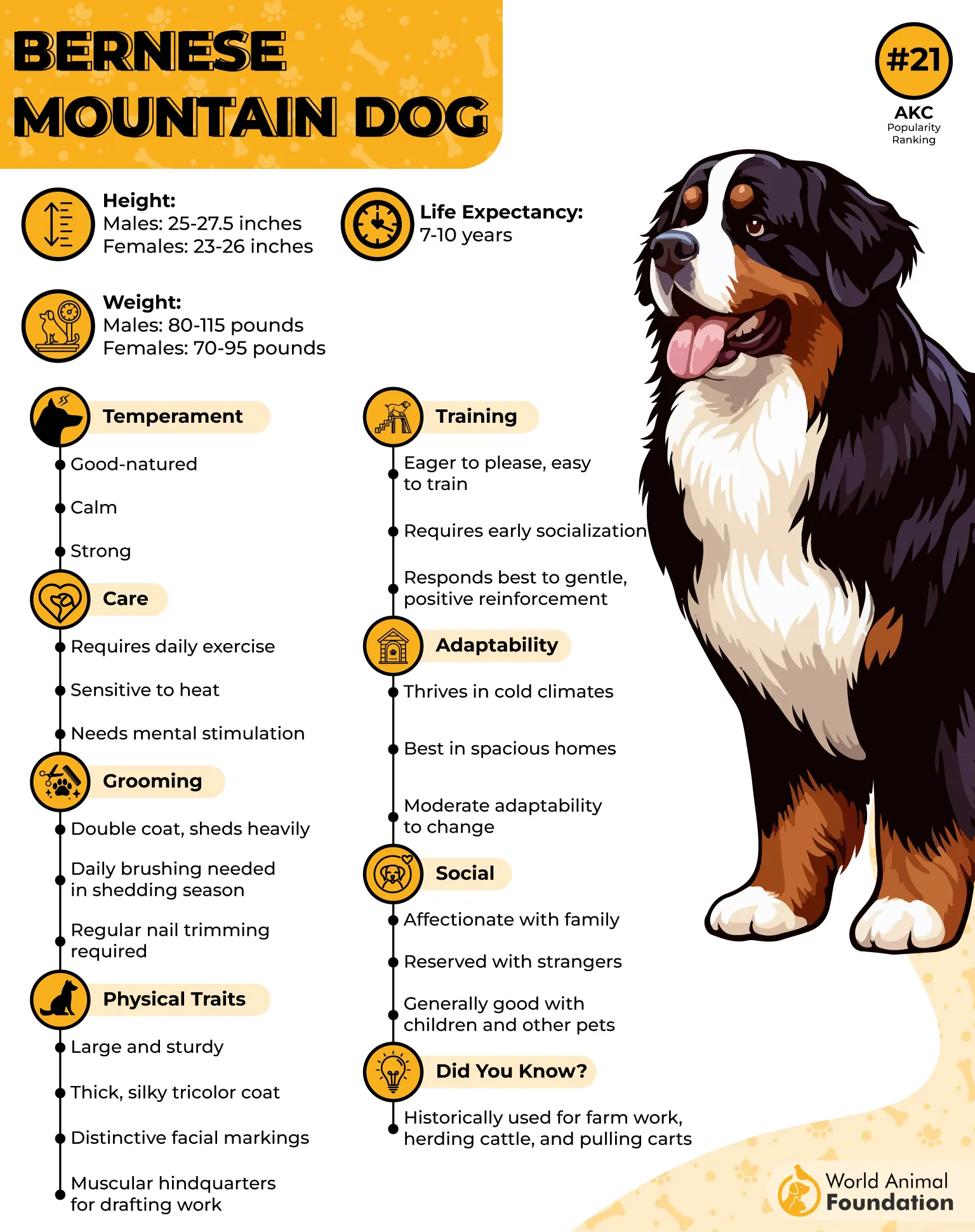
Bernese dogs can struggle if they feel left out for long stretches. They are the type that does best with spending time together as a normal part of daily life.
They also need upkeep. Regular grooming helps keep the coat healthy, and regular movement keeps the body happy. This is a large breed with a heart that likes routine and closeness. Before bringing one home, it helps to understand the line of the puppy and the care needs that come with it.
Here’s the good part. When their needs are met, they are often gentle, affectionate, and protective in a calm way, not a chaotic way. They can feel like family companions from day one.
What Should Families Know About Them?
Friendly personality with people and steady home routines
Protective instincts show as presence and alert barking
Needs grooming and gentle daily activity
Best with a home that values together time
6. Great Pyrenees
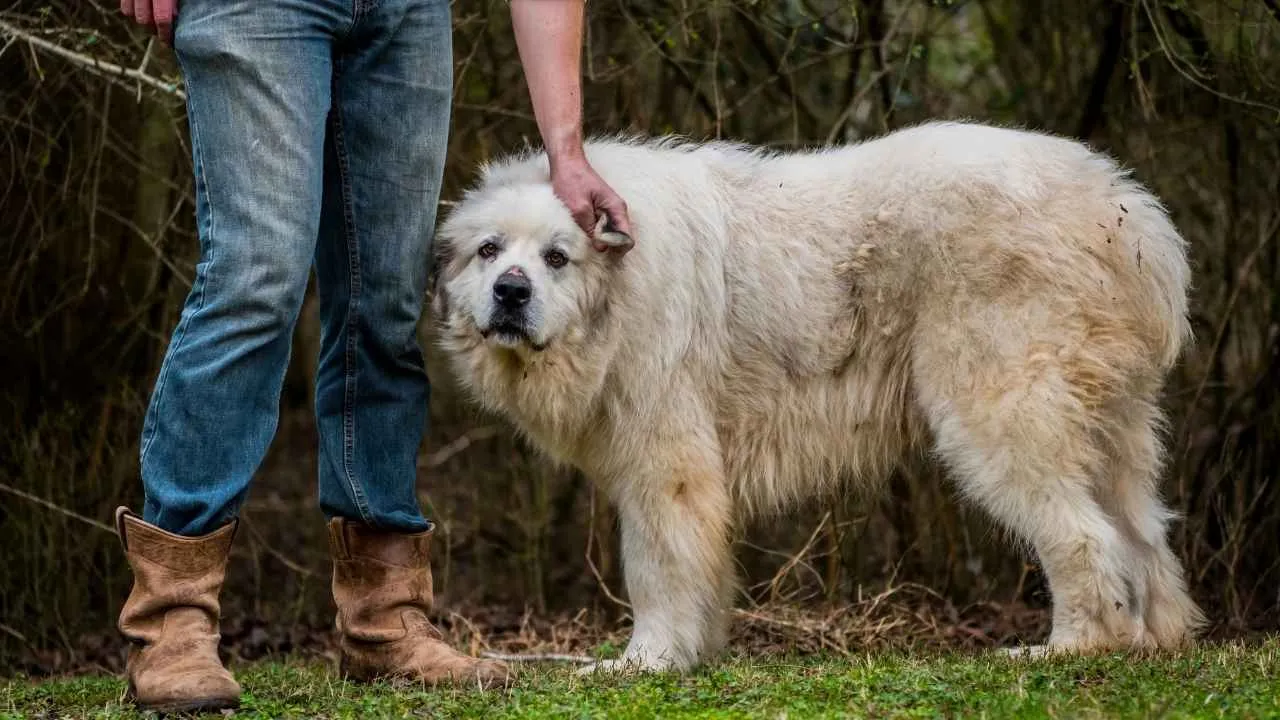
The Great Pyrenees is the quiet guardian type. This is a giant dog with calm temperaments, wise eyes, and a serious sense of duty. The Great Pyrenees was developed to protect flocks from wolves and other predators, so the instinct to watch and guard is deep.
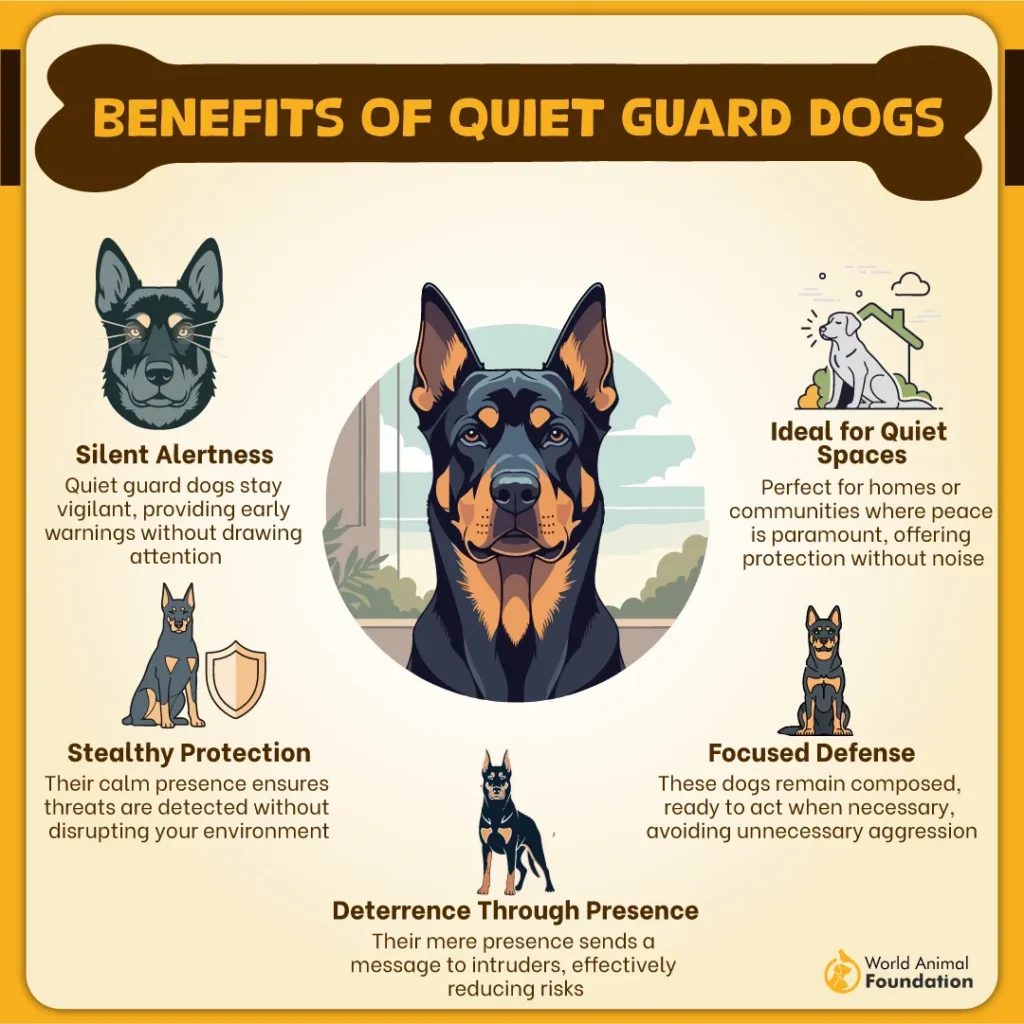
Today, that same instinct often turns into steady protection of family and home. Great Pyrenees have a calm demeanor, but they can act fast if something feels wrong.
This breed is known for being intelligent, kind, and protective. They are large dog thinkers, not noisy show-offs. Many prefer to patrol slowly, then settle near the people they love. Their coat is thick and built for rough weather.
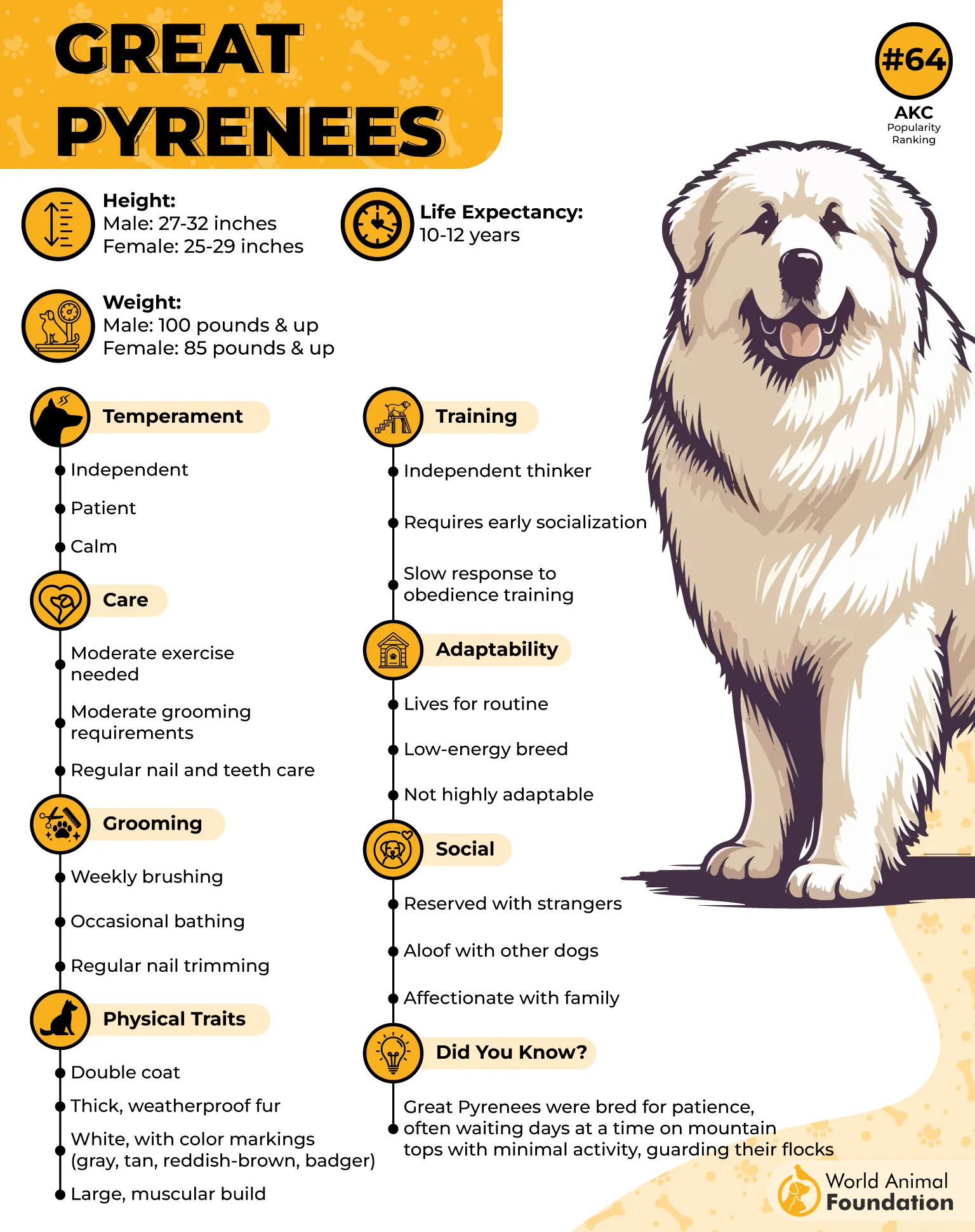
They often do best in cooler conditions, and hot days can be tough. Some will dig a shallow spot in the earth to cool off. It looks silly, but it works. Great Pyrenees can also be more active at night, which can lead to barking if they live outdoors. That is normal guardian behavior, not “bad attitude.”
Training needs patience. This breed was built to make choices alone, so strict pressure can backfire. Gentle direction and early social time help them become generally gentle around visitors and daily life. Obedience training can be helpful, but it should be calm and consistent.
Health care matters too. Like many large breeds, they can be prone to joint issues and bloat. Heartworm prevention and routine vet checks are key. A caring home that respects their protective instincts often gets a loyal, calm partner. And yes, great pyrenees can be incredibly affectionate once trust is earned.
What Should Families Know About Them?
Great Pyrenees often guard quietly, then react if needed
A thick coat needs weekly care, more during heavy shedding
Protective and loyal, but likes choice and space
Moderate exercise plus brain work helps them thrive
7. Great Dane
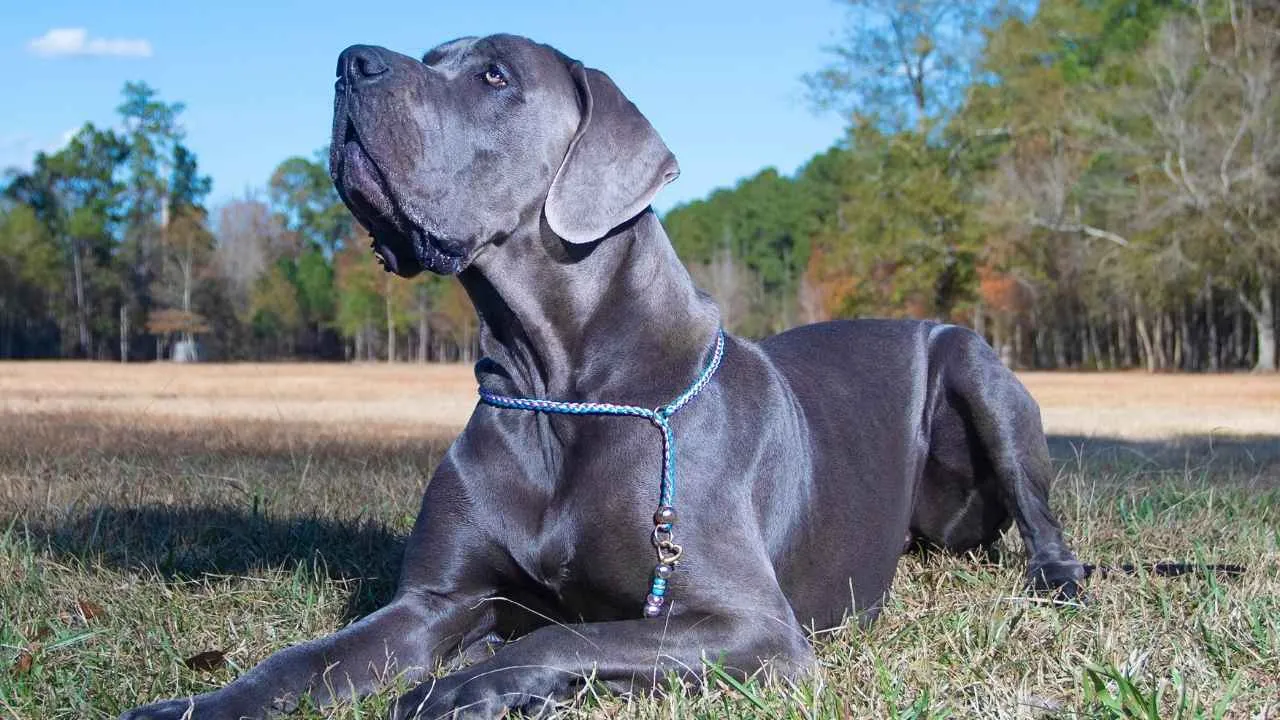
Great Danes are often called gentle giants for a reason. This is one of the tallest dog breeds, with long legs and a look that can stop strangers in their tracks, as per Omlet. Great Danes can seem intense, but many are sweet, calm, and shockingly goofy at home.
The vibe is often “huge body, soft heart.” They may not act like fierce guard dogs, but their size alone can discourage trouble.
In family life, they often lean into closeness. Many are affectionate and love relaxing near their people. They can be loyal dogs that enjoy a simple routine. A slow morning, a walk, then a long nap sounds perfect. Here’s the good part.
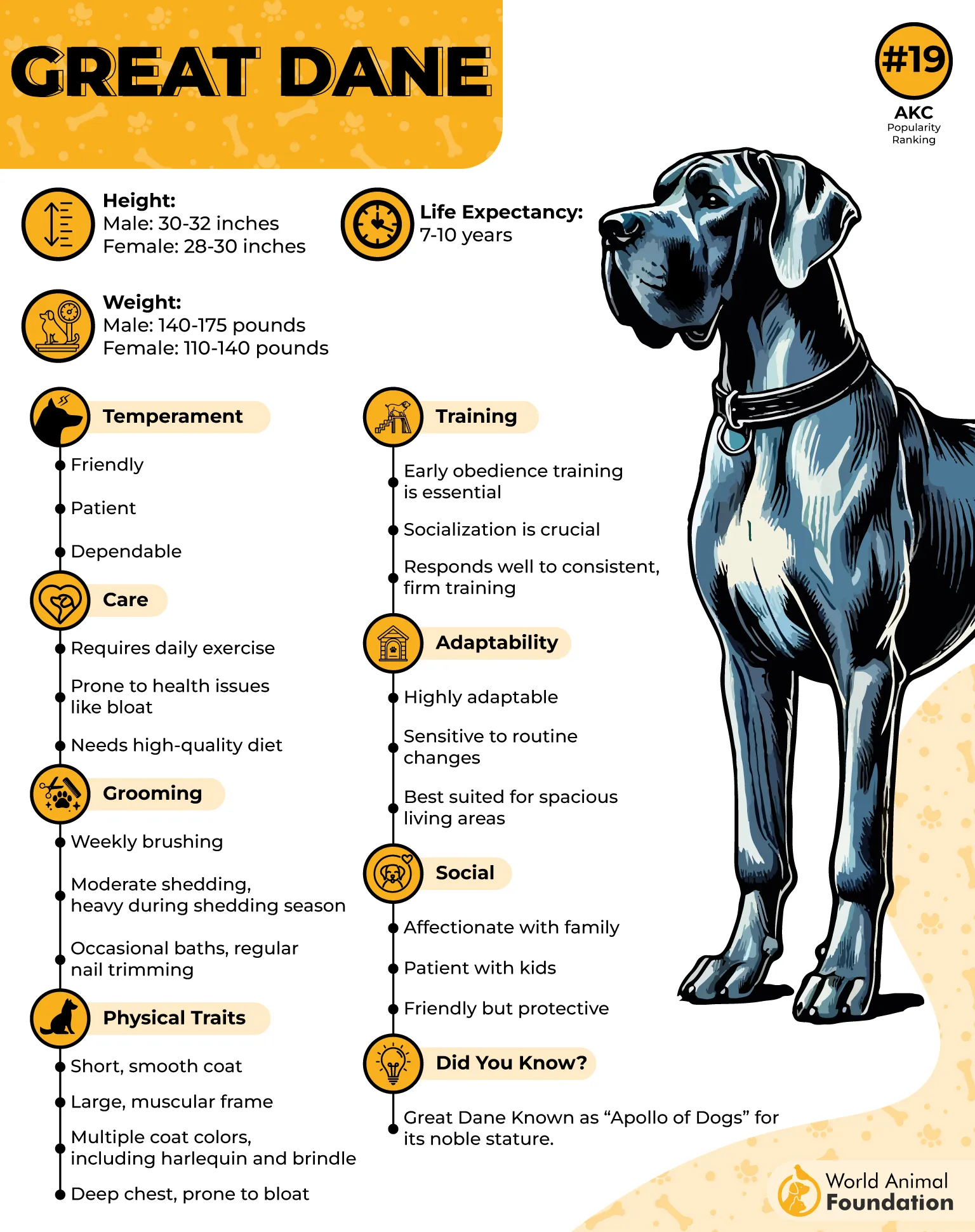
Their calm demeanor often makes them easier than people expect, as long as the basics are handled early. Leash manners matter. Door manners matter. A Dane that pulls can be a lot, even for strong adults.
There are real care points to know. Great Danes are a giant dog, and giant breeds can have shorter lifespans than smaller dogs. They can also be prone to bloat, and some lines face heart disease, so smart feeding routines and vet guidance matter.
More space helps, not because they need to run all day, but because big bodies need safe paths through the home. With thoughtful care, they can be great pets and ideal companions who bring calm, sweet energy into daily life.
What Should Families Know About Them?
Gentle, calm, and often incredibly affectionate at home
Protective by size, not by constant aggression
Needs safe routines for feeding and movement
Good manners early make life smoother for everyone
Conclusion
Secret giant dog breeds are not “secret” because they are rare. They are “secret” because people forget how gentle big dogs can be.
Each breed here has its own calm temperament, sweet bond style, and protective side that can fit real family life.
The key is simple. Give them space, kind structure, and steady care. That includes social time, fair rules, and routines that match their size.
If the home can offer that, these gentle giants often become wonderful companions with big hearts and even bigger hearts for their people.
So take the next step. Pick the temperament that fits the household, meet responsible breeders or rescues, and build a life that feels safe, warm, and full of wagging joy.
