




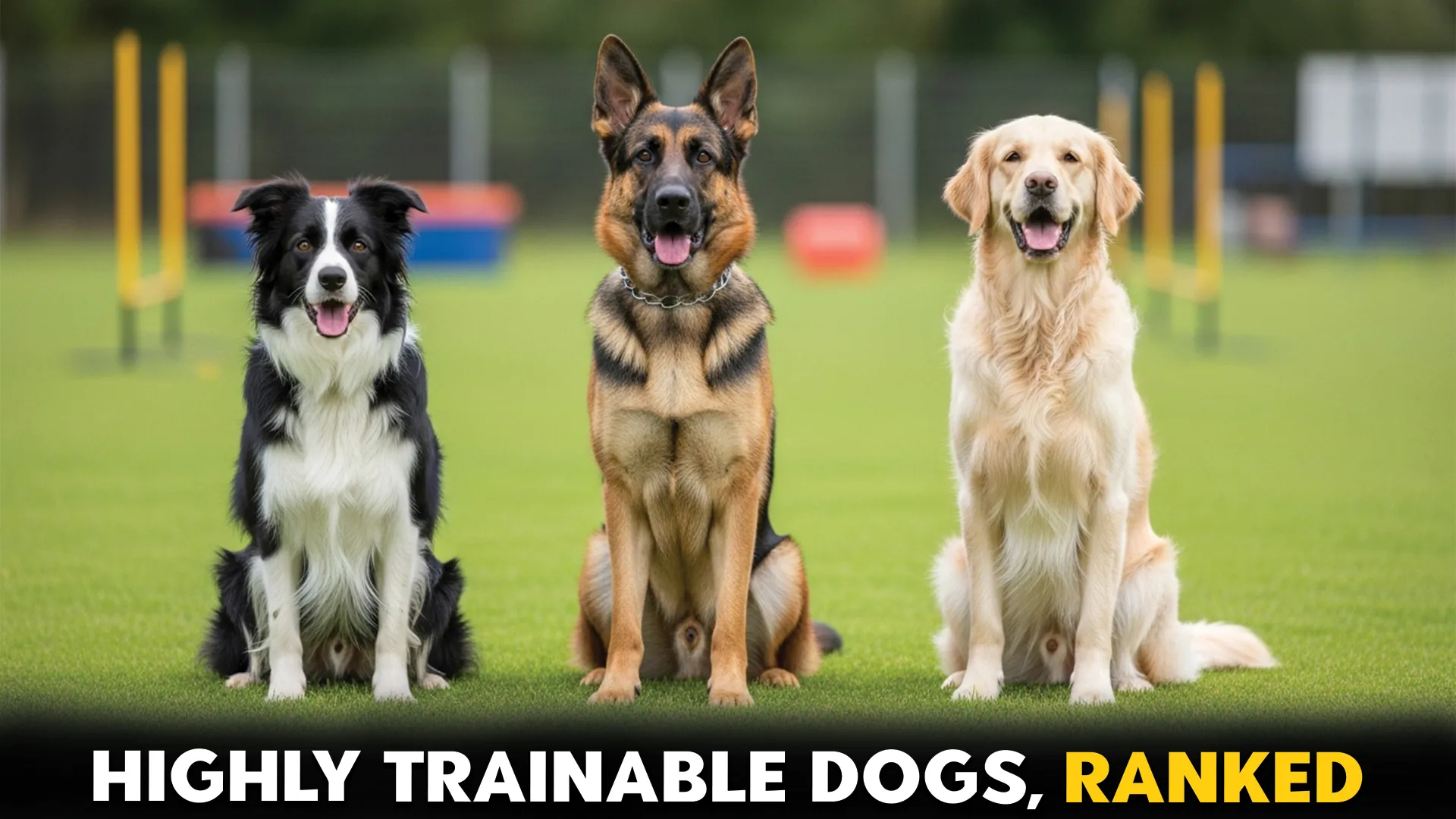
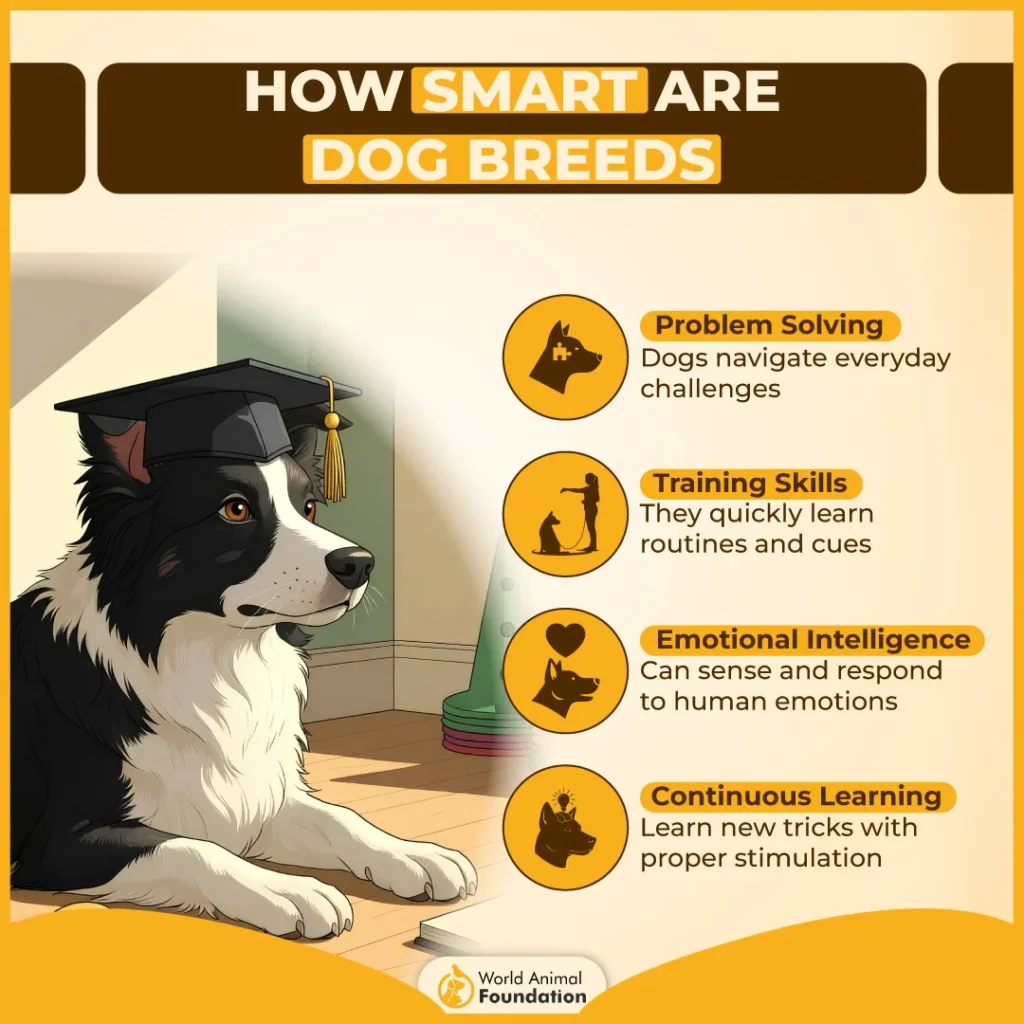
If you’ve ever wished your dog would nail a new command before you even finish saying “treat,” you’re definitely not alone.
Some pups are simply wired to learn faster, connect the dots quicker, and turn training sessions into a genuinely fun experience. From mastering basic cues to picking up impressive tricks, these dogs love a good mental challenge and tend to thrive when given one.
Training feels less repetitive, communication clicks sooner, and yes, your dog may occasionally outthink you. Let’s go ahead and meet these clever canines and see which breeds are known for making training smoother, smarter, and way more rewarding.
Did you know?
Your dog is as smart as a two-year-old. Many dogs can understand around 250 words and gestures, which helps explain why young children and dogs often seem to communicate so effortlessly.
Ranking the Smartest Dog Breeds for Optimal Training
1. Border Collie
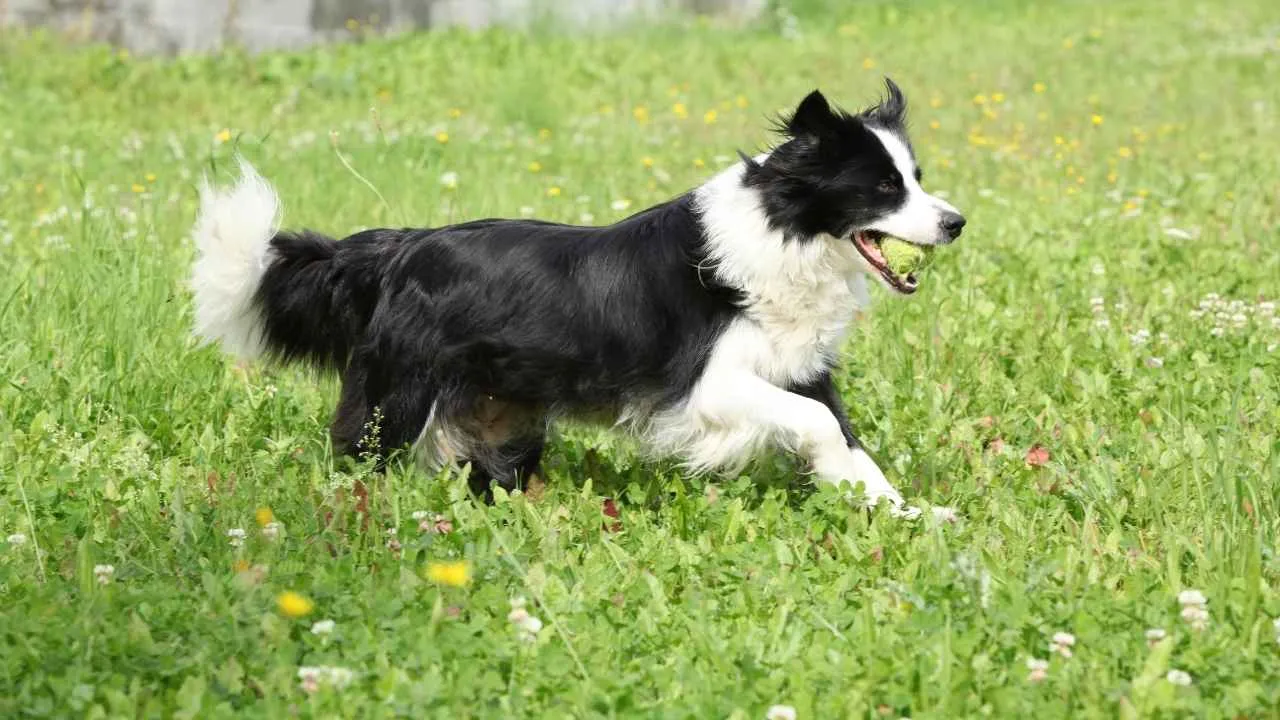
Some dogs wait for instructions. Border Collies show up already clocked in. Shaped by generations of sheep work across windy hills, this breed approaches life like a job board, scanning for tasks, patterns, and anything that needs organizing immediately.
What sets them apart mentally is how quickly they connect actions to outcomes. Border Collies process cues, gestures, and routines with startling speed, often predicting what comes next before a command is fully given. Their brains crave puzzles, not repetition.
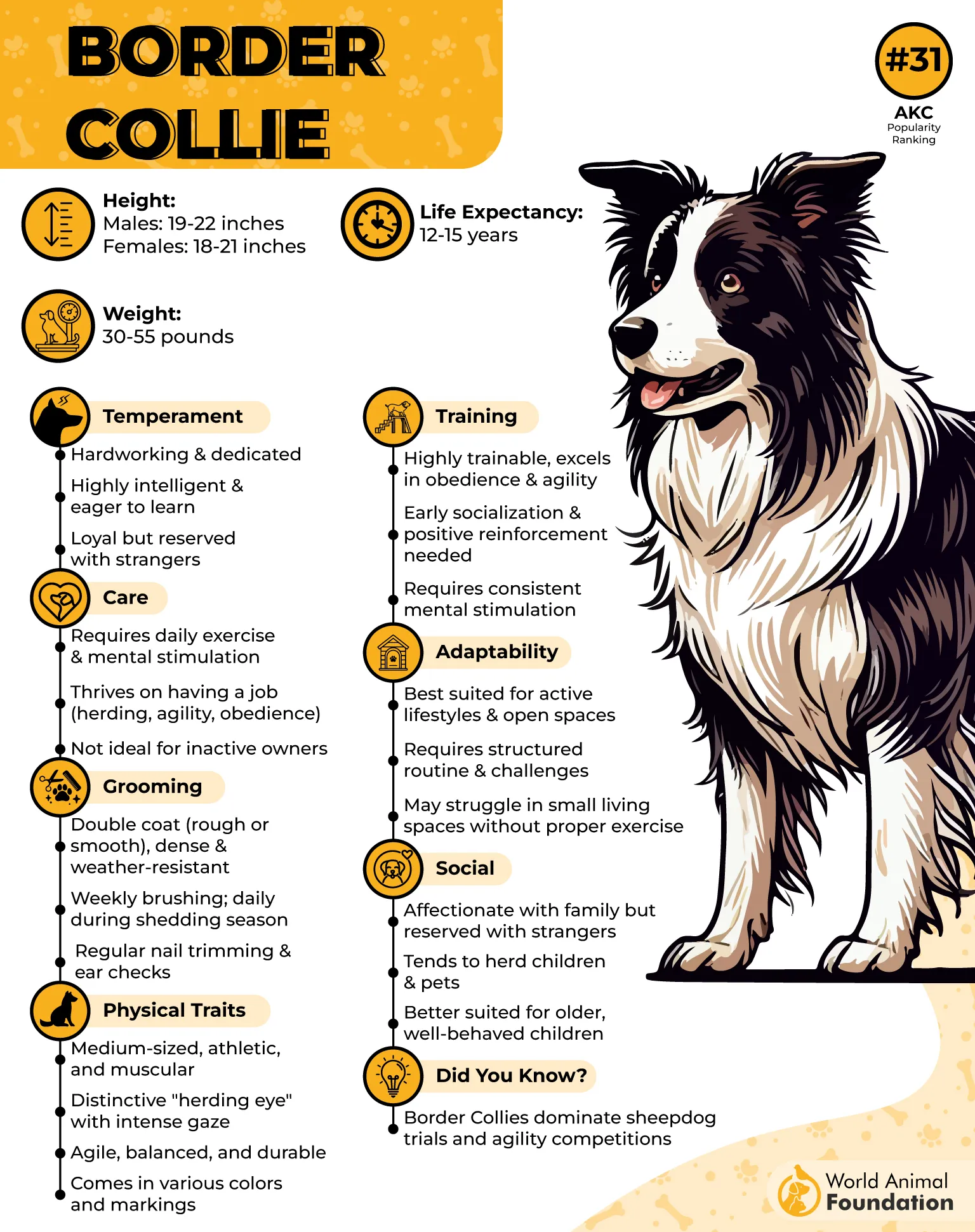
Working with a Border Collie feels like collaborating with an overachieving coworker. Training clicks fastest when lessons stay short, purposeful, and mentally engaging, because they learn best when the challenge feels meaningful rather than repetitive or slow-paced.
Special Considerations For this Breed
Needs structured outlets for problem-solving instincts
Can become overstimulated without clear boundaries
Requires intentional downtime to prevent burnout
2. German Shepherd
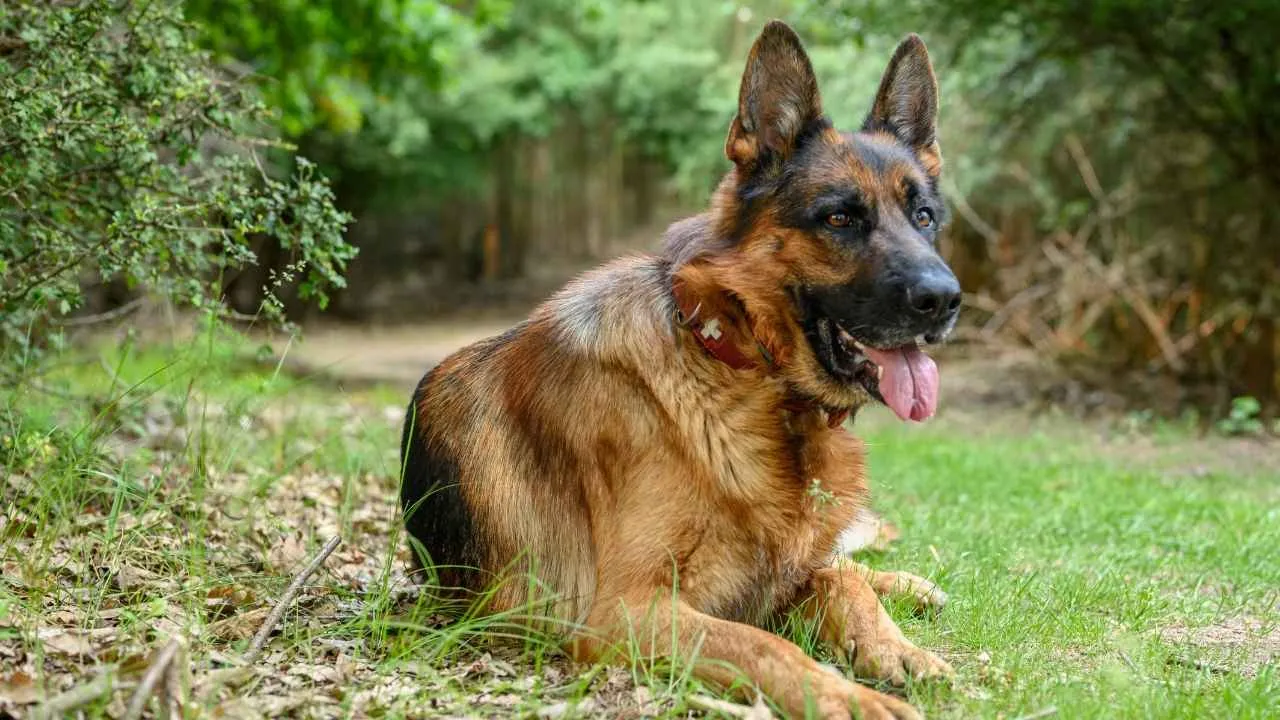
German Shepherds carry themselves with quiet confidence, like they know they’re built for important things. Developed from herding stock with strong nerves and focus, this intelligent breed grew into a dependable partner that thrives when responsibility is part of daily life.
You’ll find German Shepherds handling serious roles that demand judgment and discipline. They work in police units, military teams, service programs, therapy settings, and search and rescue missions, smoothly shifting gears between high-pressure tasks and controlled environments.
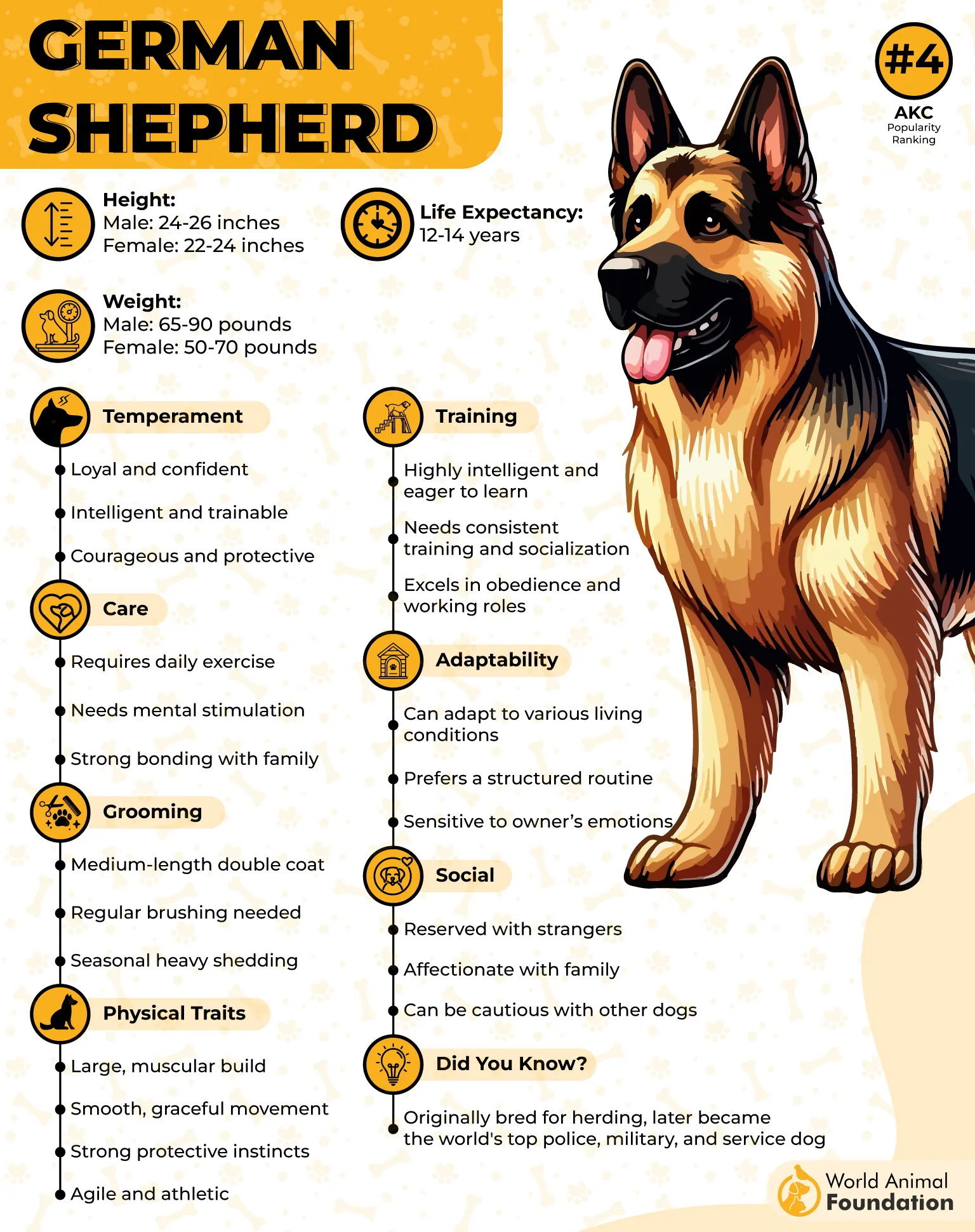
This breed suits people who enjoy structure and commitment. German Shepherds do best with pet parents who provide consistent training, meaningful engagement, and a sense of purpose, because they naturally invest themselves fully in whoever leads them.
Special Considerations For this Breed
Needs consistent leadership to stay balanced
Can become overly reserved without social exposure
Prefers predictable routines over chaotic environments
3. Golden Retriever
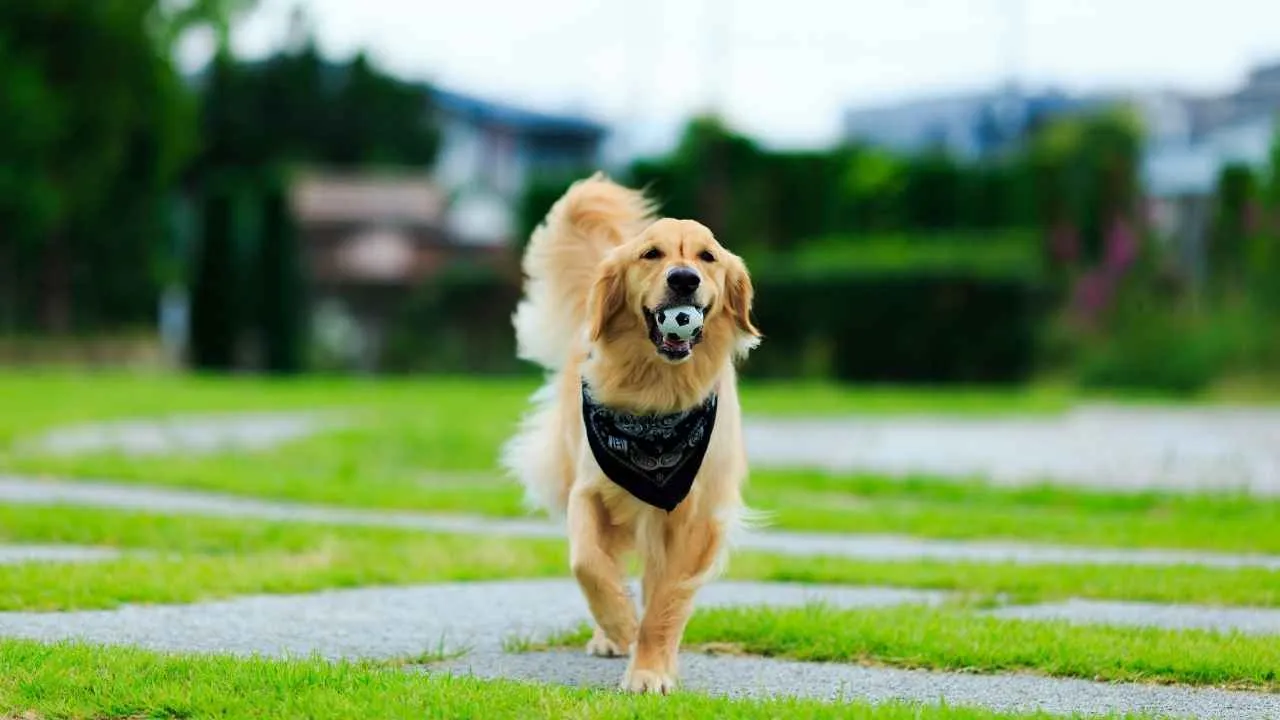
Golden Retrievers bring a sunny attitude that makes learning feel effortless. Originally bred to retrieve game in challenging conditions, they combine physical capability with an unusually cooperative mindset that turns instruction into an enthusiastic group activity.
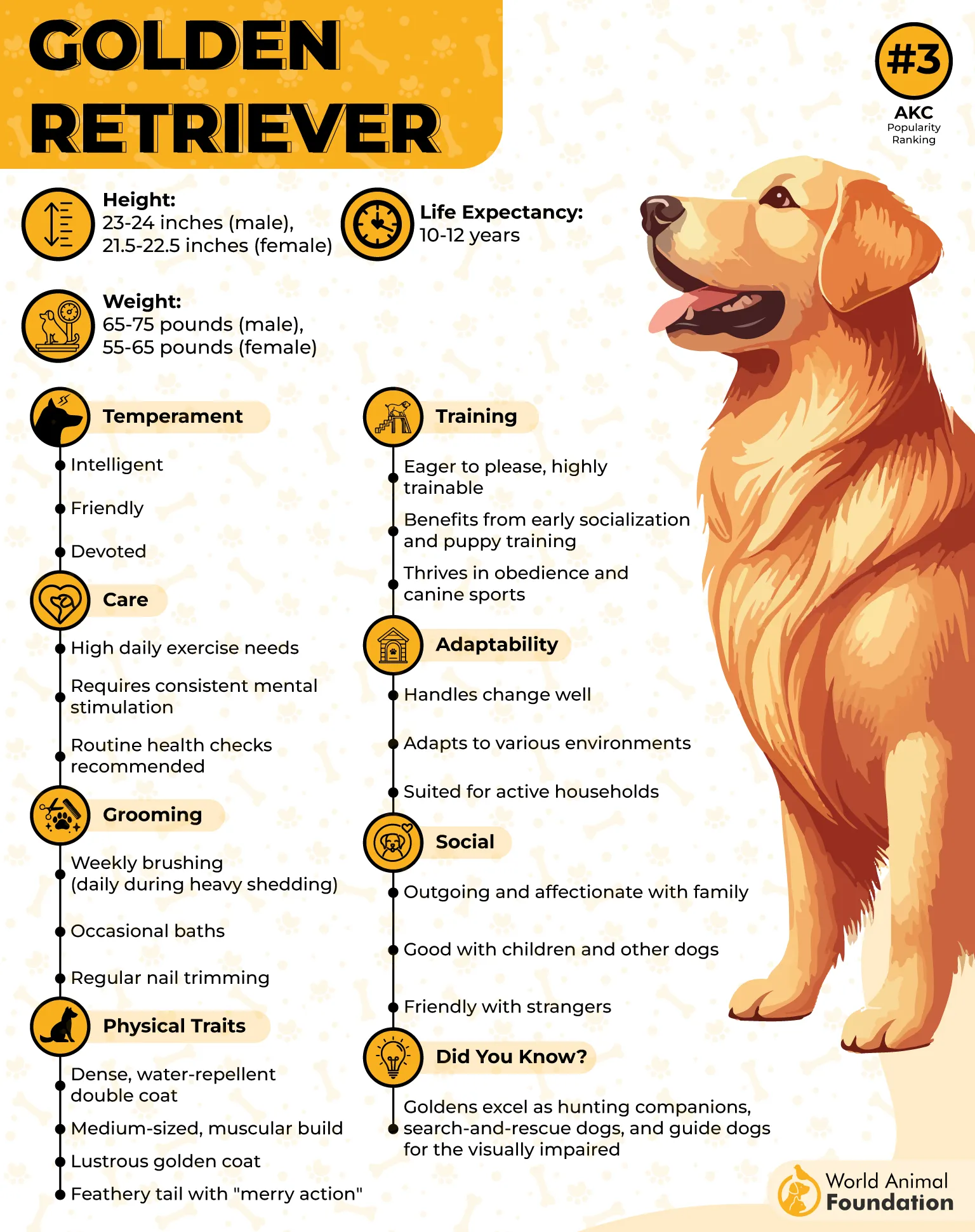
Hunting shaped how this breed thinks. Goldens were expected to track, retrieve, and return calmly, which built strong memory skills and focus. That background explains why they enjoy tasks involving carrying, searching, and following multi-step directions.
As mentioned by the American Kennel Club (AKC), early socialization and puppy training classes help Golden Retrievers grow into well-mannered adults. Their outgoing, loyal nature and strong desire to please make obedience work feel natural, rewarding, and surprisingly enjoyable for owners.
Special Considerations For this Breed
Requires regular grooming due to heavy shedding
May struggle with overexcitement during downtime
Needs controlled exercise to avoid joint strain
4. Labrador Retriever
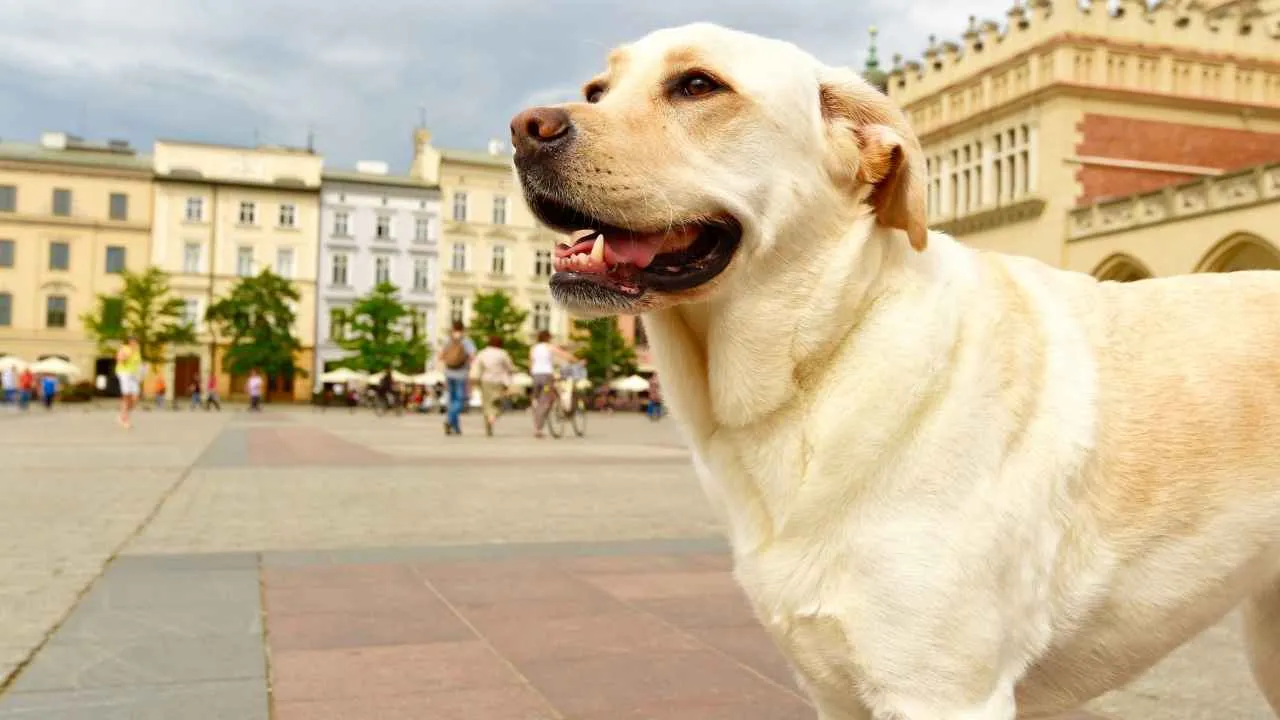
Labrador Retrievers have a natural “count me in” attitude that traces back to their roots as hardworking water dogs. Originally partnered with fishermen, they learned to think on the move, adapt quickly, and stay cheerful while handling real responsibilities.
Around people, Labs feel effortlessly steady. They tend to be patient, social, and emotionally tuned in, which makes interactions feel smooth and predictable. This calm friendliness helps learning happen without tension, creating an environment where cooperation comes naturally.
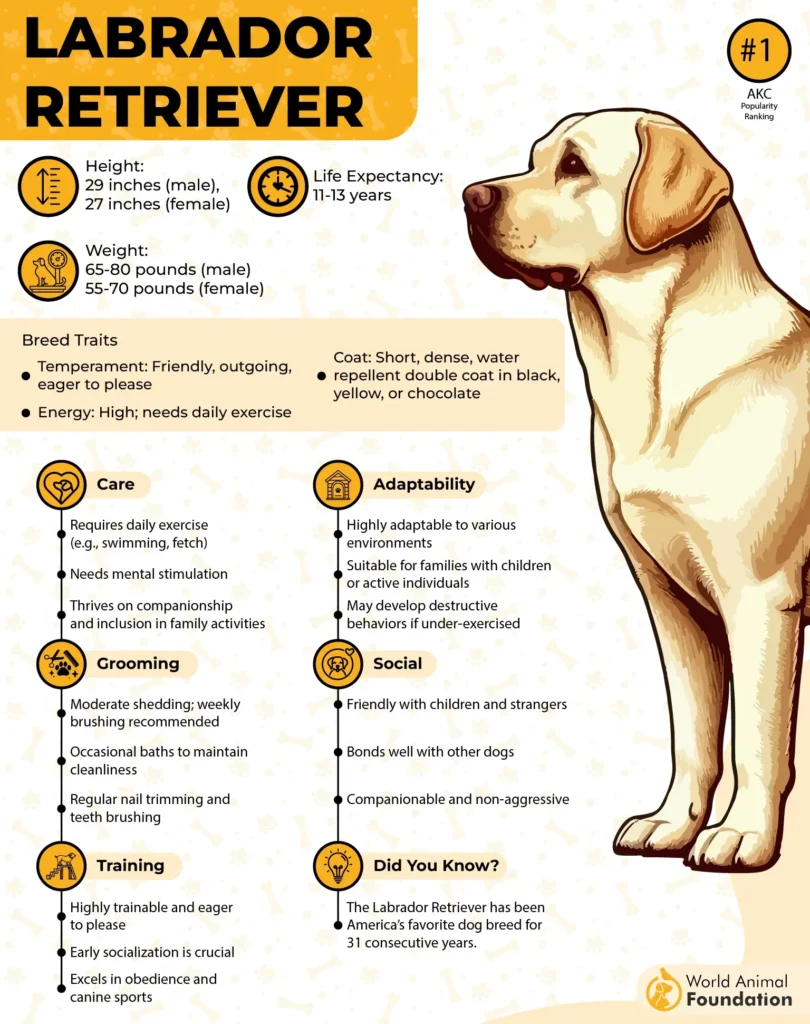
Their intelligence shows up through flexibility rather than intensity. Labradors notice patterns, remember routines, and adjust behavior easily, which helps them respond well when lessons stay consistent, upbeat, and woven into everyday activities they already enjoy.
Special Considerations For this Breed
Easily distracted by food or excitement
Needs structured activity to avoid restlessness
Benefits from variety to maintain focus
5. Doberman Pinscher
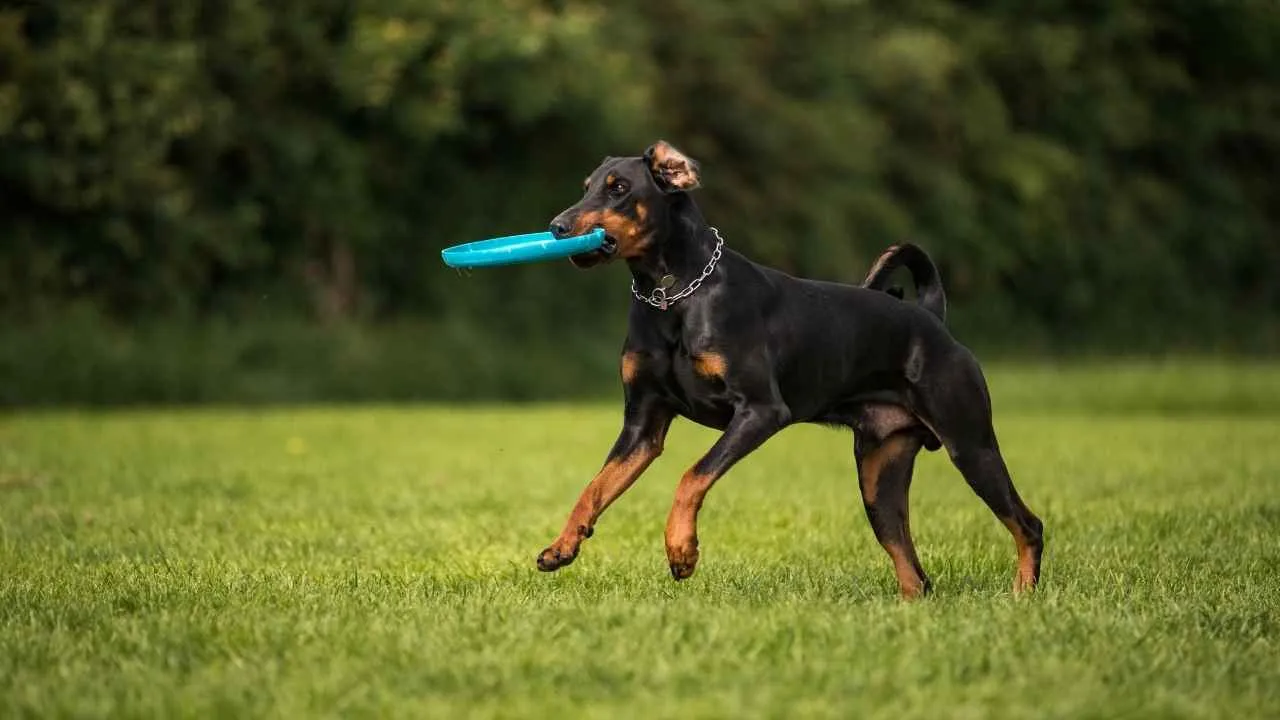
Doberman Pinschers enter a room with intention. Created as personal protection dogs, they combine alert awareness with a strong drive to stay close to their people, giving them a reputation for being both intensely focused and deeply connected.
In organized challenges, Dobermans truly come alive. They shine in obedience, scent tracking, and agility, where speed and accuracy matter. These activities give their sharp minds something productive to lock onto while reinforcing communication and trust.
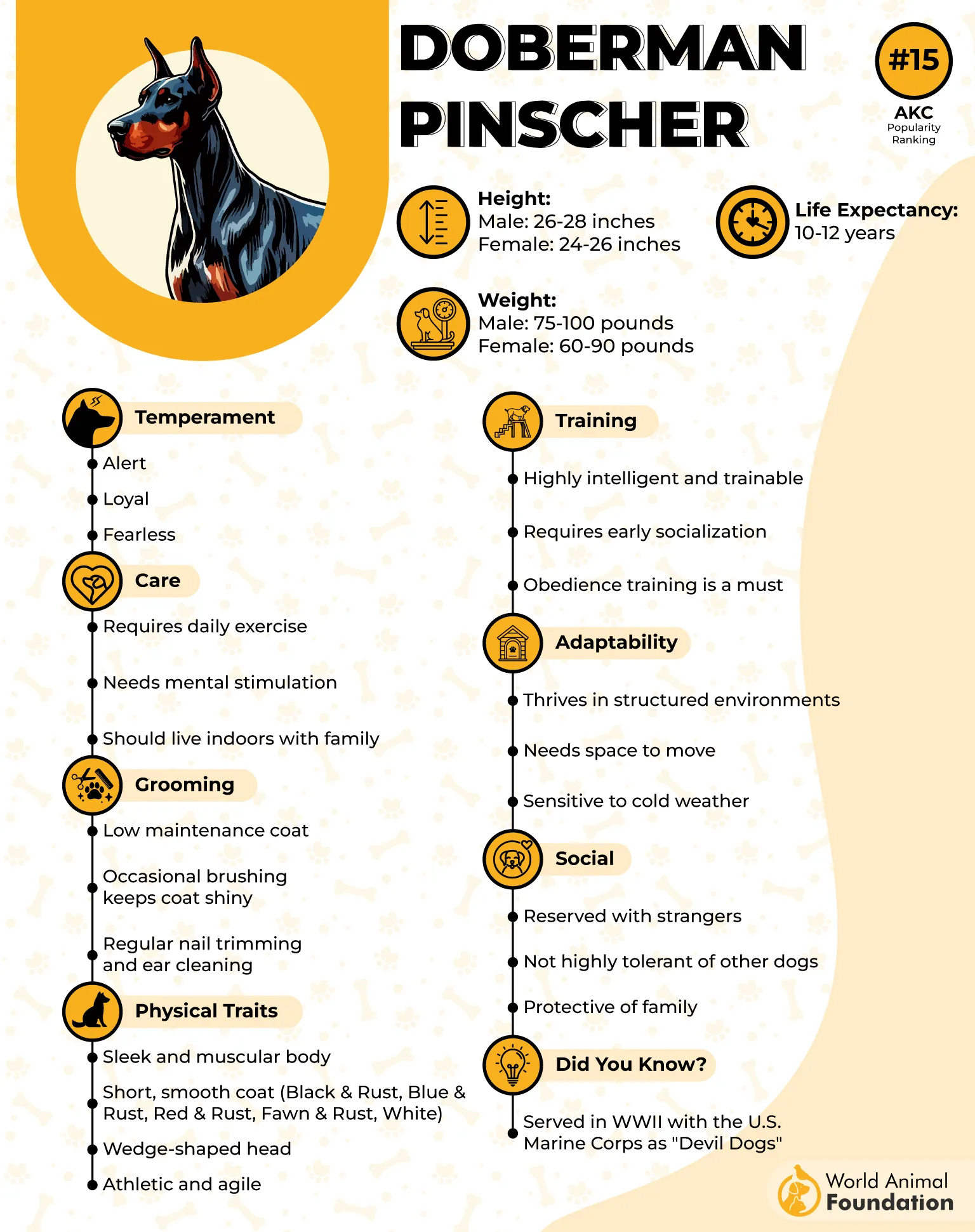
According to Purina, Dobermans are not couch potatoes. This athletic, always-ready breed thrives on long walks, free running, ongoing training, and playful brain games, happily tackling enrichment toys and interactive fun to stay busy, balanced, and entertained.
Special Considerations For this Breed
Sensitive to inconsistent handling or rules
Can become restless without mental outlets
Thrives best with close daily human interaction
6. Papillon
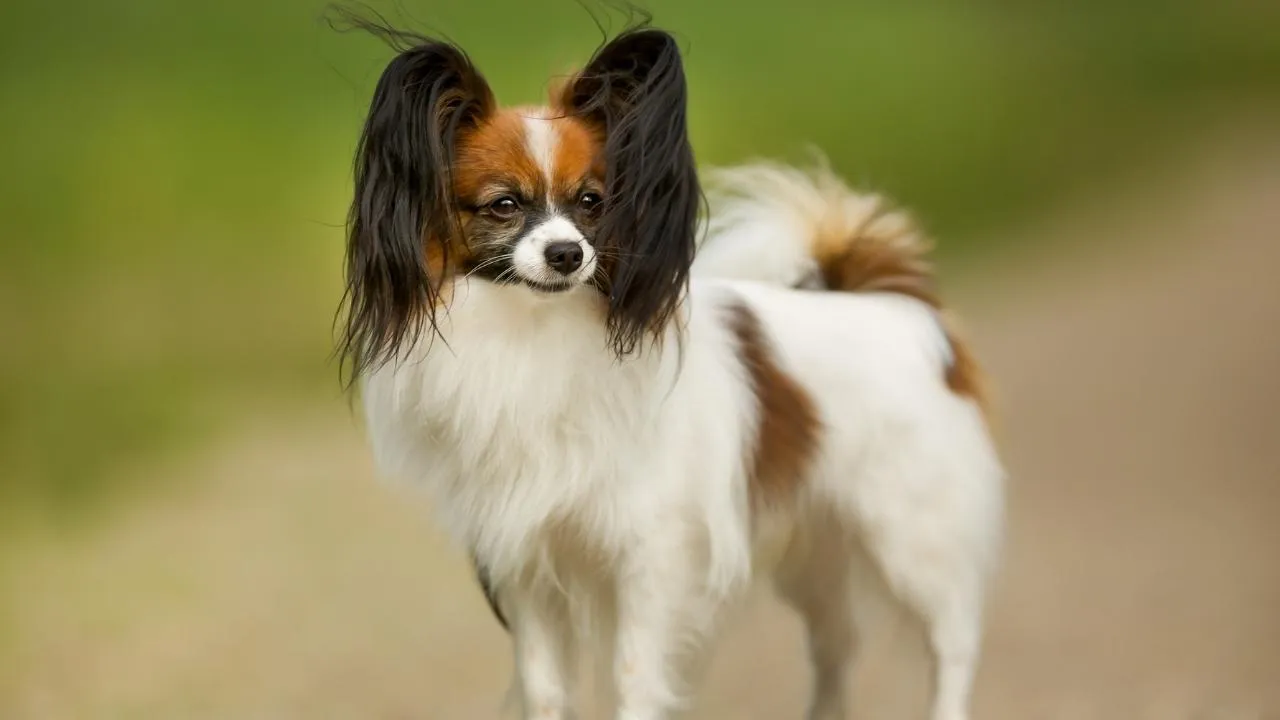
Tiny frame, giant personality, and ears that steal the spotlight, the Papillon never got the memo about acting small. This intelligent dog breed stays alert and curious, soaking up information like a sponge and turning quick learning into a daily habit.
Living arrangements stay refreshingly flexible with this little dynamo. Papillons happily burn energy indoors, make the most of compact spaces, and stay engaged without turning your home into a racetrack. Their activity level feels lively, not overwhelming.
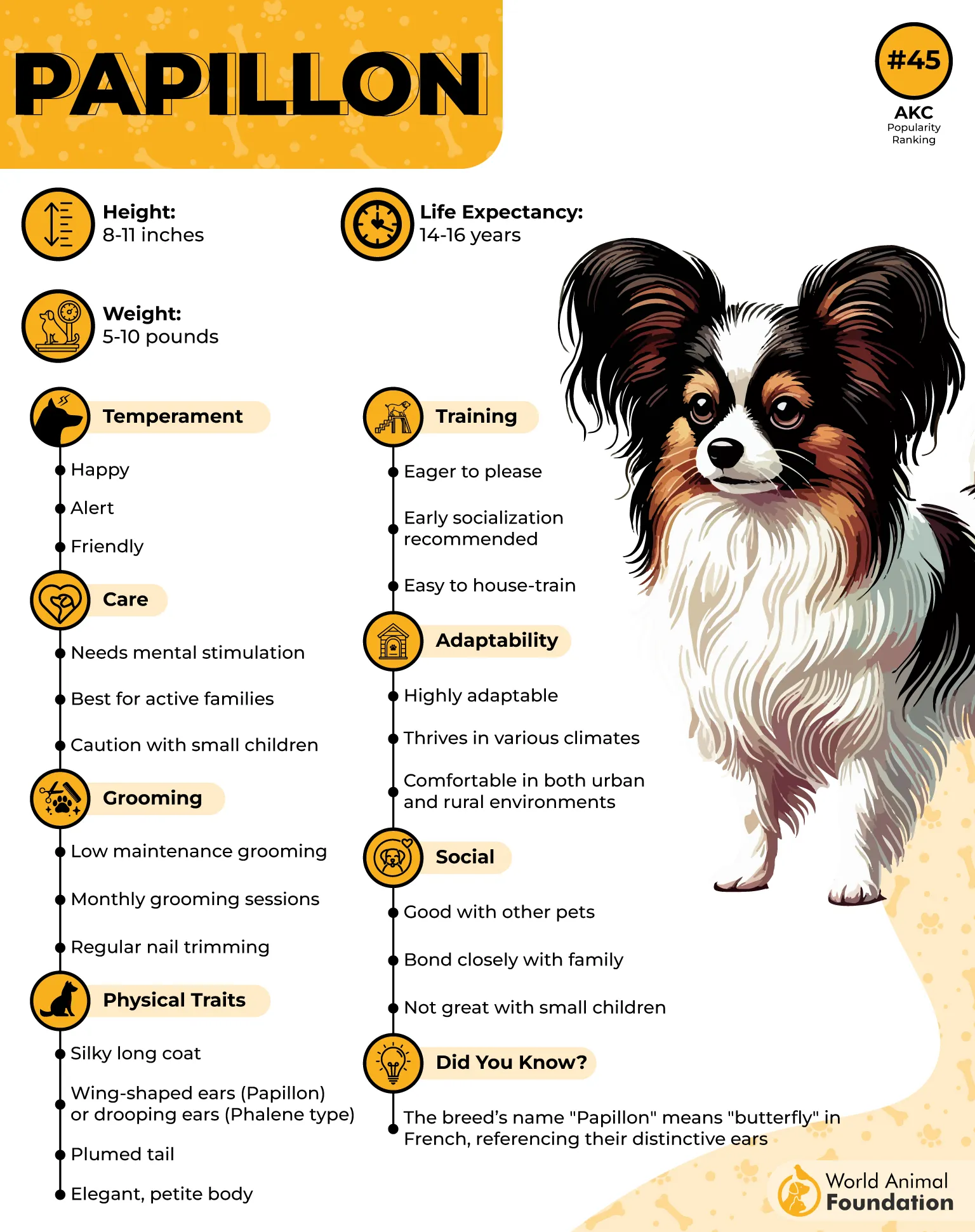
Family life brings out their clever charm. Papillons form strong bonds, tune into moods quickly, and love interactive moments that feel like shared jokes. Their intelligence pops through fast understanding, eagerness to participate, and enthusiasm for learning alongside people.
Special Considerations For this Breed
Delicate size calls for careful supervision
Excitable barking may need gentle guidance
Mental stimulation matters more than long workouts
7. Shetland Sheepdog
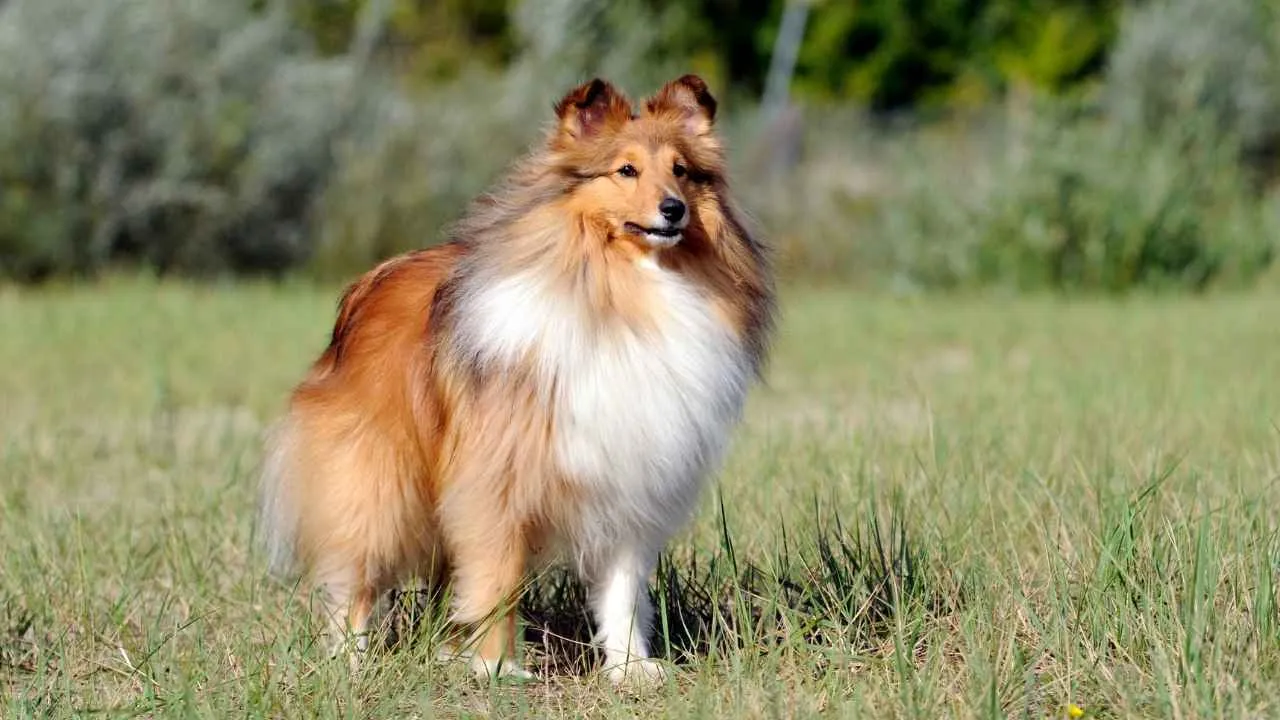
Shetland Sheepdogs operate like they have a built-in radar system. Always watching, always listening, they respond quickly and thoughtfully, creating an easy rhythm where learning feels like a smooth conversation instead of a one-sided request.
Long ago, life on Scotland’s rugged Shetland Islands shaped their mindset. Herding livestock in isolation required focus, adaptability, and quick judgment. That history still shows in how they approach tasks with purpose and sharp awareness today.
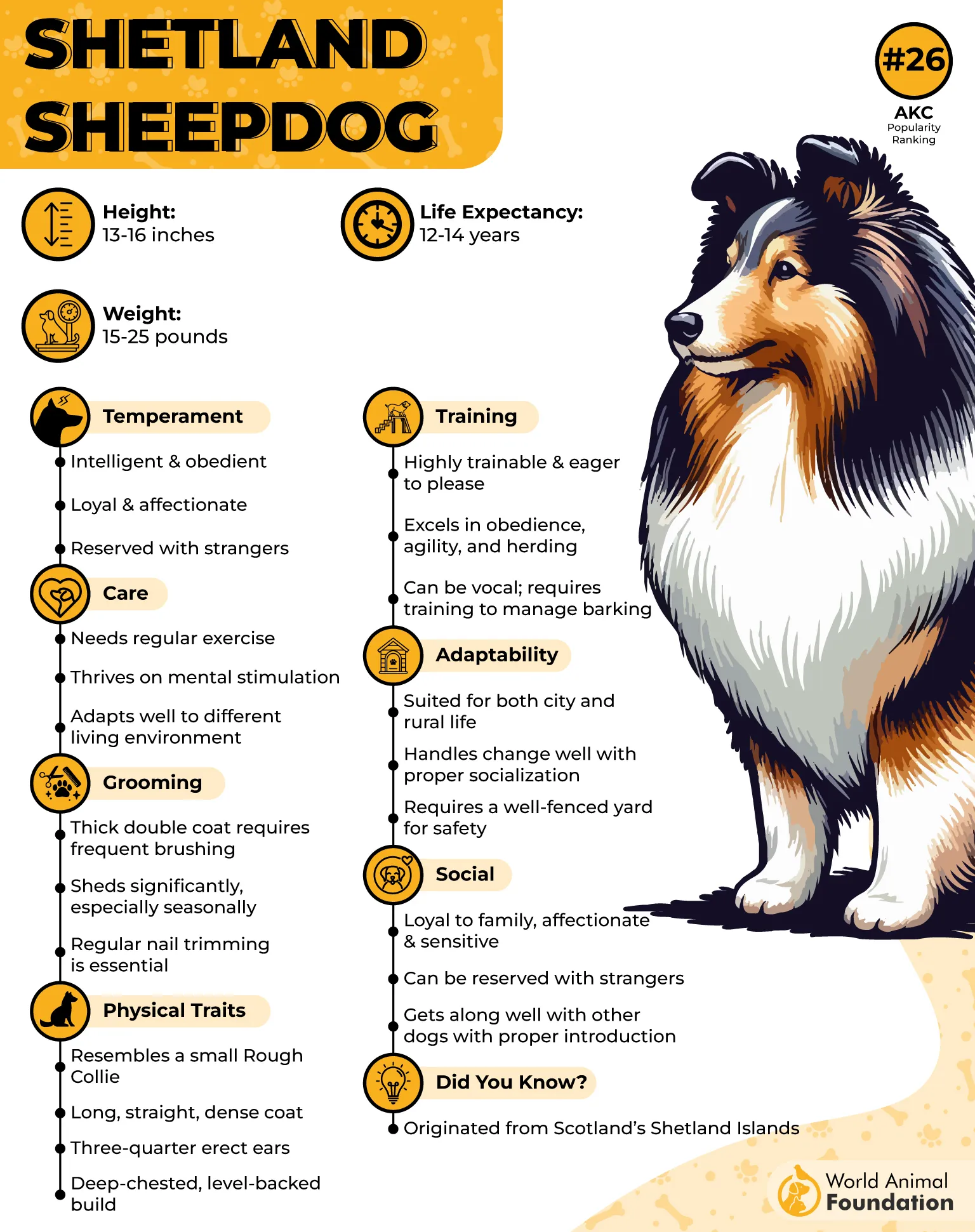
As noted by PetMD, Shetland Sheepdogs are happiest when they have something to do. They love learning, enjoy staying active, and bring enthusiasm to training, which makes working together feel fun, lively, and never boring.
Special Considerations For this Breed
Tendency to bark benefits from early boundaries
A thick coat needs regular attention
Sensitivity requires thoughtful handling
8. Rottweiler
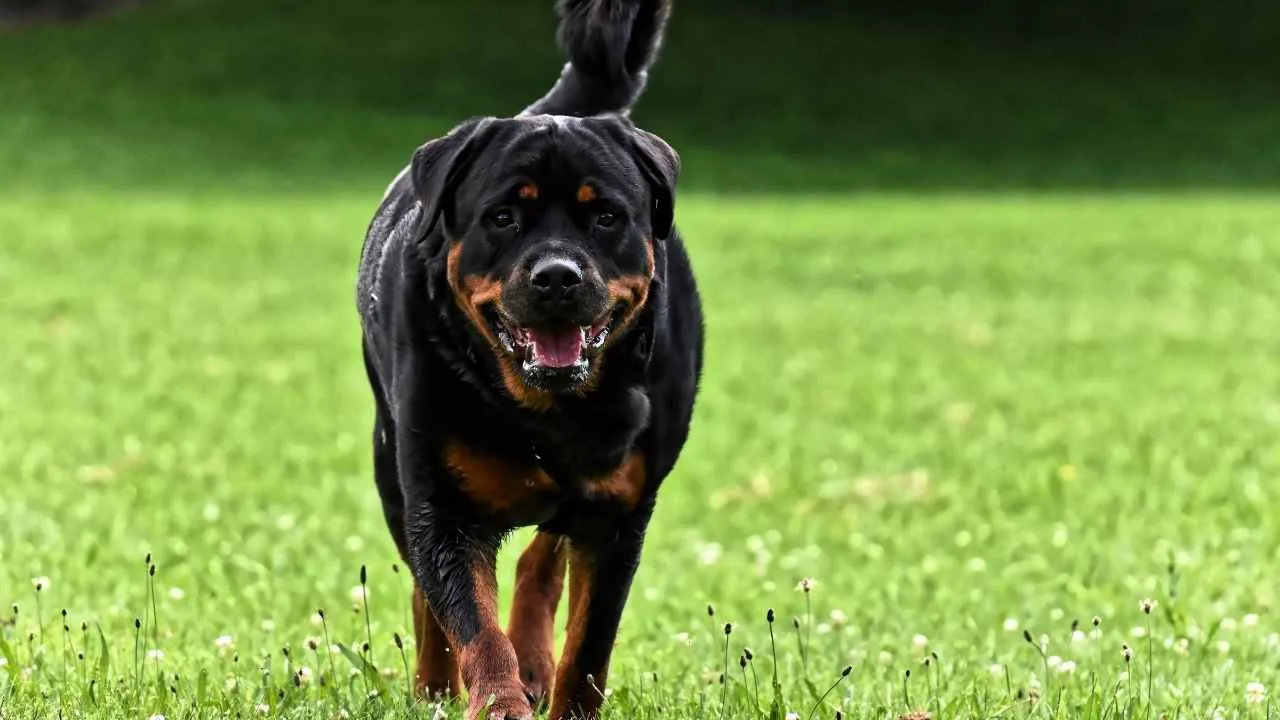
Rottweilers move through life with quiet confidence and a watchful eye. They take their time reading situations, storing details, and responding deliberately, which gives their learning style a grounded, thoughtful feel rather than rushed enthusiasm.
Power is part of their signature. Strong muscles, steady movement, and endurance supported generations of demanding work. That strength pairs with composure, allowing them to stay focused and controlled even when tasks require physical effort.
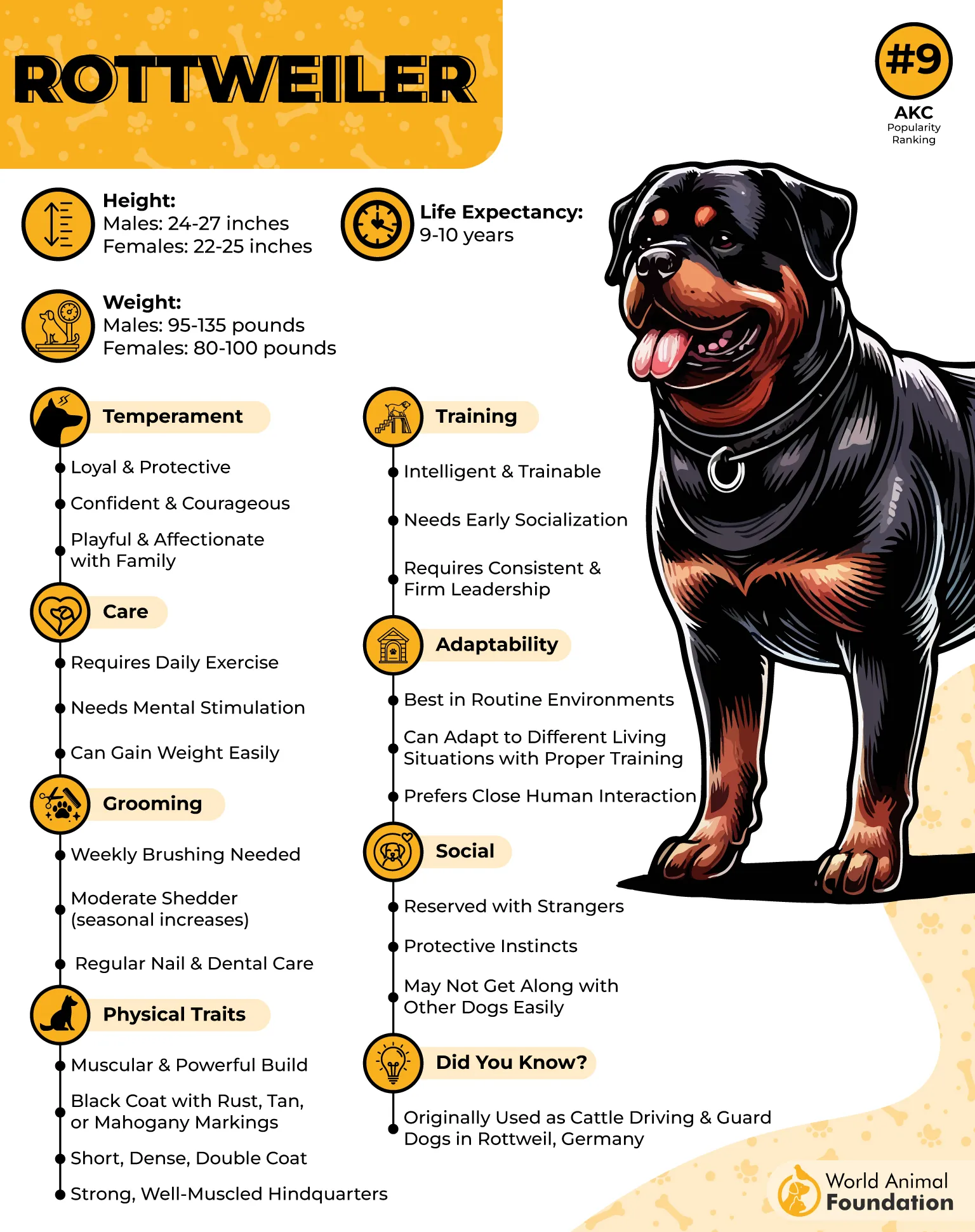
Clear rules help everything click. Rottweilers respond best when guidance feels fair and consistent, showing impressive focus once expectations are understood. When trust is built, they work closely and reliably with the person leading the way.
Special Considerations For this Breed
Social exposure shapes confidence early on
Rough play should stay off the menu
Needs regular physical outlets
9. Australian Cattle Dog
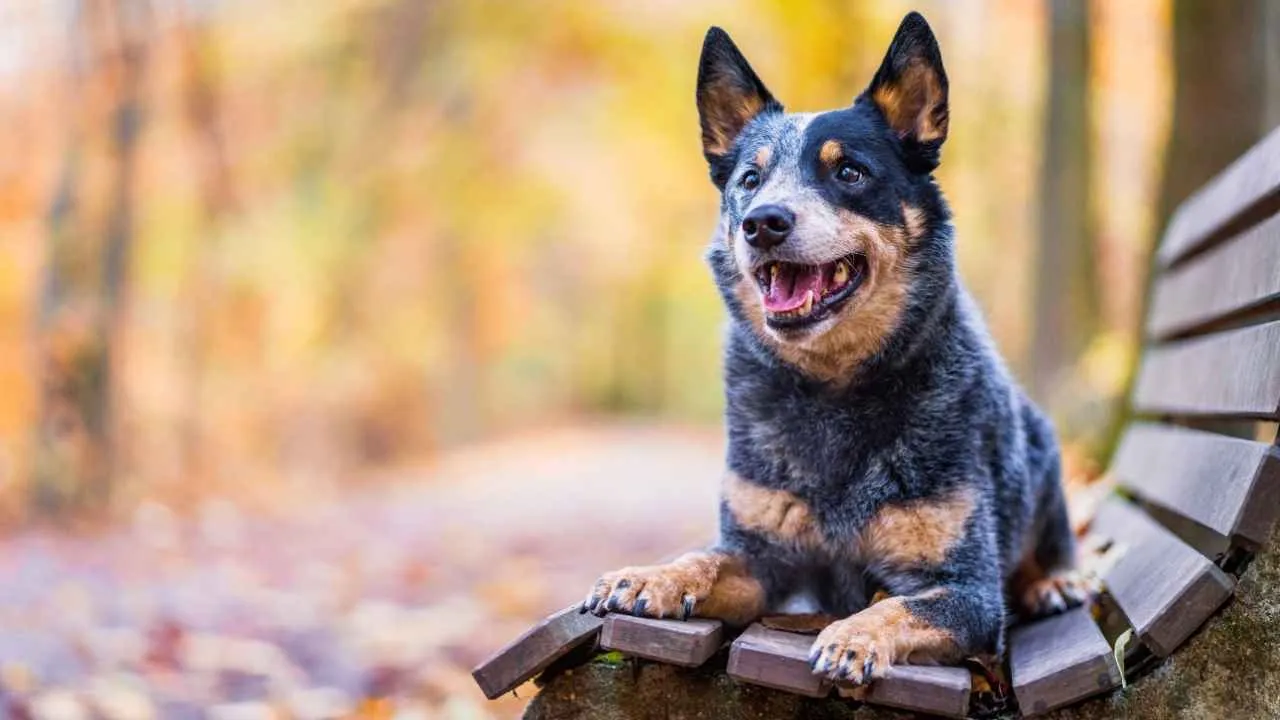
Australian Cattle Dogs bring intensity into every room they enter. Always alert and mentally switched on, they notice details others miss and treat daily life like a series of problems waiting to be solved.
Herding and guarding duties shaped their instincts from the start. Managing livestock across wide spaces required anticipation, independence, and quick decision-making. Those roles still guide how they size up situations and stay one step ahead.
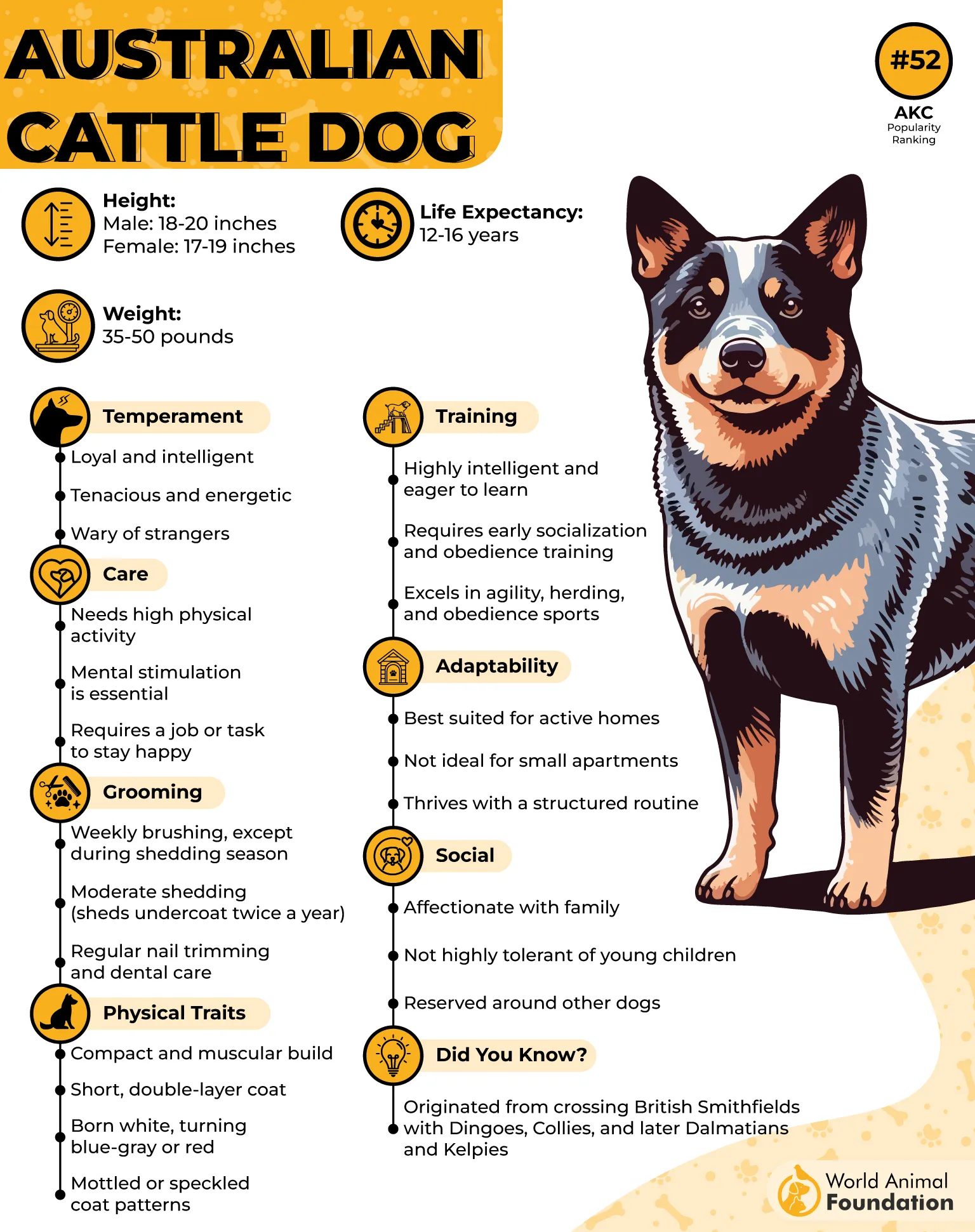
Intelligence shows up through persistence and clever problem-solving. Australian Cattle Dogs learn rapidly, remember routines, and grow restless without purpose. They shine when learning feels like meaningful work that keeps their sharp minds fully occupied.
Special Considerations For this Breed
Boredom can trigger unwanted behaviors
Needs frequent mental challenges
Reserved nature benefits from gradual introductions
Conclusion
Smart dogs add a little spark to everyday life. Their quick reactions, expressive faces, and eagerness to engage can turn simple training moments into something genuinely enjoyable.
Some of the most intelligent dog breeds were discussed above; each breed brings its own flavor of intelligence, so the real magic happens when that mindset lines up with your routine, energy, and goals.
Take a moment to think about what kind of partnership you want to build. With the right match, training becomes less about commands and more about connection, trust, and shared wins that feel incredibly rewarding.
If you are further interested in such wonderful breeds, some other dogs you can look up include the Miniature Schnauzer and English Springer Spaniel.
