




Tiny bodies, loud laughs, and a heart that sticks close.
Some small dogs are natural comedians. They tilt their head at the perfect moment. They “talk back” with cute sounds. They sprint, stop, then do a proud little bounce like they just won an award.
And here’s the best part! Their humor is not random. It is part of their personality, their smarts, and how they bond with humans.
This blog will share 7 small dog breeds known for their funny habits and big charm. You will see how each breed shows humor in its own way. Some use expressive faces. Some use silly antics. Some act like tiny guard dogs with a dramatic bark.
Sounds crazy, right?
A new pup can bring joy fast, but the right fit matters. The goal is simple: pick a small package with a dog’s personality that matches your lifestyle, your house, and your family’s routine.
Tiny Dog Breeds Adored For Their Sense Of Humor
1. Chihuahua
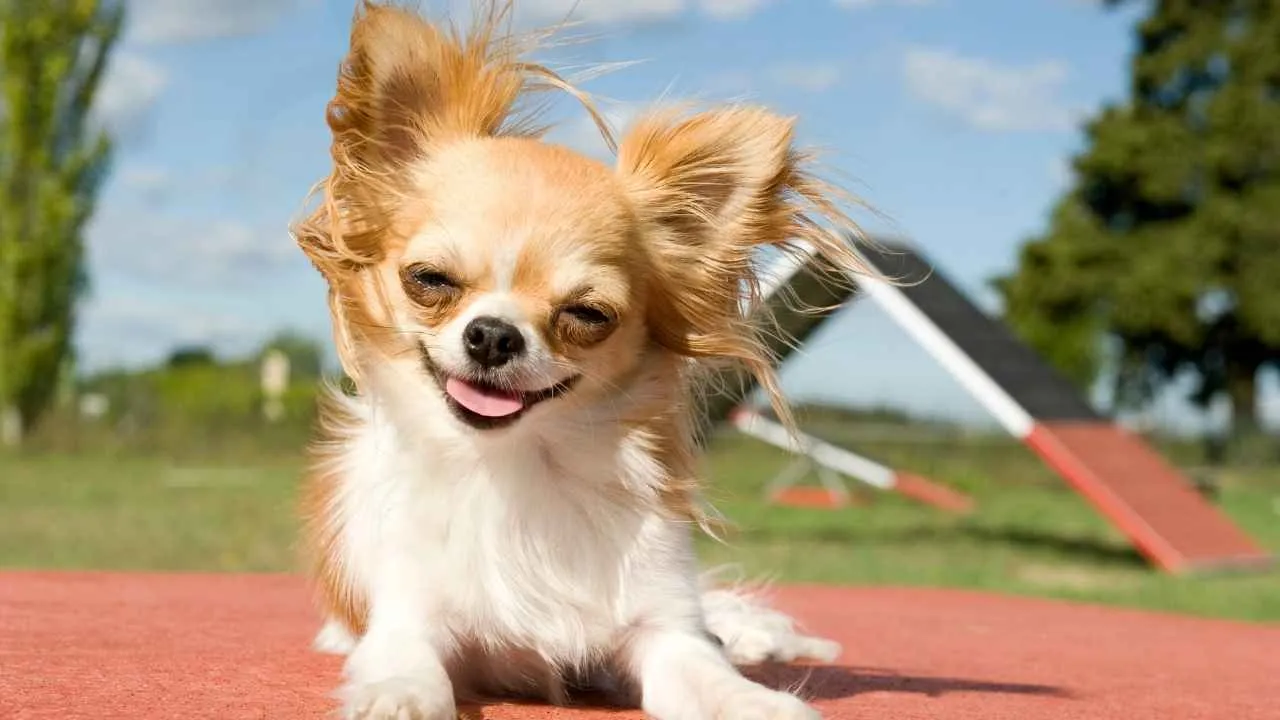
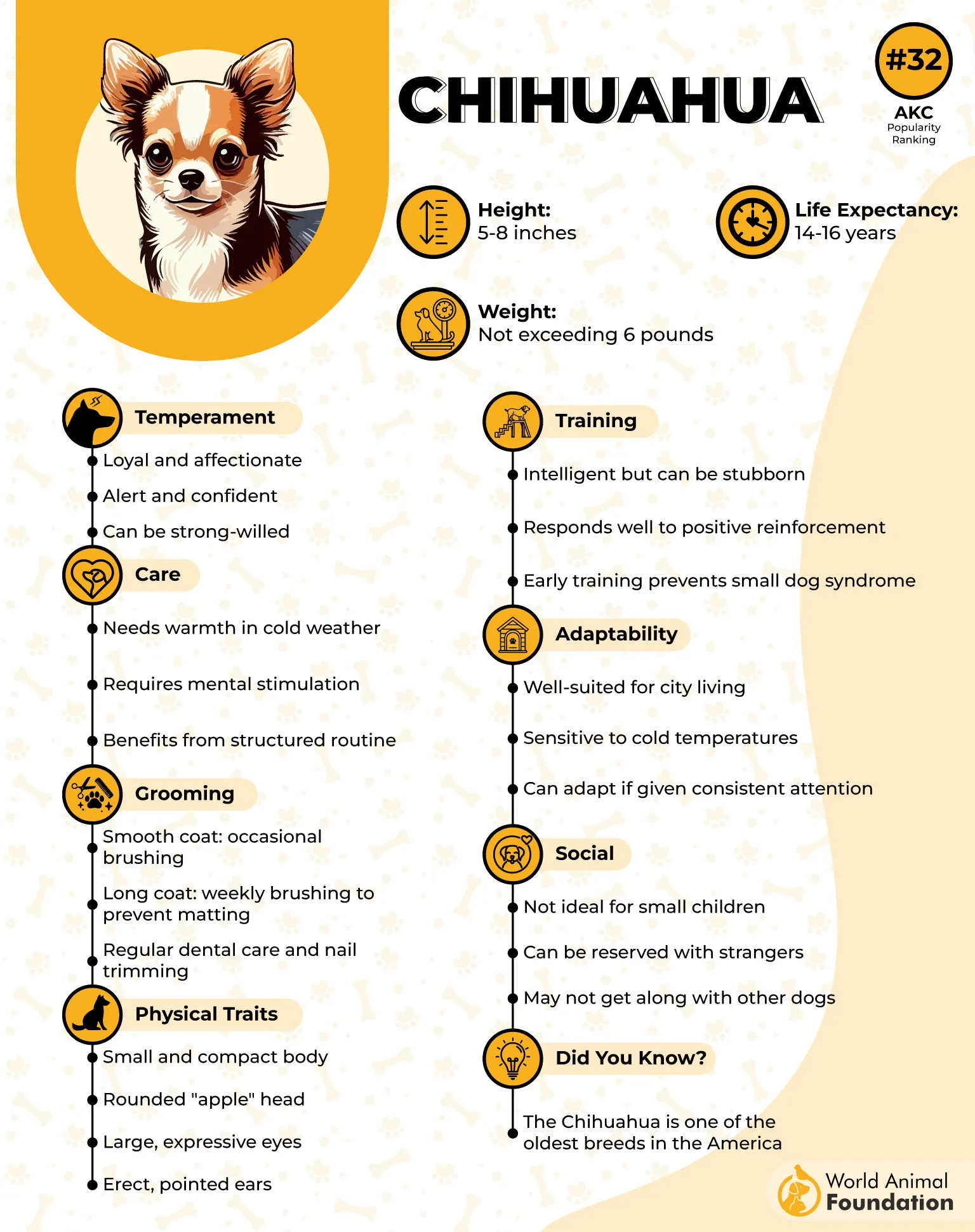
A chihuahua often acts like a tiny star on a big stage. According to PetMD, this breed is lively, loyal, and devoted, and it shows in the way the pup sticks close. The humor comes from bold choices.
One second, the dog is cuddled up, calm, and sweet. The next second, the dog is doing a tiny “patrol” like the front door is a serious job. That big attitude in a smaller size is a big part of the charm.
But wait, there’s more! Many owners notice that a chihuahua will “perform” for attention. A quick hop, a sharp spin, or a dramatic stare can look like a planned routine.
That playful side can be great fun during family activities, especially when the pup gets a safe space to join in without being overwhelmed by noise or rough play.
This breed can bark a lot, so training matters. Consistent practice helps the dog feel safe and less reactive.
Gentle handling and early socialization can also help the pup stay friendly around visitors and other pets. When the bond is strong, this loyal pal can bring joy every single day.
Important notes
Energy can run high, so short play breaks help.
Patience is key if a stubborn streak shows up.
Keep exercise light but steady so the pet stays healthy.
2. Maltese
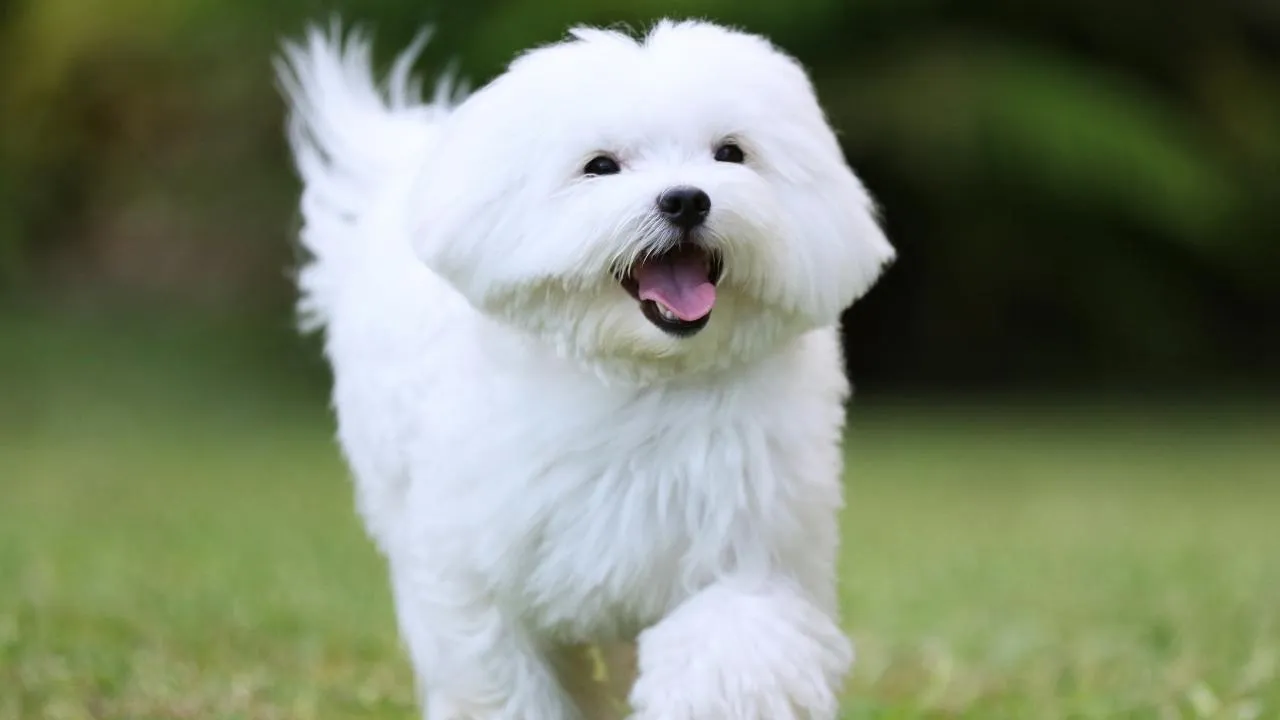
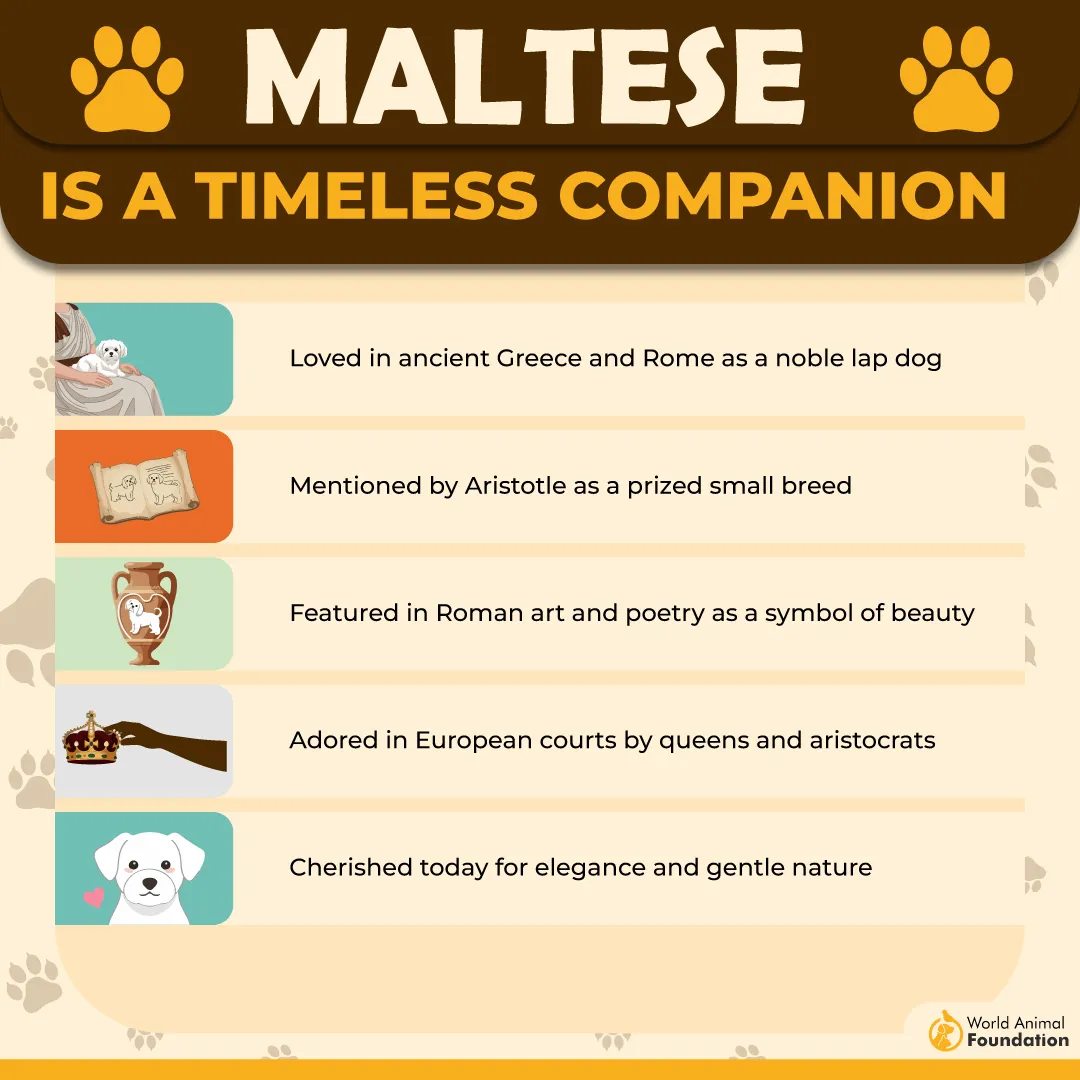
The Maltese has a history tied to Malta and has been loved for centuries in royal homes and wealthy circles. That long story shows in the breed’s style. The dog can look refined, yet still act like a goofy clown at home.
Here’s the good part: the humor is often gentle, not wild. Many small dogs try to be bold. This one often wins hearts with sweet timing and soft, playful moves.
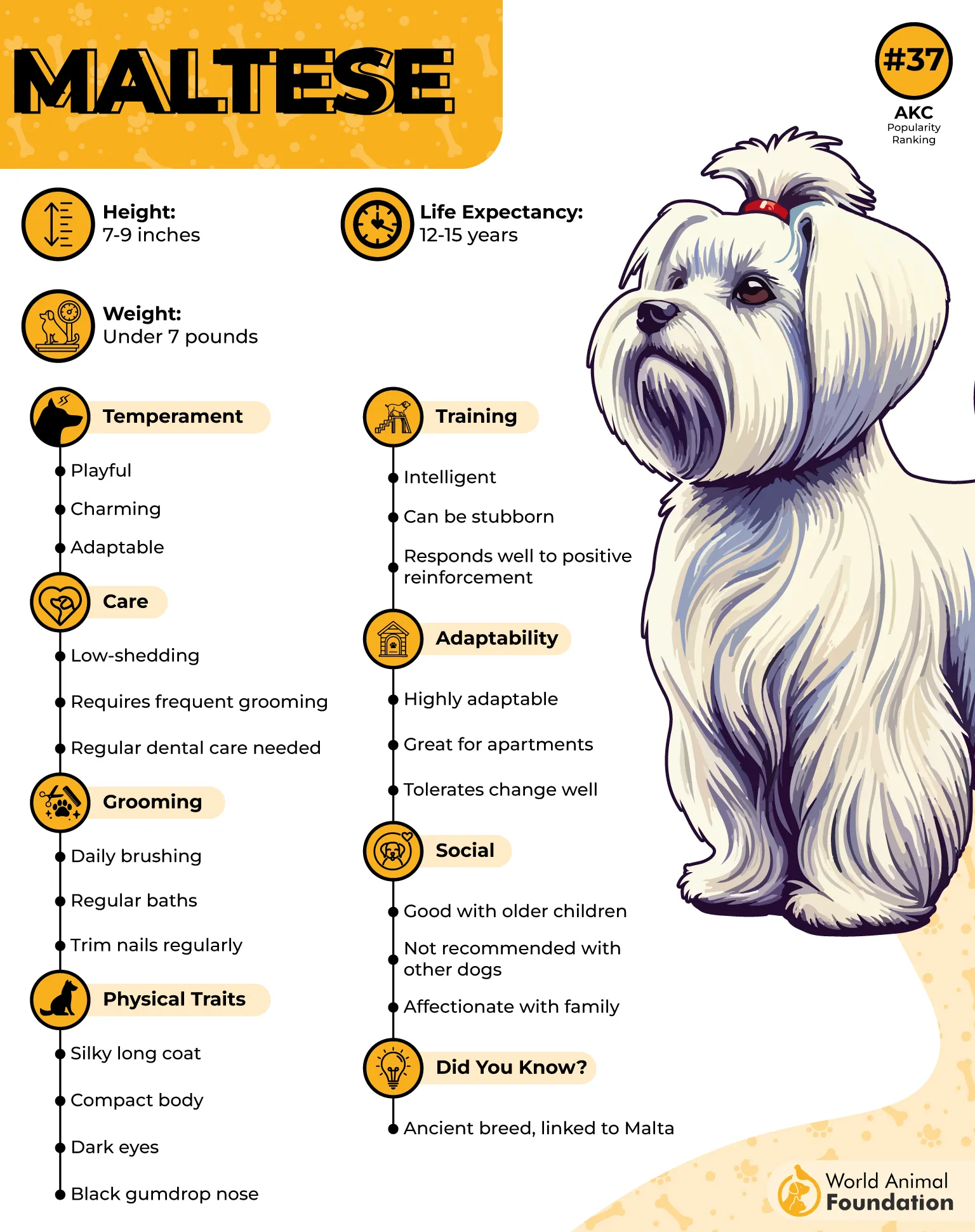
A Maltese tends to be spirited and lively, even with a tiny frame. The breed’s personality often shines through in happy bouncing, curious sniffing, and a “follow you everywhere” vibe.
That closeness can feel like having a tiny best friend who wants to be part of every moment. It is also why this pet can be well-suited for people who like a lot of together time.
The coat looks fancy, but care can be kept simple with a routine. Keep sessions calm and kind, and the pup may treat grooming like bonding time.
Training can be fun because this breed often responds well to praise and gentle guidance. Mental stimulation helps, too, since boredom can turn into noisy bark spells.
Did you know?
The Maltese has been written about for centuries, which is rare for a breed this small.
Many families love how affectionate and gentle this companion can be with children when play stays calm.
3. Cavalier King Charles Spaniel
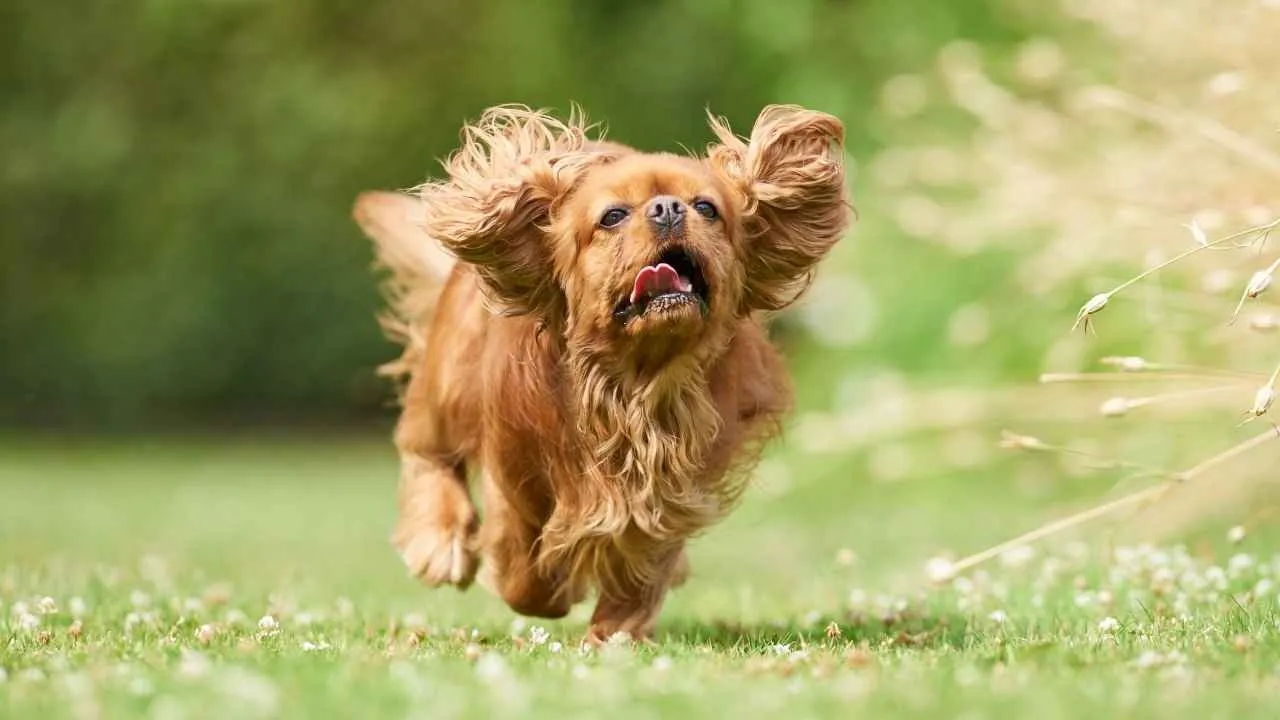
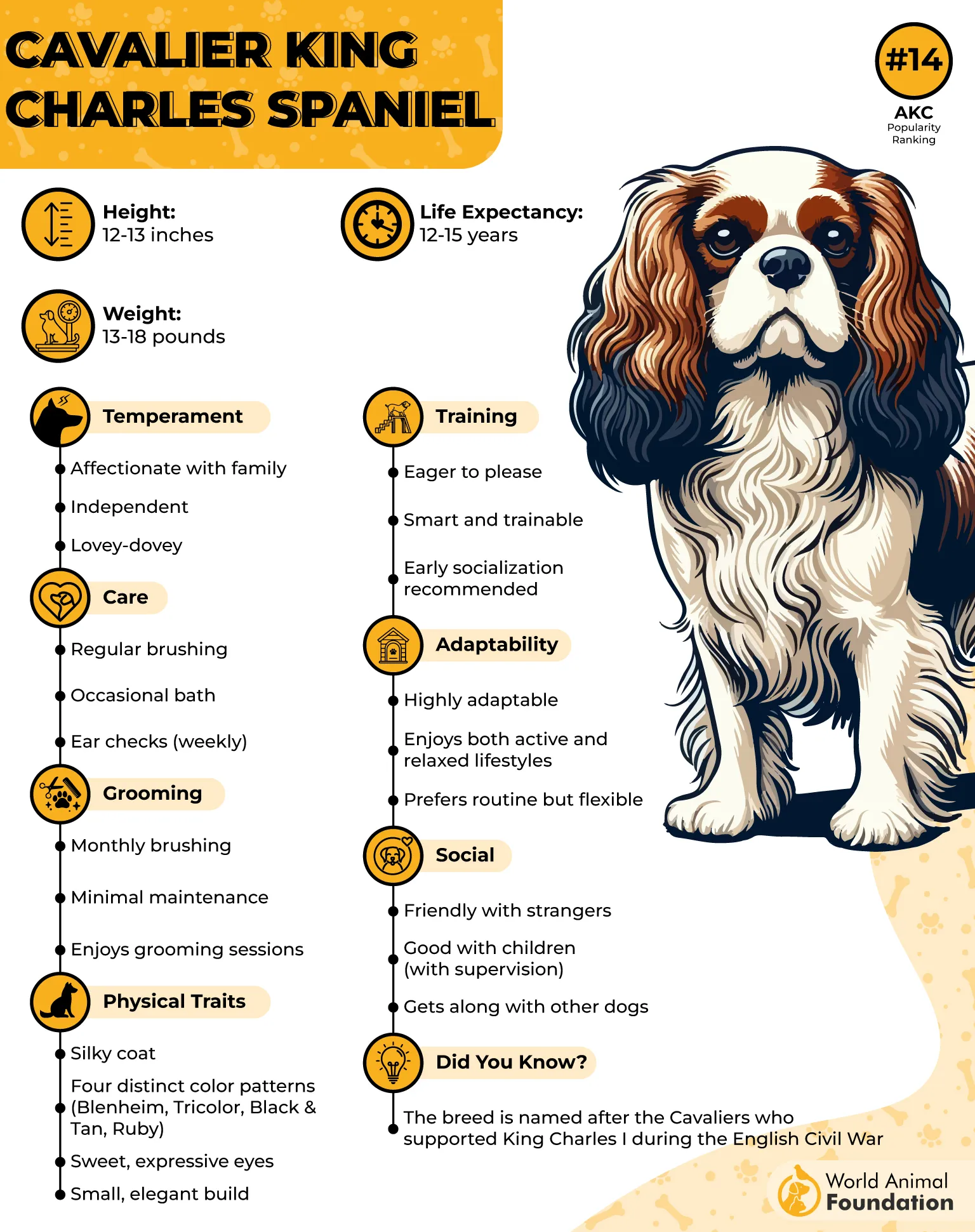
The Cavalier King Charles Spaniel is often the “sweet comedian” of small breeds. The dog’s personality usually feels warm, affectionate, and quietly funny. Instead of loud drama, the humor shows up in gentle silliness.
Think of a pup that carries a toy like it is priceless, then drops it at your feet with a hopeful look. Those soft eyes and expressive faces can melt a bad day fast.
This breed is known for loving humans and staying close. That closeness makes the pup a strong choice for families who want a friendly pet that fits into everyday life. Purina notes that the energy level is often low to moderate, so the dog can enjoy a walk and a play session without needing nonstop action.
But why bother with that? Because steady movement plus calm play helps keep behavior smooth and keeps the dog from getting restless.
Training is usually easier with this breed because many are eager to please. Keep sessions short, cheerful, and clear. Use gentle socialization early, so the dog stays relaxed around kids, visitors, and other animals.
This is also a breed many people describe as comforting to be around, and some owners choose them as therapy dogs because of their calm, affectionate nature.
Important notes
Keep exercise regular but not intensely.
If bark picks up, check for boredom and add a little play.
Calm handling helps this gentle companion stay confident.
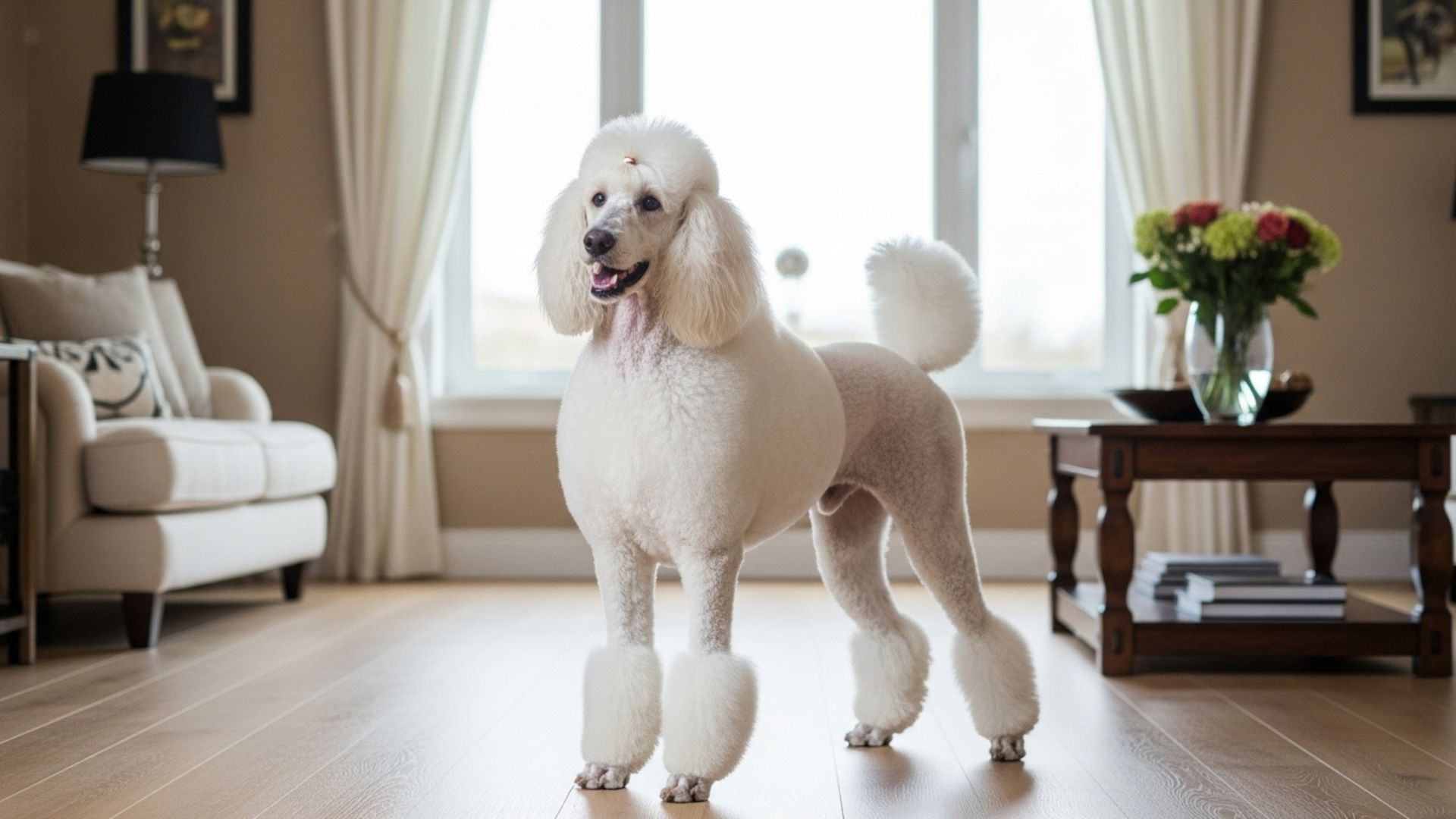
4. Poodle
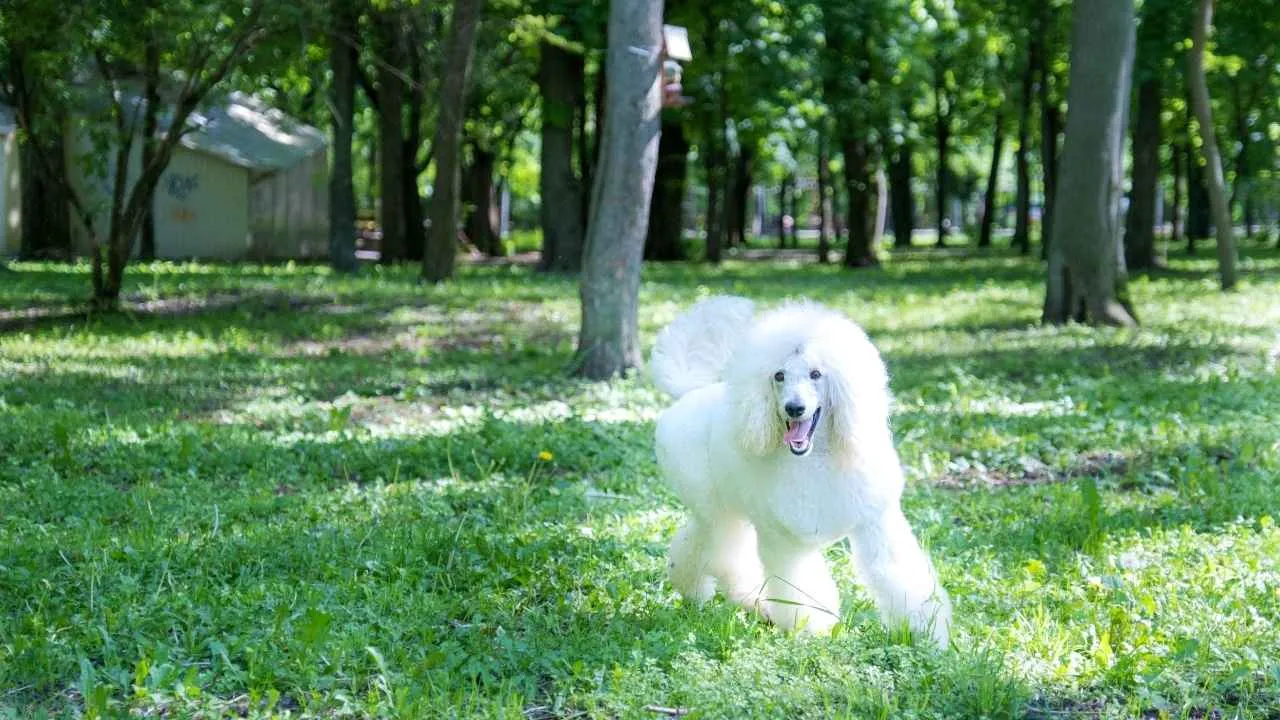
Poodles are highly intelligent, and that brain shows up as humor. A poodle can learn patterns fast, then use them to get attention.
It gets even worse, though, in the funniest way: some will act like they “invented” a game, then try to teach it to you. That smart mischief is part of the breed’s personality, and it can be a joy if the home enjoys playful learning.
Many poodles were originally bred for work in water, which helps explain the athletic side. Even in a small size, this breed can be active and alert. The humor often comes from quick problem-solving.
A pup may nudge a ball under a chair on purpose, then “ask for help” with a dramatic look. This is where mental stimulation matters. Puzzle toys can keep the pet busy and cut down on unwanted barking.
A toy poodle can fit well into many lifestyles, but training must stay steady. Clear rules, kind rewards, and short sessions help the dog thrive. Grooming is part of the deal, too, since the coat needs care.
When the routine is normal and calm, many families find the pup settles in nicely and becomes one of those great companions that make the house feel brighter.
Did you know?
Smaller poodles were once used in entertainment settings, which matches their love of attention.
Their intelligence can feel like a “tiny student” who wants homework, then celebrates loudly.
5. Pomeranian
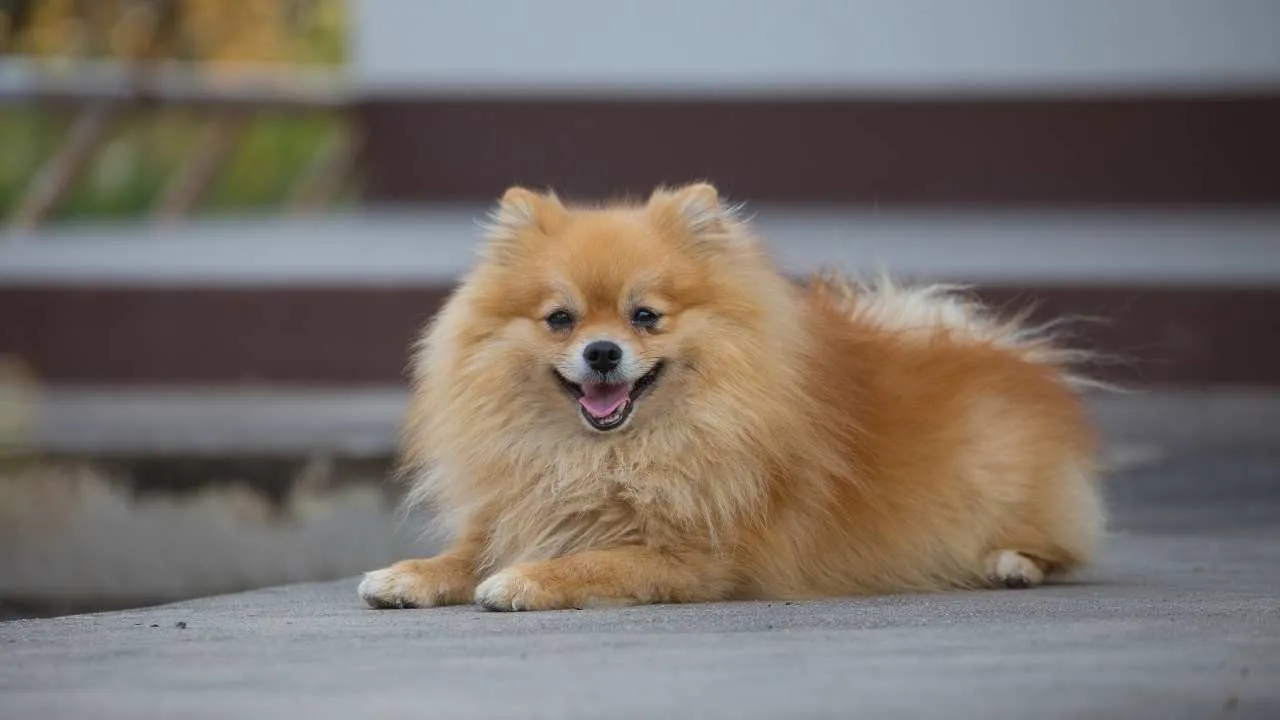
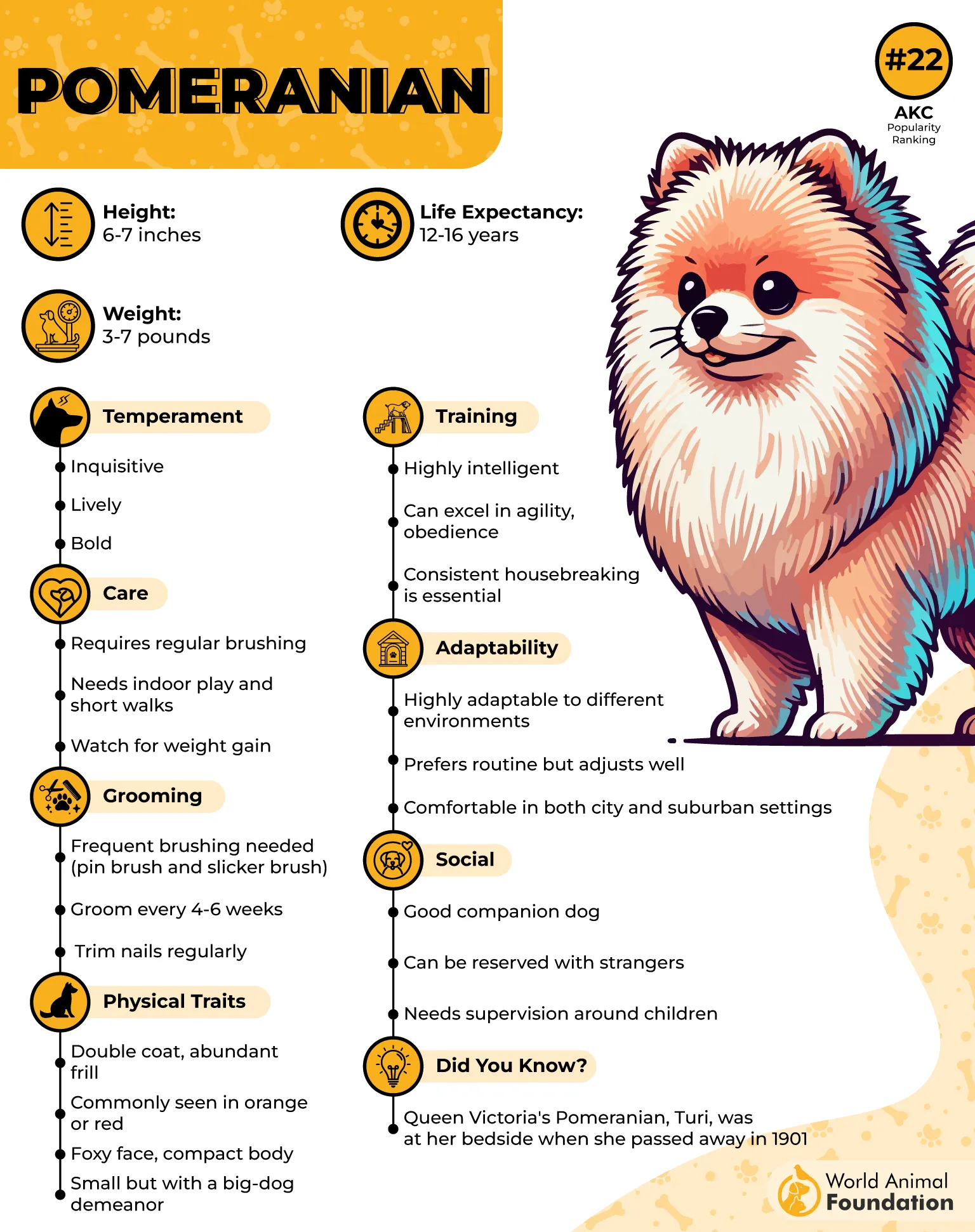
The pomeranian is a tiny fluff with a big personality. The breed is often energetic, affectionate, and bold, with a “look at me” sparkle. And here’s the best part! The humor can be pure timing.
A pom may prance into a room like royalty, then do playful spins for no reason at all. That confident vibe is a key part of the dog’s personality, and it is why this breed is a favorite among popular small dog breeds.
This breed was originally bred from larger spitz types long ago, and the bold spirit still shows. This small dog breed can be alert and quick to bark, which makes the pup a loud little announcer at the window. Training helps a lot here.
Teach a quiet cue, reward calm behavior, and give a clear routine. Without that, the bark can get out of hand, and neighbors may not find it as fun.
Poms often love being included. They can enjoy playing with other dogs when introduced well, and many also do fine around other pets with calm guidance.
Keep the coat cared for, keep exercising regularly, and keep play light but frequently. When the home gives attention plus structure, this little comedian can bring joy every day.
Watch for this
High energy levels can show up as pacing or extra bark.
Add mental stimulation before the pup gets bored.
6. Yorkshire Terrier
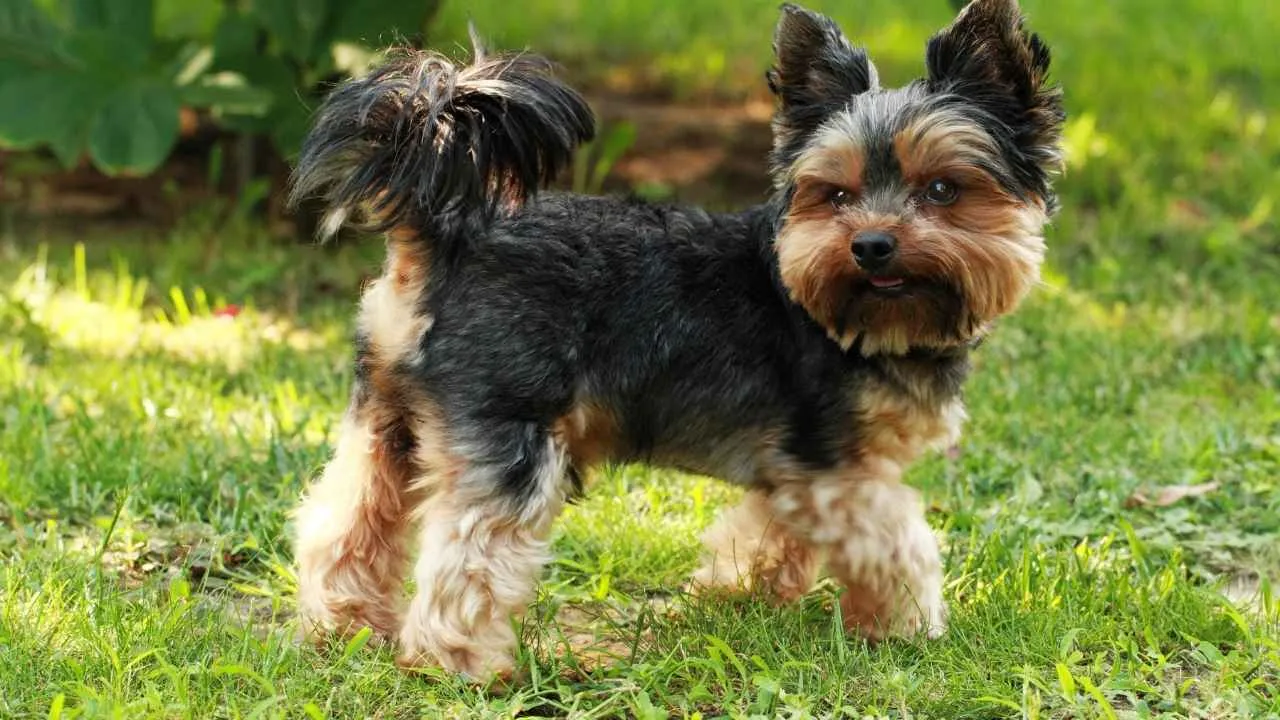
The Yorkshire Terrier is proud, brave, and confident, and that mix creates a very entertaining personality. This is a small breed that often acts like it owns the place. The humor is in the bold choices.
A Yorkshire Terrier might trot around with a toy twice its size, then look pleased like it just did a huge job. That brave attitude in a small package is exactly why so many people fall for this breed.
Many Yorkies are devoted to their humans and love face-to-face time. That closeness can be sweet, but it also means boredom can turn into trouble. Chewing, digging, and noisy barking can pop up if the pup feels ignored.
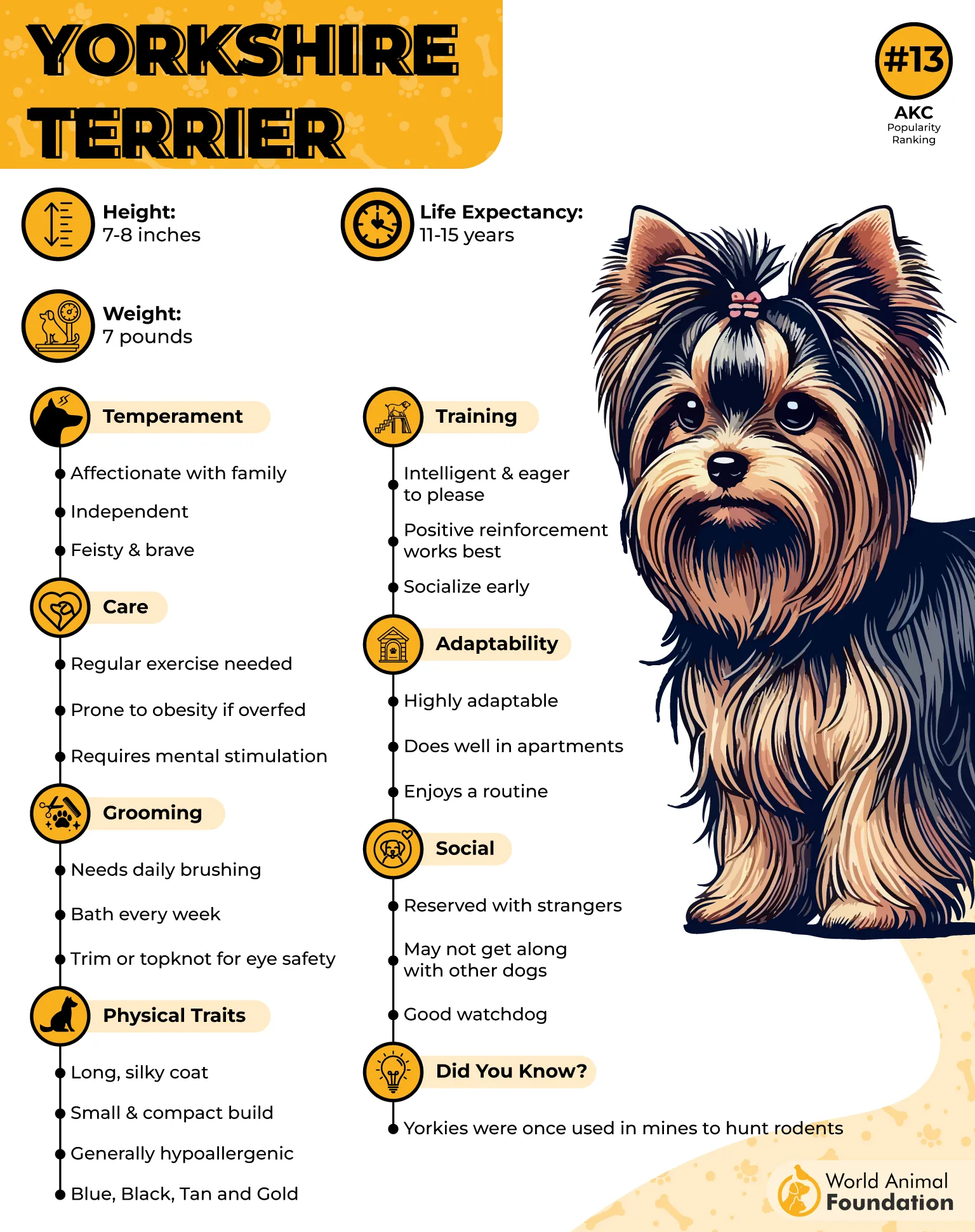
The fix is simple. Add play, add training, and add little tasks during the day. Short sessions help keep the dog focused, and quick learners often enjoy routine.
This breed is often described as low to moderate in energy, but the mind can still be busy. Give safe games, small challenges, and kind limits.
With good habits, the Yorkshire Terrier can be one of those great companions that keep families laughing with playful nature and confident charm.
Important notes
Keep grooming regularly to avoid tangles.
Teach calm greetings so kids can interact safely.
If bark rises, add more structure and exercise.
7. Havanese
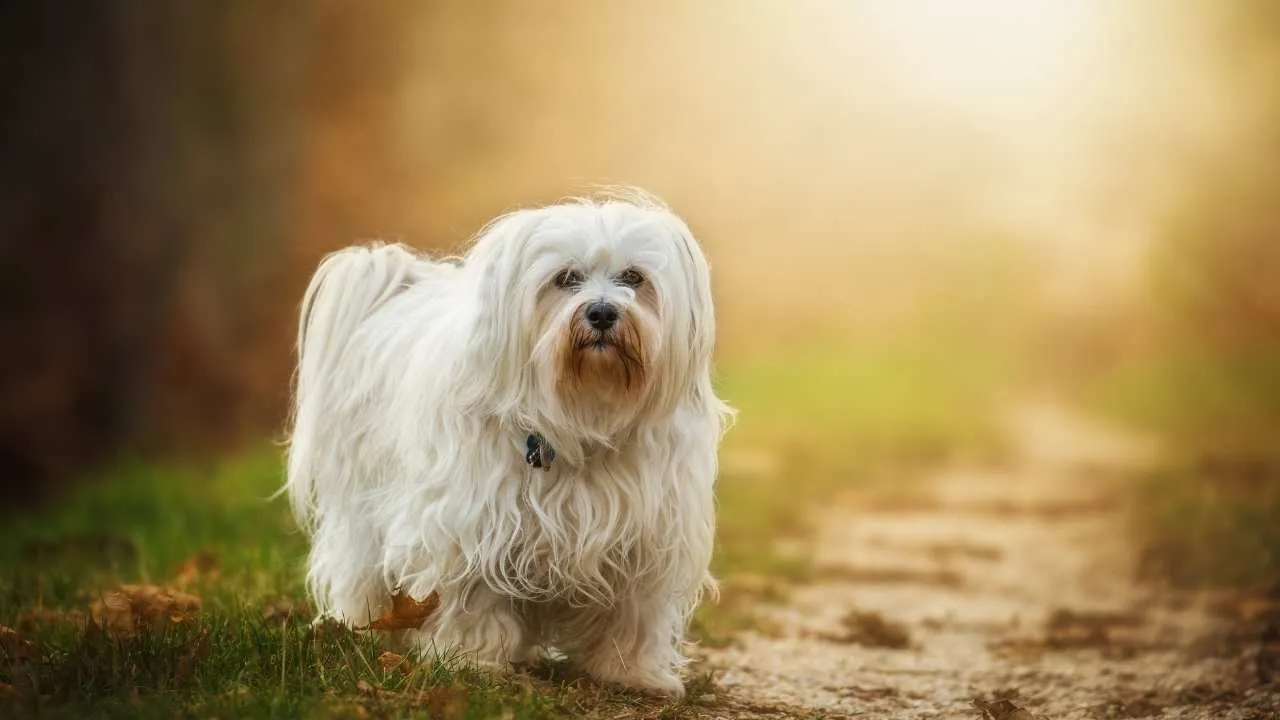
According to AKC, the Havanese has roots in Cuba and a long history tied to the homes of Cuban families and aristocracy. The breed became known as a cheerful, adaptable companion, and that is still true today. The humor often looks like joyful movement and playful charm.
A Havanese can bounce into the room, then do a tiny dance with a toy, as if it is putting on a show. That playful energy is a huge part of the breed’s personality.
This breed was shaped by a warm climate, and the coat is a special feature. It can feel light and silky, with a texture people often compare to raw silk.
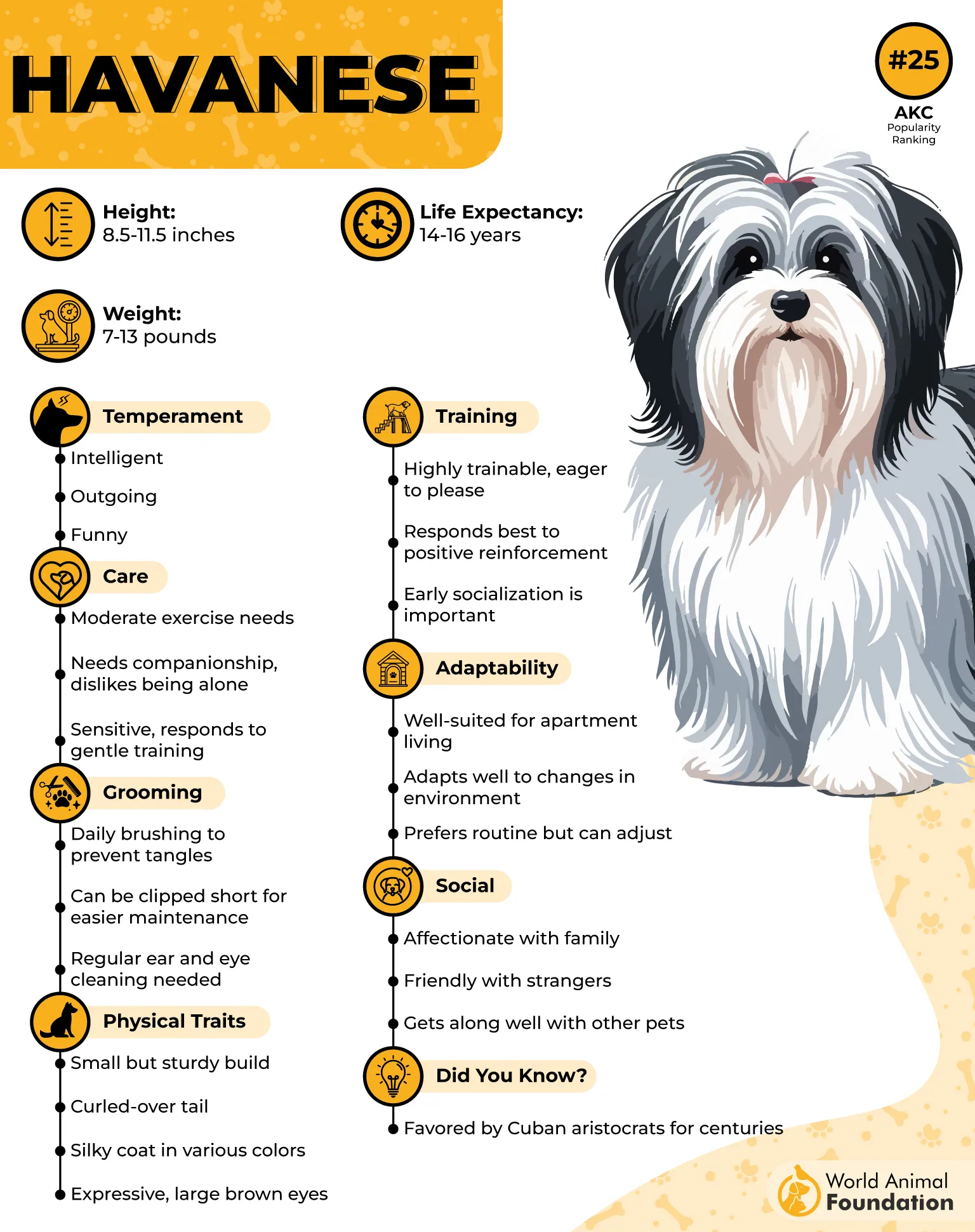
Coat care matters, but it can also be a bonding routine if kept gentle. This small dog tends to enjoy being close to humans, and many families love how friendly and social the pup can be during family activities.
The Havaneses can be alert and may bark when something feels new. Early socialization helps a lot, especially if the home has children or other animals. Keep training light, kind, and steady.
Add mental stimulation with simple games, and the pup often stays happy and calm. When a home wants a funny, affectionate pet that feels like a joyful little shadow, this breed can fit beautifully.
Did you know?
The Havaneses are considered the national dog of Cuba and are its only native breed.
Many modern lines trace back to a small group of dogs that helped rebuild the breed outside Cuba.
Conclusion
Tiny comic pups can change the whole mood of a house. These small dogs do not just look cute. They act out little jokes, show real emotion, and build strong bonds with families.
The key is matching the breed’s personality to your lifestyle, then supporting it with training, exercise, and calm rules. When that balance clicks, a pet becomes more than a companion. The pup becomes a daily source of joy.
So, pick the small package that fits your rhythm. Give kind structure, clear limits, and fun play. And when the bark gets dramatic, or the zooms get wild, laugh a little. That humor is often a sign of a happy heart.
