




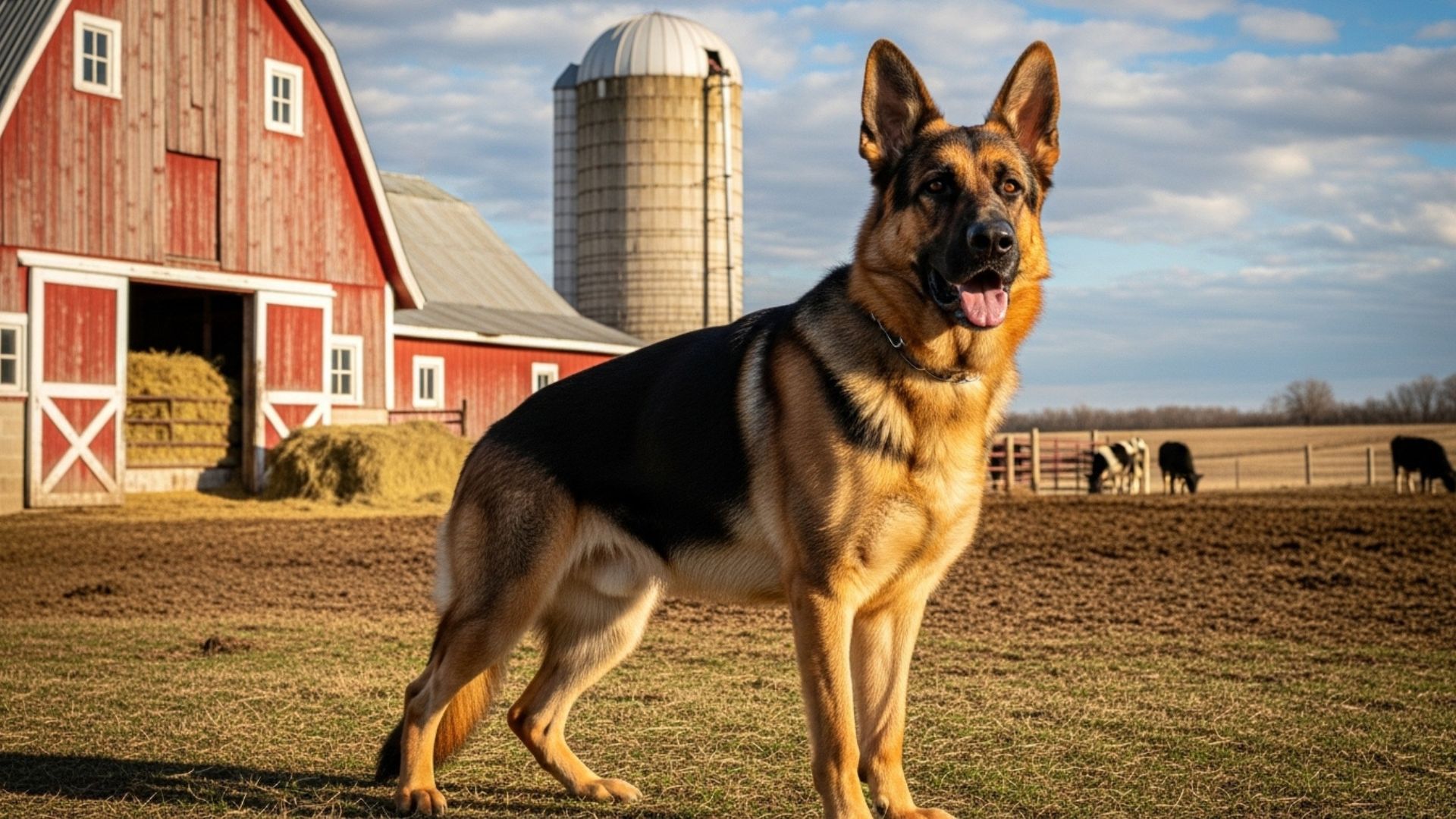
Life on a working farm is busy, unpredictable, and not for the faint of heart.
When livestock needs moving, monitoring, or managing, the right herding dog can make all the difference. The most obedient herding breeds combine intelligence, focus, and a strong desire to work alongside their humans, turning daily farm tasks into a smooth routine.
These dogs are not just helpers; they are problem solvers with paws, always ready for the next job. In this article, we explore herding dog breeds known for their trainability, reliability, and ability to stay cool under pressure, making them trusted partners for farmers who depend on skill as much as instinct.
Fun Fact
Being a farm dog is not just about living outdoors. True farm dogs earn their keep every day by herding livestock, guarding animals, and reacting fast when conditions change, often solving problems before humans even notice them.
Most Obedient Herding Dog Breeds Needed At Farms
1. Australian Shepherd
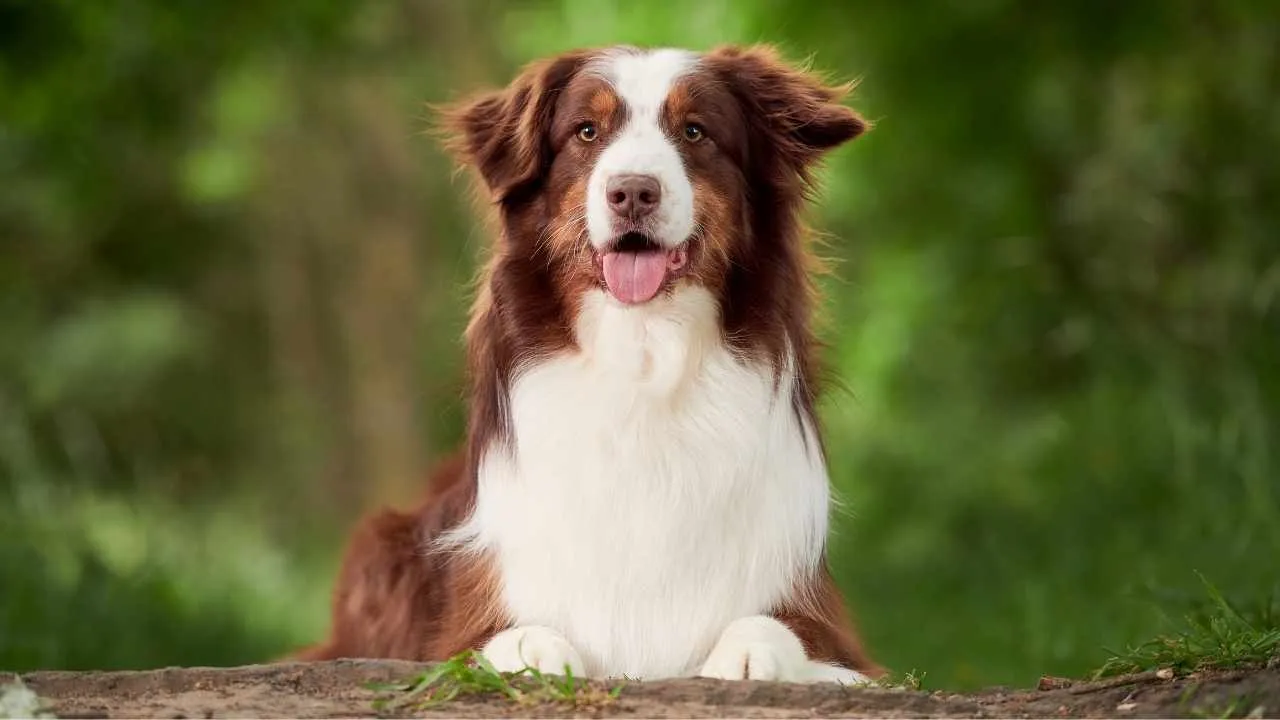
The Australian Shepherd is a medium-sized, lean, and athletic dog developed for demanding ranch work. Known for a sharp gaze and constant awareness, this breed tracks movement naturally and responds quickly to direction. Their strong herding drive shows up early and often, sometimes extending to anything that moves nearby.
Highly intelligent and energetic, Australian Shepherds thrive when given structured tasks throughout the day. They bond closely with their people and prefer staying involved in daily activities rather than being left alone. Without regular engagement, their energy can turn inward and lead to unwanted behaviors.
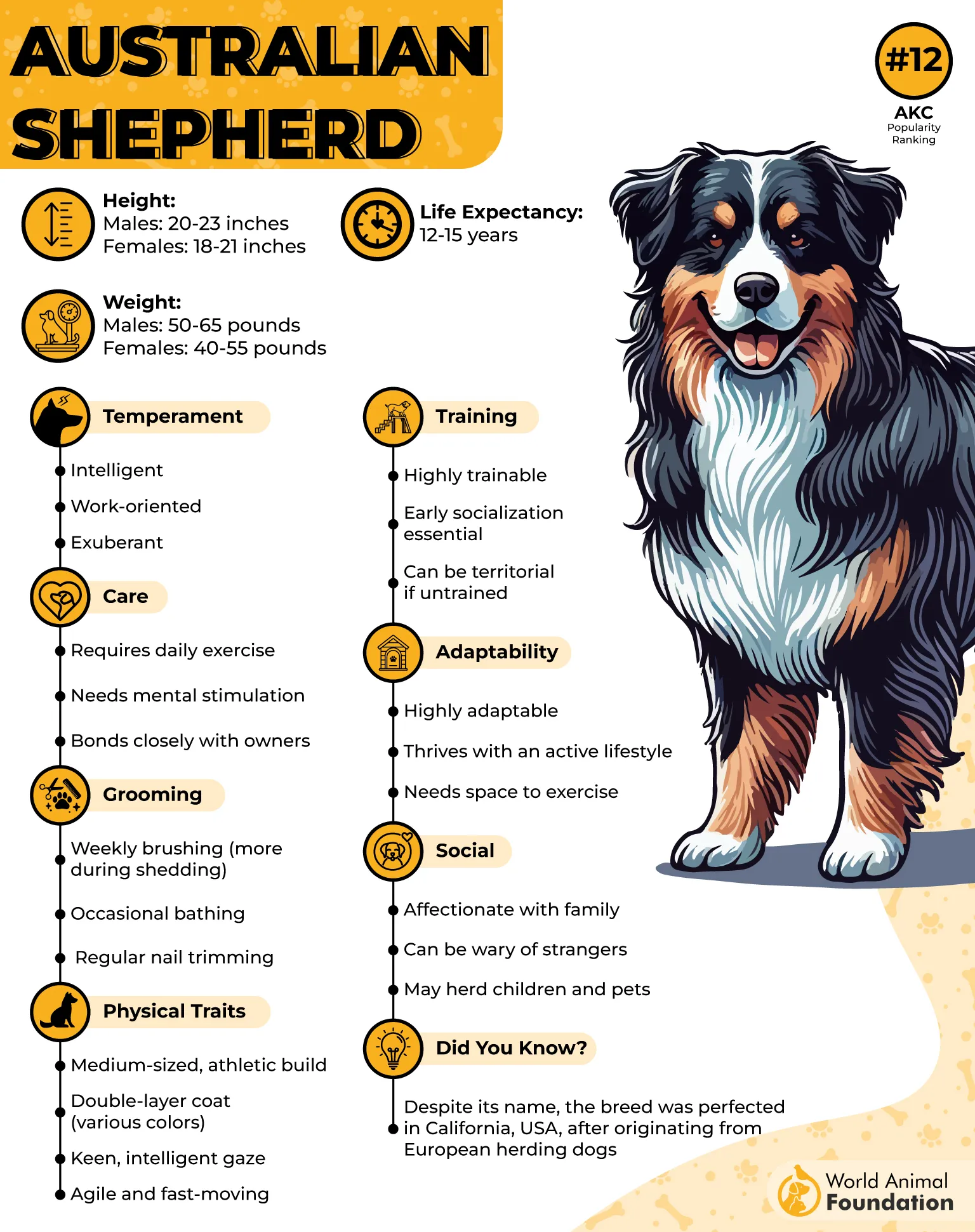
As mentioned by the American Kennel Club (AKC), Australian Shepherds shine when early socialization and obedience training are part of the plan, helping channel big energy, strong family loyalty, and sharp minds into positive habits instead of boredom trouble.
Why This Breed Is a Good Fit
Enjoys staying busy and involved in daily routines
Forms strong working partnerships with handlers
2. German Shepherd
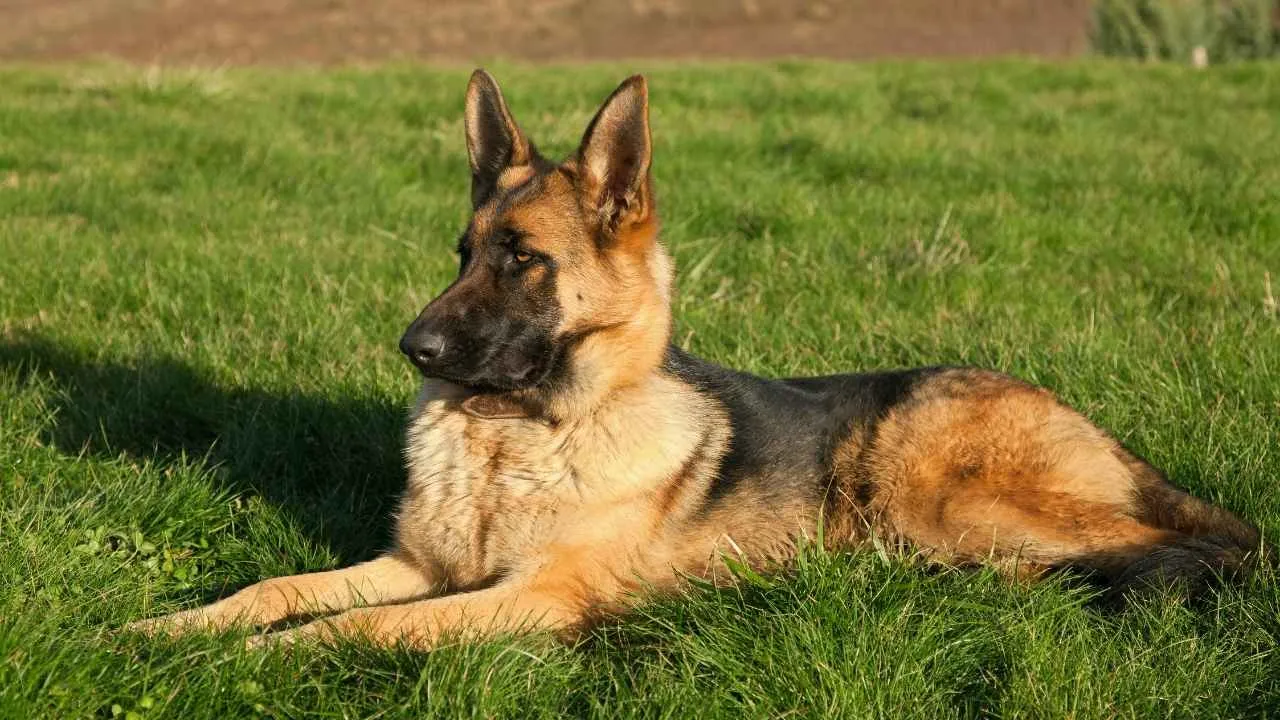
Watching a German Shepherd move feels purposeful, like every step has clearance and intent. This working dog carries itself with confidence and an alert presence that naturally commands attention. Their steady demeanor often signals readiness before any cue is given.
Long before modern working roles expanded, these intelligent dogs were shaped to manage livestock with structure and discipline. Their development centered on controlled movement, awareness of surroundings, and cooperation with handlers. That foundation still shows in how they read space and respond to direction.
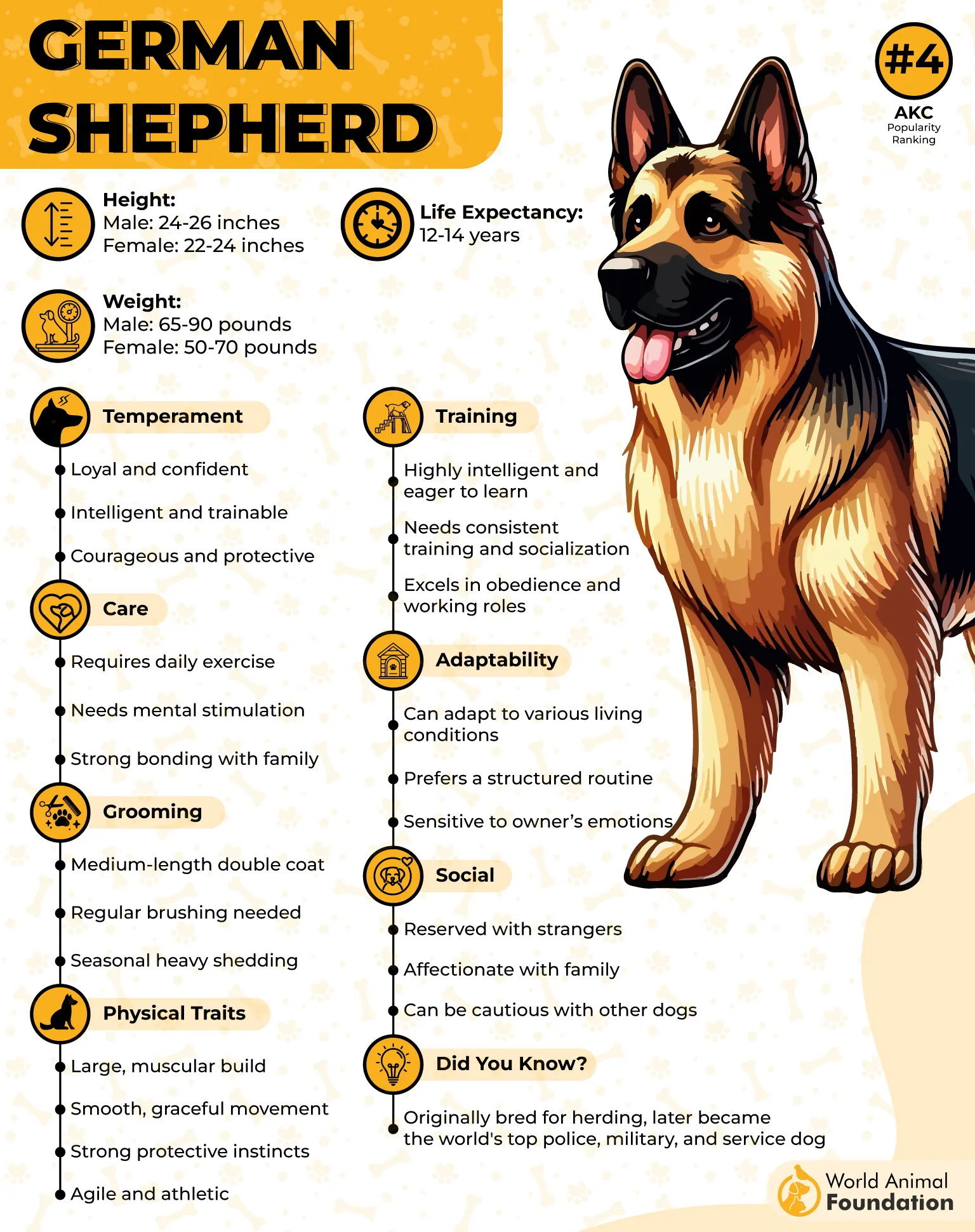
When tasks require reliability and follow-through, German Shepherds settle into routines quickly. They absorb commands through consistent training and remain deeply connected to the people guiding them. That combination allows them to shift smoothly between guiding animals and standing watch.
Why This Breed is a Good Fit
Maintains focus even in busy, unpredictable settings
Responds well to clear leadership and consistency
3. Australian Cattle Dog
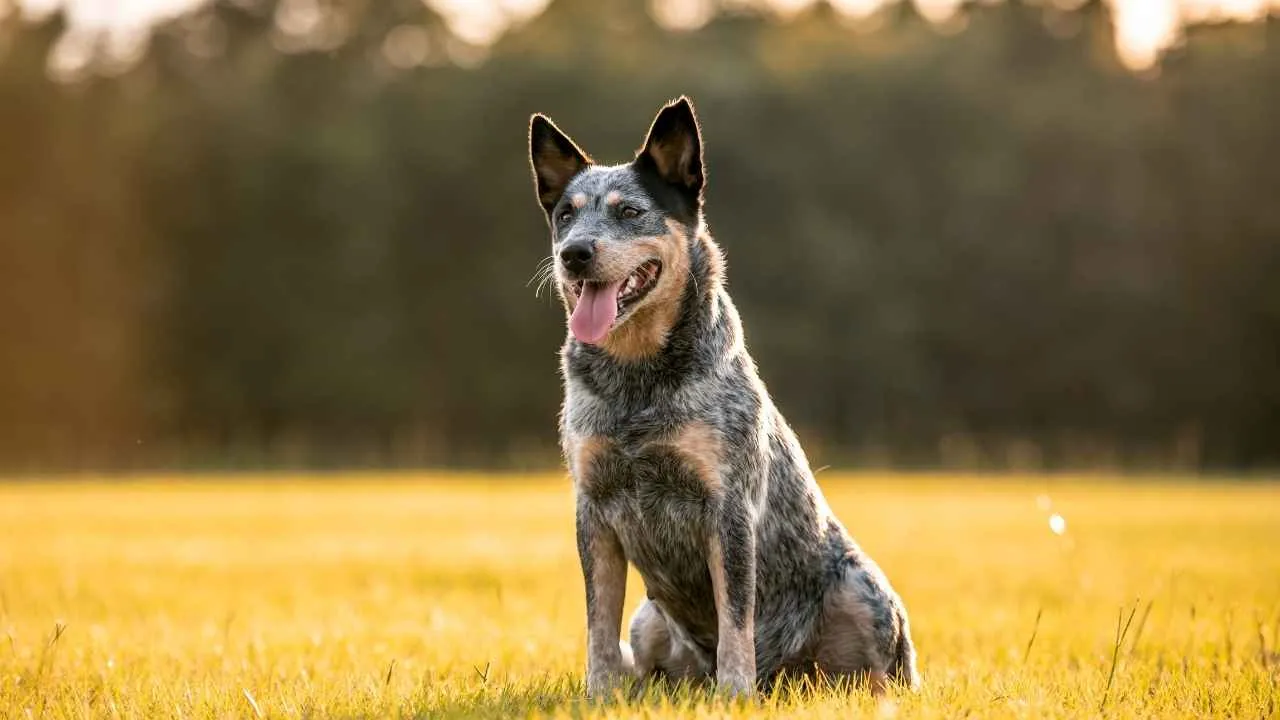
Compact, tough, obedient, deeply loyal, and always thinking two steps ahead, the Australian Cattle Dog approaches work with grit and determination. There is nothing flashy here, just a sturdy dog built to handle long days and challenging terrain without losing momentum.
Out in open spaces, this breed shows remarkable control while managing livestock movement. Their style relies on precision and timing rather than size. Quick decisions and sharp reactions help them keep animals moving where they belong.
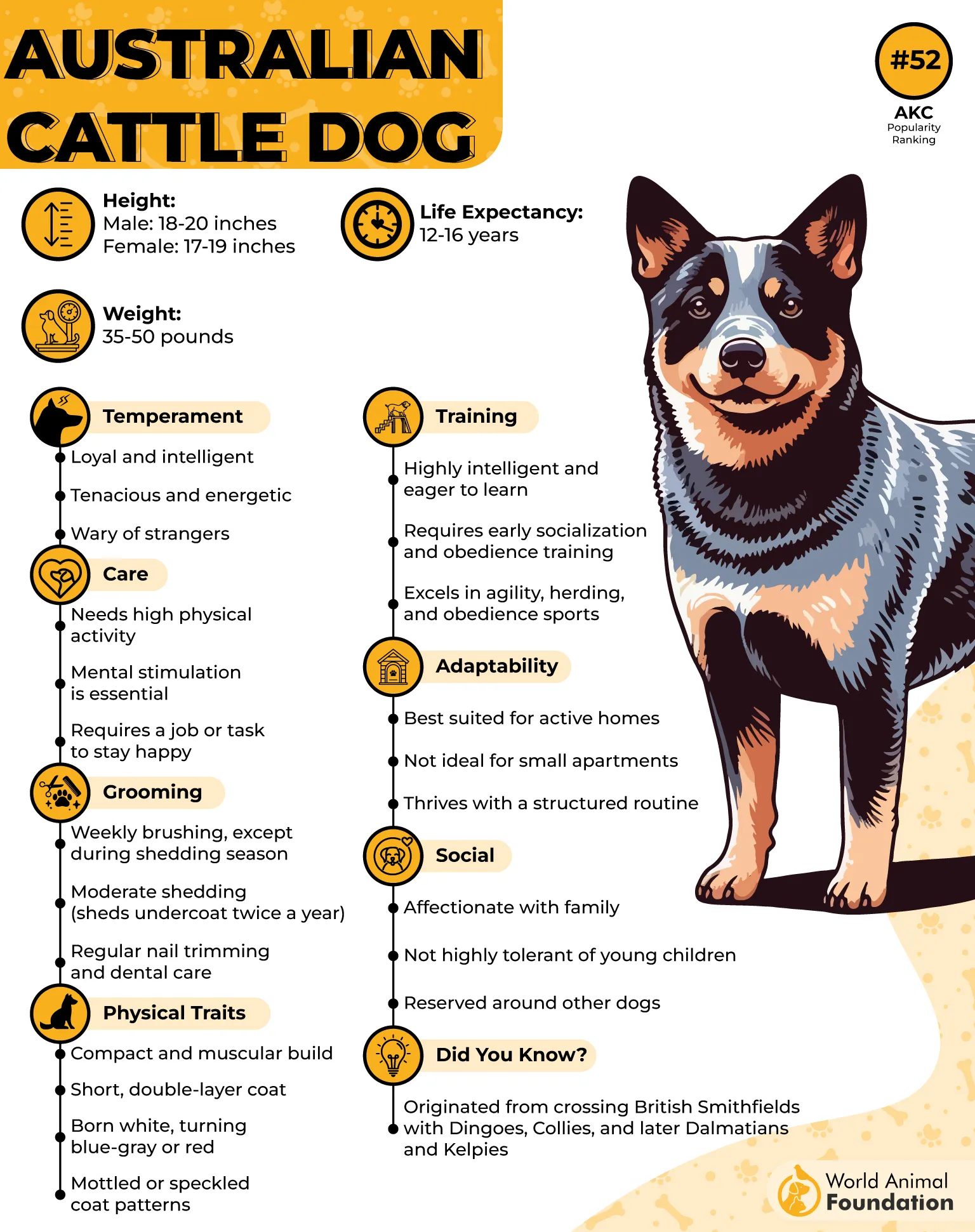
According to Purina, the Australian Cattle Dog needs at least two hours of daily exercise, combining physical activity with training and mental challenges, because boredom or long unsupervised time does not end well for them.
Why This Breed is a Good Fit
Built to handle outdoor conditions comfortably
Naturally alert and aware of movement around them
4. Border Collie
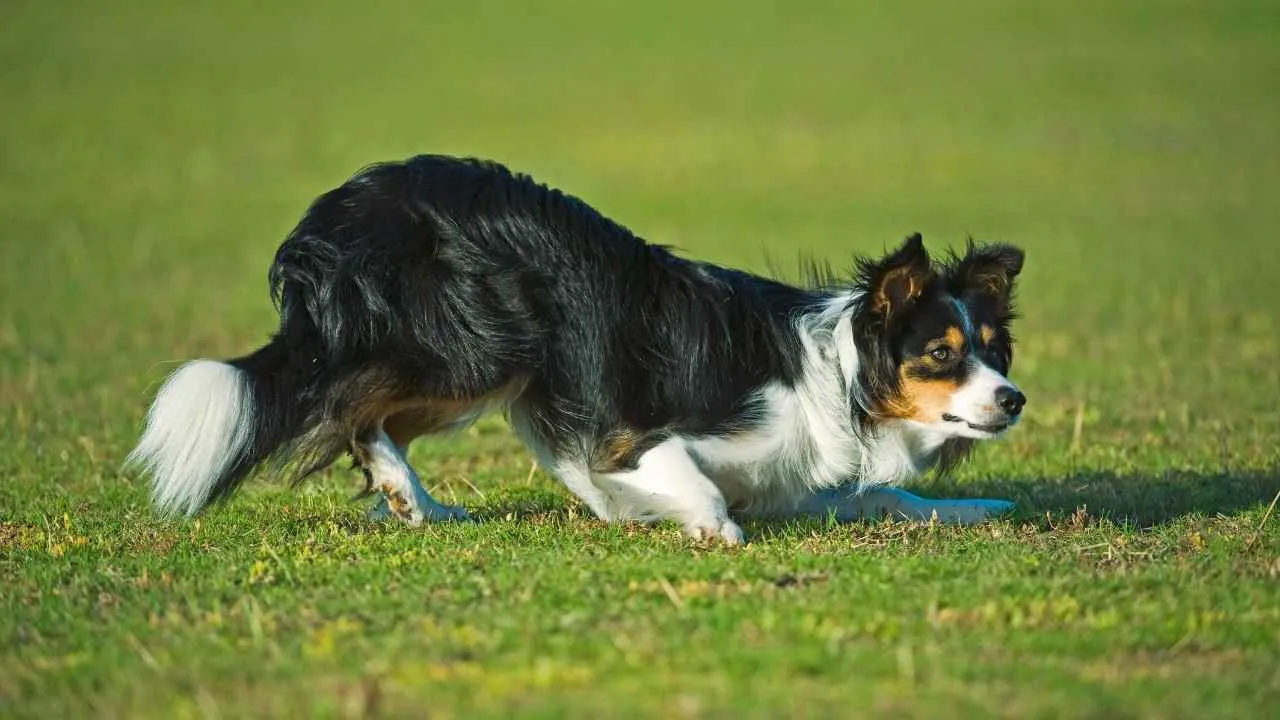
There is an intensity behind a Border Collie’s gaze that feels almost intentional. This breed notices everything, from subtle movement to distant changes, and processes it quickly. Their presence alone often influences how animals behave nearby.
Ongoing training keeps their sharp minds satisfied and engaged. They respond best when learning never truly stops and tasks evolve. Mental stimulation matters just as much as physical effort for keeping them content.
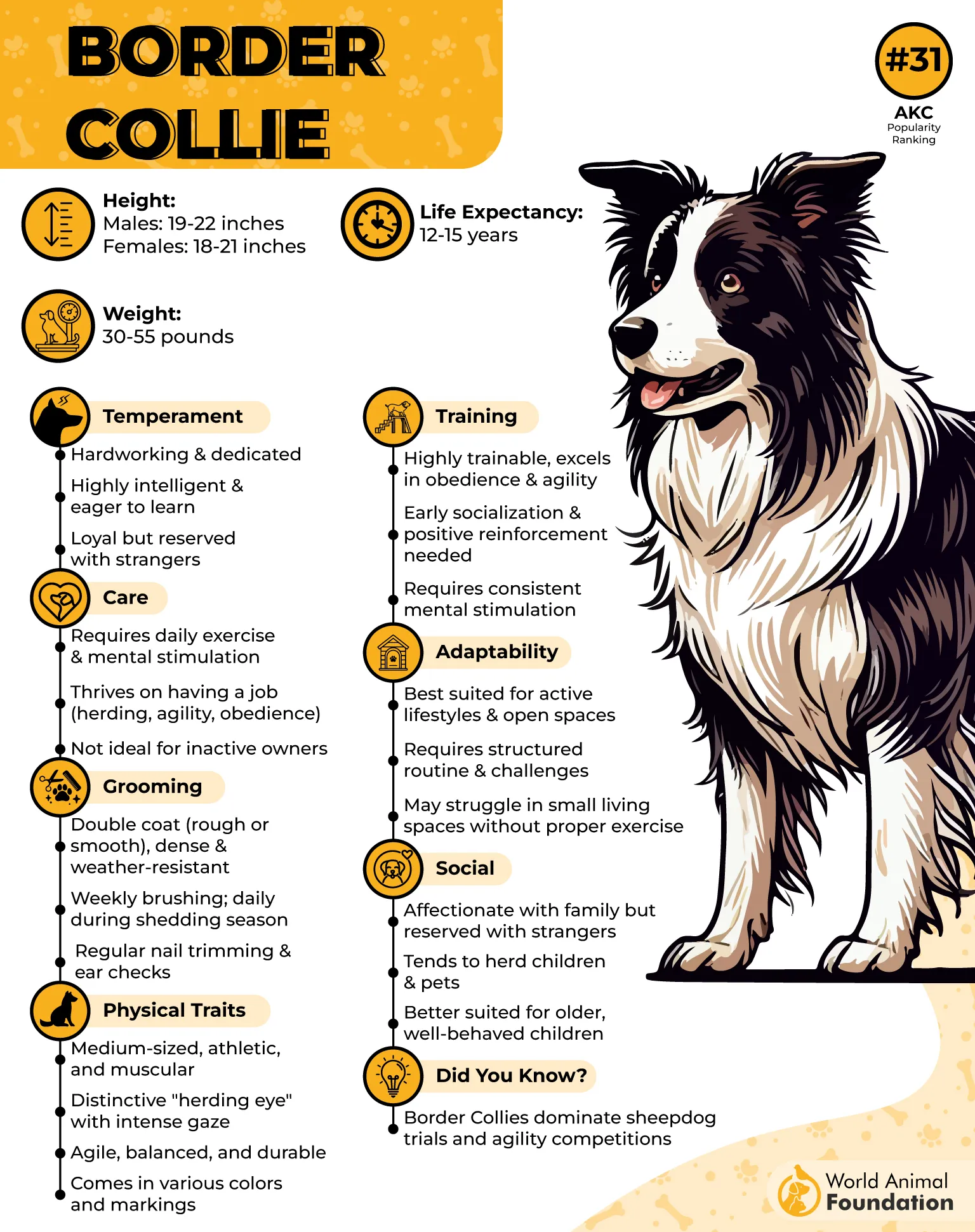
When working livestock, Border Collies rely on balance, timing, and an unmistakable visual focus. Movement is calculated rather than rushed, creating smooth transitions that feel controlled. This thoughtful approach has defined their working style for generations.
Why This Breed is a Good Fit
Excels in roles requiring precision and awareness
Enjoys learning sequences and refining skills
5. Polish Lowland Sheepdog
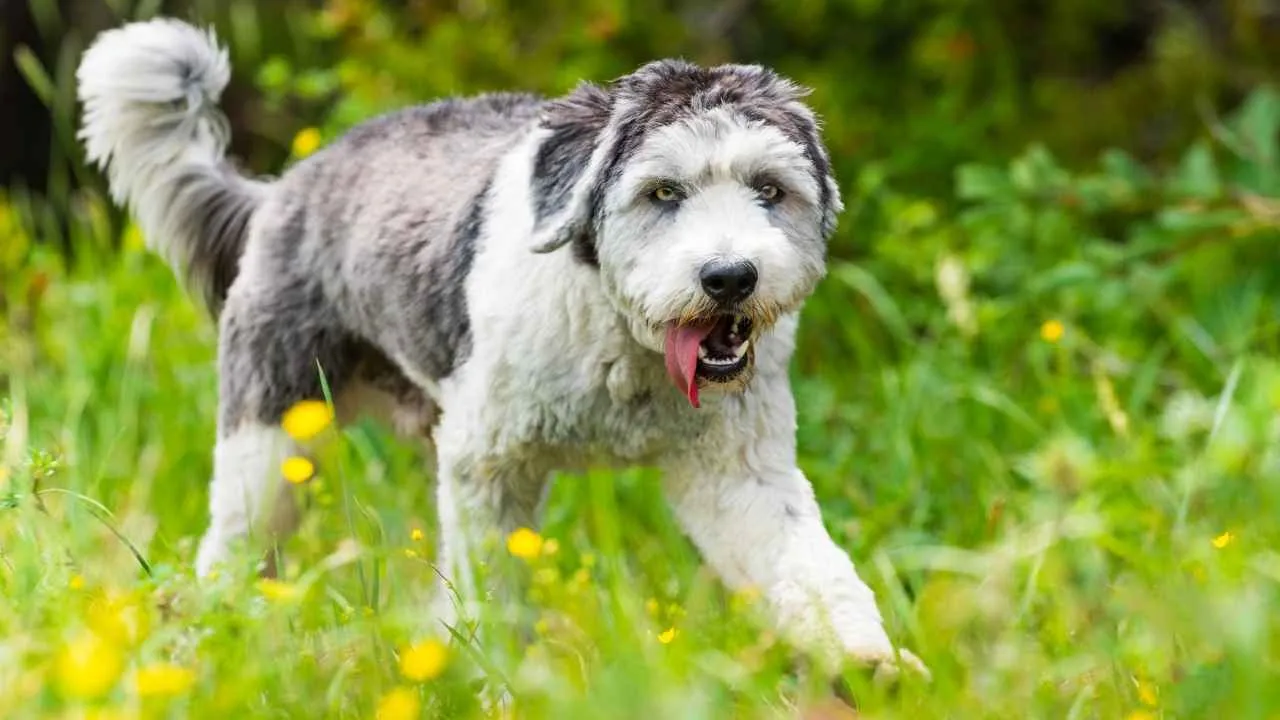
Ever met a dog that looks like it’s thinking three steps ahead while pretending it’s just vibing? That’s the Polish Lowland Sheepdog. Beneath the shaggy coat sits a clever, confident worker who enjoys being busy and involved, not decorative.
When sheep need organizing, this breed treats it like a puzzle worth solving. Calm pressure, steady movement, and natural awareness help in herding sheep without chaos. Their instincts were shaped for staying attentive all day while keeping animals grouped and moving smoothly.
Nightfall never meant clocking out. This versatile guard dog historically shifted gears to guarding livestock while remaining ready for herding cattle when needed. Alert senses and watchful behavior allowed them to notice changes quickly and respond without hesitation or panic.
Why This Breed Is a Good Fit
Comfortable switching between active and watchful roles
Handles long hours without losing focus
6. Pembroke Welsh Corgi
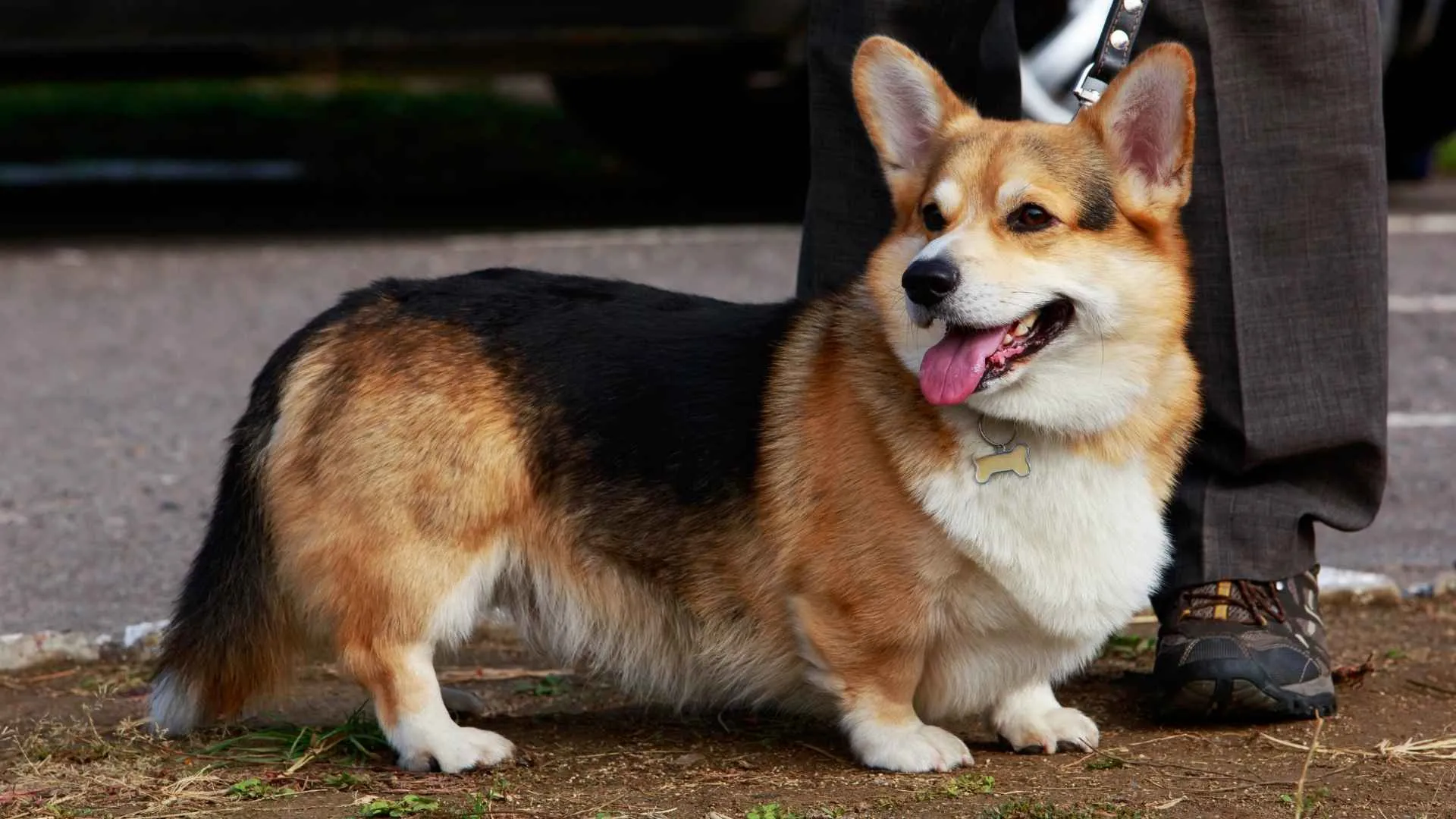
Small body, big opinions. The Pembroke Welsh Corgi approaches work with bold confidence and zero awareness of its height. That long, low frame was shaped for action, allowing quick turns and surprising speed while staying close to the ground.
As noted by PetMD, Pembroke Welsh Corgis bring big energy and a people-pleasing attitude, loving training, and mental challenges. When their brains stay busy, they behave better, play well with kids, and usually get along happily with other pets.
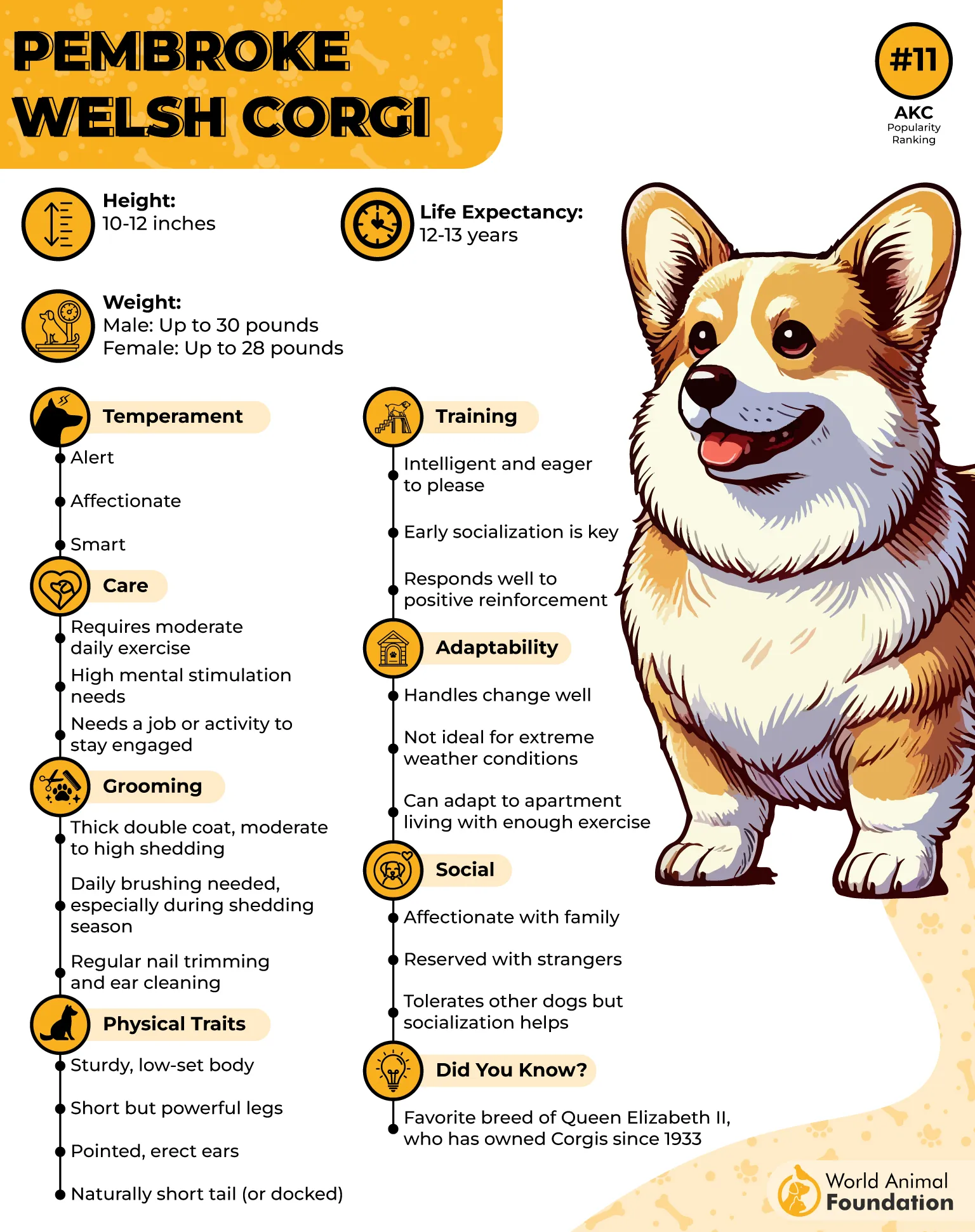
Out in the field, this breed takes its working role seriously, especially when managing cattle. Fearless movement and sharp timing help control larger animals by staying mobile and alert. Their build plays a quiet but important role in how they move livestock.
Why This Breed Is a Good Fit
Brings enthusiasm without needing constant direction
Maintains alertness even during slower moments
7. Dutch Shepherd
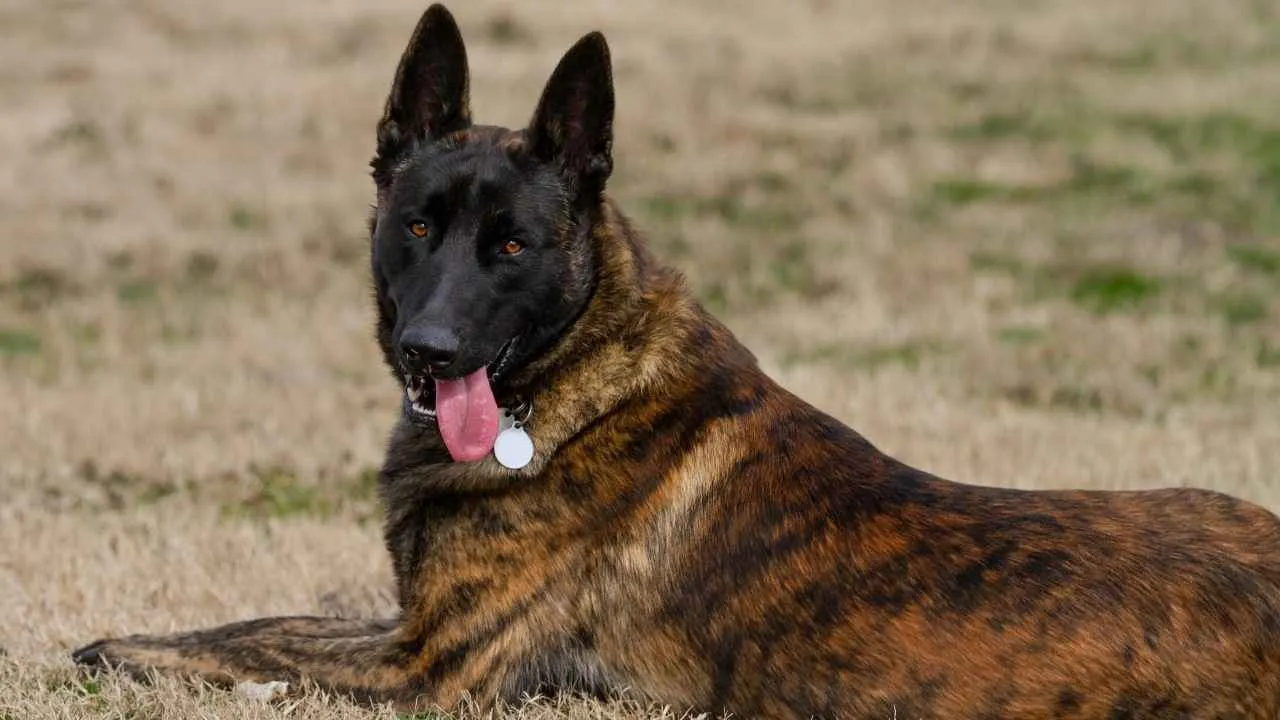
If versatility had a four-legged mascot, it might look a lot like the Dutch Shepherd. This breed developed as an all-purpose farm helper, shifting tasks effortlessly while staying physically capable and mentally alert throughout long workdays.
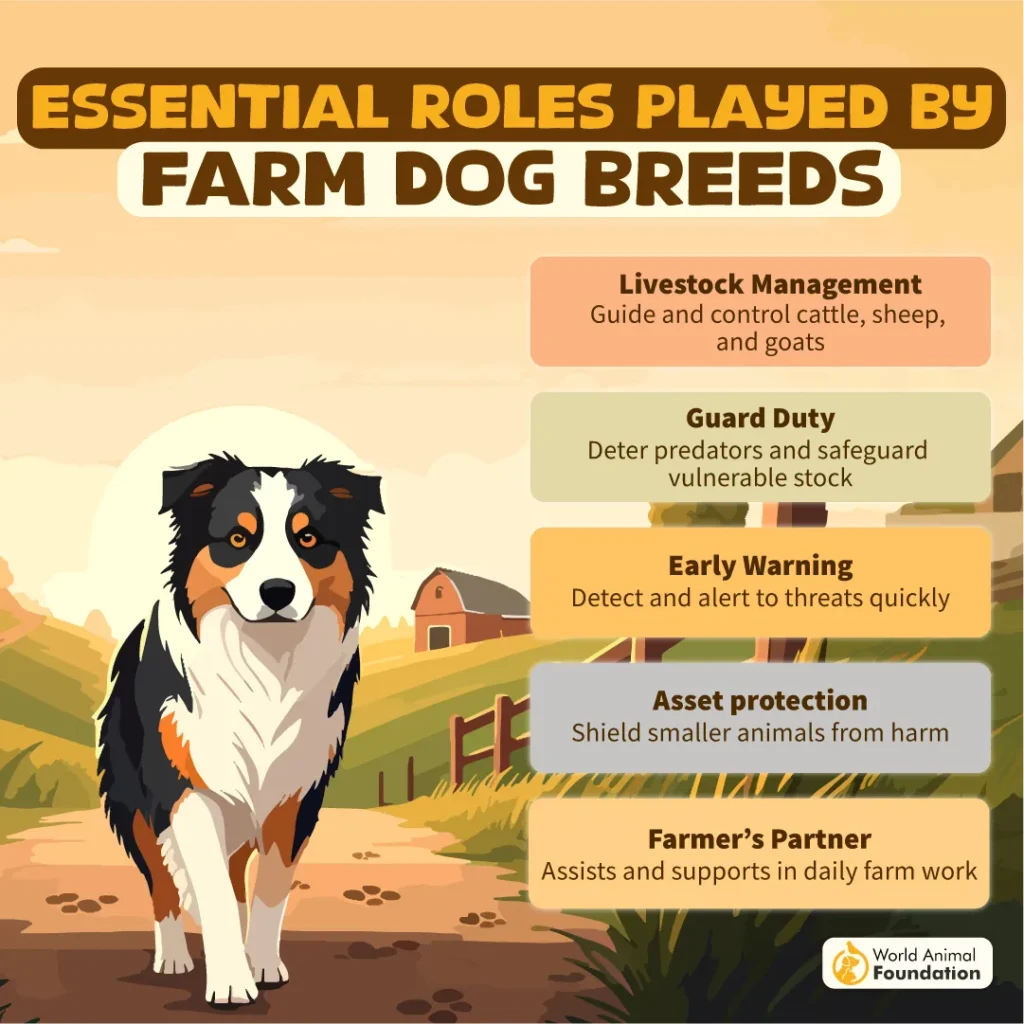
Working roles came naturally, from managing livestock movement to keeping order around the property. Endurance and adaptability allowed this breed to stay productive across changing demands without losing clarity or drive.
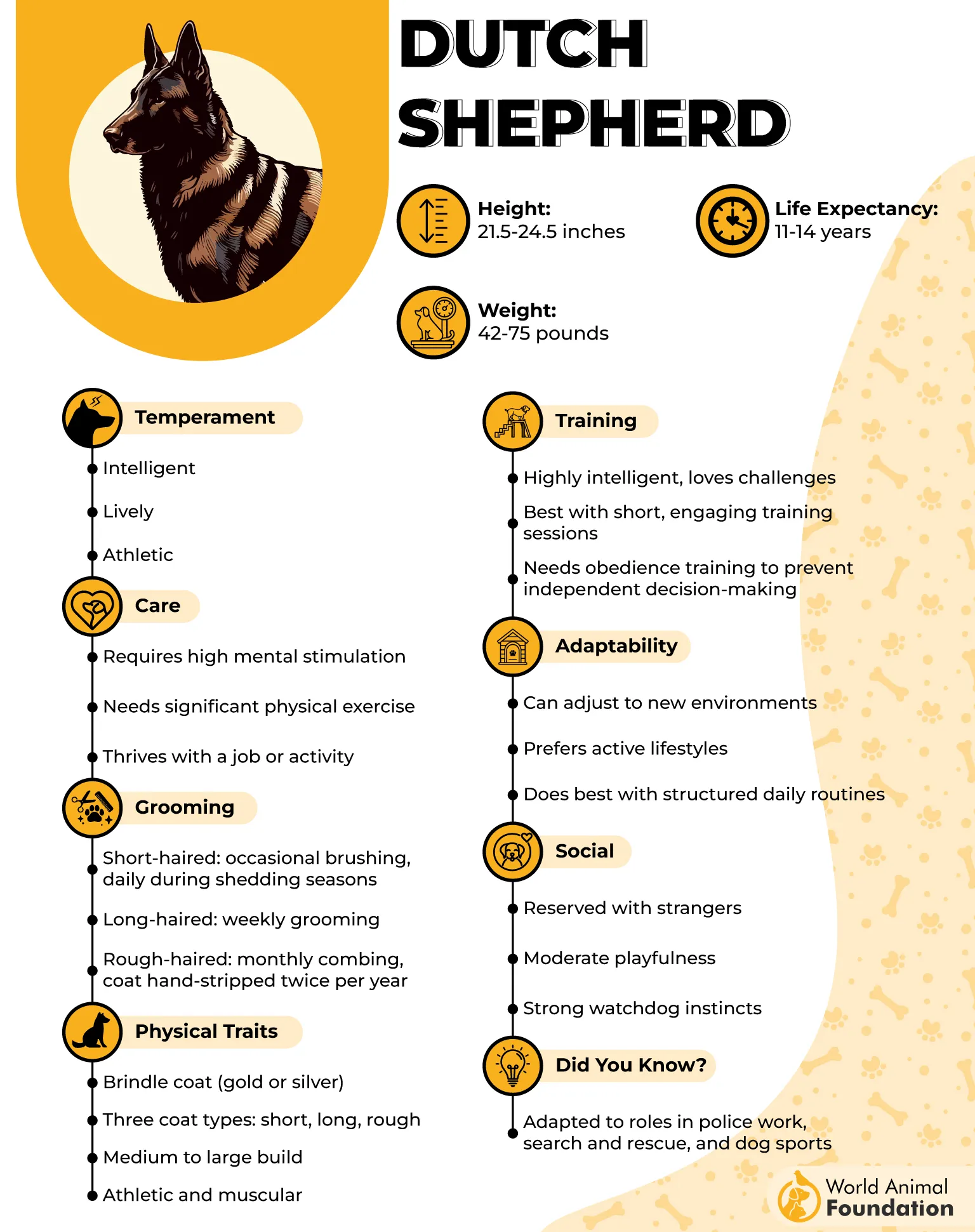
Training tends to feel more like teamwork than instruction. Short, engaging sessions suit their sharp minds, and meaningful challenges keep them invested. When learning stays interesting, obedience follows with impressive consistency.
Why This Breed Is a Good Fit
Handles varied responsibilities with ease
Forms strong partnerships through shared work
Conclusion
A reliable herding dog can change the rhythm of life on a farm, turning long days into smoother routines and stressful moments into manageable ones. Each breed brings its own personality, strengths, and working style, which means the right fit depends on the animals, the land, and the people involved.
Beyond skill and obedience, these dogs offer loyalty, awareness, and a deep desire to be useful. Taking the time to understand how each breed works, thinks, and interacts makes it easier to choose a partner that feels less like hired help and more like a trusted teammate.
If you are further interested in such wonderful breeds, some other dogs you can look at include Labrador Retriever, Great Pyrenees, Belgian Malinois, and Old English Sheepdog.
