




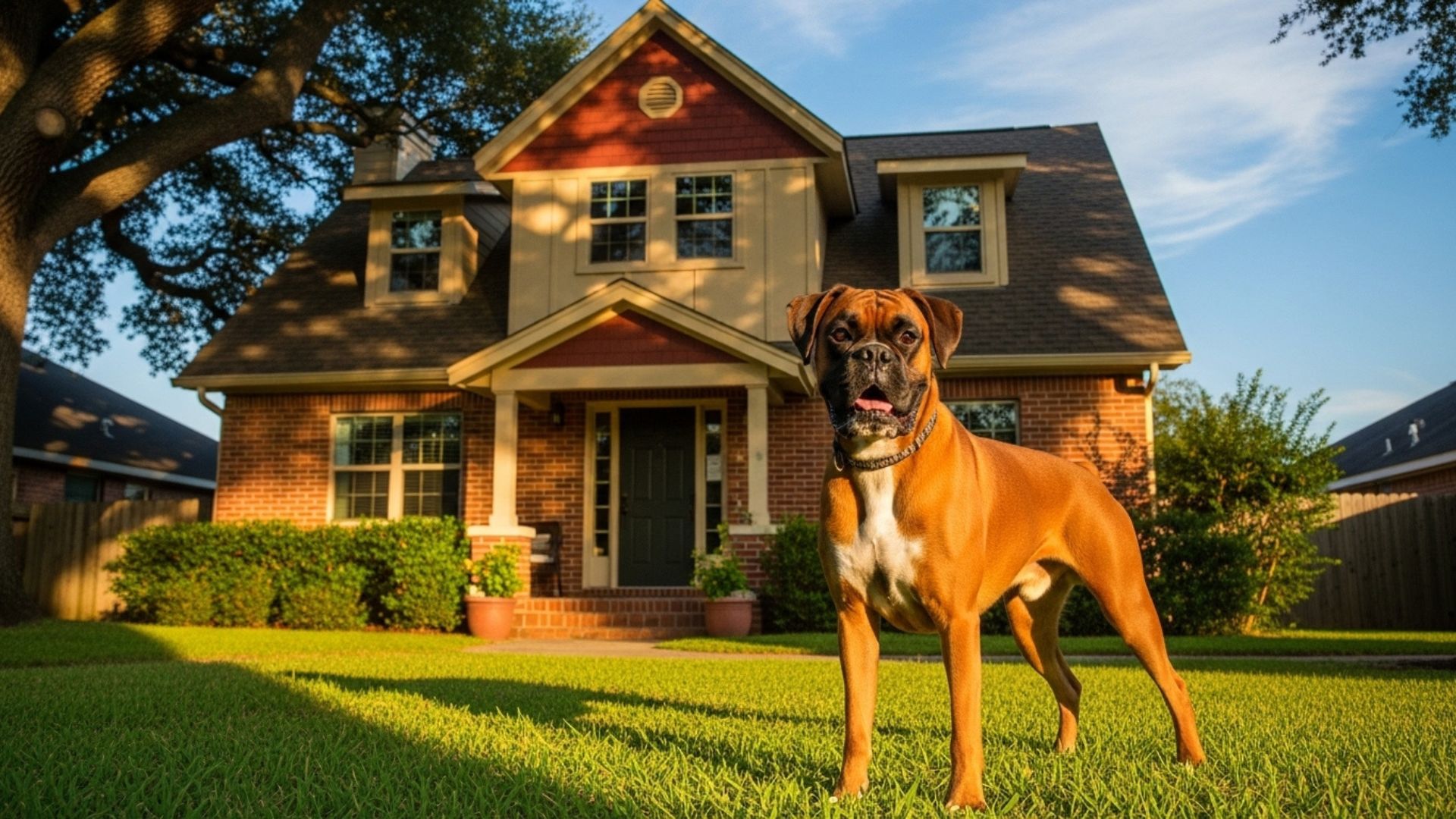
Let’s say the quiet part out loud: most of us aren’t trying to turn our home into a fortress. We just want to feel safe—especially if we’ve got kids, late-night arrivals, a partner who travels, or a house that sits a little too close to “that one dark streetlight.”
A good protection dog isn’t just about size or a scary bark. The best family safeguard breeds usually share a few core traits: confidence, trainability, stable nerves, strong bonding, and a natural instinct to notice what’s “off.” The goal is deterrence first (most threats leave when they realize you’re not an easy target), and controlled protection second—meaning a dog that can be calm 99% of the time and serious only when it truly matters.
One important reality check: no breed is automatically “safe” or “dangerous.” Temperament depends on genetics, early socialization, training, health, and—big one—owner handling. Also, a dog is not a replacement for locks, lighting, cameras, or common sense. Think of a protection-capable breed as one layer of a smart home safety plan.
That said, here are seven guard dogs known worldwide for their protective instincts and family loyalty.
Best Dog Breeds to Safeguard Your Family from Threats
1. Bullmastiff
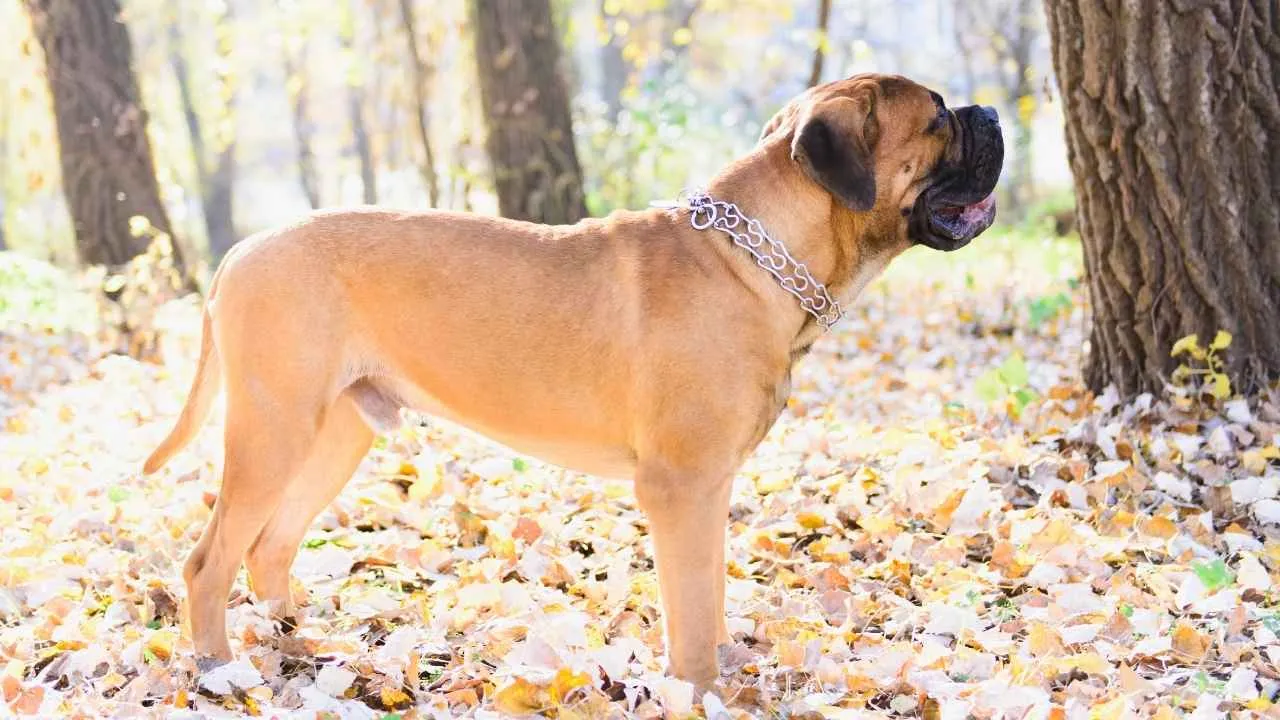
Bullmastiffs were developed in 19th-century England to help gamekeepers stop poachers. The idea wasn’t a dog that barked all night—it was a dog that could track quietly, confront confidently, and physically stop a threat. That history shows up today: many Bullmastiffs are calm, watchful, and not overly vocal… until they decide something is wrong.
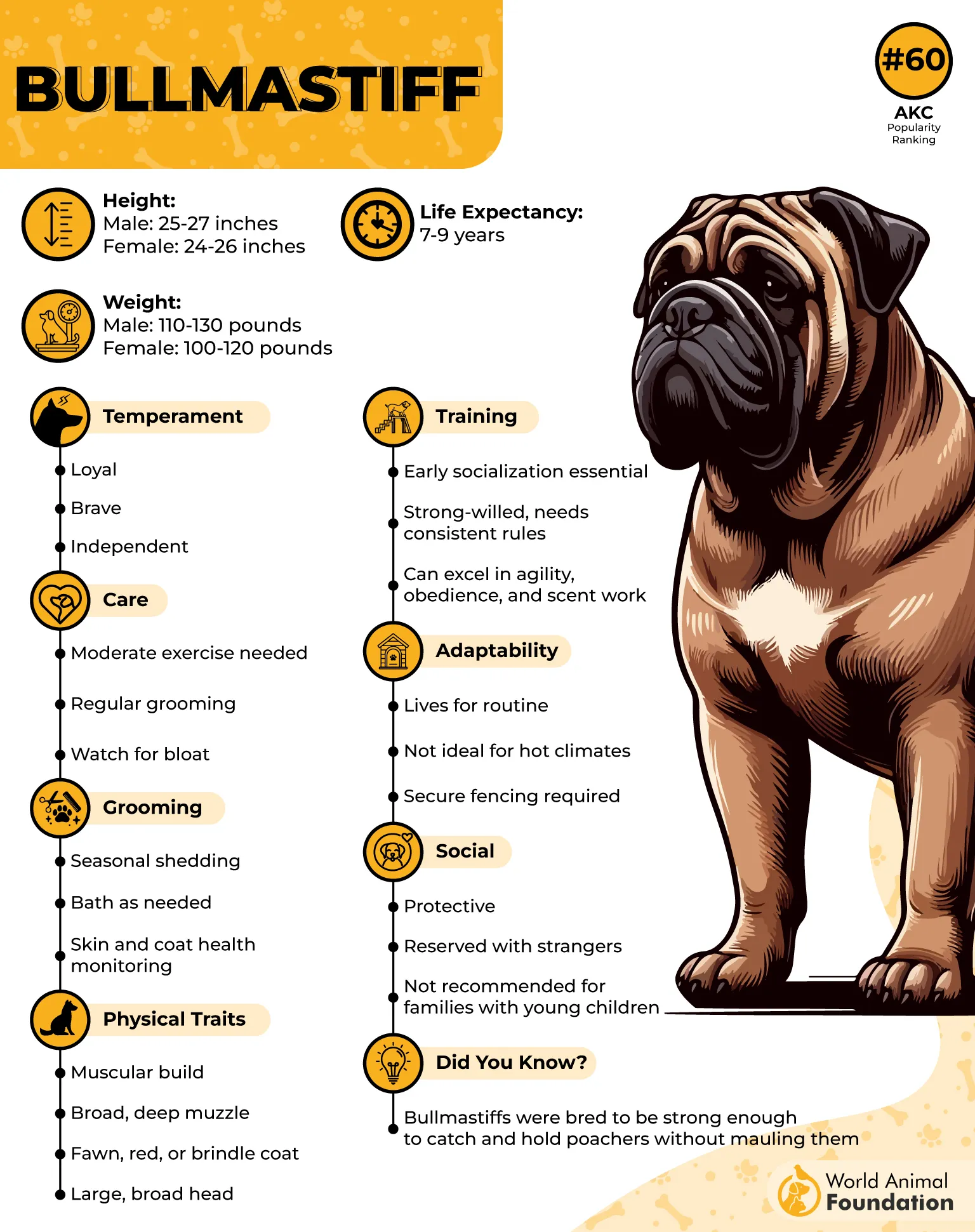
In the real world, “deterrent value” matters because most criminals prefer the easiest option. A large, confident dog in the home changes the math fast—even if the dog never does anything beyond standing up and staring.
Chewy says these protective guard dogs often bond deeply with their people and can be affectionate—sometimes hilariously so, considering their size. But they’re also commonly more reserved with strangers. That can be perfect for home protection, but it means socialization is non-negotiable if you want a stable adult dog who can tell the difference between “guest” and “threat.”
They can be great with children in the home, but the risk isn’t aggression—it’s physics.
A happy Bullmastiff can accidentally knock over a toddler just by turning around too fast. Also, like other giant breeds, they’re more prone to issues such as hip/elbow dysplasia and bloat (gastric dilatation-volvulus).
If you want this breed, plan for training early, feed wisely, and talk to your vet about reducing bloat risk.
2. Akita
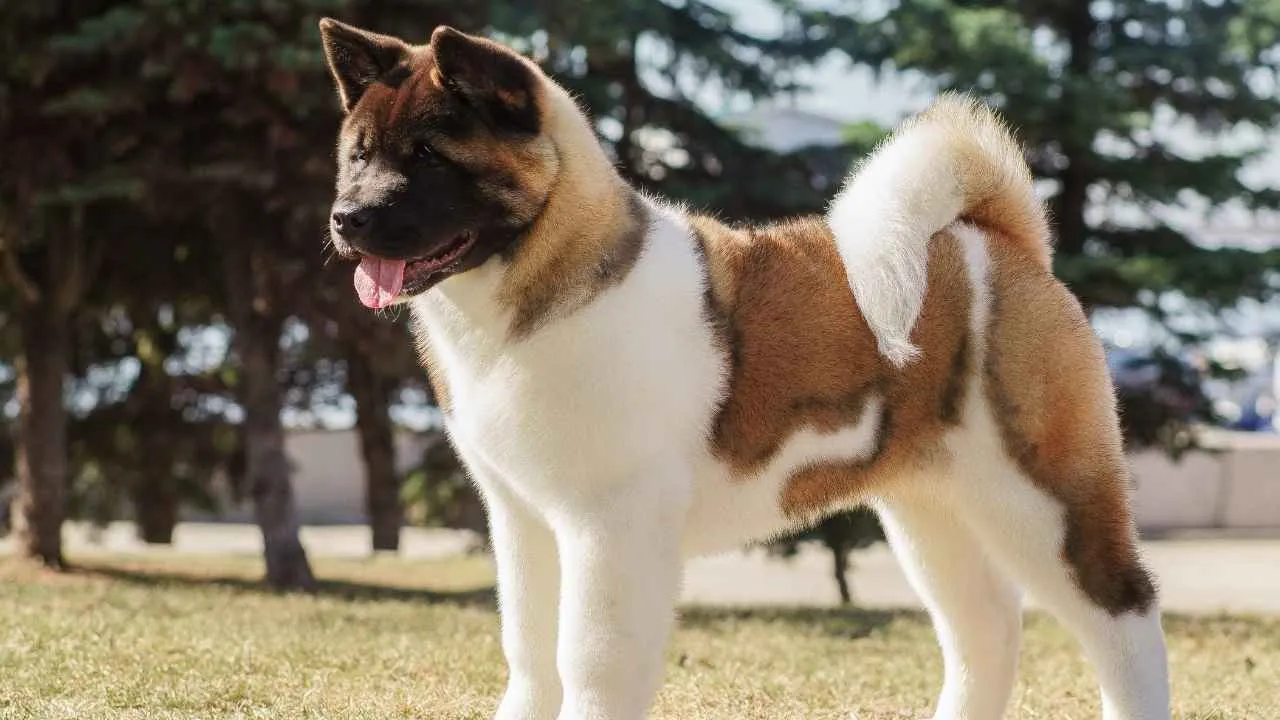
If you’ve ever heard of Hachikō, the Akita who waited at a Tokyo station for his deceased owner for years, you already know the breed’s reputation for devotion runs deep. In family settings, many Akitas bond intensely with their household—often with a calm, observant presence that can feel like having a bodyguard who also judges your snack choices.
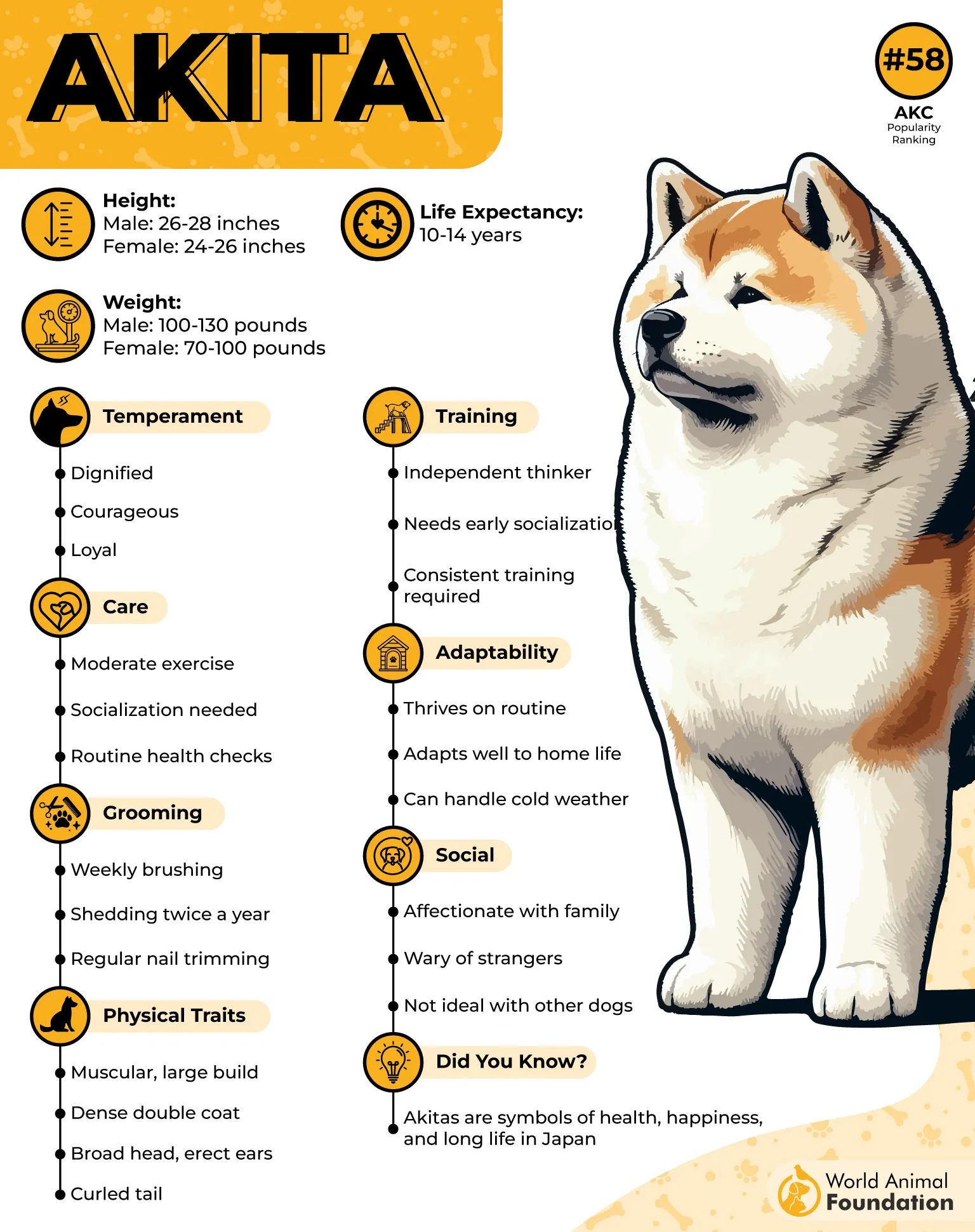
As per AKC, these are excellent guard dogs taht are naturally protective and can be suspicious of strangers. That’s part of why they show up on lists like this—but it’s also why they aren’t the best “beginner protection breed.” You don’t want a dog guessing wrong about who’s dangerous. Early, extensive socialization and ongoing training are key to raising a discerning, not reactive, dog.
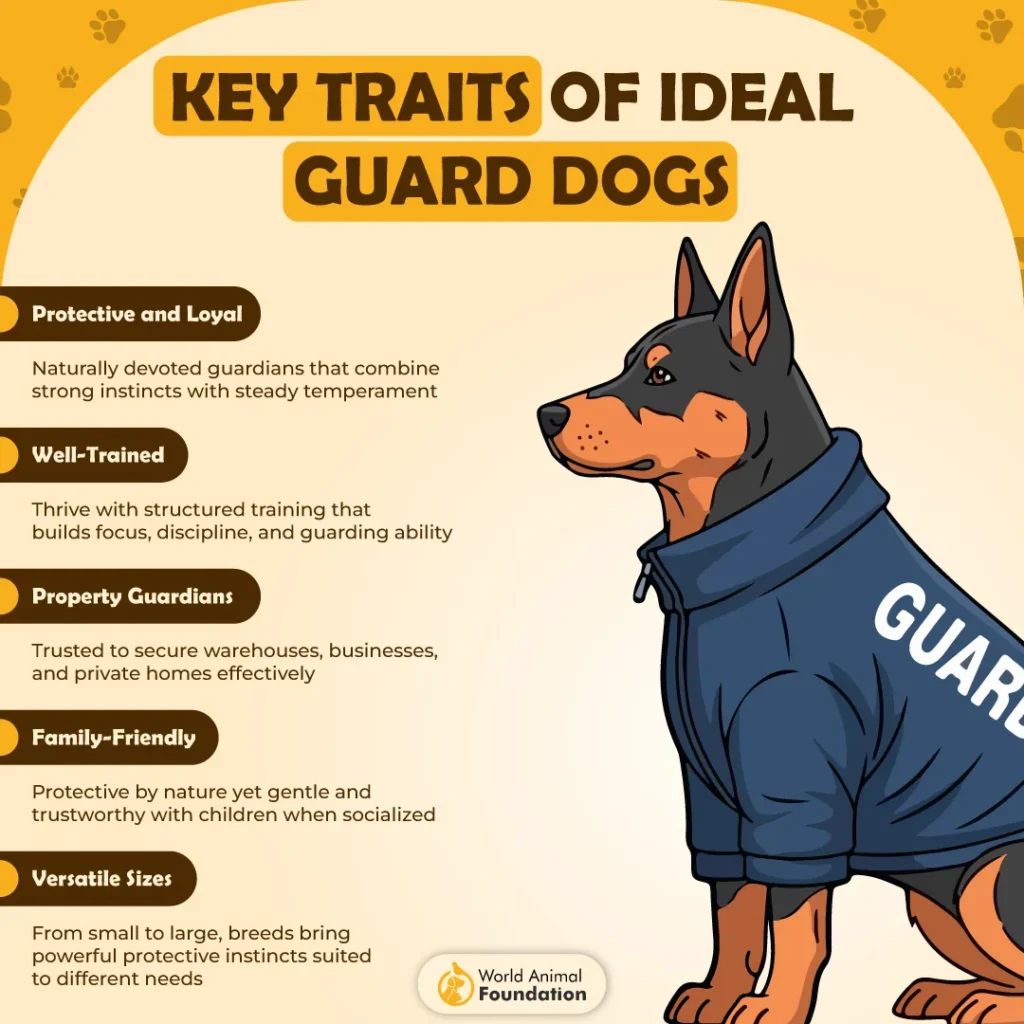
Though they are great family pets, they are often less tolerant of other dogs, especially same-sex dogs, and may have higher prey drive. That doesn’t make them “bad”; it simply means they’re not a plug-and-play fit in a multi-pet household. If you want this dog to be a calm, family-protecting companion, set expectations: structured introductions, management, and training are critical.
They have a thick double coat and will shed—sometimes lightly, sometimes like they’re trying to knit you a second dog. They also do best with owners who are calm and confident, not harsh. With positive-reinforcement obedience training, you can make things happen during training sessions.
3. German Shepherd
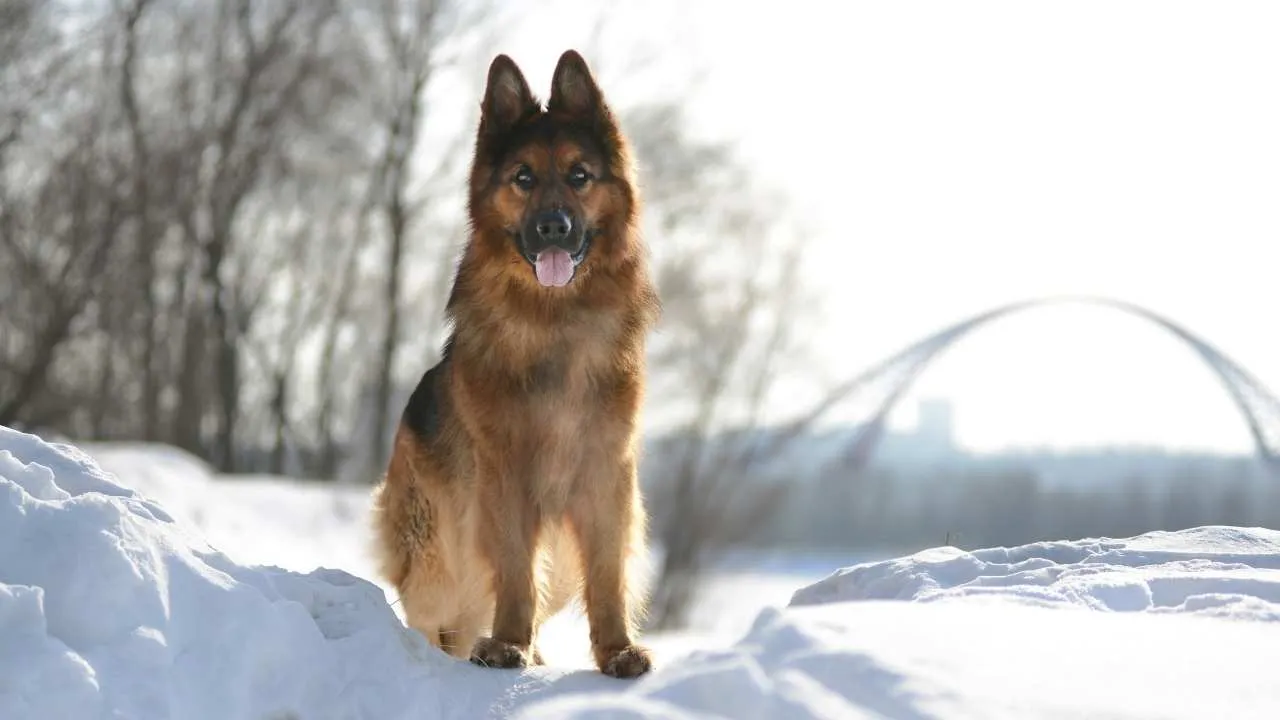
German Shepherds are widely used in police and military roles because they combine intelligence, trainability, athleticism, and strength. In the family world, that often translates to a dog that learns quickly, notices everything, and takes “protect my people” personally. If you want a dog that can be both a family companion and a serious protector, this breed is one of the most proven choices.
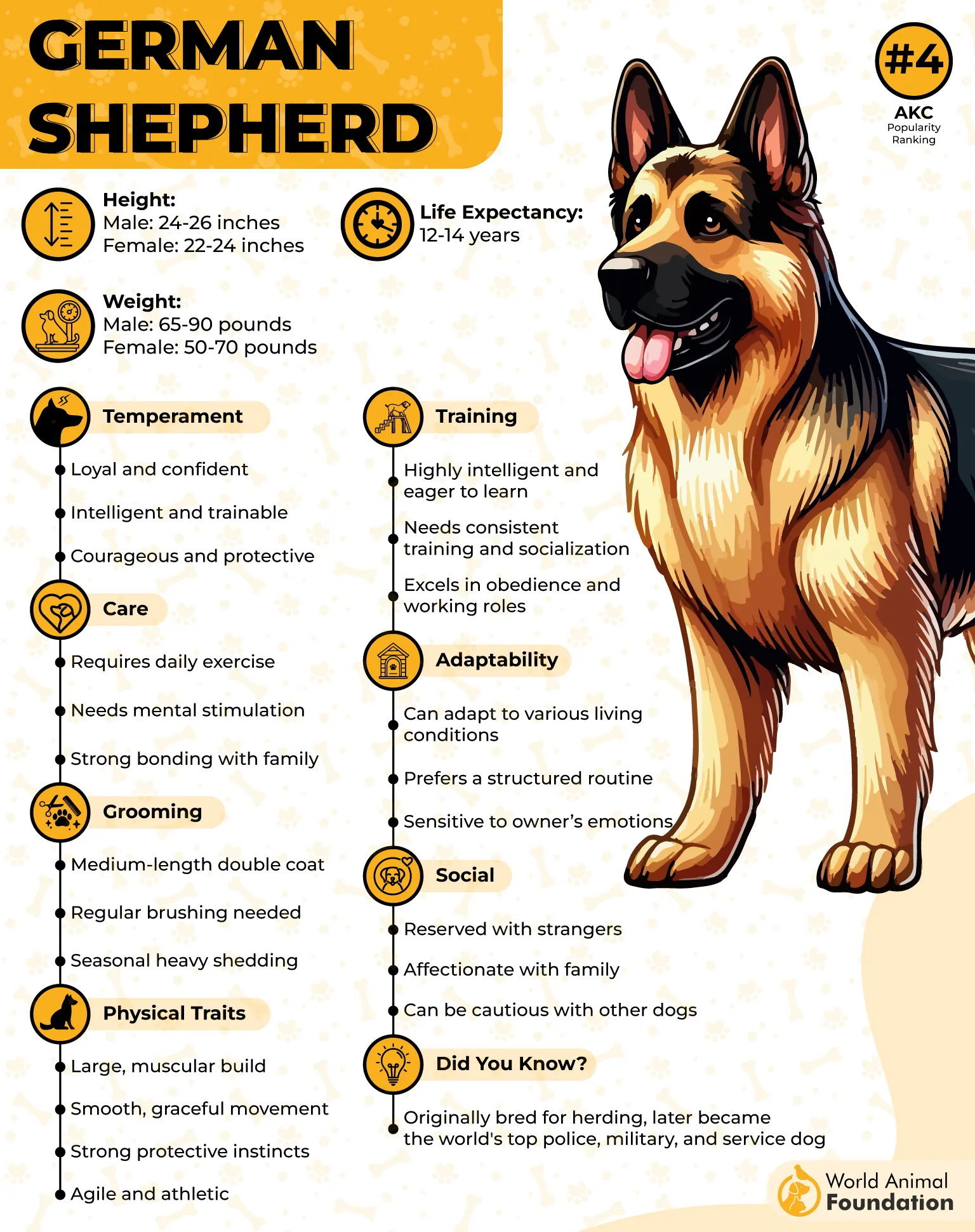
These phenomenal family pets are consistently among the most popular breeds in the U.S. (often in the top few of AKC registrations). That popularity isn’t just trendiness—it’s performance. They’re also common in service work, scent detection, and search-and-rescue because they’re highly trainable and motivated to work with humans.
A good German Shepherd should be stable, self-assured, and environmentally confident—not nervy or sharp. The “family safeguard” sweet spot is a dog who’s neutral in public but alert at home. Because they’re so smart, they can develop problem behaviors if bored—think nuisance barking, pacing, or becoming overprotective if they decide they’re in charge.
Even if you don’t plan on protection training, do the basics seriously: puppy socialization, obedience foundations, impulse control, and calm greetings.
These excellent guard dogs often thrive when given structured and proper training like obedience, tracking games, agility, or scent work. A Shepherd who gets mental work is usually a Shepherd who makes better decisions.
4. Rottweiler
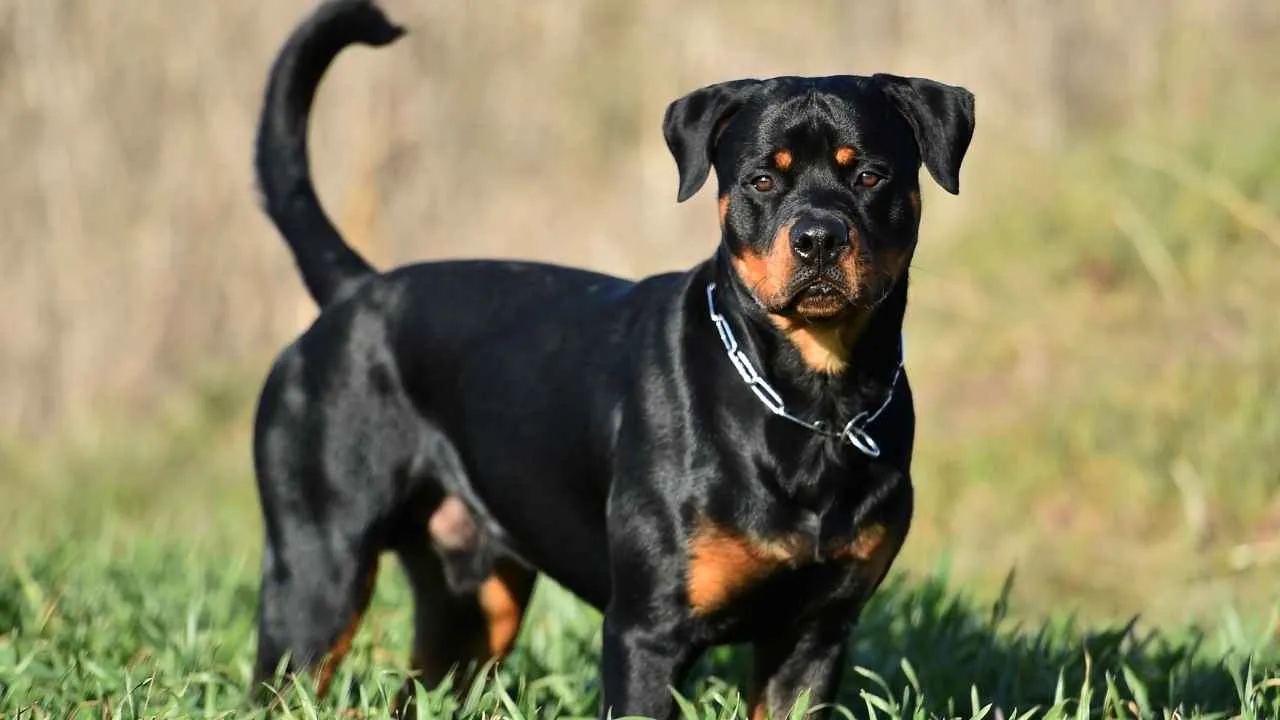
Rottweilers have a long working history, including drover dogs that moved cattle and guarded property. A well-raised Rottie often has a calm confidence—like they don’t need to announce themselves constantly because they already know they’re in charge. With family, many are affectionate, goofy, and loyal… with an on/off switch that’s ideal for home life.
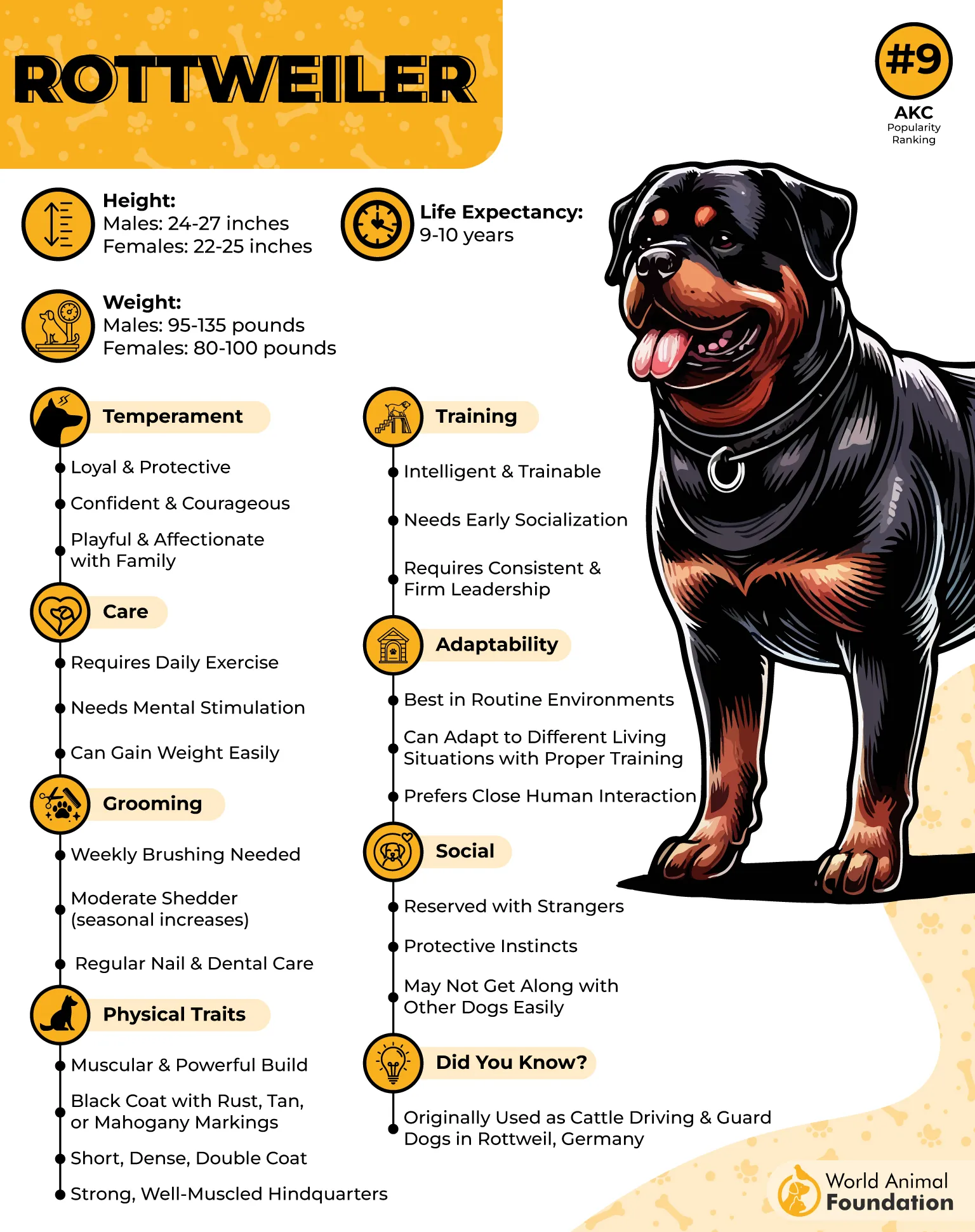
These large dogs typically weigh 80–135 pounds and carry that weight like athletes, as mentioned by Britannica. A strong, deep bark, paired with a blocky, powerful build, tends to make strangers reconsider bad decisions. In real-world home safety, deterrence is often the biggest “win”—because the best confrontation is the one that never happens.
Compared with most other pets, they are often naturally protective.
Without proper training and socialization, they can become wary or reactive. The goal is to teach them that the world is normal and you’ll handle it—so they don’t feel compelled to manage every visitor, delivery driver, or child’s friend. Start young: positive exposure to people, places, noises, and calm routines.
Rotties respond best to confident, consistent training from a young age (not harshness). Because they’re strong, leash manners and obedience cues like “place,” “leave it,” and “stay” are essential. A well-trained Rottie is impressive; an untrained one is a liability—simply due to size and strength.
These highly protective dogs are prone to orthopedic issues and certain cancers, and they perform best when kept lean and fit. They’re not typically a “run 10 miles a day” breed, but they need structured exercise and mental engagement. If you want a powerful family guardian with a steady temperament and you’re willing to train seriously, the Rottweiler is a top-tier choice.
5. Doberman Pinscher
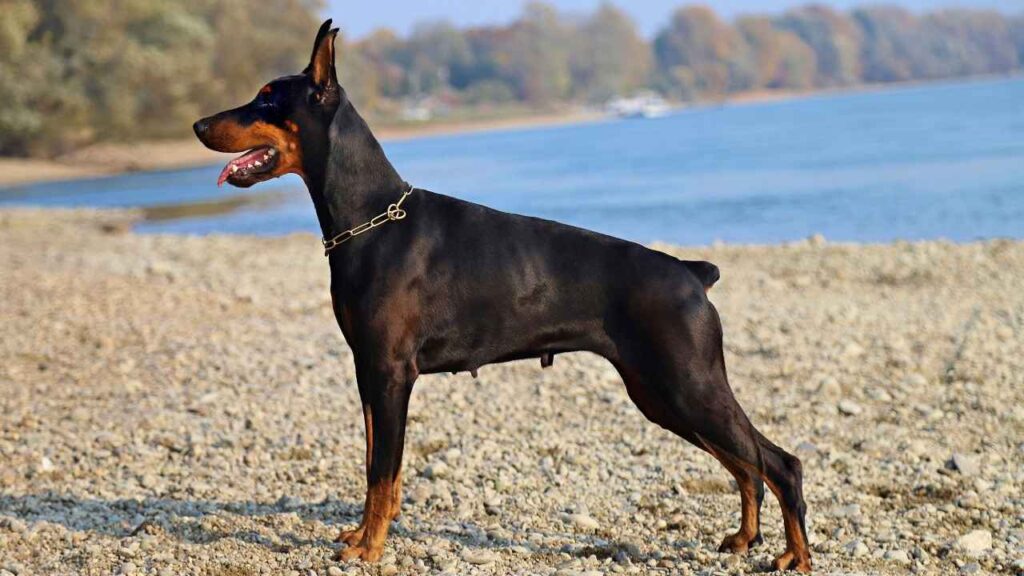
Dobermans were developed specifically as personal protection dogs, and it shows. They’re athletic, alert, and famously loyal. Many Doberman owners will tell you the breed has a “velcro dog” tendency—meaning they like to be close. In a family-protection context, that’s valuable: they’re not asleep in the back yard; they’re with you.
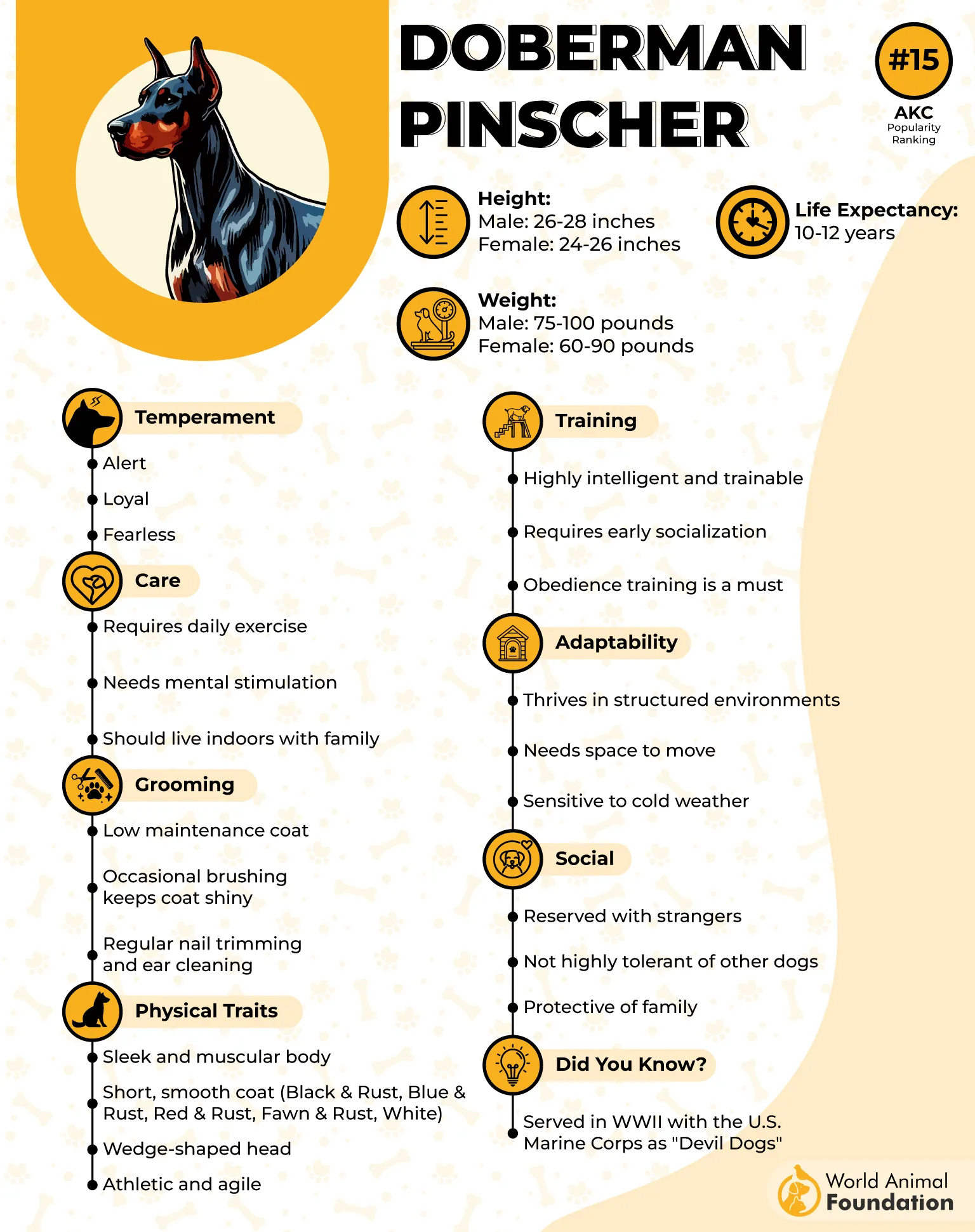
They are typically around 60–100 pounds, but what stands out is their agility and quick response. They’re built for rapid movement and endurance. A dog that can physically position between you and a threat—and do it quickly—adds a different type of protection than sheer size alone.
These loving family pets often have strong protective instincts and can be wary of strangers, but they’re also emotionally sensitive. Heavy-handed training can backfire. What works best is structured, positive training with clear boundaries. They thrive when they understand their role and when their people are consistent.
Doberman pinscher dobermans are prone to dilated cardiomyopathy (DCM), a serious heart condition, as well as other breed-related issues. If you’re choosing a Doberman for family safeguarding, health testing, and reputable sourcing matter enormously. A fit, stable Doberman is one of the most capable breeds for personal protection when raised and managed responsibly.
6. Boxer
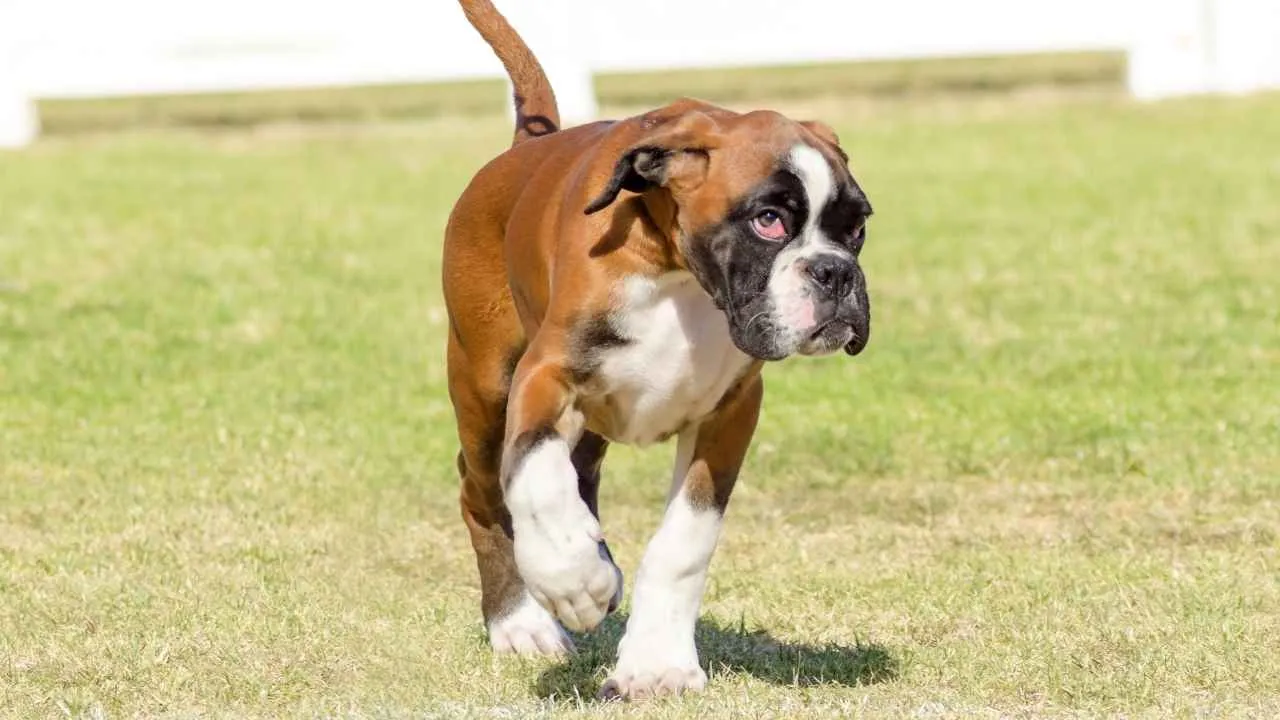
Boxers are often described as the perfect blend of playful family dog and natural guardian. They tend to adore their people—especially kids—and they can be wonderfully clownish. But don’t confuse goofy with harmless: Boxers are alert, strong, and historically were used in roles that required courage and athleticism.
Boxers typically weigh around 50–80 pounds. That’s a very practical “family guardian” size: big enough to deter, athletic enough to respond, and often easier to manage than true giant breeds. Their physical presence is real, and their bark can be convincing.
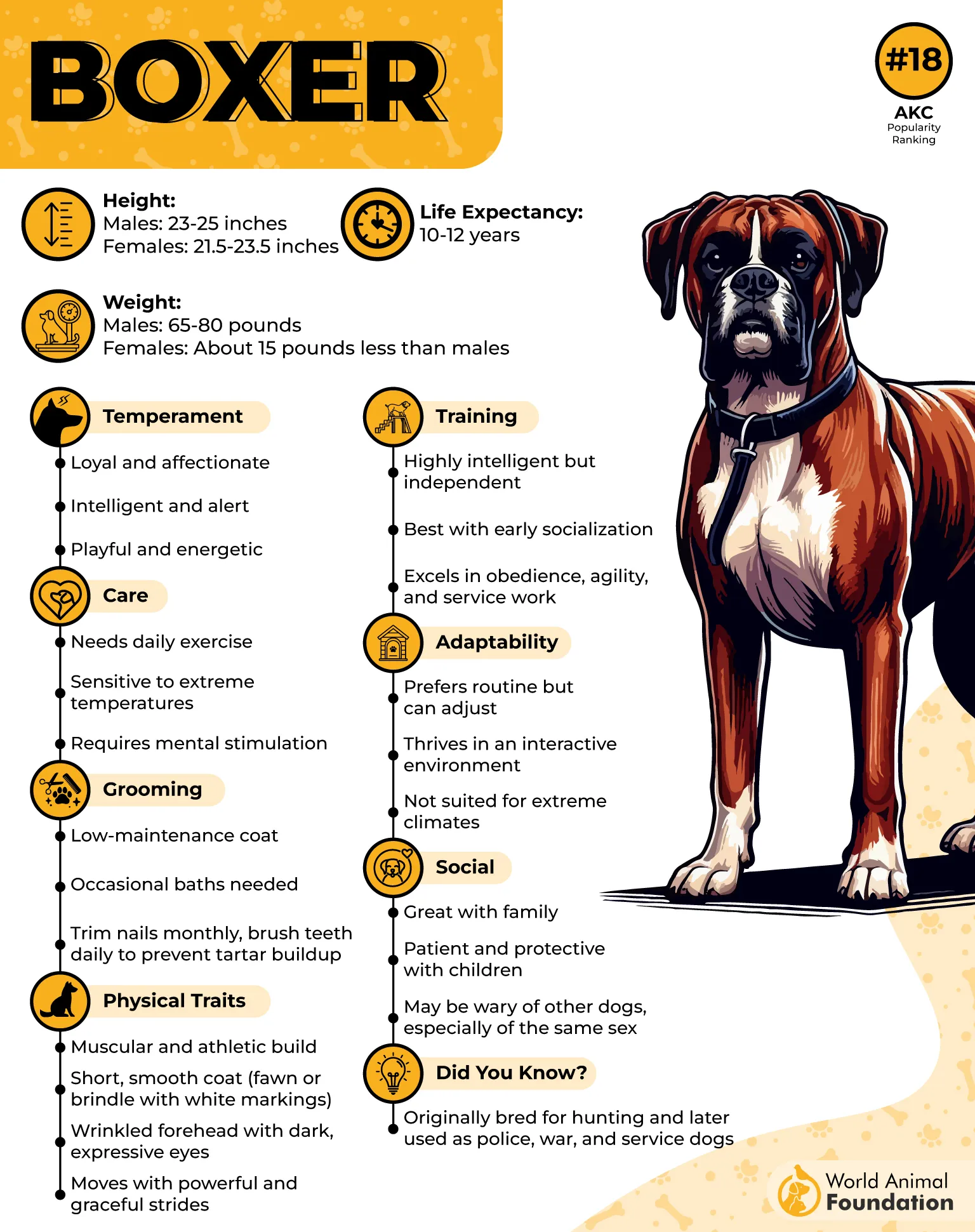
PetPlan claims that many Boxers are famously patient and affectionate with kids, which is why they’re beloved family dogs. They have a bouncy play style—jumping, spinning, and enthusiastic body-checking—so training “four on the floor” and calm greetings are important, especially around toddlers.
Boxers are smart, but they can be impulsive. Training should focus on self-control: waiting at doors, walking politely on a leash, and staying on a mat when guests arrive. Give them daily outlets, or they’ll invent their own games—like redecorating your living room with couch fluff.
7. Great Dane
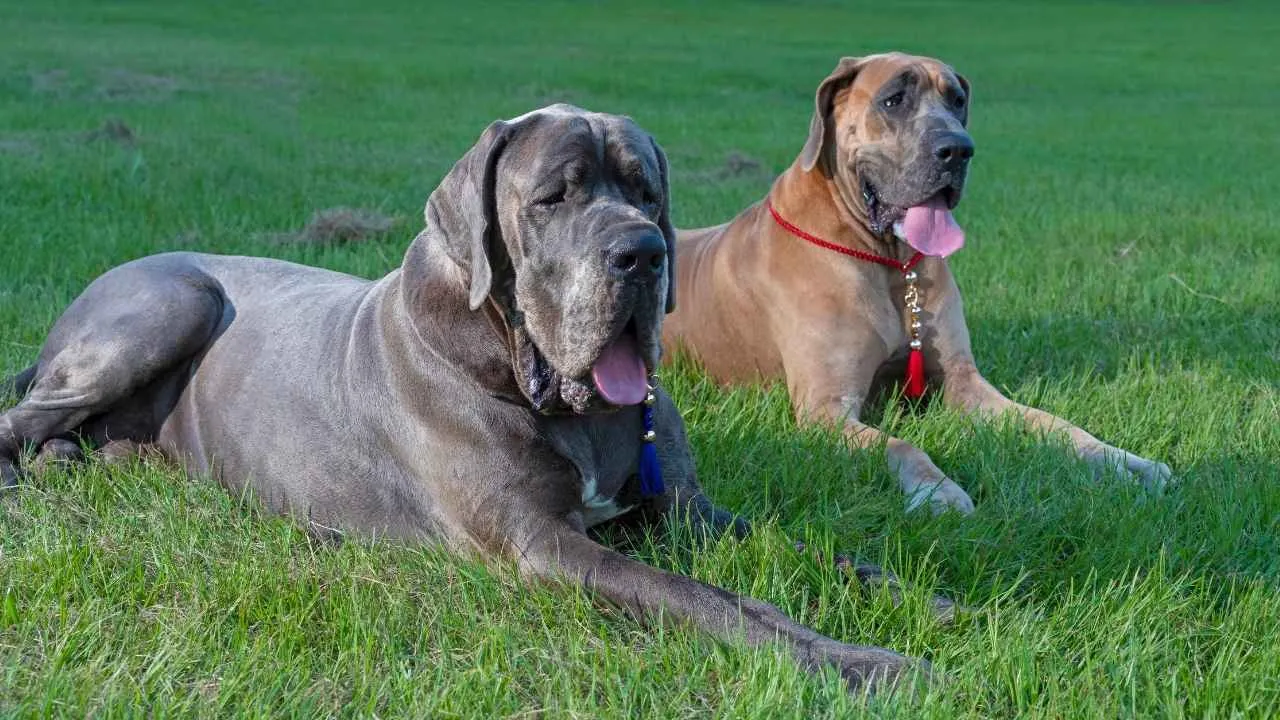
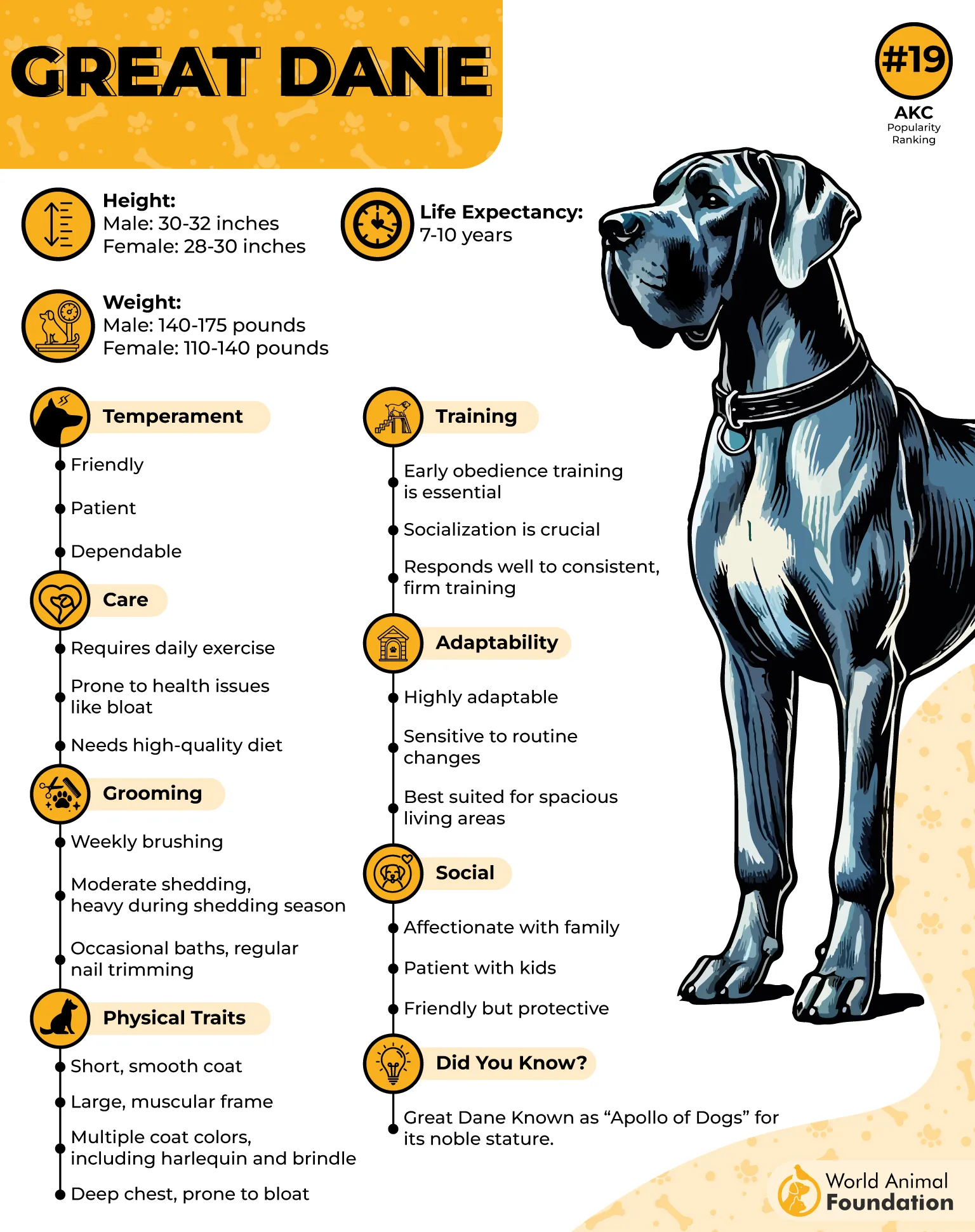
Great Danes are among the tallest dog breeds. Many males reach 30+ inches at the shoulder, and weights often land around 110–175 pounds. Even if your Dane is the friendliest dog in the world, their appearance alone can discourage threats. That’s “passive protection” at its finest.
Most well-bred Danes aren’t sharp or aggressive—they’re more likely to greet a visitor with curiosity than hostility. But they do tend to be naturally alert to unusual activity. For family safety, the Great Dane often serves as an early warning system and a strong deterrent.
A Great Dane doesn’t need to be “mean” to be a problem—an untrained Dane can knock over adults, drag on leash, or accidentally hurt a child during excited greetings. Early training is key: polite walking, calm door behavior, and a reliable “place” cue. The goal is a dog that can be massive and mannerly.
They are at increased risk of bloat (GDV), a medical emergency, and, like many giant breeds, they tend to have shorter average lifespans than smaller dogs. Veterinary guidance, feeding routines, and awareness of bloat warning signs are crucial.
Conclusion
If, as a dog owner, your goal is to safeguard your family, the best breed is the one that fits your lifestyle and gives you the right mix of deterrence, stability, and trainability.
Want a calm, powerful home guardian? Bullmastiff
Want an incredibly loyal and serious protector? Akita
Want the all-around working-dog superstar? German Shepherd
Want strong, confident, classic guarding instincts? Rottweiler
Want an athletic personal-protection type who stays close? Doberman
Want family-friendly goofiness with a calm demeanor? Boxer
Want maximum deterrence with a gentle temperament? Great Dane
One last tip that’s genuinely more powerful than breed alone: invest in early socialization, obedience training, and calm household structure. A well-trained dog with stable nerves is a safer protector than any untrained “tough” dog.
