




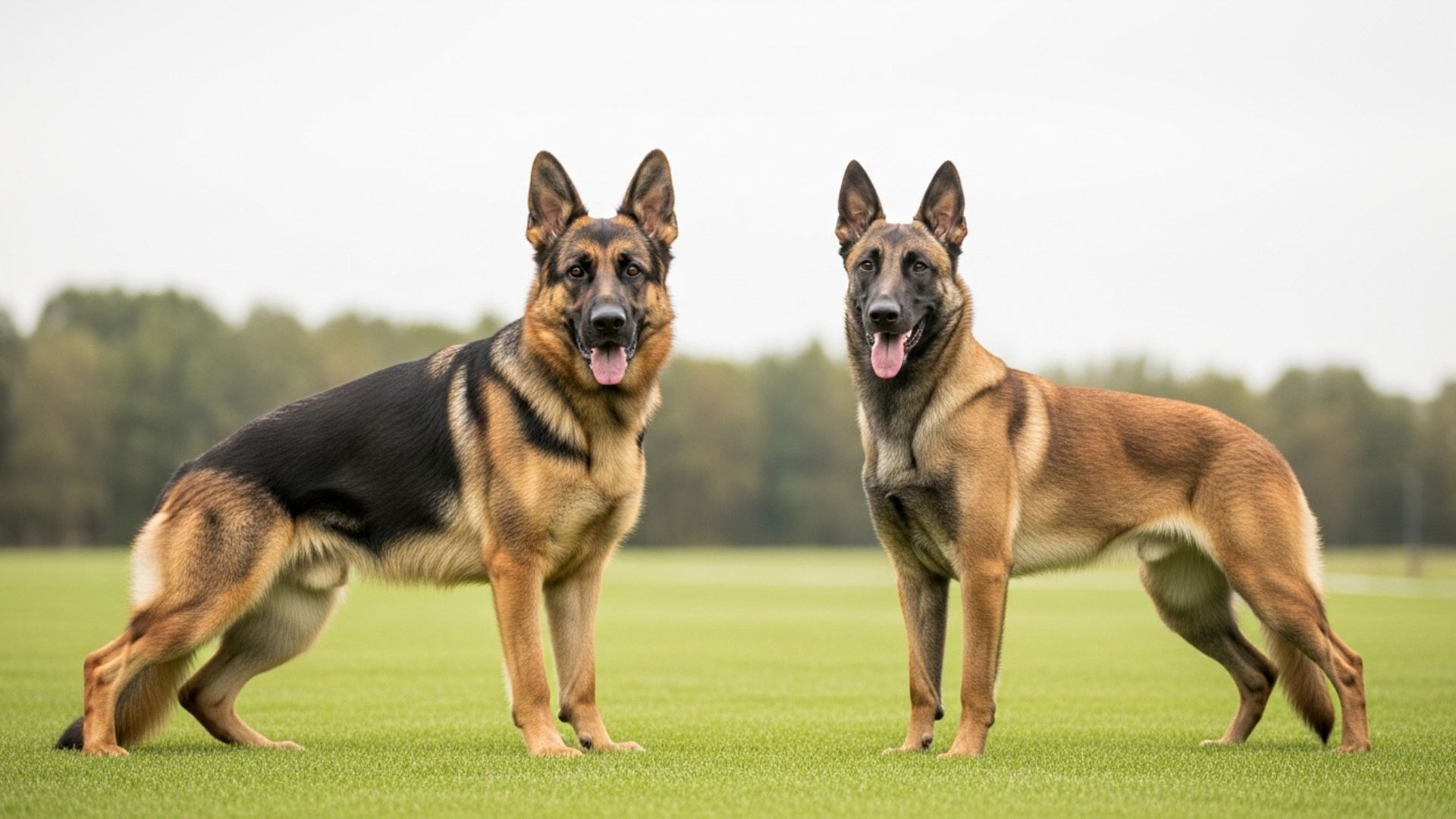
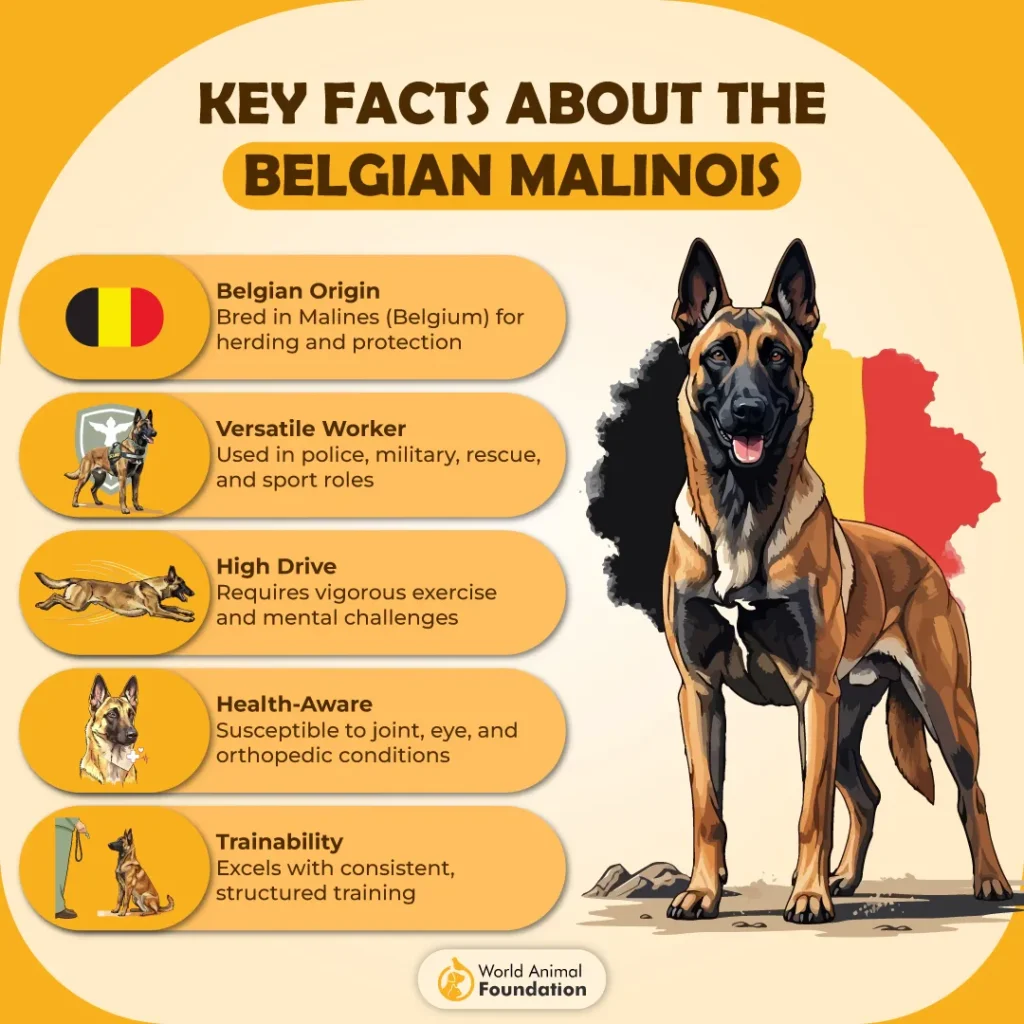
At first glance, German Shepherd Dogs and Belgian Malinois can look almost identical. Both are athletic, intelligent, and deeply respected for their working abilities, which often leads people to confuse one for the other.
But beneath the similar appearance are meaningful differences that can shape how each breed fits into everyday life. From temperament and energy levels to grooming needs and family compatibility, these two herding breeds offer distinct experiences for owners.
Whether you are researching a future working partner or a loyal companion, understanding what truly sets them apart matters.
This guide breaks down the key differences between German Shepherd Dogs and Belgian Malinois to help you decide which breed aligns best with your lifestyle and expectations.
Key Differences Between German Shepherd Dog Breeds and Belgian Malinois
Size & Physical Build
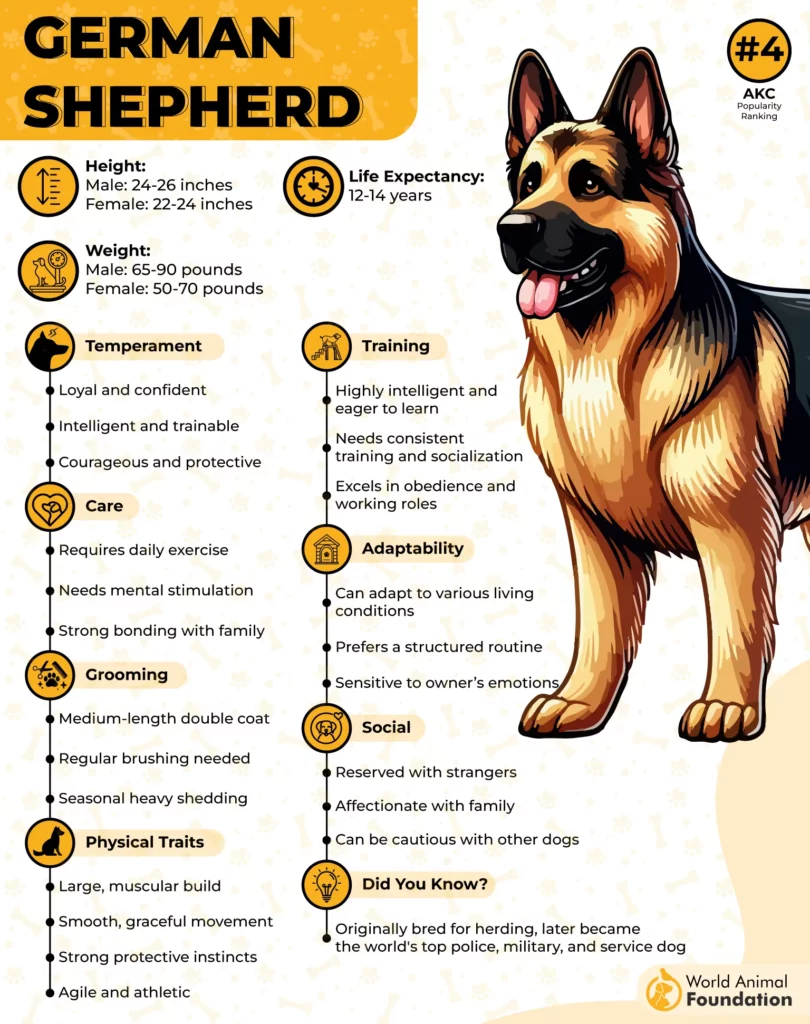
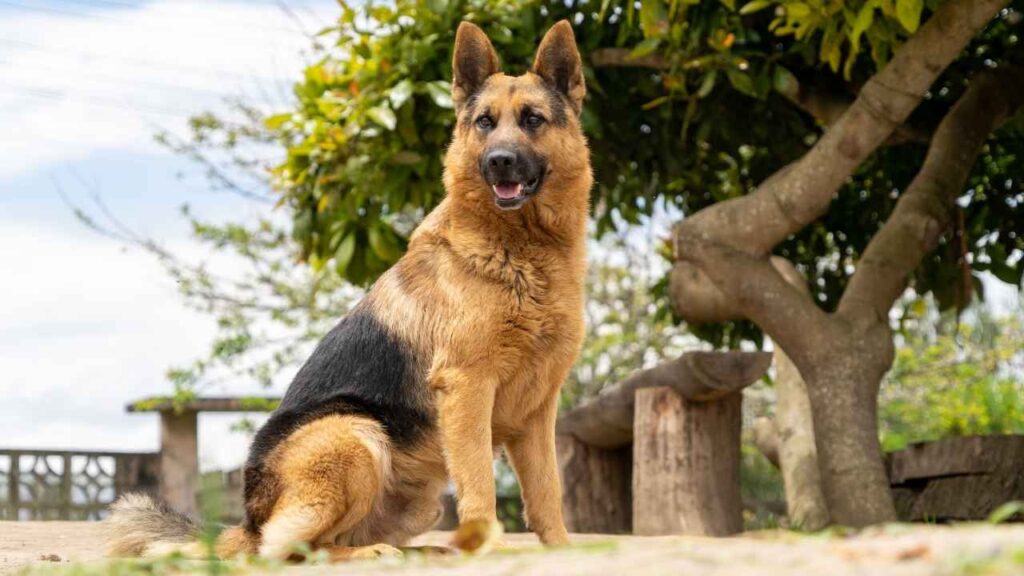
At a glance, German Shepherds and Belgian Malinois can look like close cousins, but their builds tell different stories. According to the AKC, German Shepherds are larger and heavier overall, with a longer body and a more muscular frame that gives them a powerful, grounded appearance. Their outline is slightly curved, which contributes to their smooth, flowing movement.
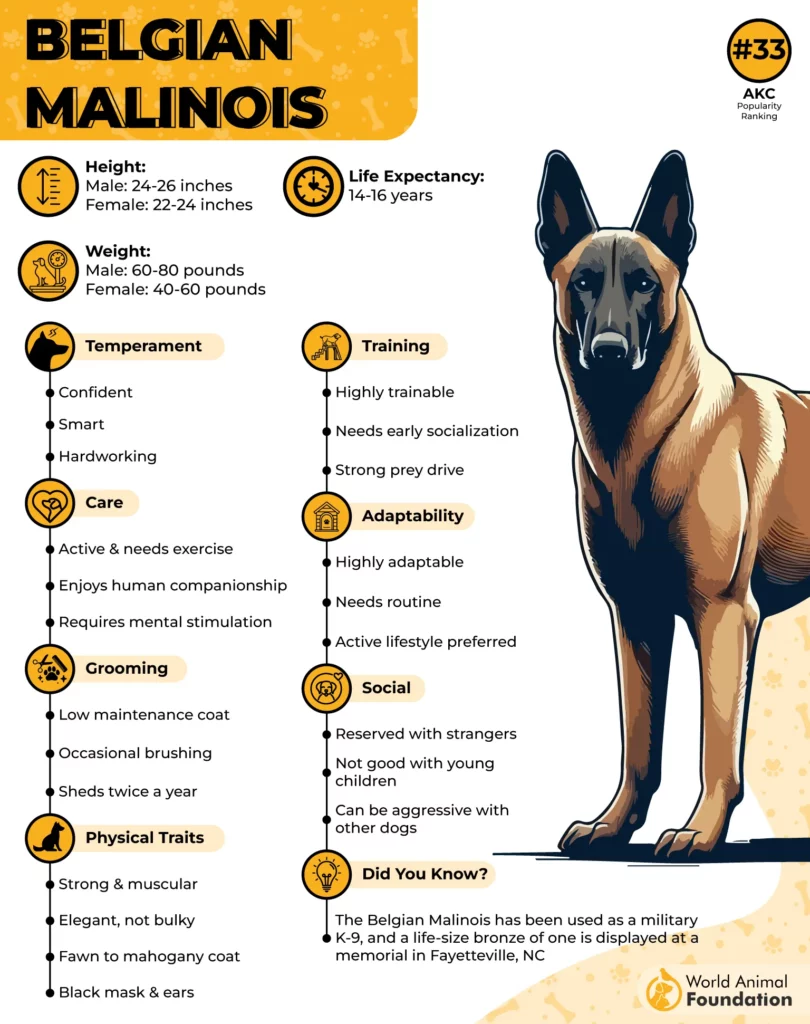
Belgian Malinois are lighter, leaner, and more squarely built. Their bodies are compact and athletic, built for speed and agility rather than mass. This gives them a sharp, ready-for-action look that feels spring-loaded.
In practical terms, the size difference affects handling and stamina. Malinois are easier to lift or maneuver, while German Shepherds carry more physical presence and strength.
Energy Level & Daily Activity Needs
Both breeds are energetic, but they spend that energy differently. German Shepherds need regular physical exercise paired with mental challenges, yet they usually have an off switch once their needs are met. After a solid workout, many are content to relax near their people.
Belgian Malinois are in near-constant motion. As per Omlet, they thrive on frequent activity and can struggle if their days feel repetitive or under-stimulating. A simple walk rarely makes a dent in their energy reserves.
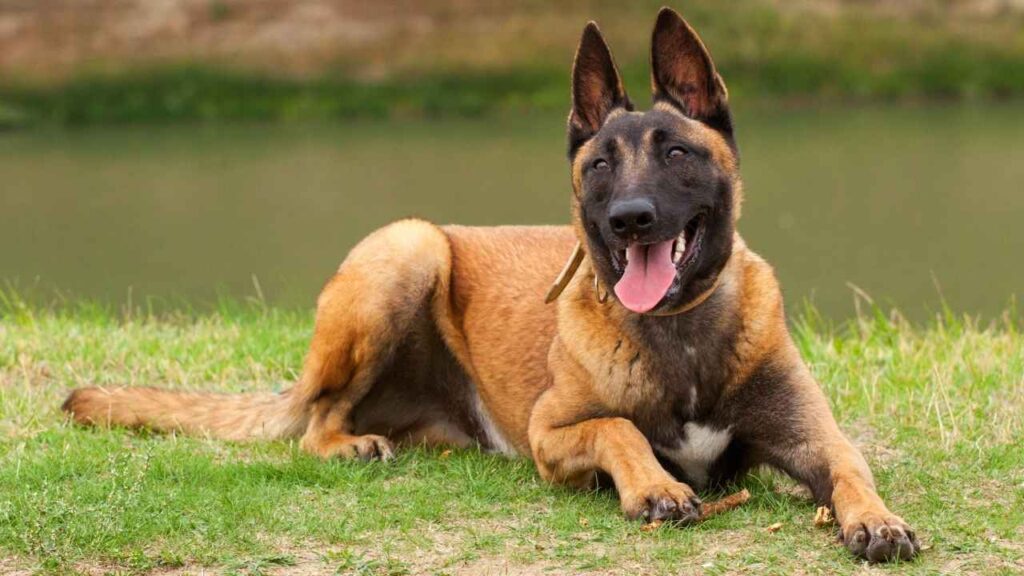
Malinois and German Shepherds are high-energy breeds and need regular exercise, physical and mental stimulation, such as agility training. Boredom means destructive behavior for these two breeds.
This difference matters at home. German Shepherds are family pets and suit active households with structure, while Malinois are better matched with experienced dog owners, people who enjoy daily training, dog sports, or demanding outdoor routines.
Temperament & Personality Style
German Shepherds are known for their steady, composed nature. They are loyal, confident, and typically serious-minded, with a strong sense of awareness, as noted by Petplan. With family, they are gentle and attentive, though they may remain reserved around strangers.
Belgian Malinois tend to be more intense and animated. Their curiosity and alertness rarely fade, and they often form a very tight bond with one primary person. Their expressions and body language reflect constant engagement with their surroundings.
While both are devoted companions, German Shepherds feel more balanced and adaptable. Malinois bring a sharper edge and thrive on constant interaction and purpose.
Trainability & Working Drive
Training comes naturally to both German Shepherds and Belgian Malinois breeds, but their motivations differ. German Shepherds are highly responsive and versatile, excelling across a wide range of tasks from obedience to service work. They enjoy learning and typically respond well to consistent routines.
Belgian Malinois approach training with intensity and speed. They learn quickly and enjoy complex tasks, but they also expect regular challenges. Repetition without progression can lead to frustration or boredom.
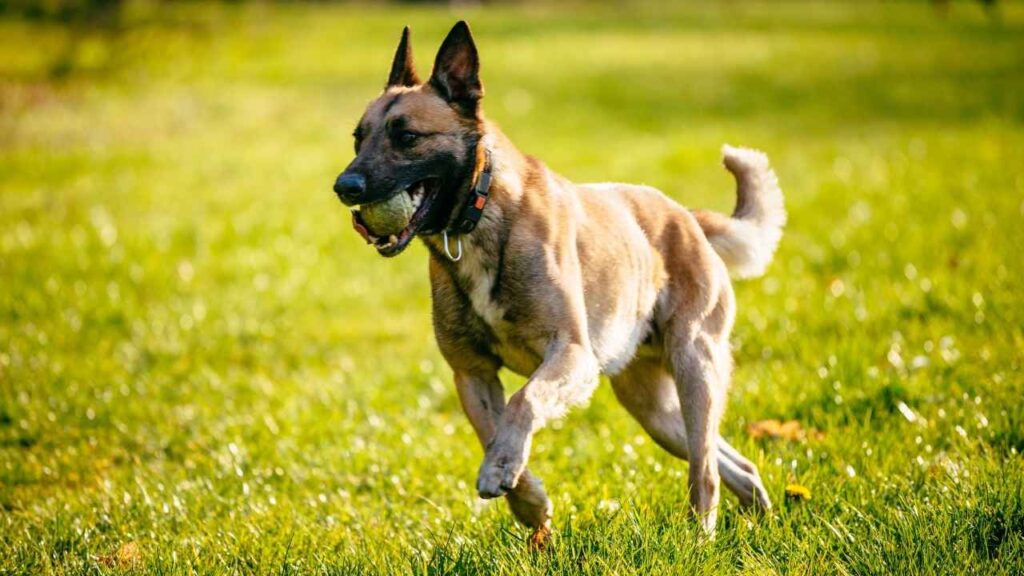
Both are agile dogs and have proven useful in demanding roles such as rescue dogs, military, and police work.
German Shepherds often suit experienced owners who want reliability and flexibility. Malinois demand precision, consistency, and ongoing engagement, making them best suited for handlers who enjoy daily training as part of life.
Protective Instincts & Guarding Approach
Both breeds are working dogs and naturally protective, yet they express it in distinct ways. German Shepherds tend to assess situations before reacting. Originally bred as herding dogs, their guarding style is watchful and measured, stepping in only when they sense a real need.
Belgian Malinois are quicker to respond and more alert by default. Their protective instincts are closely tied to their handler, and they often stay in a heightened state of readiness. This makes them exceptional working protectors.
German Shepherds excel in family settings, often blending protection with family life more smoothly. Malinois require careful socialization to ensure their vigilance stays controlled and appropriate.
Coat Type, Shedding & Grooming Effort
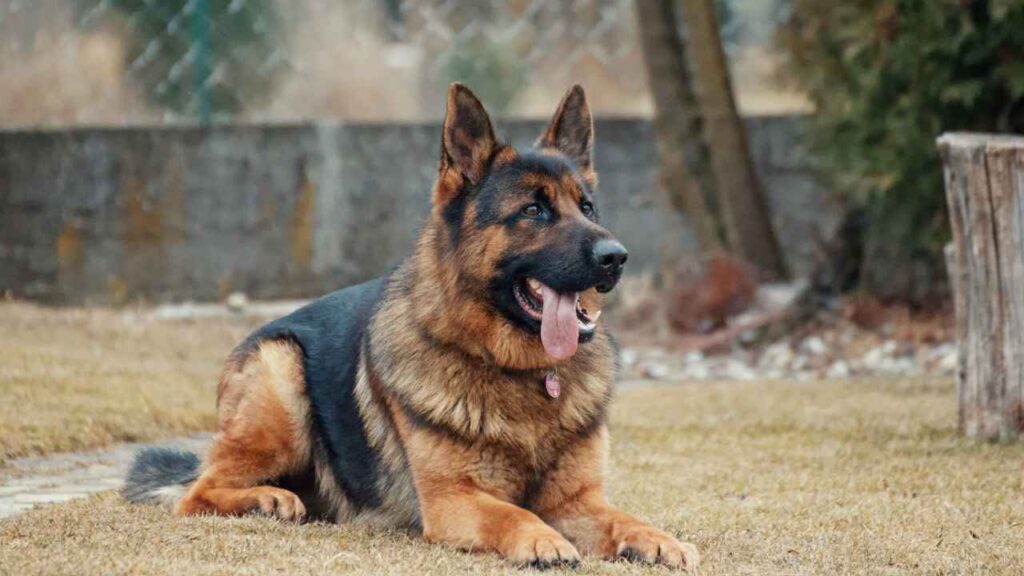
German Shepherds have a dense double coat that sheds year-round, with heavier shedding during seasonal changes. Regular brushing is essential to manage loose hair and keep their coat healthy. Their grooming routine is simple but frequent.
Belgian Malinois have a shorter, tighter coat that is easier to maintain day to day. They also shed seasonally, but the shorter hair is less noticeable around the house. Occasional brushing usually does the trick.
For owners who dislike fur on furniture, the Malinois is easier to manage. German Shepherd owners should expect more grooming time and a steady presence of hair.
Family Compatibility & Social Behavior
German Shepherds often integrate well into family life when properly trained and socialized. They tend to bond with the whole household and are generally patient with children under supervision. Their adaptability makes them popular family companions.
Belgian Malinois usually form a stronger attachment to one person rather than the entire family. Their herding instincts and high intensity can make life challenging in homes with very young children.
Socialization is critical for both breeds. German Shepherds often settle into family routines more naturally, while Malinois need structured guidance to navigate busy or unpredictable home environments.
Health Concerns & Average Lifespan
Both breeds are generally robust but share some common health concerns. Hip and elbow dysplasia can affect German Shepherds and Malinois, making responsible breeding and early screening important. German Shepherds are also prone to additional conditions such as degenerative myelopathy and bloat.
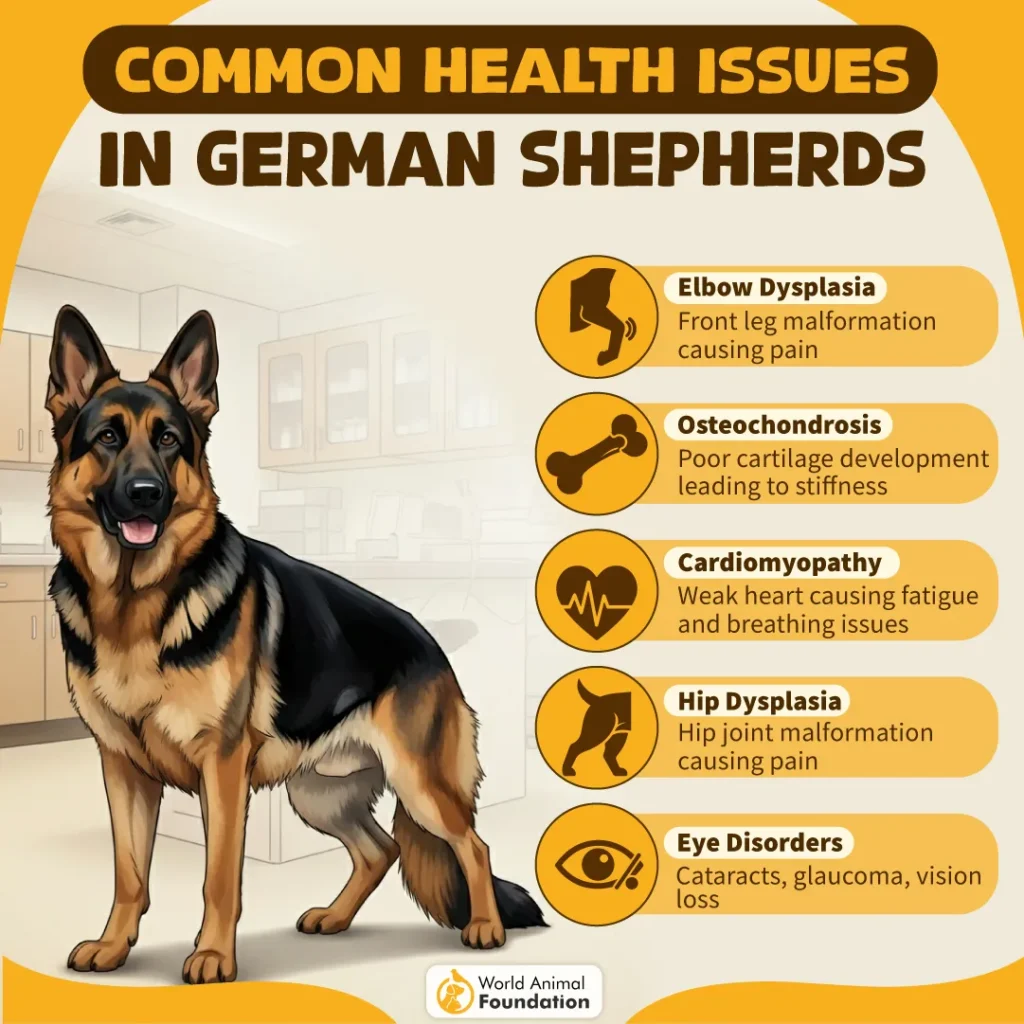
Belgian Malinois are typically leaner and may face fewer structural issues, though eye problems and joint concerns still occur. Regular veterinary care helps catch issues early in both breeds.
In terms of lifespan, Malinois often live slightly longer on average. Regardless of breed, preventive care, proper nutrition, and regular exercise play a major role in long-term health.
Conclusion
German Shepherds and Belgian Malinois may look alike due to their similar physical characteristics, but they fit into daily life in very different ways. One is known for balance, adaptability, and settling into a household rhythm, while the other thrives on intensity, precision, and constant engagement.
Choosing between them is less about admiration and more about realism. Your time, experience, and willingness to stay actively involved will shape whether the partnership succeeds. Both breeds reward commitment with loyalty and purpose, but only in the right environment.
Take the time to match the dog to your lifestyle, not the other way around, and you will set the stage for a strong, lasting bond.
