




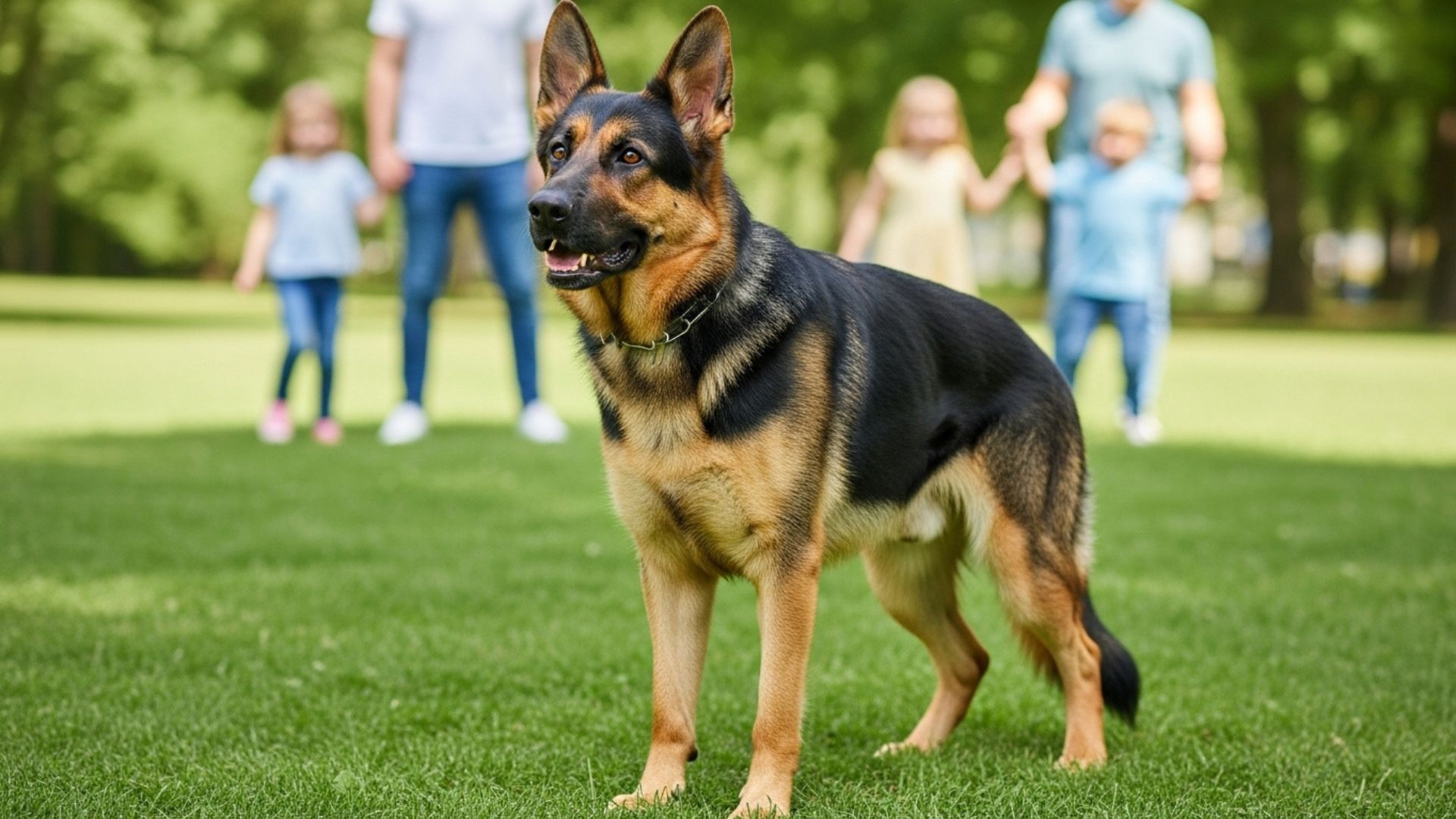
Home should feel calm, not like you are always on alert.
Wanting safety is normal. Wanting a dog that can guard without chaos is also normal. The truth is, guard dogs are not just about size or a scary face. The best guard dogs have steady nerves, clear focus, and a real bond with their people.
The goal is personal protection that feels safe for everyone in the house, including pets and kids. Some breeds were originally bred to work close to humans, watch space, and react quickly when something feels off.
But why bother with that? Because the right dog can deter intruders, raise an alarm, and still be a sweet friend at family movie night.
With proper obedience training, you get confidence, not drama.
Top Dog Breeds for Personal Safety and Security
1. German Shepherd
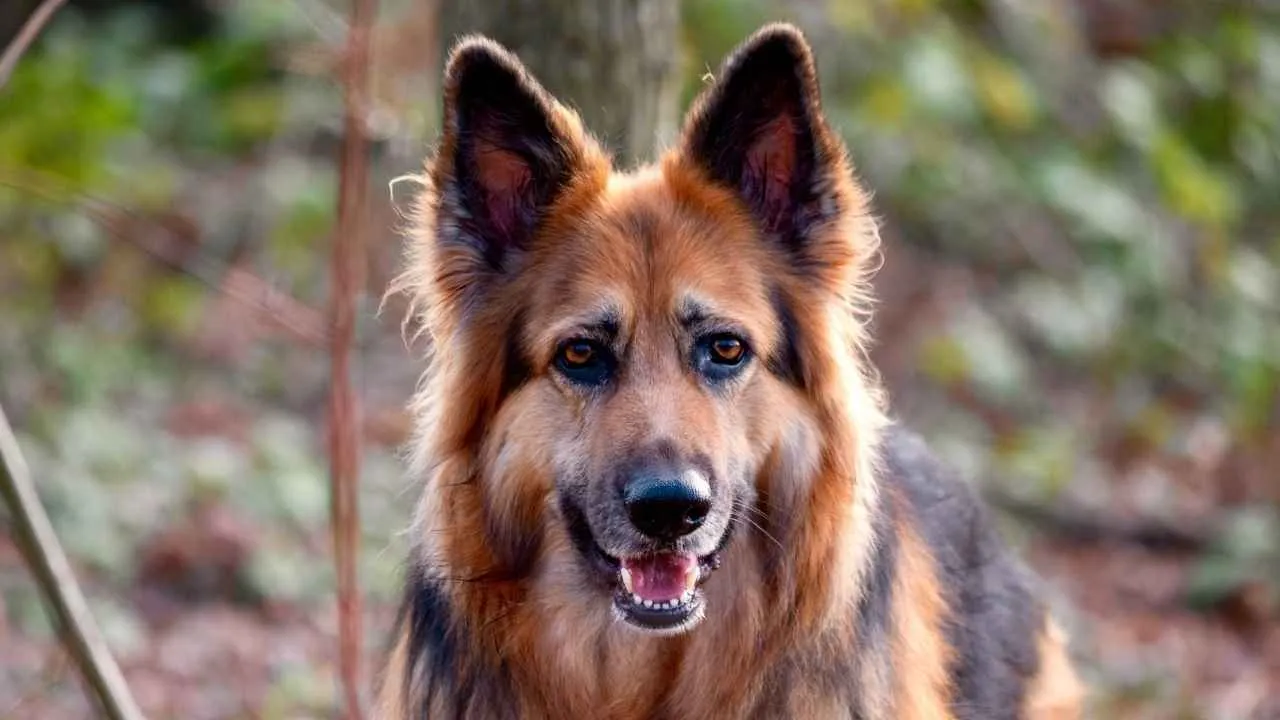
The German Shepherd is one of those popular guard dog breeds that feels like it was built for a purpose. Strength, stamina, and sharp focus make this dog breed a classic pick for protection work.
Many police roles rely on this kind of brain plus muscle combo. And here’s the best part! When the German Shepherd is raised with calm structure, it can protect and still be gentle in family life.
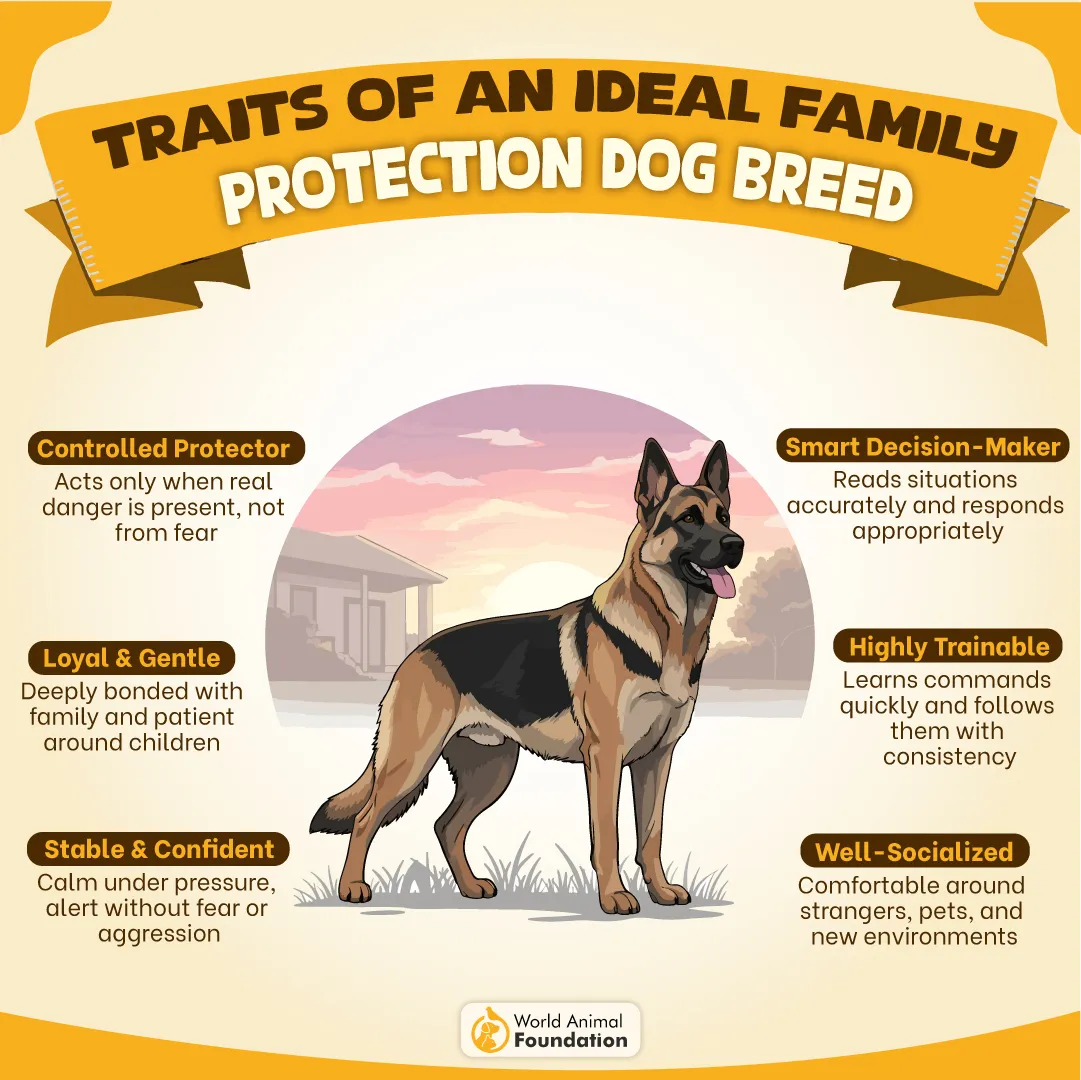
A German Shepherd often forms strong bonds with the people it lives with. That loyalty matters in real threats because the dog stays connected instead of acting wild.
This breed can instinctively protect when it senses danger, yet it also listens when you call it off. That balance is what turns a strong dog into an effective guard dog for everyday homes.
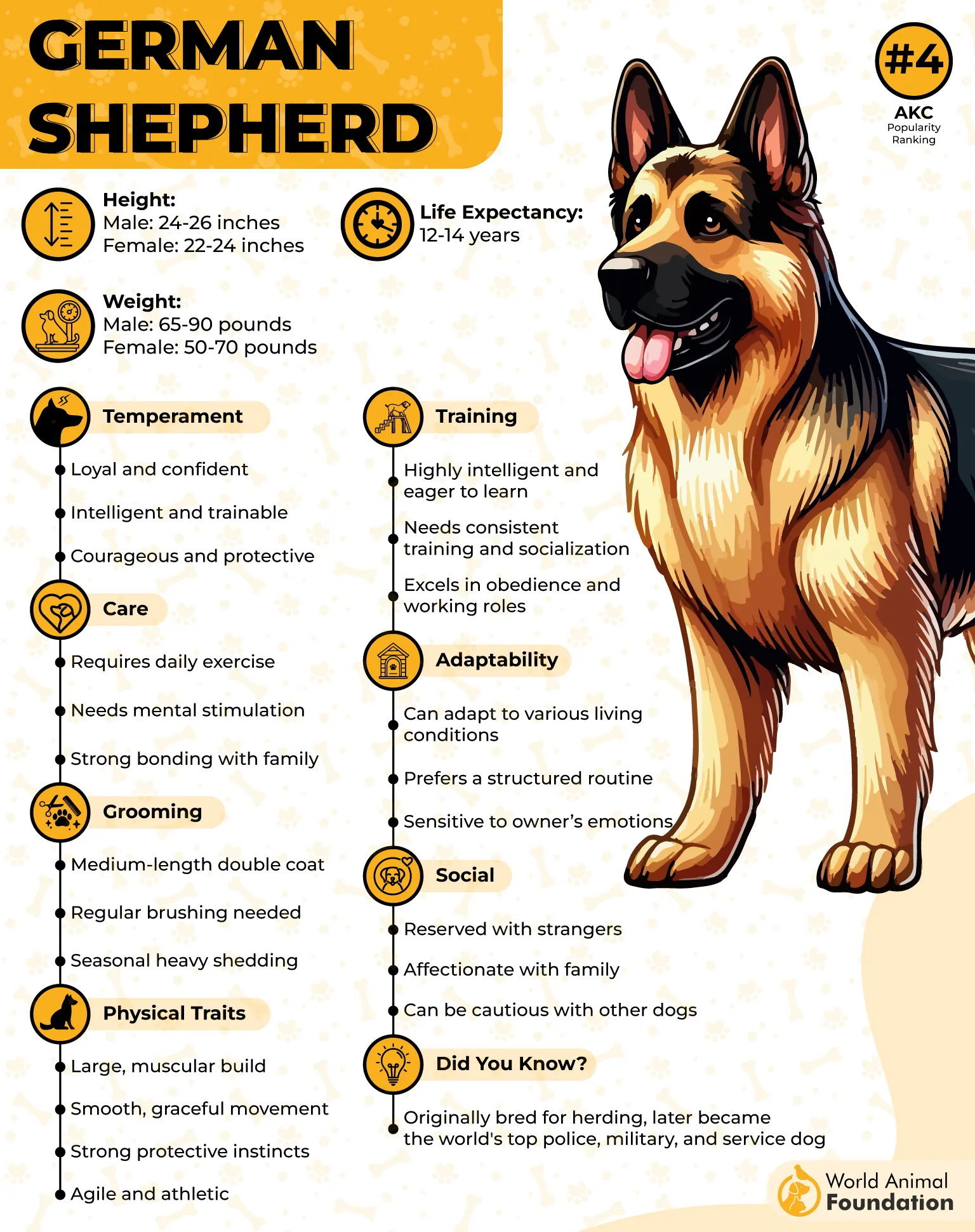
Training is not optional here. This dog breed needs daily work, clear rules, and at least two hours of exercise. Proper training and mental stimulation help the German Shepherd stay steady around other pets and visitors.
With obedience training, many dog owners see the nerves fade, especially when social time starts at a young age.
What Makes Them Unique?
Needs daily training games and long walks to stay settled
A loud bark can warn before things escalate
Short, dense fur is easy to brush, but shedding is real
Best results come when well-trained with clear house rules
2. Cane Corso
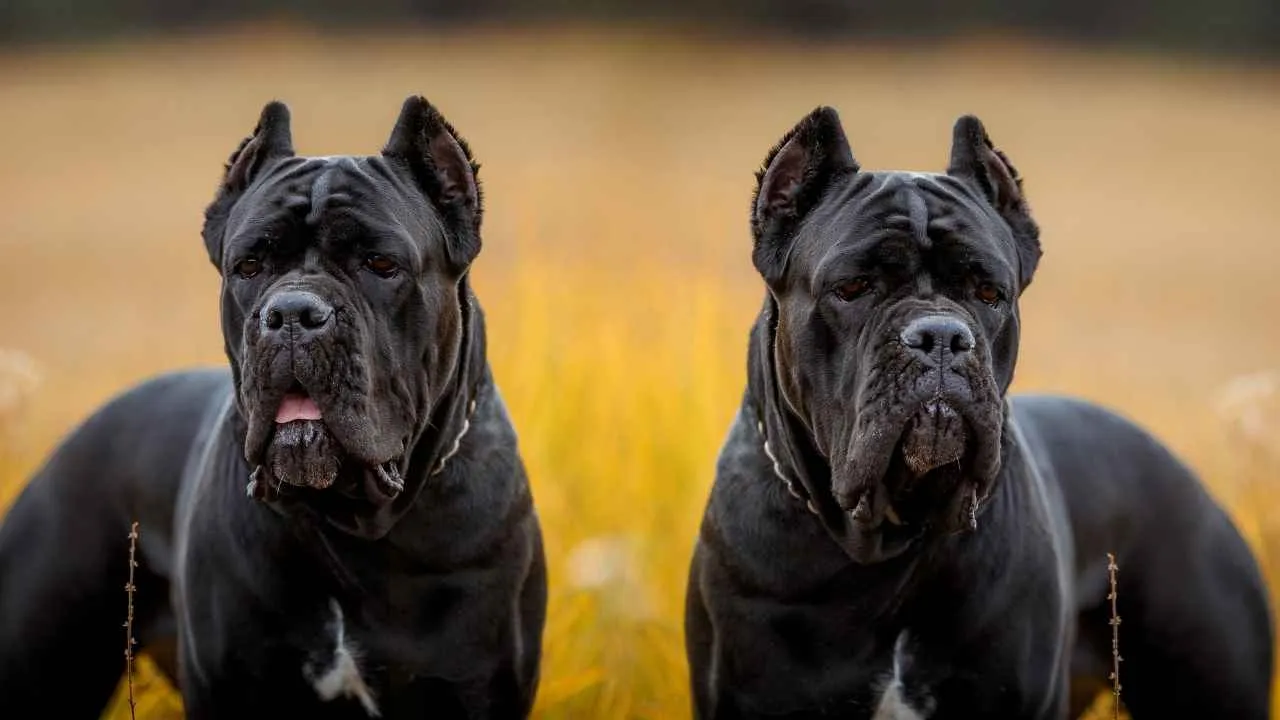
Cane Corso has that intimidating appearance that makes people think twice. This powerful breed is big, muscular, and carries itself like it owns the sidewalk.
For personal protection, a Cane Corso often brings calm confidence instead of panic energy. Sounds crazy, right? A dog can look fierce and still move with control. That is exactly what many families want.
AKC notes that a Cane Corso was originally bred to guard property and stay close to its people. The dog’s muscular build and long, strong body help it stand firm if someone pushes boundaries.
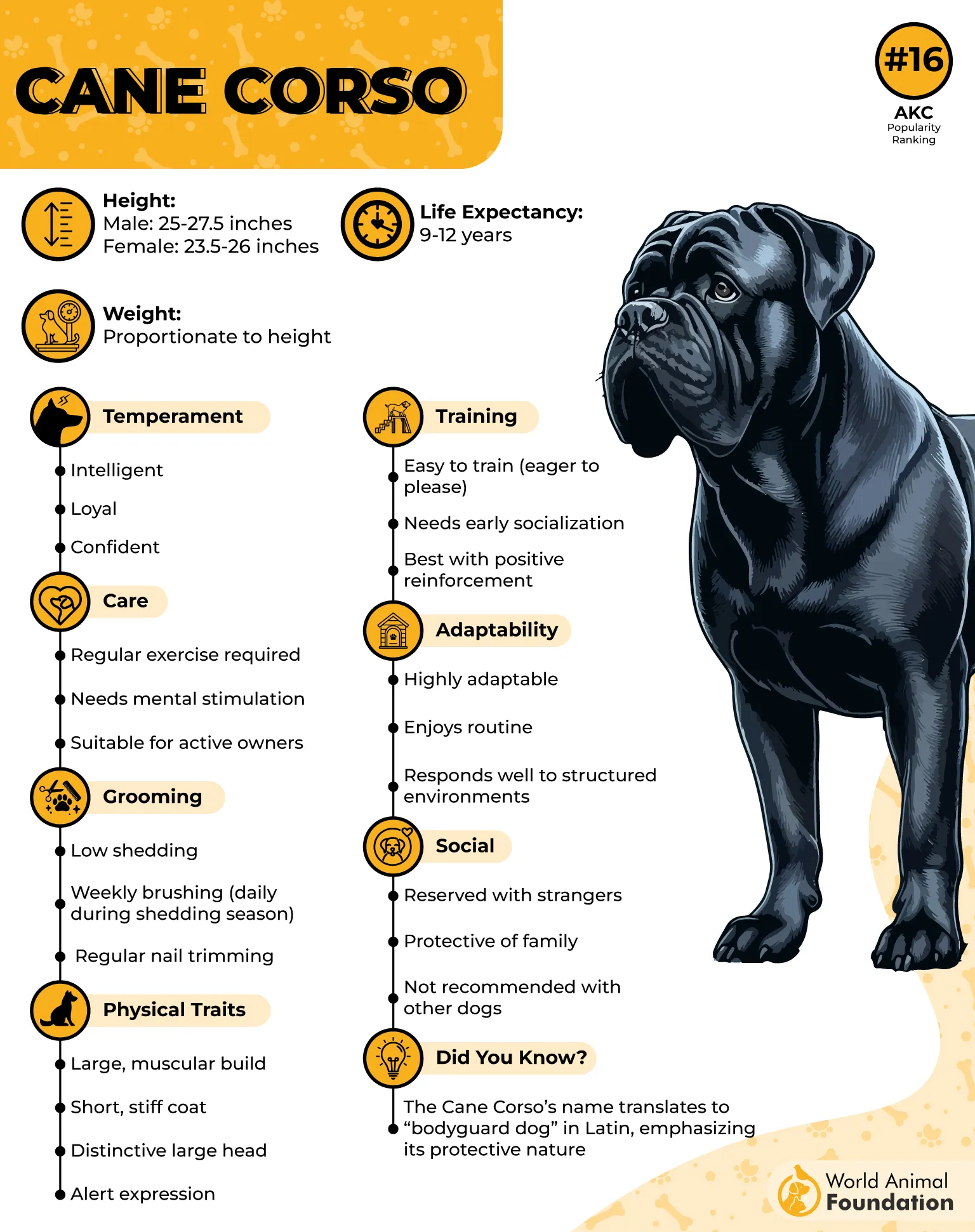
But it gets even worse, though, if you skip structure. Without steady rules, any large dog can become messy. With good leadership, a Cane Corso can protect with clear intent and stop when told.
This dog breed needs daily outlets and clear training plans. Obedience training works best when started at an early age, with simple steps and steady praise. This helps the dog stay calm around other dogs in public spaces.
Many homes choose cane corso as protection dogs because the dog can read a room, stay watchful, and still relax with family members when the day is normal.
What Makes Them Unique?
Needs daily exercise, or boredom shows up fast
Thrives with proper obedience training and calm handling
A short coat is easy to clean after outdoor time
Can be loving with family when routines stay consistent
3. Doberman Pinscher
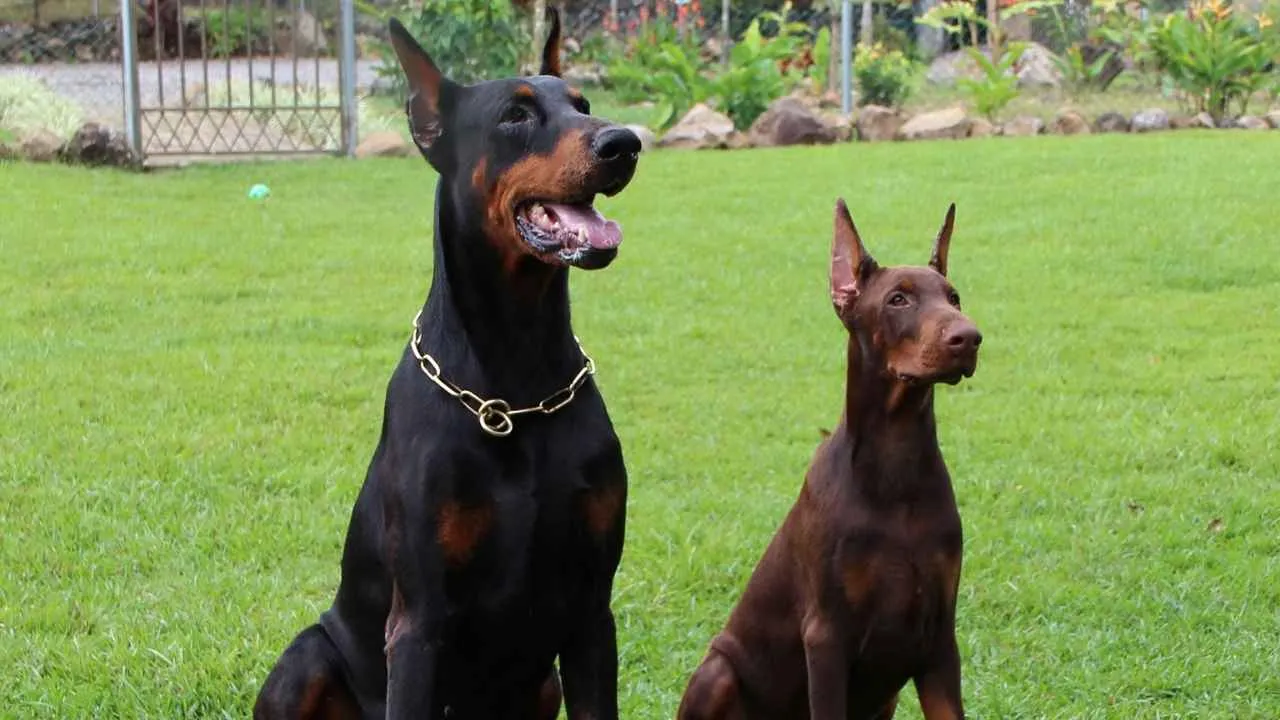
Doberman Pinscher has a sharp, clean look and a serious work vibe. As per PetMD, this dog breed was known as a “policeman’s dog,” and you can see why.
The Doberman Pinscher is alert, fast, and focused. Many people pick doberman for personal protection because the dog carries a firm presence without needing to act loudly all the time.
Dobermans often have natural instincts that push them to guard what matters. It can protect family members with quick thinking, especially in threatening situations.
The Doberman also tends to stay close, watch doors, and notice changes in routine. That is the kind of steady attention you want from personal protection dogs, not a dog that drifts off and misses the moment.
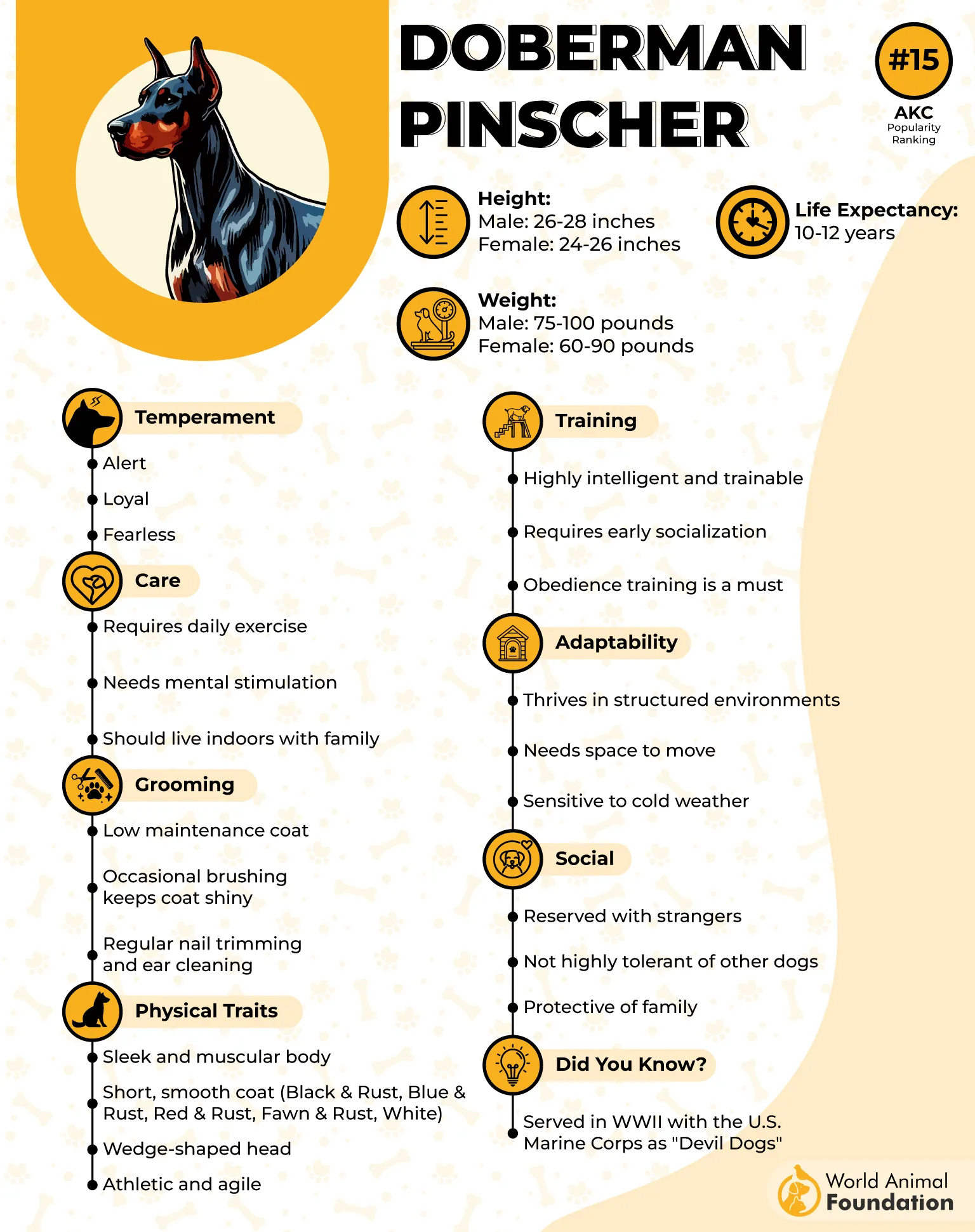
The Doberman does best with training that is clear and fair. Early training builds manners and trust, and that trust helps the Doberman stay calm in different environments. Many dog owners find that obedience training is smoother when sessions are short and frequent.
With professional training for advanced control, the Doberman Pinscher can become an actual protection dog that listens fast, guards smart, and settles well at home.
What Makes Them Unique?
Short, smooth fur is easy to manage year-round
Does best when well-trained with clear daily routines
Social time helps reduce risky protective behaviour
Needs exercise plus brain work to stay balanced
4. Boxer
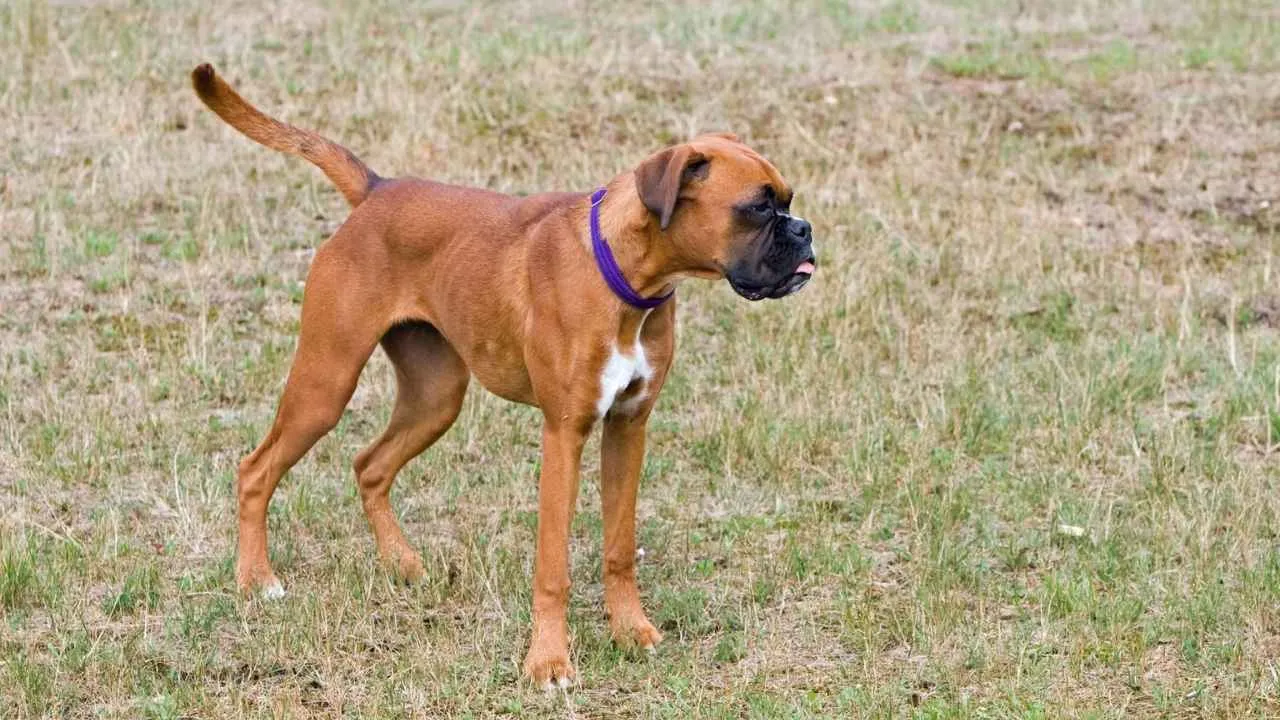
Boxers are the kind of dog that can make you laugh and still make strangers pause. This dog breed has a strong chest, a bold stance, and a face that looks like it is always planning something.
Here’s the good part. Boxer is often affectionate and playful with family, which makes daily life feel warm, not tense. Many people like boxers for safety because they can guard without losing their friendly side.
A Boxer can protect by being present and aware. The dog may not act like most dogs that roam and sniff nonstop.
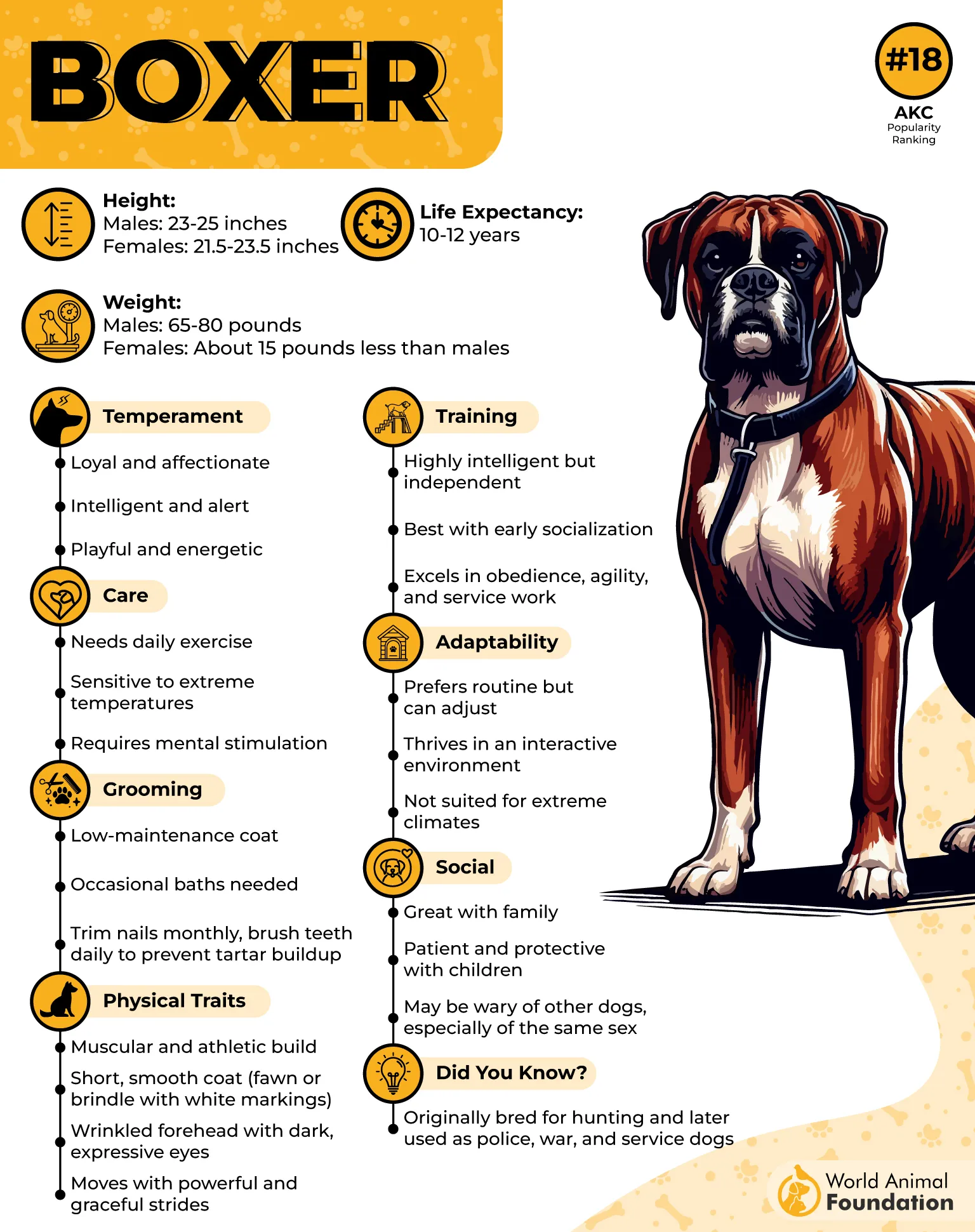
Instead, many boxers stay close and watch movement. That watchful habit can deter intruders because the dog looks ready to step in. With proper obedience training, a Boxer learns when to stay calm and when to alert.
Training should start early age because boxer puppies can be extra bouncy. Proper training keeps that energy fun instead of chaotic. Social time matters too, especially around other dogs, since some boxers can get pushy if they never learn manners.
A steady routine, simple obedience training, and clear play rules help this breed stay confident and safe around pets in the home.
What Makes Them Unique?
Needs regular walks, but not endless hours every day
Does better with early training and calm boundaries
Can be loud when excited, so teach a quiet cue
Great fit when your living situation includes daily play time
5. Rottweiler
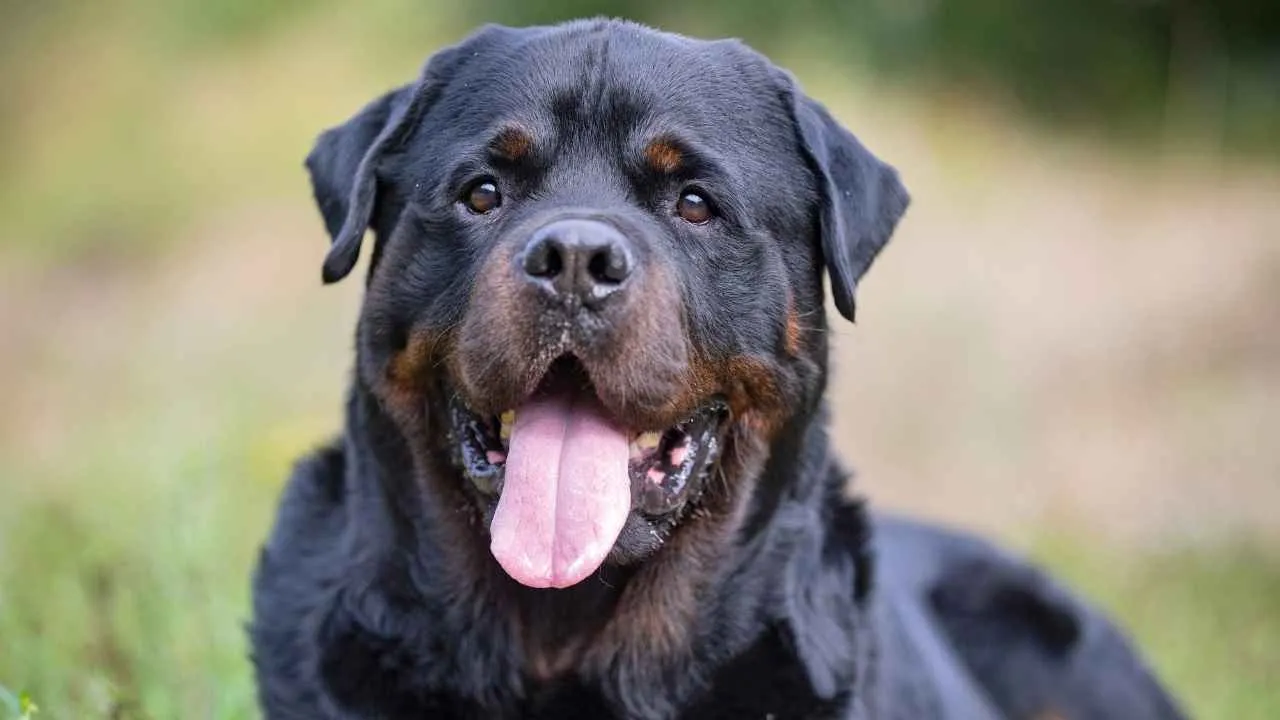
A Rottweiler can look like trouble, then act like a total sweetheart five minutes later. This dog breed often has a calm core, but it does not hand out trust easily. That is why many people see the Rottweiler as a good protection dog material.
The dog can guard with quiet presence and step up when something feels wrong, especially when protecting the family.
Rottweiler tends to watch strangers closely and decide for itself if the person is a risk. That protective nature can be helpful, but it needs clear direction.
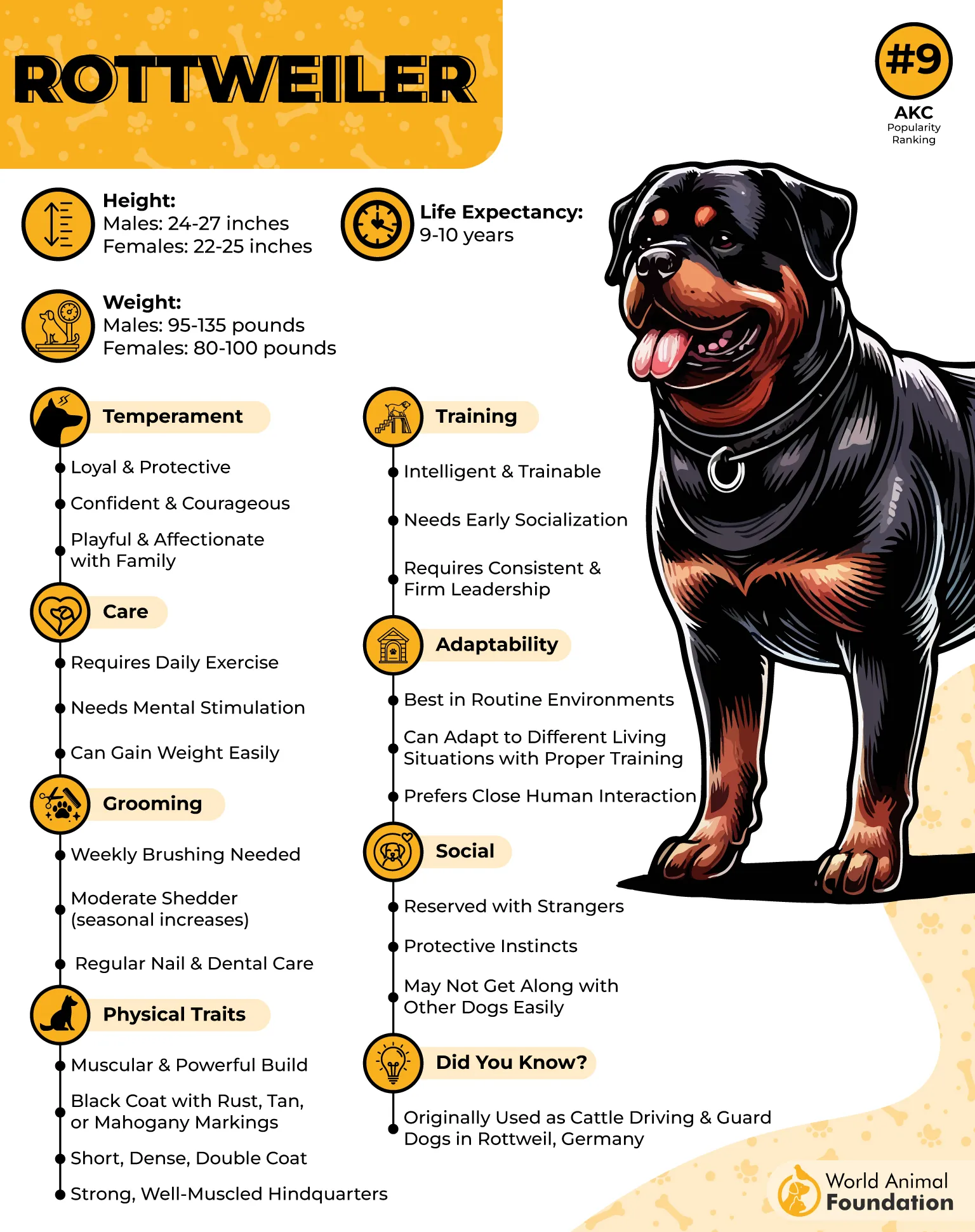
When dogs make all the choices, things can go sideways. With proper obedience training and steady routines, a Rottweiler learns what counts as real threats and what is just normal life noise.
This breed does best with a job-like routine. Training sessions, structured walks, and simple tasks help it stay grounded. Mental stimulation matters a lot, or the dog may invent its own “job,” and that can be annoying.
Social time helps a Rottweiler stay calm around pets, and it can learn to share space with other pets when introductions are slow and safe.
What Makes Them Unique?
Needs structure every day, not random rules
Does best with proper training and clear limits
Great at holding ground and guarding entrances
Build deep bonds with calm time and routine
6. Akita
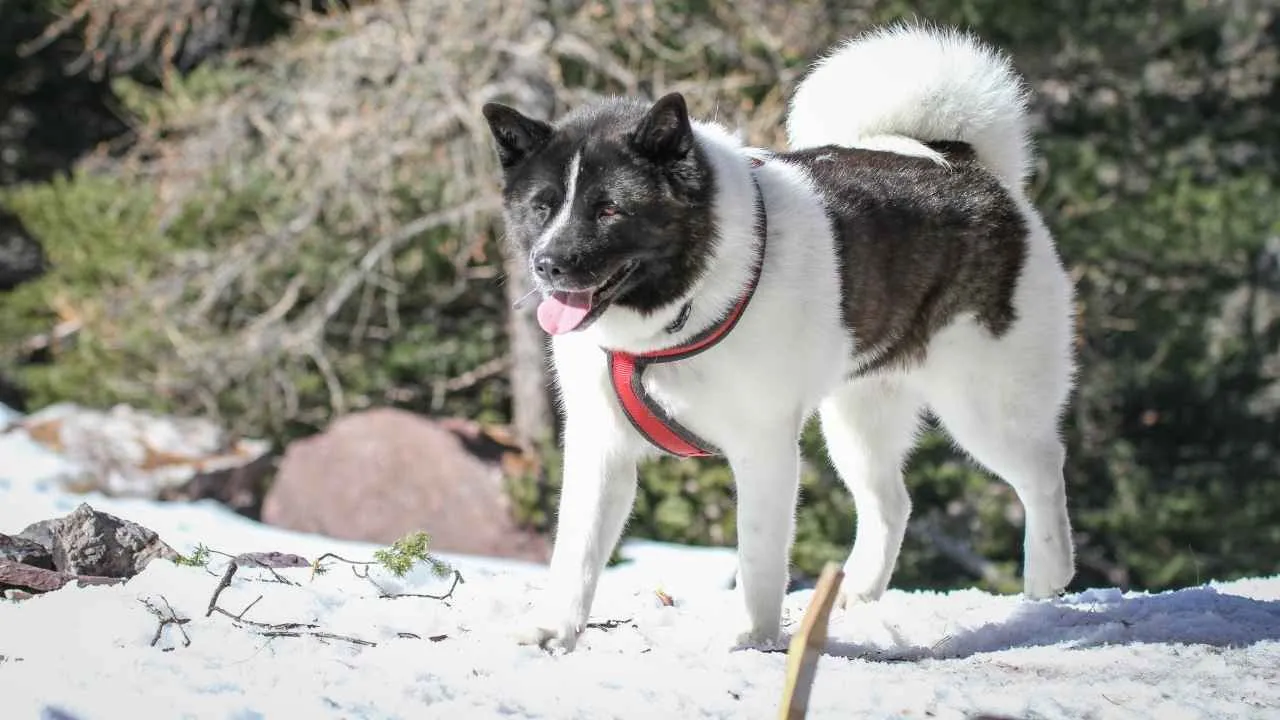
Akita is famous for loyalty, and it is not hype. This dog breed was bred to guard important people and take the job seriously. Akita can guard with quiet strength, and it often does not need much noise to make its point.
But wait, there’s more! Akita is also brave and alert, which helps in personal protection when the home needs a watchful eye.
Akita often acts like one of those independent dogs that thinks first, then moves. That can be great for guarding, but it means training must be consistent.
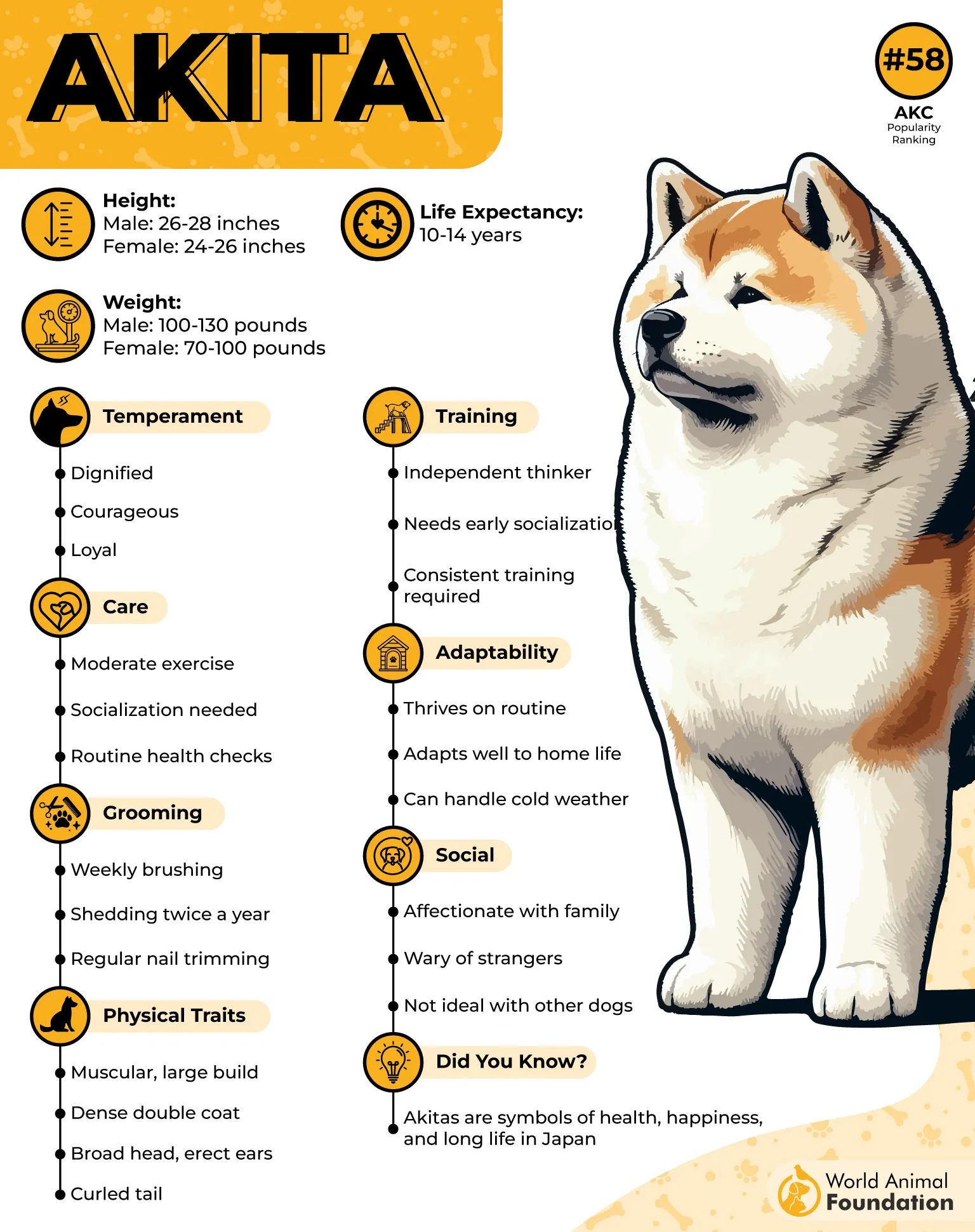
The dog’s protective instincts can kick in fast, especially with unknown visitors. The goal is to protect without overreacting, so the dog learns what is normal and what is not.
Obedience training is important here, and it helps you keep control in tense moments. Some homes also use guard dog training to sharpen skills safely.
Start training at a young age, focus on calm handling, and keep social time steady so the dog can relax around guests. Akita can live with pets, but introductions should be slow, and the dog must learn clear boundaries with other dogs, too.
What Makes Them Unique?
Strong instincts mean rules must stay consistent
Needs calm exposure to new people and places
Can protect without constant barking or pacing
Works best with experienced owners who stay steady
7. Belgian Malinois
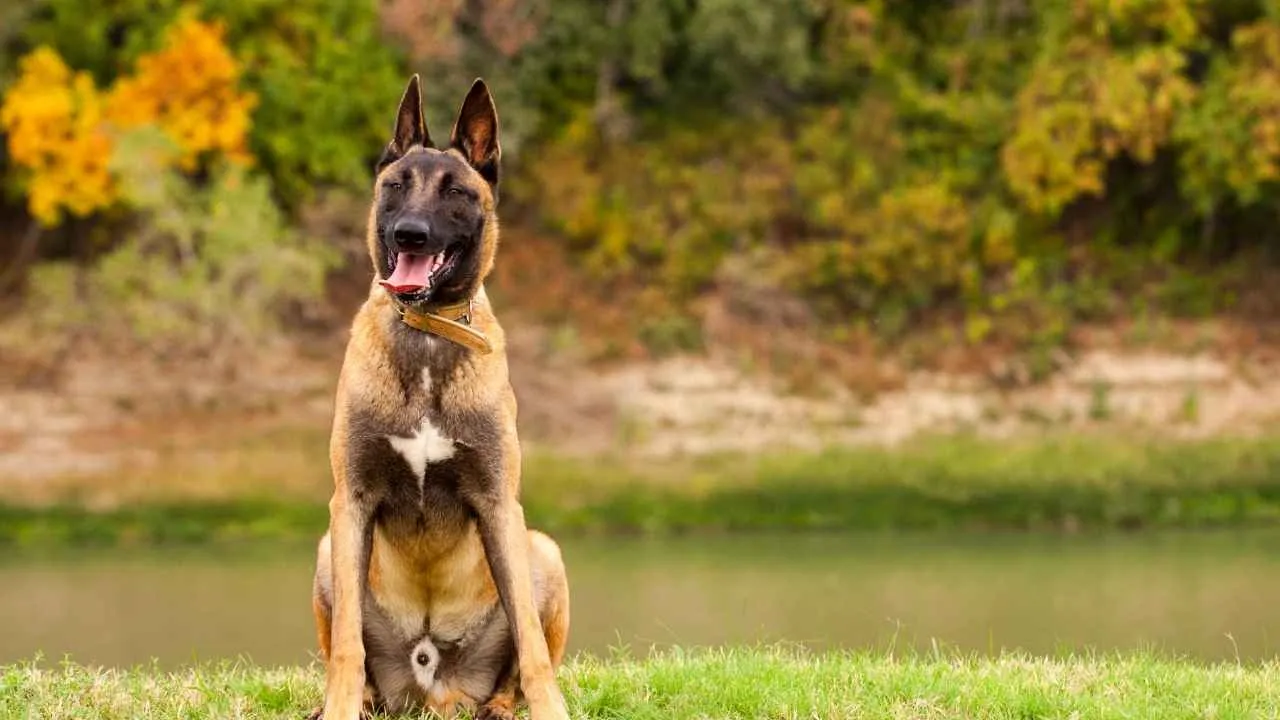
Belgian Malinois is intense, athletic, and always ready to move. This dog breed is famous in police roles because it can work hard, stay sharp, and keep going.
Chewy notes that Belgian Malinois often shines in protection work because it reacts quickly and stays locked in on the task. For personal protection, it is a serious choice, not a casual one.
Belgian Malinois has strong instincts and high drive. That means the dog can spot potential threats fast, but it also means the dog needs direction.
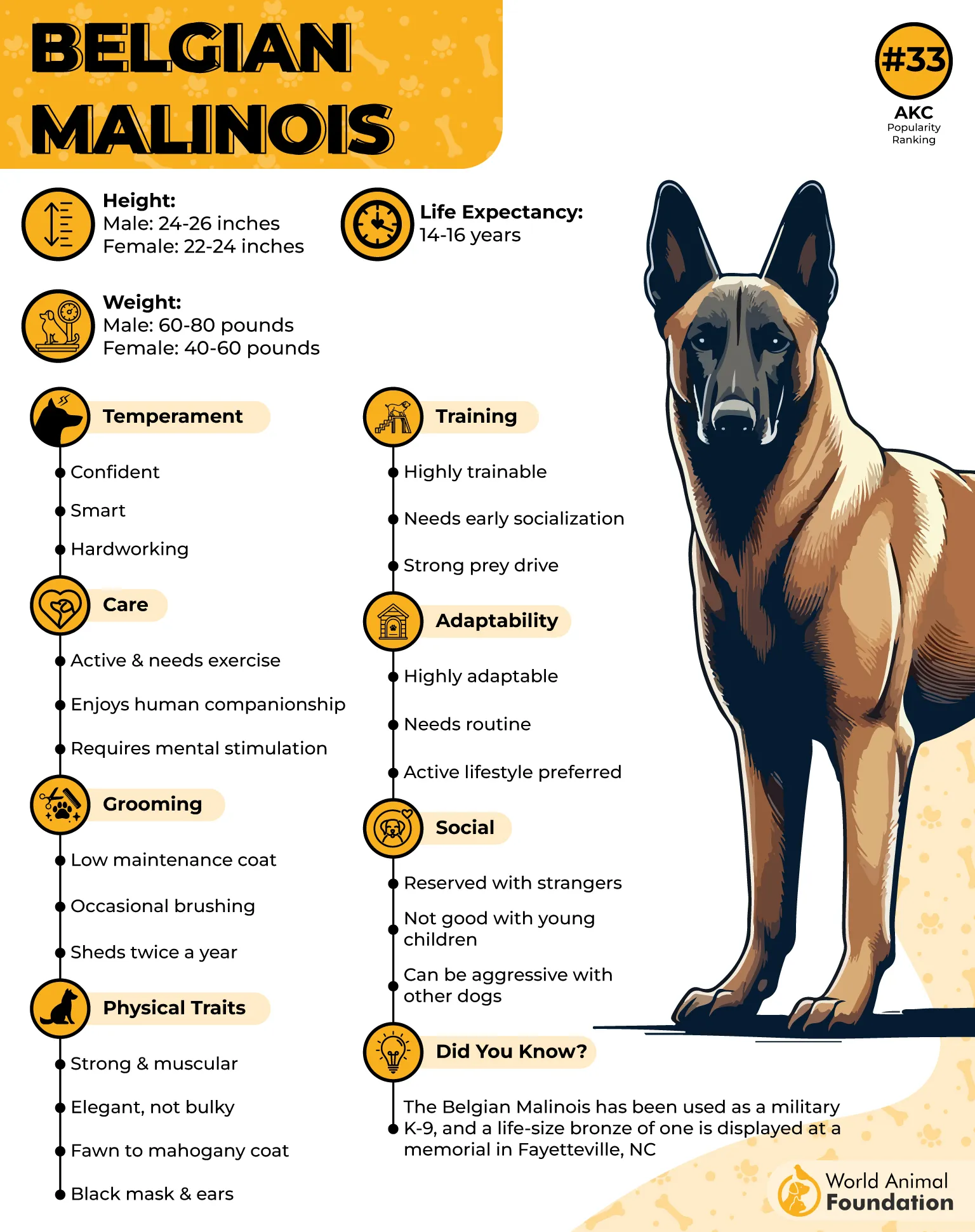
Without structure, the energy can turn into stress. Many protection dogs fail at home because the plan is weak. With a clear plan, Belgian Malinois can protect, guard, and still settle when the job is done.
Training must be steady and frequent. Proper training should include obedience training, calm social time, and safety skills that fit your daily life. This breed needs lots of exercise plus mental stimulation, or it will get restless.
Belgian Malinois can do well with family, but it needs clear routines and safe boundaries around other pets. When well trained, it becomes one of the excellent guard dogs for active homes that want a serious partner.
What Makes Them Unique?
Needs daily training tasks, not just a short walk
Highly trainable when rewards and rules are clear
Can protect fast, so teach calm control early
Best fit for experienced owners who enjoy active days
Conclusion
Choosing guard dog breeds is not about picking the scariest face. It is about picking the right dog for your home, your time, and your energy.
Protection dogs can protect and still be loving dogs when training is steady and kind. Focus on daily training habits that keep the dog calm and clear. If you want personal protection that feels safe for the whole family, match the breed to your routine and stick to it.
Talk with trainers, plan social time, and stay patient through the messy weeks. And here’s the best part! When you do it right, you do not just get guard dogs. You get a loyal friend who helps you breathe easier at night.
