




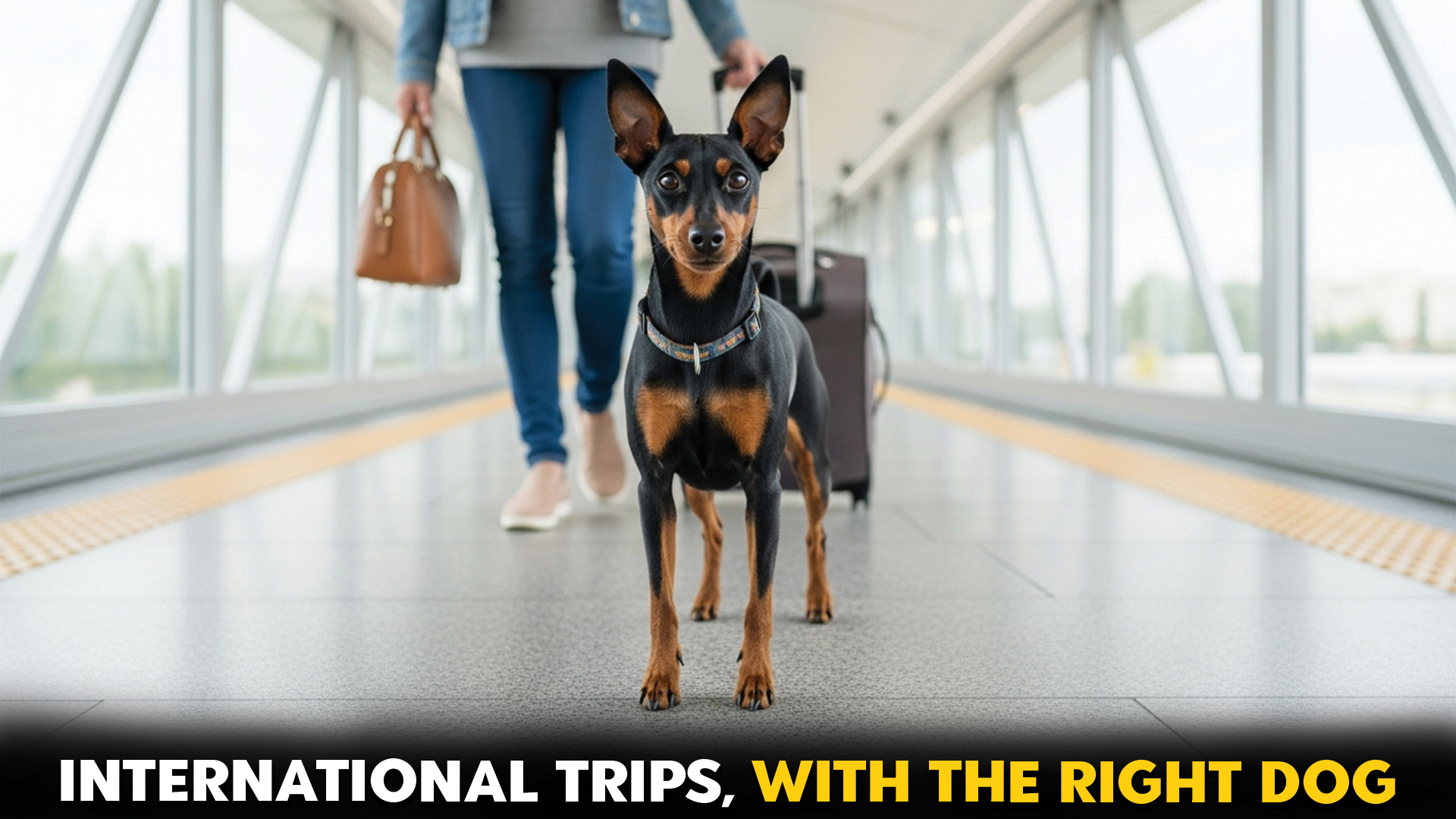
Passport-ready paws make every border crossing feel like a tiny celebration.
If you love stamps, snacks, and views, welcome. Many travelers dream about taking a dog along, then panic at the first checklist. Papers, vaccines, and airline rules can feel like a maze.
But wait, there’s more! Once you choose the right dog for your life, the rest becomes a set of small steps. Start with temperament, health, and how your dog reacts to new settings.
Some dogs settle fast in airports, while others need extra comfort. Also, think about your travel lifestyle: city touring, long drives, or walking days. Match your energy level to theirs.
This blog will walk you through seven specific breeds so you can explore the globe, one country at a time.
Ideal Dog Breeds for International Travel Adventures
1. Miniature Pinscher
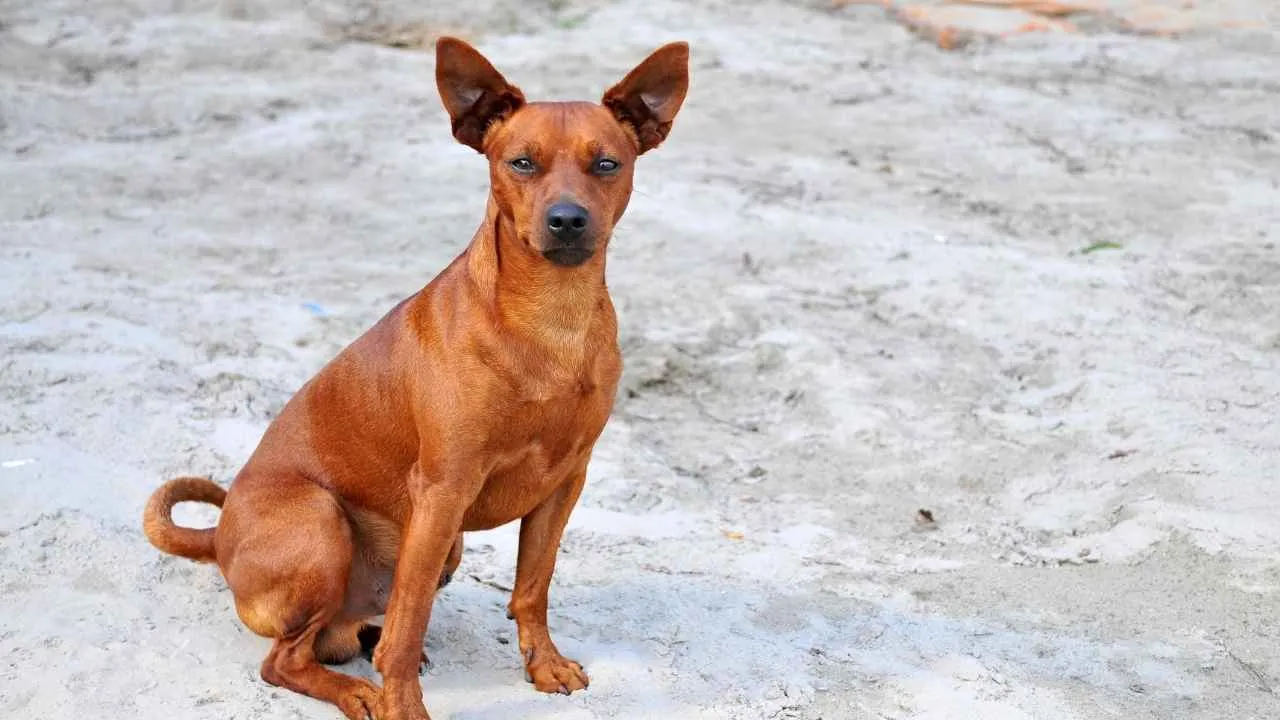
The Miniature Pinscher dog is tiny, bold, and proud of it. PetMD notes that the compact size can be a gift for travelers who move a lot, because they fit comfortably in tight spaces, like small rooms and café corners.
They are also alert. When you enter unknown corners, that sharp focus can make you feel less alone, like a guard on duty.
This breed stays neat with a short coat and minimal grooming needs. That helps on days when you are bouncing between check-ins, street walks, and photo stops. They do not need intense exercise to be happy, but they do need daily movement.
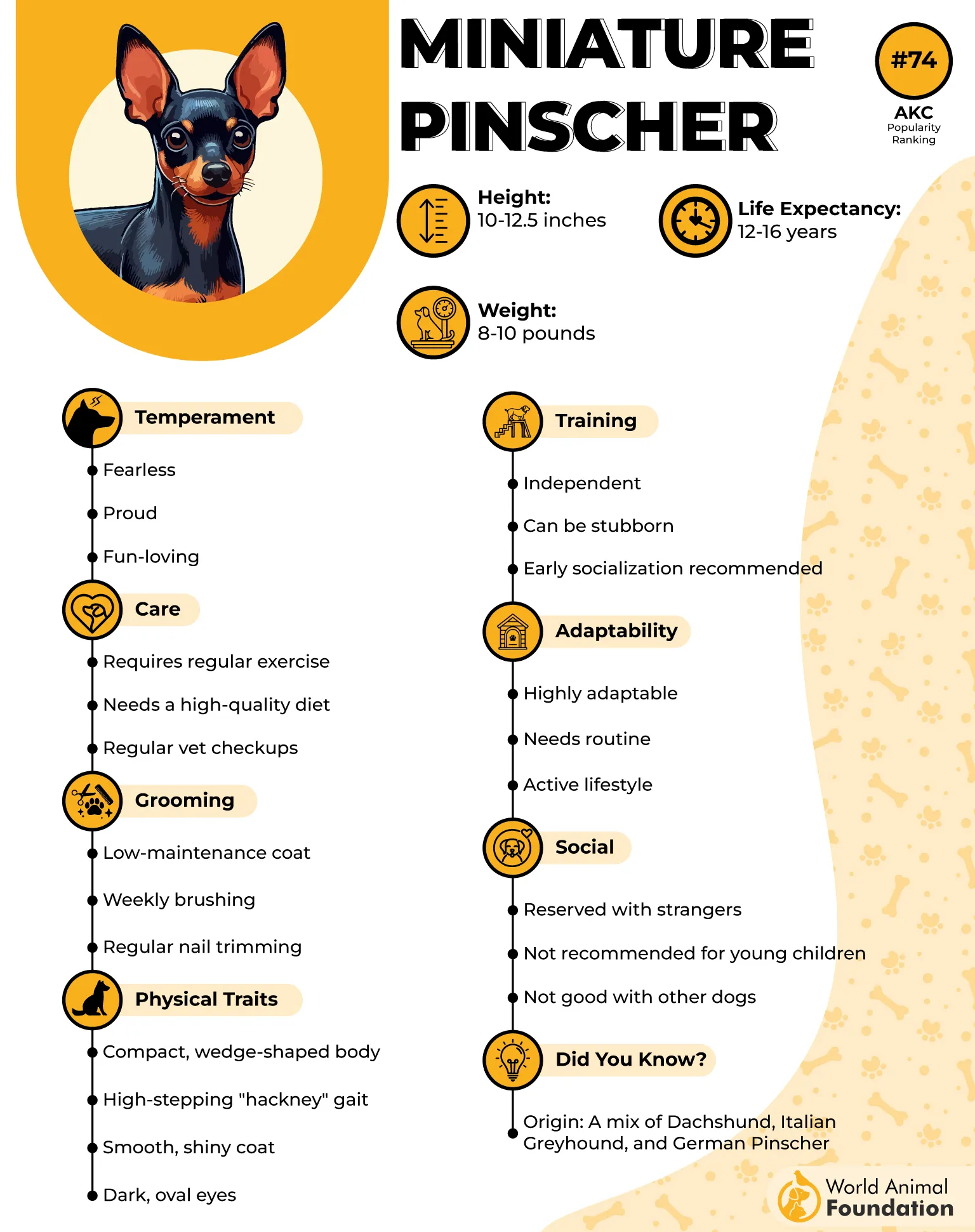
A brisk walk and a play burst can keep their pep steady, even when your schedule is messy. If you are doing a travel dog routine, teach a simple “settle” so they can relax in waiting areas.
Sounds crazy, right?. Miniature Pinschers often act like they are huge. That big personality is a blast, until they try to boss the whole street. So treat travel like training. Keep greetings calm, and reward quiet waiting.
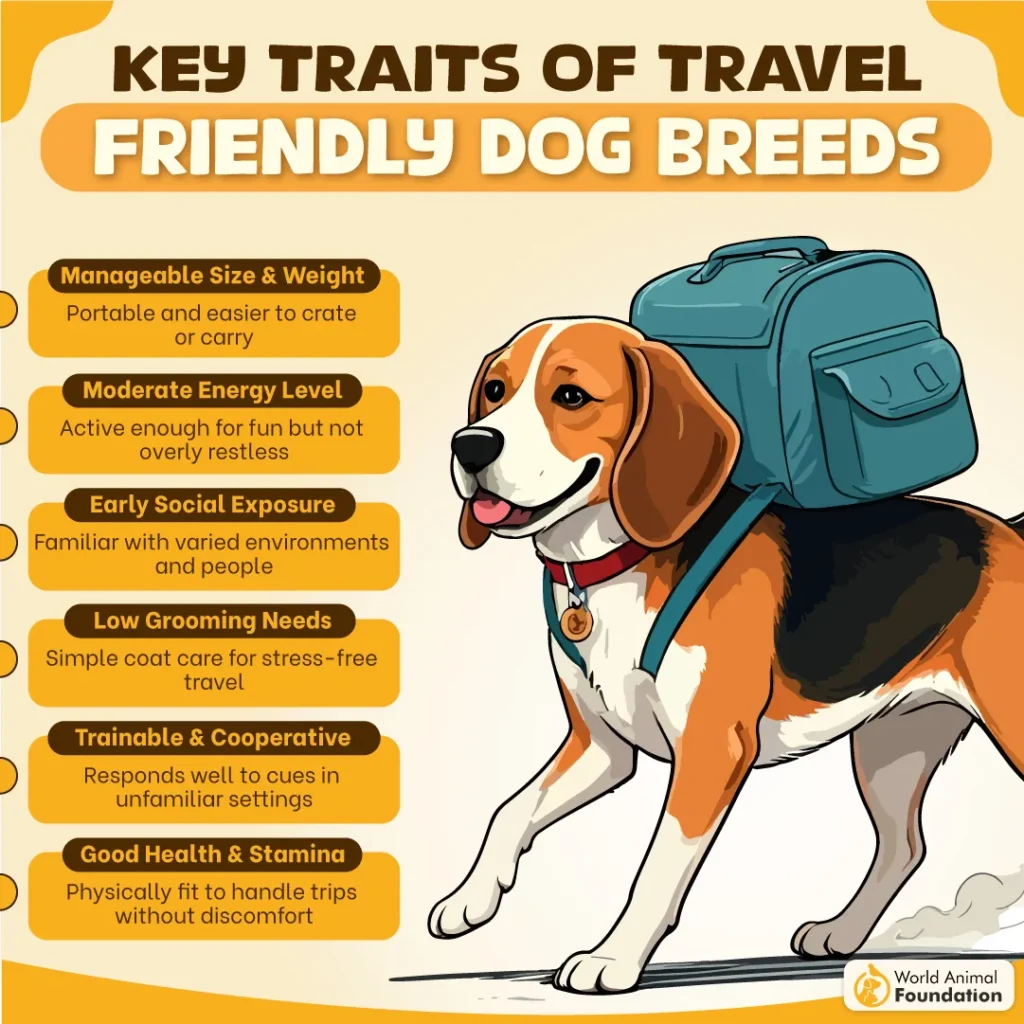
Prepare for cold weather, too, because short coats lose heat fast. Also, avoid letting them leap off high surfaces in rentals, because small legs still need care.
Pocket Power Moves
Use a secure bag so you can carry them through crowds.
Give short play breaks before check-in and dinner.
Keep a light sweater handy for cool evenings.
2. Beagle
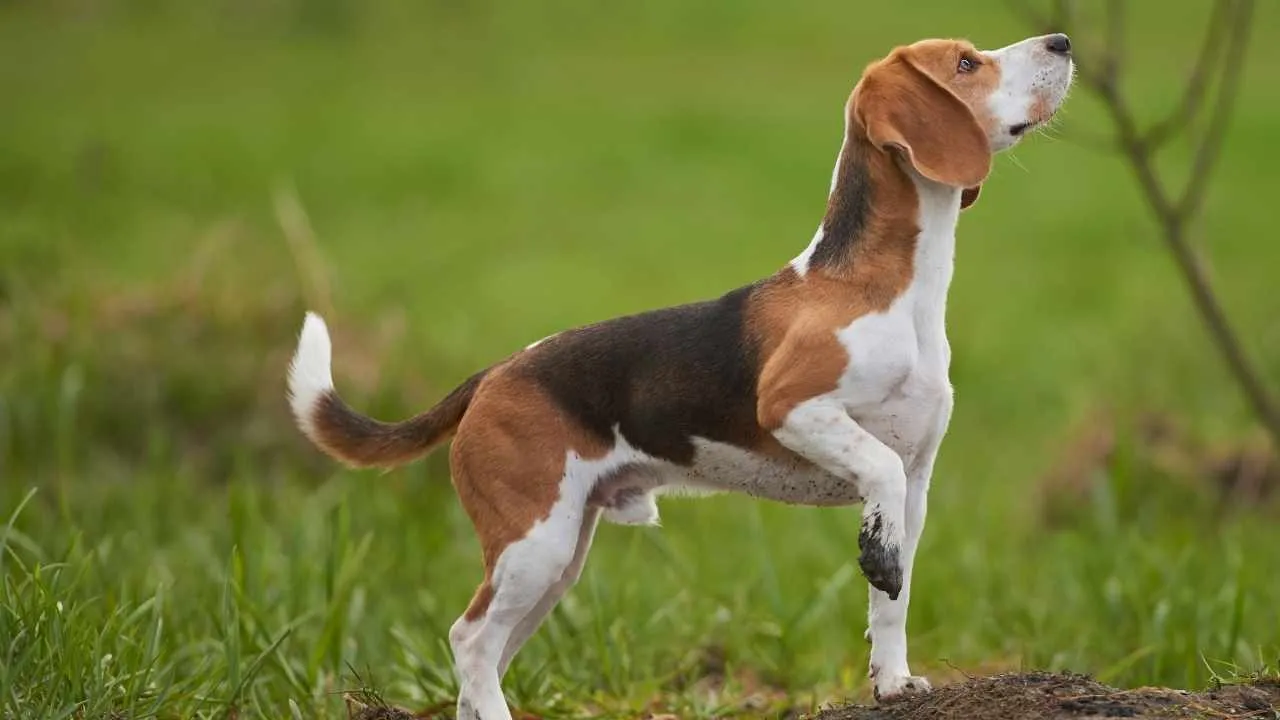
A Beagle brings joy with a nose that never sleeps. On a walk, they read the world like a newspaper. That curious streak makes them great on hiking paths, because every turn has new smells and new clues.
It also means you must be serious about the leash, especially in new environments where traffic patterns and street layout can surprise you, as noted by Orvis.
Beagles are friendly and often social with strangers. That can help in busy travel settings, like public parks, hotel halls, and ferry lines. Still, they can get distracted fast.
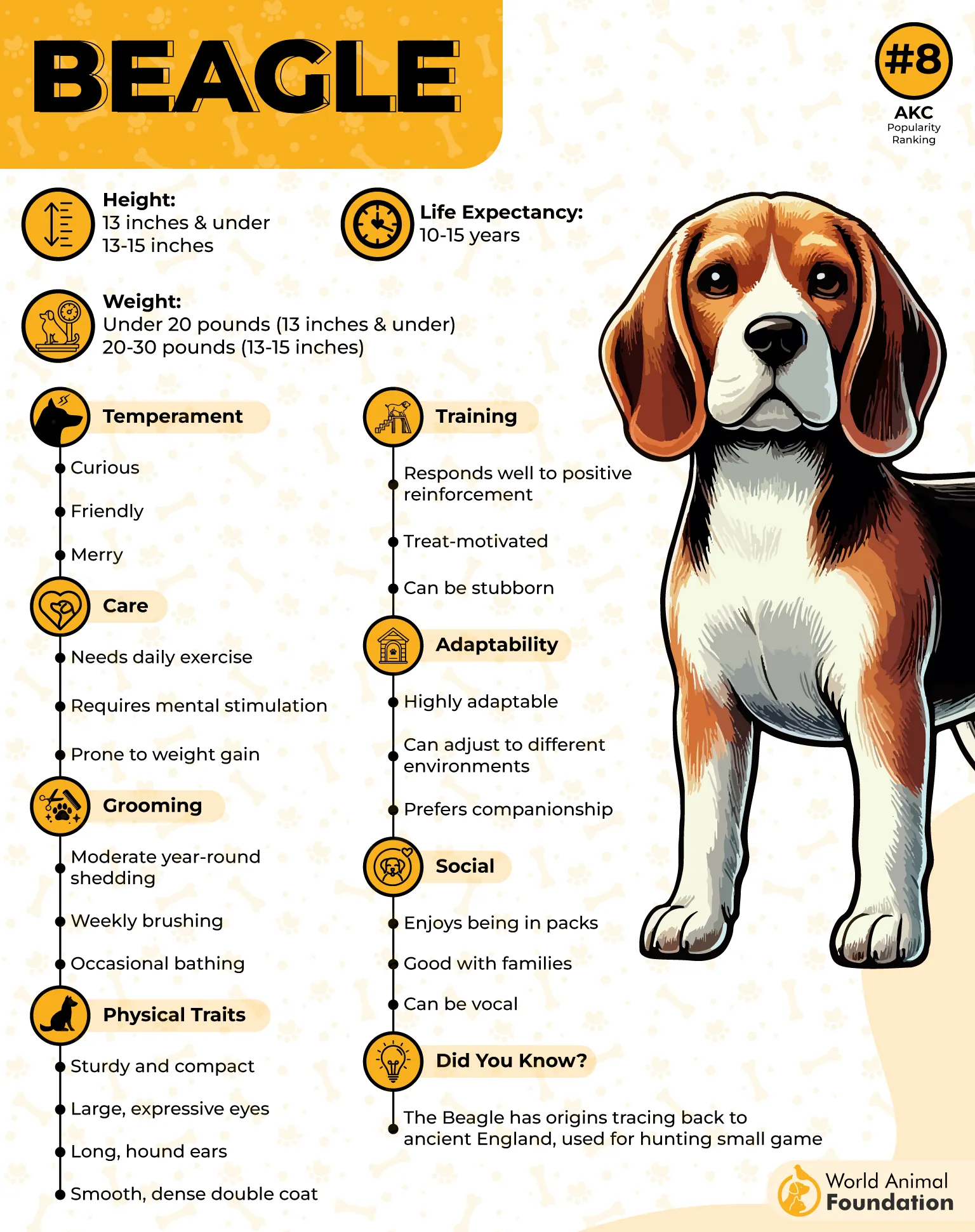
The trick is to give their brain a job. A short scent game in your room can calm them more than another lap outside.
Here’s the good part. Their happy temperament can make long days feel lighter, even when flights get delayed. But why bother with extra training? Because without it, the nose wins, and it gets even worse, though, when you are tired.
Build simple routines: Walk, sniff, rest, repeat. Pack familiar food too, because sudden diet swaps can upset travel plans. On road trips, stash a chew and stop at quiet fields, so unfamiliar places feel safe.
A tired Beagle rests faster, and hotel neighbors will thank you. With a steady structure, this breed can do well and become a cheerful dog.
Notes for Nose First Travel
Pack a long line for safe sniff time in open areas.
Offer water often after long walks in warm weather.
Practice recall at home before your first board day.
3. Jack Russell Terrier
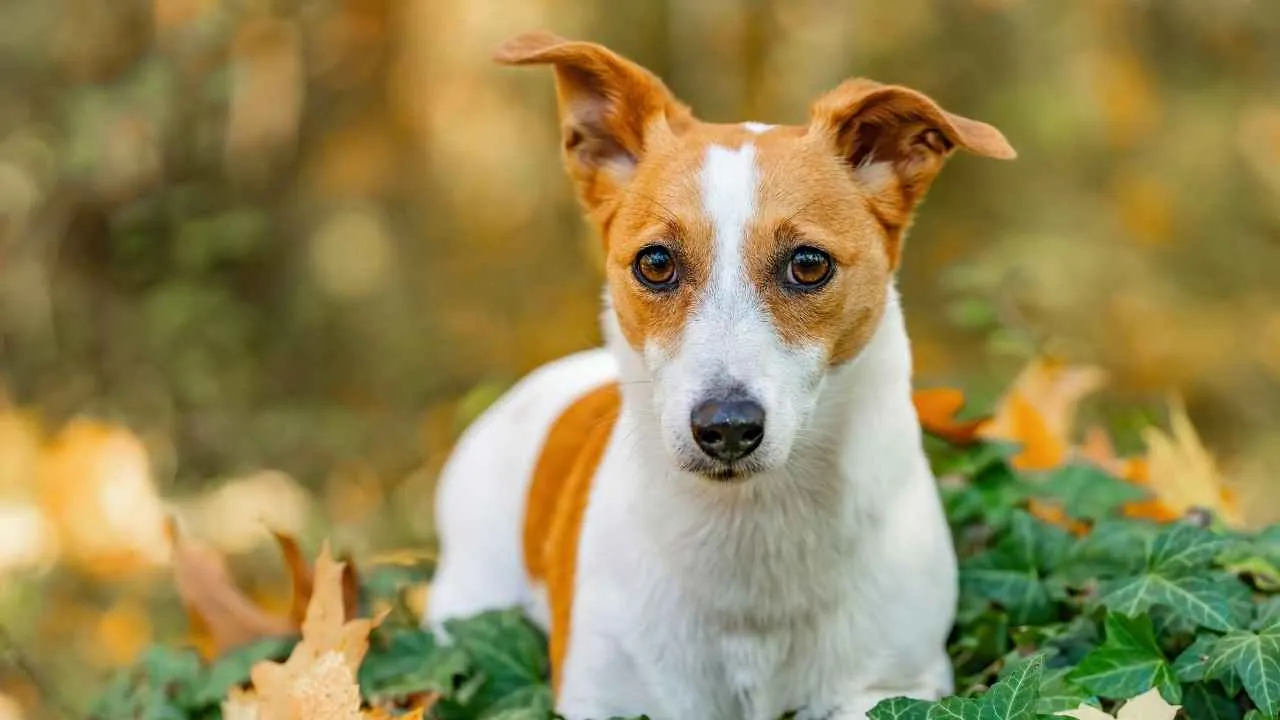
A Jack Russell Terrier dog is a spark with a full battery. They are small dogs, yet they can be high-energy in a way that surprises people.
If you want an adventure partner who loves a trail and never asks to stop, this dog can be a great match. Their handy size also makes them easier to lift when stairs, buses, or busy sidewalks get tricky.
They are agile and quick, so uneven ground is not a big deal. They also stay keen in new environments, which is handy when you are walking through fresh spots every week.
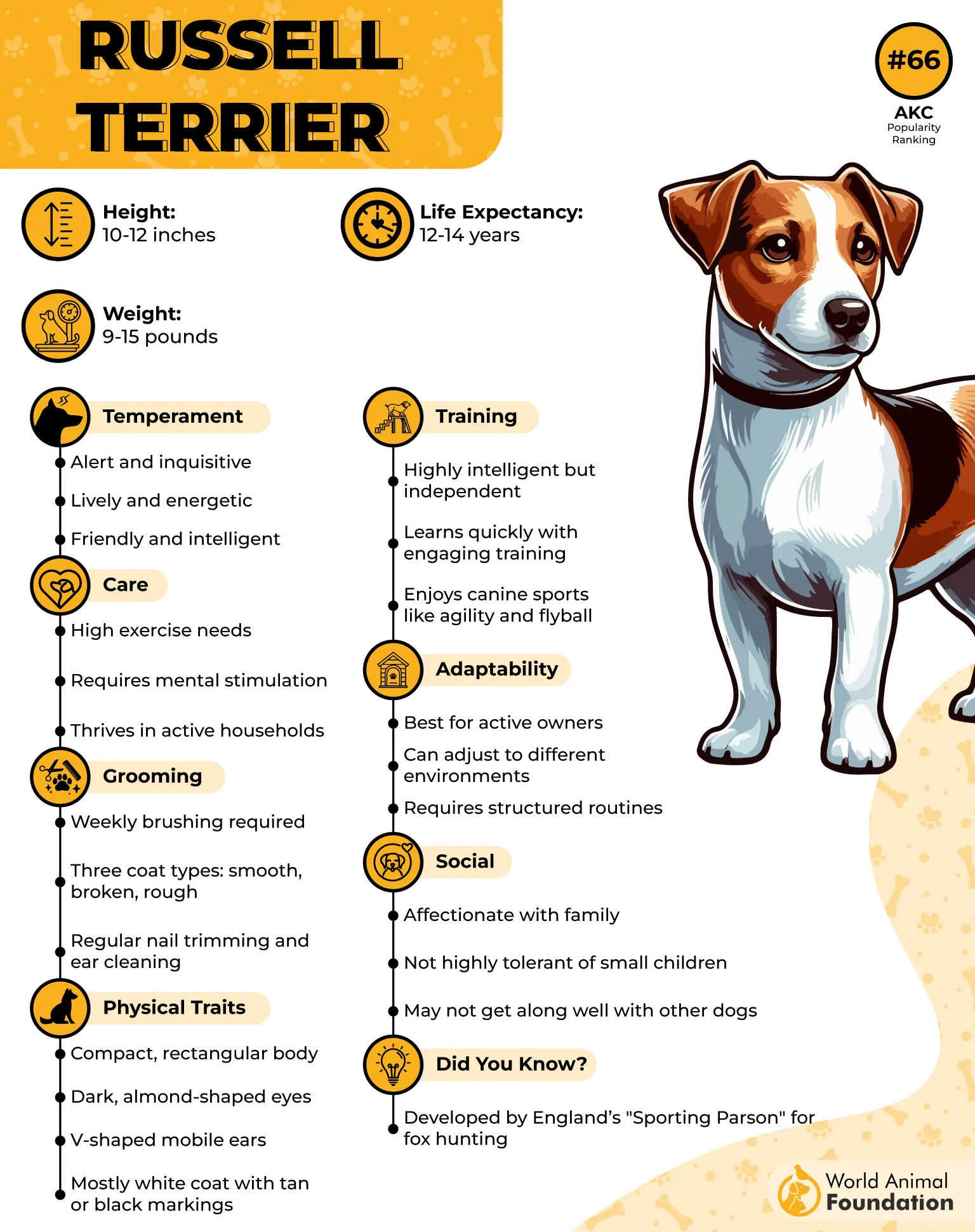
But wait, there’s more! They often enjoy learning tricks, which makes travel training feel like play. Teach “wait” at doors and “leave it” near street food, and you will thank yourself later.
The flip side is focus. Jack Russells tend to chase fast things, and they get bored when you sit too long. So prep for movement, plus brain work. A short training drill at breakfast helps later.
A puzzle toy helps during waits. Keep an eye on little paws on hot pavement in a new city. If you do that, they adapt fast, settle well, and can be a fearless dog.
Keep the Rocket on Track
Give two short play bursts instead of one long one.
Bring puzzle toys for delays and slow afternoons.
Use a snug harness in busy streets and crowded parks.
4. Cavalier King Charles Spaniel
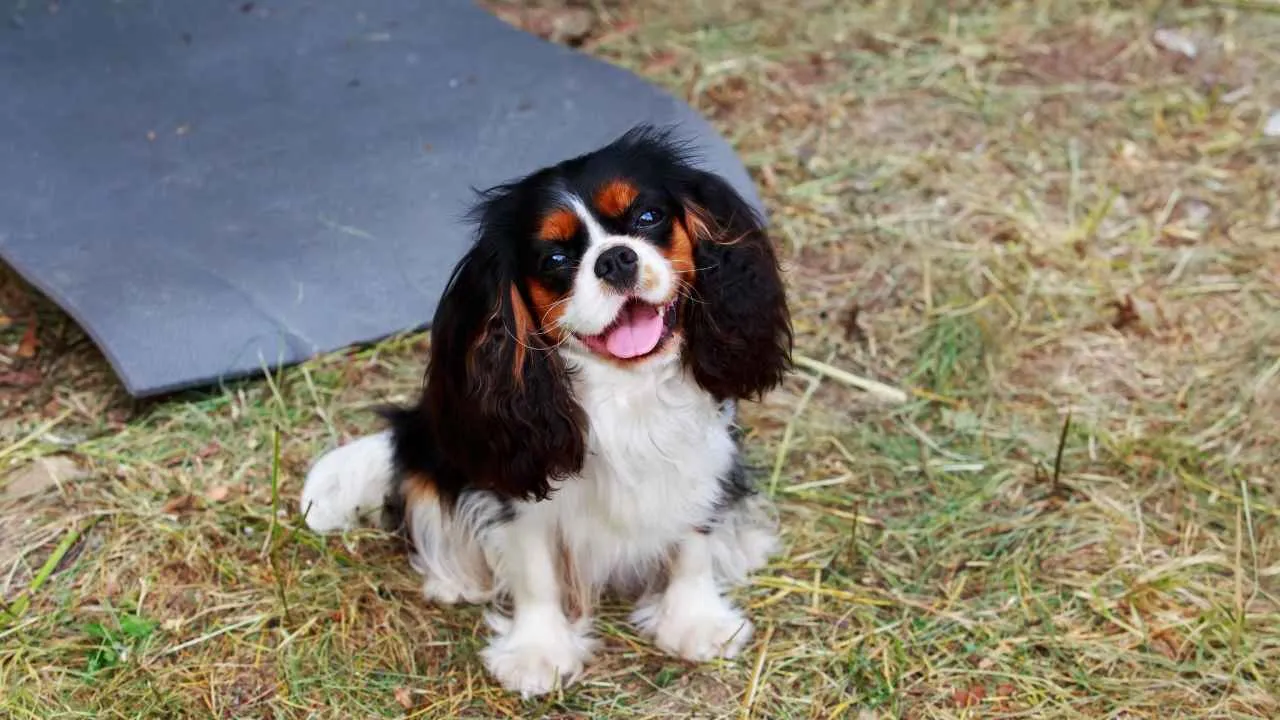
If you want gentle calm in a small body, meet the Cavalier King Charles Spaniel. According to the AKC, they are often people-oriented, so they relax when they are near you. That closeness can help them handle new environments with less stress.
In a new hotel, many will curl up, watch you unpack, and act like the room is already home.
They also tend to be friendly with new faces, which can make social travel smoother. When you are checking in, ordering food, or chatting with other travelers, a Cavalier is often a sweet charm.
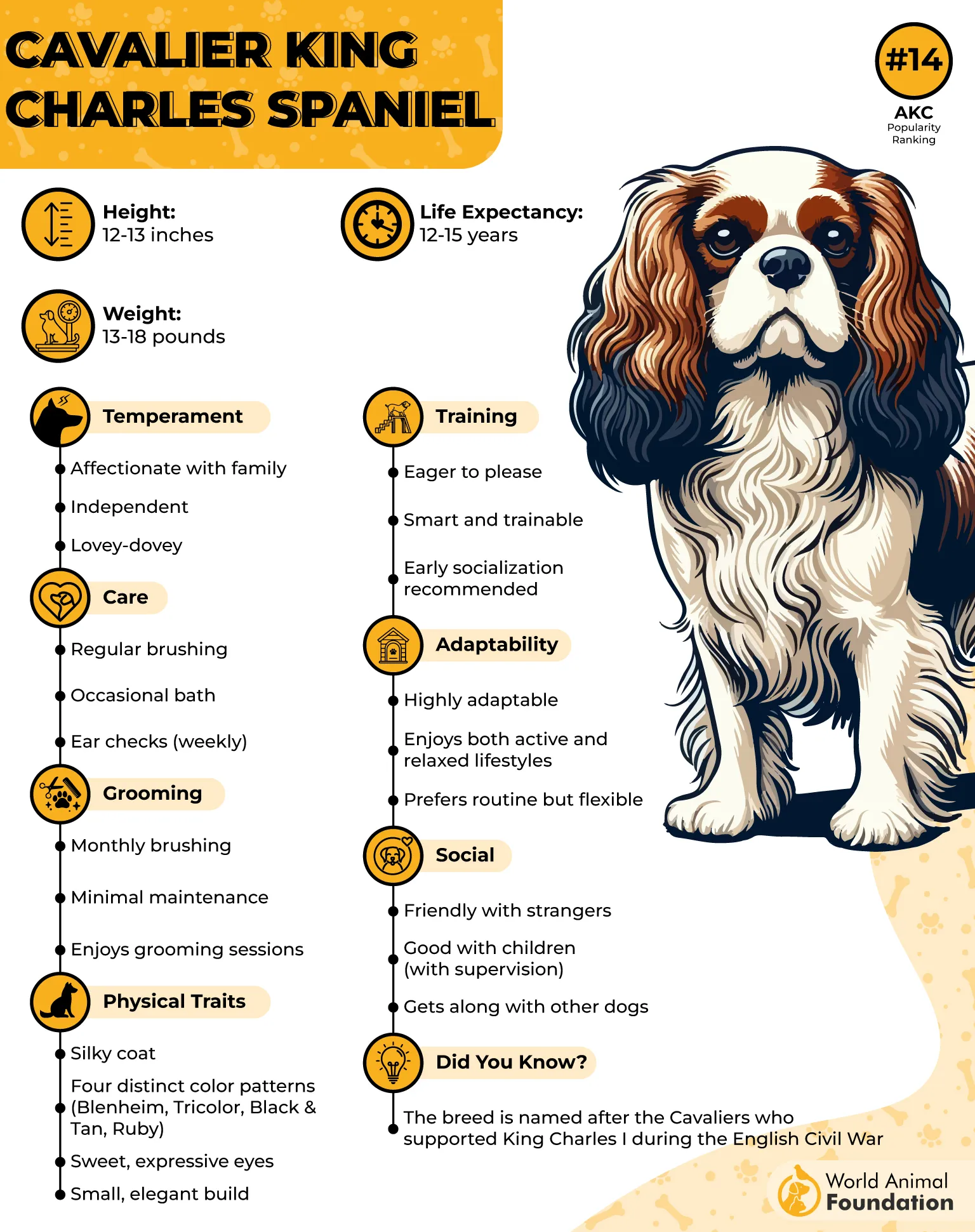
And here’s the best part! Their calm vibe can soften a tough day when plans change, with real charm. They are usually happy with easy walks, so they suit a slower pace with lots of stops.
Health needs attention. If you plan to fly often, keep vet checks regular and watch for any signs of breathing issues. Ask for cabin options when you can, since staying close can reduce stress.
This breed does best with comfort, not nonstop action. Keep temperatures mild, and avoid rough handling from excited kids in crowded spaces. With steady care, they can thrive as a travel-friendly dog for a calm tour across the world.
Soft Landings in New Cities
Keep a blanket that smells like home for comfort.
Do calm greetings so excitement stays calm.
Add rest days so travel feels like life, not a sprint.
5. Labrador Retriever
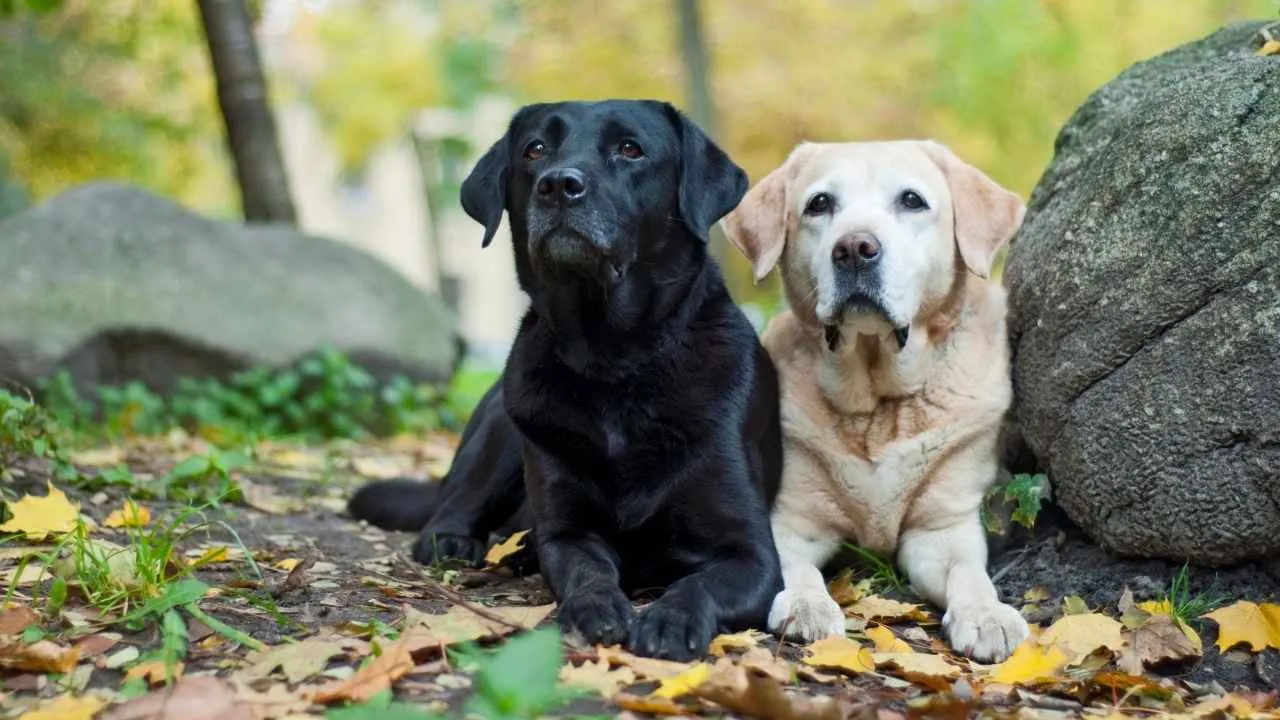
The Labrador Retriever is the best dog breed for travelers who want a sturdy dog for big outdoor days. They are known for being friendly and easy to teach, which matters when you are dealing with rules, crowds, and sudden changes.
They also love water, so lakeside stops can feel like pure joy, and beach mornings can turn into the highlight of your life.
This breed can handle long walks and hiking, but they need steady movement. If you skip it, they will invent their own entertainment. So build a routine: morning walk, midday break, evening stretch. Add short practice sessions too.
A bright Lab enjoys learning, and quick training keeps them calm in busy places. It also helps when you meet a new dog, since polite greetings are part of good travel manners.
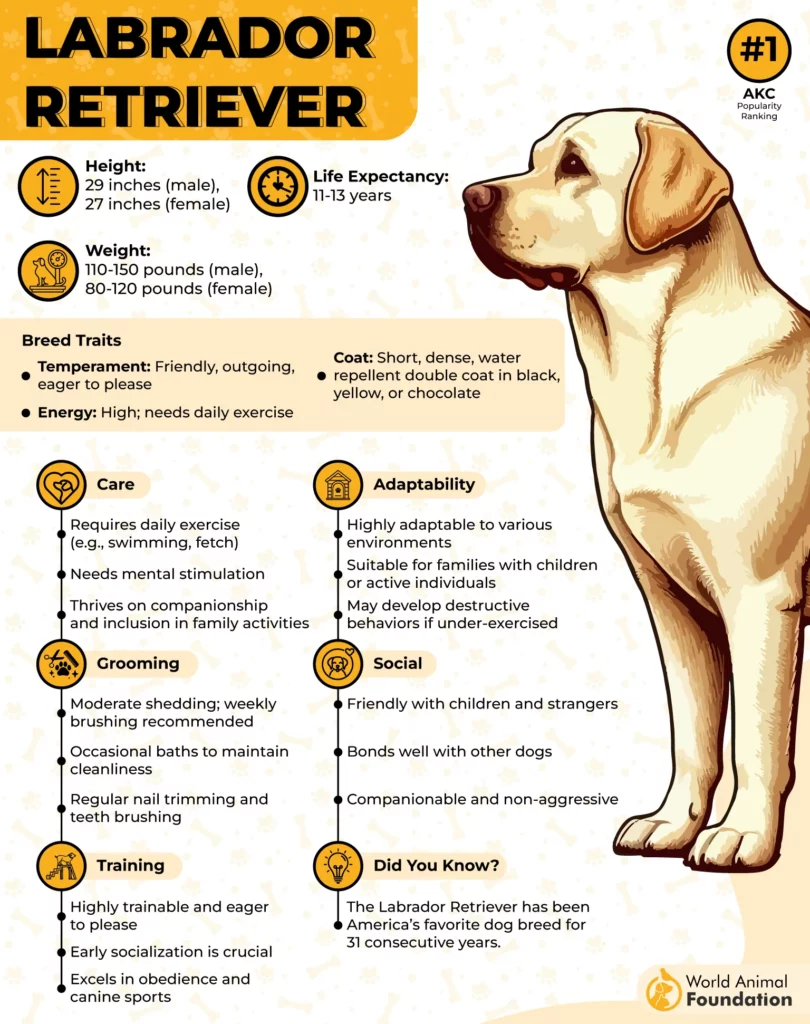
Size is a big factor. A Lab is huge, so a plane cabin is rarely realistic. Many owners prefer ground travel instead, like long drives across the country. Book rooms with space, and stop often so joints and minds stay happy.
Bring a towel for wet fur and a simple mat for “place” training. With space, breaks, and a steady pace, this breed can be the right dog for long adventures in nature.
Big Body, Easy Rhythm
Use a seat cover to protect car seats from mud and hair.
Bring a spill-proof bowl for stops and waits.
Add short training breaks to keep their brain engaged.
6. Golden Retriever
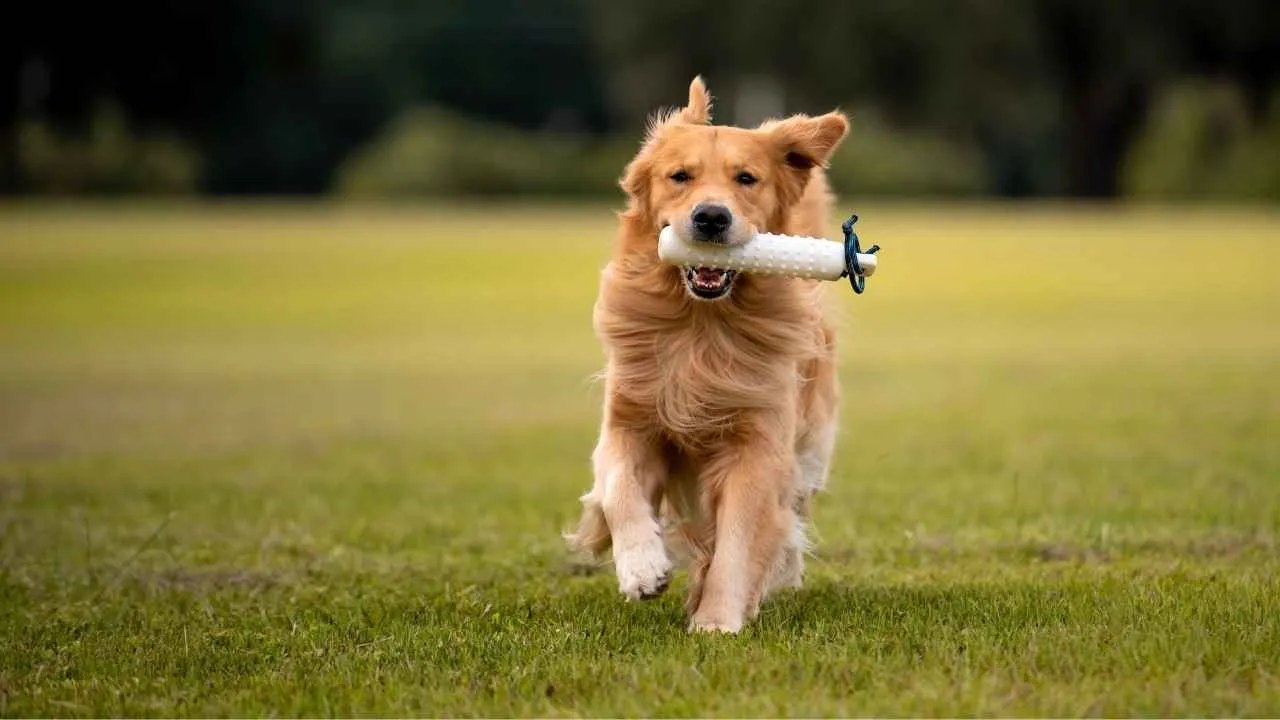
A Golden Retriever dog feels like sunshine with fluffy fur. Their gentle temperament can make travel feel smoother, because they usually stay friendly in new environments.
They also love to join family activities, which makes them great for shared trips and long drives. In busy rest areas, they can be a calming presence if you keep them close and guided.
They need daily movement and play. That might be a long walk, a safe fetch session, or a swim if you have water nearby.
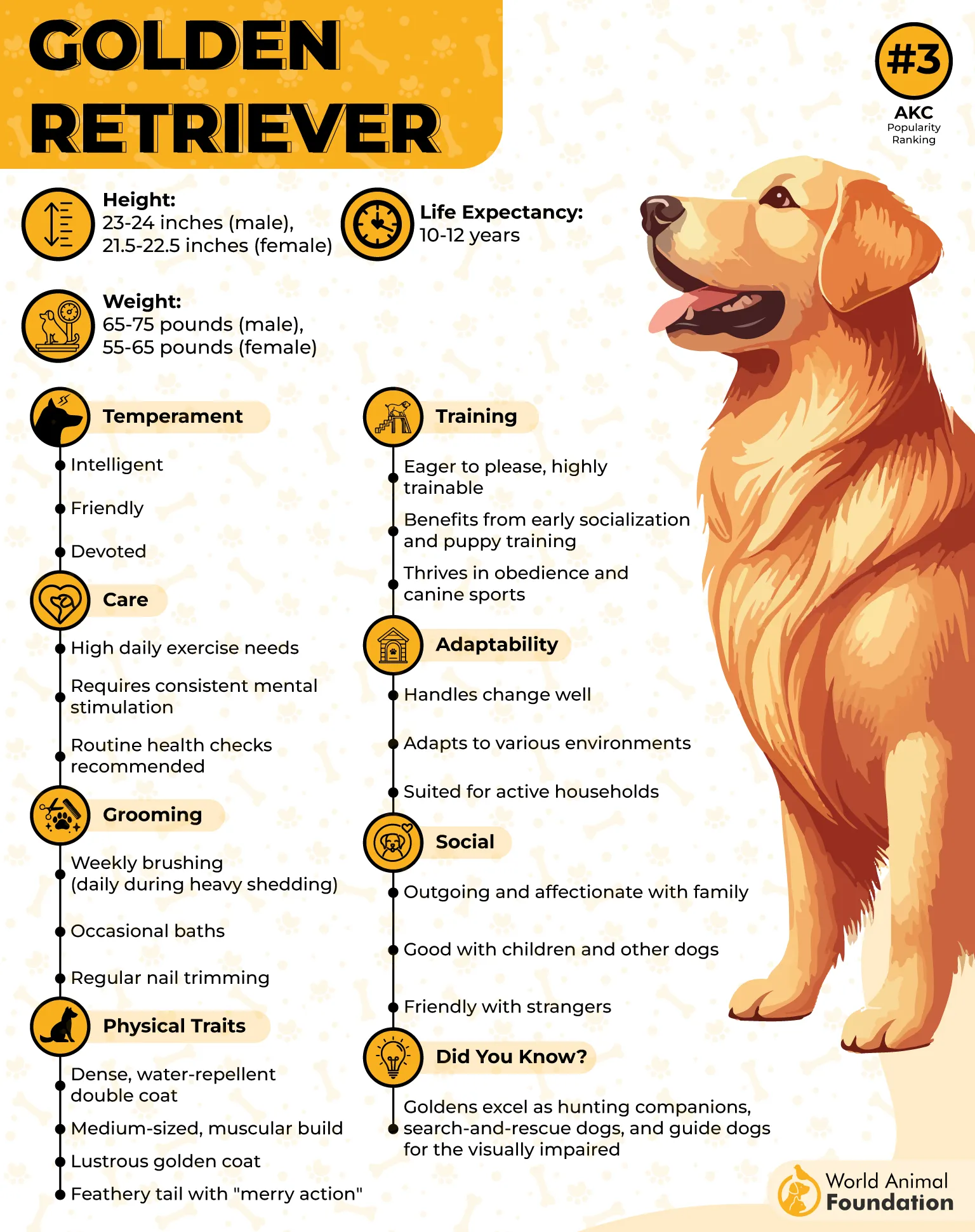
Golden Retrievers are eager to please, so training tends to go well. That matters when you are staying in rentals, riding ferries, or meeting staff at dog counters. They enjoy being around humans, but lonely, long waits without breaks can be tough.
Here’s the good part. Many Goldens handle a longer trip well as long as they are with you. Still, prep for coat care. Their coat needs regular brushing, and that is not optional after sand, rain, or forest debris.
Pack a simple brush and a wipe cloth, and you can keep things tidy. With routine care, they can do well as a warm travel companion across many destinations in the world.
Golden Good Vibes
Brush after outdoor days to keep the coat comfortable.
Offer a chew during long waits to stay calm.
Keep a simple routine so nights stay peaceful.
7. Poodle
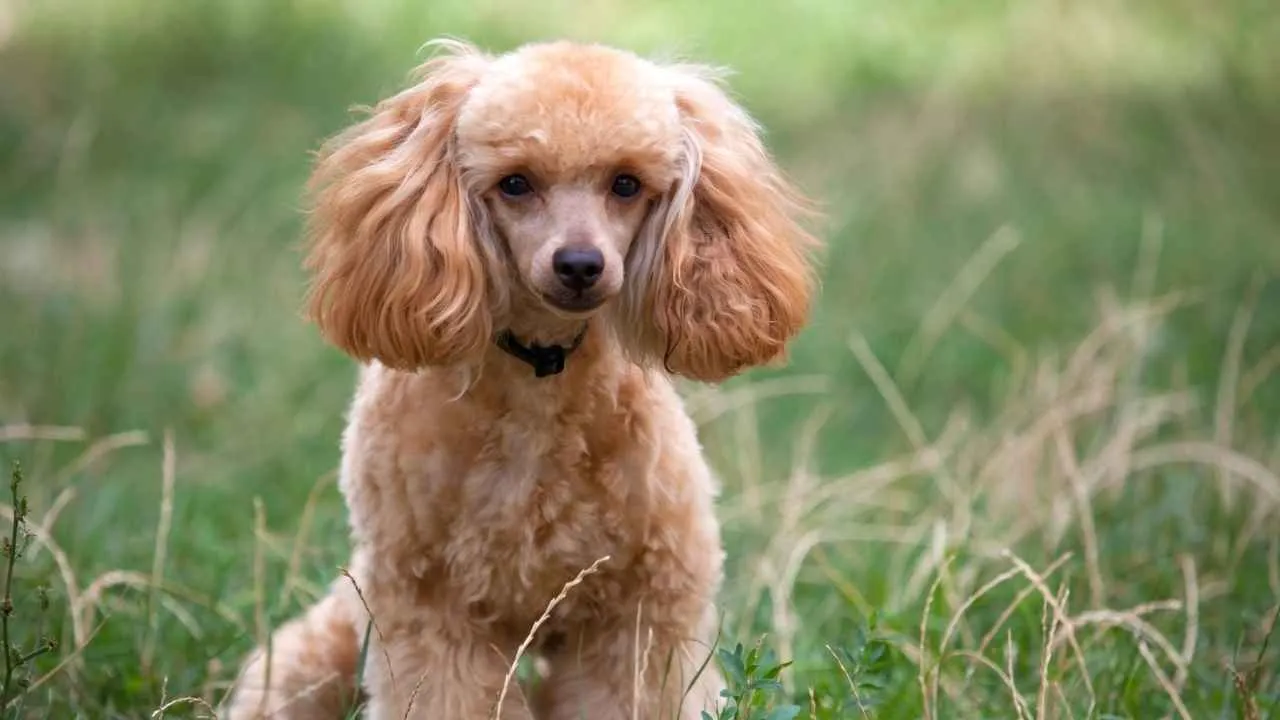
A Poodle dog is smart and quick to learn travel rules. They often enjoy long walks and other active days, especially when you build up stamina over time.
Training is usually smooth, which helps when you need calm waiting at doors, quiet time in a lobby, or polite behavior near other dogs. A Poodle that knows a few cues makes the whole trip easier.
Coat care is the big topic. Many people like Poodles because they are low-shedding. That can feel like a win when you are living out of a bag. Still, the coat needs regular grooming. If you skip it, mats show up fast, and nobody wants that on a long journey.
Give trims around your departure date, and keep a small comb for steady brushing on the move. That is the price of looking fresh in photos.
Toy Poodles are also worth a mention, because their tiny size can make travel easier. They can be easier to tote through airports and to settle under seats on a train.
If your travel style is city hopping, a Poodle can still thrive, as long as you match the daily pace prep to your day. Keep walks short but steady, and you will have a playful travel companion who loves to explore.
Poodle Prep that Pays Off
Schedule trims ahead so the coat stays easy to manage.
Practice carrier time at home so travel feels normal.
Do short games to burn off steam without chaos.
Conclusion
International travel with a dog can feel scary at first. Then it starts to feel like life. Pick a breed that matches your life. Many are popular breeds, your space, and your daily energy level.
Think about airports, heat, and the calm skills needed for new environments. Also, think about your destinations, because your world can change fast from one country to the next.
Plan vaccines and papers early, and keep copies in your bag. Bring a comfort item that smells like home, plus a simple bowl and a few treats.
Then take the first trip, keep it simple, and always enjoy the fun together.
