




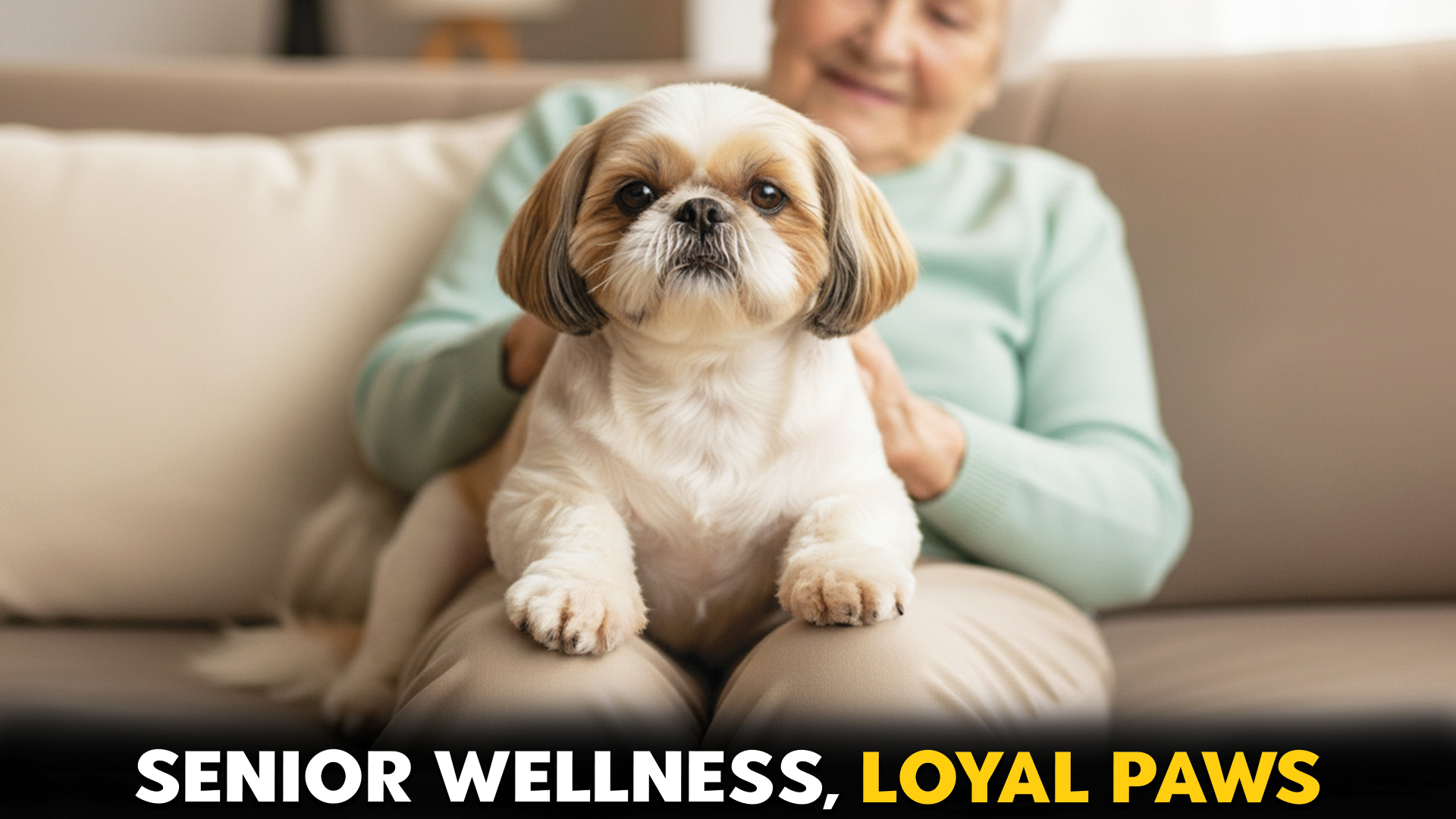
Welcoming a dog into your life can be a wonderful new chapter, especially during your senior years. The right canine companion can bring comfort, routine, laughter, and plenty of tail wags into everyday life. While every dog has its own personality, some breeds are known for being especially calm, affectionate, and easy to live with.
That makes choosing the right match an important step toward a happy relationship for both you and your pup. Ahead, we will explore calming dog breeds that fit well with a senior lifestyle and support overall well-being, whether you prefer quiet cuddle time, gentle walks, or simply having a loyal friend by your side.
Fun Fact
A dog’s nose is so powerful that it can notice tiny changes in your scent, including when you feel stressed, scared, or under the weather. Dogs can even pick up chemical shifts in breath and sweat, which is why your pup may seem extra attentive when you are not feeling quite like yourself.
Calming Dog Breeds for Seniors and Their Wellbeing
1. Cavalier King Charles Spaniel
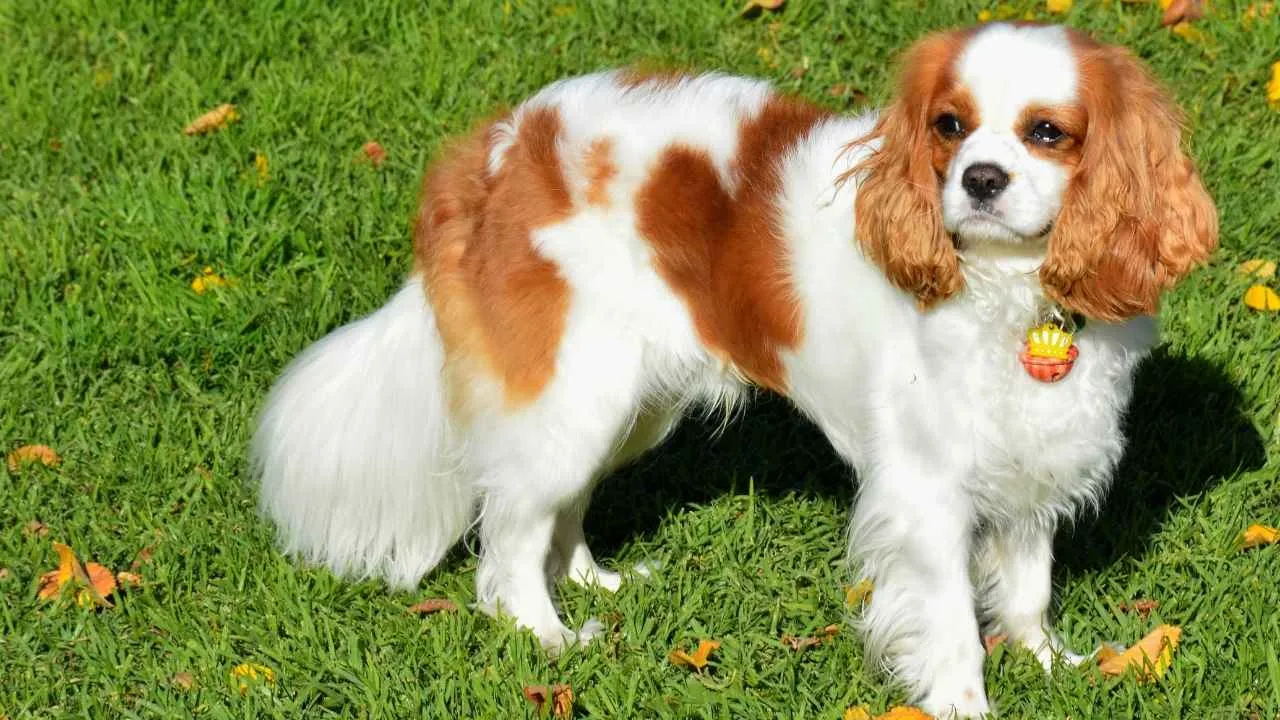
The Cavalier King Charles Spaniel brings a soft, comforting energy wherever it goes. With its gentle expression and elegant coat, this breed has a way of making people feel instantly at ease. It carries itself with quiet confidence and a warm, welcoming presence.
Cavaliers are deeply affectionate and happiest when they are close to their people. They enjoy following family members from room to room and settling in nearby for relaxed moments. Friendly by nature, they tend to greet visitors with curiosity and are comfortable around other pets.
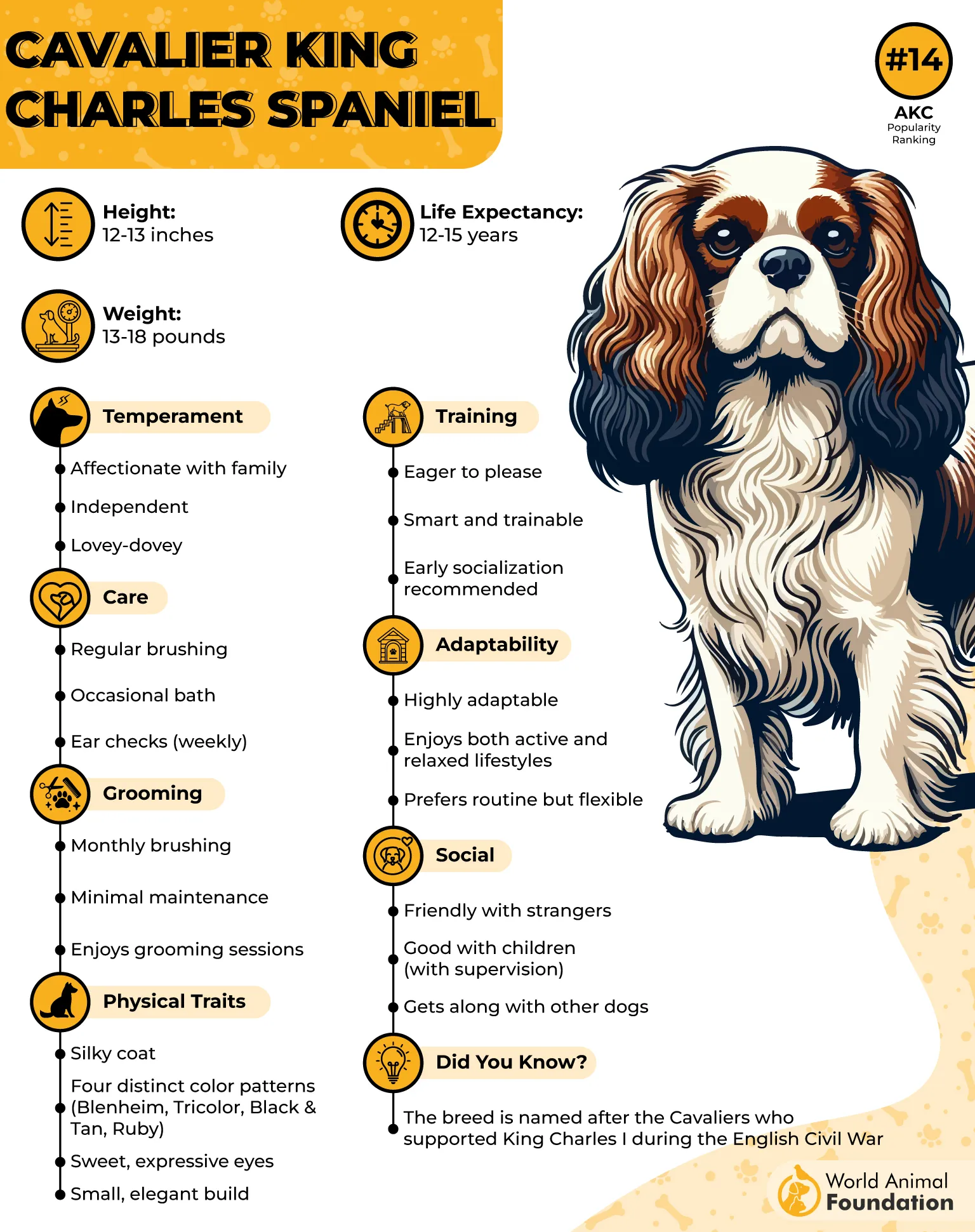
Daily life with a Cavalier often includes leisurely walks, light play, and plenty of downtime. They enjoy being active in short bursts and are equally content resting at home. Regular brushing, kind training, and steady routines help them stay relaxed and well adjusted.
Fun Fact
Originally bred for companionship, Cavalier King Charles Spaniels are considered among the best lap dogs and often shine in therapy work thanks to their calm nature, eagerness to please, and natural ability to form strong emotional connections with people.
2. Shih Tzu
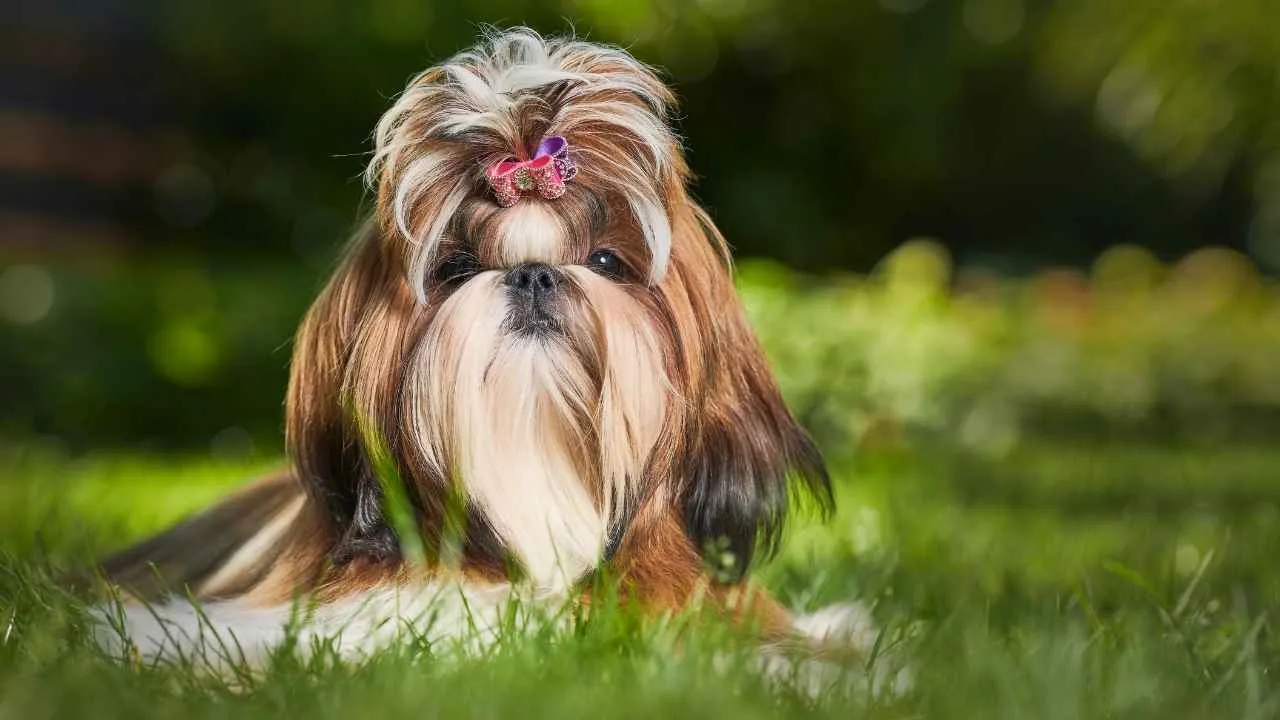
Bred for centuries to live closely with people, the Shih Tzu developed as an indoor companion rather than a working dog. This background shaped a breed that values presence, attention, and quiet interaction. Their gentle temperament and love of closeness create a naturally soothing atmosphere at home.
Activity for a Shih Tzu is simple and flexible. A few short walks and some indoor play usually do the trick, followed by plenty of downtime. They’re happy to bounce around briefly, then settle in and relax just as easily.
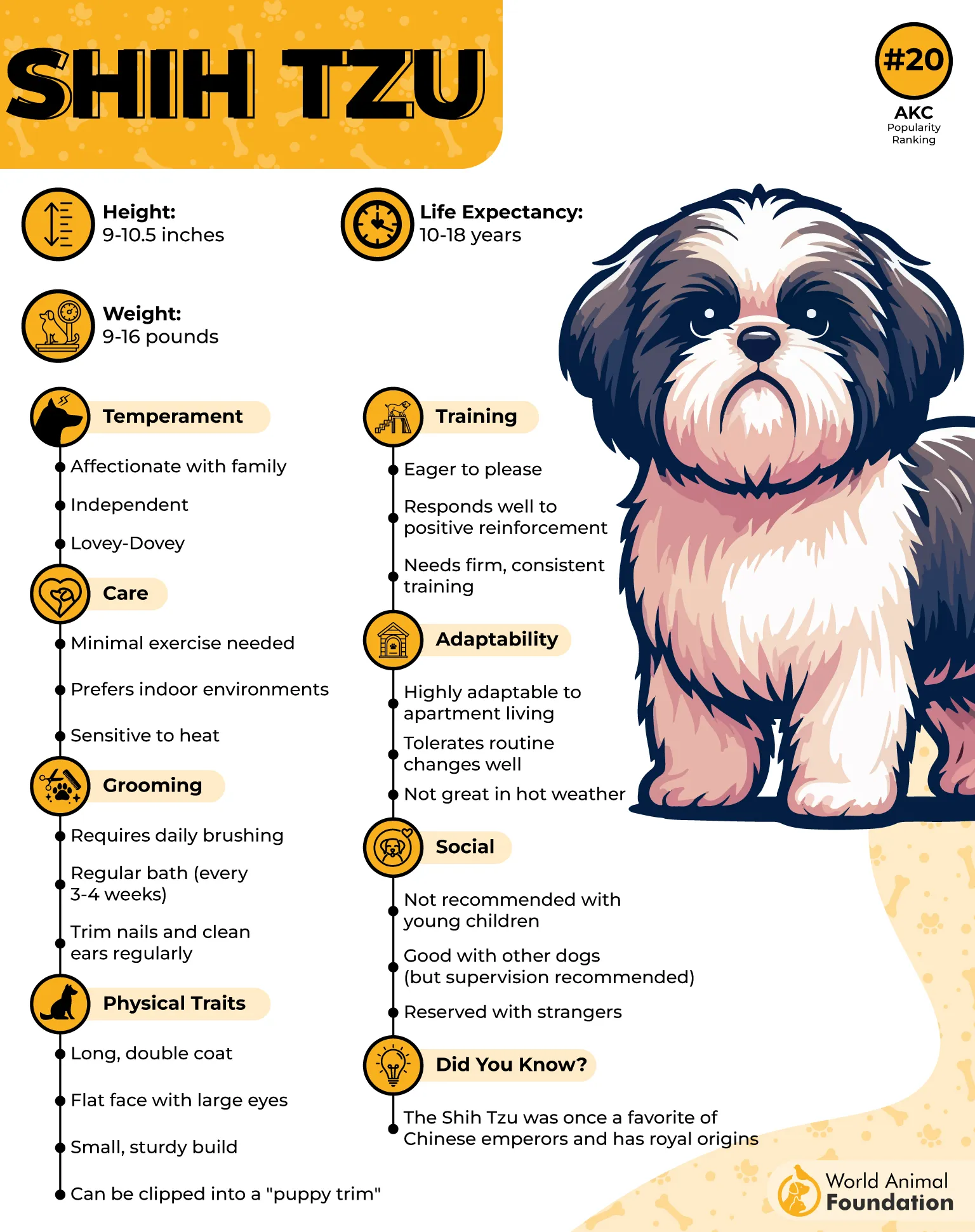
Learning comes easily when training feels rewarding and positive. Shih Tzu respond well to positive reinforcement, affection, and high-value treats, often picking up new skills quickly when motivated. Early guidance helps channel their alert tendencies and encourages polite, confident behavior.
Fun Fact
Shih Tzus have long charmed famous owners around the world. Celebrity fans of the breed have included Beyoncé, Mariah Carey, Nicole Richie, Bill Gates, and even Queen Elizabeth II.
3. Pug
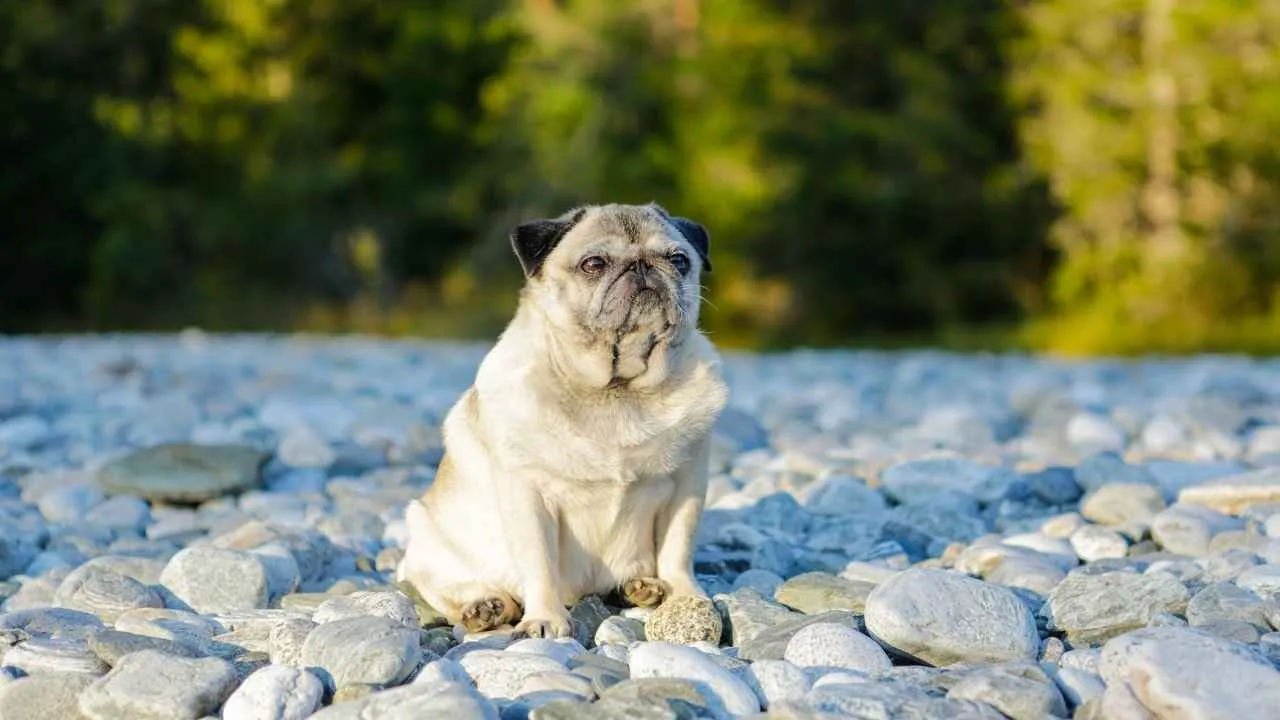
Few breeds wear their personality so clearly on their face, and the Pug is a perfect example. With roots in ancient royal courts, this breed was shaped to be a close companion that stays near its people rather than roaming far. Their expressive eyes and signature wrinkles give them a human-like charm that often sparks instant emotional connection.
A steady, easygoing, affectionate nature defines how Pugs interact with the world. They tend to read the room well, staying relaxed during quiet moments and offering gentle affection when attention is welcome. This emotional awareness, paired with their love of closeness, creates a calming presence that feels reassuring rather than demanding.
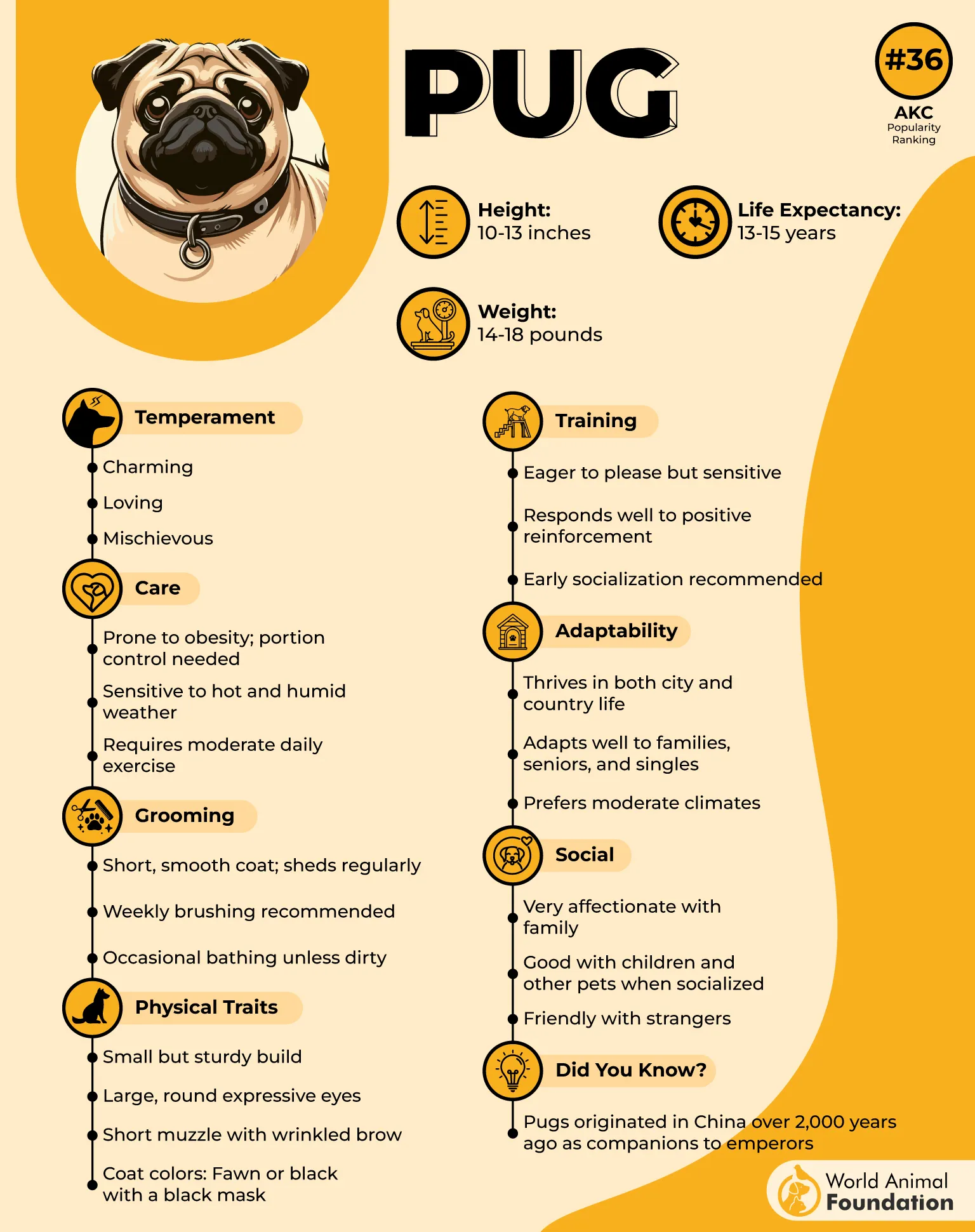
Caring for a Pug focuses on comfort and moderation. Their short coat is easy to maintain, though regular brushing helps manage shedding, and wrinkle care supports healthy skin. Controlled exercise, mindful feeding, and extra caution in hot weather help keep them comfortable.
Fun Fact
A Pug named Pompey famously saved the life of Prince William of Orange in the 1500s by barking and alerting him to an assassination attempt, earning the breed royal status in Holland.
4. Bichon Frise
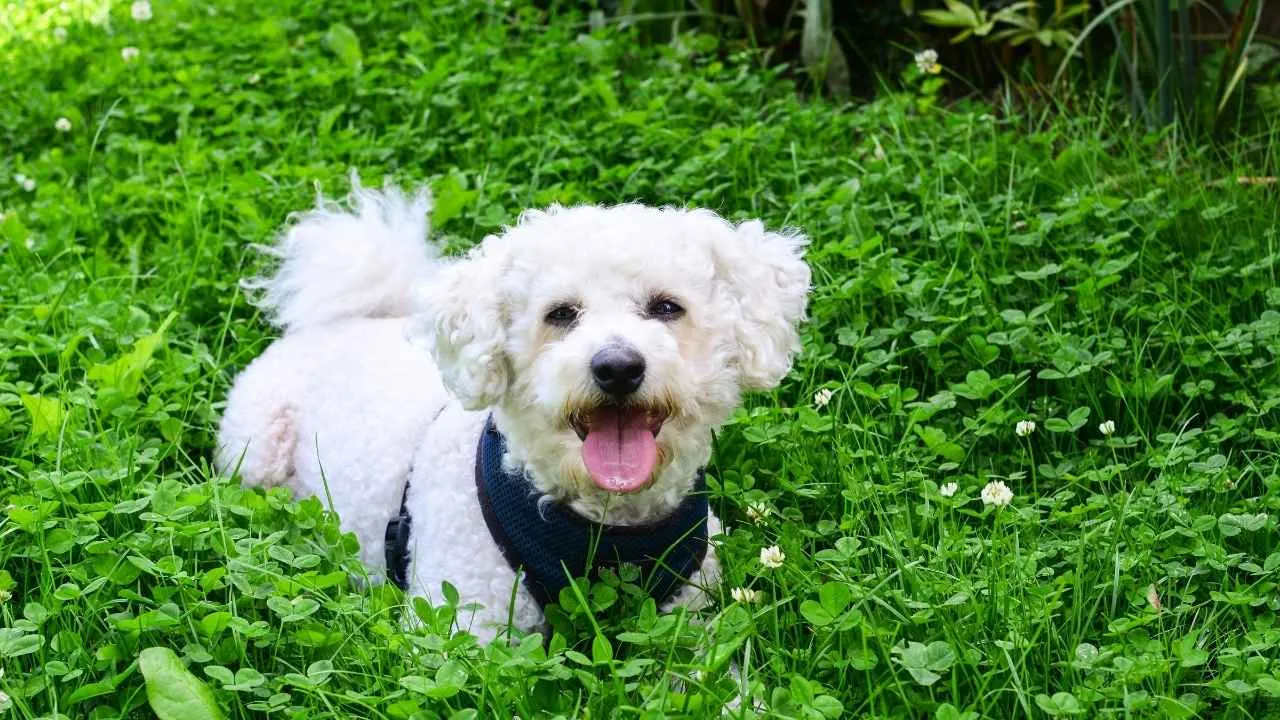
The Bichon Frise, a quintessential lap dog, is an excellent option for seniors. It thrives on close human connection and enjoys shared routines. Naturally attentive and engaging, this breed offers interaction without being demanding, bringing a cheerful presence to calm, well-balanced homes.

According to the American Kennel Club (AKC), Bichons need frequent brushing, ideally daily, plus monthly bathing and trimming. Low-shedding hair collects in the coat, so regular grooming and nail trims help prevent mats and keep them comfortable and healthy.
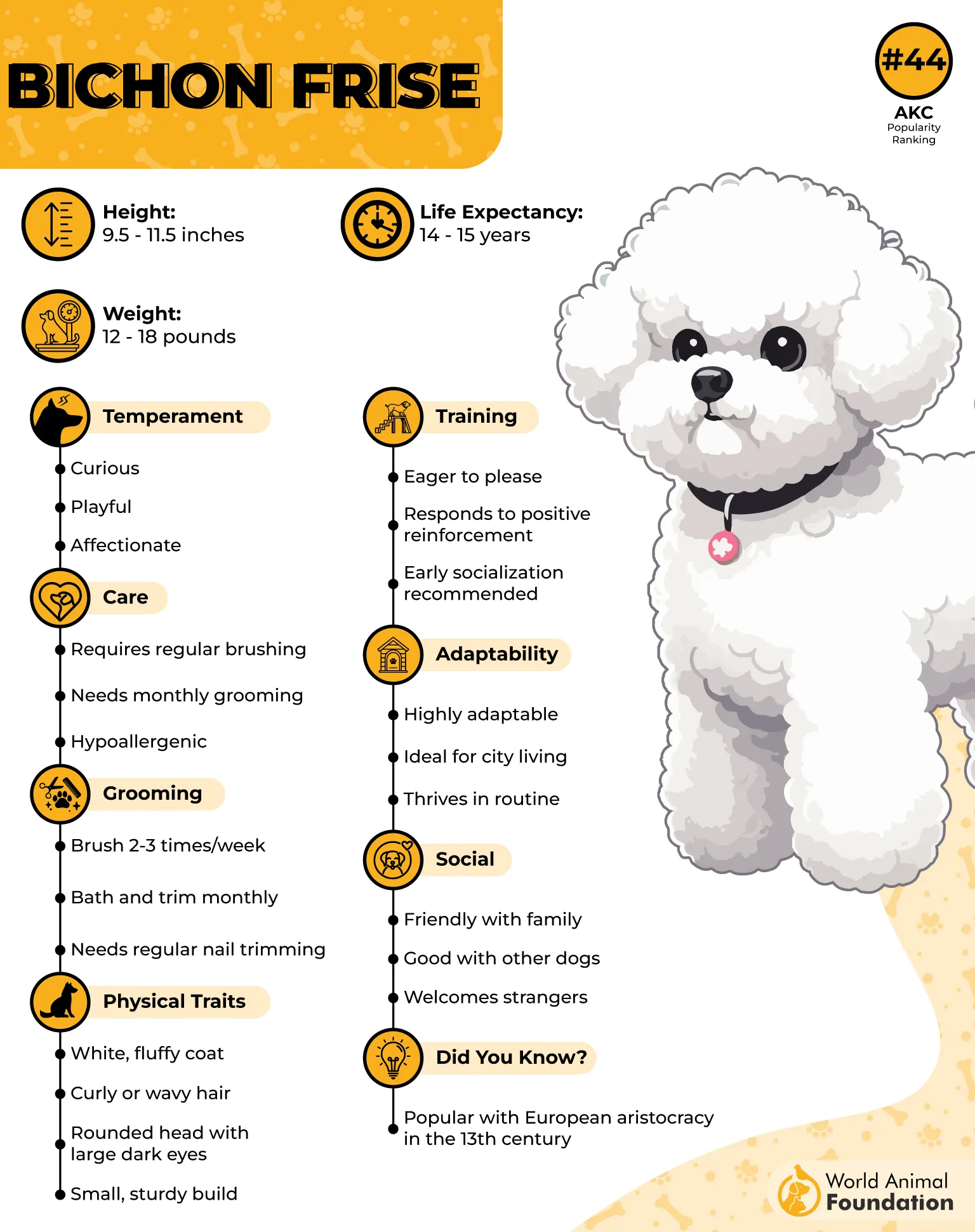
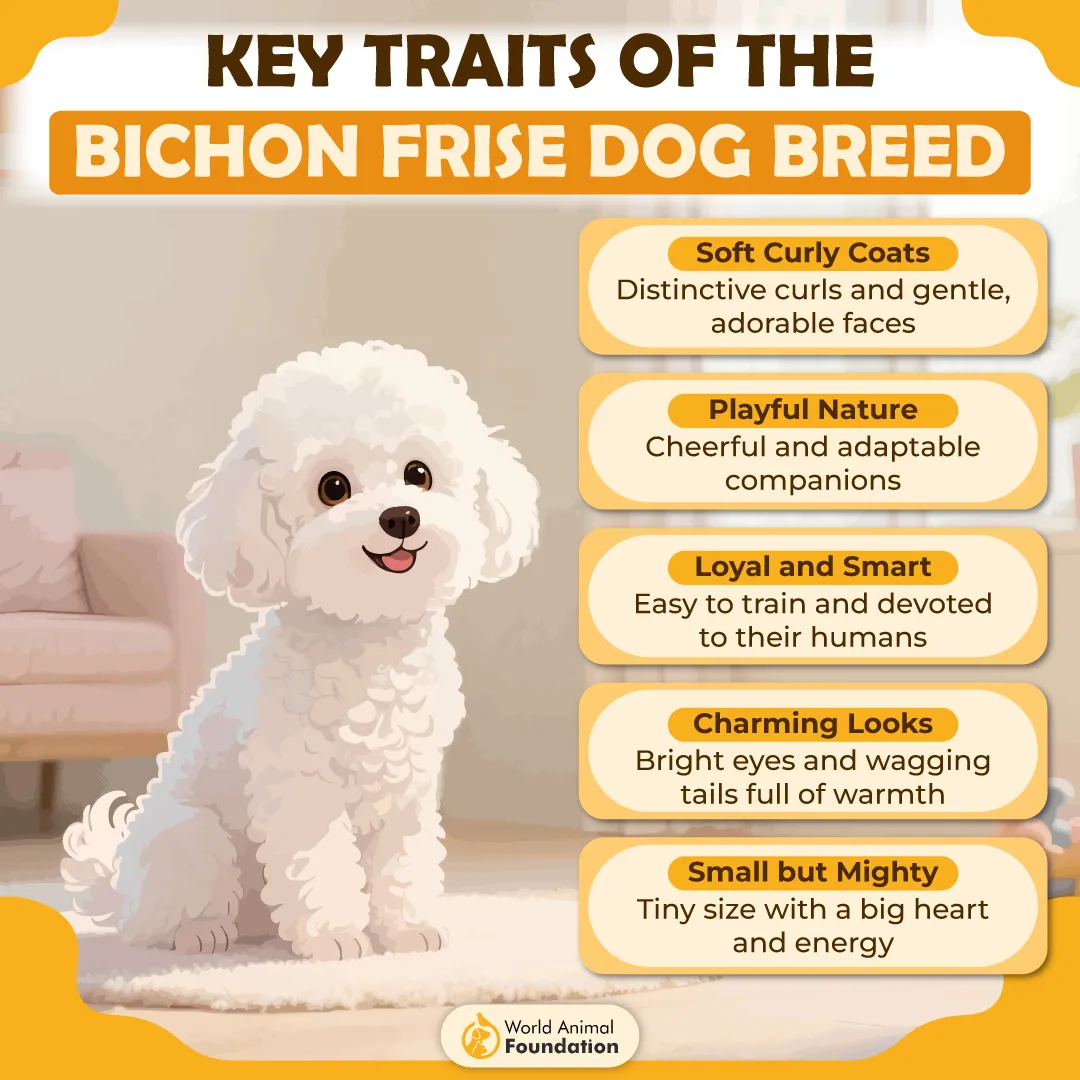
One of the Bichon Frise’s standout qualities is its consistency in mood and behavior. They are typically cheerful, sociable, and steady in their reactions, which creates a predictable and reassuring daily dynamic. When their need for play and interaction is met, they settle easily and enjoy relaxed time with their people.
Fun Fact
After losing favor during the French Revolution, Bichon Frises reinvented themselves as circus performers. Their intelligence and love of learning tricks helped save the breed and secure its place as a beloved companion.
5. Maltese
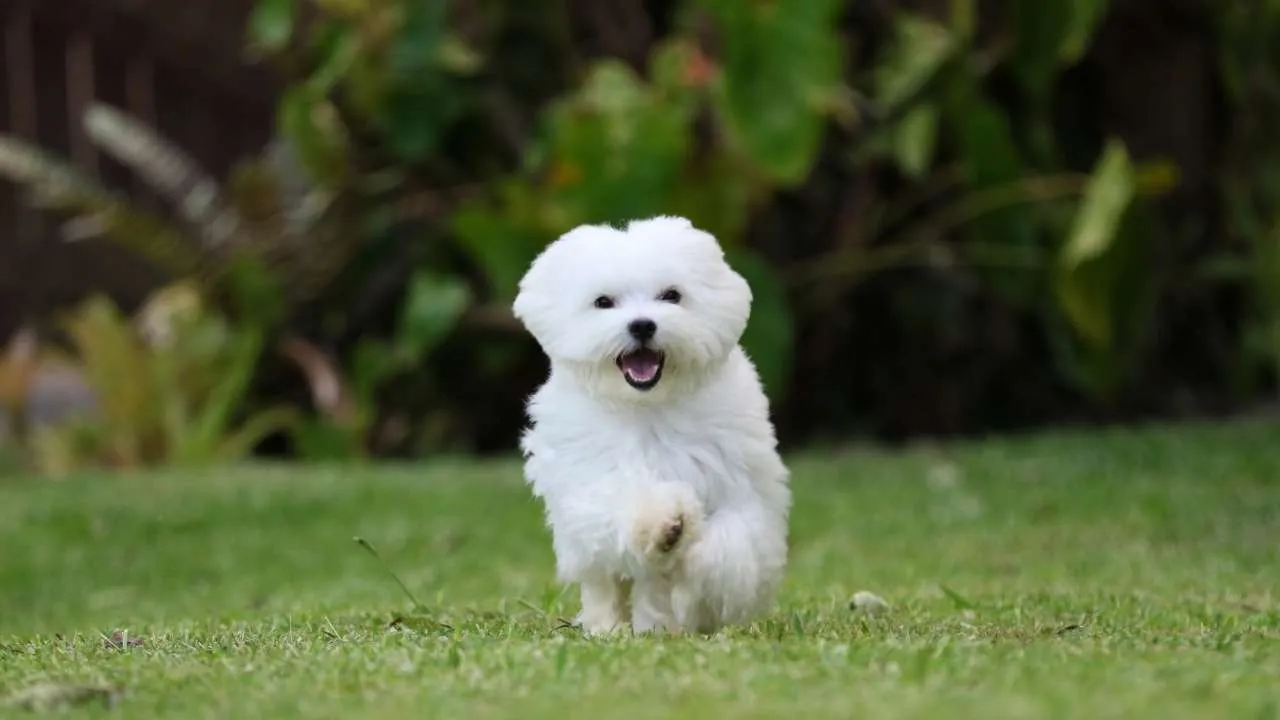
The Maltese carry a legacy that stretches back through ancient ports, poetry, and royal courts. Celebrated by Greek and Roman writers, this breed became a symbol of refinement and devotion long before modern dog breeds existed. That long history shaped a companion dog breed that thrives on closeness, routine, and human connection rather than constant activity.
When faced with stress, loud noises, or unfamiliar settings, Maltese dogs often look to their owners for reassurance. They remain alert to their surroundings but respond best to calm guidance and consistency. Early socialization helps them stay confident and relaxed around new people and other furry friends.
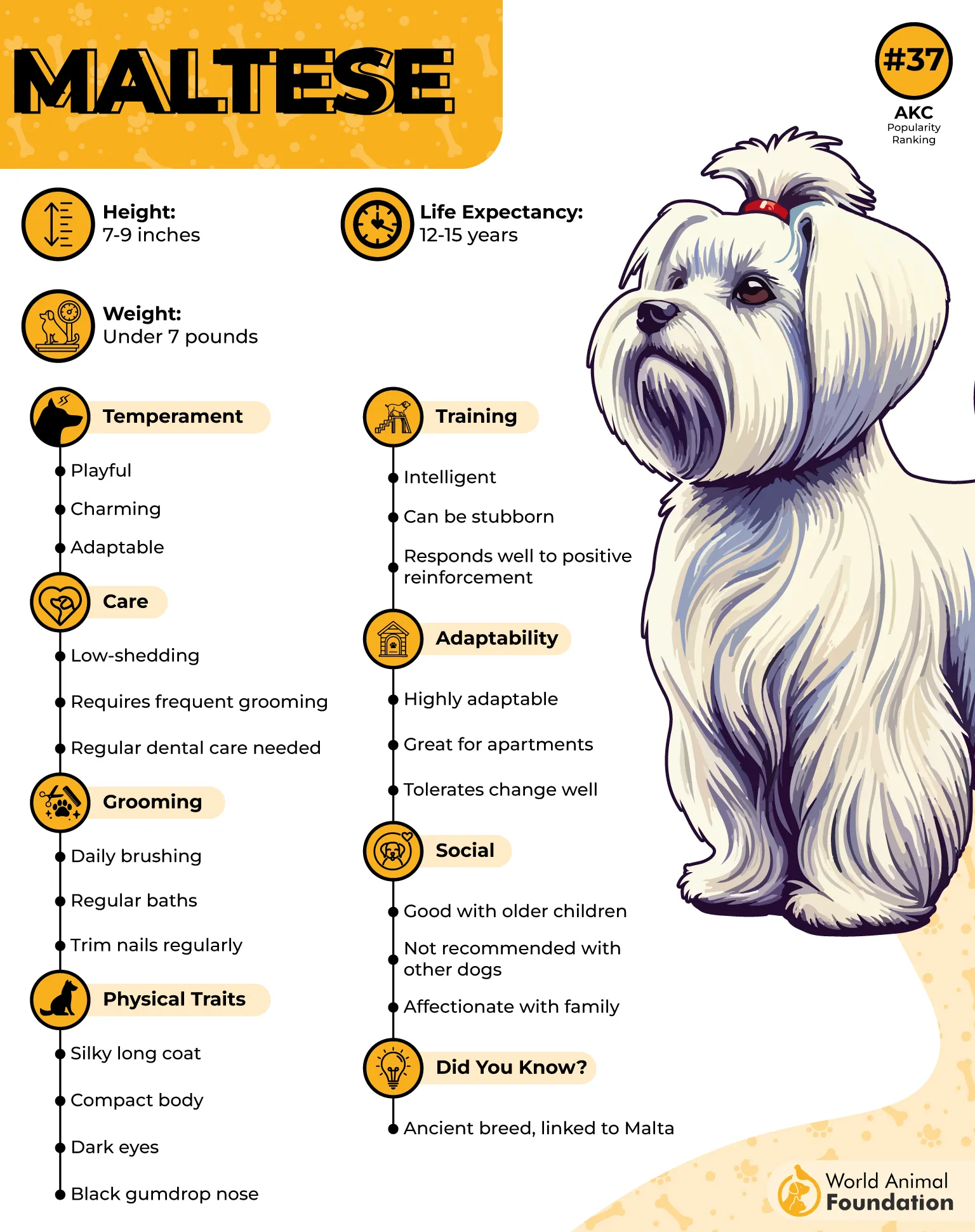
Outings with a Maltese tend to move at a gentle, unhurried pace. They enjoy short neighborhood walks and are comfortable staying close on a leash without pulling ahead. Their small stride and preference for staying near their person create calm, manageable walking experiences.
Fun Fact
According to legend, Saint Paul was gifted a Maltese after being shipwrecked on the island of Malta. Ancient texts later described the breed as treasured companions of scholars and nobles.
6. French Bulldog
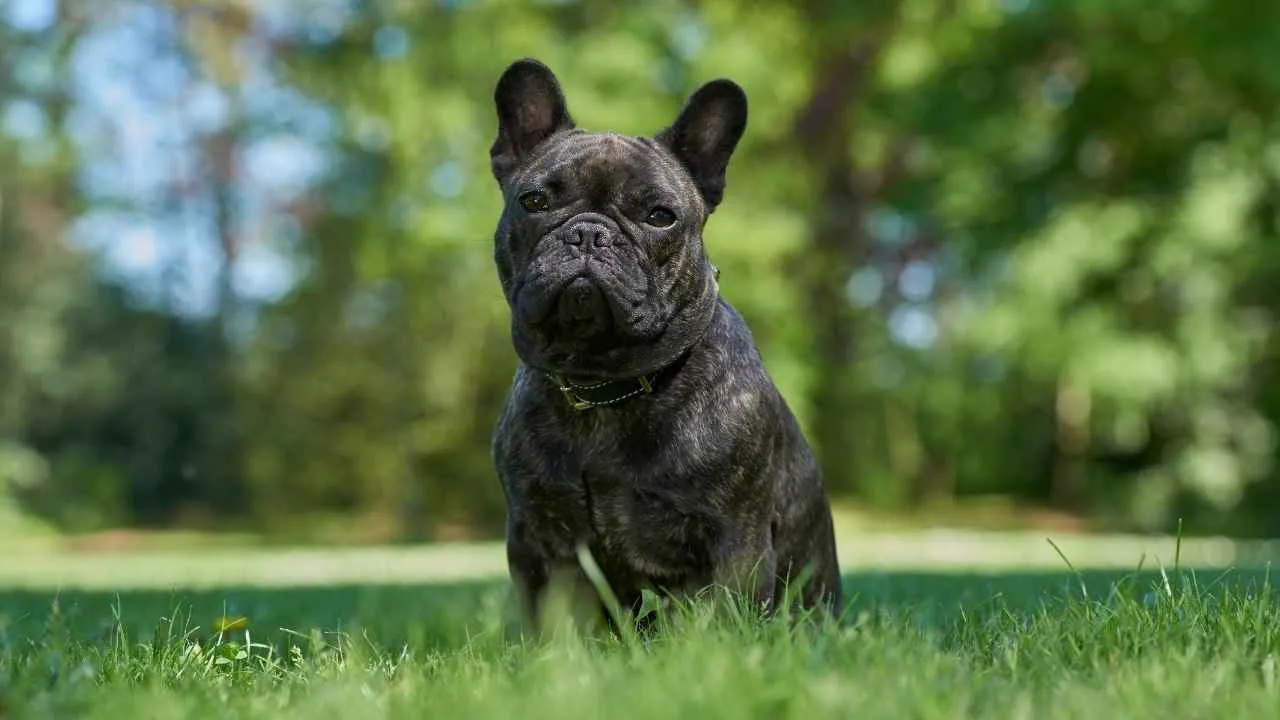
The French Bulldog brings a unique mix of expressiveness and restraint to everyday life. Known for their alert faces and signature bat ears, these compact companions are attentive without being overwhelming.
As mentioned by PetMD, French Bulldogs learn best through positive, game-like training sessions that keep them engaged, but activities should stay light and short to avoid boredom, overheating, or exhaustion during obedience or agility practice.
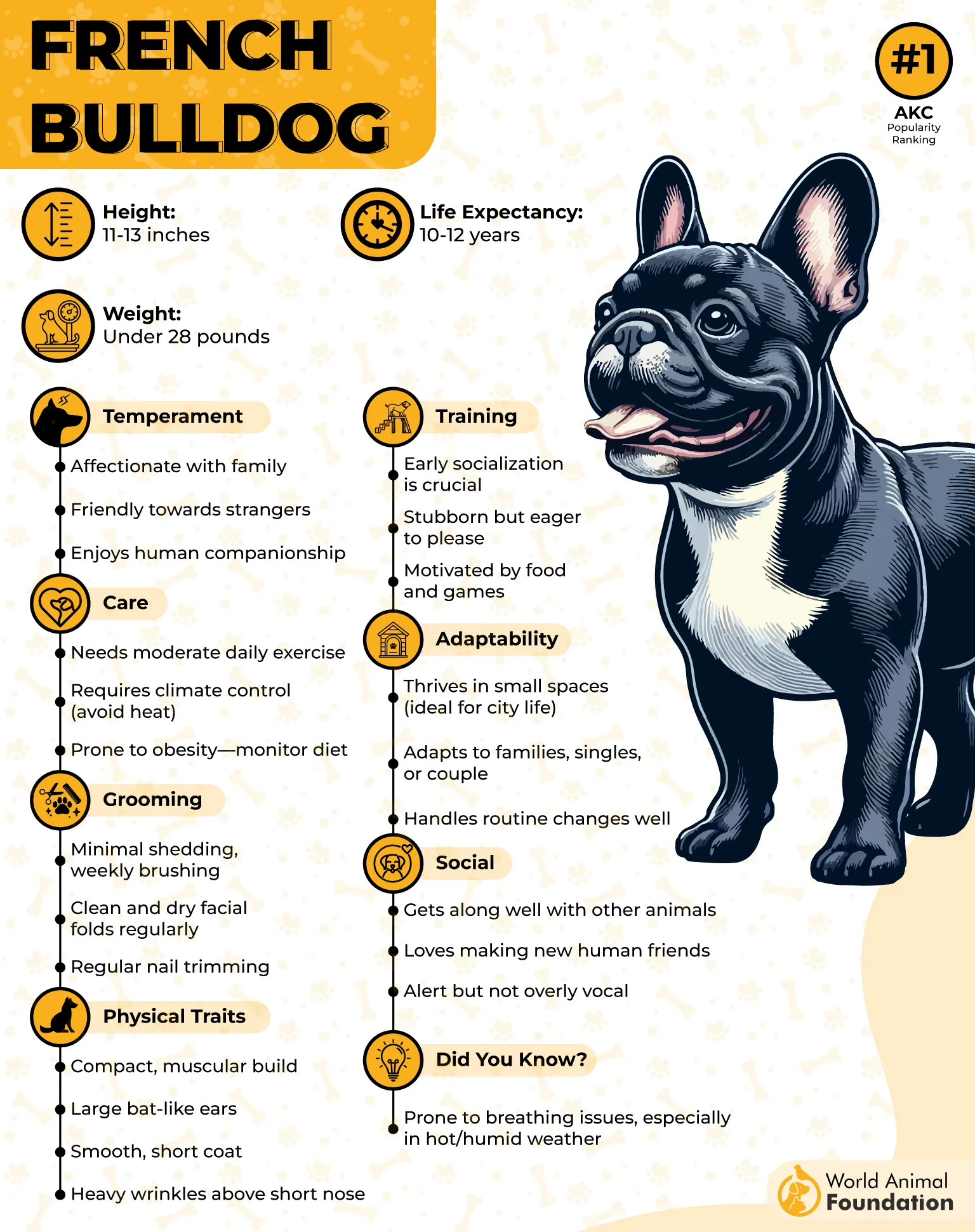
French Bulldogs fit naturally into slower daily rhythms. They enjoy light play and brief walks but do not require high levels of activity to feel satisfied. Long stretches of relaxation, quiet companionship, and predictable routines suit them well, making their presence feel steady and reassuring.
Fun Fact
French Bulldogs appeared in works by post-Impressionist artist Henri de Toulouse-Lautrec. His paintings featured a Frenchie named Bouboule, making the breed part of fine art history.
7. Havanese
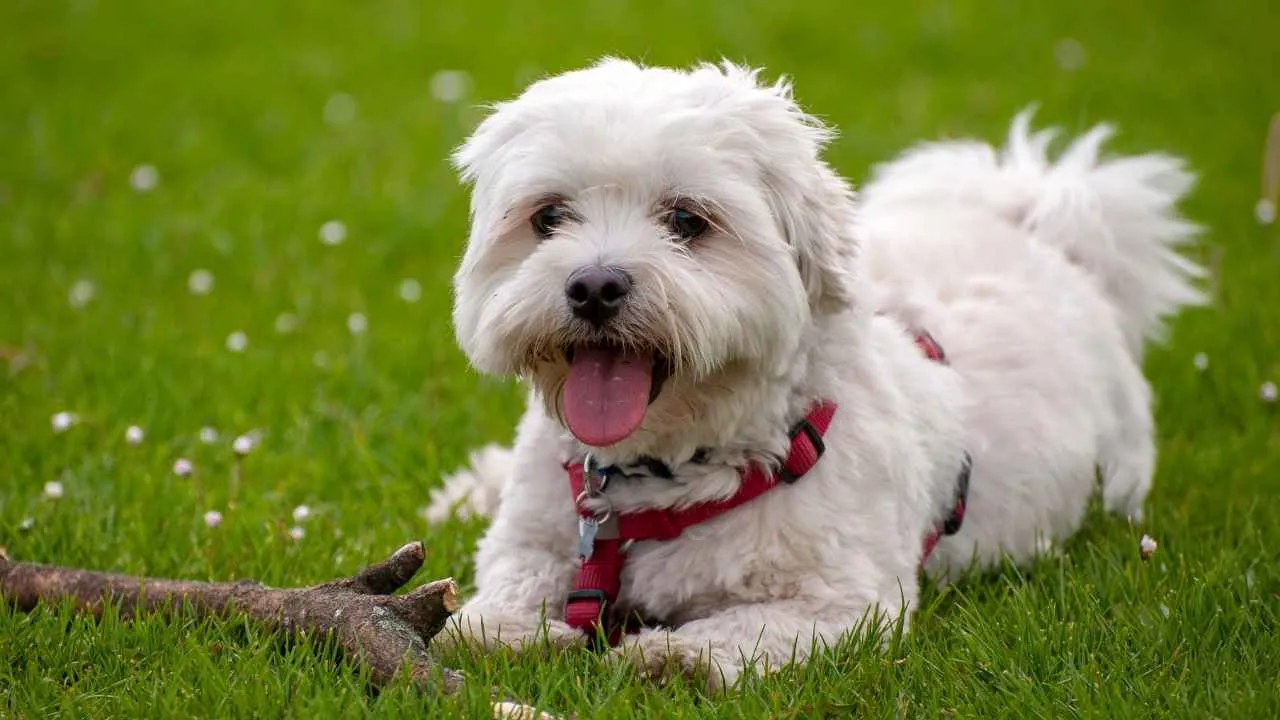
The Havanese stands out for its expressive personality and lively charm wrapped in a soft, flowing coat. Known for being entertaining without being overwhelming, this small dog brings lightness and warmth into everyday routines.
Affection comes easily to the Havanese, and comfort-seeking behavior is a defining trait. They form close bonds with their people and prefer staying nearby, often following from room to room. This desire for closeness creates a steady emotional connection that feels reassuring and gently grounding.
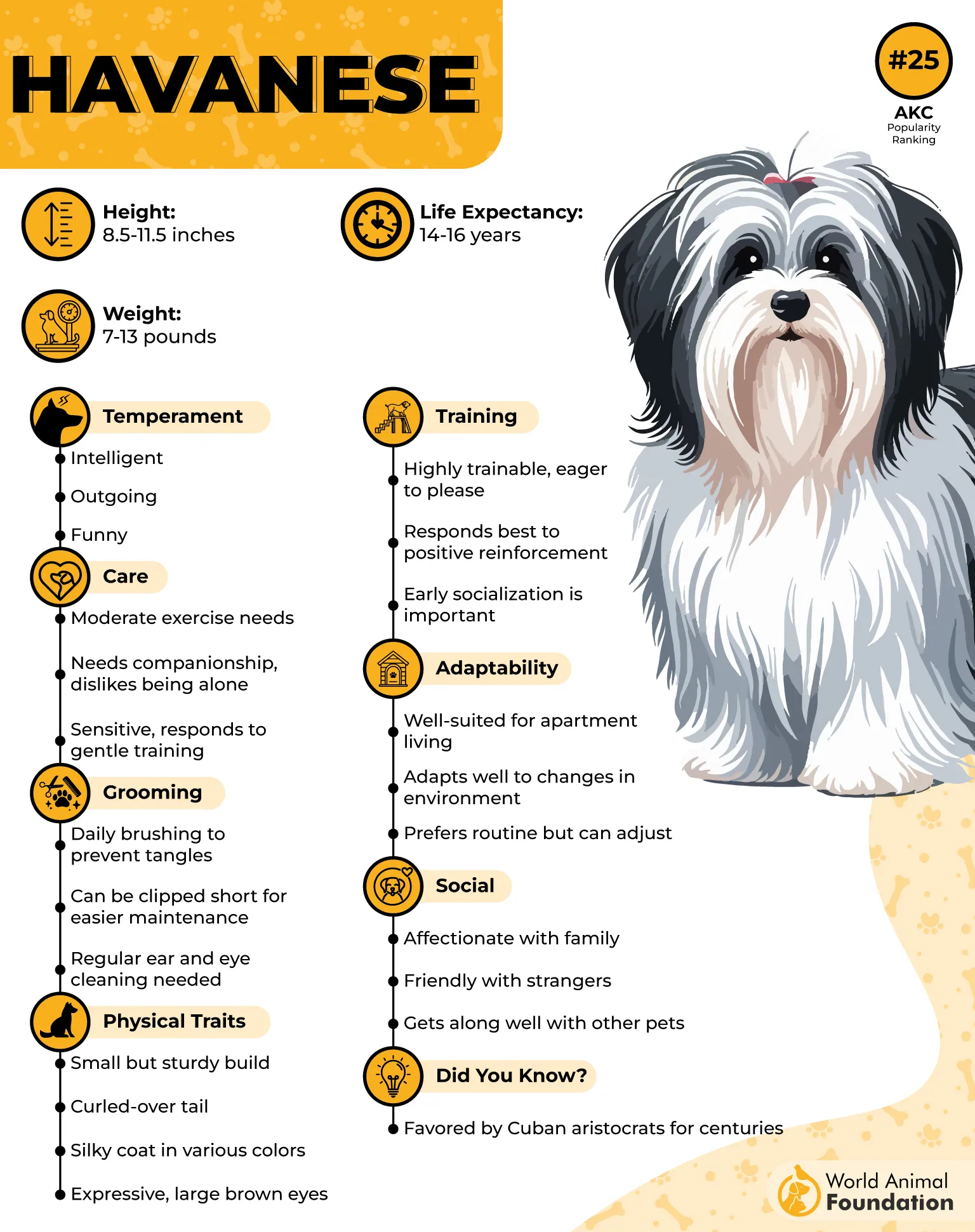
The Havanese is generally a sturdy, long-lived breed, though certain conditions are worth monitoring. Dental disease, patellar luxation, and some eye issues can occur, making routine veterinary care an important part of responsible dog ownership.
Fun Fact
The modern Havanese population in the United States traces back to just eleven dogs brought over by Cuban families during the 1950s, preserving the breed outside of Cuba.
8. Greyhound
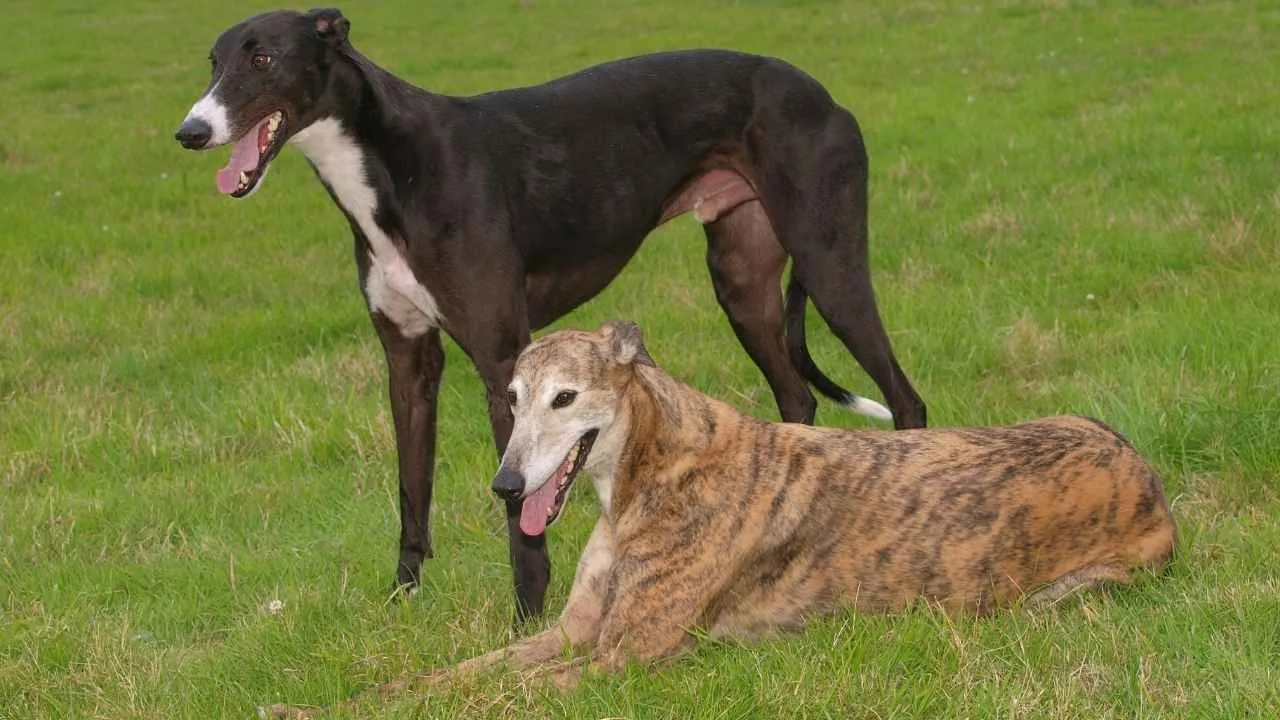
Greyhounds are famous for speed, but their real superpower shows up at home. Once the zoomies are out of their system, these sleek athletes transform into calm, graceful loungers who seem perfectly content doing absolutely nothing. Their quiet presence and laid-back vibe make them surprisingly well-suited for peaceful, slower-paced households.
Emotionally, Greyhounds are steady and sensitive. They tend to be gentle observers rather than attention-seekers, offering companionship that feels soothing instead of demanding. Their calm nature makes them easy to live with and comforting to be around.
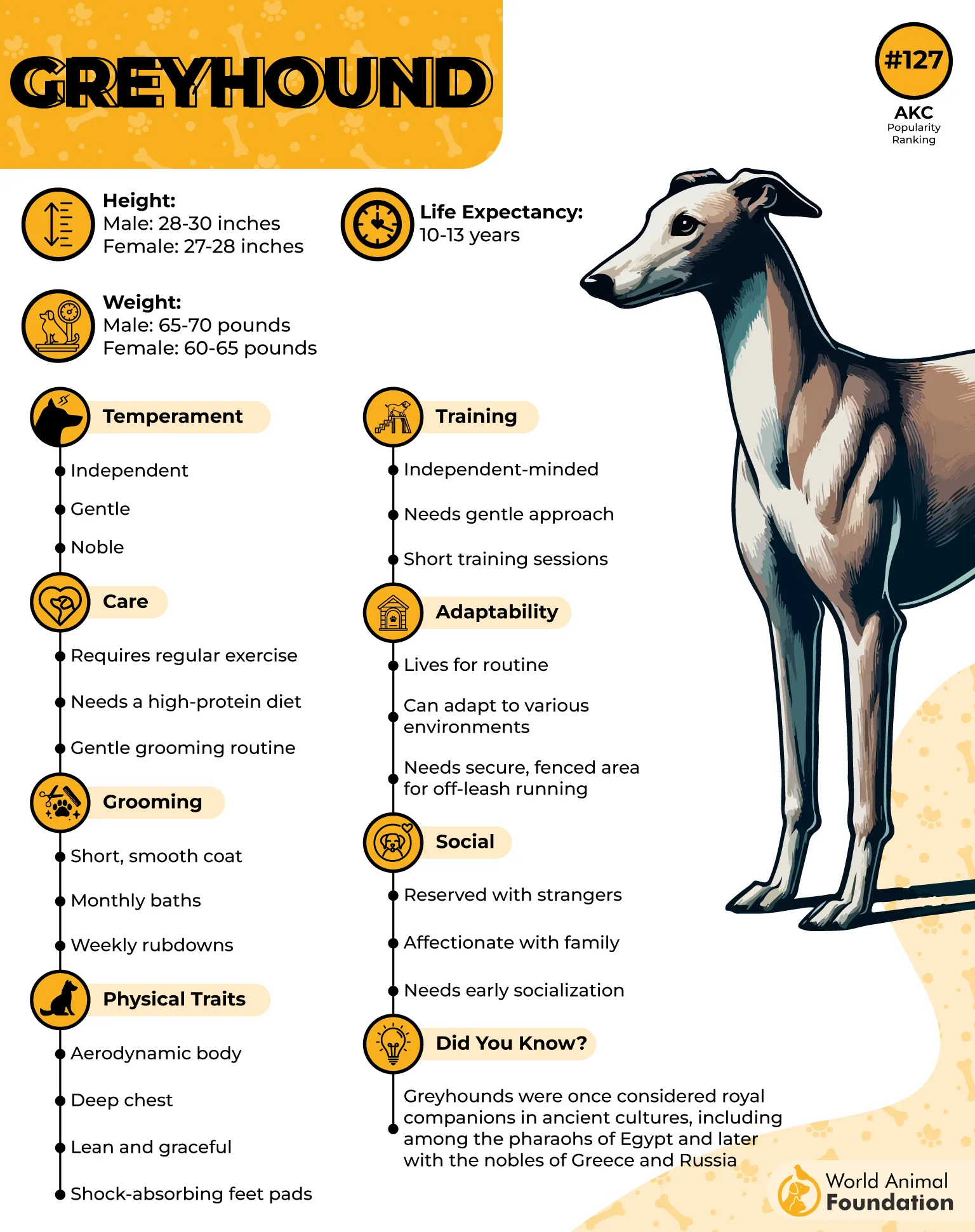
When it comes to exercise, think “short and sweet.” Greyhounds enjoy quick bursts of running and regular walks, then happily settle in for long naps. They’re sprinters, not marathon dogs.
Fun Fact
Greyhounds have been admired for thousands of years and appear in ancient Egyptian tombs, Greek pottery, Flemish tapestries, and Italian paintings, making them one of the most artistically celebrated dog breeds in history.
9. Pekingese
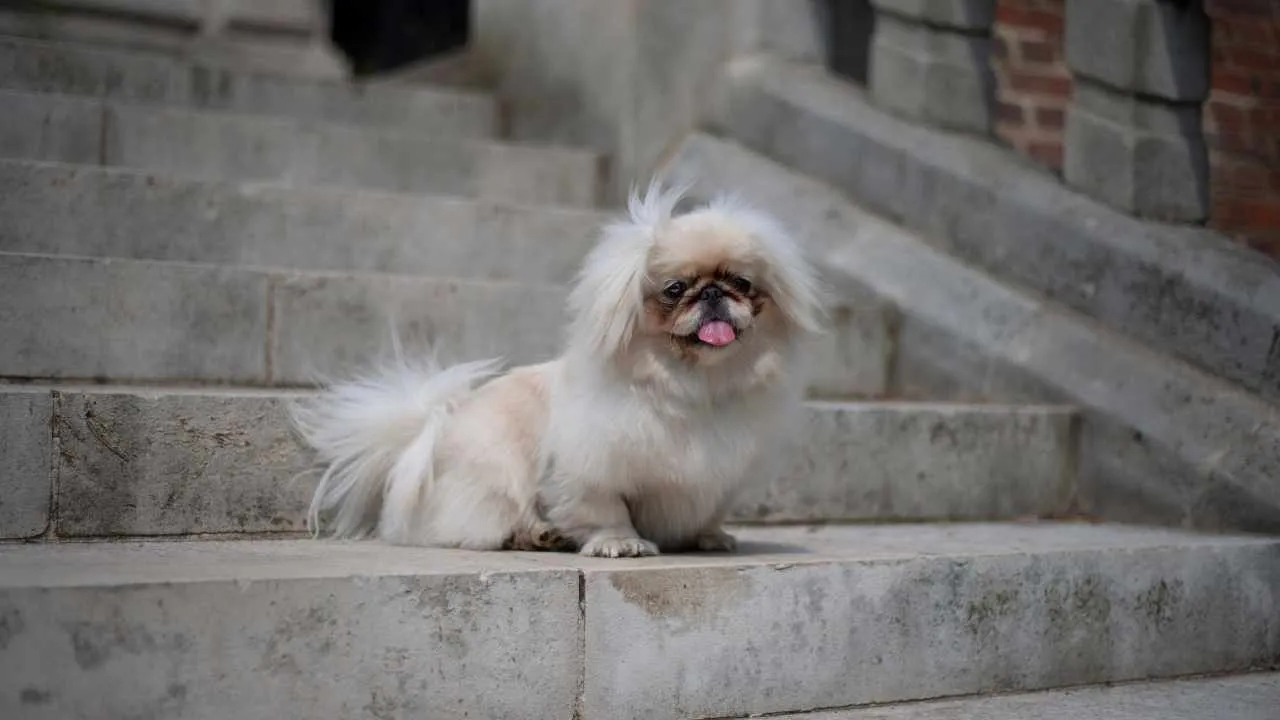
The Pekingese doesn’t just walk into a room; it makes an entrance. With a slow, rolling stride and a self-assured attitude, this lap dog brings an air of quiet confidence wherever it goes. Rather than seeking constant activity, Pekes prefer calm surroundings where they can observe the world on their own terms, making them a natural fit for relaxed homes that value routine and serenity.
That luxurious coat is part of the Pekingese charm, but it does come with responsibility. Their thick double coat needs regular brushing to prevent tangles and matting, especially around the neck and shoulders.
Many pet owners also trim hair near the eyes for comfort and visibility, while occasional baths help keep that iconic “lion’s mane” looking its best.
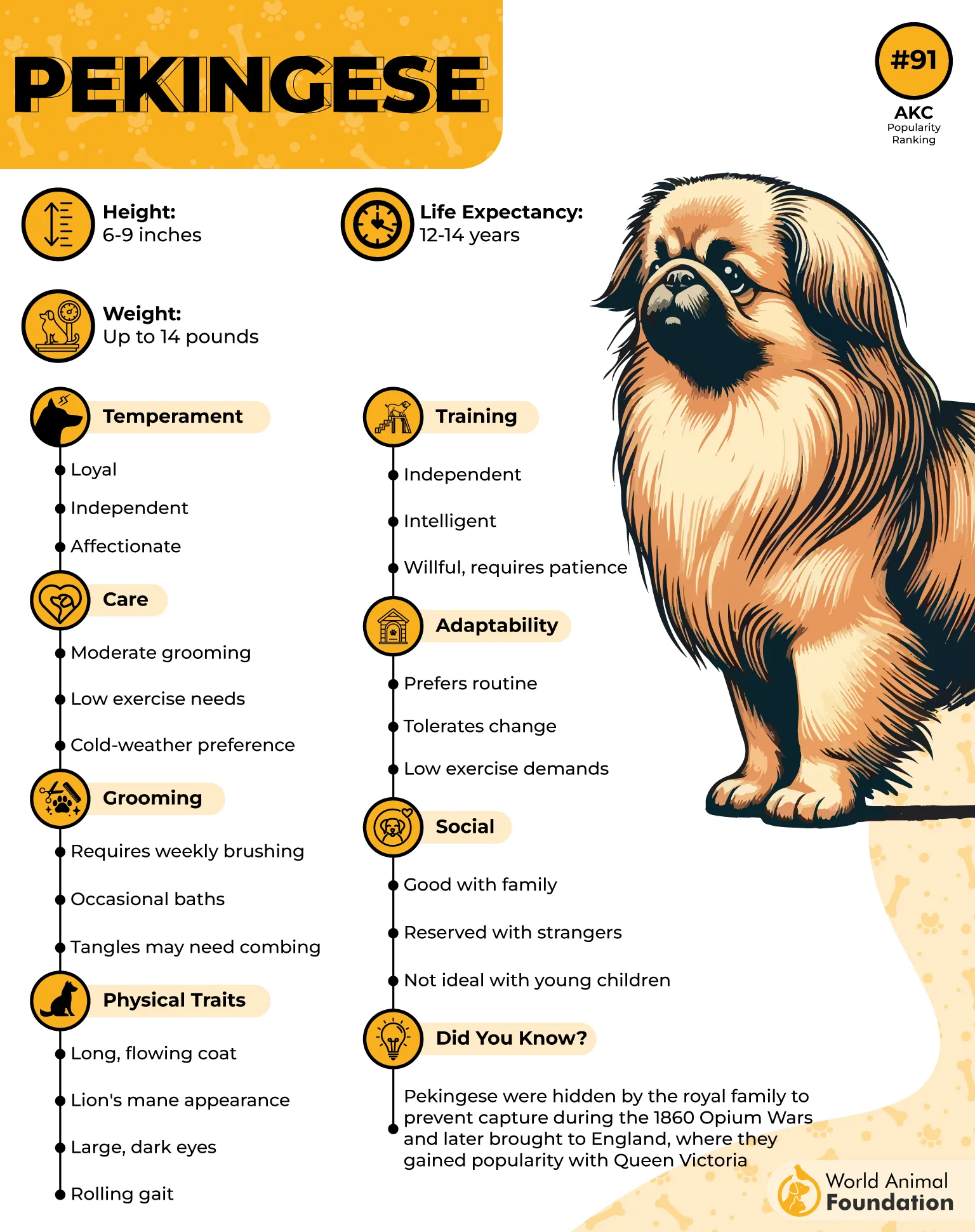
As noted by Purina, Pekingese adapt well to apartments or houses when owners are home often, prefer minimal stairs, appreciate secure gardens, and care little about location as long as companionship and walks are provided.
Fun Fact
In ancient China, some Pekingese were so small and fiercely loyal that they were carried inside the flowing sleeves of royal robes and used as miniature guard dogs for the imperial family.
10. Cocker Spaniel
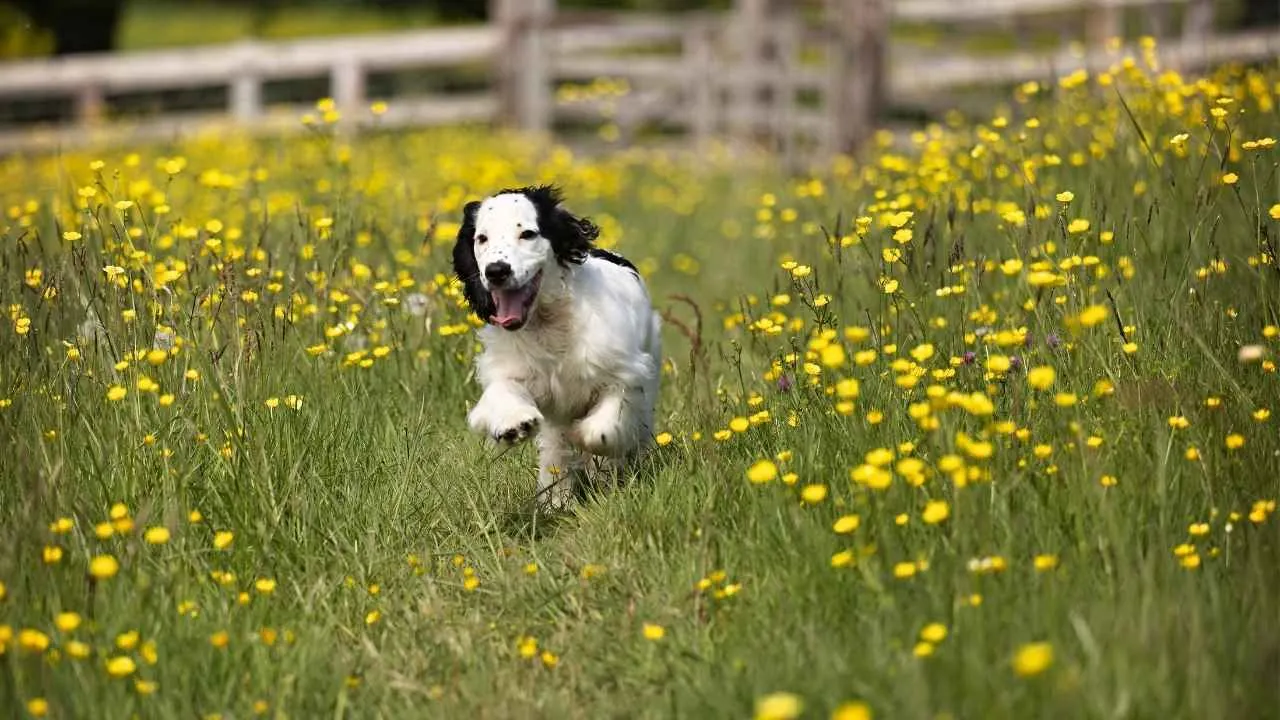
Cocker Spaniels have a way of softening a room the moment they walk in. With their gentle eyes and naturally sunny attitude, they bring a calm, friendly energy that makes home life feel easy and inviting. These affectionate dogs love being part of the daily rhythm without needing to steal the spotlight.
Cocker Spaniels are intelligent, energetic dogs that thrive with early, reward-based training. They enjoy learning, dog sports, and scent games, but also need gentle training to accept grooming and handle distractions around animals.
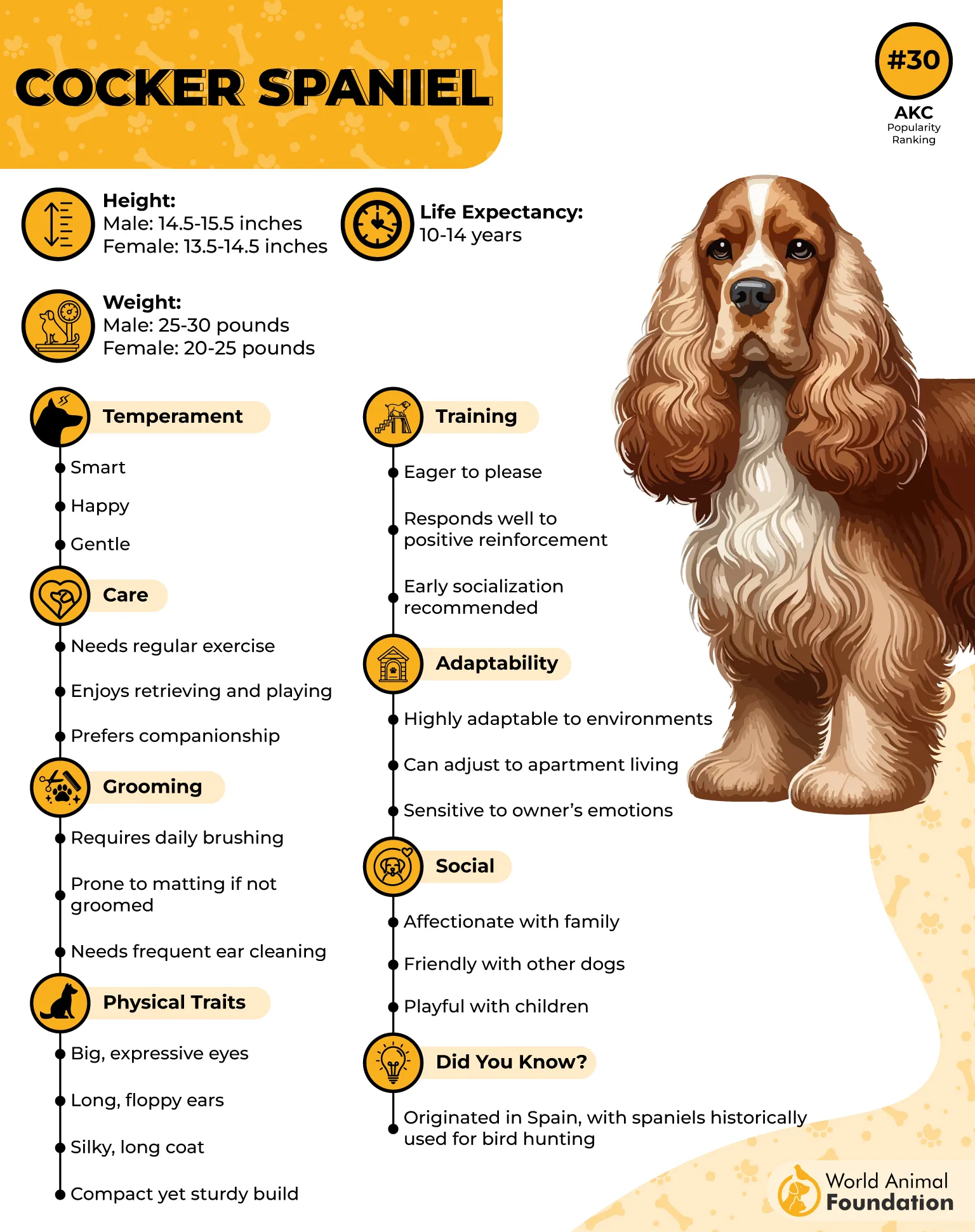
Indoors, Cocker Spaniels are excellent at hitting the off switch. Once their activity needs are met, they’re content to lounge nearby for hours, perfectly happy relaxing alongside you during quiet afternoons.
Fun Fact
A Cocker Spaniel named Tangle helped prove that dogs can identify cancer by scent, becoming the first dog to succeed in a scientific cancer-detection study.
Conclusion
Finding the right calming dog is about choosing a companion that fits naturally into your lifestyle. The best dog breed for you is one that feels comforting, manageable, and genuinely enjoyable to care for, bringing warmth and routine to your everyday life. Adopting a senior dog can also be a wonderful option for older adults, as they typically have lower energy levels and fewer training demands than puppies.
Whether you prefer a quiet cuddle buddy or a gentle daily activity, the goal is a balanced, rewarding relationship. Regular veterinary care supports your dog’s comfort and long-term health, giving you peace of mind as you enjoy each stage of companionship and the lasting bond that grows stronger with time.
