




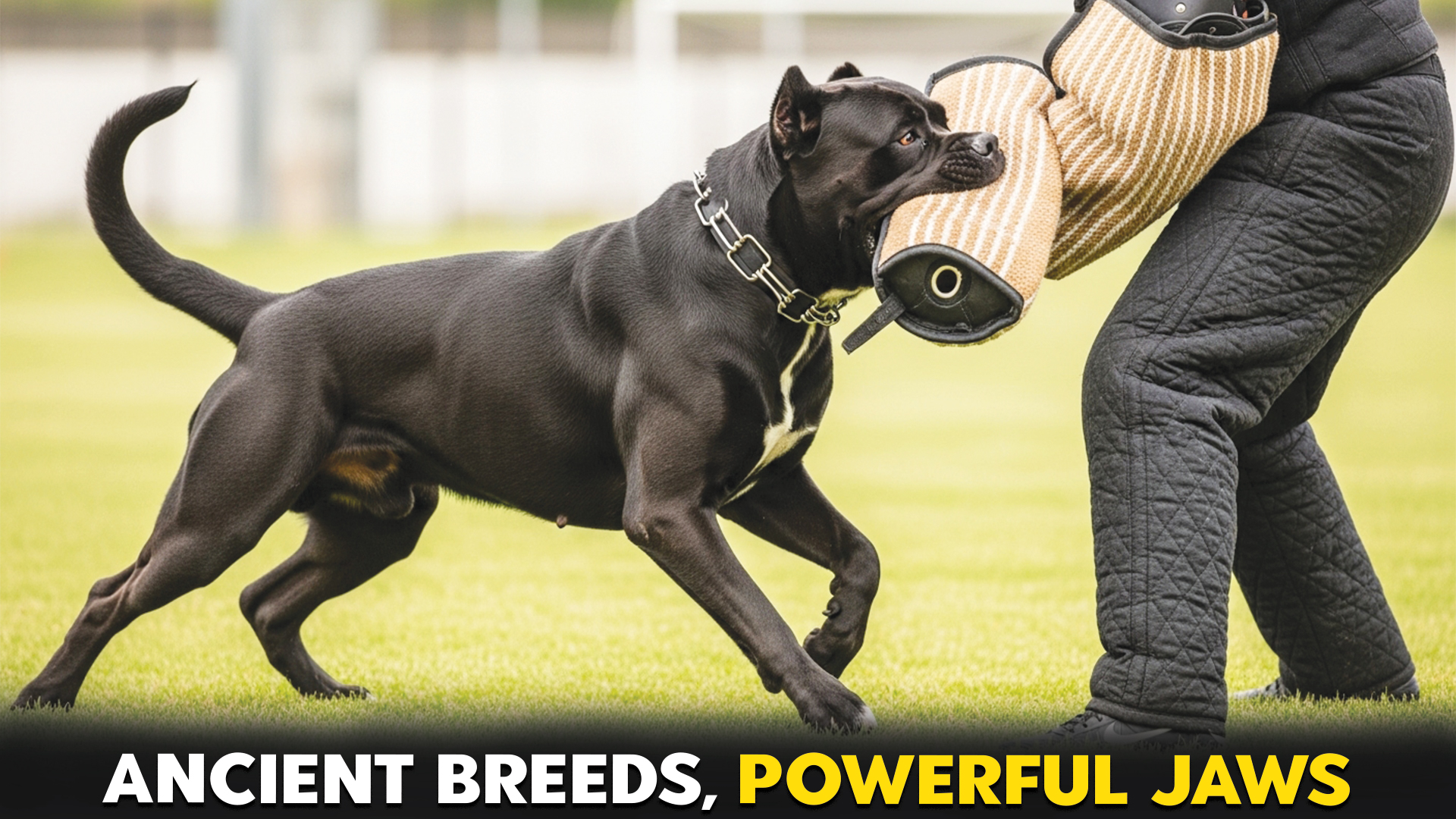
Some ancient dogs were built for hard jobs. Think of guarding, hunting, and standing their ground when trouble showed up.
In the canine world, people often talk about the strongest bite and the strongest dog bite as if it were a trophy. But why bother with that? Because bite power can shape training needs, safety habits, and the kind of home a dog fits best.
Bite force is often shared as pounds per square inch. It helps measure bite force in a clear way, even if an estimated bite force can change by test method.
Still, these numbers can hint at canine jaw strength, pressure exerted, and how a dog can generate immense force when it clamps down.
Let’s meet seven ancient picks with a serious bite strength and real history.
Ancient Dog Breeds With Imposing Bite Power
1. Chow Chow (220 PSI)
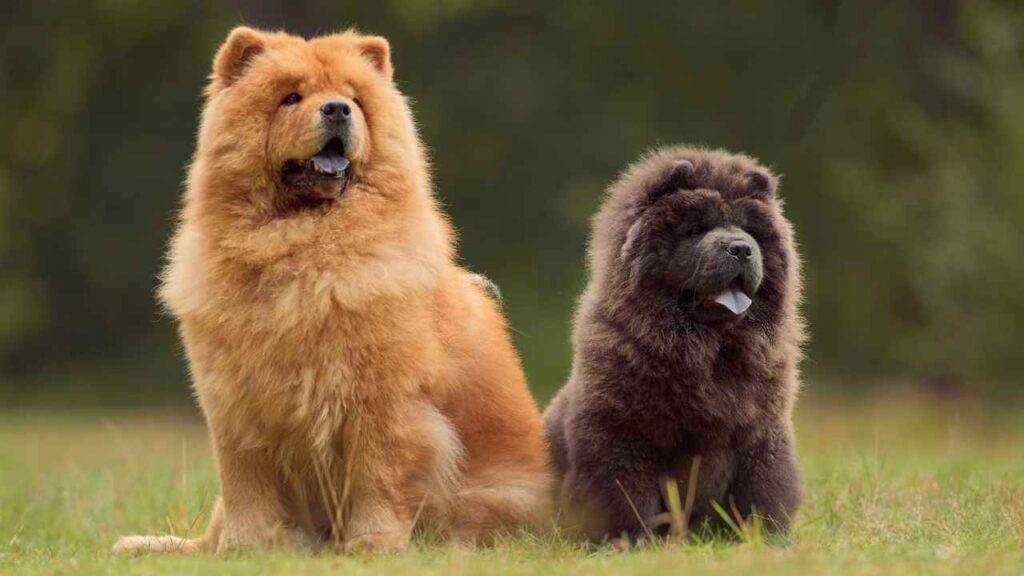
The Chow Chow looks like a teddy bear with a lion’s mane. Sounds crazy, right?. But wait, there’s more! This ancient Chinese dog is known for its blue-black tongue and a proud, calm vibe.
It has a strong dog reputation in a quiet way. It is not a wild whirlwind. It often moves as if it is thinking first, then acting. That steady energy is part of its charm.
Now for the jaw facts. Reports often place its estimated bite force at about 220 pounds per square inch. That is a solid number for a medium-large build, and it points to impressive biting capabilities when it decides to use them.
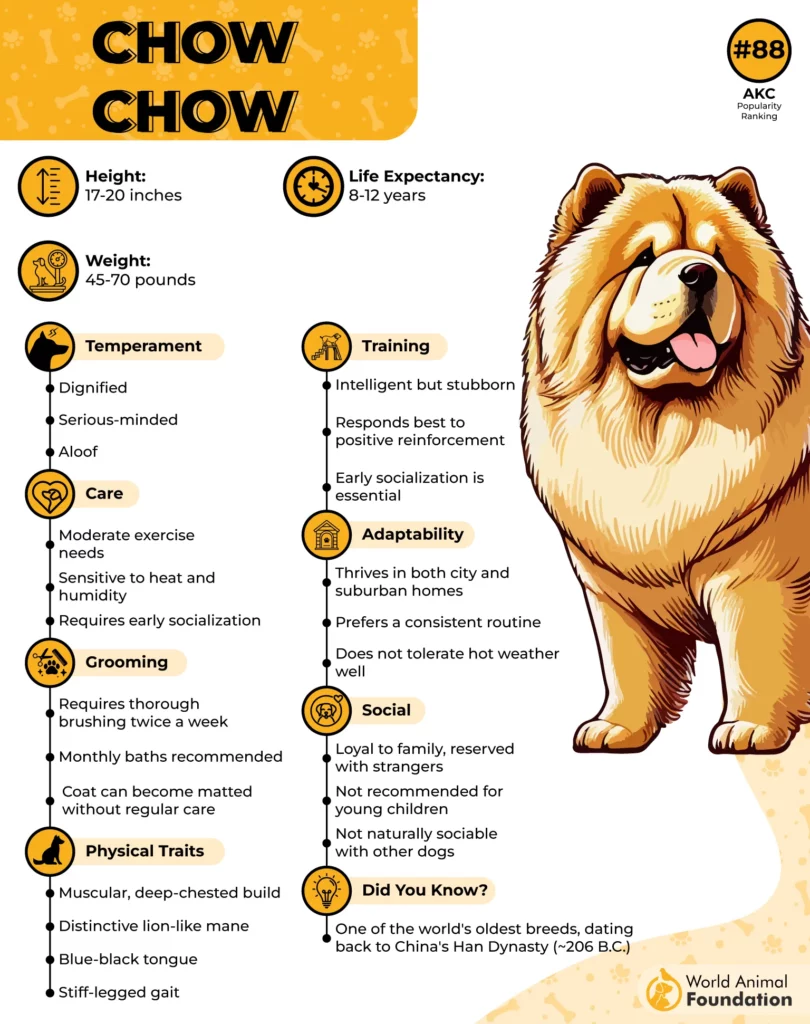
This is the kind of dog that may not start drama, but it can finish it fast if it feels cornered. That is why respect matters. So does space, routine, and clear rules.
The good part is that many Chow Chows can be polite and deeply attached to their people. But the dog’s behavior can be aloof with strangers. Unpredictable behavior can happen when people rush into its space or tease it.
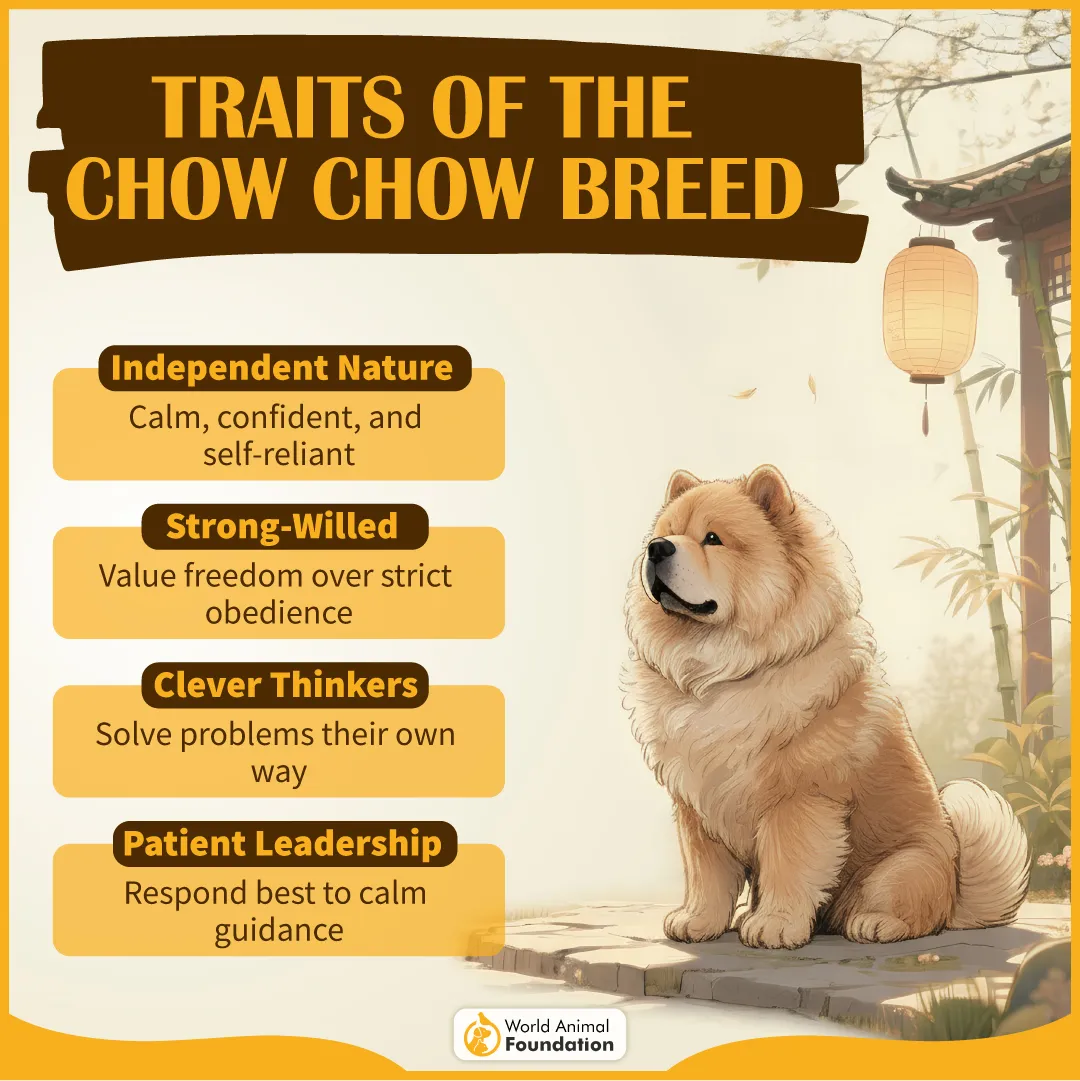
This is not a “grab my face and squeal” type of furry friend for every home. Trained properly, with calm handling, it can settle into a peaceful rhythm.
Fun fact: That famous tongue color is part of the breed’s classic look.
Important note: Early social time helps reduce sharp reactions.
Best fit: Homes that like calm walks and firm, kind boundaries.
2. Kangal (743 PSI)
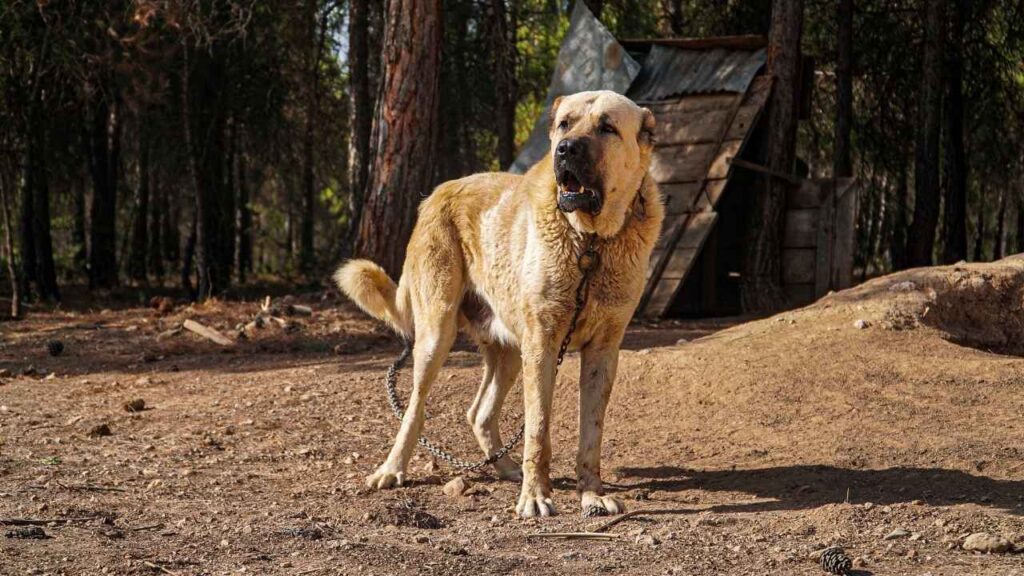
According to UKC, the Kangal is an ancient Turkish breed with a working heart. It was originally bred to guard flocks and stand between livestock and real threats. That job is not cute. It is serious.
Picture wide open land, long nights, and a dog that must decide fast when danger appears. This is one reason people call it one of the top guard dogs on earth.
Here’s the best part! The Kangal is often listed with the strongest bite in many bite charts, at about 743 pounds per square inch. That figure is an estimated bite force, but it is repeated a lot in modern bite studies and breed write-ups.
When people say powerful jaws, this is what they mean. A dog like this can generate immense force through the dog’s jaws with a single clamp. That kind of canine bite force can be life-changing in a bad moment, so safety is not optional.
Even with all that bite power, many Kangals are steady, not chaotic. A well-raised one can have a gentle nature at home. But it gets even worse, though, if people treat it like a casual pet with no plan. This is not a “wing it” dog for random dog owners. Proper training matters.
Calm leadership matters. If someone tries to hype it up, reward rough play, or push harsh handling, problems can grow fast. In some places, dog fighting has harmed the breed’s image, and that is a sad misuse of a working dog.
Did you know: Some Kangals wear spiked collars to protect their neck in real work.
Important note: This is one of the classic protective dogs for livestock.
Best fit: Experienced homes with space, structure, and steady routines.
3. Bandog (730 PSI)

The Bandog is known as a purpose-built working guardian. Think big frame, bold presence, and a strong dog’s look that turns heads.
This dog was shaped for protection work and holding ground. It is often linked to old “watch at night” roles, where a dog was expected to stay alert and respond fast. No fluff. Just a job.
Bite talk comes up fast with this one. Many lists place the Bandog with an estimated bite force of around 730 pounds per square inch. That is a huge number, and it hints at tremendous bite force when the dog commits.
People who track bite force across working types often point to the Bandog as a top example of a strong bite force with a sturdy body to match. That kind of bite advantage can be helpful in real protection roles, but it demands control.
Here’s the good part. In the right hands, a Bandog can be stable and loyal. It can bond deeply and guard what it loves. But the same dog can become risky if the home rewards roughness. If someone wants a “status” dog, it can end badly.
Dog fighting has also been tied to some Bandog lines in the past, and that is exactly the wrong direction. This dog needs calm rules, daily work, and properly trained habits. When handled with care, it can be steady. When handled poorly, dog bites become far more likely.
Fun fact: Many Bandogs thrive with structured tasks and clear “off switches.”
Important note: Early manners reduce pushy, rude behavior later.
Best fit: Skilled handlers who value calm control over ego.
4. Cane Corso (700 PSI)
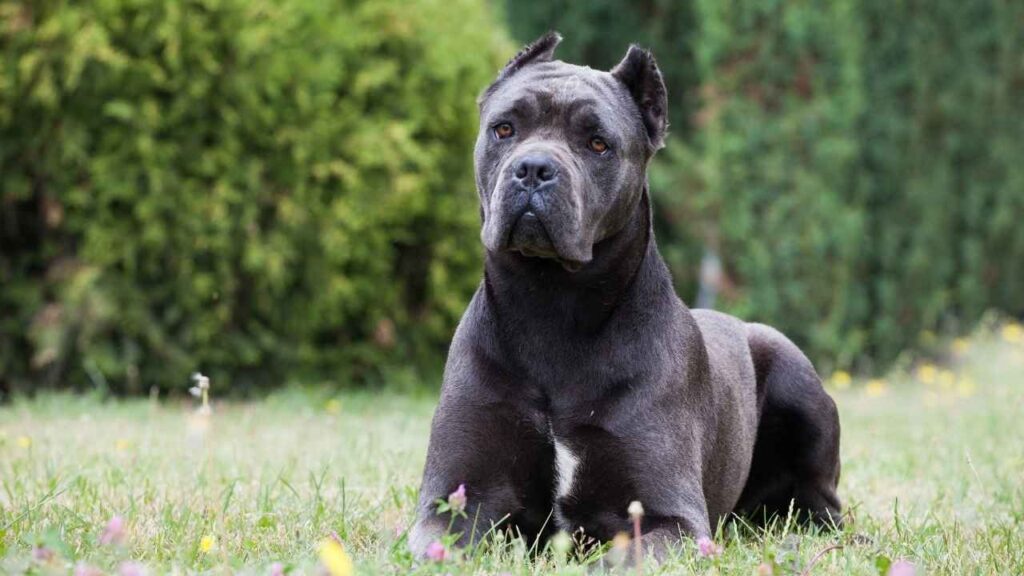
PetMD notes that the cane corso has deep roots in ancient Italy. It was originally bred for tough work, like guarding property and helping with large game. Over time, it became known as a serious protector with a sharp mind.
The cane corso often reads a room fast. It watches body language. It stays close. That protective nature is part of what draws people in.
Let’s talk numbers. Many modern lists place the cane corso at about 700 pounds per square inch. That is a big Cane Corso’s bite figure, and it often gets called an impressive bite force in breed rankings.
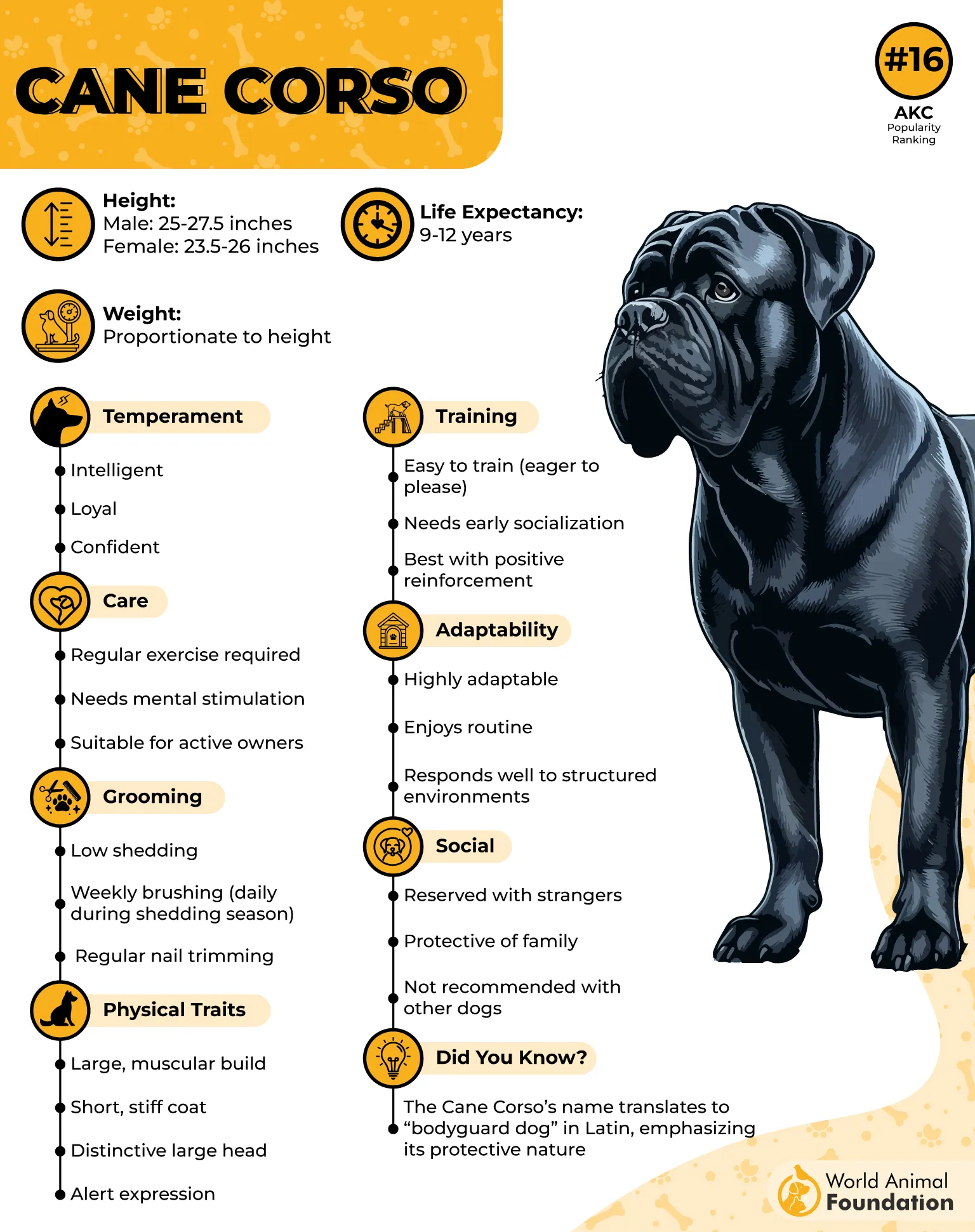
The cane corso’s bite power can be described as a strong bite force that fits its sturdy frame and focused drive. When people talk about the strongest bite, this breed shows up a lot. Not because it is “mean,” but because its build supports immense force when it clamps down.
But why bother with that? Because this dog needs real guidance. A cane corso can be one of the excellent guard dogs in the right home, but it needs social practice, calm leadership, and proper training from day one.
Without that, aggressive behavior can show up in tense moments. A dog with this bite strength does not get “a second chance” after a serious incident. The goal is simple: prevent dog bites through smart handling, safe routines, and respect for its instincts.
Did you know: The name is often linked to guarding and rural estate work.
Important note: Start leash manners early and keep them consistent.
Best fit: Confident, calm homes that want structure, not chaos
5. Tibetan Mastiff (550 PSI)
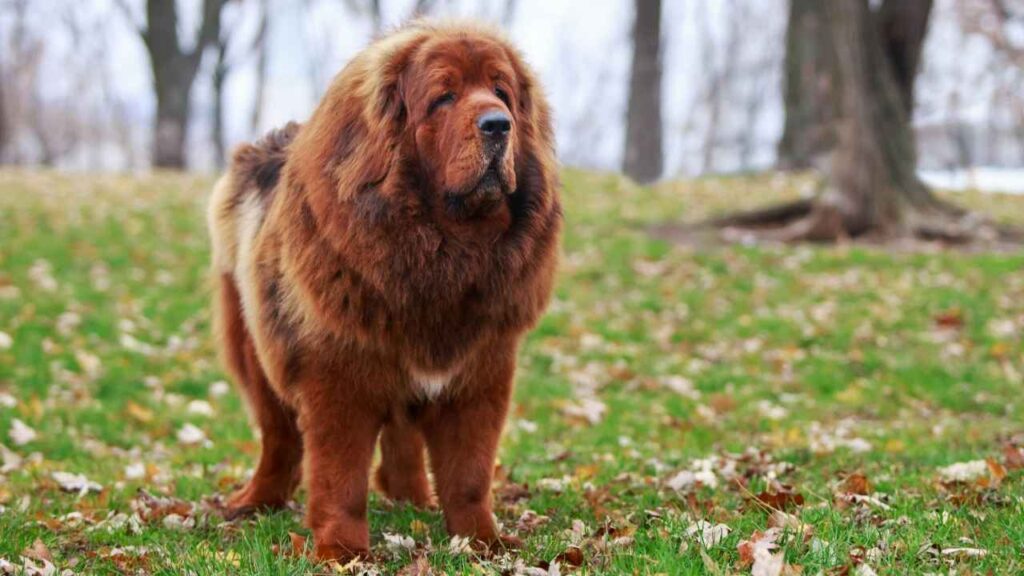
The Tibetan Mastiff feels like a piece of living history. It comes from harsh mountain life, where nights were cold, and strangers were not always welcome.
As per WebMD, this dog was shaped to guard homes, tents, and animals with full focus. It is watchful, aloof, and often very sure of itself. It does not beg for attention. It decides when it wants it.
Many sources list an estimated bite force for the Tibetan Mastiff of around 550 pounds per square inch. That is a serious number. It points to powerful jaws and a solid clamp when the dog decides to act.
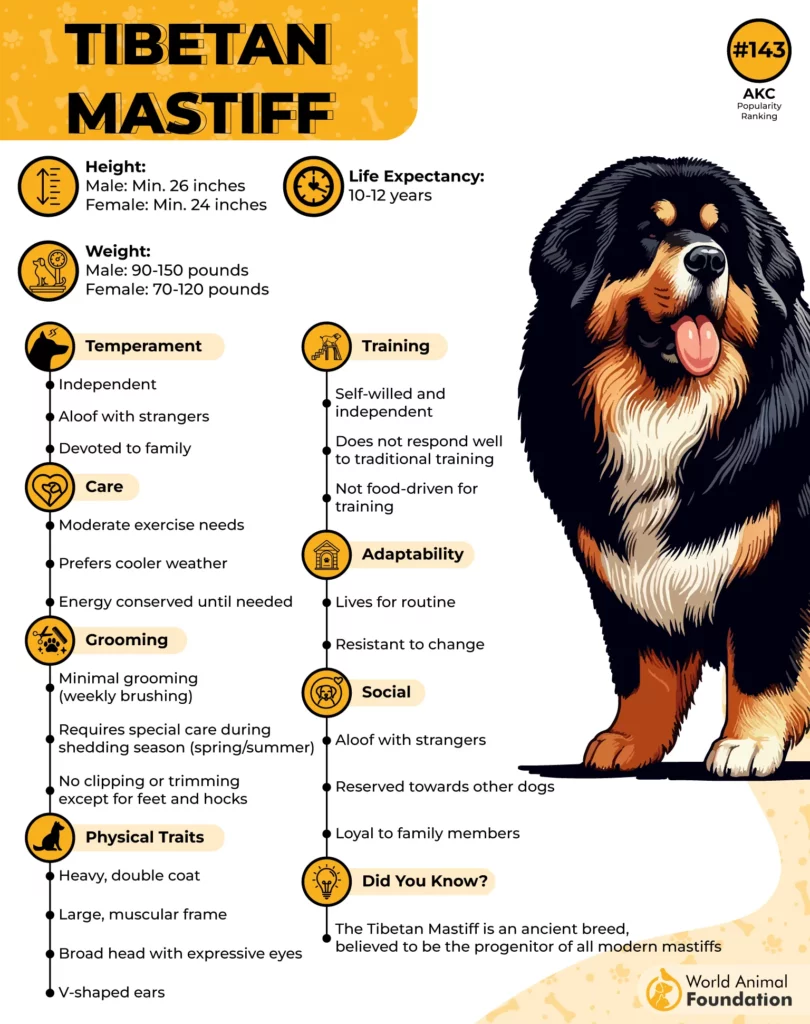
In the animal kingdom, guarding breeds like this had to handle danger without backup. That old job helped shape the breed’s protective instincts and strong dog’s presence. The Tibetan Mastiff can look like a walking wall of fur, but behind that coat is real bite strength.
And here’s the best part! When raised with patience, the Tibetan Mastiff can be deeply devoted. Some owners call it a quiet guardian with a loyal and protective nature. Still, it can be stubborn.
It can ignore commands if it thinks the command is silly. This is not a “do tricks for claps” dog. It is a guardian first, and that mindset affects the dog’s behavior every day.
Fun fact: Many Tibetan Mastiffs are more alert at night.
Important note: Give it space. Crowding can trigger stress.
Best fit: Homes that respect independence and can manage big-dog boundaries.
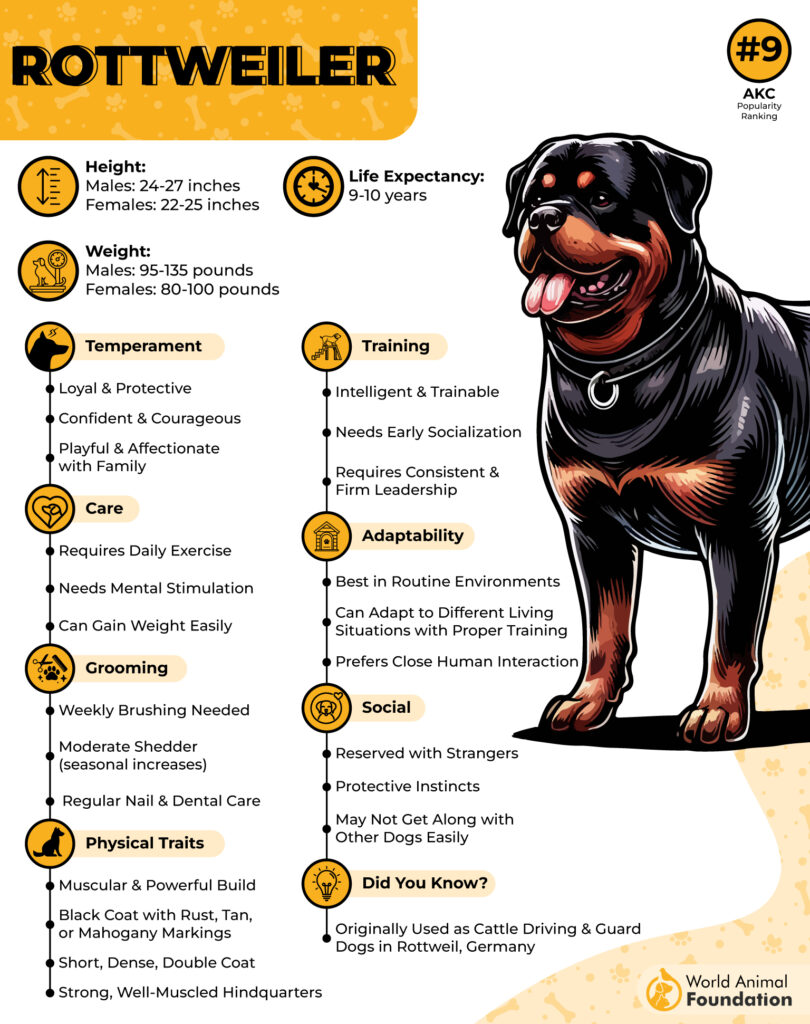
6. Rottweiler (328 PSI)
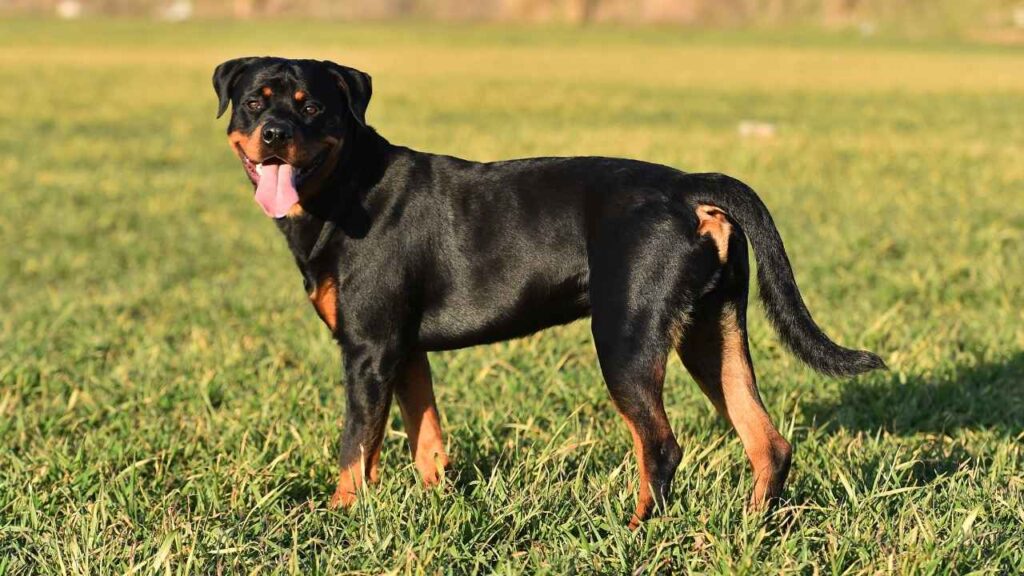
The Rottweiler has old working roots tied to moving cattle and guarding valuable goods. This breed did real labor, not just backyard lounging.
Over time, it became known for strength, confidence, and a “ready when needed” attitude. Many people love the loyal breed vibe here, because it often bonds hard with its family.
For bite stats, many rankings list the Rottweiler around 328 pounds per square inch. That number is an estimated bite force, but it shows up often in jaw strength lists. It is enough to cause major harm if things go wrong.
This is why the strongest dog bite talk should always come with a safety talk. Dog bites are not “fun facts” when they happen in real life. They are trauma.
Here’s the good part. A well-raised Rottweiler can be a solid family dog. It can be calm, playful, and steady. Some are even great family pets in the right setting. But it needs structure. It needs manners. It needs proper training and calm social time.
Without that, stressful moments can lead to dog bites, especially if people encourage rough play or ignore warning signs. This breed can be one of those guard dogs that look relaxed, until it decides a threat is real.
Did you know: Many Rottweilers love jobs like carry-work and obedience tasks.
Important note: Teach kids “no hugging, no face grabbing” rules early.
Best fit: Homes that enjoy training and can keep routines consistent.
7. American Bulldog (305 PSI)
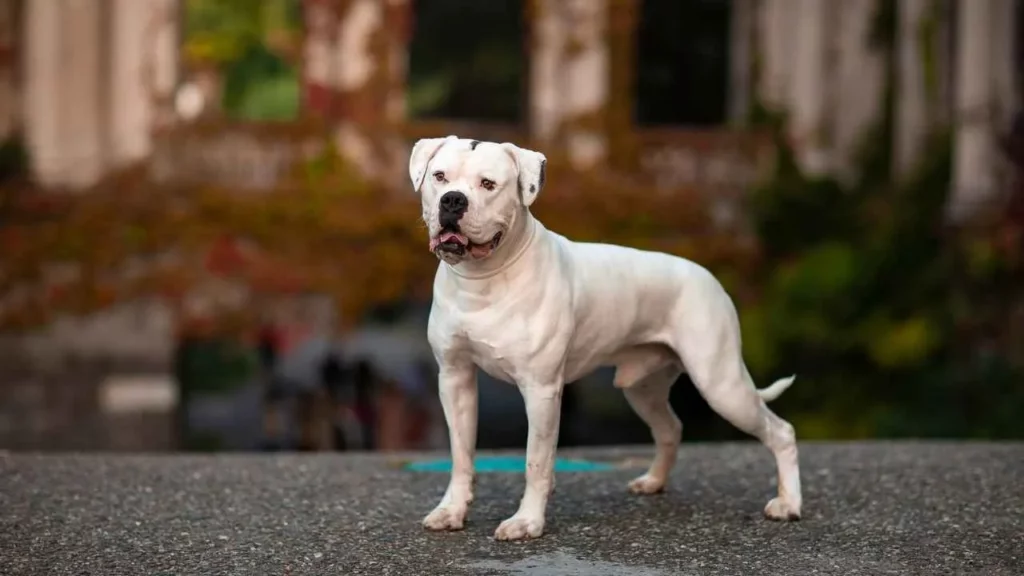
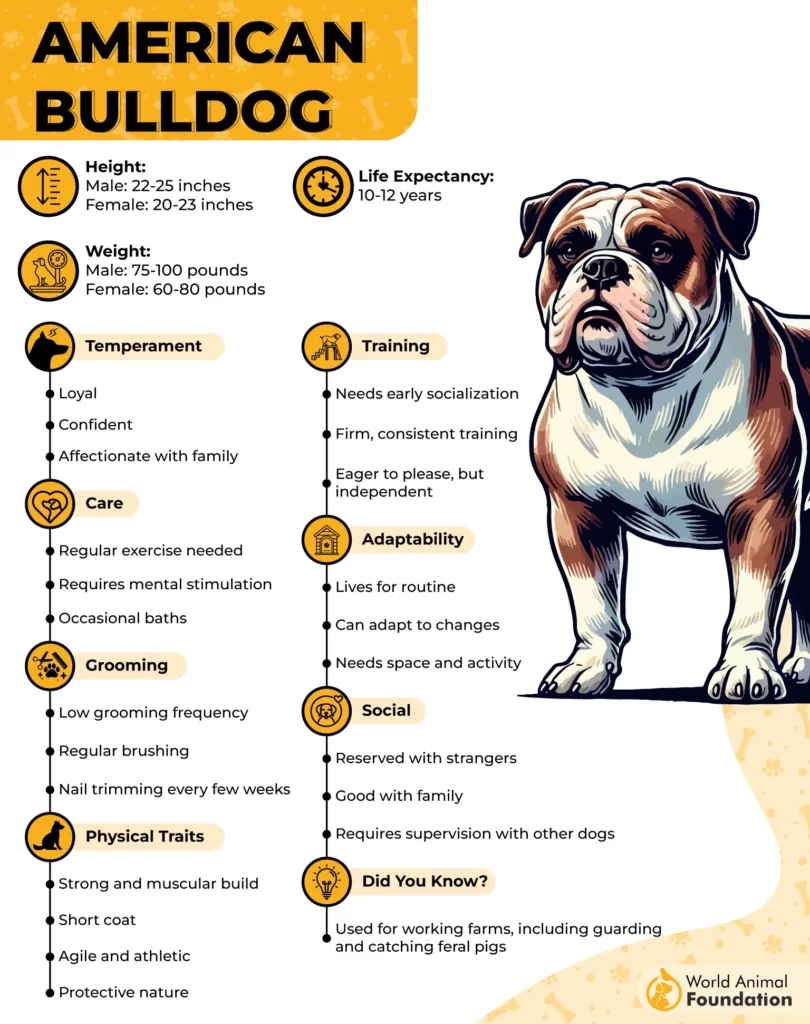
The American Bulldog comes from old farm work. It was valued for grit, courage, and the ability to hold its ground. It often has a muscular build, a big head, and a bold, happy energy.
This is the kind of dog that can look tough, then act like a clown two minutes later. But do not mistake silly for harmless.
Many bite lists place the American Bulldog at about 305 pounds per square inch. That is a strong bite force for a stocky body. It points to a firm clamp and a serious hold when the dog commits.
When people talk about the strongest bite, they often forget that control matters more than the number. A dog’s bite force is only “useful” when paired with good behavior and safe habits.
But wait, there’s more! This breed can be warm, people-focused, and affectionate with its family. Some can be great family pets when raised with clear rules. Still, it can be pushy if it learns it can bully for attention.
That is when dog bites can happen during wild play or poor handling. Keep play structured. Teach a clean “drop it.” Teach calm greetings. And always supervise around other animals, because excitement can flip fast.
Fun fact: Many American Bulldogs love tug games, but only with clear rules.
Important note: Stop rough mouth play early to reduce dog bites later.
Best fit: Active homes that want a strong companion and enjoy training.
Conclusion
These ancient dogs are stunning, but they are not toys. Each dog breed here has history in its bones and a bite that can change lives. Some have the strongest bite numbers that people love to share.
Others are famous for the strongest bite in real working roles. Either way, the goal is the same: prevent dog bites with smart choices.
If a home wants big jaw power, it also needs calm routines, safe handling, and respect. That matters even with pit bulls, and it matters with domestic dogs of every size. If someone wants a powerful partner, do it the right way.
Choose responsibly, train kindly, and stay consistent. And if the vibe feels off, get help early. That simple move can protect people, other dogs, and the dog you love.
