




Training should feel like teamwork, not a daily stress test.
You bring a puppy home, and suddenly your socks have enemies. Your sleep vanishes. Your schedule gets roasted. We get it. The fastest way to feel calm again is to pick dog breeds that actually enjoy learning.
Different breeds learn in different ways, and certain breeds are just more willing to follow your lead. That is the real secret sauce. Key traits include a steady mood, quick learning, and a real desire to please.
If you want a guard dog or a protection dog, that can be amazing, but it is a different goal and a different plan. This blog is for dog owners who want a smoother start, fewer headaches, and dogs that make training feel doable.
And here’s the best part! You do not need perfection. You need simple habits done often.
Trainable Dog Breeds for a Stress-Free Process Every New Dog Owner Should Know
1. Cavalier King Charles Spaniel
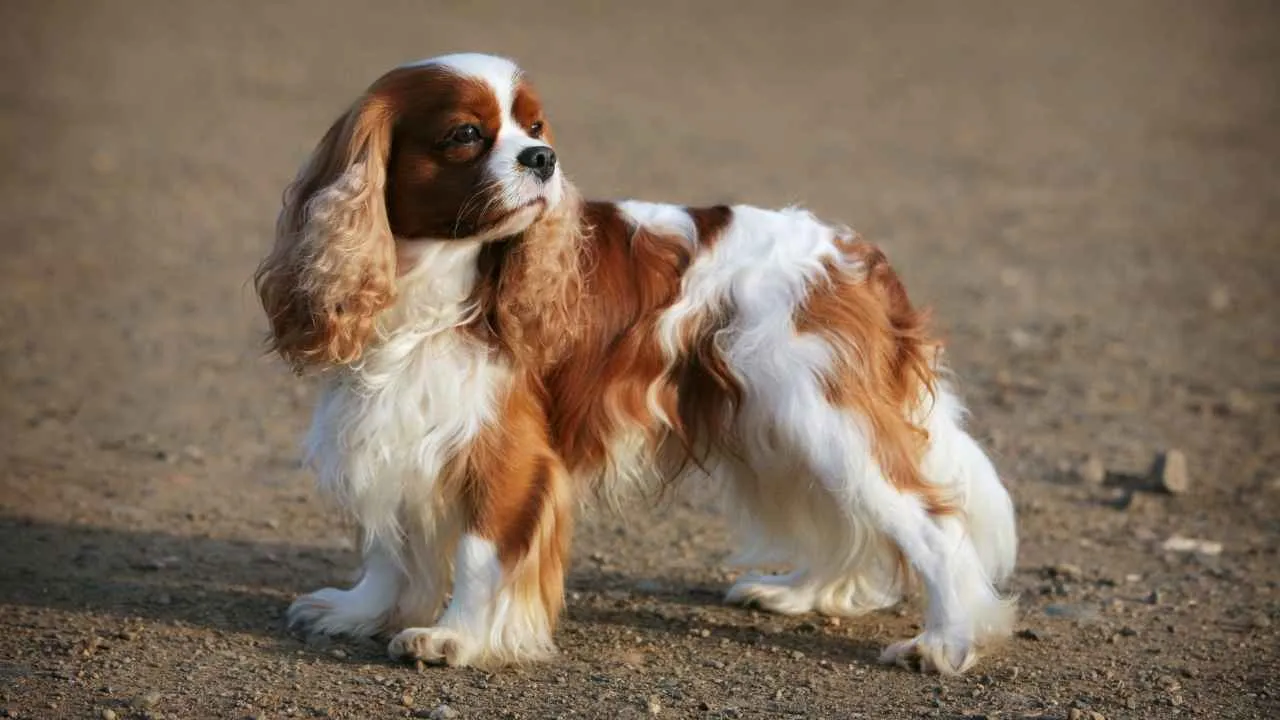
The Cavalier King Charles Spaniel is famous for staying close. These are velcro dogs, and one of the sweetest small puppies in the dog world. When dogs want to be near you, training becomes easy to fit into normal life.
Ask for a sit before you clip the leash. Ask for a wait before you open a door. Tiny moments like that add up fast, without turning your day into a boot camp.
This breed has a gentle demeanor that helps in busy homes. Many pet parents like how naturally calm these dogs can feel around small children. With early manners, they can also do well with other pets.
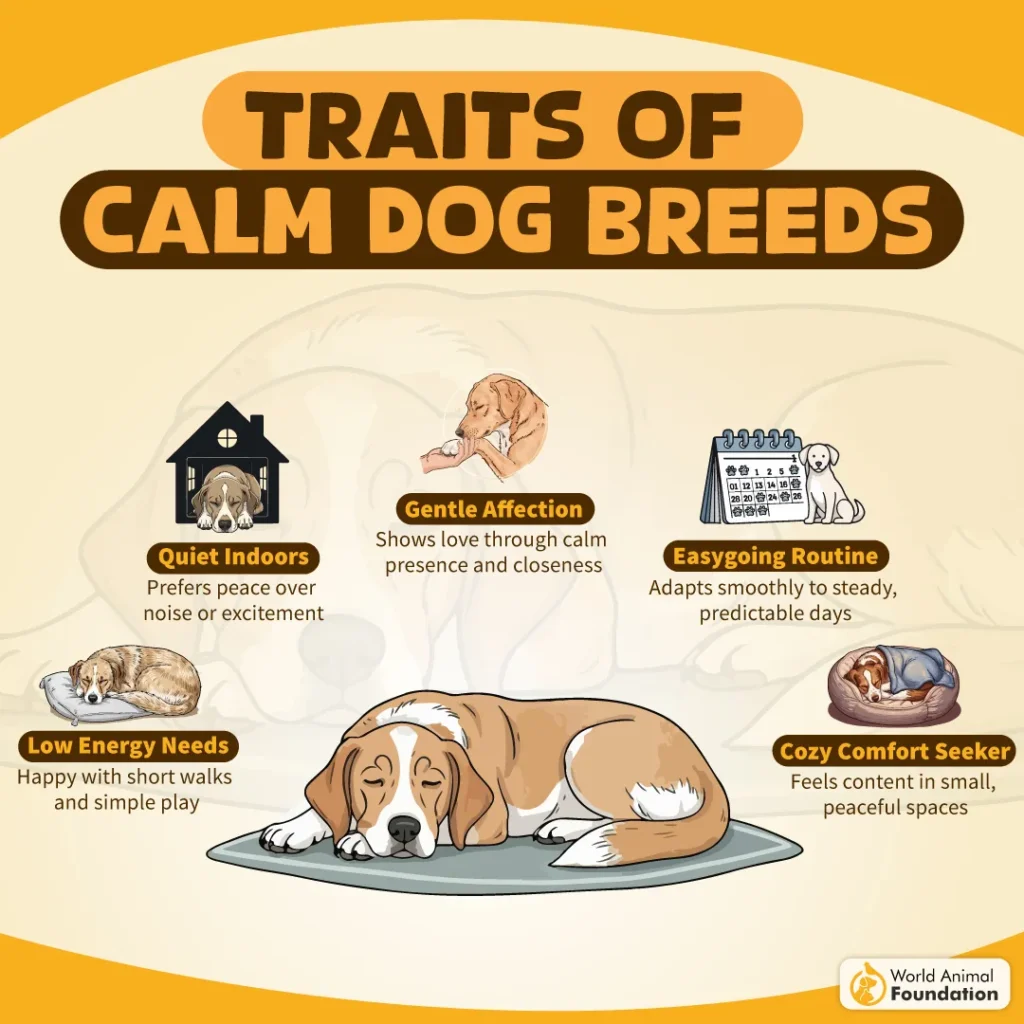
Their gentle temperament keeps things smoother, and that matters when you are tired and trying to stay patient. The trainable and gentle nature makes your job feel lighter because the dog is not trying to argue with every rule.
Keep it kind and simple. Use positive reinforcement, soft praise, and small treats. Stop sessions while the dog is still happy. Short wins are better than long battles.
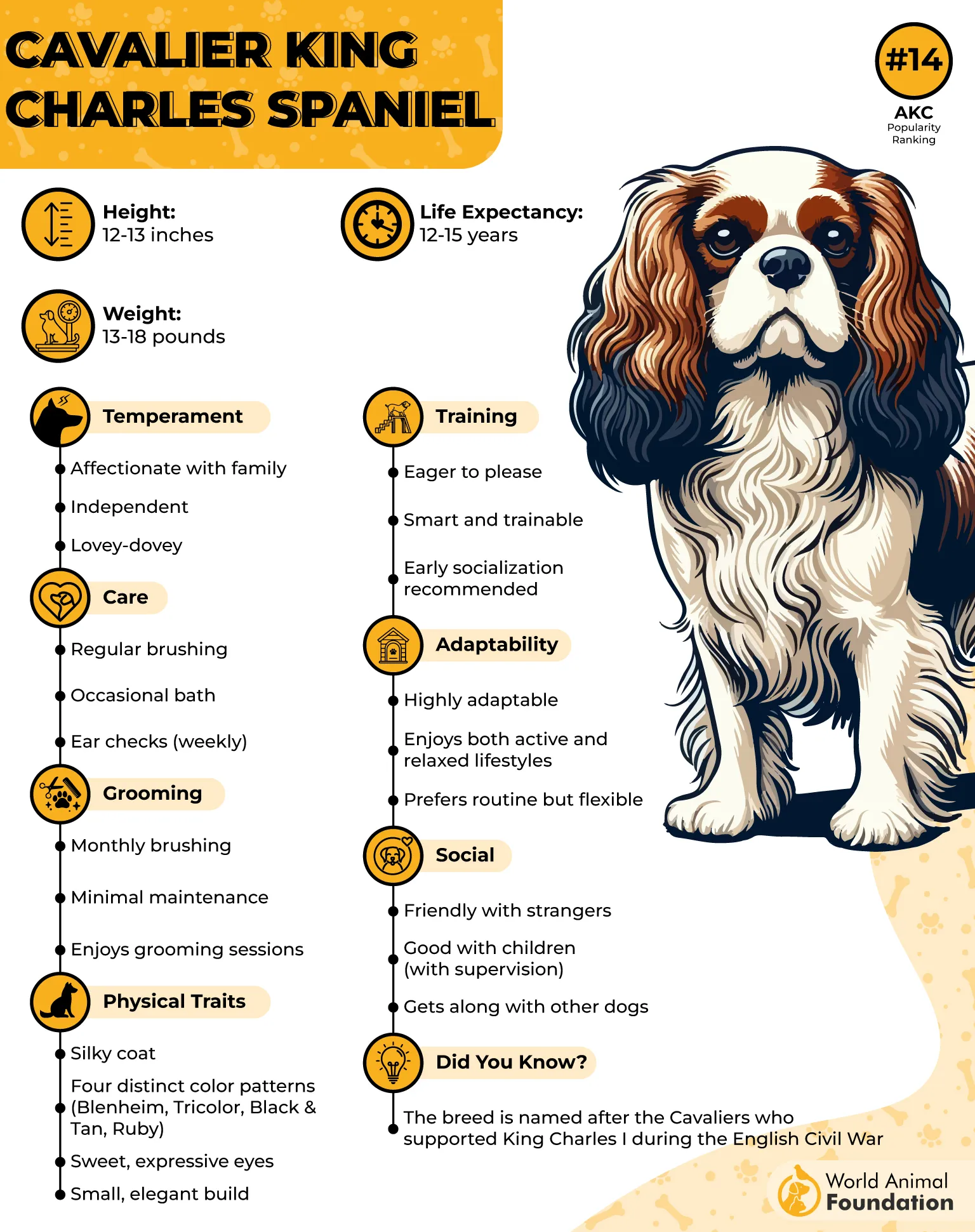
One important note: health can be a concern in this breed, so keep activity sensible and follow your vet’s advice. You are building a peaceful routine, not training for a marathon.
Build calm greetings at the door for good behavior.
Use puzzle toys for mental stimulation on slower days.
Make regular brushing part of gentle handling practice.
2. Havanese
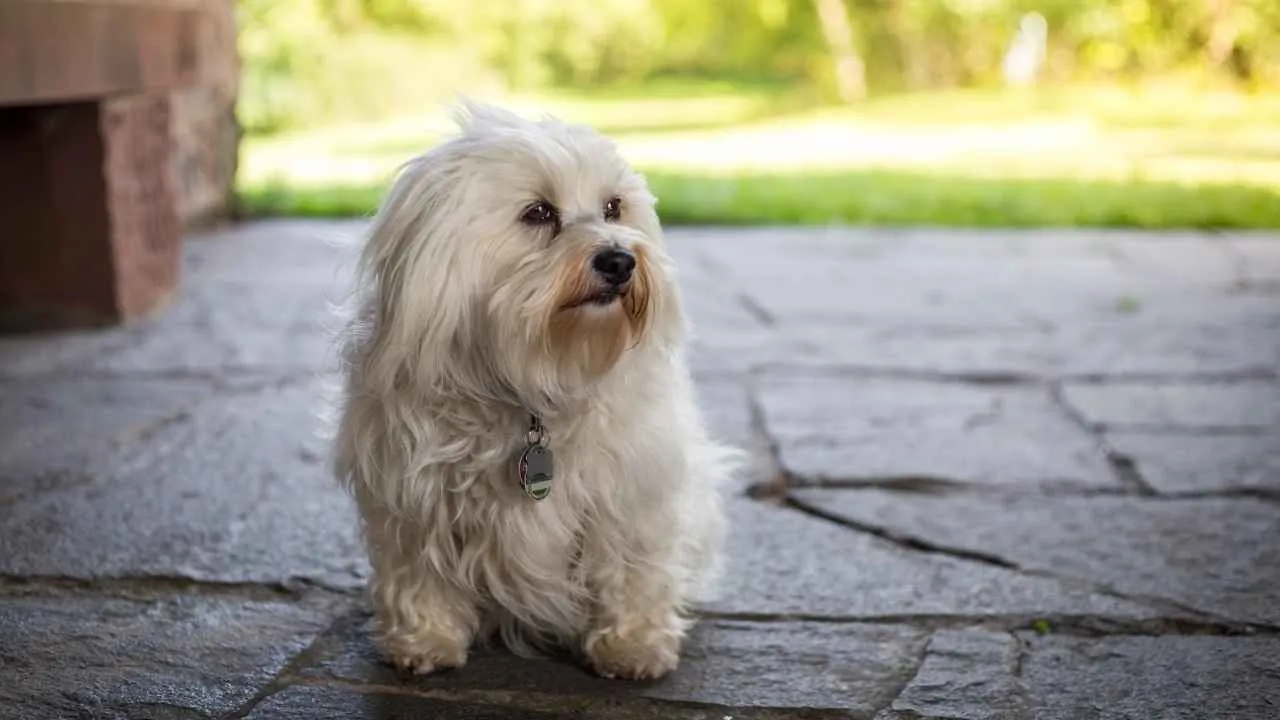
The Havanese often feels like a cheerful little friend who wants to be involved. Many first-time dog owners love that, because dogs that stick with you are easier to teach.
PetMD notes that this breed is often described as easy to train and that a calm temperament can be a huge relief. When dogs are not bouncing off the walls, your brain can finally unclench.
Here’s the good part: training slides right into daily life. Ask for a sit before you toss a toy. Ask for eye contact before meals. Reward calm choices. Keep it playful, and training fun becomes real.
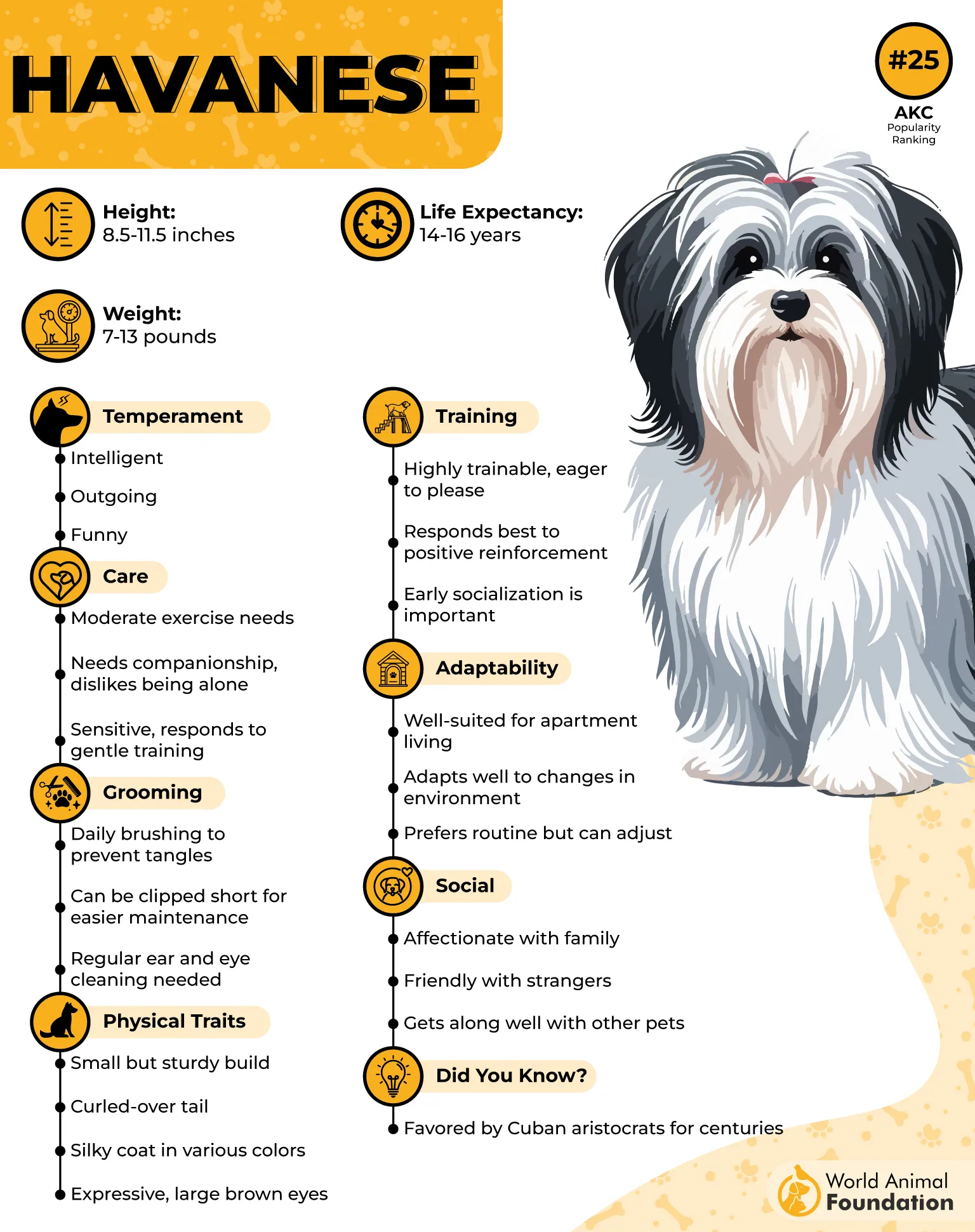
Many owners notice quick learners in this breed when lessons stay short and upbeat. It feels less like “work” and more like a shared game.
This breed can suit apartment living if you still give daily play and brain work. You can mentally stimulate without needing a giant yard. Simple sniff games, gentle indoor play, and short practice rounds can do the trick.
With polite social time, many do fine with other puppies, too. Pet parents who spend time building calm habits early often see strong bonds form fast.
Teach fun tricks like spin or wave to burn energy indoors.
Swap one long walk for a sniff walk when life is busy.
Reward quiet moments so calm becomes normal.
3. Poodle
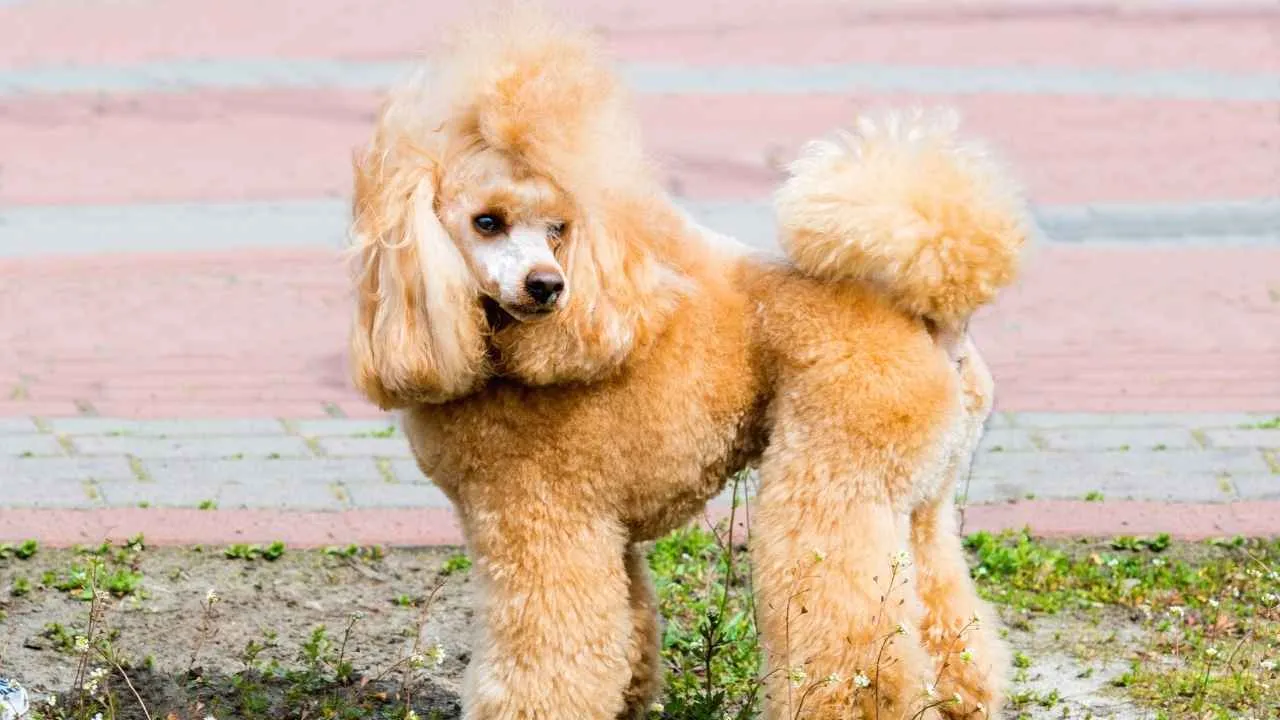
A Poodle has its own personality, and it can feel like living with a tiny thinker. This breed is extremely intelligent, and many dogs learn patterns fast.
That is why it can feel so smooth for novice owners. The dog figures out the game quickly, and you feel like you finally have a teammate.
But wait, there’s more! A smart dog also gets bored fast. It gets even worse, though, if you skip brainwork. A bored poodle can invent chaos. The fix is simple. Give daily tasks.
Use puzzle toys, short searches for treats, and tiny skill drills. Teach a settlement. Teach a touch. Teach a clean “leave it.” Use positive reinforcement and keep your timing clear so the dog stays confident.
Grooming is the price of admission. Start handling at a young age, so coat care does not become a fight.
Add regular exercise through play and short walks, and you can end up with a well-trained dog who can handle different environments without falling apart. For dog owners who like structure, this can be one of the best breeds for a calmer start.
Keep sessions short, clear, and upbeat.
Use puzzle toys when you need quiet focus time.
Practice calm greetings so excitement stays manageable.
4. Papillon
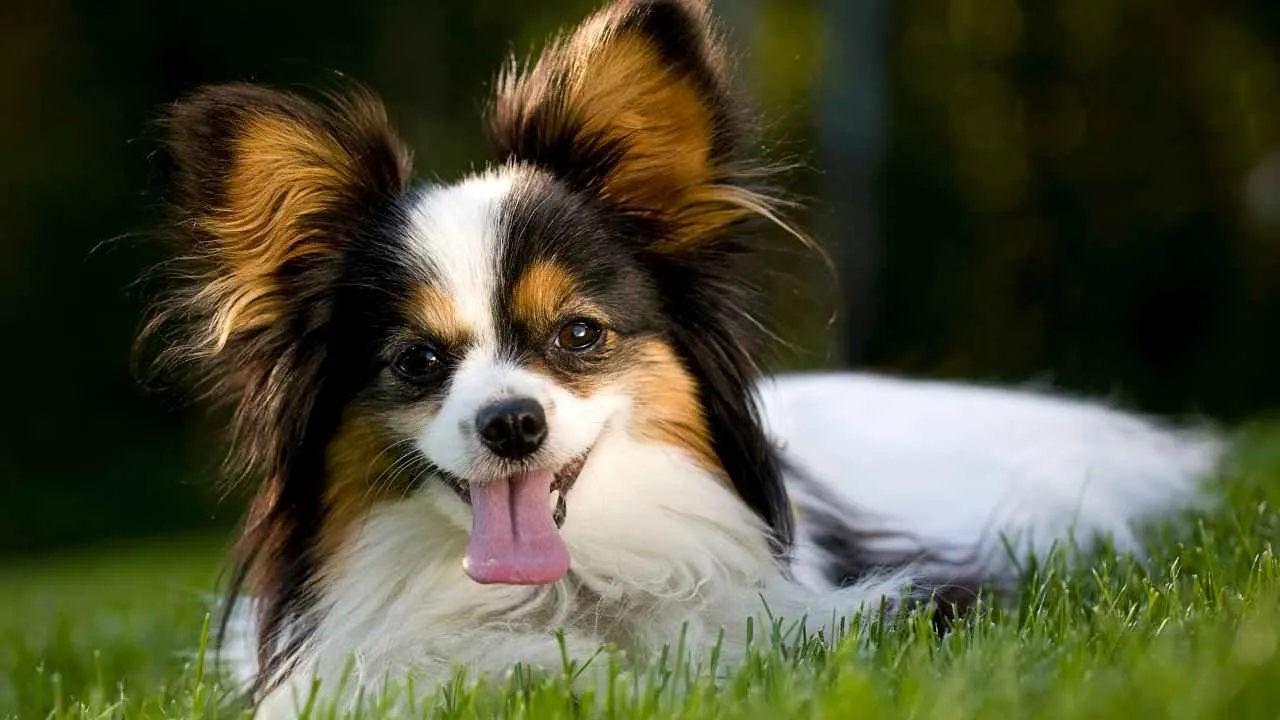
Papillons are bright dogs that often love to learn. Many are eager to please, which can make puppy training feel easier than people expect.
They can pick up new cues quickly when you keep it fun and consistent. You do not need fancy tools. You need clear steps and steady rewards.
House training can take extra patience. Do not panic. Set a schedule. Praise wins. Clean accidents calmly. Consistent training is what keeps you from spiraling.
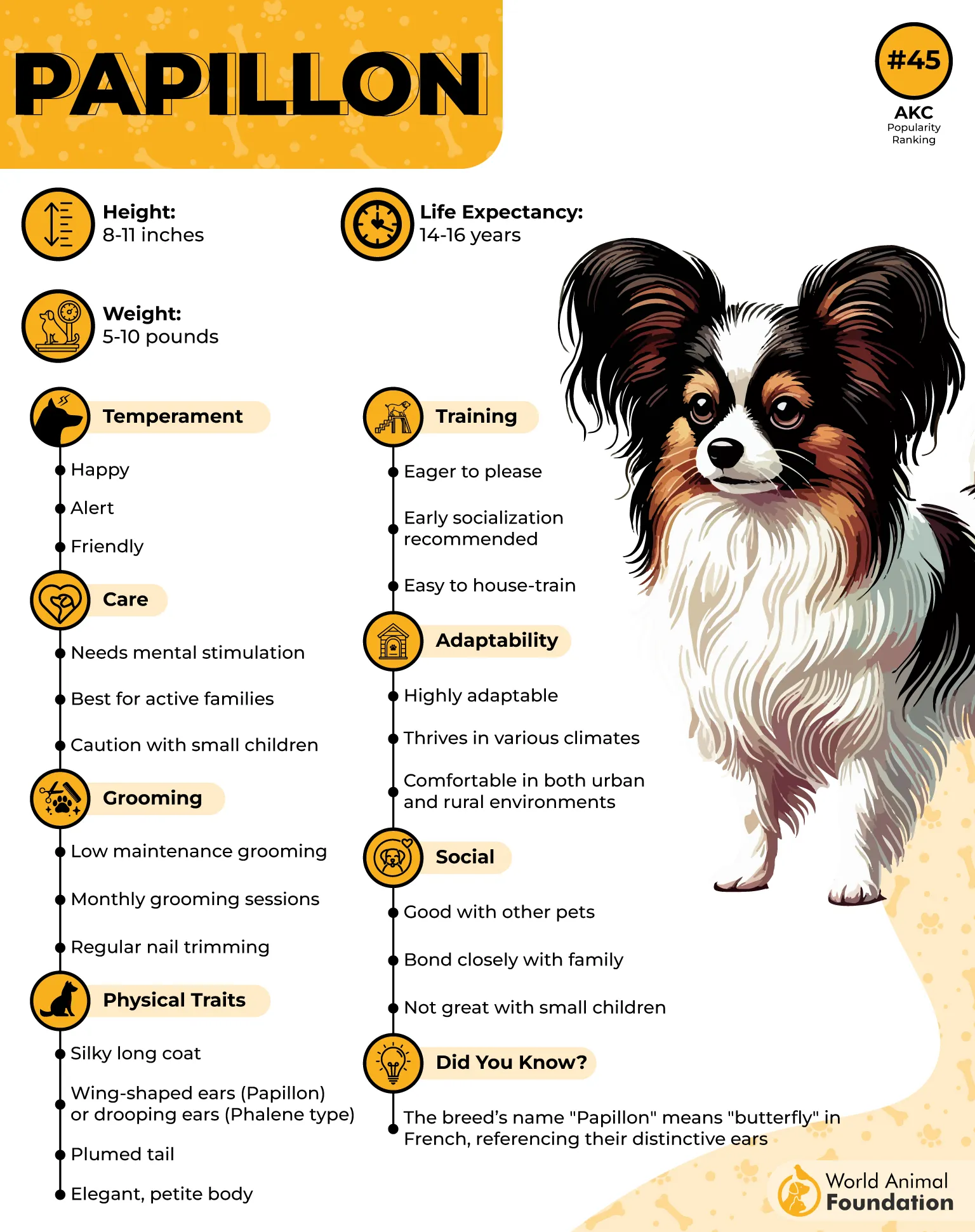
Keep sessions positive, because harsh methods can make small dogs anxious or snappy. Positive reinforcement helps these dogs stay confident and willing.
Papillons can be lap dogs at the end of the day, but they still need mental stimulation in short bursts. A quick recall game. A “find it” game. A short trick session.
Many owners also like that Papillons are often described as having fewer health issues listed as minor concerns, though knees and dental care still matter. If you want off-leash goals later, start recall early in safe places and build it slowly.
Teach “look” to build focus around other dogs.
Rotate puzzle toys so boredom does not turn into barking.
Add fun tricks to keep that brain pointed at you.
5. Golden Retriever
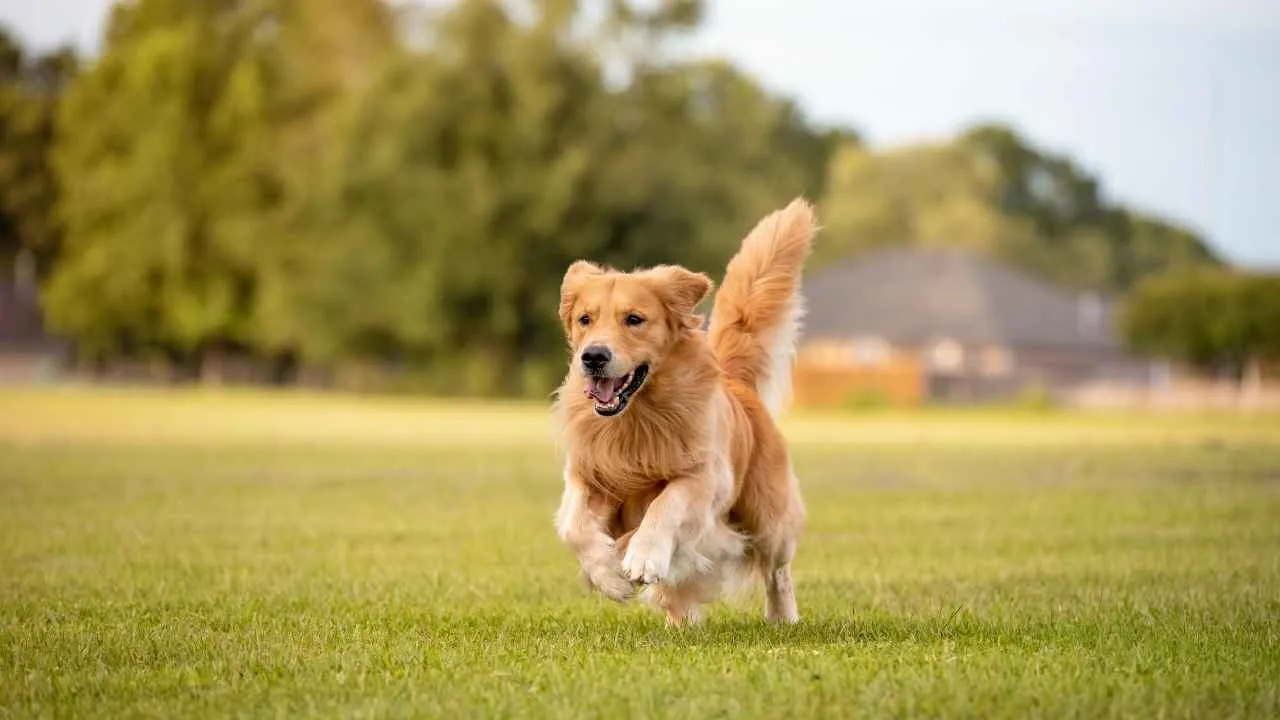
According to Britannica, the Golden Retriever is loved for its gentle nature and friendly vibe. That gentle temperament can make training feel less stressful, especially for first-time owners.
Many families like this breed with older kids and small children. With calm introductions, many also do well with other pets and other animals in the home.
Training works best with structure and movement. Give regular exercise, then teach skills when the dog is ready to focus. Teach “drop it” and “leave it” early, because retrievers love carrying stuff.
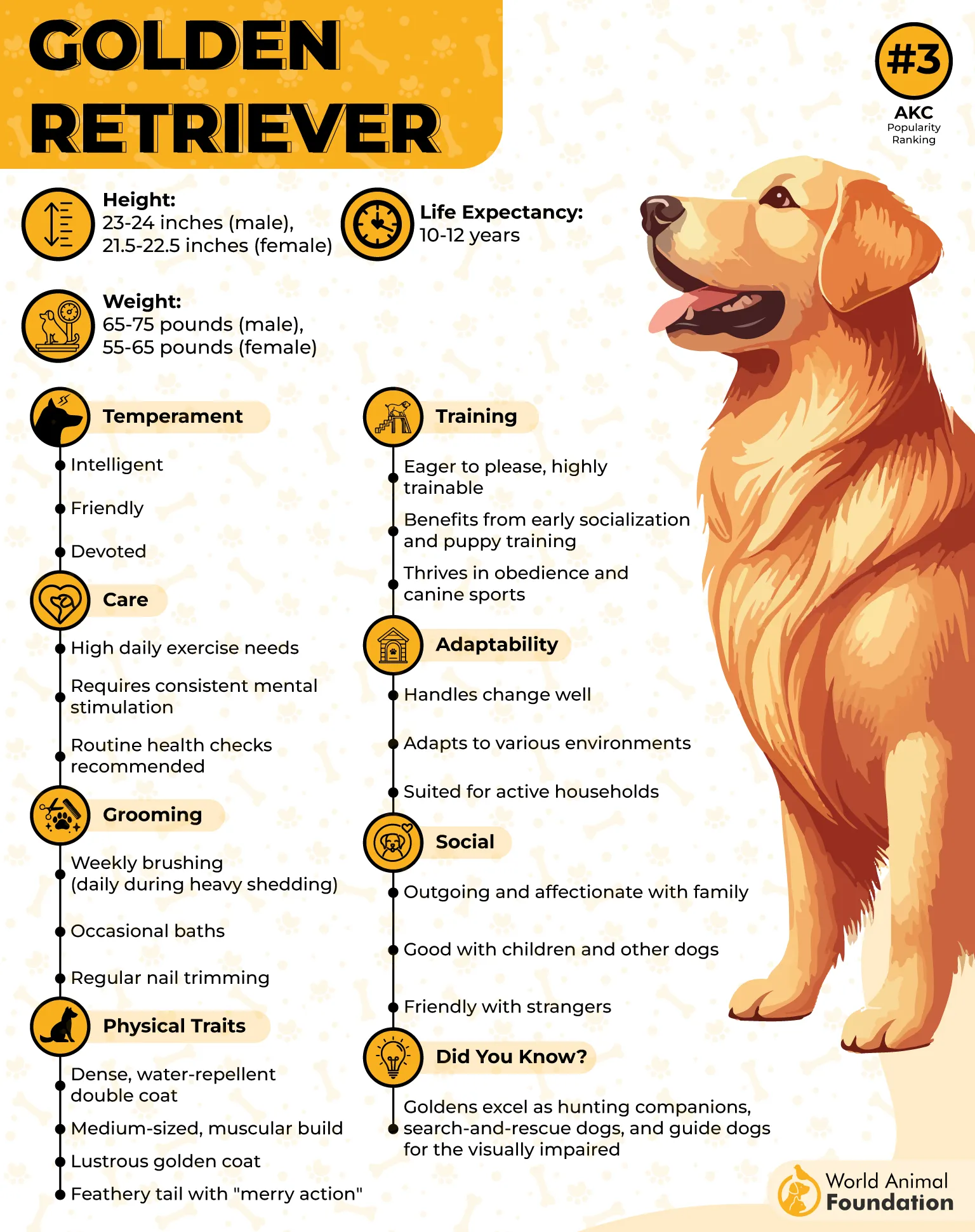
Obedience training often feels natural here because dogs want to please. Many are quick learners when routines stay steady, and rewards stay fair.
Coat care matters, so regular brushing helps your home and your bond. And here’s the best part! Their affectionate nature often makes them ideal companions, and many people choose them as therapy dogs because of that steady, friendly feel.
Stay consistent, keep it kind, and you can end up with a calm home and a dog who feels like a best friend.
Use puzzle toys to mentally stimulate on indoor days.
Keep walks steady and calm, not rushed.
Teach a “place” cue so the dog can chill during meals.
6. Shetland Sheepdog
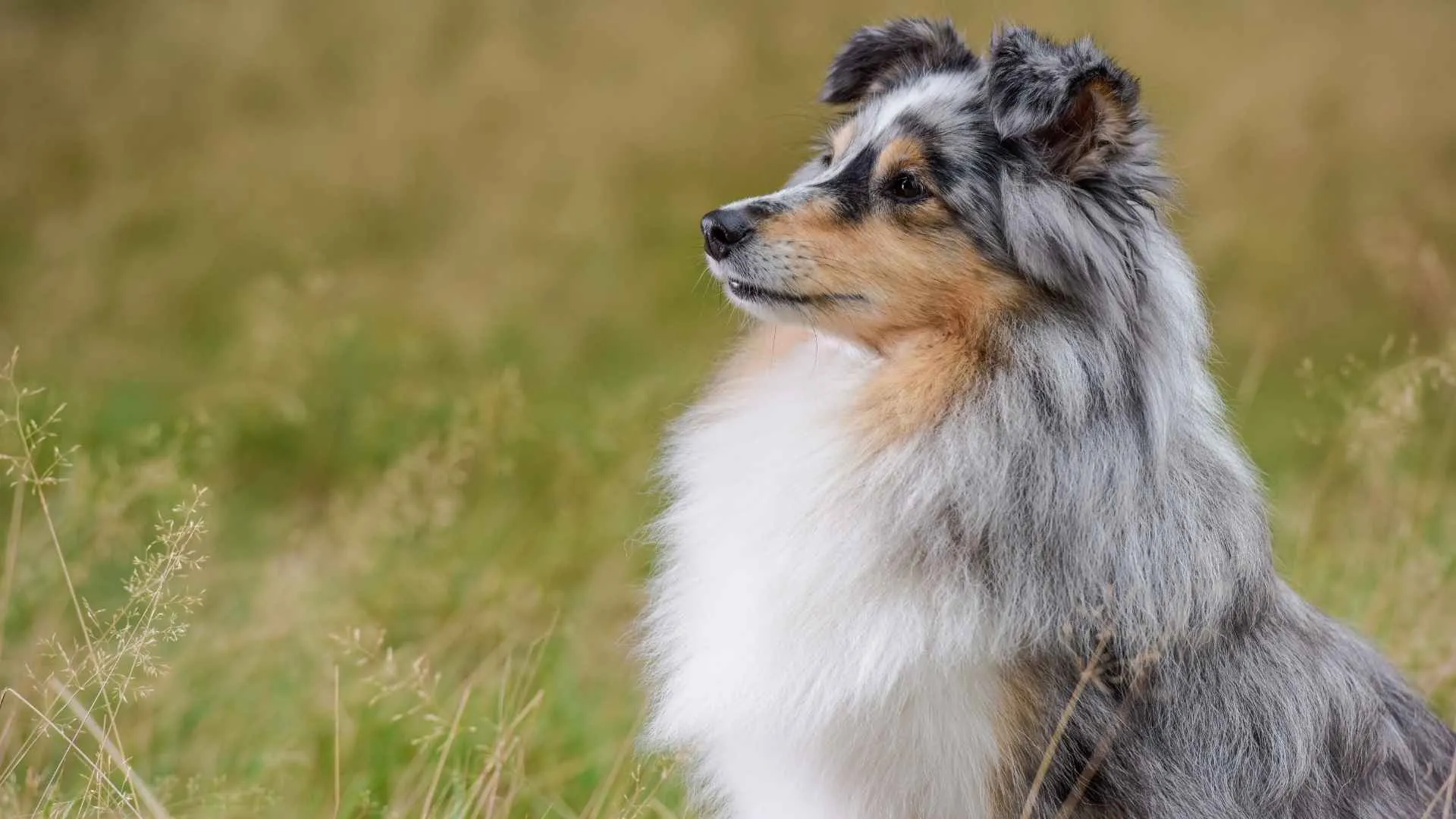
The Shetland Sheepdog is sharp, loyal, and often tuned in to your mood. Many first-time owners enjoy that because dogs that watch you closely learn quickly.
As per the AKC, their adaptable nature can help them settle into different environments, but they still need a routine that feels safe and steady.
This is a sensitive breed, so keep it gentle. Use positive reinforcement and avoid rough handling. Start with focus skills, then build the harder stuff.
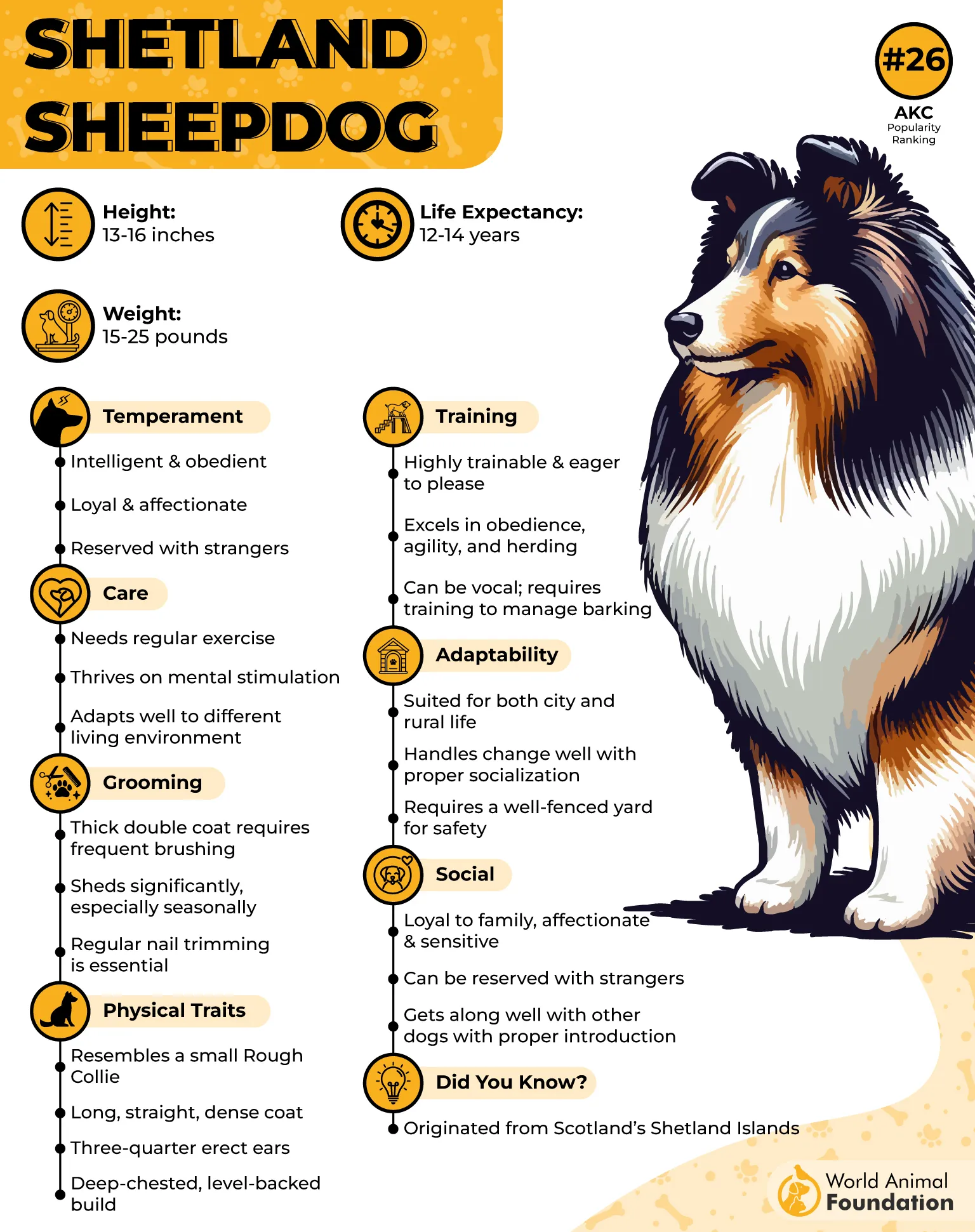
Many enjoy obedience trials because they like clear rules and clear rewards. If your day is packed, short sniff games and short practice rounds can mentally stimulate without turning your home into a loud mess.
Coat care takes time, so regular brushing helps, but keep it relaxed. Some days you will want a couch potato. This breed can relax, but usually after its mind has had a job.
For dog owners who like tidy routines and calm structure, this can be a really satisfying match.
Teach “quiet” and reward the first moment of calm.
Keep sessions short, then pause, then repeat.
Use puzzle toys to stop bored pacing and fussing.
7. Labrador Retriever
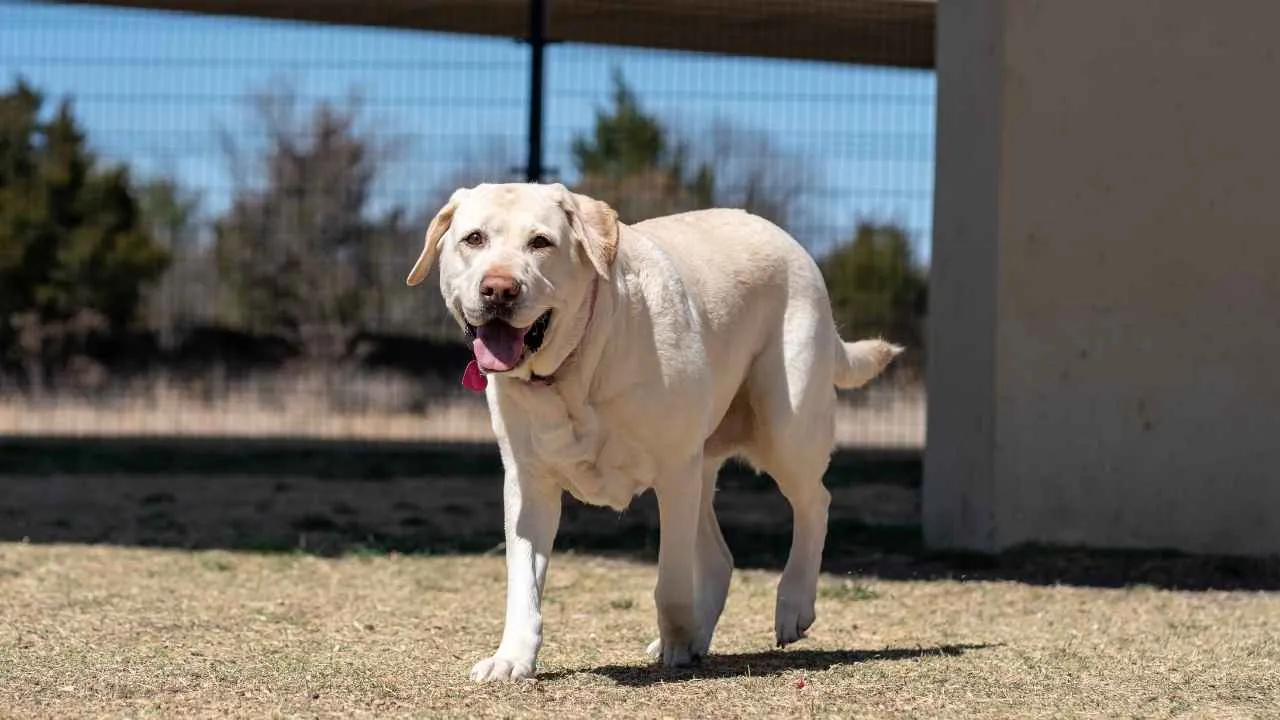
The Labrador Retriever is a favorite for a reason. Many dog owners pick this breed because dogs tend to be eager to please and love food rewards. That makes training feel simpler for a new owner who wants fast wins. With early manners, many can do well with other pets, too.
Labs love tasks, especially retrieving games. They can be extremely trainable, and many do well in obedience trials when training is step by step.
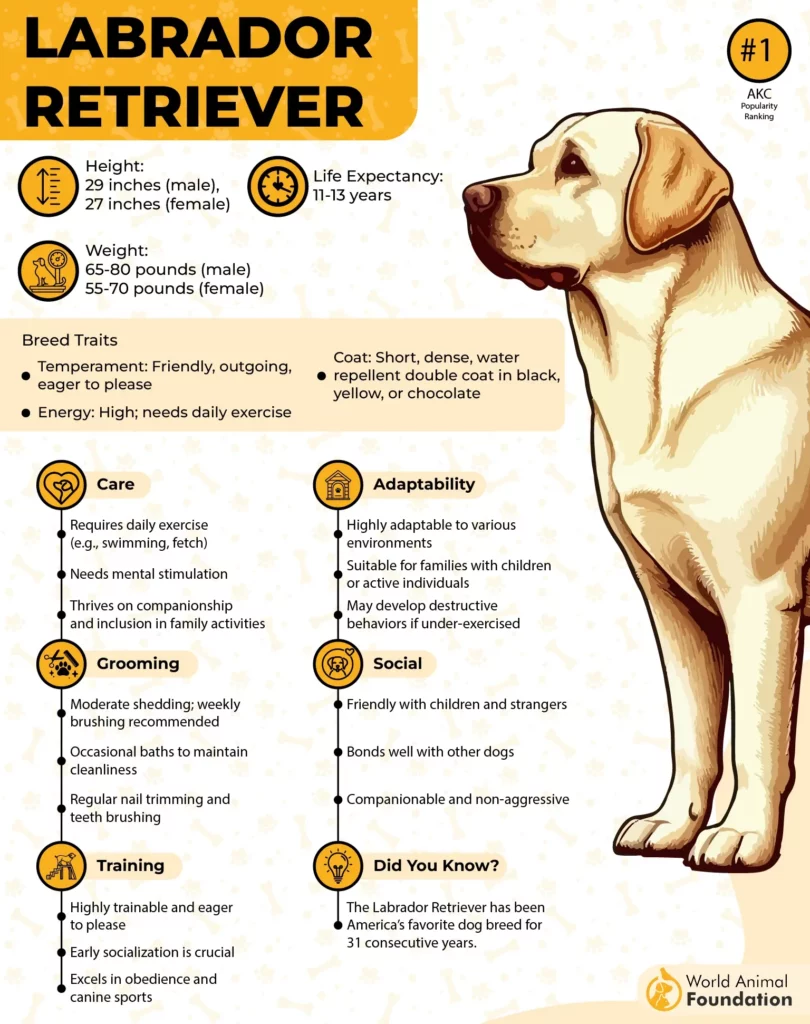
But why bother with that? Because a lab with no job can chew your life into confetti. Give regular exercise, clear rules, and short daily practice. When dogs have a purpose, they settle better.
One note for first-time dog owners: this breed can stay puppyish for a while. Be patient. Keep it upbeat. Keep rewards fair. Practice recall early, long before any off-leash time.
If you want a guard dog, this is not the usual pick. But for great companions and strong bonds, the Labrador Retriever is one of the best dog breeds for everyday life.
Teach “leave it” early to protect socks and snacks.
Stick to consistent training during the puppy months.
Add short training games on walks to keep focus.
Conclusion
A stress-free process comes from small steps done often. Pick dog breeds that fit your life, then keep training simple, kind, and steady. Use positive reinforcement, clear rules, and calm praise.
Give regular exercise and a little mental stimulation each day, and your dogs will feel easier to live with you. Some days will still be messy, especially with a puppy, and that is normal. Laugh, reset, and try again.
If you are a new owner, focus on one skill at a time. That is how good habits stick. And here’s the best part! When you stay patient, dogs meet you there, and the whole home feels calmer.
