




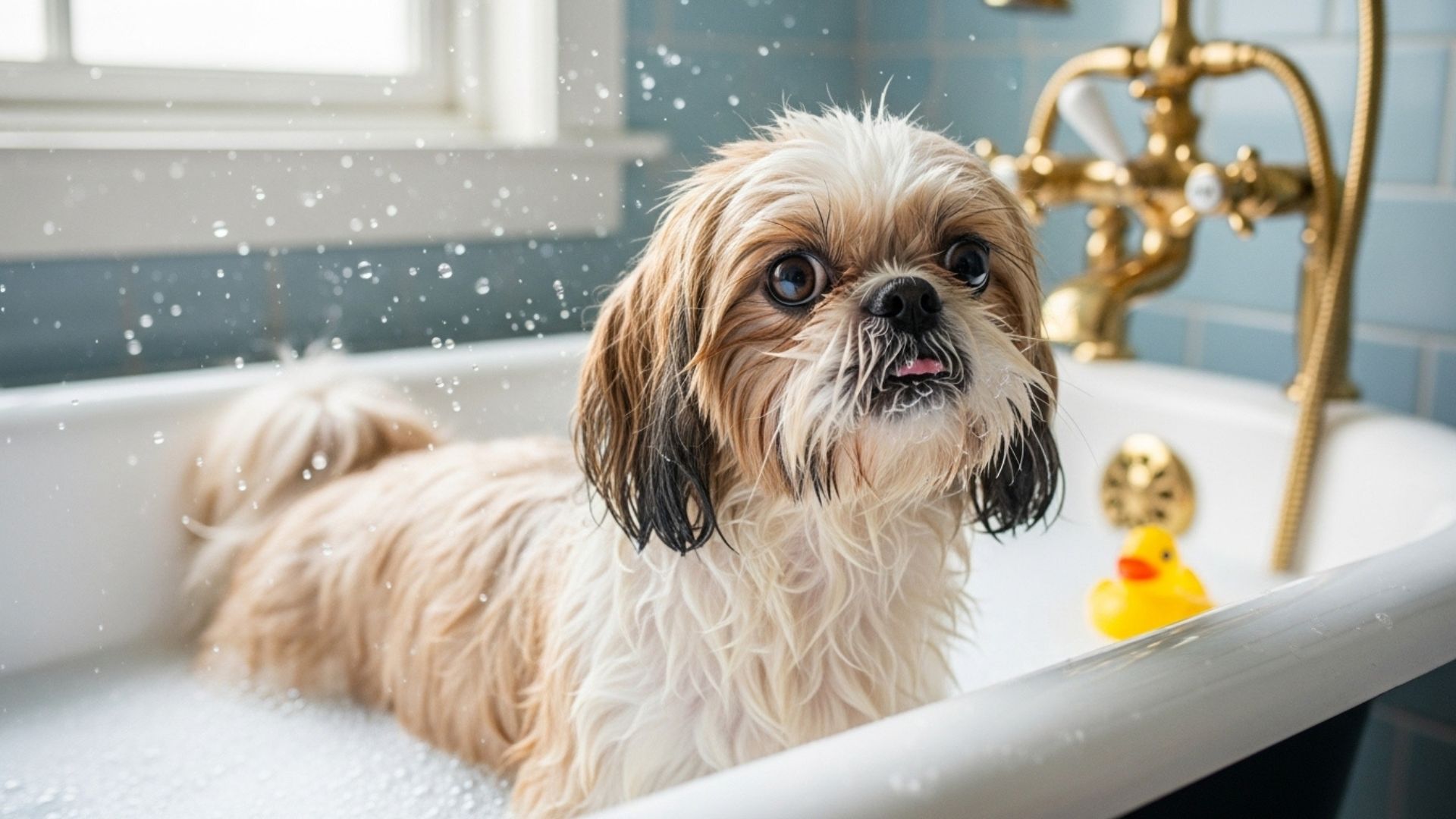
Grooming is more than just vanity—it’s essential for your dog’s health, comfort, and happiness. Different dog breeds have unique coats, skin sensitivities, and care needs, which means a one-size-fits-all approach doesn’t work.
Understanding breed-specific grooming practices ensures your dog stays clean, comfortable, and free from health issues like mats, infections, or nail problems. Long-haired breeds often require daily brushing to prevent tangles, while short-haired dogs may need less frequent but equally important coat care.
Breeds with sensitive skin may need specialized shampoos, while active breeds benefit from regular paw and ear checks. Grooming also provides an opportunity to bond with your dog and monitor their overall health, from teeth to skin condition.
We’ll explore dog breeds and their essential grooming practices, offering tips on brushing, bathing, nail care, and more. Proper care isn’t just cosmetic—it’s a foundation for a long, healthy, and happy life together.
Fun Fact: Grooming needs vary widely—long-haired breeds like Afghan Hounds require daily brushing, while short-haired breeds like Brussel Griffon are low-maintenance. Proper grooming reduces stress, prevents skin issues, and promotes overall health.
7 Dog Breeds & Their Essential Grooming Practices
1. Komondor
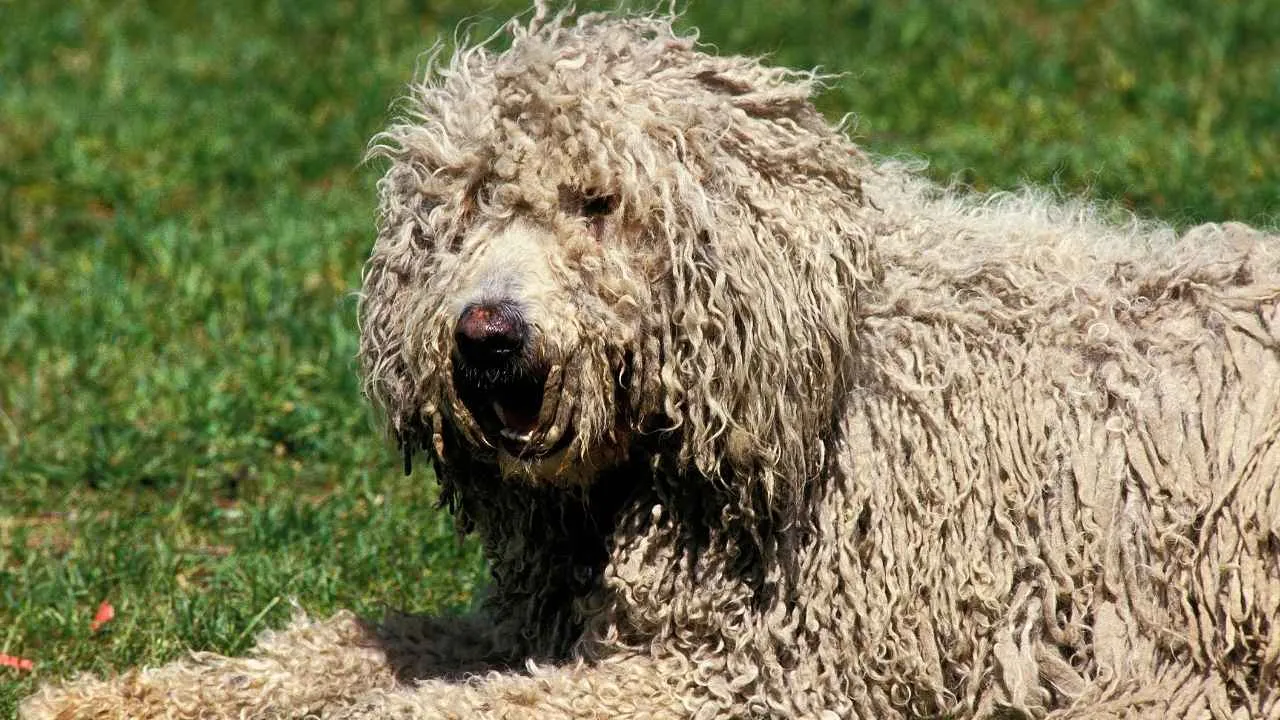
If you’ve ever seen a giant white mop wandering around with a mind of its own, chances are you’ve met a Komondor. According to the American Kennel Club (AKC), this Hungarian powerhouse isn’t just any dog—they’re a legendary flock guardian, designed to blend seamlessly with sheep… which is convenient if you’re running a farm but slightly alarming if you’re expecting a lapdog.
Now, let’s talk hair. The Komondor’s coat is a cascade of white cords that can make even the most meticulous hairdresser jealous. But beauty comes at a price: these cords require serious TLC. Think of it as untangling a human-sized dreadlock… for your dog… every so often.
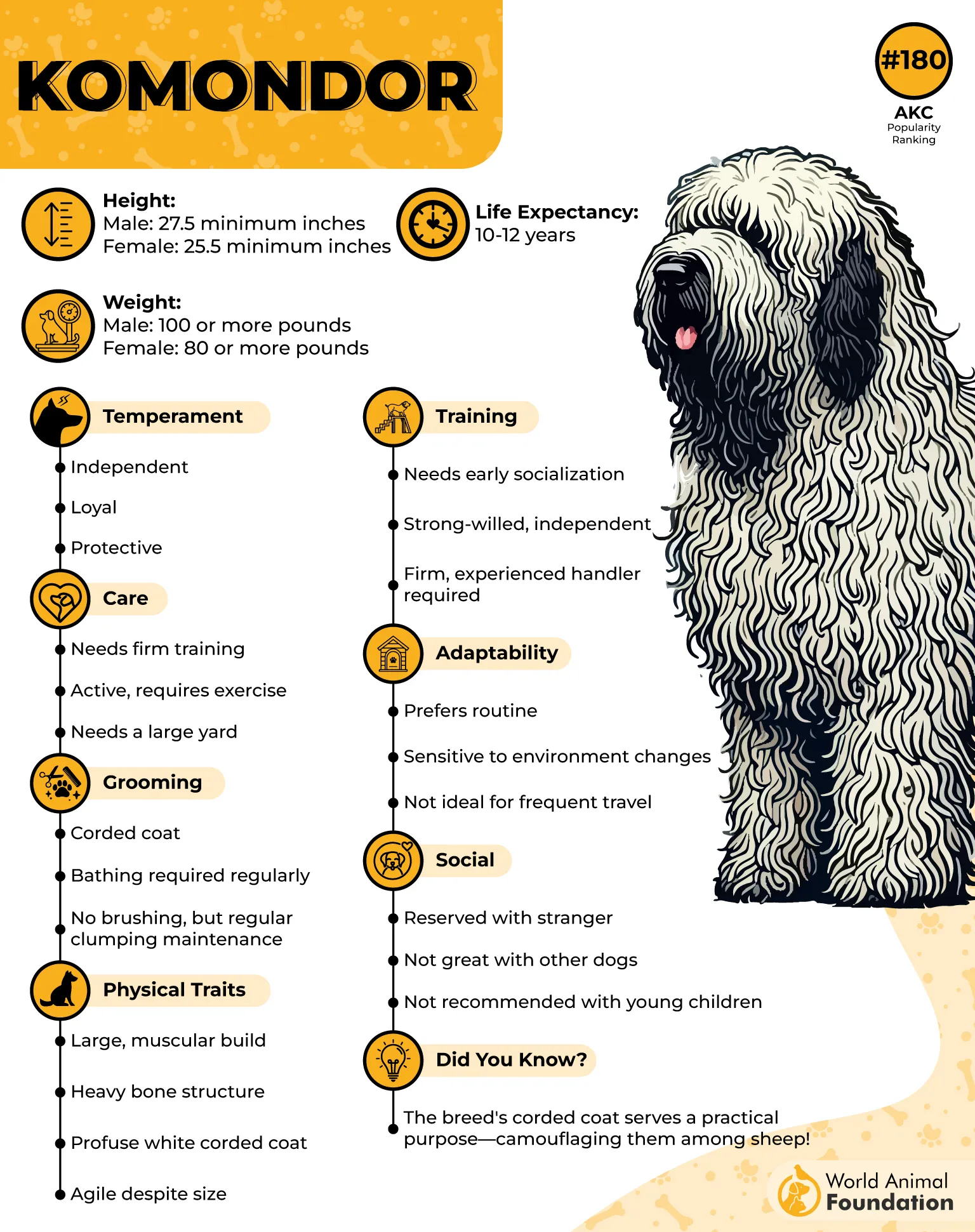
Space is another consideration. This breed was born to roam open fields and guard flocks, not snuggle in a tiny apartment. And if your neighbors aren’t fond of frequent barking? Well, let’s just say the Komondor doesn’t know the meaning of “inside voice.”
Grooming Essentials:
Cord care: Their signature corded coat needs regular attention—without it, the cords can mat and tangle faster than you can say “fluffy mop.”
Separation sessions: Occasionally, cords clump together and must be carefully separated. Yes, it’s a bit like untangling human dreadlocks… but bigger.
Bathing: Don’t expect a quick rinse—Komondor baths are a full-on project and take time to dry thoroughly.
Regular inspections: Check for dirt, debris, and trapped moisture inside the cords to prevent skin issues.
Professional help: Many owners enlist a professional groomer experienced with corded coats; it’s worth it for sanity and sanity alone.
But here’s the deal—if you’ve got a sprawling property, a tolerance for some serious fur maintenance, and a desire for a canine that doubles as a personal protector, the Komondor will not just fit in—they’ll shine. After all, it’s hard to ignore a dog that looks like a fluffy white superhero, ready to defend your flock (or your house) at a moment’s notice.
2. Shih Tzu
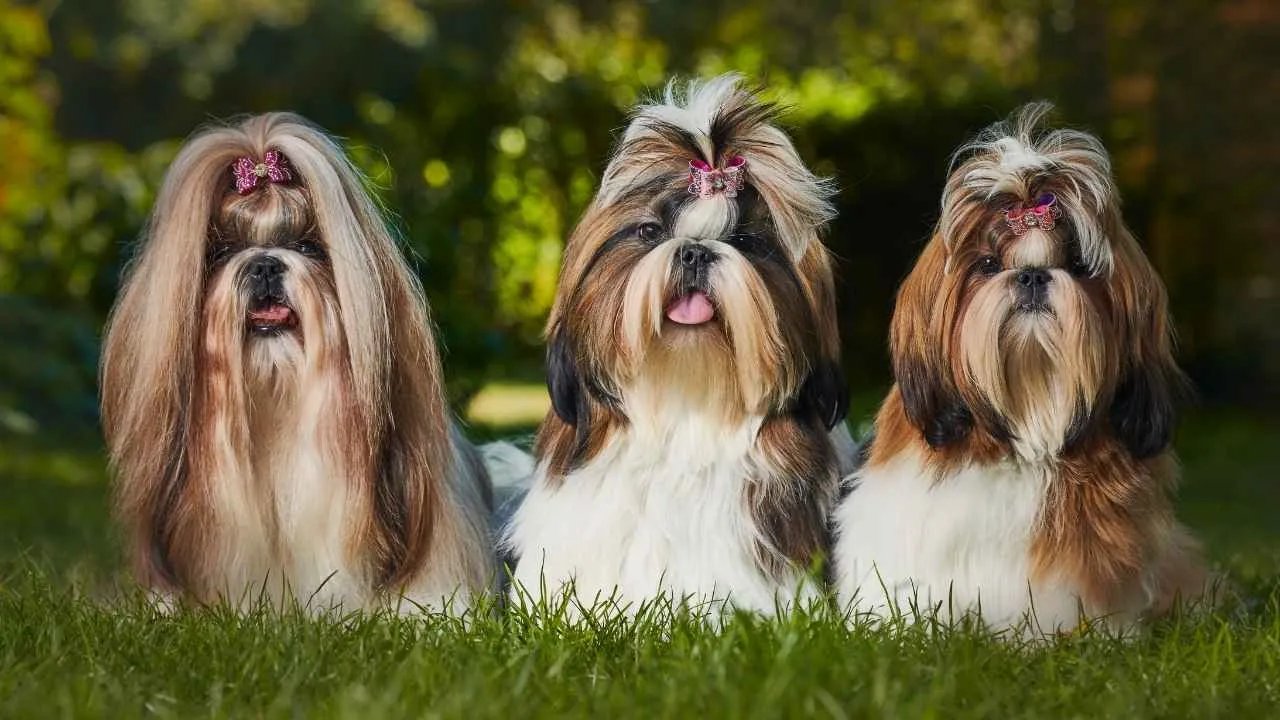
Small in size but big in personality, the Shih Tzu is basically a fluffy little royal with a permanent crown of hair.
Originating from China’s imperial palaces, these pint-sized charmers were bred to be companions—and they take that job very seriously. Expect plenty of cuddles, endless affection, and the occasional “I am queen/king” attitude.
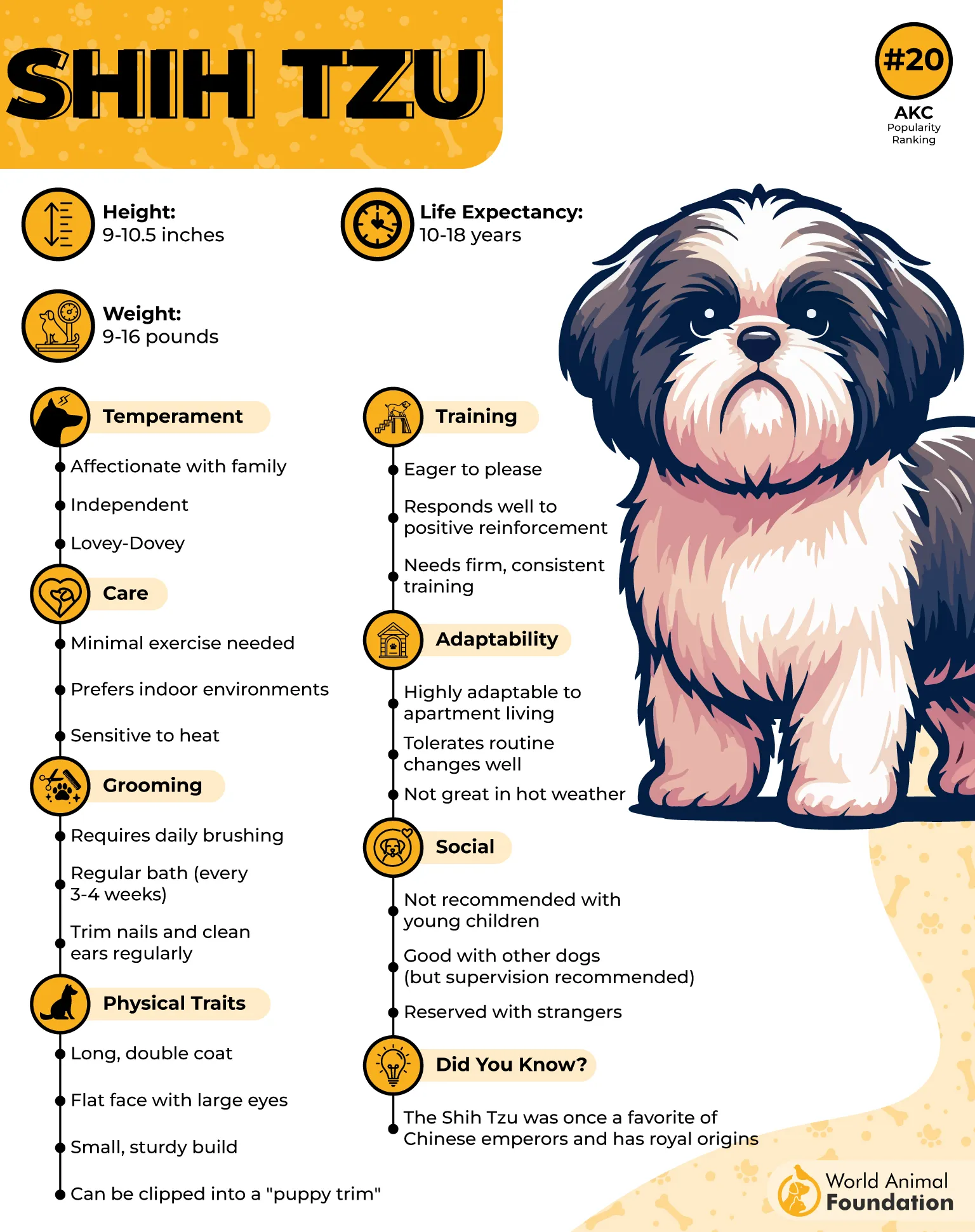
But those luxurious, flowing locks? Oh yes, they’re gorgeous—but they don’t maintain themselves. Without regular grooming, a Shih Tzu can quickly look like a tiny mop wandered into your living room. From daily brushing to periodic trims, keeping their coat healthy is a full-time affair—but one that comes with endless “aww” rewards.
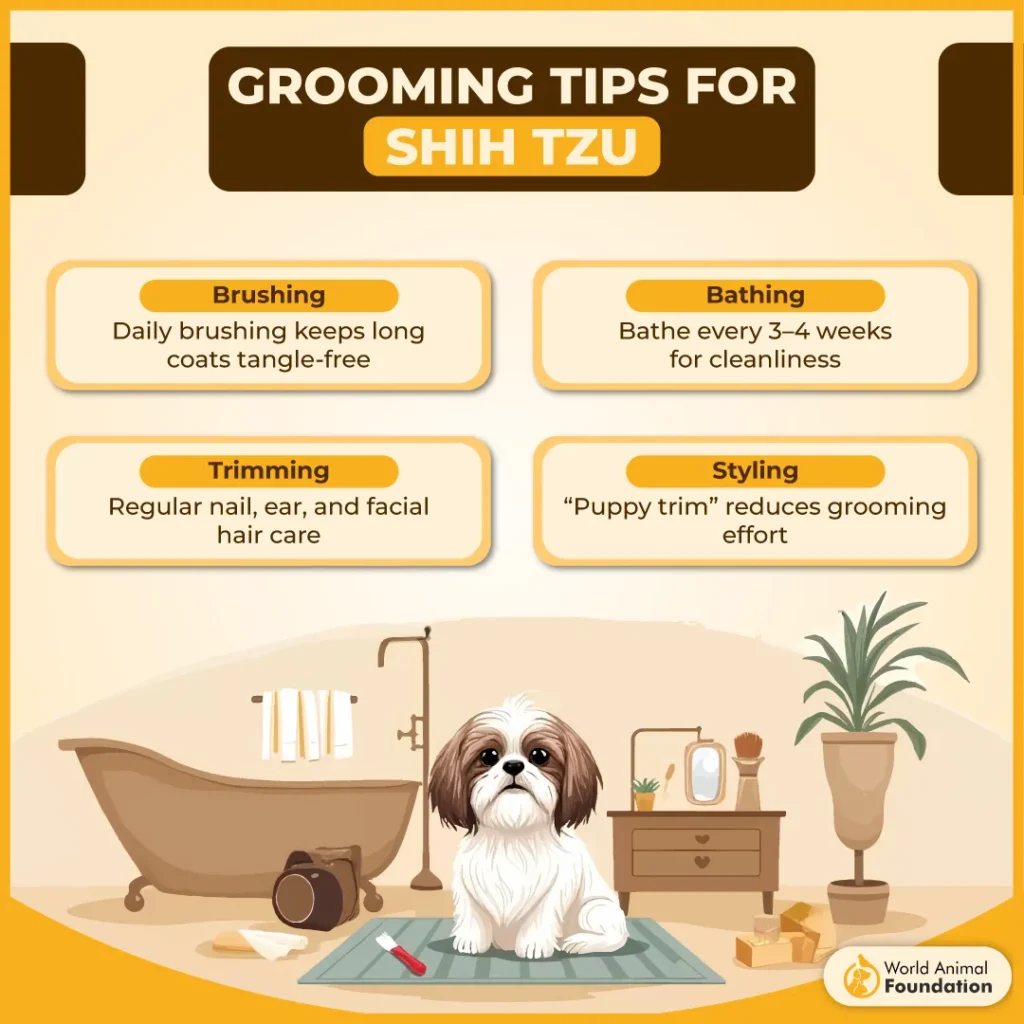
Grooming Essentials:
Daily brushing: Their long, silky coat tangles easily; daily brushing prevents painful mats and keeps them looking palace-ready.
Regular trims: Hair around the face, paws, and sanitary areas needs frequent trimming to keep your Shih Tzu clean and comfortable.
Bathing: A gentle bath every 3–4 weeks helps maintain the coat’s softness and shine.
Eye care: Tear staining is common; wipe the eyes daily to prevent discoloration.
Professional grooming: Many owners opt for professional trims or a “puppy cut” for low-maintenance charm.
Despite their regal looks, Shih Tzus are surprisingly playful and love a romp around the house or yard. They’re perfectly suited for families or singles looking for a devoted, low-exercise companion… as long as you don’t mind spending a bit of time every day with a brush in hand.
3. Puli
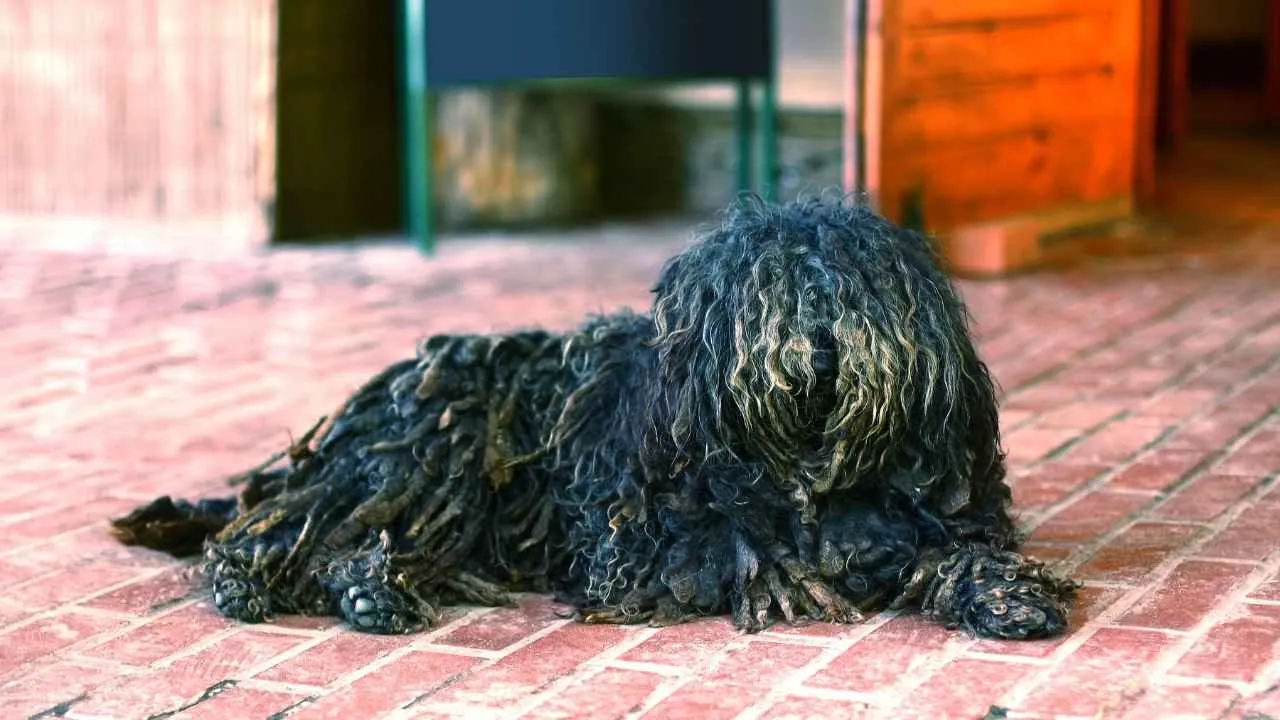
Meet the Puli: a compact, energetic bundle of intelligence wrapped in a coat of natural dreadlocks. These Hungarian herders may look effortlessly cool, but don’t be fooled—the iconic cords are high-maintenance and demand serious grooming commitment.
Think of them as a stylish “hairdo with a side of work”—because keeping those cords clean, separated, and healthy can take hours, and drying? Prepare to spend most of the day towel-drying that thick, double coat.
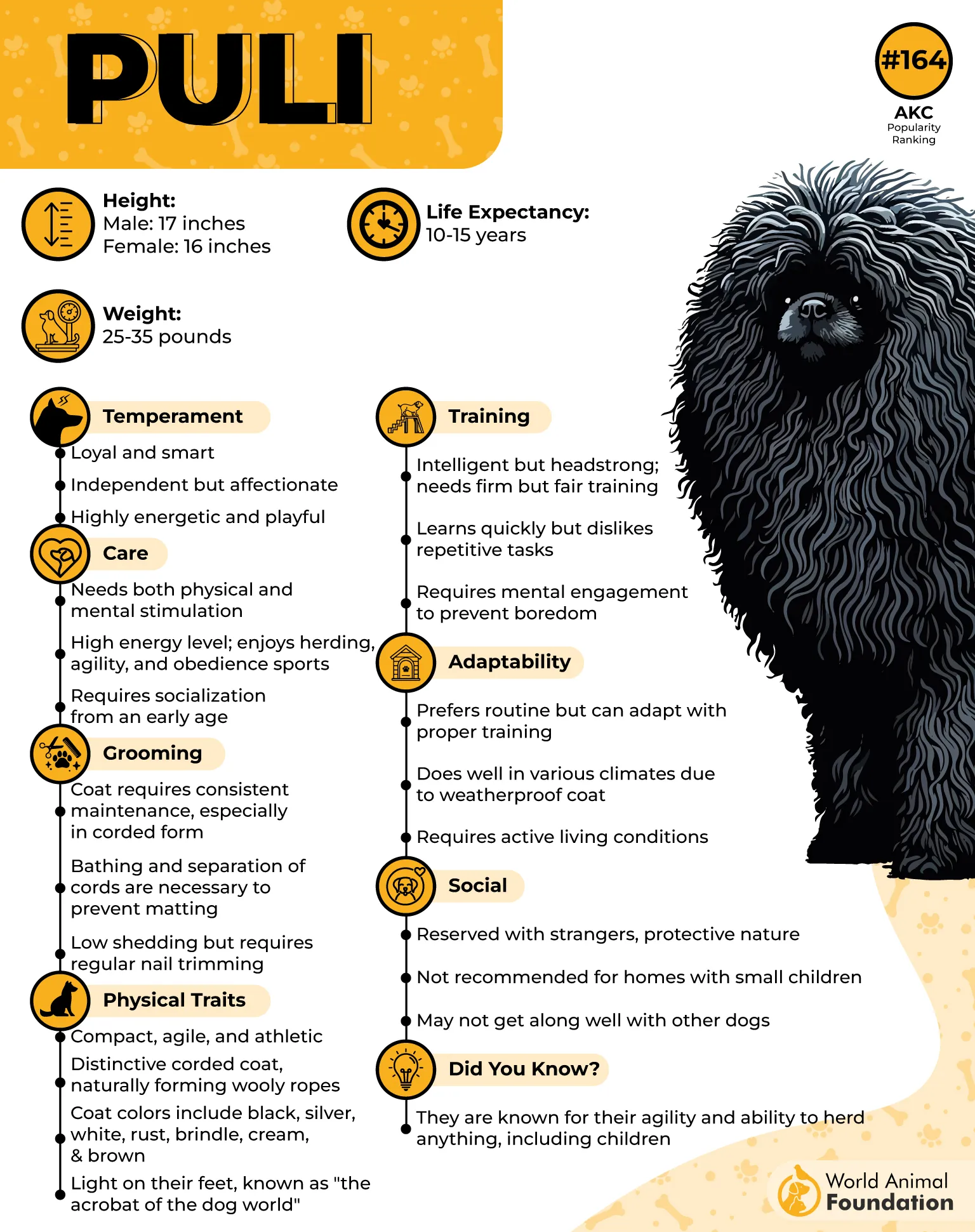
Pulib are not just pretty hair; they’re brains and brawn in one small package. Agile, athletic, and full of energy, they were bred to herd and guard.
Grooming Essentials:
Cord maintenance: Their double coat naturally forms dreadlocks that must be separated regularly to prevent mats.
Bathing: Pulis require thorough washing, and drying can take hours—plan ahead for a full-day grooming session.
Debris checks: Because their cords trap dirt easily, inspect and clean regularly.
Trimming: Occasional trims around sanitary areas keep them clean and comfortable.
Professional grooming: Many owners get professional help for cord maintenance and shaping, especially early on.
Without plenty of space and a “job” to do, they can get bored, noisy, or mischievous. But give a Puli a task—like keeping an eye on the yard—and you’ve got a loyal, tireless companion with style to spare.
4. Afghan Hound
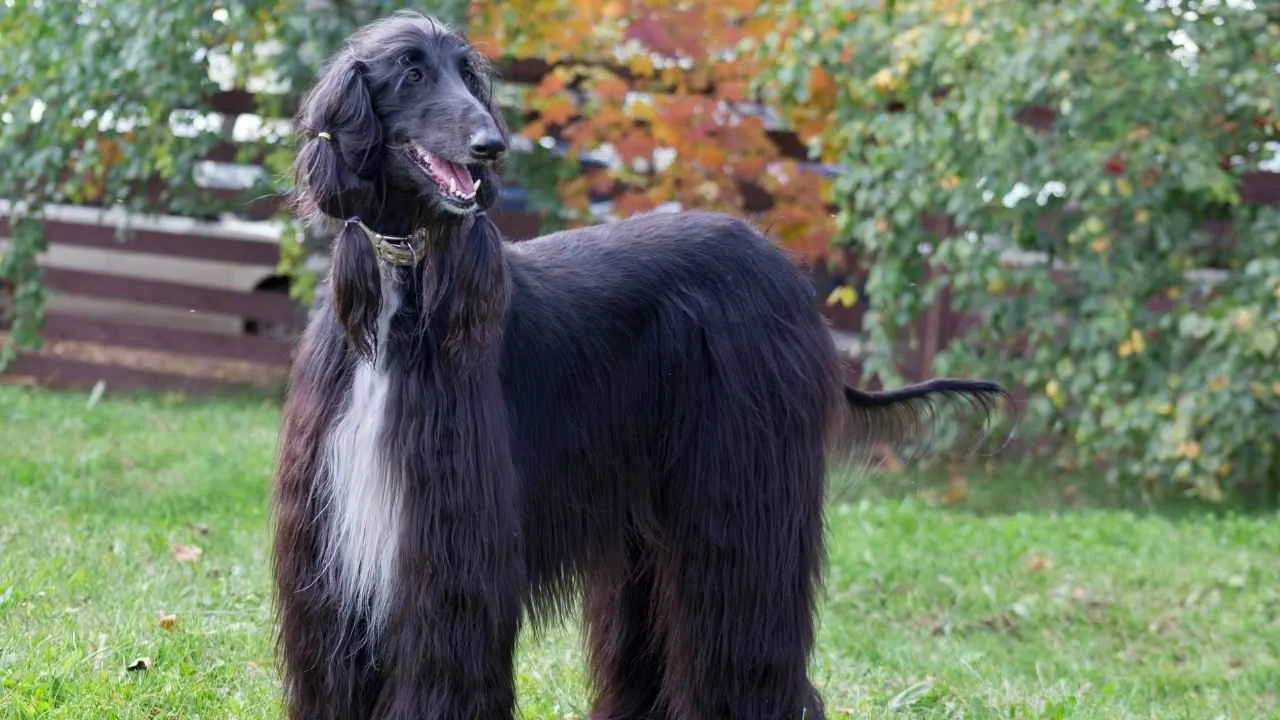
The Afghan Hound is basically the supermodel of the dog world: long, silky hair that flows like it belongs on a runway, paired with the speed and grace of an athlete.
But, as with any high-fashion icon, beauty comes at a price—daily grooming is non-negotiable. You’ll need a variety of combs and brushes, weekly baths, and possibly some blow-drying to keep that luxurious coat in show-ready condition.
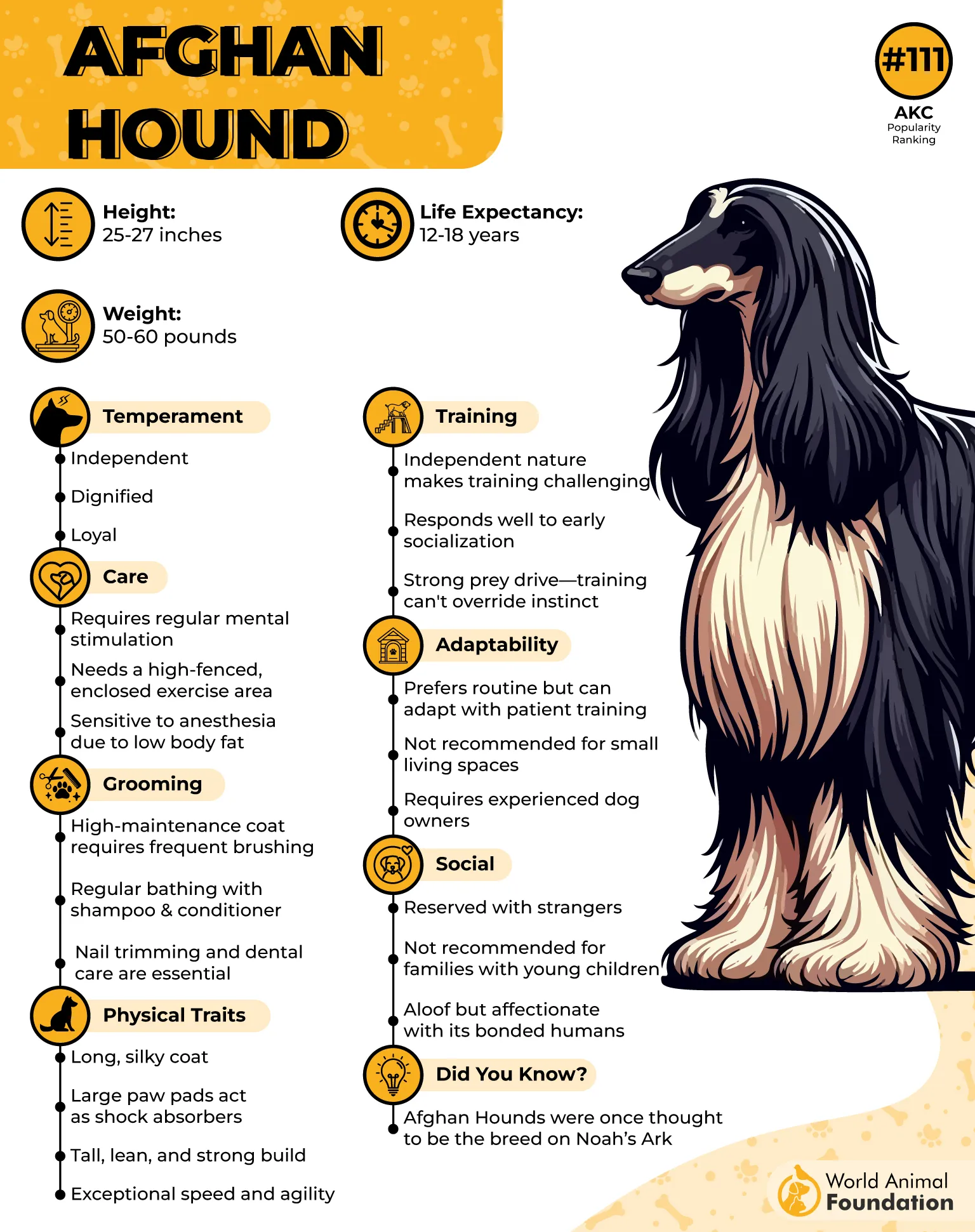
When they’re not strutting their stuff, Afghan Hounds are born to run. These sighthounds were bred to chase game across open terrain, reaching impressive speeds of up to 40 mph.
Grooming Essentials:
Daily brushing: Their long, silky coat tangles easily; daily brushing keeps it smooth and mat-free.
Weekly baths: Afghan Hounds benefit from regular baths to maintain coat shine and softness.
Blow-drying: Often necessary after baths to prevent mats and maintain that sleek look.
Specialized tools: A combination of pin brushes, slicker brushes, and combs works best.
Without plenty of exercise, they can get restless, so a large yard or frequent long runs is a must. In short: elegant, athletic, and high-maintenance, but worth every moment of effort.
5. Brussel Griffon
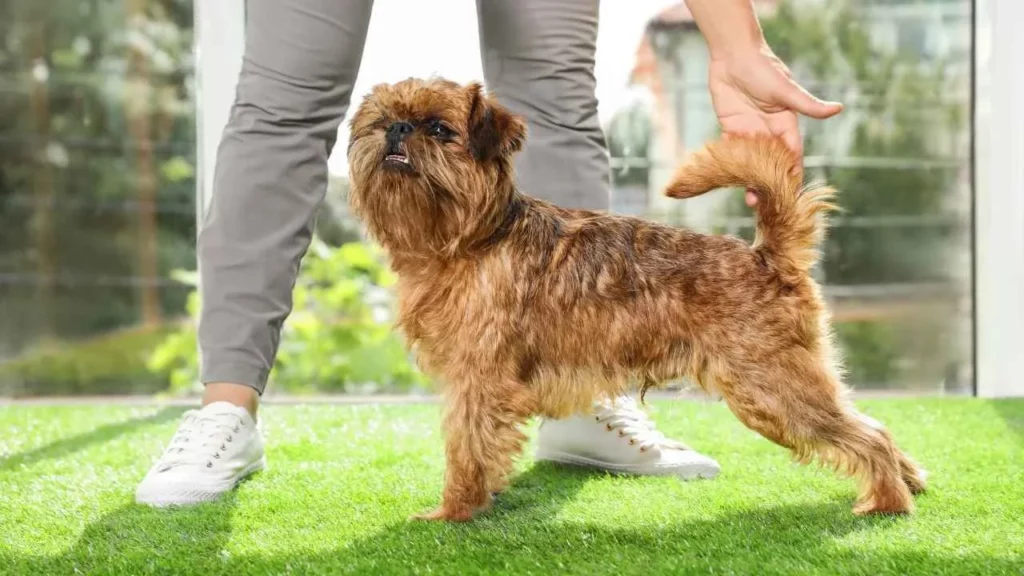
Small but mighty, the Brussels Griffon is basically a pocket-sized dog with the heart of a lion. Their expressive, almost human-like face gives them a permanent look of curiosity—or judgment, depending on the day.
Originally bred as companions and ratters, these little charmers are full of personality, affection, and the occasional stubborn streak. Brussels Griffons have a coat that comes in two varieties: rough or smooth.
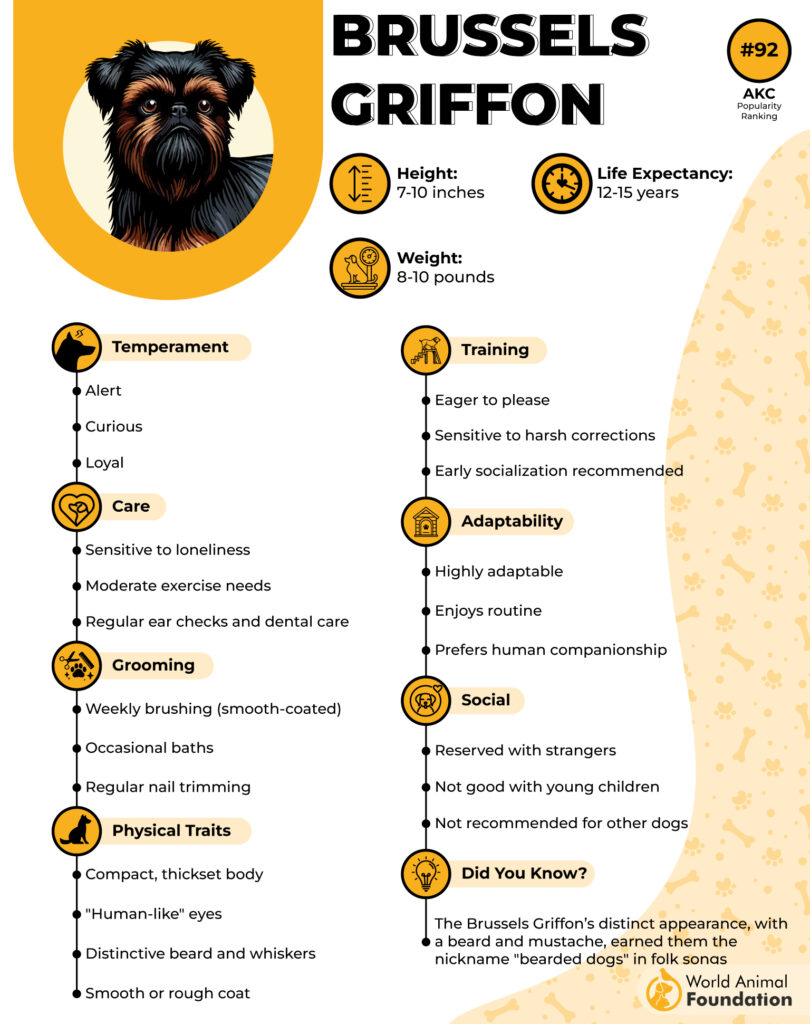
The rough coat, with its wiry texture, gives them a scruffy, endearing “little professor” vibe, while the smooth coat is sleek and low-maintenance. Either way, grooming isn’t just about appearances—it’s part of keeping this spirited breed comfortable, healthy, and happy.
Grooming Essentials:
Brushing:
Rough coat: Needs regular brushing to prevent mats and maintain that signature scruffy look.
Smooth coat: Requires only occasional brushing to remove loose hair.
Hand-stripping: For rough-coated Griffons, hand-stripping every few months keeps the coat wiry and neat.
Bathing: Bathe as needed—usually once a month for rough coats and less frequently for smooth coats.
Nail trimming & ear cleaning: Standard grooming essentials to keep this tiny dynamo healthy and comfortable.
Brussels Griffons thrive on companionship and have earned the nickname “Velcro dogs” for their love of sticking close to their humans. If you’re thinking of bringing a Griffon puppy into your home, get ready for a little furry shadow who wants to be by your side every moment.
6. Cocker Spaniel
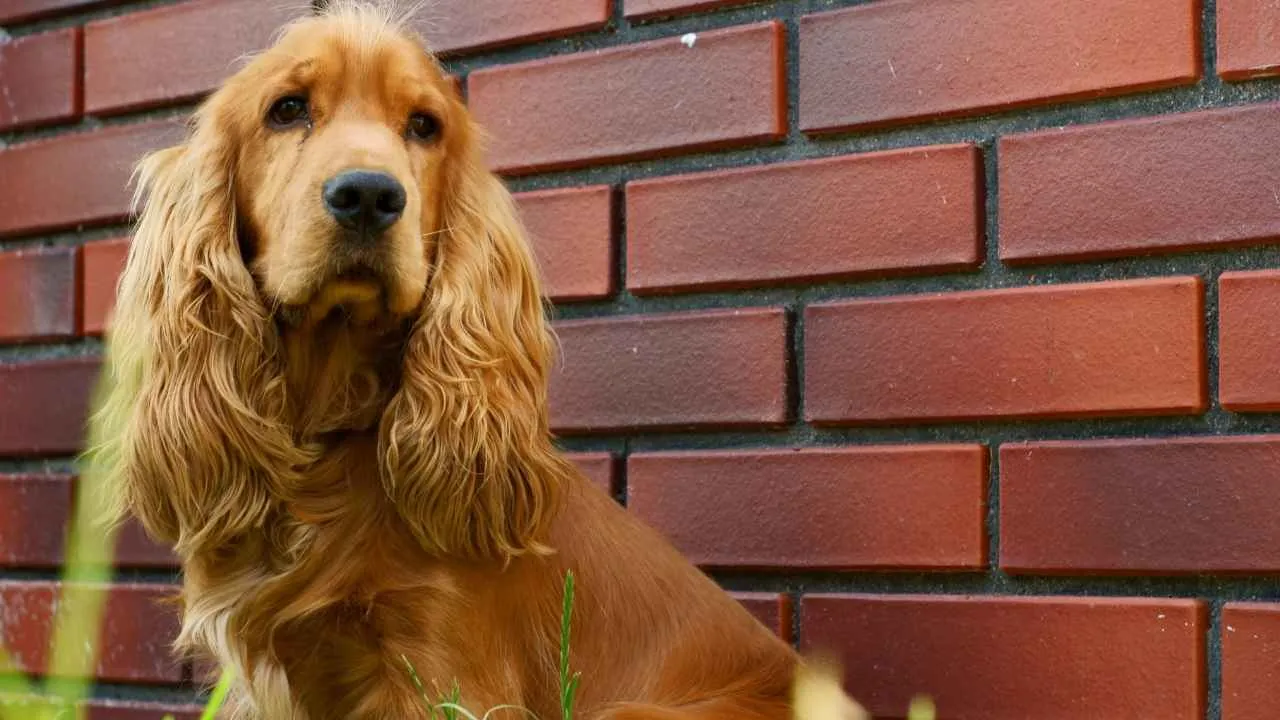
With their silky ears and soulful eyes, Cocker Spaniels are the quintessential “heart-stealer” of the dog world. Their soft, flowing coat gives them a picture-perfect, almost storybook appearance—but don’t be fooled: that beauty comes with a fair share of grooming demands.
Without regular care, their luxurious fur can tangle into mats faster than you can say “treat time.” Cocker Spaniels are affectionate, playful, and endlessly charming.
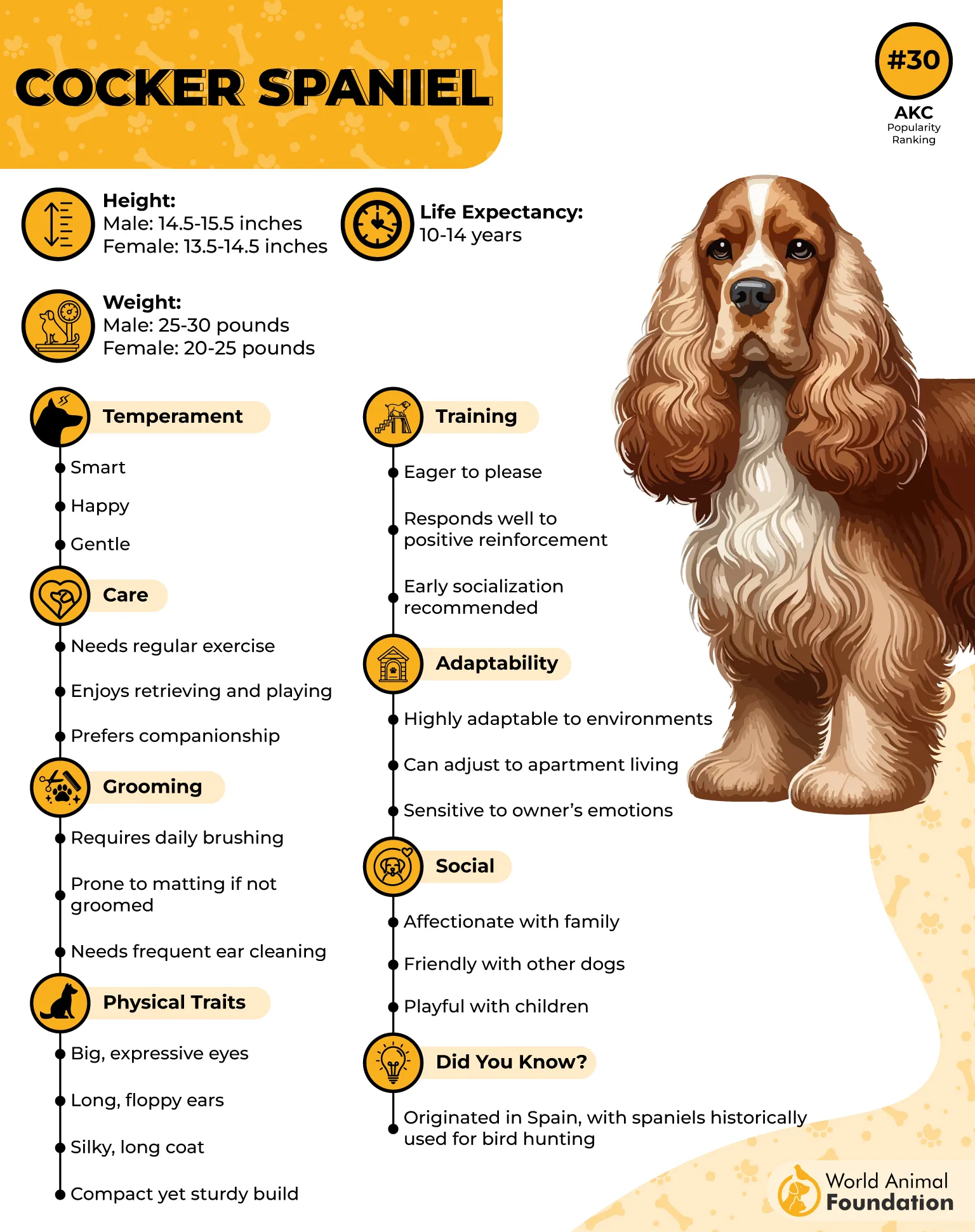
They love to be part of the family action, whether it’s a cozy evening on the couch or an energetic romp in the yard. But if they don’t get enough attention and exercise, those happy-go-lucky personalities can turn a little mischievous.
Grooming Essentials:
Daily brushing: Their medium-to-long coat can tangle easily, especially behind the ears, under the legs, and around the chest.
Regular trimming: Hair around the ears, paws, and sanitary areas needs consistent trimming to prevent mats and discomfort.
Bathing: Bathe every 4–6 weeks to keep the coat soft and shiny.
Ear care: Long, floppy ears are prone to infections—check and clean weekly.
Professional grooming: Many owners opt for a groomer every 6–8 weeks to keep the coat manageable and tidy.
American Cocker Spaniels were originally bred as hunting dogs, with the stamina to perform in the field, yet they’re compact enough to travel comfortably and snuggle on the couch. They make wonderful companions for first-time pet owners, families, and children alike.
7. Poodle
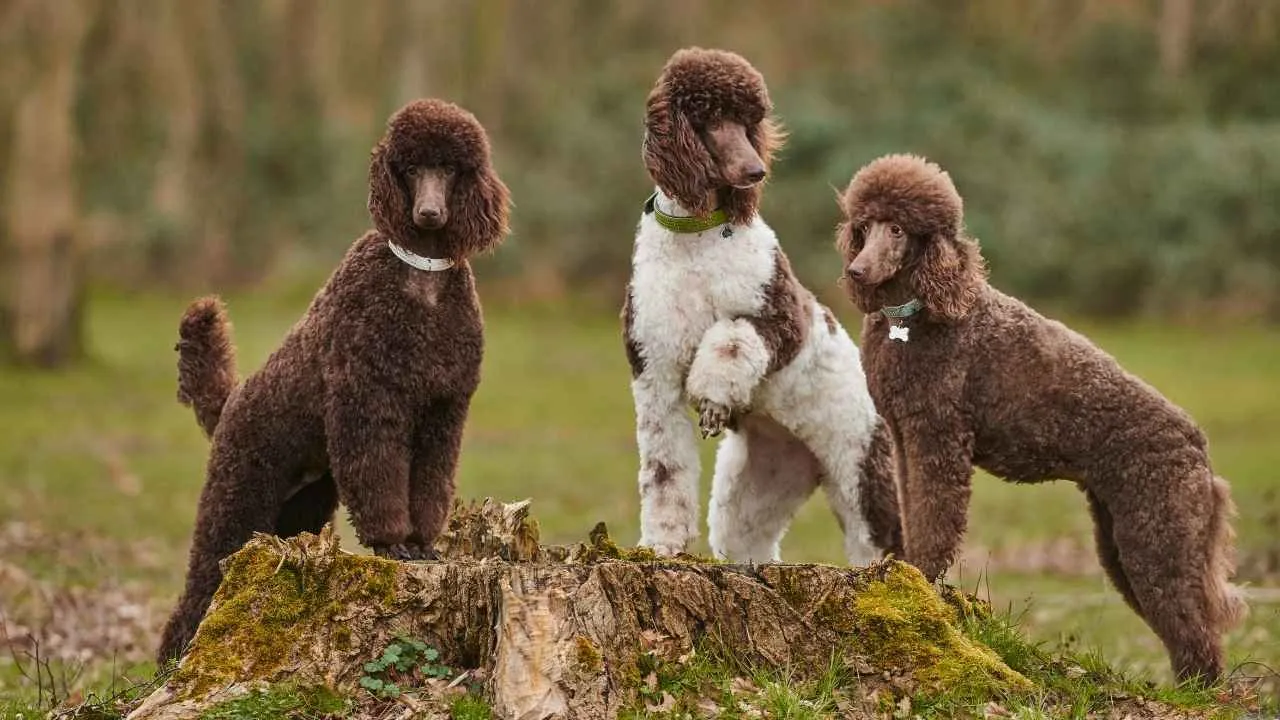
Poodles are the ultimate combination of elegance, intelligence, and energy. With their iconic curly fur and poised demeanor, they’ve long been a favorite of dog lovers who want a stylish companion with brains to match.
Available in black, white, apricot, and even more rare shades, they’re not just pretty faces—they’re athletic, eager to learn, and endlessly entertaining. A Poodle’s charm is undeniable, whether they’re performing tricks, joining you on a run, or simply lounging like the sophisticated pooch they are.
Their coat is what truly sets them apart. WebMD noted unlike many double-coated breeds, Poodles are low-shedding and hypoallergenic, making them a perfect choice for allergy-sensitive homes. But don’t get too relaxed—they are still a high-maintenance breed in their own right.
Most owners keep their Poodles trimmed short for easy care, but if you dream of letting those curls grow long and luxurious, you’ll need frequent brushing, gentle detangling, and a little patience. Skip the care, and those elegant curls can quickly turn into a tangled mess worthy of a comedy sketch.
Grooming Essentials:
Daily brushing: Essential for long coats; gently work through curls to prevent mats and tangles.
Regular trimming: Most owners opt for a short cut to keep maintenance simple. Long coats need frequent trims to stay manageable.
Bathing: Every 3–4 weeks, or more often if your Poodle loves outdoor adventures, to maintain softness and cleanliness.
Ear care: Floppy ears can trap moisture and debris—check weekly to prevent infections.
Professional grooming: Recommended every 4–6 weeks for trims, styling, and to ensure coat health; your Poodle will look runway-ready!
Beyond their looks, Poodles thrive on activity and mental stimulation. They’re smart problem-solvers who love games, obedience training, and learning new tricks. A happy, well-exercised Poodle is a joy to live with—and much easier to groom than a bored, restless one!
Conclusion
Dog owners must understand breed specific grooming requirements to keep various dog breeds healthy and looking their best. Curly coated breeds like Portuguese Water Dogs and Bichon Frises need frequent grooming, regular brushing, and proper grooming techniques to manage shedding, prevent matted fur, and maintain a healthy coat. Using the right grooming tools— scissors, metal comb, bristle brush, and undercoat rake—helps distribute natural oils, keep coats shiny, and avoid skin irritation or infections.
Long haired dogs, thick fur, and different coat types require a consistent grooming routine, regular ear cleaning, and scheduled grooming appointments. Following breed specific styles, grooming services, and best grooming practices ensures loose fur is controlled, hair grows continuously without problems, and the dog’s appearance meets breed standards.
