




If your idea of a great day includes miles on the trail, a packed calendar, and a dog happily glued to your side, an active breed may be your perfect match.
Some dogs are wired to stay busy, thanks to the jobs they were originally bred to do. These energetic companions thrive on movement, mental challenges, and being part of the action from morning to night.
While size, looks, and personality can vary widely, what connects these breeds is a love for staying engaged and on the go. Choosing a dog whose energy fits your lifestyle helps set both of you up for a happier, more balanced life.
Fun Fact
True hyperactivity in dogs is actually rare. Most dogs labeled as “hyper” are simply high energy pups whose physical, mental, or social needs are not fully met yet.
Top Active Dog Breeds That Thrive with Constant Activity
1. Border Collie
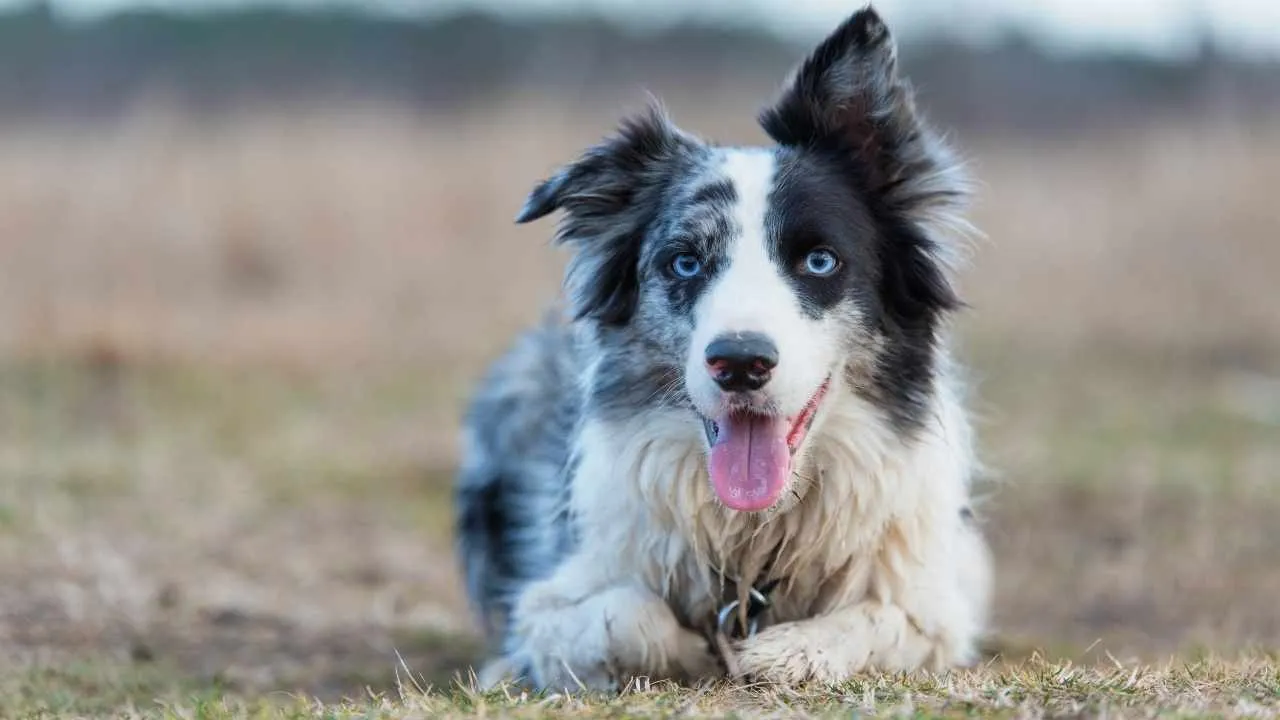
Border Collies are the type of dogs that always seem one step ahead, watching, thinking, and waiting for the next thing to do. Their minds are constantly busy, and they have a natural urge to stay involved in whatever is happening around them. If there is a task to tackle, they want in.
Originally bred for long days of herding, these dogs are happiest when their energy has a clear outlet. They love activities that make them think as much as move, especially training, agility, and structured play. A bored Border Collie will usually invent their own job, and it is rarely one you assigned.
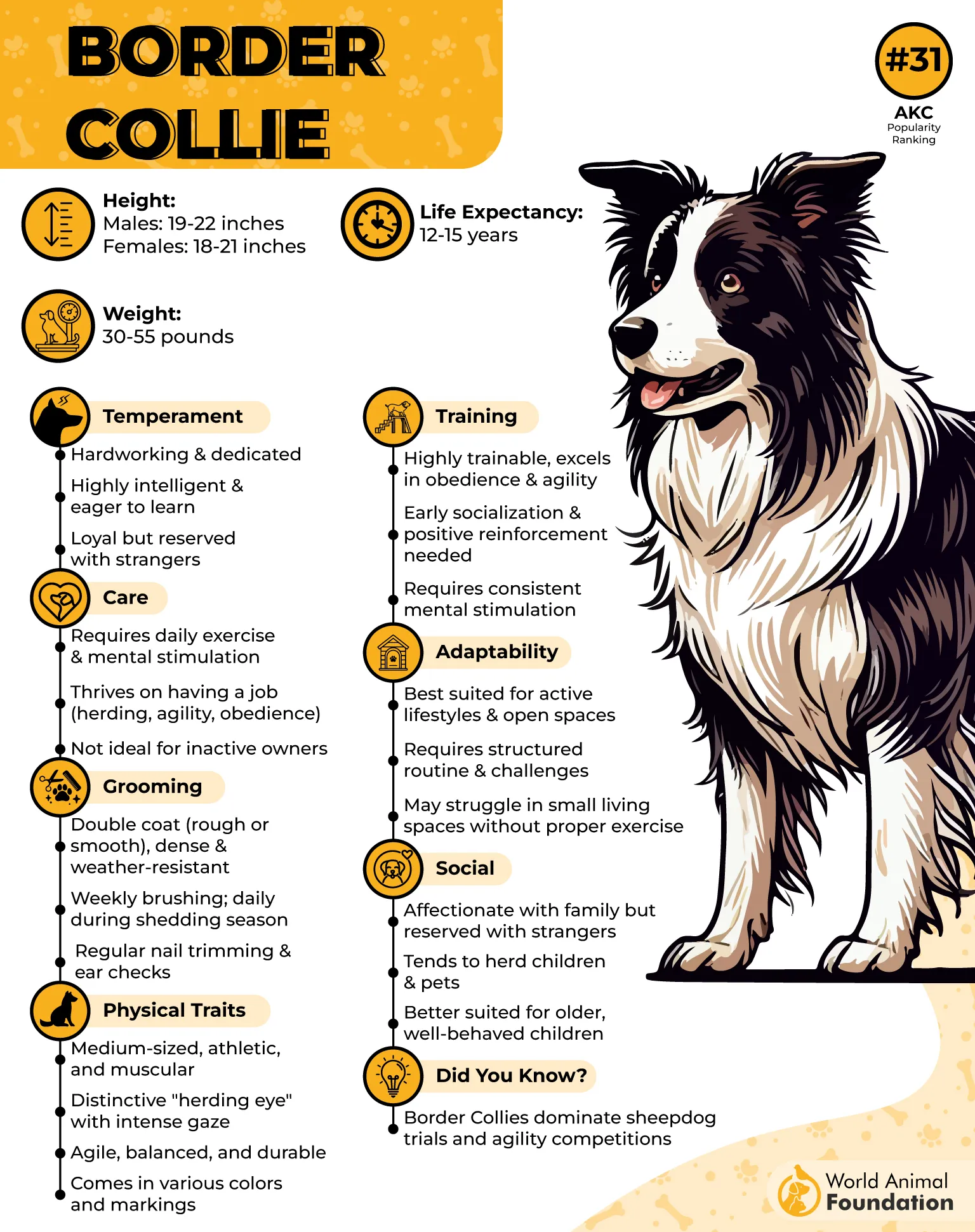
With their people, Border Collies are incredibly affectionate and loyal once their daily activity box is checked. They tend to warm up fastest to those who engage them regularly and keep life interesting. Consistent routines and mental challenges help them settle into happy, focused companions.
Fun Fact
Several Border Collies hold world records, from recognizing over 1,000 object names to skateboarding and even rolling down car windows. Another famously balanced a can while walking, because of course they did.
2. Australian Shepherd
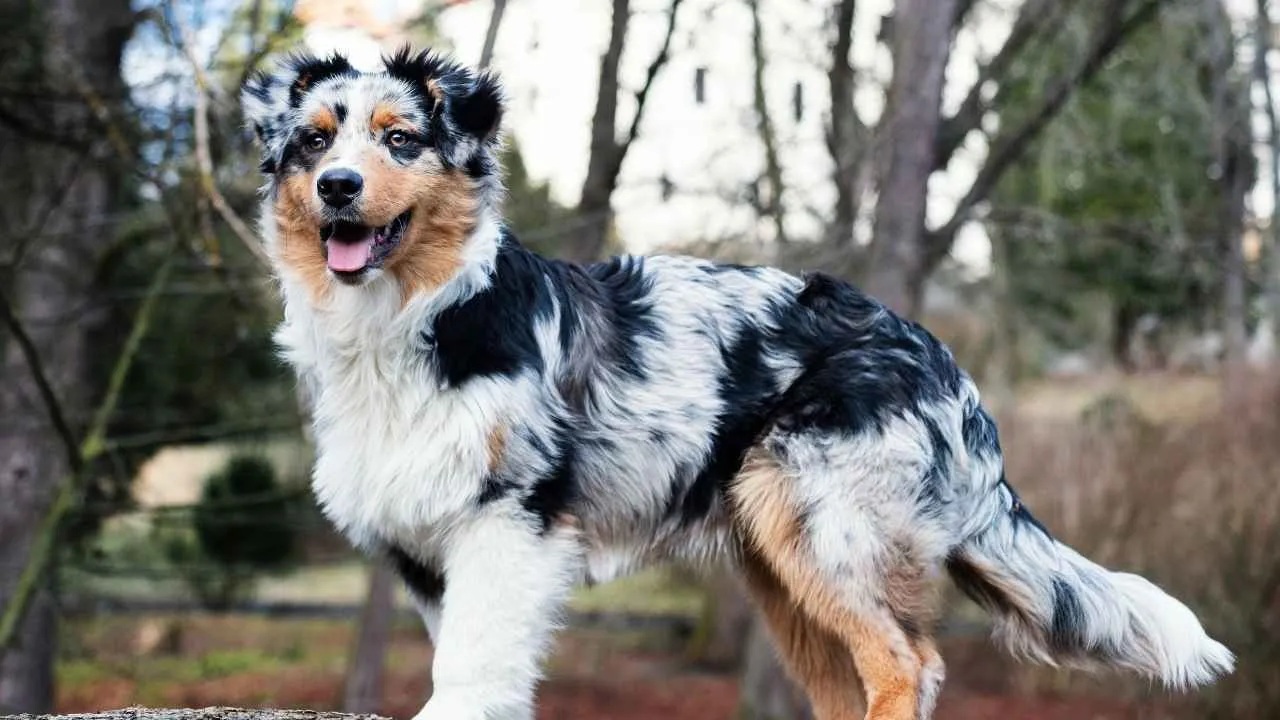
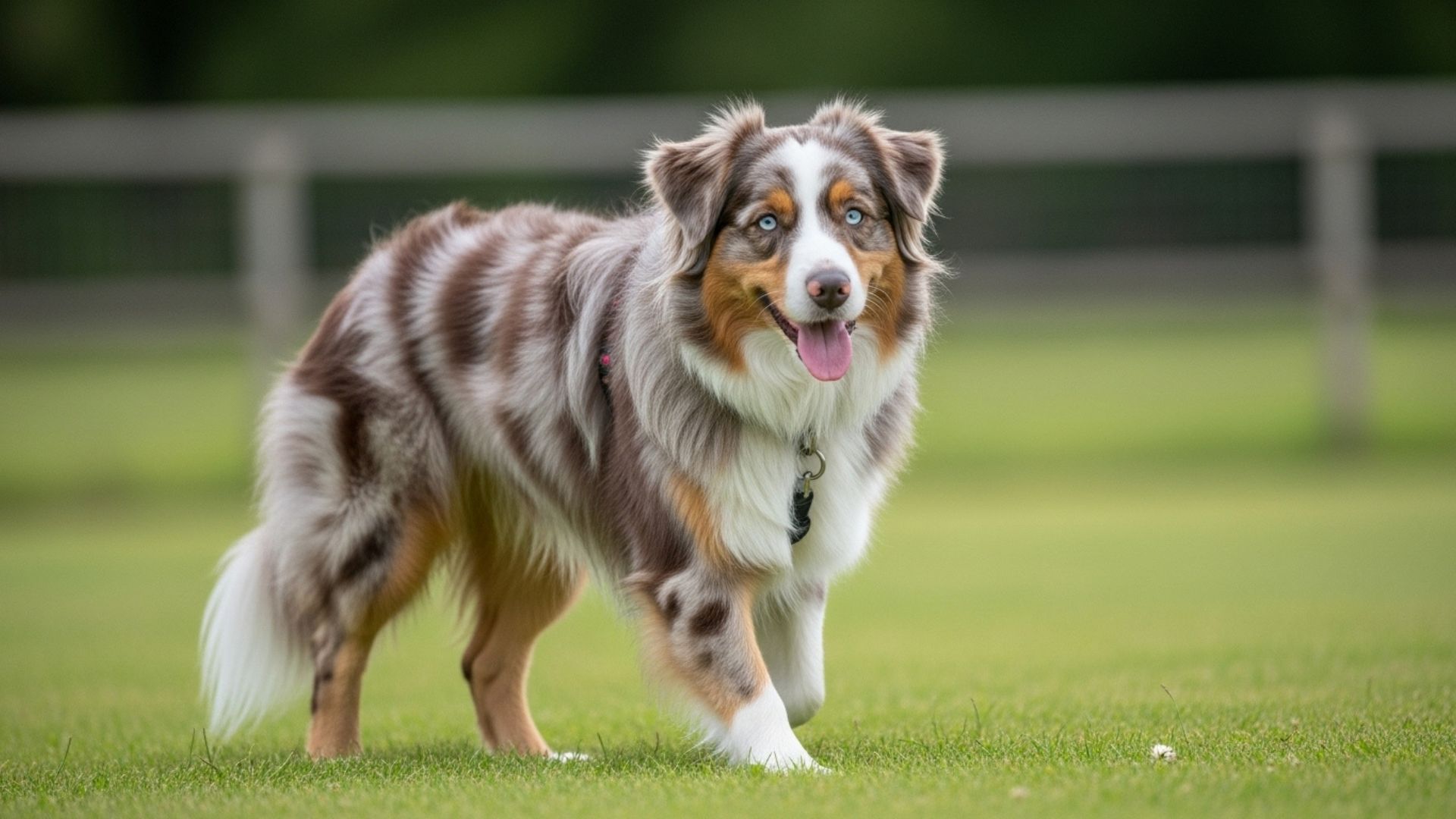
Australian Shepherds have a strong working background that still shapes their personalities today. They were bred to stay busy for long hours, which explains why many Aussies treat downtime like an optional suggestion. Purpose keeps them feeling content.
Mental engagement makes a big difference for an Aussie. They learn quickly and enjoy figuring things out, especially when routines include structure and variety. Regular practice sessions and problem-solving games help turn all that enthusiasm into focus.
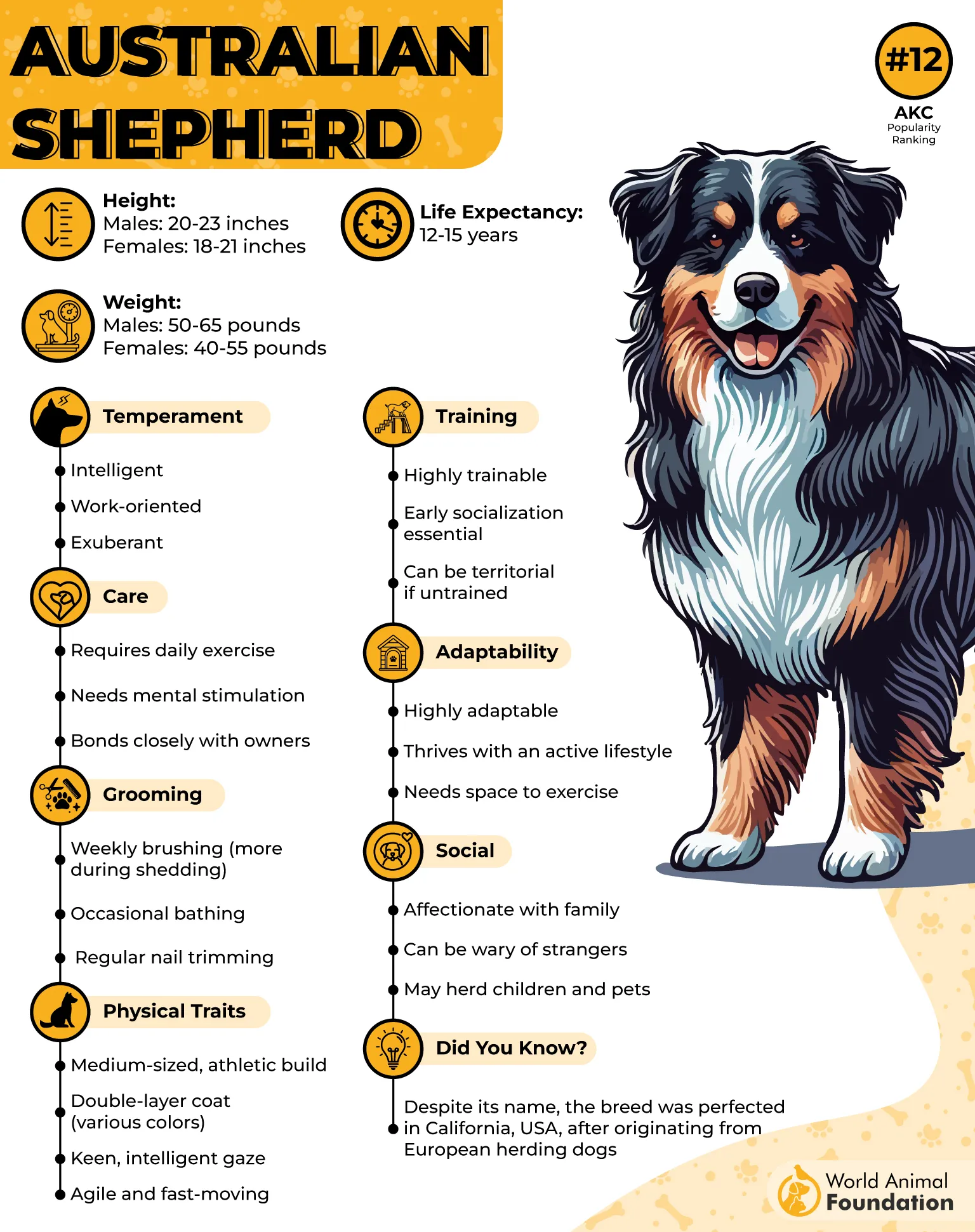
Australian Shepherds can face issues like hip dysplasia, eye conditions, and epilepsy. Exercise should be age-appropriate and well-paced, avoiding overexertion in puppies and seniors, while regular vet checkups help guide safe activity levels.
Fun Fact
Australian Shepherds have worked in roles far beyond herding. Their intelligence has helped them succeed as seeing eye dogs, hearing dogs, drug detection dogs, and search and rescue partners.
3. Labrador Retriever
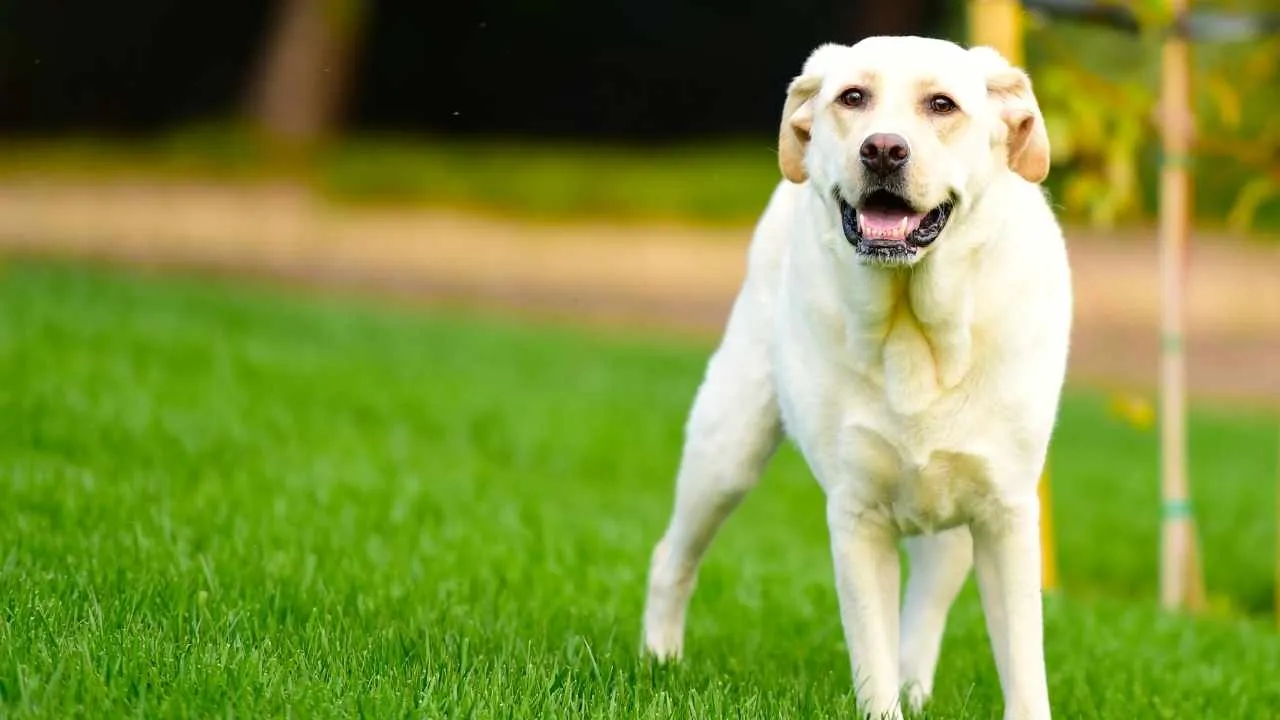
Labrador Retrievers have a knack for sliding seamlessly into everyday life. Bred as sporting dogs, they bring together strength, intelligence, and an easygoing personality. They thrive when included in regular activities and given consistent opportunities to move.
Family interactions tend to be a strong point for this breed. Labradors are affectionate, loyal, and highly people-oriented, often seeking attention and connection. Playtime, gentle affection, and relaxed moments together all rank high on their list.
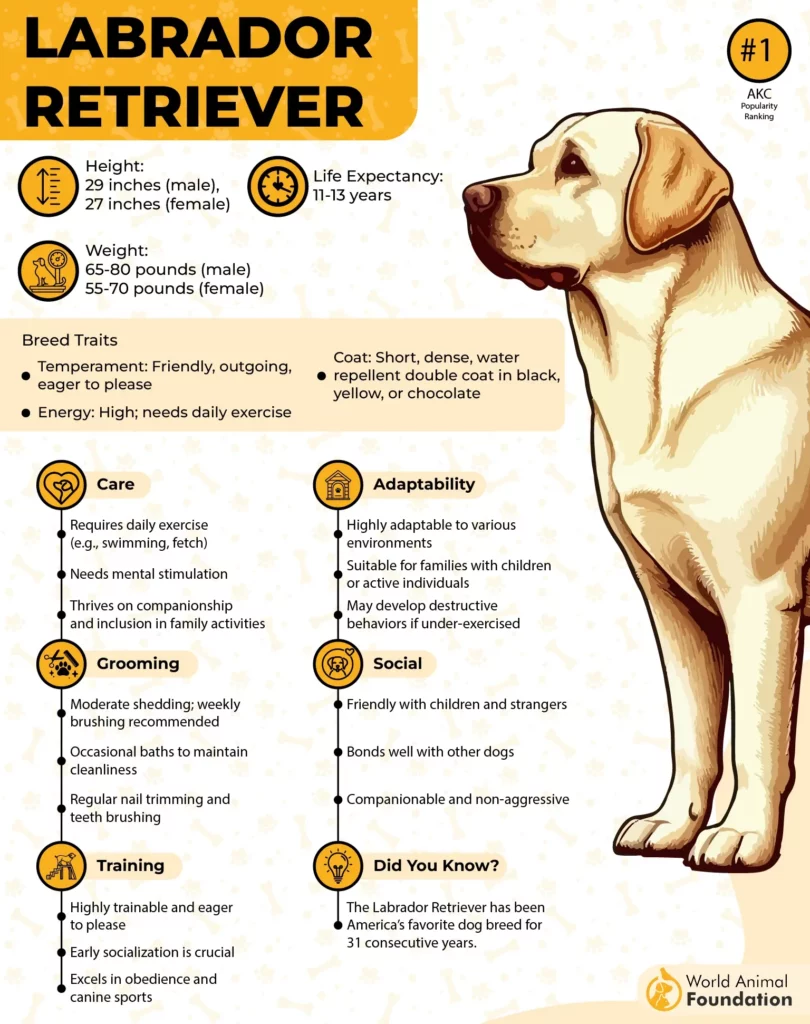
Sharing a home with other pets is usually manageable for a Labrador Retriever. They are generally social, tolerant, and adaptable when introductions are handled thoughtfully. Their cooperative attitude helps maintain harmony in multi-pet households.
Fun Fact
Labrador Retrievers were originally bred to work alongside fishermen. Their webbed feet, waterproof coats, and powerful “otter tail” helped them retrieve nets and swim comfortably in cold water.
4. Belgian Malinois
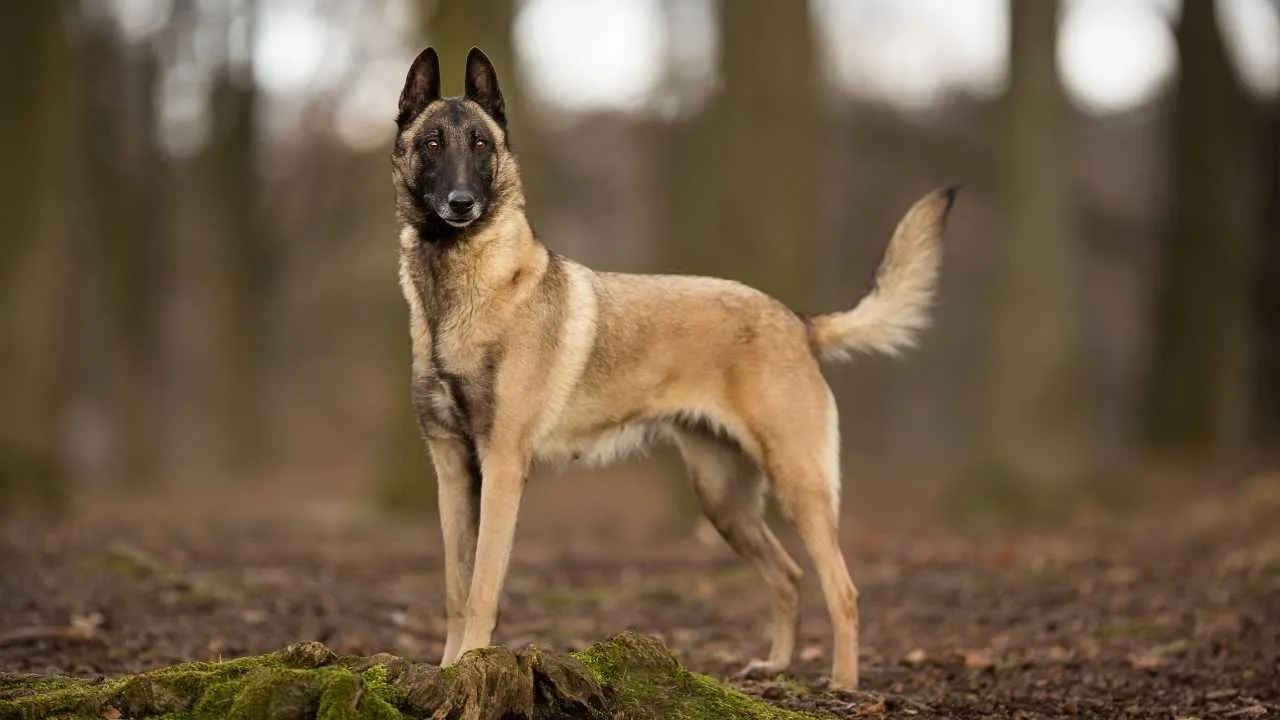
Think of the Belgian Malinois as a dog who wakes up ready for a mission. This confident, alert breed was shaped by generations of serious work, bonding closely with its human partner. They thrive when life feels purposeful, fast-paced, and hands-on.
According to PetMD, Belgian Malinois need significant daily mental and physical engagement to stay balanced. Without enough exercise and stimulation, they may turn that excess energy into destructive behaviors like chewing furniture, digging yards, or damaging household items.
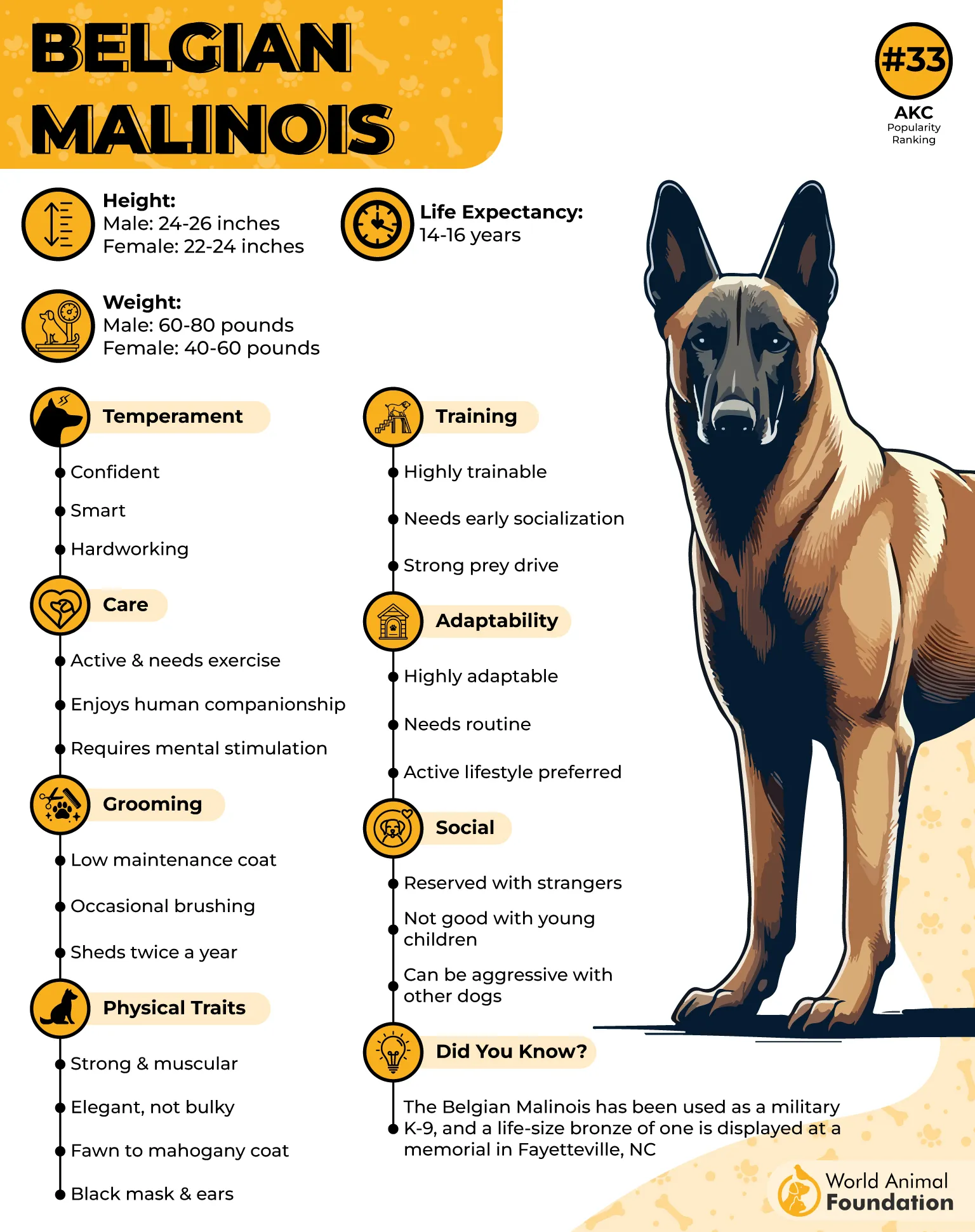
On the health front, Belgian Malinois are generally hardy dogs. Responsible breeders screen for hip and elbow dysplasia, along with certain eye issues. Regular care like ear checks, dental hygiene, and weight management helps support their long-term well-being.
Fun Fact
Belgian Malinois are trusted by elite military units. They work alongside Navy SEALs, wear custom body armor, use night vision goggles, and can even skydive during operations.
5. Dalmatian
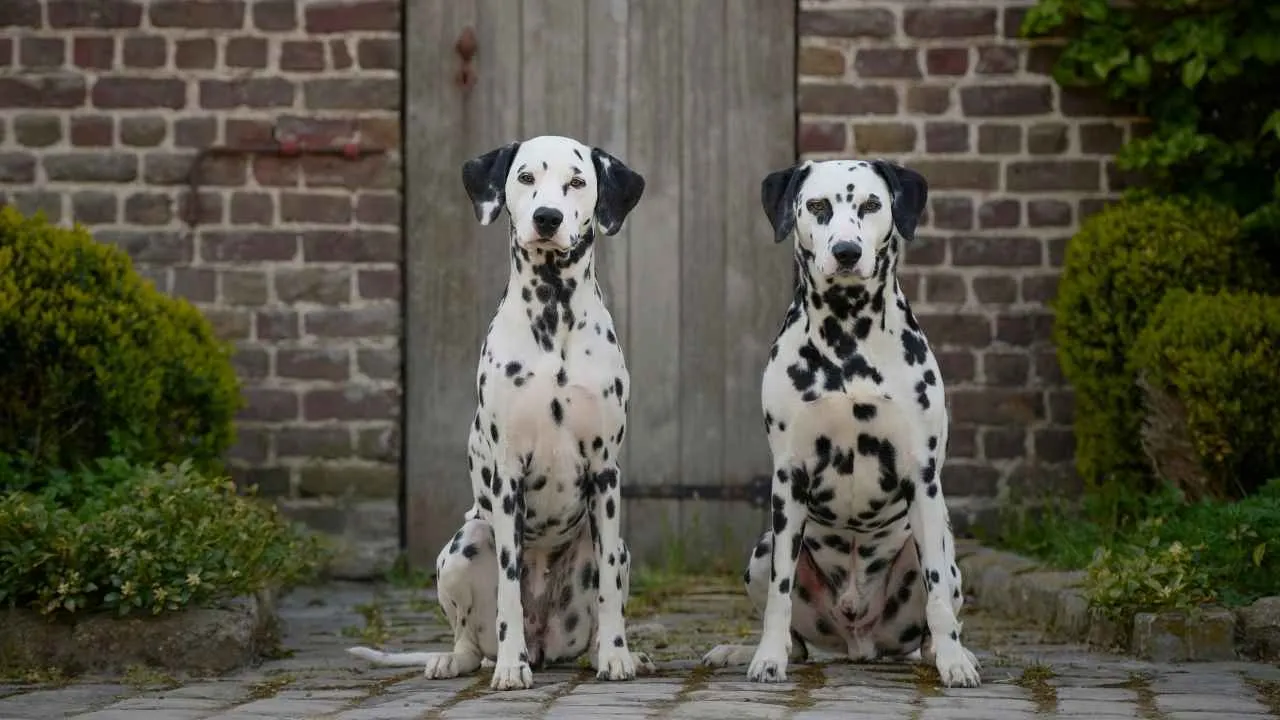
Long before they became pop culture icons, Dalmatians had a very specific job description. They ran alongside horse-drawn fire carriages, clearing roads and guarding equipment. That history explains their stamina, confidence, and comfort with fast-paced, constantly moving environments.
Anyone sharing space with a Dalmatian will notice they are not silent observers. Barking usually shows up as a way to get attention or respond to exciting sounds, especially sirens. It is part alert system, part enthusiasm, and part personality.
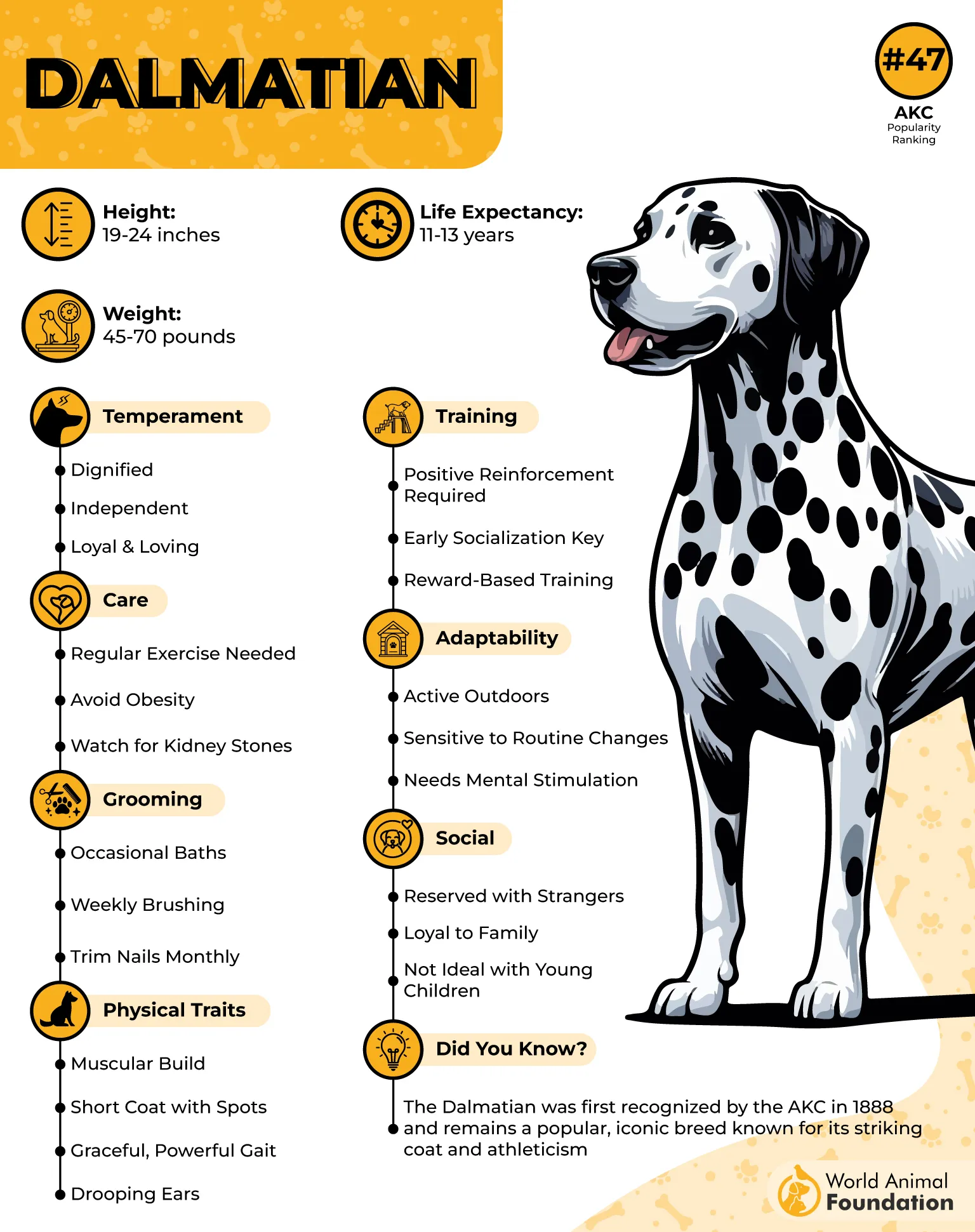
Teaching a Dalmatian manners takes patience and consistency. They are very smart and capable learners, but their independent streak means they like having a say. Positive reinforcement, early socialization, and mentally engaging lessons help keep them focused and cooperative.
Fun Fact
Dalmatians earned the nickname “firehouse dogs” by running beside fire carriages in the 1700s. Today, many still appear in fire stations as mascots, helping teach fire safety and comforting firefighters.
6. Siberian Husky
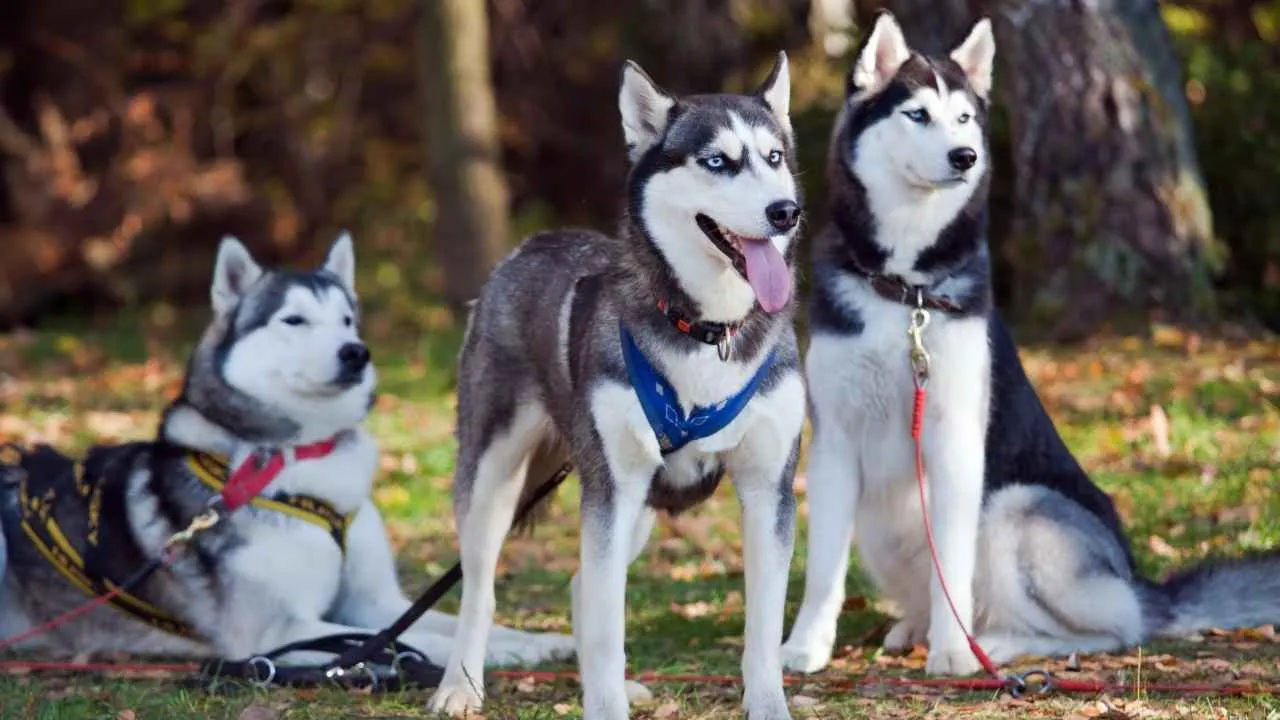
Snow, distance, and teamwork shaped the Siberian Husky long before couches and dog beds entered the picture. Developed to pull sleds across frozen terrain, this breed values movement, independence, and social connection.
Inside the house, Huskies tend to stay curious and busy. They enjoy being part of the action and can become restless when there’s nothing to do. Regular mental and physical exercise helps prevent boredom-driven mischief and indoor chaos.
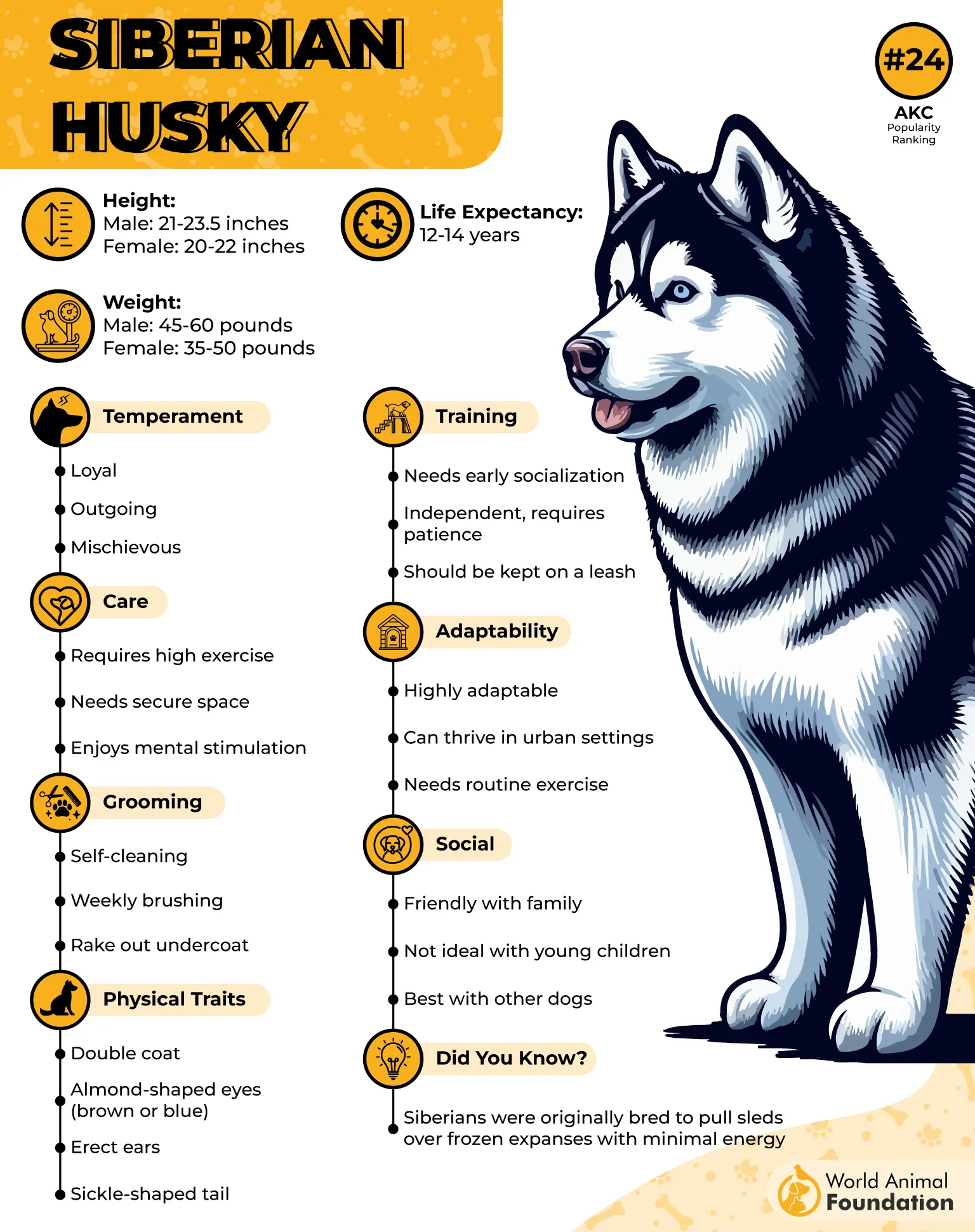
Walking a Siberian Husky takes preparation and patience. Their instinct to run is powerful, which is why secure leashes and fenced areas are essential. Making walks structured and engaging helps reinforce focus while keeping everyone safe.
Fun Fact
In 1925, Siberian Huskies helped deliver lifesaving serum during a diphtheria outbreak in Nome, Alaska. Their heroic relay run through brutal weather made dogs like Togo and Balto legends in canine history.
7. Jack Russell Terrier
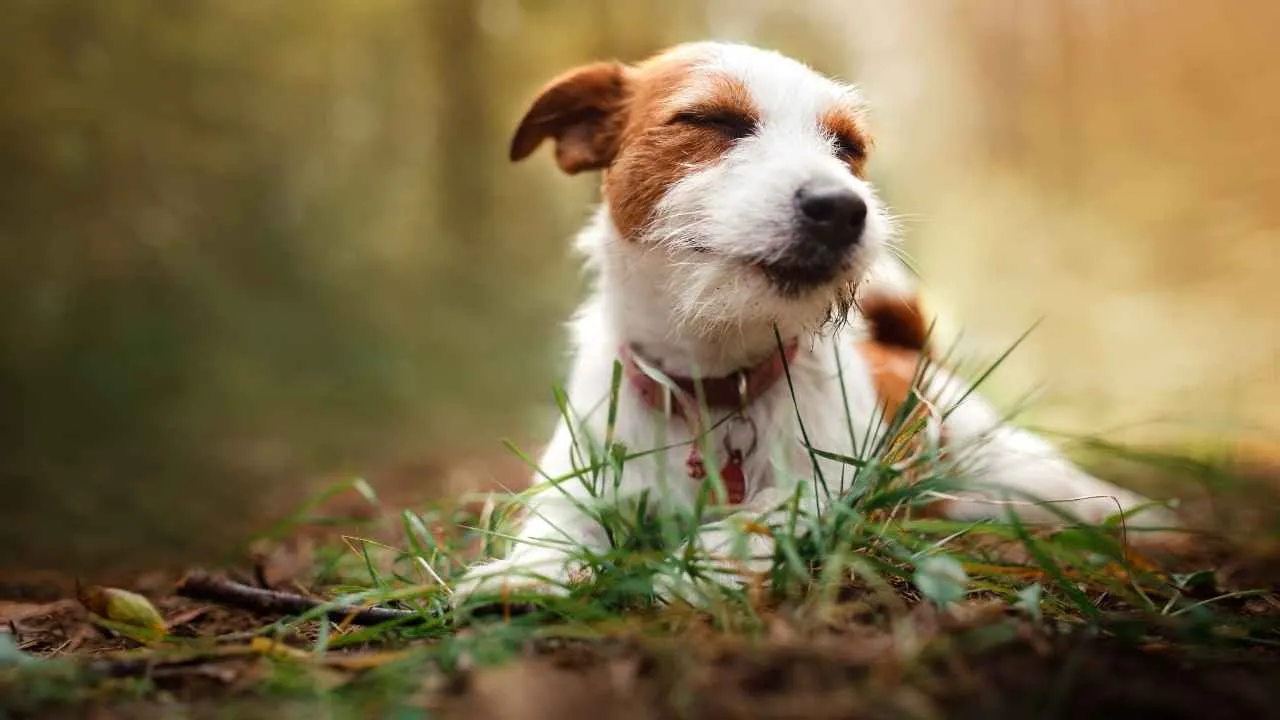
Small dog, huge opinions. Jack Russell Terriers were built for action, curiosity, and bold decision-making, all wrapped into a compact body. This energetic dog breed approaches life like an ongoing adventure and expect their humans to keep things interesting, active, and engaging.
Expect a lot of commentary from this breed. Barking was part of their original job, used to alert humans and flush animals from hiding. When bored or under-stimulated, that vocal talent can easily turn into frequent announcements about everything happening nearby.
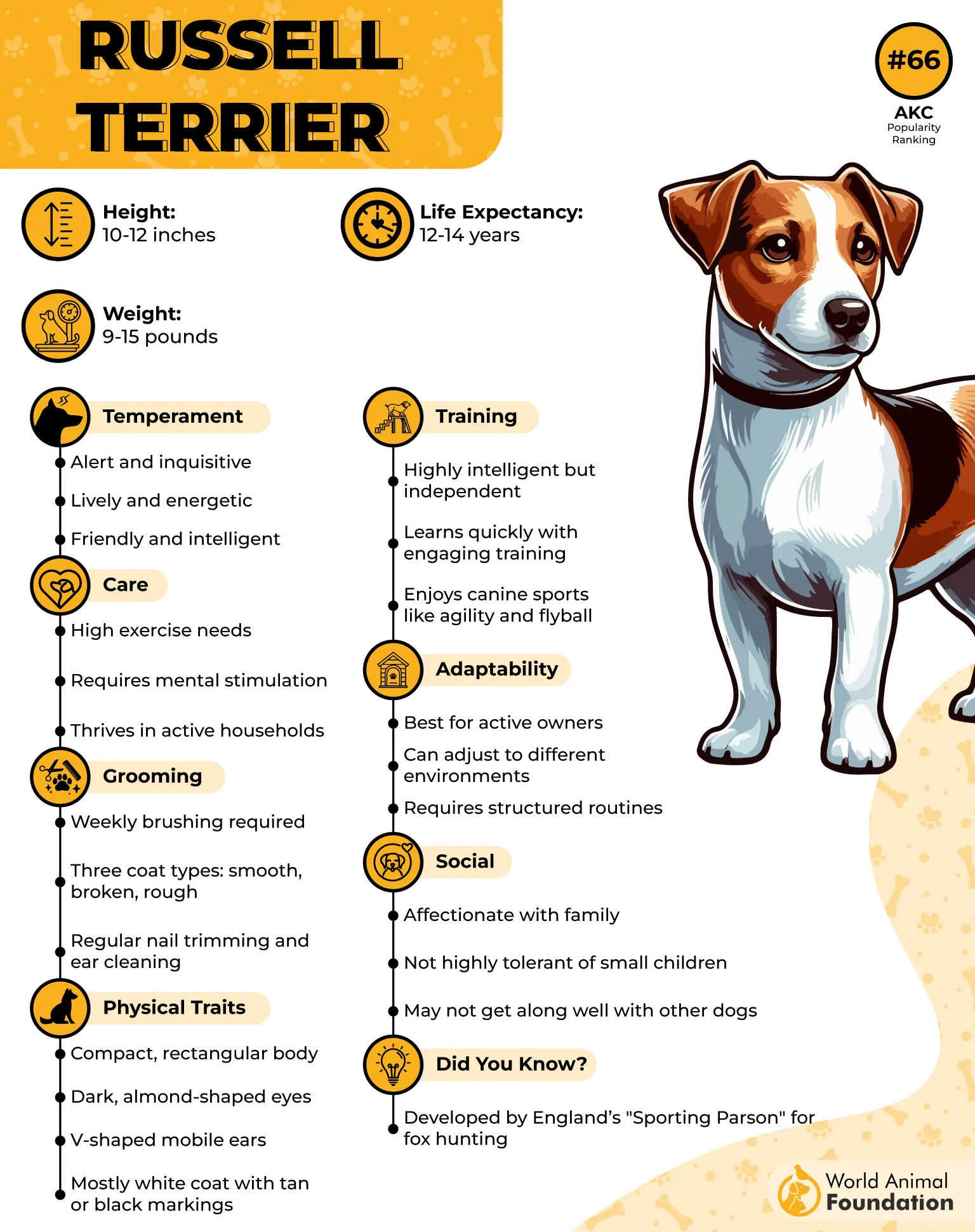
As noted by Purina, Jack Russell grooming depends on coat type. Smooth coats need weekly brushing and frequent wipe downs, while rough or wire coats require more regular grooming, occasional hand stripping, and daily checks of paws and ears.
Fun Fact
A Jack Russell named Bothie made history by visiting both the North and South Poles. It earned a spot in the Guinness Book of Records alongside its explorer owner.
8. Vizsla
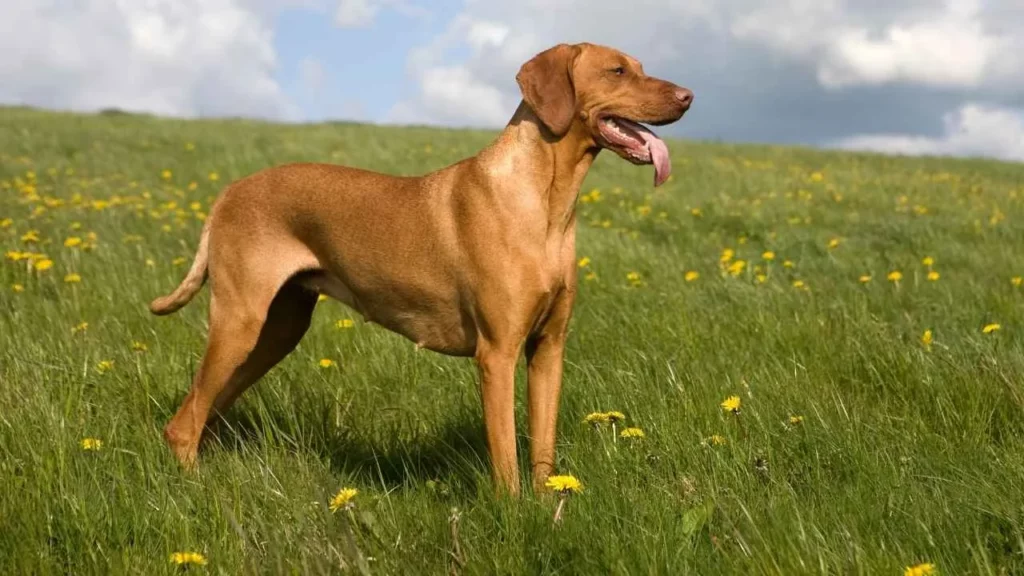
The Vizsla brings elegance into motion, moving with a smooth, athletic grace that hints at its sporting roots. This Hungarian hunting dog was bred to work closely with people, which explains why independence is not really its thing and companionship matters so much.
Energy comes in long, steady waves with this medium-sized dog. Vizslas have impressive stamina and love activities like running, swimming, hiking, and extended outdoor adventures. When that energy is spent well, they tend to stay relaxed, content, and far less mischievous at home.
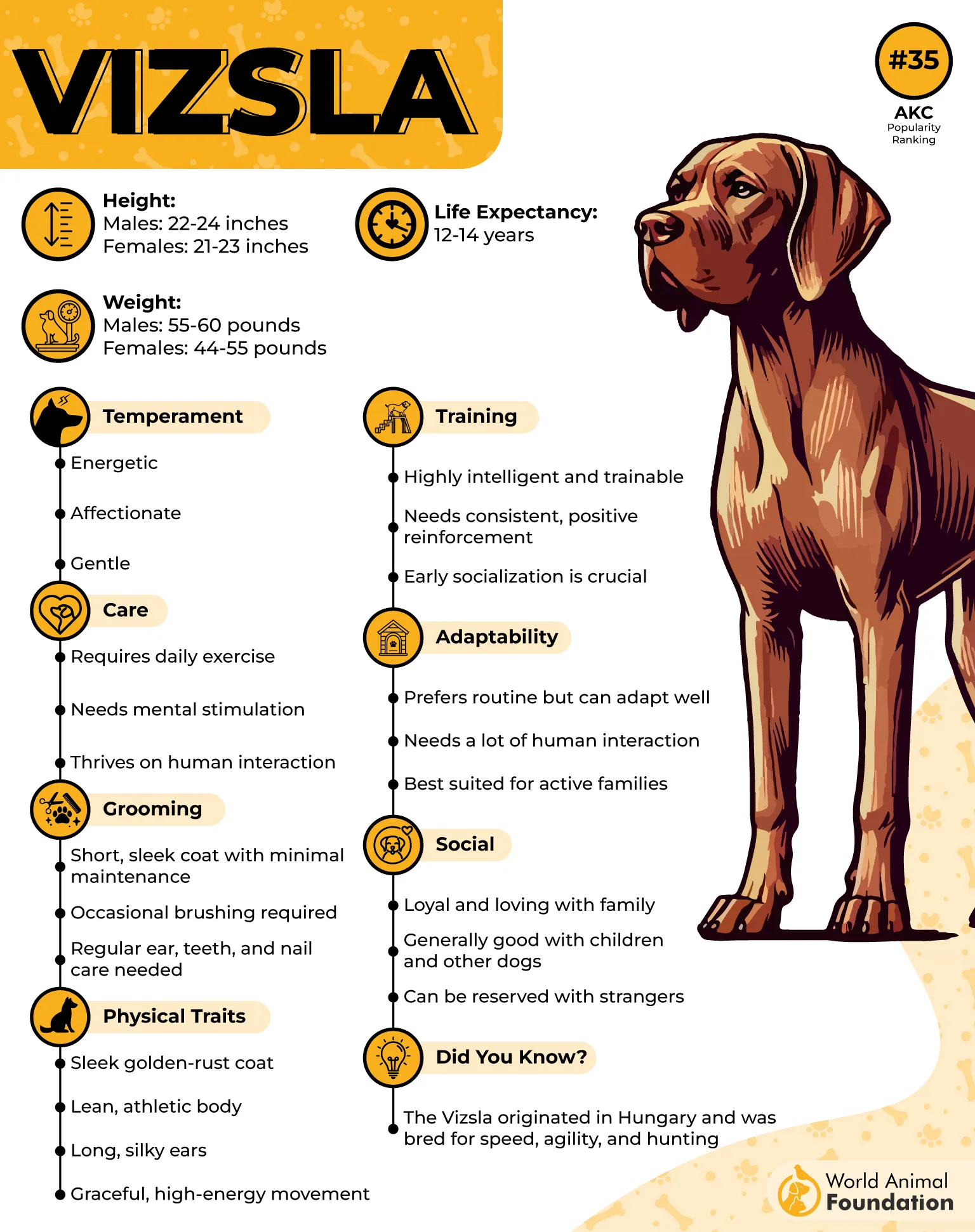
Teaching a Vizsla usually feels like a team project. They are intelligent, eager to please, and sensitive to tone, which makes positive reinforcement especially effective. Consistency, patience, and early leash work help channel their enthusiasm into polished, reliable behavior.
Fun Fact
A Vizsla named Kai made history in 1980 as the first dog of any breed to become an AKC Triple Champion. It earned top titles in show, field, and obedience competition.
9. Weimaraner
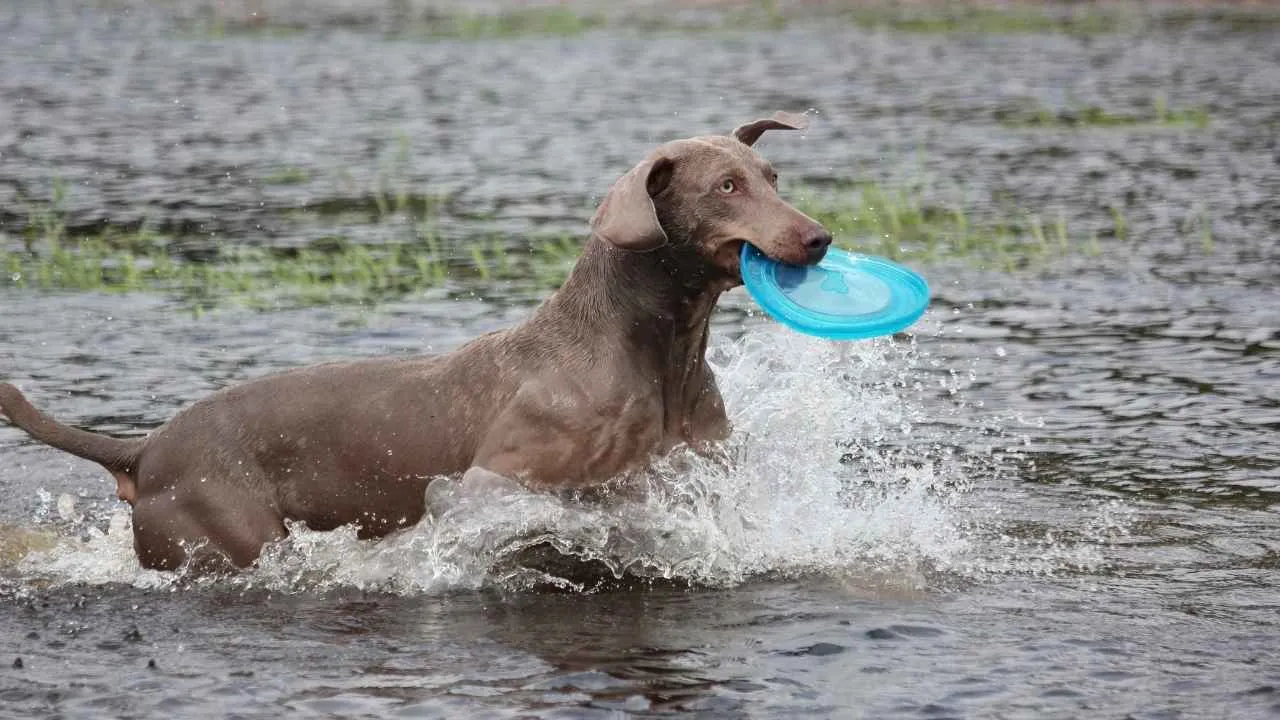
At first glance, the Weimaraner turns heads with its sleek silver coat and striking eyes, but there is far more going on beneath the surface. Nicknamed the “Gray Ghost,” this breed combines elegance with an intense desire to stay active and involved.
As mentioned by the American Kennel Club (AKC), Weimaraner grooming focuses on keeping nails short for comfort and mobility, regularly brushing the short coat to remove dead hair, and cleaning ears carefully, since limited airflow can increase the risk of ear infections.
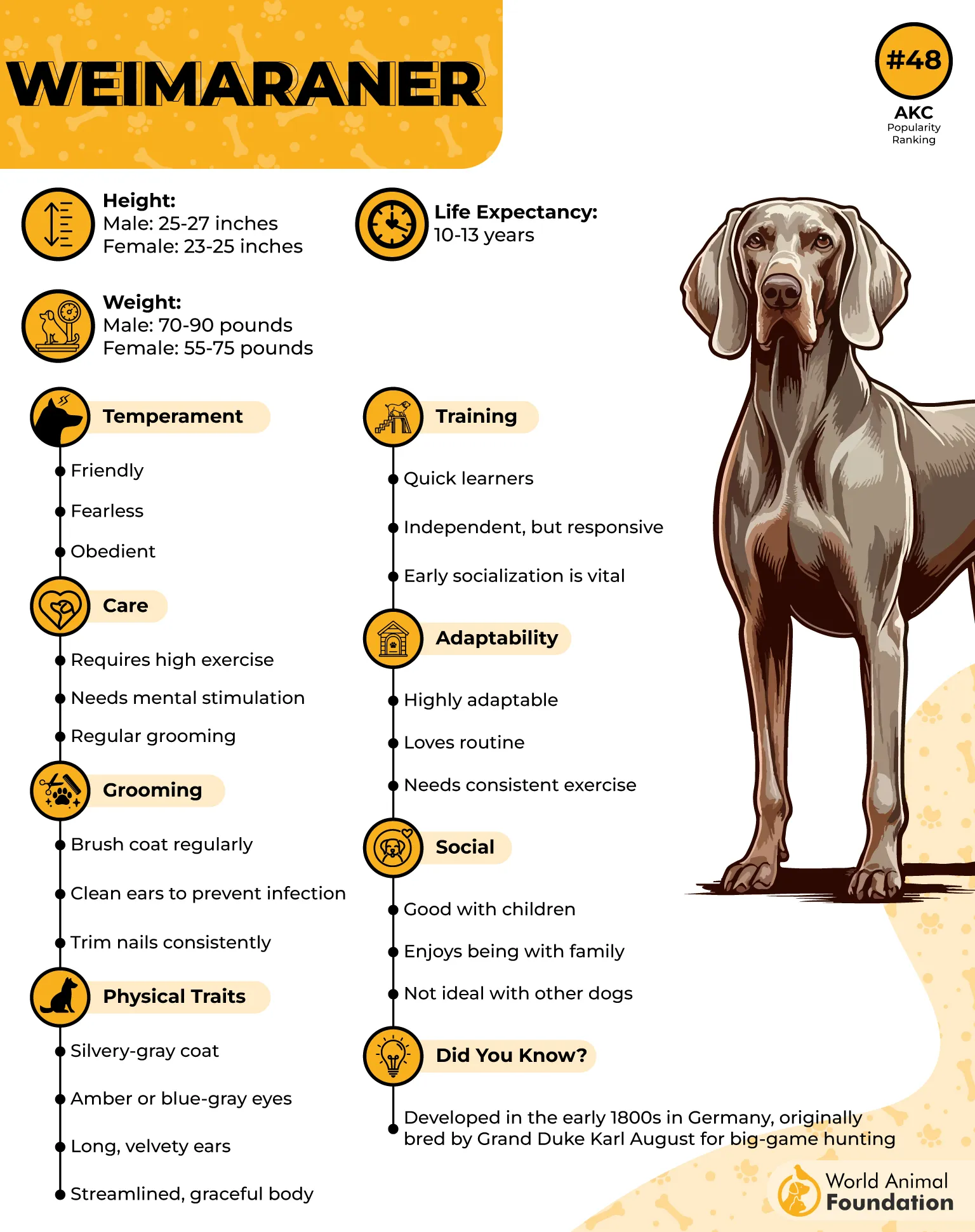
Weimaraners thrive with active families who enjoy staying on the move. With natural endurance and a love for activity, they enjoy long runs, outdoor adventures, and constant companionship, and are happiest in homes that match their energy.
Fun Fact
Weimaraners appear in a famous artwork by photographer William Wegman. His dogs are featured in large mosaic murals in a New York City subway station, turning this athletic breed into unlikely art icons.
10. German Shorthaired Pointer
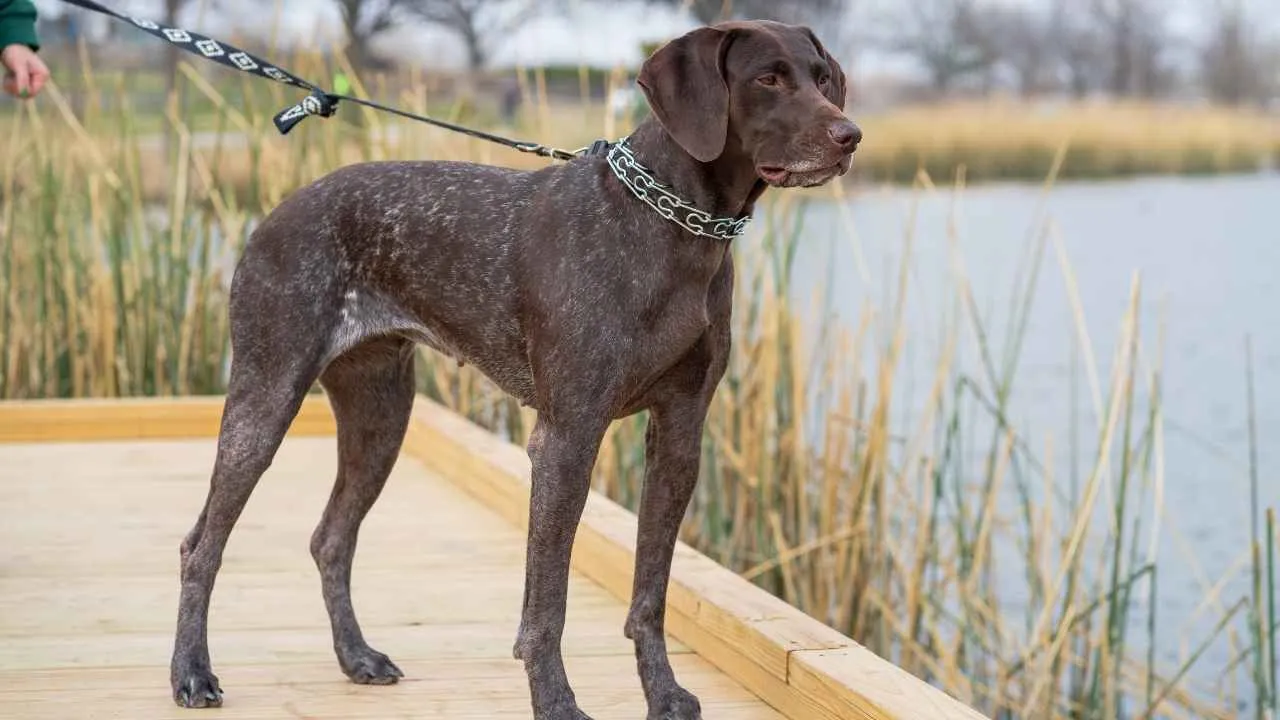
Picture a dog that treats every day like an open invitation to do something exciting. The German Shorthaired Pointer was designed as a versatile sporting companion, equally comfortable on land or in water, and happiest when life includes movement, purpose, and time outdoors.
Leaving this breed without enough attention can backfire quickly. German Shorthaired Pointers bond closely with their people and need physical and mental stimulation daily. Without engagement or structure, boredom may show up as destructive behavior or restless energy.
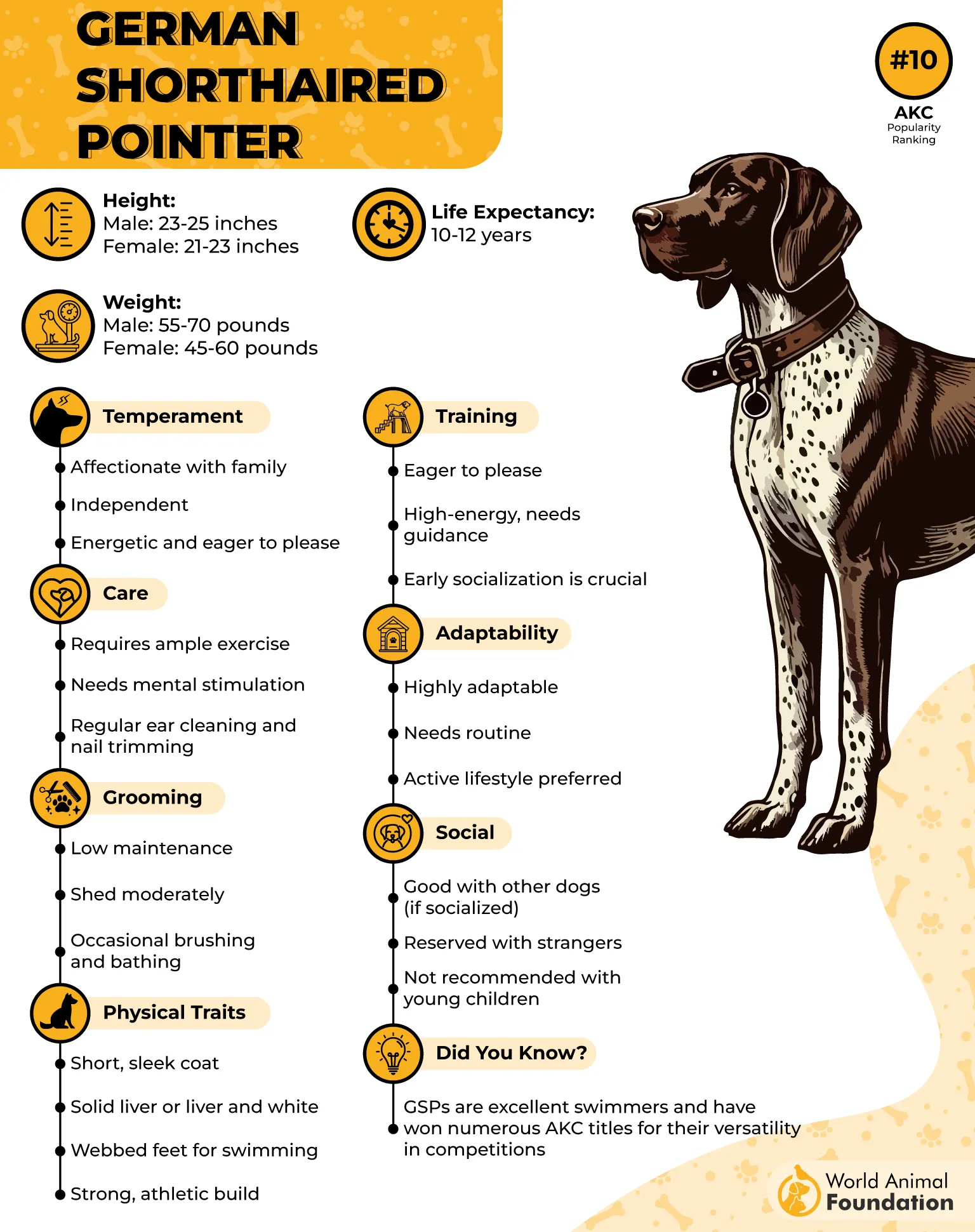
Keeping a GSP looking good takes consistency, not complexity. Their short coat benefits from regular brushing, especially during shedding seasons when loose hairs travel everywhere. Clean ears, trimmed nails, and occasional baths help support comfort for a dog that rarely slows down.
Fun Fact
A German Shorthaired Pointer named Marvin earned 75 AKC titles, showcasing the breed’s remarkable versatility. Few dogs can compete successfully across so many different sports and performance events.
Conclusion
Sharing your days with a constantly active dog can be exciting, fulfilling, and full of momentum, but it works best when expectations are realistic. These high-energy dog breeds thrive on engagement, purpose, and shared time with their people. When their needs are met, they reward you with loyalty, enthusiasm, and a deep connection.
Taking a moment to reflect on your daily routine, energy level, and long-term commitment can make all the difference. The right match leads to a happier home and a stronger bond. For the right person, an active dog is not extra work, but a partner in everything you love to do.
If you’re further interested in such wonderful breeds, some other dog breeds you can look up include Australian Cattle Dog, Golden Retriever, English Springer Spaniel, and German Shepherd.
