




Rough terrain often appears unforgiving, unpredictable, and difficult to manage, yet muscular dogs navigate it with a steadiness that feels almost gentle. The rocks and slopes resist, but their bodies respond with calm authority.
The land may try to push them off balance, but their strength settles them into the moment with surprising ease. It is a contrast that becomes clear the longer you watch them. The rugged ground expects struggle, but the dogs offer control.
The uneven paths expect hesitation, but the dogs offer purpose. Their muscles do not fight the earth beneath them. Their muscles cooperate with it, shaping every stride into something deliberate and grounded. Their presence transforms difficult landscapes into spaces they can understand without anxiety.
By the end of this article, you will know which muscular dogs handle the toughest terrains with the same quiet confidence that turns harsh ground into familiar territory.
Key Takeaways
Outdoors can be unpredictable, but some dogs move through rugged landscapes with focus, energy, and power.
Vizslas balance speed and agility, keeping their muscles active while navigating rocky paths or forest floors.
German Shepherds and Anatolian Shepherds show power paired with precision, handling uneven ground while staying steady and alert.
By the end, you’ll discover which seven breeds can turn challenging terrain into an adventure where every step feels controlled and exciting.
Best Muscular Dog Breeds for Rough Terrain
1. Vizsla
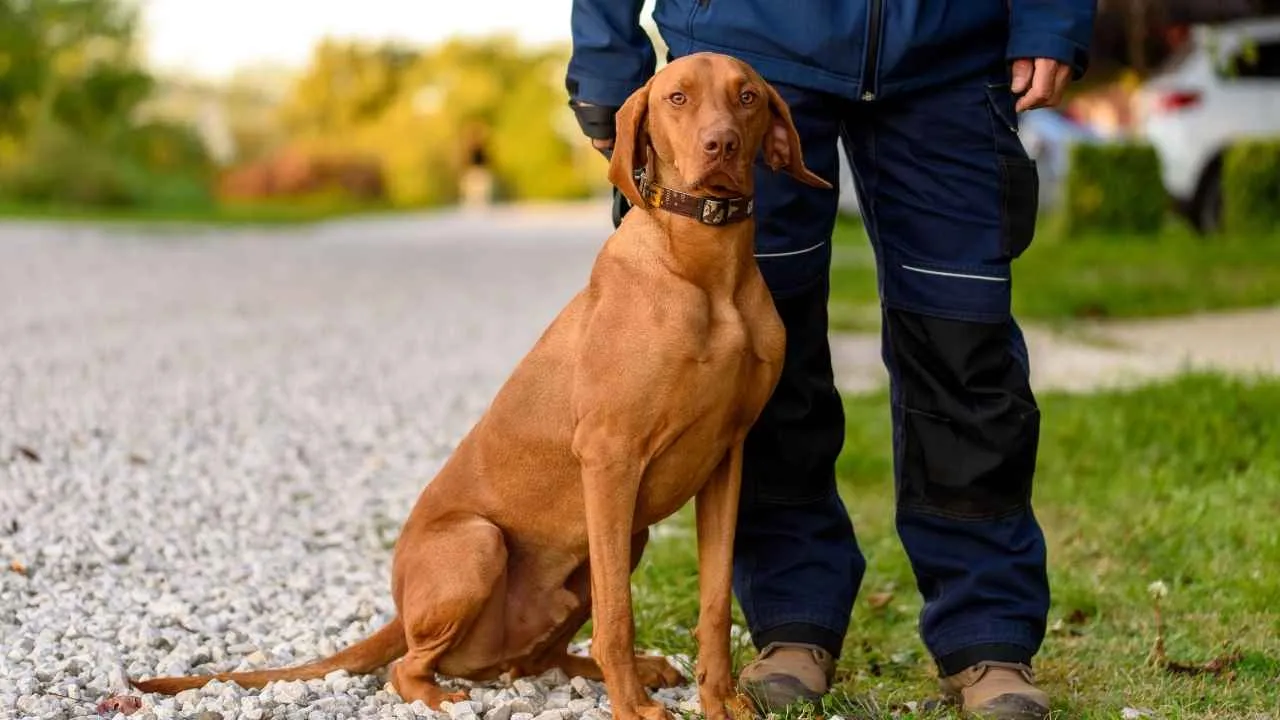
Vizsla shows strength through movement rather than bulk, which works well on uneven and demanding terrain. Muscles stay active and responsive, helping the dog stay sure-footed on rocky trails and forest floors. That balance matters when long hours outdoors test coordination as much as power.
Built to Move All Day
Vizsla handles rough ground with ease thanks to its light but rugged build. The body stays flexible while pushing forward through brush, slopes, and narrow paths.
That combination becomes clear once you see how it handles terrain shifts:
Fast direction changes
Strong rear drive on climbs
Efficient movement through dense cover
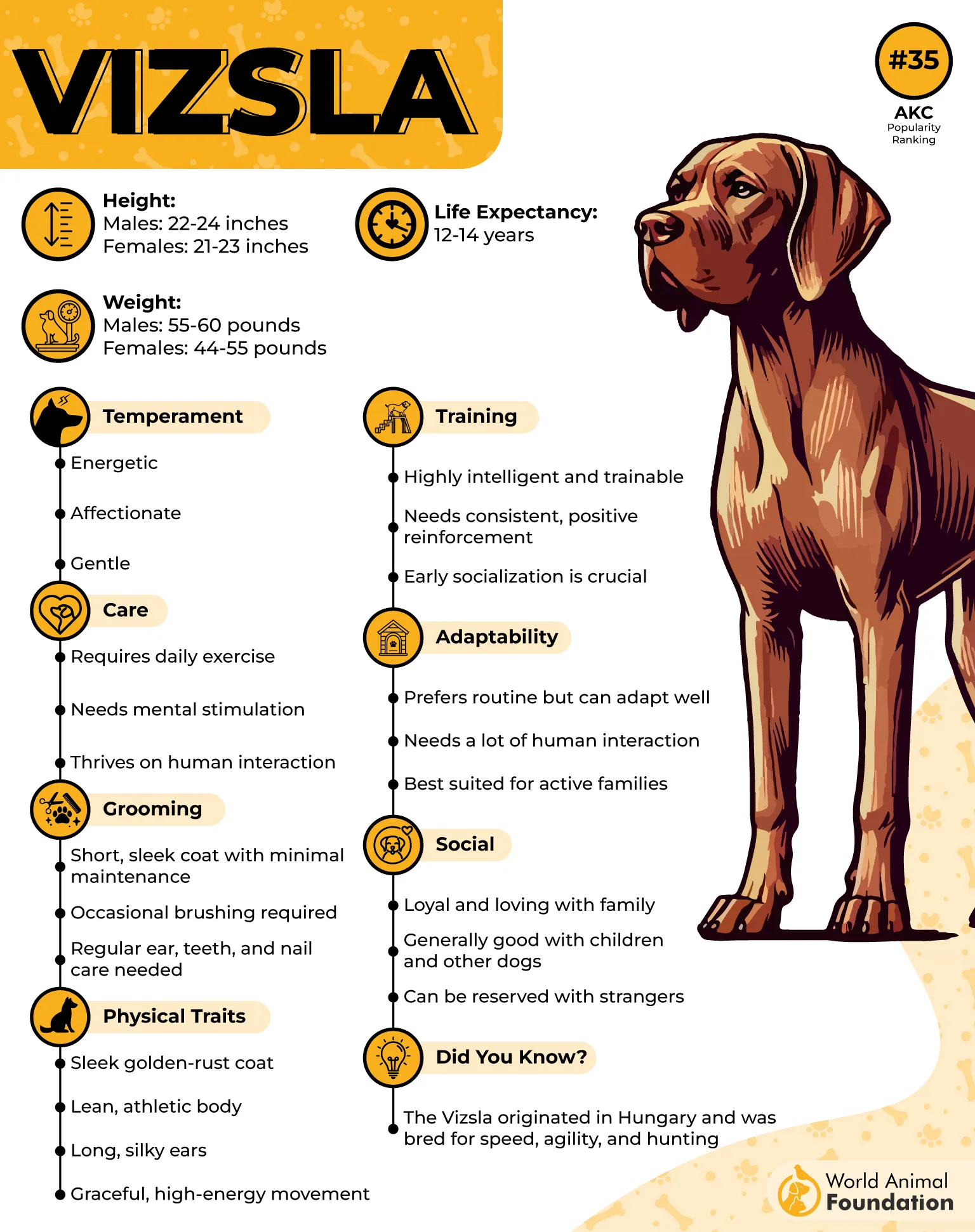
Field Skills That Translate Outdoors
The Vizsla was originally bred for long working days, which is evident in its ability to navigate forests and open land. The dog stays close, reads the environment quickly, and adjusts pace without hesitation. This makes rough terrain feel manageable rather than chaotic.
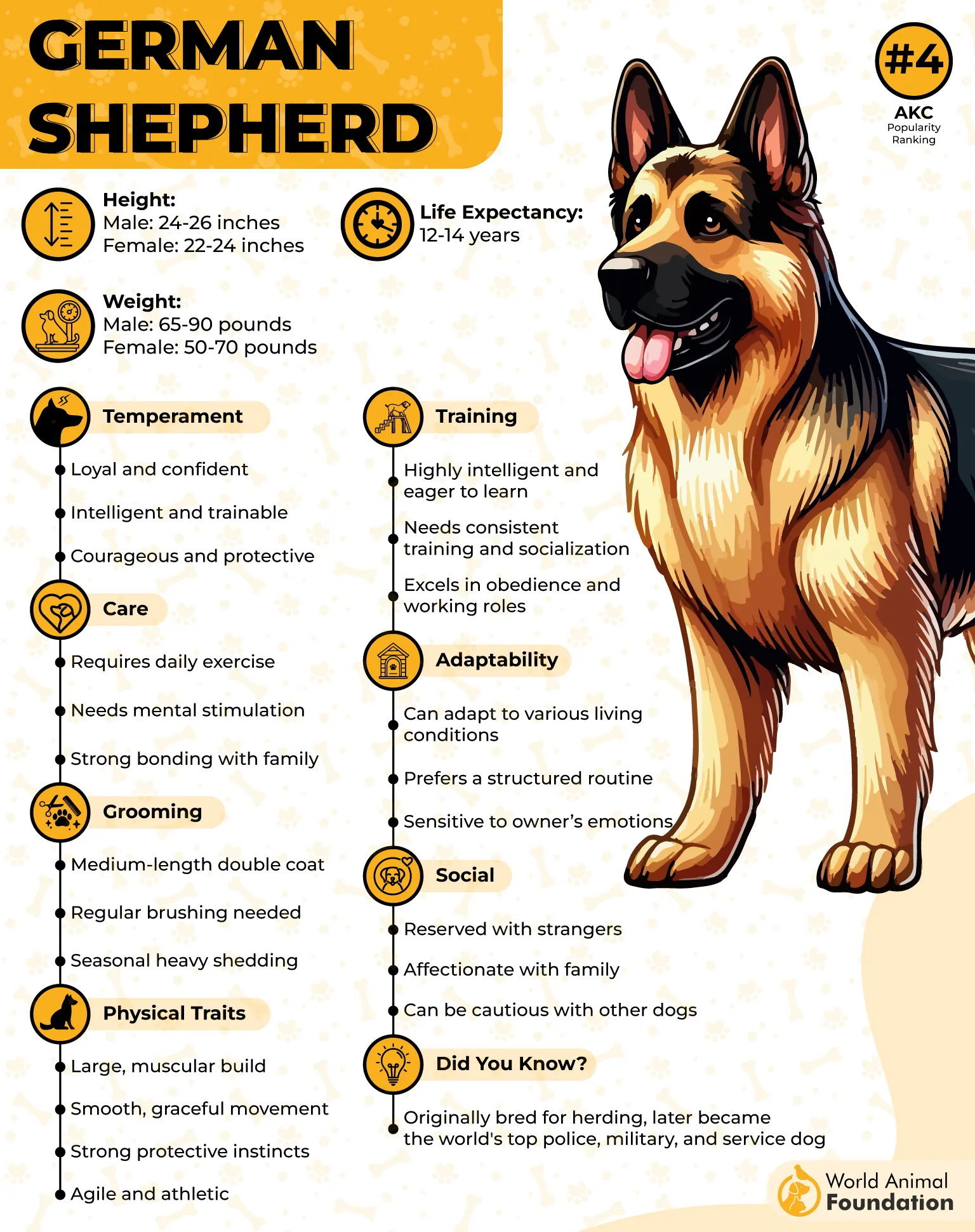
2. German Shepherd
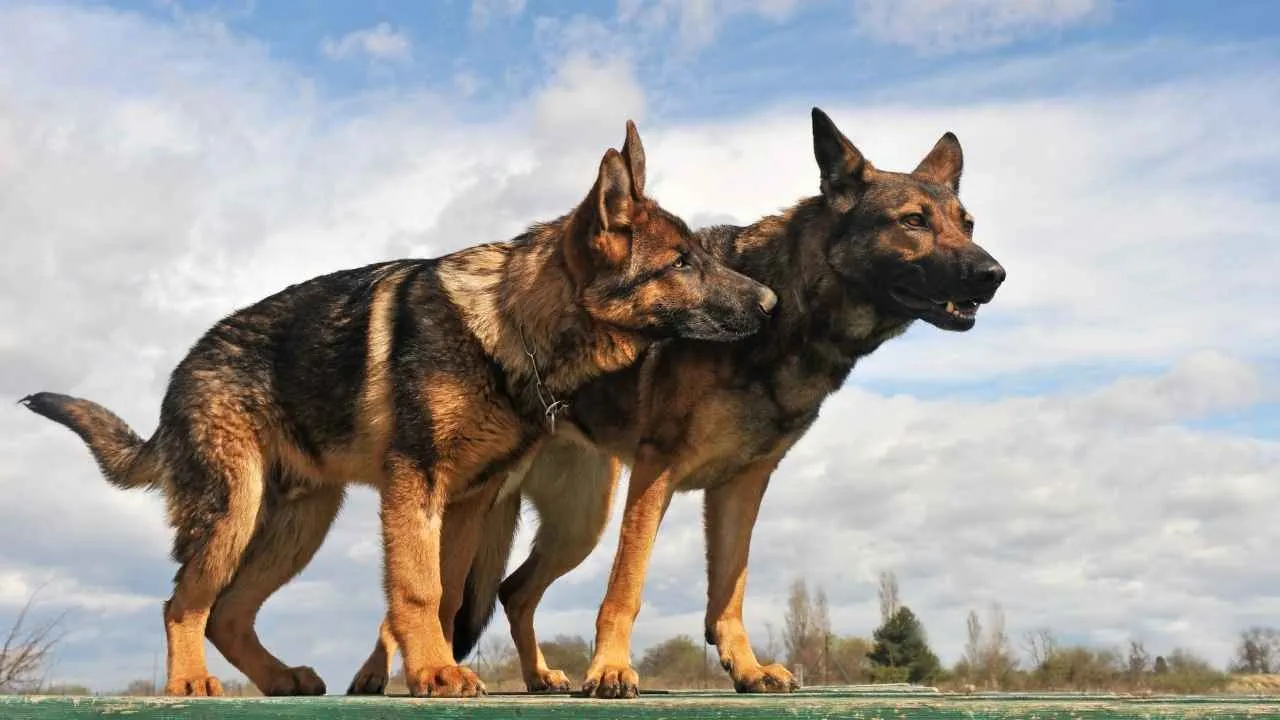
Powerful conditioning sits at the core of what makes German Shepherds effective on rough terrain. This breed is well-suited for environments where footing shifts without warning and surfaces are unpredictable. That preparation comes from demanding routines rather than casual outdoor activity.
Performance Under Real Pressure
German Shepherds are regularly selected by police units and military teams because their bodies can handle extreme tasks, as PetMD notes. Speed, balance, and coordination are trained together, not in isolation.
That reality becomes clear in harsh landscapes:
Rapid ground coverage
Secure climbing on unstable surfaces
Strong swimming capability
Training Beyond Average Limits
German Shepherd programs often push physical limits past what many human athletes experience. Running drills, obstacle navigation, and water work build strength that holds up when terrain turns unpredictable. This level of preparation explains their long-standing role as a working dog breed in high-risk environments.
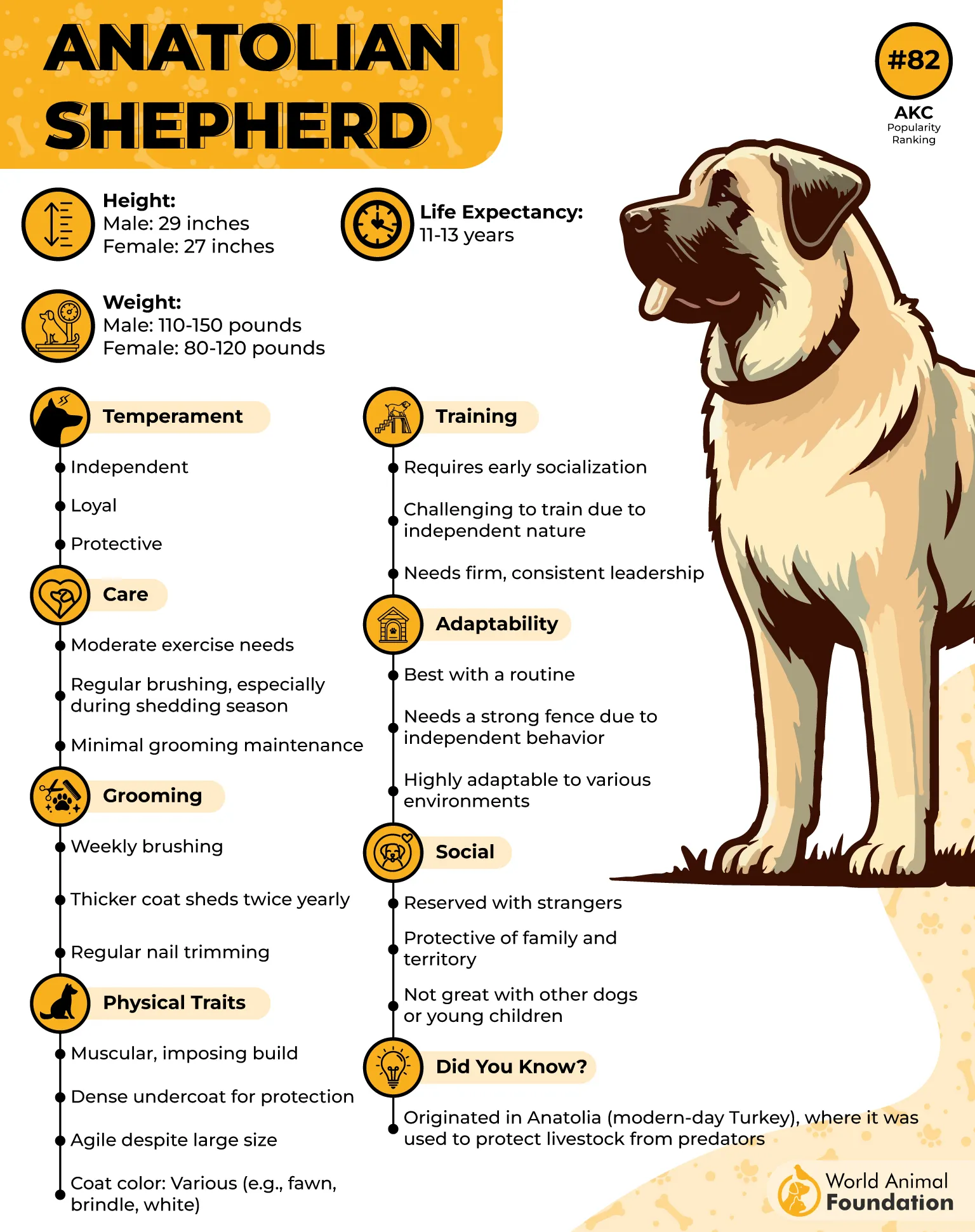
3. Anatolian Shepherd
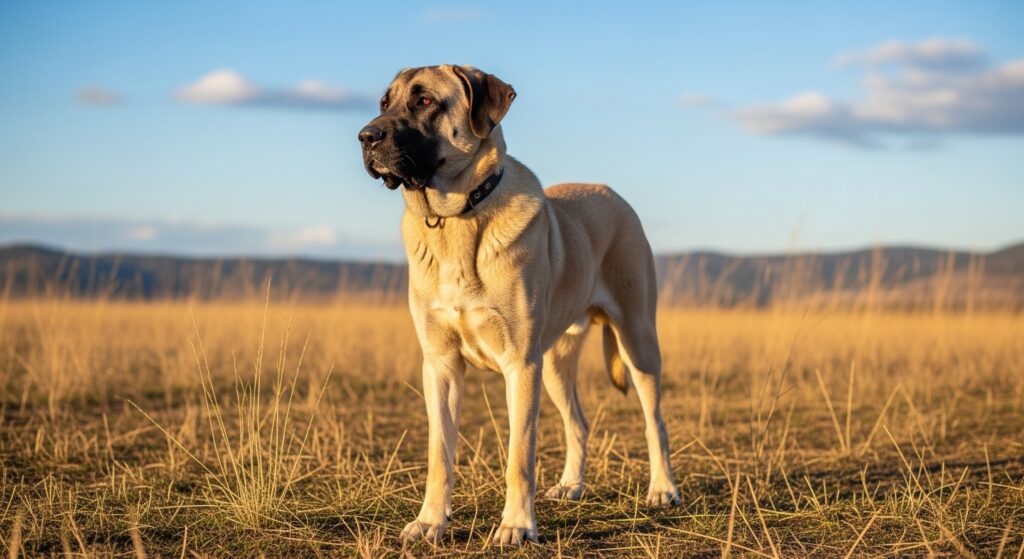
Anatolian Shepherd shows raw physical authority the moment terrain turns harsh and unpredictable. Dense muscle, strong joints, and steady footing allow this dog to move with control across rocky paths and uneven land. In rough terrain, power matters only when balance keeps up.
Strength That Holds Its Line
Anatolian Shepherd combines patience with physical dominance, which helps it stay composed in difficult outdoor settings. This breed does not rush movement and prefers measured steps over reckless force.
That mindset becomes clearer when you break it down:
Sure-footed on uneven ground
High tolerance for harsh conditions
Muscle built for sustained effort
Instincts Shaped by Real Work
Anatolian Shepherd operates with natural judgment rather than constant direction. This quality separates it from energetic dogs that rely on nonstop engagement to stay focused. With proper training, that independent thinking turns into reliable control in challenging outdoor environments.
4. Cane Corso
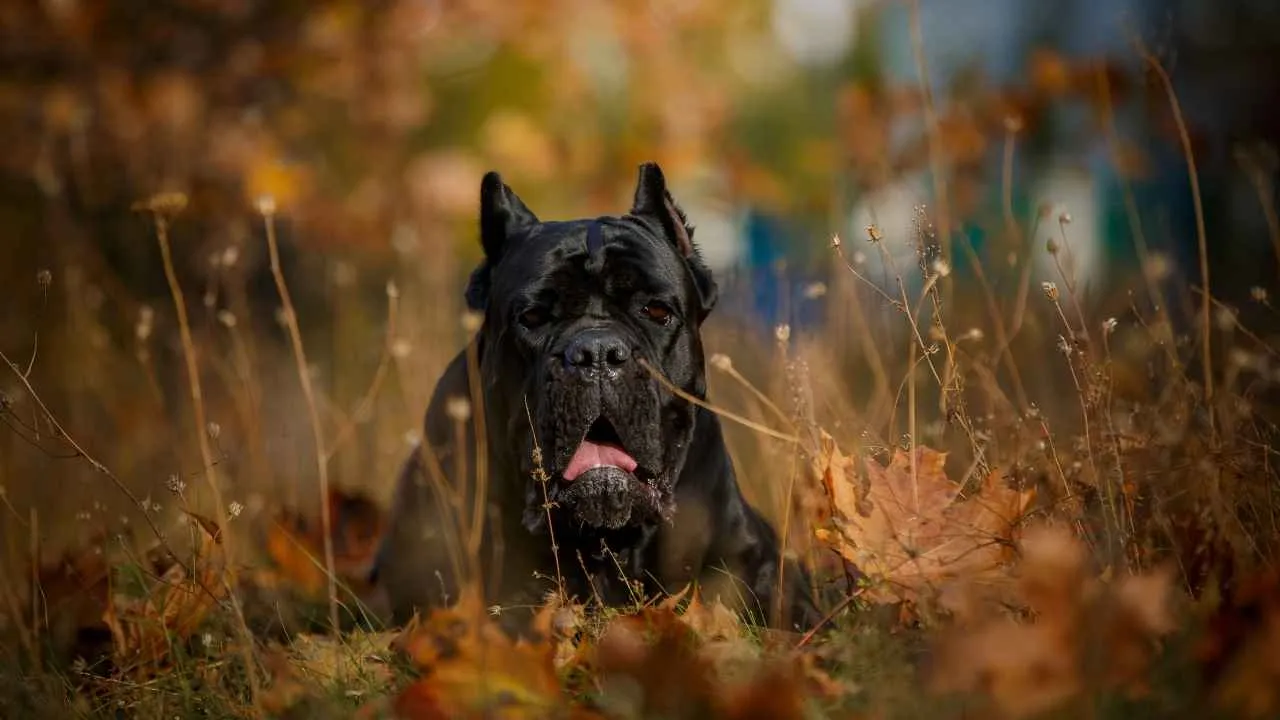
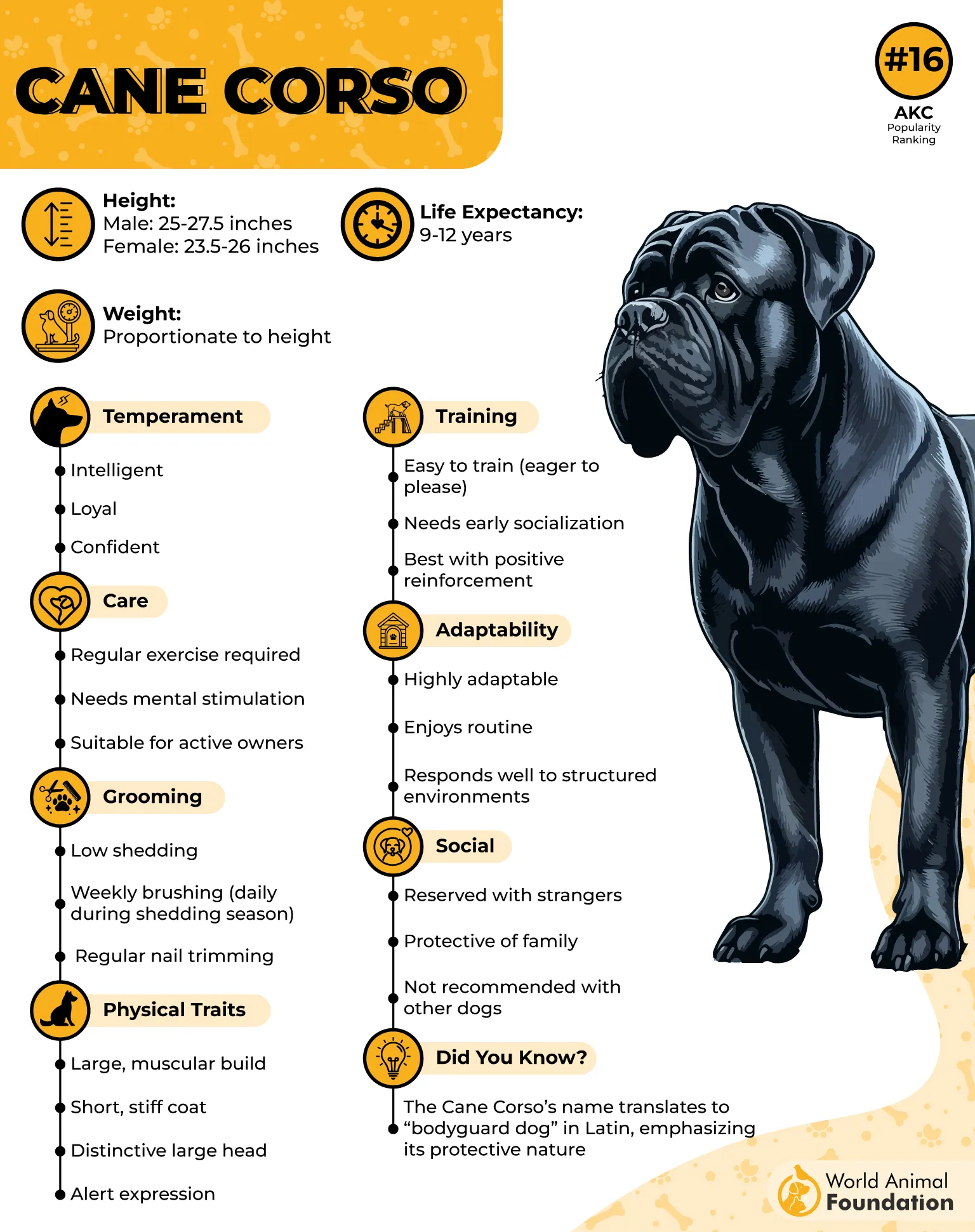
Cane Corso moves with a controlled, grounded strength that shows up clearly on rough terrain. Dense muscle and a solid frame help this dog stay steady on rocky paths, loose soil, and uneven ground. Breed’s physical confidence matters during long outdoor adventures where footing changes fast.
Body Control in Motion
Cane Corso handles demanding environments with calm precision rather than wasted movement. The way this breed plants its feet and shifts weight keeps it effective on slopes and rugged trails.
A closer look explains why this works:
Broad, muscular build
Firm stance on uneven surfaces
Strong drive through obstacles
Focus With Purpose
Cane Corso brings an alert, composed mindset that fits challenging terrain. As per the AKC, that quiet confidence has often been compared to a professional bodyguard, steady and observant without constant reaction. This balance supports activities like dog sports while maintaining reliability in unpredictable settings.
5. Australian Kelpie
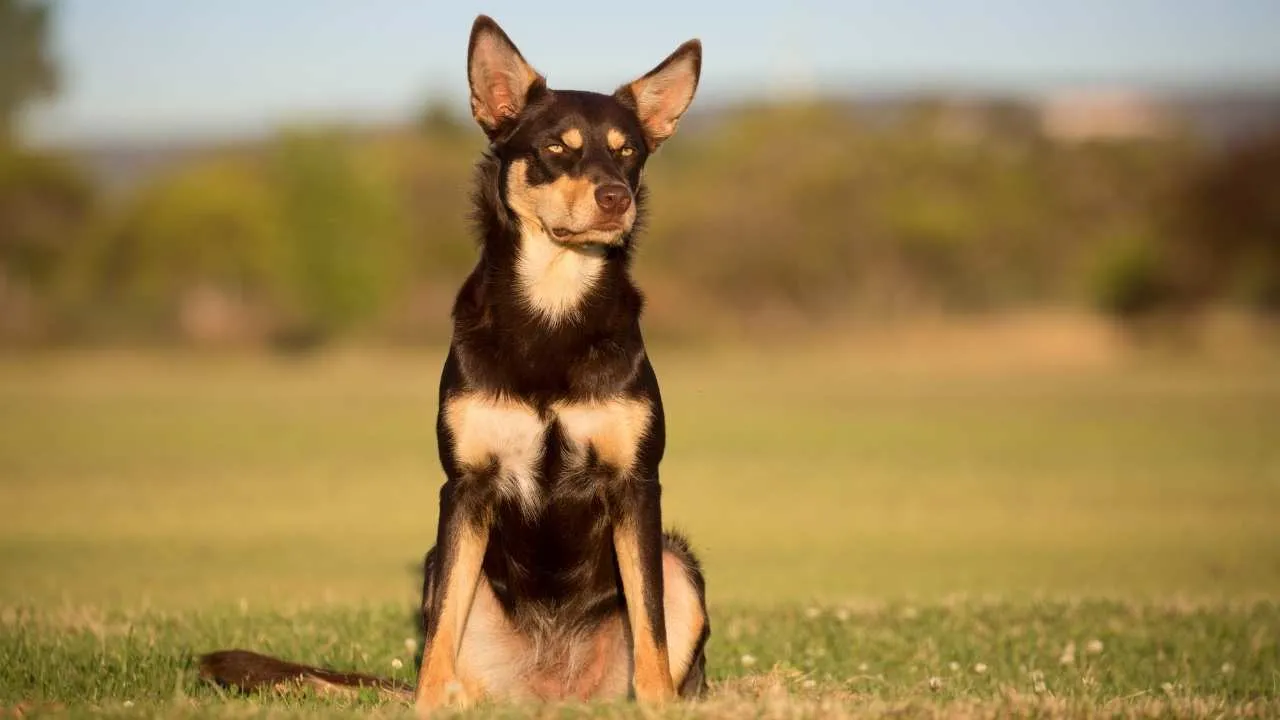
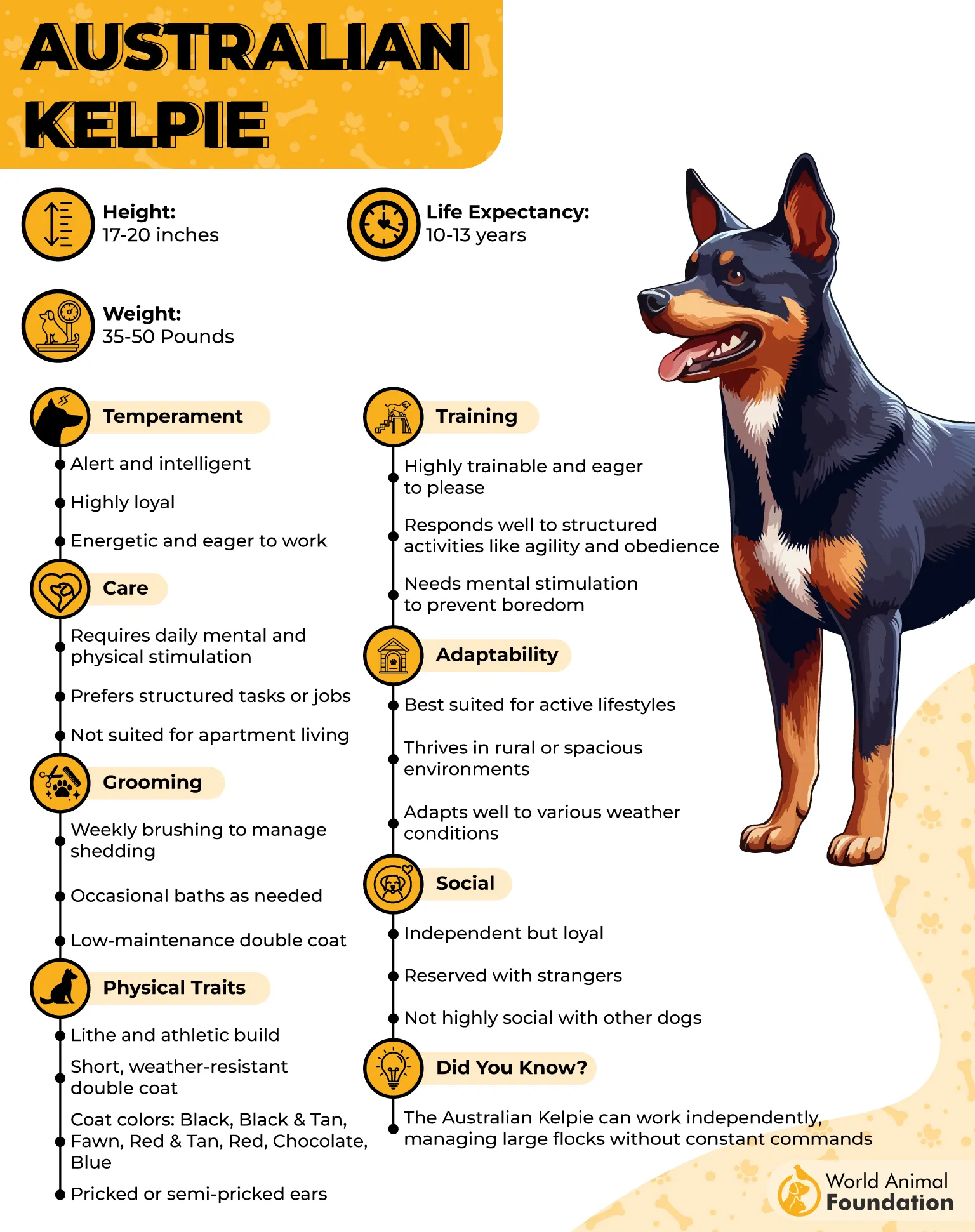
Australian Kelpie starts with a work ethic rather than muscle size, which matters on rough terrain. This dog stays engaged when there is a purpose, making uneven ground easier to handle through focus and drive. Idle settings drain their energy, while demanding outdoor conditions keep them locked in.
Built for Physical Problem Solving
Australian Kelpie handles harsh surfaces with intent because effort has always been part of its routine. That background translates naturally to rocky paths, loose soil, and long outdoor tasks.
This mindset becomes clearer in action:
Sustains pace during long outdoor work
Adjusts quickly on uneven ground
Maintains control during sudden terrain shifts
Herding Instincts in Real Terrain
Australian Kelpie applies the same sharp thinking used to herd cattle and sheep to outdoor environments, as per Purina.
The instinct to guide and control movement helps in rough landscapes where direction matters. That same instinct can surface around people, so boundaries matter early, especially in family dogs.
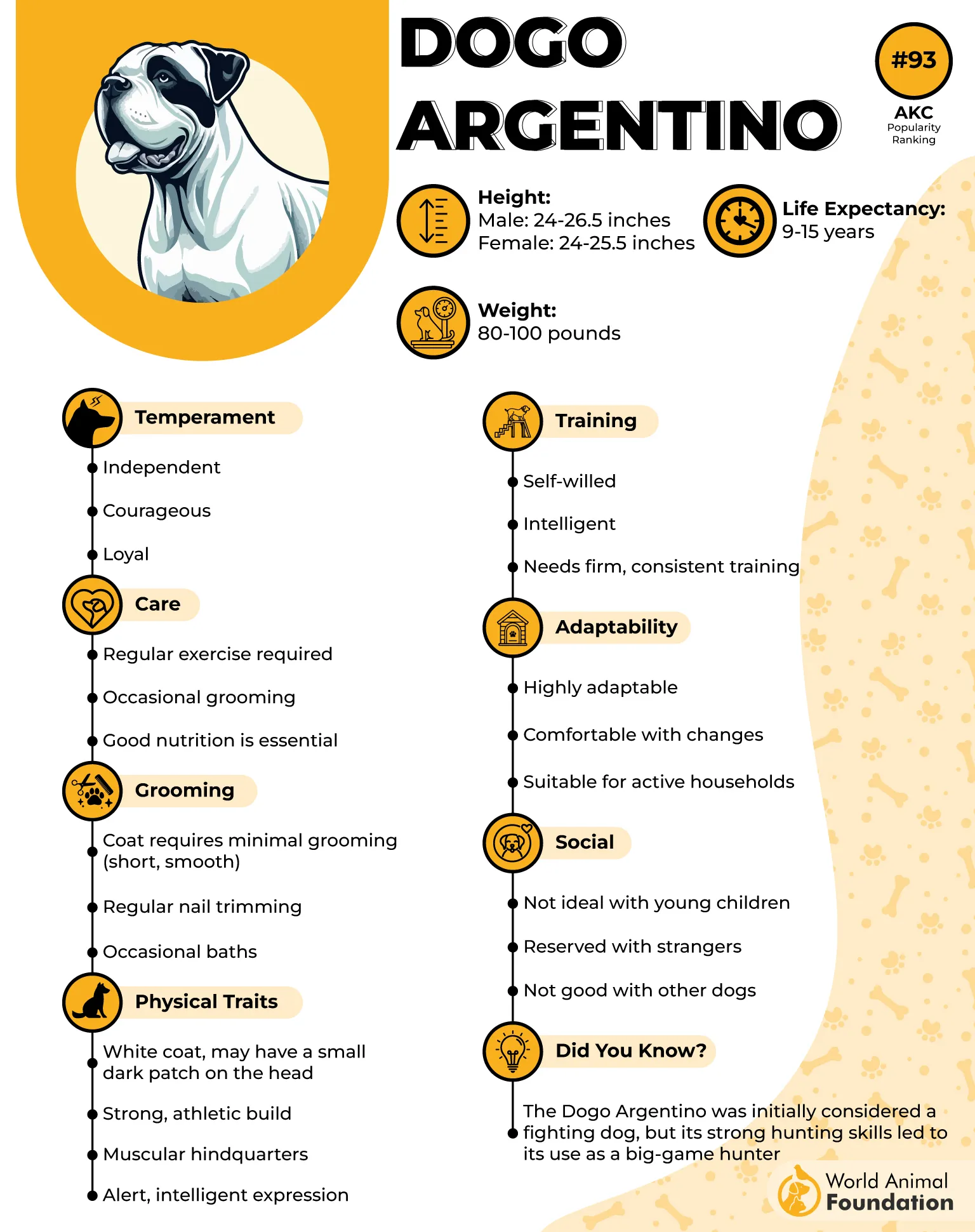
6. Dogo Argentino
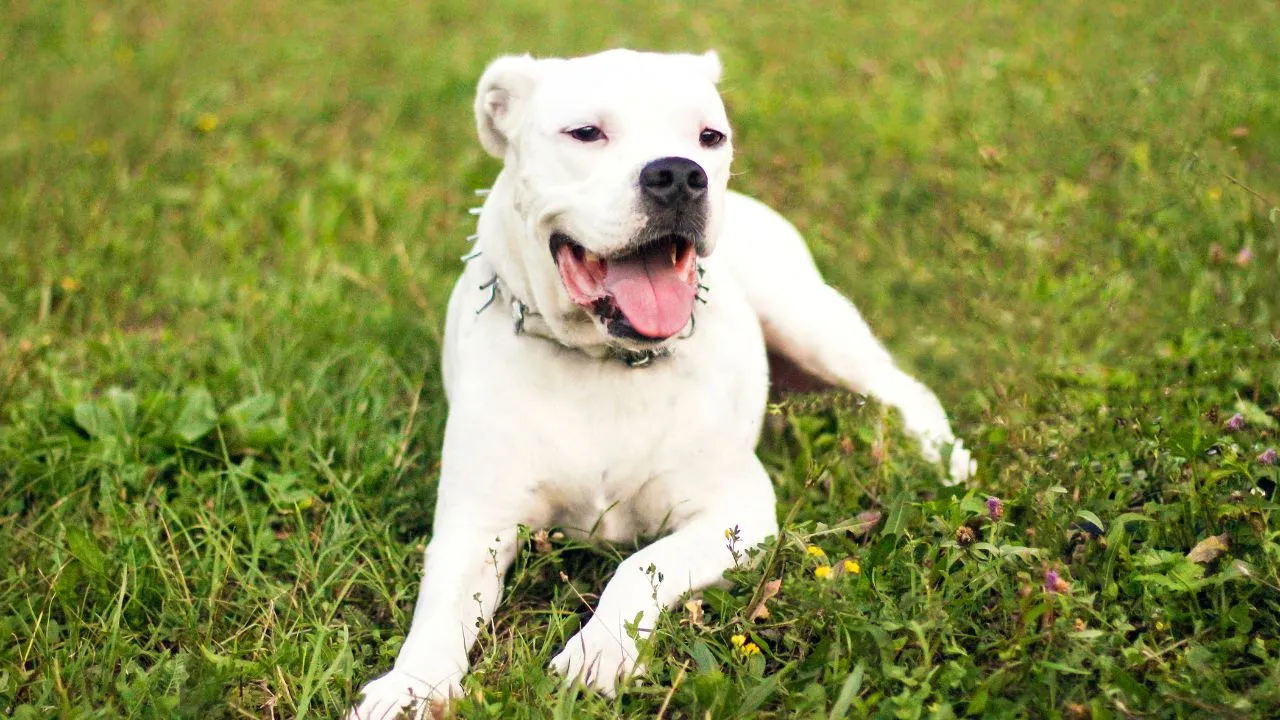
Dogo Argentino shows explosive power through a compact and athletic frame built for demanding terrain. Strong forelegs and heavily muscled hindquarters help it move with control across rocky paths and uneven ground. That physical balance matters when footing changes fast on rough trails.
Built to Push Through Distance
Dogo Argentino combines lung capacity, drive, and agility in a way that suits long, physically demanding routes. Its ability to track, pursue, and stay engaged translates well to rugged outdoor movement.
A closer look at what supports that performance helps explain the fit:
Powerful hind drive
Strong scent focus
Agile turning ability
Athletic Design That Holds Up
Dogo Argentino presents a balanced build where muscle supports motion rather than slowing it down. The thick neck, solid legs, and athletic body structure work together during sustained outdoor activity. This harmony allows consistent performance across challenging terrain without loss of coordination
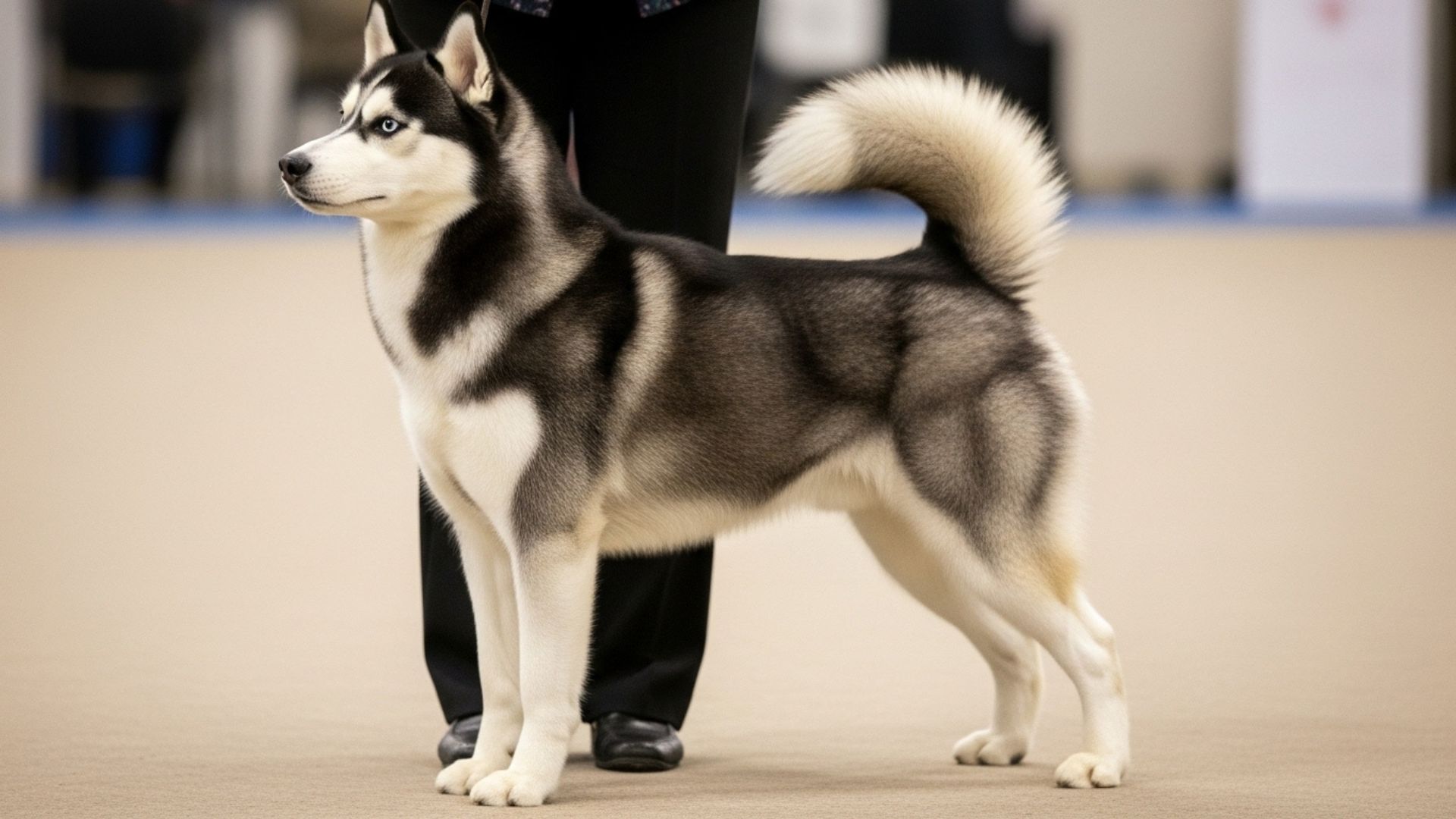
7. Siberian Husky
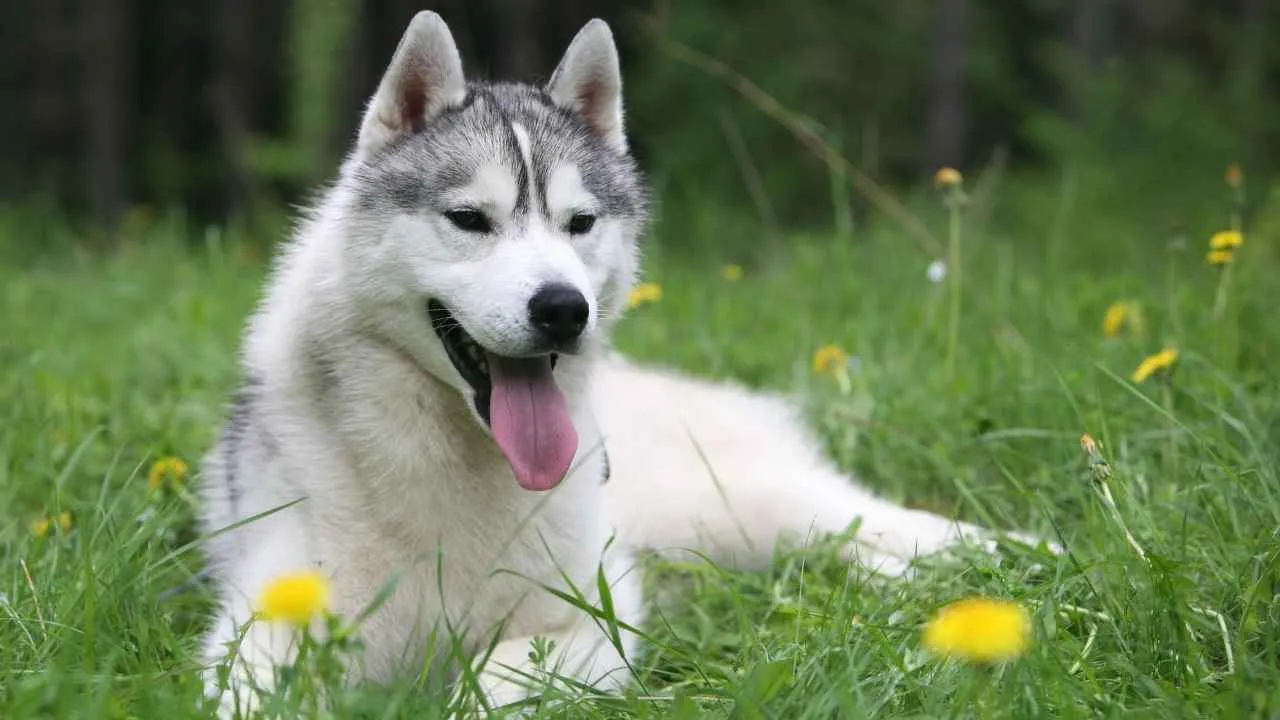
Siberian Husky has a compact, muscular frame that handles rough terrain with seemingly effortless energy. Their strong limbs and light build let them cover long distances without slowing down. This makes them ideal for trails that demand stamina and consistent motion.
Speed and Precision
Their gait is both graceful and efficient, giving them the ability to handle snow, rocks, and uneven ground. Quick reactions and controlled steps support long expeditions across challenging routes.
Traits that make them reliable in wild terrain include
Smooth and powerful stride
Nimble footing on slippery surfaces
Endurance for long, moderate-speed treks
Alert and Social
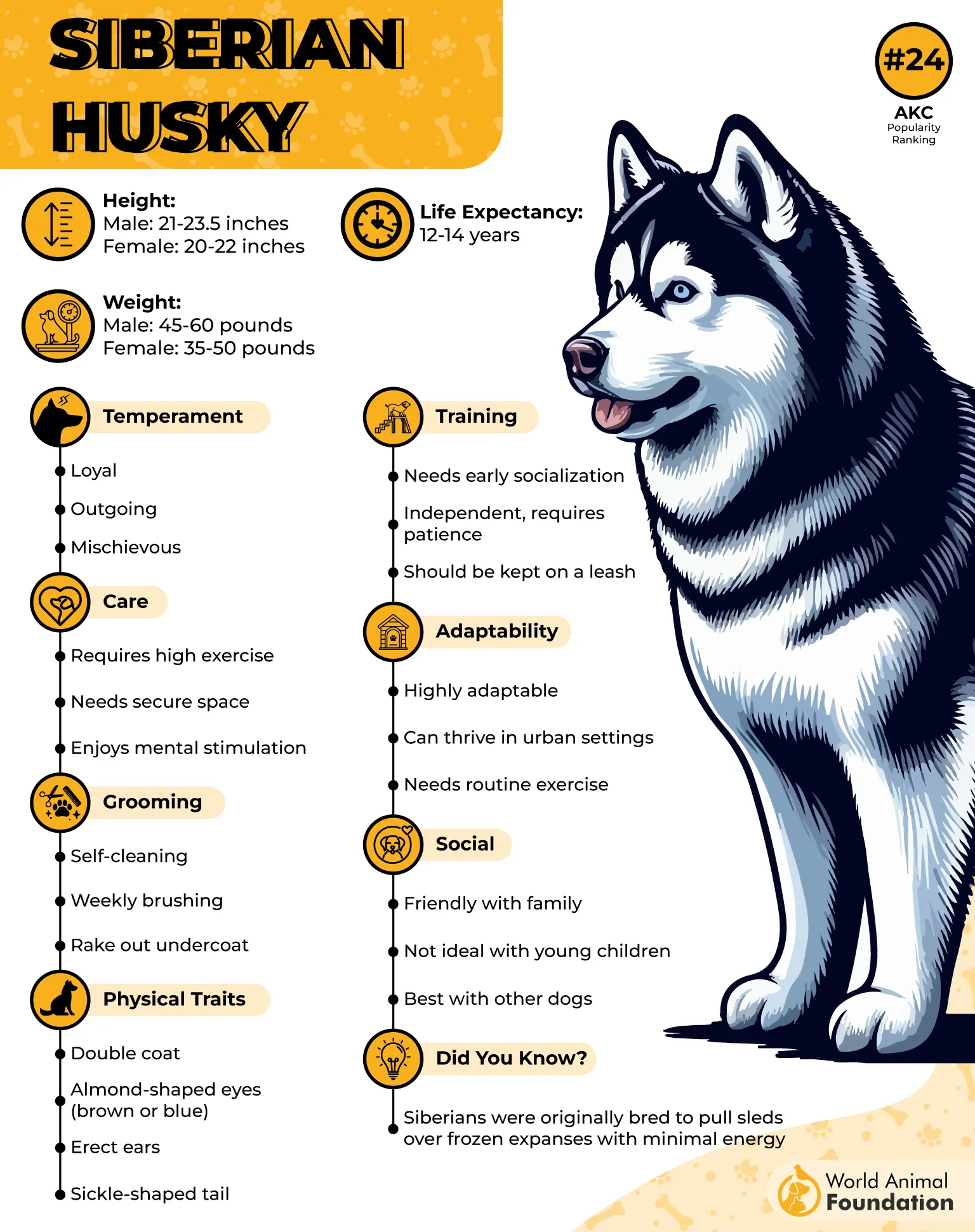
Siberian Huskies remain aware of changes in terrain while staying attentive to companions nearby. Their natural curiosity encourages exploration without causing distractions. Pack instincts help them adapt to trail conditions and maintain steady movement alongside others.
Conclusion
These seven breeds show how strength becomes purposeful when the terrain turns difficult. Their bodies move with intention rather than force, giving them an edge that many other breeds cannot match on demanding ground. Some were shaped as hunting dogs, while others learned to rely on balance more than size.
Even some small dog breeds can handle rugged paths when focus stays steady, though these particular dogs carry an advantage built through real work. Each one fits easily into an active lifestyle and remains steady around other dogs. Their presence brings a sense of control that turns rough terrain into something familiar.
