




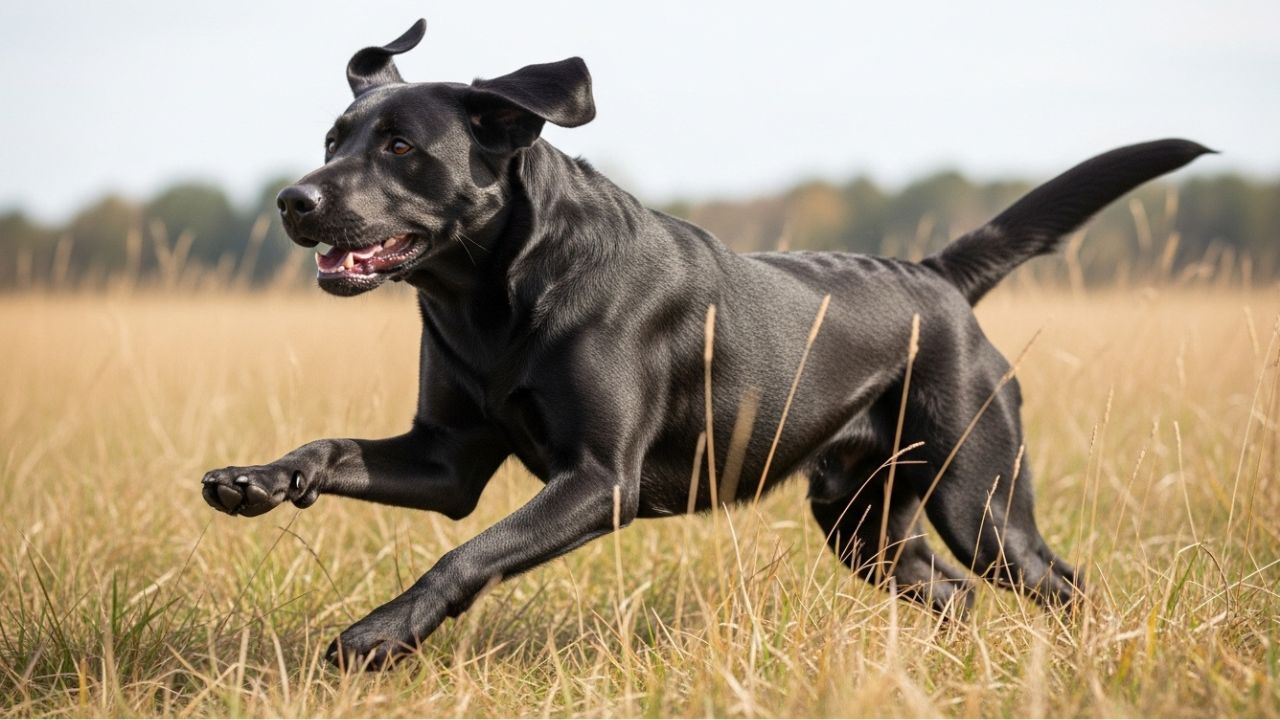
If crisp mornings, open fields, and the sound of wings flushing get your heart racing, you already know that upland bird hunting is about more than the birds. It is about the dog at your side. The right breed can turn a long day outdoors into a smooth, rewarding partnership that feels almost effortless.
From dogs that love to range ahead to those happiest working close, different breeds bring different styles and personalities to the field. This guide explores ten dog breeds often chosen by upland hunters, helping you think about what might fit your hunting style, home life, and sense of adventure.
Upland bird hunting calls for dogs with sharp instincts, boundless energy, and an unbreakable bond with their handlers. The right hunting companion doesn’t just work the field—it elevates the entire experience with skill, endurance, and unwavering focus.
Fun Fact
Many pointing dogs strike a frozen pose when they scent a bird. That iconic stance is exactly where the term “pointing” comes from, and it never fails to impress first-time hunters.
Top Dog Breeds Ideal for Upland Bird Hunting
1. Labrador Retriever
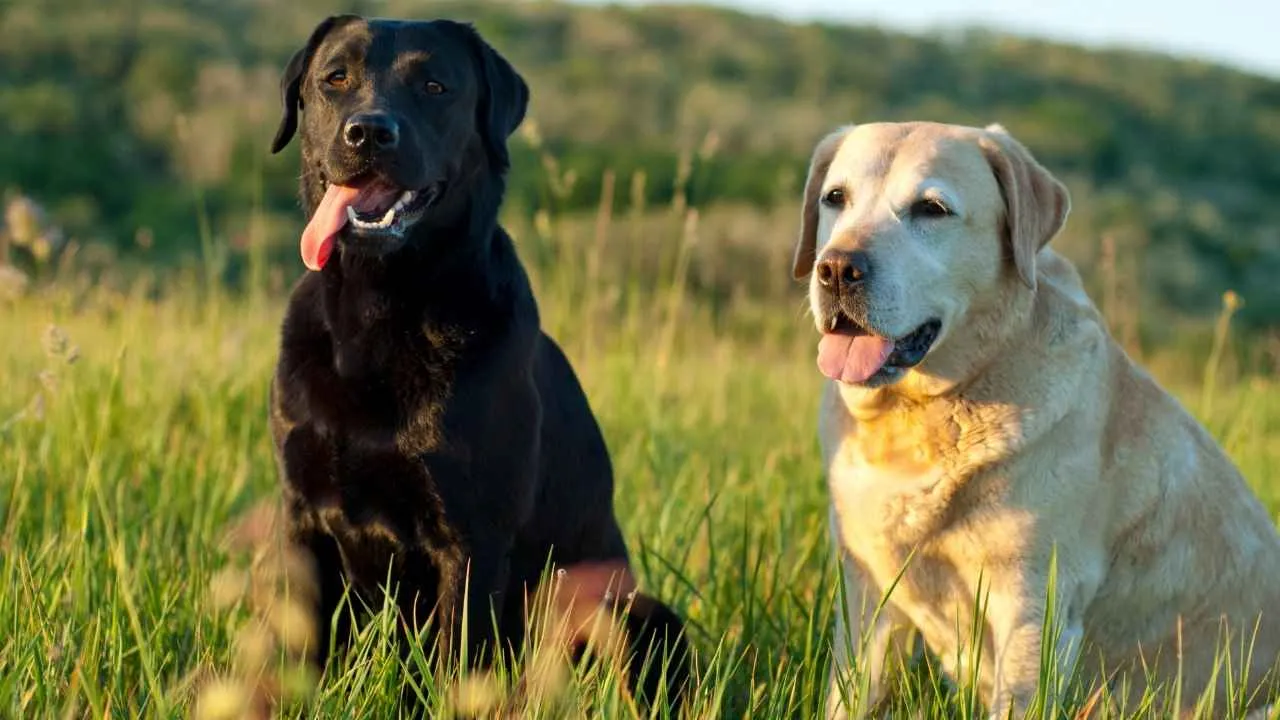
The Labrador Retriever is known for a sunny attitude and a genuine love of being around people. This breed enjoys close bonds with its family and tends to greet daily life with tail-wagging enthusiasm. Labs are social, adaptable, and comfortable sharing space with children and other dogs.
From appearance alone, Labradors give off a solid, athletic impression. Their dense, short coat comes in yellow, black, or chocolate and is designed to handle wet conditions with ease. A broad head, warm expression, and thick, tapering tail contribute to the breed’s classic, approachable look.
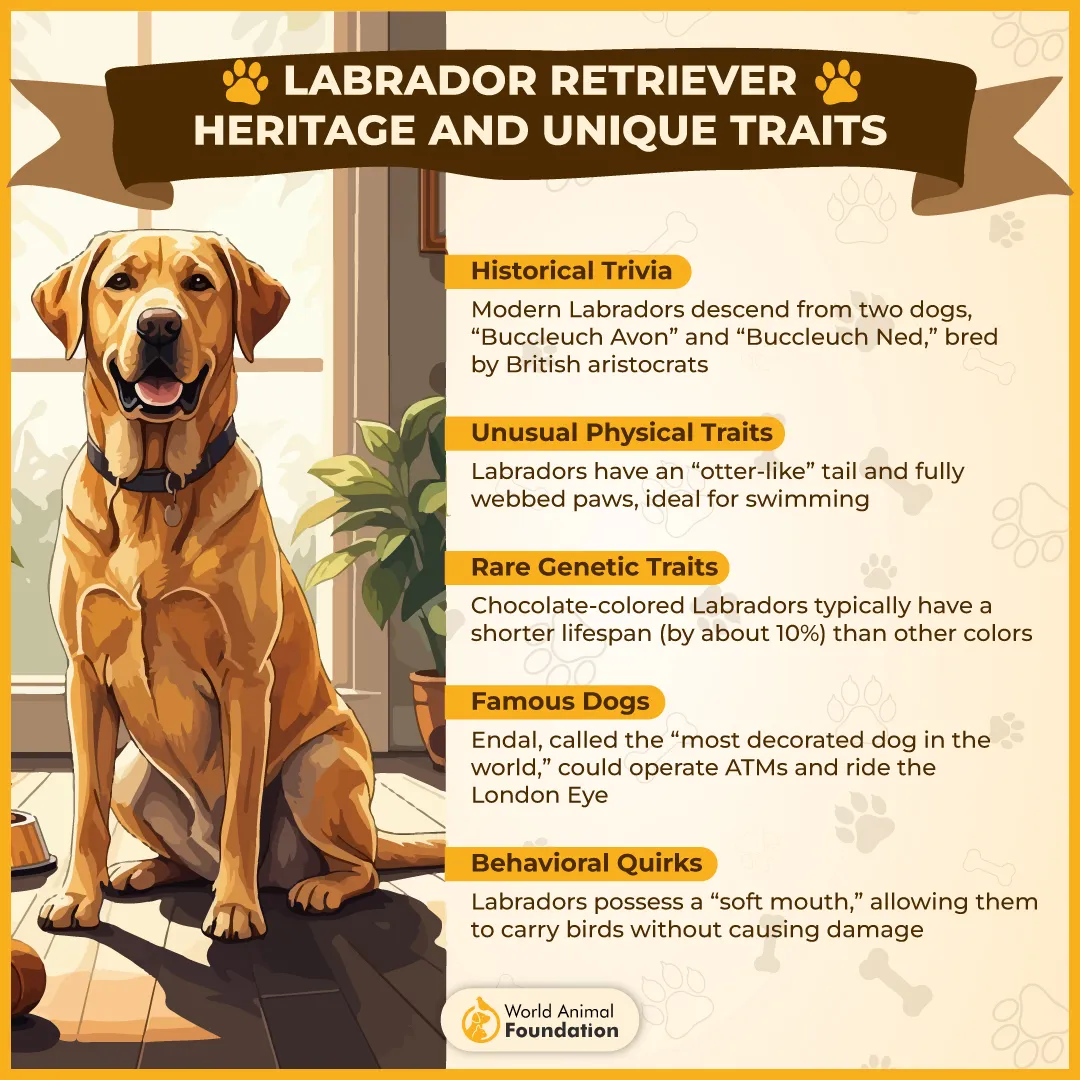
Energy comes standard with the Labrador Retriever, and these dogs are happiest when they have plenty to do. They enjoy activities that keep both their body and brain busy, including retrieving games, swimming, and structured training sessions. Starting training early helps guide their excitement into calm focus and good manners as they mature.
Fun Fact
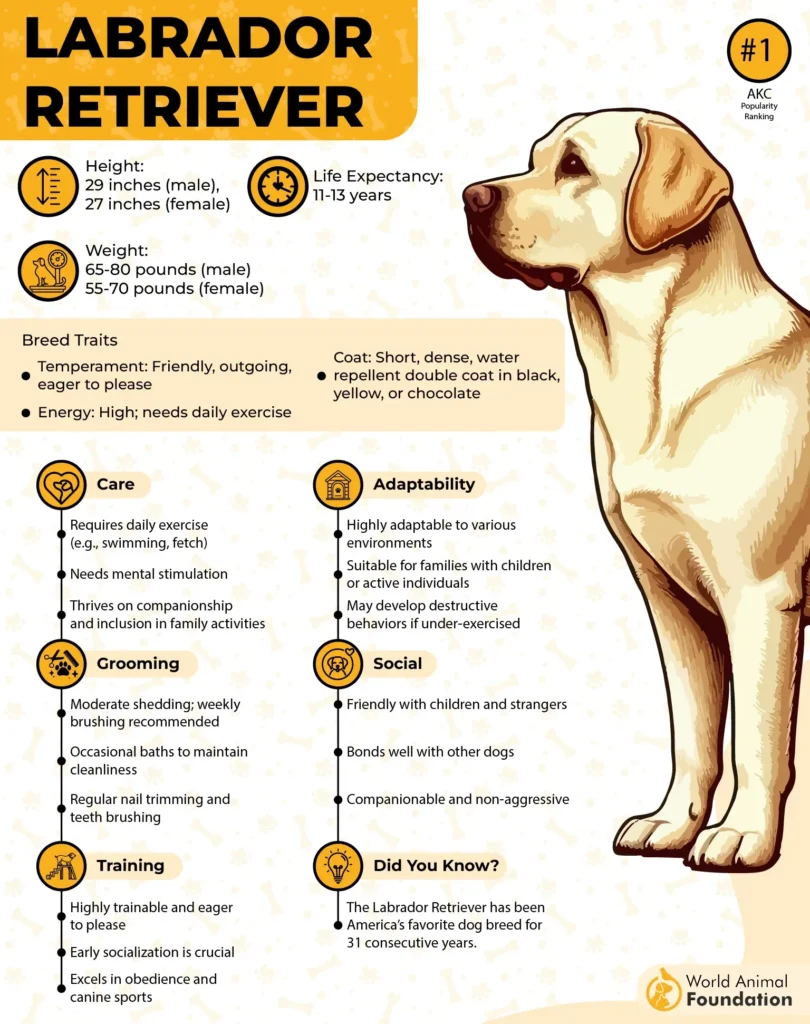
The Labrador Retriever was officially recognized by the American Kennel Club in 1917. Its signature “otter tail” is more than charming; it constantly moves while swimming to help the dog steer smoothly through the water.
2. Irish Water Spaniel
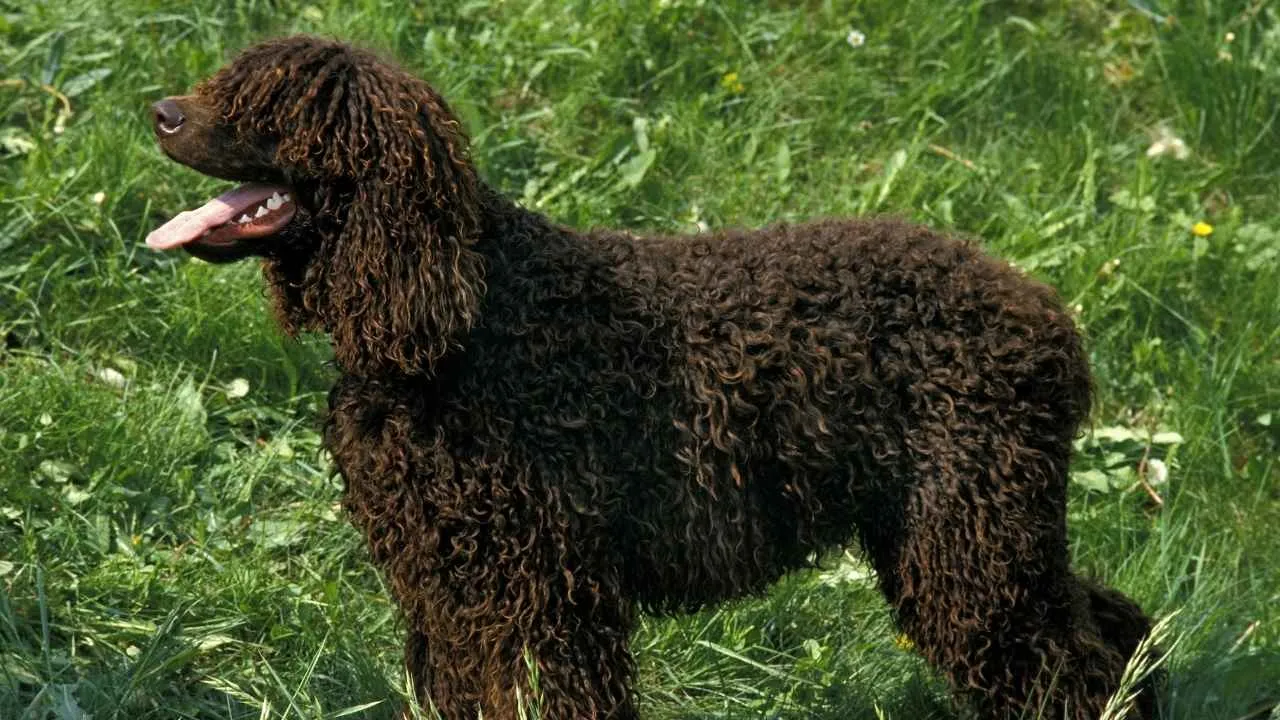
Long before modern sporting breeds took shape, this curly-coated dog earned respect along Ireland’s waterways and fields for being able to handle whatever the day demanded. The Irish Water Spaniel developed a reputation for adaptability, moving comfortably between water retrieves and upland work.
Its distinctive coat and tapered tail only add to a personality that feels confident, clever, and a little unconventional.
When working in wood cover, this breed shows a determined style that suits ruffed grouse hunting well. It pushes directly through heavy vegetation rather than working around it and naturally keeps its range practical. Once scent is picked up, the dog stays committed until the bird is located or flushed, even when conditions are challenging.
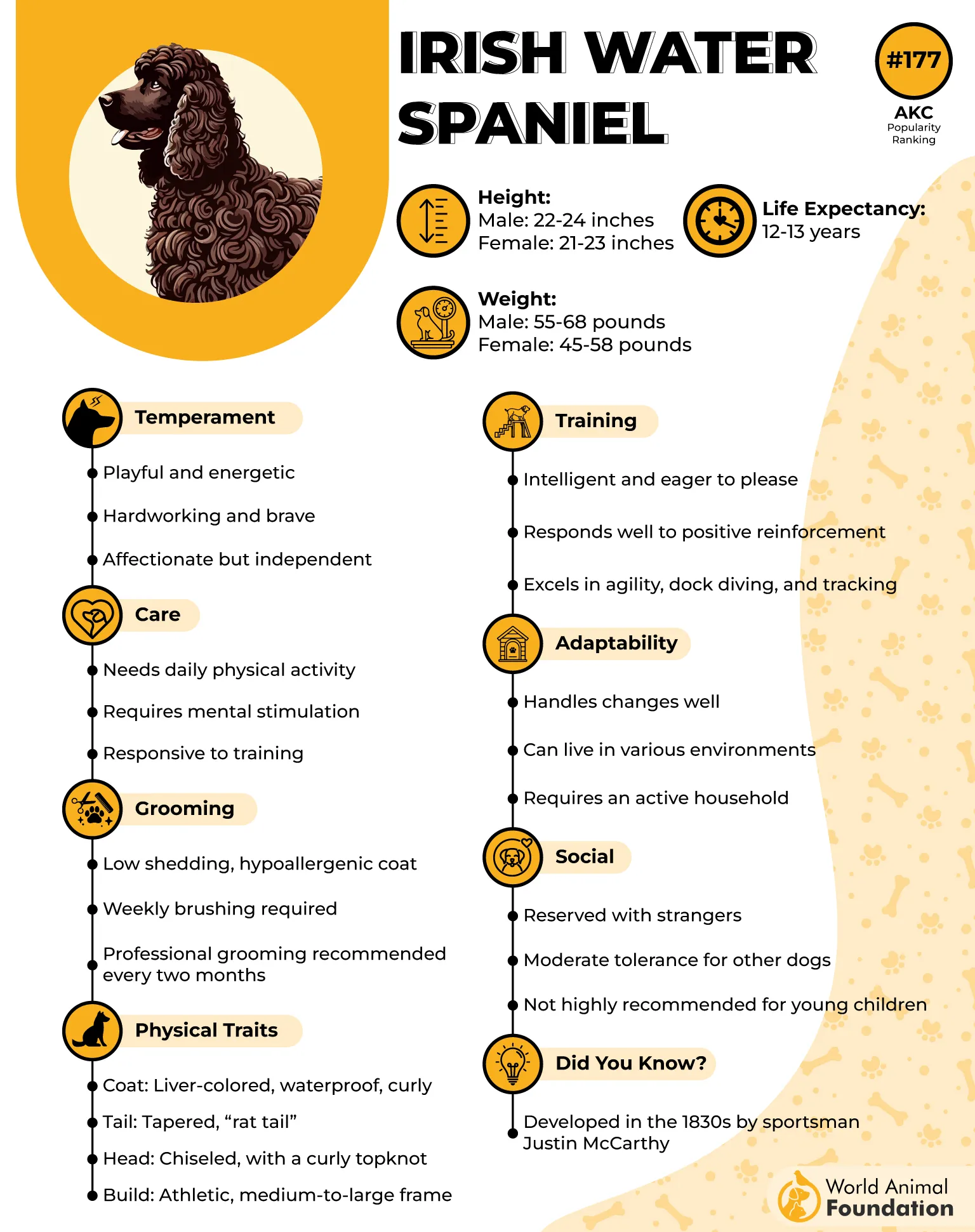
As per the AKC, the Irish Water Spaniel is playful, smart, and eager to work when training stays fun and rewarding. Positive methods suit this sensitive breed best, helping keep focus high and boredom low while encouraging their natural enthusiasm.
Fun Fact
Many owners describe the Irish Water Spaniel as having a sense of humor. Its tail is known for wagging nonstop during work, training, or greetings, giving the impression that everything it does is approached with enthusiasm and joy.
3. Boykin Spaniel
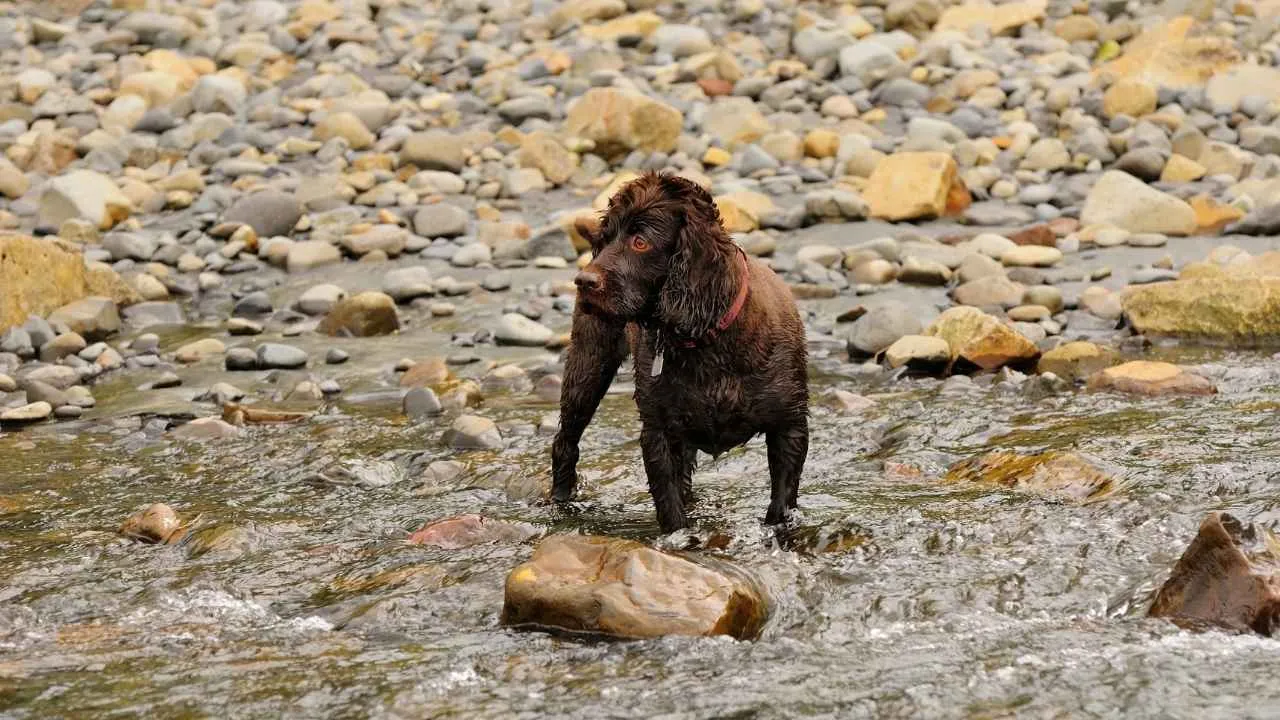
What started as a small brown dog wandering into a South Carolina town eventually became one of America’s most recognizable sporting breeds. The Boykin Spaniel carries a homegrown legacy, blending high spirits with an eagerness to stay involved, whether the day calls for work outdoors or time spent close to family.
In the field, this bird dog breed shows why so many hunters trust it. The Boykin works closely, flushes birds confidently, and retrieves well on land or water. Its steady behavior in blinds and flexibility with different birds make it a dependable partner all season.
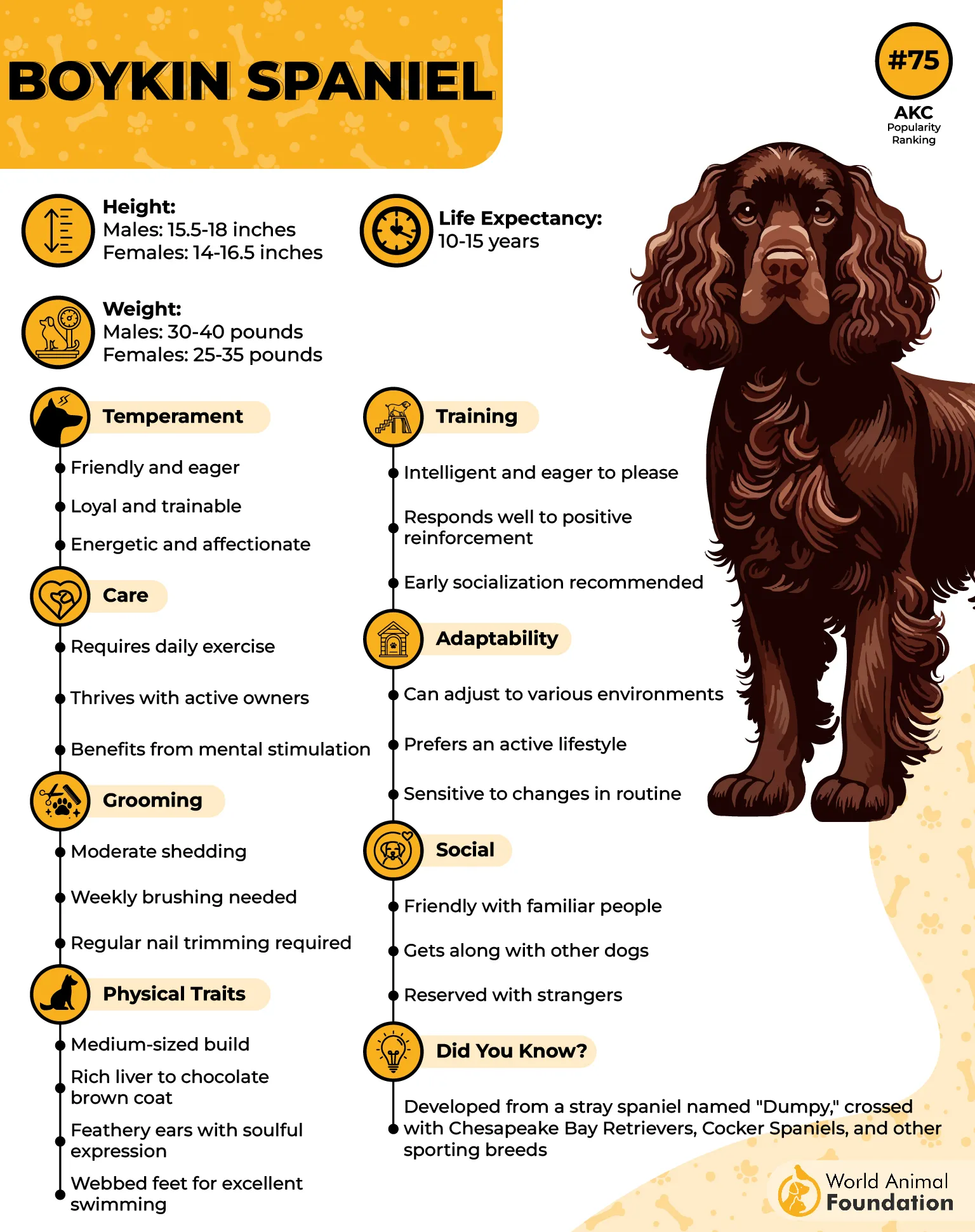
That rich brown coat adds to the Boykin’s charm and requires steady care to stay comfortable. Weekly brushing helps manage moderate shedding and prevent tangles, especially around the ears and legs. After swimming or hunting, thorough drying is important to keep skin healthy.
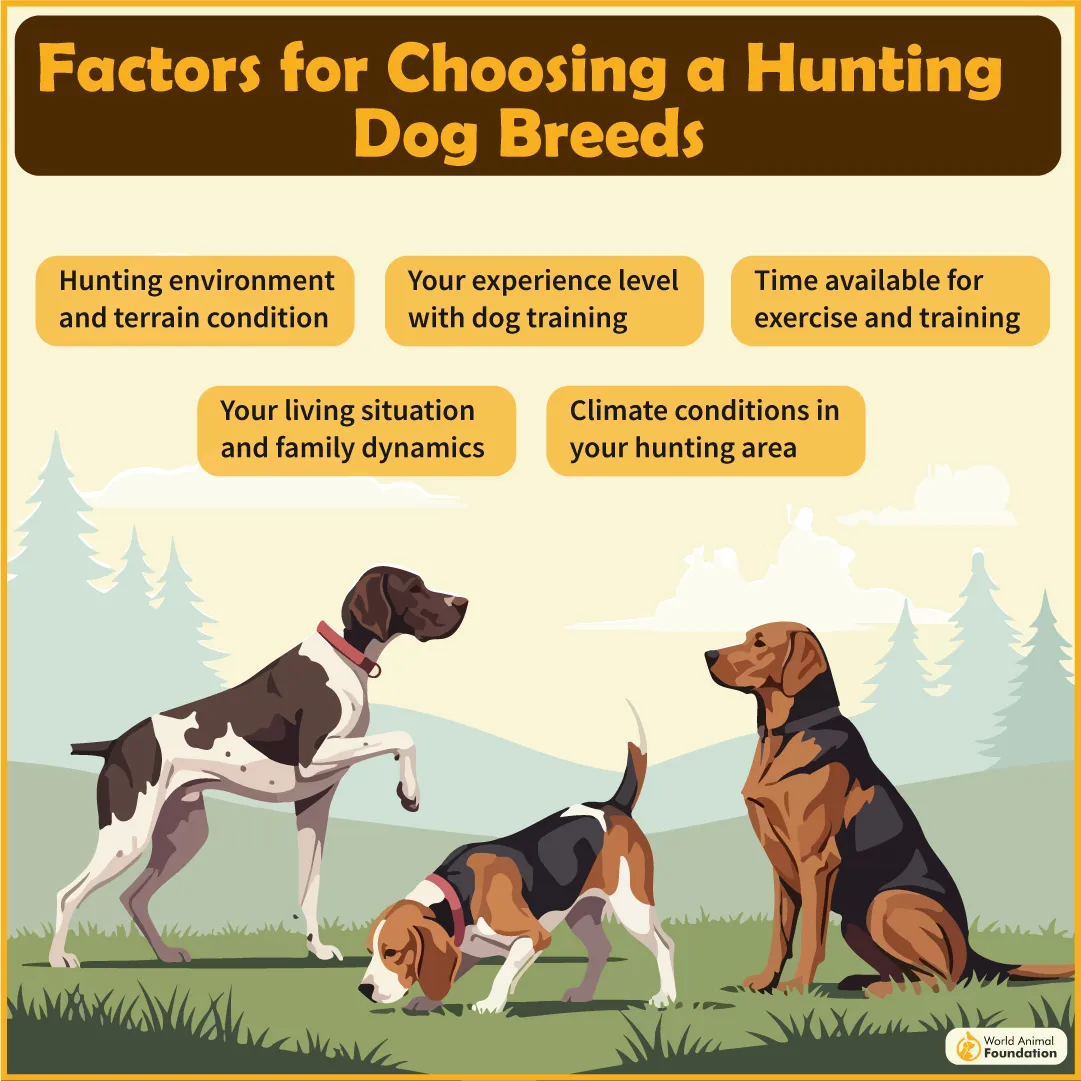
Fun Fact
The Boykin Spaniel has a unique connection to turkey hunting that shaped the breed’s history. Early hunters docked tails because constant wagging rustled dry leaves, giving away positions during turkey setups.
4. Golden Retriever
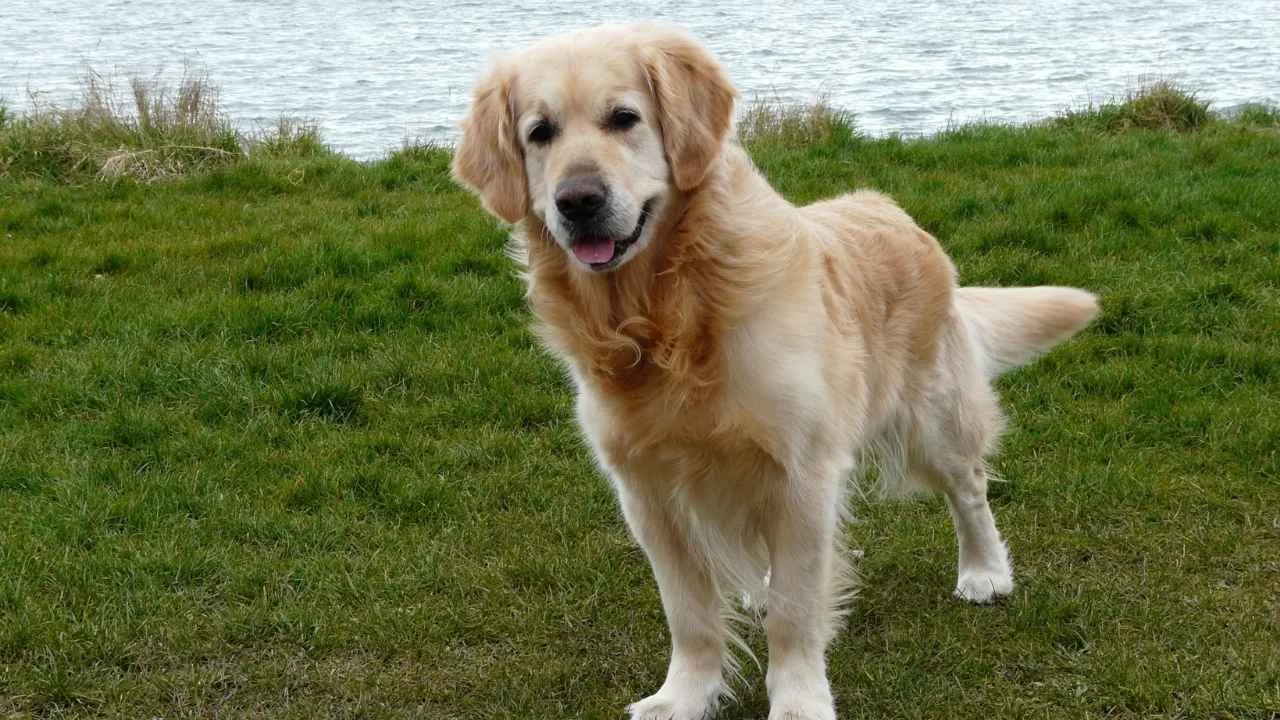
Warm expressions and a steady temperament made this breed a household favorite long before many people noticed its sporting roots. This popular dog breed was developed to work closely with humans, valuing cooperation and attentiveness, a mindset that shapes how it approaches tasks in the field and at home.
While hunting, the Golden Retriever works with calm focus rather than intensity. It watches carefully, marks fallen birds with precision, and retrieves with a soft mouth and steady pace. The breed’s natural desire to please keeps it responsive and dependable throughout changing field conditions.
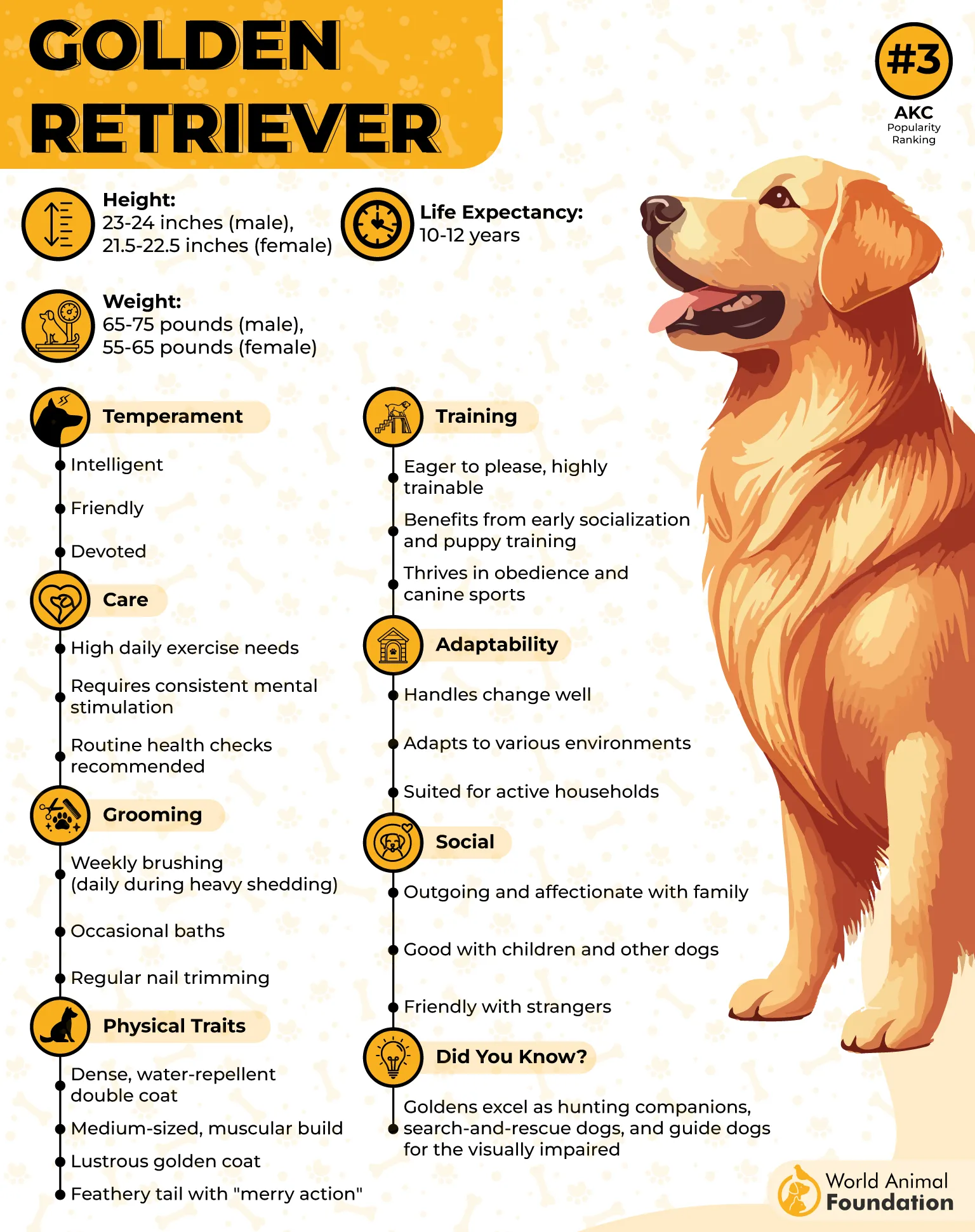
Long days outdoors suit the Golden Retriever well, thanks to its balanced energy and physical stamina. It maintains enthusiasm without burning out quickly, even during extended hunts or repeated retrieves. Moderate energy levels allow it to stay productive while remaining composed from start to finish.
Fun Fact
Golden Retrievers are known for gently carrying objects without damaging them. That soft mouth trait once made them equally trusted for retrieving game and for carrying delicate household items like eggs without cracking them.
5. Chesapeake Bay Retriever
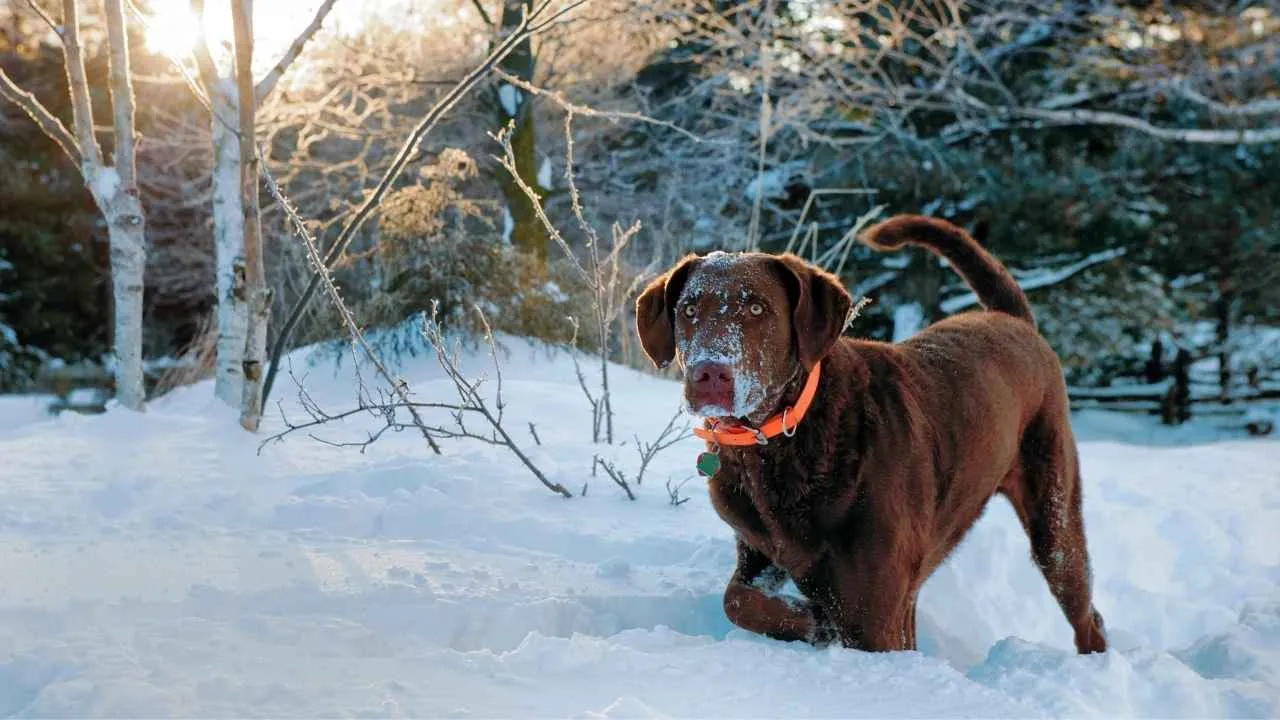
Forged by cold water and tough coastal conditions, this breed reflects grit more than polish. The Chesapeake Bay Retriever developed along the Mid-Atlantic shoreline as a hardworking, self-assured dog with a protective nature and a strong sense of purpose. It approaches work seriously and expects the same in return.
Out in pheasant cover, the Chesapeake’s determination while pheasant hunting is impossible to miss. It moves with drive, pushes through thick grass without hesitation, and stays locked onto scent until the job is finished, handling birds with power and precision even in tough conditions.
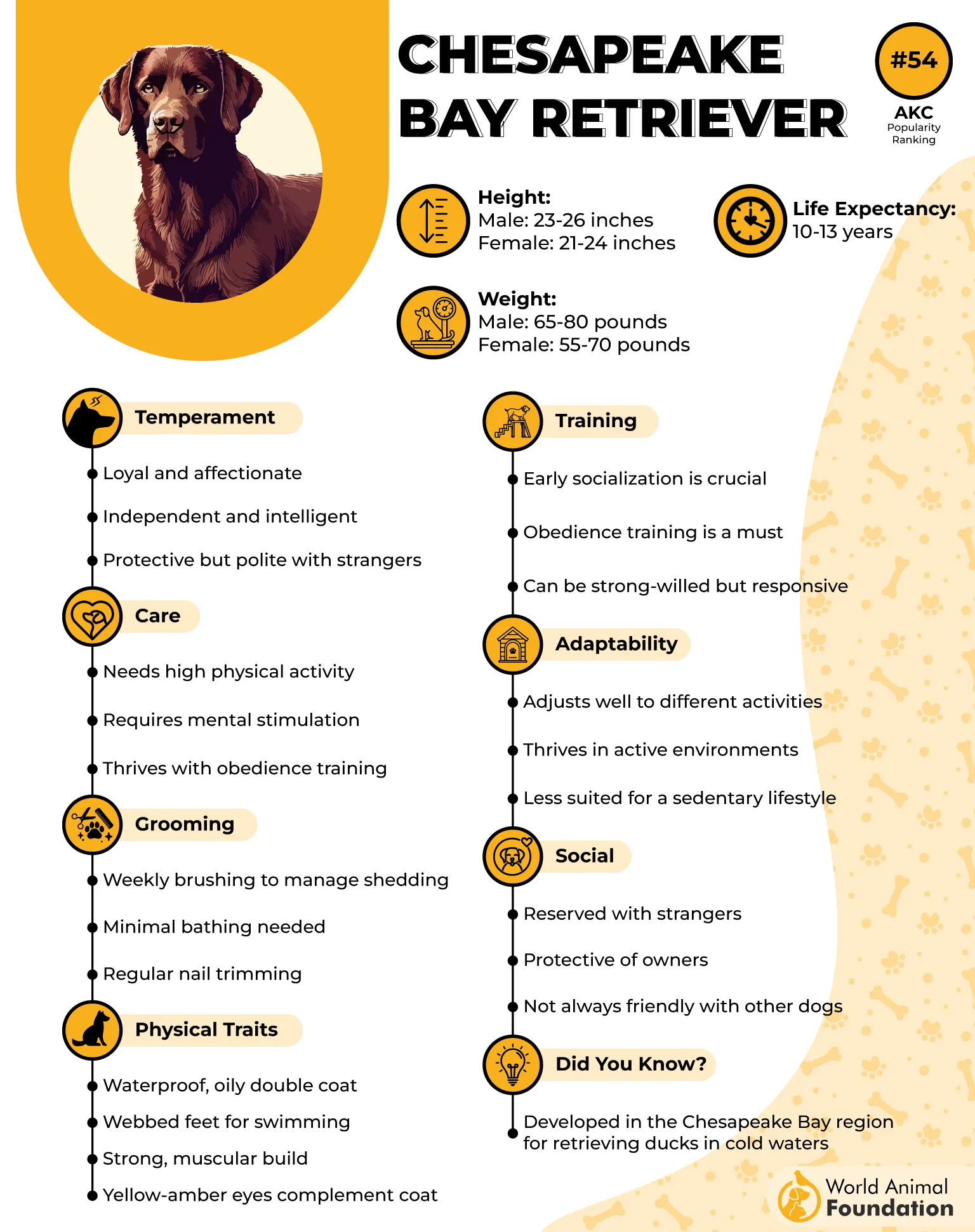
Energy runs deep in this breed, but it is not frantic or scattered. The Chesapeake thrives when given long, demanding days filled with real work. Regular exercise, challenging terrain, and time in the field help channel that stamina into a steady, reliable rhythm.
Fun Fact
The Chesapeake Bay Retriever was officially recognized by the American Kennel Club in 1878. It remains one of the few retriever breeds developed entirely in the United States, shaped by regional needs rather than show trends.
6. Vizsla
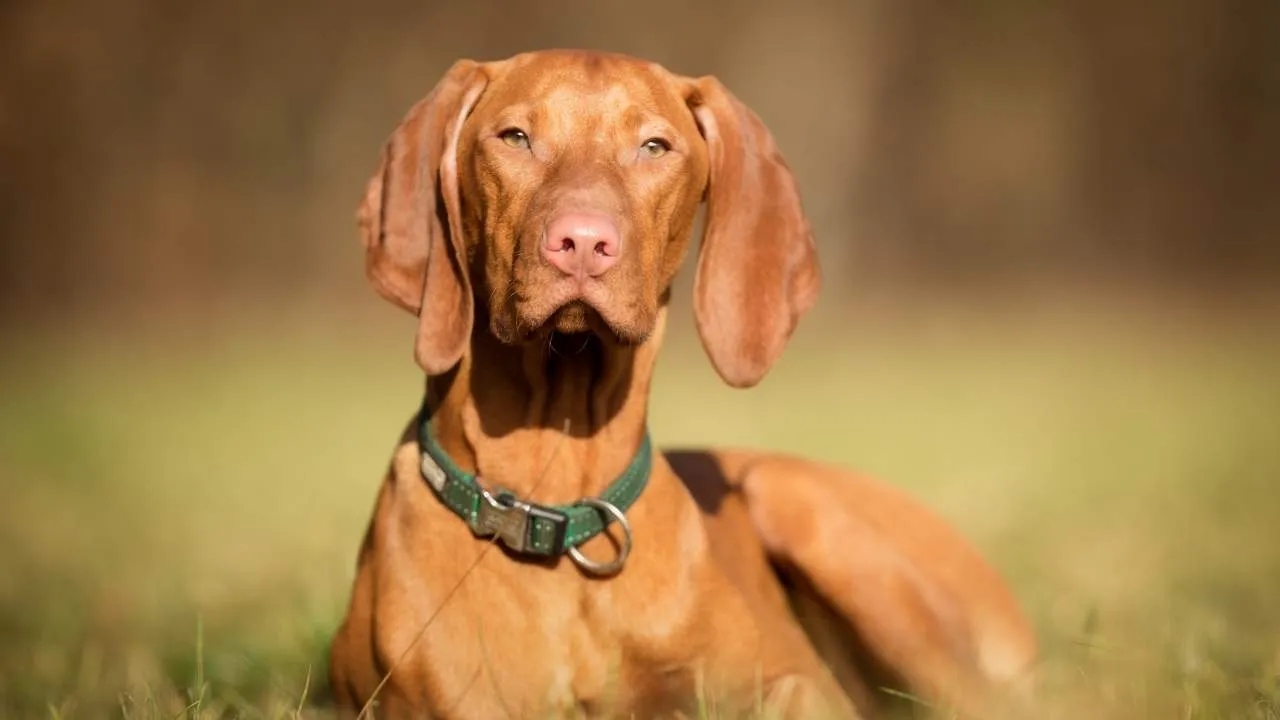
Centuries before becoming a familiar sight in modern fields, this sleek sporting dog was already closely tied to hunters in its native Hungary. The Vizsla developed as a true companion dog, bred to stay connected to its handler while working. That closeness still defines the breed’s style and temperament today.
Once scent is picked up, the Vizsla’s prey drive takes center stage. This breed hunts with intensity and focus, using a keen nose to locate birds and hold steady on point. Its desire to stay connected keeps it working within range, making teamwork feel natural rather than forced.
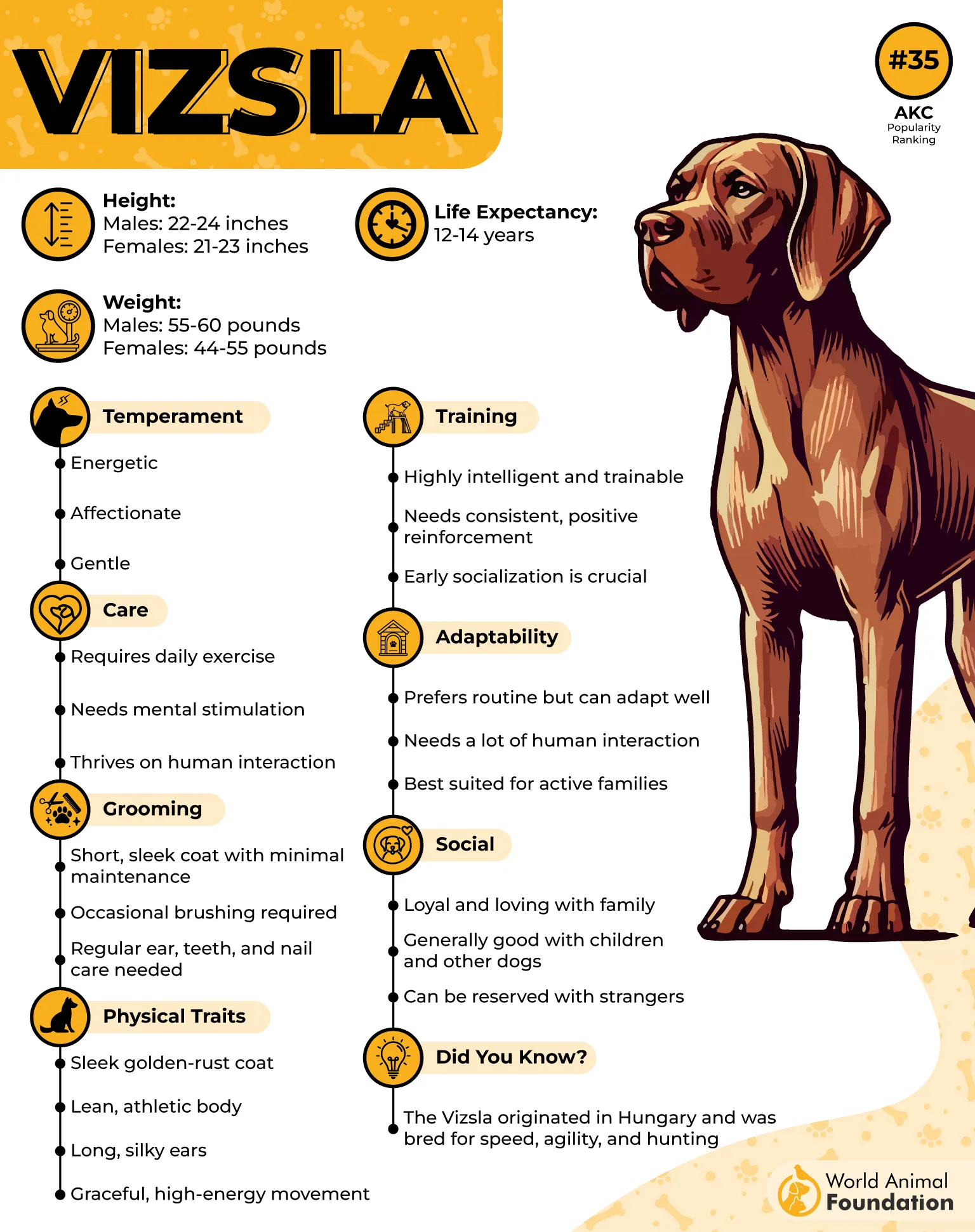
As mentioned by PetMD, Vizslas need plenty of exercise each week and truly enjoy walking, jogging, running, and swimming, making them a great match for pet parents who love being outside and staying active together
Fun Fact
Vizslas are often called “Velcro dogs” for a reason. Historical accounts and artwork show them working so closely with hunters that they were rarely more than a few steps away, a trait that still defines the breed today.
7. English Springer Spaniel
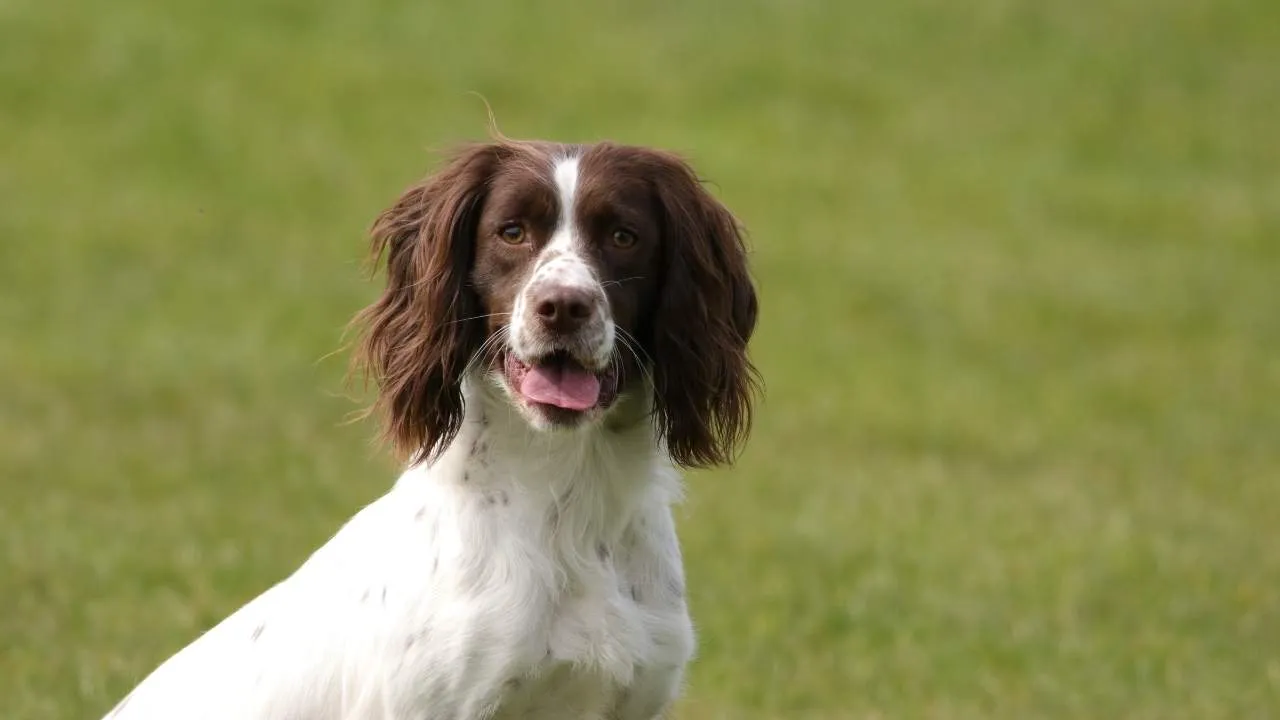
Built for motion and teamwork, the English Springer Spaniel brings a fast-paced, nose-forward style to the uplands. This upland hunting dog thrives on interaction, moving through cover with enthusiasm and purpose while staying deeply tuned in to its handler. Its classic “springing” action gave the breed its name and reputation.
Training tends to be a strong suit when sessions stay upbeat and varied. English Springer Spaniels are remarkably intelligent, eager to please, and quick to pick up new skills when guidance is consistent. They respond especially well to positive reinforcement and hands-on involvement rather than repetitive drills.
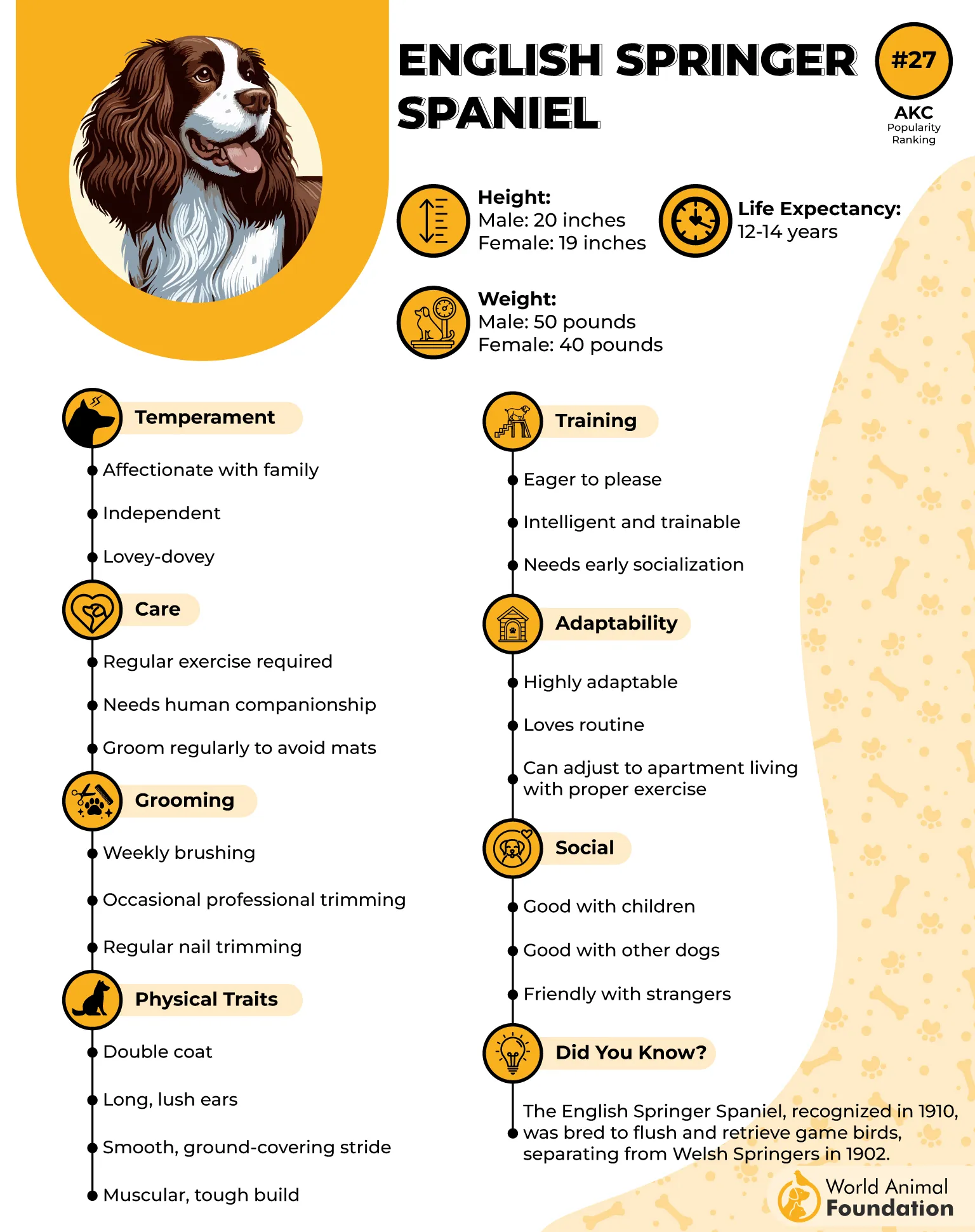
As noted by Purina, the English Springer Spaniel’s feathered coat needs light, regular grooming. Simple trimming around head, feet, and ears usually suffices, though checks after field days help remove twigs, grass, and debris from ears and paws.
Fun Fact
The English Springer Spaniel was once grouped with Cocker Spaniels. Historically, puppies from the same litter were sorted by size, with larger dogs called Springers and smaller ones labeled Cockers, long before breeds were officially separated.
8. Nova Scotia Duck Tolling Retriever
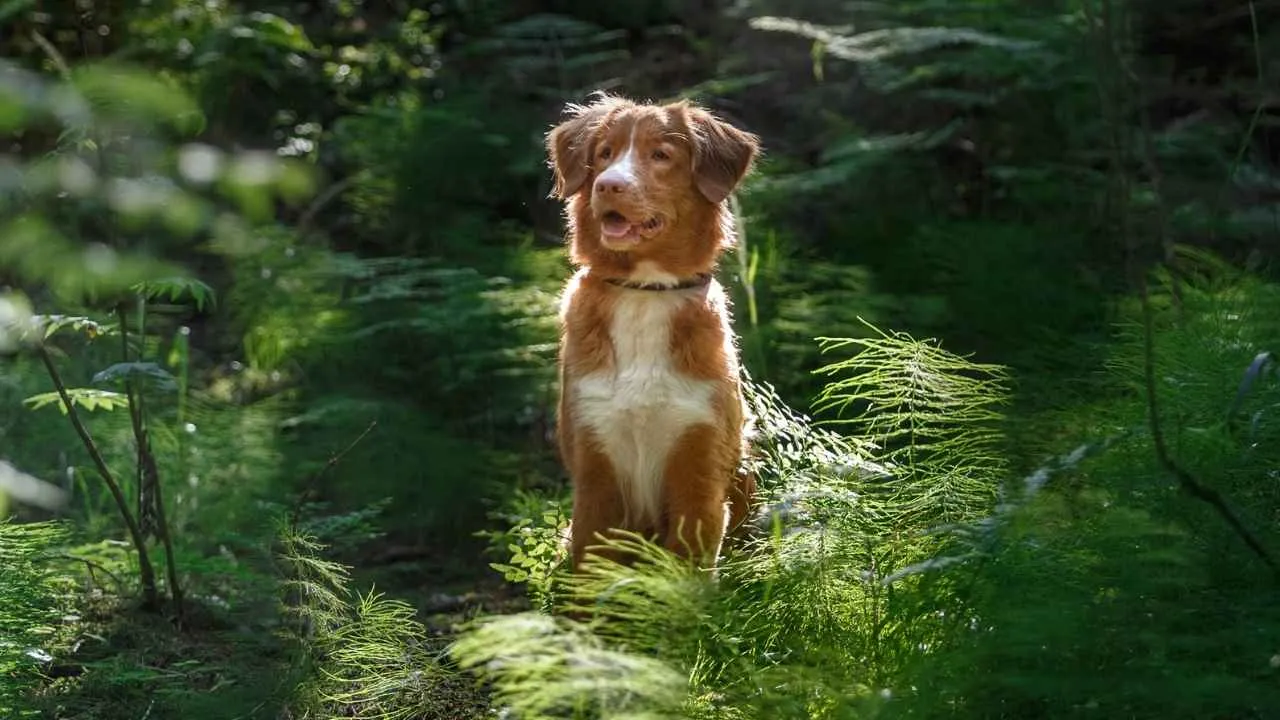
At first glance, the Nova Scotia Duck Tolling Retriever looks almost playful, but its background tells a far more purposeful story. Developed in coastal Canada, this versatile dog was shaped by hunters who needed one dog to handle marshes, meadows, and everything in between with confidence and grit.
Endurance is one of the toller’s standout qualities. It can move through thick upland cover for hours, flush and retrieve birds, then switch to water work without losing drive. That tireless nature allows this flushing dog to stay productive across long hunting days.
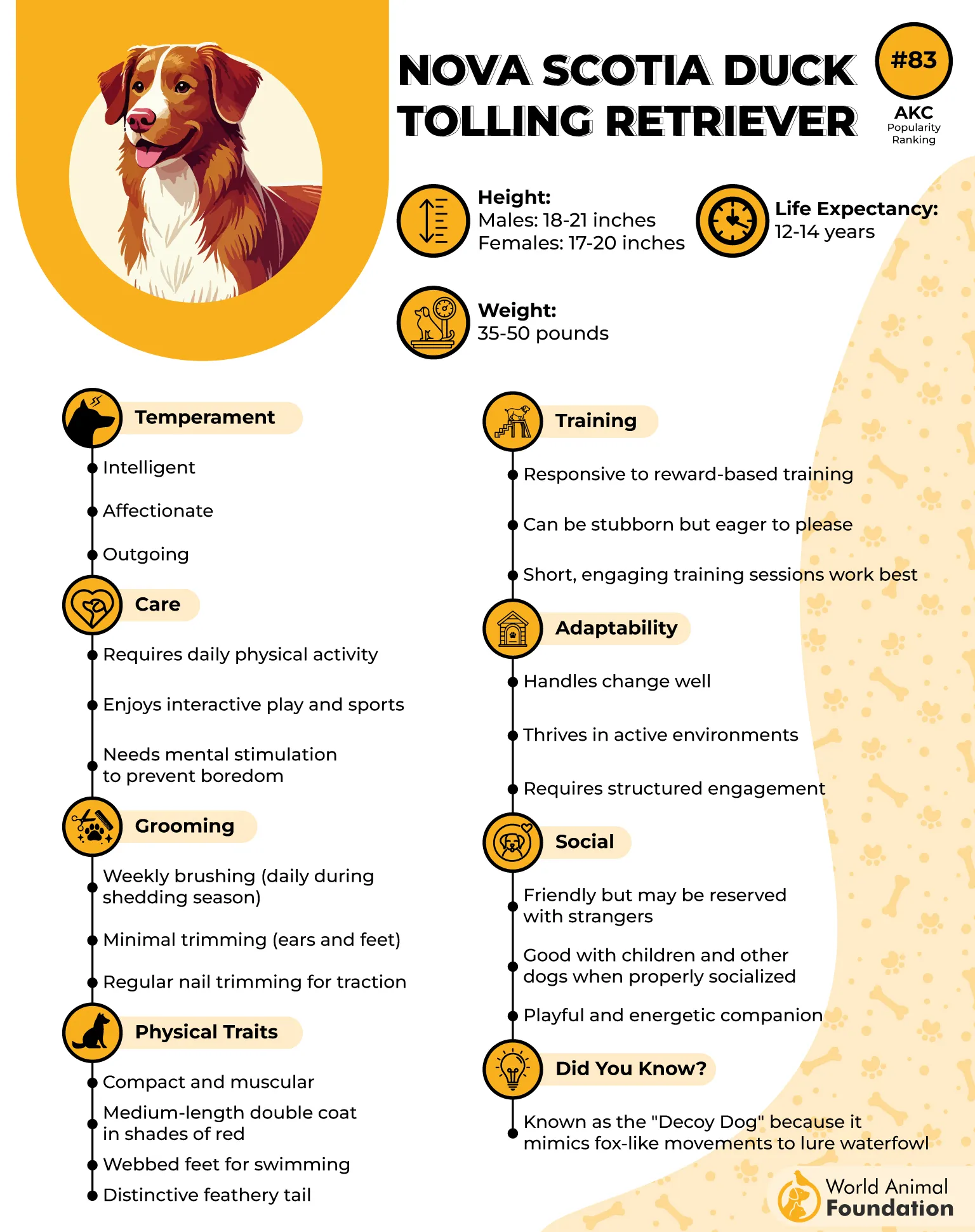
Strong cooperation defines how this breed works with people. Tollers are good bird dogs that hunt close, stay attentive, and naturally look to their handler for direction. They perform best when allowed to work with instinct, trust, and clear communication rather than heavy drilling.
Fun Fact
The Nova Scotia Duck Tolling Retriever uses playful motion to lure waterfowl closer. By darting along shorelines and flashing its white-tipped tail, the dog sparks curiosity in ducks, drawing them within range before the retrieve ever begins.
9. Brittany
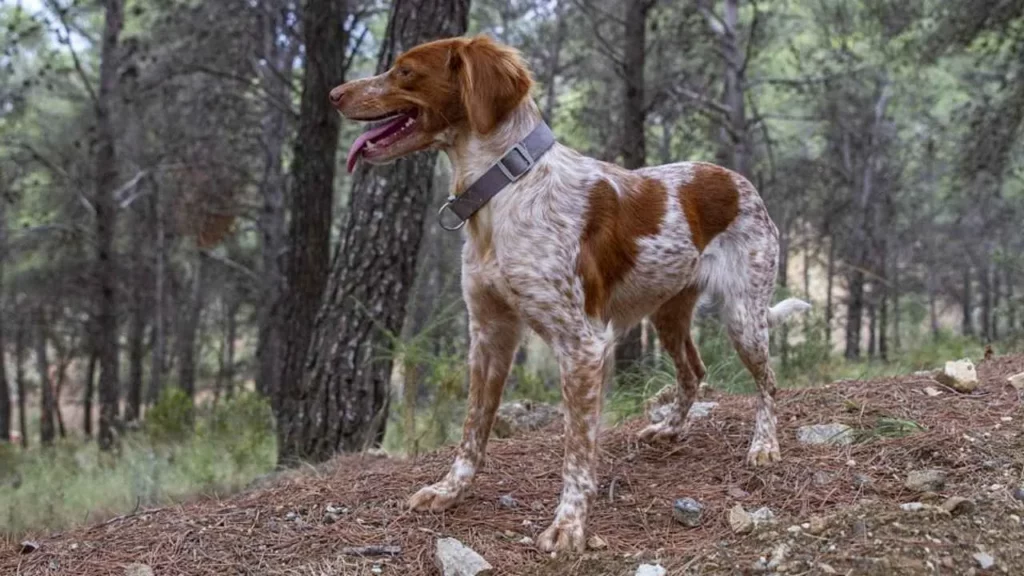
Light on its feet and always ready to move, the Brittany brings a blend of athleticism and charm that feels equally suited to open fields and everyday life. Developed in France as a bird dog, this breed became known for covering ground efficiently while maintaining a close working relationship with its handler.
Day to day, Brittany shows a gentle and friendly temperament that carries over from the field to the home. It enjoys being involved with family activities, forms strong bonds with people, and does best with regular social interaction. Sensitivity is part of its makeup, so calm handling and companionship matter.
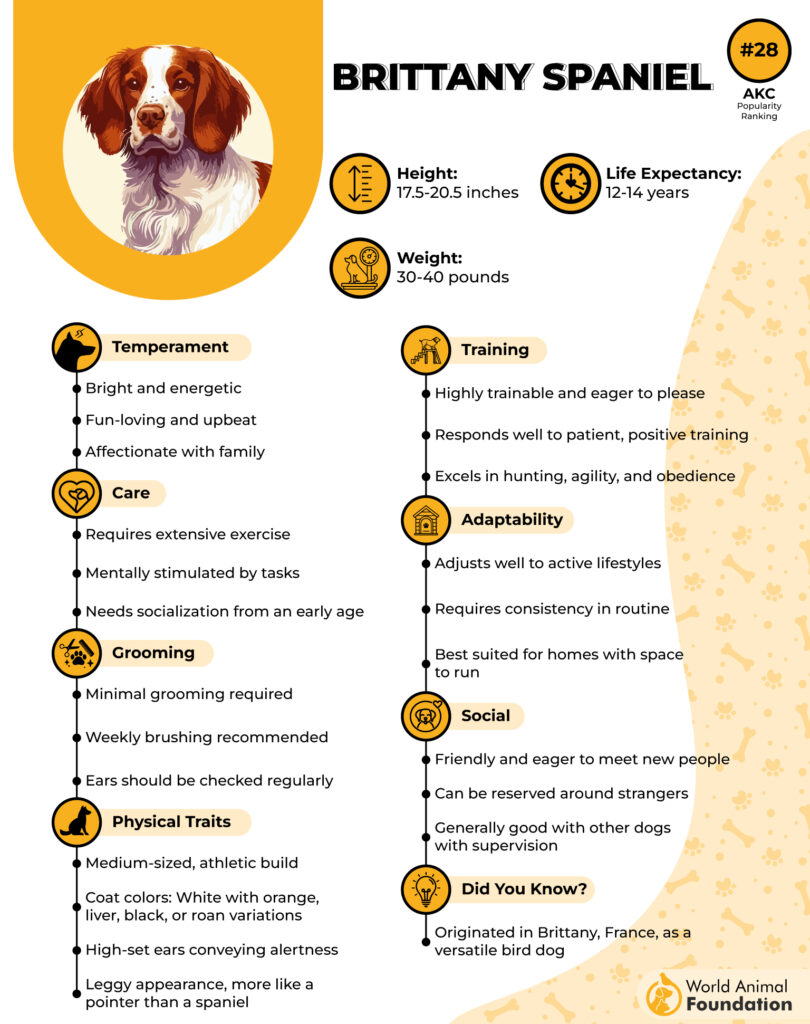
Meeting Brittany’s enrichment needs means leaning into activity and variety. Long walks, running, hunting outings, and interactive play help keep both body and mind satisfied. Without enough stimulation, this breed quickly looks for its own entertainment, usually with impressive creativity.
Fun Fact
The Brittany is no longer officially called a spaniel. In 1982, the American Kennel Club dropped “Spaniel” from the breed’s name after recognizing its pointing style and unique working heritage.
10. Curly-Coated Retriever
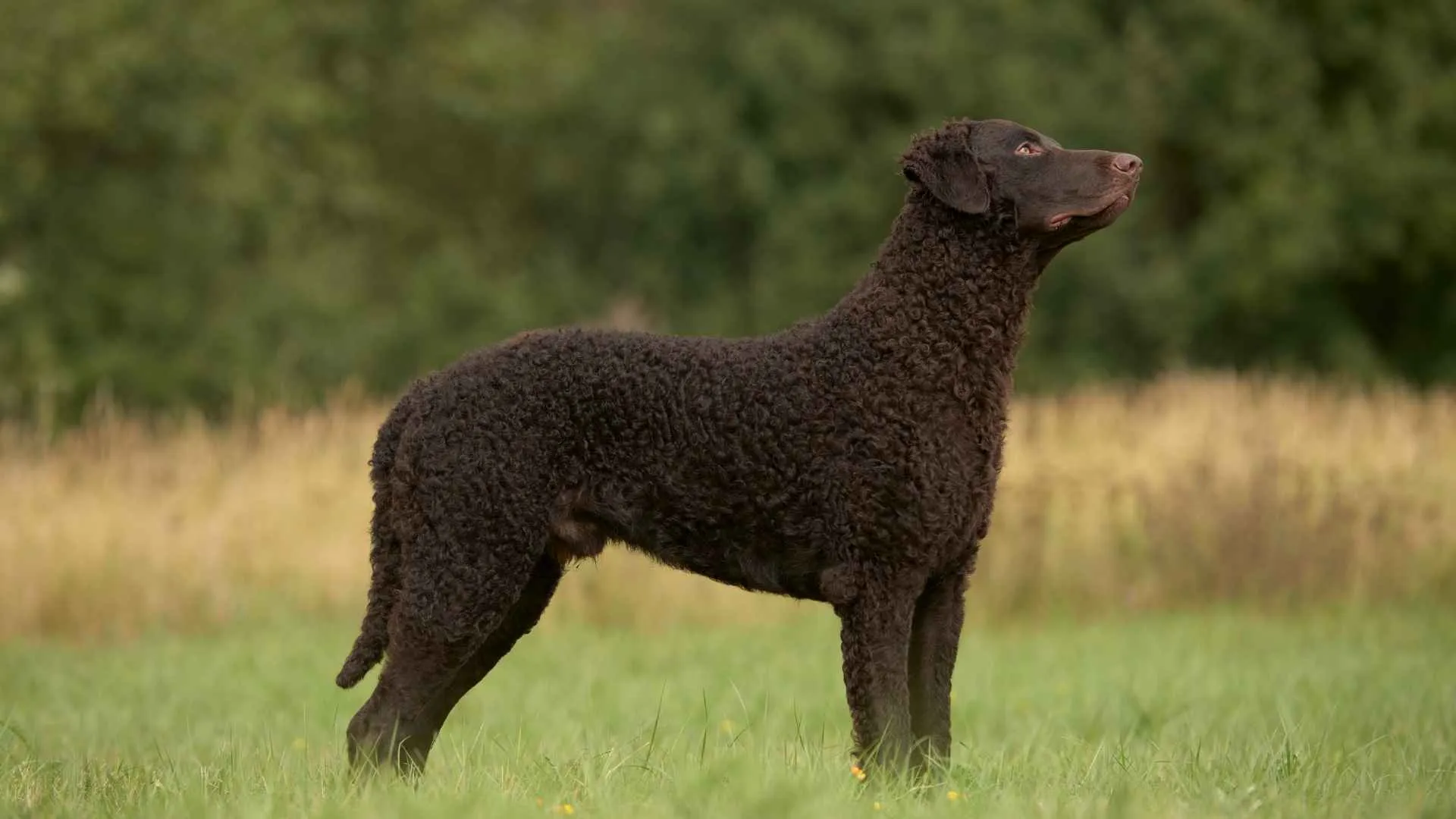
Elegance is not usually the first word people associate with working retrievers, but this breed quietly redefines that expectation. The Curly-Coated Retriever stands out for its thoughtful approach to work, combining independence with sharp problem-solving and a calm confidence that feels deliberate rather than flashy.
When working upland game birds, the Curly shows patience and precision. It moves methodically through cover, flushes birds when contact is made, and remains steady through the shot. On downed birds, the breed’s determination shines, tracking carefully and retrieving with persistence even in thick or challenging terrain.
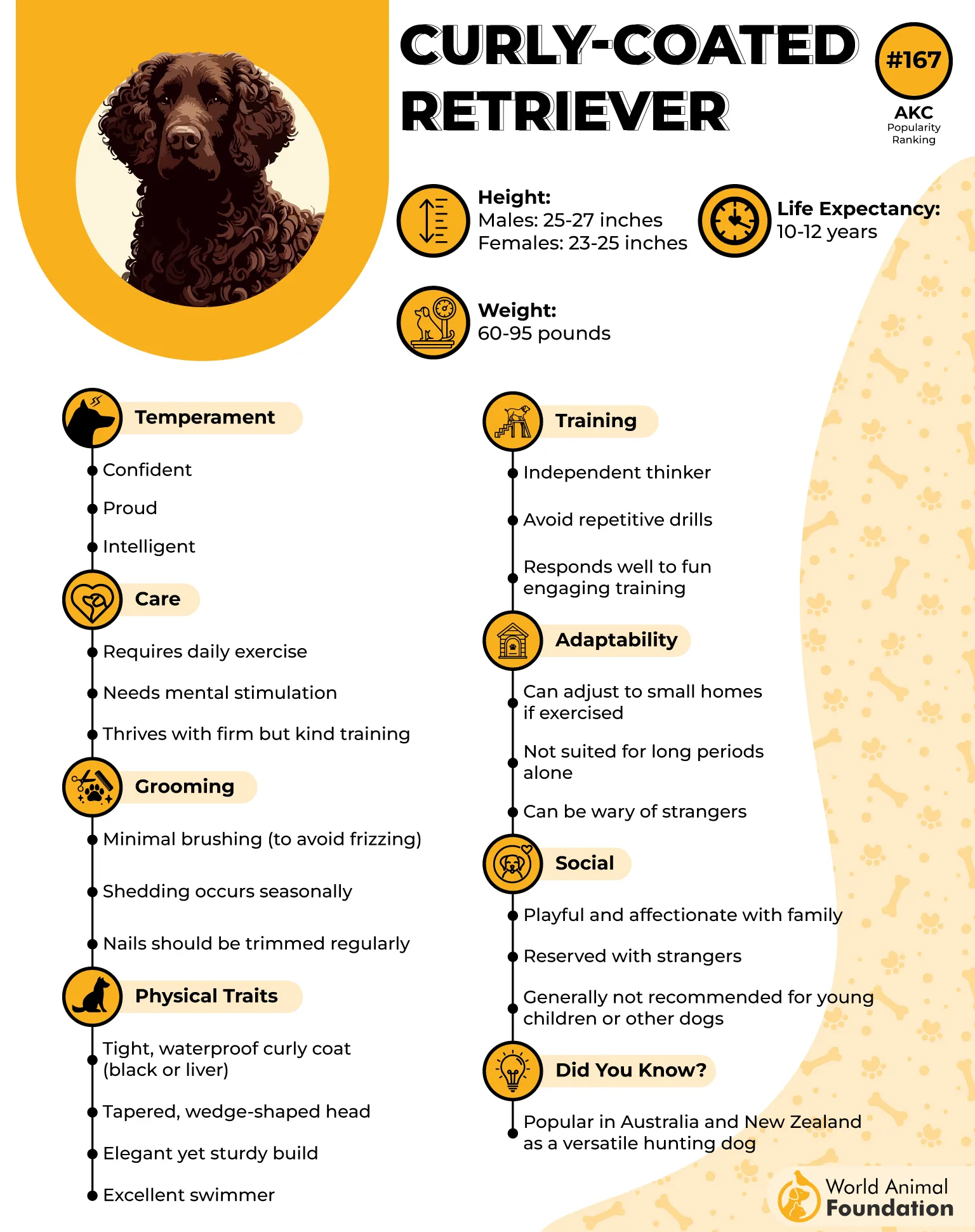
Overall care for this breed is refreshingly straightforward for such a capable dog. The distinctive curly coat is designed to protect rather than require constant fuss, and regular exercise paired with basic training keeps the Curly balanced. Mental engagement matters just as much as physical outlets.
Fun Fact
Curly-Coated Retrievers were popular show dogs in England as early as the 1860s. Their unique silhouette and proud carriage made them stand out at some of the very first organized dog shows, long before most retriever breeds followed.
Conclusion
Upland bird hunting is as much about the partnership as it is about the pursuit. Each breed in this guide brings its own personality, strengths, and working style to the field, shaping how every hunt unfolds. Some thrive on speed and range, others on focus and persistence, and many balance field drive with an easygoing home life.
The best choice comes down to how you hunt, where you hunt, and how you want your dog to fit into your everyday world. When those pieces line up, the result is a teammate you trust, a companion you enjoy, and a shared experience that makes every flushed bird and long walk back to the truck feel worthwhile.
If you’re interested in exploring more wonderful breeds, some other dogs you can look up include the German Shorthaired Pointer, German Wirehaired Pointer, English Setter, Irish Setter, and Wirehaired Pointing Griffon.
