




Strength in dogs is not just muscles, size, or that intimidating stance when someone rings the doorbell at 11 p.m. sharp.
It is deeper than that.
It is about what a dog can do with that power. How they use it. Why were they needed in the first place? And honestly, how that strength shows up in everyday life with pet parents who know what they are getting into.
Some of the strongest dog breeds were made by history, work, and survival. Other dogs learned it through patience, endurance, or a calm presence that can steady an entire household.
And this is the thing people forget.
Strength does not always bark. Sometimes, it stands still and watches.
Today, we are talking about strong dog breeds and their unique abilities, and what makes each one powerful in its own way. Seven remarkable dog breeds with very different definitions of strength.
Fun Fact!
Did you know?
Some of the strongest dog breeds were once used to pull heavy loads across icy terrain or patrol vast lands without human guidance for long distances. In many cultures, these dogs thrived as helpers, lifelines due to their working strength.
Strong Dog Breeds and Their Unique Abilities
1. Cane Corso
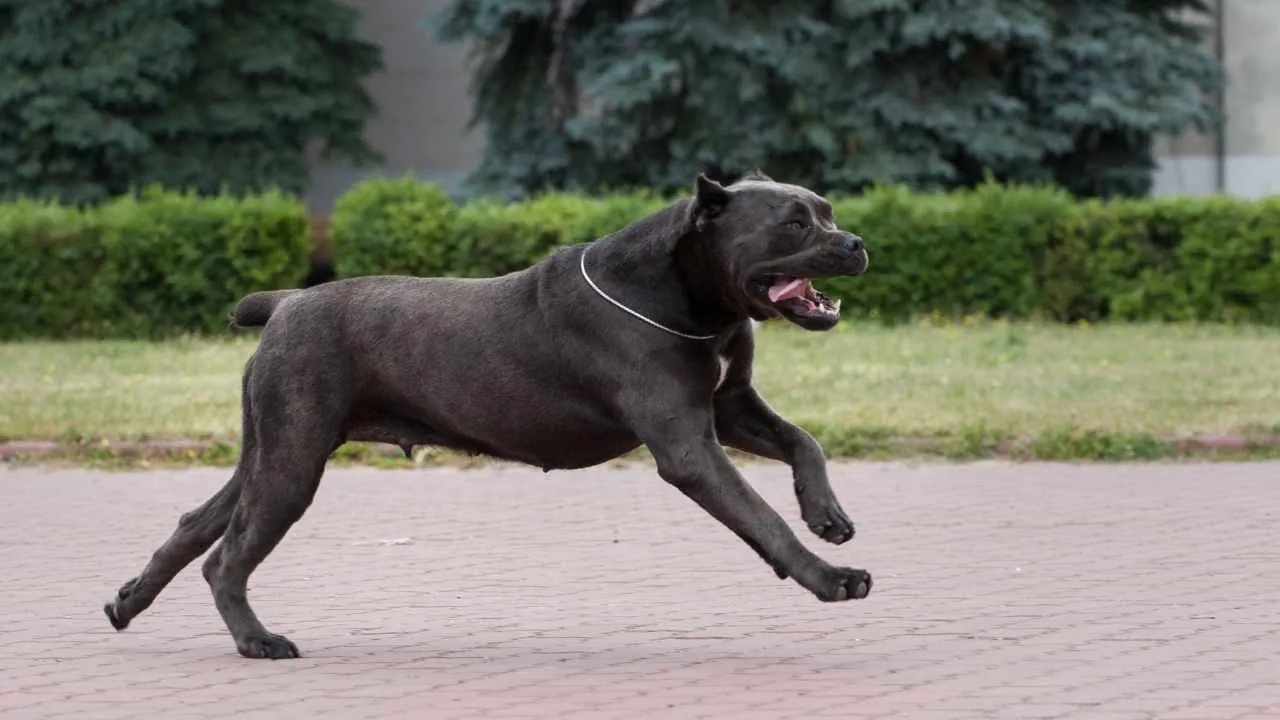
Quiet strength. Calculated movement. Total control.
The Cane Corso does not waste energy showing off. This powerful dog reads a room before most people do. Historically bred to protect property and handle dangerous tasks, their ability lies in judgment, not impulse.
Also known as the Italian Mastiff, this dog breed excels at assessing situations and surroundings, as noted by PetMD. They do this with a keen sense of timing and presence.
One step forward or one step backward, always intentional.
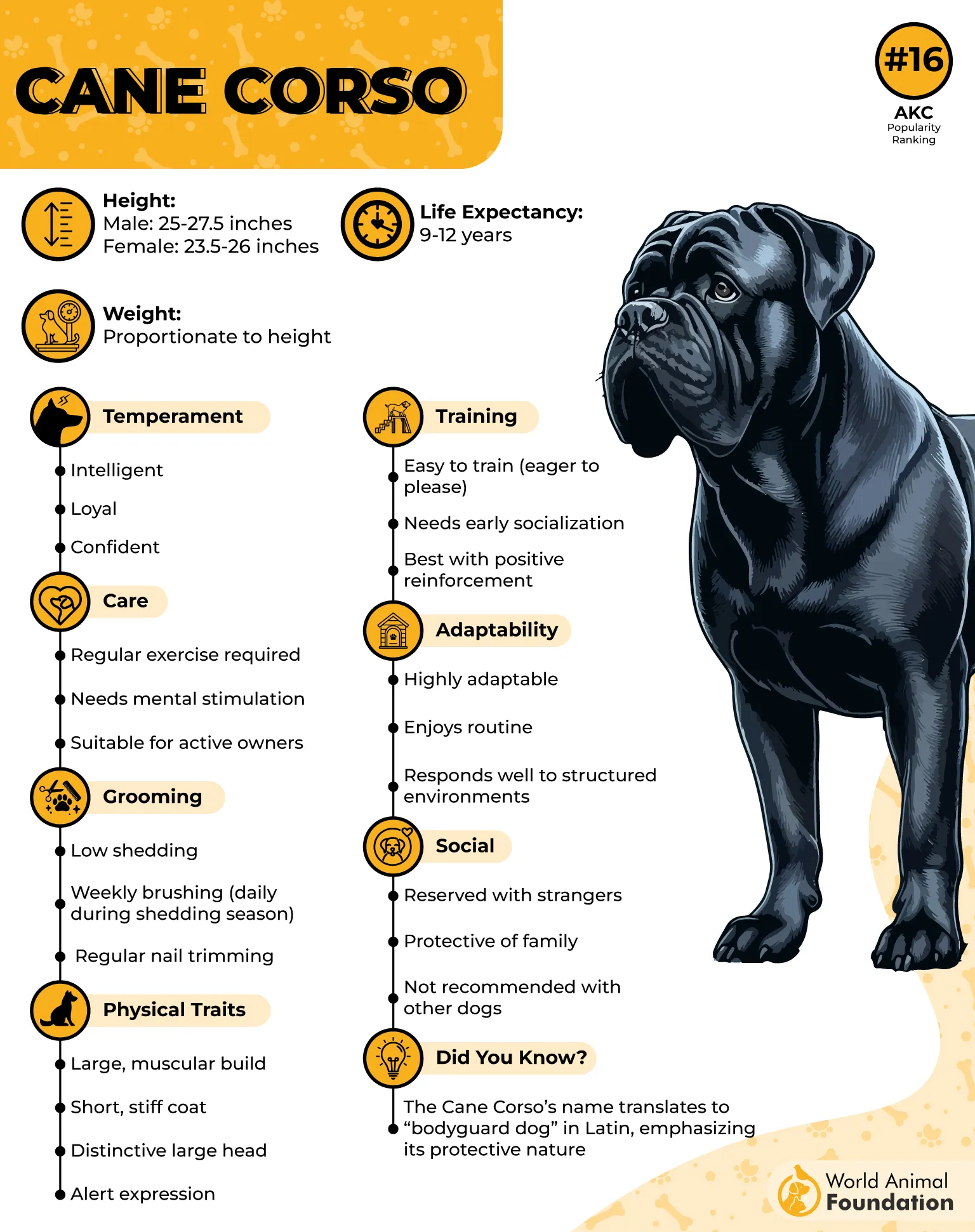
Their muscular build supports explosive bursts of movement when needed, but their real strength is restraint.
They don’t react to chaos. They manage it.
This Mastiff-type dog needs consistent training and early socialization to become incredibly loyal to the family members. They remain composed around other animals. And, they thrive when you give them structure, leadership, and mental stimulation.
This is not a dog that follows blindly. It partners. Due to control, awareness, and unwavering confidence.
Strength, here, is knowing exactly when to act.
2. Newfoundland

Strength with a soft voice.
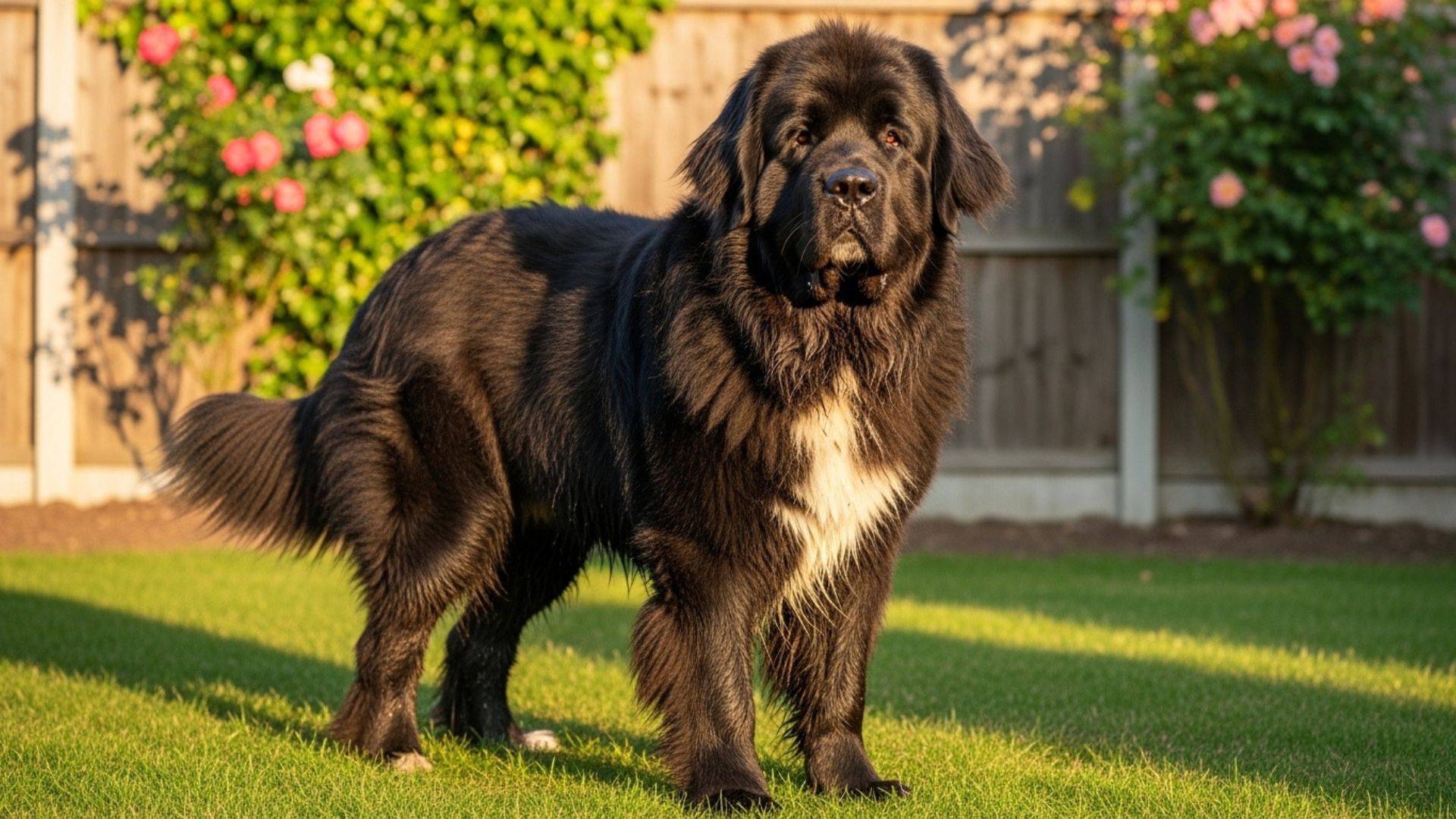
Newfoundland dogs are made for water rescue, and their ability to move heavy bodies through rough currents is unmatched. This is a big, fluffy dog with sheer size and dense bone structure, which lets them support humans in dangerous conditions without panic.
This dog’s power comes from endurance.
They were historically bred to help fishermen, hauling loads and pulling nets while being in freezing water. Their gentle nature never interfered with the job. In fact, it enhanced it.
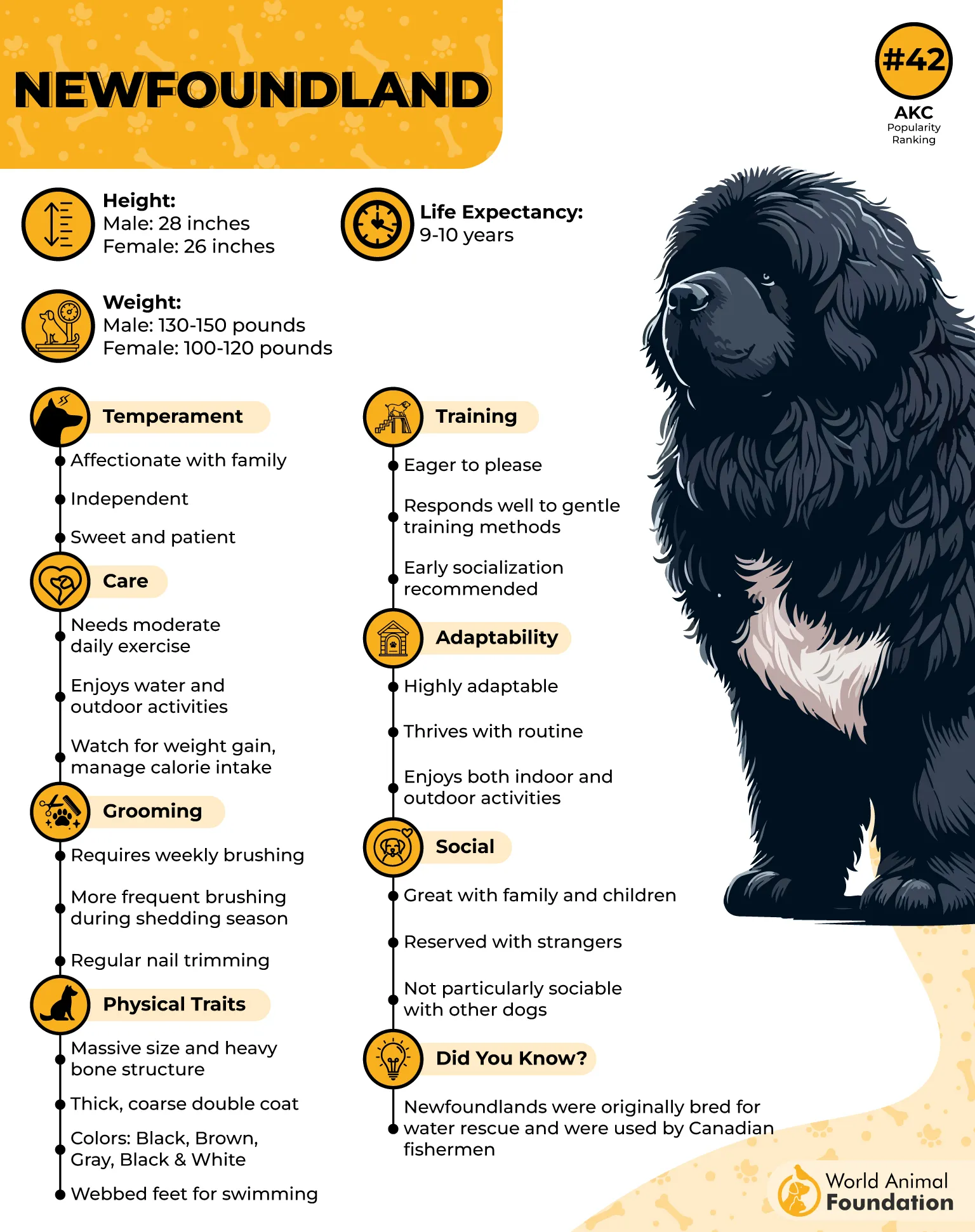
That’s why they are also called the “nanny dogs”.
These water dogs have webbed feet, a powerful chest, and a natural swimming technique, which makes them one of the most reliable service dogs in aquatic scenes. Even today, they are trusted in real-life rescues.
Although they are gentle giants, they still need proper training to manage their size responsibly. When guided with positive reinforcement training, these dogs thrive. As per the American Kennel Club, these dogs need daily human interaction.
This strong dog does not overpower situations. It supports them, literally and emotionally, with steady and reassuring strength.
3. Great Dane
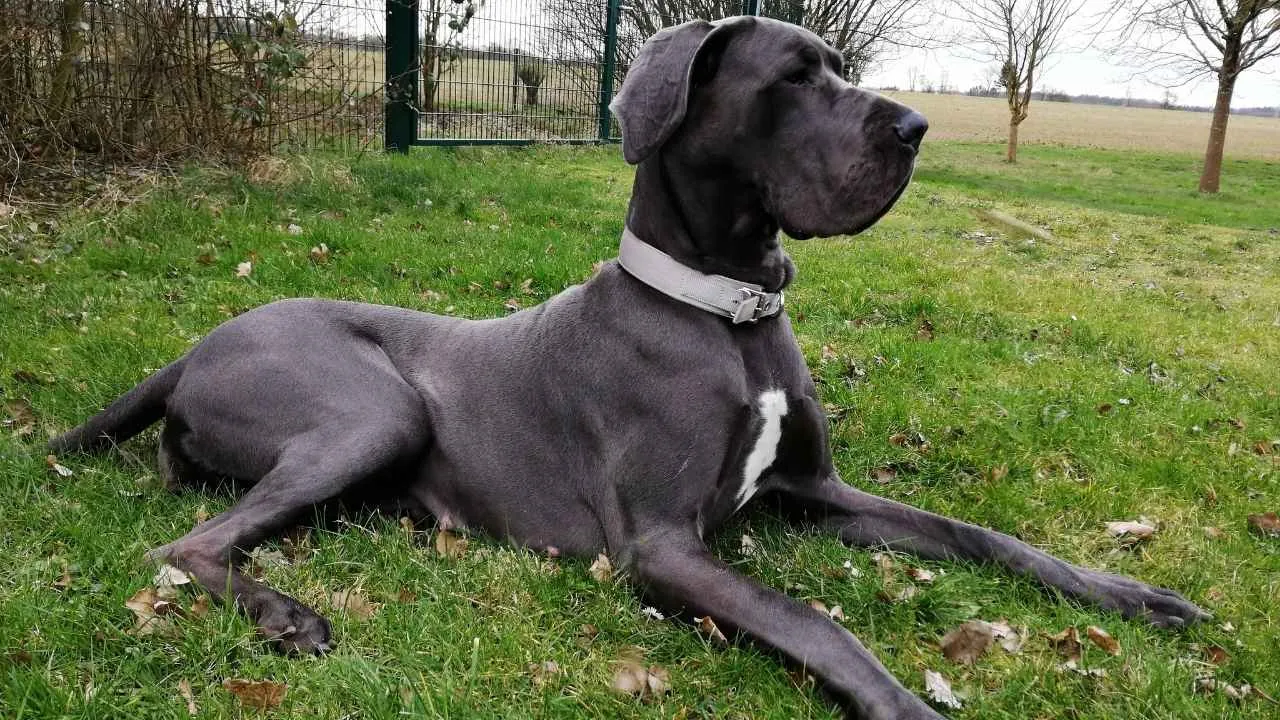
Yes, Great Danes are famous for sheer size. But that is not the whole story.
Their strength lies in balance.
Despite towering over most popular dog breeds, this tall and skinny dog moves with surprising grace. Their long stride lets efficient motion with minimal effort to conserve energy while covering ground smoothly.
Originally bred to hunt wolves, wild boar, and deer, these dogs needed power and control. Charging without coordination was not an option.
Precision mattered.
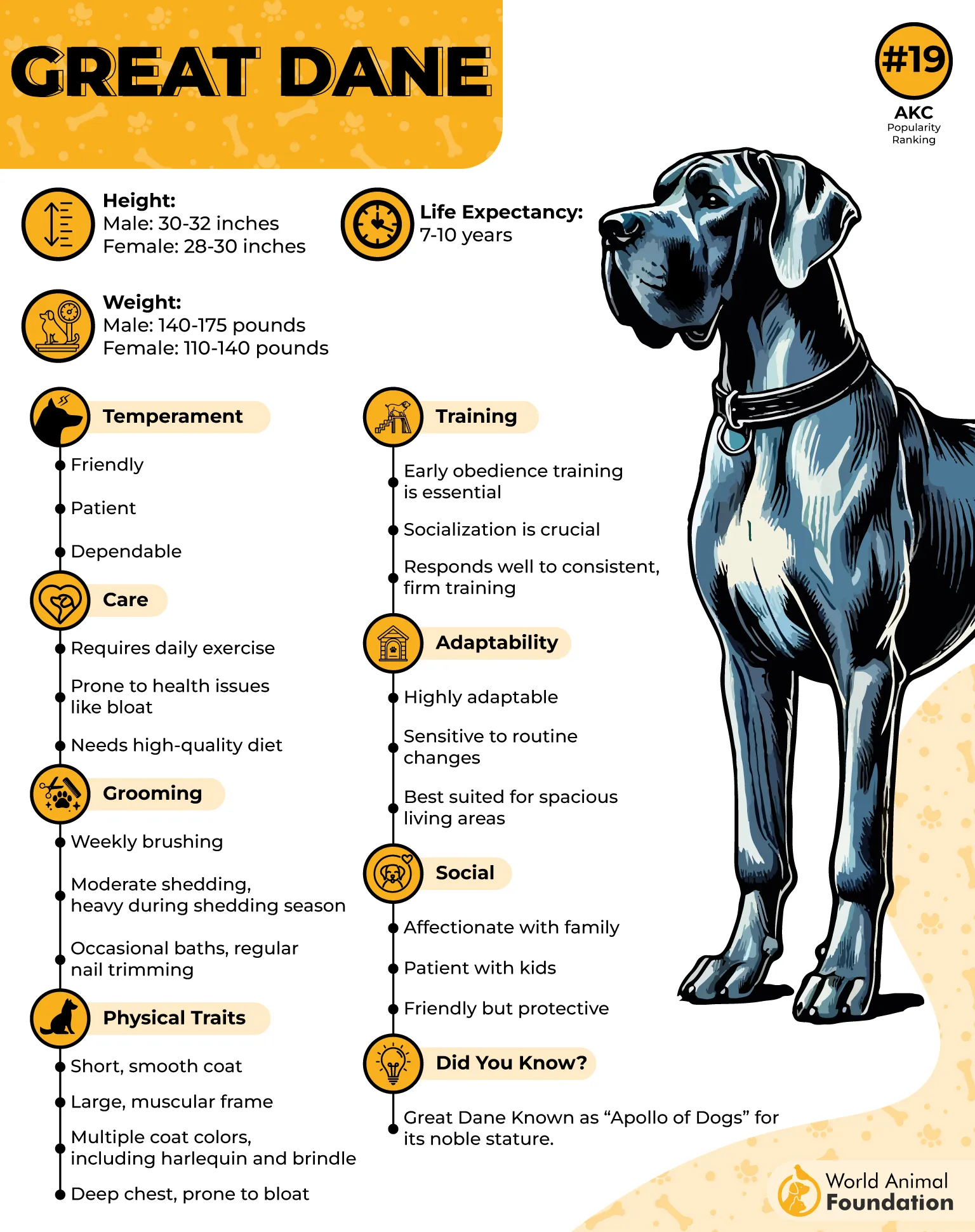
What makes this dog breed unique is how well-suited they are for indoor life despite their frame. They adapt by reading human movement and adjusting their own as they mostly curled into spaces you wouldn’t believe possible.
They are strong without being chaotic. As per Purina, they are not really a big fan of dog sports and would much rather stay at home, lounging.
For active families who value calm companionship, this breed forms strong bonds without demanding constant physical activity. Their power is in posture and presence.
Great Danes prove that strong dogs can be elegant, thoughtful, and gentle without ever shrinking themselves.
4. Caucasian Shepherd Dog
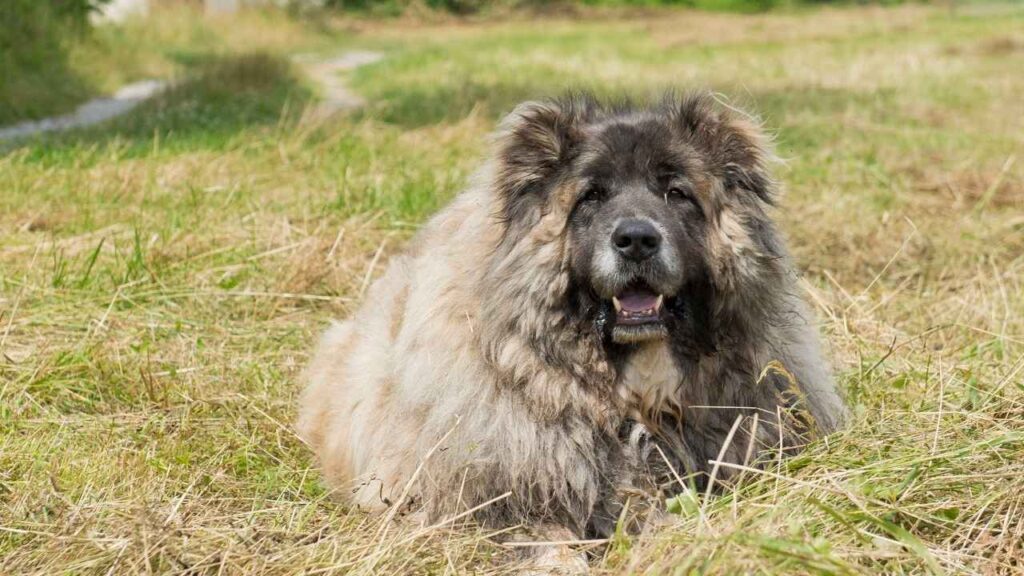
This is strength with boundaries.
The Caucasian Shepherd Dog was made to guard livestock independently, as they mostly decide on handling threats independently. They are a strikingly independent dog breed that does not wait for instructions from its owner.
That ability to work without direction defines their strength.
These dogs were used to hunt wolves and deter predators in harsh mountain regions. Their thick coat, massive frame, and guarding instincts were not for show. They were survival tools.
This dog does not seek approval.
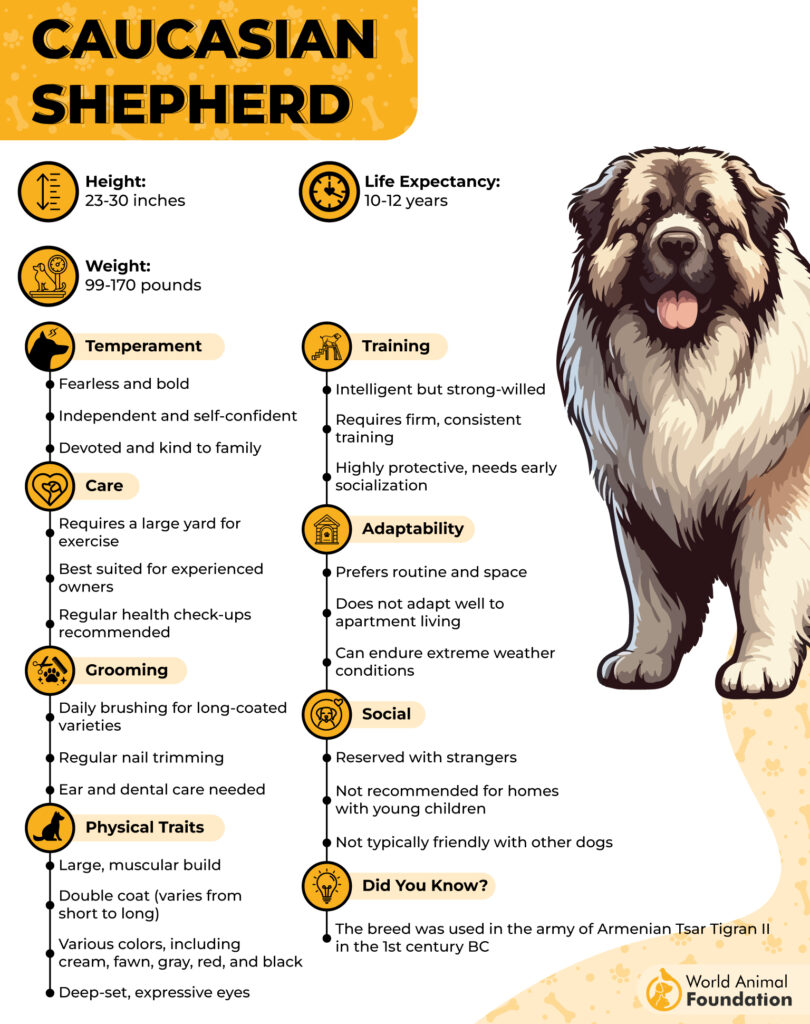
Its strength lies in autonomy and confidence. Once bonded, they are incredibly loyal dogs, but they don’t defer easily. It makes early socialization and proper training important for modern pet parents.
They are not ideal for casual ownership, but for experienced handlers, they become formidable guard dogs. Their tough appearance shows inner resilience rather than aggression.
They assess, decide, and act.
In the conversation about strong dog breeds with strong will, this dog represents self-governed power.
5. Kangal
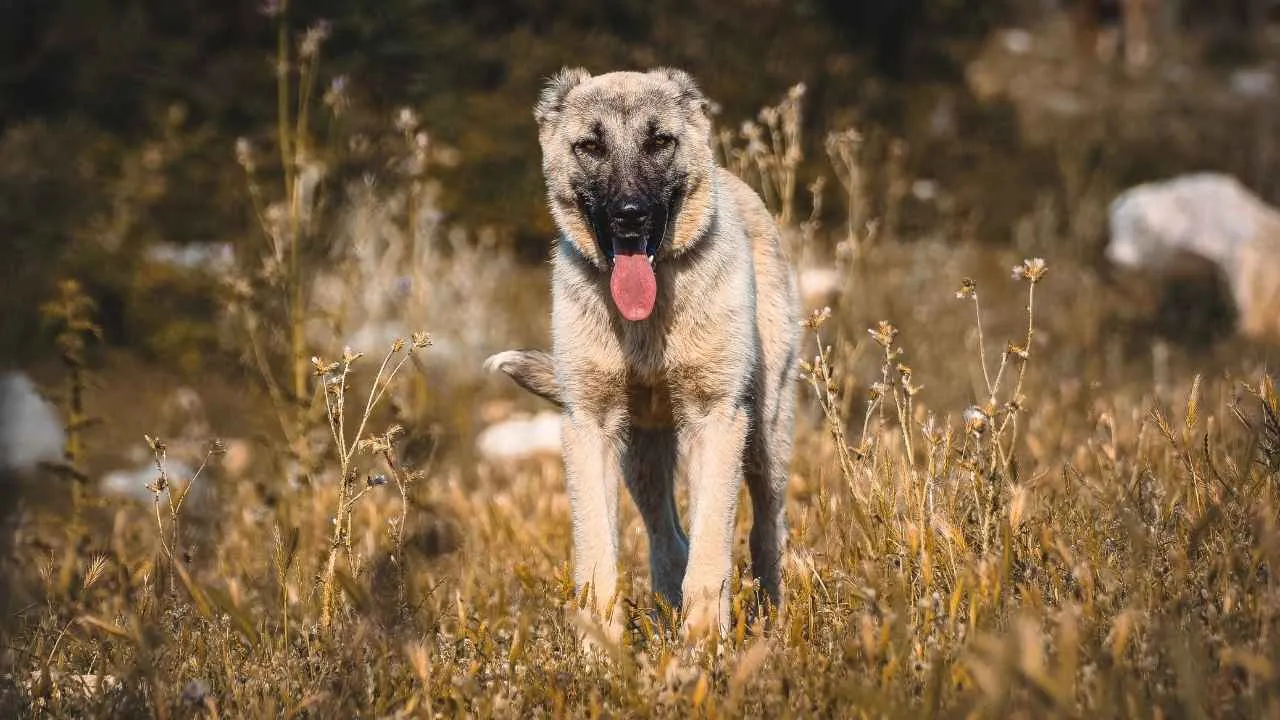
The Kangal dog’s strength is scientifically fascinating.
They are pretty famous for having one of the highest bite force measurements among dogs, so their power is precise, not reckless. They have a bite force of 743 Pounds per Square Inch (PSI).
Bred to guard livestock against big game, this guard dog learned restraint early. A wrong move could endanger the flock.
And that’s why they don’t chase but position.
Kangals excel at reading animal behavior and respond only when necessary. It makes them effective around other animals without constant conflict.
Their muscular build supports endurance rather than bursts, which helps them patrol the territory for long distances.
High intelligence keeps them mentally engaged and reduces unnecessary reactions.
They need consistent training and strong leadership. Not harsh methods. With obedience training, they develop trust-based partnerships.
This strong dog shows that power is not loud. It is strategic. Calm. And incredibly effective when needed most.
6. Mastiff
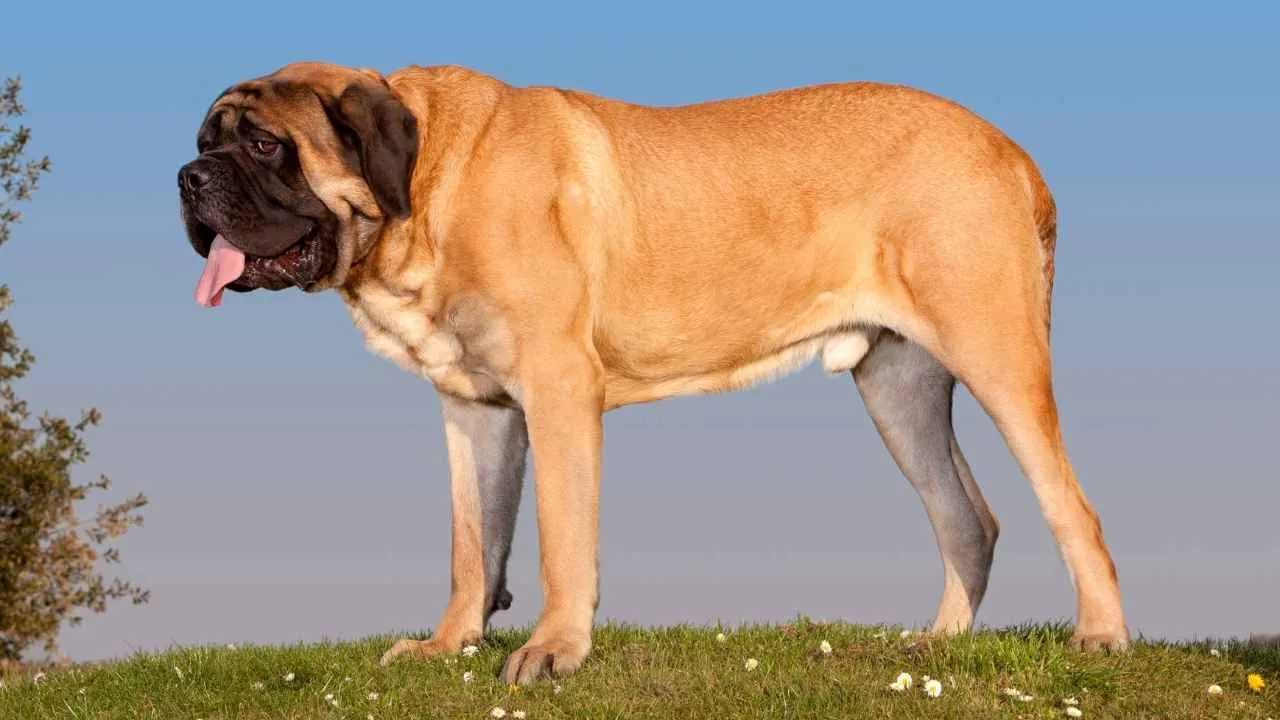
Stillness can be powerful.
Mastiffs have the ability many underestimate: “pressure through presence”.
Their size alone, up to 230 pounds, can change the scenario and prevent conflict before it even begins.
Bred as war dogs and used in military work, their role was psychological as much as physical. A Mastiff did not need to move to command space.
This breed excels in controlled strength. They conserve energy and react only when they feel like it. That restraint protects their joints and promotes longevity when you give the proper training for their protective instincts.
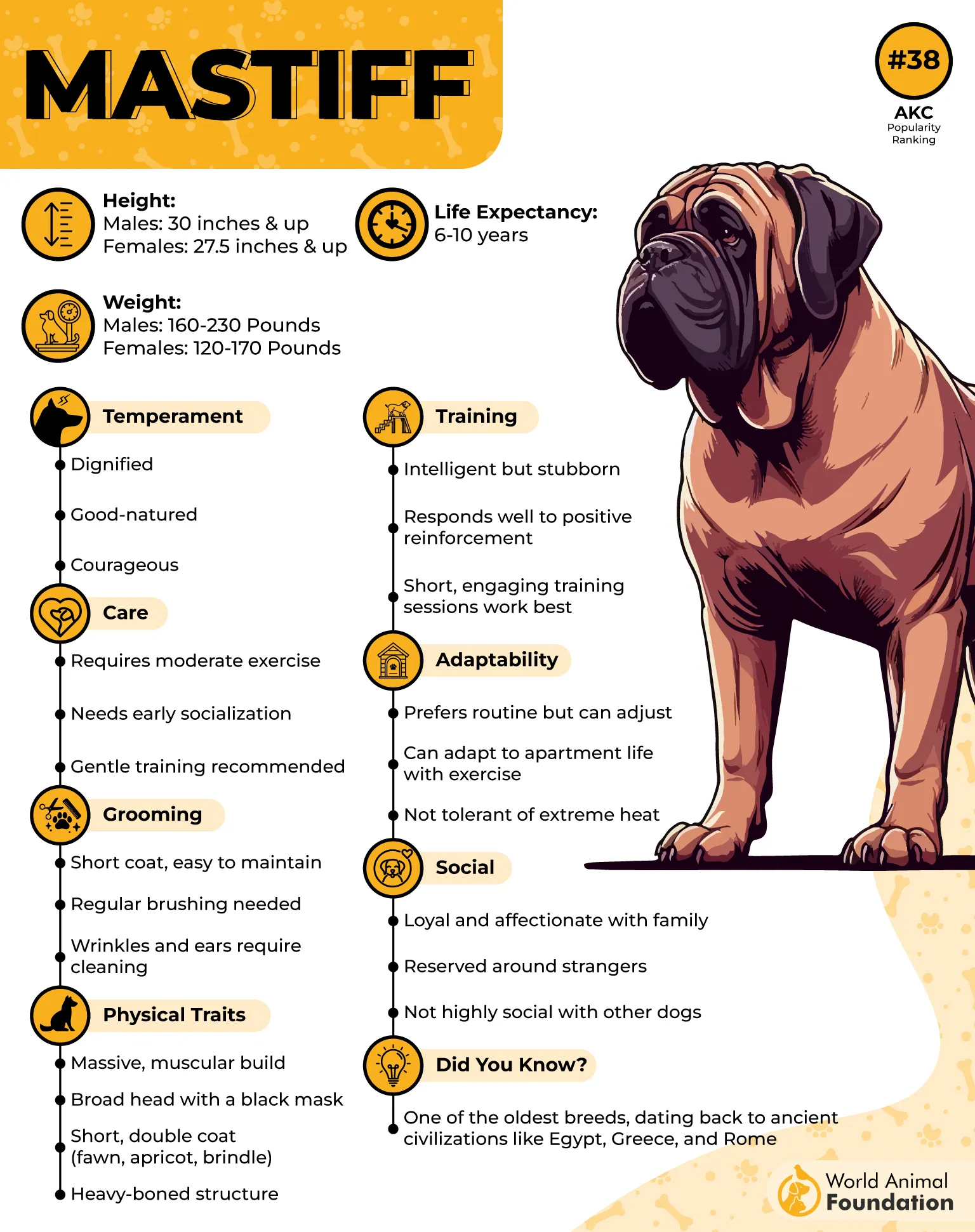
They have an affectionate nature despite being such large dogs. They make strong bonds without asking for attention.
Mental stimulation is really important here, more than endless exercise. Puzzle toys and calm interaction suit them better than chaotic dog sports.
Among strong breeds, the Mastiff is the strongest dog, defined by patience.
7. Saint Bernard
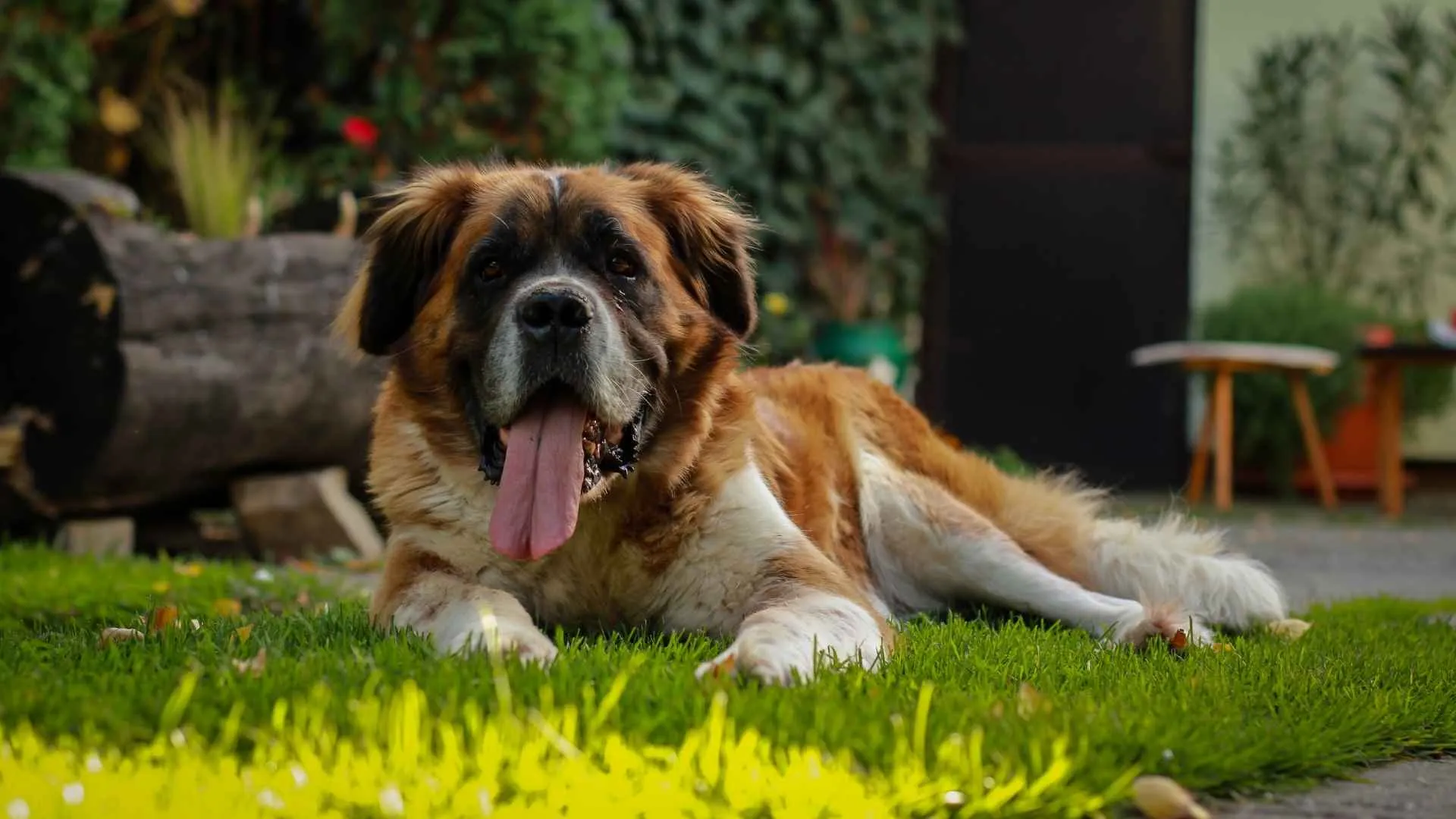
Strength is NOT always tough.
Sometimes, it looks like a therapy dog, like a Saint Bernard.
Saint Bernards were made for rescue in brutal alpine conditions, as they moved through snowdrifts, carrying supplies and locating lost travelers.
Their power is in stamina and emotional steadiness.
These sturdy dogs move deliberately in extreme weather while hauling heavy loads. Their massive chest supports oxygen intake at high altitudes.
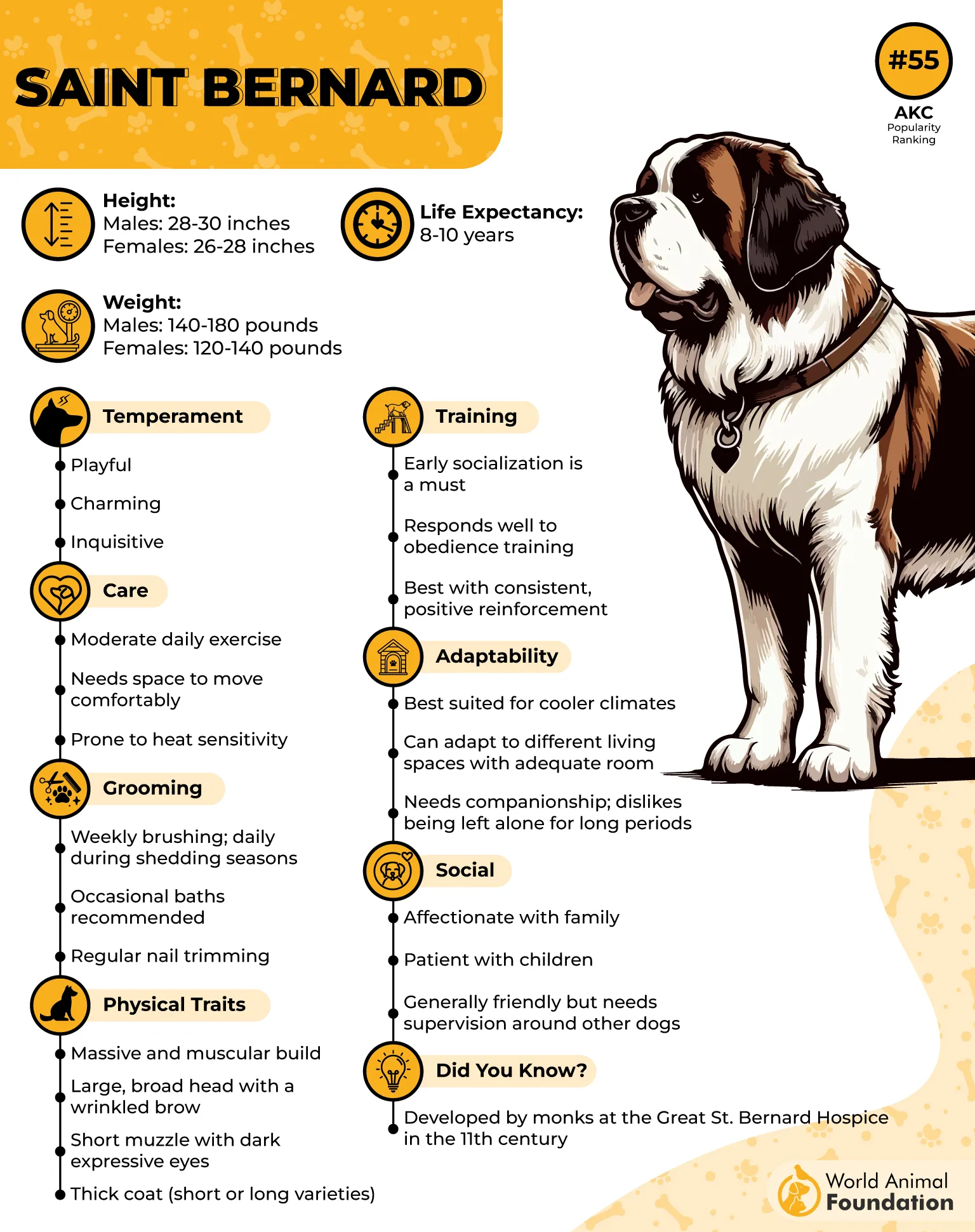
They are famous for their gentle nature, which shows they are really good therapy dogs with a friendly nature. Their calm demeanor soothes humans in distress. A different kind of strength altogether.
Saint Bernard responds best to positive guidance rather than force. These working dogs need proper training to become reliable companions for outdoorsy families.
They are not that high energy, but these great companions are deeply present. Their strength shows up in patience, warmth, and consistency.
As the strongest dog, the Saint Bernard proves that true power can comfort, protect, and rescue. All without intimidation or boundless energy.
Conclusion
Strength comes in many forms.
Some dogs dominate space like the Doberman Pinscher, Dogo Argentino, or the Belgian Malinois. Others command trust like the German Shepherds in police work. Some protect through action, like the Rhodesian Ridgeback or American Pit Bull Terrier. Some are highly active herding dogs like the Border Collie.
These are the strong dog breeds and their unique abilities shaped through history, purpose, and culture.
Calm guardians, quiet rescuers, active herding breeds, and whatnot?
For pet parents willing to understand these different breeds, these dogs become more than companions; they become partners.
And this kind of strength is the MOST impressive of all.
