




Companionship doesn’t always need to come with constant noise. While barking is a natural form of communication for dogs, some dog breeds are naturally predisposed to less excessive barking, making them an ideal choice for quiet households seeking peaceful companionship.
These quiet dog breeds tend to express their emotions through body language, closeness, and subtle cues rather than frequent vocalization. Calm and laid back by nature, they offer a gentle presence that suits people who value a low-noise, relaxed living environment.
Low-noise dog breeds are especially well-suited for apartment living, seniors, remote workers, and families who prefer serene households. They form strong bonds with owners who share their calm lifestyle and appreciate quiet companionship.
This guide explores seven peaceful dog breeds, highlighting how their temperaments and laid-back behaviors support a quieter, more harmonious home life.
Peaceful Dog Breeds: A Guide to Silent Companionship
1. Pekingese
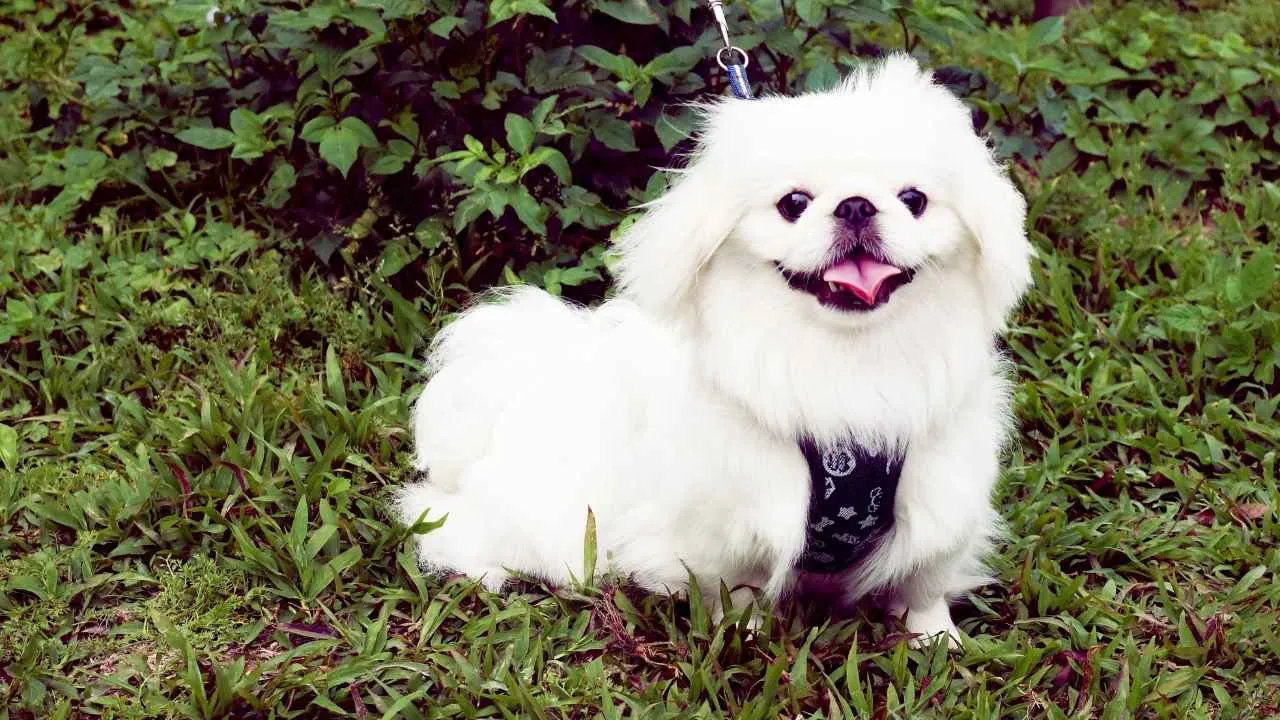
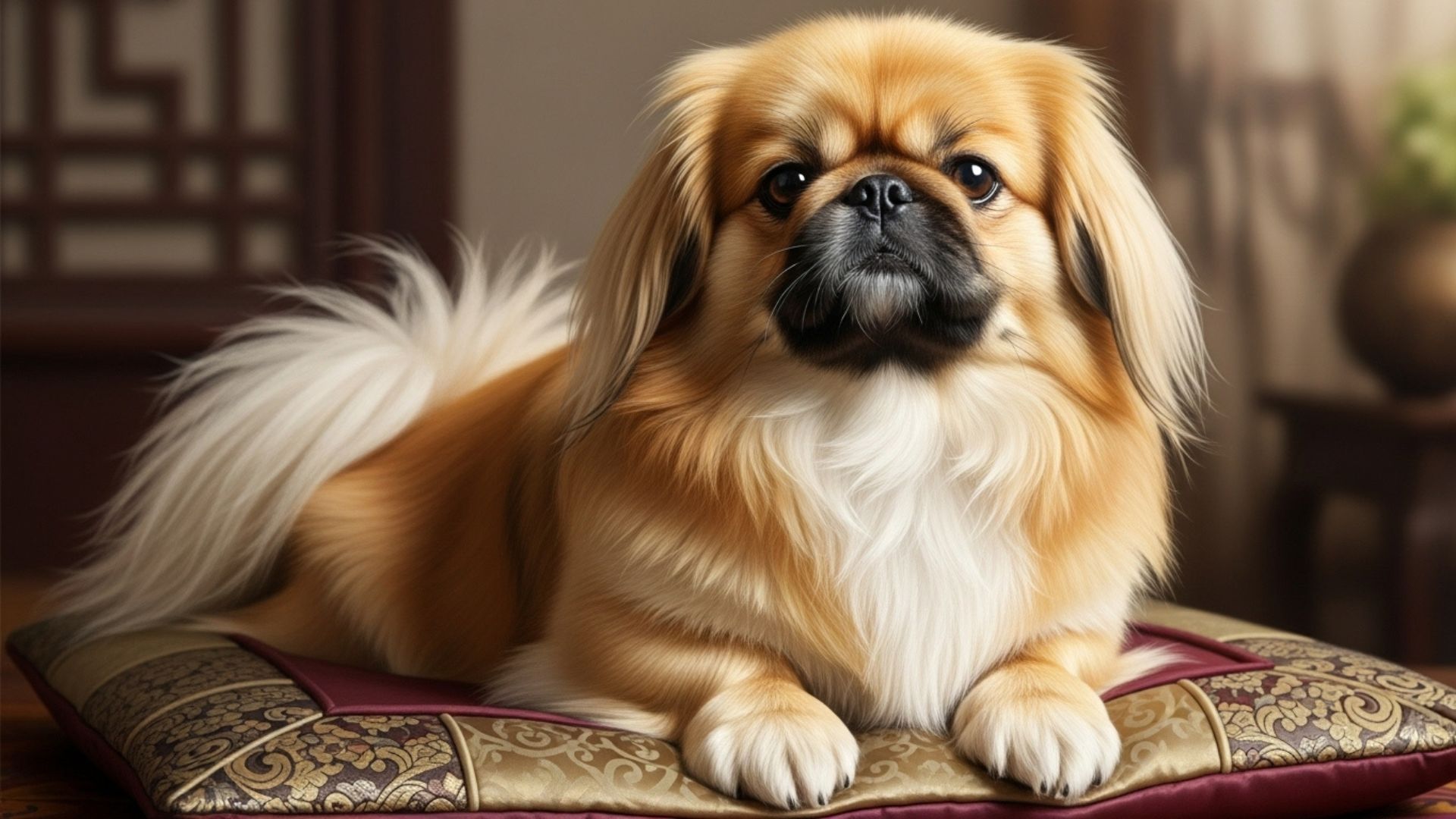
The Pekingese were traditionally pets that were raised to live indoors and were companions of Chinese royalty, a position that required these calm dogs to be composed. Known as a popular lap dog breed with a thick coat, their quiet temperament owes credit to their historical background.
Pekingese dogs are likely to evaluate situations before responding. They do not bark immediately in response to sounds that are unfamiliar to them but wait to identify them, thus unnecessary barking rarely takes place.
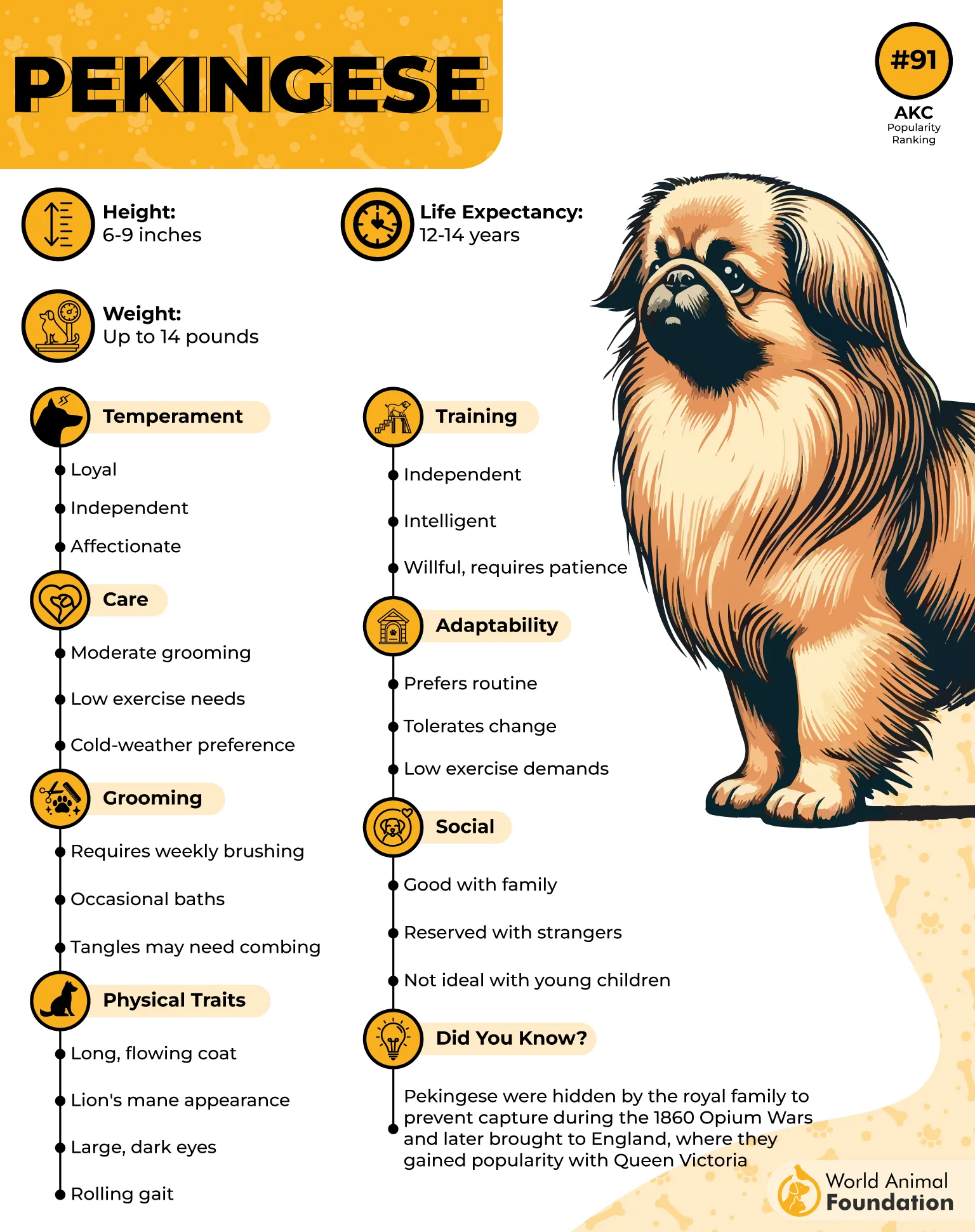
Purina stated that these dogs are also calm due to the fact that they are not very interested in outdoor distractions.
Main Characteristics
Acts in response to the environment and open-air suitability
React to noise in a selective manner as opposed to taking an impulsive response
Well-suited to confined, indoor, calm home environments
Prefer observing rather than talking
Best suited to apartment living and low-traffic families
They feel confident enough at home and therefore can stand unafraid when they are within common rooms.
2. Shih Tzu
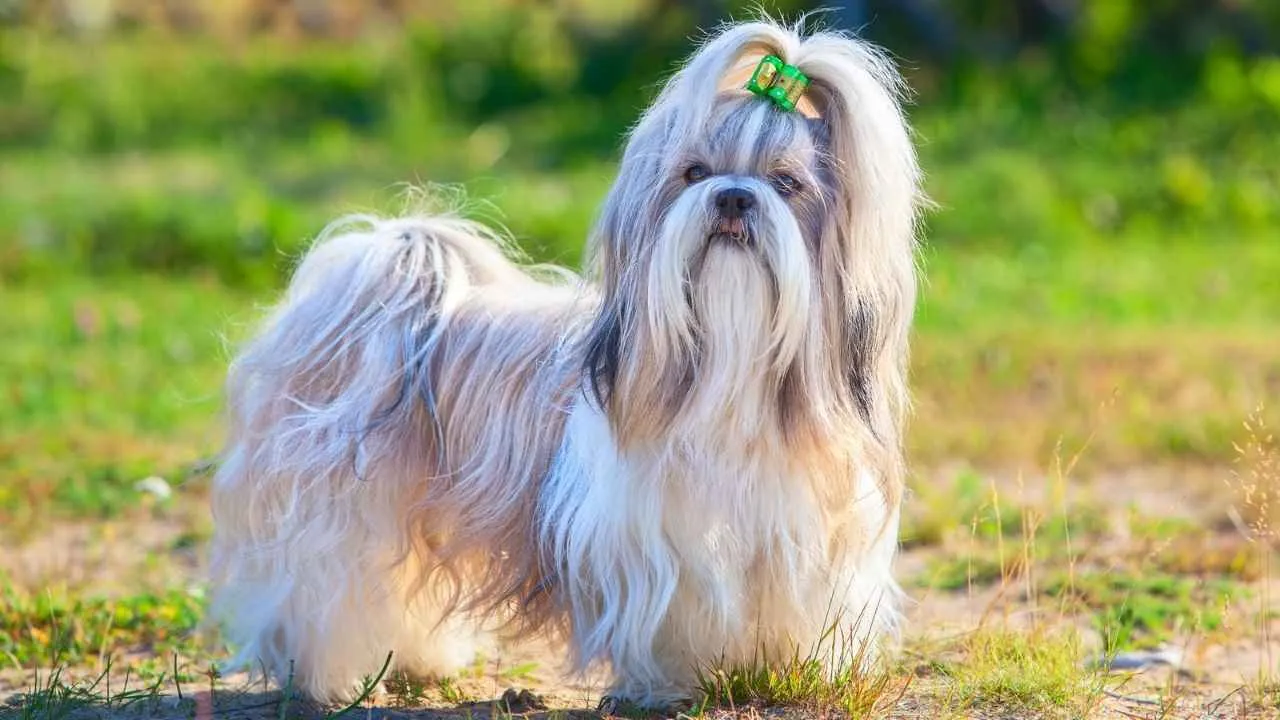
Shih Tzus are considered to be good companions due to their relaxed personality. Consequently, they use subtle and people-focused communication styles instead of sound-based communication. They prefer daily walks within their light routines.
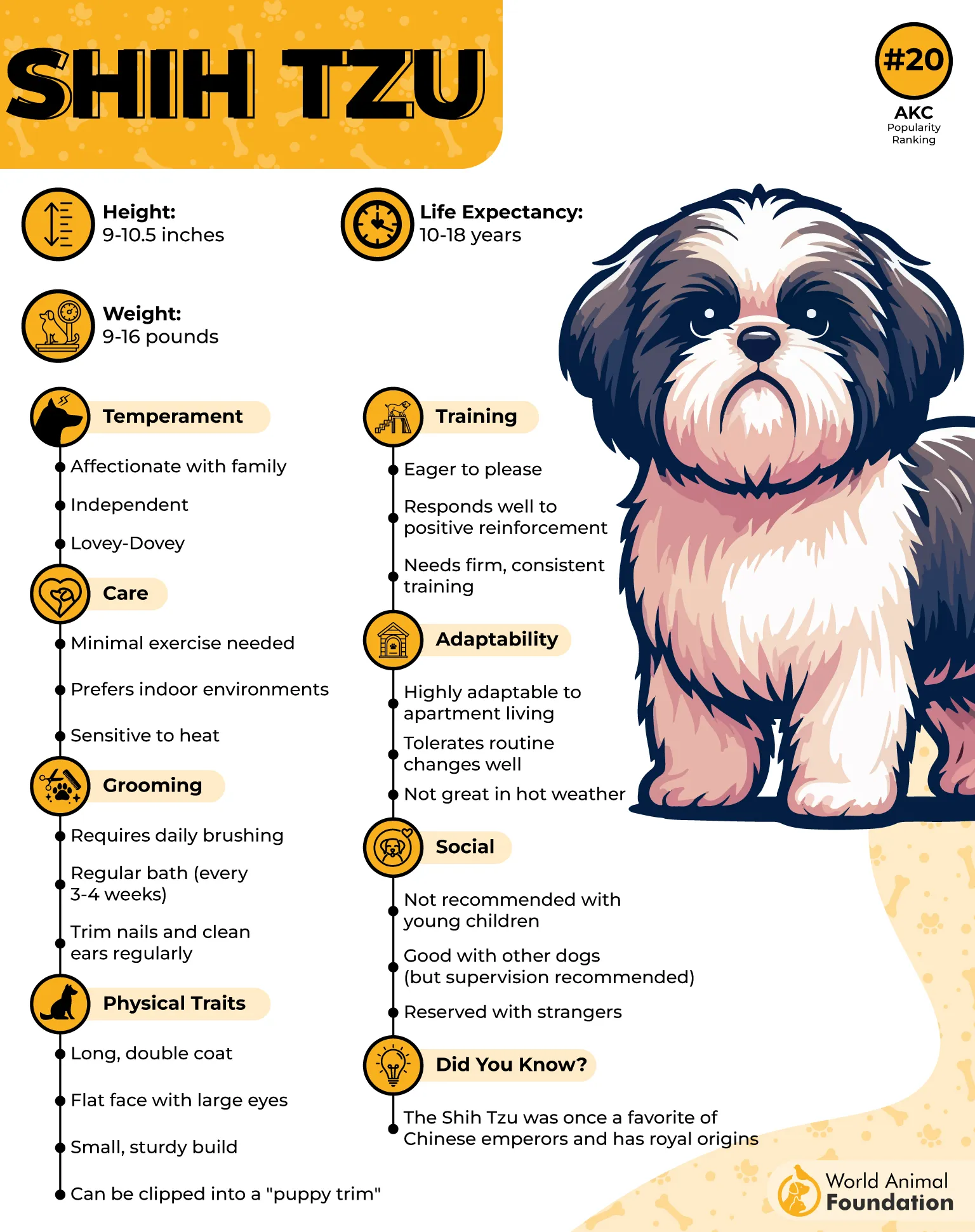
These small dogs are emotionally attached to their owners and are very dependent on habit. Shih Tzus have a predictable behavior where there is little vocalization when a daily schedule is predictable in their daily life. They enjoy spending time with their guardians and are quite playful.
Main Characteristics
Regulating emotions with habit
Cope well with well-established routines, do not require constant stimulation
Expresses constant demands by being close, not yelling
Even-tempered in stressful situations
Perfect pup for senior owners and home-based lifestyles
Their composure and calm behaviour are maintained by familiarity, as opposed to stimulation.
3. Whippet
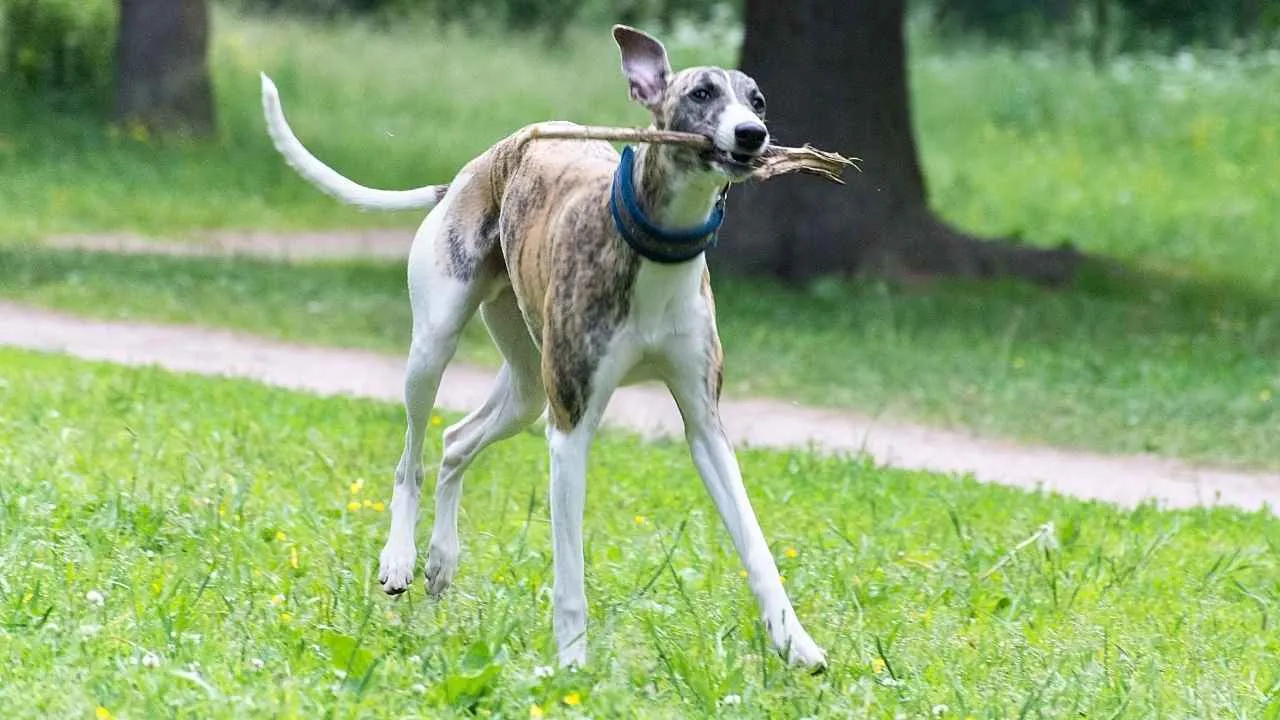
Whippet dogs are known as quiet dogs with short coats despite their athletic appearance. When their exercise requirements are satisfied and their moderate energy level is exhausted, they automatically focus on prolonged rest and do not require regular grooming, making them perfect low-key companions as per VCA.
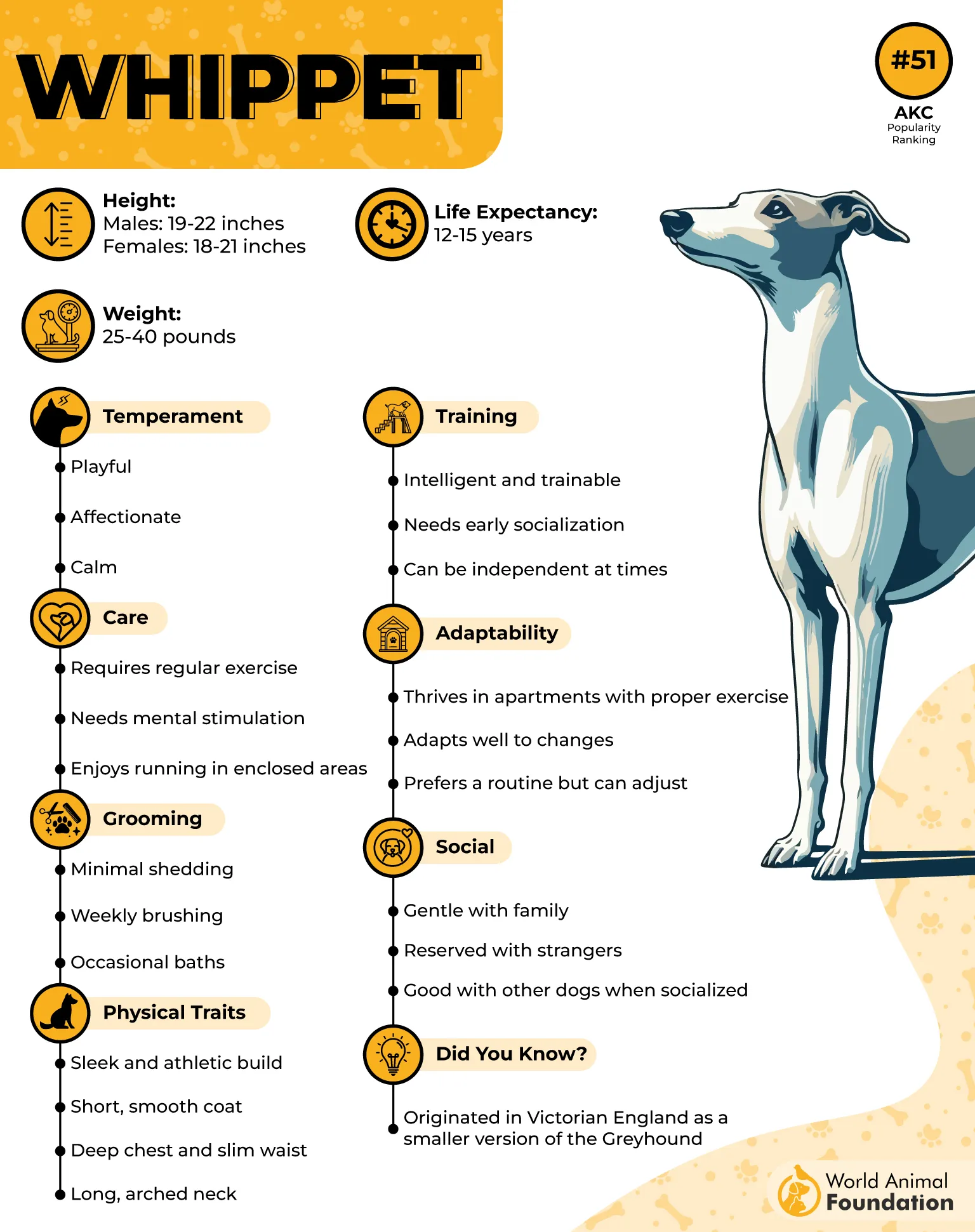
Whippet dogs are not territorial or hyper-sensitive, hence restricting reactive barking. Their degree of overstimulation is also to their benefit, as quieter homes value calm demeanors over chaos. They require some short bursts of physical activity.
Main Characteristics
Conservation of energy level indoors
Moves freely between activity and rest
Calm demeanor, not a concern for dog owners who prefer quiet environments
Hardly ever speaks without a good reason
Grows in quiet, stable families
These dogs are good companions when it comes to families and owners who prefer a peaceful presence in the household, as this quiet dog breed has the capacity to stay in one position.
4. French Bulldog
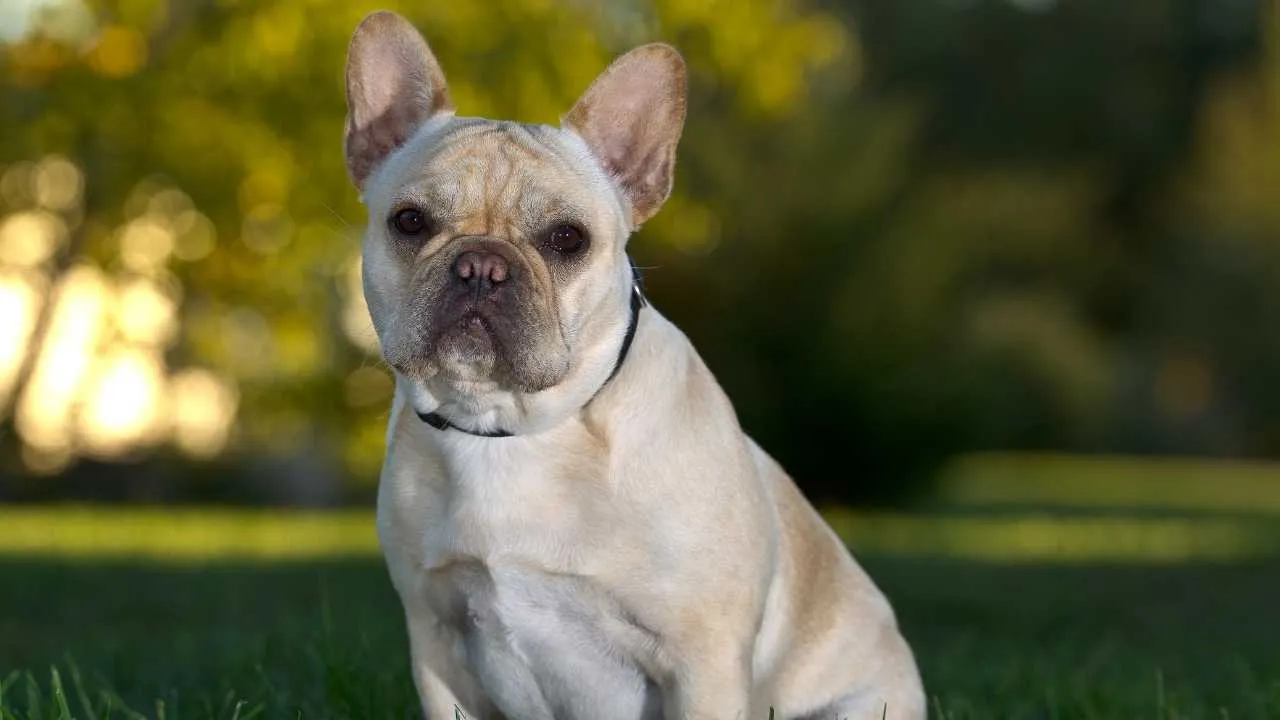
French Bulldogs are human-centered dogs with short coats, reducing any need for regular grooming. Instead of observing their surroundings, they observe facial expressions, tones, and physical signs that their pet parents might exhibit.
This introspection decreases sensitivity to external noises. This dog breed does not bark to show discomfort or curiosity, but changes its posture instead.
Main Characteristics
People-centered communication style
Is more responsive to human beings than the environment
Relies on non-verbal cues instead of constant activity
Reduced environment reactivity and no need for regular grooming
Desirable for city and apartment dwellers
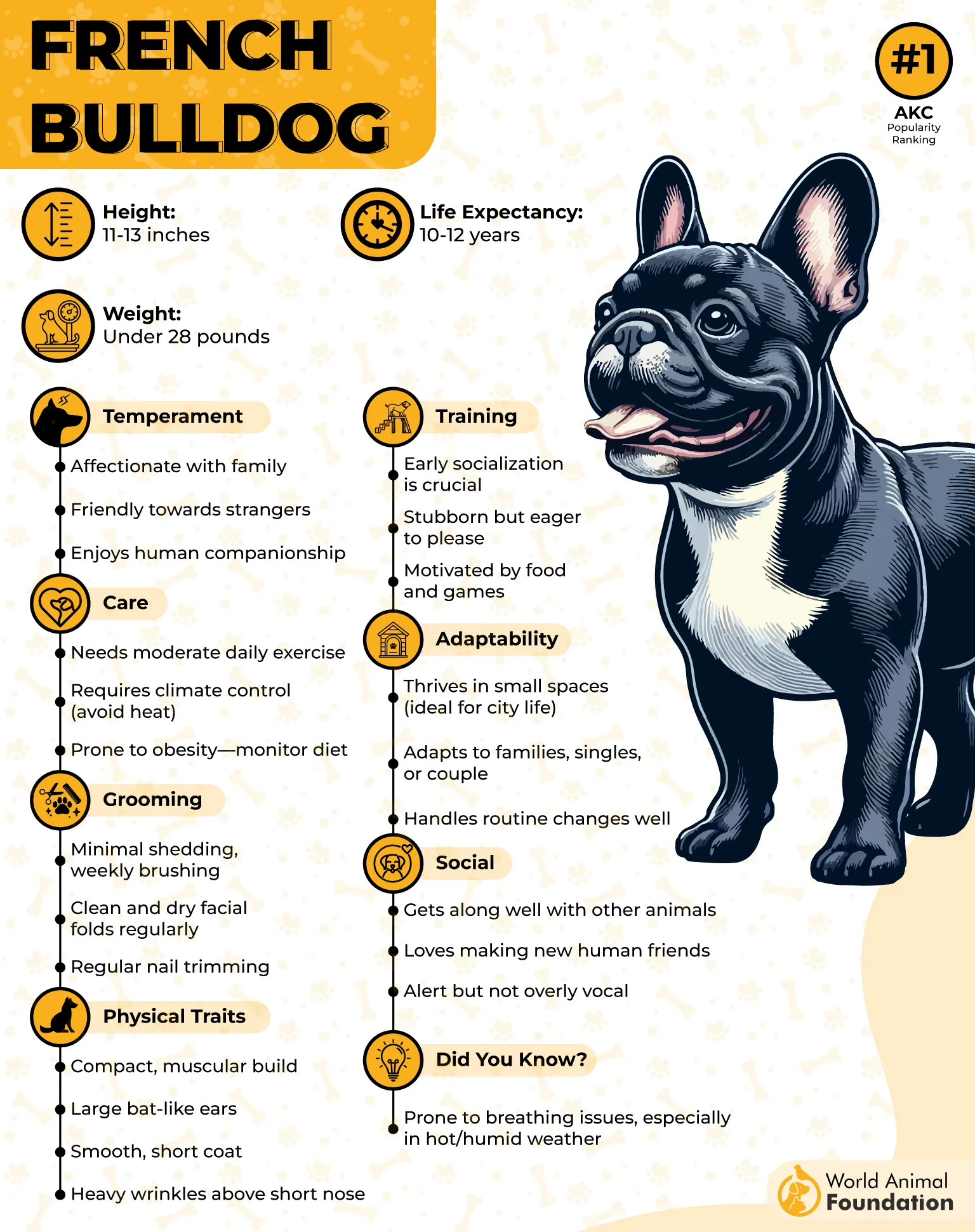
The social consciousness of these dogs allows them to live comfortably in silent and emotionally sensitive households.
5. Cavalier King Charles Spaniel
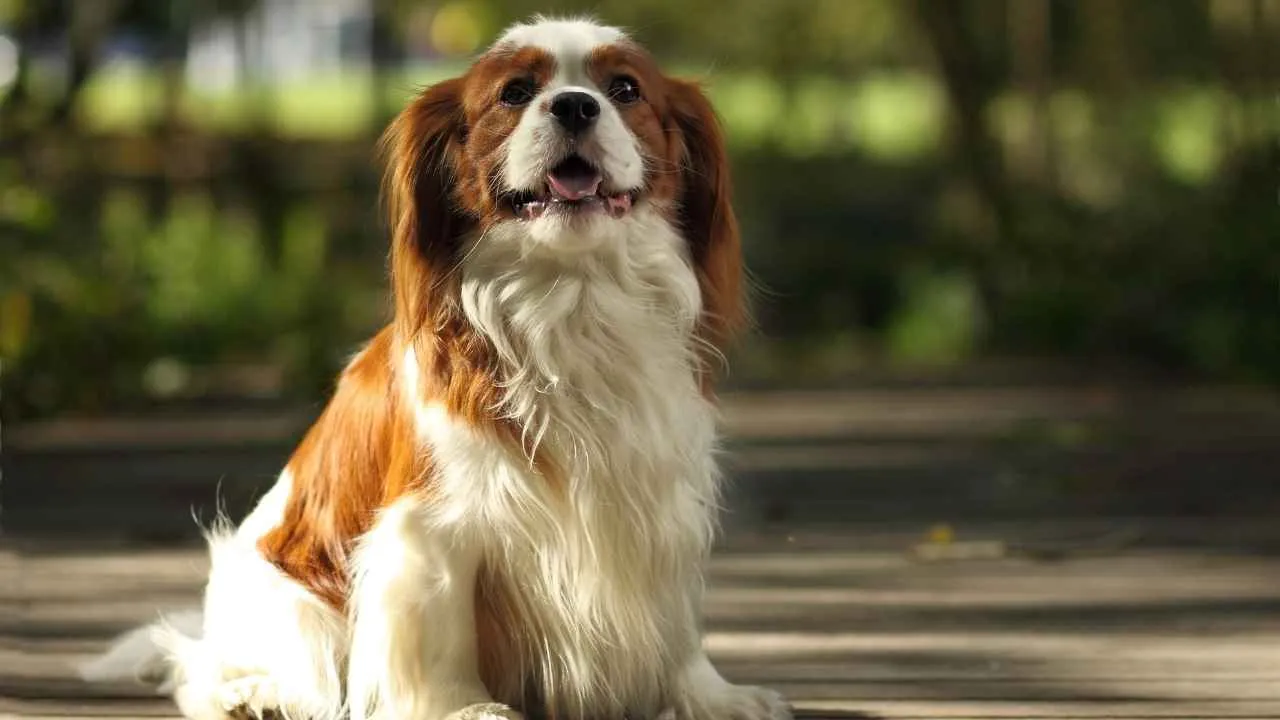
Cavalier King Charles Spaniel dogs are highly agreeable, strong-willed, and emotionally stable, according to ASPCA. They are quick to get back on track when it comes to disruptions, and they are not likely to fall victim to reactive and impulsive behavior.
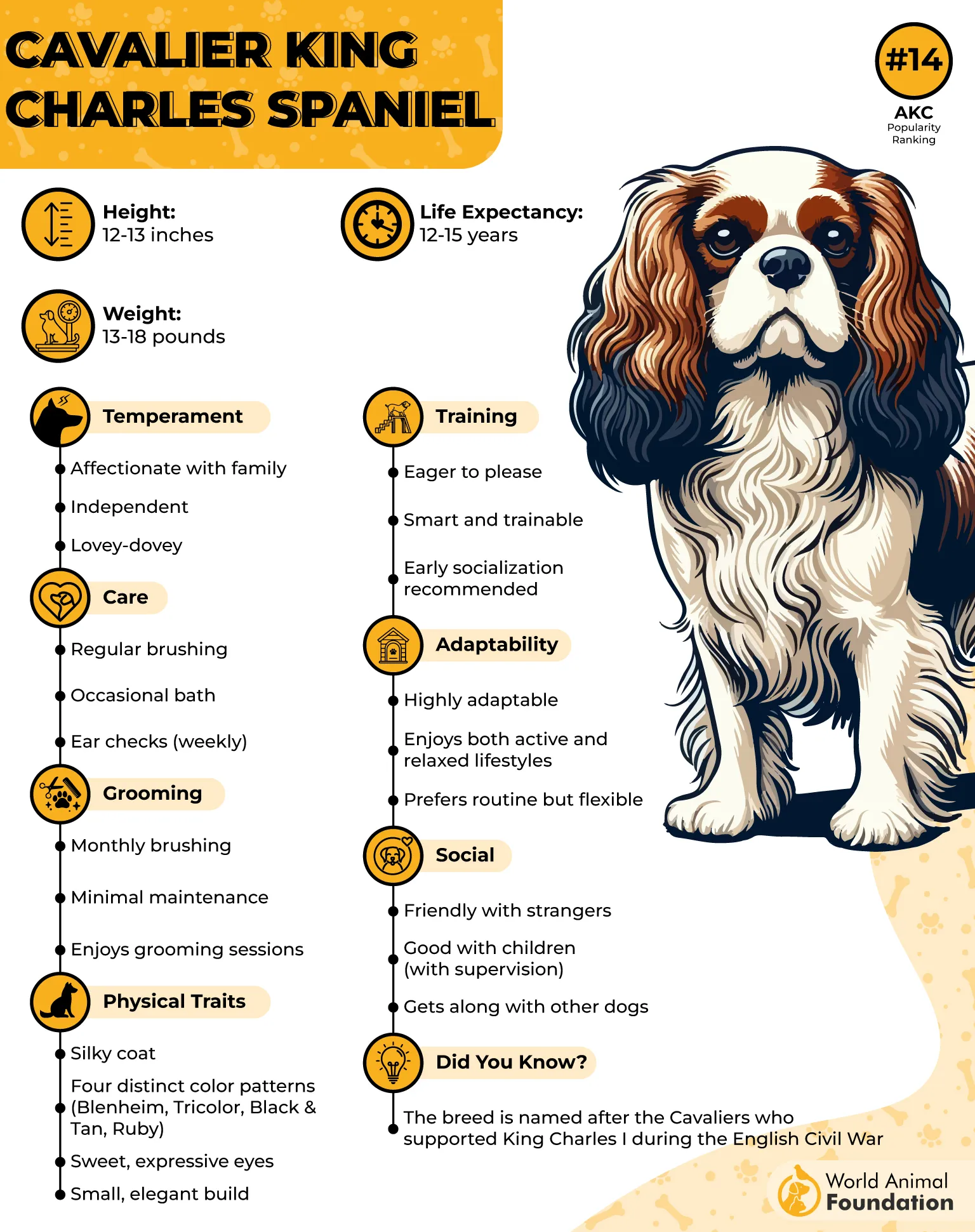
Instead of barking at things that are new, these dogs check with their guardians to provide the cue, which reduces the vocalization to minimal levels in the structured setting.
Main Characteristics
Stress-resilient energy
Critical, flexible, and emotionally stable
Eschews actions that cause tensions at home
React to routine changes with calmness
Well-suited to shared residences
Their docile character favors long-term peaceful companionship.
6. Pug
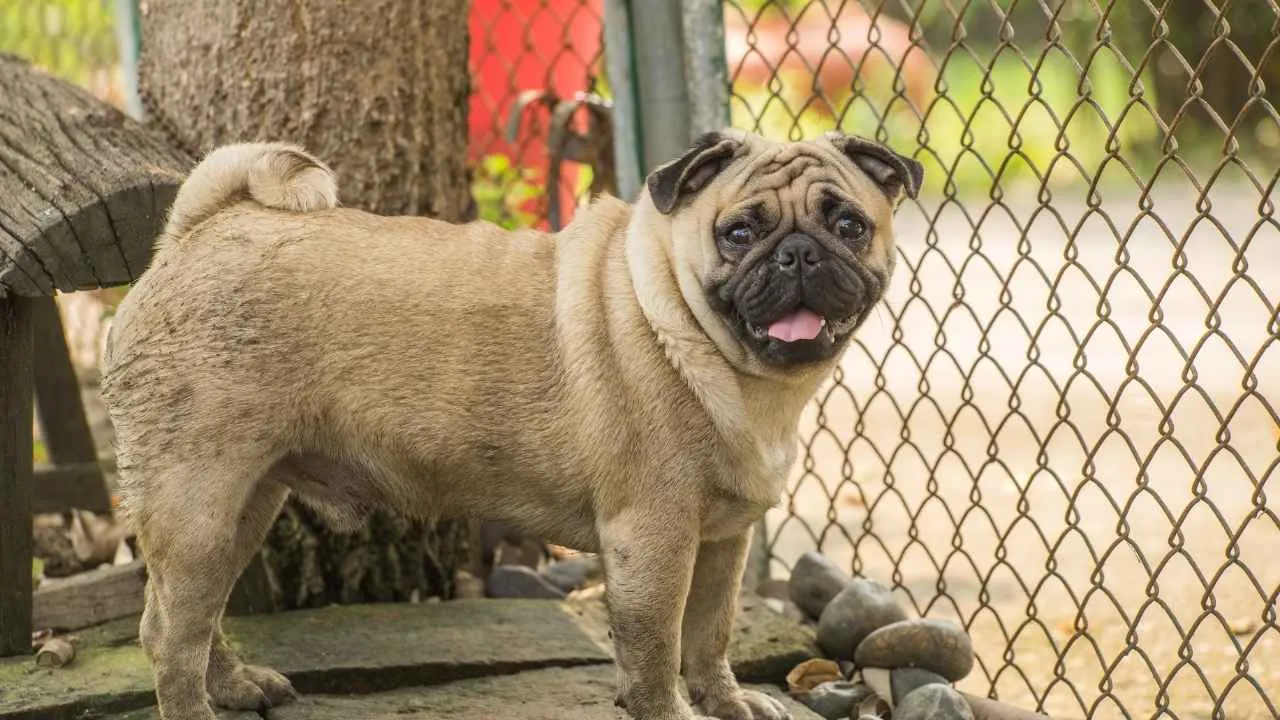
Pugs are famous couch potatoes due to their carefree attitude towards the world. They are not normally interested in external actions like noises in the distance or passing travellers and prefer a slower pace.
Pugs do not bark; they use facial expressions and small movements to communicate. This self-centeredness makes them remain quiet despite their verbal contributions in crowds. The only downside is their low alertness level.
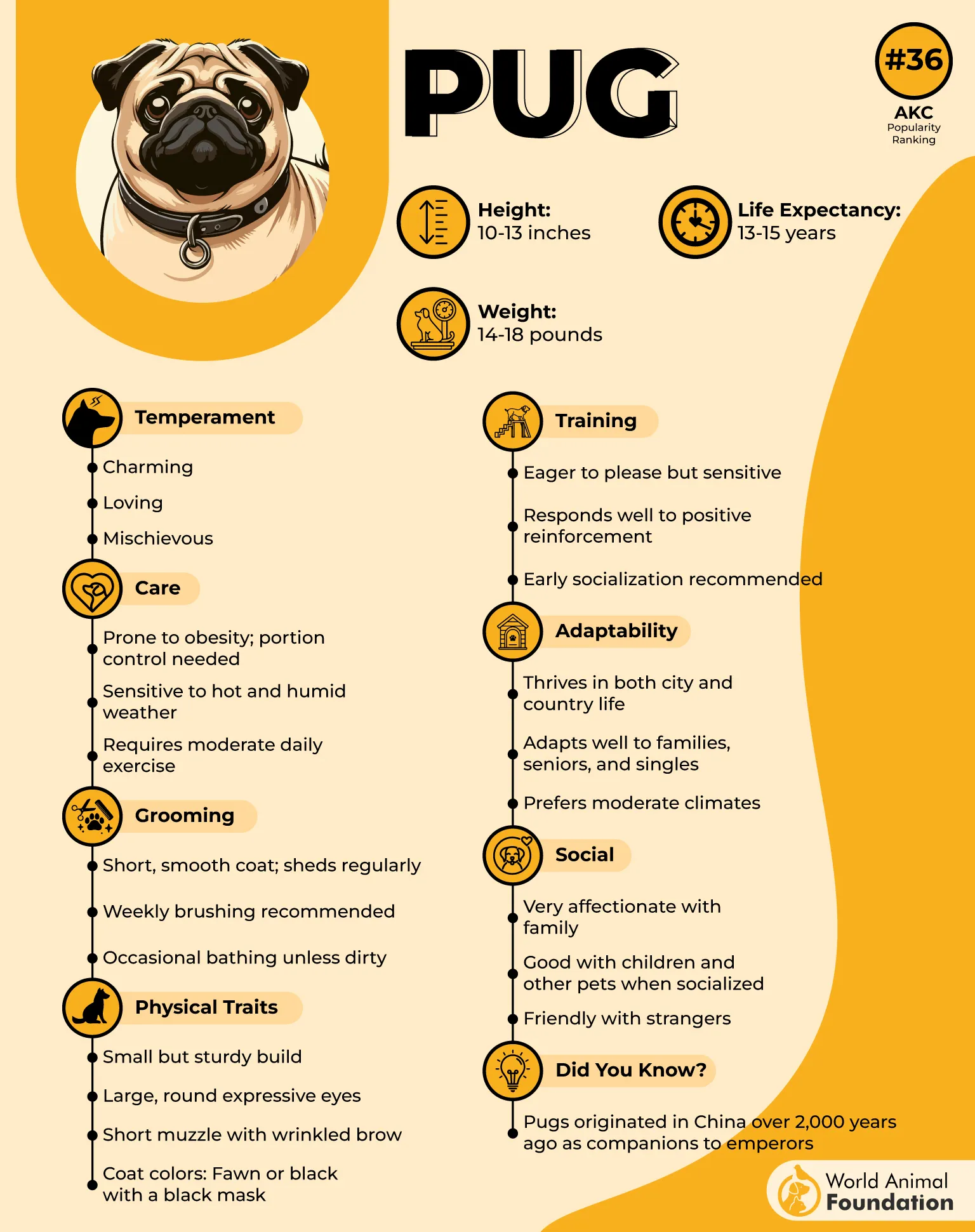
Main Characteristics
Poor responsiveness to extrinsic stimuli
Little curiosity regarding external upheavels
Express themselves in gestures
Rarely alarm-oriented
Perfect fit for quiet families
Their temper is not easily disturbed; these low-energy pups are well-suited to quiet and stable home environments.
7. Japanese Chin
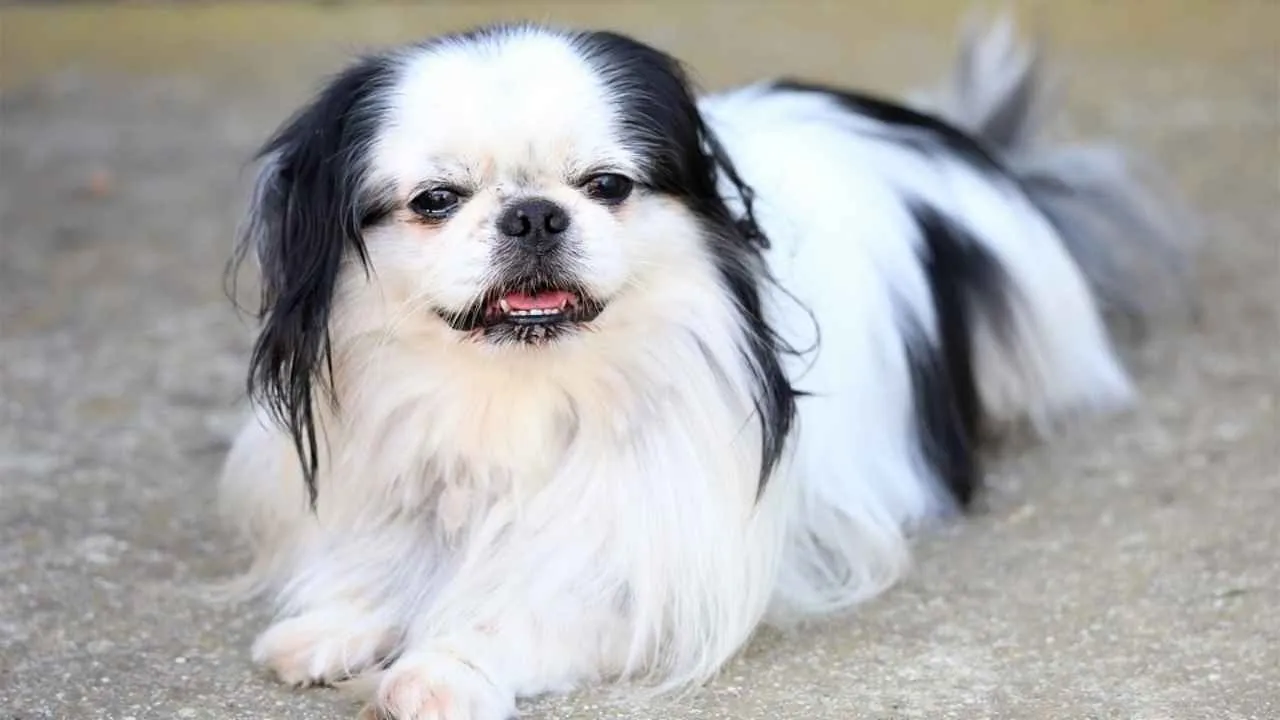
The Japanese Chin is rather selectively alert rather than alert all the time. This breed does not bark futilely and prefers to look on without interfering unless an event directly involves its area of immediate space.
Japanese Chins were originally bred to live in domestic settings with orderly schedules. These gentle giants are affectionate and love spending time in a quiet environment. You can take them out, as this breed enjoys daily walks.
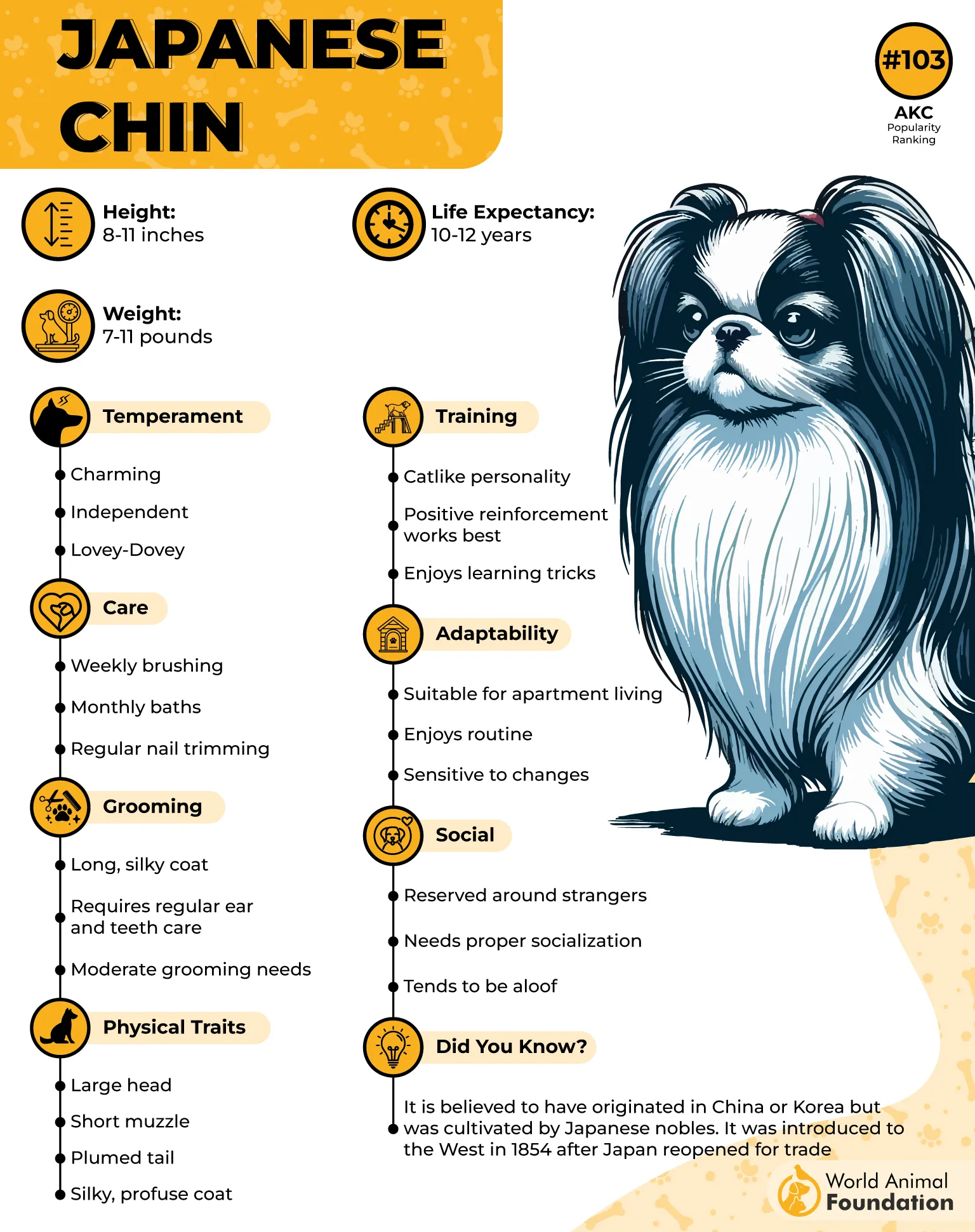
Main Characteristics
Selective alertness
Responds to pertinent stimuli
Keeps its cool within quiet households
Adjust easily to living in an apartment
Prefers to observe as opposed to speaking
Their controlled demeanor goes well with a peaceful family household throughout their entire life.
Conclusion
Easygoing breeds of dogs are great companions that do not produce a lot of noise, and therefore, these dogs are good pets in a family that prioritizes serene living conditions.
These dogs do not become quiet by accident but are the product of centuries of evolutionary breeding, emotional control, and selective breeding.
The quieter breed does not mean engagement should be done away with. Emotional bonding, light routines, and mental stimulation are all required. With such needs satisfied, these breeds are natural, calm companions that contribute to the comfort of the household without being overwhelming.
