




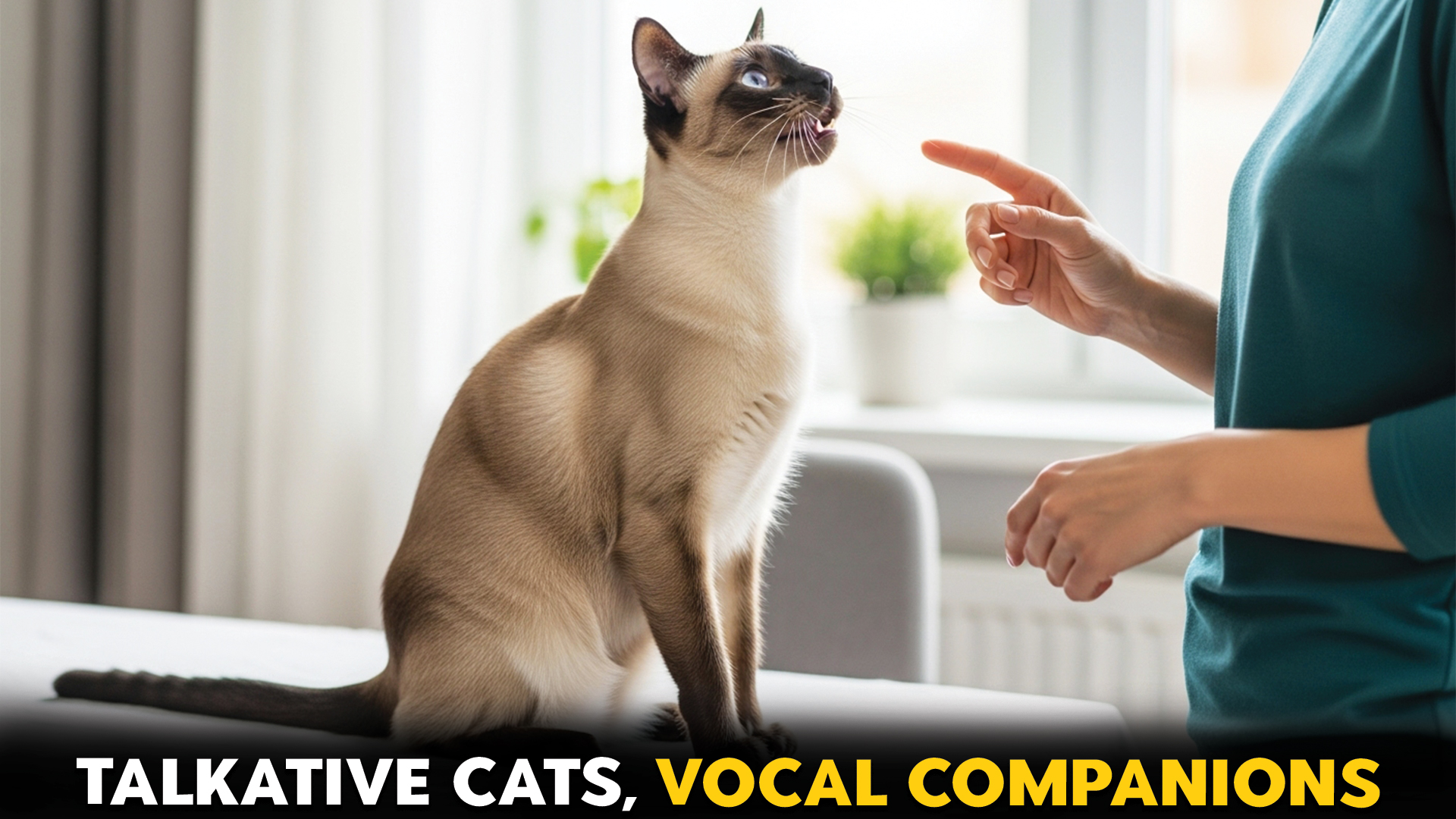
Some cats are content with quiet companionship, but others light up the moment a human starts talking. These socially engaged felines don’t just tolerate conversation—they welcome it. Through soft meows, chirps, trills, and expressive looks, they respond to voices as if they’re part of an ongoing dialogue.
Why some cats love human conversation often comes down to temperament and social bonding. Certain breeds are more people-focused and emotionally aware, making them highly receptive to verbal interaction. They learn voice patterns, respond to tone, and often answer back, turning simple chatter into a shared experience.
What makes a cat social and vocal goes beyond meowing alone. Confident personalities, intelligence, and a strong desire for attention all play a role. Cats that enjoy being talked to often seek eye contact, stay close during conversations, and use sound intentionally to communicate. In this article, we explore seven cat breeds that genuinely enjoy human interaction and thrive when included in daily conversation.
7 Cat Breeds That Enjoy Being Talked To
1. Siamese
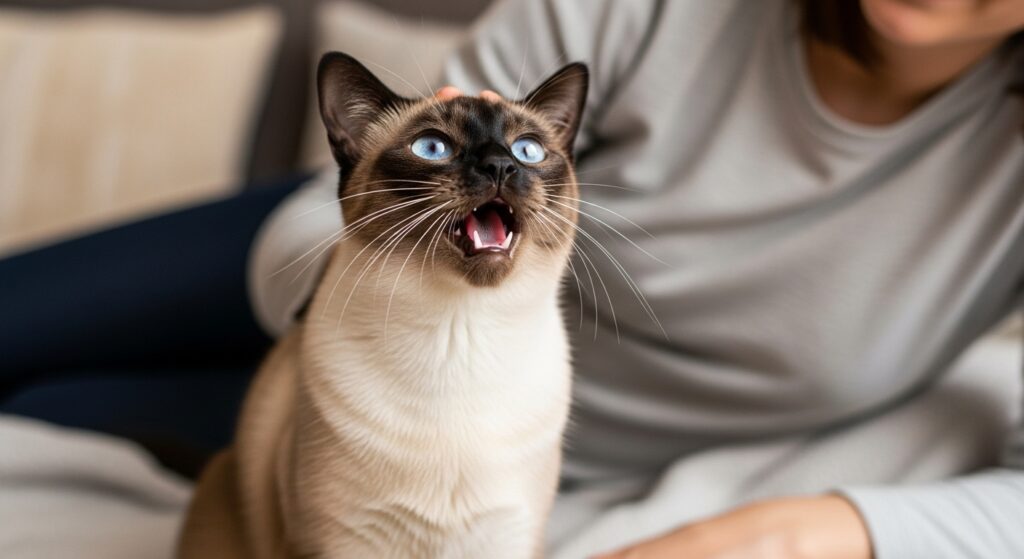
Also known as the Thai Cat, the Siamese is instantly recognizable for its slender build, almond-shaped deep blue eyes, and sleek, short coat.
According to Britannica, the Siamese is a popular short-haired domestic cat breed that originated in Thailand, which was officially known as Siam until 1939. This elegant breed has long been admired for both beauty and personality.
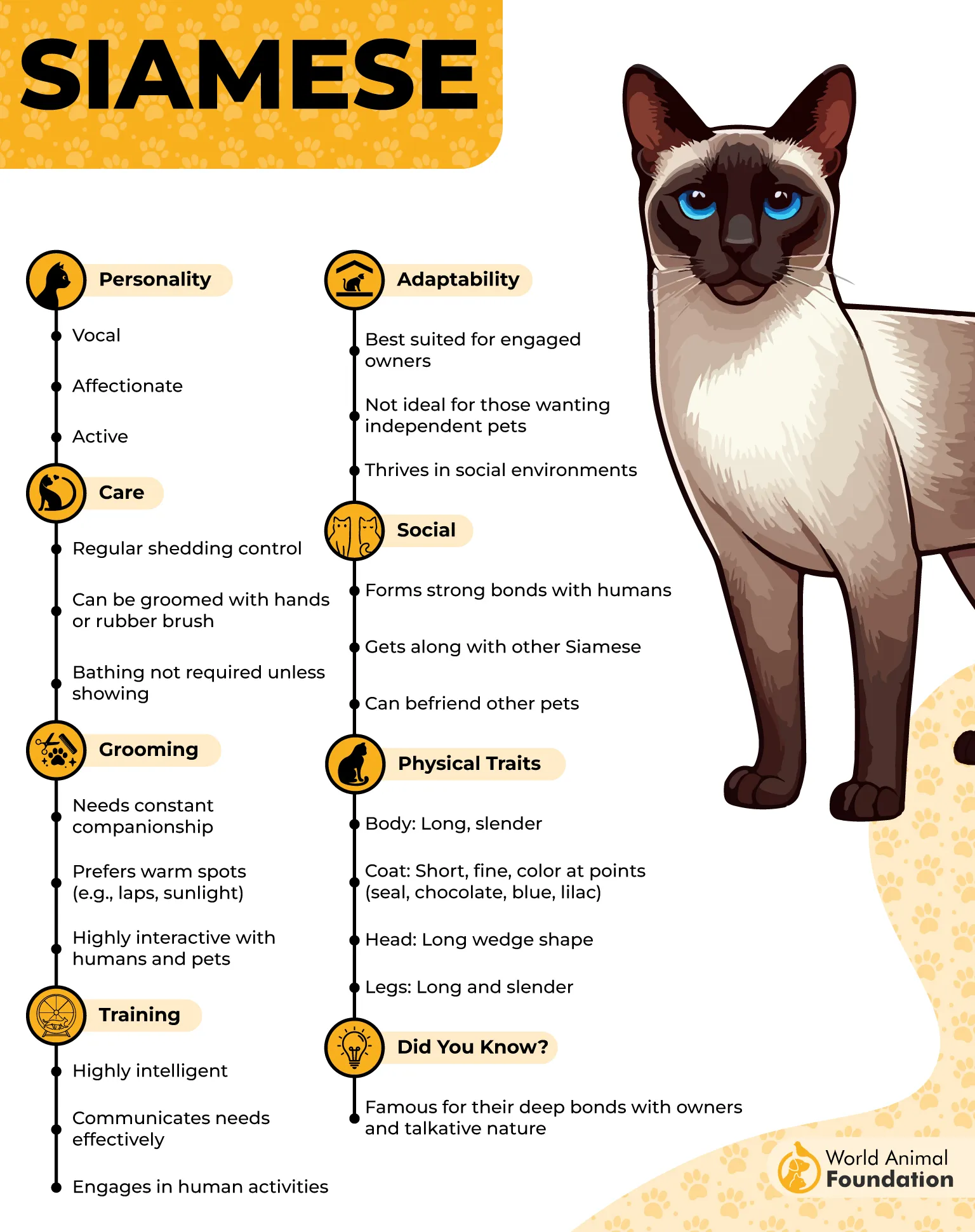
Few cats enjoy being talked to as much as the Siamese. Highly social and people-focused, they actively seek verbal interaction and often respond with loud, expressive vocalizations that sound almost human.
Conversation is a form of bonding for this breed. Siamese cats use a wide range of sounds—meows, trills, and drawn-out “reows”—to communicate needs, emotions, and opinions, clearly enjoying back-and-forth exchanges.
Intelligent and curious, they thrive when mentally engaged and included in daily life. Without interaction, they’ll demand attention vocally.
Fun fact: a Siamese cat’s colorpoint coat is temperature-sensitive, with darker coloring developing on cooler parts of the body.
2. Oriental Shorthair
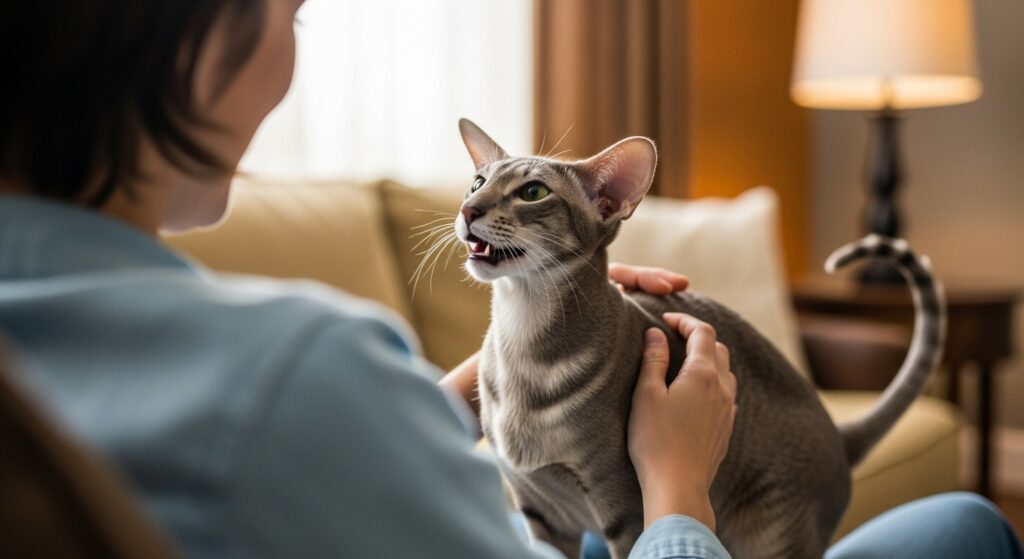
Also known simply as the Oriental, the Oriental Shorthair is closely related to the Siamese and shares its sleek body, triangular face, and oversized ears.
According to PetMD, they need frequent affection and entertainment, and they can seem grumpy when they feel ignored or slighted. This breed appears in many coat colors, adding visual flair to its expressive presence.
Oriental Shorthairs are famously vocal and seem to relish being spoken to. Rather than quiet meows, they answer with loud, raspy calls and rolling purrs, often responding directly when a human addresses them.
Conversation is part of their daily routine. These cats thrive on interaction, using sound to demand attention, comment on activities, or “scold” owners who’ve been away too long, making dialogue feel mutual.
Highly intelligent and playful, they stay engaged well into adulthood and enjoy games like fetch alongside verbal exchanges.
Fun fact: the Oriental Shorthair was officially accepted for championship status by the Cat Fanciers’ Association in the late nineteen-seventies.
3. Burmese
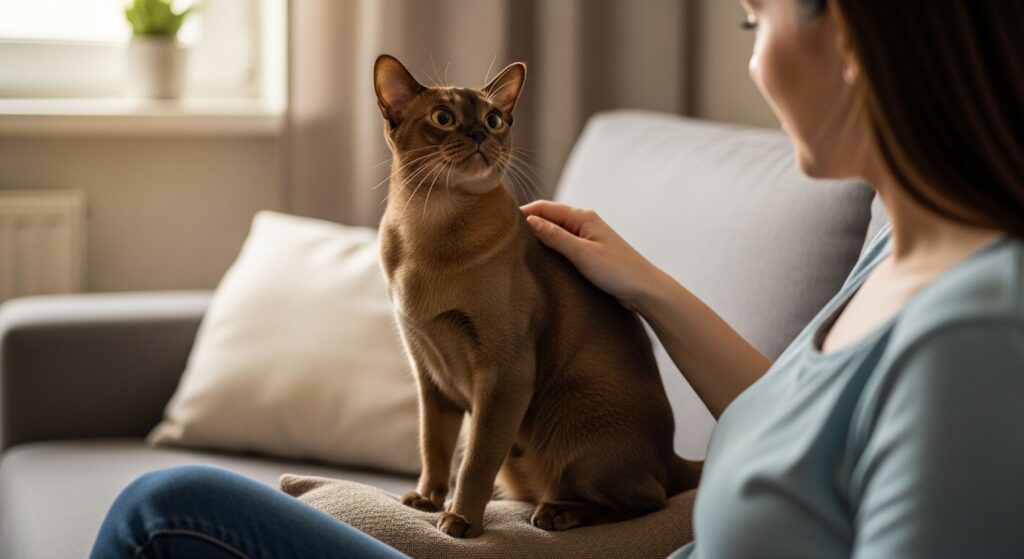
Also known as the Burmese Cat, this breed originated in Myanmar and is closely related to other Asian vocal breeds.
According to WebMD, Burmese cats are affectionate and love being around people. Compact, sleek, and deeply people-focused, Burmese cats thrive on constant companionship.
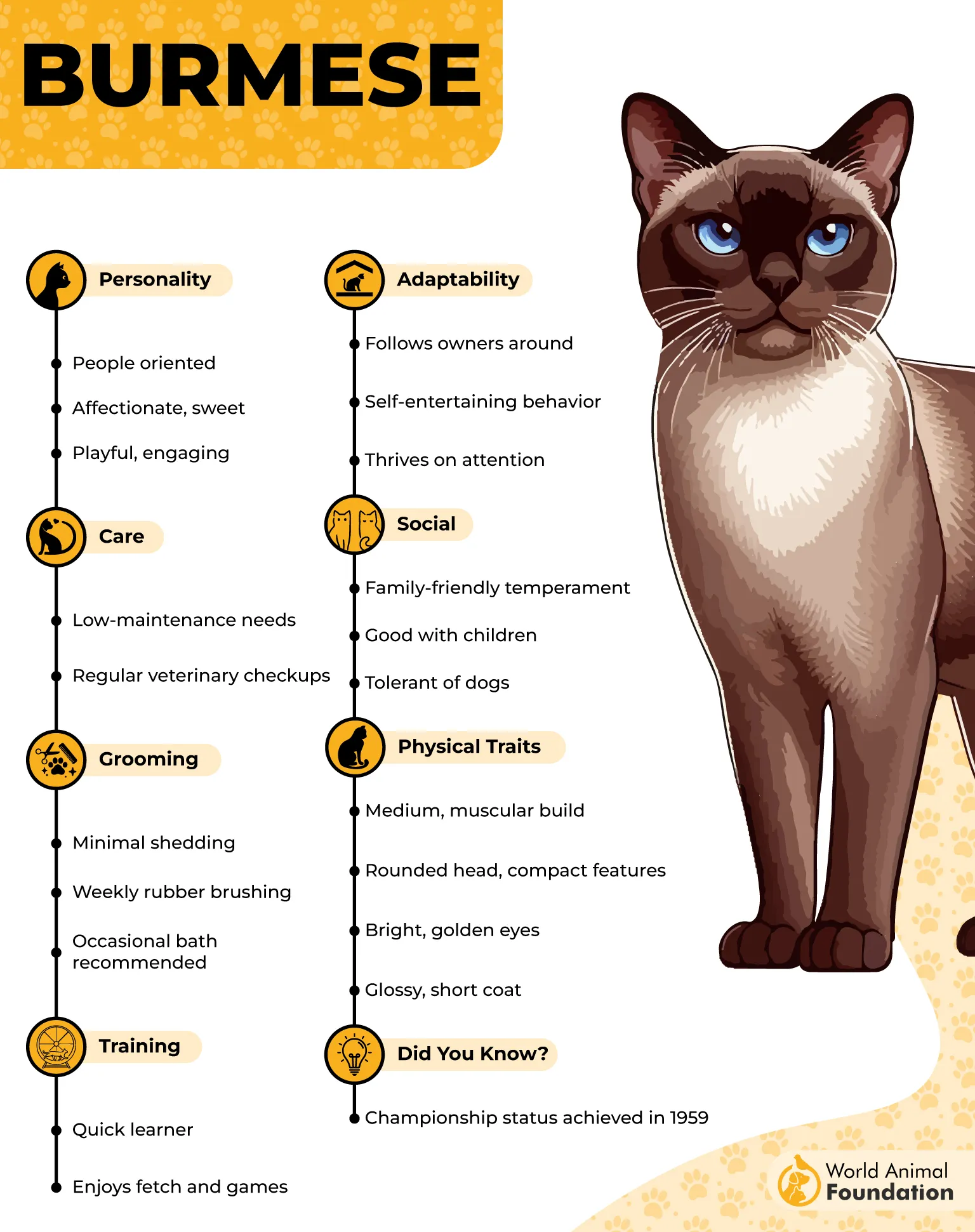
Burmese cats enjoy being talked to because conversation is part of how they bond. Their voices are soft and melodic, made up of gentle meows and trills rather than loud yowls, making exchanges feel calm and affectionate.
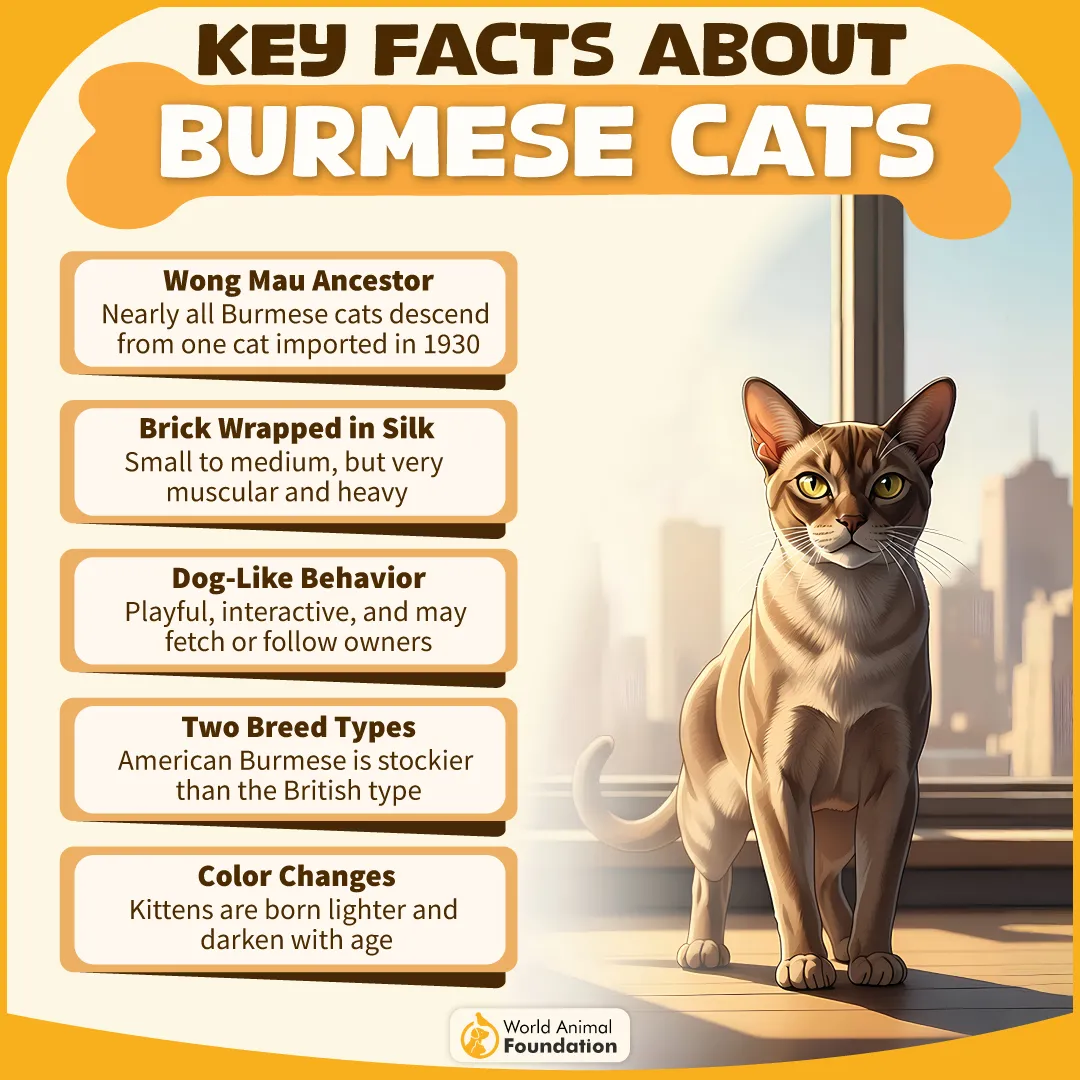
Naturally social, they follow their humans from room to room, responding to speech as a way of staying emotionally connected. Talking back to them often encourages even more communication.
This breed’s love of attention and interaction makes dialogue essential to their happiness.
Fun fact: Burmese cats are often called “Velcro cats” because they form strong attachments and prefer staying close to their people.
4. Bengal
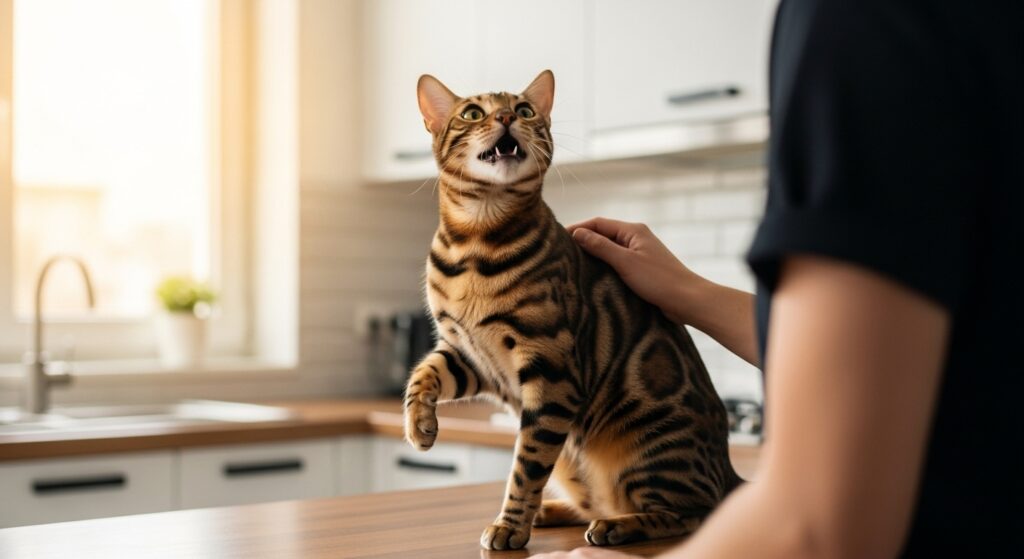
Also known simply as the Bengal cat, this striking breed traces its lineage to the Asian leopard cat blended with several domestic breeds. Its exotic rosetted coat and alert expression hint at a highly engaged, people-focused personality.
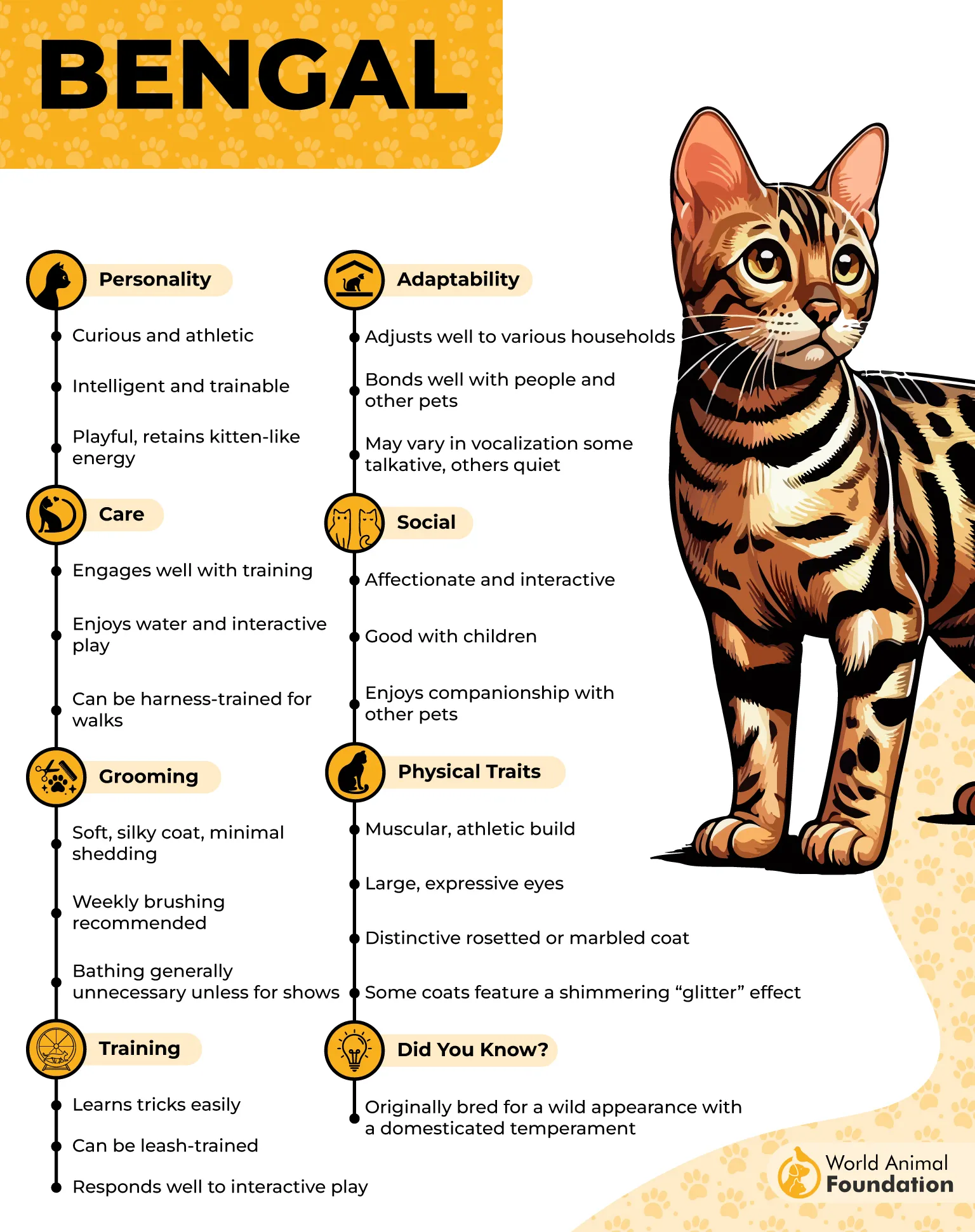
Bengals don’t just tolerate conversation—they participate in it. They respond to human voices with meows, chirps, and distinctive yowls, often answering back as if continuing a dialogue rather than making random noise.
Their intelligence fuels this vocal interaction. Bengals quickly learn voice patterns and tones, using sound to express curiosity, excitement, or a desire for attention, making conversations feel purposeful and lively.
Highly social and energetic, they thrive when spoken to regularly and included in daily routines.
Fun fact: the Bengal’s wide vocal range is thought to be inherited partly from the Asian leopard cat and other talkative breeds in its ancestry.
5. Sphynx
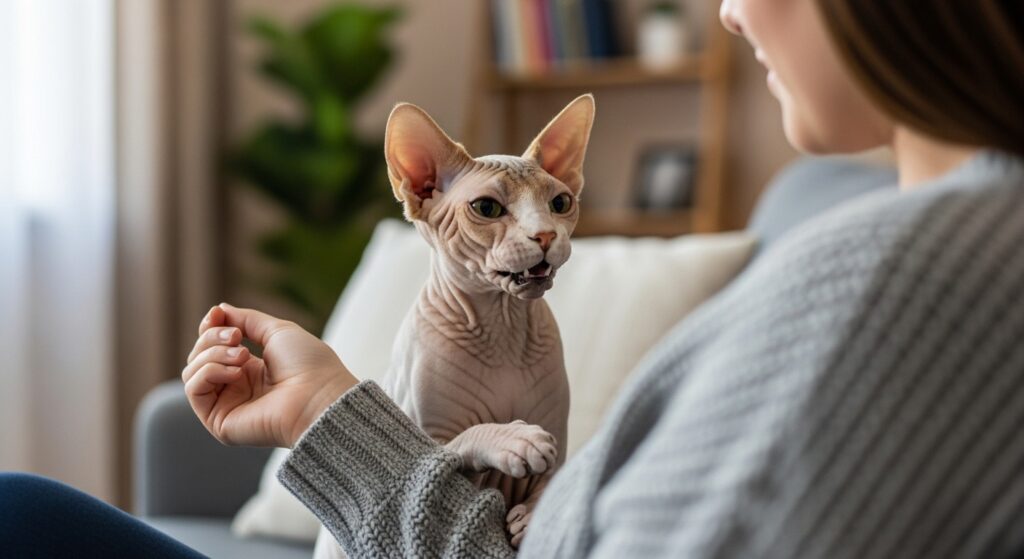
Also known as the Canadian Sphynx, this hairless breed is instantly recognizable for its wrinkled skin, oversized ears, and expressive face. Beneath the unique appearance lies a deeply social and people-focused cat.
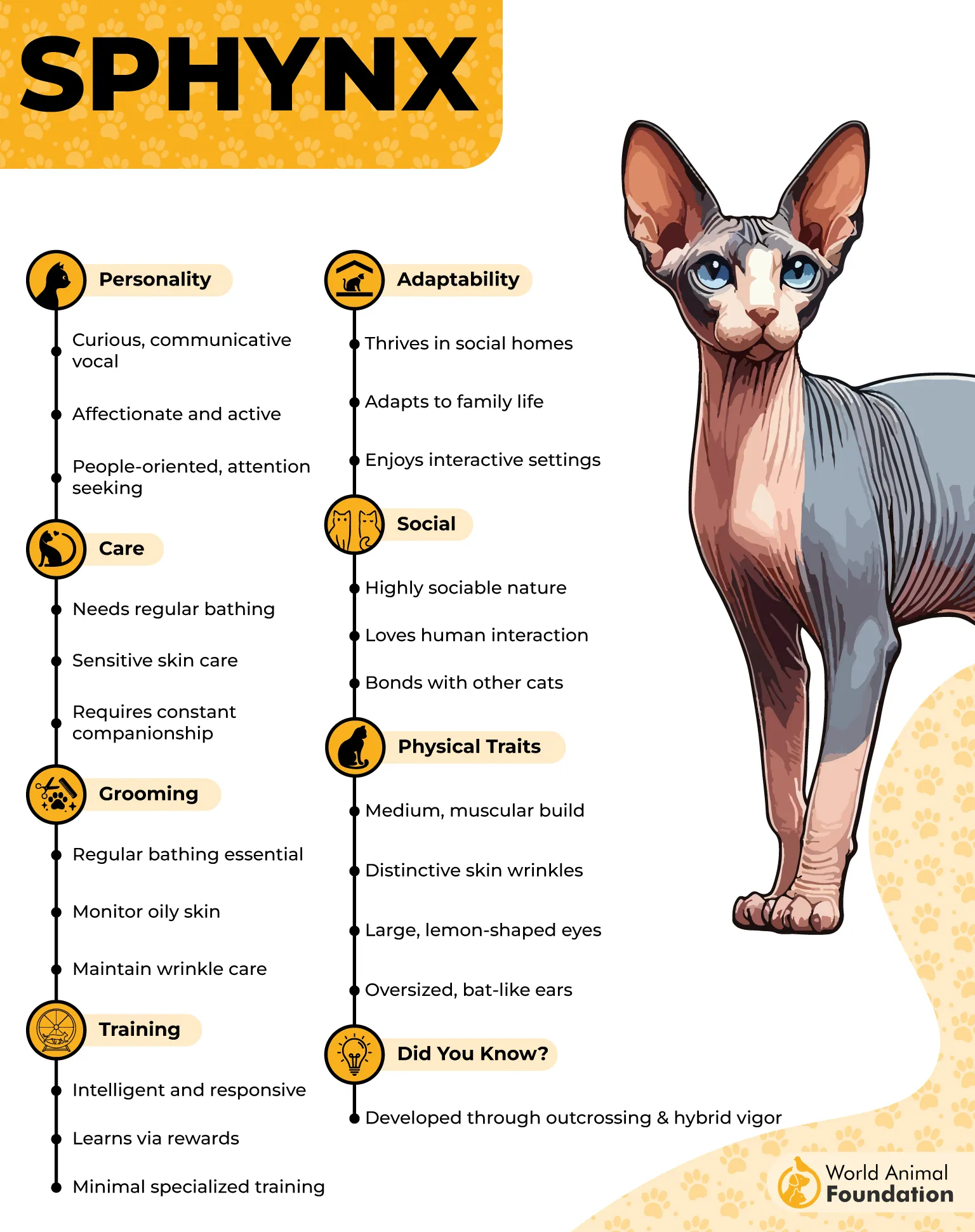
Sphynx cats are famously vocal, using raspy meows, chirps, trills, and even “singing” sounds to stay engaged with their humans. They don’t just tolerate conversation—they actively seek it out and respond with enthusiasm.
Their love of being talked to comes from a strong need for companionship. Often called “Velcro cats,” Sphynx thrive on constant interaction and use vocalization as a way to stay emotionally connected.
Affectionate and warm-natured, they often pair vocal storytelling with close physical contact.
Fun fact: the Sphynx’s talkative personality is closely linked to its intense desire for social interaction with people.
6. American Bobtail
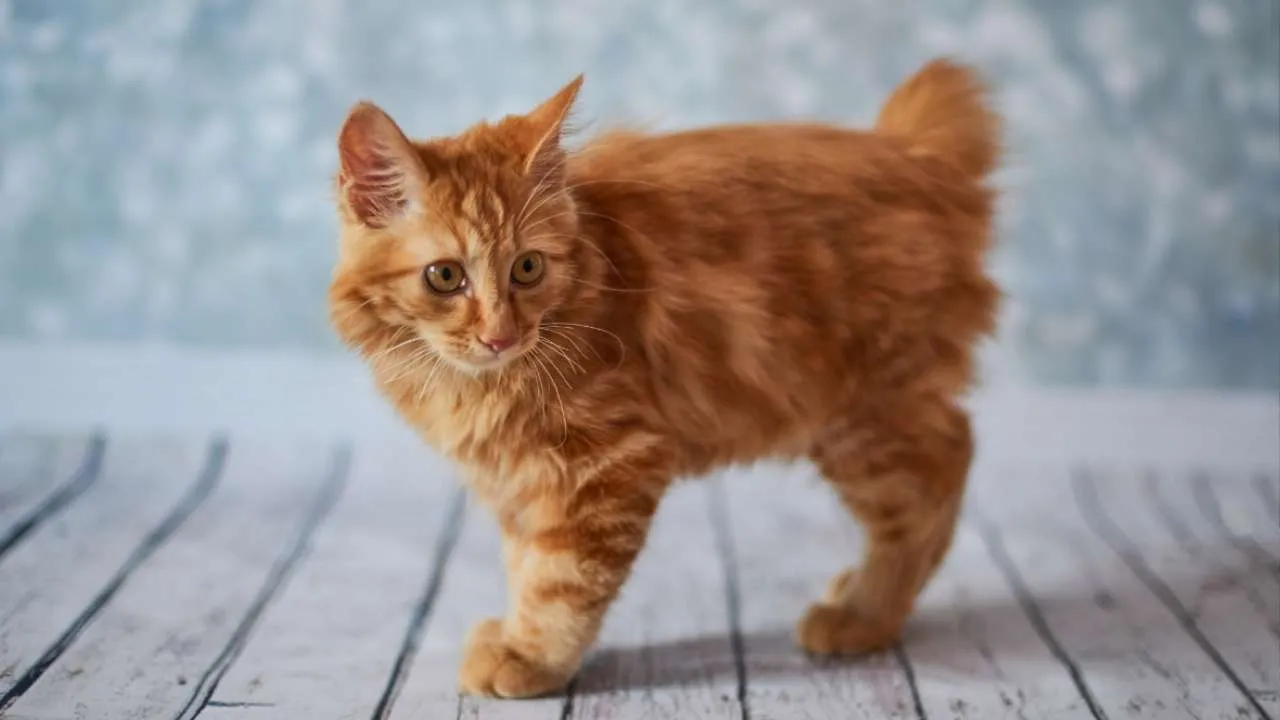
Also known simply as the Bobtail, the American Bobtail is a naturally developed breed from the United States, instantly recognized by its shortened tail and sturdy, wild-inspired appearance. Despite its rugged look, this cat is deeply affectionate and people-focused.
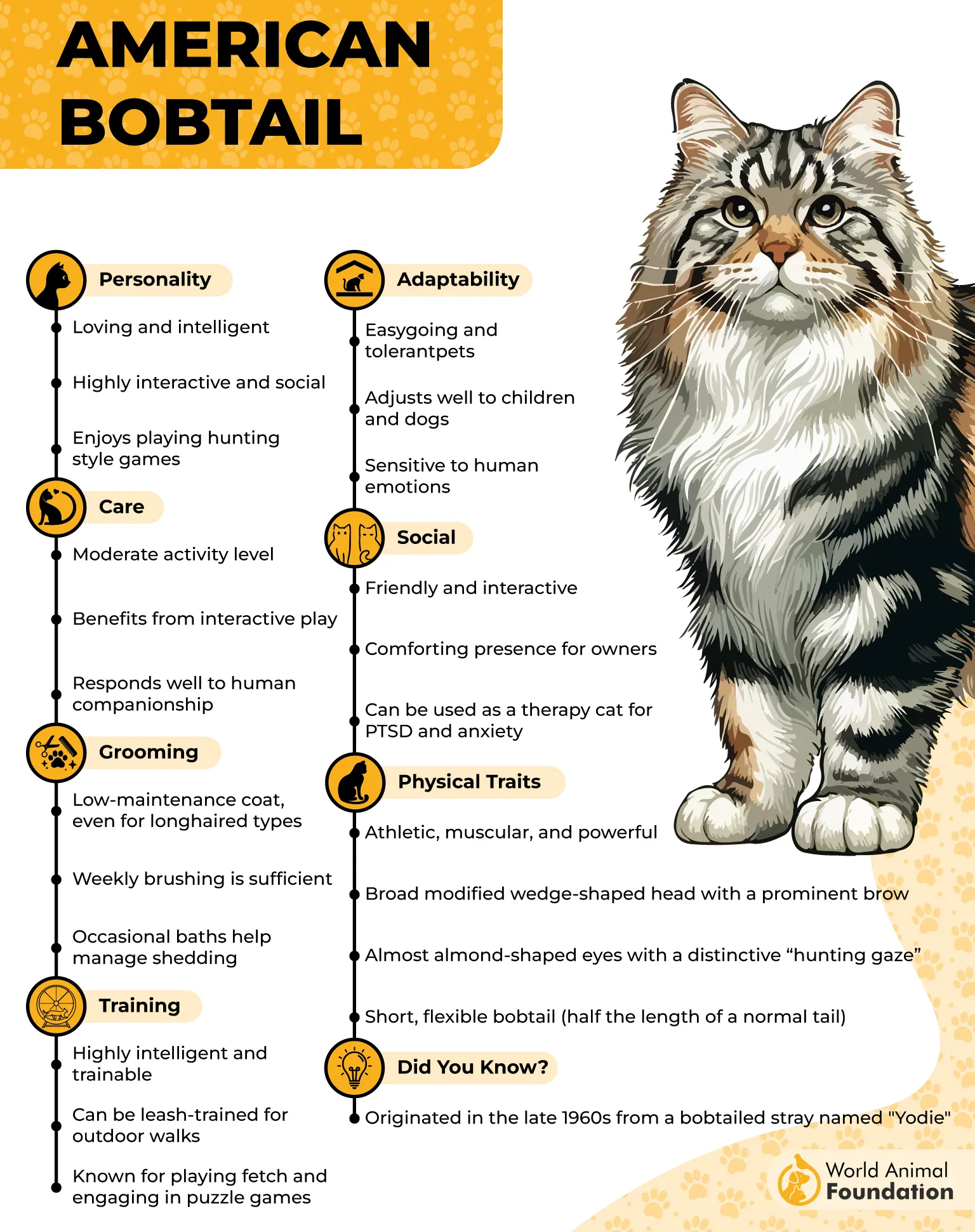
American Bobtails genuinely enjoy being talked to and often respond with more than a basic meow. Their vocal range includes chirps, trills, and soft clicking sounds, making conversations feel interactive rather than one-sided.
What sets this breed apart is emotional awareness. Highly empathetic, the American Bobtail picks up on human moods and often vocalizes in response, offering attention when it senses stress or excitement during daily routines.
Intelligent and playful, they frequently “talk” while stalking toys or engaging in games, blending communication with activity.
Fun fact: the American Bobtail’s distinctive short tail developed through natural selection and was later refined by breeders in the 1960s.
7. Tonkinese
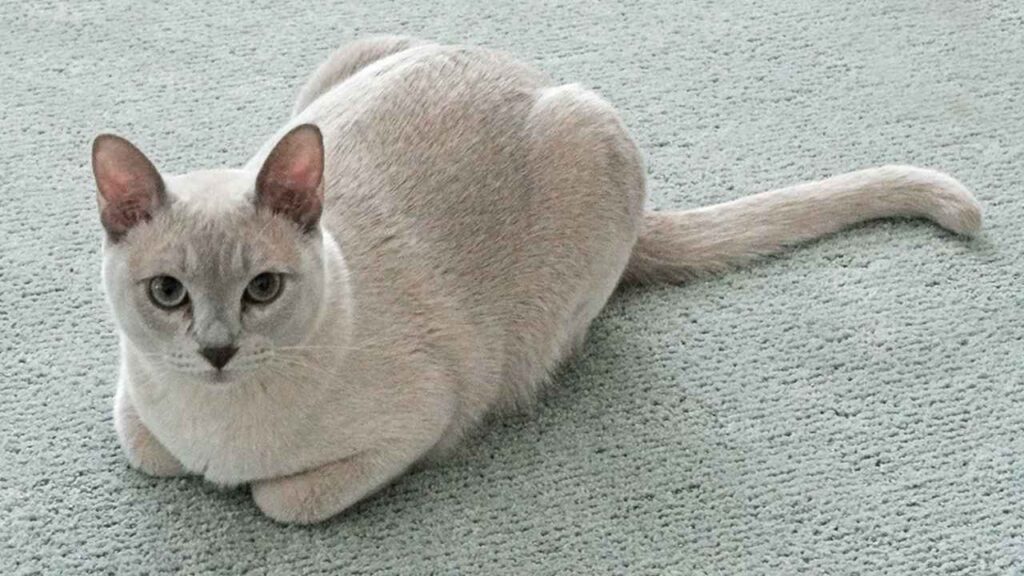
Also known as the Tonk, the Tonkinese is a hybrid of the Siamese and Burmese, blending a sleek, muscular build with a short, silky coat. This people-oriented breed is confident, playful, and deeply social.
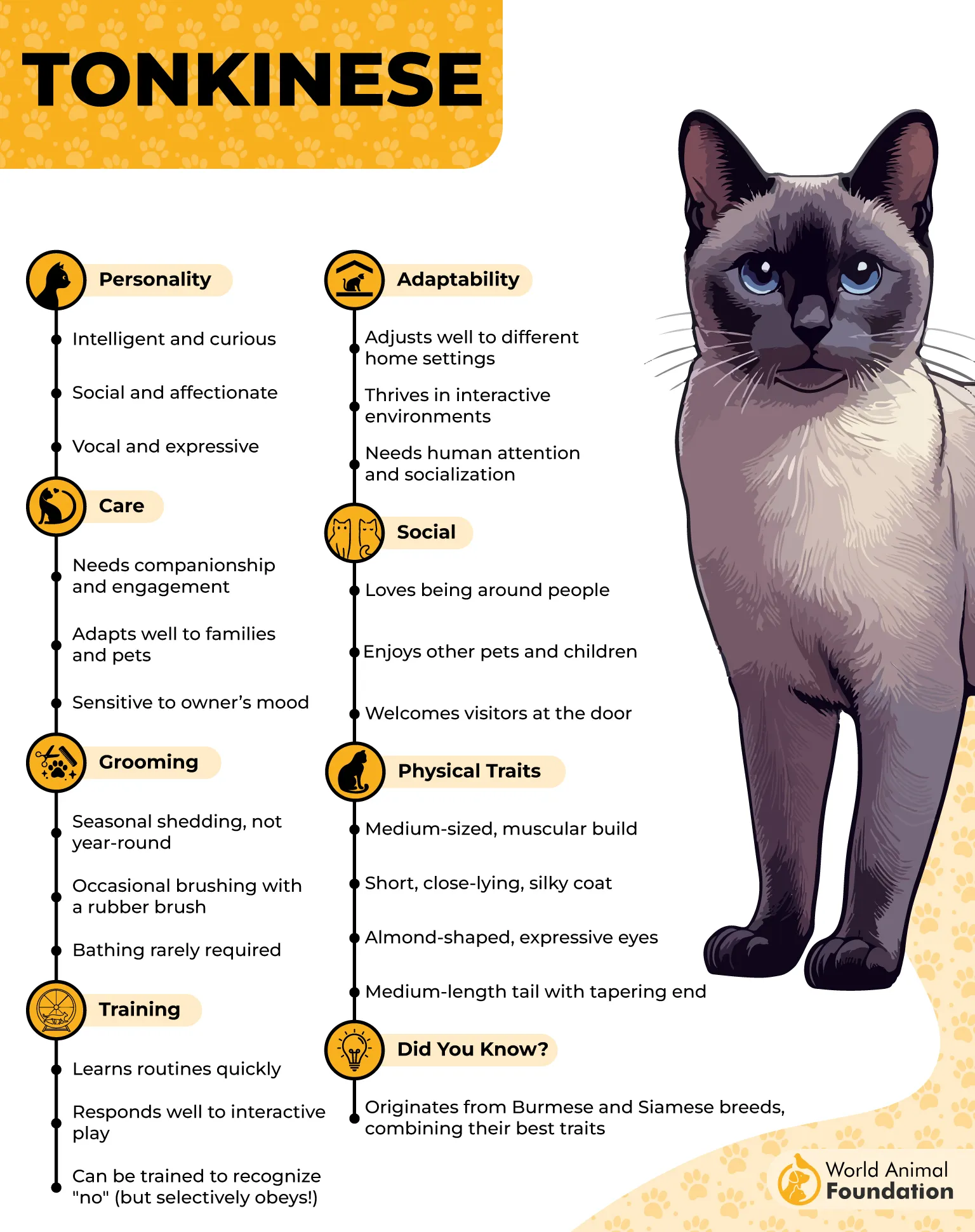
Conversation is part of daily life for a Tonkinese. They love being talked to and almost always respond, using a mix of meows, chirps, trills, and an impressively strong purr to stay engaged with their humans.
Their vocal nature is tied to intelligence and curiosity. Whether playing fetch, greeting visitors at the door, or following you from room to room, Tonkinese cats narrate their experiences with cheerful commentary.
Unlike louder vocal breeds, their voice is melodic rather than demanding, making interaction feel warm and inviting.
Fun fact: the Tonkinese inherited its talkative nature from both Siamese and Burmese ancestors, making it one of the most conversational cat breeds.
Conclusion
Cat breeds that enjoy being talked to highlight how communication strengthens the bond between humans and felines. Among the most vocal cat breeds, talkative cat breeds, and vocal cat breeds stand out for loud meows, expressive sounds, and a naturally chatty personality.
Whether it’s a chatty cat responding to favorite people or an individual cat seeking constant human company, these house cat companions turn everyday moments into shared conversations.
From well-known names like the Maine Coon—often called a gentle giant—to a rare breed or even a domestic shorthair, chatty nature varies across other breeds. Japanese Bobtail, Turkish Angora, Devon Rex, and even Bengal Bengals show how vocal tendencies differ from wild cats to modern companions.
Living alongside other pets, a family dog, or even a human baby, these cats form a close relationship through sound, play, and playing games—proving that conversation is part of feline connection.
Talkative Cat Breeds: Can You Score 5/5? 🐱
Which cat breed is known for loud, human-like vocalizations?
Which breed closely related to the Siamese is famously raspy and vocal?
Which cat breed is often called a “Velcro cat” for staying close and talking softly?
Which breed is known for chirps and yowls linked to wild ancestry?
Which breed blends Siamese and Burmese traits into a melodic voice?
