




We all love dogs like family. And we want them to enjoy a healthy life filled with wagging tails and happy days. That’s why understanding how long dogs live matters so much. Knowing what affects your dog’s lifespan can help you plan the best care from puppyhood to senior years and beyond.
So, how long do dogs live?
According to the American Kennel Club, dogs vary widely in longevity based on size, breed, and overall health — and knowing typical lifespans helps owners provide the best possible care.
A dog’s weight and health care also play a big role in how many joyful years you get together. Keeping a dog at a healthy weight helps prevent joint issues, heart trouble, and other problems that can shorten life.
And it isn’t just about weight. Proper diet and preventive care — like regular veterinary visits, balanced nutrition, and regular vet check-ups — can add years of active, happy living to your dog’s life.
That brings us to the big question: which dog breeds are most likely to thrive into old age with good care?
In this guide, we’ll explore dog breeds, discover which live the longest, and thrive that are known to enjoy long lives and blossom when given proper love and care. You’ll also learn how to help your own furry friend live their happiest, longest life possible.
Dog Breeds: Discover Which Live the Longest and Thrive
1. Chihuahua
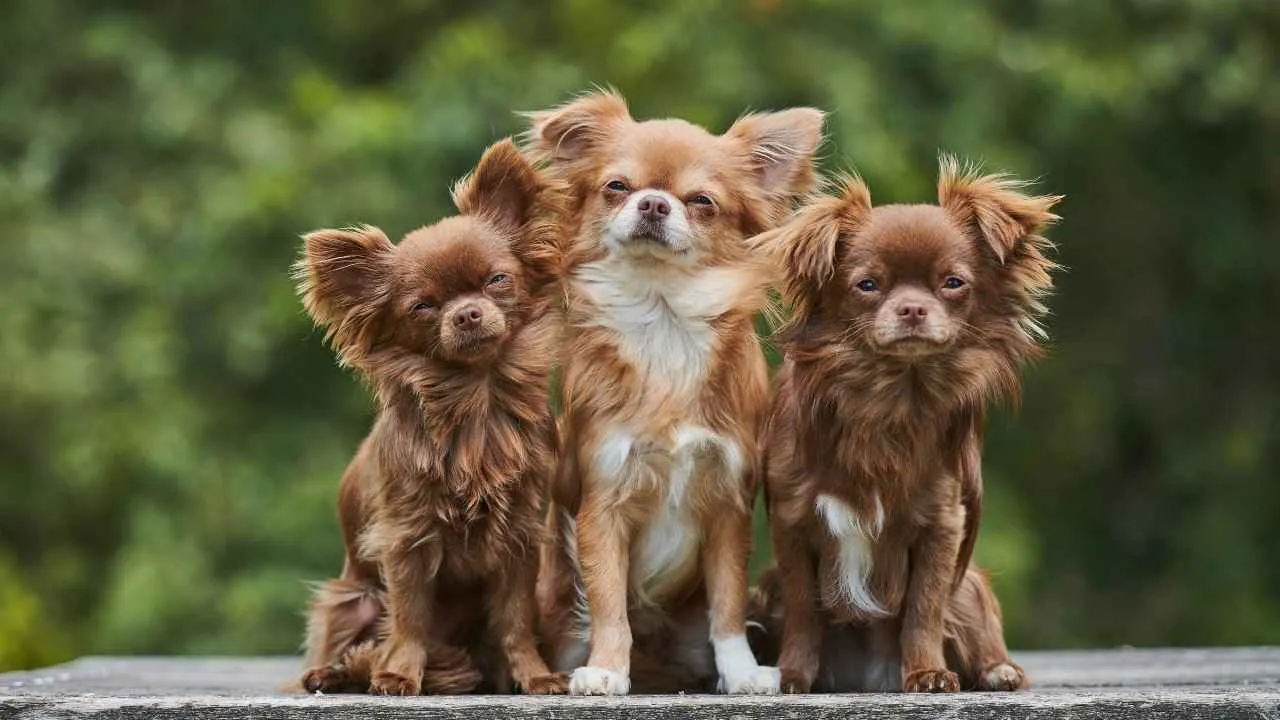
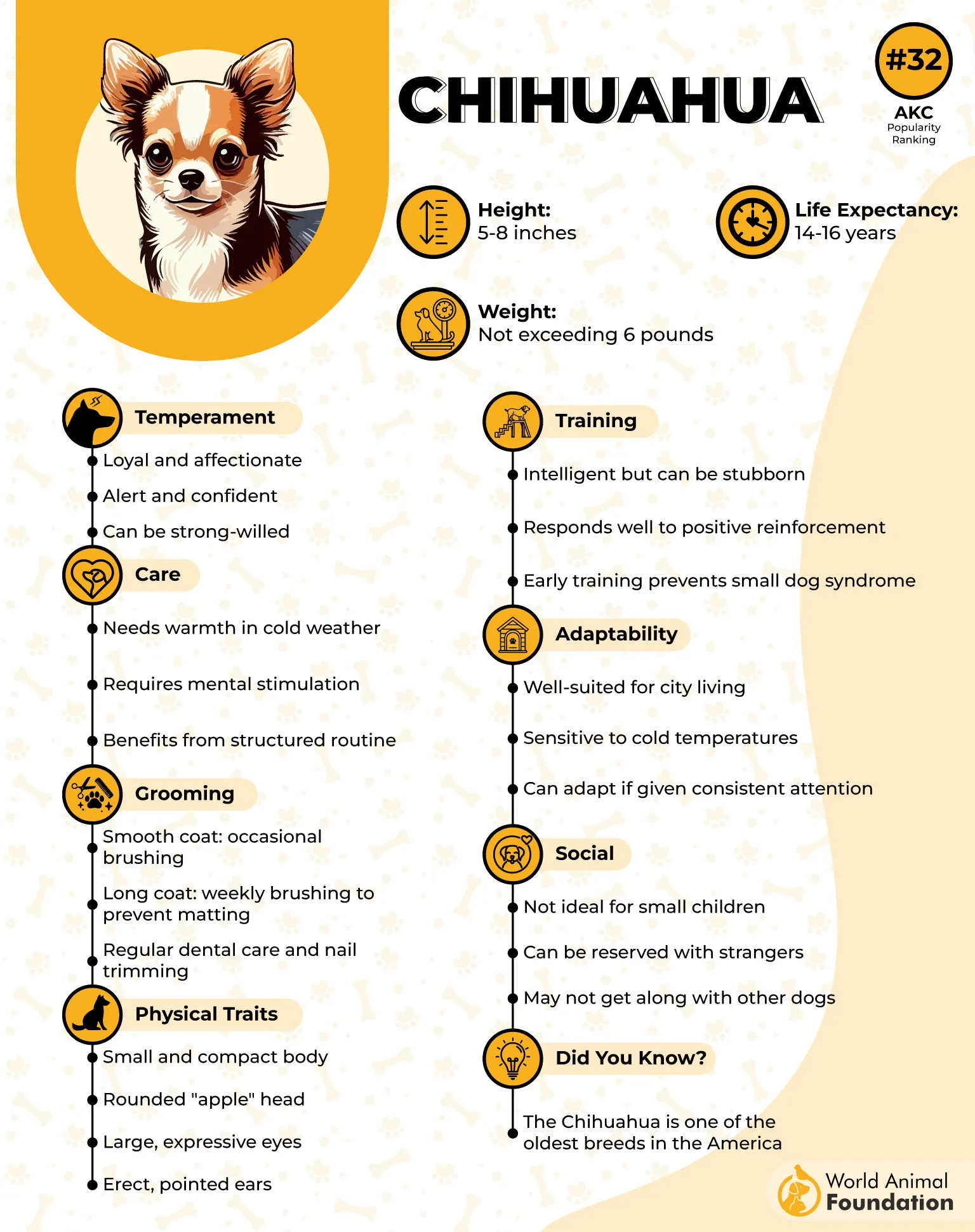
The Chihuahua is often recognized as one of the longest living dog breeds. Despite its tiny size, this small dog has an impressive lifespan. Many Chihuahuas typically live between 14 and 18 years when they receive proper care.
Their light build places less stress on their joints and organs, which helps support a longer, healthier life. When it comes to personality, these small dogs are full of charm. According to Purina, they are lively, affectionate dogs that form very strong bonds with their owners.
They love being close to their people and often choose one favorite person. This deep connection keeps their dog’s life emotionally rich and fulfilling, even as they grow older. A long dog’s lifespan also depends on daily care. Feeding a high-quality diet helps maintain a healthy weight and steady energy levels.
Mental stimulation, such as gentle play and interactive toys, keeps their minds active. Consistent veterinary care allows early detection of health issues and supports overall well-being.
Chihuahuas are also highly adaptable to apartment living. They thrive on simple daily routines that include short walks, indoor play, and plenty of rest. Their small size and flexible needs make them easy companions for modern lifestyles.
With love, structure, and proper care, this tiny dog can enjoy many happy and healthy years.
2. Australian Cattle Dog
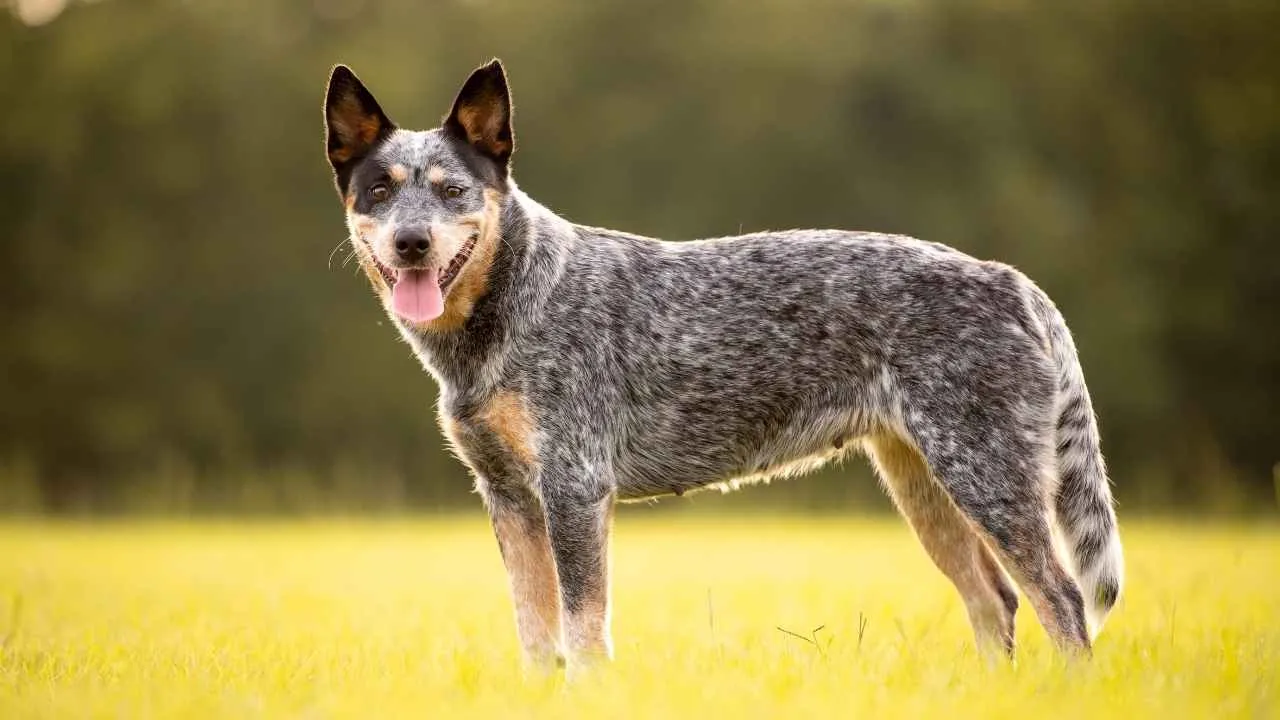
The Australian Cattle Dog is a medium-sized breed known for strength and stamina.
This dog stands out for durability and an intense work ethic, not looks. Wikipedia states that it was originally bred to herd cattle across rough land in Australia. That demanding job shaped a dog built to work all day without slowing down.
Herding work gave this breed natural agility and sharp focus. Australian Cattle Dogs move fast, turn quickly, and stay alert at all times. They were designed to think on their feet while controlling livestock.
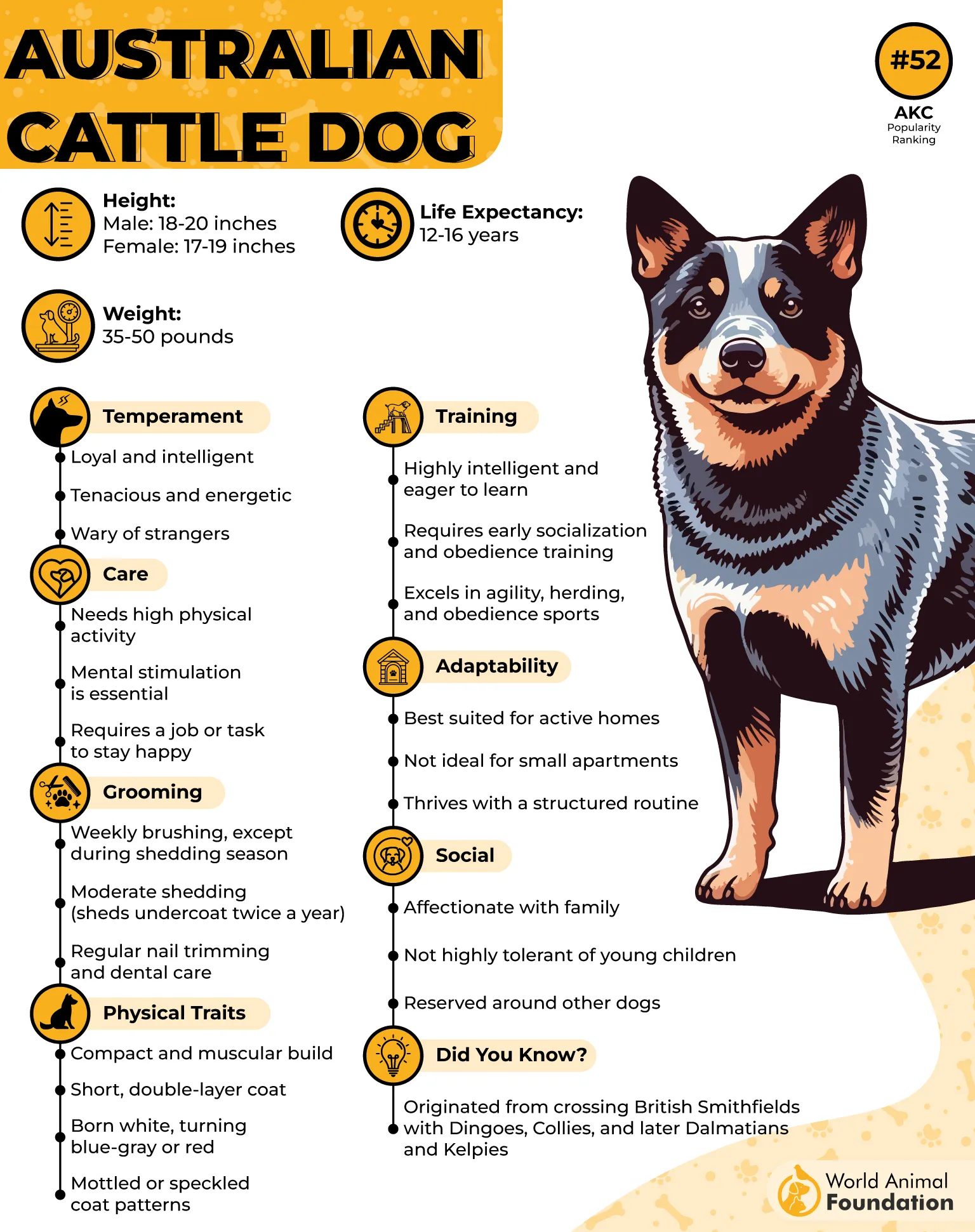
That history still shows today in how driven and capable they are. Because of this background, regular exercise is essential. Daily walks are not enough on their own. They need active play, training tasks, and mental challenges to stay balanced.
The average lifespan of an Australian Cattle Dog is around 12 to 16 years. To support those years, joint care is important, especially as dogs age. An active lifestyle, combined with mindful movement, helps protect joints and overall health.
3. Basenji
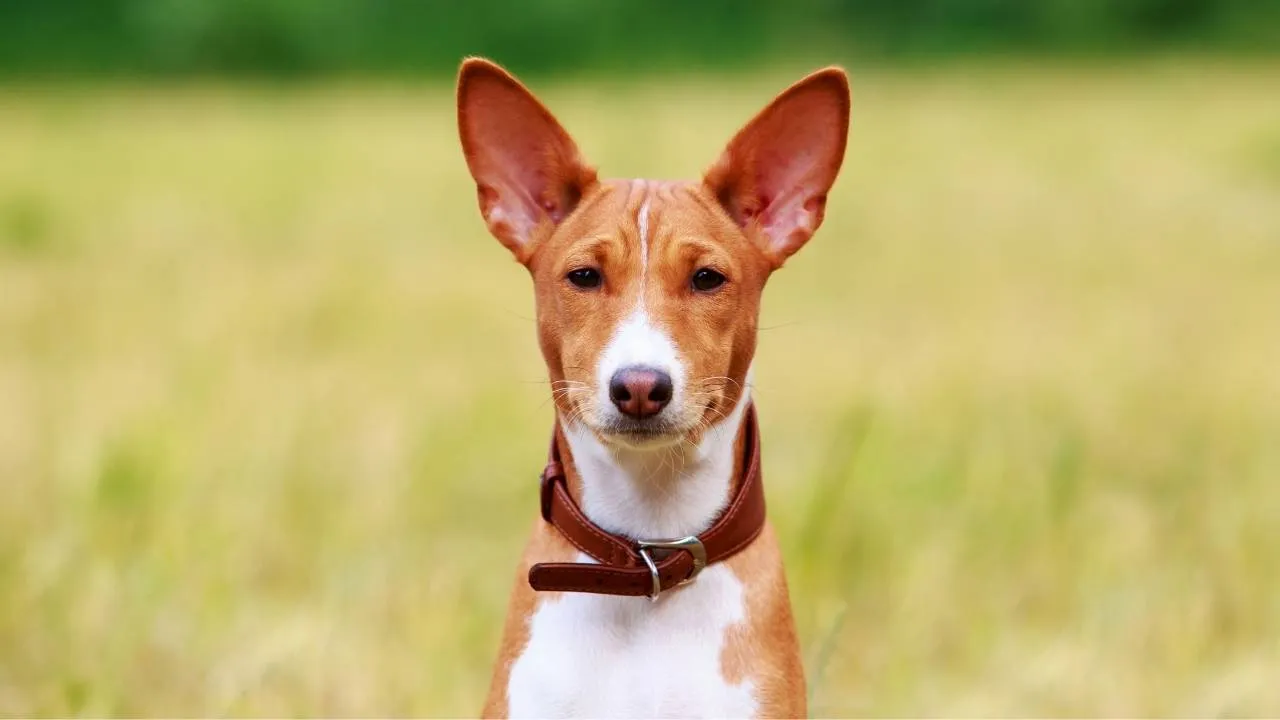
The Basenji is one of the most unique and healthiest dog breeds in the world. It is often described as a barkless dog because it does not bark like other breeds. Instead, it makes a soft yodel-like sound.
This quiet trait makes the Basenji a calm companion in many homes. Along with this, the breed is known for its independence and alert nature, which comes from its long history as a hunting dog.
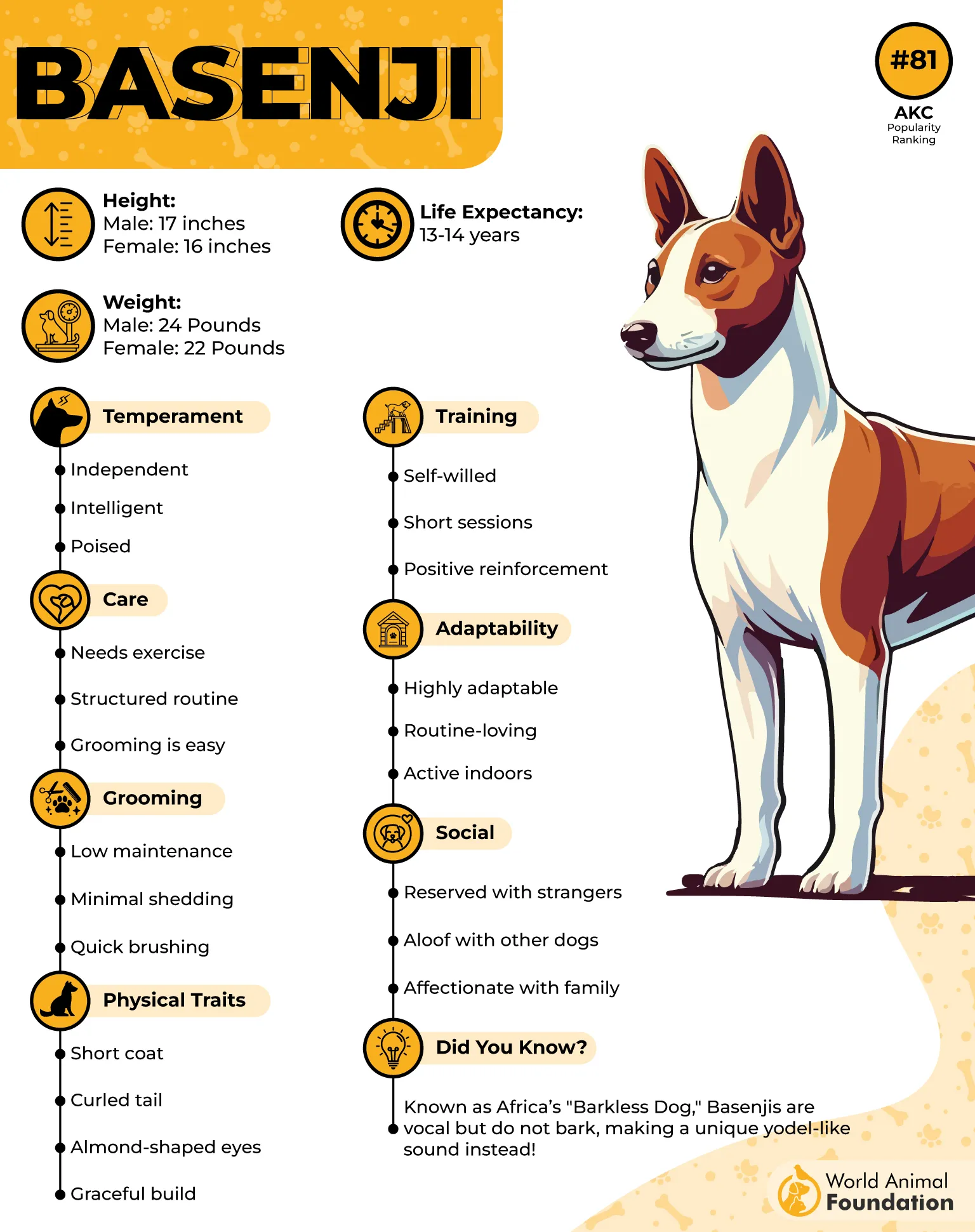
Basenjis are also valued for their longevity and ability to enjoy a longer, healthier life. As noted by Orvis, they are generally healthy dogs and do not require heavy grooming. Their short coat stays clean with minimal effort, which reduces skin issues and daily maintenance.

This low-maintenance care helps support their overall health as they age. Mental well-being is especially important for this intelligent breed. Basenjis need mental challenges and regular activity to truly thrive.
Interactive toys, training sessions, and active play keep their minds sharp and prevent boredom. When their mental and physical needs are met, Basenjis remain balanced, engaged, and happy throughout their lives.
4. Shih Tzu

The Shih Tzu is a small dog breed known for its long lifespan and deeply affectionate nature. These dogs were bred to be companions, and that purpose still defines them today. With consistent care, Shih Tzus often enjoy many happy years and remain loving well into their senior years.
Small breeds like this tend to age more slowly, which helps them thrive longer than many larger dogs. As Shih Tzus grow older, routine becomes especially important. Regular grooming keeps their coat and skin healthy, while a balanced diet supports steady energy and overall well-being.
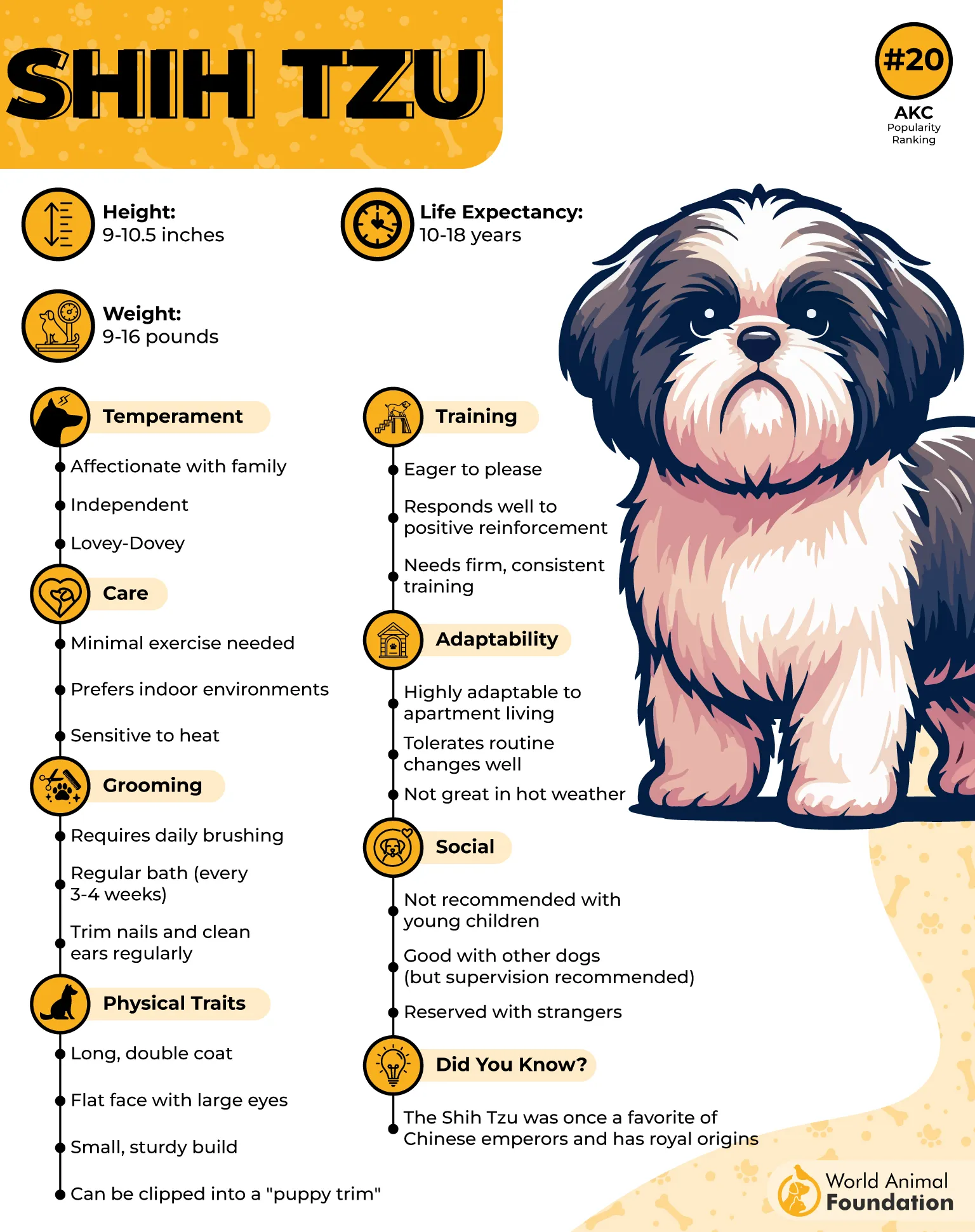
Routine vet visits help detect age-related issues early and keep senior dogs comfortable and active for as long as possible. Shih Tzus are also known for their social and gentle personality. They are family-friendly, laid-back dogs that enjoy calm environments and close contact with their people.
Many owners value them for emotional support, as they love lap time and quiet companionship. With love, structure, and care, the Shih Tzu remains a loyal and comforting presence throughout its long life.
5. Beagle

The Beagle is well known for its energetic and playful temperament. This longest living dog breed loves to stay active and enjoys games, walks, and exploring new scents. Their curious nature keeps them mentally engaged and emotionally happy. This enthusiasm for life often helps Beagles remain lively well into adulthood.
Beagles generally have a life expectancy of 12 to 15 years when given care. Supporting their health requires regular exercise to keep their bodies strong and their weight balanced.
Mental stimulation is equally important, as Beagles are intelligent and easily bored. A healthy diet and steady routine help reduce health concerns and support a longer, healthier life.
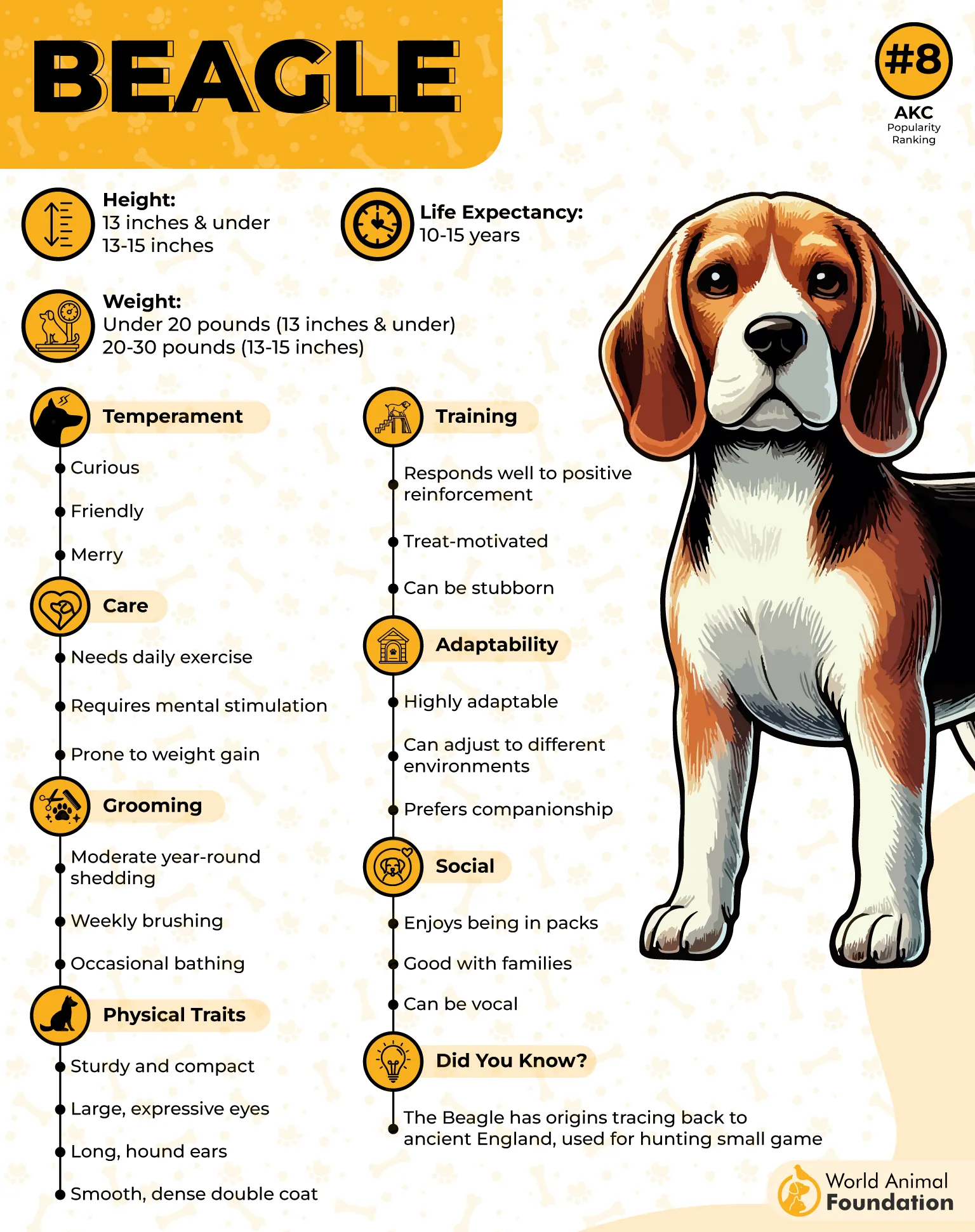
Beyond health, Beagles are one of the most popular companion dogs. These energetic dogs are friendly, social, and known for forming close bonds with their families. Their gentle nature makes them great companions for both children and adults.
With the right care and attention, Beagles enjoy long lives filled with activity, connection, and joy.
6. Bichon Frise

The Bichon Frise is known for its cheerful personality and strong social adaptability. This small breed loves being around people and quickly adjusts to family life, new routines, and different living spaces.
Bichons are friendly, gentle, and enjoy constant interaction, which makes them easy companions for homes with children or seniors. Their calm and happy nature helps them stay emotionally balanced throughout life.
This is also a long-living breed, with a lifespan that often reaches 14 to 16 years. Many owners notice that Bichons remain playful and engaged well into older age. Their long-lived reputation comes from a mix of size, genetics, and good daily care.
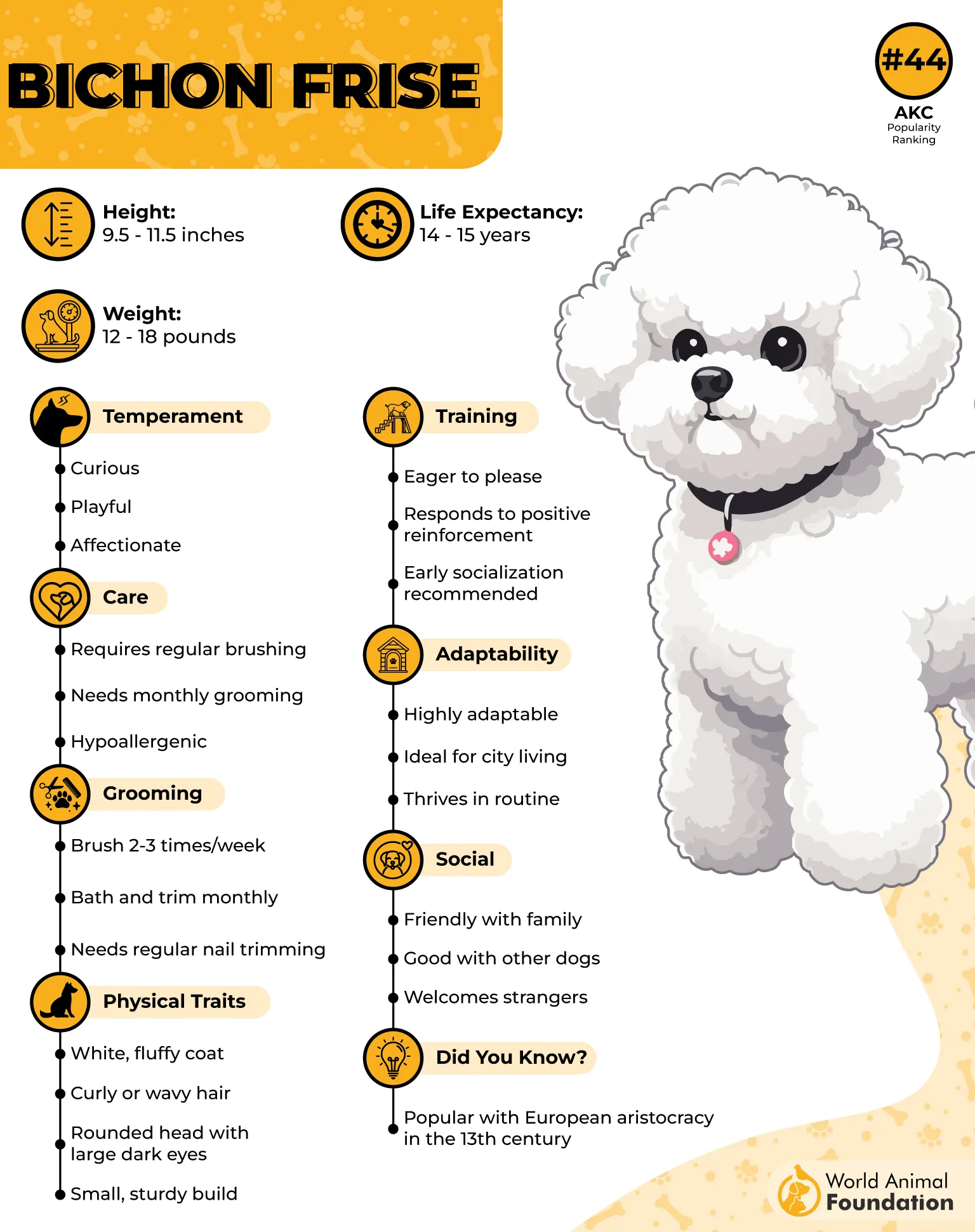
Care plays a key role in helping the Bichon Frise thrive. Consistent grooming is important for keeping their coat clean and preventing skin issues. Moderate exercise supports healthy movement without overstrain, while simple mental activities keep them engaged.
These habits support overall health and a longer life. The breed’s history also reflects its companion role. The Bichon Frise originated in the Mediterranean region and later became popular in European courts as a companion dog.
That background explains its strong people-focused nature. With loving care, this long-lived dog continues to bring joy and comfort year after year.
7. Dachshund

The Dachshund is a well-known long-lived breed, with many dogs living 12 to 16 years. Their longevity is often linked to their small size and strong bond with owners. With the right care, this breed stays curious and engaged well into later life.
One of the most important things to understand about Dachshunds is their unique body shape. Their long spine and short legs make them more prone to back issues, especially as dogs age.
Because of this, maintaining a healthy weight is essential. Extra weight places added strain on the spine and joints, which can shorten a dog’s life if not managed carefully.
Dachshunds are known for their bold and affectionate personality. Their playful and curious nature keeps them mentally active, which supports emotional well-being throughout their dog’s life.
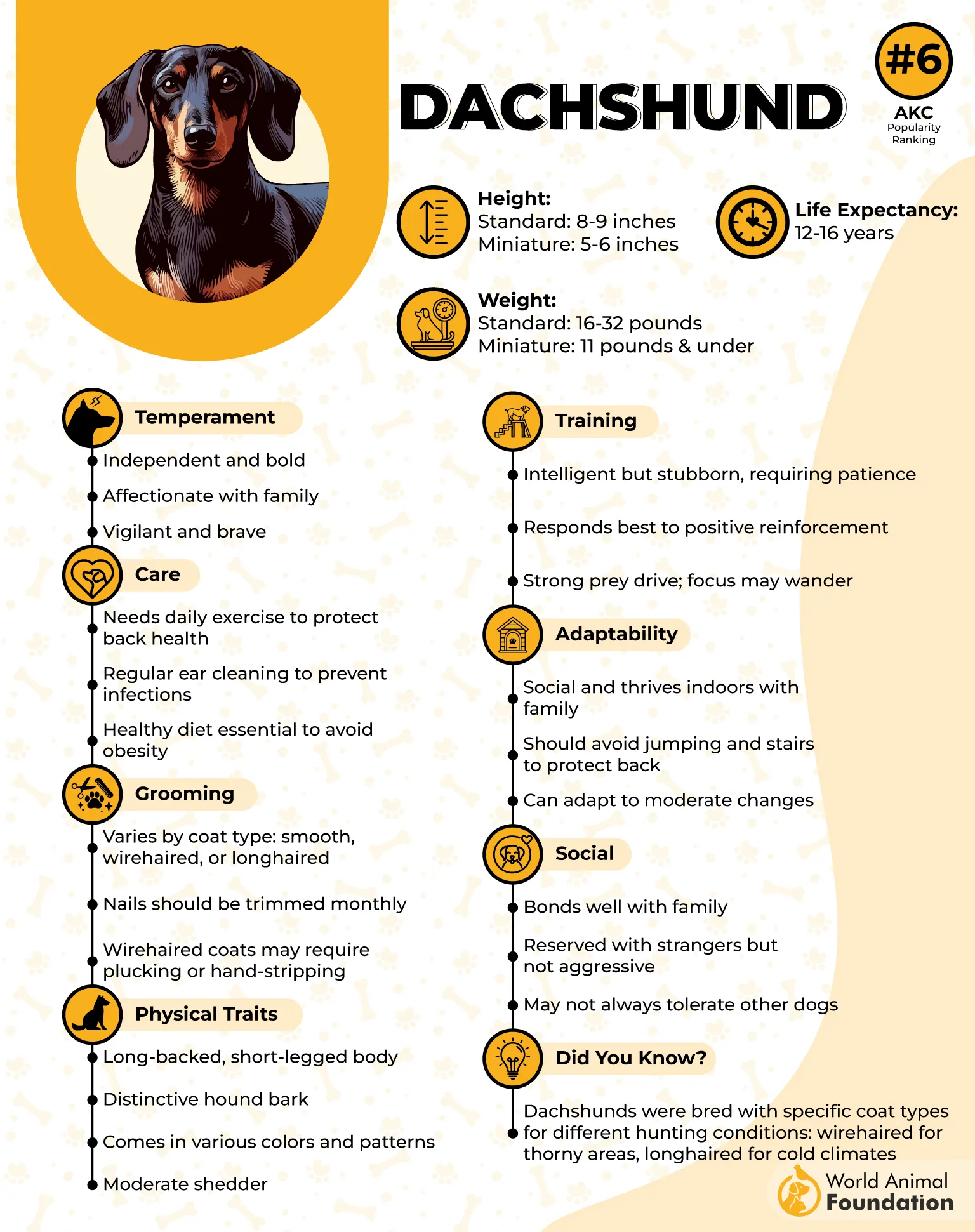
Supporting a long life means focusing on daily habits. Balanced nutrition helps protect joints and overall health. Moderate exercise keeps muscles strong without stressing the back. Regular veterinary check-ups allow for early detection and appropriate care.
With mindful attention, the Dachshund can enjoy life filled with comfort, connection, and trust.
Conclusion
When it comes to the longest living dogs, small and medium breeds often take the spotlight. Their size, genetics, and adaptable nature help them thrive well into their senior years. But a dog’s longevity isn’t just about breed—it’s also about care.
Consistent attention to proper nutrition, regular exercise, mental stimulation, and routine veterinary care makes a huge difference in extending any dog’s life.
Mixed-breed dogs, in particular, often benefit from genetic diversity, which can help reduce hereditary health issues and extend lifespan. Whether purebred or mixed, every dog deserves care, love, and attention to flourish.
Understanding the needs of your chosen breed—or your adopted four-legged friend—ensures they stay happy, active, and emotionally fulfilled throughout life. Ultimately, the key is choosing a dog that fits your lifestyle and family. By providing structure, affection, and mindful care, you give your companion the best chance at a long, joyful life.
With the right attention and love, any dog—big or small, purebred or mixed—can enjoy a lifetime of happiness by your side.
