




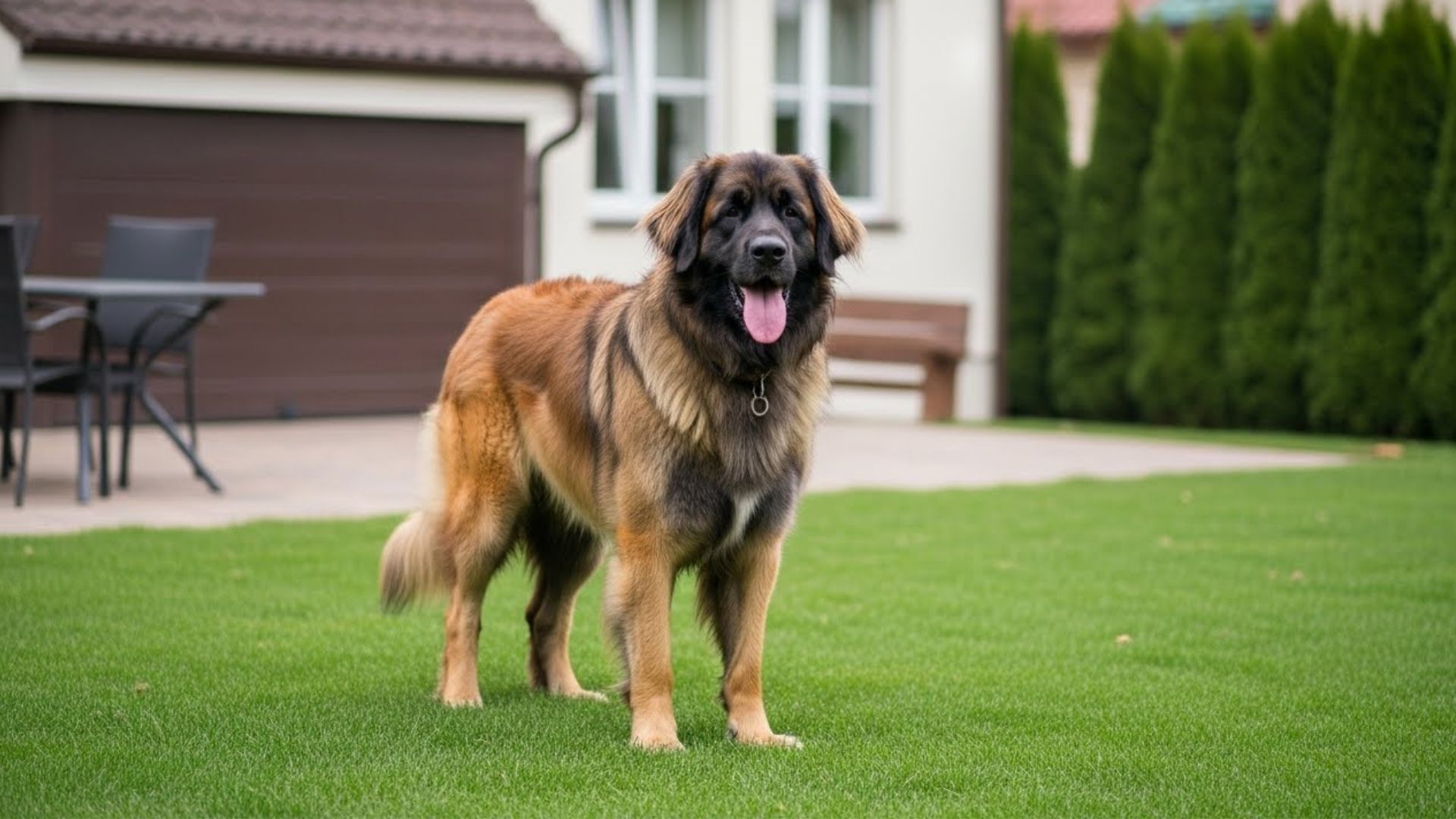
Bringing a dog into your life is a heart decision as much as a practical one. While every pup deserves love and care, some dog breeds are known for having shorter lives, which can shape the journey you share together. This topic may feel heavy at first, but it can also be empowering.
Understanding what influences a dog’s lifespan allows you to plan with care, build deeper connections, and avoid unexpected challenges. From health considerations to lifestyle fit, knowing what to expect helps you focus on meaningful moments and everyday joy.
Ahead, we will explore what life with these dogs may be like and how to make the most of the time you share.
Fun Fact
Mixed-breed dogs often benefit from greater genetic diversity, which can support overall health and, in some cases, longer lives. Purebred dogs tend to have more predictable traits, including more clearly defined and sometimes shorter lifespans.
Dog Breeds with Short Lives: What to Consider
1. Saint Bernard
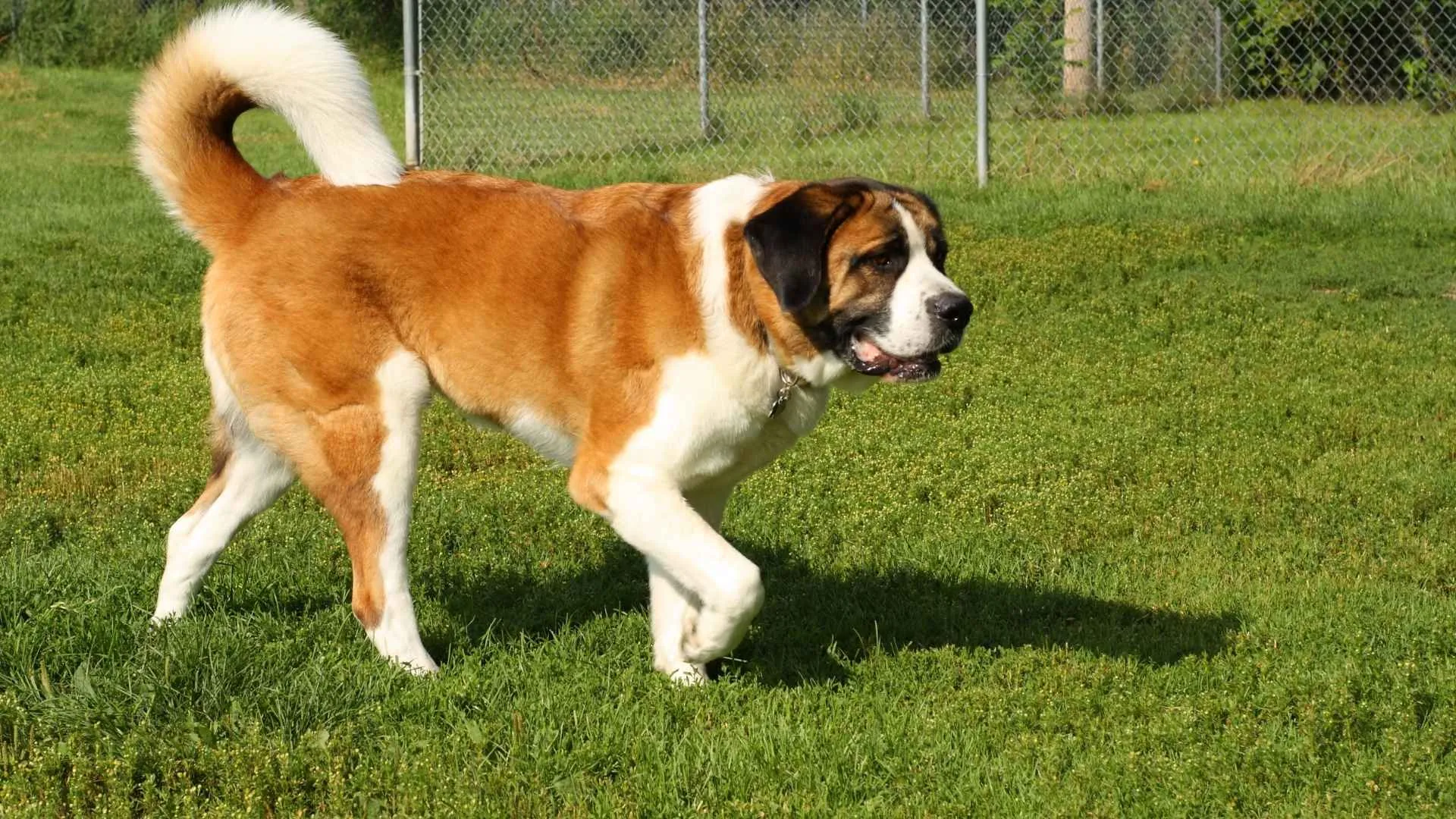
Saint Bernards are giant, muscular dogs with a calm presence and a deeply affectionate nature. Their large heads, droopy eyes, and floppy ears give them a gentle, expressive look that matches their patient temperament.
With a typical lifespan of 8 to 10 years, Saint Bernards require attentive care throughout every stage of life. Consistent routines, proper feeding, and close monitoring of weight help support long-term health. Ongoing veterinary care and early attention to physical changes can improve comfort and overall well-being as they age.
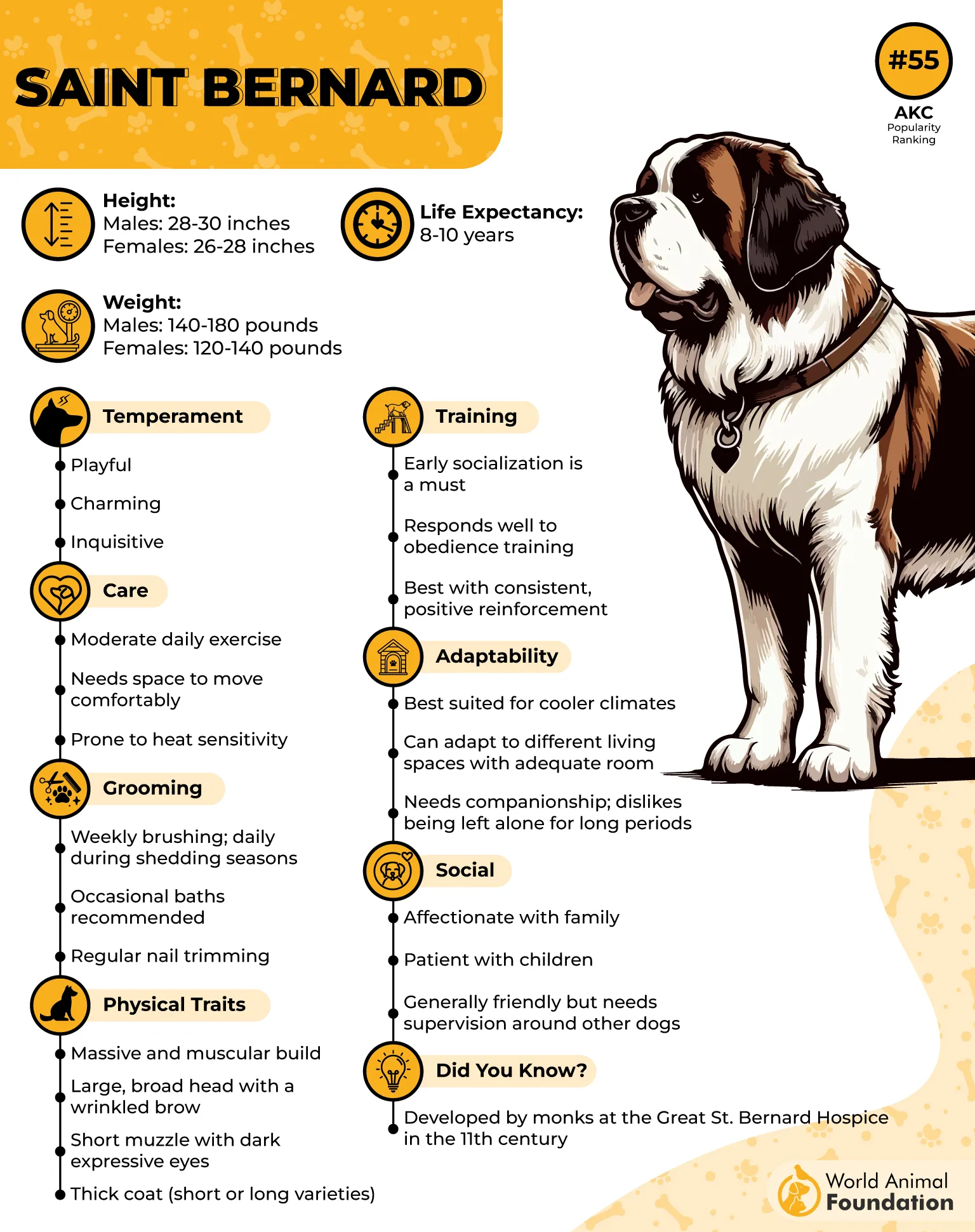
They need limited exercise compared to other giant breeds, along with regular grooming during seasonal shedding periods. Weight management plays an important role, as excess pounds can strain joints and worsen orthopedic concerns.
Fun Fact
Saint Bernards became legendary for alpine rescue work after monks trained them to search for travelers lost beneath heavy snow. Their calm nature and ability to navigate brutal mountain conditions helped lead countless people back to safety.
2. Leonberger
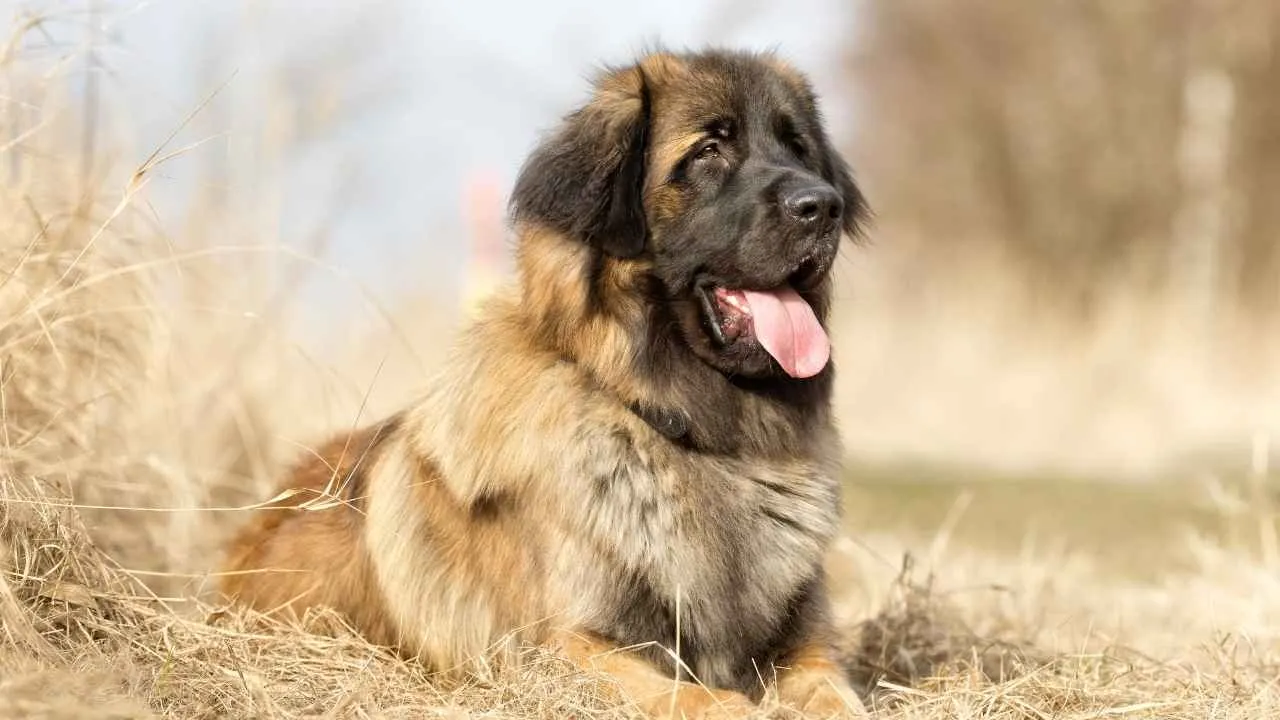
Leonbergers are massive, lion-like dogs known for their balanced mix of strength and sensitivity. Their long, waterproof coats and dark facial masks give them a striking appearance, while their calm eyes reflect an even, thoughtful nature. These dogs are confident yet gentle within the home.
Leonbergers enjoy staying active and shine when they have room to move. They love long walks, outdoor play, swimming, and activities that let them use their strength and coordination, especially when it means spending quality time with their people.
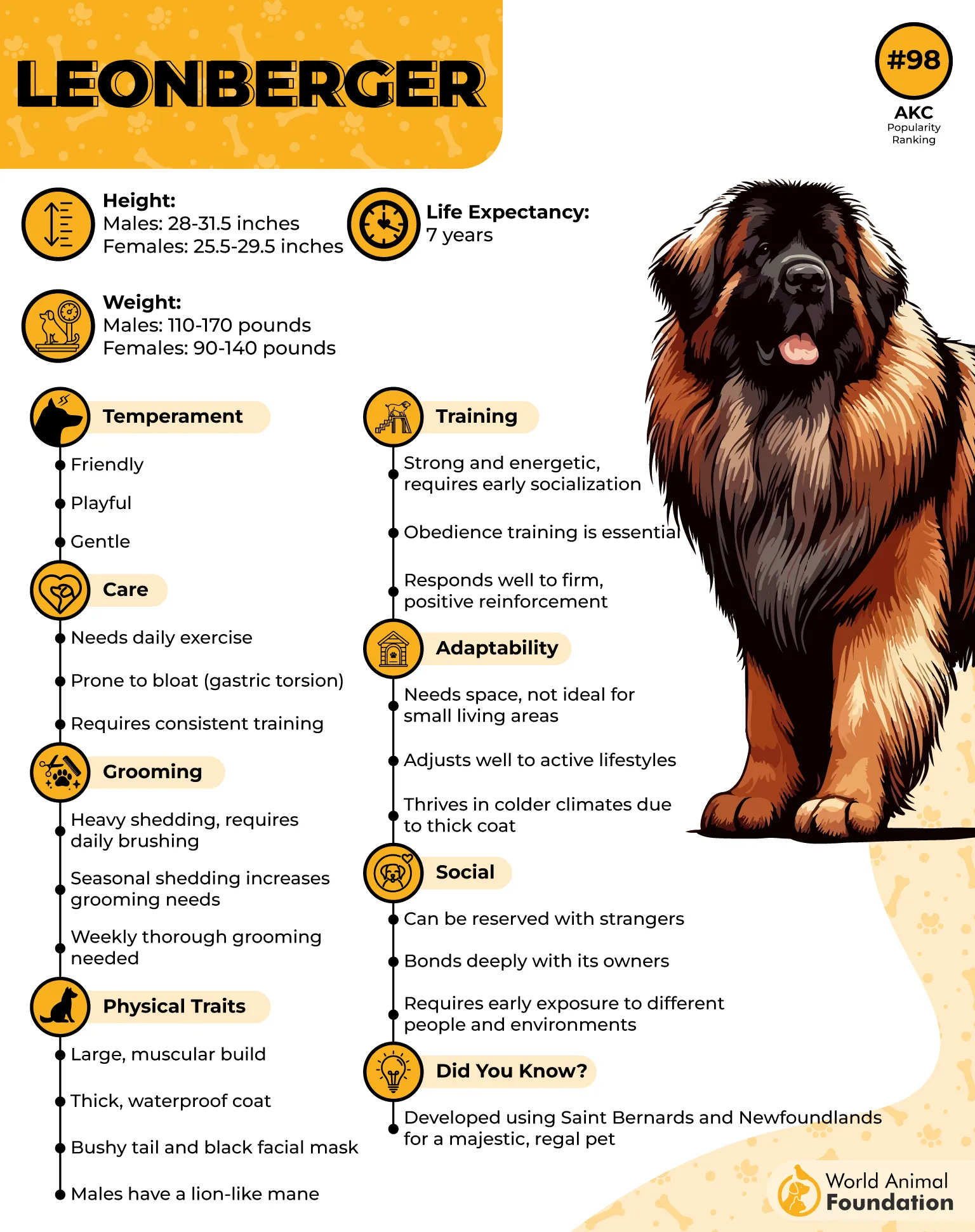
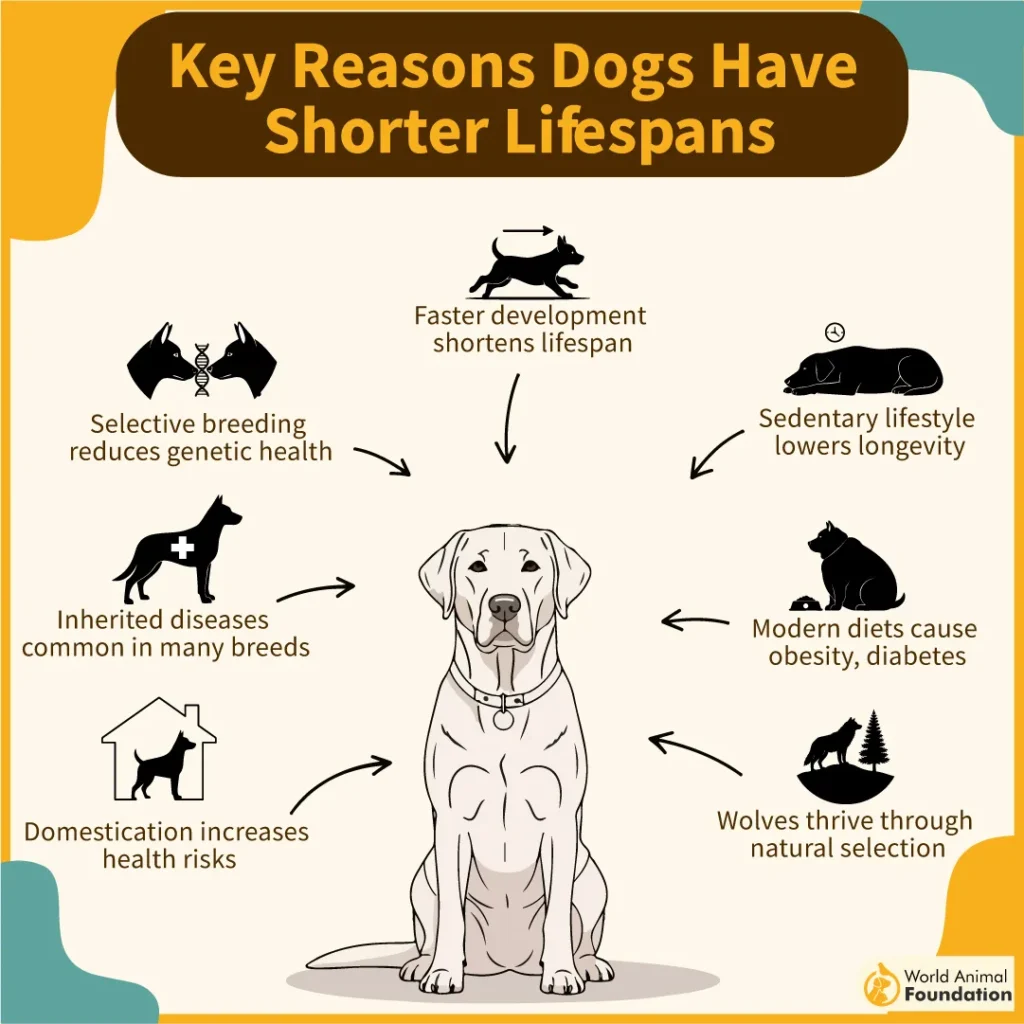
According to WebMD, Leonbergers have a relatively short lifespan of about 8 to 9 years. They can face inherited health issues such as bloat, hip dysplasia, laryngeal paralysis, cataracts, and bone cancer, making regular veterinary checkups especially important.
Fun Fact
Leonbergers were once favored by European royalty and appeared in royal households across the continent. Their dignified look and dependable temperament made them symbols of status, strength, and loyalty during the nineteenth century.
3. Dogue de Bordeaux
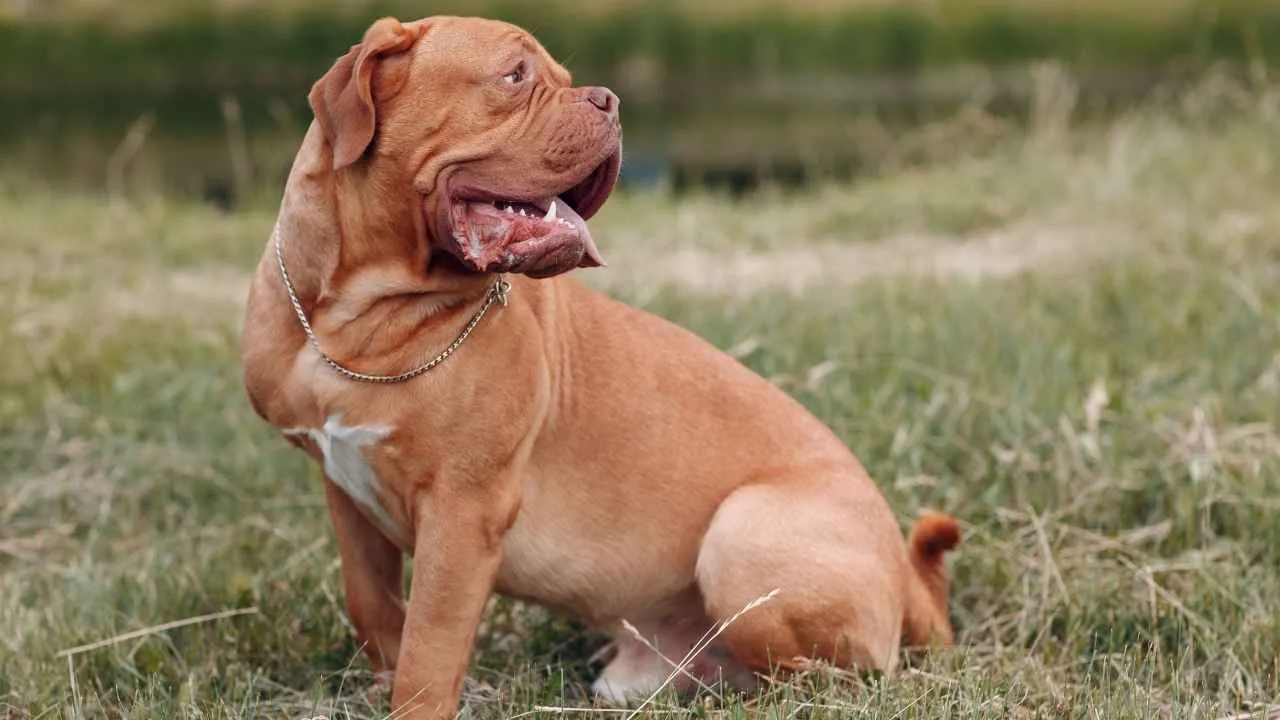
The Dogue de Bordeaux is a powerful mastiff with a stocky frame and one of the most recognizable heads in the dog world. Its deeply wrinkled face, undershot jaw, and expressive eyes create a bold yet soulful appearance.
Facial wrinkle care is an important part of caring for a Dogue de Bordeaux. The deep folds around the face need regular cleaning and thorough drying to prevent irritation and moisture buildup, helping keep the skin comfortable and healthy.
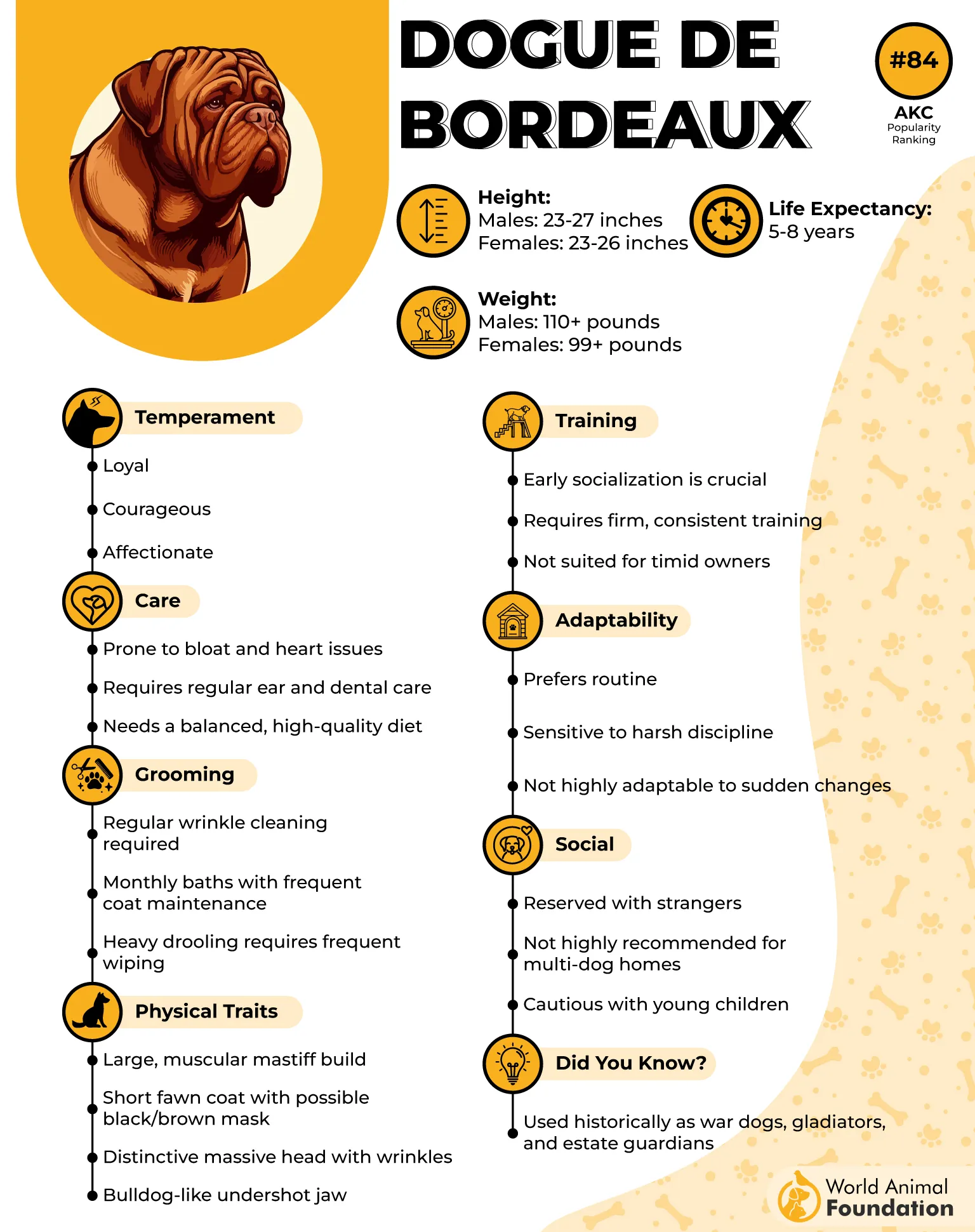
Dogue de Bordeaux dogs generally live 5 to 8 years, so planning for their lifelong needs matters early on. Early socialization and structured training help manage their protective instincts and build trust. To ensure joints develop properly and support long-term mobility, young dogs should not engage in strenuous exercise.
Fun Fact
The Dogue de Bordeaux gained modern fame after starring alongside Tom Hanks in the movie Turner & Hooch. That role introduced this ancient French breed to global audiences and highlighted its droopy charm and stubborn personality.
4. Great Dane
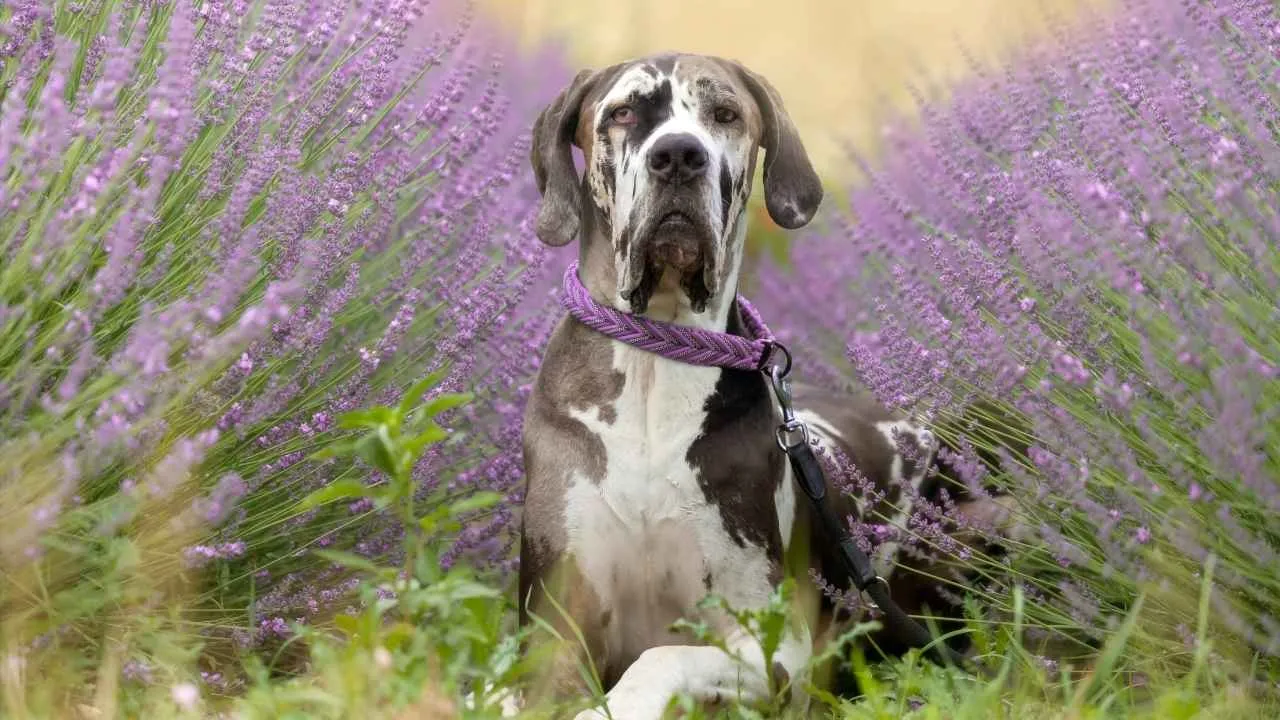
The Great Dane is best known for its towering height and elegant build, earning the long-standing nickname “Apollo of dogs.” Originally developed in Germany for hunting and estate protection, this breed has transitioned into a calm, affectionate presence in modern homes.
Living with a Great Dane means planning around rapid early growth and substantial adult size. Thoughtful nutrition and consistent routines help support stability and overall well-being throughout the dog’s life.
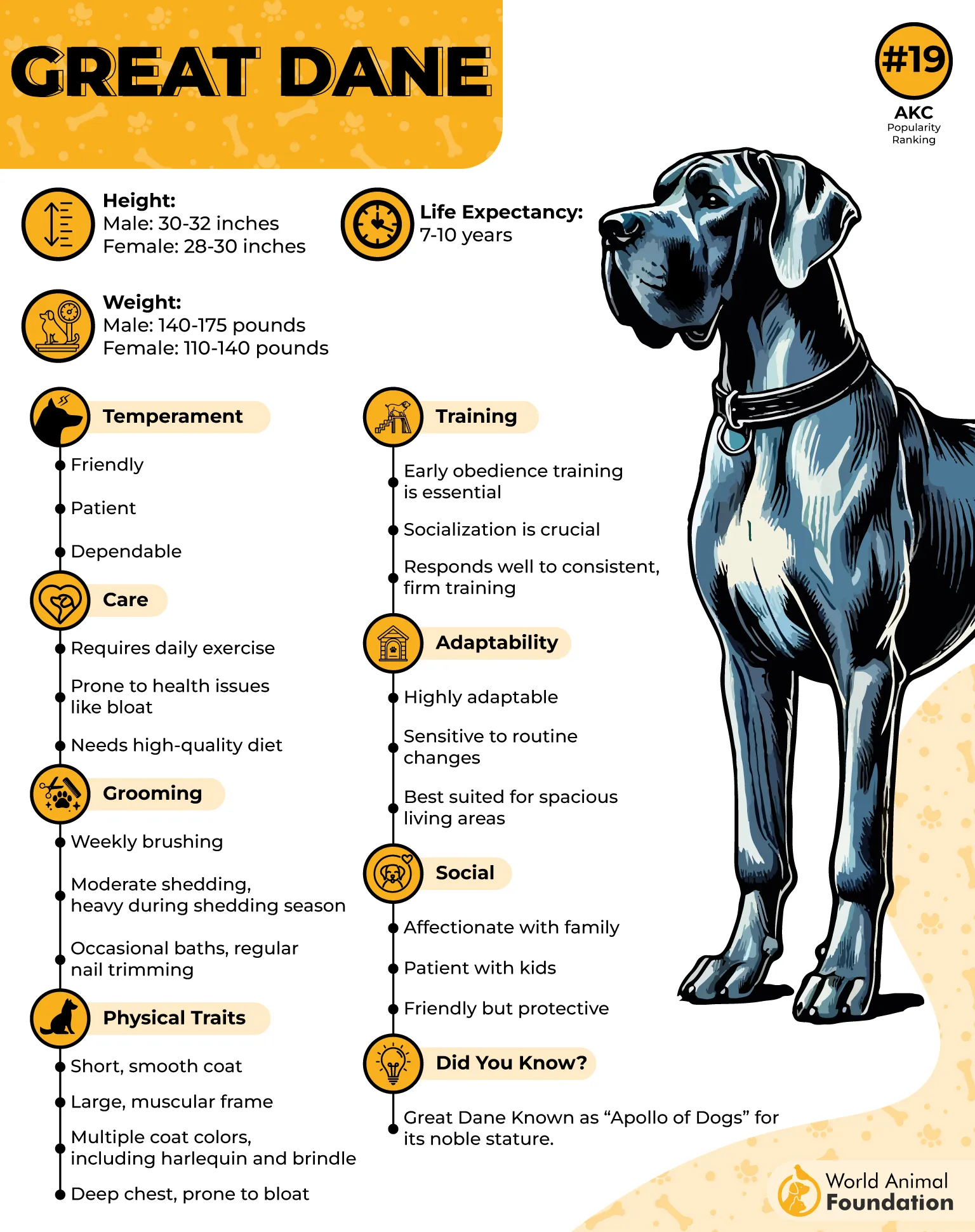
A Great Dane’s lifespan typically ranges from 7 to 10 years. Their deep-chested build increases the risk of bloat, a sudden and serious condition that requires immediate veterinary attention to protect their health.
Fun Fact
Great Danes hold multiple world records for height, including the tallest dog ever measured, whose size made headlines and turned him into a global celebrity.
5. Bullmastiff
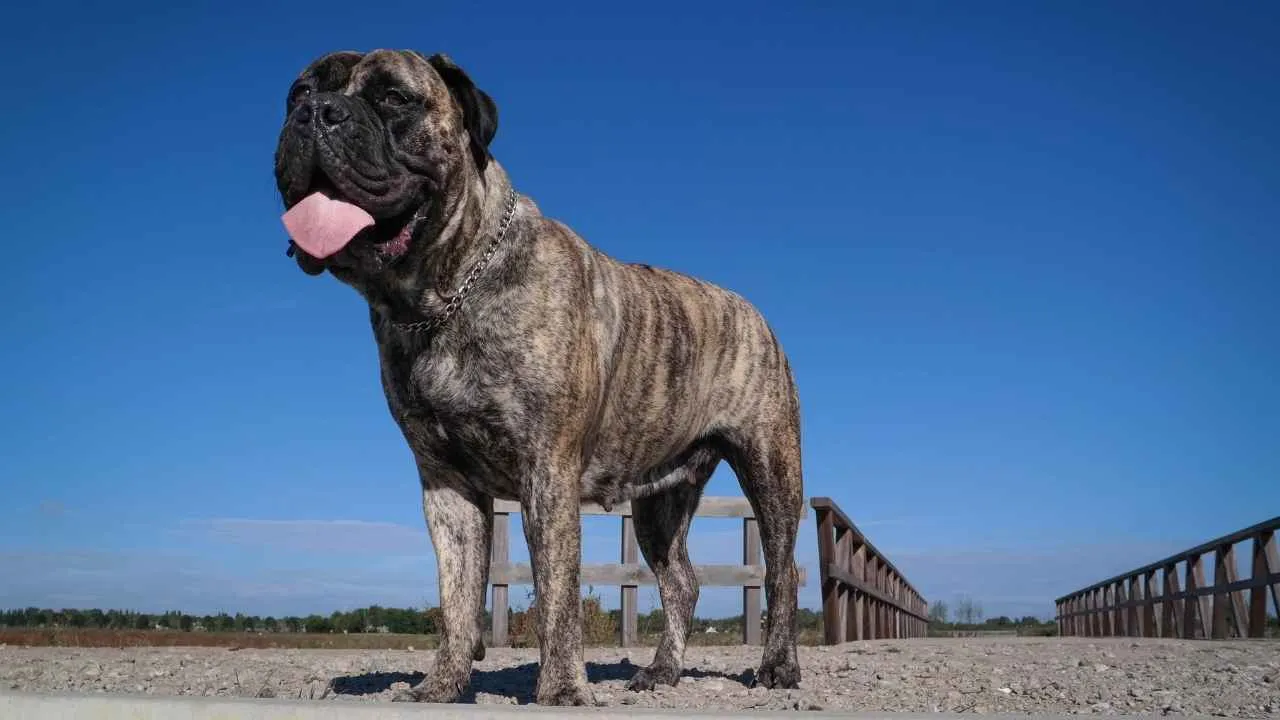
Bullmastiffs were created to work quietly and decisively, combining the strength of the Mastiff with the agility of the Bulldog. Their solid frame and alert expression reflect a breed designed for responsibility rather than speed or endurance.
Most Bullmastiffs live between 7 and 9 years. Health concerns may include bloat, cancer, cardiac conditions, thyroid disorders, and joint abnormalities. Breeding practices and early health evaluations play an important role in supporting longevity.
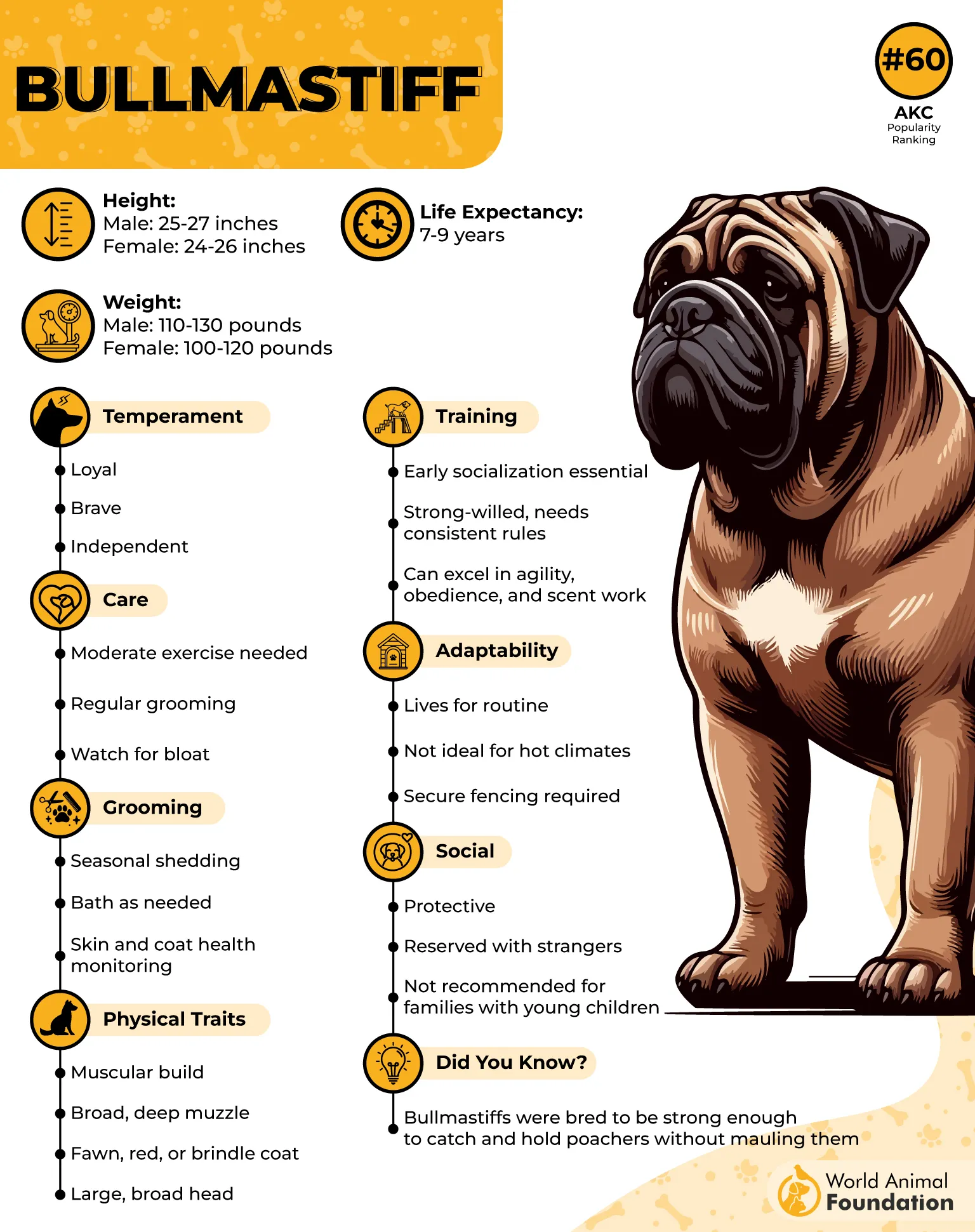
At home, Bullmastiffs are typically composed and deeply devoted to their families. Their steady nature benefits from structure and early guidance, helping them mature into reliable companions over a relatively short life span.
Fun Fact
Bullmastiffs were trained to capture intruders by pinning them without biting, a rare skill that required restraint, intelligence, and precise physical control.
6. Rottweiler
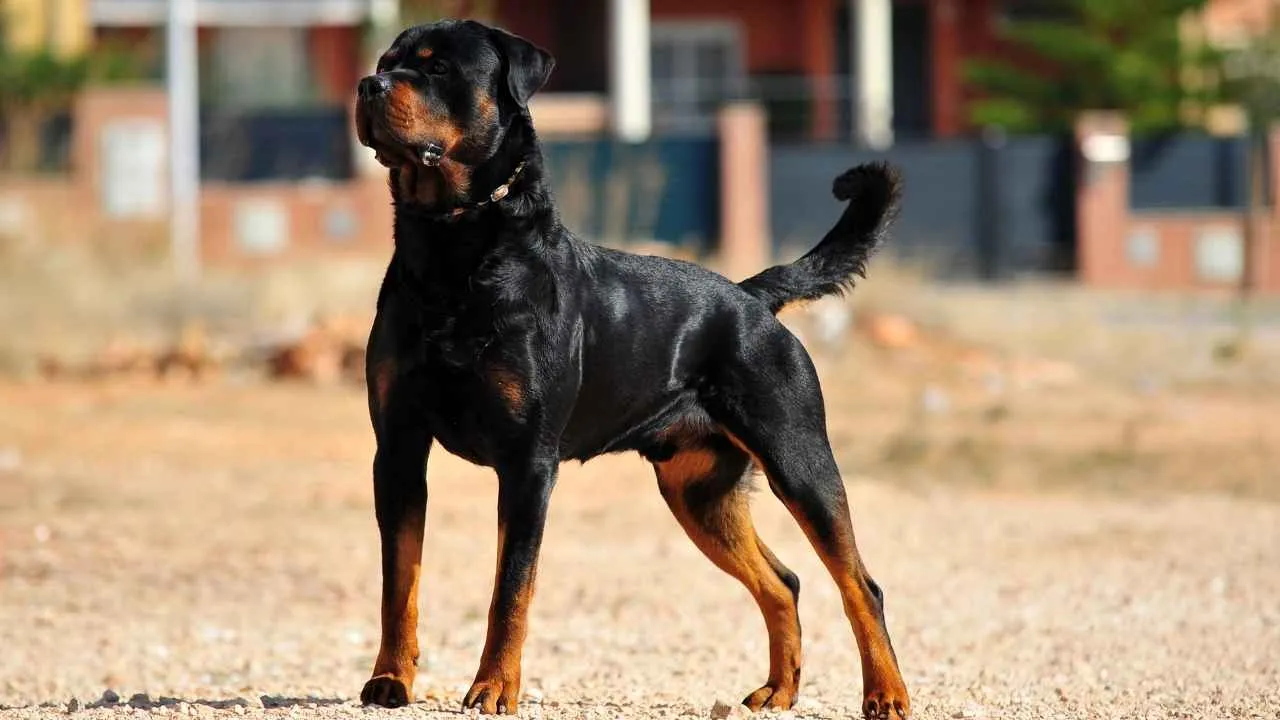
Rottweilers are powerful working dogs with ancient origins that trace back to Roman times, when they accompanied livestock guardians across long journeys. Their history reflects centuries of purposeful breeding shaped by strength, endurance, and utility.
According to PetMD, Rottweilers generally live 9 to 10 years and benefit from structured nutrition throughout life. Measured meals, appropriate portions, and avoiding overfeeding help manage weight and reduce health problems associated with this large breed.
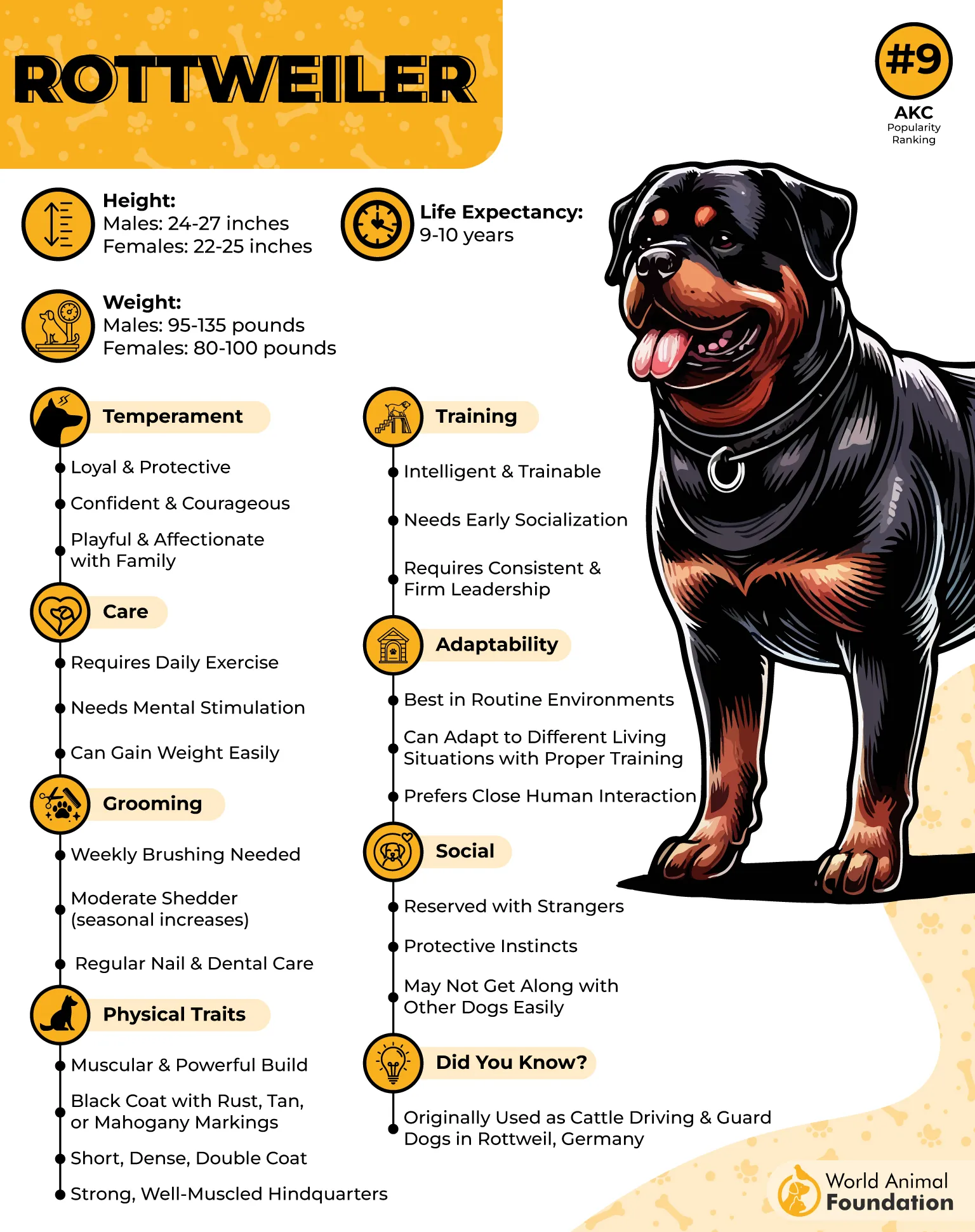
Rottweilers need daily physical and mental stimulation to stay content. Regular walks, structured play, and activities like hiking, tracking, or obedience work help channel their energy while supporting overall fitness and engagement.
Fun Fact
Rottweilers once protected traveling merchants by guarding money pouches tied around their necks, earning a reputation as dependable canine guardians of valuable goods.
7. Newfoundland
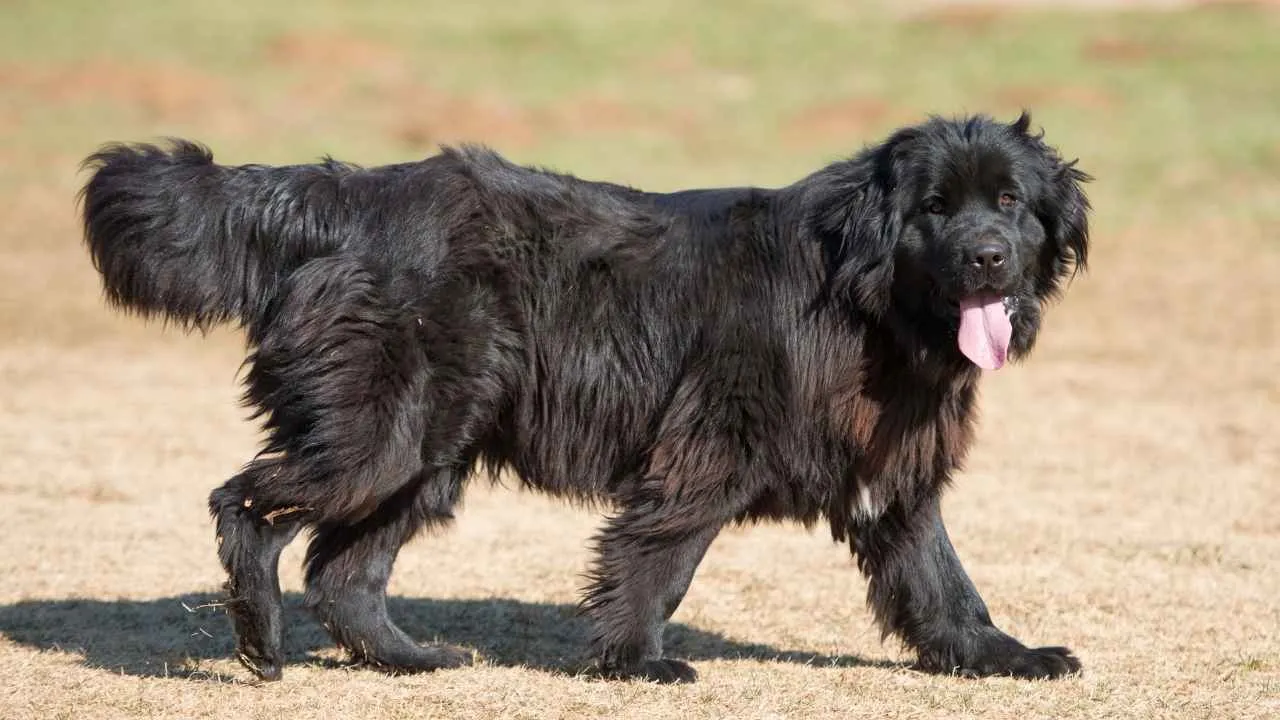
Newfoundlands were bred for strength and service in cold coastal regions, where they assisted fishermen and performed water rescues. Their massive bodies, thick coats, and gentle expressions reflect both power and patience.
As mentioned by the AKC, Newfoundlands do best on age-appropriate, high-quality diets with careful portion control. Feeding smaller meals and avoiding vigorous activity near mealtimes may help reduce bloat risk and support healthy weight management.
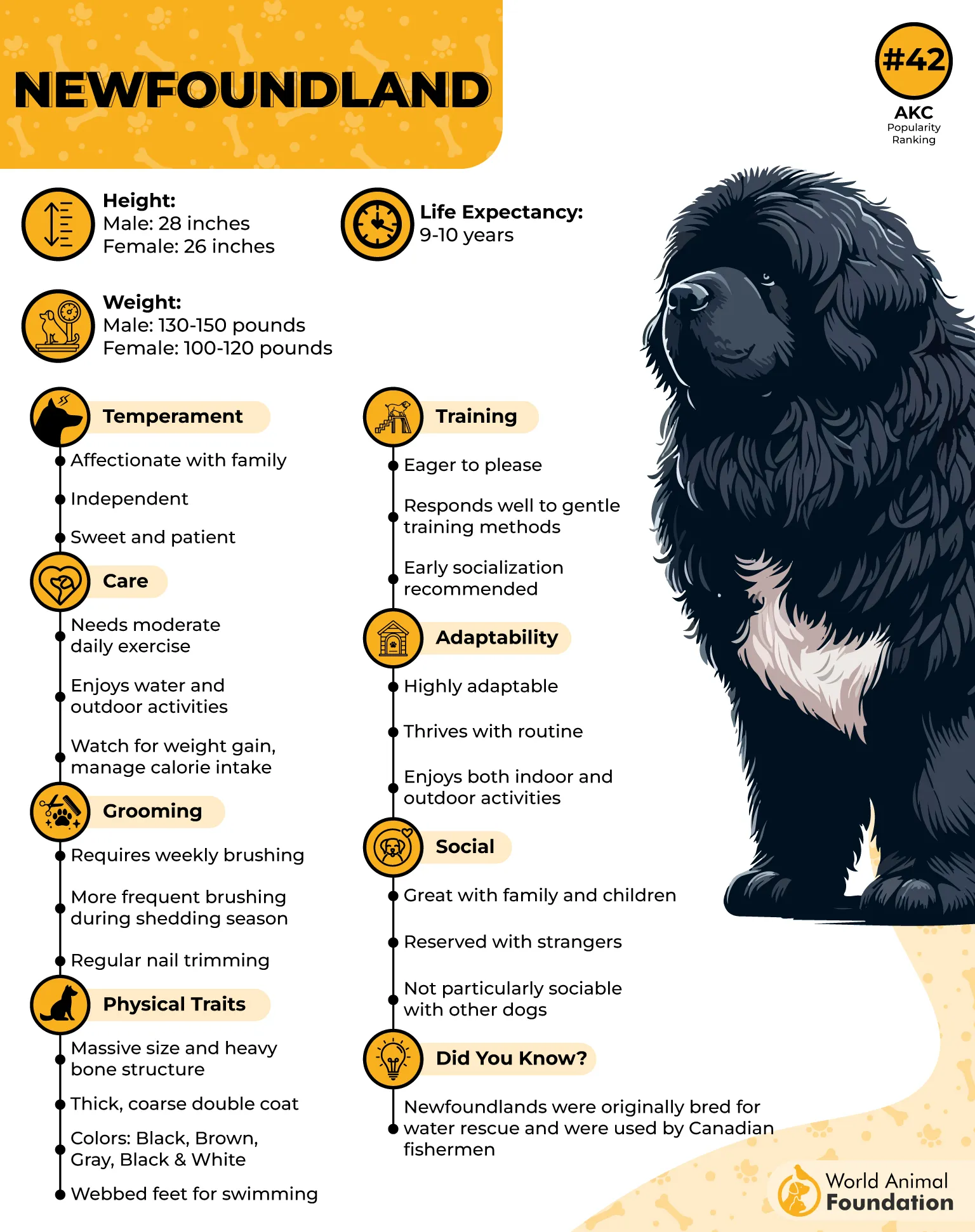
This breed typically has a life expectancy of 8 to 10 years. Newfoundlands may develop joint disorders, heart conditions, and urinary issues, making preventive care essential to keeping these large dogs in good health.
Fun Fact
Newfoundlands have saved countless lives at sea, and some have been officially awarded medals for heroic water rescues performed alongside human lifeguards.
Conclusion
Welcoming a dog into your life goes beyond looks or temperament. Knowing a breed’s typical lifespan and health needs helps you prepare with clarity and care. Dog owners should know that breeds with the shortest lives often require a more intentional approach, where daily care and shared moments hold extra meaning.
Whether your heart leans toward a gentle giant, a smaller dog, a loyal guardian, or a calm family companion, the right fit is one that matches your lifestyle and expectations. With mindful commitment, most dogs live happy and healthy lives, and even a shorter journey can be full of love, purpose, and lasting memories.
If you are further interested in learning about such wonderful dogs, you can also look up the Bernese Mountain Dog, Chihuahua, and Beagle.
