




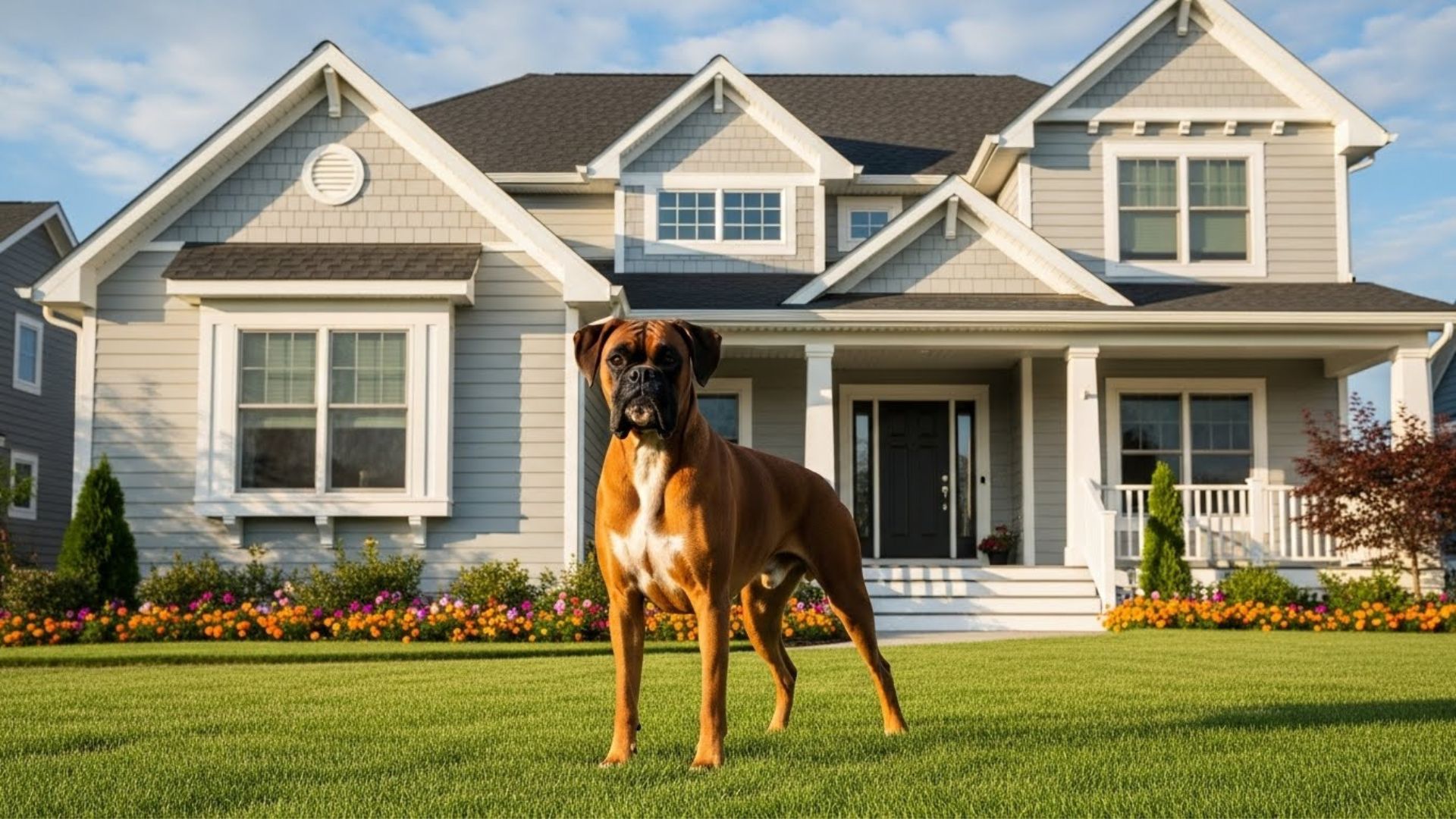
Want to feel safer at home without turning life into a bunker?
Home security is not only alarms and locks. Sometimes, it is a warm nose at your knee and sharp ears at the door. The right protective dog can spot weird sounds fast, read body language, and make strangers think twice.
And here’s the best part! Many of these dogs can also be sweet family pets when raised the right way. Still, guard dog breeds are not plug-and-play. They need early training, proper socialization, and daily care so their protective instincts stay steady, not messy.
This blog will walk you through the top guard dog breeds that many dog owners trust for calm safety. Each dog breed here brings a different style of protection, from silent watching to a loud bark that can deter intruders.
Top Protective Dog Breeds for Home Security
1. German Shepherd
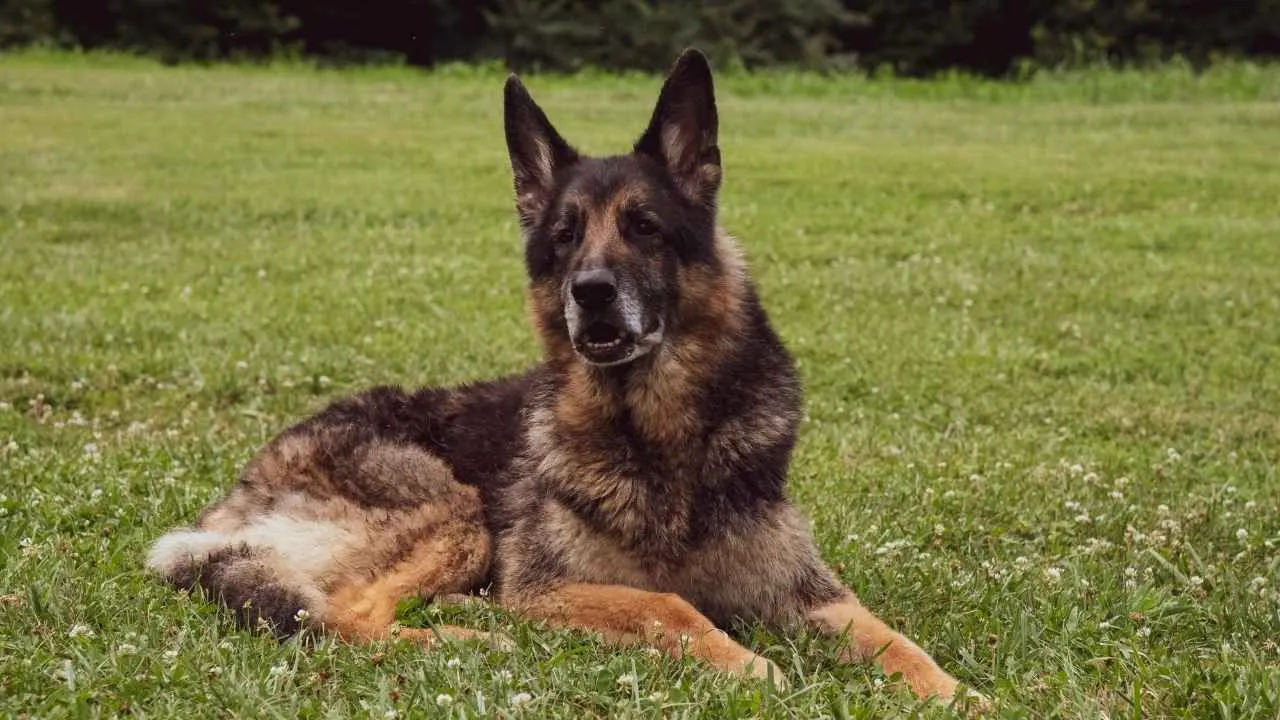
German Shepherds are famous for a reason. They are one of the smartest breeds, and they love having a job. That job can be home security, as long as you shape it with obedience training and calm rules. German Shepherds’ natural instinct is to watch their people and their space, then step in when something feels off.
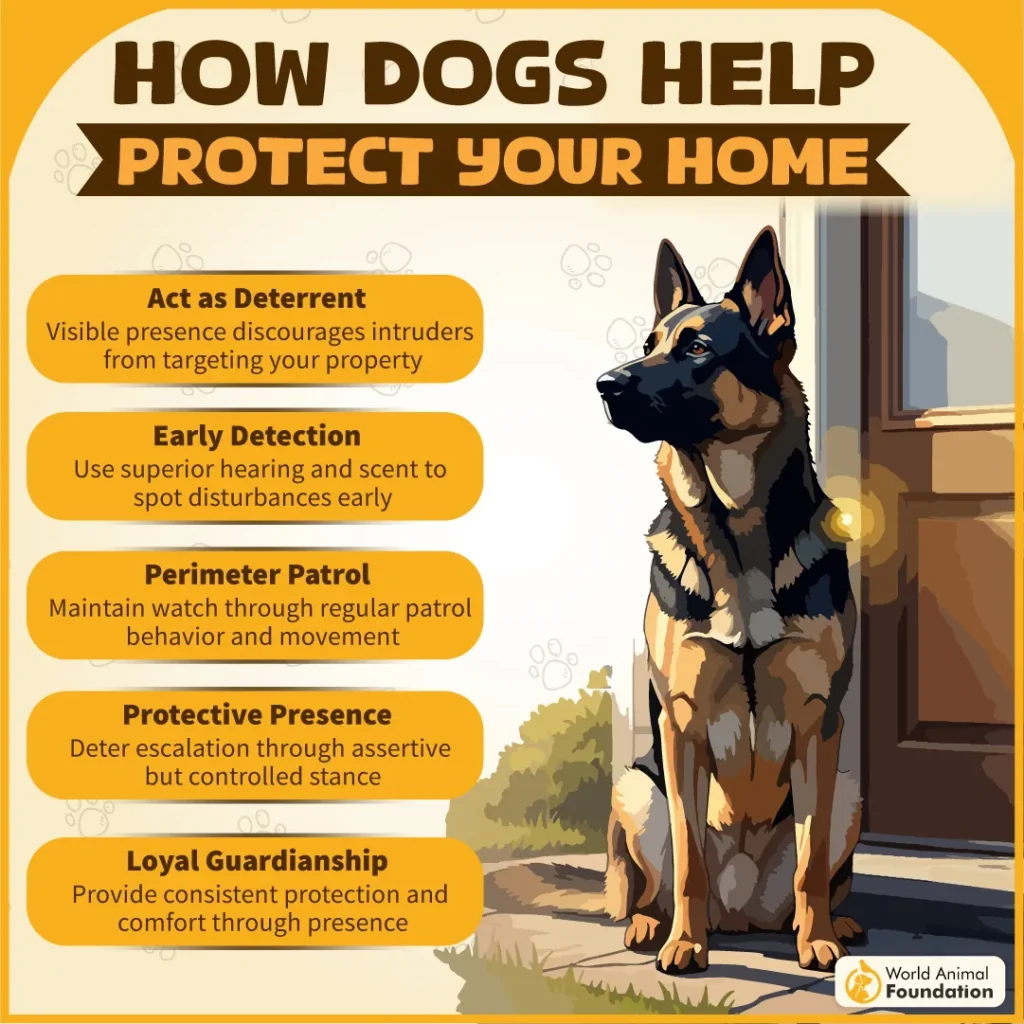
This protective dog tends to bond hard with their family members. That bond can look like calm following, quick check-ins, and a steady presence near doors or windows.
Sounds crazy, right? A dog can feel like a living security camera. But it gets even better, though, when you add mental stimulation. Puzzle toys, scent games, and short skill sessions keep their brain busy and their manners clean.
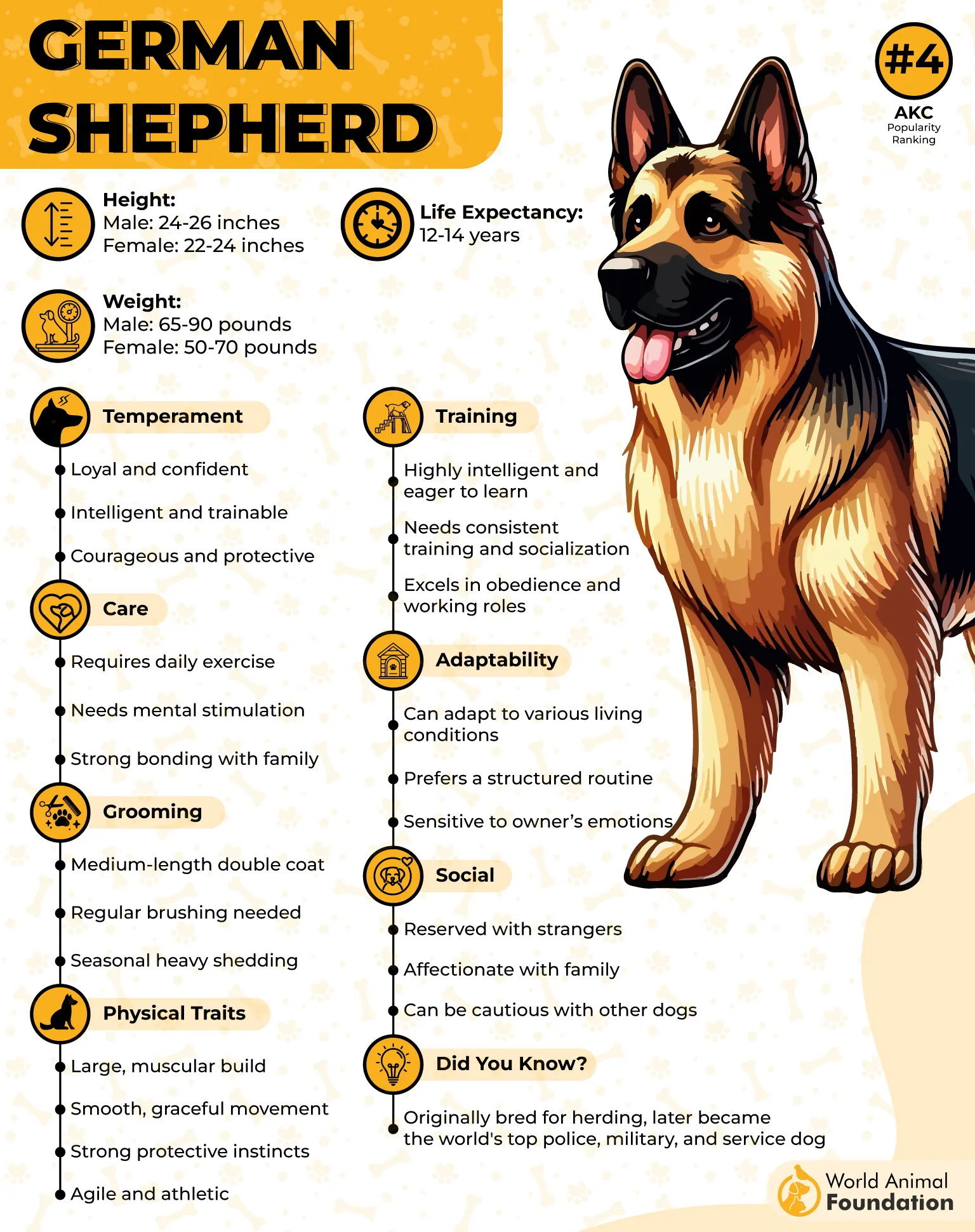
German Shepherds can be both gentle companions and serious protection dogs. Still, bite risk goes up if they are bored, scared, or pushed too far. So keep routines clear and kind, and start early socialization so they stay polite around other animals.
Best for: Active homes that can offer regular exercise
Training note: Consistent training builds a steady, confident guardian
Fun fact: Many work in service roles because they learn fast and focus well
2. Boxer
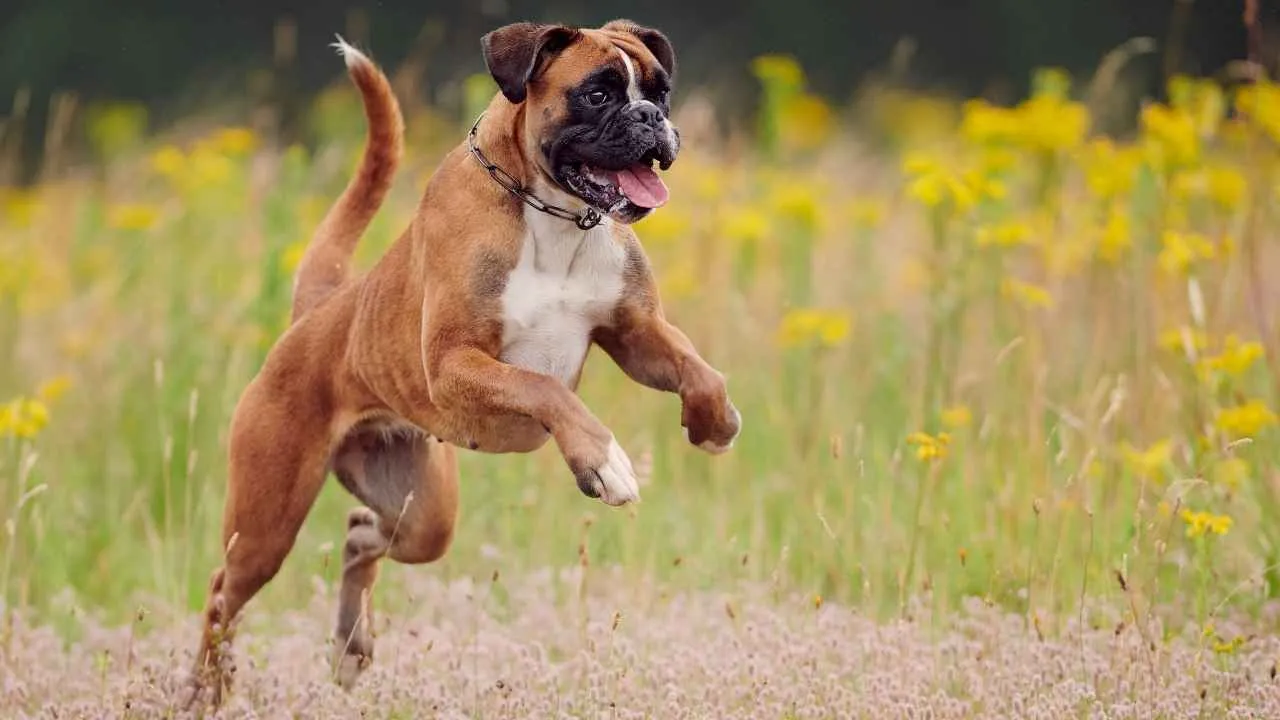
Boxers look like fun, and they are. But why bother with that playful energy if you want safety? Because a Boxer can switch from clown mode to “who’s there?” in a second. They are alert, muscular, and known for a loud bark that can wake a whole house. That alone can deter intruders.
According to PetMD, the Boxer is often a protective dog that stays close to their people. They can fit busy family life because they adore play, attention, and together-time.
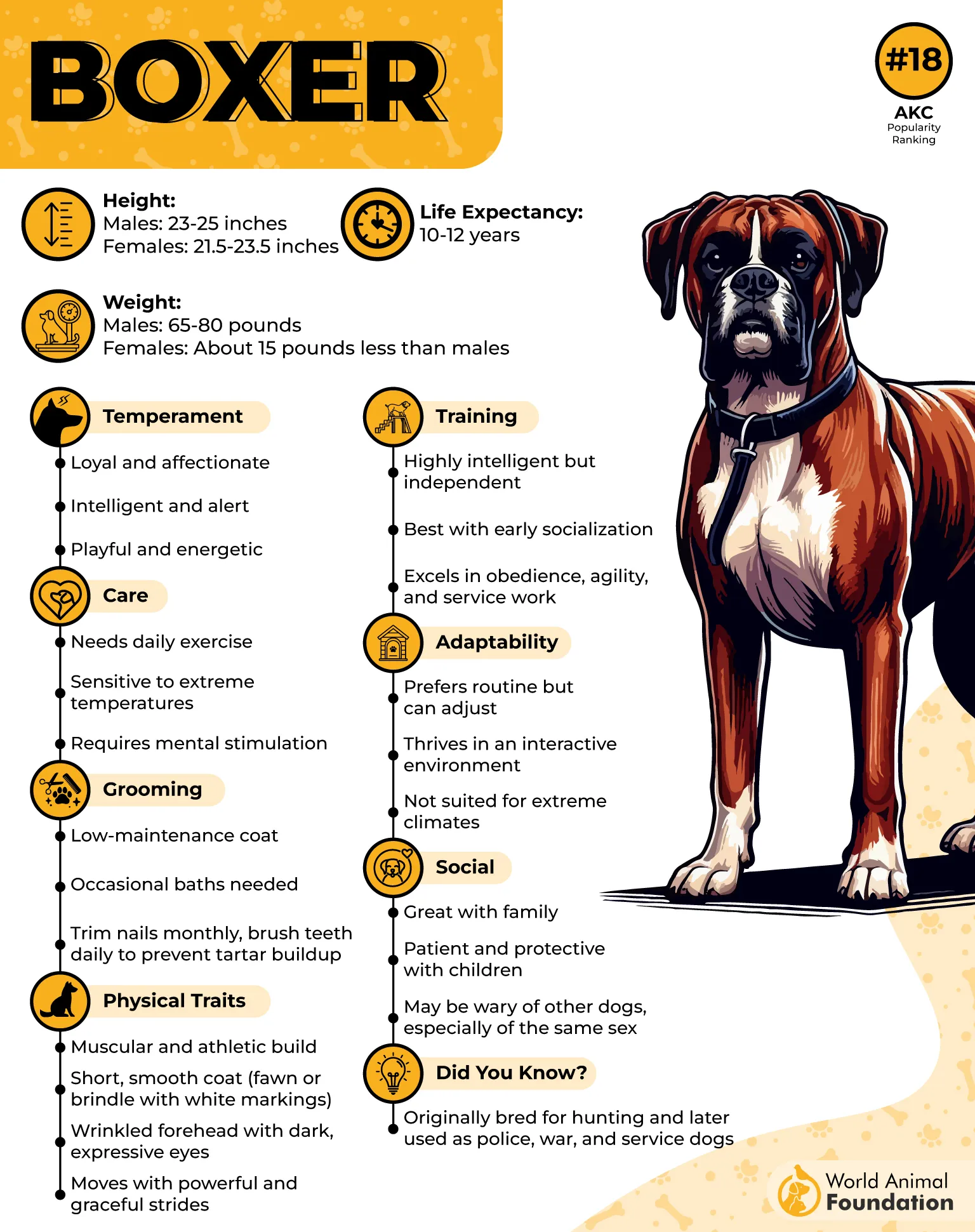
They are also known to be great with kids when taught manners early. Here’s the good part: their affectionate nature makes them loving companions, not cold security machines.
Still, they are energetic dogs, and they can get bored if life is the same every day. Mix walks with games, simple drills, and safe tug play.
Proper training matters, especially for greetings at the door. Teach calm sits, place work, and polite waiting, so their protective nature stays helpful, not chaotic.
Best for: Homes that want a fun vibe plus strong watching
Important note: Early training helps prevent jumpy, pushy habits
Fun fact: Many people call them the “clown” of the dog world
3. Akita
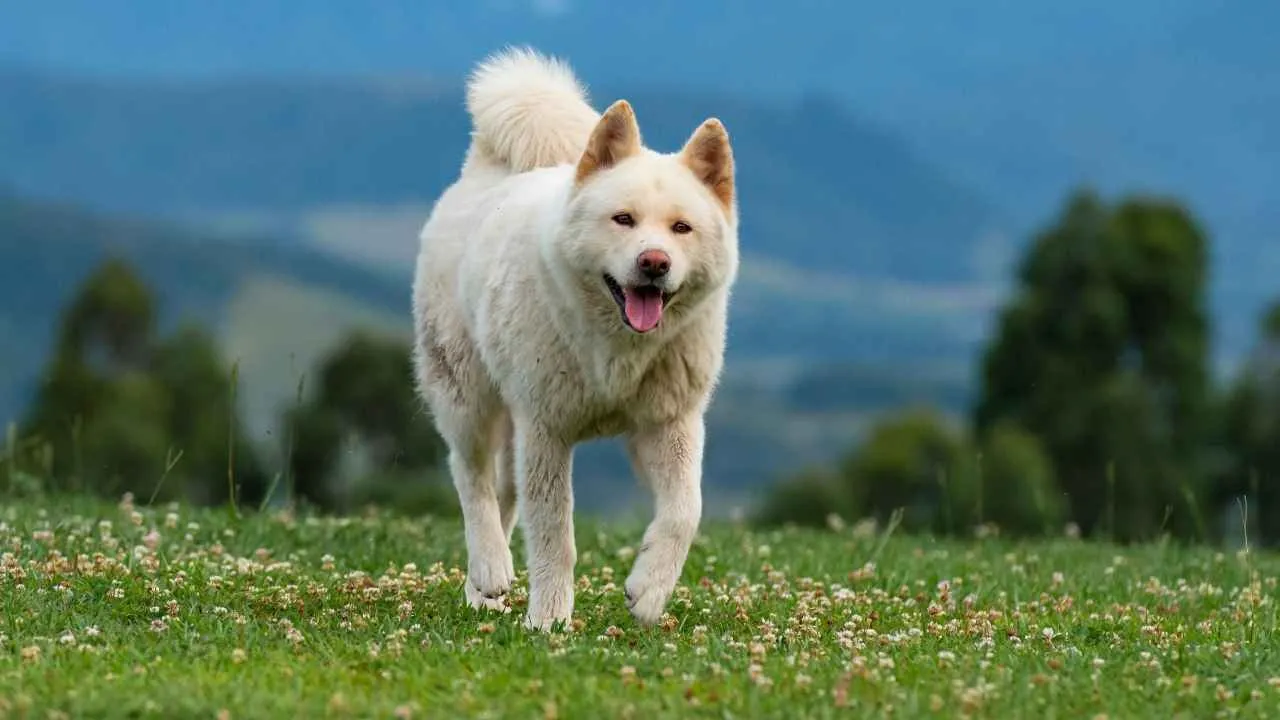
Akitas are dignified and often very calm. Do not mistake that calm demeanor for softness. This is one of the most protective dog breeds, with a strong natural protective instinct streak. They can be reserved with strangers and are very devoted to their own people.
An Akita’s protective instincts can show up as steady staring, body blocking, and quick alertness when something changes.
They may not bark a lot, but when they do, you will notice. Their natural instinct is to keep their territory safe. That can be great for home security, but only if the home runs on rules, not vibes.
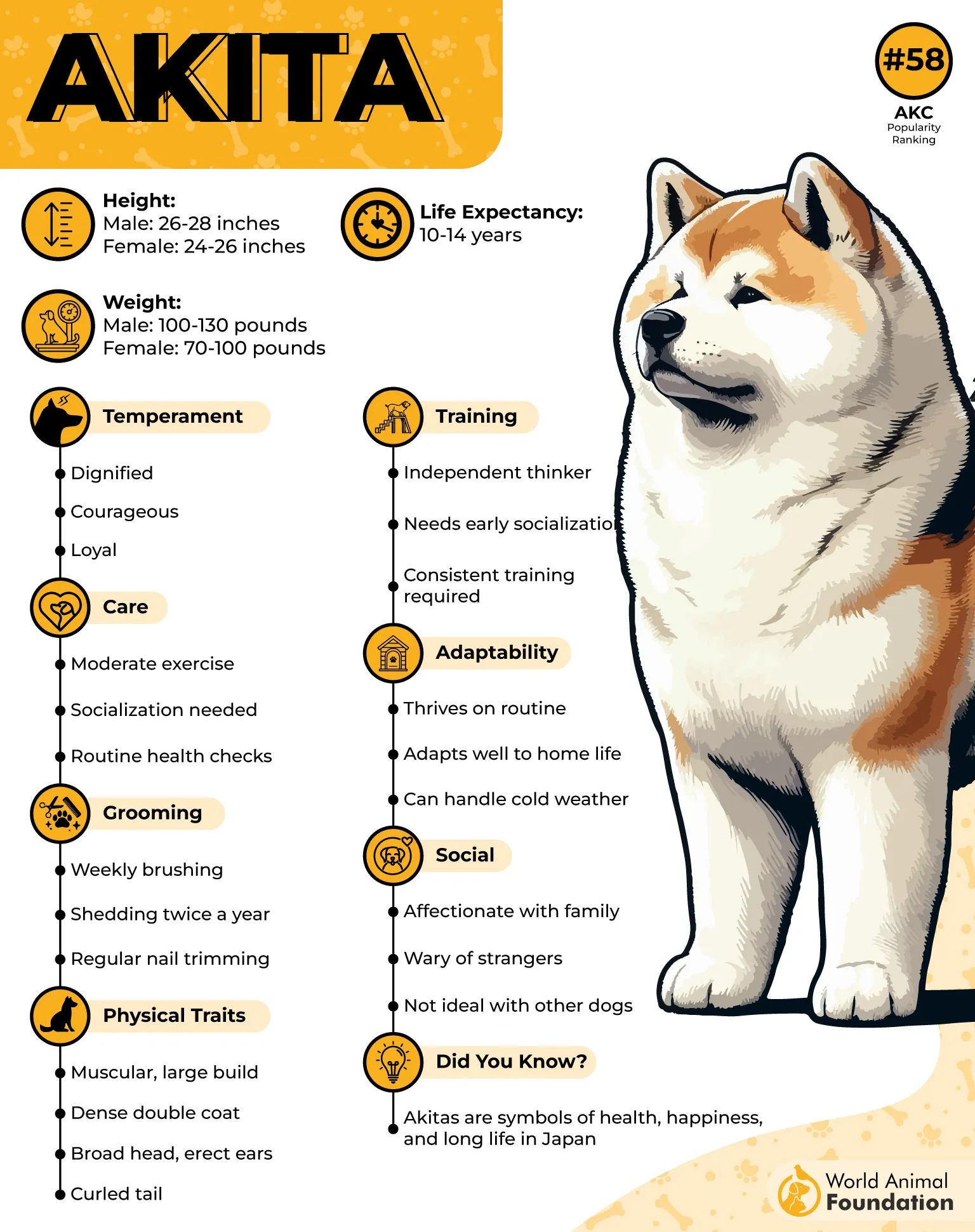
Proper socialization is huge here. Akitas can struggle with other pets if you skip early socialization and clear structure. They also need a confident handler who can guide them without harshness.
Obedience training is not optional. It is the bridge between “extremely protective” and “safe to live with.”
Best for: Calm homes with firm routines and experienced dog owners
Training note: Early socialization helps them stay steady around guests
Fun fact: They are known for being deeply loyal to their inner circle
4. Cane Corso
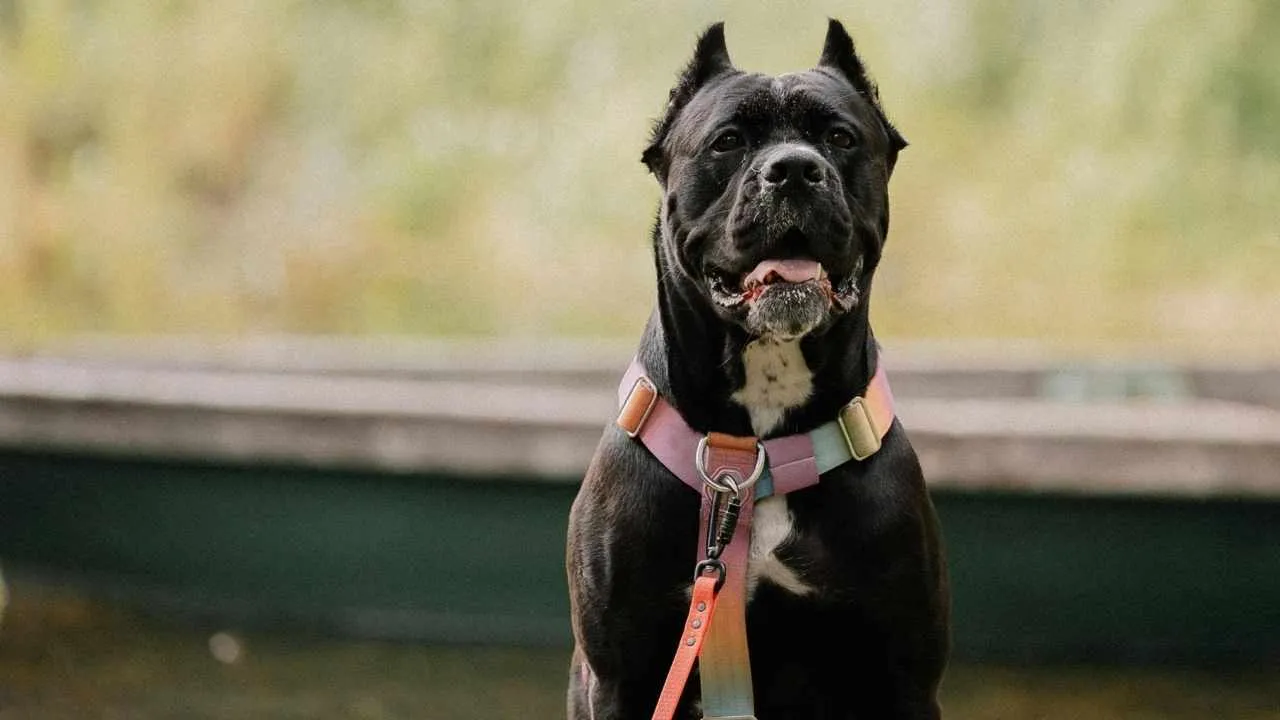
Cane Corsos have a commanding presence. People see one and instantly respect the space. But wait, there’s more! This dog breed is not only big.
As per AKC, they are extremely intelligent, highly trainable, and known for serious natural protective instincts. They were even used to guard livestock and property, which explains their confident “this is my job” vibe.
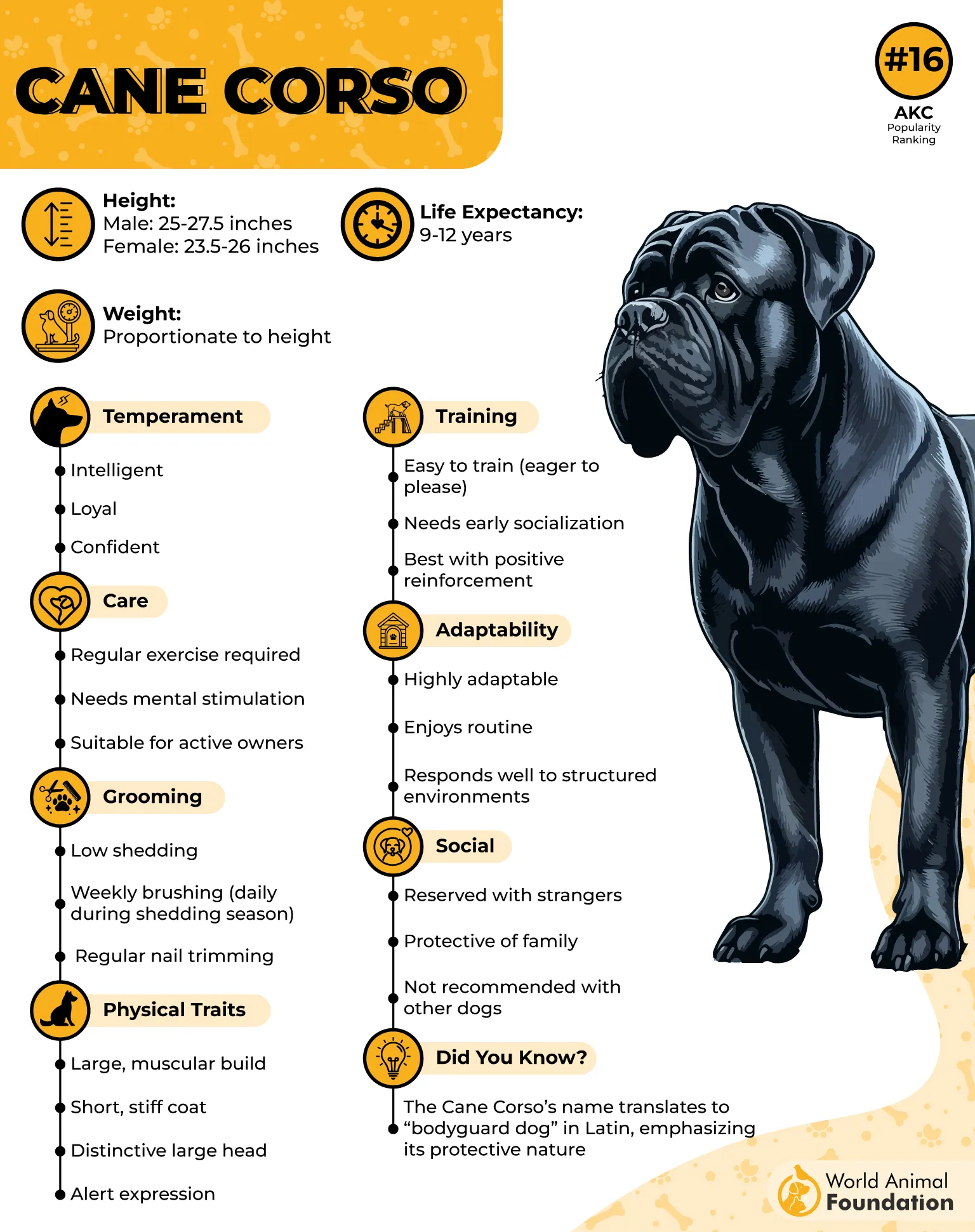
A Cane Corso is often a protective dog that watches first and reacts second, when trained well. They can become excellent guard dogs because they read situations fast and stay focused.
They also need mental stimulation and physical outlets. Think structured walks, scent work, and simple tasks that feel like “work.”
They can be family pets, but they are not the kind you wing it with. Proper training and obedience training should start early. They can be reserved with strangers, so proper socialization helps them stay calm and clear-headed.
Without that, territorial instincts can get messy, and bite risk can rise if they feel pushed.
Best for: Confident handlers who want personal protection at home
Important note: Regular exercise and rules prevent restless guarding
Fun fact: Their name is often tied to the idea of a “bodyguard dog.”
5. Rhodesian Ridgeback
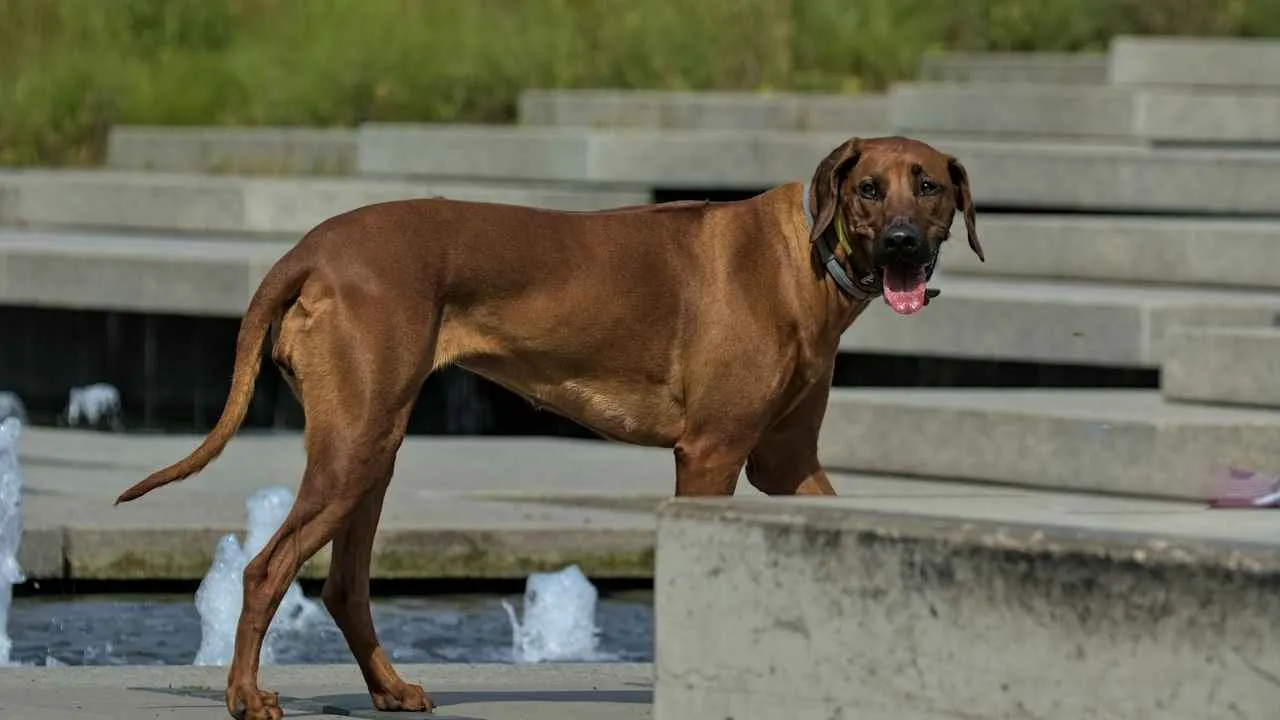
WebMD notes that Rhodesian Ridgebacks are known for courage and a steady “I’m fine, but I’m watching” mood. They were bred for tough work, and that confidence can translate into effective guard dogs at home.
They may not be nonstop barkers, but they can still deter intruders with a firm stance and sharp instincts.
They often bond closely with their people and can be loyal companions, especially when raised with calm routines.
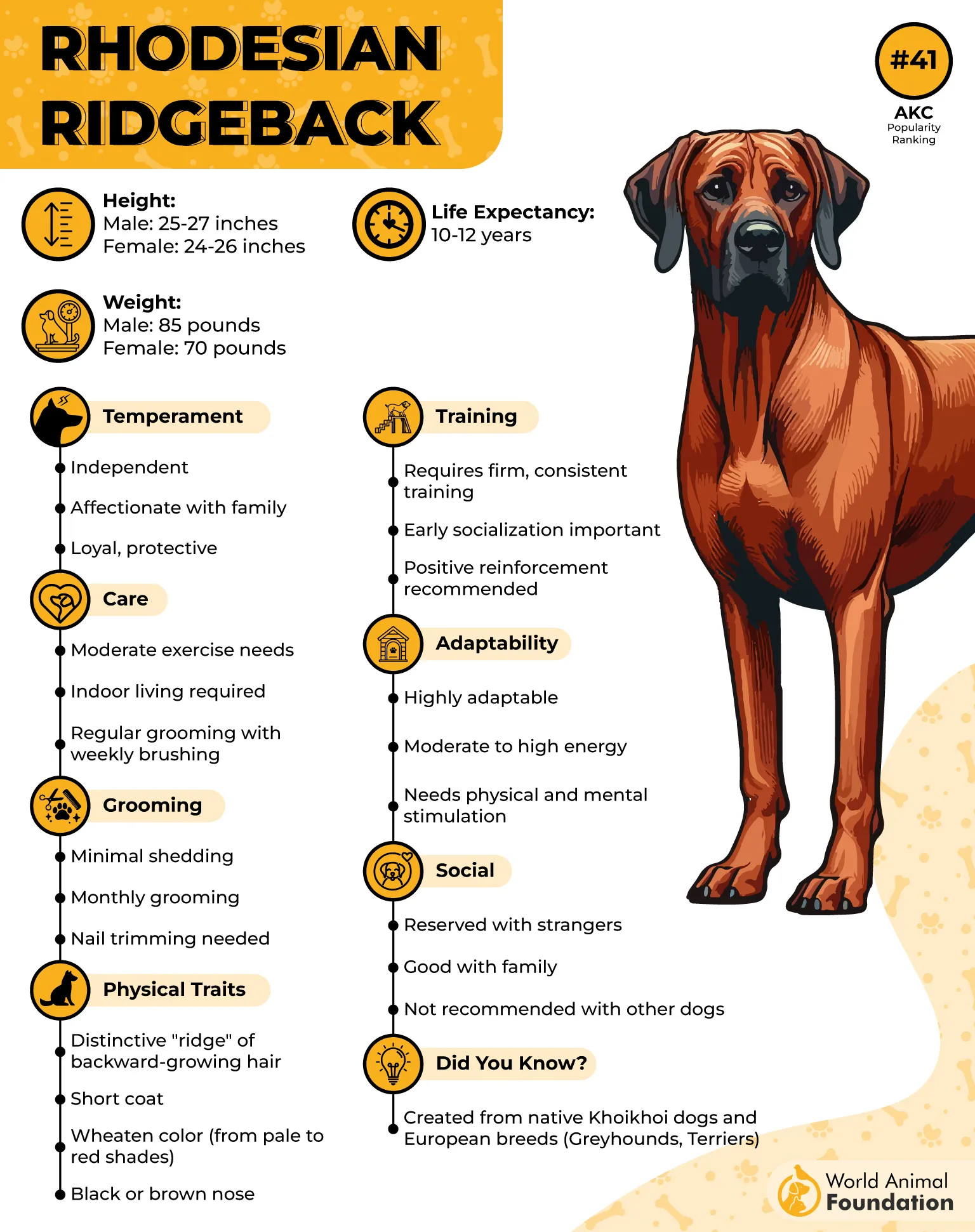
Here’s the good part: many Ridgebacks can be affectionate in the house, then instantly alert outside. That mix fits family life when everyone respects the dog’s space and signals.
They do need structure. This breed can be independent, so consistent training helps keep listening skills strong. Early training should include leash manners, door control, and calm greetings.
They also need space and movement, plus mental and physical challenge,s so they do not invent their own “security rules.” With the right guard dog mindset and a steady home, they can be great guard dog material.
Best for: Homes with yards or lots of outdoor time
Training note: Obedience training keeps independence from turning into “nope.”
Fun fact: Their ridge of hair grows in the opposite direction along the back
6. Doberman Pinscher
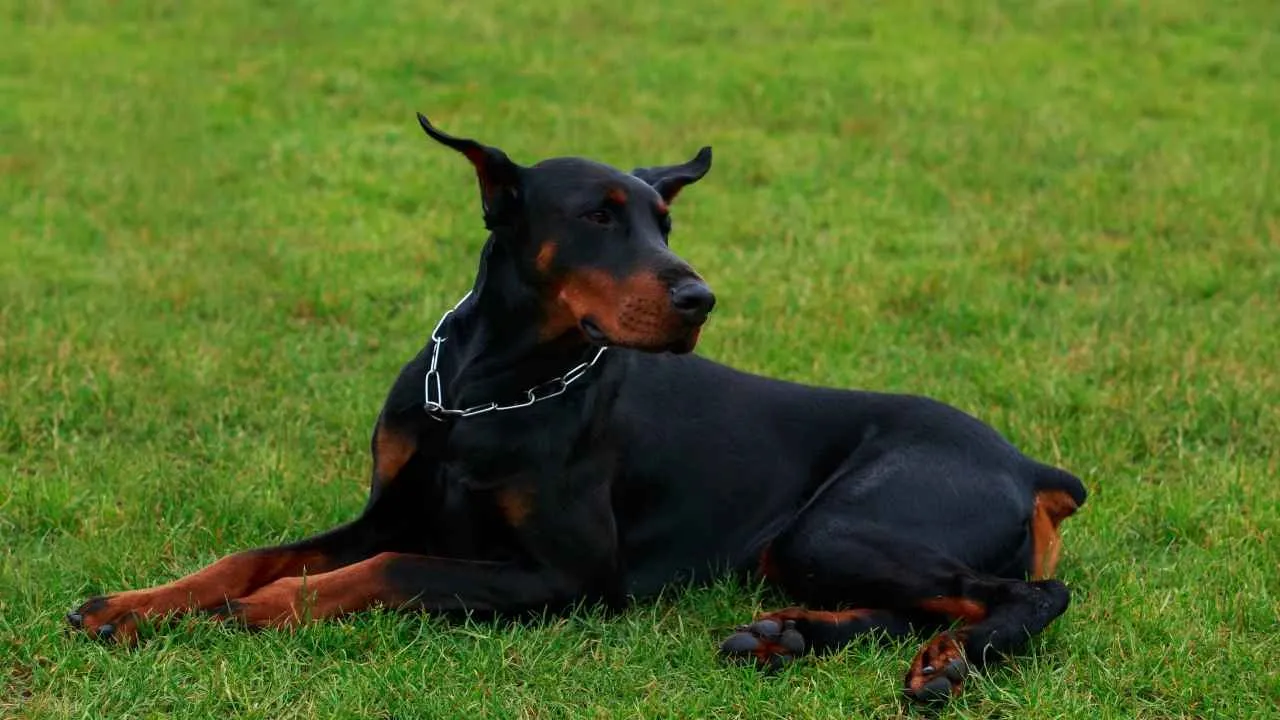
Dobermans are classic protection dogs for a reason. They are fast, fearless guardian types, and they often bond hard with their people.
Many are incredibly loyal, with a smooth “stick close, scan the area” style that works well for home security. They also tend to learn quickly, especially with clear rewards and calm leadership.
A Doberman can be a protective dog that notices small changes, like a new sound outside or a stranger near the gate.
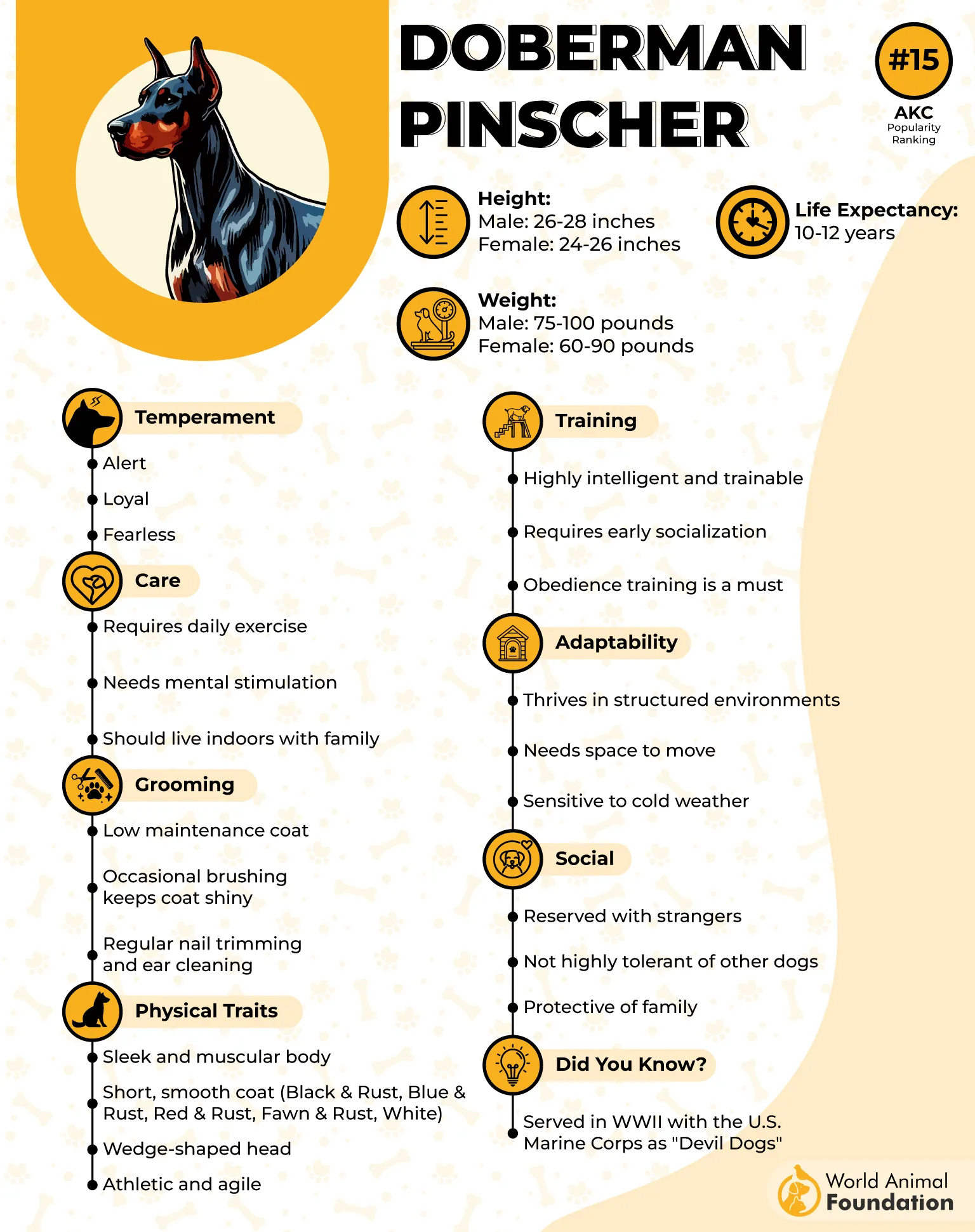
They often do well with obedience training and can be highly trainable when sessions stay short and upbeat. Sounds crazy, right? Ten minutes a day can change your whole household.
They do need regular exercise, and they also need mental stimulation so they do not become edgy. With early socialization, they can be family pets who behave well around guests.
But you must teach clear boundaries and safe handling. If you want one of the best guard dogs, plan for proper training from day one.
Best for: People who want a focused home partner and personal protection
Important note: Early socialization supports calm confidence with visitors
Fun fact: The breed was created to look intimidating and stay devoted
7. Belgian Malinois
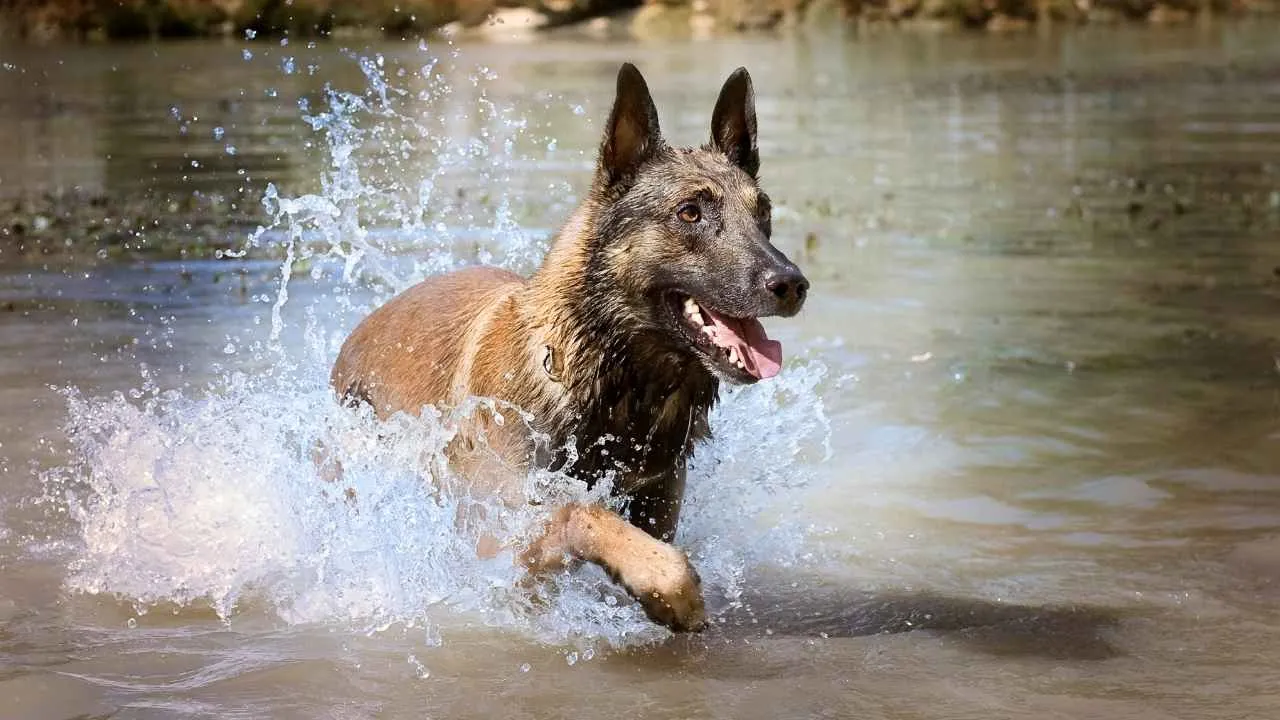
Belgian Malinois are intense. In the best way. They are extremely protective, quick, and built for action. Many are used in police and military roles because they learn fast and stay driven.
This is one of the top guard dog breeds for people who want a serious working mindset in the home.
A Malinois is a protective dog that needs a job, not “maybe later.” If you skip structure, it gets even worse, though, because they may create their own games, like chasing, grabbing, or patrolling in a stressed way. Give them outlets. Obedience training, scent games, and skill drills are your best friends here.
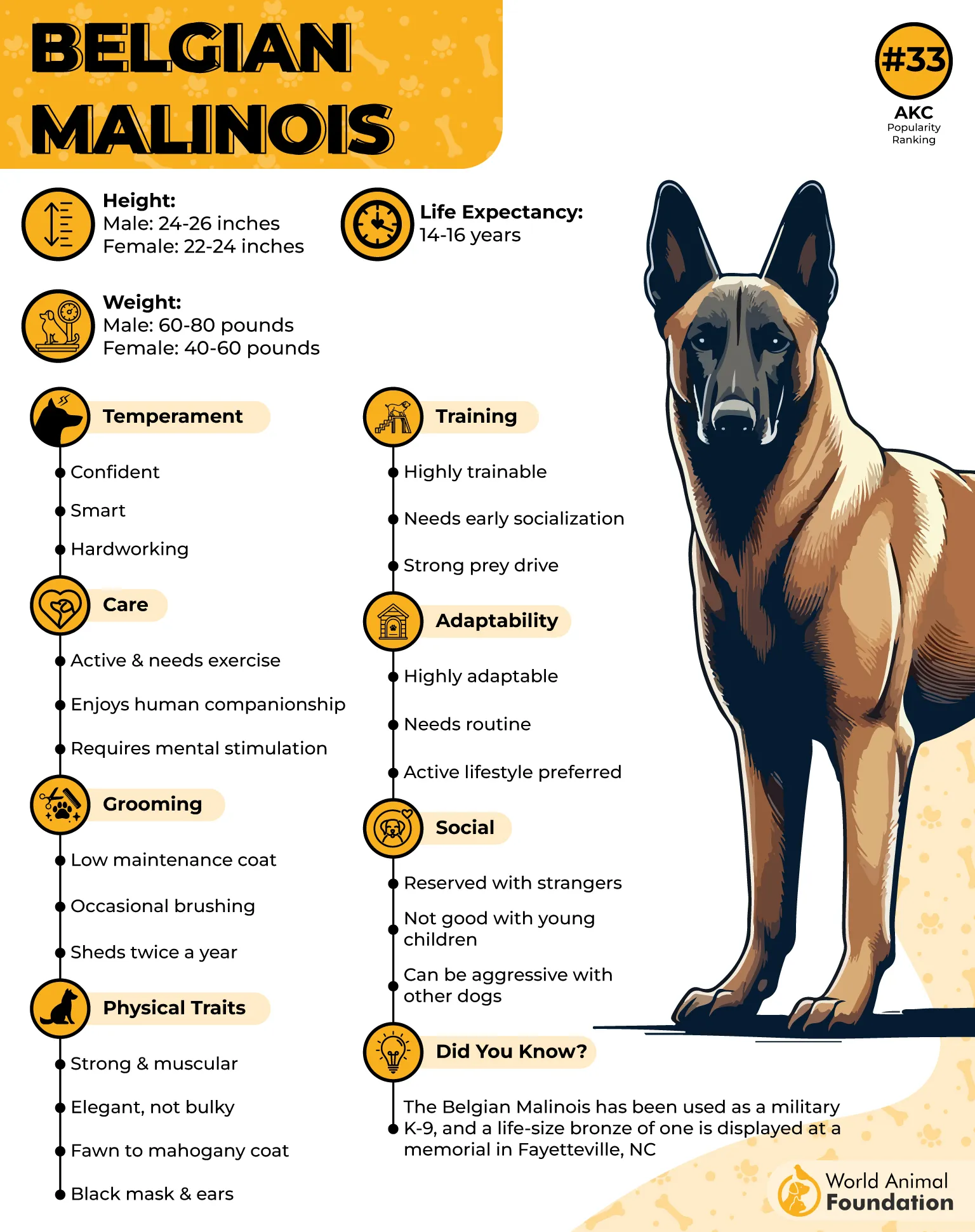
They also need early socialization so they can live calmly around other dogs and other pets. Introductions should be slow and supervised.
Their natural instinct can include chasing fast movement, so safe training matters. With proper training, they can be excellent protectors and loving companions, but they are not a couch-only pick.
Best for: Very active dog owners who enjoy daily training
Training note: Proper socialization helps them stay steady in busy settings
Fun fact: Many were trained to guard livestock and scare off predators
Conclusion
Picking from the best guard dog breeds is really about your real life. Your space. Your schedule. Your energy. Guard dogs can be amazing family pets, but they are not magic shields.
Proper training and early socialization turn a protective dog into a safe teammate. If you want the right breed, picture your normal week, not your dream week. Then match that to one of these protective dog breeds. Start slow, stay kind, and keep routines steady.
And here’s the good part: when you do it right, you get home security plus loyal companions who make the house feel alive. So take a breath, choose wisely, and build that bond.
