




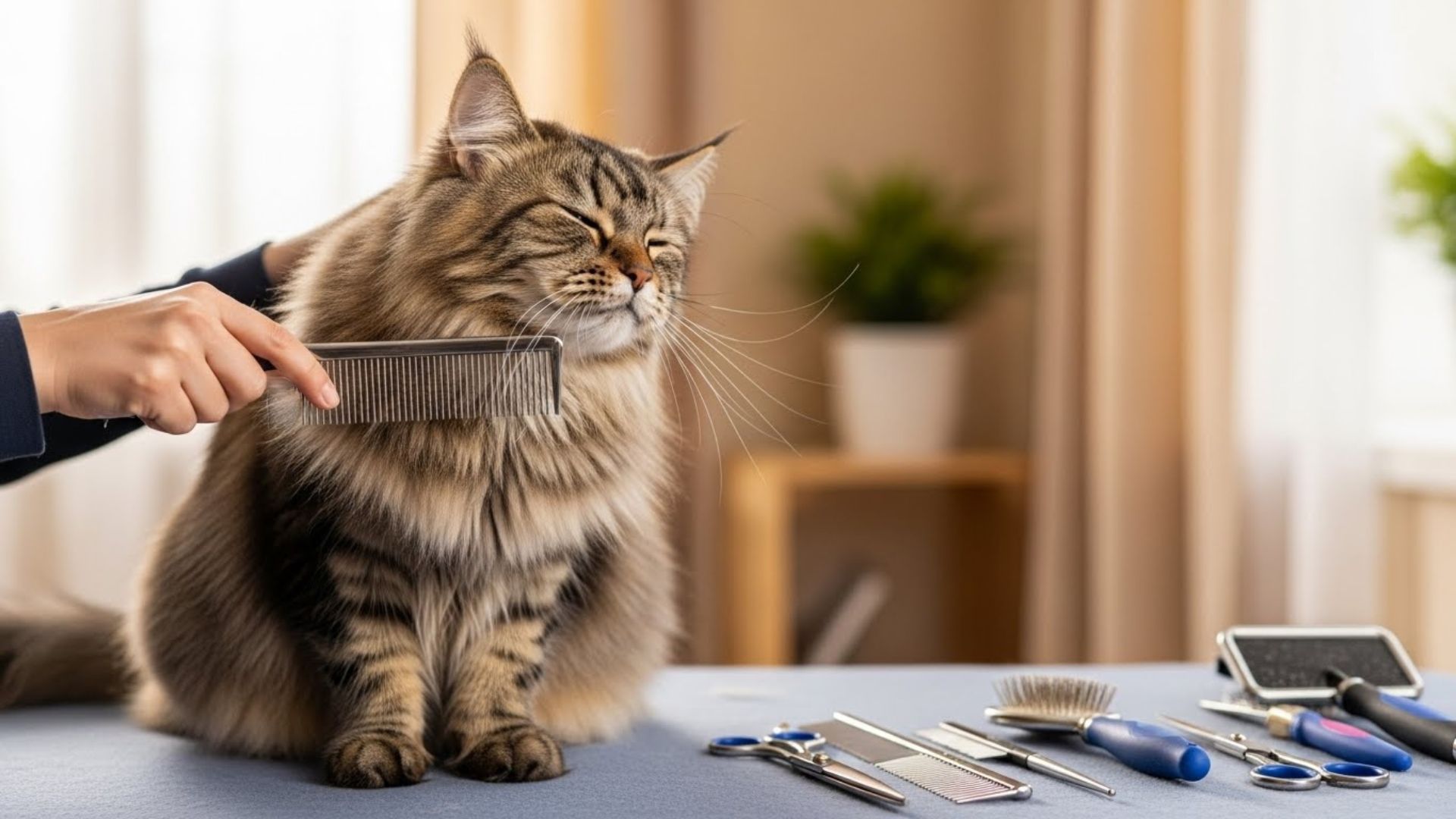
Cats are famously skilled at keeping themselves clean, but not every feline can manage grooming entirely on their own. Certain cat breeds require daily grooming to keep their coats healthy, comfortable, and free from painful mats. This extra care isn’t about vanity—it’s a necessity driven by coat structure, hair length, and how easily fur tangles. Understanding why some cats need hands-on grooming helps potential owners choose a breed that truly fits their lifestyle.
So, what makes daily grooming essential for some breeds? It all comes down to coat type. Long, dense, or fine-textured fur is more prone to knotting, trapping dirt, and holding loose hairs. Breeds with plush undercoats or flowing outer layers often struggle with matting in hard-to-reach areas like the chest, legs, and tail. Without consistent brushing, these tangles can quickly turn into skin issues or discomfort.
Daily grooming also strengthens the bond between cats and their owners. Beyond maintaining appearance, it supports skin health, reduces shedding, and prevents hairballs. In this guide, we explore seven cat breeds that truly need daily grooming and explain what makes their coats so high-maintenance.
7 Cat Breeds That Require Daily Grooming
1. Persian
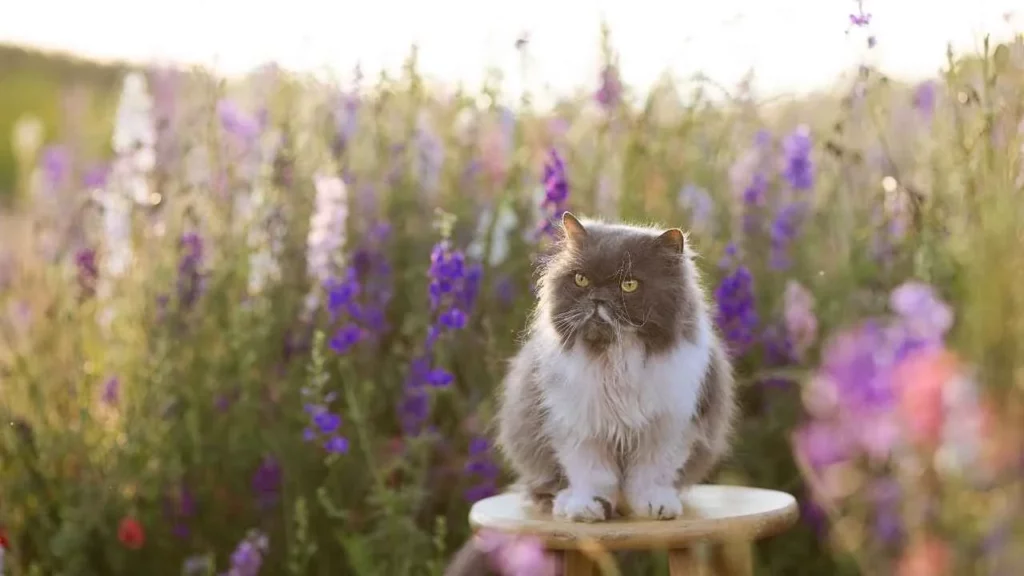
Also known as the Longhair or Shirazi, the Persian cat is instantly recognizable by its flat face, round eyes, and luxuriously dense coat. This ancient breed has long been favored by royalty and celebrities for its calm demeanor and unmistakable elegance.
According to Purina, they enjoy playtime but are also happy to lounge over an armchair instead of trying to climb up onto a bookcase.
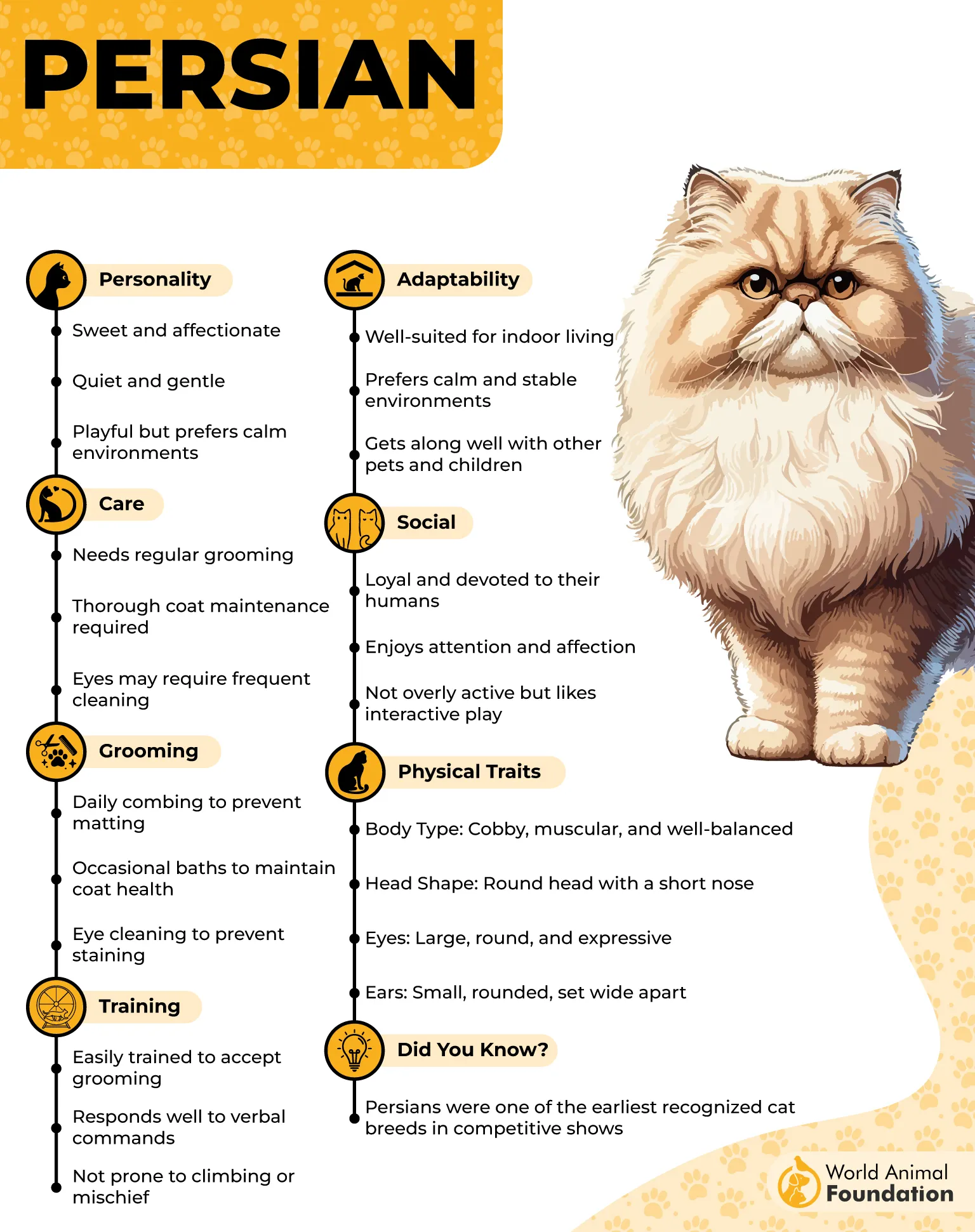
That beauty, however, comes with responsibility. Persians have long, flowing fur with a thick undercoat that tangles easily, especially around the chest, legs, and tail. Without daily brushing, mats can form quickly, leading to discomfort and potential skin problems.
Daily grooming isn’t limited to the coat alone. Their shortened muzzle means Persians often need routine facial cleaning to prevent debris buildup around the eyes and nose. Regular care helps keep their expression bright and their skin healthy.
Despite the grooming demands, Persians are gentle, affectionate companions that thrive in quiet homes where daily routines are predictable. Their laid-back nature makes grooming sessions easier, especially when introduced early.
Fact: Persian cats won the world’s first organized cat show in 1871, cementing their place in feline history.
2. Himalayan
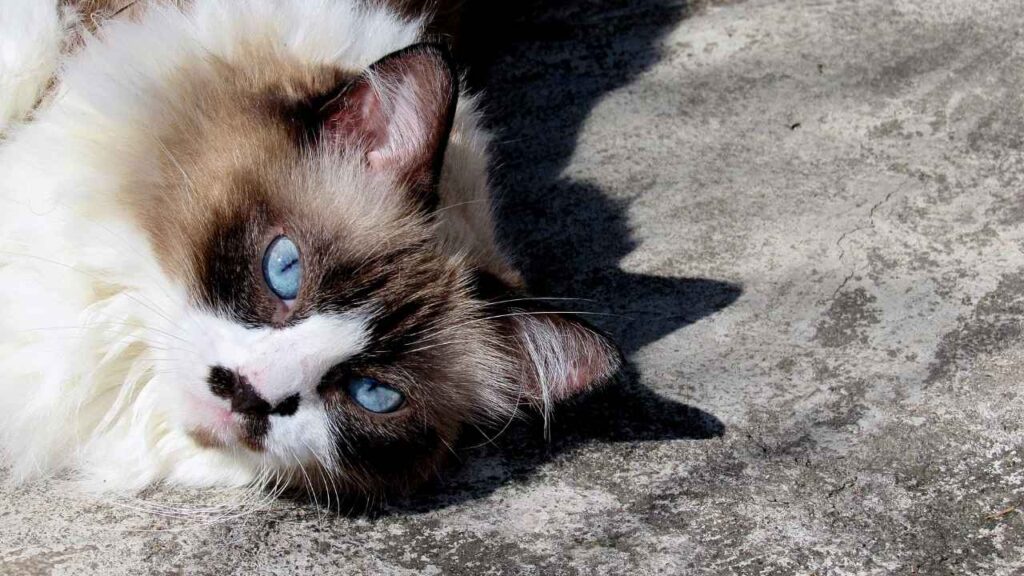
Also called the Himmy, the Himalayan is a glamorous long-haired breed created by crossing Persian and Siamese cats. It combines a plush coat with signature color points, giving it an elegant, regal appearance and a classic lap-cat personality.
PetMD states that Himalayan cats are docile and affectionate, which makes them ideal companions for new cat parents, families, and multi-pet households.
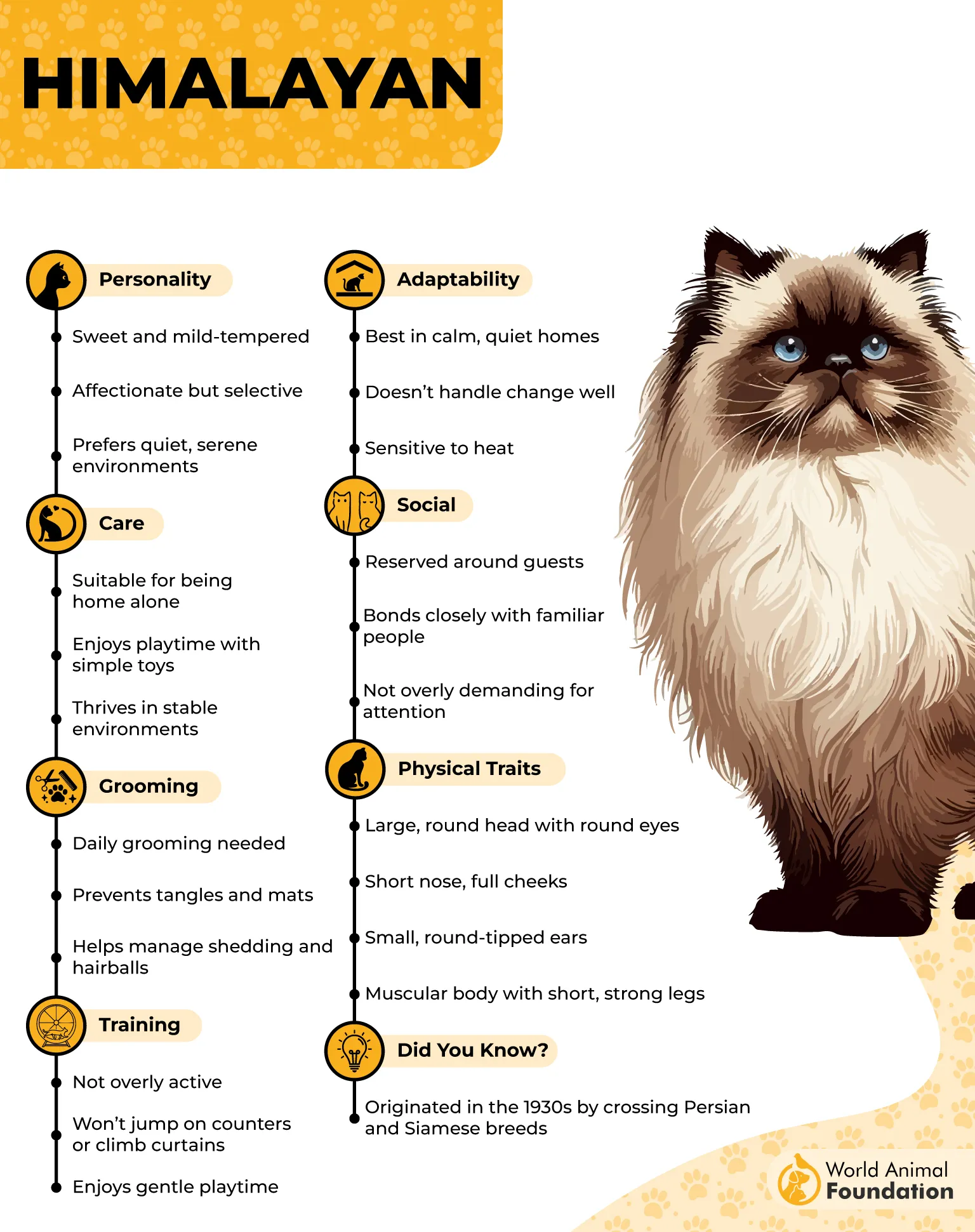
That beauty comes with demanding grooming needs. Himalayans have dense, fine fur that mats easily, especially around the chest, legs, and tail. Daily brushing with a wire brush or metal comb is essential to keep the coat smooth and comfortable.
Grooming doesn’t stop at the body. Because of their flat facial structure, Himalayans often need gentle daily face wiping to prevent tear staining and buildup around the eyes. Consistent care helps maintain both appearance and skin health.
Despite the upkeep, Himalayans are affectionate, calm companions who tolerate grooming well when handled gently and regularly. Their relaxed nature makes daily coat care manageable for owners who enjoy hands-on routines.
Fact: The Himalayan’s distinctive color points—such as seal, blue, lilac, chocolate, or flame—come from its Siamese lineage.
3. Ragdoll
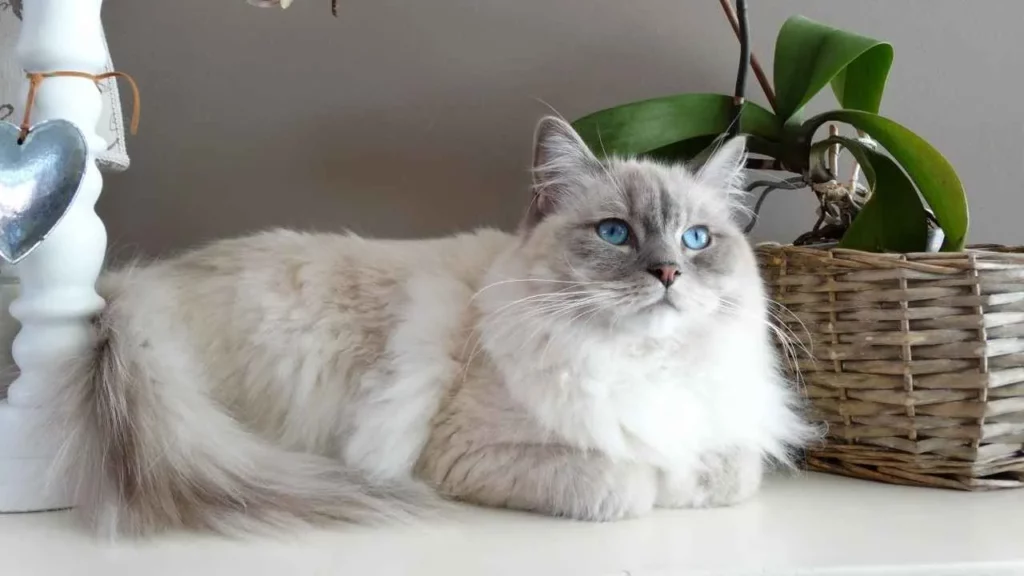
Also called the “puppy cat” for its relaxed, floppy posture when held, the Ragdoll is famous for its affectionate nature and striking semi-long coat. This large breed thrives on human companionship and is happiest in homes where it’s rarely left alone.
According to WebMD, Ragdoll cats are known for their affectionate nature, patience with children, and gentle play style, often engaging without using their claws.
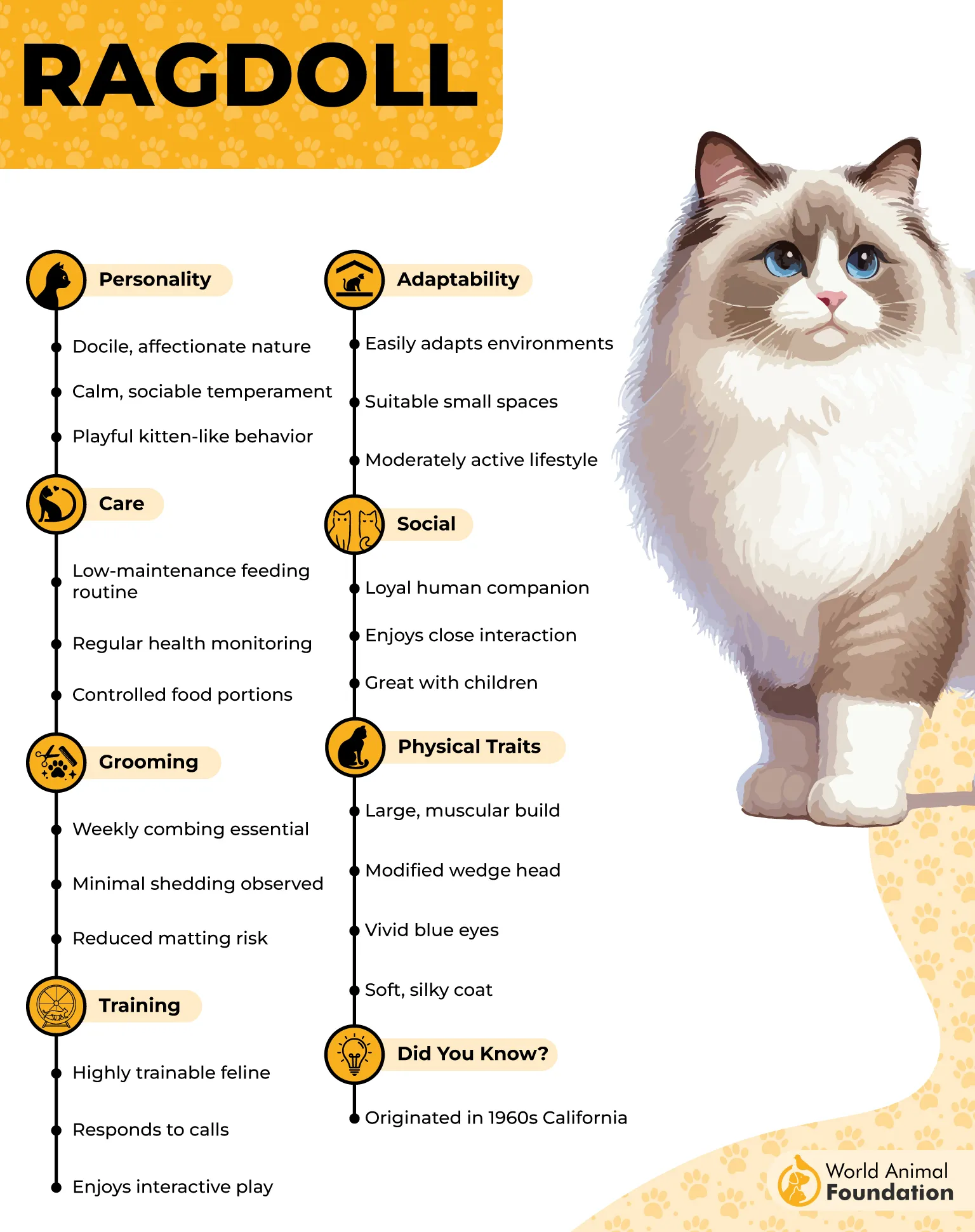
Although their fur is softer and less dense than some long-haired breeds, Ragdolls have fine hair that can tangle easily without consistent care. Light daily brushing helps prevent knots, especially around the chest, belly, and behind the legs where friction causes mats to form.
Regular grooming also plays an important role in coat health. Daily attention removes loose fur, reduces hairballs, and evenly distributes natural oils, keeping the coat smooth and comfortable. For Ragdolls, grooming doubles as bonding time, reinforcing their strong attachment to their owners.
Because matting can lead to skin irritation and discomfort, establishing a gentle daily routine early on is ideal. Calm, patient sessions help these sensitive cats feel secure while keeping their plush coats in top condition.
Fact: Ragdolls are known to relax their muscles completely when picked up, a trait that inspired their name.
4. Maine Coon
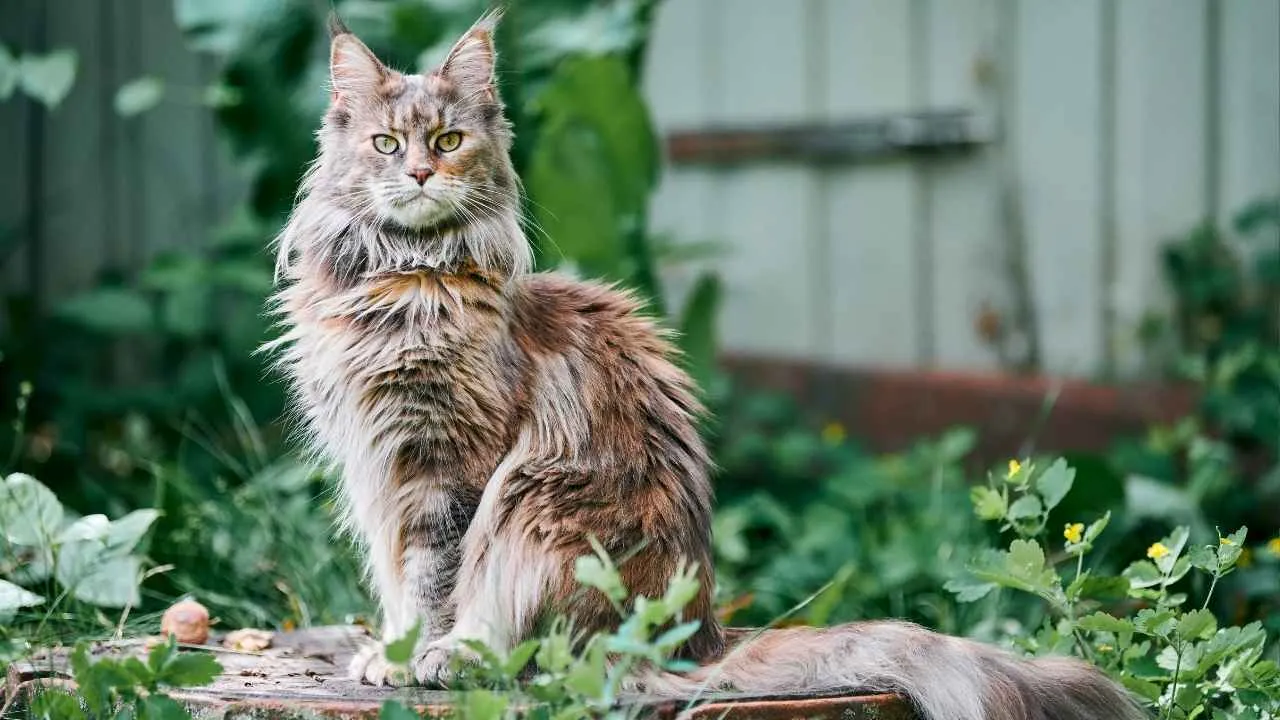
Also called the “Gentle Giant,” the Maine Coon is one of the most recognizable long-haired cat breeds, admired for its shaggy appearance, tufted ears, and sociable personality. Originating in the United States, this breed combines rugged looks with an affectionate, people-oriented nature.
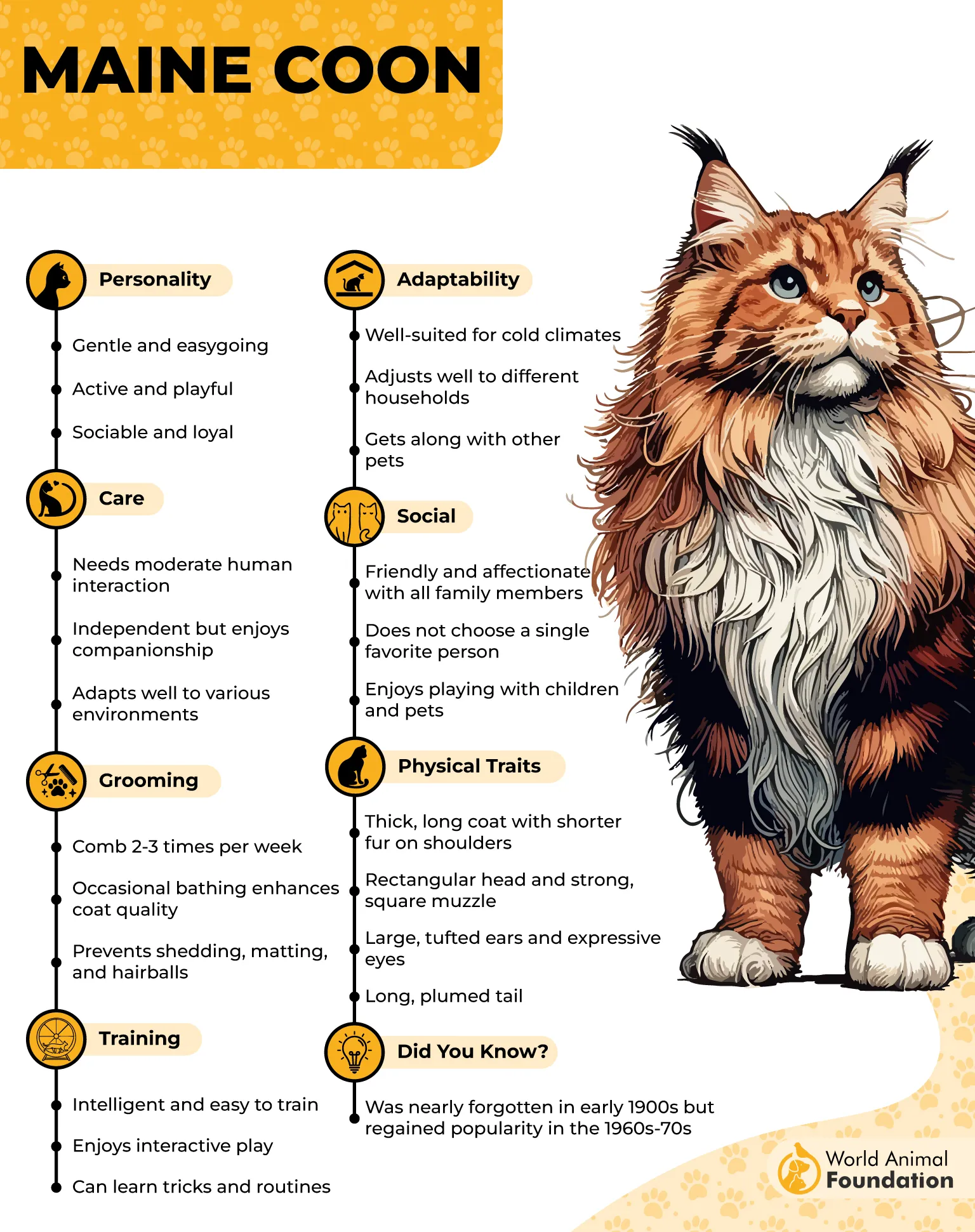
Maine Coons have thick double coats designed to protect them from harsh climates, and that dense fur requires consistent care. While their coats are not as prone to matting as some long-haired breeds, daily brushing is often necessary to manage tangles, especially around the chest, belly, and tail.
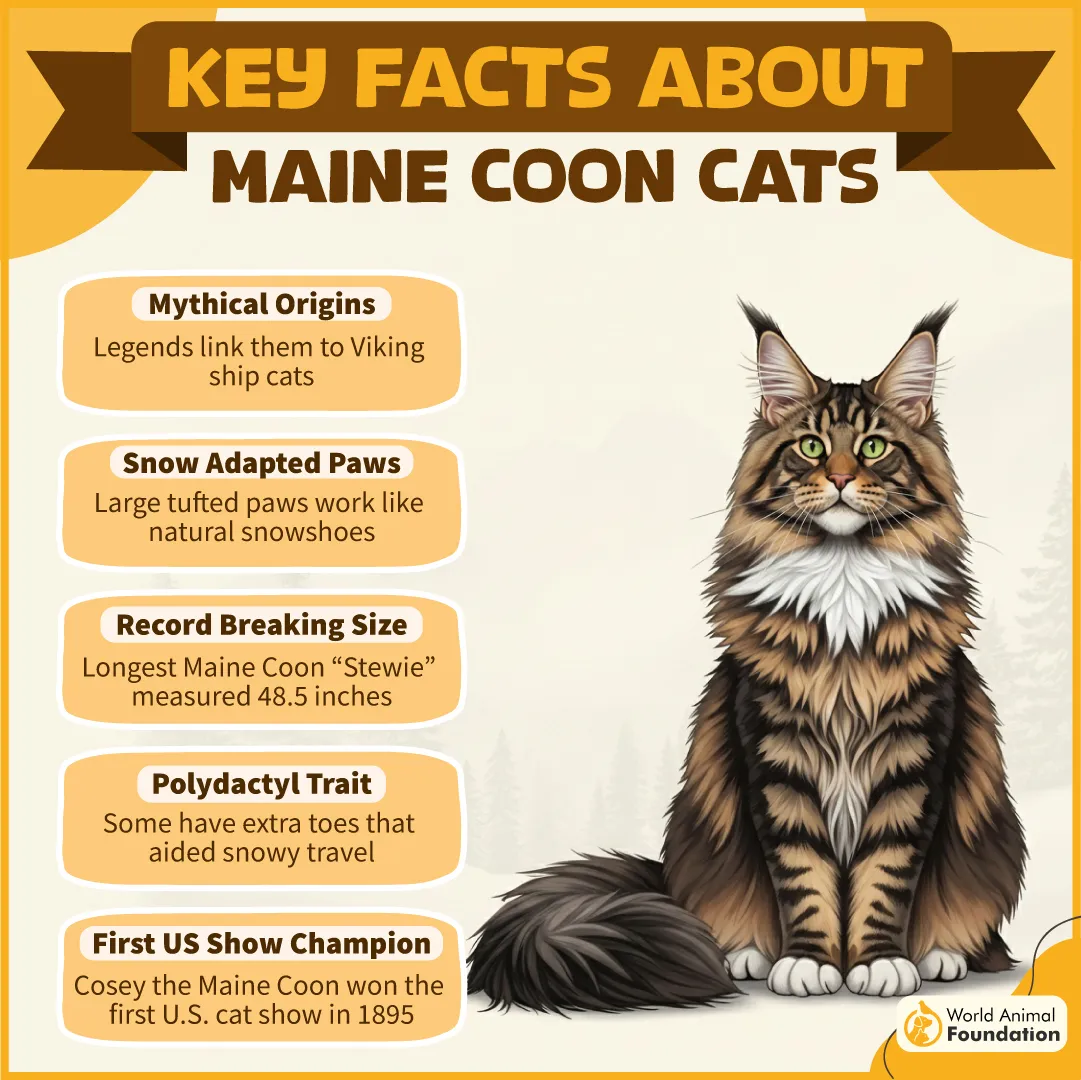
Shedding seasons increase grooming demands even more. During these periods, loose undercoat fur can build up quickly, leading to mats and excess hair around the home if not removed regularly. Daily grooming also helps reduce hairballs and keeps the coat evenly distributed with natural oils.
Despite the effort, many owners find grooming rewarding because Maine Coons are typically calm and cooperative. Their dog-like traits, including enjoying attention and interactive routines, make daily brushing easier to maintain.
Fact: Many Maine Coon cats enjoy playing fetch and following their owners from room to room, a trait often described as dog-like.
5. Birman
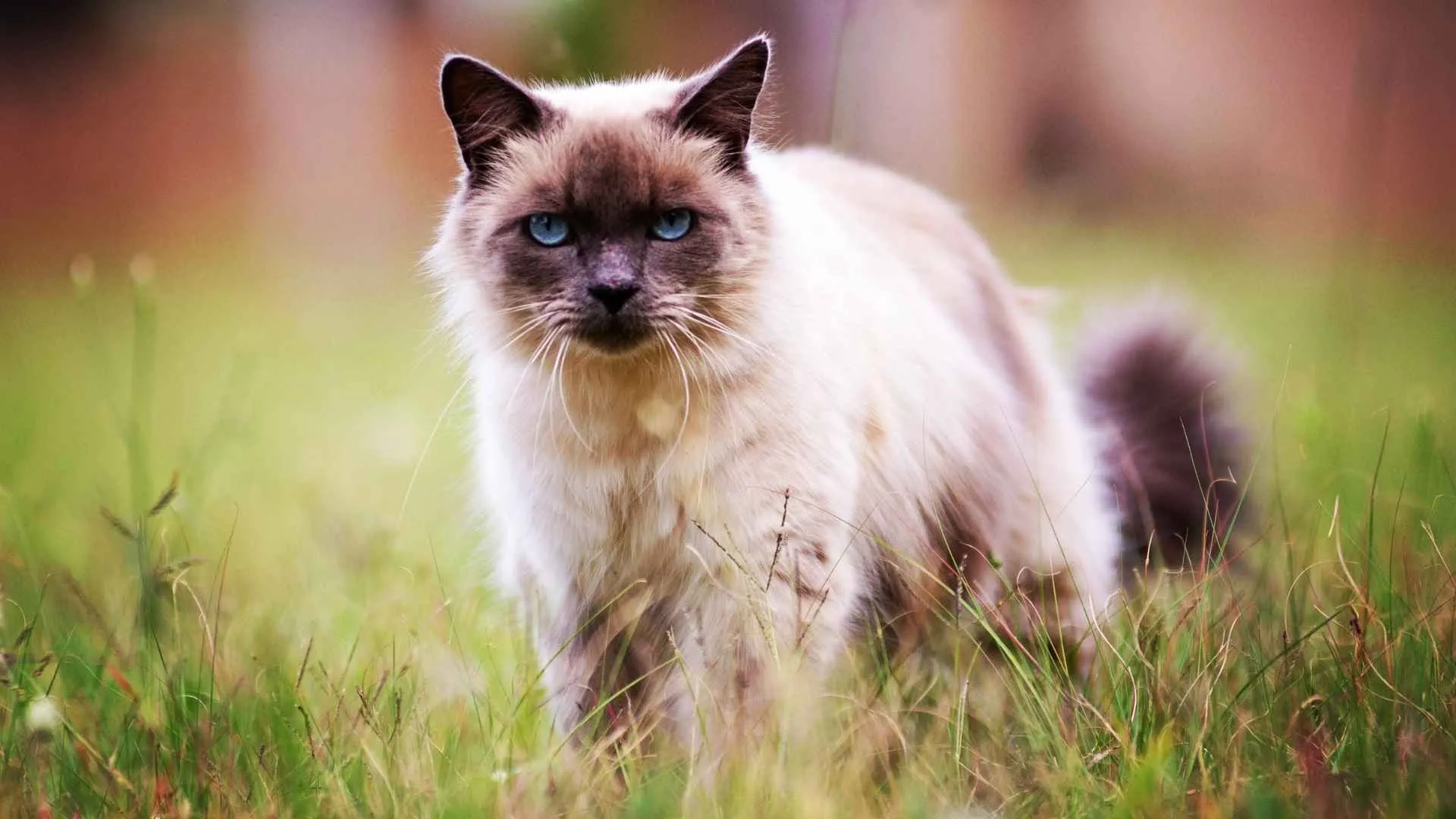
Also known as the “Sacred Cat of Burma,” the Birman is admired for its striking blue eyes, color-pointed coat, and signature white paws often described as gloves and socks. This semi-long-haired breed combines elegance with a gentle, people-oriented personality.

Although the Birman’s coat is silkier and finer than many long-haired breeds, it still benefits from consistent daily grooming. Light brushing helps remove loose hair, keeps the fur smooth, and prevents buildup around the chest, legs, and tail where tangles can quietly form.
Daily care also reduces shedding and hairballs, making grooming part of a healthy routine rather than a chore. Because Birmans are affectionate and calm, they usually enjoy the one-on-one attention that grooming provides, especially when introduced early.
Their coat’s texture resists severe matting, but skipping regular care can dull its natural shine over time. A few minutes each day is enough to preserve their polished appearance and comfort.
Fact: All Birman cats are required to have four white paws and vivid blue eyes, regardless of coat color.
6. Turkish Van
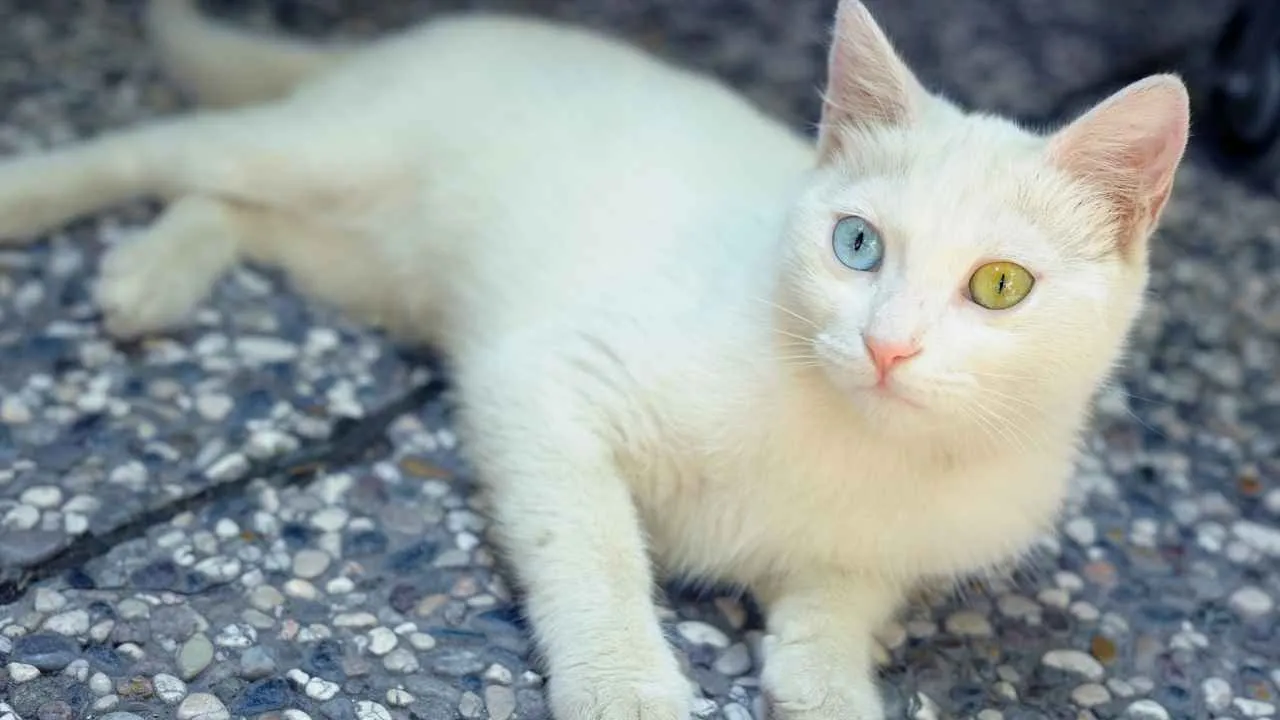
Also called the Swimming Cat or Van Cat, the Turkish Van stands out for its energetic personality, muscular build, and unusual love of water. Originating near Lake Van, this breed combines athleticism with a striking semi-long coat that feels soft and cashmere-like.
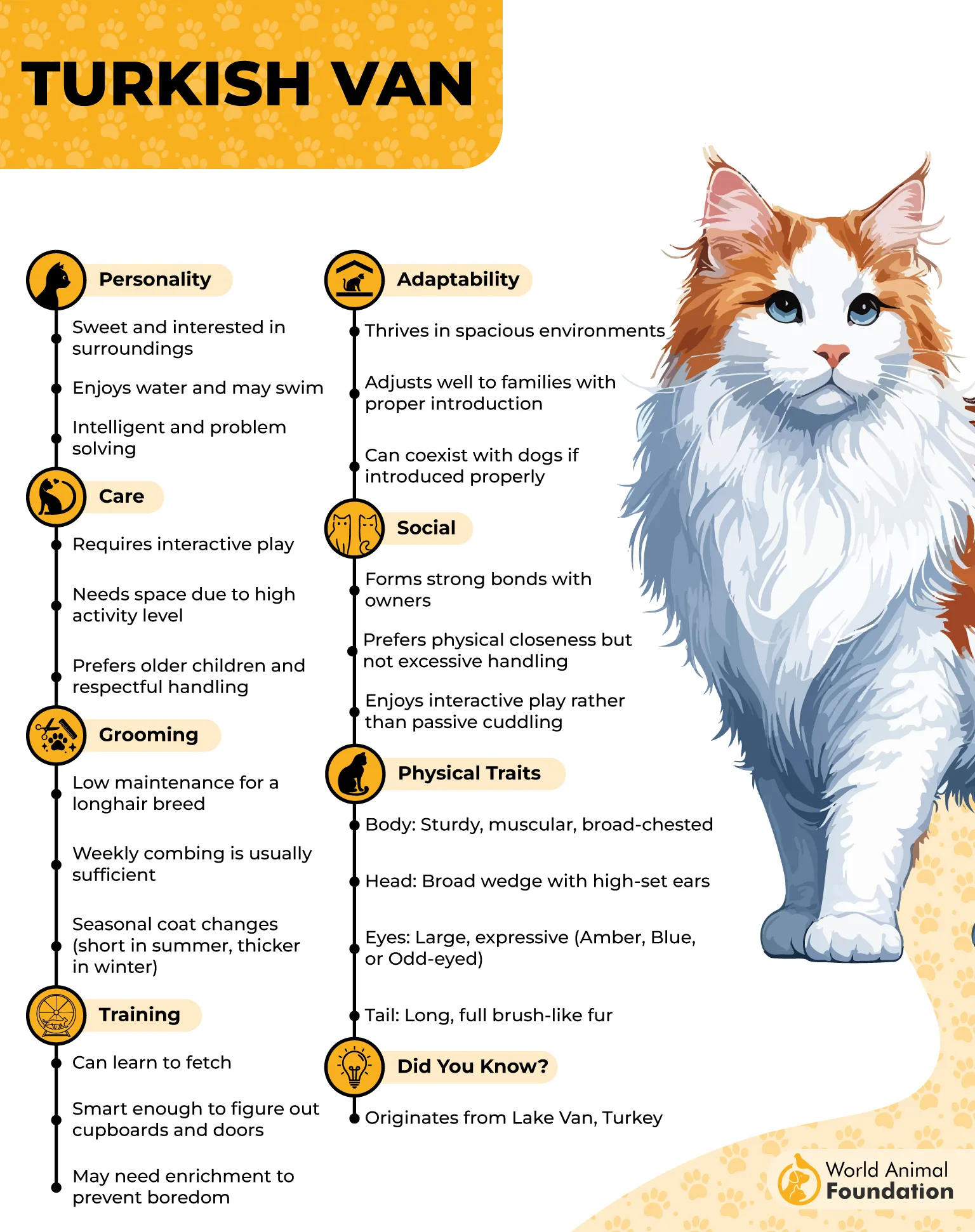
Unlike many long-haired cats, the Turkish Van’s coat is diversified and constantly changing, which directly affects grooming needs. Their fur is water-resistant and naturally repels dirt, but seasonal coat shifts mean owners must stay attentive as texture and density fluctuate throughout the year.
While they aren’t prone to heavy matting, regular brushing becomes especially important during shedding periods. As the coat thickens or thins with the seasons, frequent grooming helps remove loose hair, prevent tangles, and keep oils evenly distributed across the skin.
Because Turkish Vans enjoy water, bathing can actually support coat health and reinforce its natural resistance when done occasionally. Combined with routine ear, nail, and dental care, consistent grooming supports both hygiene and bonding.
Fact: Turkish Van kittens are born with short coats that gradually develop and continue changing with the seasons well into adulthood.
7. Turkish Angora
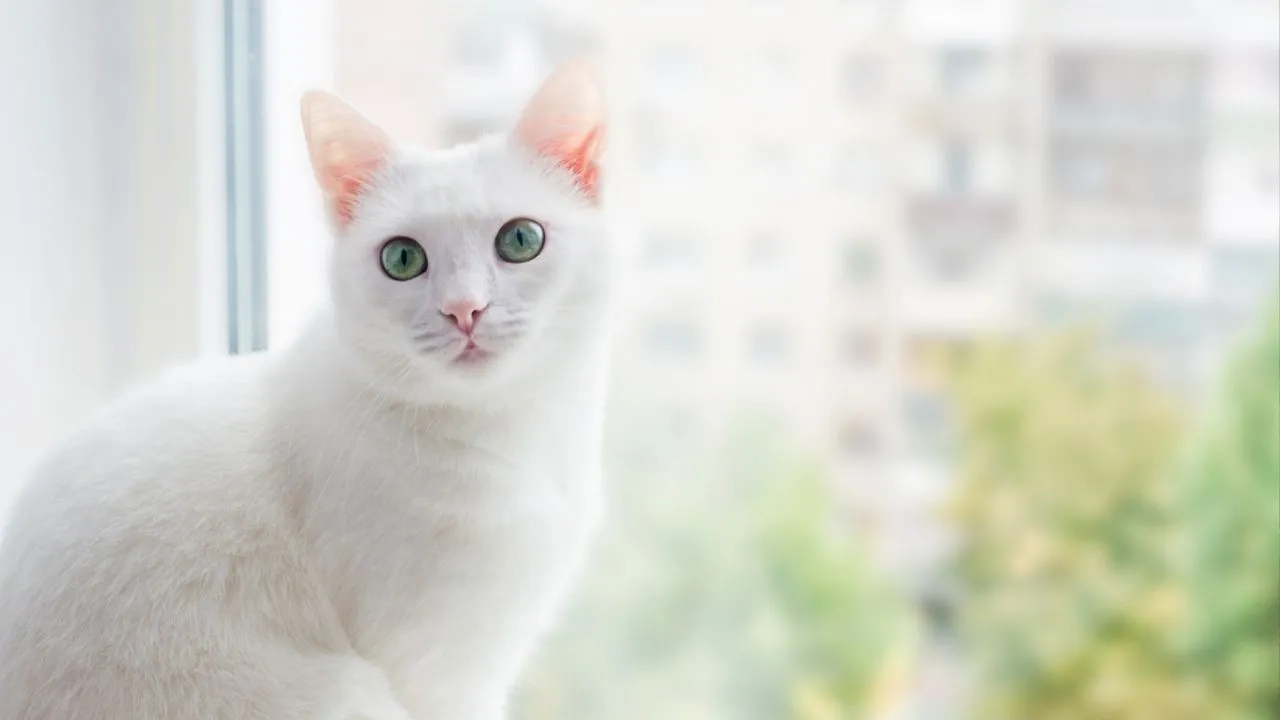
Also called the Ankara cat, the Turkish Angora is an elegant, ancient breed celebrated for its silky coat, almond-shaped eyes, and refined build. Originating in Turkey, this breed has long been admired for its grace, intelligence, and striking appearance.
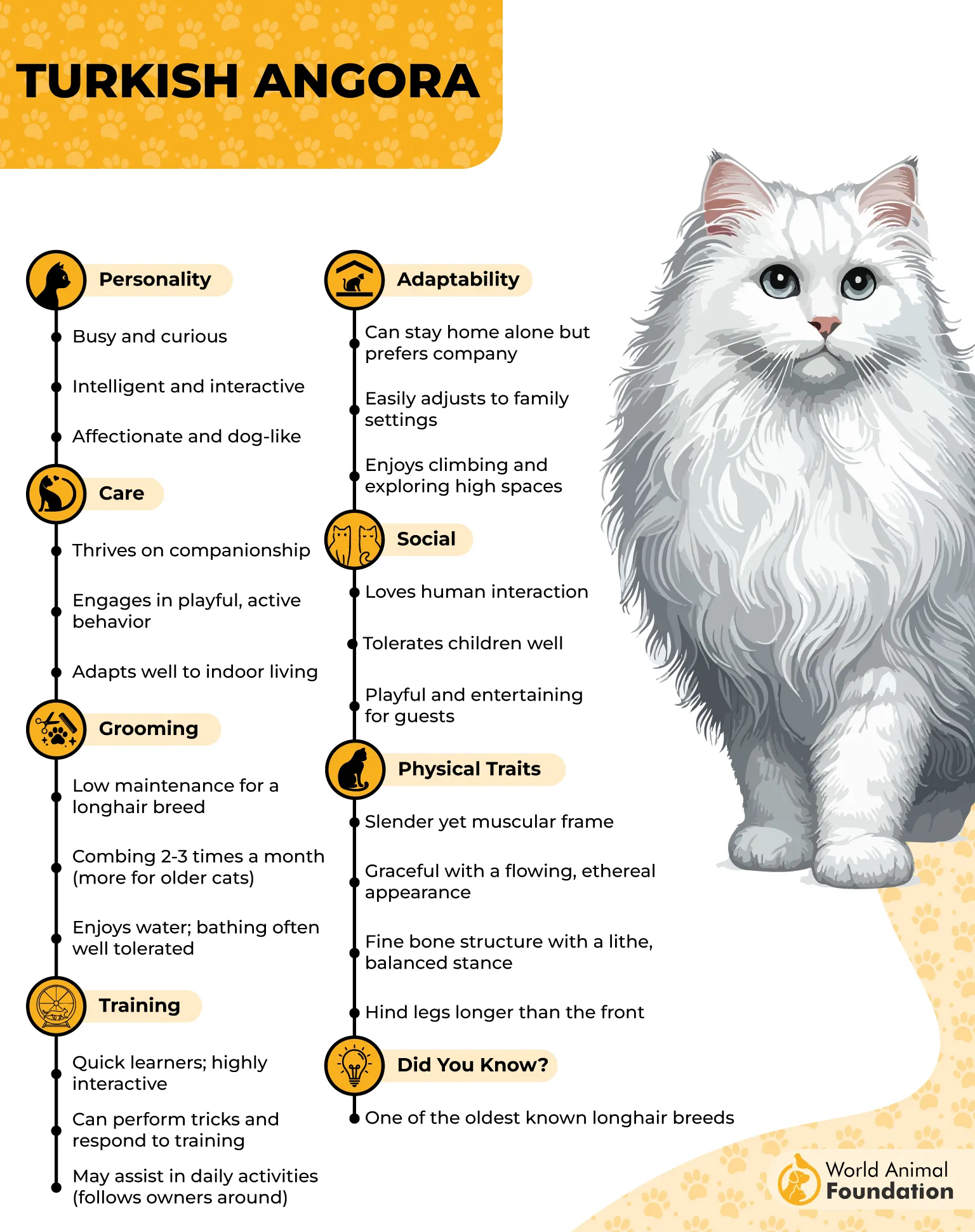
Although the Turkish Angora lacks a dense undercoat, its long, fine fur still requires consistent attention. Daily or near-daily brushing helps keep the coat smooth, prevents tangles along the tail and chest, and maintains its natural sheen from head to tail.
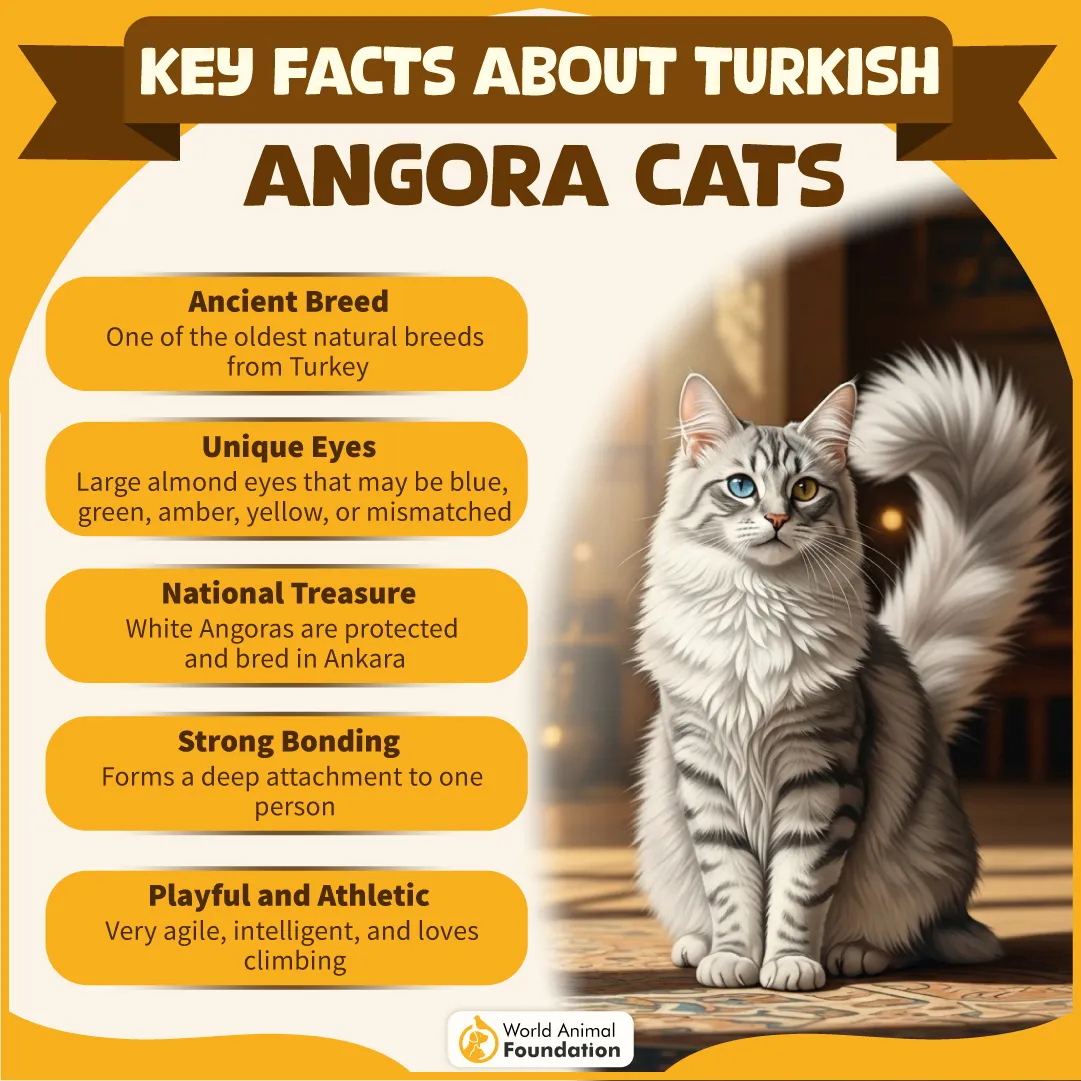
Grooming sessions also support skin health and reduce loose hairs around the home. Because their coat is lightweight and flowing, neglecting routine care can quickly lead to knots, especially in active Angoras that enjoy climbing and play.
Beyond coat care, Turkish Angoras benefit from regular eye and ear checks due to their expressive features and alert nature. Their energetic personality often makes grooming easier when introduced as a positive daily routine rather than an occasional chore.
Fact: Turkish Angoras have been treasured for centuries in Turkey and were once believed to be favored pets of royalty.
Conclusion
Caring for cat breeds that require daily grooming is a commitment, but it’s also an enjoyable experience that strengthens the bond with your furry companion.
High-maintenance cat breeds with long hair, thick fur, or semi-long fur depend on proper grooming to prevent matting, remove dead hair, and support overall well-being.
Unlike short-haired cats or low-maintenance options such as the American Shorthair, these different cat breeds need more frequent grooming, regular bathing, and attention to grooming requirements as part of essential care.
Daily routines like brushing, trimming nails, and cleaning ears help reduce health problems and keep coats soft and comfortable.
Even breeds with gentle personalities or a soft spot for other pets benefit from consistent pet care. While minimal grooming may suit short-fur cats, long-haired breeds thrive when proper grooming becomes a habit rather than a chore.
