




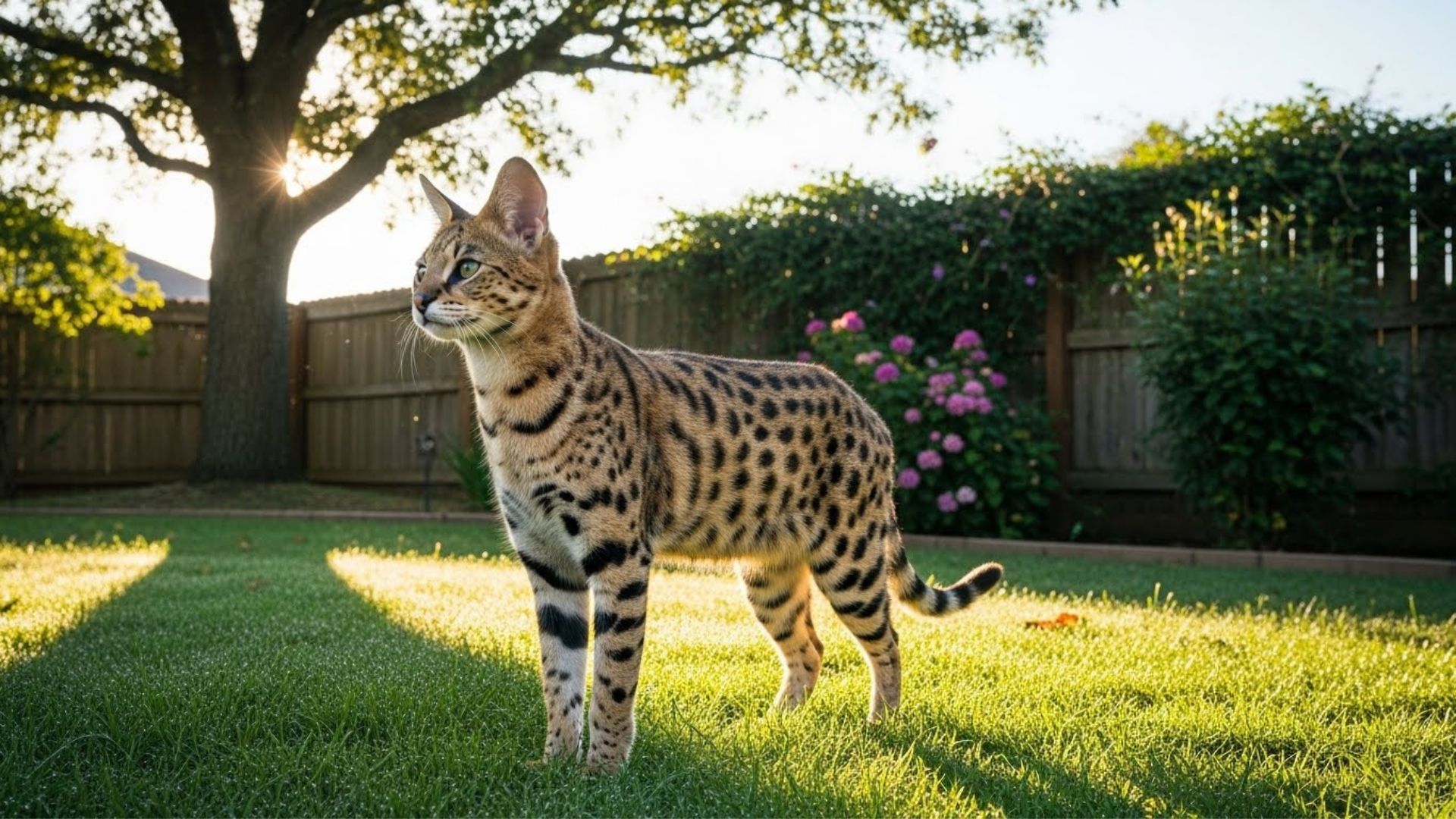
Cats with spotted coats capture attention because they echo the untamed beauty of wild felines like leopards and ocelots—yet they curl up happily on the couch. These striking patterns aren’t random; they’re shaped by genetics, selective breeding, and in some cases, carefully managed wild ancestry. From bold rosettes to delicate dots, a cat’s spotted appearance is often the result of genes that mimic camouflage patterns seen in nature, giving domestic cats a look that feels thrillingly exotic.
The appeal of wildcat-inspired domestic breeds goes far beyond aesthetics. Many of these cats combine their dramatic looks with intelligence, athleticism, and curiosity. Spotted breeds tend to be highly interactive, mentally sharp, and eager for enrichment. They don’t just look wild—they often act more alert, engaged, and adventurous than average house cats.
For cat lovers who dream of owning a miniature “jungle cat” without the risks of true exotic ownership, spotted breeds offer the perfect compromise. They deliver the visual drama of the wild while remaining affectionate, trainable, and suited to modern homes, making everyday life feel just a little more extraordinary.
7 Cat Breeds Known for Their Spotted Wildcat Appearance
1. Bengal
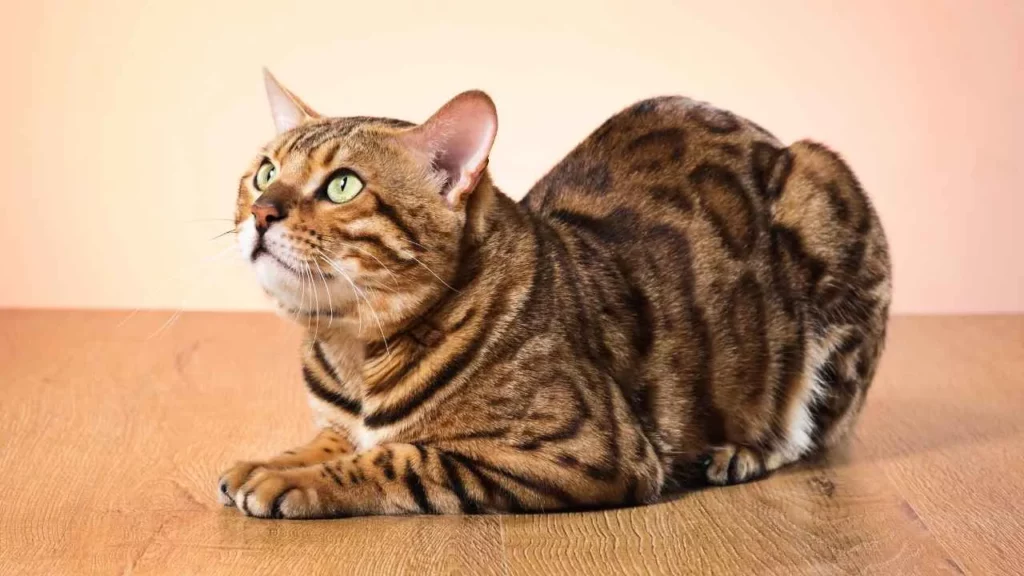
Also known simply as the Bengal, this breed stands out as one of the most recognizable wild-looking domestic cats, thanks to its ancestry linked to the Asian leopard cat.
According to PetMD, Bengals are extremely active and curious cats, more energetic than a typical lap cat, and they need plenty of stimulation and enrichment to match their playful nature.
Sleek, athletic, and boldly patterned, Bengals were intentionally developed to capture a miniature leopard aesthetic while remaining suitable for home life.
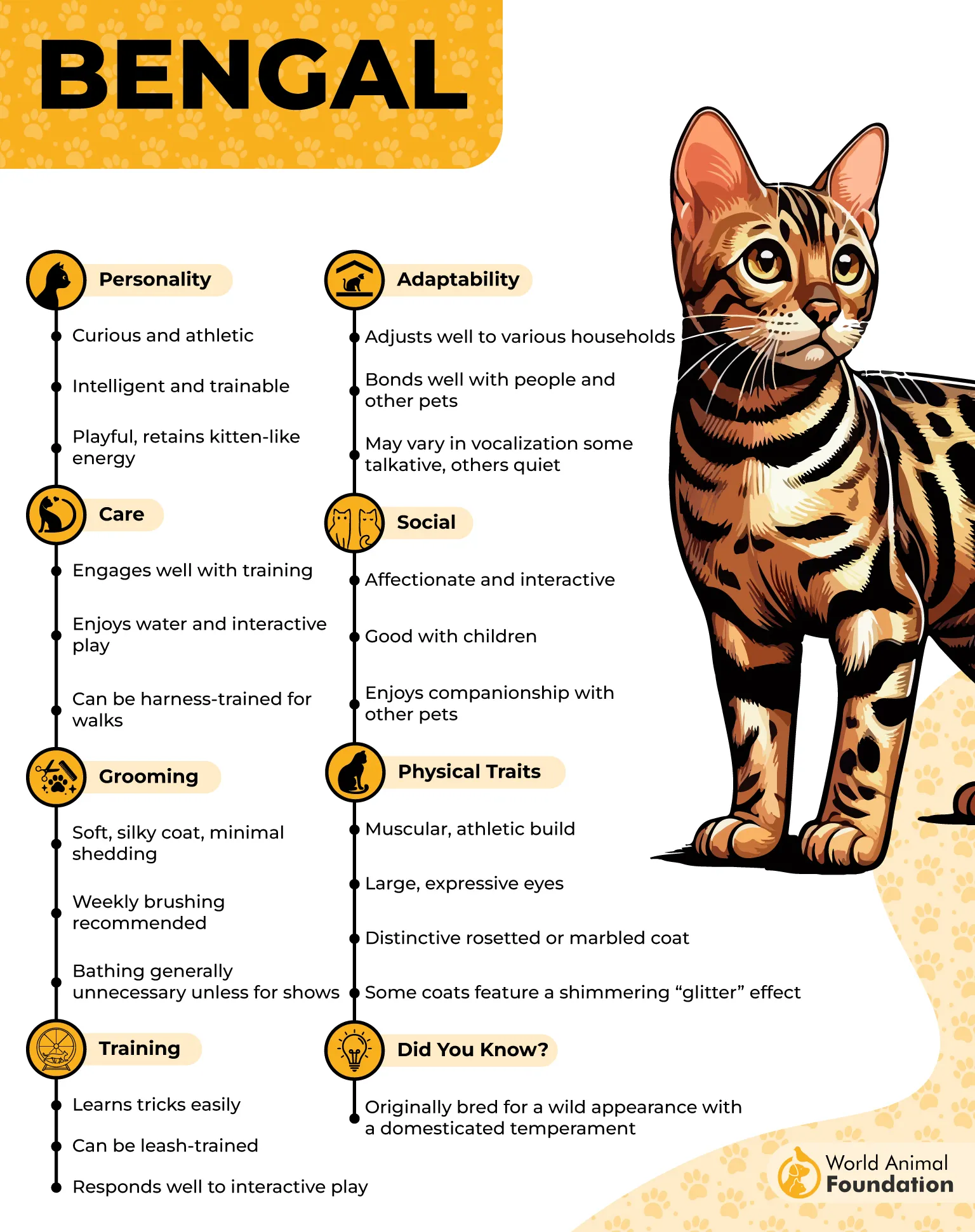
Their spotted or marbled coats feature dramatic rosettes—markings rarely seen in other domestic cats—which give them a true wildcat appearance. This short, silky coat shimmers in shades ranging from warm golds to cool silvers, reinforcing the Bengal’s reputation as a living piece of jungle art.
Bengals are famously active and fearless, often drawn to climbing, water play, and exploring elevated spaces. Their confidence and curiosity mean they thrive in homes that offer constant enrichment, interactive play, and opportunities to channel their boundless energy.
Highly intelligent and people-oriented, Bengals can learn tricks, enjoy leash walks, and eagerly engage with their humans.
Fact: The Bengal is the only domestic cat breed known for leopard-like rosetted markings similar to wild big cats.
2. Savannah
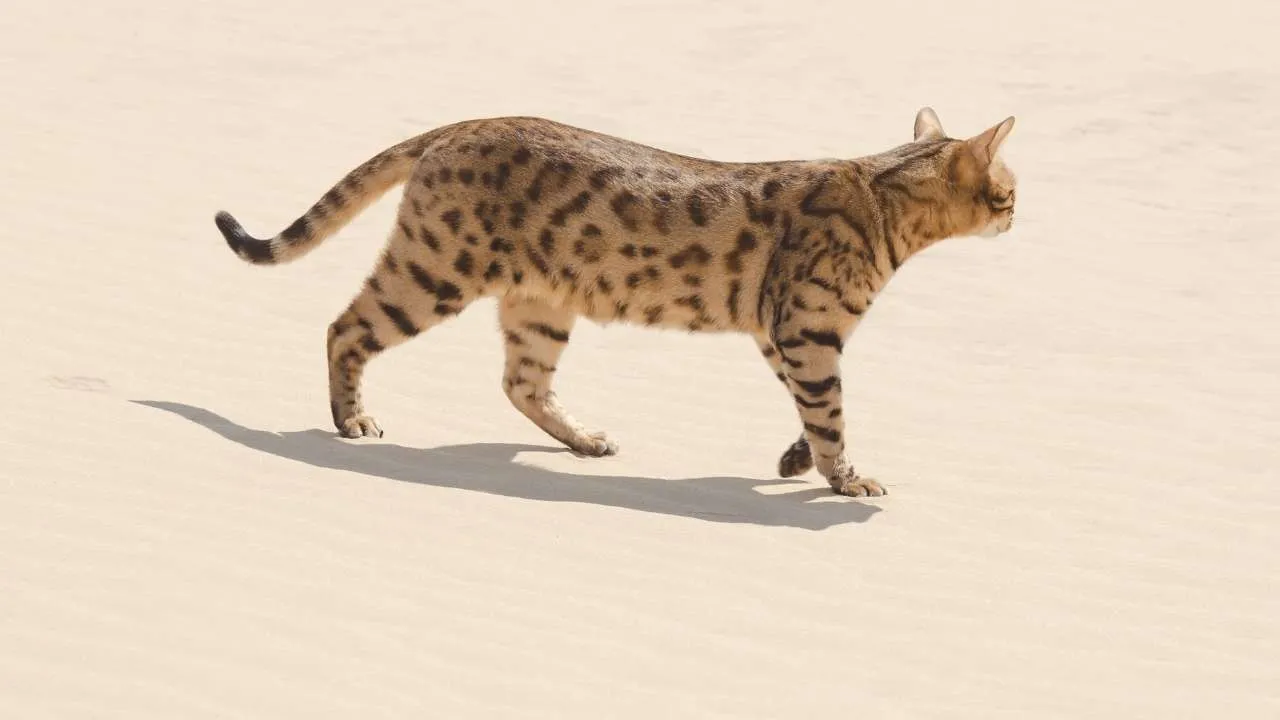
Also known simply as the Savannah cat, this striking hybrid breed is famous for its serval-inspired appearance and commanding presence.
According to Purina, the Savannah cat has a playful, adventurous, and loyal personality.
Developed from a cross between a domestic cat and the African serval, the Savannah showcases long legs, oversized ears, and an unmistakably exotic silhouette.
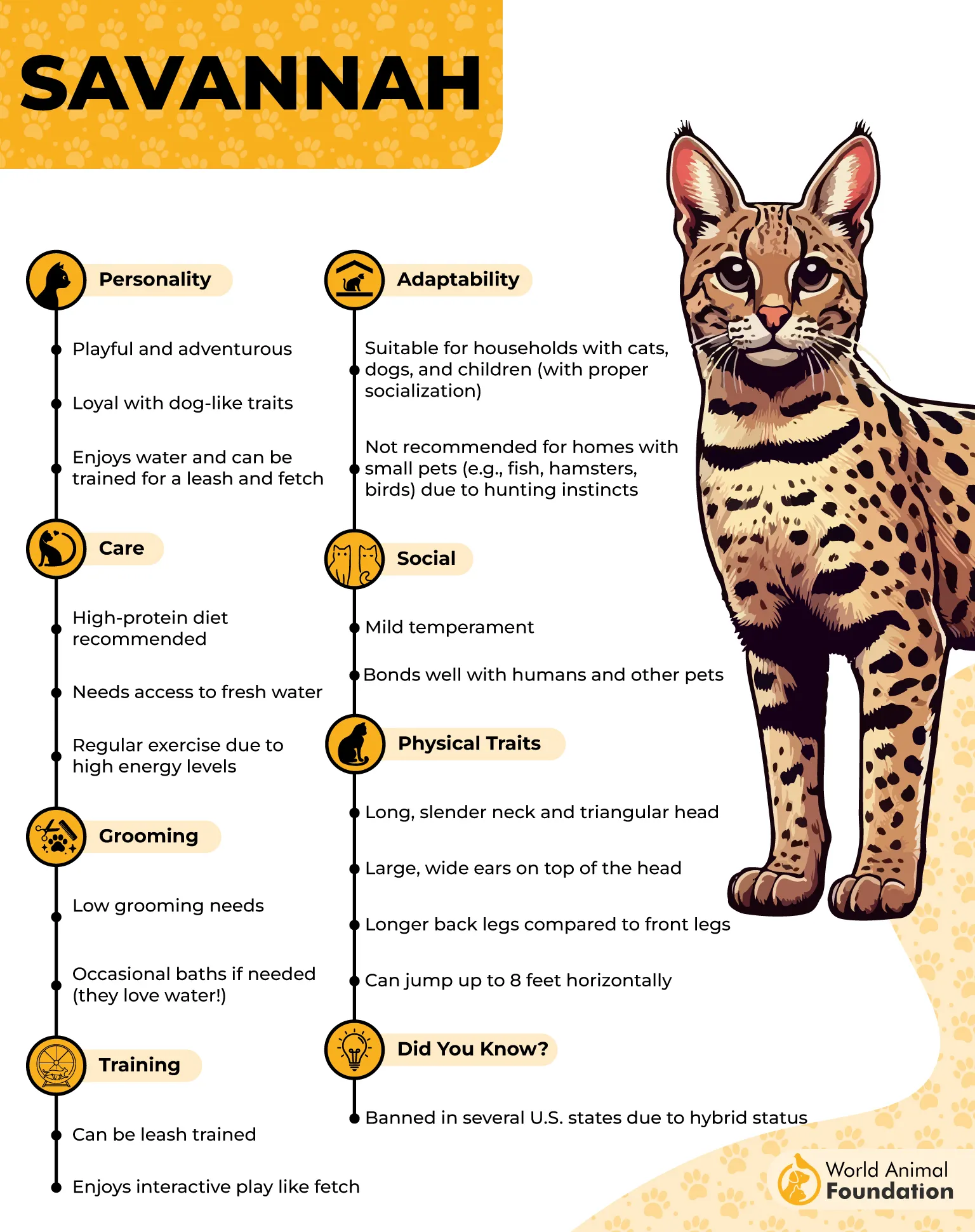
Its coat is decorated with bold, solid spots that closely resemble those of wild African cats, often set against golden, silver, or smoky backgrounds. These dramatic markings, paired with an elegant frame, give the Savannah one of the most authentic wildcat looks found in a domestic setting.
Savannahs are intensely active and curious, thriving on advanced enrichment such as simulated hunting games and interactive challenges. Their athleticism and confidence mean they need constant engagement and space to explore, making them better suited to experienced cat owners.
Despite their independent streak, Savannahs can be deeply loyal and social with their humans, often described as dog-like in devotion.
Fact: The Savannah breed traces back to the first known kitten born in 1986 from a domestic cat and an African serval and is officially recognized by TICA.
3. Ocicat
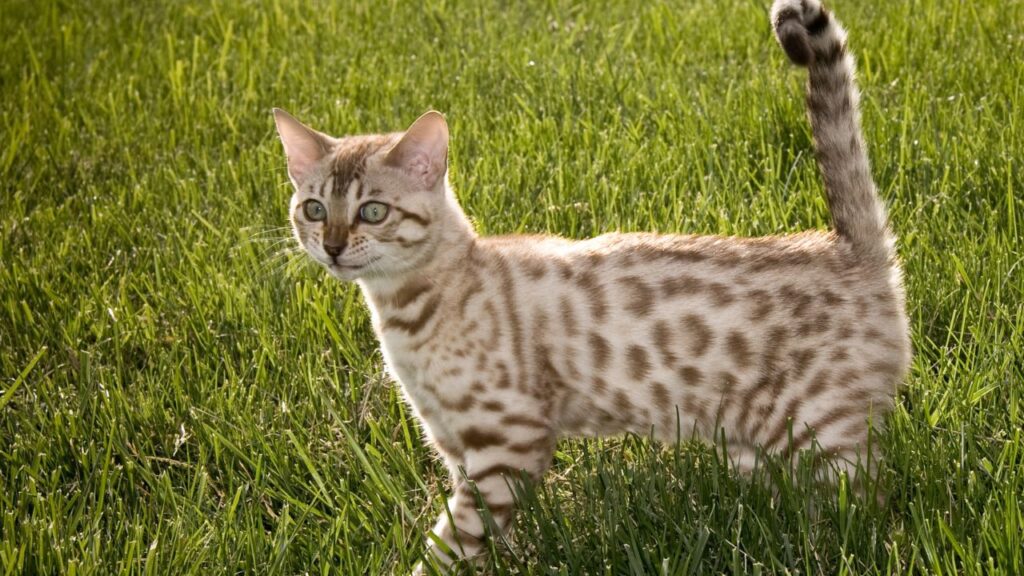
Sometimes called the Oci, the Ocicat is a purely domestic breed that looks strikingly wild despite having no wildcat ancestry.
Developed in the United States, this athletic, spotted cat was an accidental success that quickly gained attention for its bold appearance and confident personality.
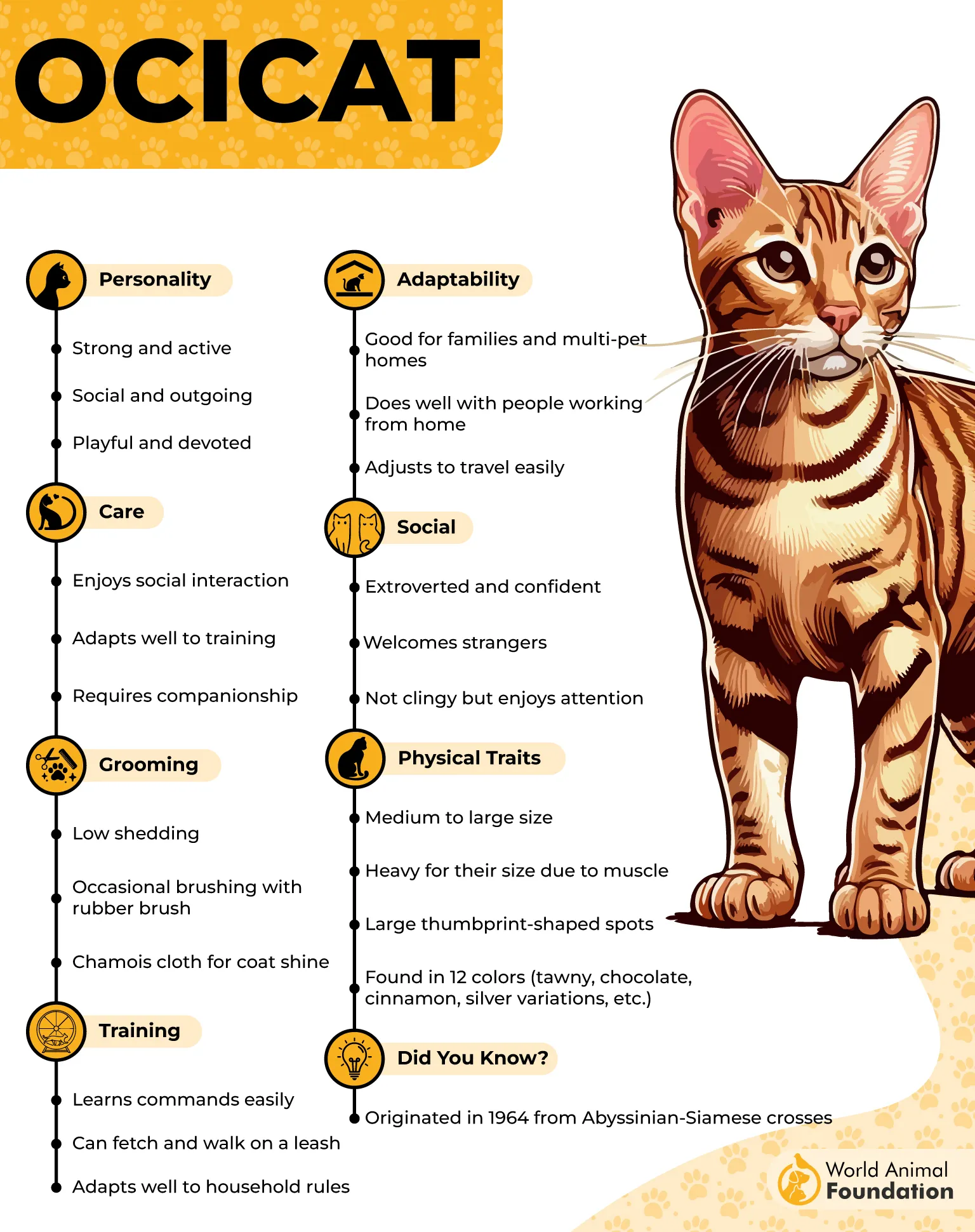
Its coat is covered in clear, thumbprint-like spots that form dramatic patterns along the body, including a distinctive “bullseye” on the sides. The short, satin-like fur enhances the contrast of the markings, giving the Ocicat a powerful, big-cat silhouette reminiscent of jungle hunters.
Beneath that wild pattern is a surprisingly gentle and people-focused nature. Ocicats are social, highly interactive, and known to follow their owners from room to room, eagerly joining daily activities rather than keeping their distance.
Intelligent and energetic, they enjoy puzzle toys, simulated hunting games, and even learning commands like fetching or walking on a leash.
Fact: The Ocicat was created accidentally in the 1960s while breeders were attempting to develop a Siamese with Abyssinian-style coloring.
4. Egyptian Mau
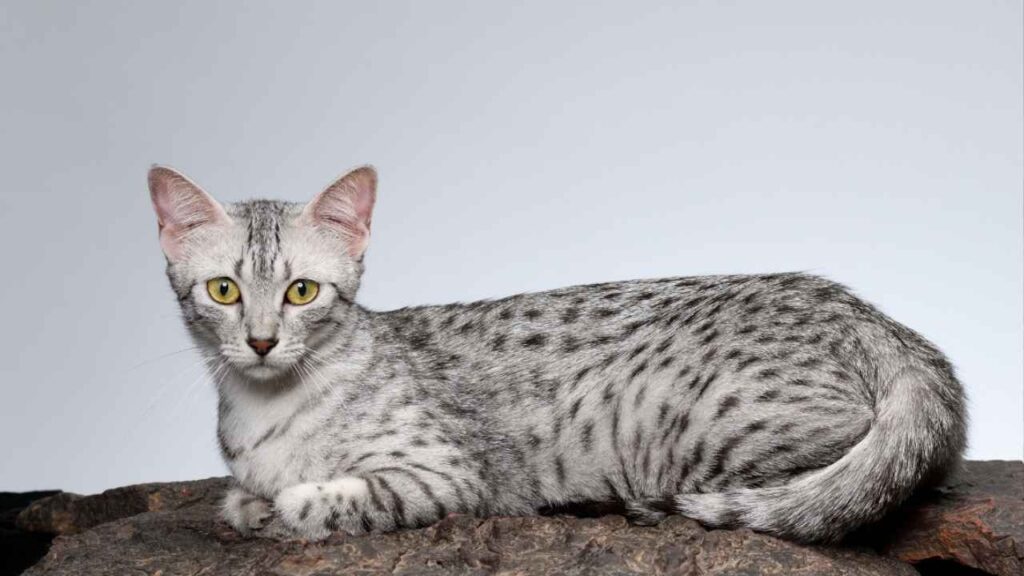
Also called simply the Mau, this ancient breed is one of the few domestic cats with naturally occurring spots rather than man-made patterns. With roots tracing back to ancient Egypt, the Egyptian Mau carries a regal presence and a sleek, athletic silhouette that echoes its wildcat ancestors.
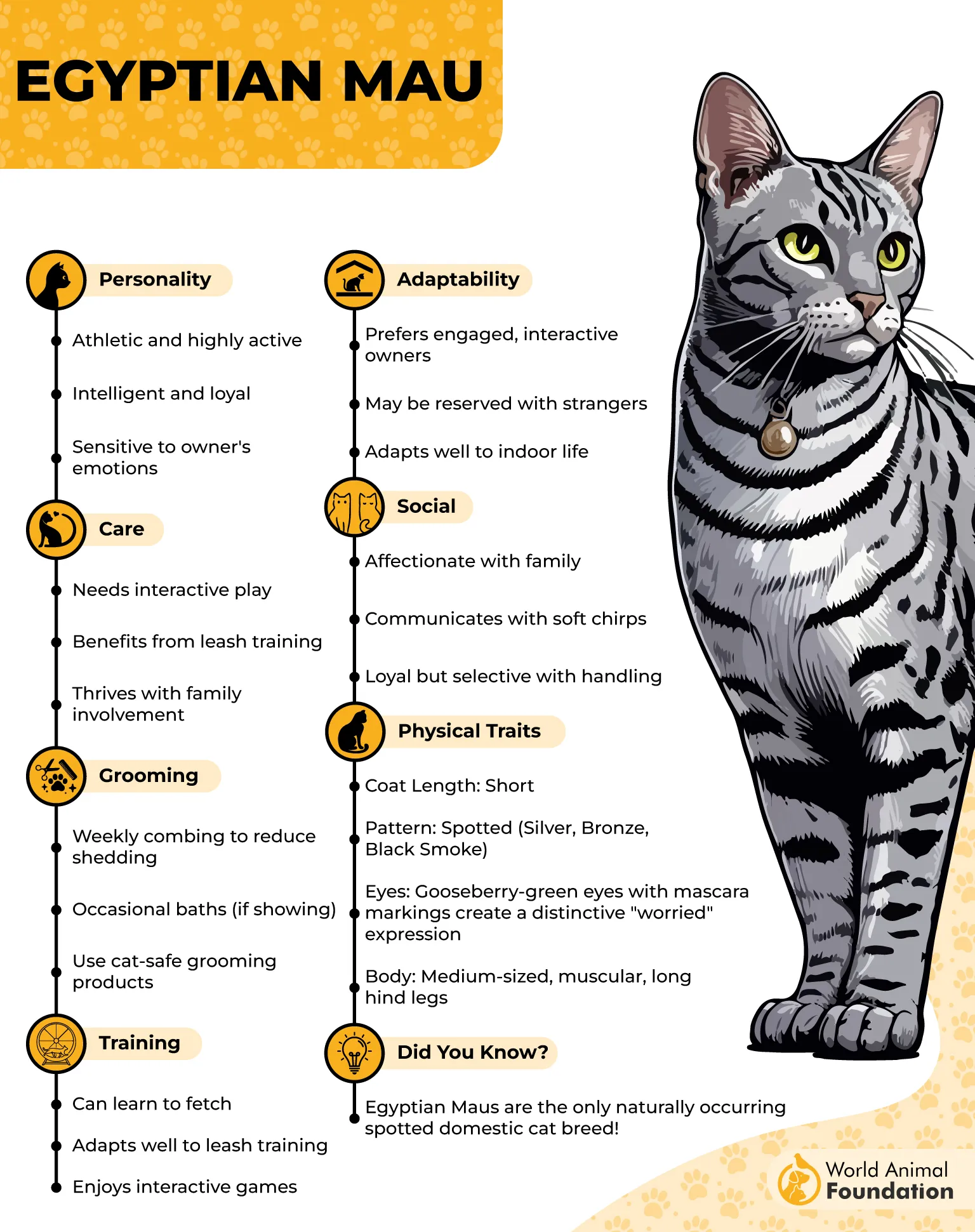
Its short, dense coat is decorated with bold, randomly scattered spots that create a truly untamed look. Large, expressive eyes and neatly shaped paws enhance the breed’s elegant appearance, giving it the alert, refined expression often associated with cats depicted in early Egyptian art.
Built for speed and agility, the Egyptian Mau thrives on movement and exploration. Its muscular frame supports powerful sprints, quick turns, and impressive leaps, reinforcing its reputation as one of the most athletic spotted domestic breeds.
Despite its exotic appearance, the Mau is deeply loyal and people-focused, often preferring to stay close to familiar humans rather than roam.
Fact: The Egyptian Mau is considered the only naturally spotted domestic cat breed and is capable of remarkable running speed compared to other house cats.
5. Serengeti
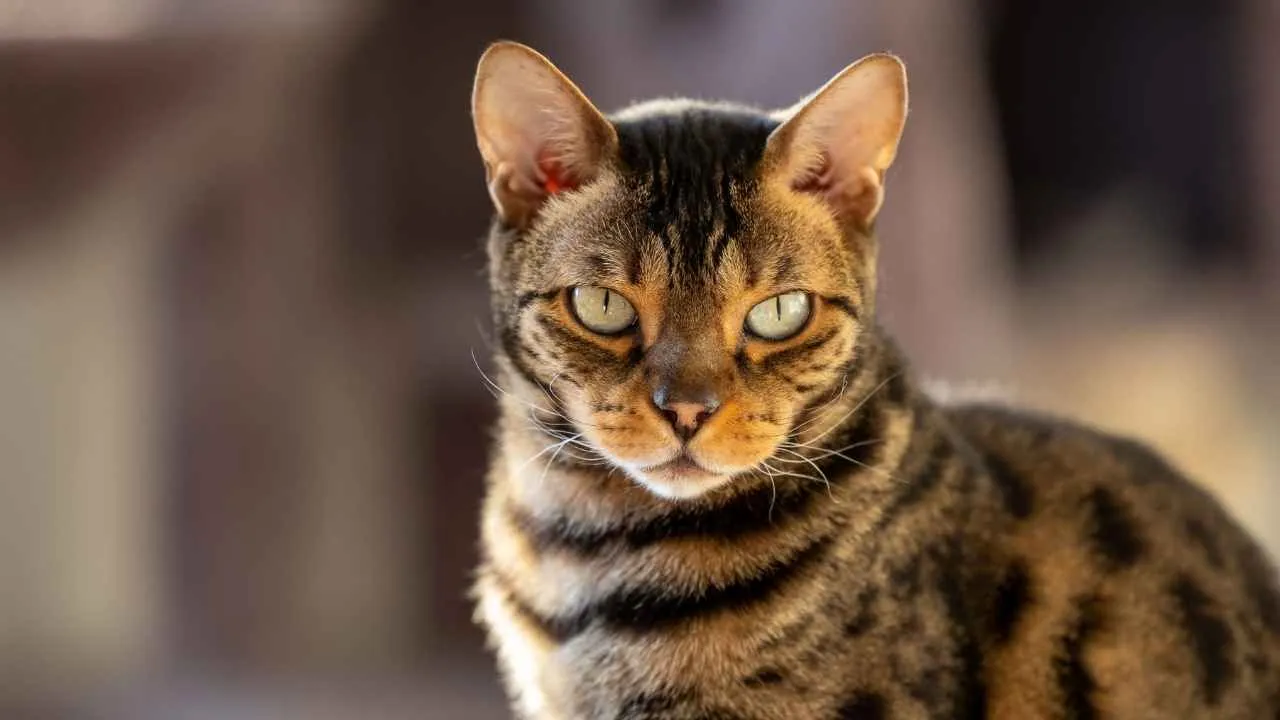
Often simply called the Serengeti cat, this striking breed was developed to mirror the look of an African serval without any wild blood. Created by crossing the Bengal with the Oriental Shorthair, it combines a sleek frame, long legs, and oversized, rounded ears with a distinctly wild silhouette.
Its short, glossy coat is marked with bold, widely spaced spots that resemble those of jungle-dwelling wildcats. Even darker-coated individuals often display subtle “ghost” spotting, reinforcing the Serengeti’s exotic, safari-inspired appearance while remaining entirely domestic.
Built for agility, the Serengeti is an exceptional jumper and climber, moving through the home with confidence and athletic grace. This physical prowess adds to the illusion of a small wild predator, making the breed especially appealing to fans of spotted wildcat aesthetics.
Despite its fierce look, the Serengeti is social, playful, and people-focused. It can be vocal, enjoys companionship, and adapts well to multi-pet households when introduced thoughtfully.
Fact: The Serengeti was intentionally developed to resemble a serval but contains no serval ancestry at all.
6. Pixiebob
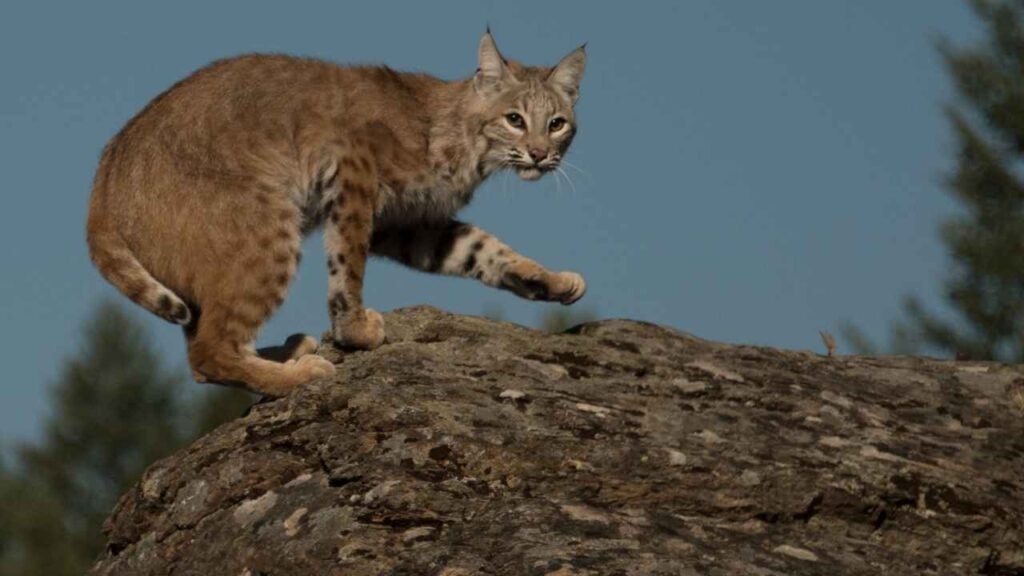
Also called the Pixie-Bob, this striking breed was developed to resemble the wild Coastal Red Bobcat of the Pacific Northwest. With its naturally bobbed tail, spotted tabby coat, and hooded eyes, the Pixiebob delivers an unmistakable wildcat look in a fully domestic companion.
Its coat typically appears in warm brown spotted tabby tones, softened by heavy ticking that gives the markings a subtle, natural finish. Many Pixiebobs also feature ear tufts and polydactyl paws, adding to their rare, rugged appearance that mirrors wild forest cats.
Despite their fierce look, Pixiebobs are known for being deeply social and people-focused. They enjoy staying close to their families, often following humans from room to room and communicating with soft chirps rather than loud meows.
Confident and intelligent, this breed balances bold curiosity with steady companionship. Pixiebobs often get along well with other pets and thrive in interactive households that appreciate both their wild aesthetic and affectionate nature.
Fact: The Pixiebob was officially recognized by The International Cat Association (TICA) in 1995 after being developed in Washington state during the 1980s.
7. California Spangled Cat
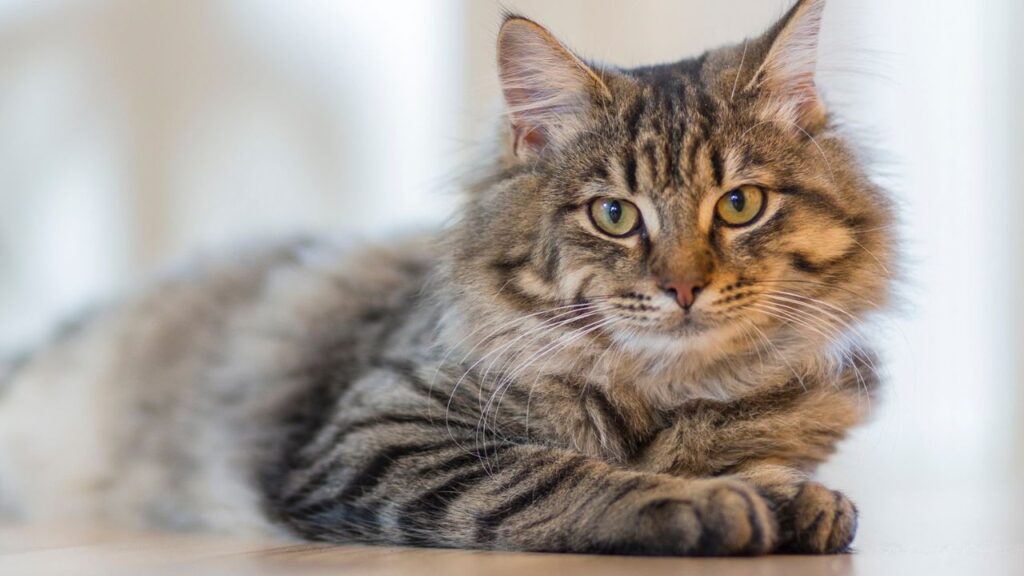
Also known simply as the California Spangled, this breed was intentionally developed to mirror the look of a true wildcat. With a long, athletic frame and a low, stalking gait, it strongly resembles a miniature leopard designed for domestic life.
Its short, plush coat showcases bold spots and rosettes in striking contrast, creating a dramatic wild appearance. These markings can appear in a wide range of colors, all carefully bred to emphasize the illusion of a jungle predator roaming the home.
Built with powerful legs, rounded paws, and a long, tapered tail, this cat moves with confidence and purpose. Its alert posture and expressive eyes reinforce the impression of a feline always ready to explore and observe its surroundings.
Despite the fierce look, the California Spangled is known for being people-friendly and adaptable.
Fact: This breed was originally created to raise awareness about wildlife conservation by bringing a wildcat look into responsible domestic ownership.
Conclusion
These spotted domestic cats capture the mystique of wild cats while fitting seamlessly into life with a human family. Their markings help them resemble wild cats, drawing inspiration from wild cat species like the African wildcat, European wildcat (Felis silvestris), Asiatic wildcat, and even rarities such as the bay cat, sand cat, and black footed cat.
From the iconic Bengal cat to other examples of a spotted cat breed, these cats echo traits seen in Lynx rufus, Eurasian lynx, Geoffroy’s cat, and Felis chaus, including large ears, short tails, and thick fur adapted for stalking small mammals in tall grass.
While they look like large cats or a mountain lion in miniature, these are still small cat companions bred for domestic life. Responsible breeding, later generations, proper cat food, and attention to animal welfare ensure they thrive as human companions.
From solid black panther-like looks to bold spots seen in breeds that look exotic, these cat breeds that look wild celebrate nature without the risks faced by critically endangered wild cousins across South America, Southern Africa, Central Asia, and Southern Brazil.
