




We often talk about dogs that have the longest lifespans- but what about those who don’t get to live long enough? Well, it’s true that no matter how much we expect everlasting companionship from our canines, eventually they are going to leave us.
While some dogs live their life to the fullest, others live shorter due to many factors like size and genetics. Mixed breeds or brachycephalic dog breeds are said to have shorter life expectancy. Selective breeding decreases the chances of life for them, especially in giant dog breeds.
This guide is especially written to focus on dog breeds that don’t enjoy a good lifespan like others. Well, that doesn’t mean they’re less special; every dog gives equal love and affection.
Dive in to find out why these seven dog breeds have the shortest lifespan and help owners to provide better care throughout the dog’s life, which can also lead to longevity.
Dog Breeds That Don’t Live as Long as Others
1. Bernese Mountain Dog
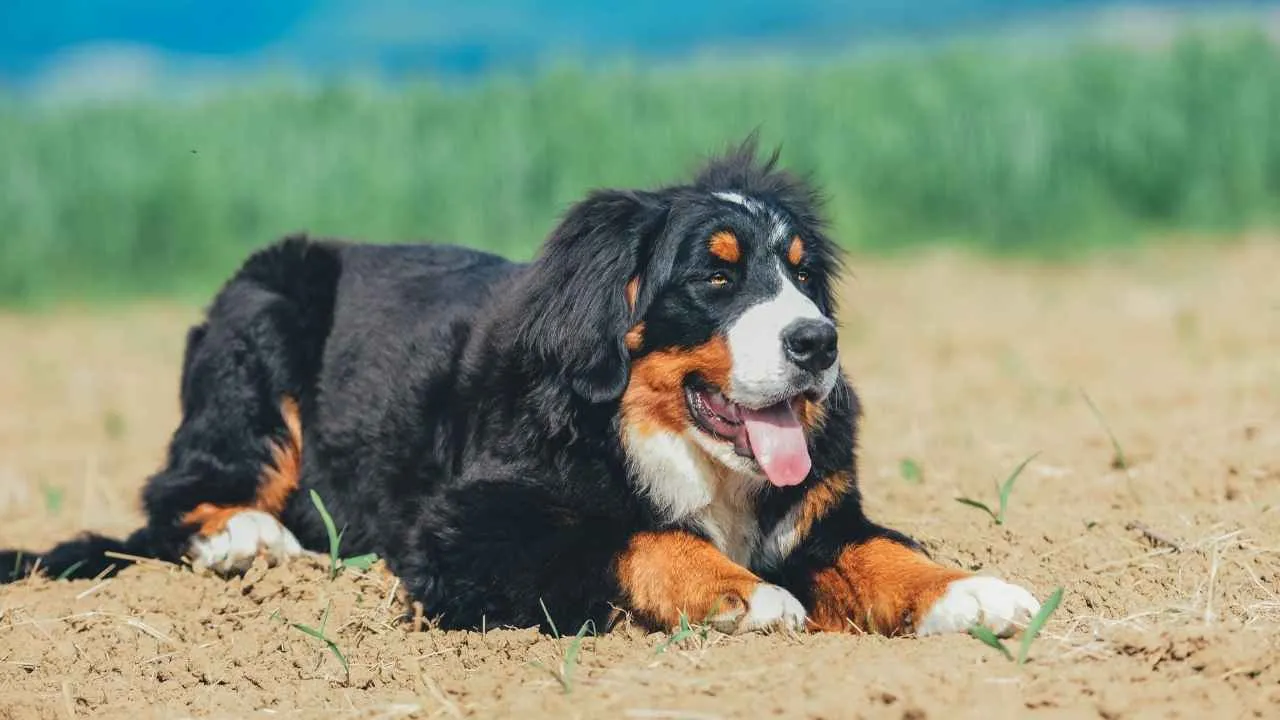
Life expectancy: 6-8 years
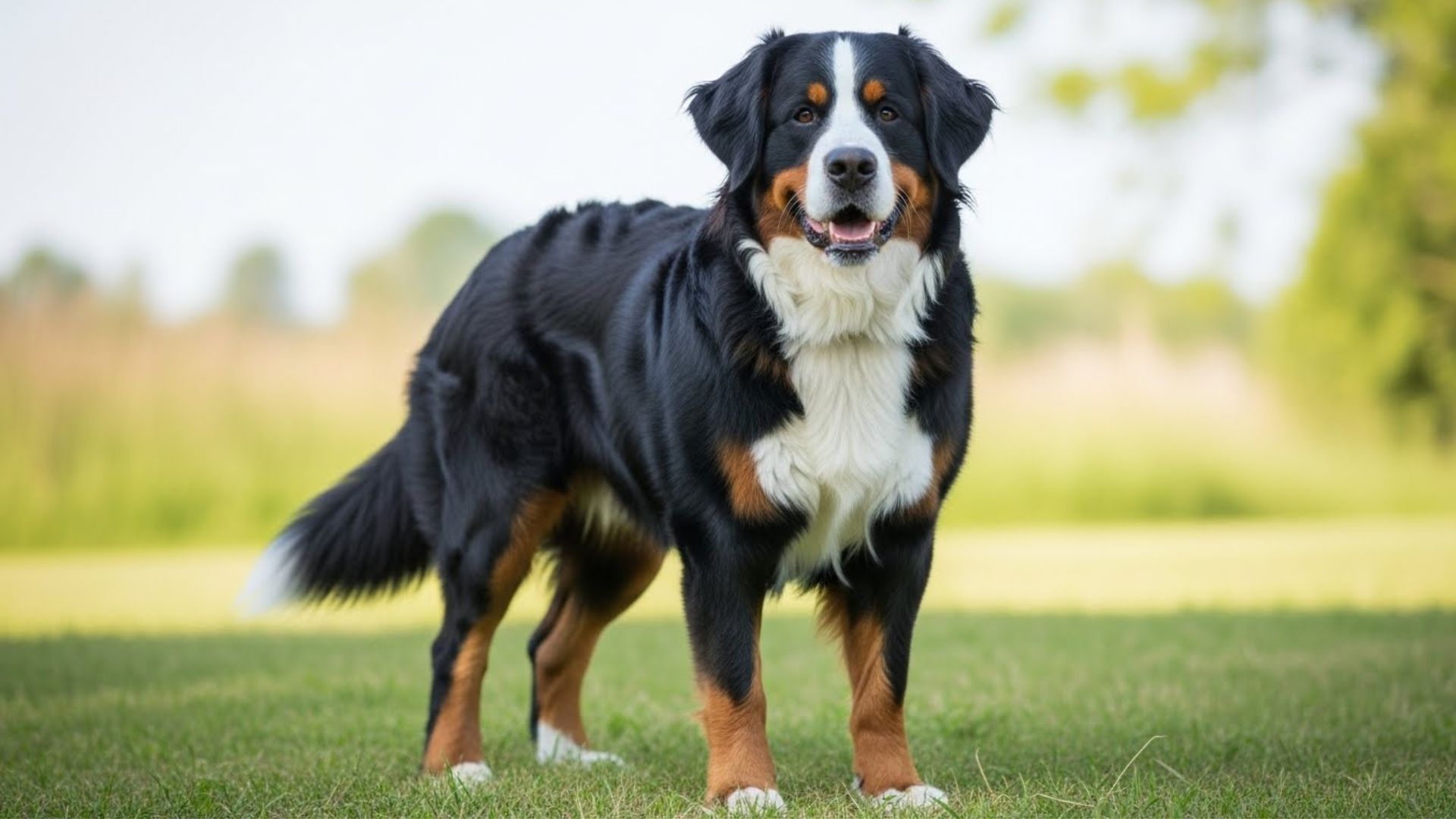
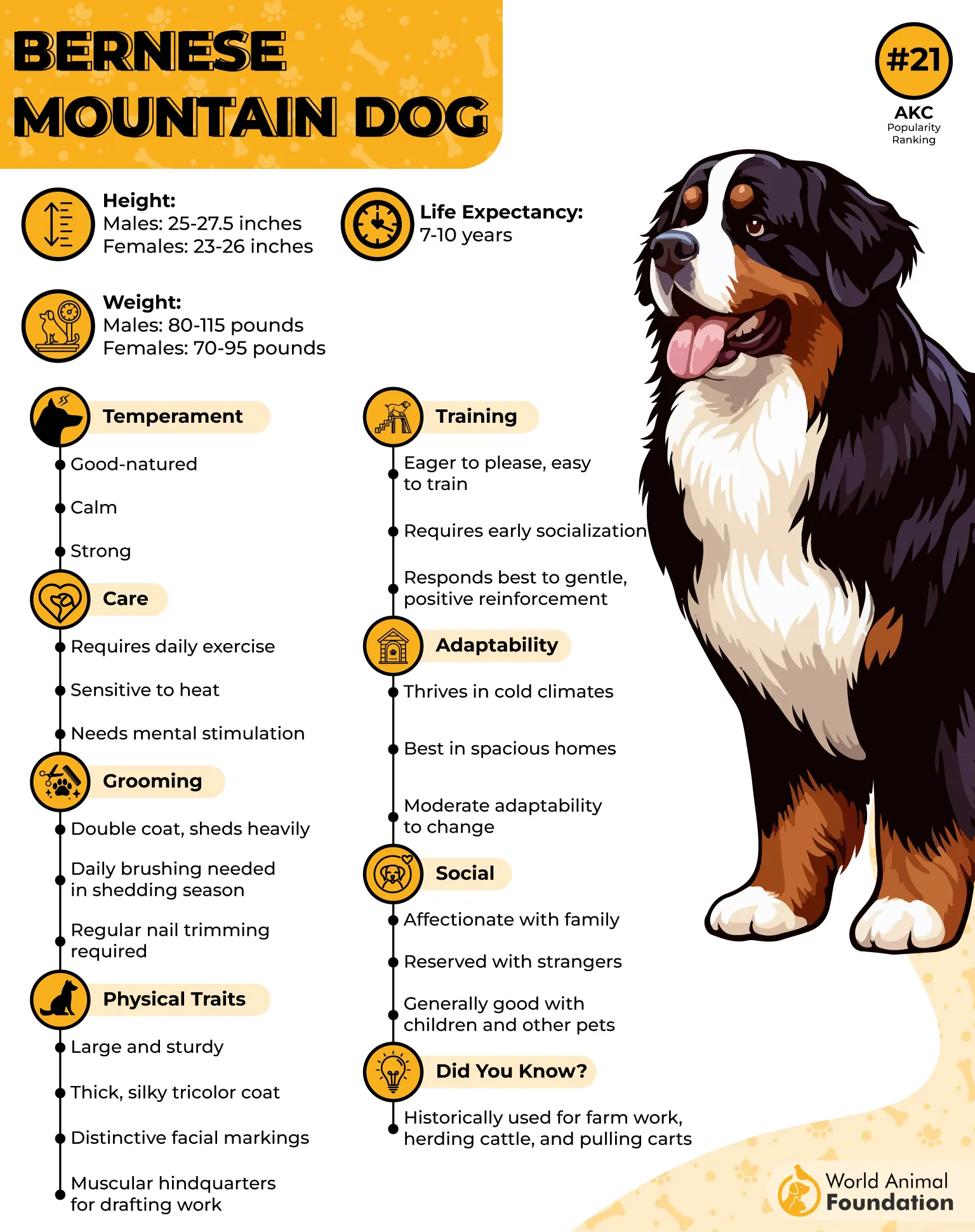
Lovingly called “Berner”, it is a beautiful dog breed with a sweet and gentle nature. Originally bred in Switzerland, these working dog breeds were used to serve on ranches and farms. They are large and muscular, tricolored breeds with an intelligent gleam and noble appearance.

Personality
Bernese Mountain Dogs are great family pets, too. They are affectionate with almost everyone, including children, adults, and other pets alike. They are generally distrustful of strangers and act reserved around them. Their intimidating size may be enough to deter intruders, but these gentle breeds aren’t threatening at all.
Care Tips
These dogs are liable to serious diseases like cancer. Instantly take them to the vet in case of sudden weight loss.
A proper diet packed with whole nutrition can help them live longer with good health.
Regular walks and playtimes can reduce the problematic behaviors in this breed.
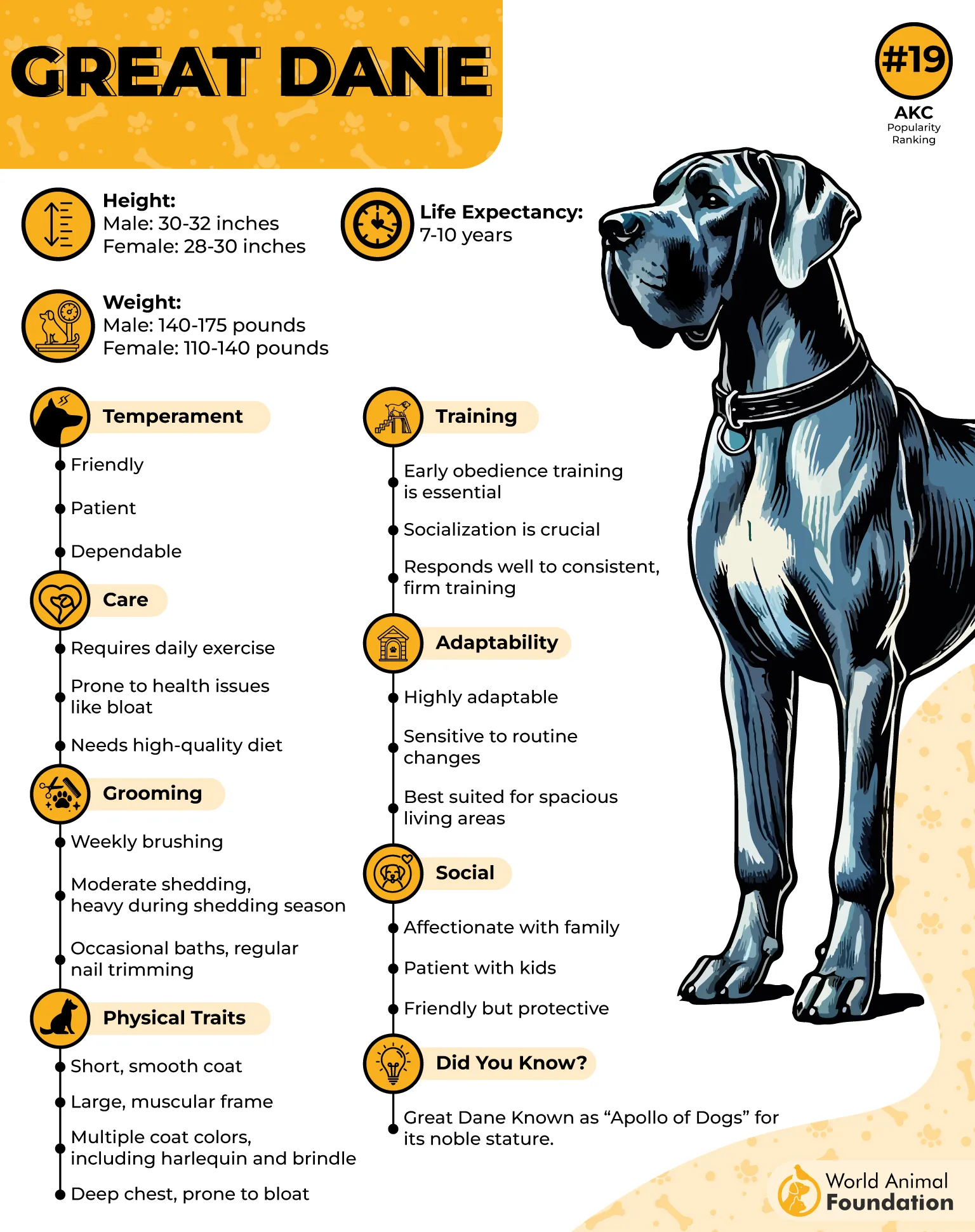
2. Great Dane
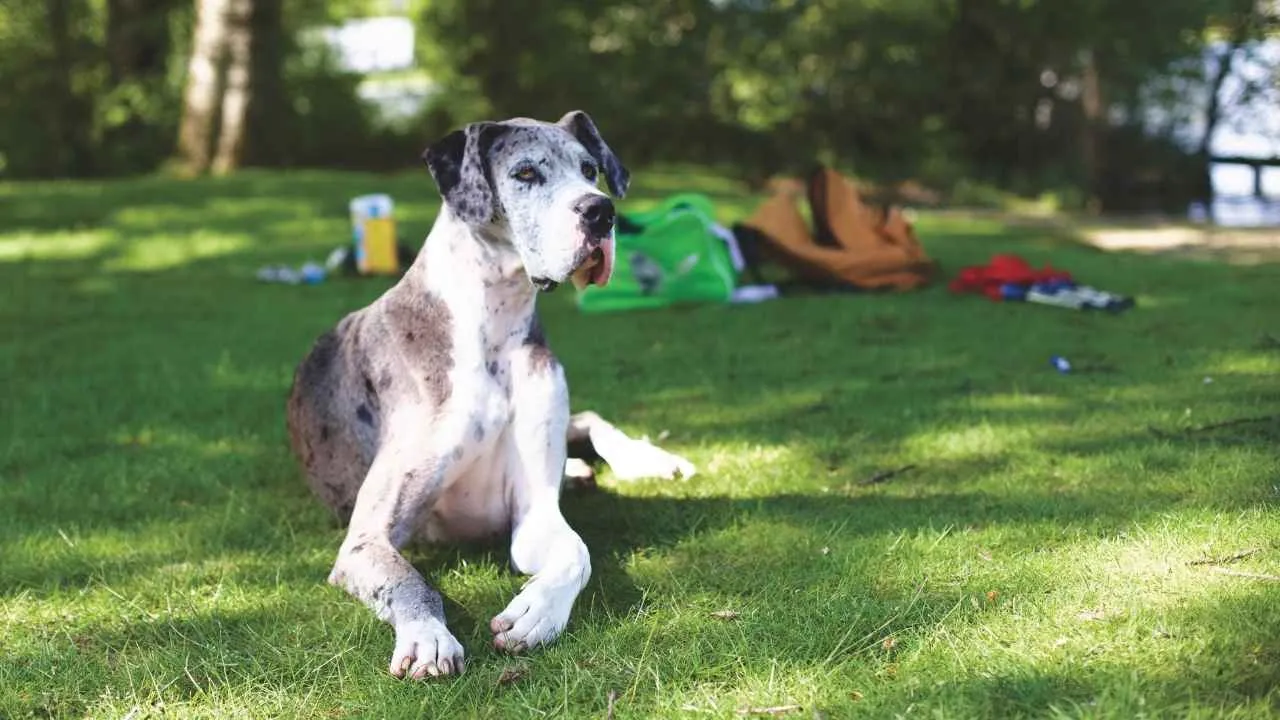
Life expectancy: 8-10 years
Also known as the “Apollo of Dogs”, Great Danes are strikingly beautiful and easygoing breeds. They were originally developed in 18th century Germany to hunt wild boars and guard estates. Unfortunately, these tall and muscular breeds don’t fare very well in longevity. According to the AKC, most Danes get to live for 8-10 years, some for 6-7 years, and only the lucky ones reach the age of 12.
Personality
Great Danes are friendly and dependable guardians. Many dog owners delightfully describe their experience with these gentle giants. They tend to be patient, playful, and affectionate towards children, as stated by Hill’s Pet. This breed is easy to train and does not bark often. Danes make great watchdogs and protection dogs.
Care Tips
Like many other breeds, they are prone to canine hip dysplasia, which can lead to arthritis. So early treatment and regular veterinary care are necessary.
These dogs eat far larger quantities of food than smaller dogs, so it is important to feed them two or three small meals a day to prevent bloating.
Upkeep can be difficult as these giant dogs drool a lot, so they require regular grooming.
3. Bullmastiff
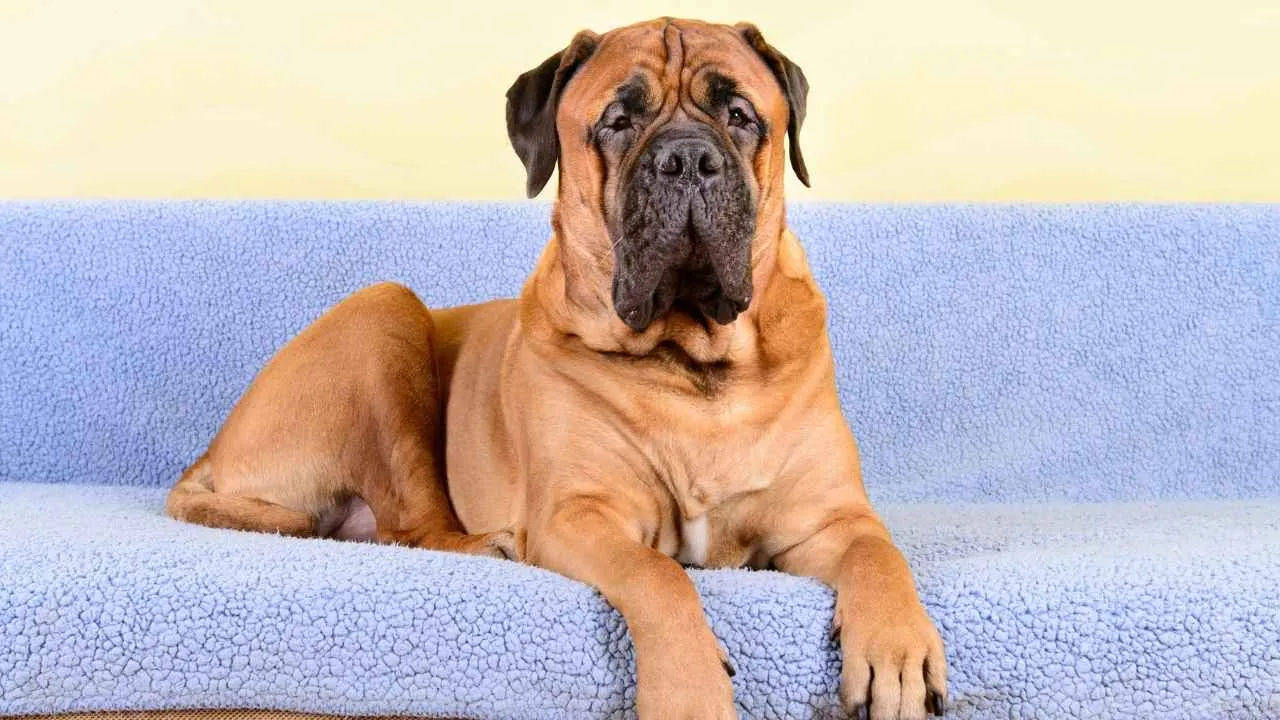
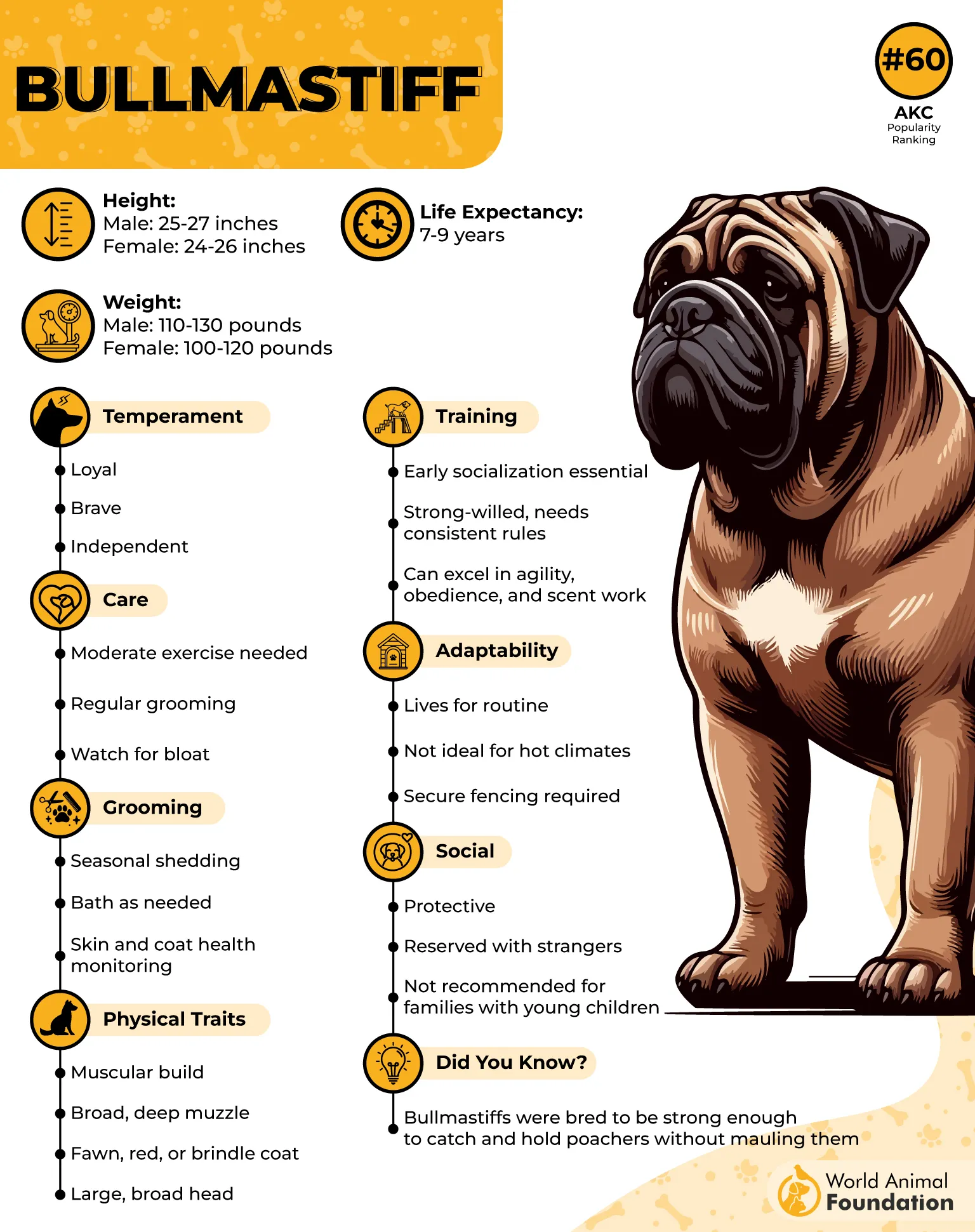
Life expectancy: 7-10 years
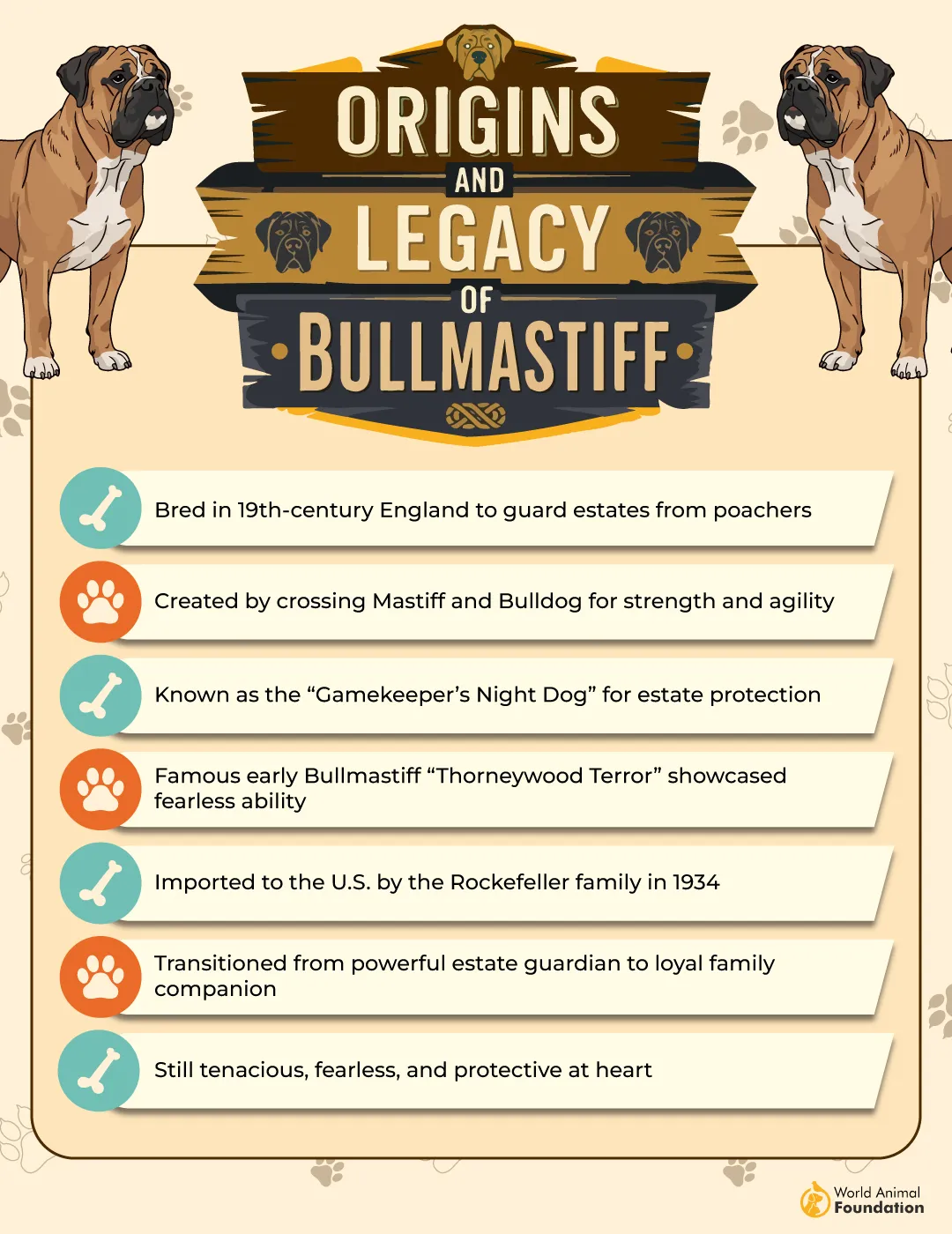
Bullmastiffs are the result of Bulldog and Mastiff breeding. This breed was so exceptional at its job that it earned the nickname ‘the gamekeeper’s night dog’. It has an overall square appearance with a broad, muscular, and powerful frame. Their huge size can strain their bodies over time, contributing to a relatively short lifespan.
Personality
Bullmastiffs are extremely devoted and protective companions. According to VCA, they are generally calm and gentle around children; sometimes they act overly possessive when a stranger comes into the picture.
They are totally family-oriented and show a laid-back attitude toward family members. However, they can be stubborn, so training can be challenging.
Care Tips
Bullmastiffs require a high-quality food in large portions, especially during puppyhood, to ensure good health.
Their coat requires weekly brushing to remove dead hair, while its deep facial wrinkles should be cleaned regularly.
Adult Bullmastiffs need around 30-60 minutes of exercise daily, including walks and outdoor play.
4. Saint Bernard
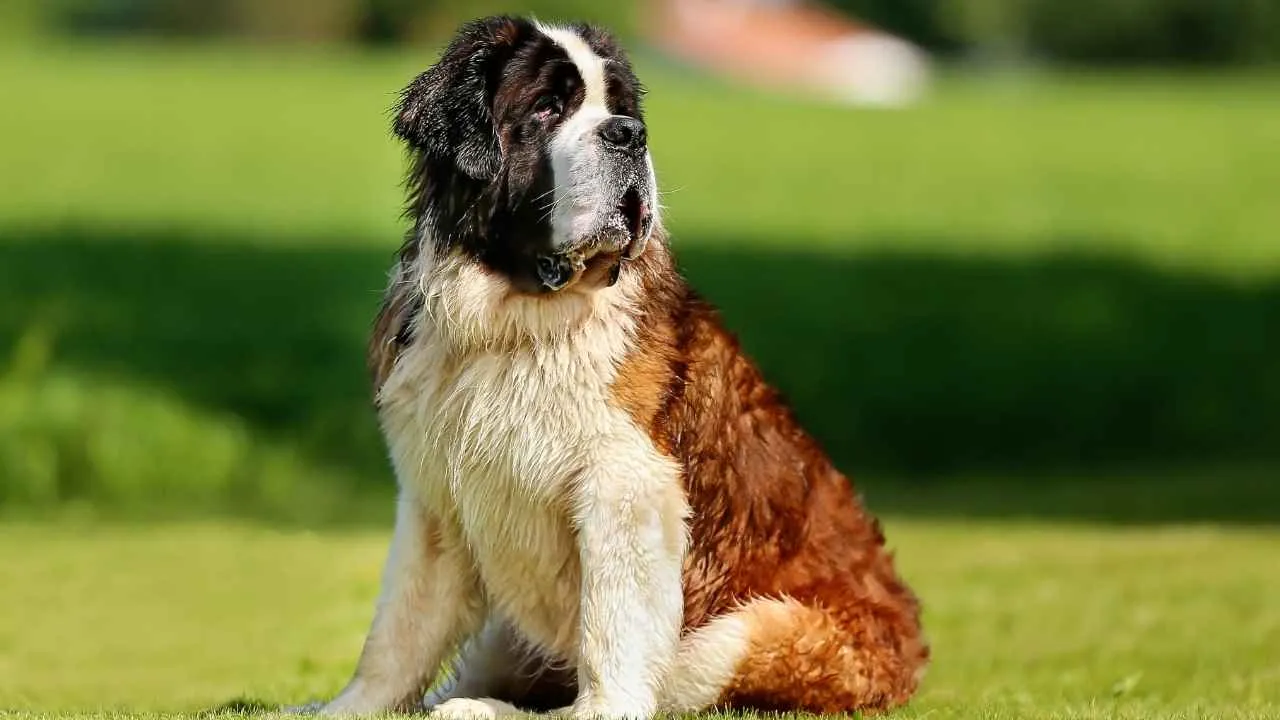
Life expectancy: 8-11 years
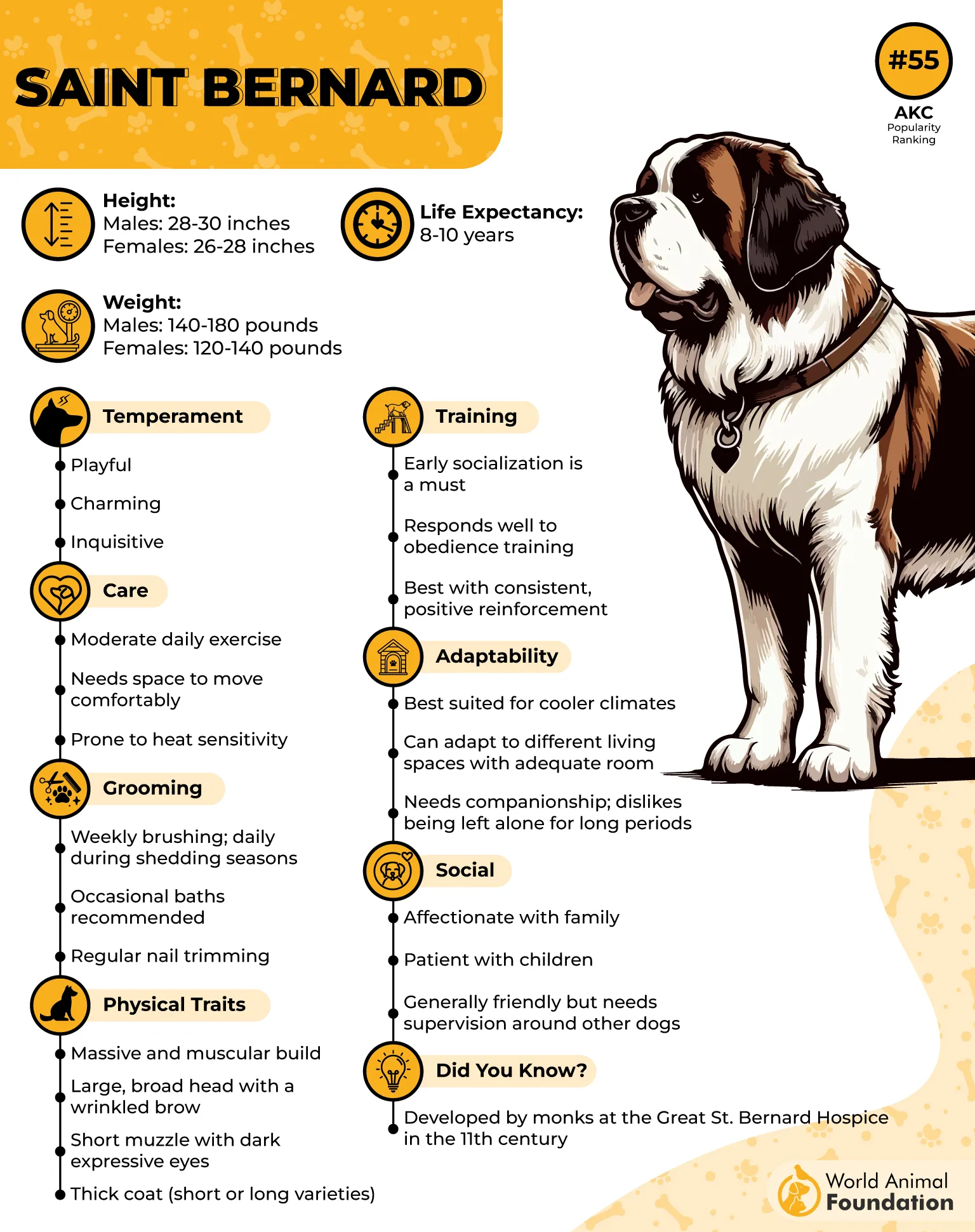
These large dog breeds are the true definition of gentle giants. Contrary to its overall imposing appearance, a Saint Bernard is an incredibly loving and inquisitive breed. This dog takes its name from the Giant Saint Bernard Pass, located between Switzerland and Italy. Their average lifespan is shorter than that of most giant breeds.
Personality
Saint Bernards are one of the most beloved breeds out there. They are also known as ‘nanny dogs‘ due to their gentle and nanny-like instincts towards children. They are reliable watchdogs, so don’t expect them to greet outsiders with a good attitude. They are generally adaptable but not recommended for first-time dog owners, as their size is too big to handle.
Care Tips
Saint Bernards are most often affected by osteosarcoma- a bone cancer. Regular checkups can help with early detection and prevention.
They must be trained and socialized consistently from an early age to ensure a well-adjusted dog.
These dogs need an hour of exercise every day, including walks, hikes, and play sessions.
5. Leonberger
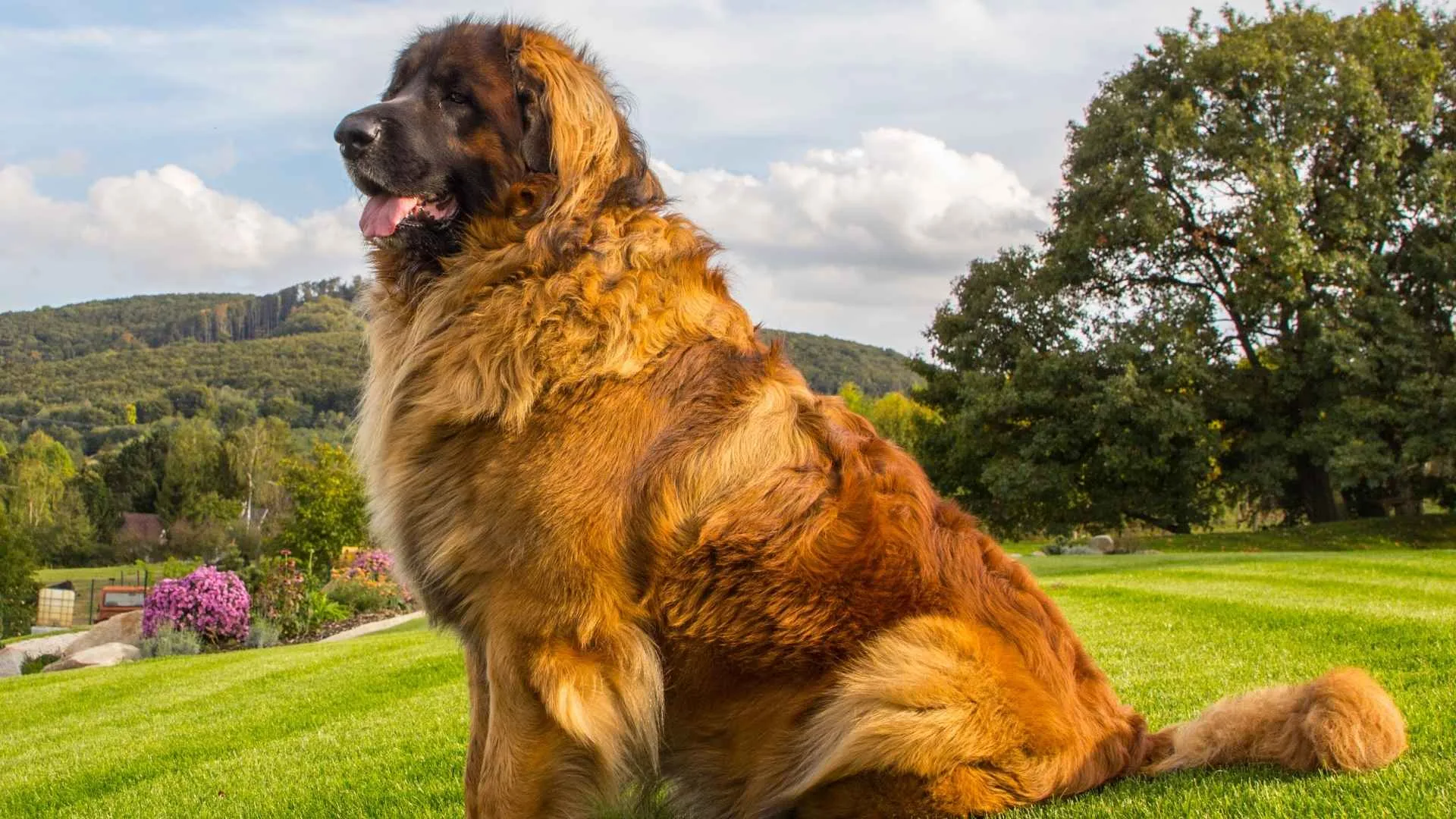
Life expectancy: 8-10 years
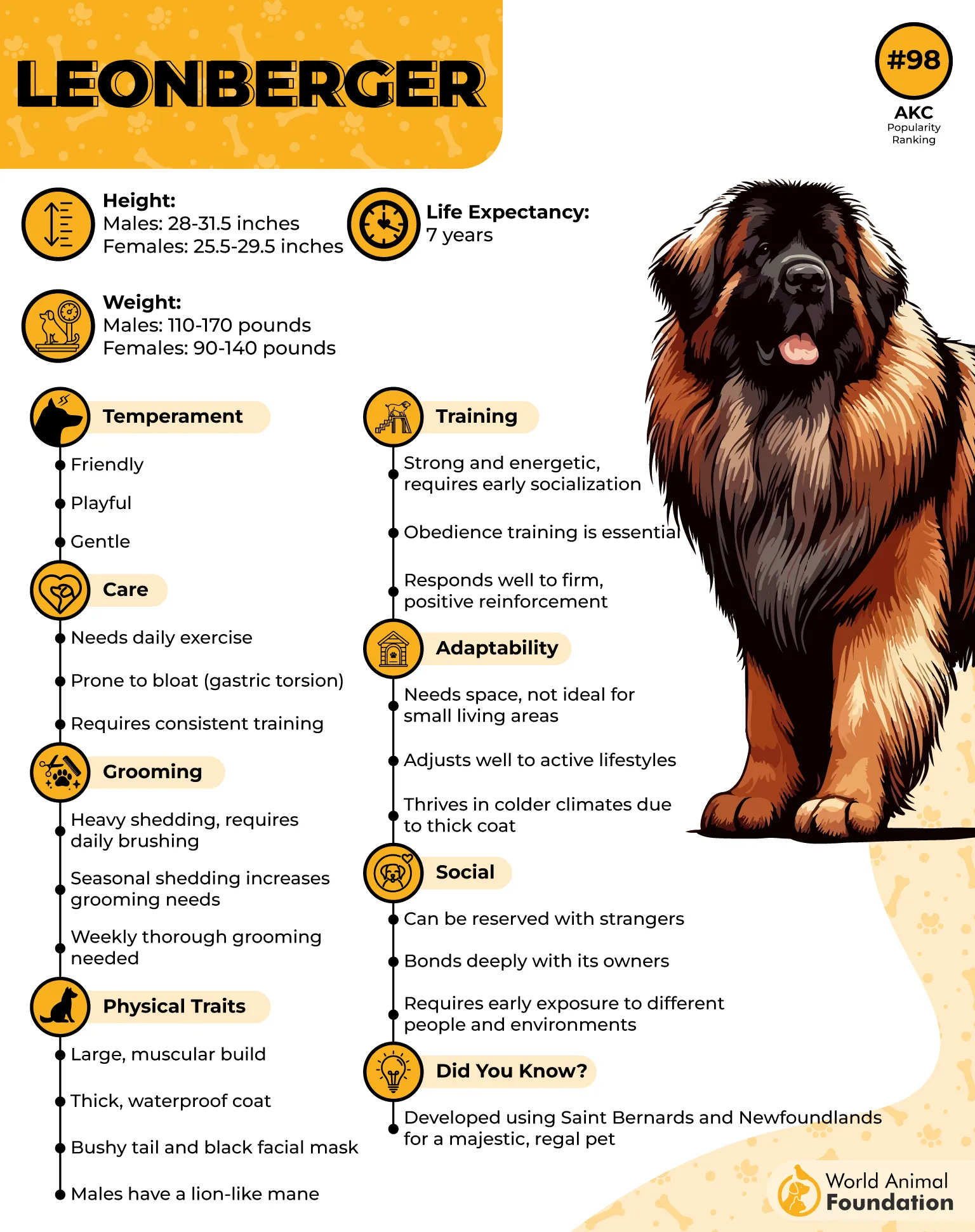
This furry friend is a huge, dignified breed with a close resemblance to a lion. They’re rare, but one of the most popular dog breeds worldwide. These noble breeds were originally bred in Germany as skilled working dogs, performing tasks like cart pulling and water rescue. They typically range from 8-9 years, but with proper care, they can live a healthy life up to 12 years.
Personality
Some may misunderstand this calm breed as lethargic, but the Leonberger is a highly active breed. All they need is constant attention and love from their owners. They are so eager to please, which makes them highly trainable, too. Outside, they’re generally reserved and sometimes show a stubborn streak. Proper socialization can help them get familiar with other dogs and pets.
Care Tips
Frequently brush and comb their thick double coat. Keep up with their oral hygiene.
Training is easy; use positive reinforcement techniques and some treats to lock in their attention.
Orvis recommends giving them eight cups of food per day, considering their weight and activity level.
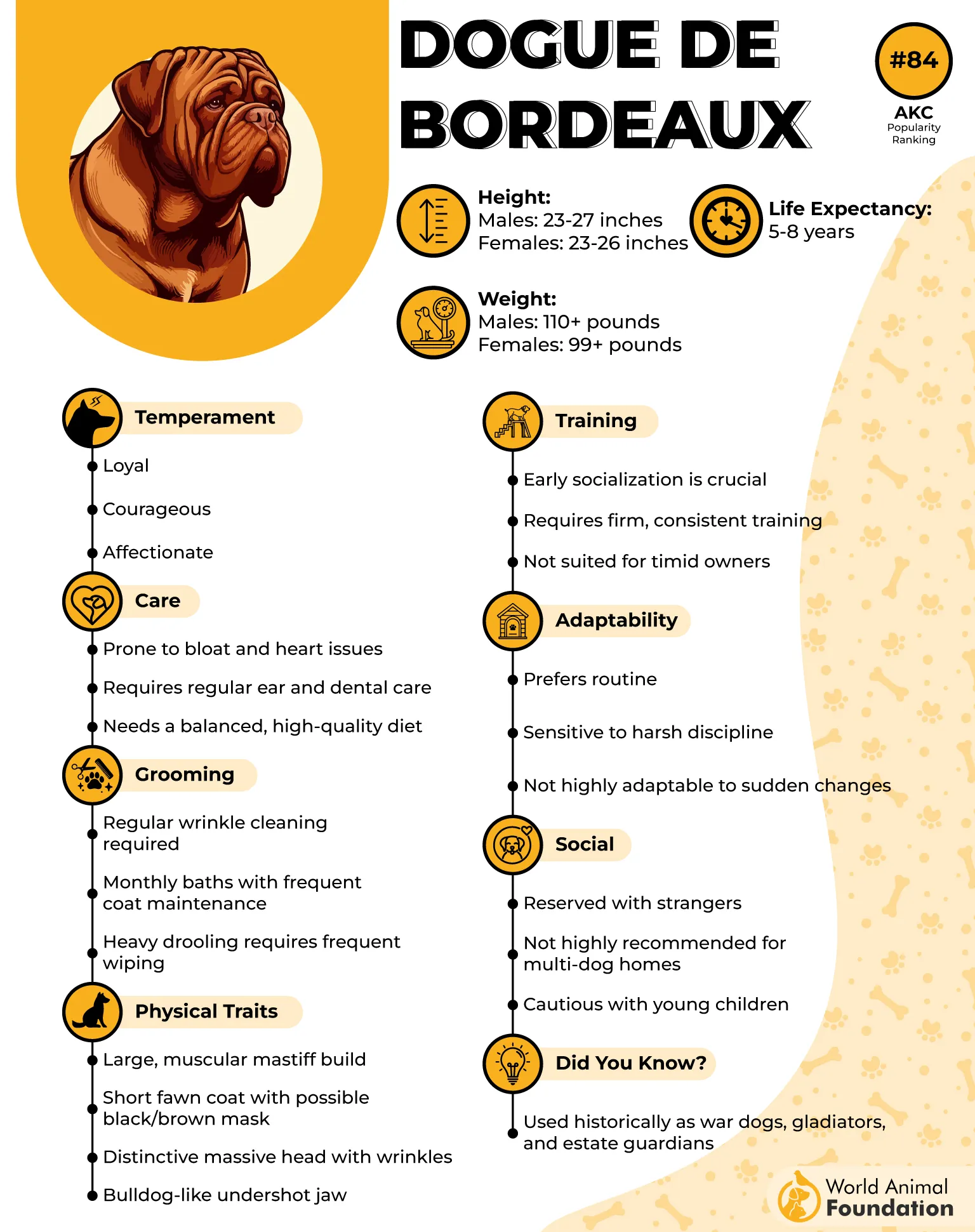
6. Dogue de Bordeaux
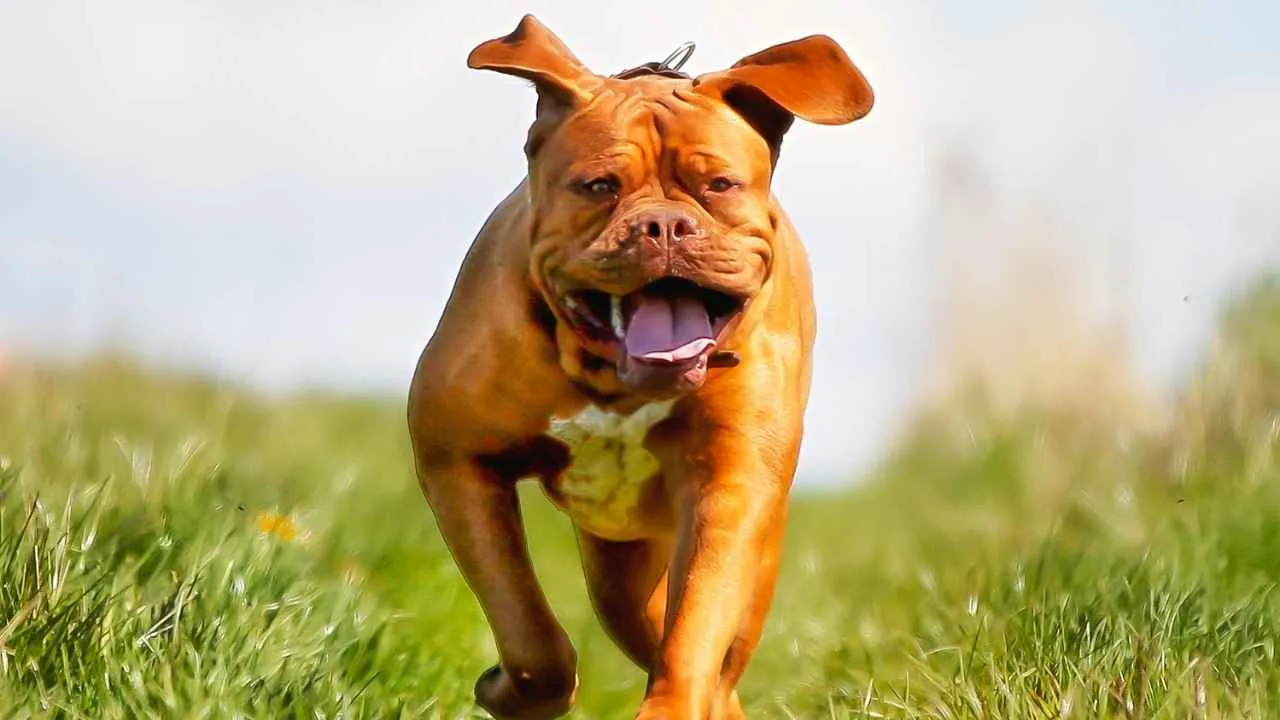
Life expectancy: 5-7 years
Also known as the Bordeaux Mastiff or French Mastiff, is a large dog breed from France, with a powerful, muscular build. Back in time, they were used for several purposes, such as guarding and protecting livestock, and large game hunting. The Dogue de Bordeaux hardly lives up to eight years.
Personality
DDBs are said to be loyal, courageous, and affectionate. They are family-oriented and maintain a calm disposition around children. These mastiff-type breeds are the ideal choice as a protector and companion. They’re watchful guardians but less aggressive, displaying a balanced temperament as a family pet with natural protective instincts.
Care Tips
These breeds drool a lot, so their unique facial folds need to be cleaned and dried regularly.
Establish a good feeding routine with a proper, balanced diet. Feed them twice a day.
Try avoiding vigorous exercises until they are about 18 months old. Mature dogs can handle tough physical activities.
7. Rottweiler
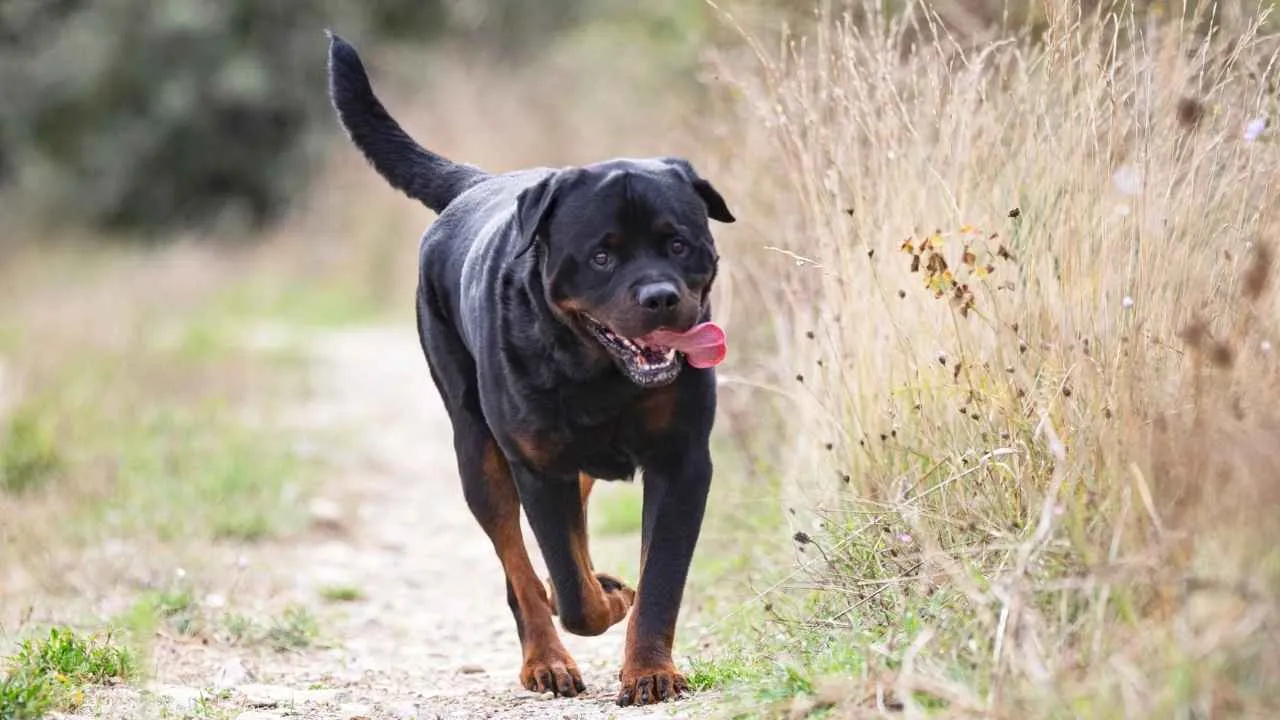
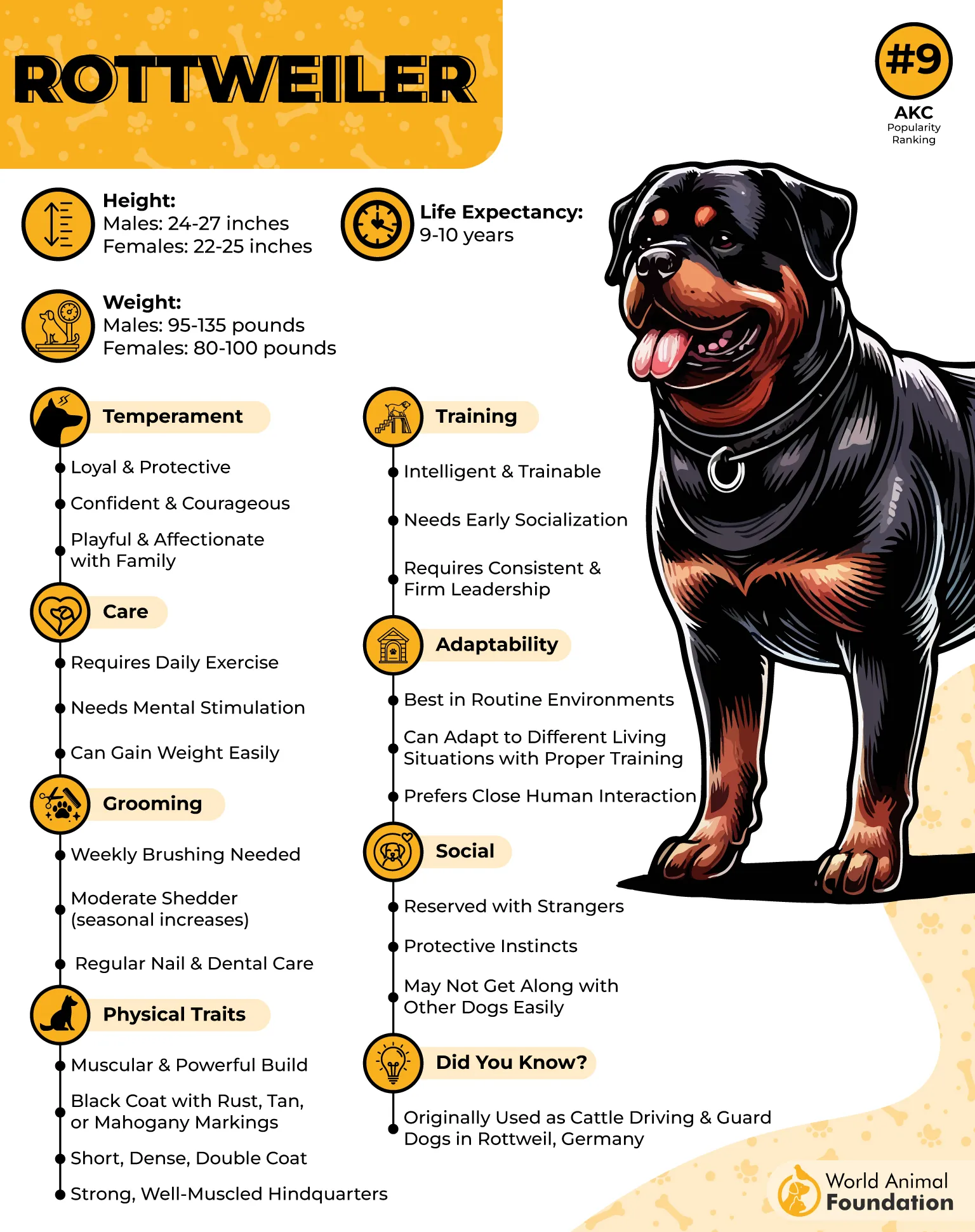
Life expectancy: 9-10 years
Totally misunderstood breeds, Rottweilers are the most loyal and loving dogs you’ll ever meet. These versatile working dogs are seen everywhere, including several jobs like law enforcement, search-and-rescue, and as service dogs. Rotties are highly popular in the U.S, mostly preferred as reliable guardians. They live a healthy lifespan of 9 to 10 years with proper care.
Personality
Rottweilers are calm, gentle, and fearless breeds. They are badly repudiated as aggressive dogs; however, this is not true. They are very friendly and sometimes clownish within the family, and show aloofness towards unfamiliar people. They are highly intelligent and pick up commands quickly. Confident enough to act on their own, so they need the right guidance from the start.
Care Tips
Early socialization is important; meeting new people and environments can help them adjust well without being destructive.
Obedience training with consistency can help to develop good manners in them.
They are prone to obesity, so pet parents need to check for portion control.
Conclusion
While some dog breeds live the shortest, still the memories and affection remain for life. Some breeds, especially large and giant dog breeds, in particular, don’t live a long life due to their size and genetic predispositions. But shorter lives don’t mean a lesser impact.
Knowing their requirements and potential health issues can actually stretch some years of more friendship, love, and loyalty. That being said, there are some smaller dog breeds with the shortest lifespan, such as the Cavalier King Charles Spaniel, Chihuahua, and Yorkshire Terrier.
Whether you’re a pet parent or not, these dogs set an example in the dog world with their faithfulness and remarkable abilities.
