





Since the beginning of time, dogs have always been the greatest human companions. Nothing is more devastating than losing a dog you have bonded strongly with. The bitter truth is that pet owners do not see the estimated lifespan of a dog before adopting it.
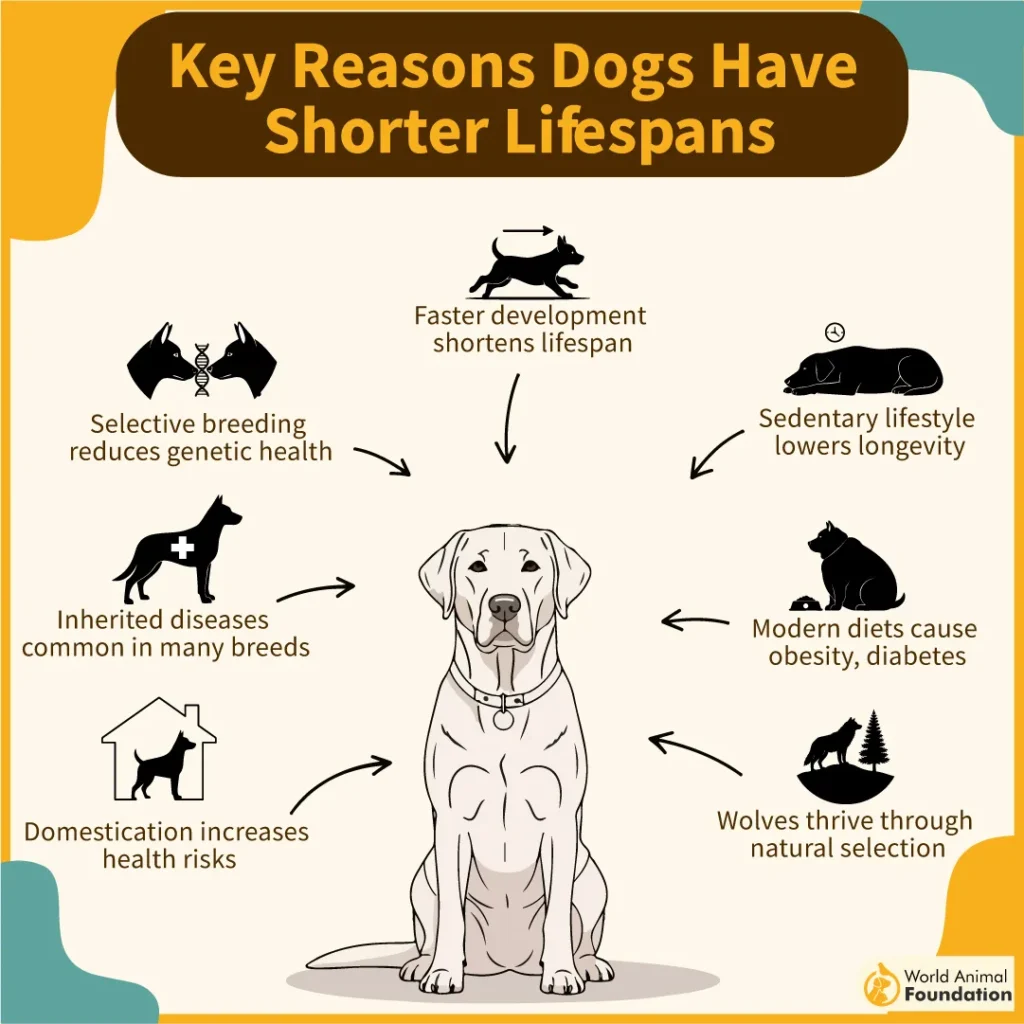
Unfortunately, large dog breeds have short life expectancy as compared to the small and medium sized breeds. They are prone to certain kind of health conditions such as cardiac, joint problems and certain cancers, which sadly do not let them live for long. However, proper diet, love, veterinary care can add a few years but not more than that.
This article is all about the gentle giants who have shorter life and will give insight to owners to stay mentally prepared before keeping any of them as a family member. It will be a guideline to focus on their quality of life, preventive care and meaningful time together.
Dog Breeds That Don’t Live as Long – A Guide
There are certain dog breeds that do not live as long as we expect. Let’s have a look on such breeds to get to know about them:
1. Saint Bernard
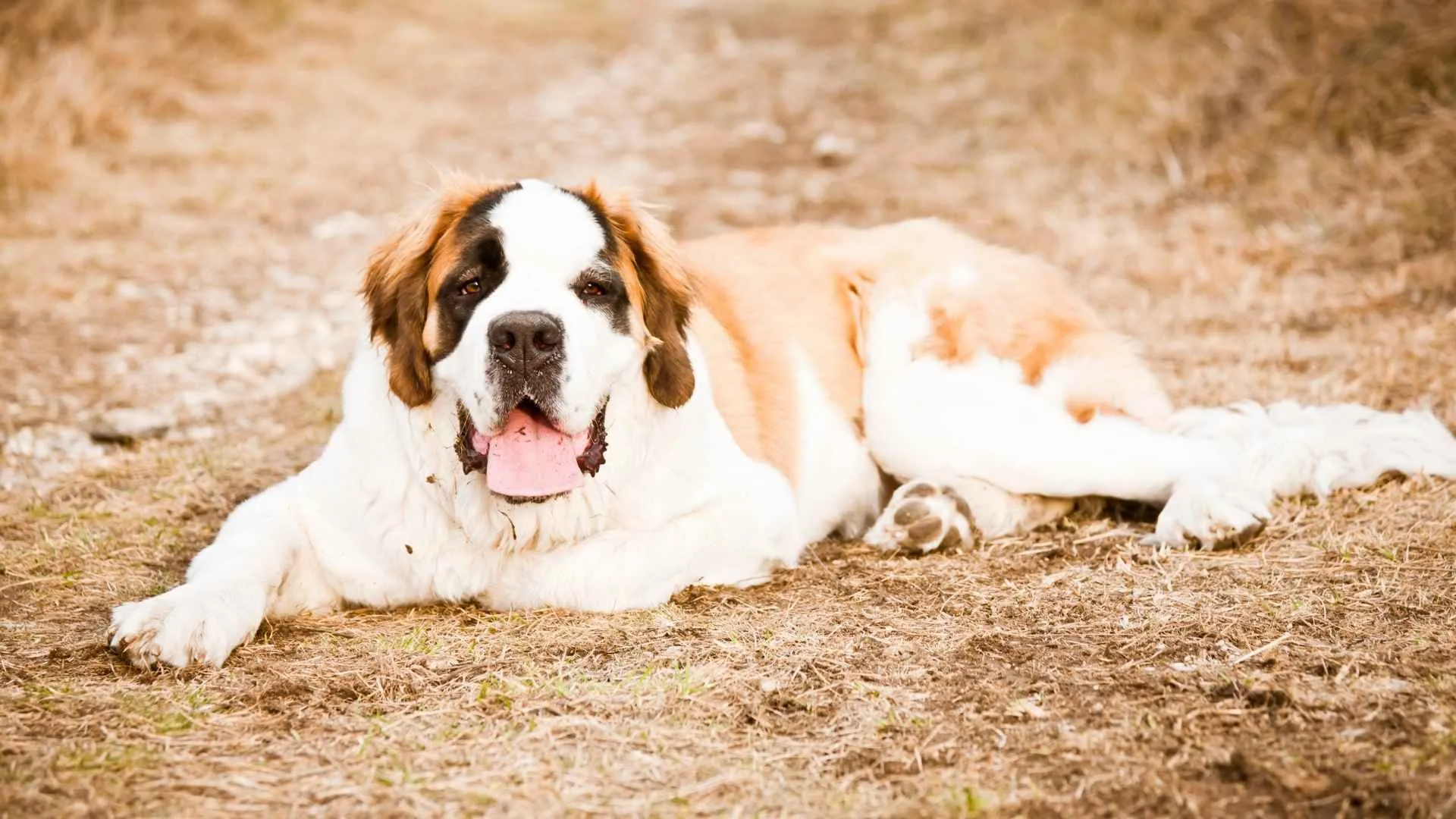
Saint Bernard is a giant dog with big eyes, massive frame and muscular body. It was originated in Swiss Alps for rescue work due to its endurance. It aided the people in Alps in danger and were used by monks to watch over pilgrims travelling to Rome. Despite its size, it has a gentle nature and affectionate with the owners. Owing to its calm nature, it can never be aggressive.
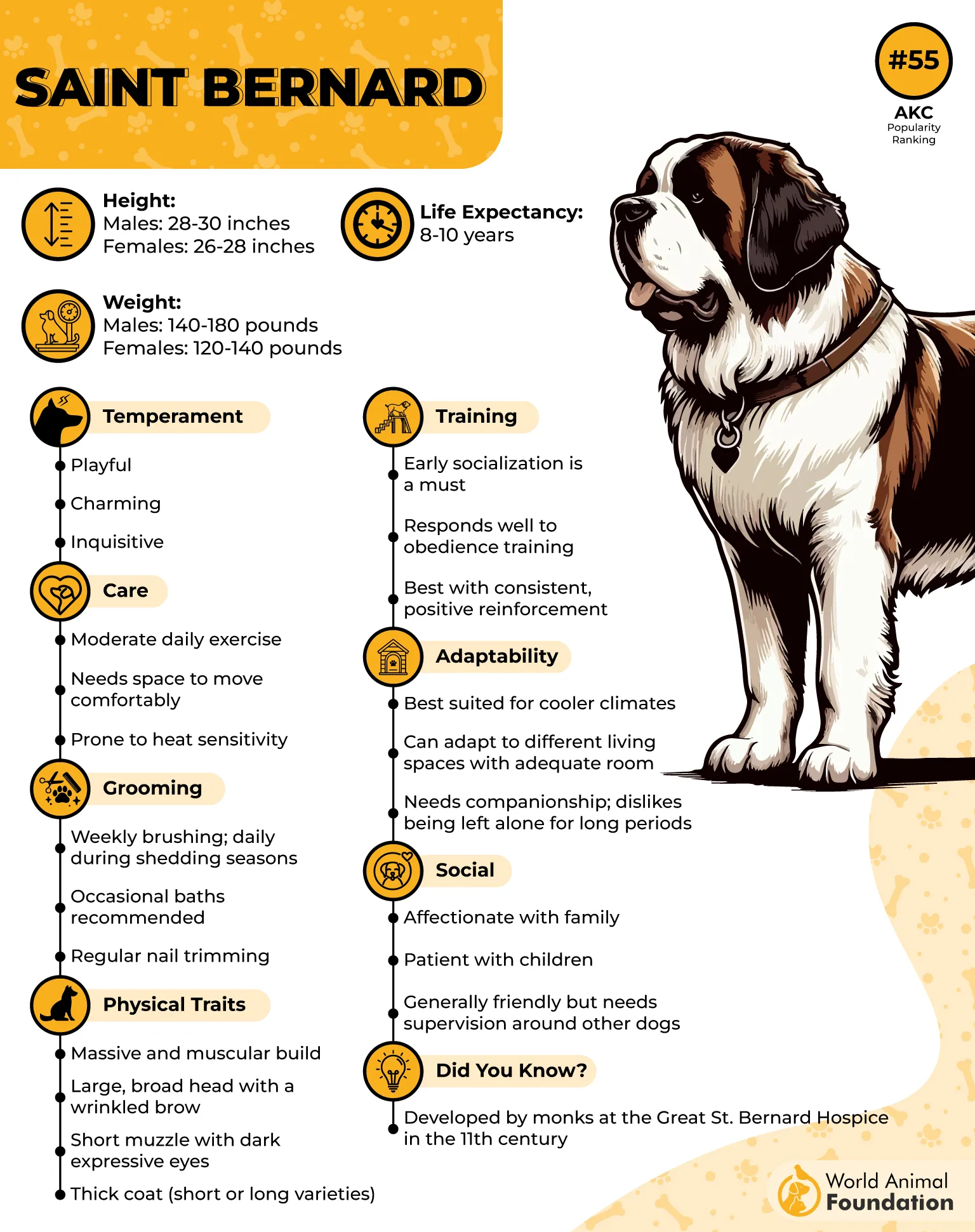
It is quite patient with the children and tolerant of other dogs and pets as well. Regrettably, its average life expectancy is 8-10 years. Due to its huge size, cellular aging is fast and the workload on the heart and muscles accelerates. It is genetically predisposed to bone cancer, hip dysplasia and bloating. These factors overall reduce its longevity.
However, its quality of life can be made better by early use of joint supplements and routine screening for cancer. Bloating can be prevented by offering small meals a day. Good breeding practices can also help a lot by genetic screening.
2. Leonberger
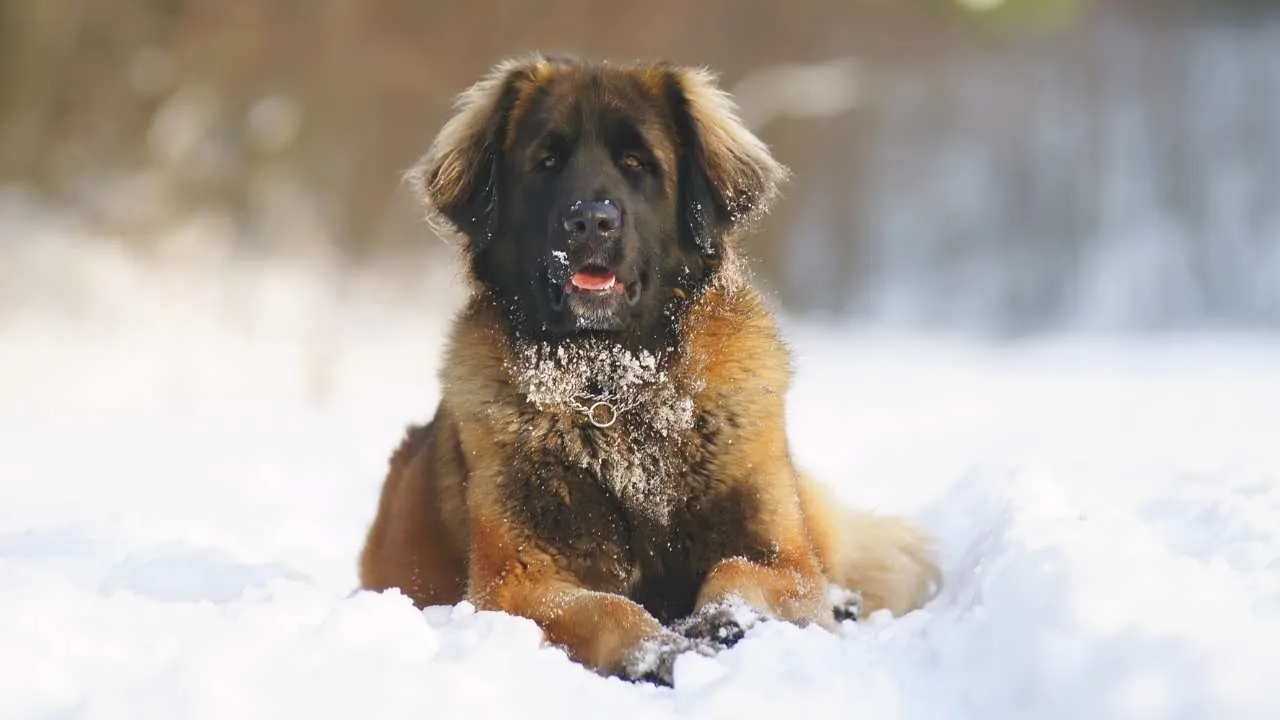
Leo is a majestic dog breed which was originated in Germany. according to Purina, it has a powerful built with distinctive lion like mane and black mask. No matter if it is a large breed, it is still very calm and amiable with the family, kids and other pets.
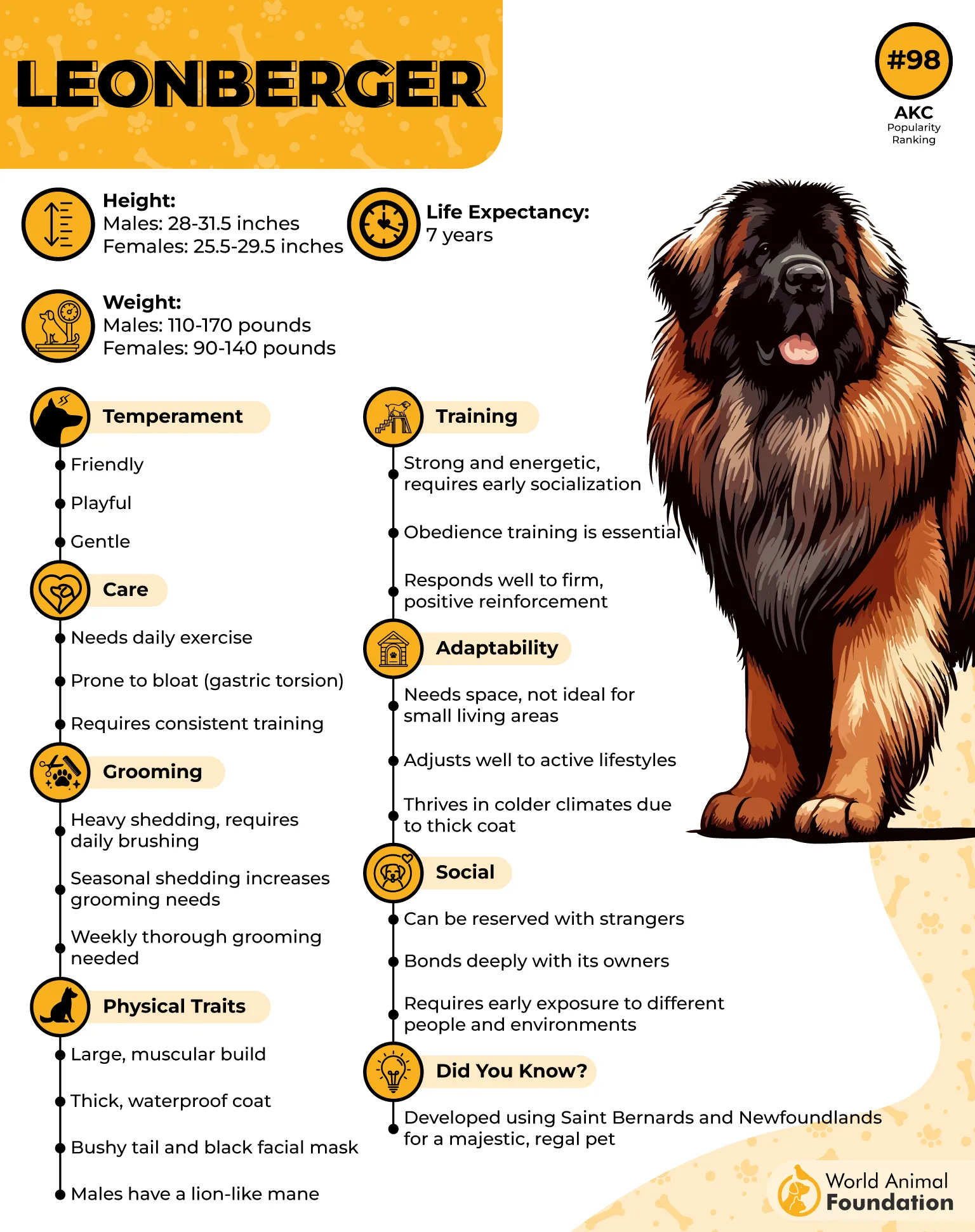
Leo always proves itself as a devoted companion. It is emotionally sensitive and people oriented. Moreover, being a highly intelligent dog, it always makes a sound judgement. Its average lifespan is 7-10 years. Massive size puts a more strain on joints, heart and internal organs and eventually affects the dog’s life.
Besides, it demands regular grooming due to heavy coat. Health issues can be managed if a dog owner shows dedication. Strength-preserving exercise like swimming can be beneficial and act as a physiotherapy for joints as well as for the heart.
3. Dogue de bordeaux
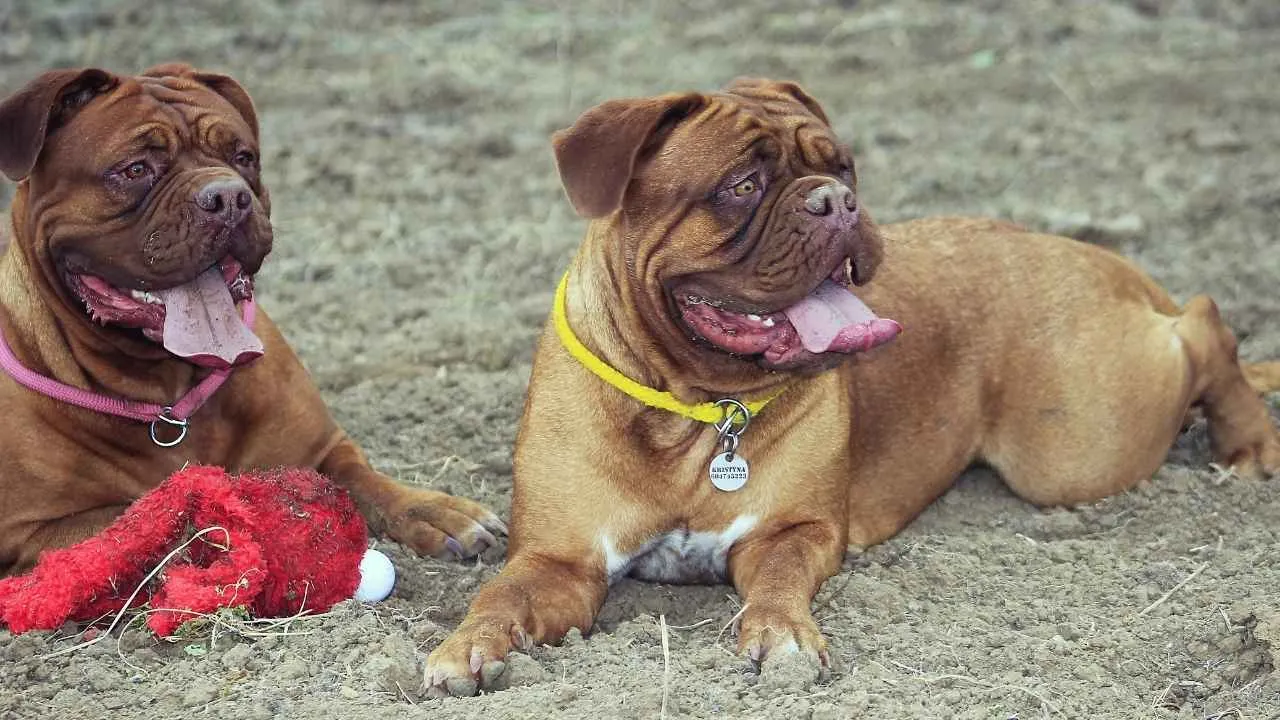
It is one of the big canine companions with heavy built, muscular body and deep wrinkles. It hails from France and used for guarding purposes. It is deeply loyal to the family and is always protective due to its strong protective instincts. Interesting fact according to PetMd is that it was also used in movie Turner & Hooch in 1989 which made this breed popular.
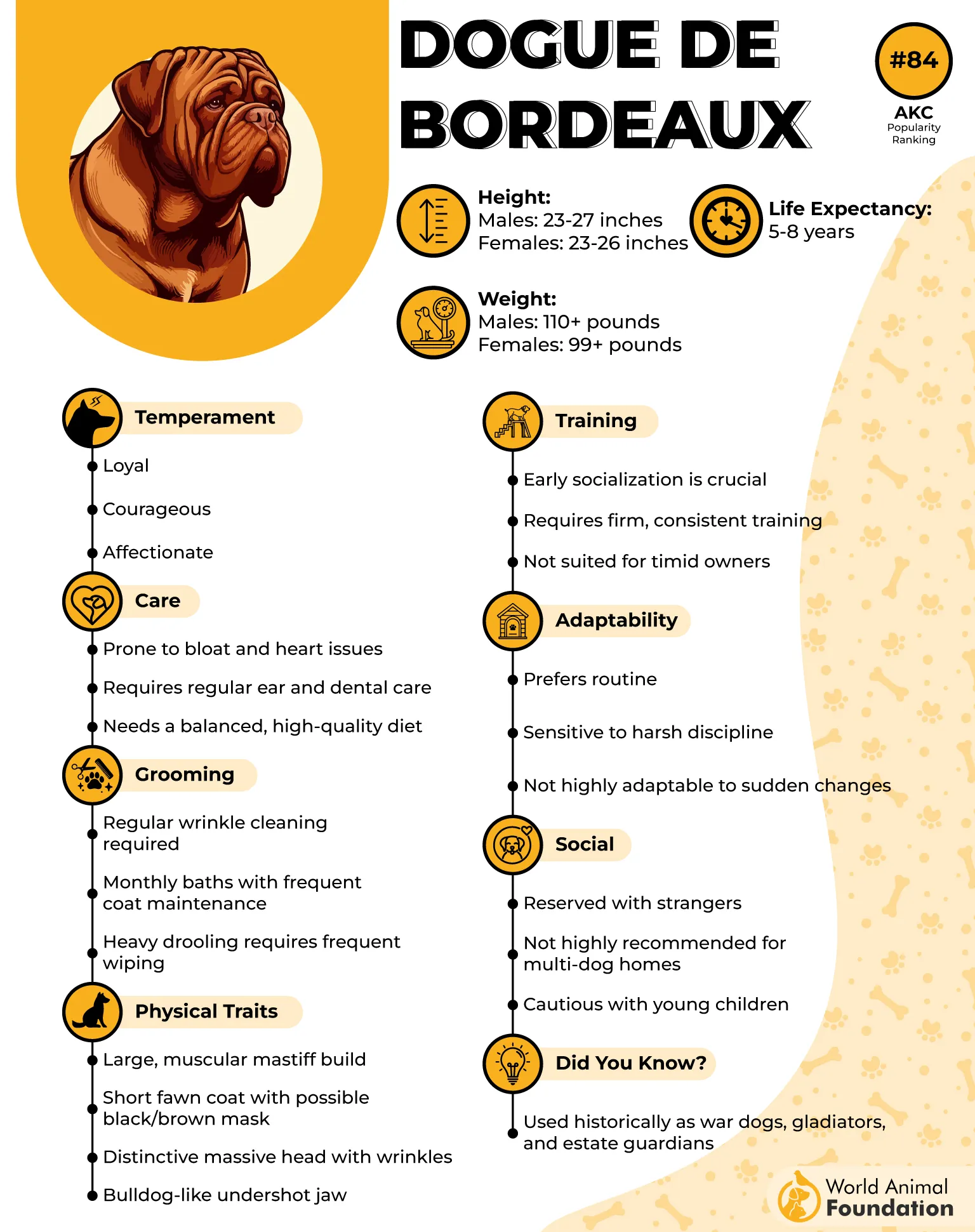
It is gentle with children and always aware of strangers. It is quite stubborn and dominant if not trained as a puppy. Unluckily, it is one of the shortest living dog breeds with an average lifespan of 5-8 years. It has ahigh risk of health issues such as respiratory and cardiac problems. Its short life span has always been emotionally challenging for the owners.
Being a brachycephalic dog, heat stress and excessive exercise should be avoided. Moreover, weight management is necessary through regular walks to prevent obesity and related problems.
4. Newfoundland
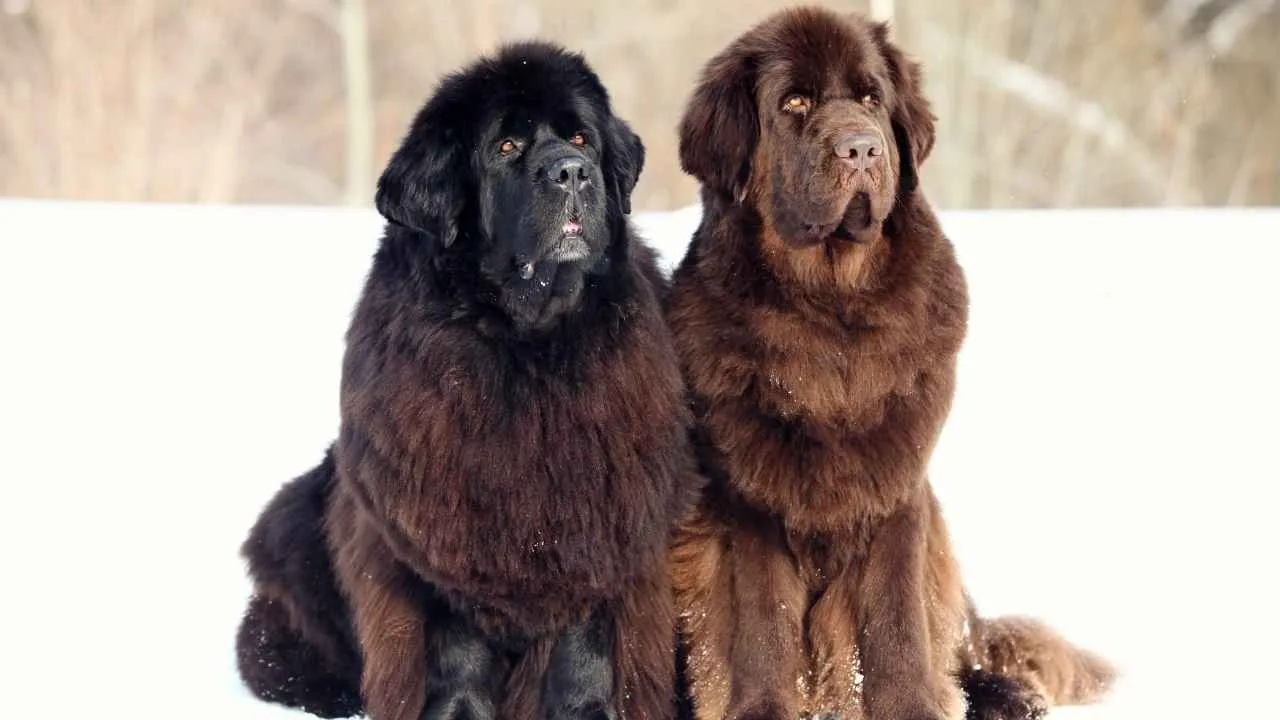
Newfoundland is a strikingly large furry friend with powerful limbs and dignified bearing. Its area of origin is Newfoundland in Canada. It always remains calm, patient and has exceptionally good nature. It enjoys deep relationship with humans and is a great companion.
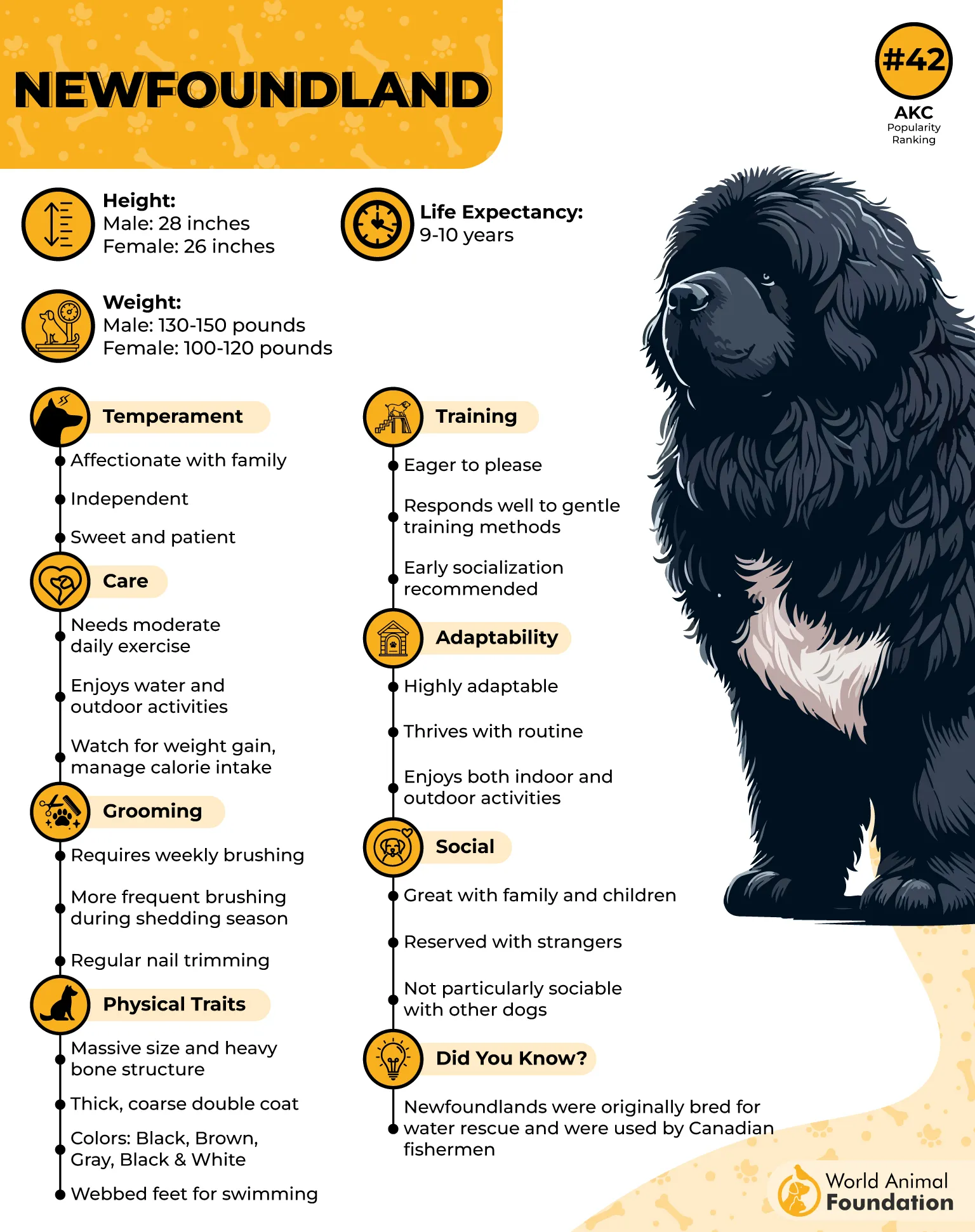
According to American Kennel Club, due to its vigilance, it is also known as a “nanny dog” for kids. Its life expectancy is 8-10 years. Since it is a large dog breed, therefore, aging is fast. Like other massive dogs, it has a higher risk of heart diseases and affected joint health. Additionally, its dense coat is also prone to heat stress.
Timely supplements of Omega-3 can be incorporated in diet to make joint and heart health better. Limited summer activity can also lower the risk of heat stress on scorching days.
5. Bernese Mountain Dog
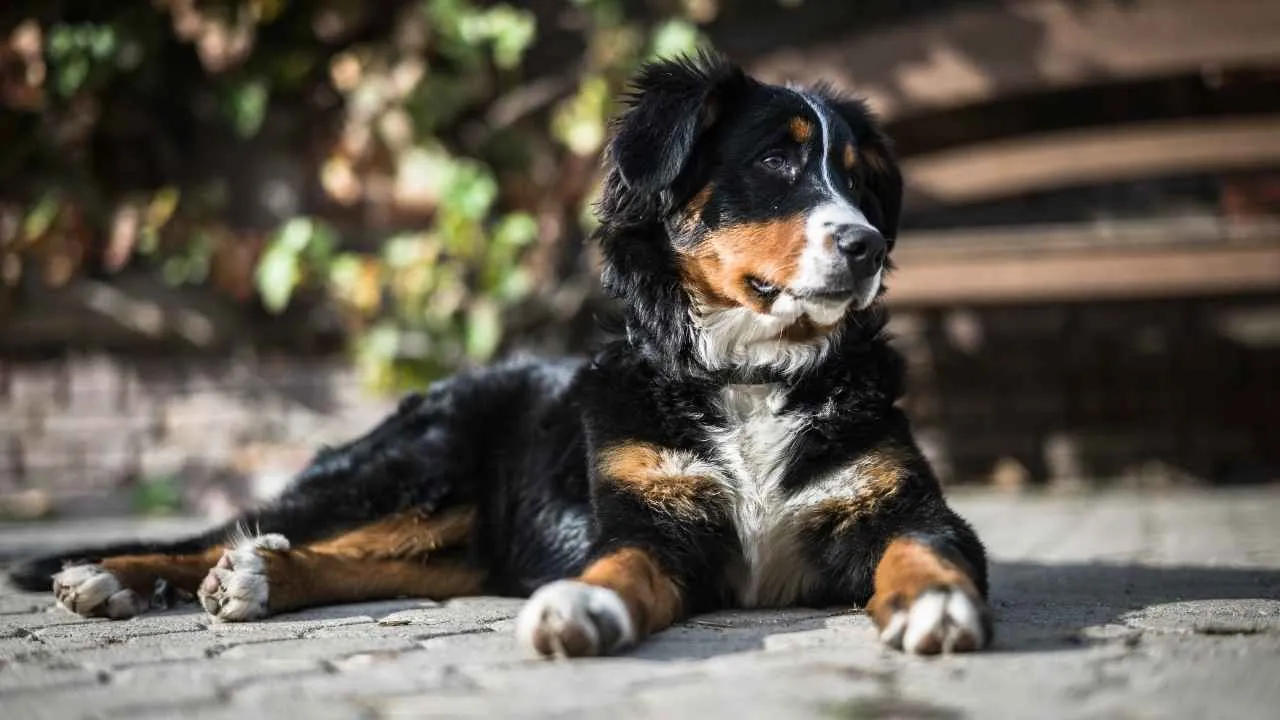
Bernese Mountain Dog is a big, sturdy and a beautiful dog with a gorgeously looking tri-colored coat. It was originated in Switzerland for cart pulling and endurance. It is quite faithful and gentle with pet parents and forms emotional bond with them. As stated by Britannica, owing to its easy-going temperament, it is the perfect choice for people of all ages.
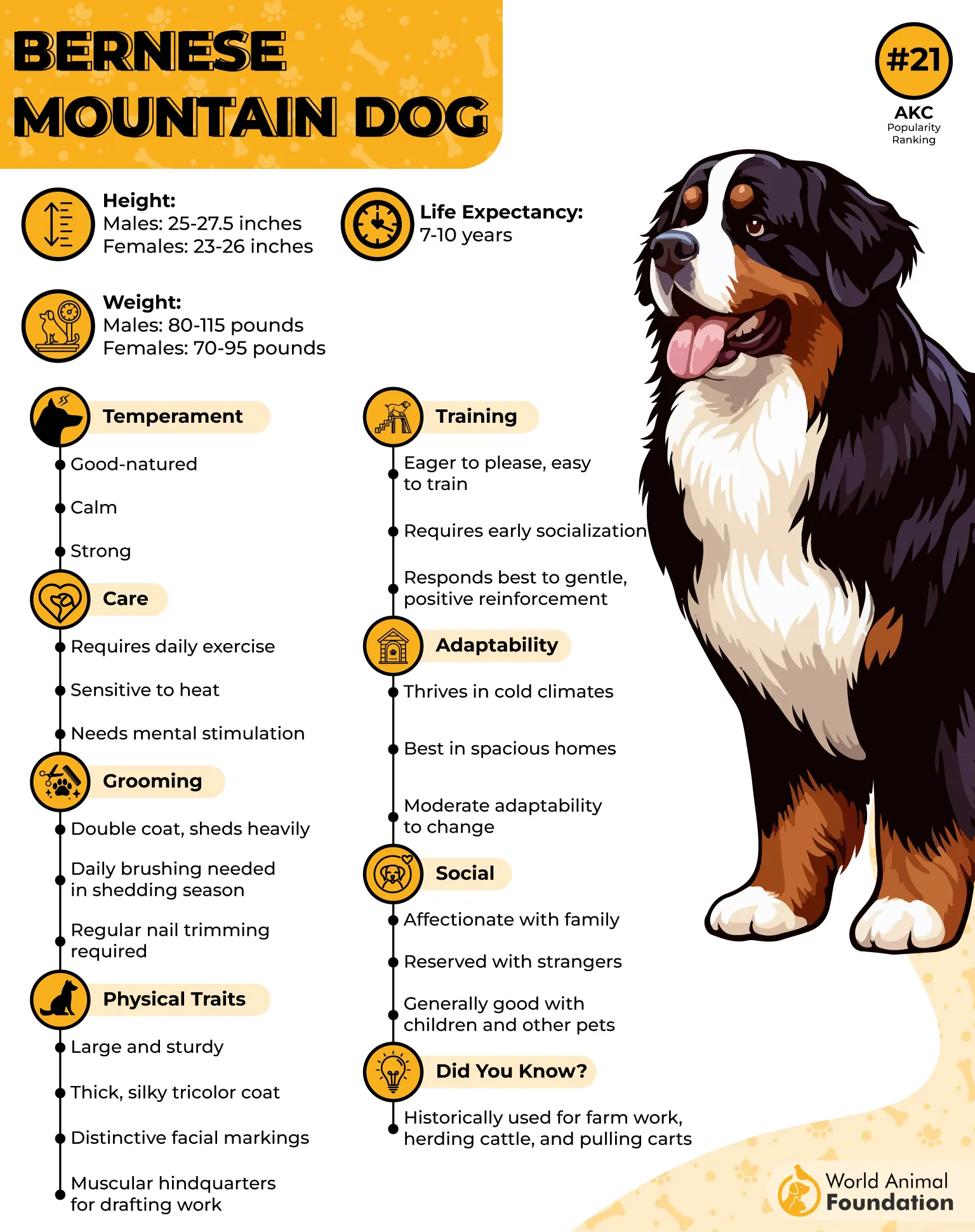
This dog thrives on human companionship and can develop separation anxiety if left alone. It is one of the shortest living dog breeds which upsettingly does not live for more than 6-8 years. One of the major reasons for limited lifespan is histiocytic sarcoma (a type of cancer). Besides, immune system dysregulation also contributes to early mortality.
Prompt biopsy and frequent veterinary exams can make it live a bit long life. Immunity boosters and anti-inflammatory diet can also serve the cause.
6. Great Dane
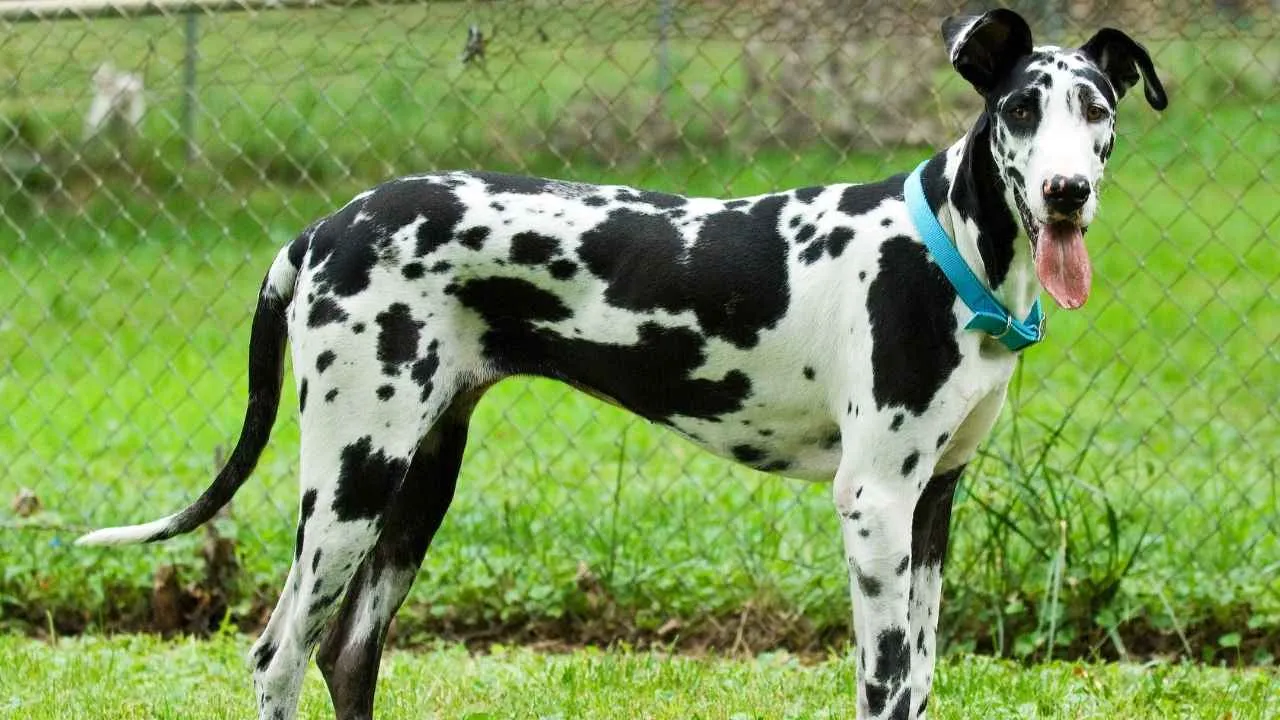
Great Dane is the tallest and giant breed in the world with long limbs, strong body and deep chest. Its area of origin is Germany and was bred for hunting wild boars. It is gentle and affectionate with owners and also described as “lap dogs in giant bodies” as it makes its home on your lap.
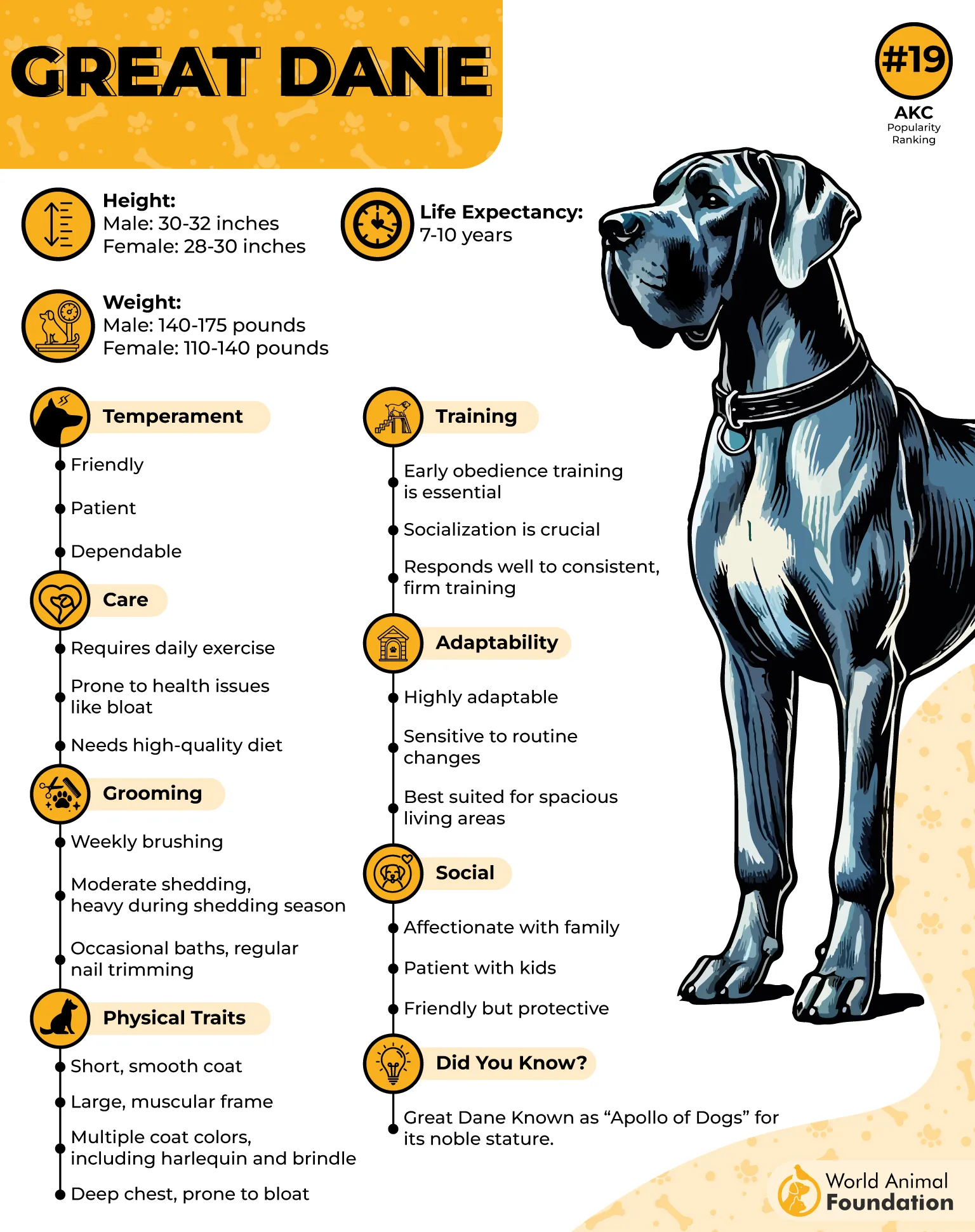
It remains calm indoors and lives its best life with human interaction. Its median lifespan is 7-9 years. Like many dogs which are huge in size, it also has early cellular aging and organ decline. Great Dane is prone to dilated cardiomyopathy, bloating and osteosarcoma.
But can add a few years to its life by routine cardiac screening and cancer monitoring. Low-impact joint exercises can also be very helpful without putting excessive pressure on joints and bones.
7. Bullmastiff
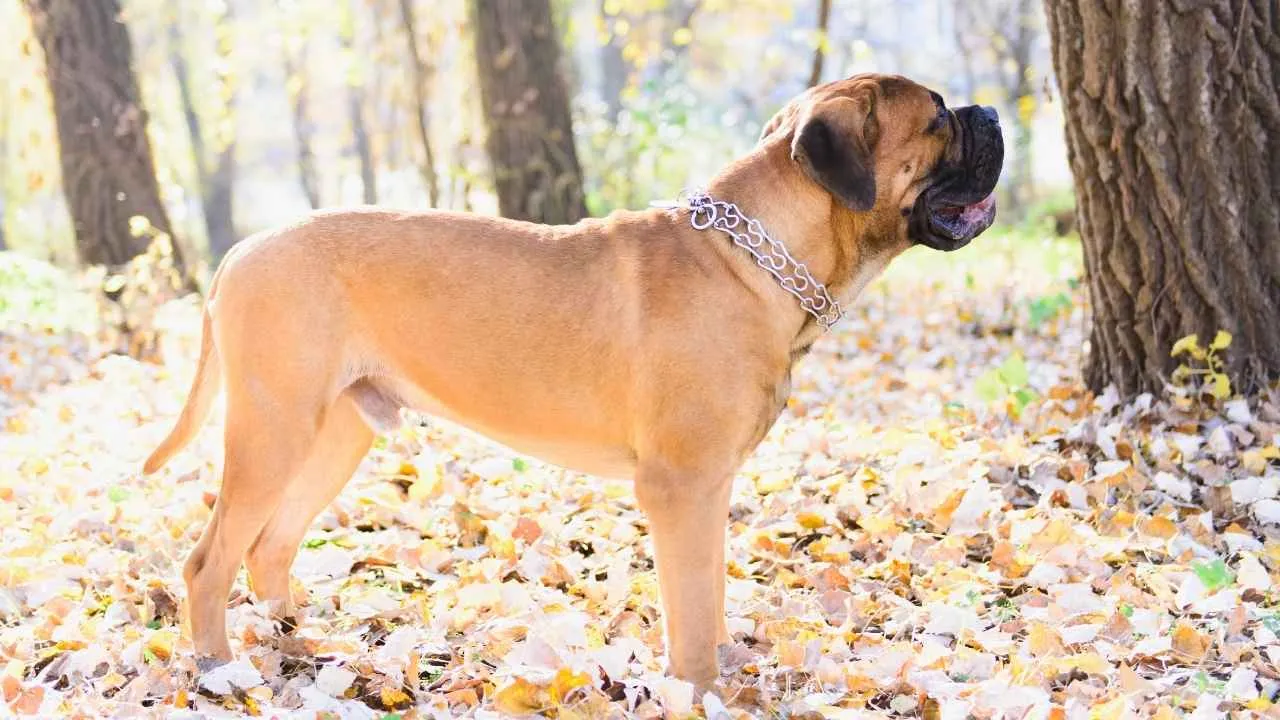
Bullmastiff is one of the bigger dogs with well-built musculature, deep muzzle, dark eyes and V-shaped ears. It was originated in England to guard estates and resembles a lot to its close cousin mastiff. It is undoubtedly calm, confident and remains loyal to the family.
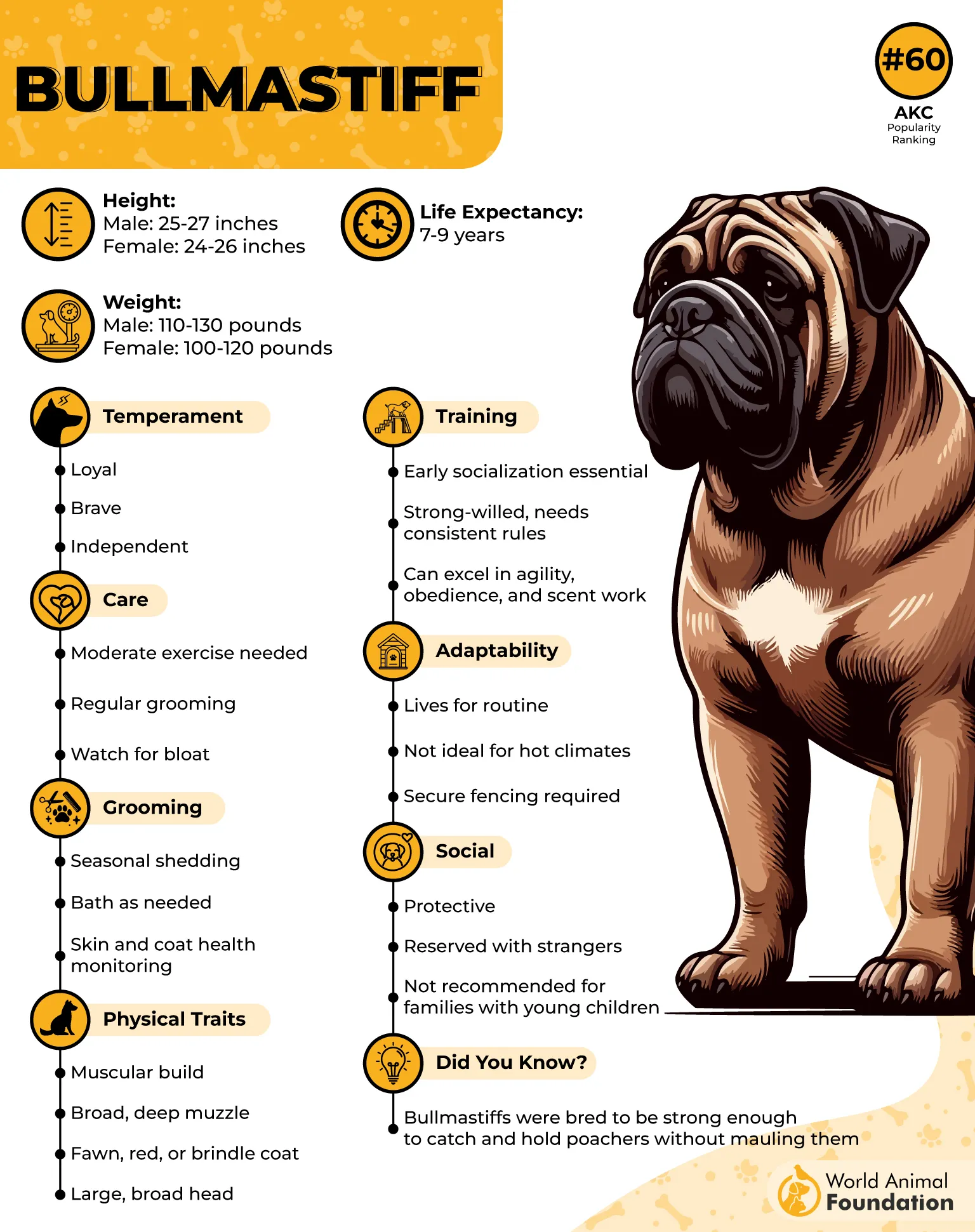
Due to its keen intelligence, it is independent in nature. But consistent training is necessary to keep it in boundary. The dog’s life expectancy is 7-10 years. Certain types of cancers play huge role in its shortest lifespan. It is susceptible to canine hip dysplasia due to more weight. In addition to this, cardiac diseases and brachycephalic airway syndrome can also make the life worse.
However, dog’s lifespan can be increased by regular sarcoma monitoring and heart screening by ECG. Airway and joint problems can be managed by weight regulation and by incorporating dog food with omega-3 supplements.
Conclusion
In a nutshell, losing your canine companion can be more catastrophic than anything. We always get the dogs in order to spend lifetime with them. Nevertheless, unfortunately, giant breeds often do not live as long as humans expect from them.
Since they are massive and large, they are prone to many kinds of deteriorating health conditions such as cardiac problems, joint issues, cancer and so on. They are responsible and intelligent dogs but they always go through these issues as it is not in their control.
However, being a pet parent, it is the responsibility of the owners to add years to their life and make their quality of life better by their regular screening for diseases. Giving them supplement rich diet can make their lives better. Such simple habits can save their furry friends and themselves from miseries and emotional devastation later on.
