




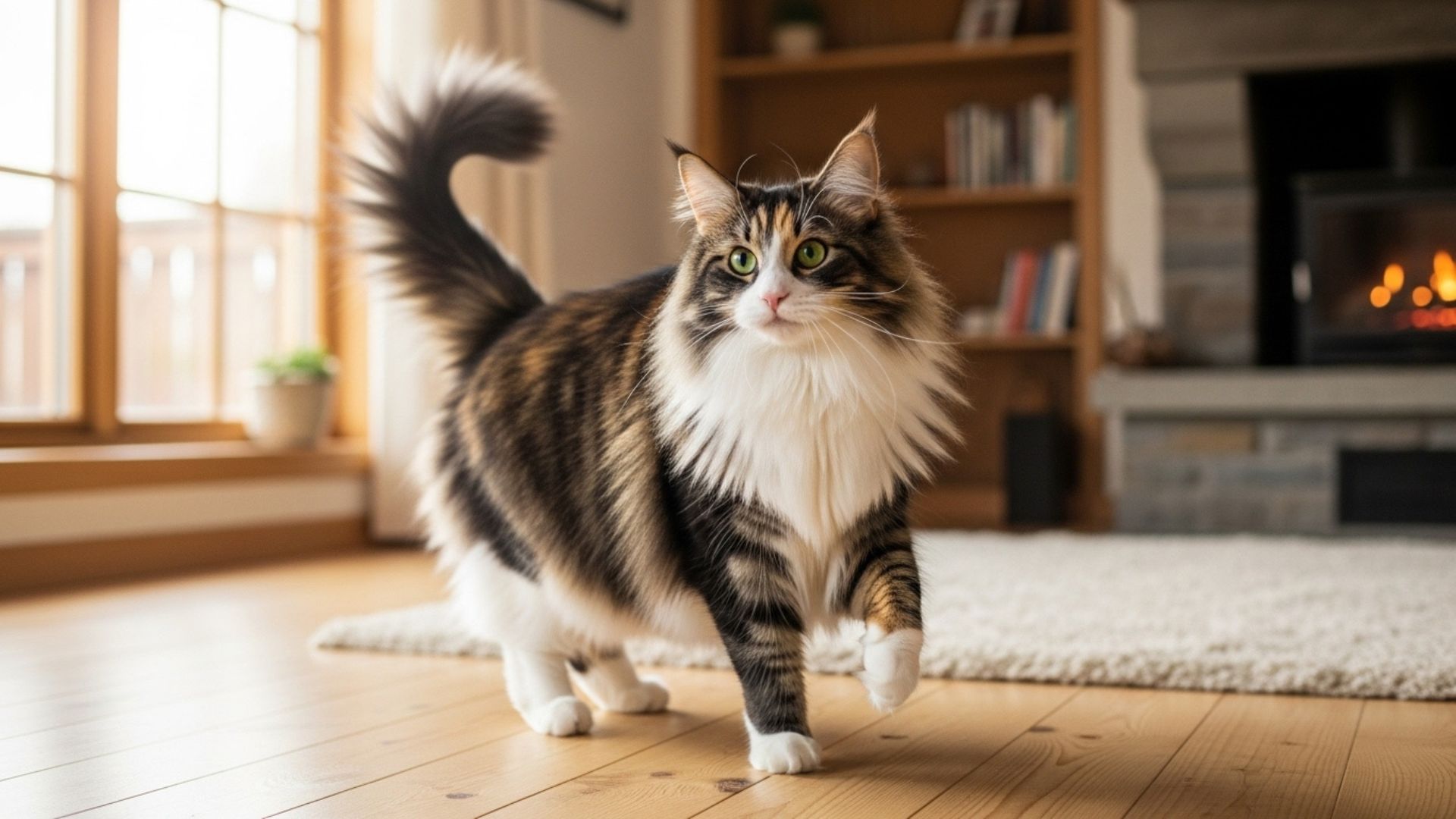
Before fluffy beds, heated homes, and sunny window naps, most cats had no choice but to face winter head-on. Cold winds, frozen ground, and long dark nights were simply part of daily life—and for many stray and feral cats, they still are. Over time, nature stepped in, shaping certain cats to survive and even thrive in harsh, icy environments.
Yes, cats really do grow winter coats. As daylight shortens, a cat’s body naturally produces thicker, denser fur to trap heat. That said, indoor cats may barely notice the seasons, while outdoor cats and cold-climate natives rely heavily on this built-in insulation to stay warm.
While most cats start feeling uncomfortable when temperatures drop below 45°F (7°C) and risk serious cold injuries below freezing, some cats are naturally better equipped for winter life.
In this article, we’ll explore ten cold-weather cat breeds and what makes them such impressive winter survivors—proof that not all cats are meant for endless summer naps.
Cat Breeds Adapted to Cold Climates
1. Maine Coon
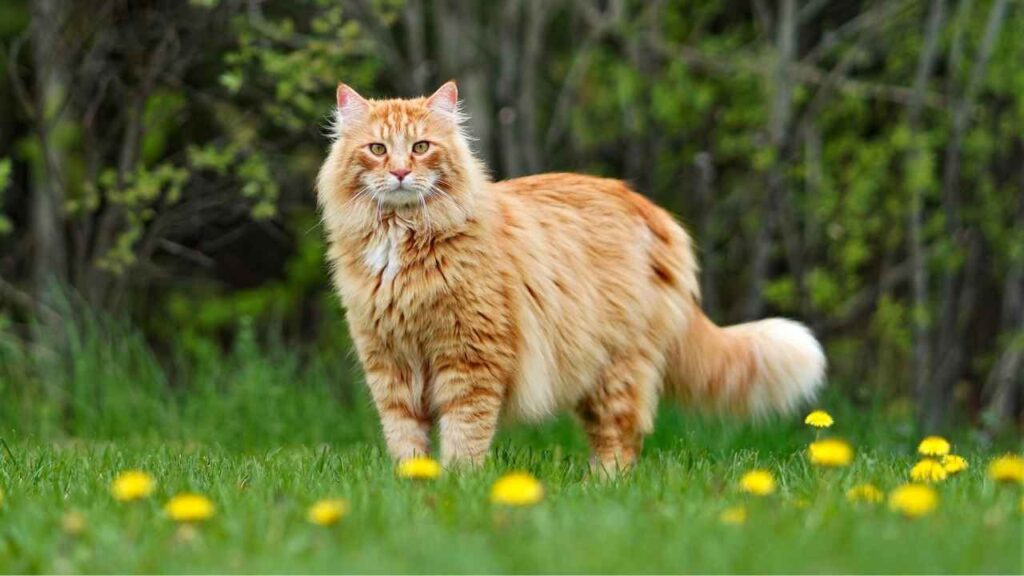
Originating in the northeastern United States, the Maine Coon cat is a true winter survivor. There is some debate about how this breed began.
Many believe it developed from early domestic cats mixing with long-haired cats brought by sailors or even Vikings. What’s certain is that this breed naturally evolved in Maine, a region known for long, harsh winters and freezing temperatures.
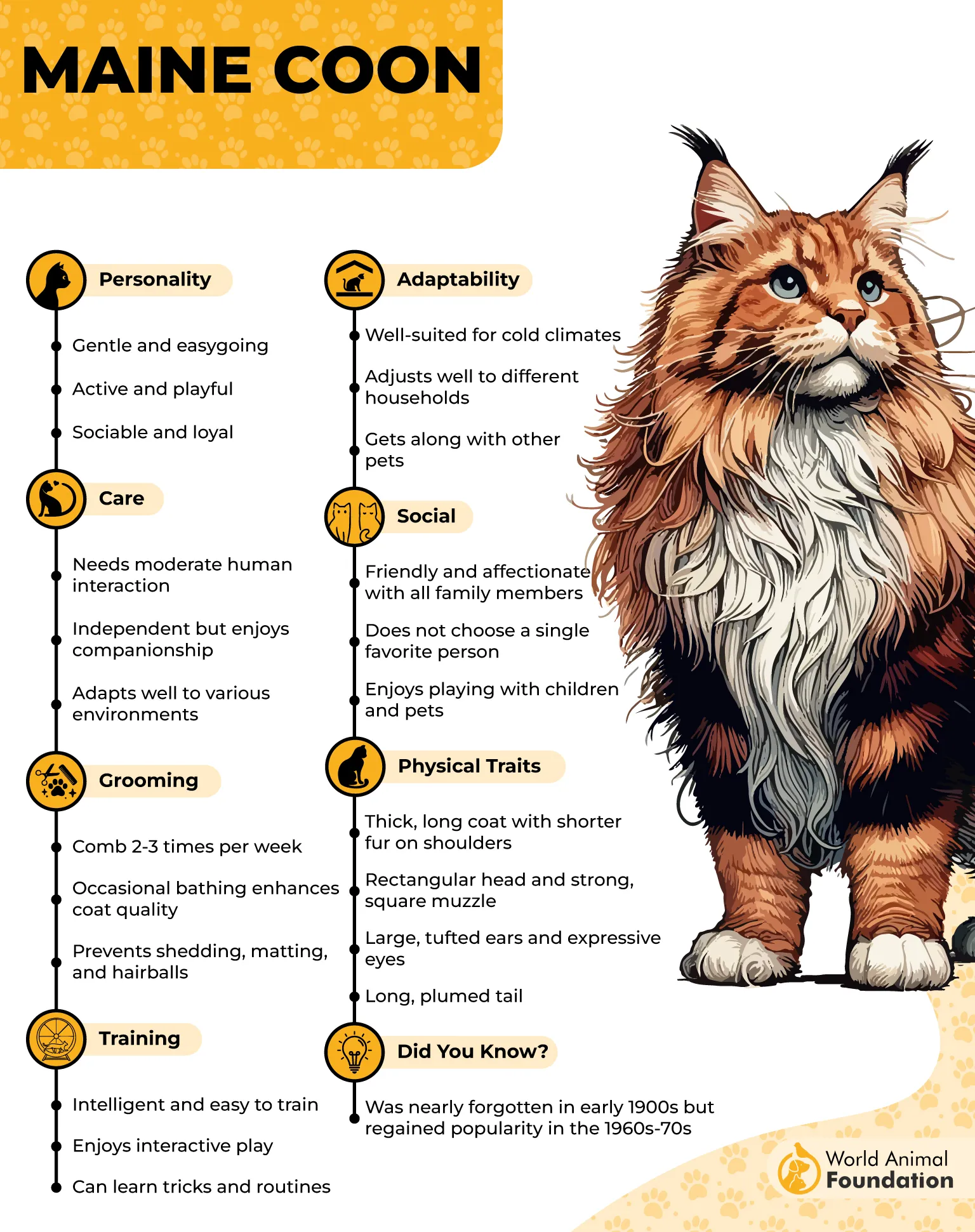
Why Maine Coons handle cold so well:
Thick, semi-water-resistant fur that traps warmth
Longer belly and rear fur for insulation on snow
Large, wide, tufted paws that work like snowshoes
Strong, muscular body that helps conserve heat
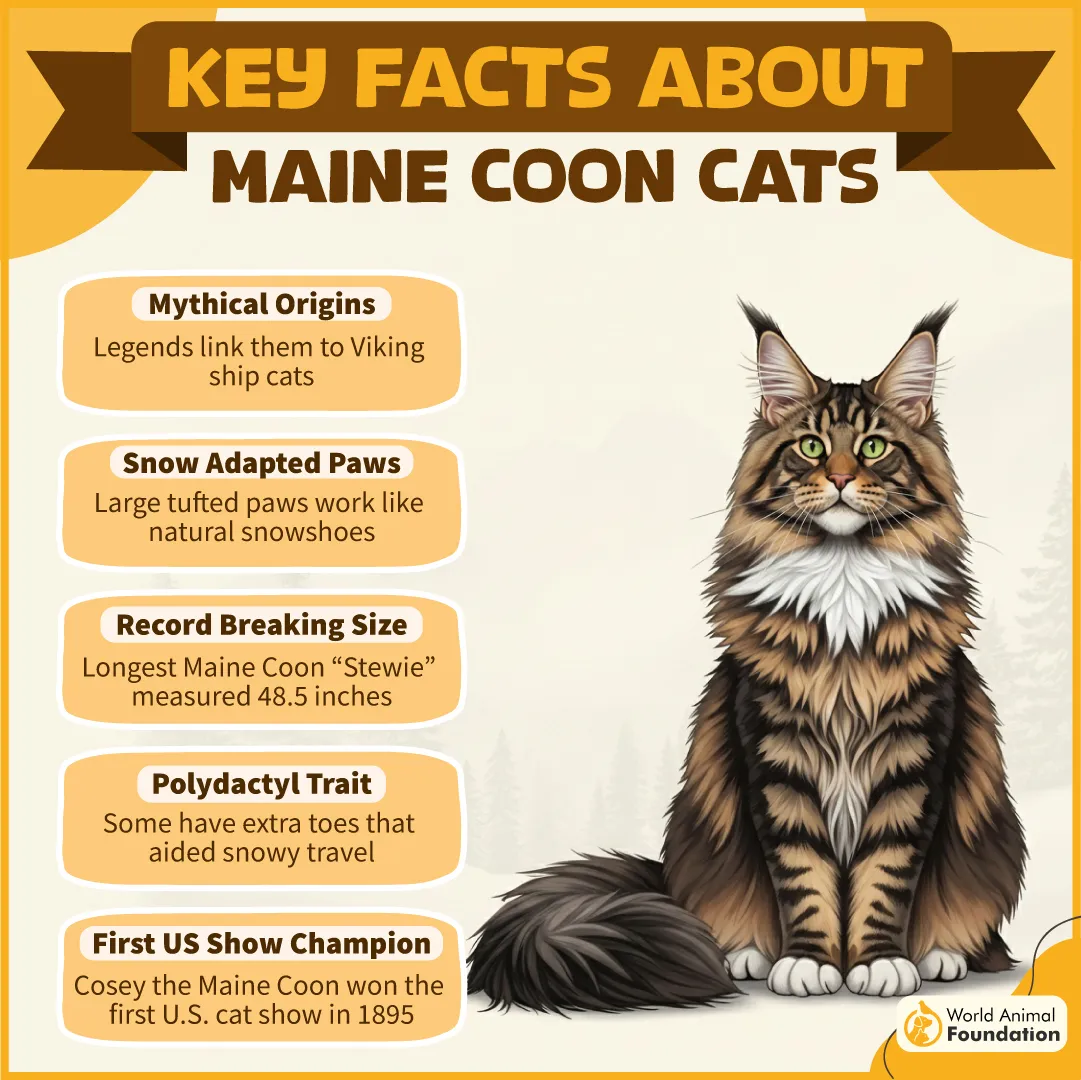
Maine Coons are often compared to Norwegian forest cats, but their wedge-shaped face set them apart. Their paws help them move easily through deep snow, and their rugged build suits average winter temperatures of 15–25°F. Many Maine Coons are also polydactyl, which may give them an even better grip in icy conditions.
2. Norwegian Forest Cat
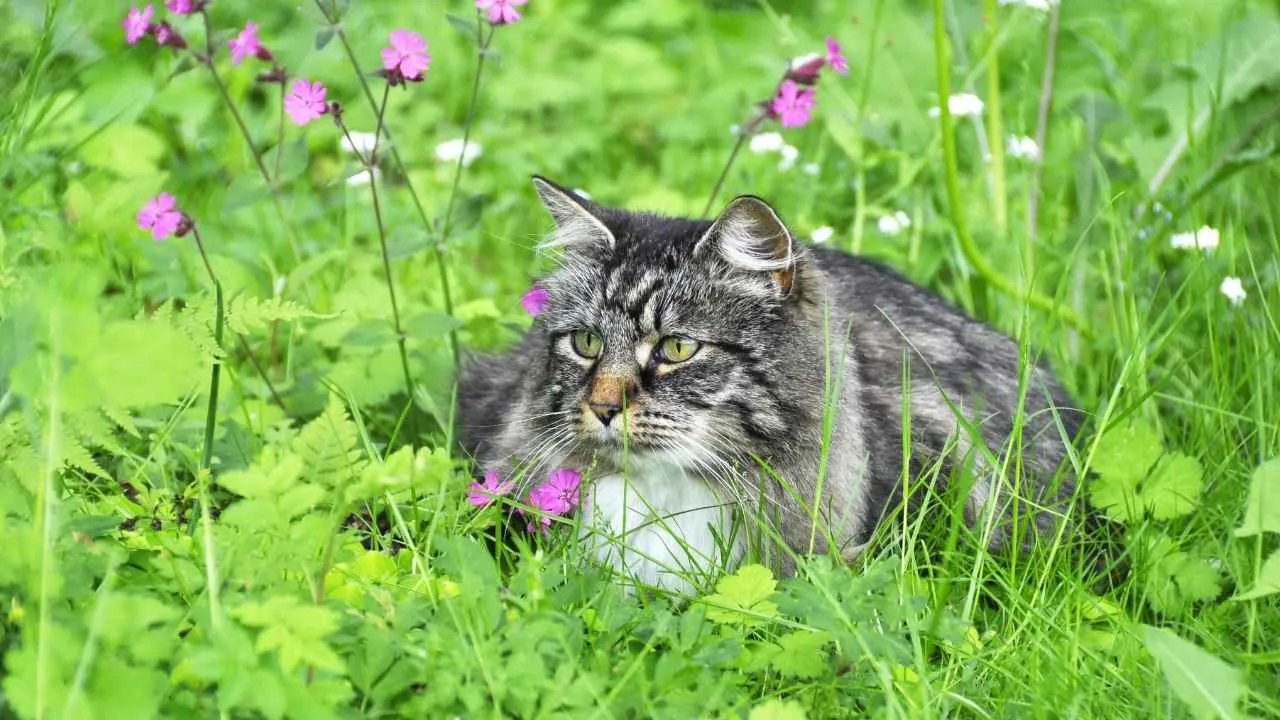
The Norwegian Forest Cat comes from the cold, rugged landscapes of Scandinavia, where winters are long and harsh. This breed evolved naturally to survive freezing temperatures.
Its semi-long, water-resistant coat and dense, woolly undercoat grow even thicker in winter, forming a full ruff around the neck that helps lock in warmth.
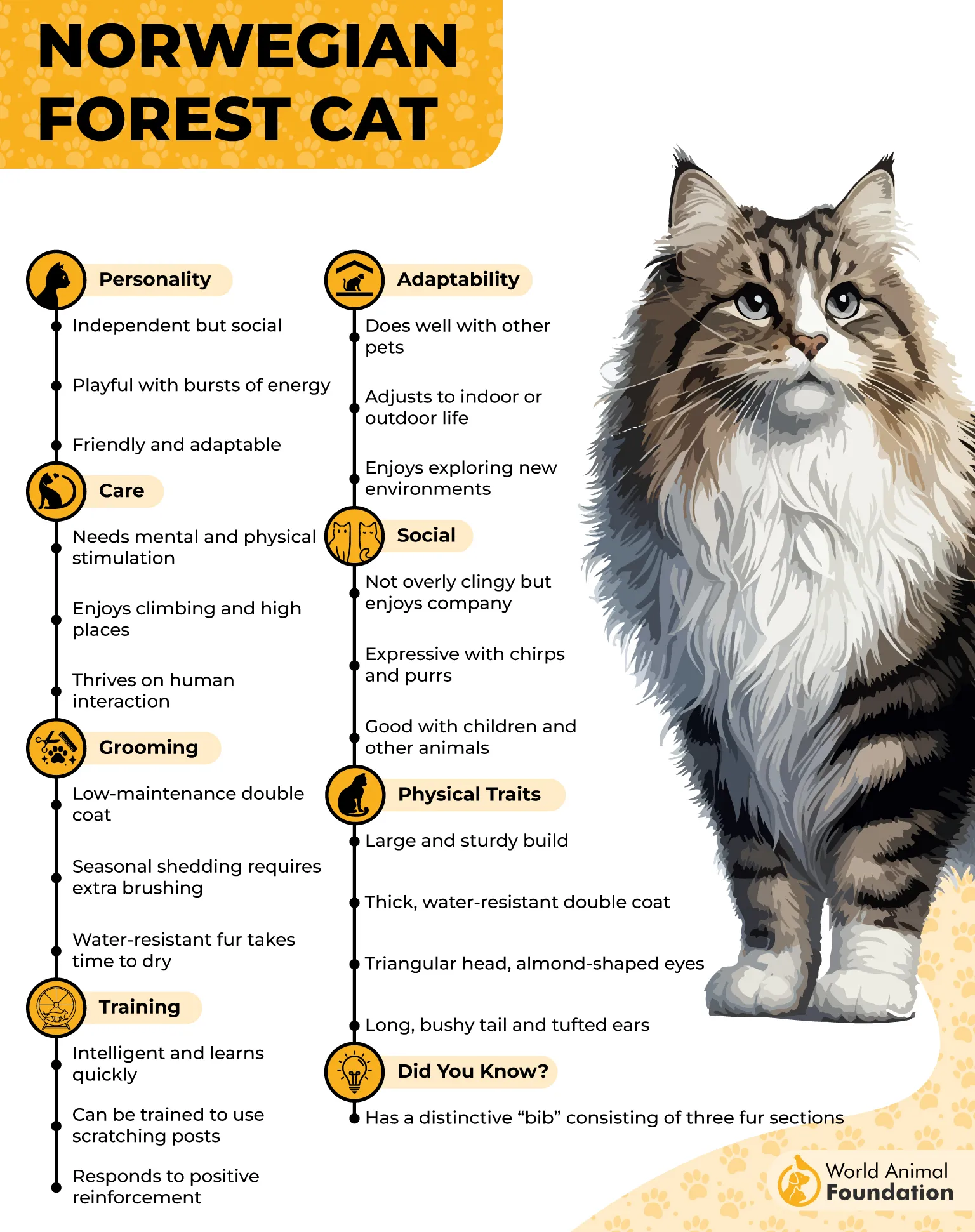
Cold-weather adaptations include:
Thick double coat that repels moisture and wind
Dense undercoat that insulates in winter
Tufted ears and toes for extra protection
Strong claws suited for rocky, snowy terrain
Long, bushy tail for added warmth
Often called Wegie or skogkatt (meaning “forest cat”), as mentioned by Royal Canin, this breed is deeply rooted in Norwegian history and even appears in Viking legends.
It’s famously known for being able to climb down trees headfirst, thanks to sturdier claws and excellent balance. These traits were vital for navigating forests and mountains in cold climates.
Despite their wild origins, Norwegian Forest Cats are calm, resilient, and affectionate. They balance independence with deep loyalty to their families.
3. Siberian
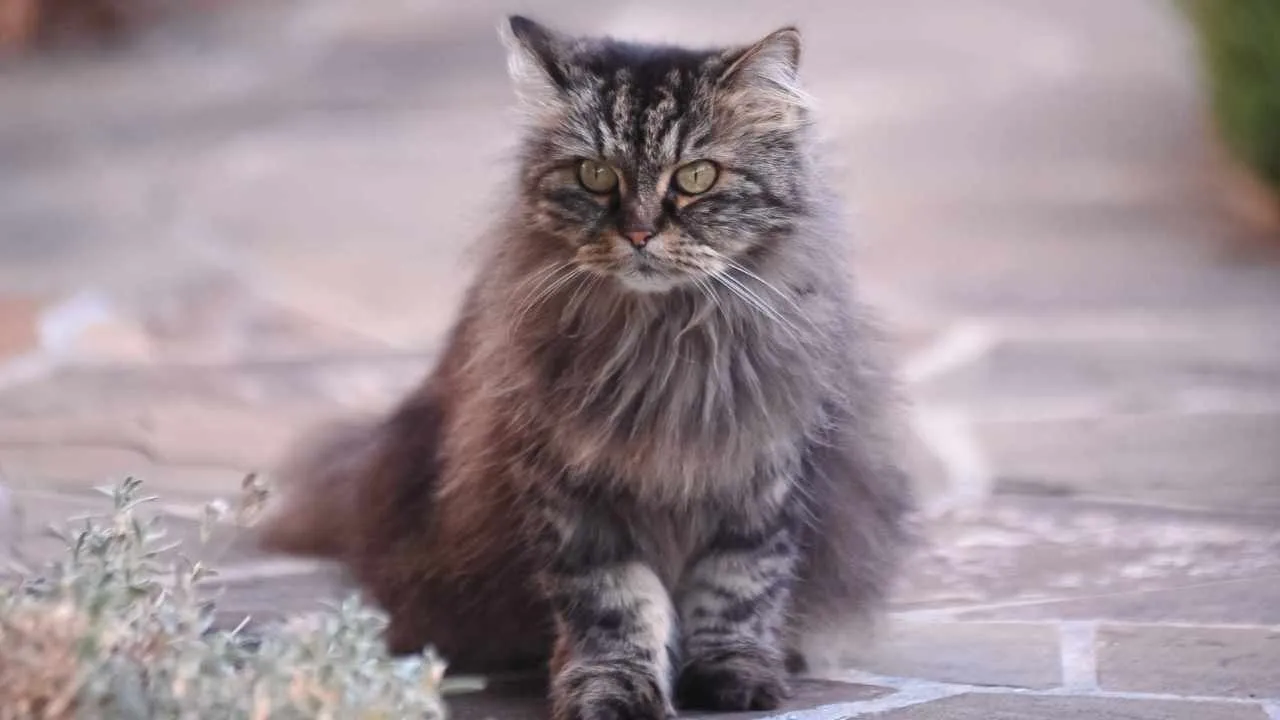
As the name suggests, the Siberian cat was made for freezing conditions. Originating in Siberia, one of the coldest inhabited regions on Earth, this breed developed a thick triple coat to survive freezing winters and snowy conditions.
In winter, their coat becomes full, rich, and heavily insulated. In summer, they shed it for a lighter version to stay comfortable year-round.
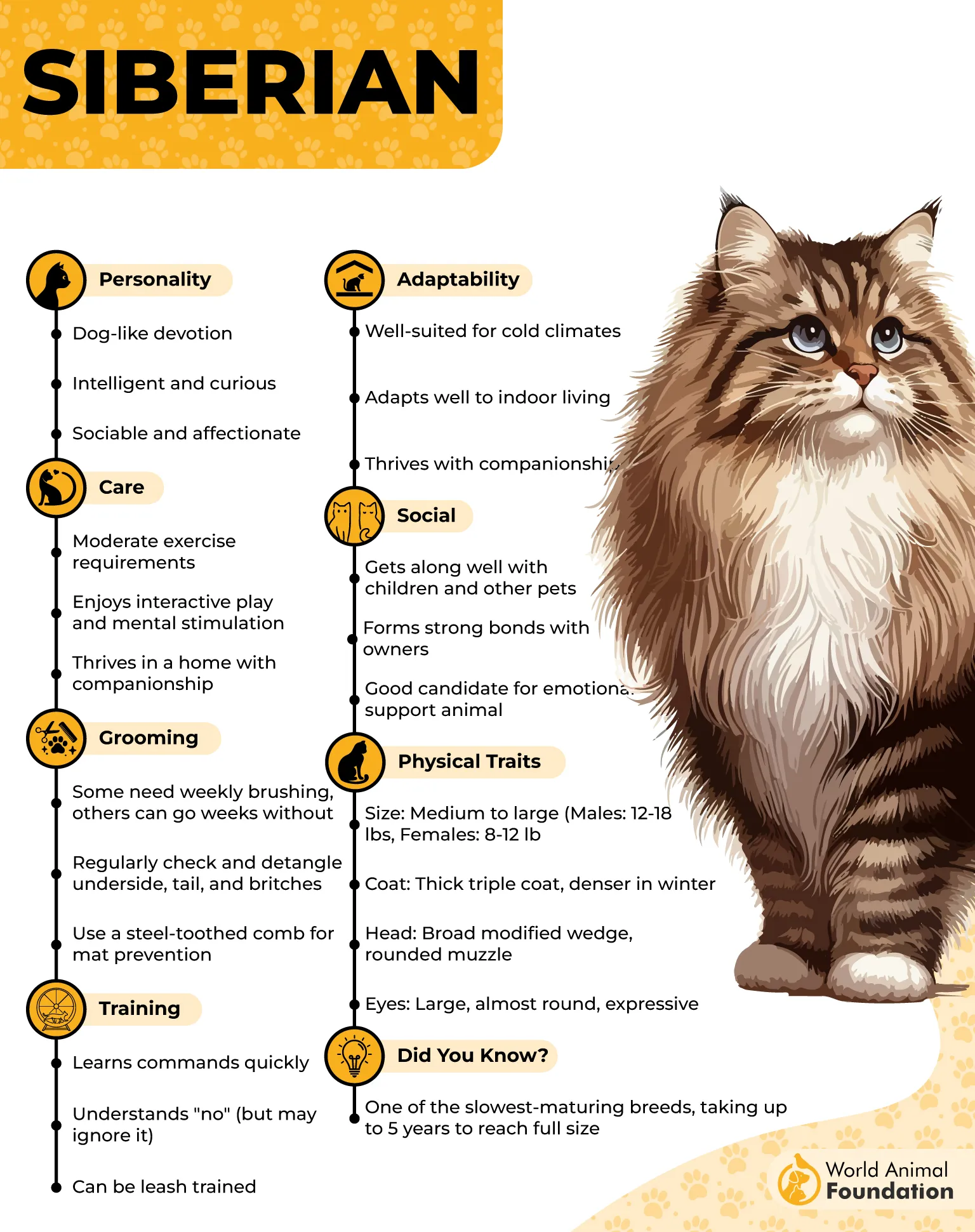
Cold-climate features include:
Thick, triple-layered winter coat
Moisture-resistant fur that repels snow and wet weather
Insulated ears for protection against freezing temperatures
Seasonal shedding to adapt to temperature changes
Siberians are one of the oldest cat breeds and may be the ancestors of other long-haired winter cats. They were introduced as early as the 17th century as skilled rodent hunters and are still known for their strong hunting instincts.
Despite their rugged background, Siberians are affectionate, social, and people-oriented. Hill’s Pet says that they are also considered hypoallergenic, as they produce less of the Fel d 1 protein.
4. Kurilian Bobtail
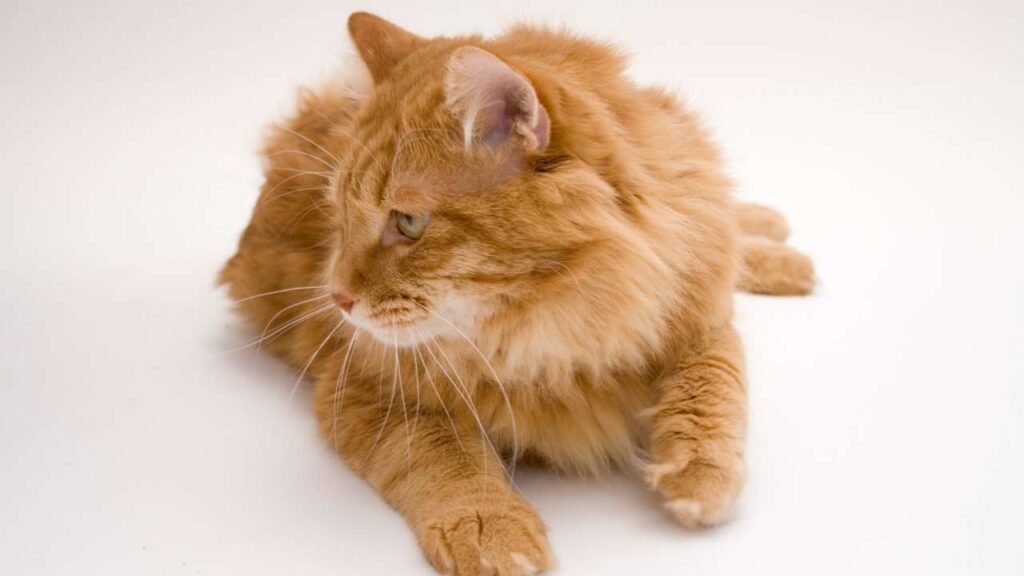
The Kurilian Bobtail is a natural breed that developed on Russia’s Sakhalin Island and the Kuril archipelago, where cold, wet weather is common.
This breed was later brought to central Russia in the mid-20th century by military members and scientists. With its bobbed tail and long hind legs, the Kurilian Bobtail is often compared to a small lynx—perfectly built for life in a chilly environment.
Cold-weather traits include:
Semi-long coat suited for cold, damp climates
Strong hind legs for agility and hunting
Natural bobtail that gives balance and character
Coat patterns are often marked with silvery highlights
Kurilian Bobtails are excellent hunters and are especially valued in Russia for their mousing skills. They’re also known for something unusual among cats—a genuine love of water, which reflects their island origins and fishing history.
Though rare in the U.S., this breed is gentle, affectionate, and highly intelligent. They balance independence with strong bonds to their humans. And of course, their playful pom-pom tail is a charming bonus that makes this cold-climate cat truly unforgettable.
5. Scottish Fold
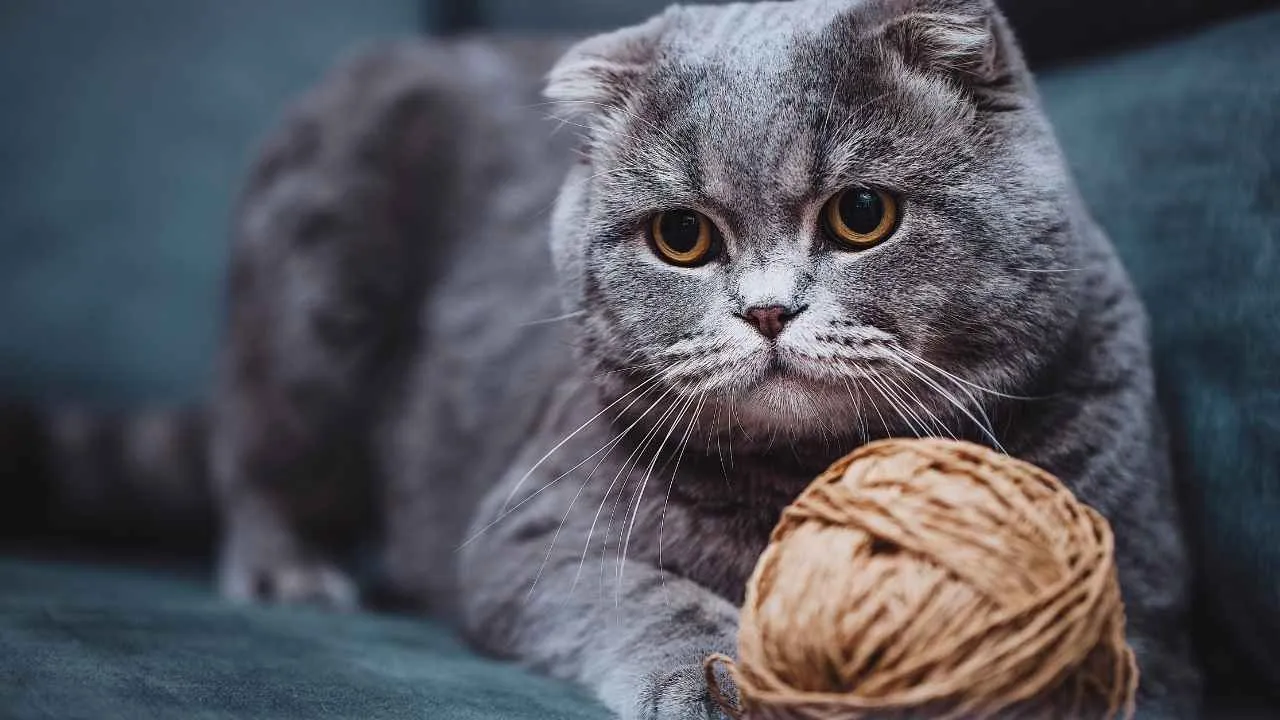
The Scottish Fold traces its roots to cool, damp Scotland. The first recognized cat of this breed was a barn cat named Susie in the 1960s.
Living outdoors in chilly conditions helped shape a breed with a plush, dense coat that provides reliable insulation. Their fur can be short or long and comes in many colors and patterns.

Cold-climate features include:
Thick, soft coat that helps retain warmth
Sturdy body with natural padding
Dense fur that insulates in cooler weather
Scottish Folds are best known for their folded ears, a trait caused by a natural mutation. While early concerns suggested the ear shape might cause hearing or infection issues, these worries did not turn out to be true.
Interestingly, all Scottish Fold kittens are born with straight ears, according to WebMD. The folding begins about 18 to 24 days after birth, and only around half of a litter develops the signature look.
Beyond their appearance, Scottish Folds are calm, affectionate, and easygoing. They enjoy quiet companionship and make excellent indoor cats in colder regions.
6. Ragamuffin
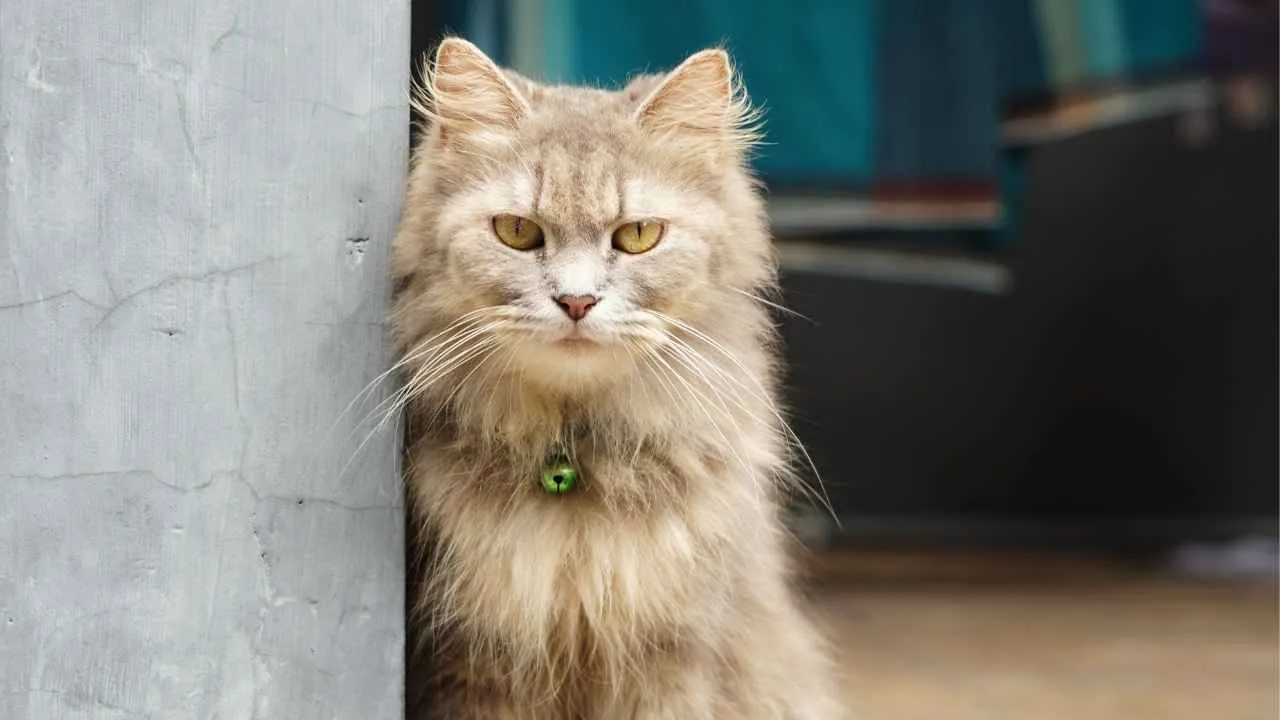
The Ragamuffin cat is covered in incredibly soft, fluffy fur that acts like a natural blanket against the cold. Their full, thick mane around the neck and a bushy tail provide extra warmth, making them well-suited for chilly environments.
This plush coat doesn’t just look cozy—it’s a real winter survival tool, helping them hold in body heat when temperatures drop.
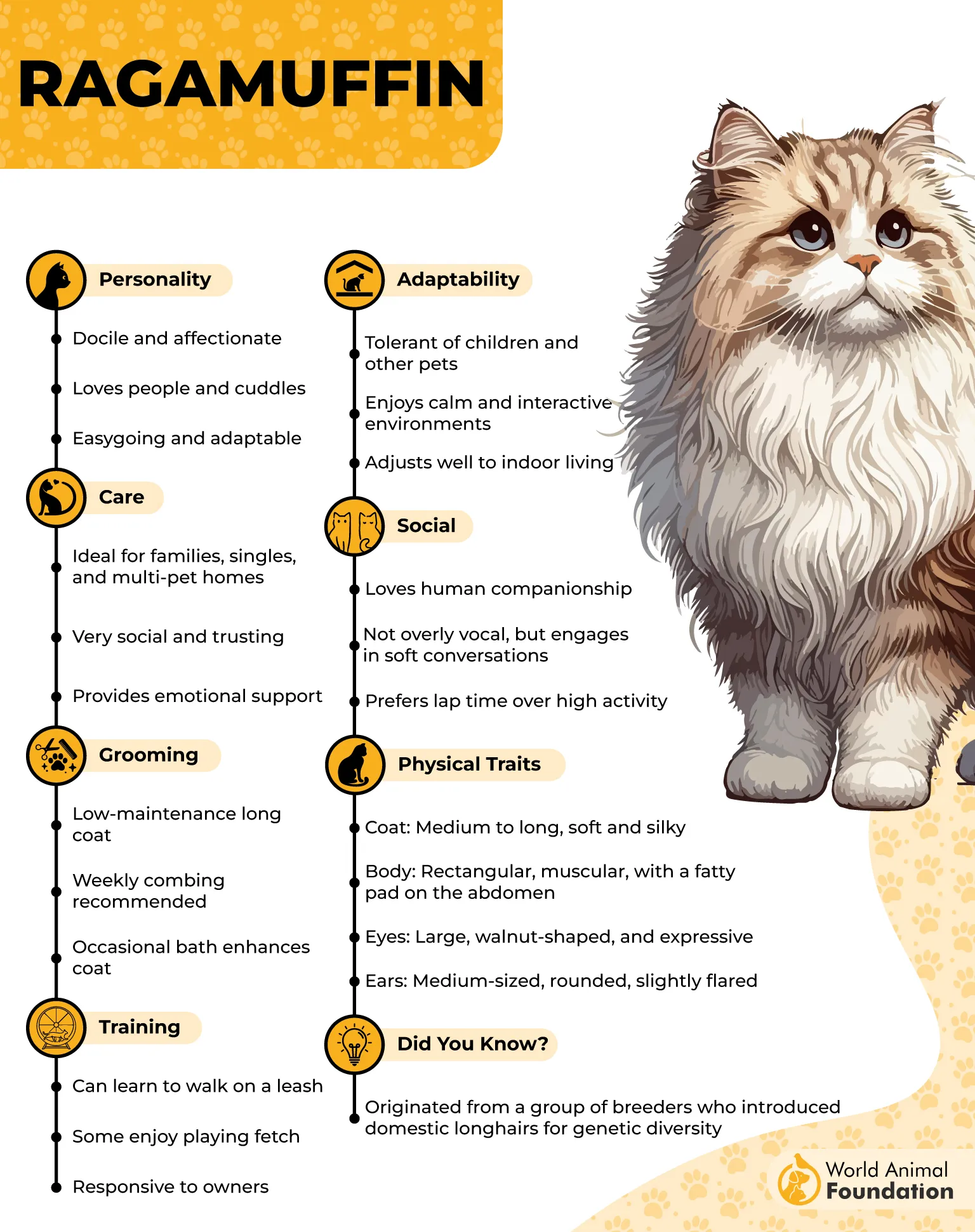
Cold-climate features include:
Dense, fluffy fur that traps warmth close to the body
A full mane that offers extra insulation around the neck
A thick, bushy tail that helps conserve heat
Beyond their winter-ready, luxurious coat, Ragamuffins are known for their gentle and docile personality. They have a calm and easygoing nature that makes them perfect for busy family homes where lots of activity happens.
These cats are intelligent but laid-back, loving nothing more than to curl up next to their humans on the couch, offering warmth and companionship on cold days.
Their affectionate nature means they thrive on attention and enjoy spending time with family members, making them ideal indoor cats for cold temperatures.
7. Himalayan
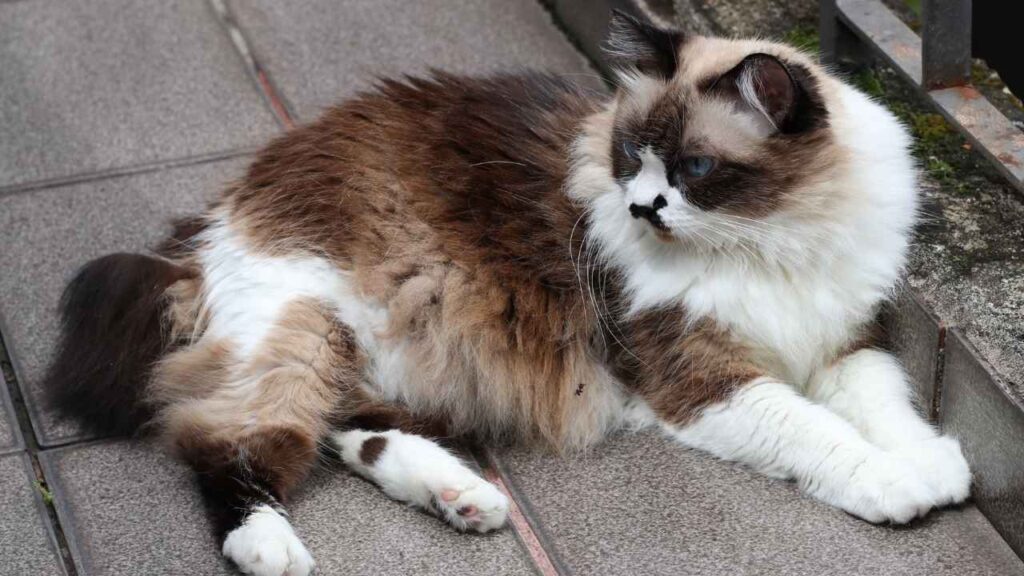
As the name suggests, the Himalayan cat is built for cooler climates. Their double-layered, thick coat keeps them warm and cozy, making them feel most comfortable when the air is cool—even during summer. This plush fur acts like a built-in winter coat, helping them stay snug when temperatures drop.
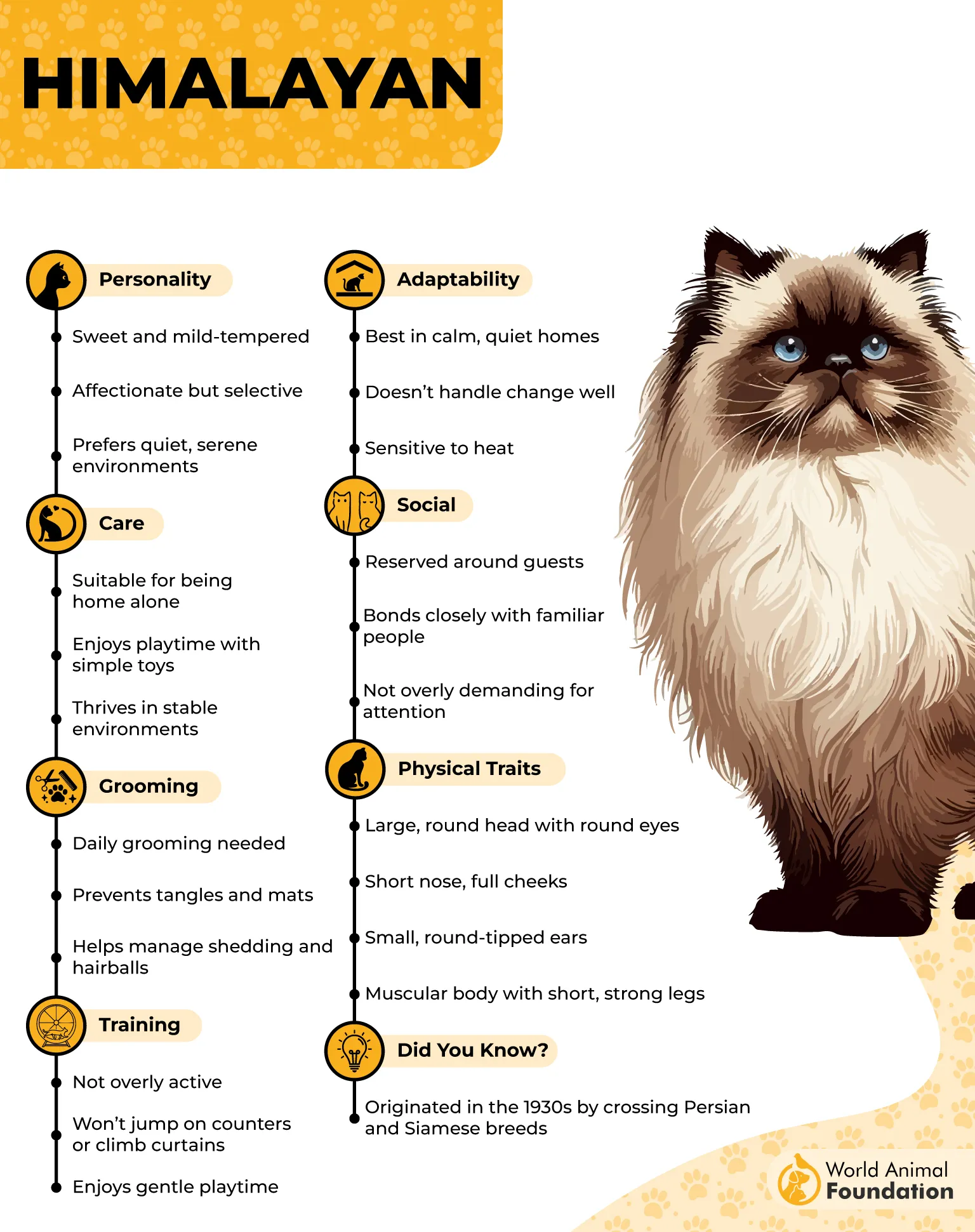
Cold-weather features include:
Thick, insulating double coat for warmth
Compact body that helps reduce heat loss
Silky fur that requires regular grooming
Because of their dense fur, Himalayans need a bit more care. Regular grooming—ideally daily—is important to prevent mats and tangles. Using a self-cleaning deshedder brush every four to five days can help keep their coat healthy and manageable.
Himalayans are a beautiful mix of Persian and Siamese, combining stunning looks with a gentle, loving personality. They thrive on human attention and enjoy cuddling up close to their owners. While they love their snuggle time, they also enjoy play sessions and learning new tricks.
8. Chartreux
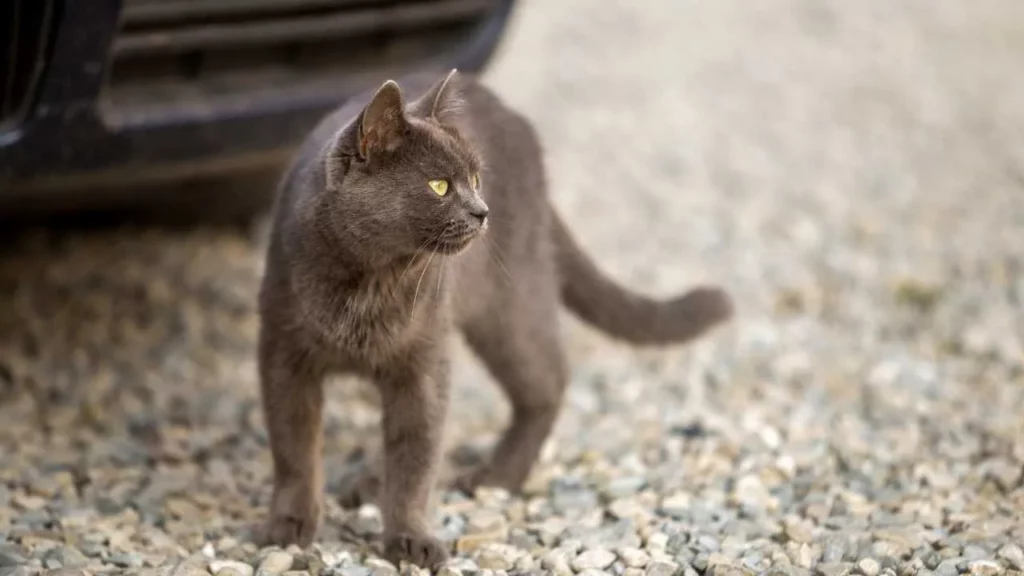
The Chartreux is a medium-sized, heavily muscled cat from France, known for its thick, water-repellent coat that helps it stay warm during chilly temperatures. Their dense undercoat adds extra insulation, making them well-prepared for chilly days and wet conditions.
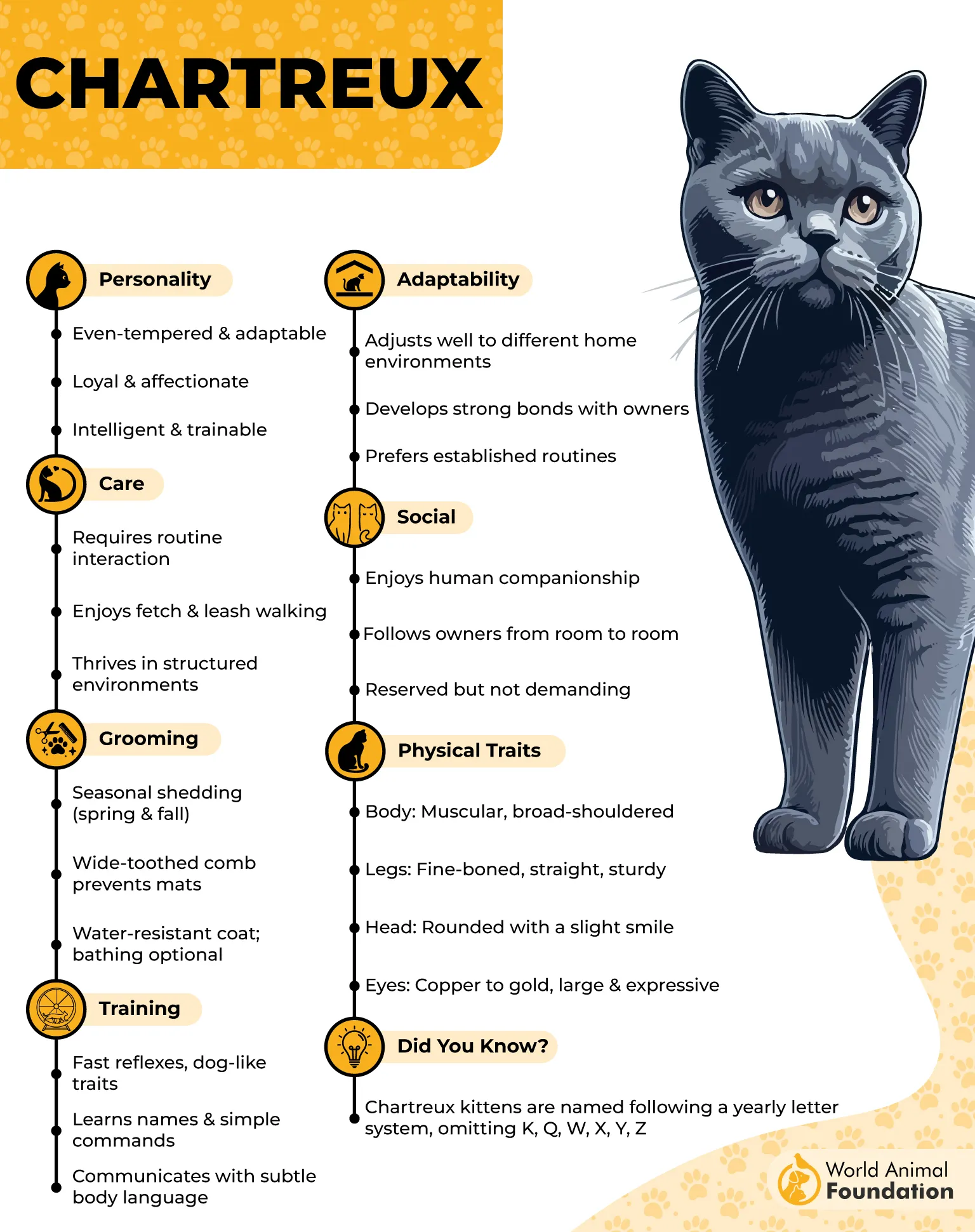
Cold-climate features include:
Dense, water-resistant coat that repels moisture
Muscular, sturdy build that helps retain body heat
Thick undercoat for extra warmth
Chartreux cats have a calm and independent nature. TICA mentions that they’re often called “potatoes on toothpicks” because of their large, solid bodies paired with short legs.
Despite their strong build, they’re surprisingly laid-back and easygoing. They tend to be loyal to one person but are generally friendly and affectionate.
These cats love to observe their surroundings quietly and can entertain themselves, making them an excellent fit for introverts or those who appreciate a thoughtful companion.
9. Russian Blue
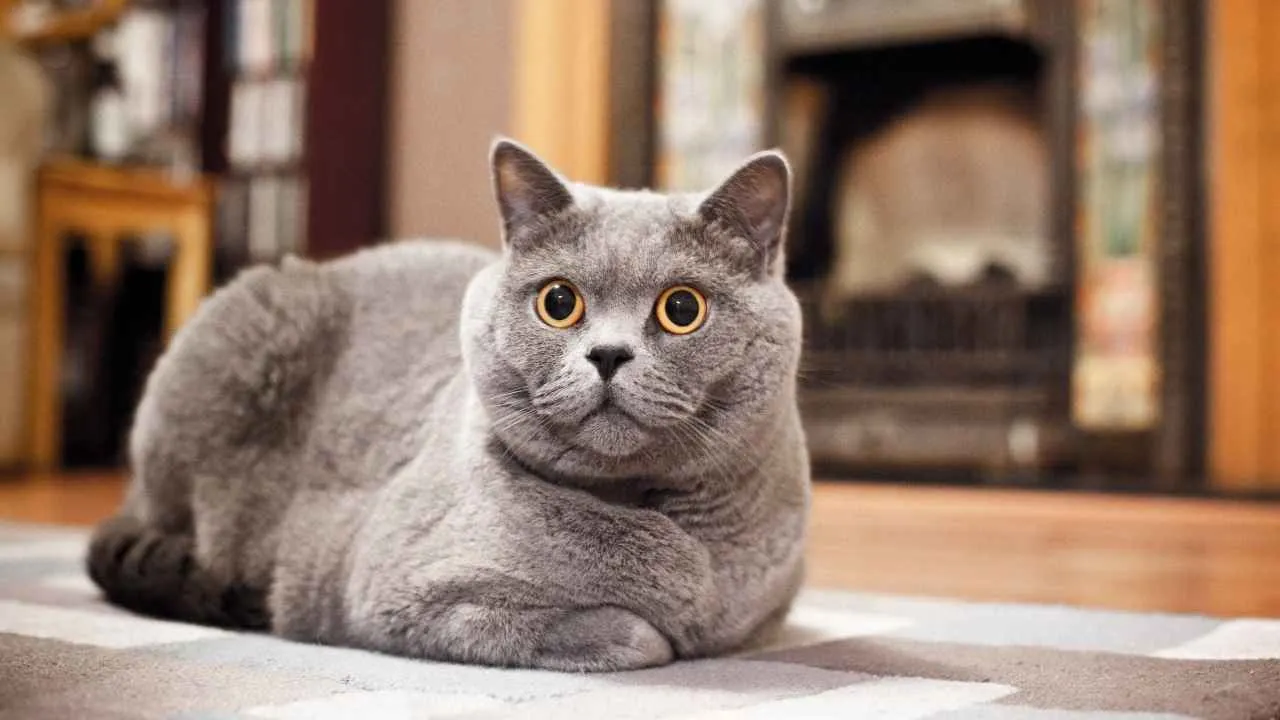
The Russian Blue hails from the chilly port of Arkhangelsk, near the White Sea in northern Russia—just south of the Arctic Circle.
This graceful breed is built for cold weather, sporting a short, dense double coat that’s soft, plush, and tipped with a beautiful silvery-blue sheen. Legend says hunters once targeted Russian Blues for their luxurious fur, which they compared to seal pelts.
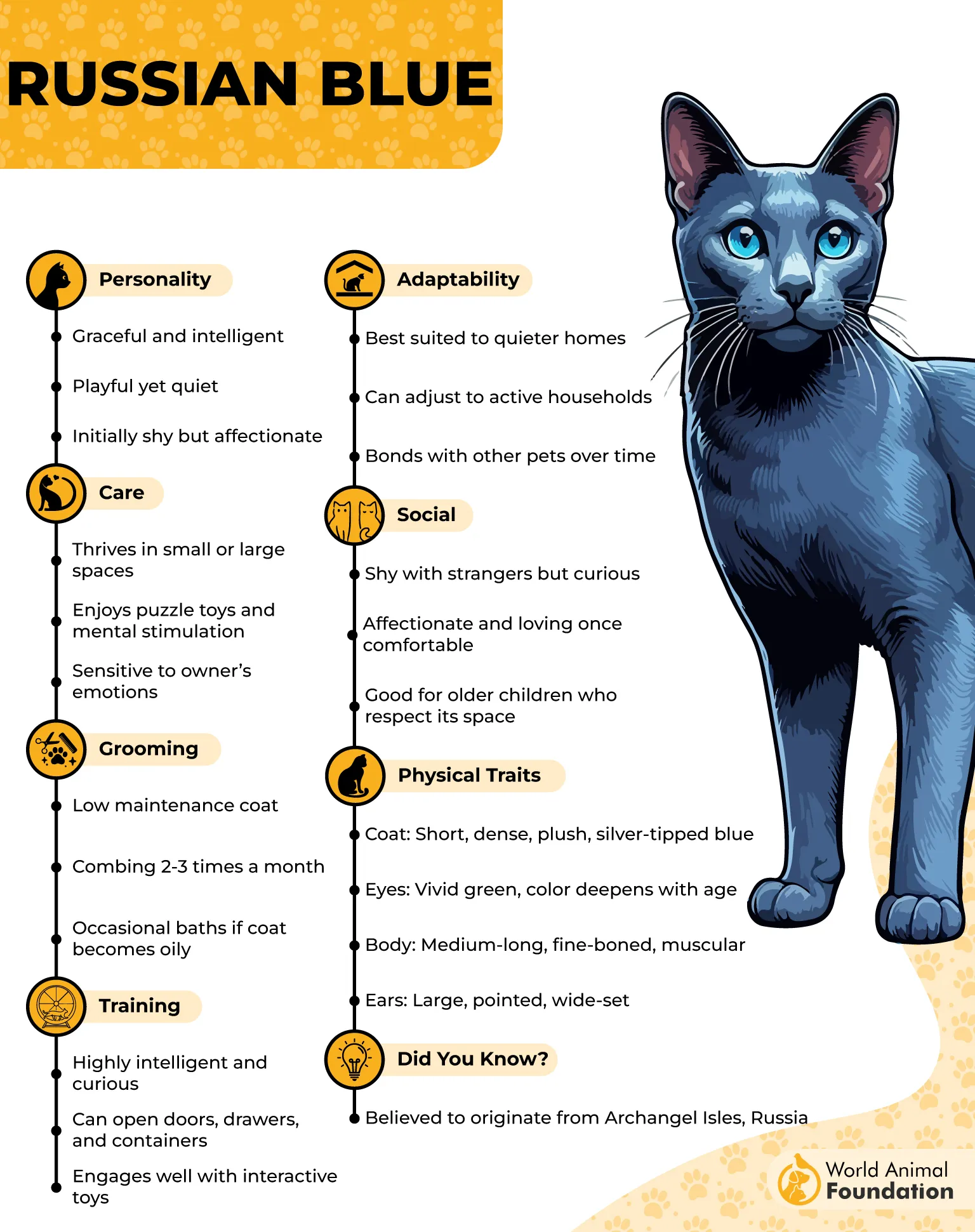
Cold-climate features include:
Dense, plush double coat for warmth
Silvery-blue fur that repels cold air
Low-maintenance grooming needs
Russian Blues are gentle and playful, but also value their independence. They’re loyal to their families yet tend to be shy around strangers.
This breed adapts well to changing environments and is usually low-maintenance, making it a great choice for families and first-time cat owners. Plus, like Siberians, Russian Blues often produce fewer allergens, making them better suited for allergy sufferers.
10. Turkish Van
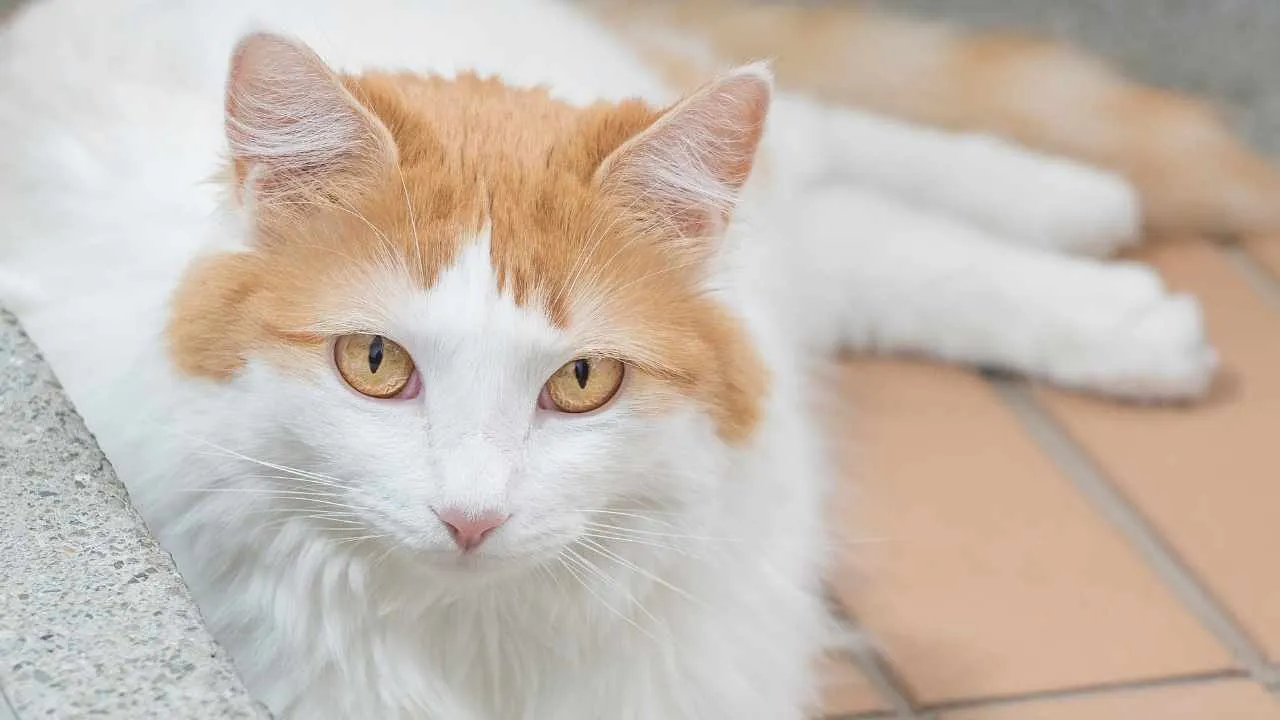
Like its close relative, the Turkish Angora, the Turkish Van is built to handle extreme temperatures, including chilly climates. With a long, thick winter coat and a sturdy body, these cats stay warm and thrive in cold weather.
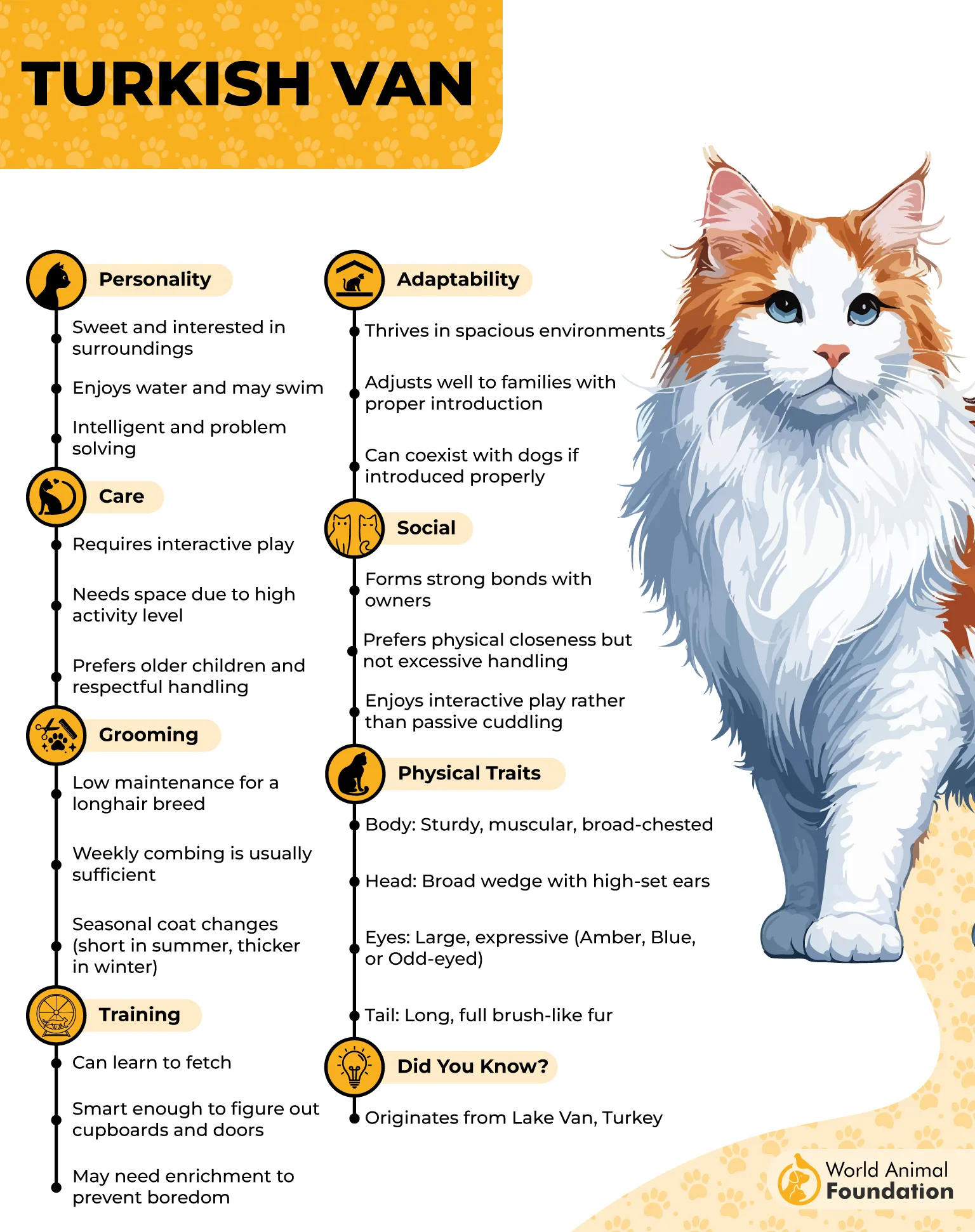
Cold-climate features include:
Thick, insulating long coat for warmth
Strong, solid build suited for harsh conditions
High energy levels that help generate body heat
Originating from the mountainous regions of Turkey, where the climate is tough and the landscape rugged, Turkish Vans developed their soft, thick fur as natural protection. They are famously known as “Swimming Cats” because they love water and are great swimmers, often playing in lakes and streams.
Highly intelligent and social, Turkish Vans enjoy learning new tricks and thrive on interaction, making clicker training a perfect way to keep their minds sharp. While they require more attention than some breeds, their affectionate and playful personalities make them a rewarding companion.
Conclusion
Cats adapted to cold climates are truly remarkable creatures. Their thick, water-resistant coats, sturdy builds, and unique traits like tufted paws or bushy tails help them thrive where temperatures drop, and snow falls.
From the gentle giant Maine Coon to the playful Turkish Van, these breeds show how nature equips animals to handle tough environments while still being loving companions.
If you’re a new cat parent considering adding a furry friend to your home in a cold climate, these breeds offer a wonderful mix of warmth, personality, and hardy survival skills.
Remember, each cat has its own unique needs—especially when it comes to grooming and care during the winter months. So, take the time to choose a breed that fits your lifestyle and climate, and you’ll have a loyal, affectionate companion who’s ready to brave the cold by your side.
After all, there’s nothing quite like a warm purring cat to brighten even the frostiest days.
