




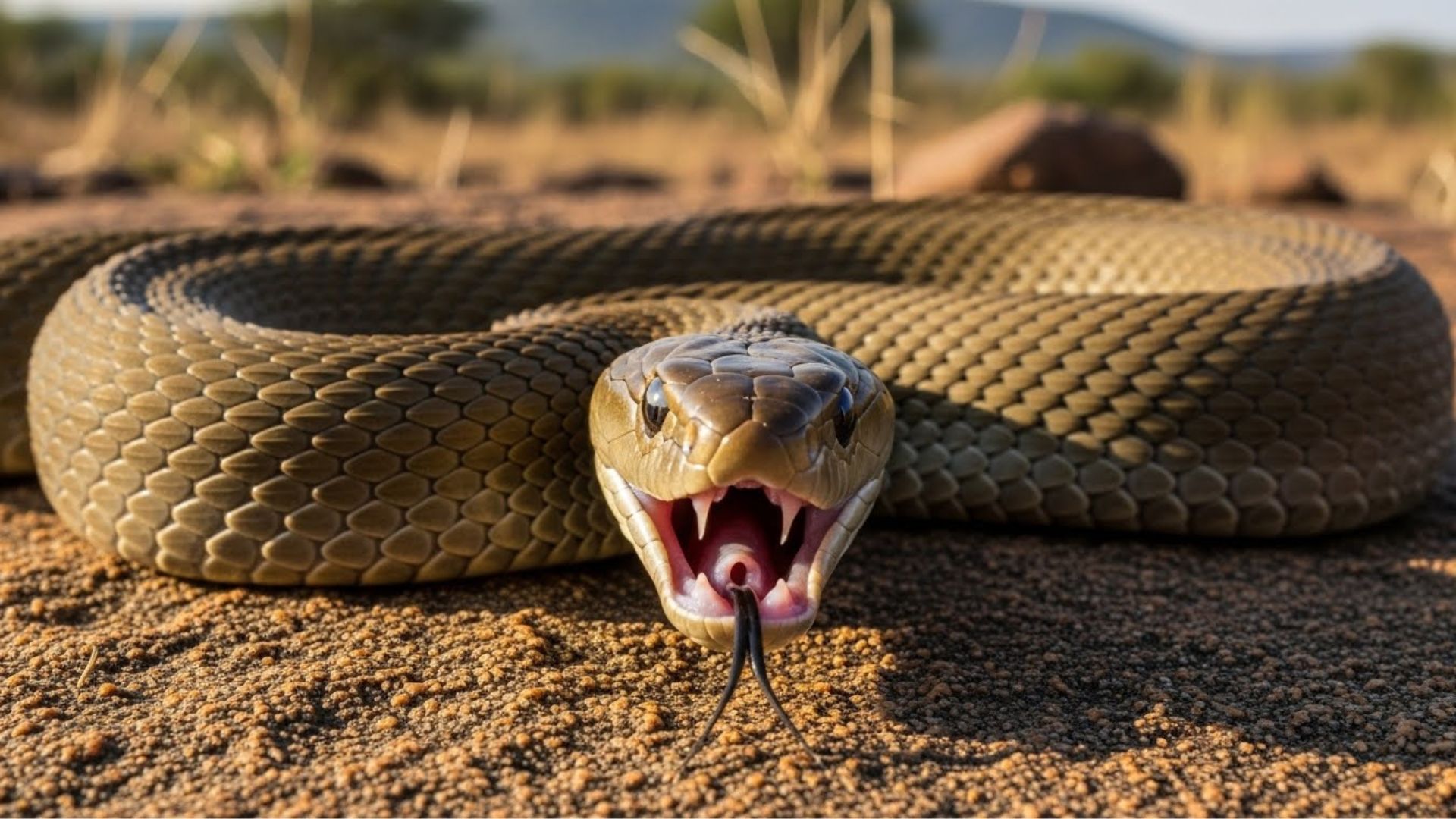
Many people want to understand snakes with the most powerful venom because the topic feels intimidating. It feels overwhelming. It feels like something meant only for experts. Yet curiosity remains, and that curiosity deserves clarity rather than fear.
Venom can seem complicated, but once you break it down, it becomes easier to understand. Potency has a function. Delivery has a purpose. Reaction has a pattern. When these three elements work together, venom becomes the reason these snakes survive.
Instead of looking at them only through fear, this introduction helps you see their biology with confidence. When you understand how venom works, you feel less intimidated and more informed. When you understand why venom exists, the topic feels structured rather than confusing.
By the end of this article, you will see venom not as a mystery but as a precise tool these snakes use for protection and survival.
Key Takeaways
One snake on this list carries venom so potent that a single bite can overwhelm its prey within minutes, prompting scientists to study how it works so quickly.
The Inland Taipan and Coastal Taipan show how venom strength is not only about toxicity but also about delivery, quantity, and precision.
Black Mambas and King Cobras add speed and control to the equation, turning movement, posture, and awareness into survival tools.
As the list unfolds, the patterns behind venom, behavior, and risk begin to connect in ways that change how these snakes are understood.
Snakes with the Most Powerful Venom
1. Inland Taipan
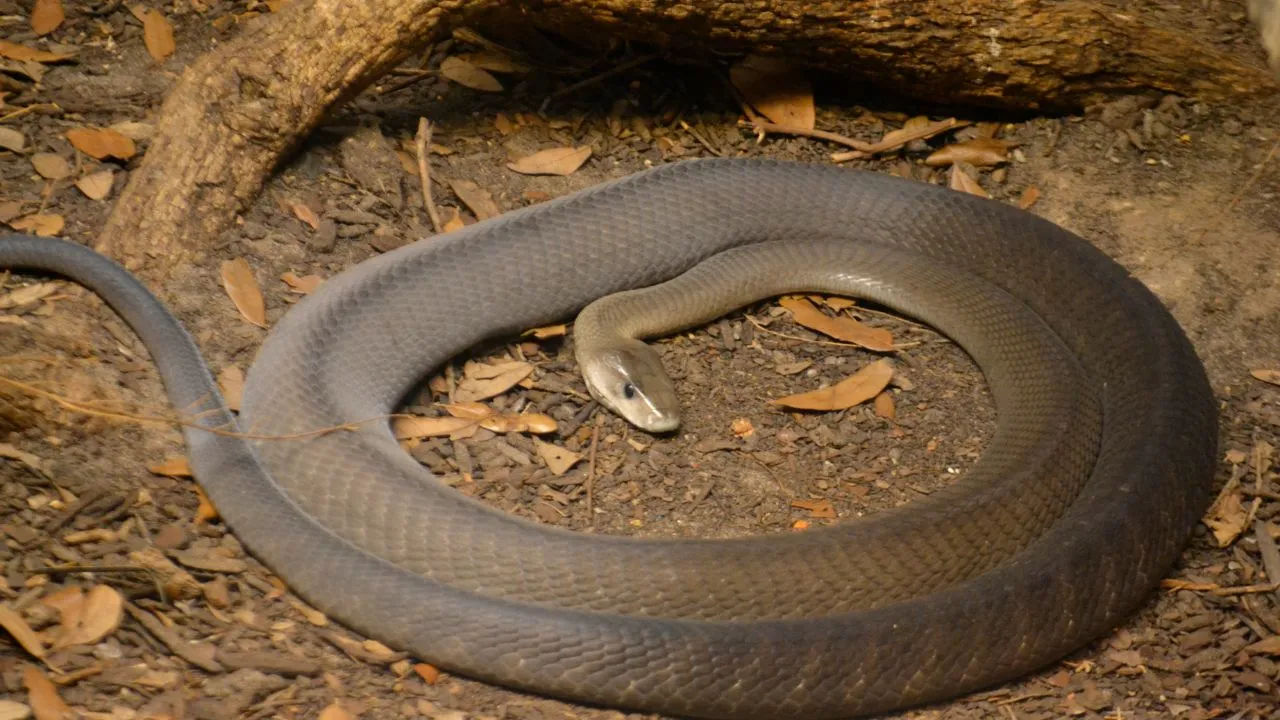
Inland Taipan reacts swiftly when provoked, delivering one or more bites with remarkable control. Its venom isn’t just toxic, but it also contains an enzyme that accelerates absorption, making it extremely potent. This precision ensures prey is subdued almost immediately in the wild.
Venom Efficiency
The combination of toxicity and rapid action sets this snake apart in potency. Its venom targets small to medium mammals, especially long-haired rats, allowing it to hunt effectively in its natural range, as per Wildlife Magazine.
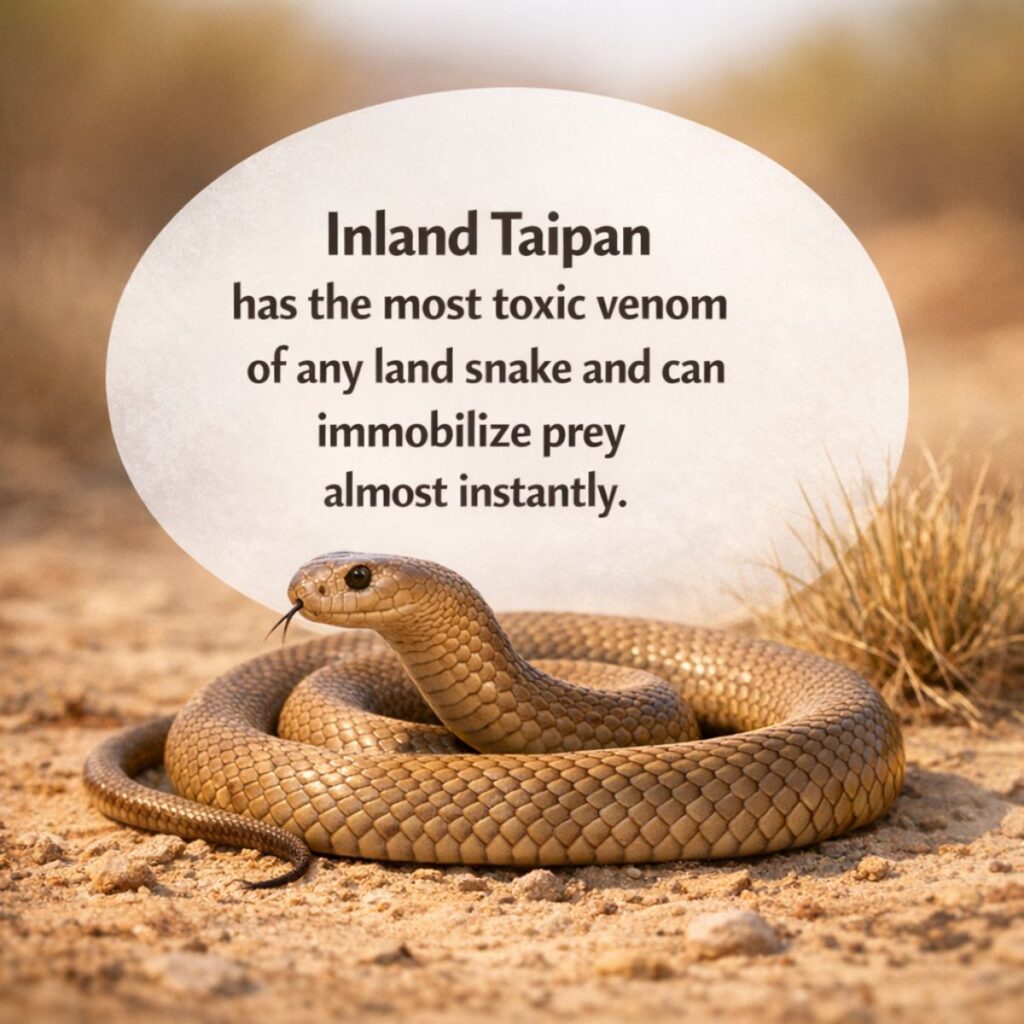
Key features of its venom include:
Extremely fast-acting components
High toxicity per milligram
Ability to immobilize prey quickly
Rare Encounters
Encounters with humans are unusual, as the snake tends to avoid populated areas. It remains calm unless directly threatened, which makes accidental bites extremely rare. Its reclusive nature adds a layer of safety despite its lethal potential.
2. Eastern Brown Snake
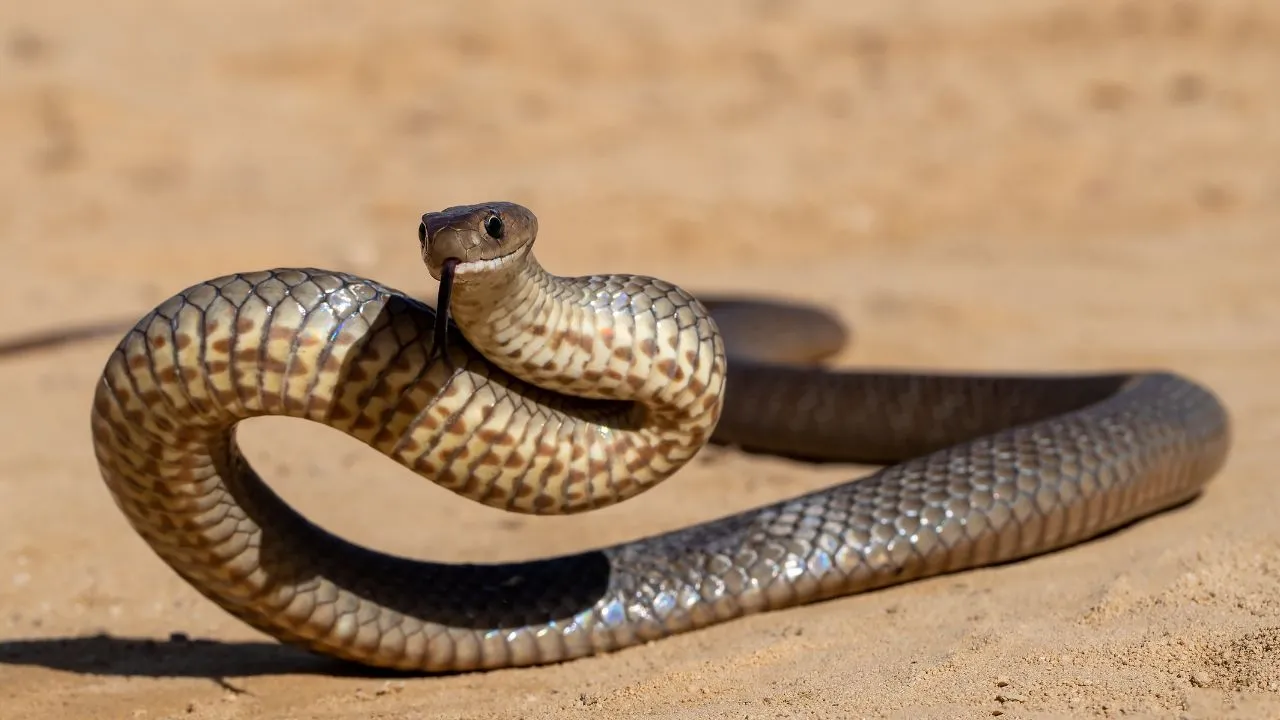
Eastern Brown Snake is notorious for its potent neurotoxin, affecting blood clotting, breathing, and the heart. Its strikes are precise and backed by a strong coil, making encounters serious. Despite this, it usually avoids confrontation unless provoked or cornered.
Hunting Skills in Action
This snake is active during the day and retreats to burrows at night, showing remarkable hunting focus, as Billabong Sanctuary mentioned. Its movements are quick and calculated, allowing it to track prey with accuracy.
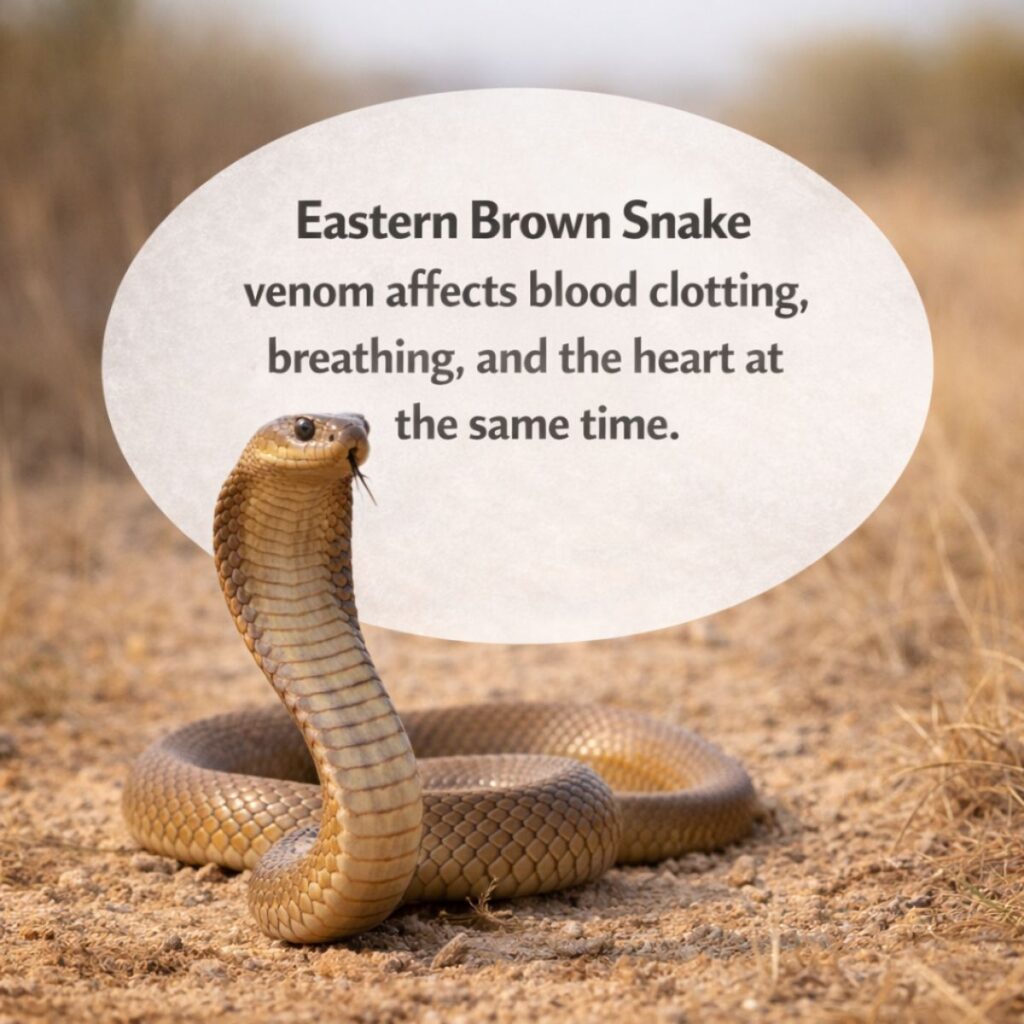
Look at how it excels in the wild:
Rears into an S-shape to prepare for a strike
Coils around prey to secure it after biting
Uses alert posture to assess threats
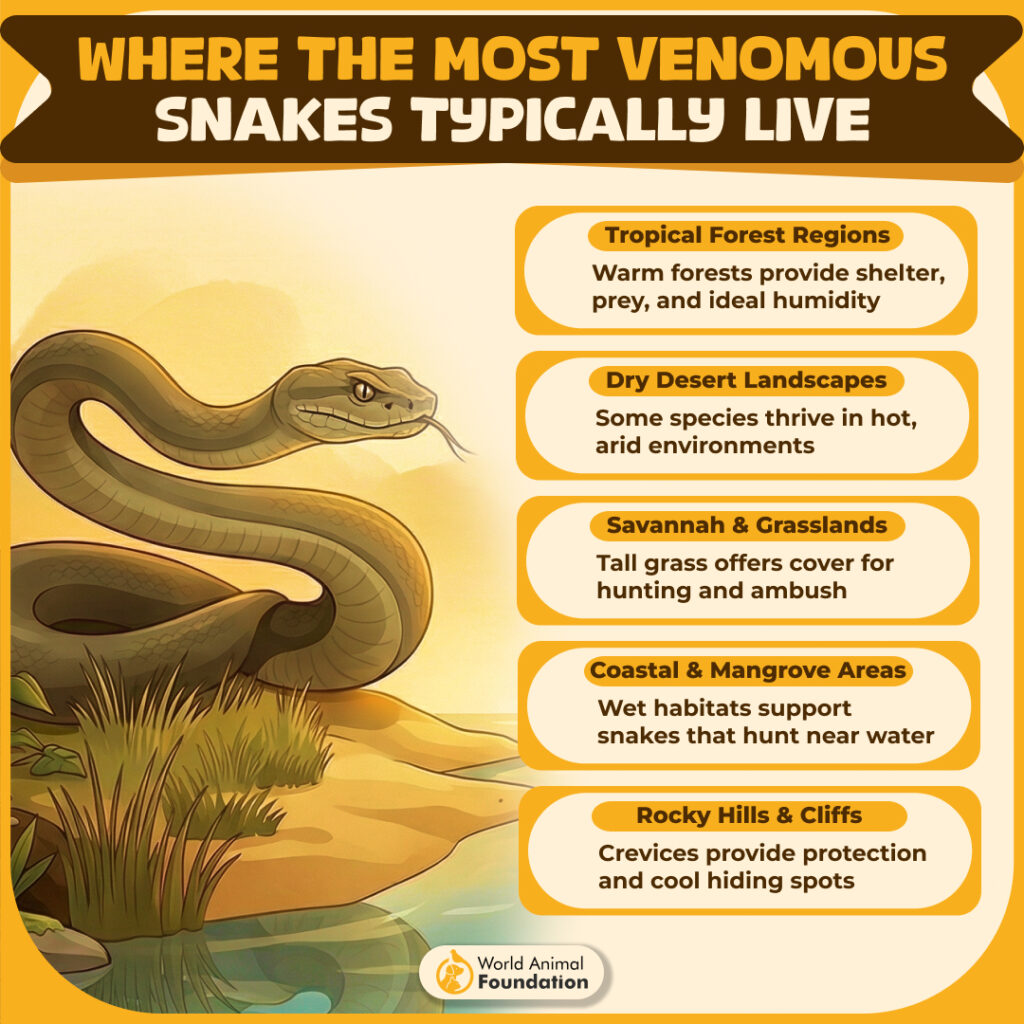
Behavior and Interaction
Generally reclusive, the Eastern Brown Snake prefers to avoid humans, relying on speed and venom for defense. Daytime hunting patterns make it a highly efficient predator. Its quick reactions and defensive posture are key survival tools in the wild.
3. Black Mamba
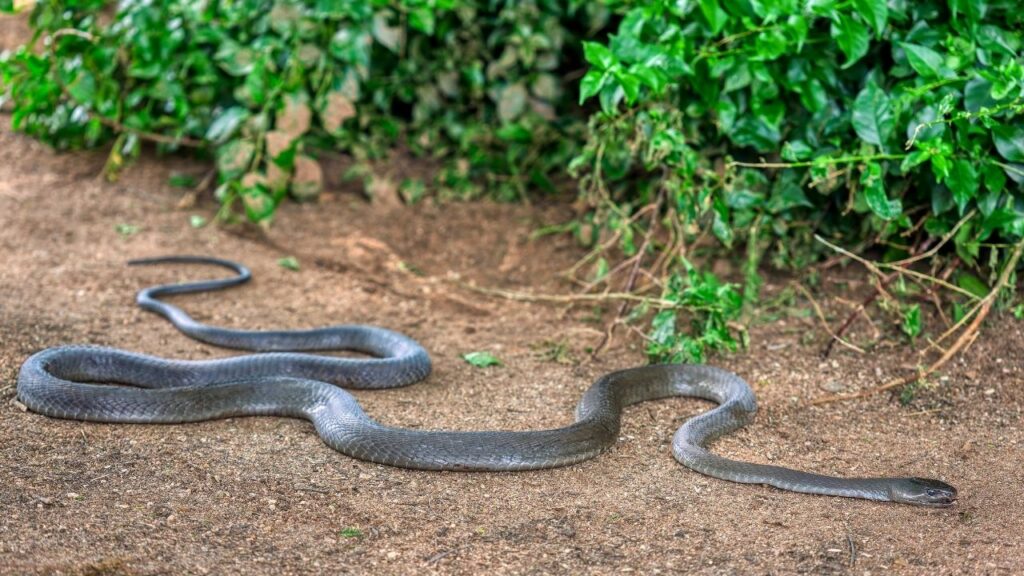
Black Mambas move with remarkable agility, reaching speeds up to 12 miles per hour, as Mat Van Geo writes. This quickness helps them navigate savannahs, hills, and forests efficiently. Their movement is calculated yet lightning fast, making them extremely effective in avoiding threats.
Defense in Motion
When threatened, these snakes display a striking warning posture by raising their head and opening their mouth wide. Their bite can be delivered repeatedly in rapid succession, making them a serious presence in their habitat.
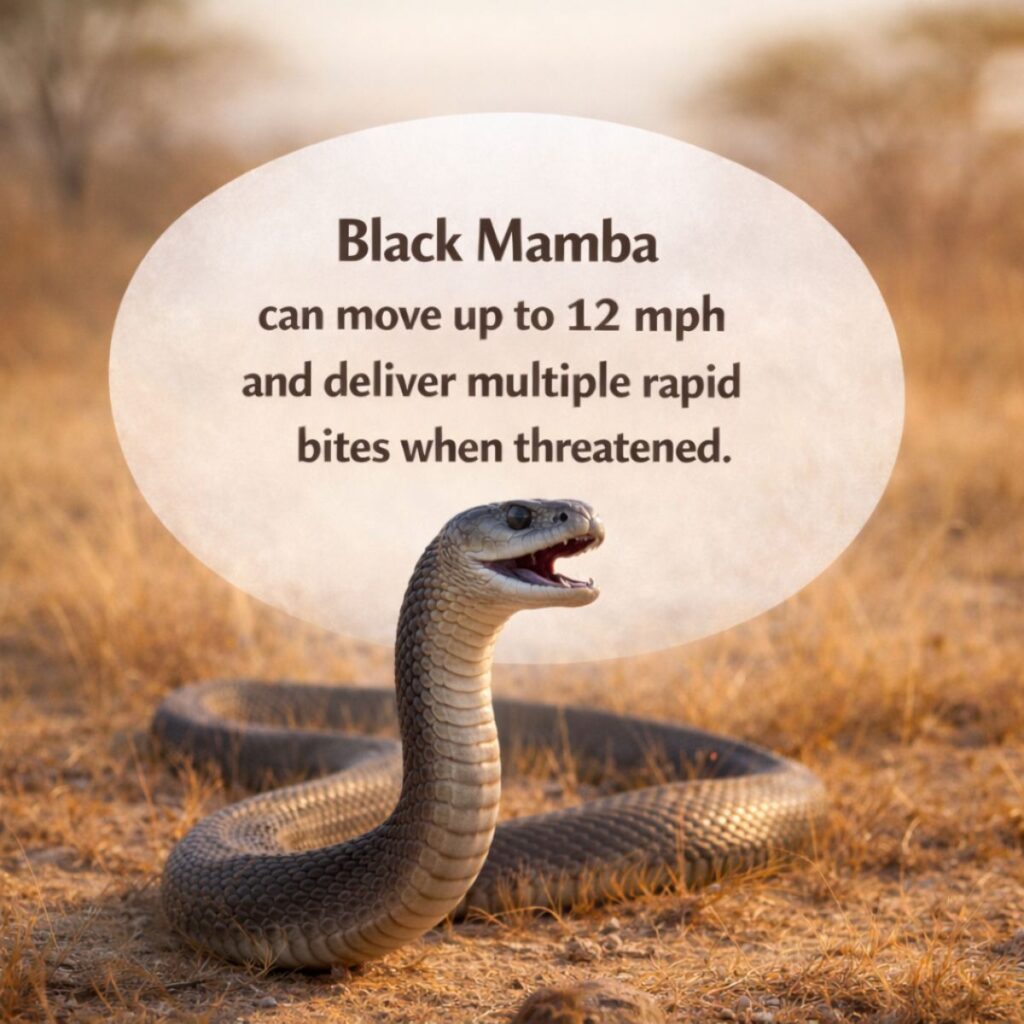
Key defensive features include:
Rapid striking ability
Loud warning hiss
Climbing skills for escape or ambush
Alertness That Serves Survival
Black Mambas are very aware of their surroundings and can detect humans or predators without being aggressive first. Their alert nature ensures they respond quickly when necessary. This attentiveness allows them to move confidently across varied terrain without unnecessary risk.
4. King Cobra
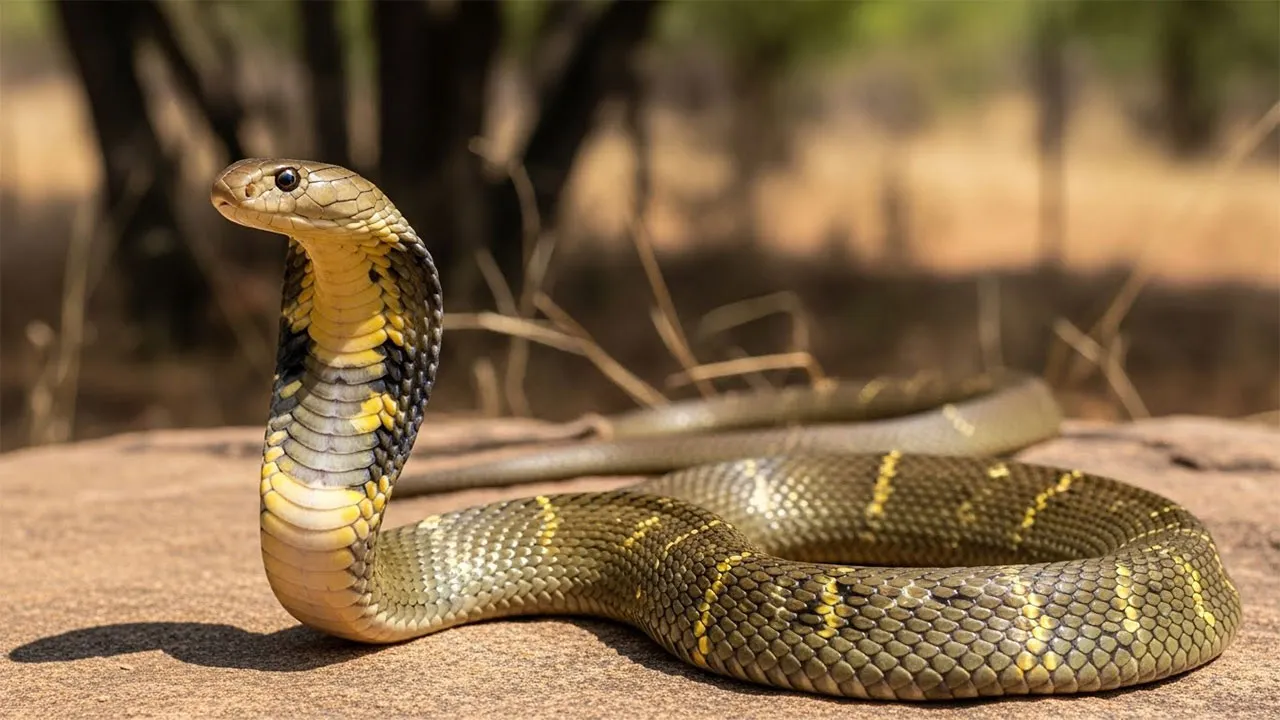
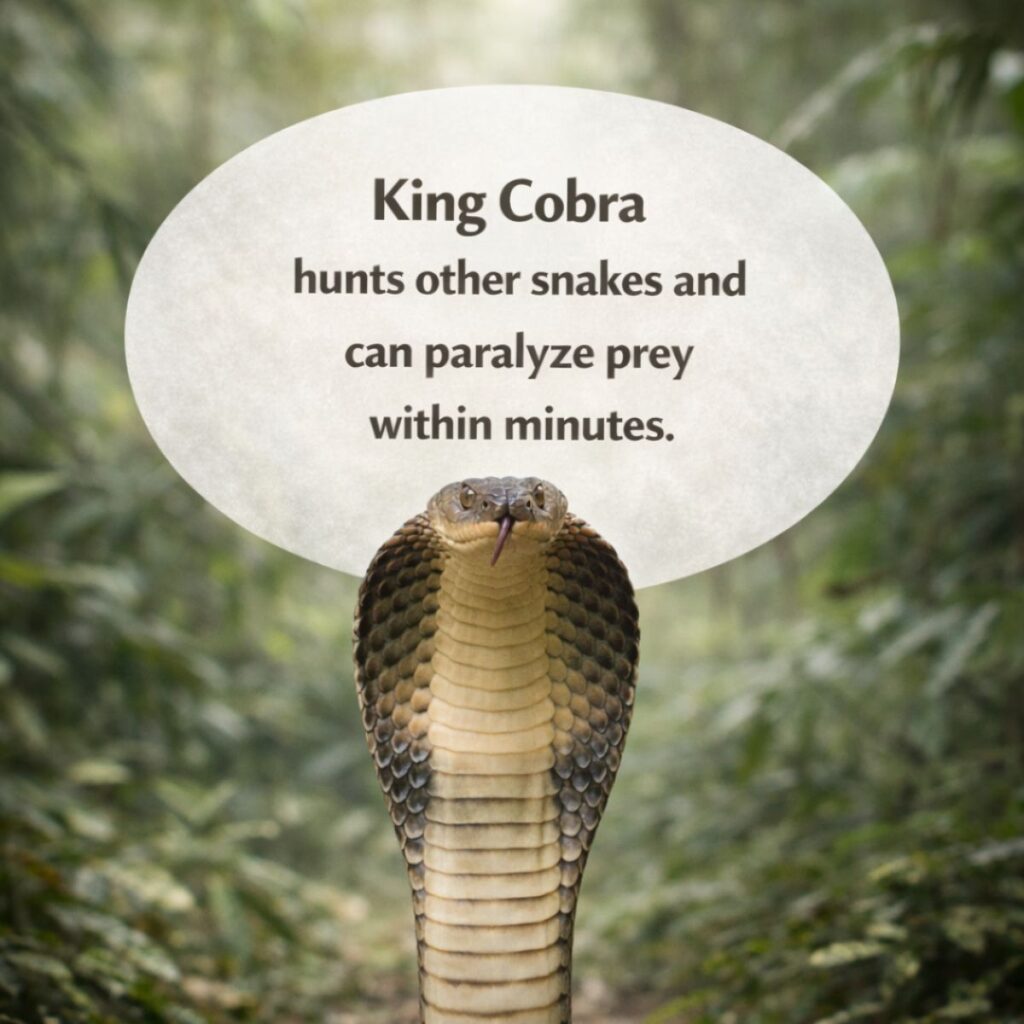
King Cobra commands attention with its length and posture, instantly signaling power in the wild. This snake’s neurotoxic venom can paralyze prey within minutes, making it a formidable predator. Movement is deliberate, allowing it to navigate forests, streams, and mangroves efficiently.
Venom in Action
Precision and potency define the king cobra’s hunting strategy, especially when preying on other snakes. Its long fangs deliver neurotoxin directly to immobilize targets, showcasing evolutionary efficiency.
Observing its capabilities reveals some remarkable features:
Can subdue prey much larger than its head
Neurotoxin affects the respiratory system quickly
Tracks other snakes with an acute sense of smell
Silent Observer
Despite its size, the king cobra often avoids humans unless provoked. Its low hiss and moans resemble a growl, serving as a warning while maintaining distance. Alertness in dense vegetation allows it to react to threats or opportunities without unnecessary movement.
5. Eastern Tiger Snake
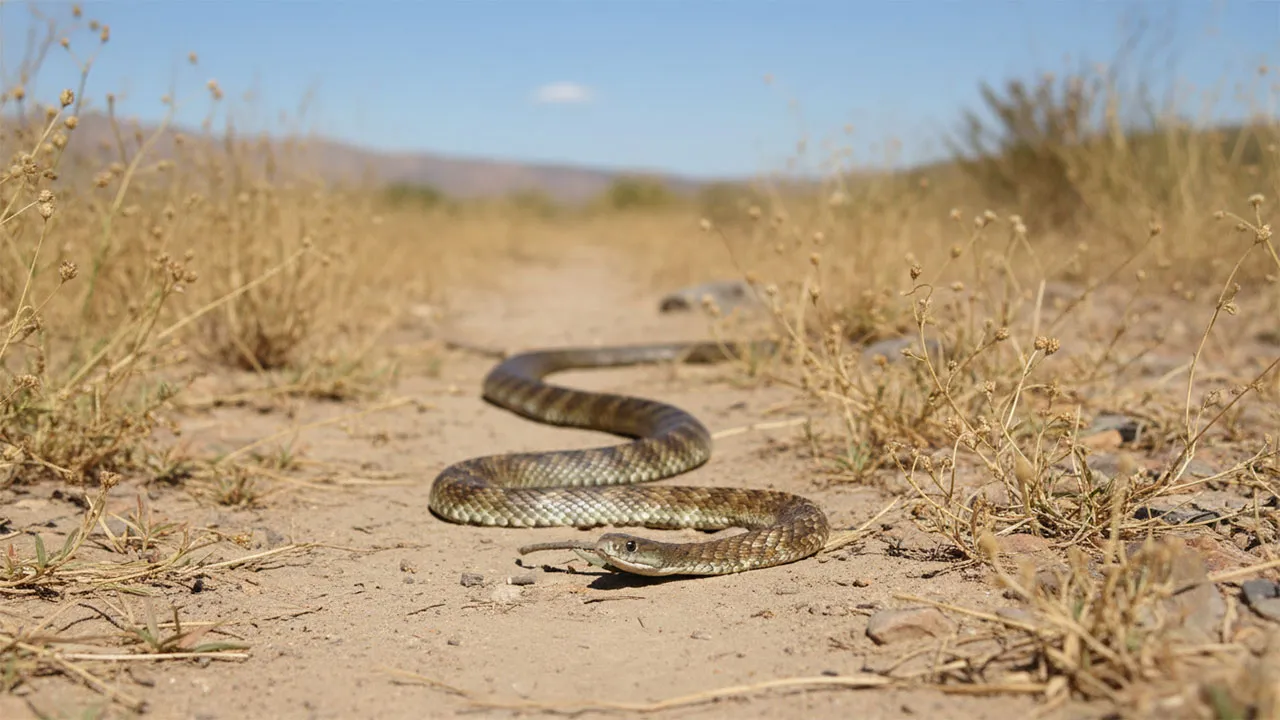
Eastern Tiger Snake is most active after dark, using low-light hours to move through its surroundings with confidence. This nocturnal pattern explains why it is often noticed crossing roads at night. Awareness stays high during these hours, which influences how it reacts when disturbed.
Hunting Style and Venom Context
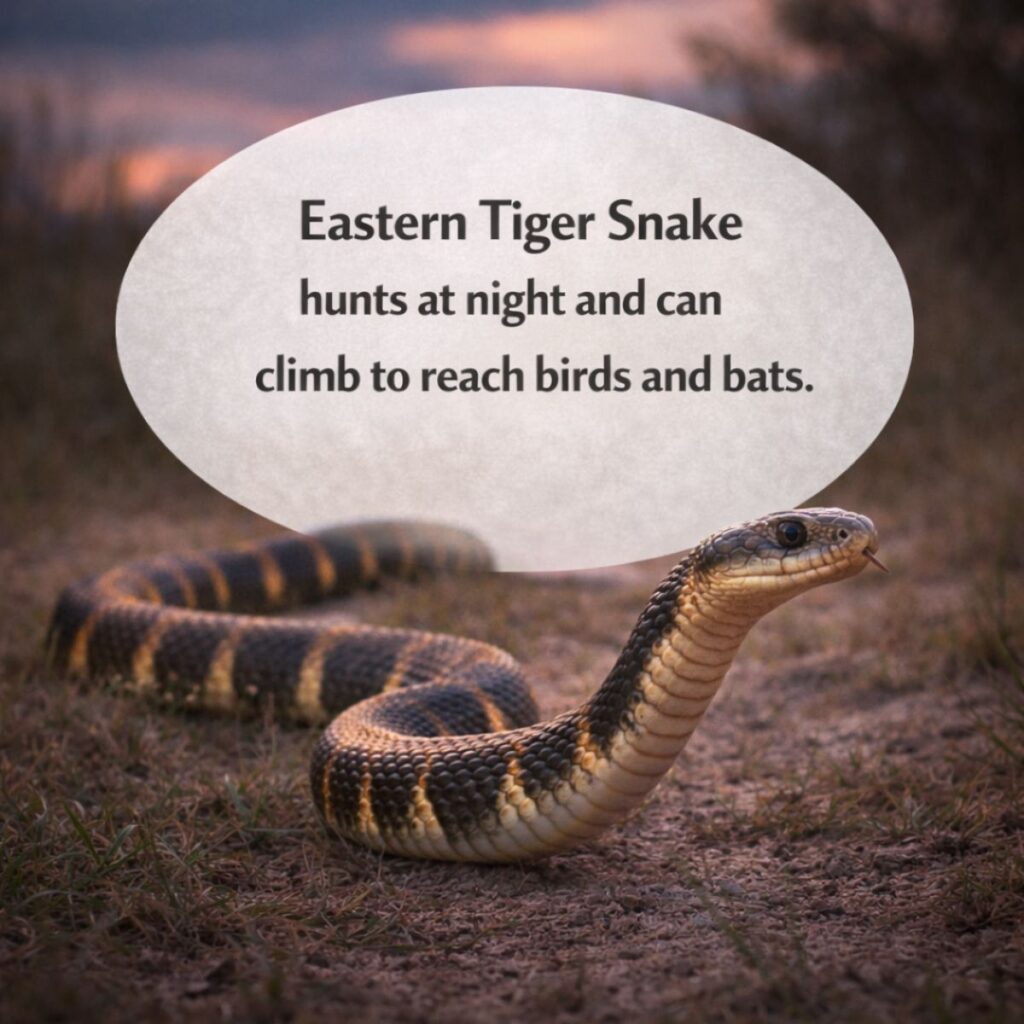
Eastern Tiger Snake uses its climbing ability to reach prey that stays out of reach for most ground snakes, as the African Snakebite Institute stated. That behavior links directly to how its venom works in close-contact situations.
A few points explain this interaction clearly:
Hunts geckos and bats in elevated spaces
Targets fledgling birds and small rodents
Venom effects remain mild unless prolonged contact occurs
Defensive Displays
Eastern Tiger Snake responds quickly when confronted, relying on posture more than immediate biting. Raising the front third of the body and flattening the head creates a clear warning signal. Mock strikes and hissing are commonly used to push threats away.
6. Coastal Taipan
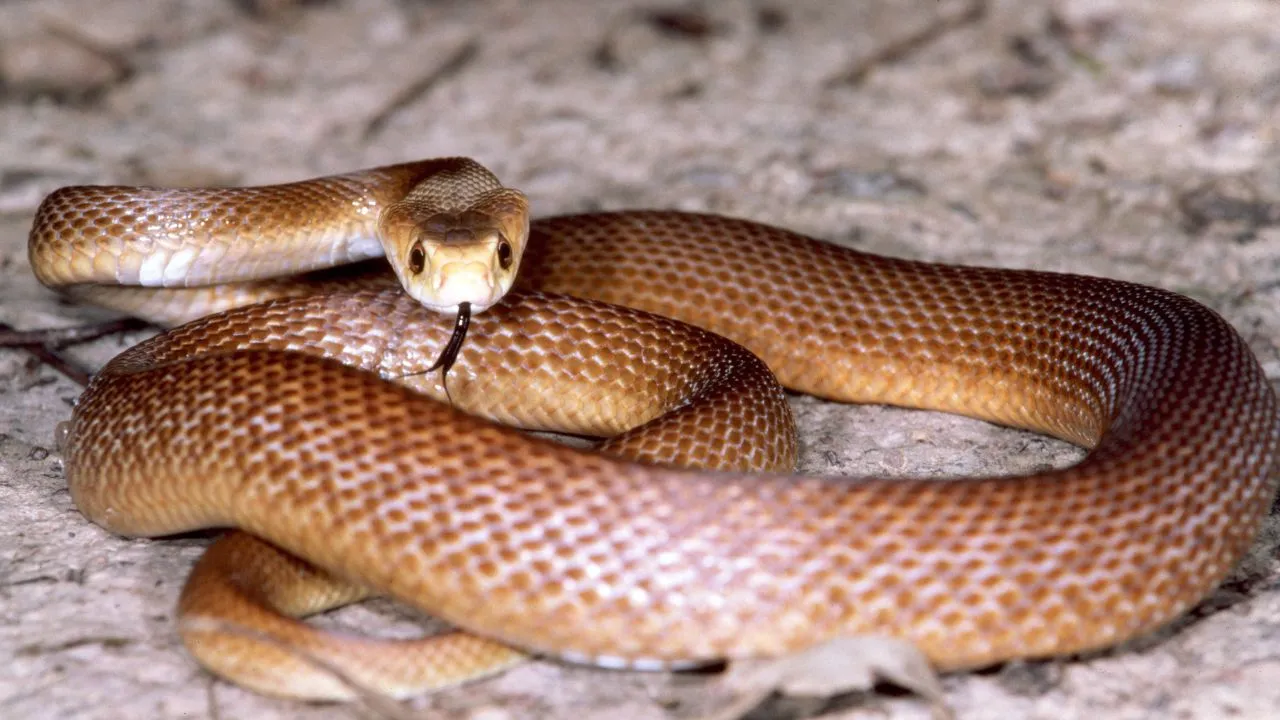
Coastal Taipan is known for producing an exceptional volume of venom in a single strike. This capacity places it firmly among snakes with the most powerful venom recorded. The sheer quantity alone explains why this species is taken seriously by researchers and antivenom programs.
Record-Setting Venom Production
Coastal Taipan holds a documented record that sets it apart from nearly every other venomous snake. A single specimen produced 5.2 grams of pure venom during one controlled milking at an Australian reptile facility.
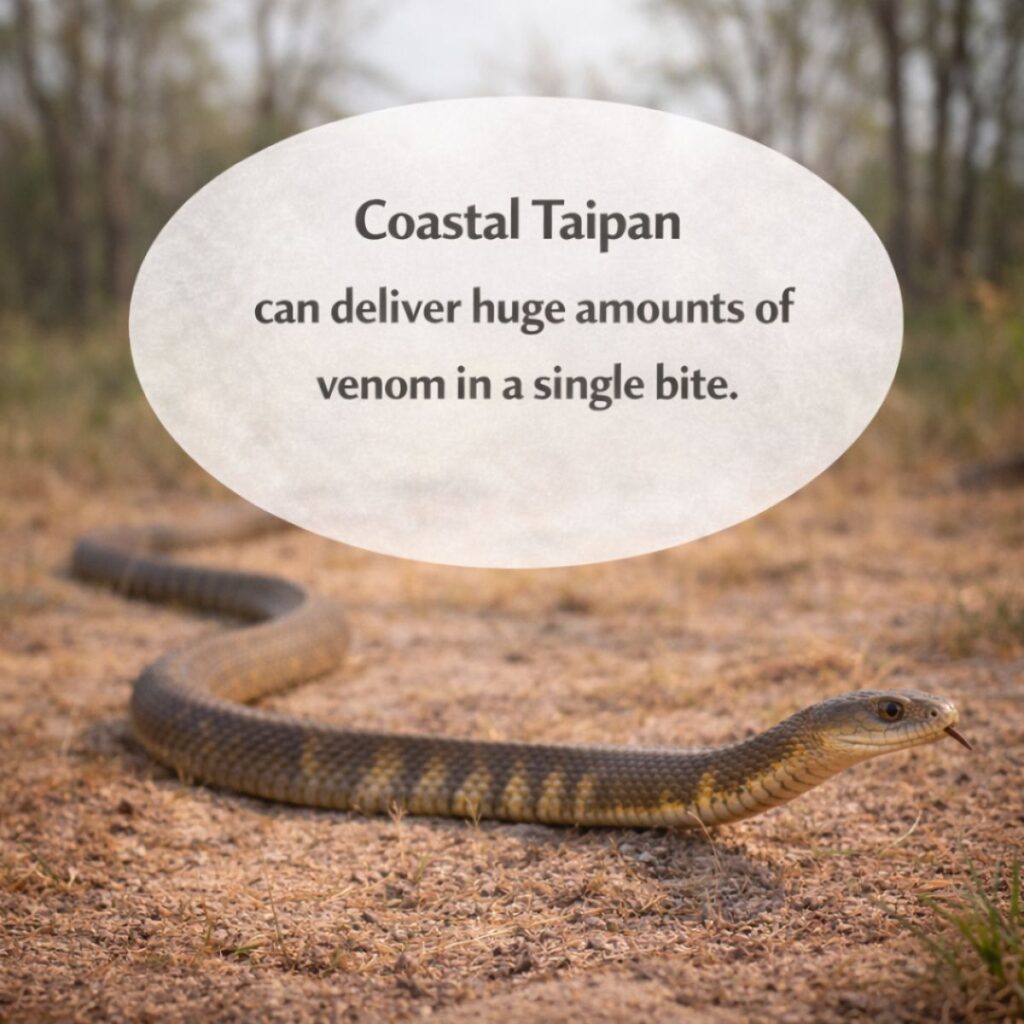
A few facts put this into perspective:
Enough venom to kill around 400 humans
The second-longest venomous snake in Australia
Close relative of the inland taipan
Size Linked to Venom Capacity
Coastal Taipan can reach lengths of up to 9.5 feet, which supports its ability to store and deliver large venom quantities. A longer body allows for more developed venom glands compared to smaller species. This physical scale directly connects to its ranking among the most dangerous snakes.
7. Russell’s Viper

Russell’s Viper is often encountered basking quietly during daylight hours, especially near farmlands and open fields. This habit places it close to human activity, increasing the risk of sudden encounters. Its presence in rice paddies and croplands makes awareness essential in venom-prone regions.
Venom Impact in Real Terms
Russell’s Viper holds a serious place in medical records due to the frequency and severity of its bites. In India alone, this species is responsible for tens of thousands of fatal cases each year.
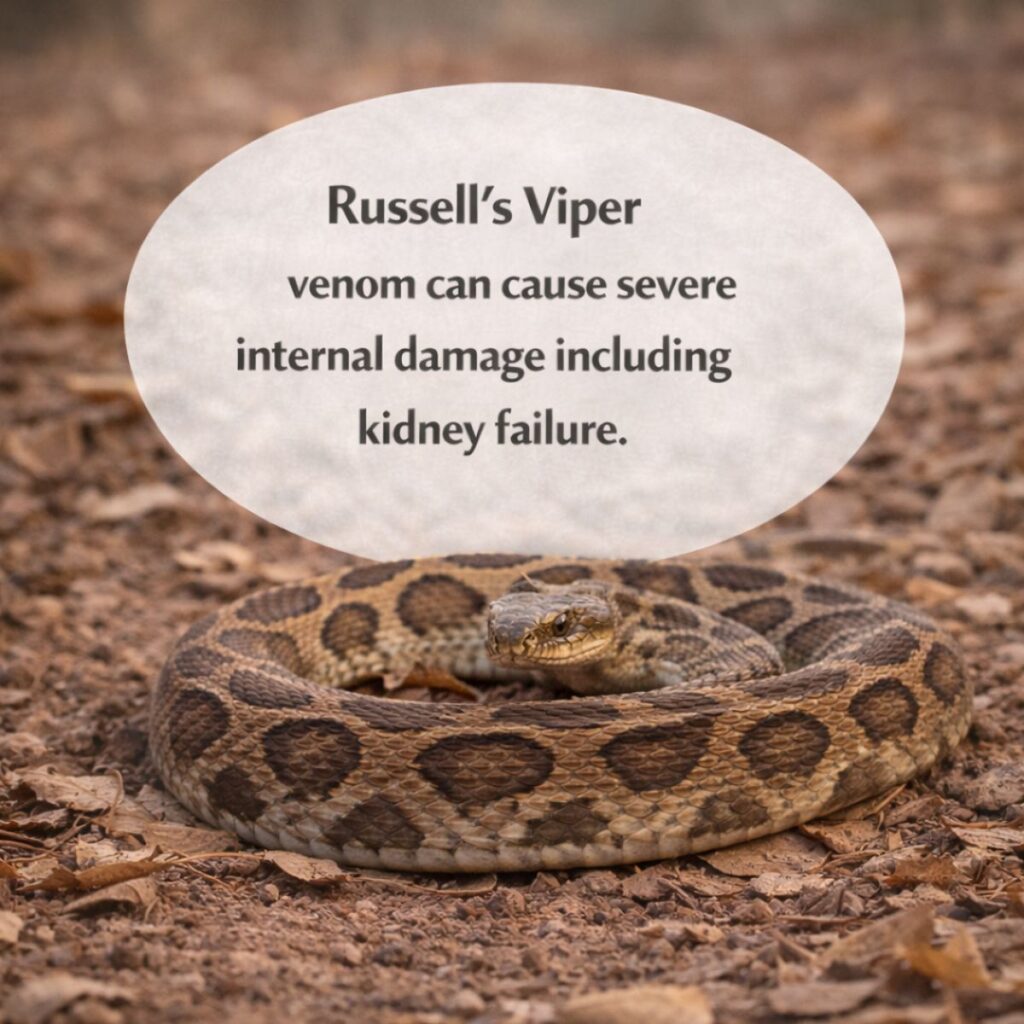
These details explain why the danger escalates so quickly:
Venom linked to kidney failure
High incidence of severe envenomation
Fast-acting systemic effects
Defensive Speed and Warning Signals
Russell’s Viper reacts quickly when disturbed, shifting into a tight S-shaped coil before striking. A loud hiss often comes first, acting as a warning rather than hesitation. Speed and precision make defensive bites especially dangerous at close range.
8. Boomslang
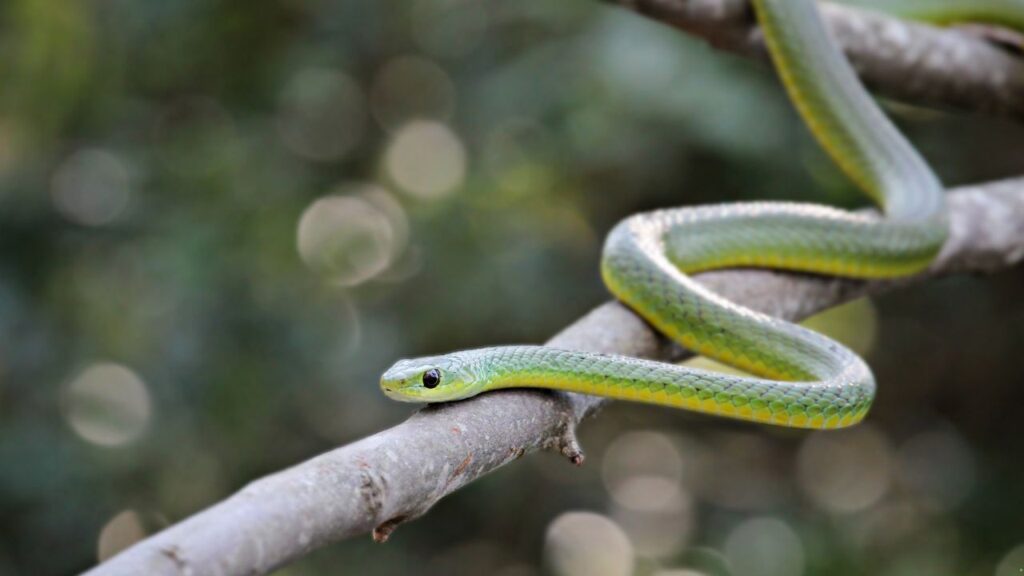
Boomslang relies on stillness more than movement, spending long periods blended into tree cover. Its body often stretches outward like part of a branch, staying unnoticed until the moment of contact. This approach allows venom delivery to happen before the prey recognizes any threat.
Fang Mechanics in Action
Boomslang strikes look unusual because the rear fangs engage deeper inside the mouth. During contact, the motion can resemble a brief chewing action rather than a quick snap.
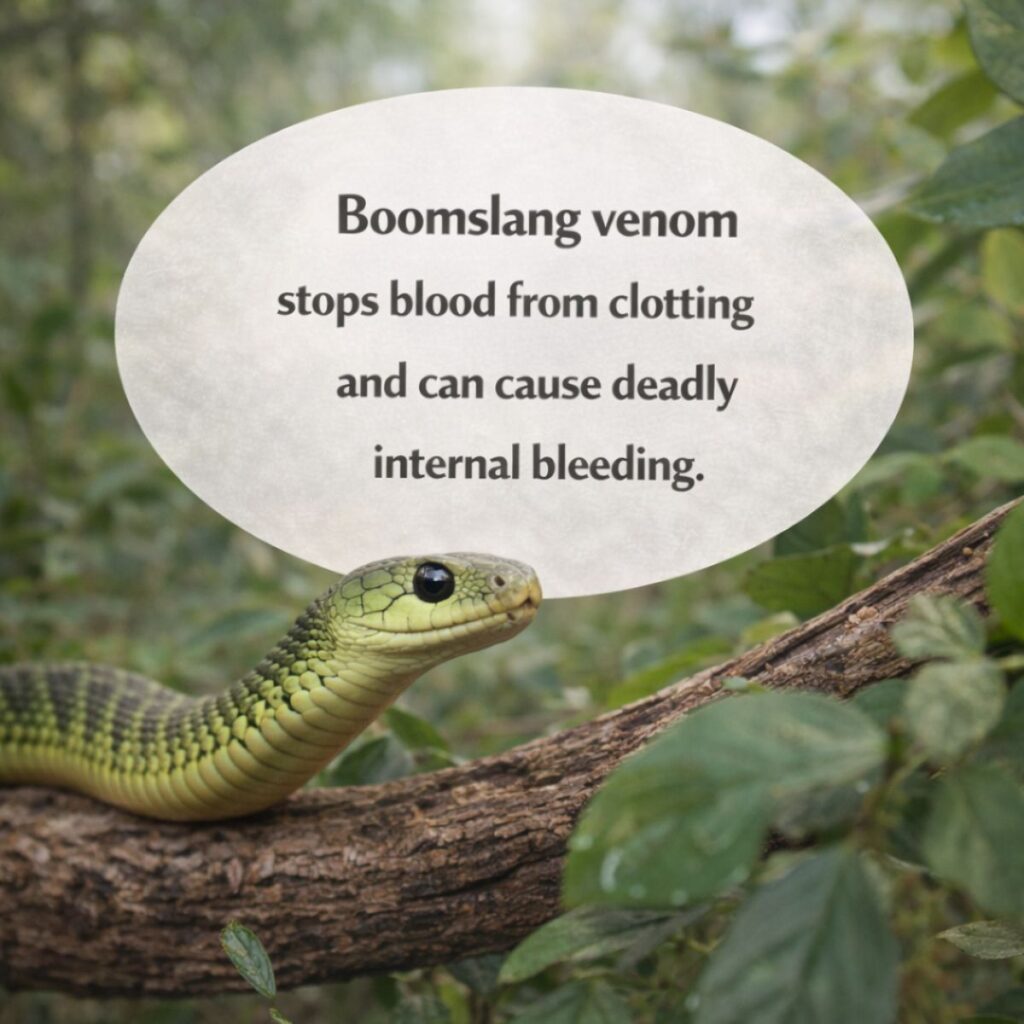
That moment matters, and the details below explain why:
Rear fangs fold back when inactive
Venom delivery happens during sustained contact
Strike timing depends on close positioning
Venom Tied to Technique
Boomslang venom becomes dangerous through method rather than speed alone. The extended contact created by its fang placement allows venom to enter efficiently. This makes encounters especially risky, even when the strike itself seems restrained.
9. Fer-de-Lance
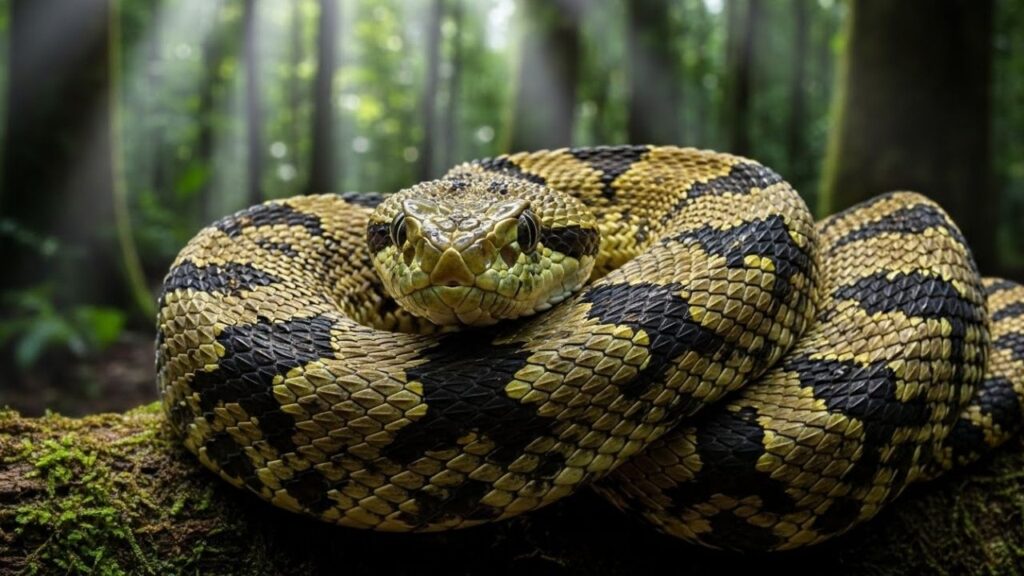
Fer-de-Lance shows a gray-brown body marked with dark diamond shapes that blend into leaf litter. This camouflage allows it to remain unnoticed in dense ground cover. That quiet presence plays a direct role in how its venom becomes such a serious risk.
Venom Impact
Fer-de-Lance venom causes extreme swelling and rapid tissue necrosis after a bite. Without fast medical care, injuries can escalate quickly and become life-threatening.
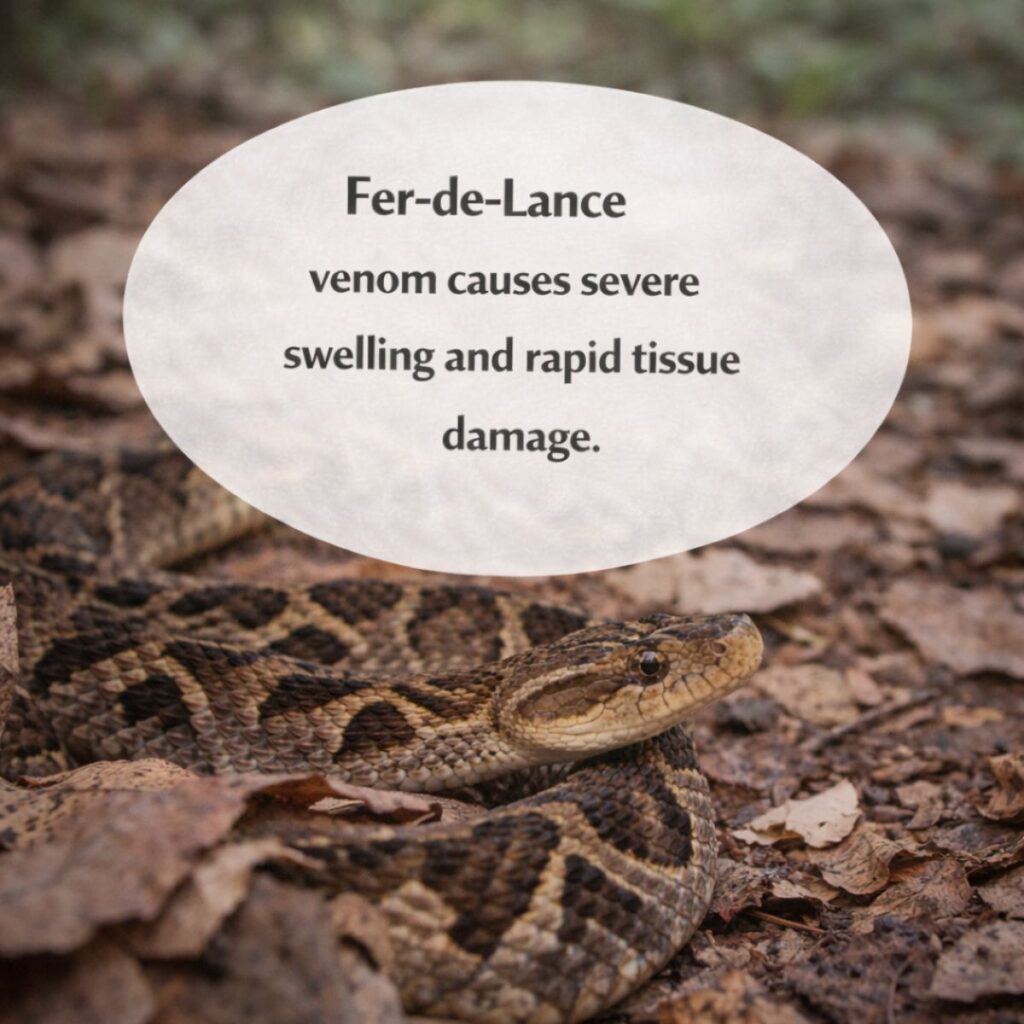
The danger becomes clearer when you look at how its venom acts
Severe local tissue destruction
Rapid spread of swelling
High risk without treatment
Feeding Around Human Land
Fer-de-Lance frequently hunts lizards, frogs, opossums, and small mammals. Rats and rabbits found near crops are also common prey. This feeding behavior explains why encounters happen often in farmland and nearby forest edges.
10. Saw-Scaled Viper
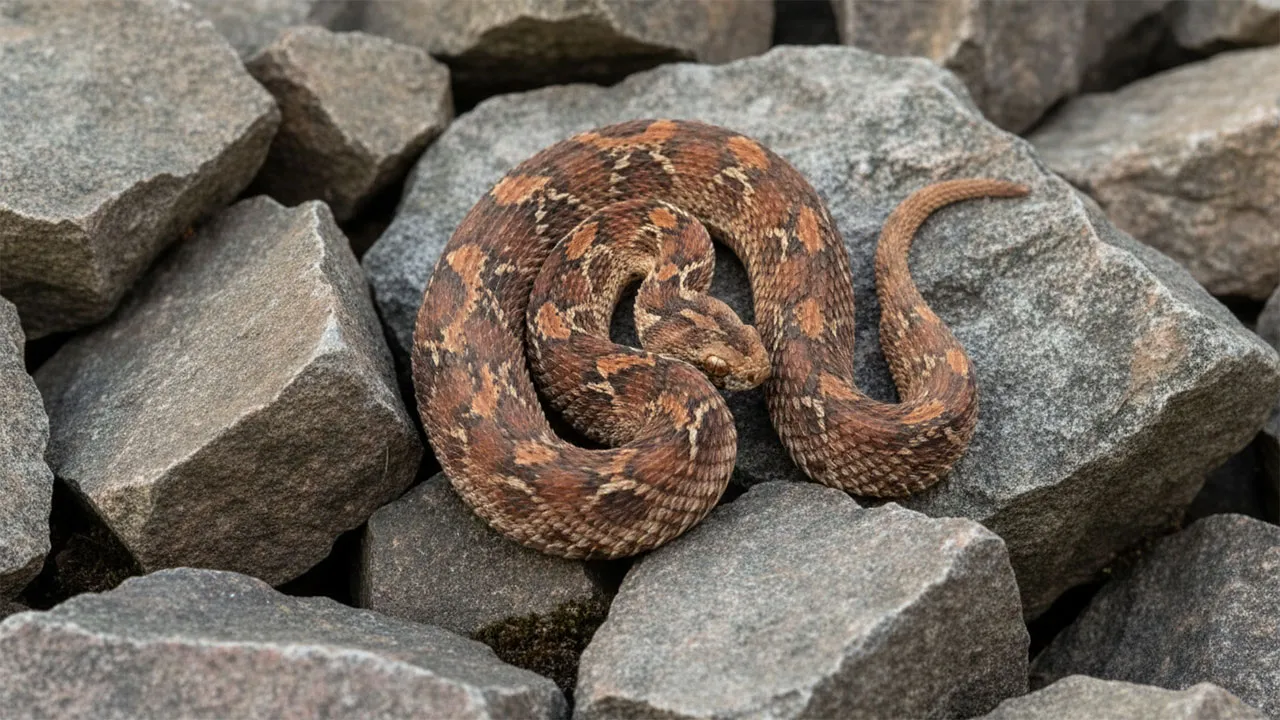
Saw-Scaled Viper relies on fast, forceful strikes that leave little room for escape. The snake coils into a tight figure eight posture when threatened, a stance closely linked to how quickly it can launch an attack. That speed plays a major role in how its venom is delivered so efficiently.
Venom Risk in Shared Spaces
Saw-Scaled Viper is often encountered near cultivated land, which increases the chances of human contact. Its venom is highly toxic, and even though fatalities are uncommon, medical urgency remains high.
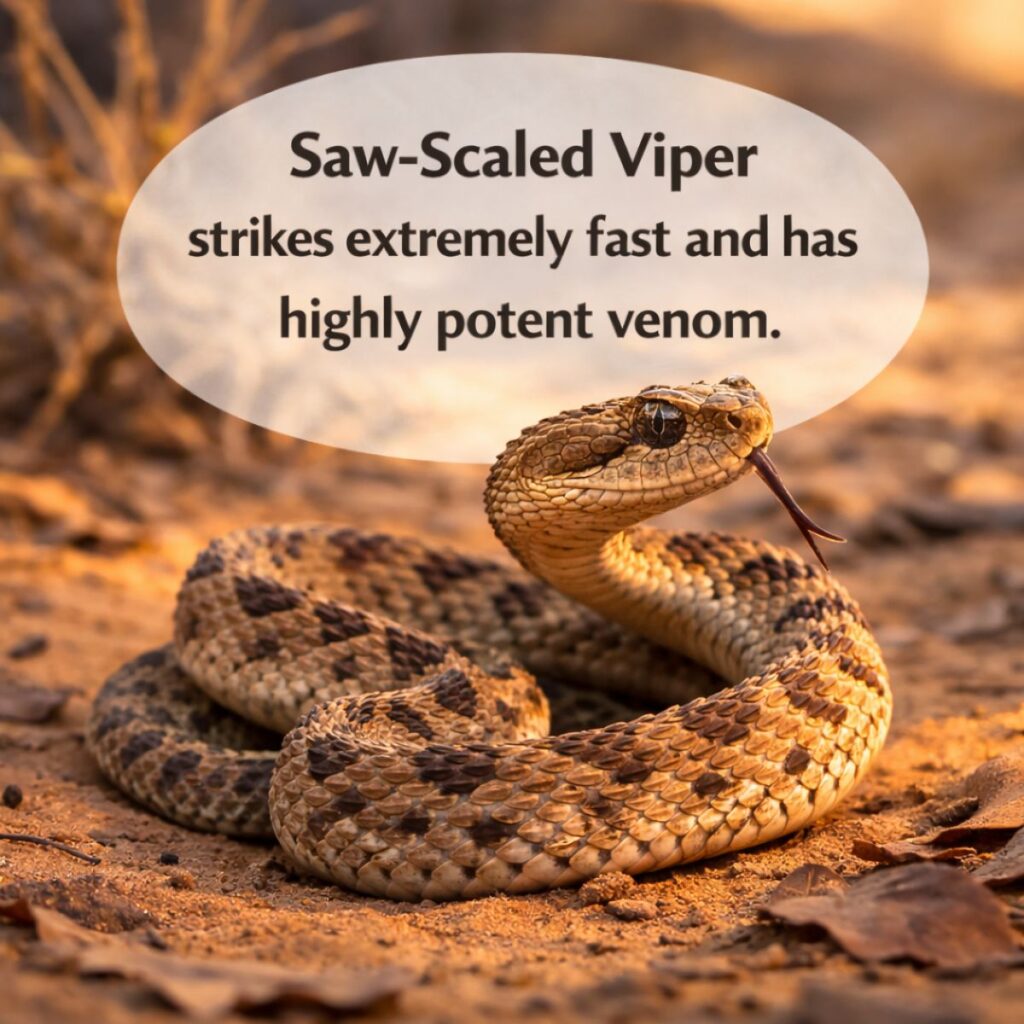
A few factors explain why encounters turn serious fast:
Extremely quick strike
High venom potency
Defensive aggression
Why It Ranks Among the Most Dangerous
Saw-Scaled Viper earns its reputation through a combination of venom strength and temperament. Aggressive responses happen quickly when one feels disturbed or cornered. Its widespread presence across populated regions keeps it high on the global danger scale.
Conclusion
The snakes in this list show how varied and precise survival can be, especially when extremely potent venom becomes a defining tool. Each species carries potent venom shaped by need, not intimidation, and snake venoms differ in how quickly they act or how deeply they affect the body.
These details explain why snake bites carry such weight in research and safety discussions. Every snake in the world has evolved with purpose, but the ones here demonstrate that purpose with unusual clarity. Their behavior, pace, and instinct all reveal a side of wildlife often missed in everyday conversations.
Snakes with the Most Powerful Venom Quiz 🐍
Which snake is widely known as the most venomous on this list?
Which snake can move at speeds of up to 12 miles per hour?
Which snake produced a record 5.2 grams of venom in a controlled milking?
Which snake mainly preys on other snakes and uses powerful neurotoxic venom?
Which snake delivers venom using rear fangs and prolonged contact?
