




Why do some horses feel immediately balanced the moment you watch them move or sit in the saddle? The answer often lies in their build, particularly in a compact body with a short, well-connected back. This structure allows the horse to carry itself efficiently, keeping strength close to the center of gravity.
A shorter back supports better coordination between front and hind limbs, making movements feel organized rather than scattered. Riders value this build because it often translates to quicker response, improved stability, and easier collection.
Trainers appreciate how naturally these horses engage their bodies without excessive effort. Compact proportions are not about aesthetics alone. They influence how the horse moves, how it performs, and how it stays sound over time.
In this article, you will explore what defines a compact, short-backed horse, why this build matters, and how it shapes performance and ride quality.
Key Takeaways
Horses with compact, short-backed builds often surprise with how much power and control they pack into a small frame.
Welsh Ponies and Shetland Ponies move efficiently thanks to short backs that support posture, balance, and precision.
Icelandic Horses and Haflingers add agility and sure-footedness, thriving over uneven trails while conserving energy.
As you meet horse breeds, you’ll understand how their short-backed frames make them dependable, versatile, and endlessly capable.
Horse Breeds Known for Their Compact, Short-Backed Build
1. Welsh Pony
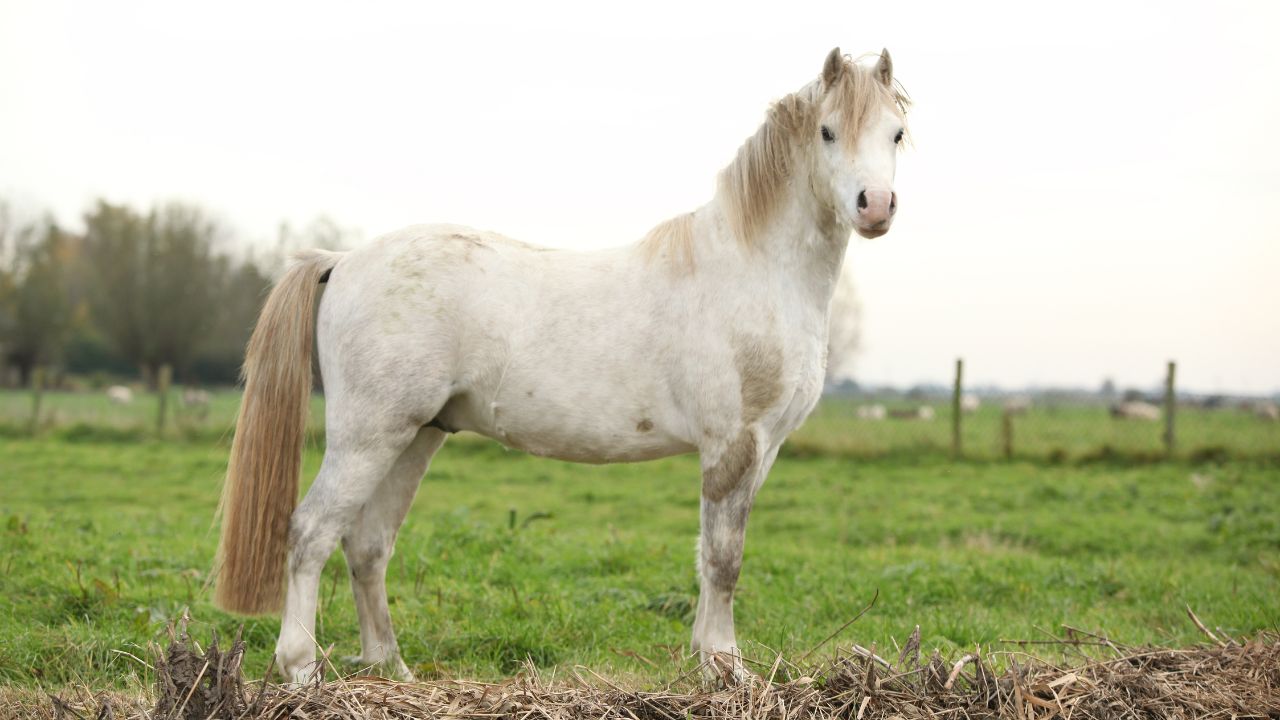
Welsh Pony shows sharp intelligence paired with a body that stays tight and well-balanced. That mental quickness works smoothly with a short back, keeping movement orderly rather than scattered. This structure supports daily work without stressing the frame.
Structure That Supports Versatility
Across centuries of recorded use, this pony has stayed useful because the body does not overstretch under pressure. The short back keeps posture stable while shifting between tasks.
That reliability shows up clearly in daily handling
Firm topline support
Consistent balance
Efficient stride control
Different Types, Same Compact Logic
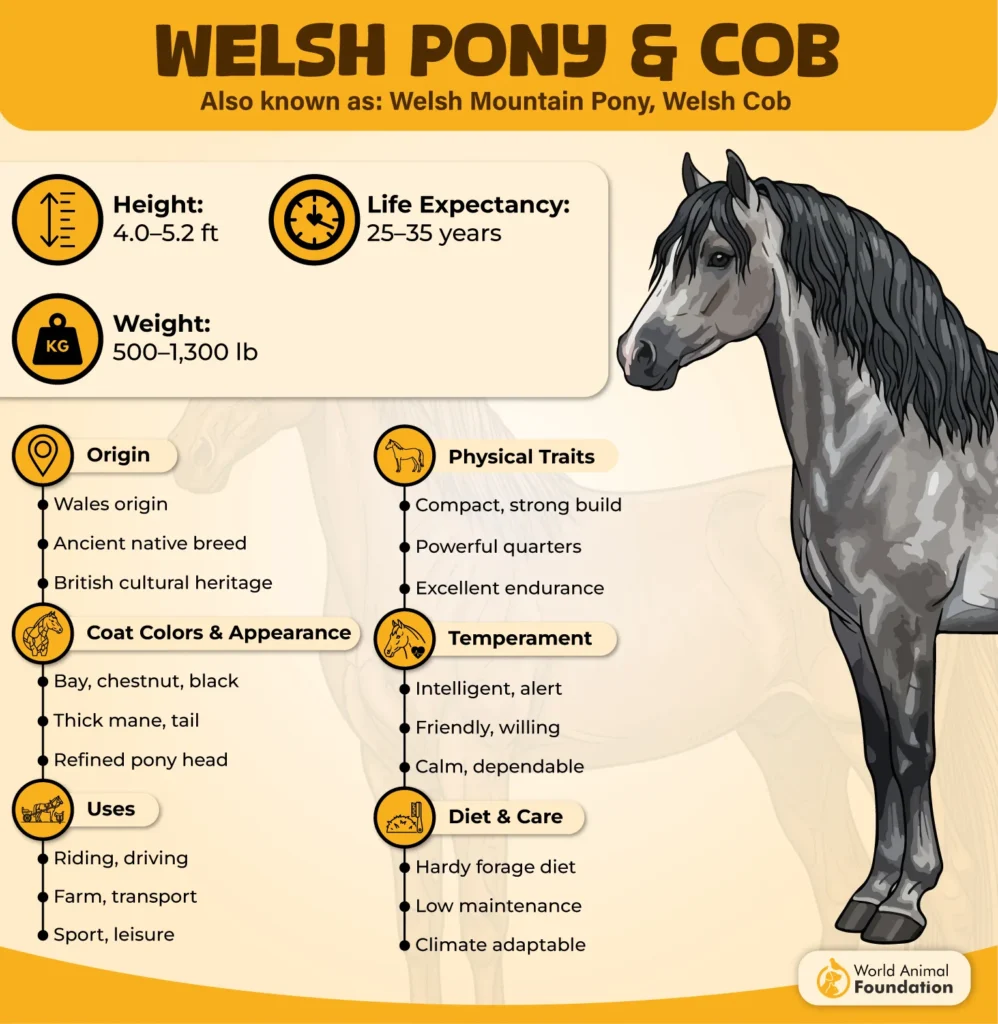
Four recognized sections exist, with the Welsh Mountain Pony classified as the smallest, as stated by Britannica. Despite size differences, the shared compact build remains consistent across types. This allows smooth transitions into activities like jumping or driving without structural compromise.
2. Icelandic Horse
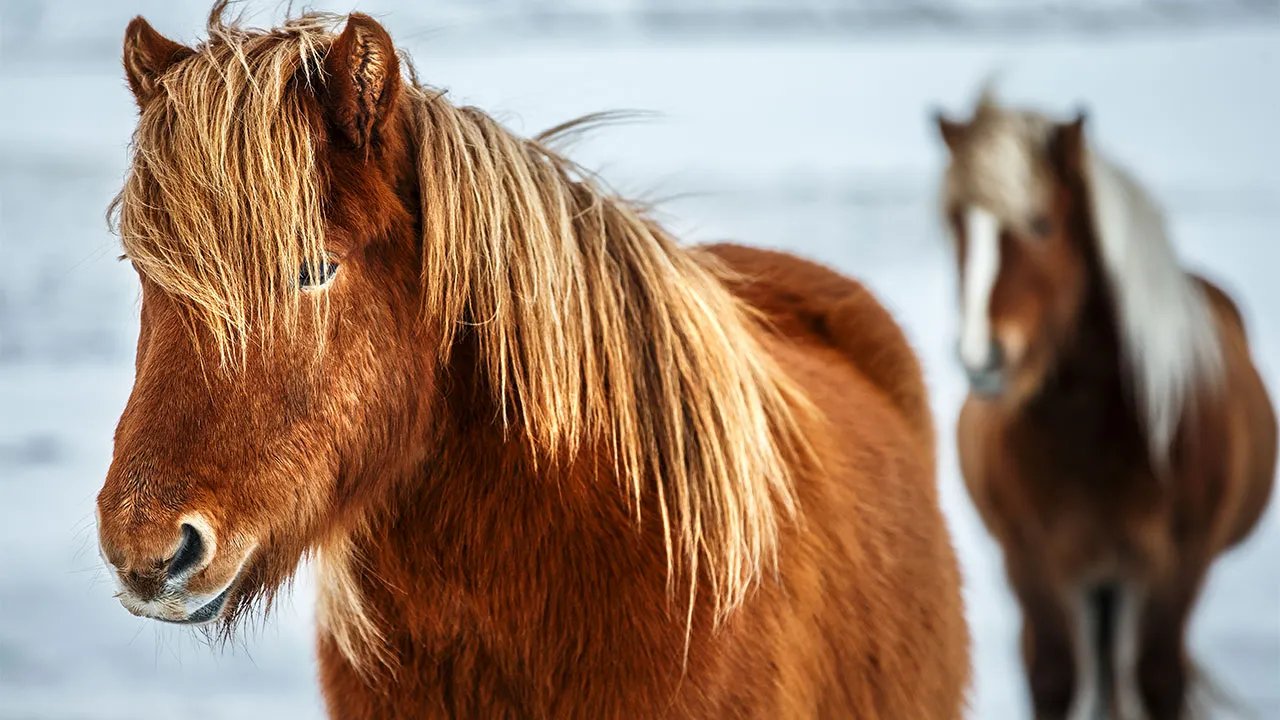
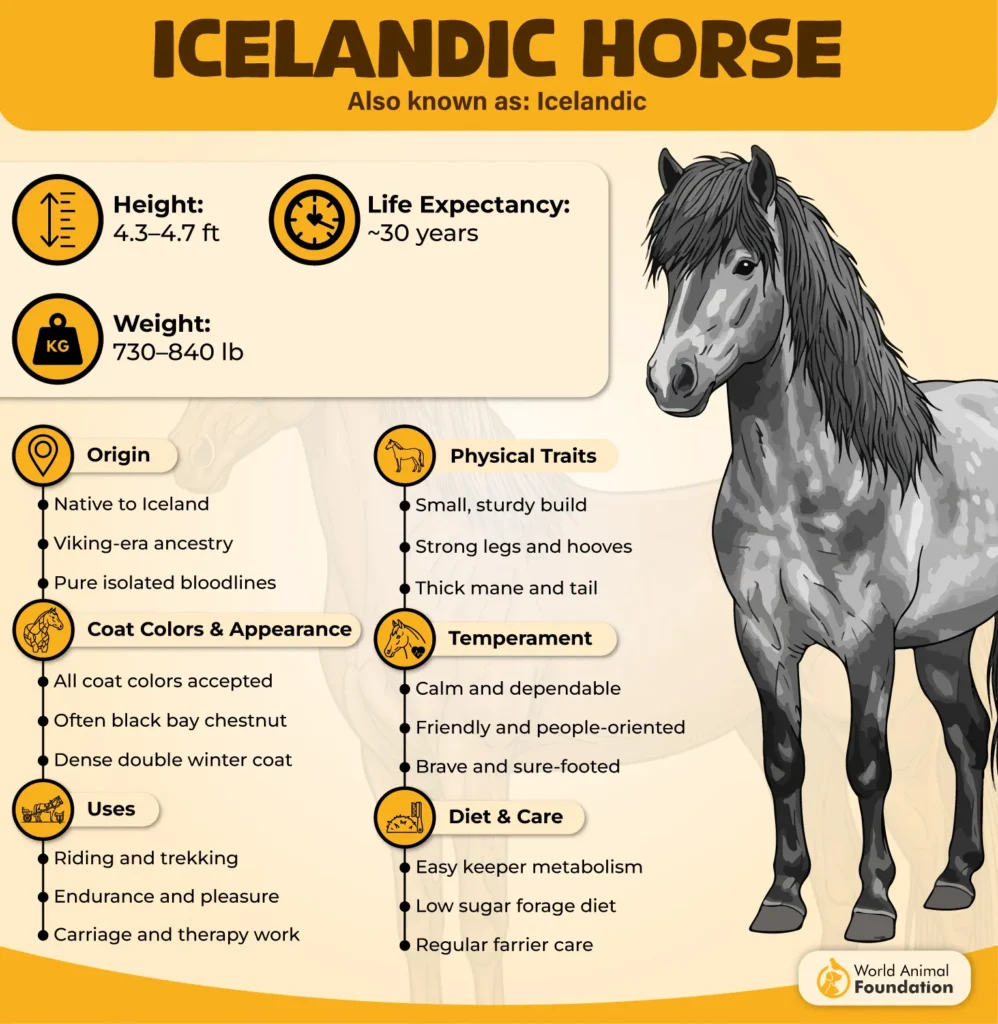
The Icelandic Horse stands out for a short back and sturdy frame that keeps movement efficient and balanced. That compact structure supports stability over uneven ground and long stretches. It feels deliberate rather than bulky, which is why this breed handles rough landscapes with confidence.
Gaits That Change the Experience
Natural gait variety adds comfort and control without needing extra effort. The body stays steady because the back is short and well supported.
That difference becomes obvious once movement settles in:
Tölt offers smooth forward motion
Flying pace allows speed without strain
Strong balance on irregular footing
Built to Withstand Harsh Conditions
A dense double coat protects against cold winds and sudden weather shifts, as PetMD notes. Combined with a compact build, this insulation helps conserve energy during long days outside. Strength and durability are practical traits here, not decorative ones.
3. Shetland Pony
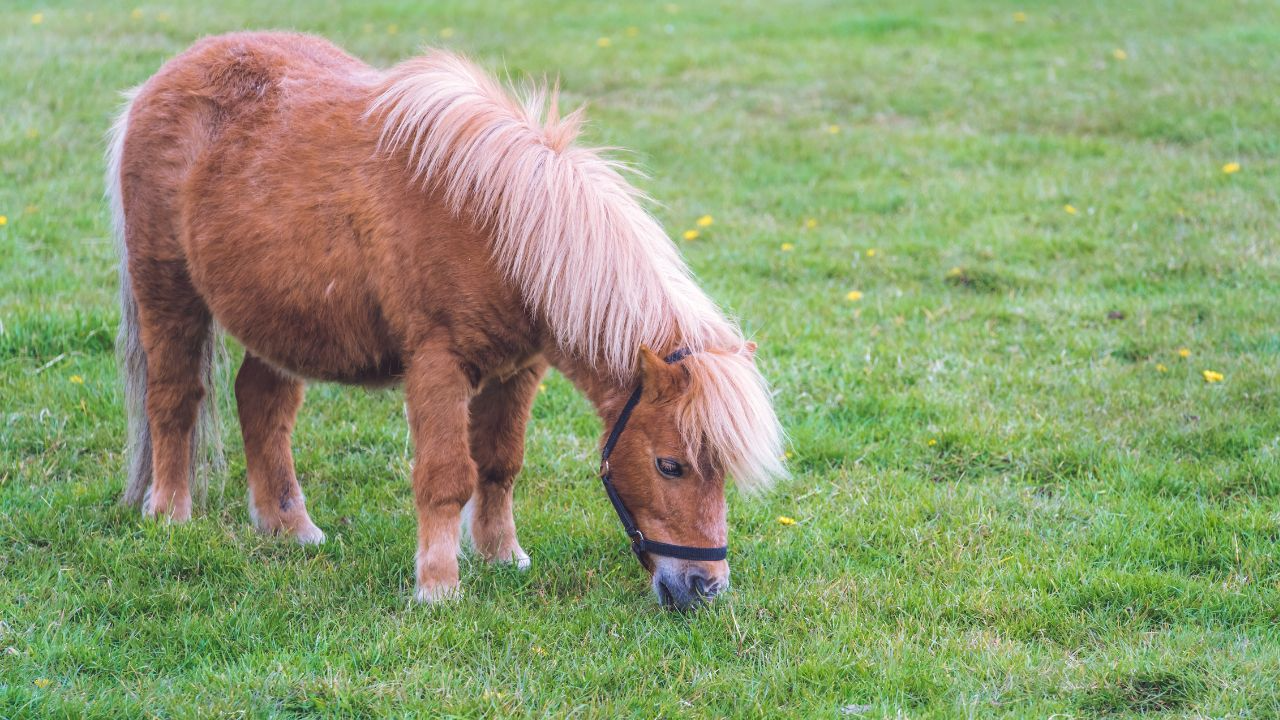
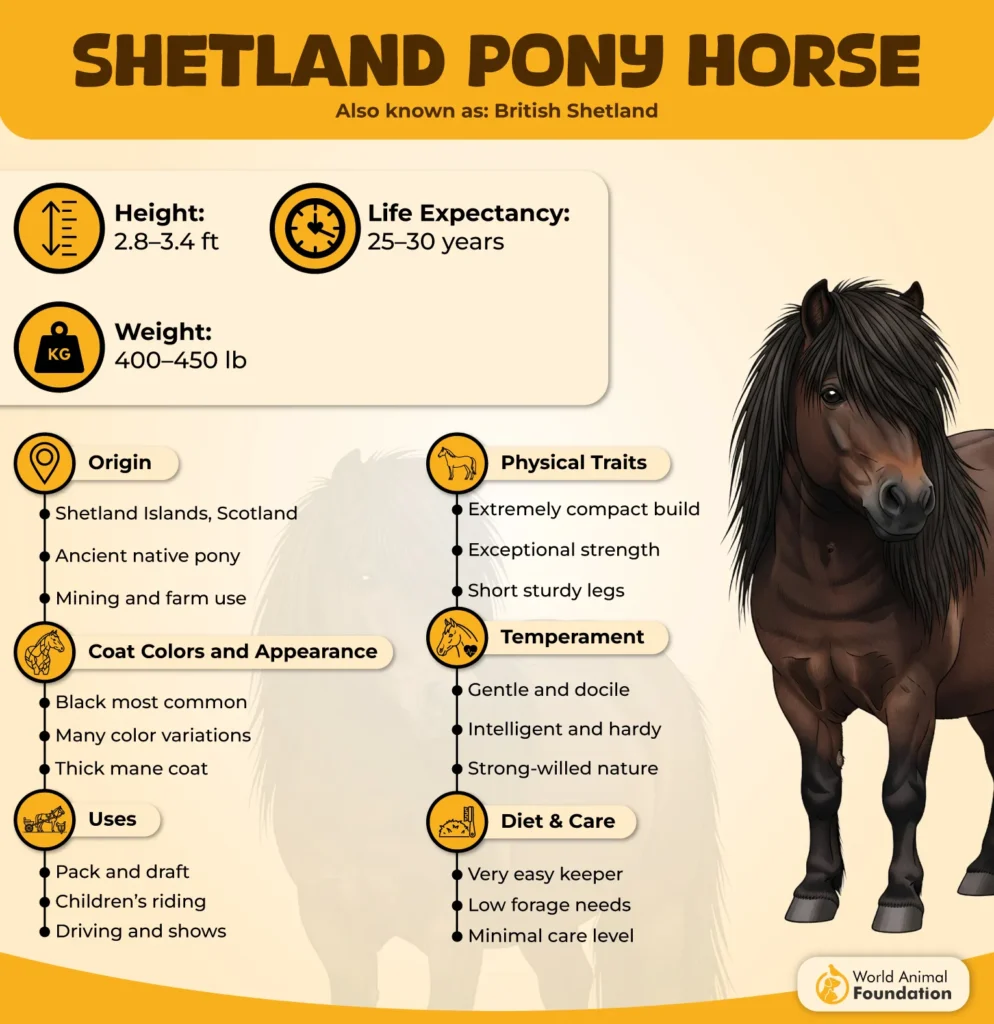
Shetland Pony shows how a short back can translate into real strength and stability. That compact build keeps the body balanced and efficient during work that demands control over size. The result is a pony that feels solid, grounded, and difficult to unbalance.
Strength Packed Into Less Length
Short coupling and dense bone give this pony a reputation for doing more than expected. That structure once supported demanding labor and still defines how weight and effort are managed today.
A few build-related details explain the advantage:
Tight, short-backed frame
Dense bone structure
Low center of gravity
Built for Harsh Conditions
A thick coat and compact body help conserve warmth and energy in rough weather. Shorter backs reduce strain, which matters during long periods of steady movement. This design supports durability rather than speed, keeping effort consistent and controlled.
4. Norwegian Fjord
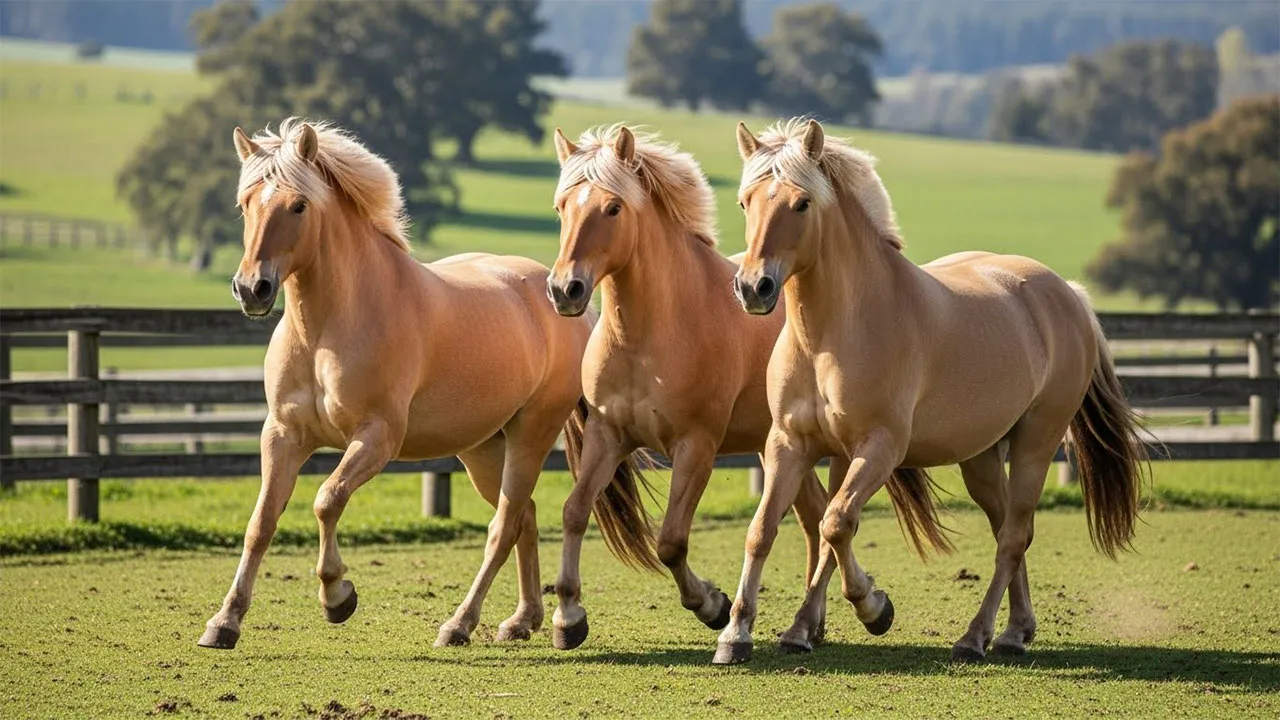
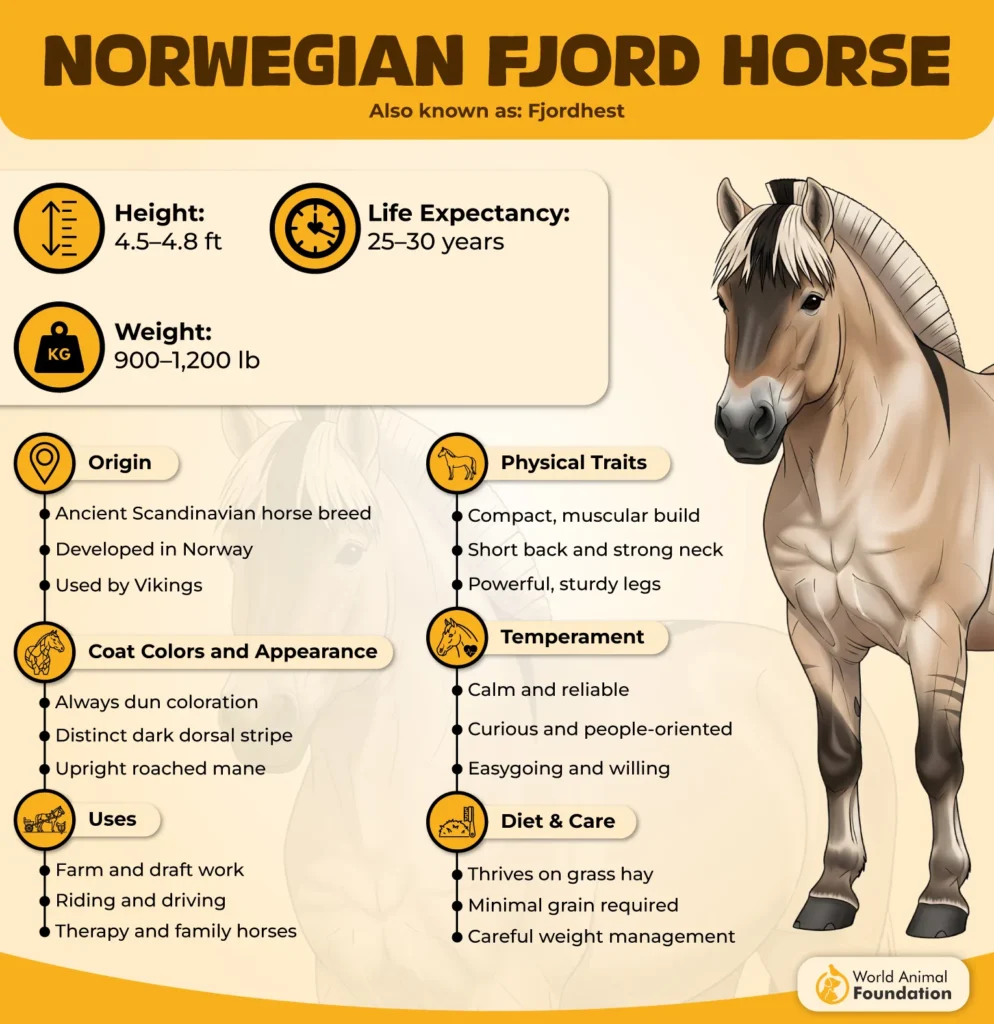
Norwegian Fjord horse shows a compact body where the short back supports steady, grounded movement. This structure limits excess motion through the middle, helping the horse stay organized during daily work. The result is a feel that stays consistent rather than loose or shifting.
Structure That Holds Its Shape
Norwegian Fjord pairs a short-backed outline with a robust body built for regular use. That balance explains why this breed adapts easily across different roles without strain.
The build works in practical ways:
Tight, supportive topline
Broad body with solid strength
Stable movement pattern
Visual Identity With Purpose
Norwegian Fjord features a dun coat paired with a naturally upright mane that reflects its sturdy build, as Norsk Fjordhestsenter stated. The look is closely tied to function, as the compact frame supports controlled motion. This physical setup helps maintain rhythm during repeated tasks.
5. Dartmoor Pony
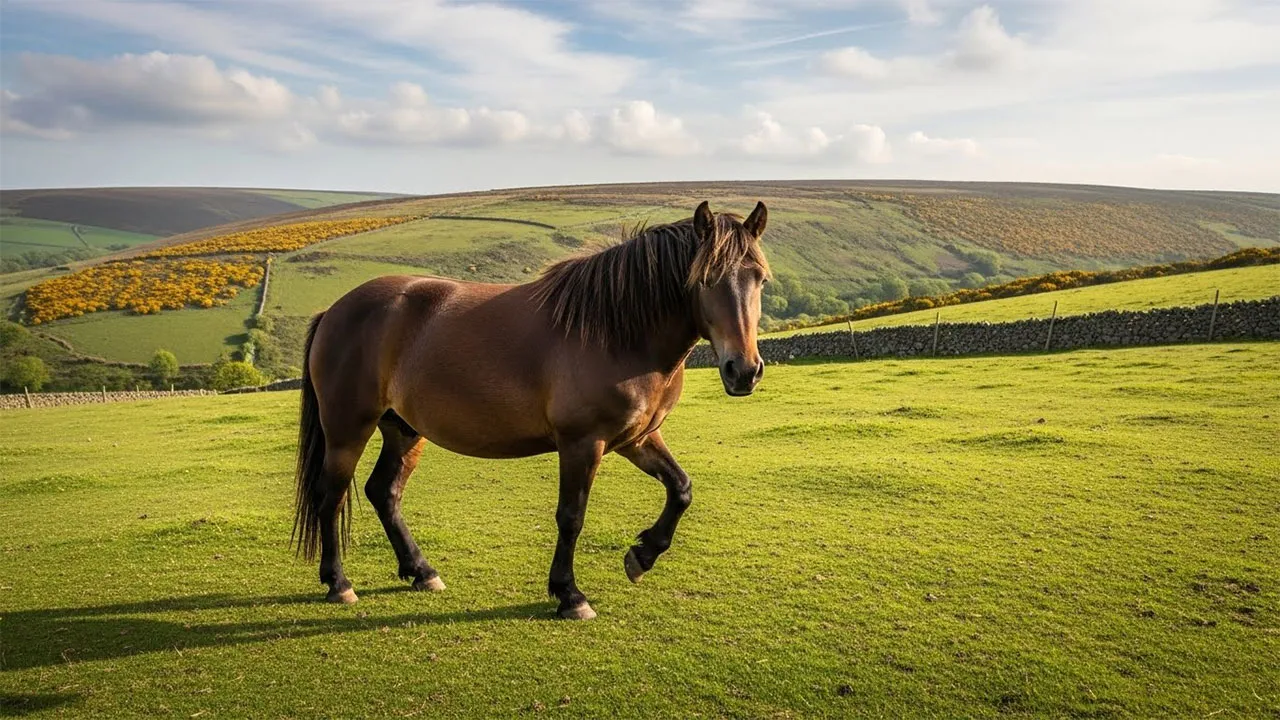
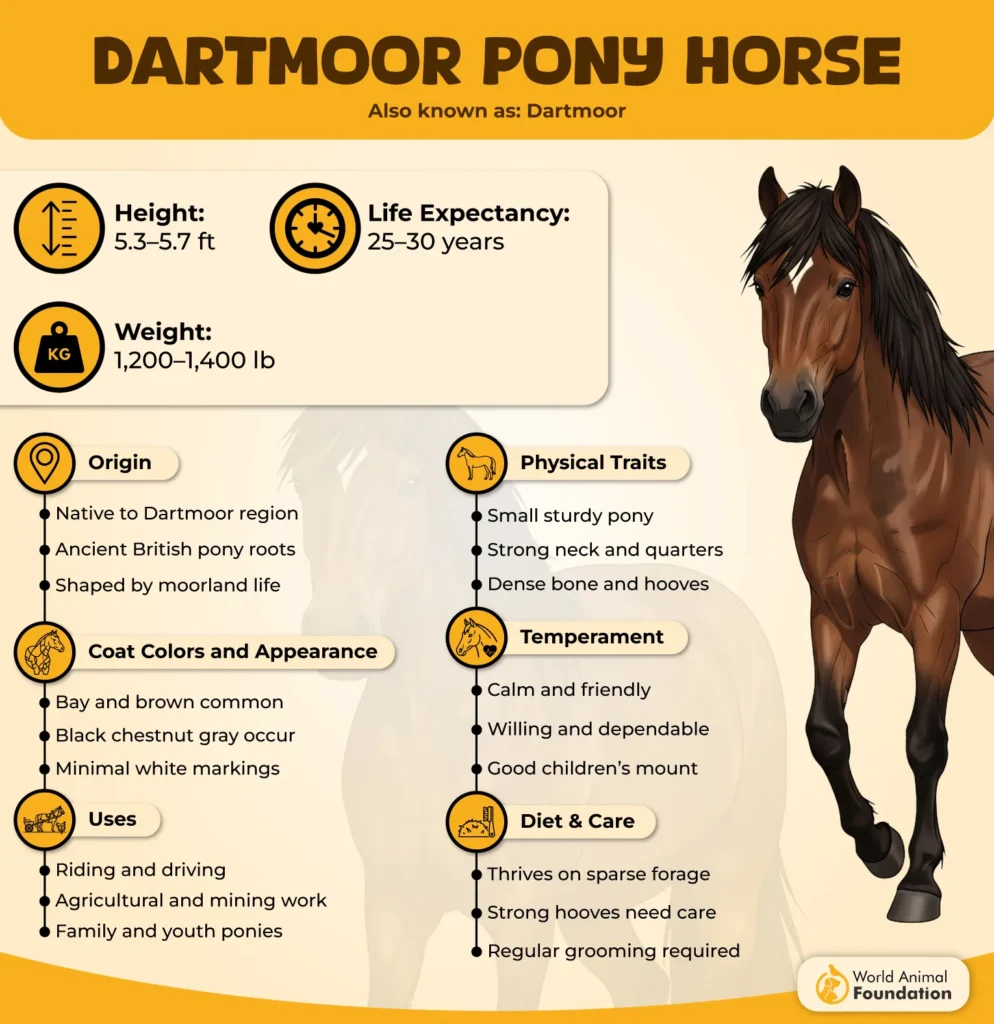
Dartmoor Pony has a strong, compact body that handles varied tasks with ease. Their short back makes them steady and balanced while moving over uneven ground. This structure also contributes to a calm and approachable nature that works well in active settings.
Small Frame, Big Capability
Despite their size, Dartmoor Ponies manage multiple activities without strain. Their proportions allow for smooth movement and consistent effort across tasks.
Some practical traits include:
Solid footing even on rough terrain
Efficient motion with less energy spent
Stability during jumps or short bursts of work
Versatile Work Partner
This breed adapts naturally to different forms of activity, from driving to light jumping. Their gentle nature makes them safe companions for younger handlers, while their endurance supports longer sessions. The short-backed design helps maintain balance through each step.
6. Haflinger
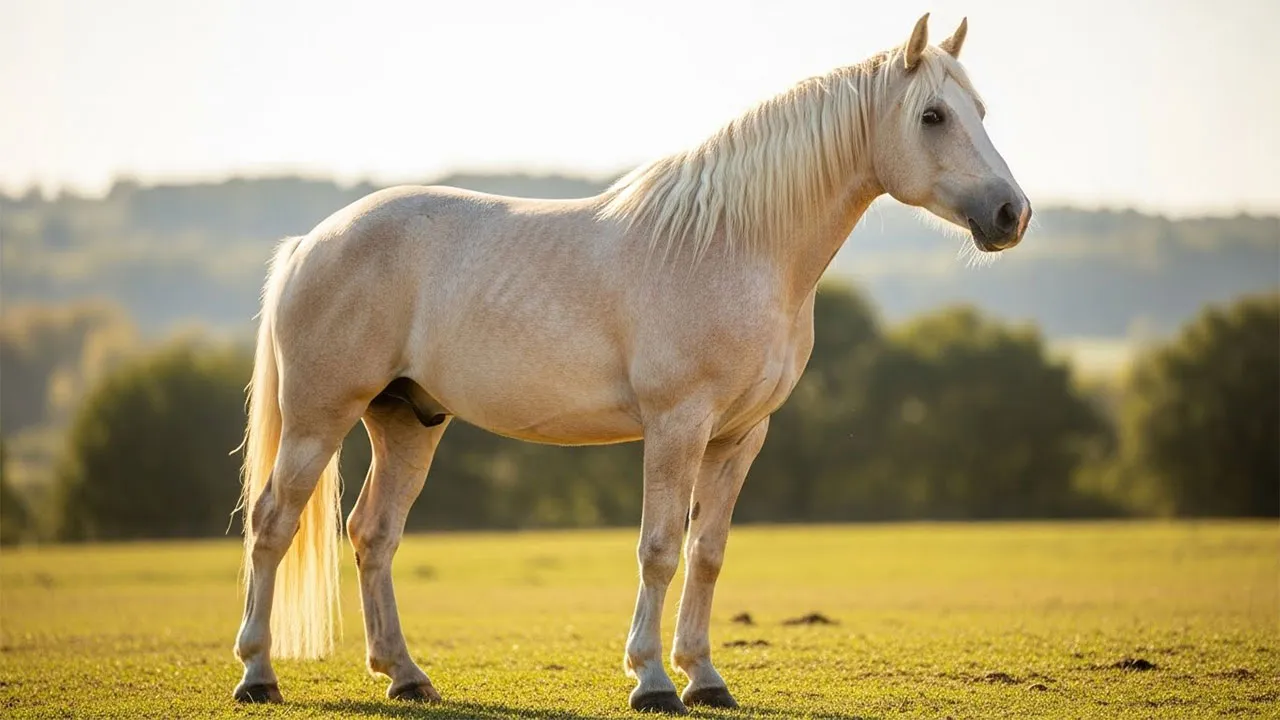
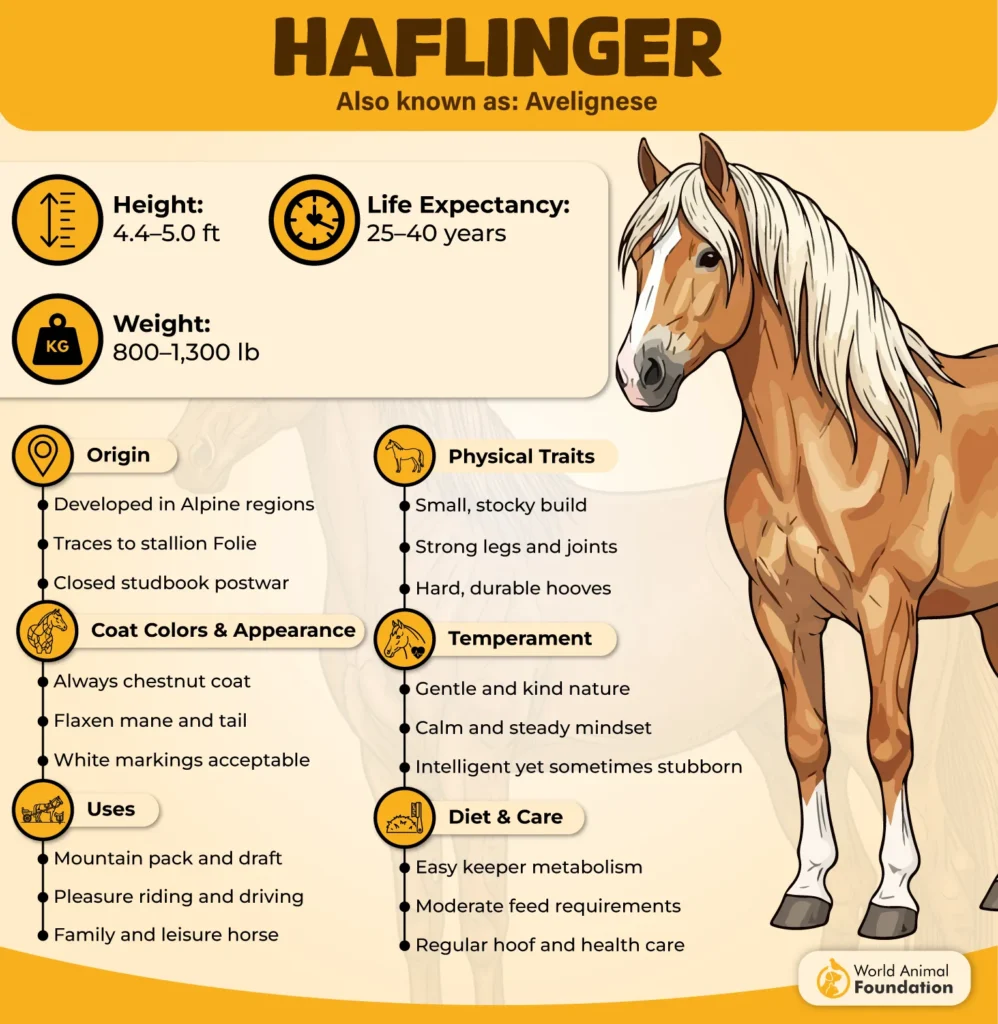
Haflinger is a short-backed horse with a muscular build that handles steep trails and uneven ground with ease. Their solid frame supports both speed and endurance, making them reliable over long distances. This agility keeps them steady on rough paths without losing rhythm.
Endurance and Agility
These horses maintain energy across extended routes while navigating tricky terrain. Their compact size helps them move confidently through forests, hills, and narrow tracks.
Key qualities for wild riding are:
Strong, balanced movement on slopes
Quick recovery after exertion
Sure-footed steps on uneven surfaces
Alert and Adaptable
Haflingers stay aware of changes in terrain and obstacles while remaining calm. Their intelligence allows them to respond to subtle cues during long rides. This attentiveness ensures smooth movement through challenging trails and natural obstacles.
7. Exmoor Pony
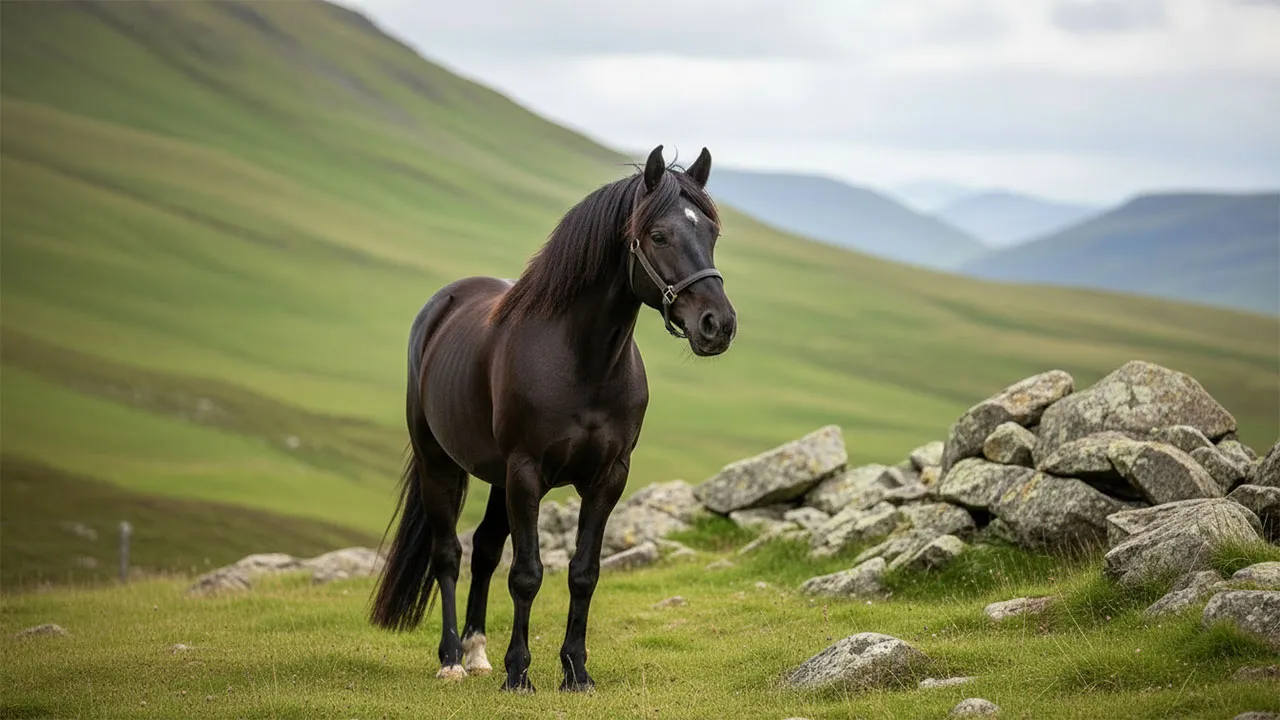
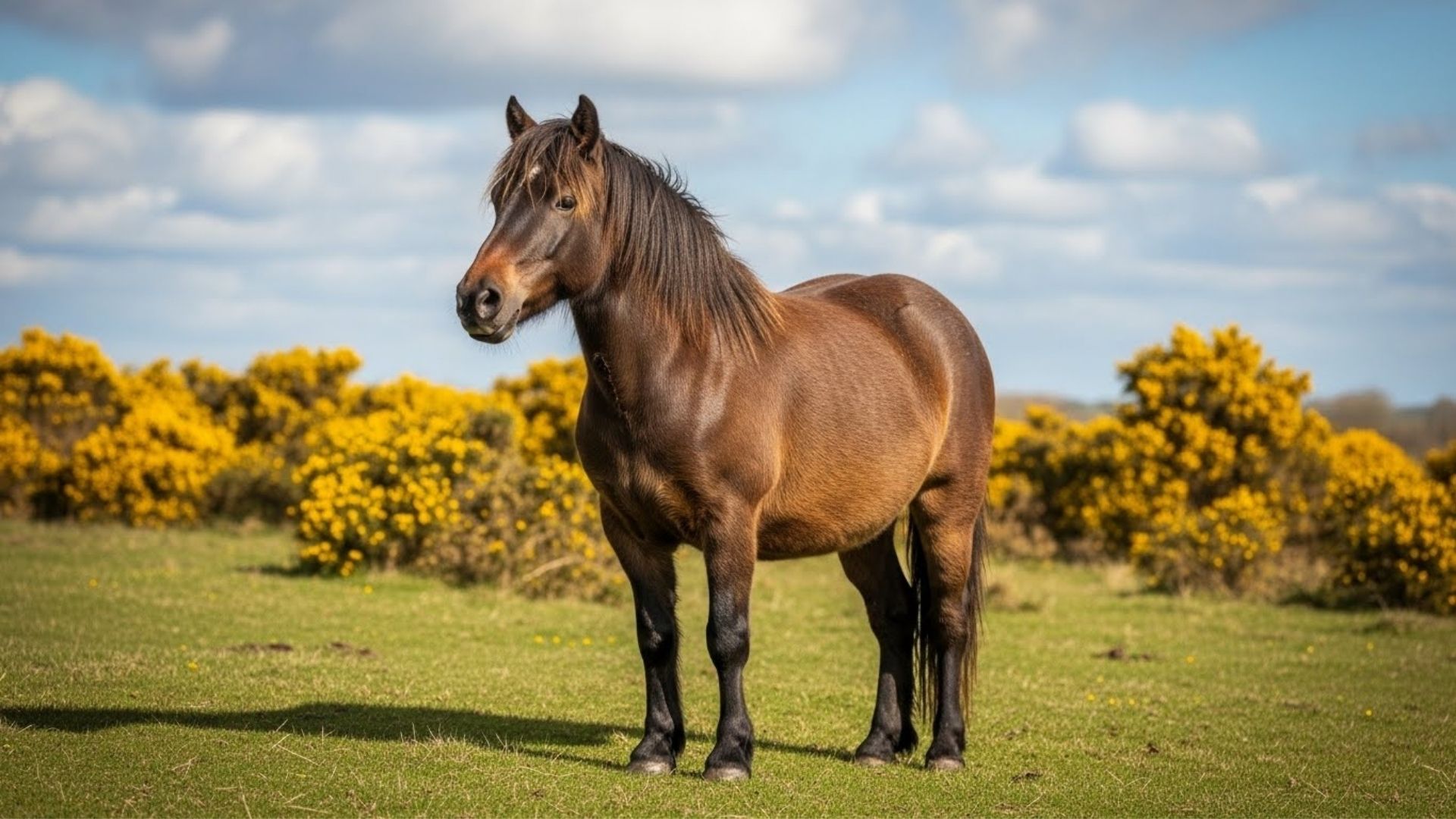
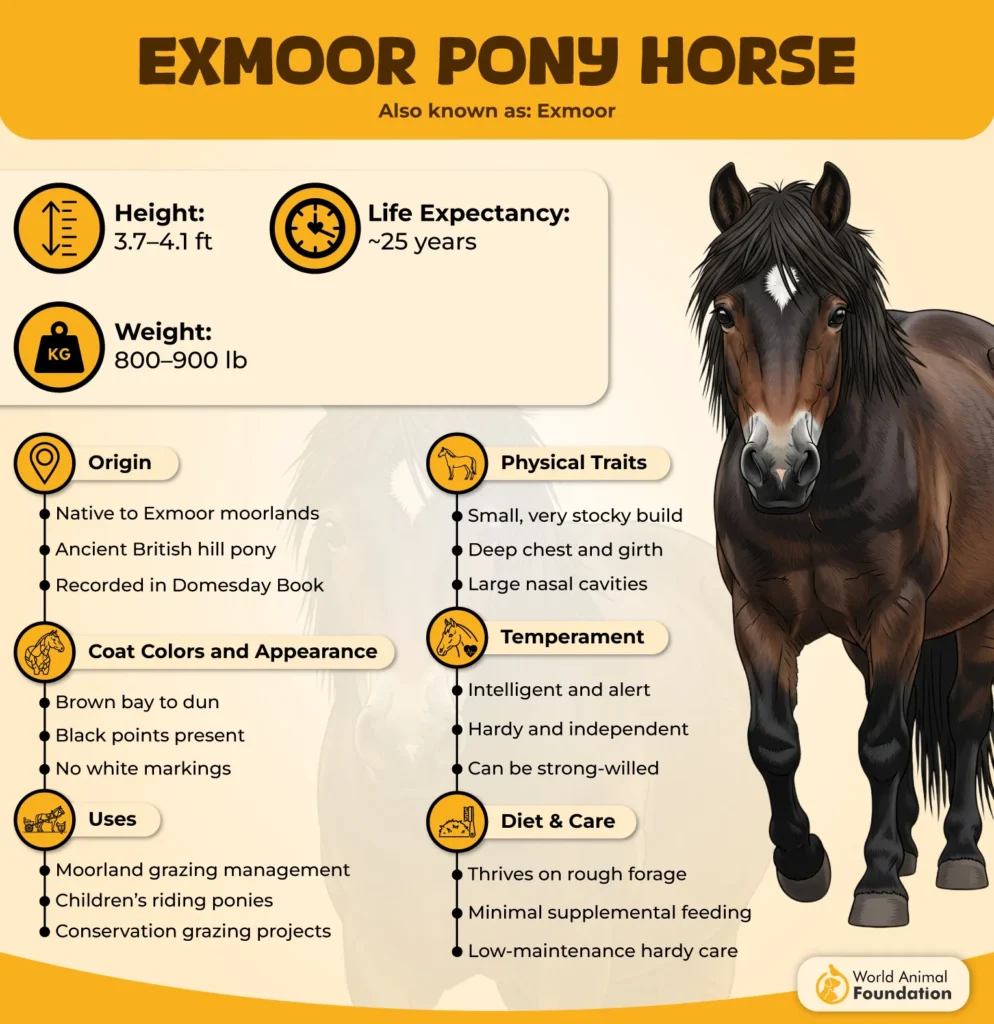
Exmoor Ponies handle harsh conditions naturally, thriving on rough, uneven terrain. Their short-backed, compact build gives them surprising stability on rocky or slippery surfaces. Alertness and intelligence help them navigate open fields and wooded paths with ease.
Strong, Compact Build
The pony’s sturdy frame allows it to move efficiently across long stretches without tiring quickly. Their structure supports balance and power during extended outdoor activity.
You see their sturdiness in these points:
Sure-footed in mud or on slopes
Efficient energy for long excursions
Calm response to sudden obstacles
Friendly Yet Spirited
These ponies are intelligent and approachable, forming cooperative bonds as they explore. Their compact size does not limit their strength, allowing them to work steadily over challenging terrain. Mealy-muzzled faces and dark bay coats make them easy to identify on open trails.
Conclusion
Compact horses show how structure shapes usefulness over time. Many of the smallest horse breeds remain dependable because their balance stays close and controlled. These small horses manage effort efficiently, which helps them stay sound across years of work. Among the smallest horse breeds, this balance supports a calm temperament that suits daily handling.
Compared with larger horses, these small horses often feel easier to organize and ride. They fit well as riding horses for young riders, whether learning basics or building confidence. In western riding or endurance riding, small horses maintain rhythm without strain. Many smallest horse breeds are also valued by a breed association for clear breed characteristics. Some small breeds even serve as therapy animals, showing how thoughtful design creates trust and versatility.
