




As dog people, we all have a soft corner in our hearts for our four-legged confidants that support us and carry us through the good and bad times of our lives. But we are here today to save you from some heartbreak. Because we can understand what dogs mean to you and your families, and we don’t want you to go through the excruciatingly painful experience of losing your beloved puppies too soon.
Did you know? Science says the larger the animals, the longer their lives. But these puppies have turned this fact on its head and revolted for a fast and furious life. They rapidly grow into larger sizes and have larger litters than other breeds, but also an endless abundance of health issues.
Rapid growth and cell division put these big pups at risk for cancer, joint problems, and heart disease. Not to mention their genetics and breed-specific issues don’t help either, add to the mix irresponsible and unethical breeding practices, and you get a dog breed that leaves a ton of unforgettable memories and an everlasting impact on your hearts. But has the shortest average life expectancy ever.
Ready for another blow of brutal reality, all these giant breeds are majestic, magical, and have the gentlest personalities you’ll ever see. They pups are just like the mountains, seemingly daunting yet calm, and bring the utmost form of comfort and joy to their owners.
Dog Breeds With a Shorter Lifespan: Important Facts
1. Irish Wolfhound
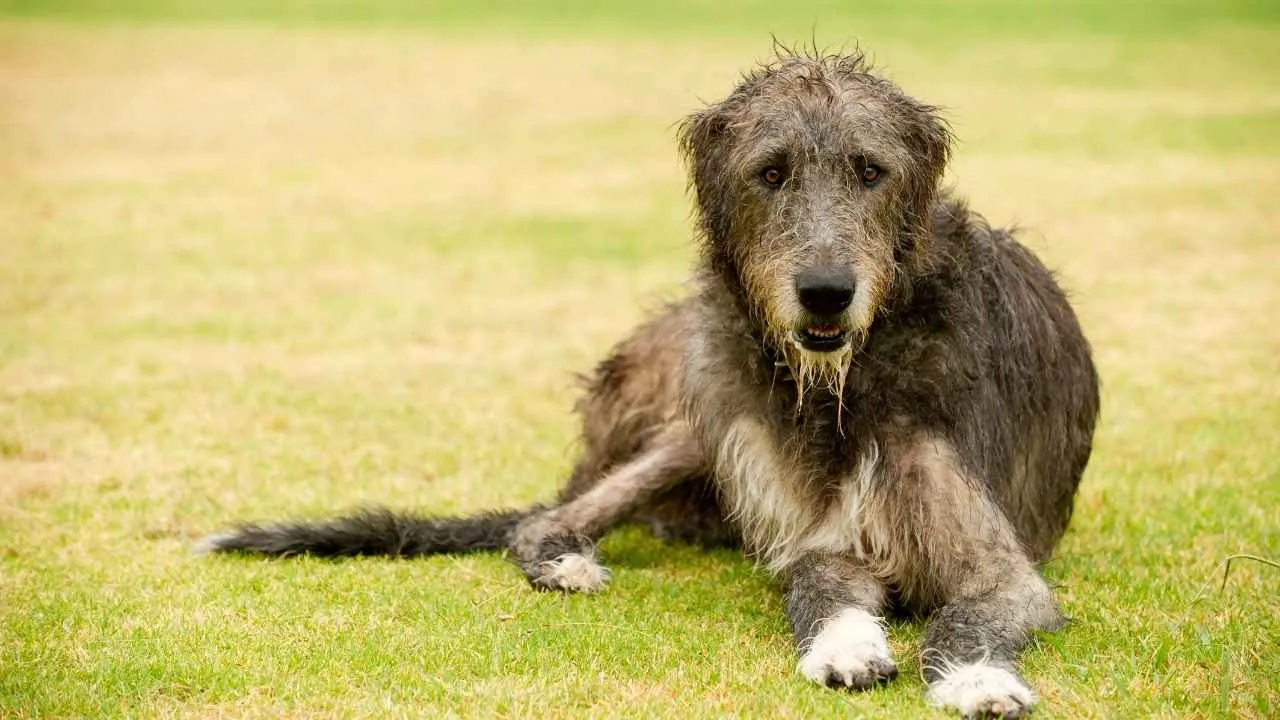
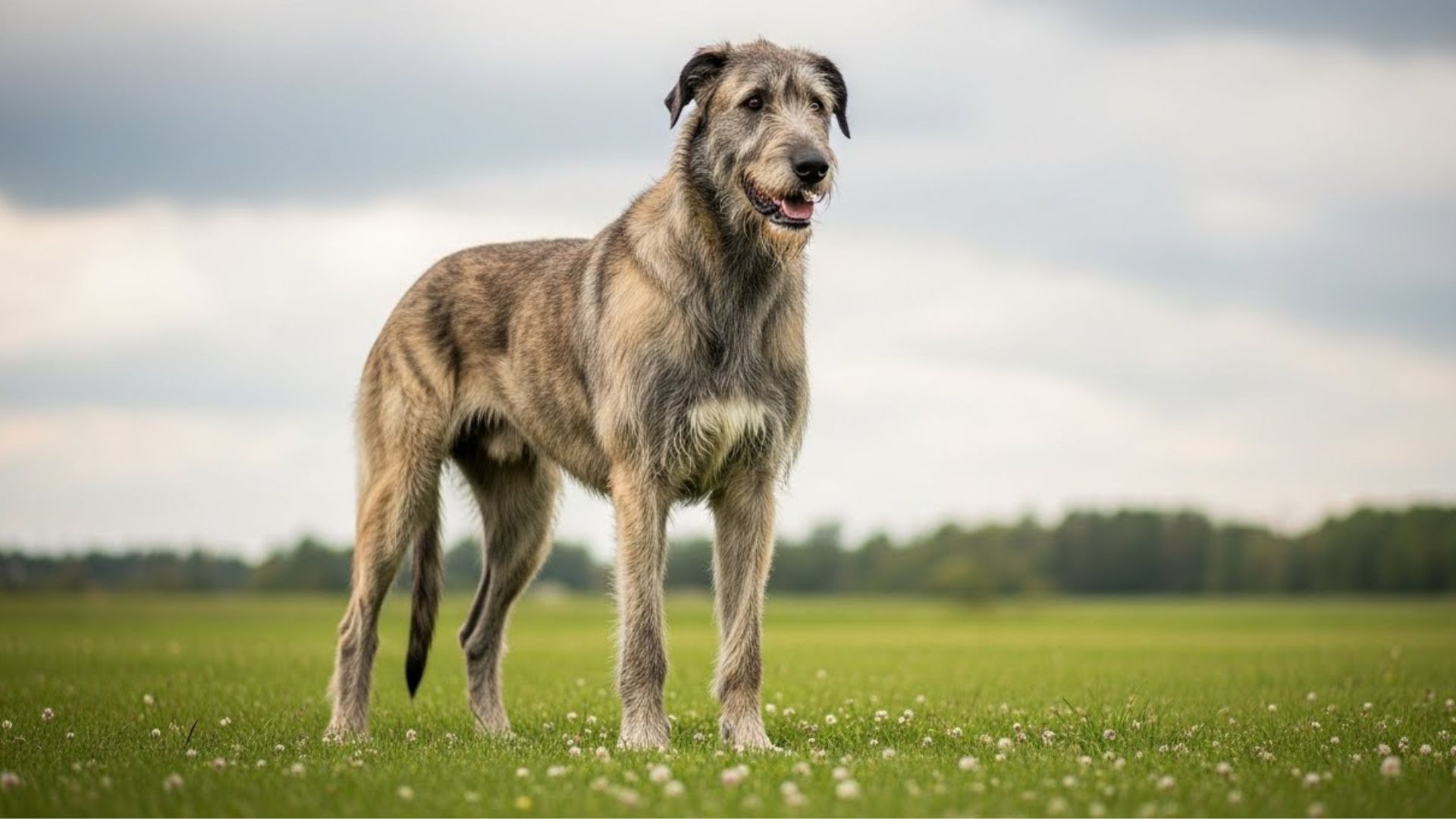
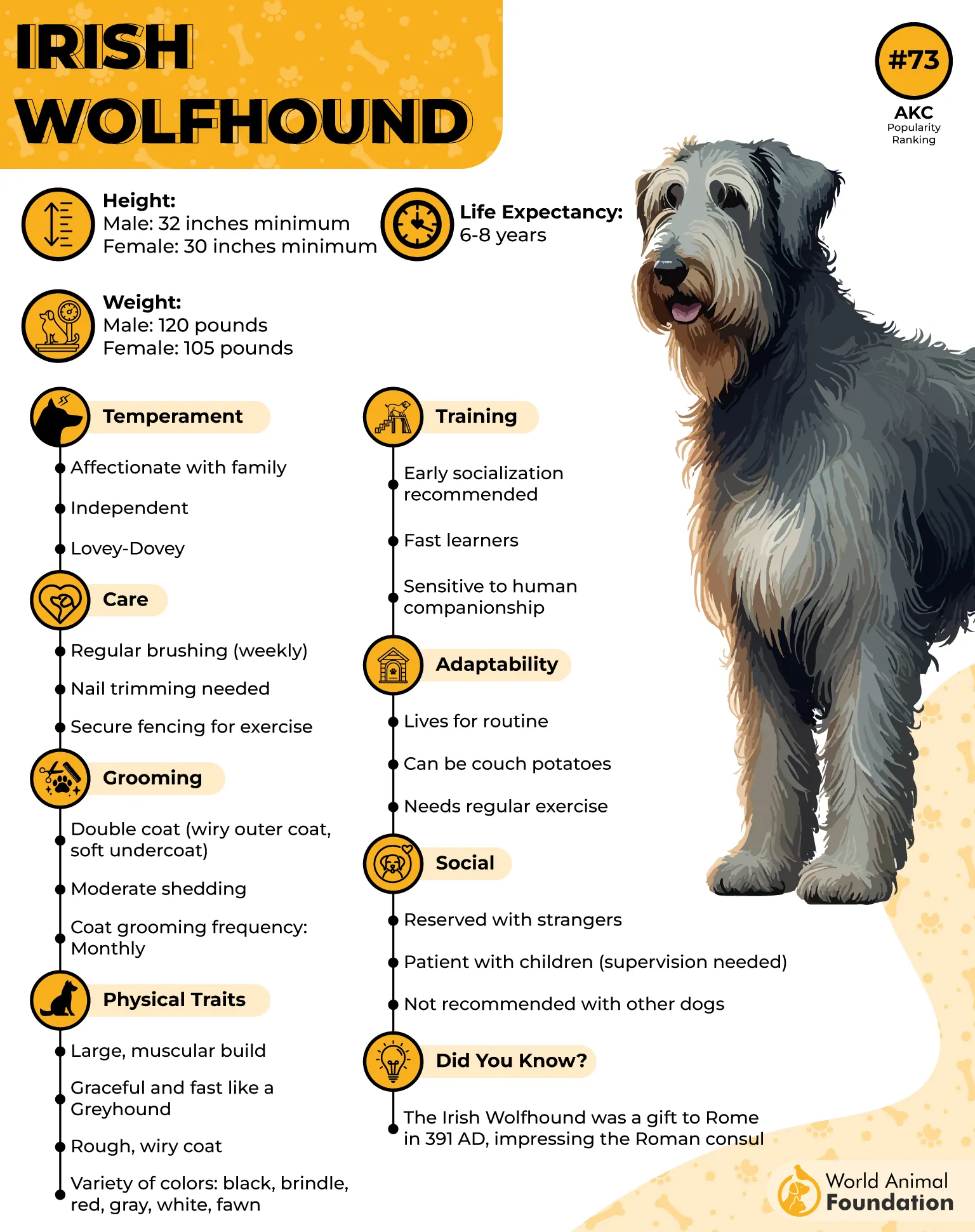
If you haven’t encountered this pup at first glance, an Irish Wolfhound will make you run for the hills. Because let’s face it, these pups are the tallest dog breed in the world. Has a scraggly coat and a history of wolf hunting, where these wolfdogs used to dispatch Irish wolves in a single combat.
These unique beasts date back to ancient Rome and are the OG sighthounds and impeccable athletes at whom “All Rome viewed in wonder”. The high kings of Ireland had armies of these hounds that were highly coveted for their big game hunting.

But alas, VCA Animal Hospitals narrates that these powerful sighthounds and resilient hunters, which were once known for reaching great speeds, almost became extinct when the numbers of the Irish Elk and wolves decreased in their native lands.
Nowadays, the modern Irish Wolfhounds exist due to the efforts of Capt. George A Graham, who crossed the remaining few original Irish Wolfhounds with the Scottish Deerhound to revive the breed.
Still found quite rarely, these massive puppies have now evolved into calm, gentle, and dignified beings. They lounge in big mansions and bring comfort and love to their families. They aren’t suspicious of strangers anymore and are quite a low-maintenance dog despite its huge proportions and royal legacy. Owners love them due to their regal looks and heritage.
2. Rottweiler
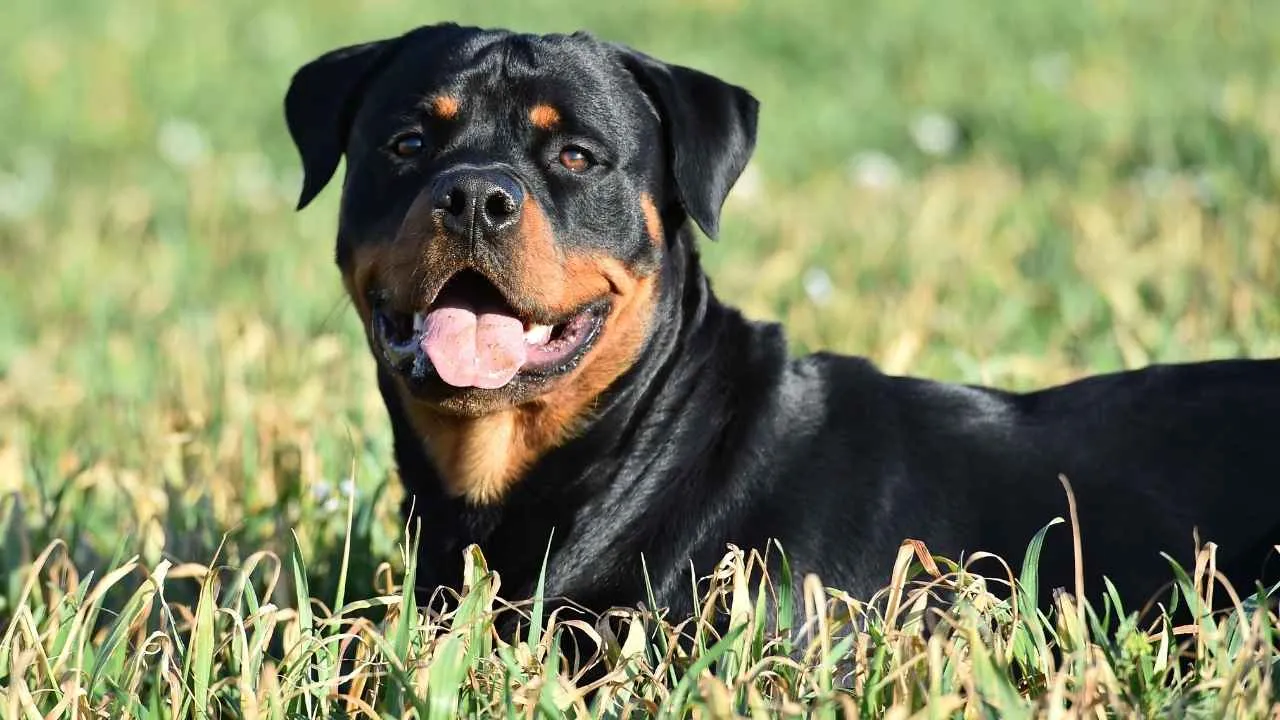
Meet the most popular bad boys of the canine kingdom who happen to have a reputation for being attack dogs. But on the other hand, are loved for their intelligence, protective nature, and guarding instincts.
Hardworking and devoted, these pups can pass any interview for a skills-based job. Nowadays, Rotties even dominate the police department with their marvelous detective and investigative skills. But alas, these descendants of Roman cattle dogs, despite being jacked and muscular, tend to live shorter lifespans.
Which can prove to be quite devastating for a loving pet parent. But all is not lost when you know how to handle their health issues and cover all the bases beforehand.
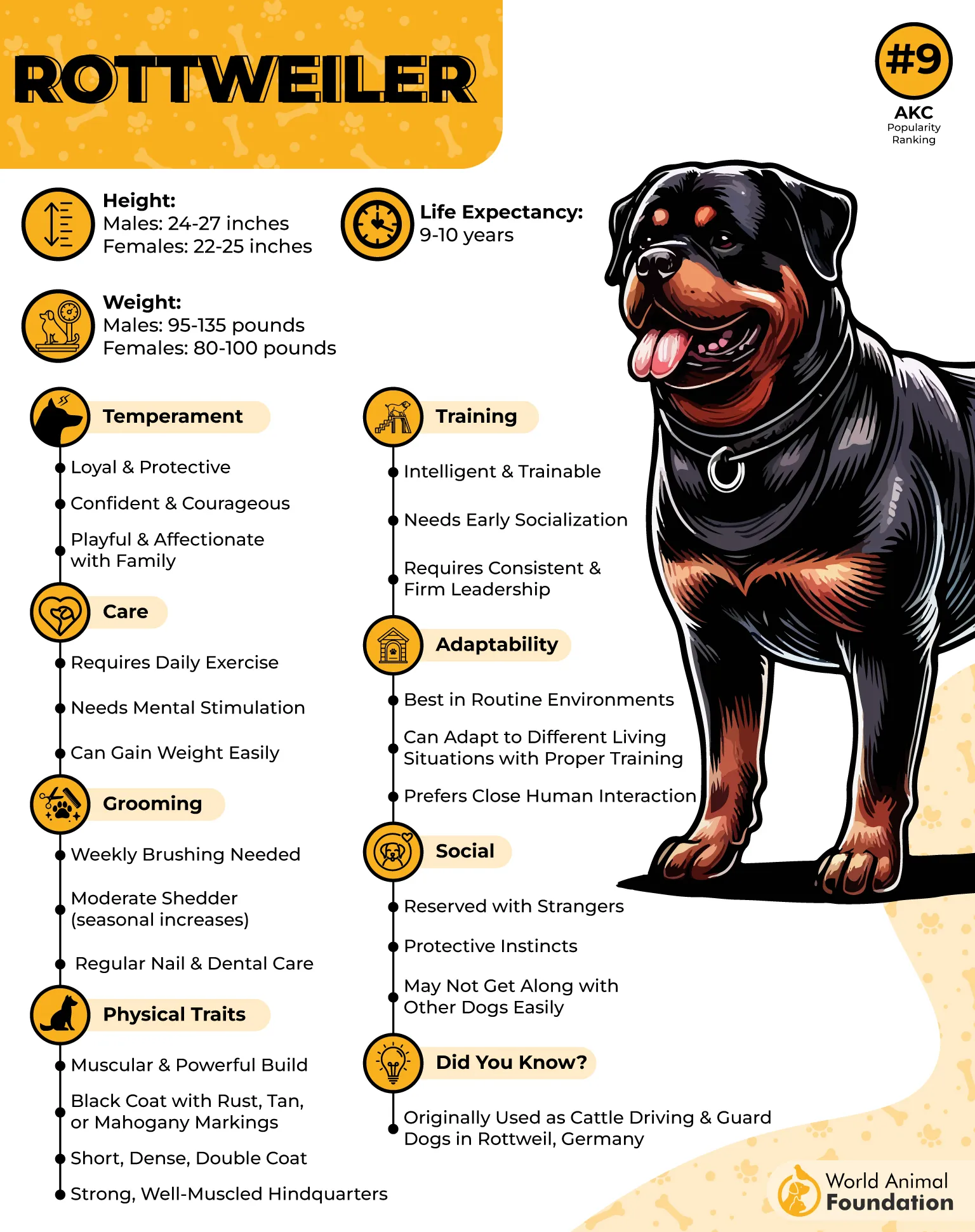
However, Purina US mentions you can save these goofy leaners and award-winning therapists by adding nutritional supplements to their diets, providing them with consistent veterinary care, and helping them maintain a healthy weight with exercise and mental stimulation.
These Roman legends and excellent guard dogs deserve to be treated with honor and respect. Hence, fold those sleeves up and get back to training, socializing, and protecting these K-9 officers and Roman army assistants.
3. Dogue de Bordeaux
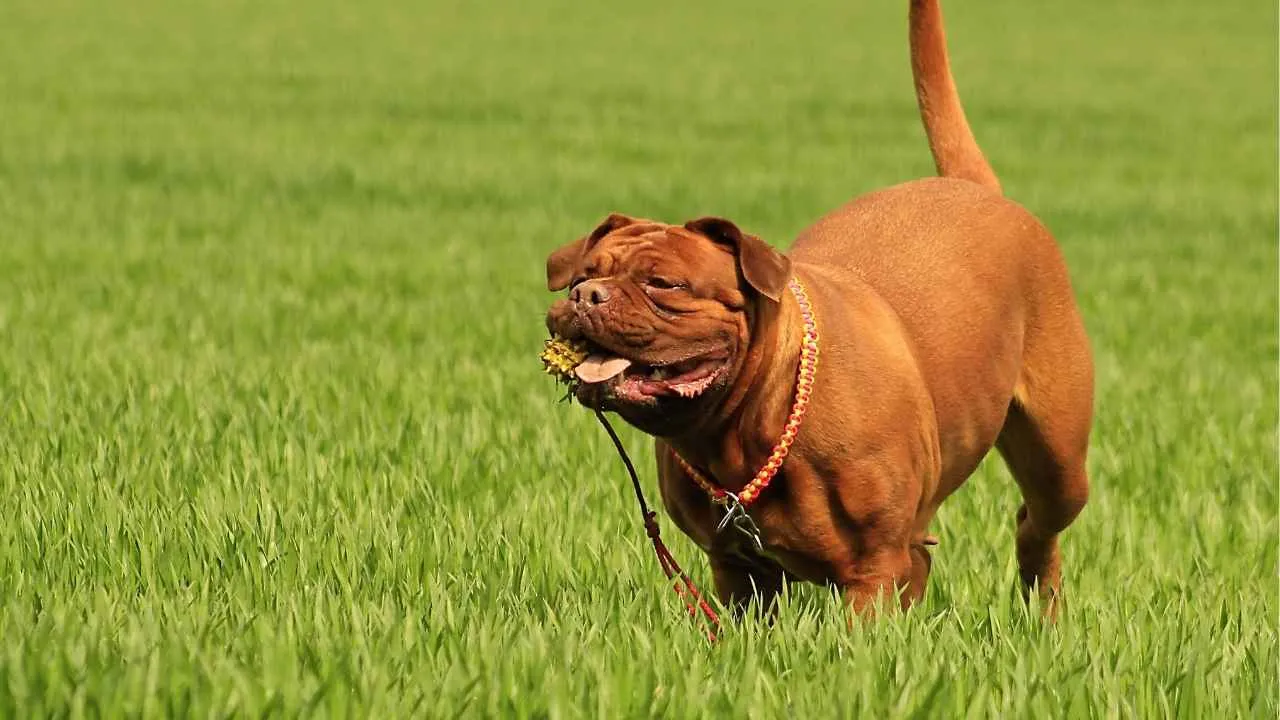
Get ready to see another immaculate beast bite the dust. This ancient French puppy, unfortunately, seems to be burning the candle at both ends, driving itself to an early grave. But surprisingly, it isn’t the most agile, hardworking, athletic pup you’ll ever find.
The Dogue de Bordeaux rather believes that living life slowly, cherishing every morsel you are given, and enjoying all the time you have on this planet is the only right way to do it. Don’t dwell a lot on how they look or how big these puppers are.
Because a Dogue de Bordeaux will spin all you know about intimidating dogs on its head and ask for hugs, kisses, and cuddles. These nuggets need attentive care and companionship. Imagine a muscular hunk with a warm, teddy bear-like disposition; that’s what a Dogue is like.
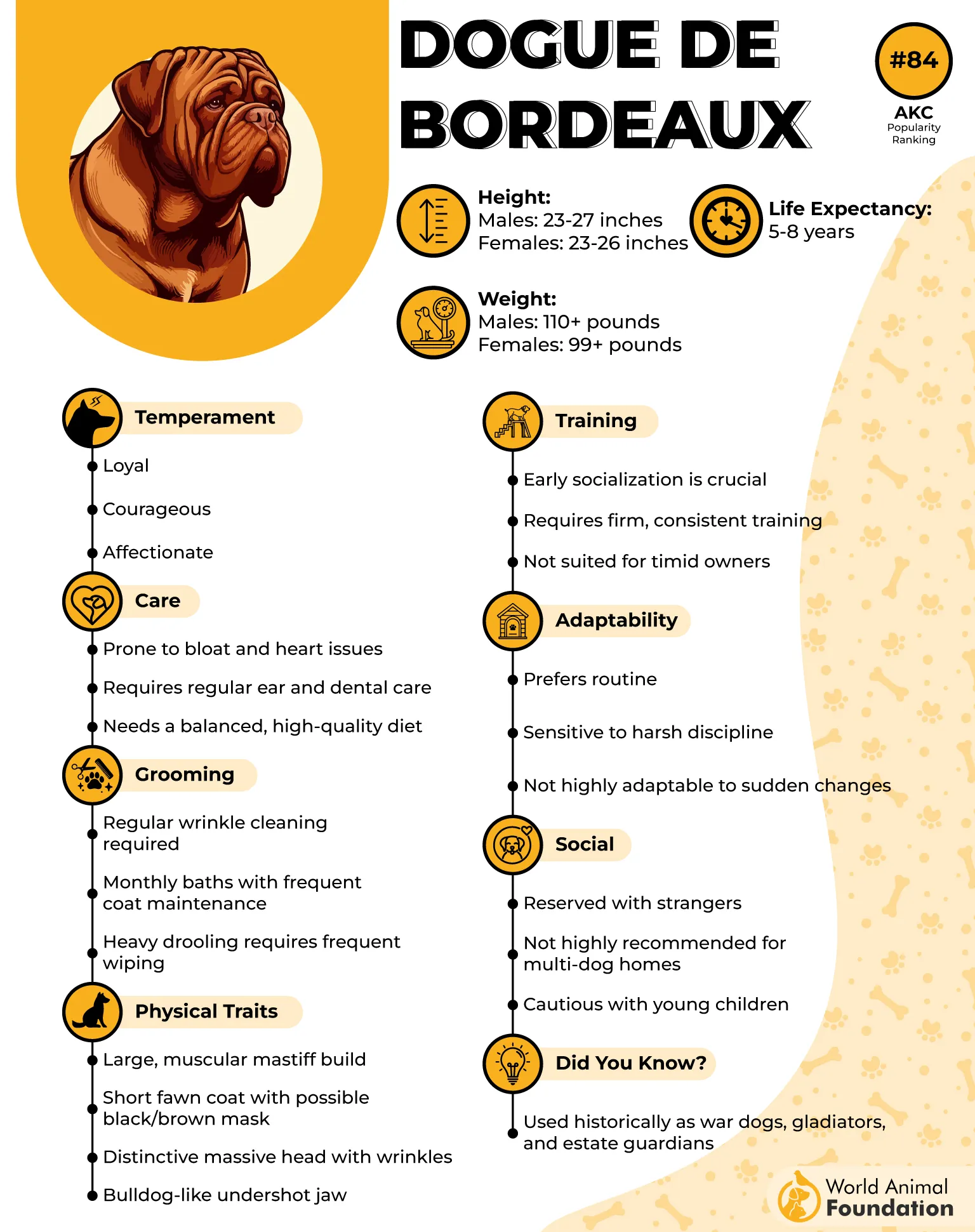
Uninhibited, entertaining with a spoonful of courage, cool calmness, and self-assurance, this very wrinkly pup literally has a lot of layers (and wrinkles). Originally bred in the 12th century to be a hunting dog breed. These French delights have been used as guard, herders, animal baiters, and even in dog fights.
According to the Continental Kennel Club, this Dogue de Bordeaux even went through the French Revolution and two world wars, yet it still survived. Hence, now this French Mastiff enjoys its life living in castle-like mansions and demands a high-quality diet. Not to mention they’ve earned their retirement, thus don’t even think about working their muscular bodies out too much, hooman.
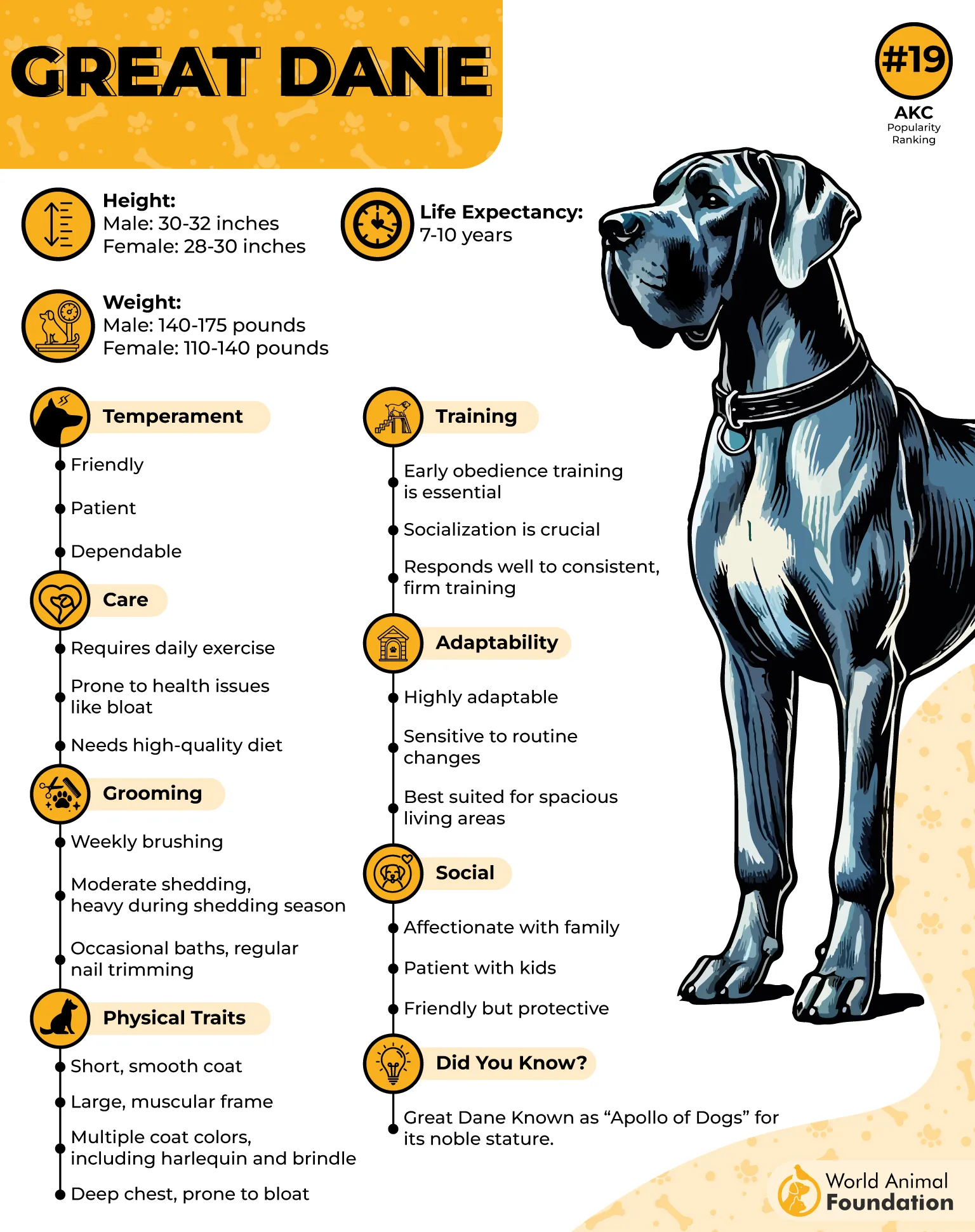
4. Great Dane
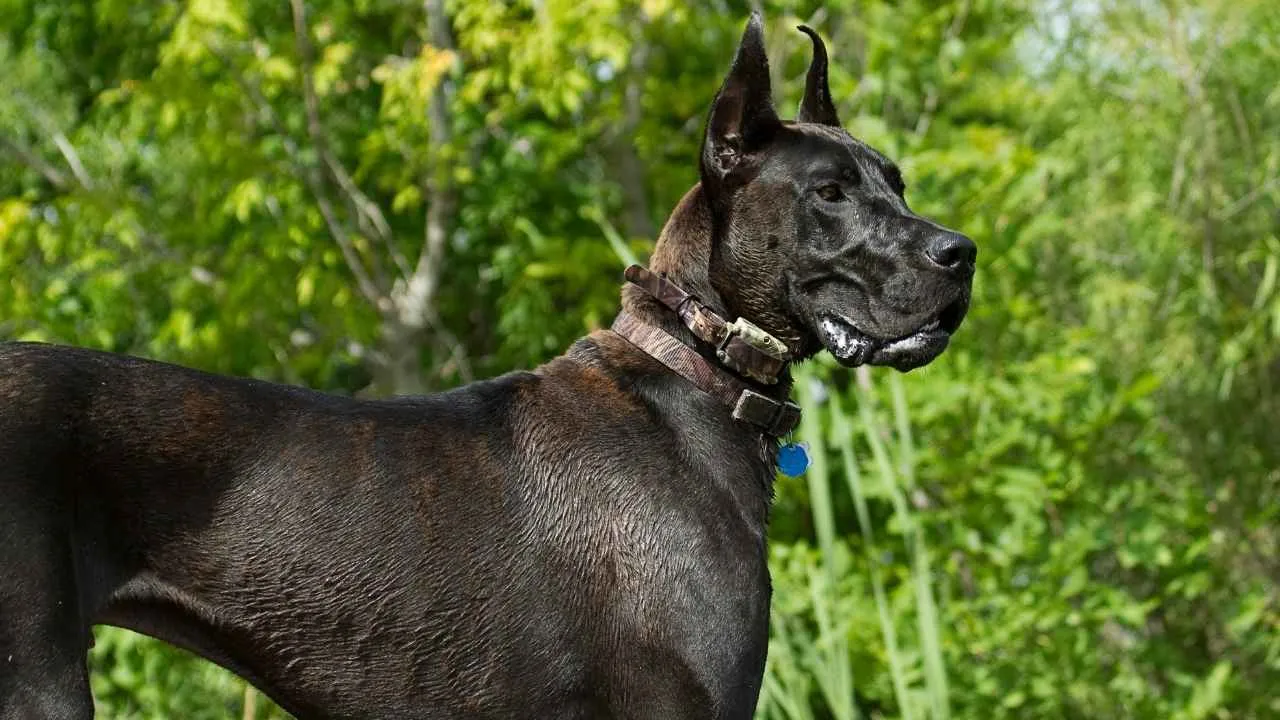
These Great Danes are not just a large breed; they are a super-sized giant breed that happens to have a very short life expectancy. But why do these super adorable, loving hounds die so young? This question and the air of mystery around it have even pulled the attention of scientists.
Many of them say the link between size and life expectancy holds up regardless of breed. But did you know? Giant breeds are more susceptible to cancer!! Yes, you heard that right, and if you area big fan of big doggies, then this information might have sunk your heart to the pit of your stomach.
You see, there are a thousand different things that play a key role in determining how long a dog breed might live. And according to National Geographic, amongst these things stands genetic diversity, rapid cell division leading to oxidative stress, shorter telomeres, and genetic wear and tear.
Larger breeds develop age-related health issues like cataracts, heart disease, and joint issues much earlier. But all isn’t lost as you can still help this tallest, affectionate, and social breed of dogdom, aka Apollo of dogs, by getting it regular vet visits, a healthy diet, and just enough exercise to keep it healthy.
5. Bernese Mountain Dog
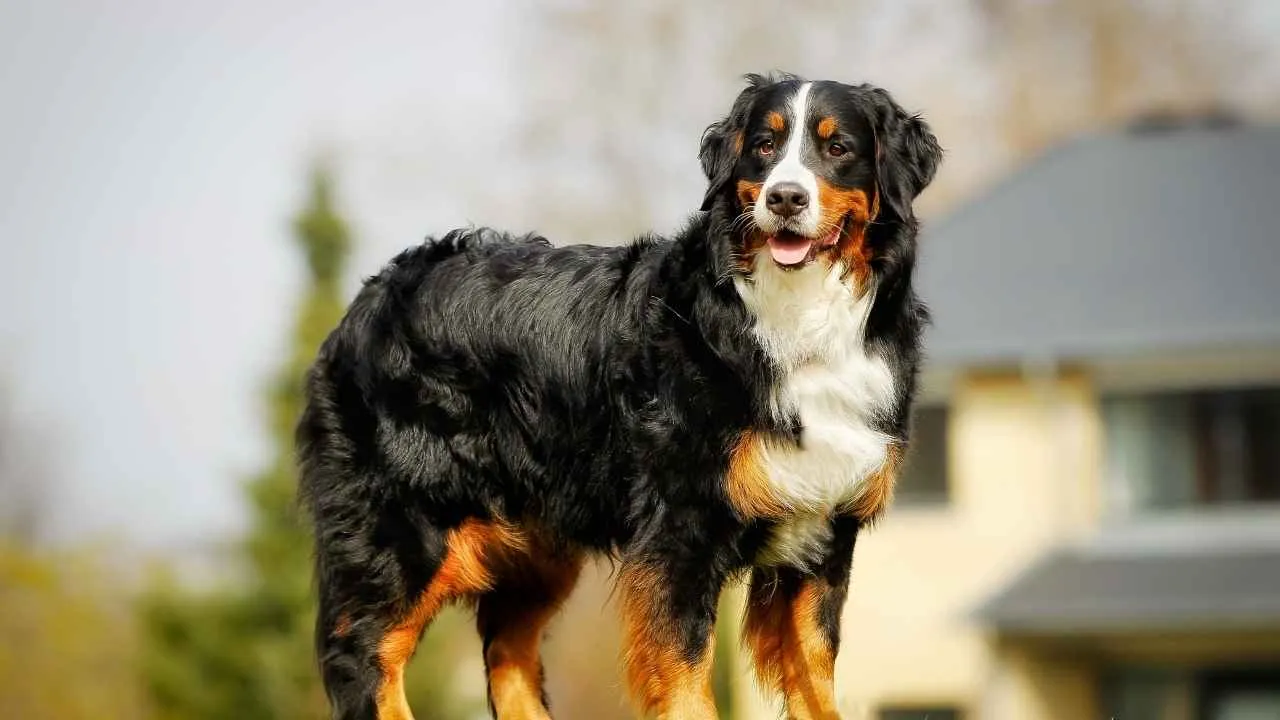
Everyone around the globe loves Swiss chocolate and cheese, but dog enthusiasts love the country for a completely different reason. Imagine something fluffy, sweet, and covered in three shades of chocolate: black, white, and luscious brown that match the dark, milk, and white of the beloved sweet treat around the world.
These Berners are a dog lover’s dream. They are versatile, majestic, radiant, intelligent, and so unique. Encased in silky tri-colored coats and the perfect accompaniment in this harsh, cold weather. These sturdy pups make wonderful family pets and are so good-natured that even kids love them to bits.
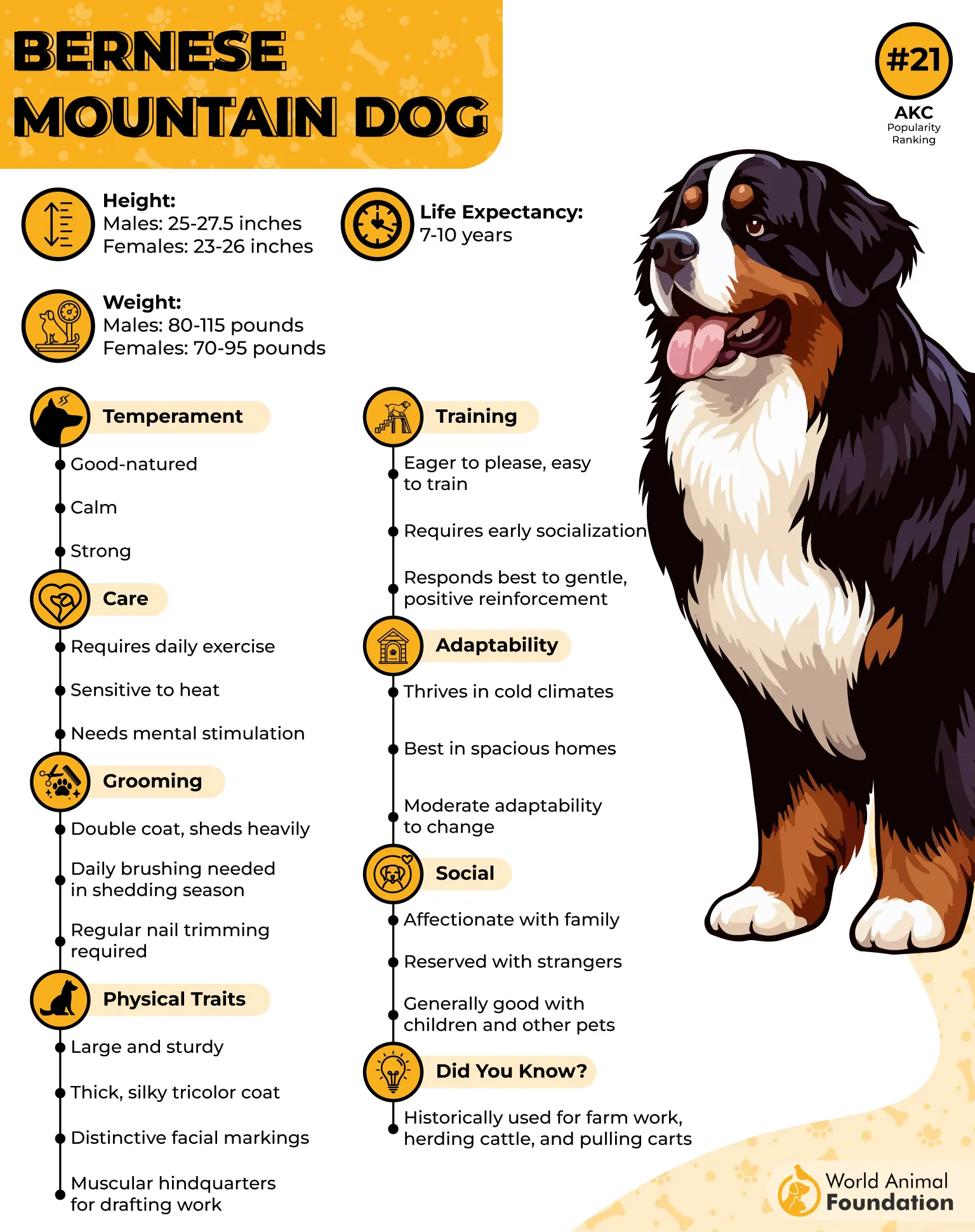
This large working breed played a key role in the progress of its native country by driving cattle, guarding dairy farms, and transporting milk and milk products to the markets, which is a major export of Switzerland.
A literal picture of strength, fortitude, and benevolence, these Bernese Mountain Dogs have won hearts all over the world for their affection and versatility. But sadly, these Bernese Mountain Dogs have an average lifespan of 7-10 or 6-8 years and are prone to several health issues like hip and elbow dysplasia, joint problems, von Willebrand’s disease, and histiocytic sarcoma that affect their quality of life drastically.
6. Newfoundland
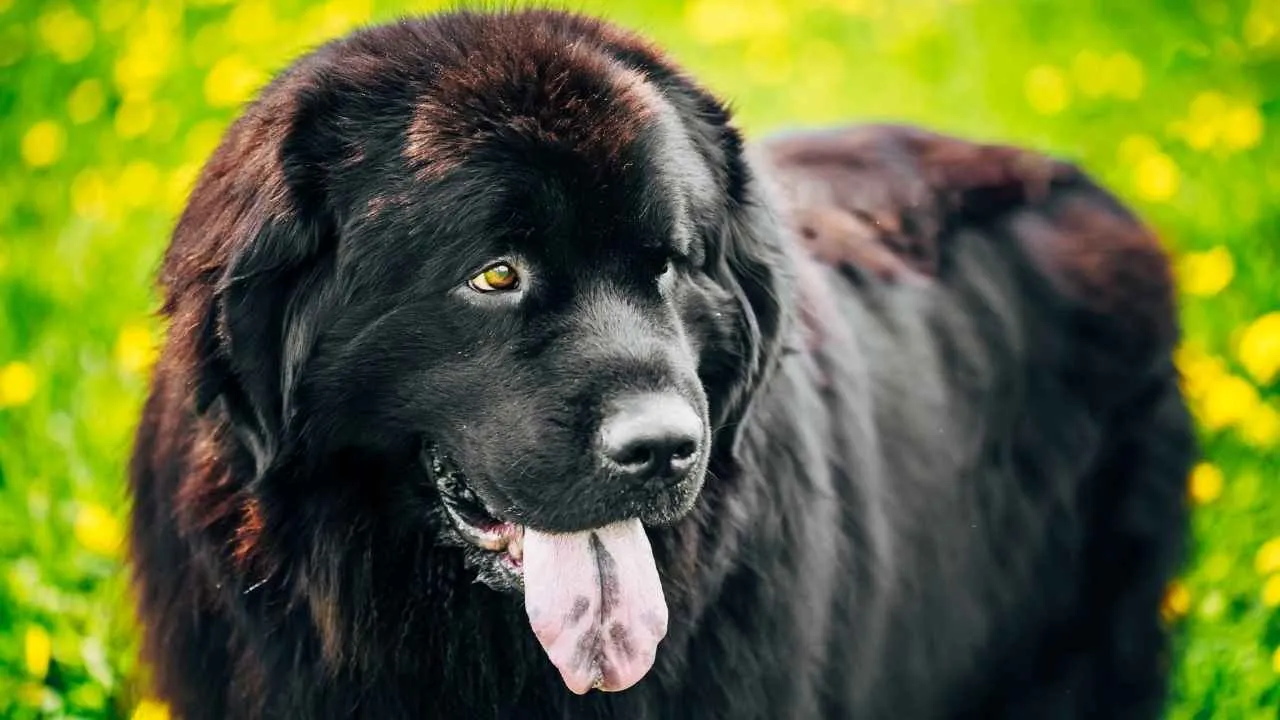
Obviously, this pup belongs to Newfoundland, aka the easternmost province of Canada. But you wouldn’t find another pup for whom Lord Byron, a great English poet, said, “Who possessed Beauty without Vanity, Strength without Insolence/Courage without Ferocity/And all the Virtues of Man without his Vices.”
You see, this giant breed is quite impeccable, but also has a shorter lifespan as it bears the brunt of rapid and recent selective breeding in bigger dogs. Although being seemingly sturdy, muscular, and very hearty newfoundlands can endure icy cold temperatures due to their thick double coats, but don’t live very long.
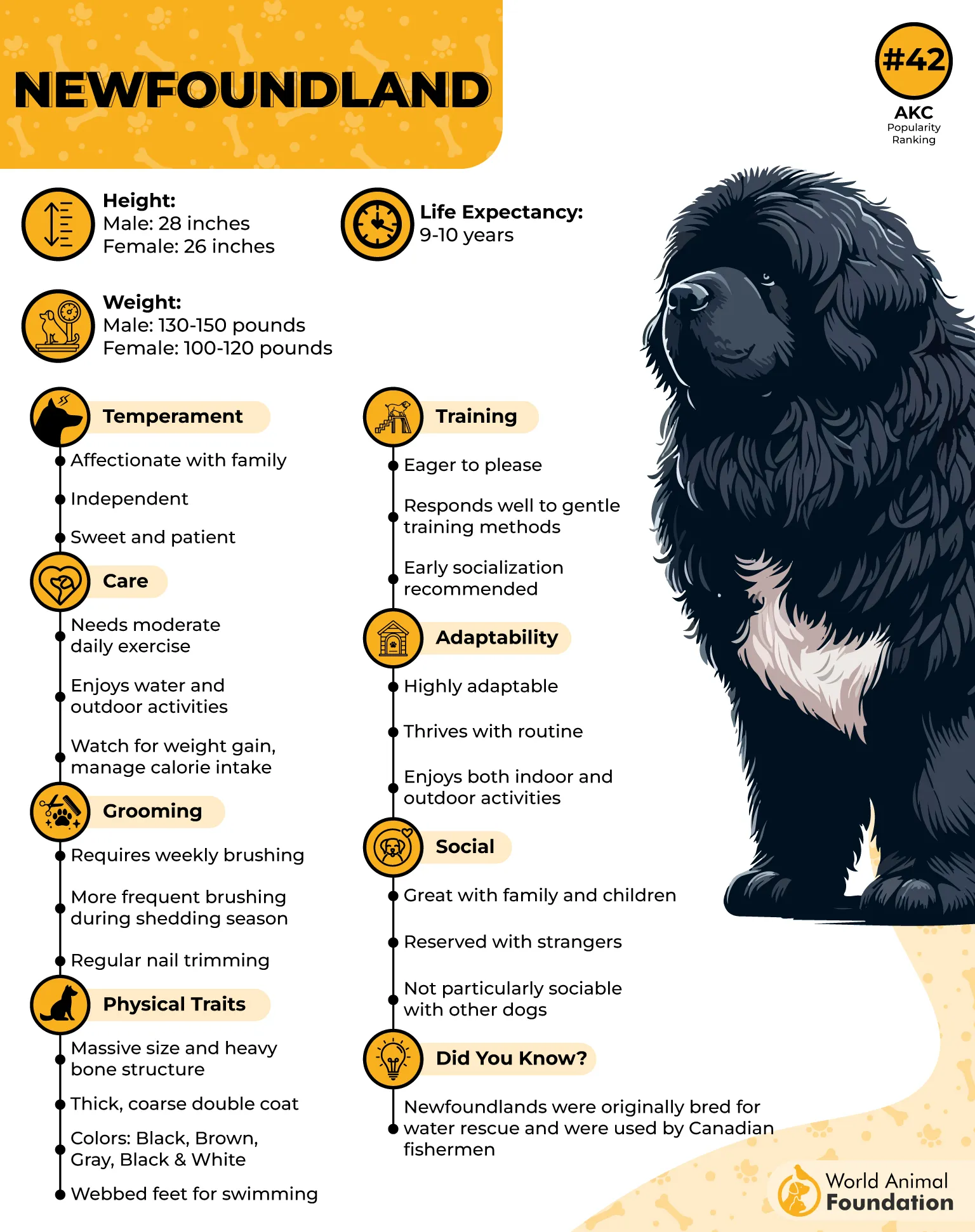
Despite being the greatest family dogs you’ll ever find. Orvis says these friendly, and wise canine nannies are patient, serene in temperament, and are very effective water rescuers. Hold great devotion to their people and hold a great heroic reputation in history.
Majestic, yet soulful, these noble pups are blessed with a sterling character. They have a natural affinity for kids and are powerful and peerless working dogs that you can utilize just about anywhere, from ship decks to the icy waters of the North Atlantic, or on an 8000-mile trek across the American continent. Guess who’ll accompany you as guardian, hunter, and rescuer? It is none other than this Newfie.
7. Saint Bernard
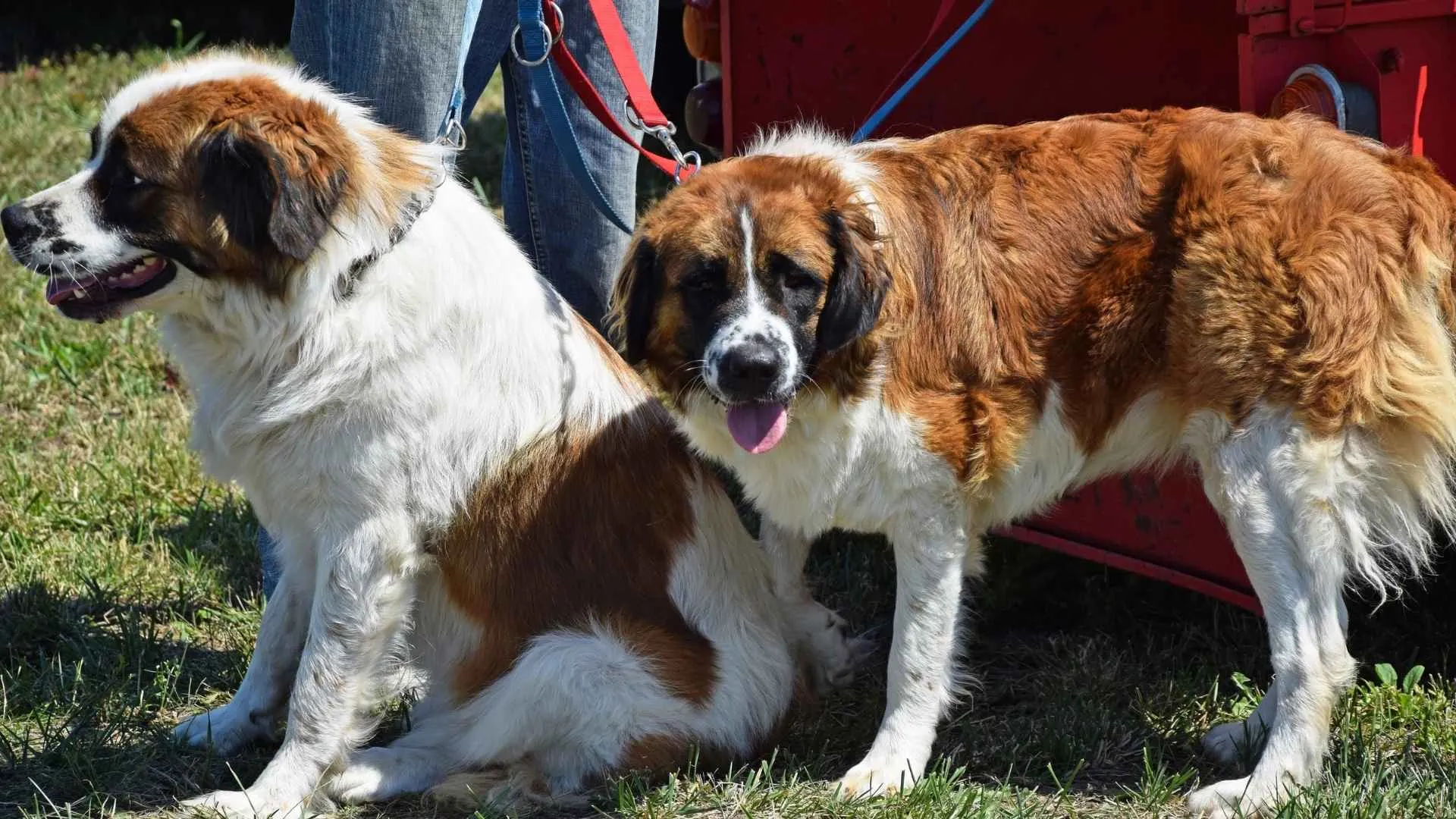
Did anyone guffaw about a rescuer without mentioning this Swiss Saint Bernard? That sounds like a crime; you bear witness to this atrocity, which shall not be borne. Nobody, and we enunciate nobody, shall besmirch the name of this saintly puppy who saves mountaineers and pilgrims from the white death, aka avalanches.
And before you dismiss its heroism and take it for granted, know that this playful, charming, and inquisitive puppy doesn’t just save human lives by rescuing them physically. This pup also has unseen magical potential of healing a broken heart or soul from within.
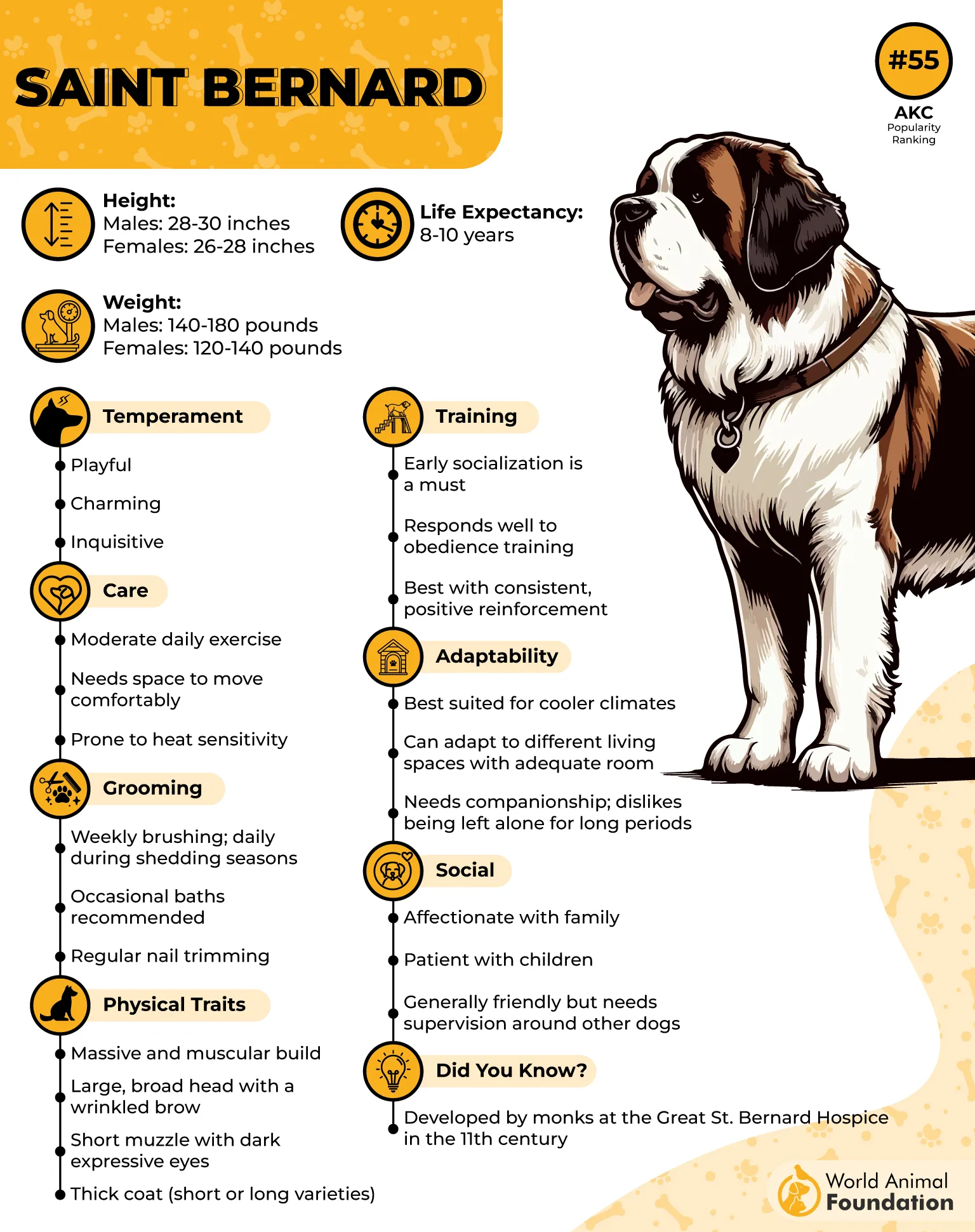
The most genial of the giants and the most famous and beloved, this extraordinary mountain breed has a muscular build, but a delicate touch and soft heart. This Saint Bernard, who happens to be a ray of hope for stranded alpine travelers, is also a great confidant and friend to its loved ones.
Hence, with thought, it was better to tell you beforehand that these caring superstars that you have bonded with so closely might not live long. Thus, you’d better cherish every moment beside them.
8. Greater Swiss Mountain Dog
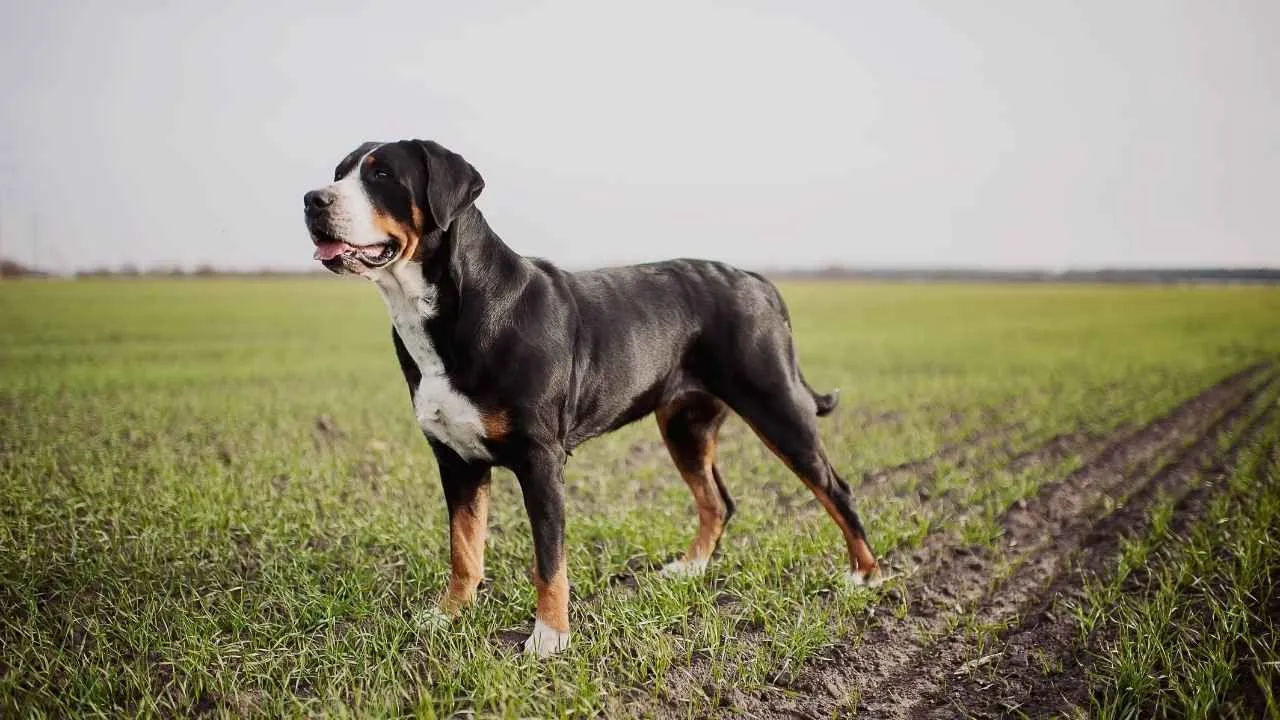
This large, strong breed originated from war dogs bought over the Swiss Alps by Julius Caesar’s Army and happens to be the largest among the four Swiss mountain dog breeds.
Lovingly known as Swissies, this muscular rare breed was once the most popular pup in Switzerland. Due to its numerous skills and diverse talents, it made it a great farmhand. Enthusiastic, happy, and blessed with a great love for its people.
The Greater Swiss Mountain Dog is also one of the oldest Swiss breeds that has contributed to the development of the dog, along with other dashing hunks of the canine world Rottweiler and St. Bernard. This deep-chested dog makes a great draft dog and is capable of pulling heavy carts. Think of them as the tractor pull of dogdom. An average Swissy can pull 3000 pounds or more with ease.
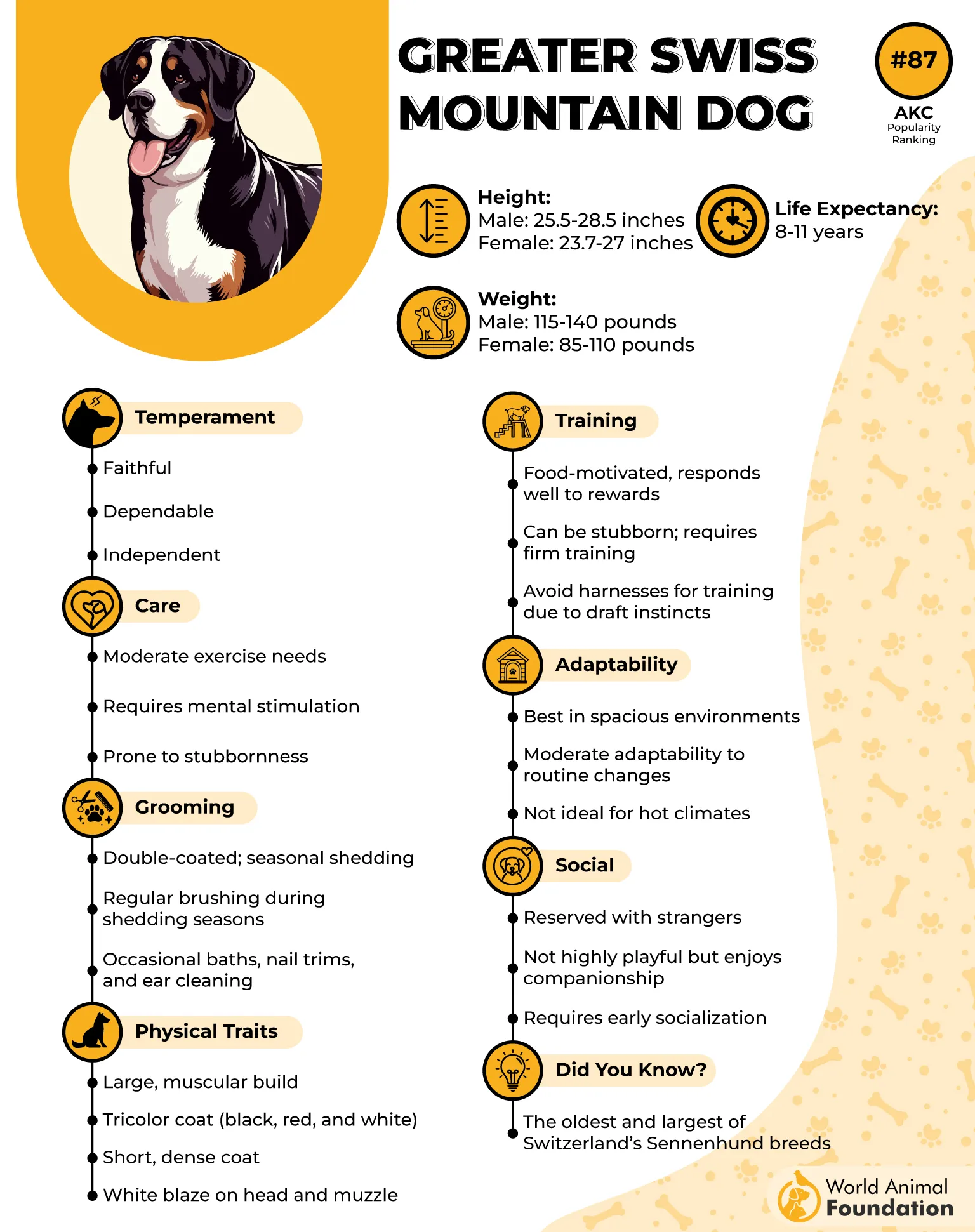
Not to mention the current wheeled record pull by a Swissy is more than 4800 pounds, which shows the magnitude of their physical strength and character.
PetMD notes that the working spirit and versatile background make these sweet-natured pups wonderful partners for active families, as they are really gentle with children, sportsmen, and adventure seekers.
These dogs enjoy activities like agility, backpacking, herding, hiking, and obedience trials. Hence, it is important that you provide these dogs with proper training, daily exercise, and a healthy diet to keep them in their best shape and happy.
9. Broholmer
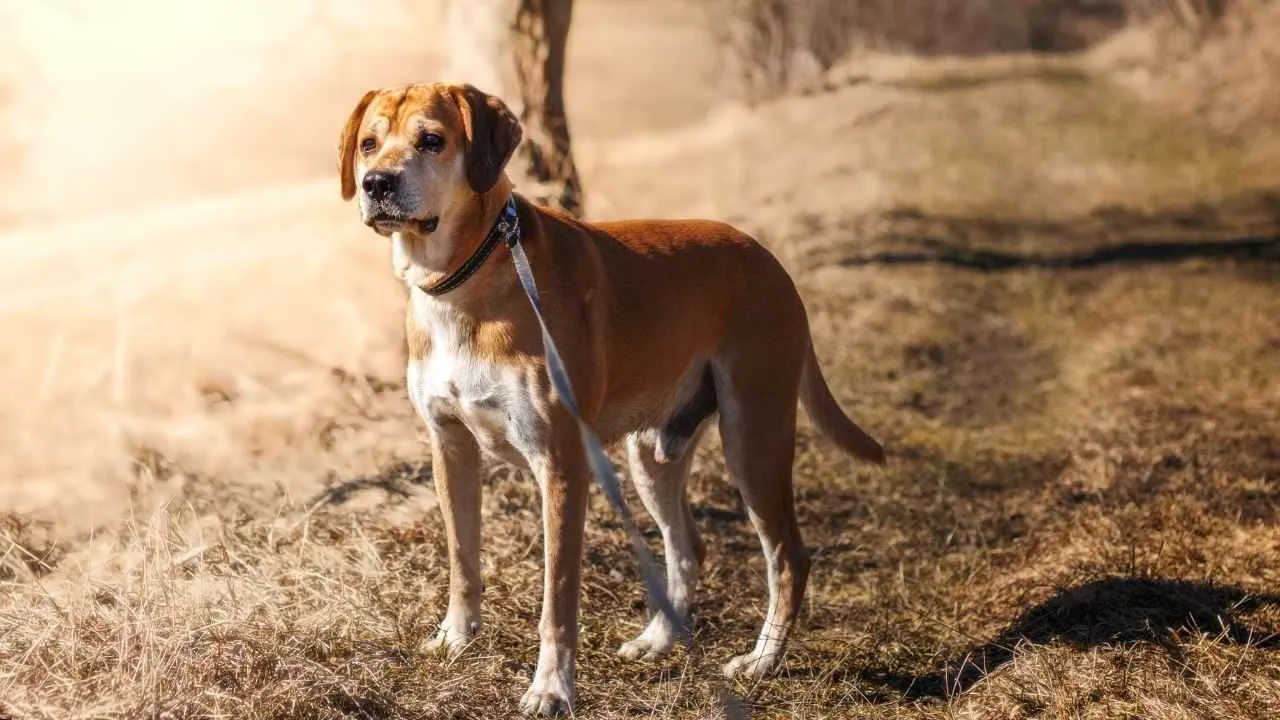
This large breed with a resounding bark and confident walk, which intimidates a lot of people, is a very ordinary breed from Copenhagen. But is also the most intelligent, alert, loyal, and lovable fella out there.
At first glance, these pups come off reserved and aloof, but once you get to know them. These mighty pups will give you hugs, cuddles, and take all your stress and worries away.
Broholmers even get along with children, making them great family companions. They have solidly built rectangular bodies, big, broad heads, and drop ears, short, dense coats, and a powerful yet composed gait.
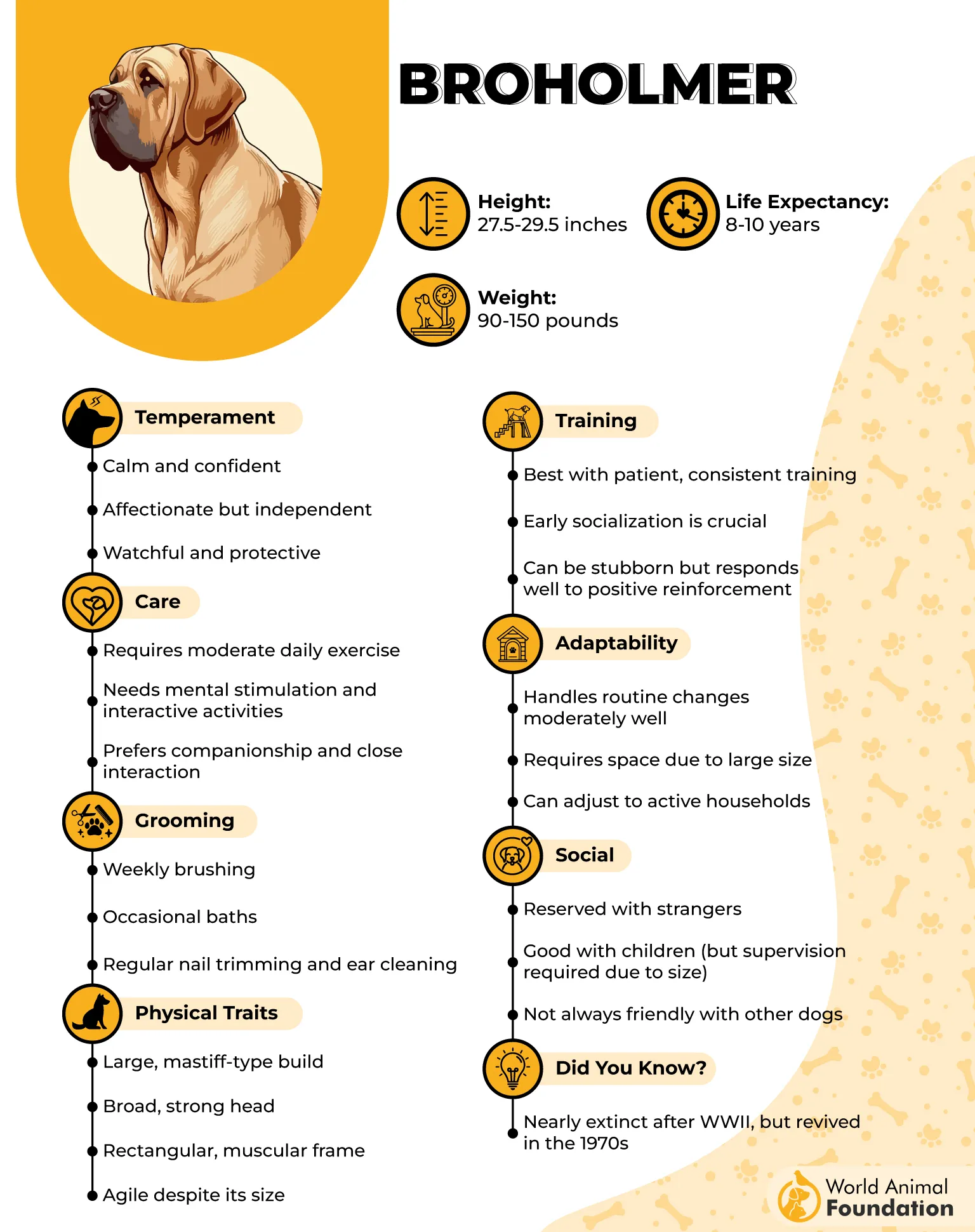
The AKC notes calm and even-tempered. This pup makes a great guard dog, herding dog, and livestock guardian. But is also quite adept at handling hunting tasks, as it was once used as a pack hound on royal hunting grounds. However, sadly, this remarkable Broholmer only has an average lifespan of 8-10 years due to genetics and several health conditions common in the breed, which is a bummer. Because it’s quite an interesting fella.
But the most interesting part about it is its history. As this old Danish dog hails from the hometown of Hans Christian Anderson, a charming landscape of green fields and wooded hills. This breed was saved by the gamekeeper and archeologist of the Danish King of Broholm castle, dating from the Renaissance, and is the most unique combination of ancient great Danes, English Mastiffs, and Viking dogs.
Conclusion
Grand, rugged, and untame,d these huge beasts are not temperamental or aggressive. But rather, their massive size can even be misleading sometimes. Because they form strong bonds with their people, are naturally protective, and so caring that once you bring these larger dogs home. You will never switch to smaller breeds again.
But prospective dog owners must research thoroughly and know what complications and health concerns their furry friends are presumably going to have before indulging themselves and bringing these humongous puppies home. And if you are thinking this piece of information was enough to learn about these specific breeds, then you are miscalculating.
Because there is so much more that you need to know about these giant dogs, which we haven’t compiled in this article. Hence, you’d better do your homework on how to take care of these short-lived dogs, that need proper diets, regular exercise, avid vet visits and routine checkups, daily grooming, and so much more than just a hug, cuddle, or some pets.
P.S. Do not take these larger dogs for granted, as owning and raising these sweet-natured pups can be a great example of high-risk, high-reward.
