




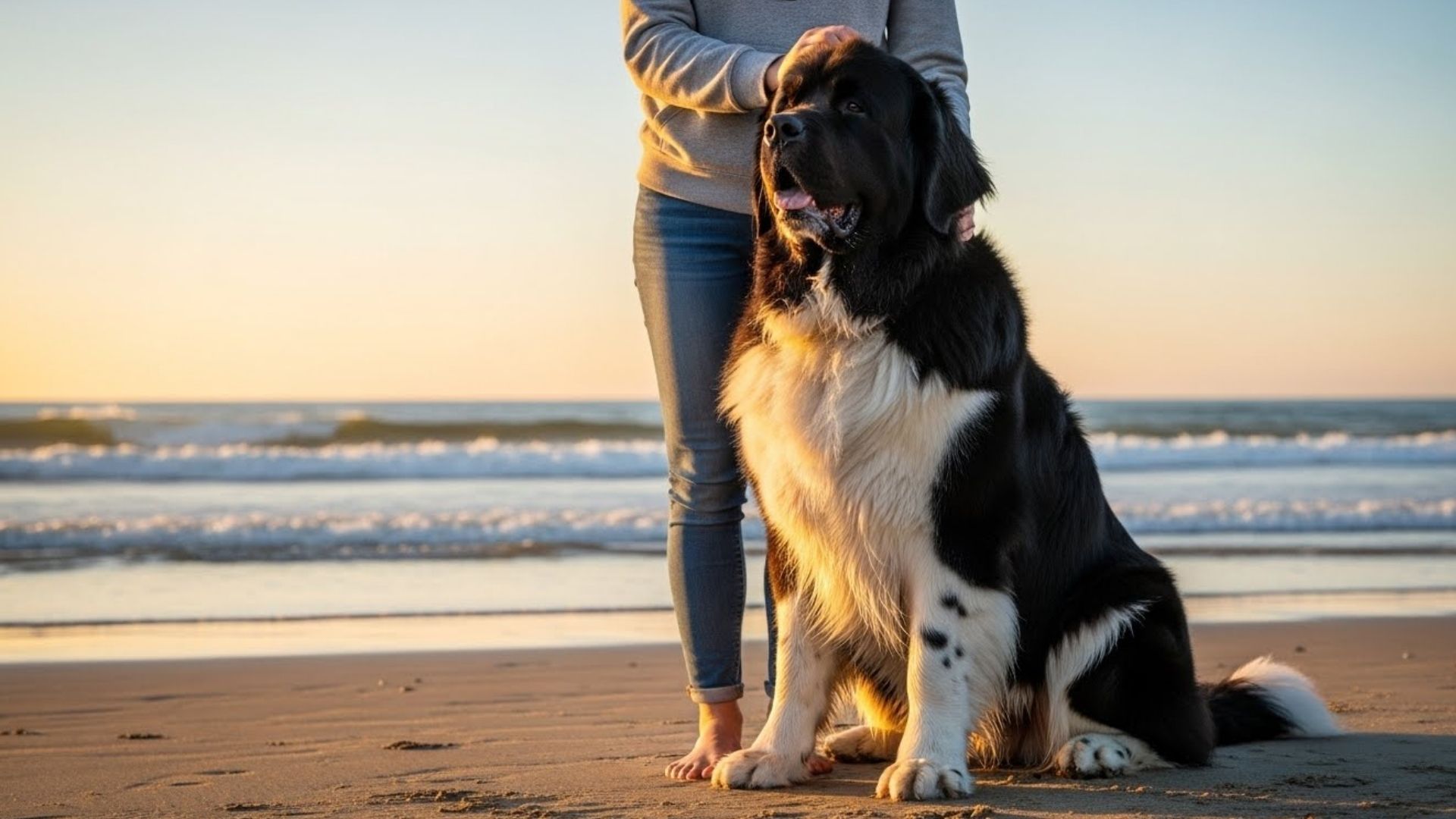
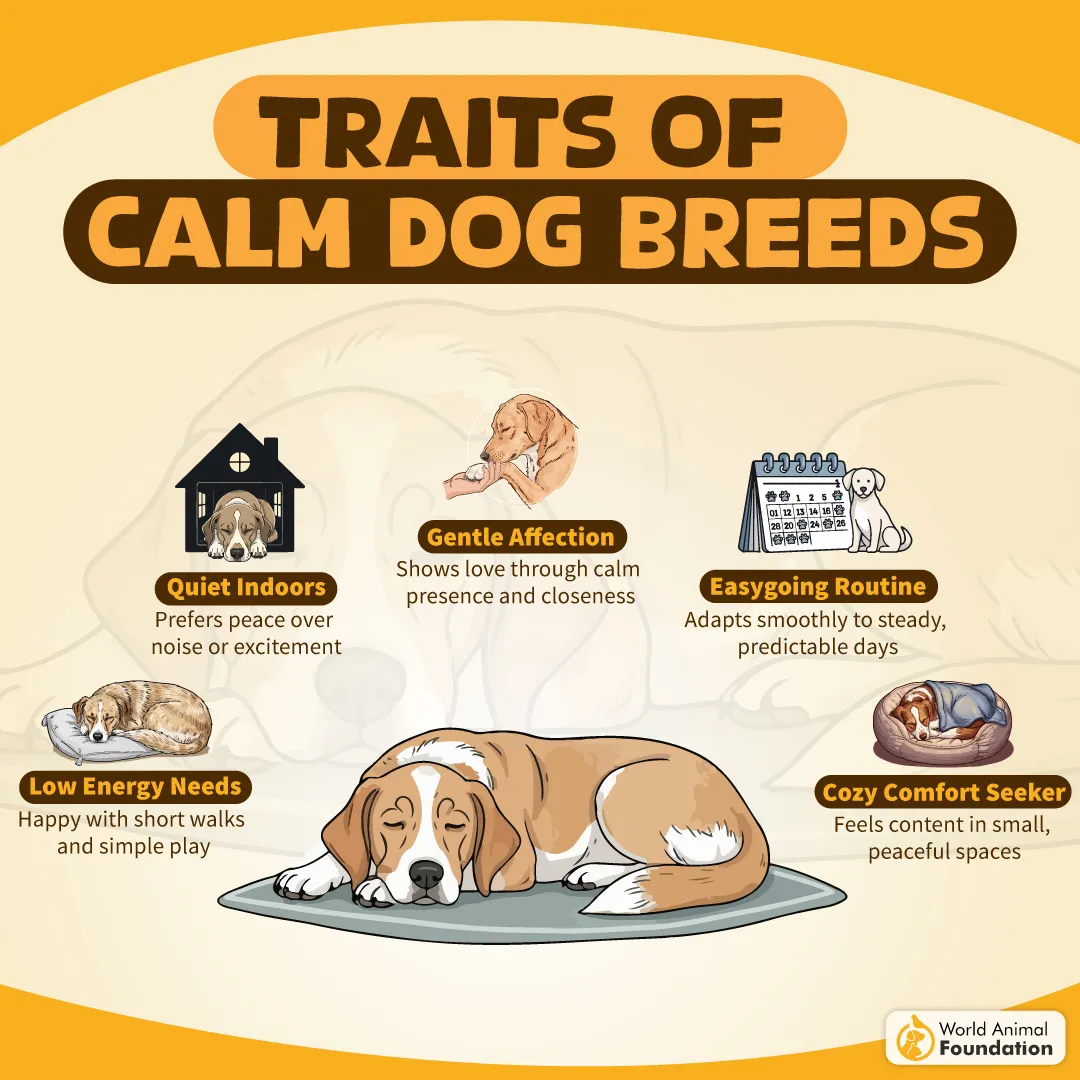
Some dogs make a home feel calmer just by being in it. They settle in like they understand the house rules, track the front door without turning it into a full-time hobby, and move through your day with quiet purpose. No theatrics, no constant commentary, just that steady vibe of, “I’ve got this.”
If you want a companion who prefers calm over chaos and loyalty over wandering off for “solo adventures,” you are not alone. The right dog can be attentive without being clingy, tuned in without being needy, and naturally protective of your family and loved ones.
And calm does not mean dull. It can look like gentle manners, reliable judgment, and a protective instinct with restraint. The dogs ahead earn trust the simple way: showing up, staying steady, and guarding what matters.
Fun Fact
Dogs have a special structure behind their retina called the tapetum lucidum, which helps them see better in low light and gives many dogs that famous “glowy eyes” look at night.
Calm & Loyal Dog Breeds: Gentle Guardians You Can Trust
1. Newfoundland
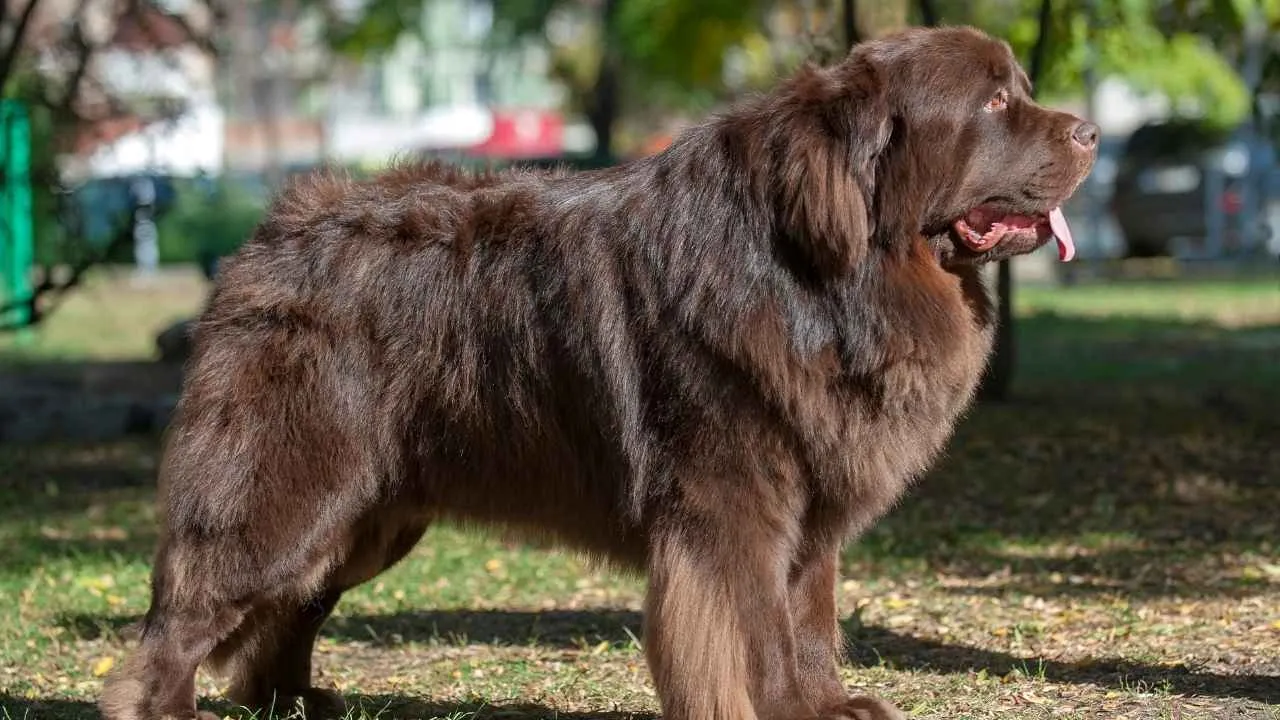
A Newfoundland brings a quiet sense of order to a home. Naturally attentive and emotionally steady, this breed tends to observe first and respond thoughtfully, which is part of what makes them such excellent guard dogs.
They’re incredibly loyal companions, showing devotion through calm presence, which can make them ideal family pets.
With children and other dogs or animals, Newfoundlands are famously patient and tolerant. They respond best to soft guidance and consistent routines, building trust rather than tension. Training is usually smooth when it’s rooted in cooperation.
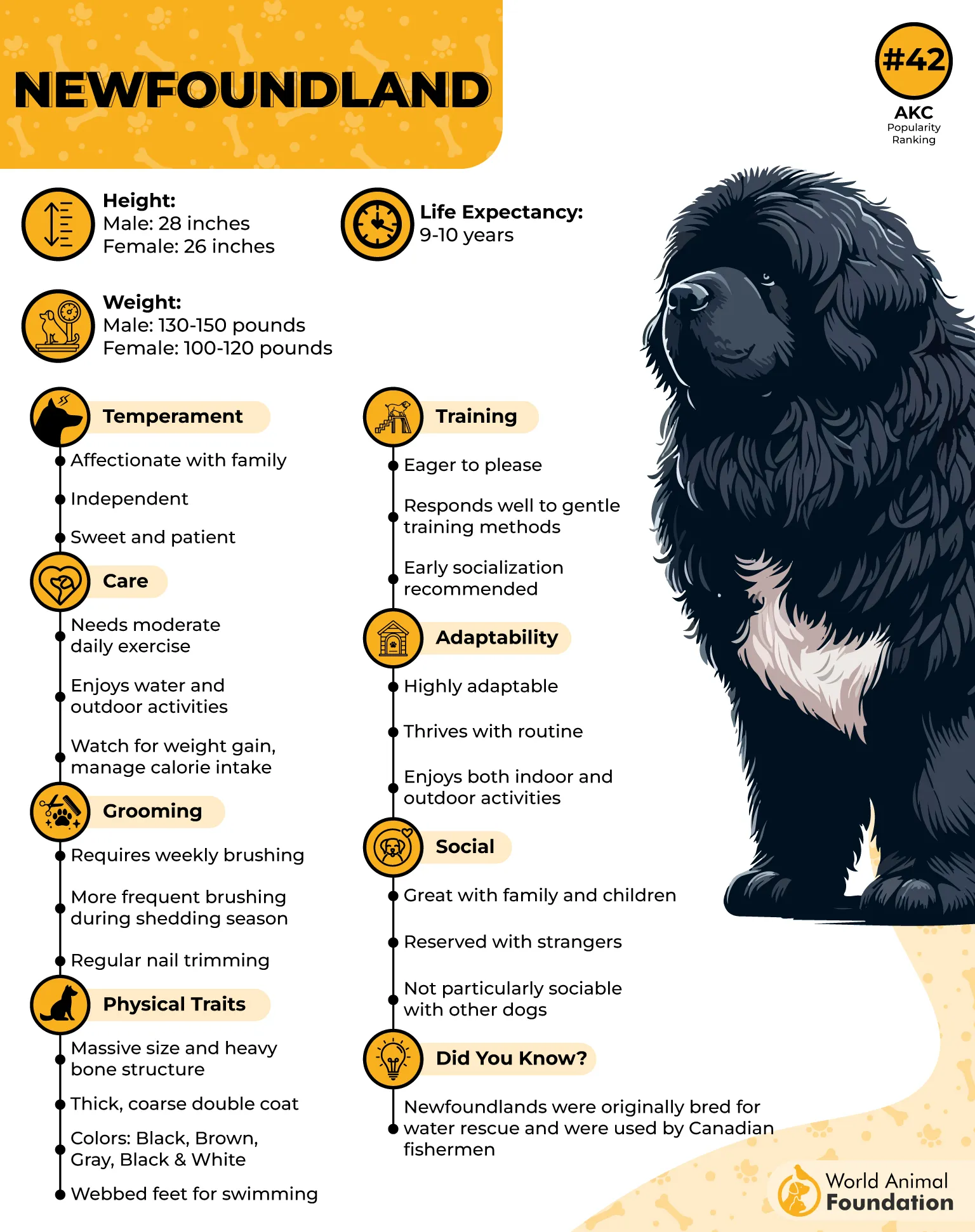
Living with a Newfie does require commitment. Their dense coat needs regular care, and their size means daily movement matters. When their needs are met, they integrate into family life with a grounded, reassuring energy that fits the role of a trustworthy protector and a calm furry friend.
Fun Fact
Newfoundlands have webbed toes and a waterproof coat built for water work. It’s part of why they’re so at home in the water.
2. Great Dane
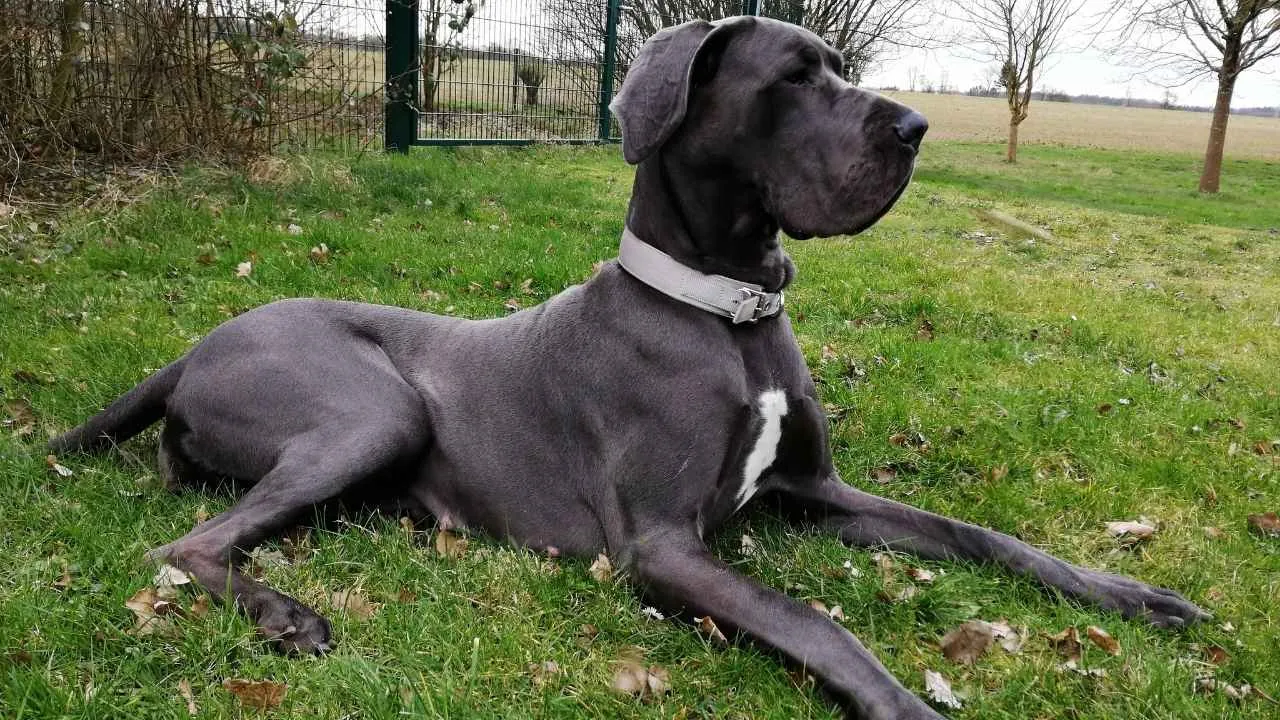
A Great Dane can look like a movie villain and behave like a polite roommate. Most are very quiet, relaxed, and tuned in to home life, happy to lounge nearby while you work or unwind. They rarely stir up chaos for attention, preferring a steady presence.
This large dog is happiest with a little breathing room to stretch out and move around without constantly navigating furniture. A few daily walks and some relaxed time to wander help keep them healthy and steady, and once that box is checked, they’re perfectly content to spend the rest of the day lounging like they pay rent.
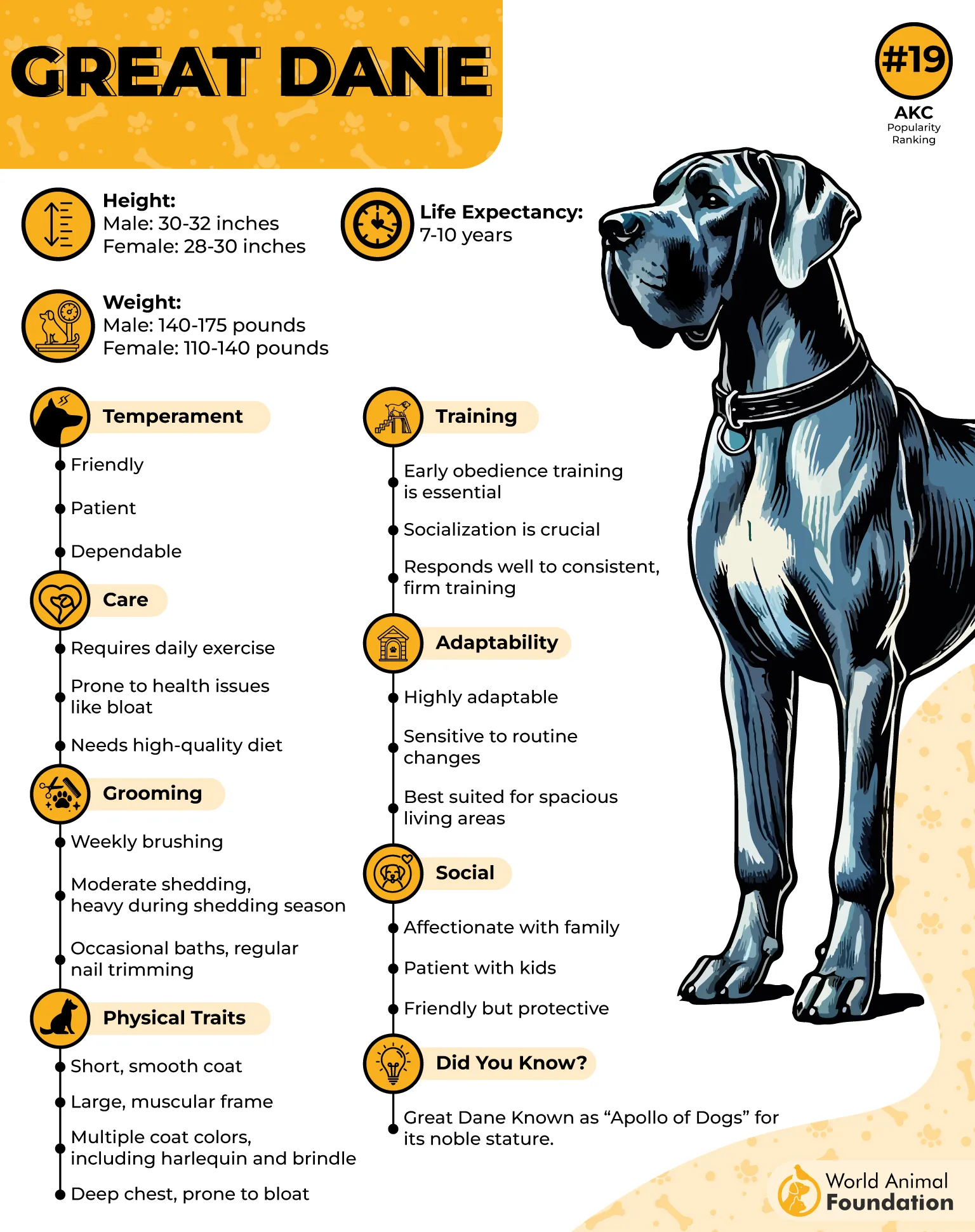
Their presence also does some of the security work for you. To strangers, a Dane can seem intimidating, and that deep, booming bark doesn’t exactly sound like an invitation. In plenty of cases, just the sense that a big, confident dog is inside is enough to make someone reconsider and choose an easier target.
Fun Fact
The Great Dane didn’t originate in Denmark. This big dog breed was developed in Germany, even if the name tries to fool your geography brain.
3. Bullmastiff
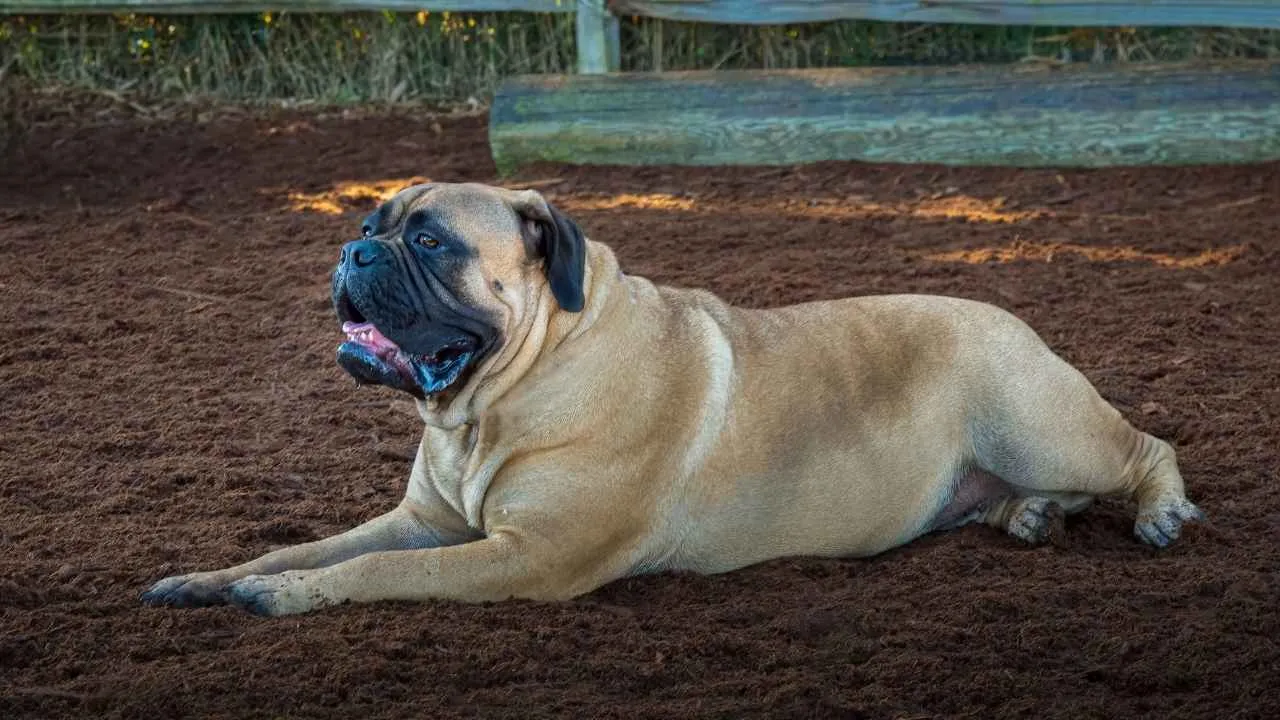
A Bullmastiff has the kind of strength you can see from across the room, all muscle, broad head, and solid presence. What surprises people is how calm that power can be at home. Many carry themselves in a steady, self-assured way, settled and unbothered, like rushing just isn’t their style. This combination of traits makes them one of the best guard dogs.
The breed was developed on English estates where illegal hunting was a real threat, bred to track down a trespasser and keep them in place until help arrived. Because of their protective instincts, they can be naturally wary around strangers. Proper socialization is essential so they grow into dogs that behave well with people and other animals.
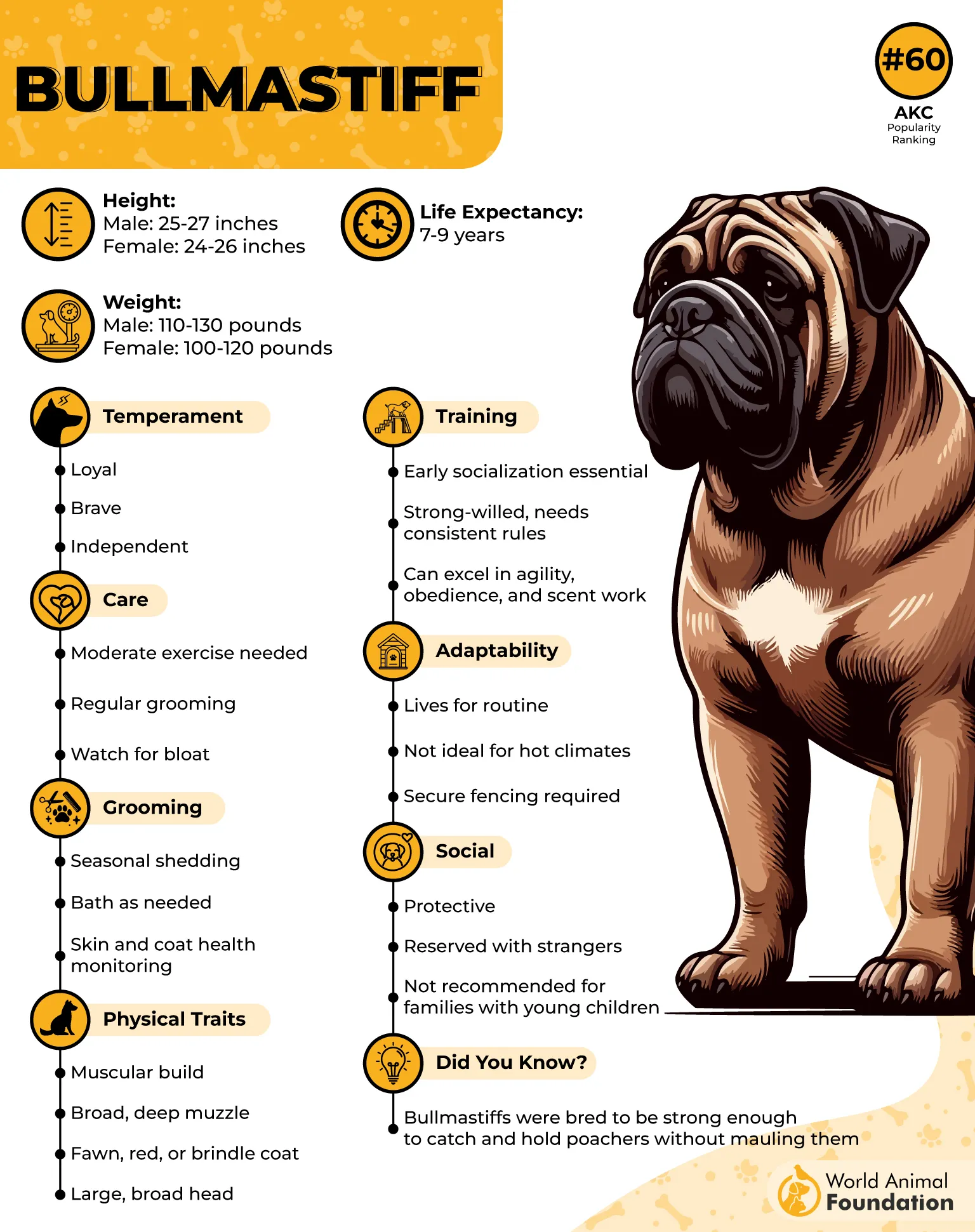
As noted by the AKC, start training early while you can still manage that strength in a smaller package. Firm, gentle work and puppy classes help shape good judgment, not just obedience. They enjoy daily exercise, and since activity levels vary, moderate daily exercise should be encouraged.
Fun Fact
Bullmastiffs were nicknamed “the gamekeeper’s night dog.” It points to their original night patrol work on estates.
4. Great Pyrenees
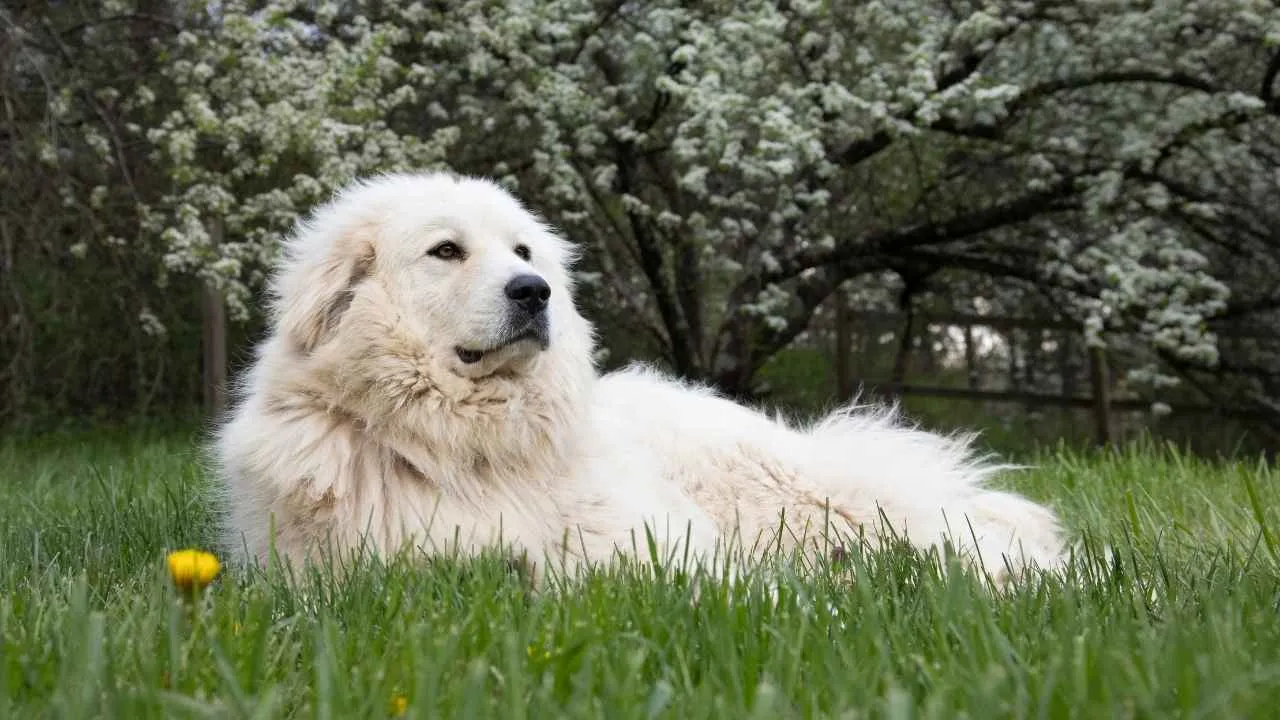
The Great Pyrenees carries “mountain guardian” energy even when it’s stretched out on your floor. Bred to herd sheep and guard livestock, this breed tends to conserve energy, then switch into full alert mode when something feels wrong. At home, that vigilance often looks like calm, quiet supervision, which can make them wonderful family dogs.
Outside time is usually their happy place, and they may enjoy roaming, so a sturdy fence helps keep adventures from turning into a neighborhood tour. They’re known to bark to alert the family, sometimes even at everyday visitors.
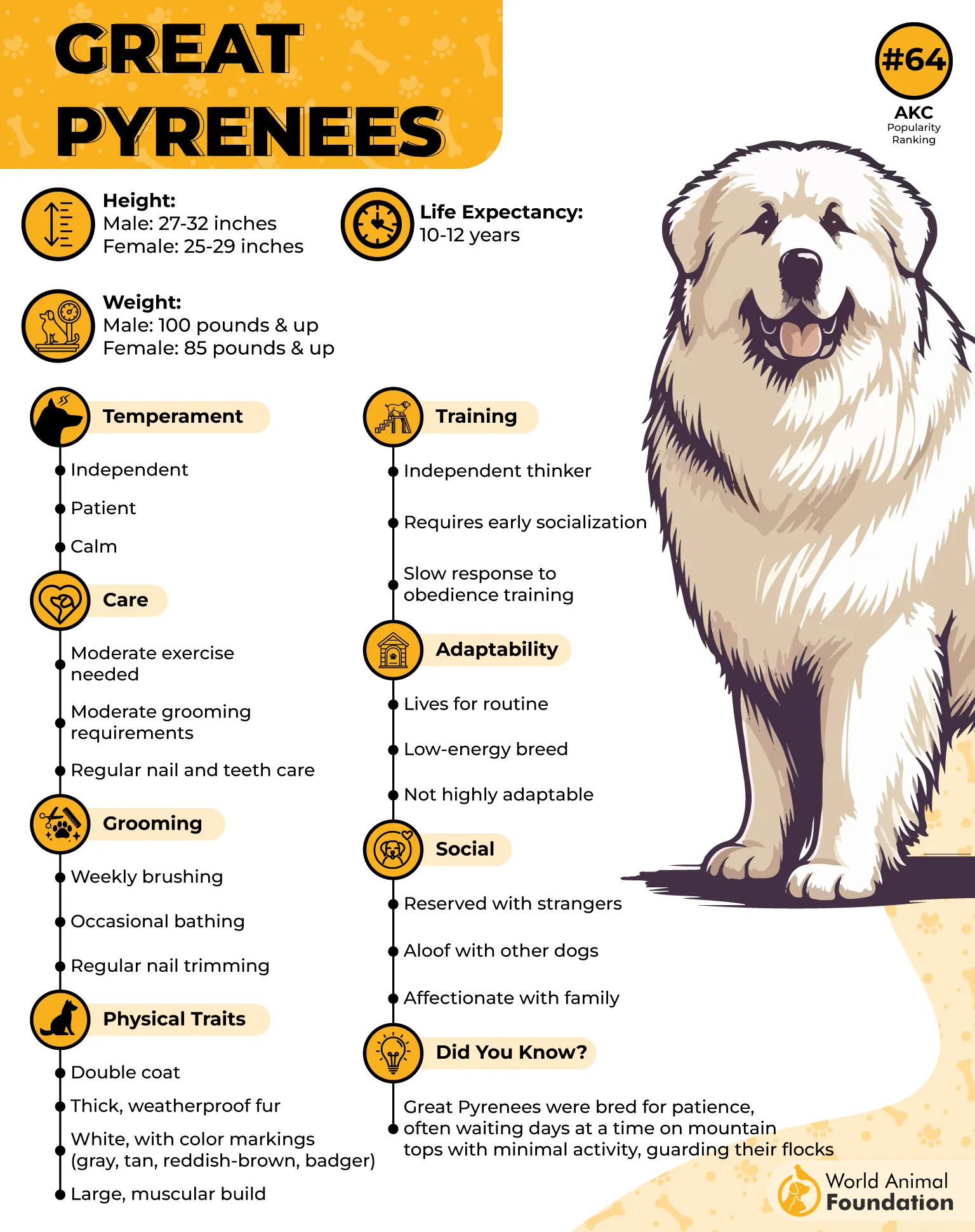
As mentioned by PetMD, Great Pyrenees were originally bred to guard flocks independently and still like to think for themselves, which can make training slower. Breed experts often suggest obedience classes for first-time owners, along with consistent routines and positive reinforcement.
Fun Fact
Great Pyrenees were used to scare off predators as large as bears. That kind of résumé can make backyard patrol feel like serious business.
5. Saint Bernard
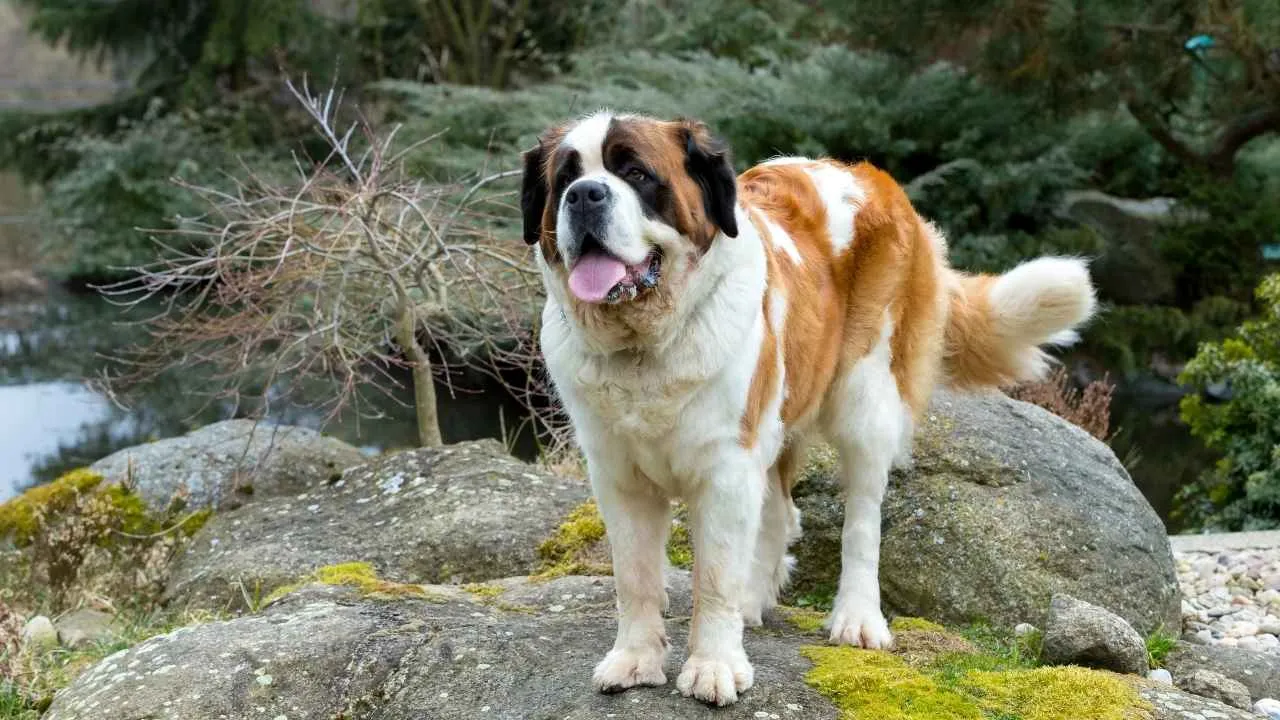
Big, steady, and strangely good at making a room feel calmer, the Saint Bernard is often called a gentle giant for a reason. Many have an affectionate nature with their family and are especially known for being good with kids.
This breed traces back to Switzerland, where it worked as a companion, guard dog, and rescue dog in the Alps. Its strong sense of smell helped locate people in the snow. At home, that work-focused background often shows up as a dog that likes staying close and involved.
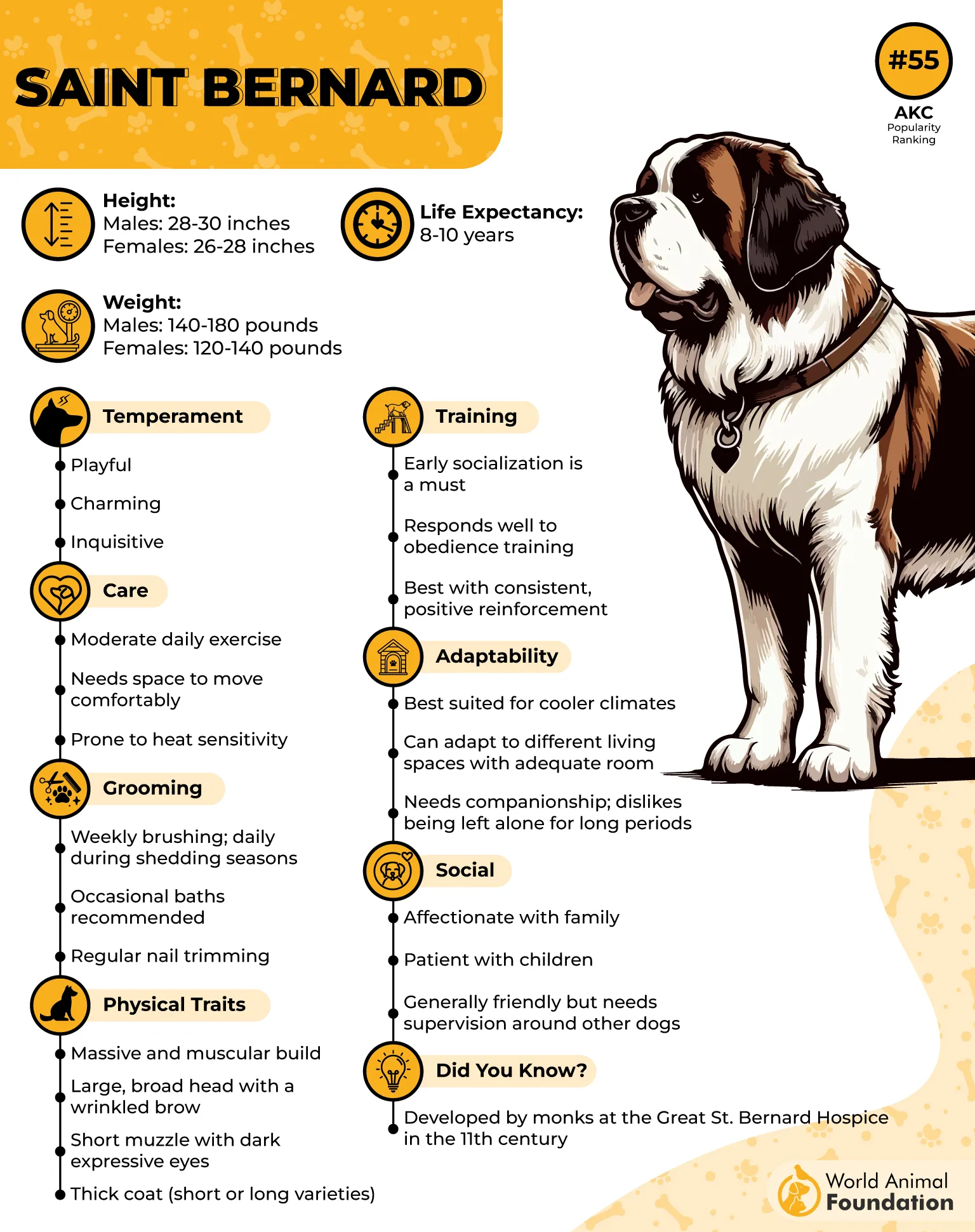
Saint Bernards begin life playful and energetic, then naturally settle into a calmer pace as they mature. They’re not heavy barkers, but they do enjoy digging, a habit tied to their rescue background. However, with proper training, they can become loving family pets.
Fun Fact
Saint Bernards have had a big pop-culture moment, including the Beethoven movies. They also appear in Stephen King’s novel Cujo, where the Saint Bernard is portrayed as an aggressive dog, though the story is fictional and doesn’t reflect the breed’s typical temperament.
6. Leonberger
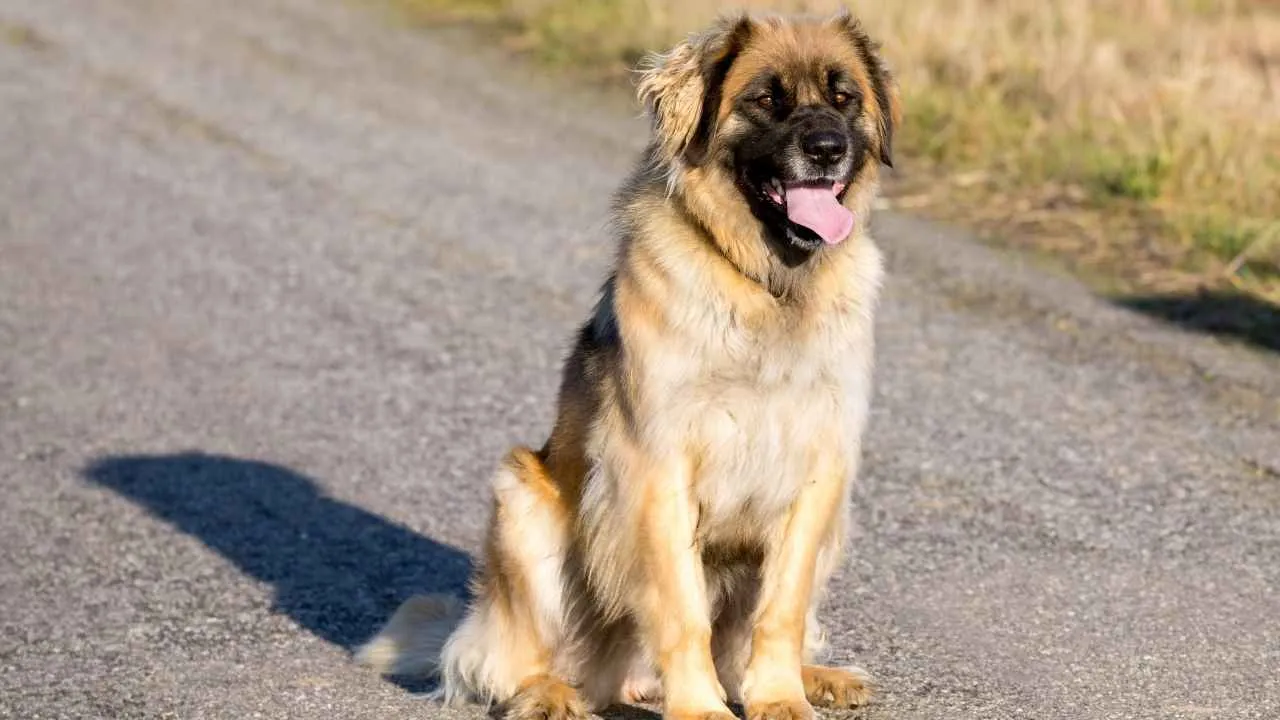
With a lion-like look, the Leonberger can feel both impressive and approachable. They enjoy being part of everyday family life and often carry themselves with steady confidence and good judgment, a combination that works well for large, dependable guard dogs.
As mentioned by WebMD, Leonbergers shed a lot and need regular brushing to manage their thick outer coat and fluffy undercoat. Groom at least once a week using a metal comb and undercoat rake, then follow with a slicker or pin brush to clear loose hair, dirt, and debris.
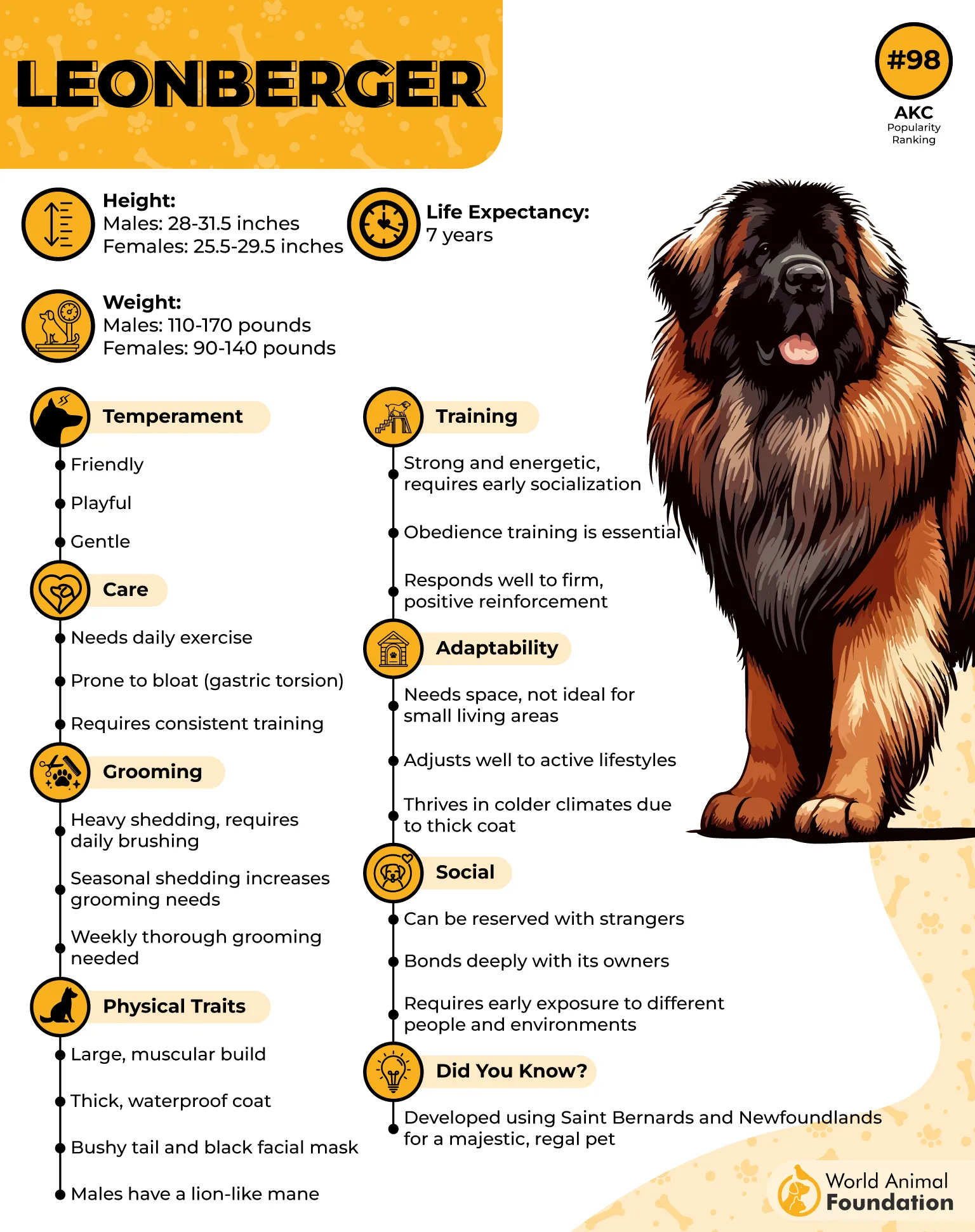
Leonbergers are energetic dogs and need plenty of exercise, mental stimulation, and room to move, even as adults. Small apartments or tiny yards can feel limiting for a working breed like this. Early training with clear rules and positive exposure to new people, animals, and environments helps them grow into confident, well-mannered dogs.
Fun Fact
The Leonberger was created to resemble a lion. That design choice connects to the lion on the town crest of Leonberg, Germany.
7. Boerboel
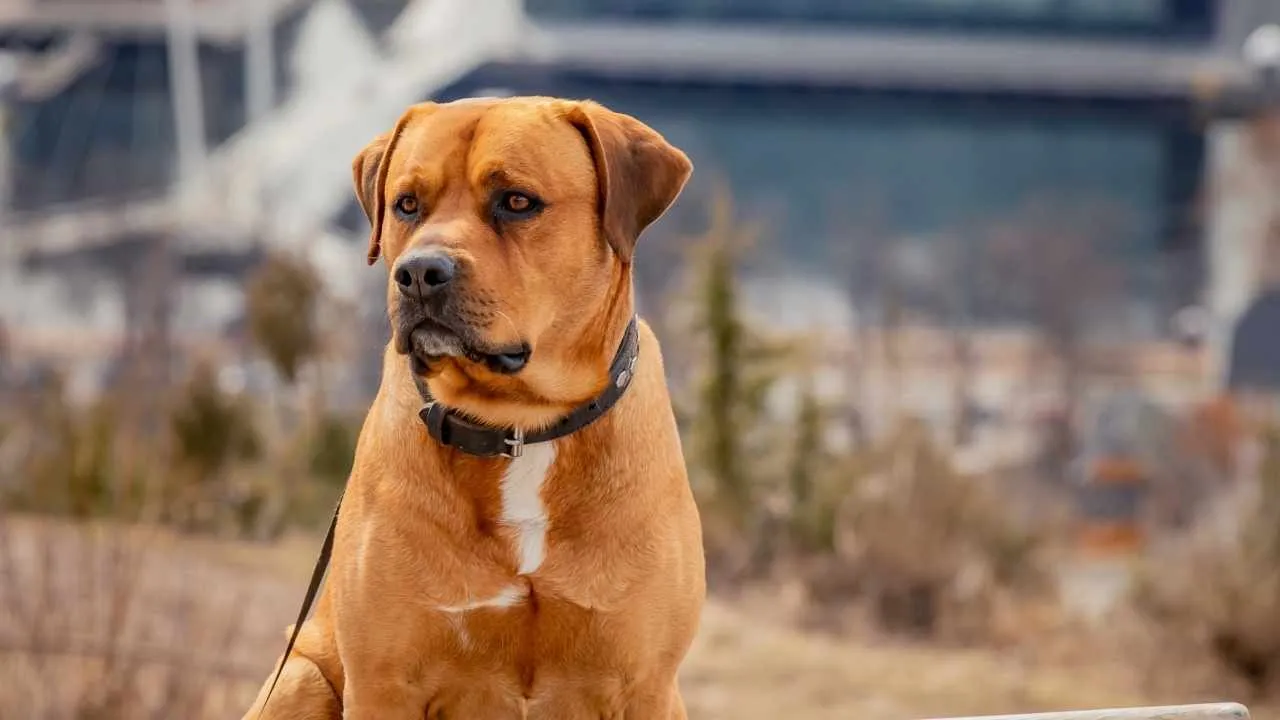
The Boerboel is a powerful, confident guardian shaped by generations of protecting South African homesteads. Extremely loyal and one of the smartest breeds, the Boerboel is best suited for experienced owners who can guide its instincts responsibly.
To stay balanced and reliable as a calm protection dog, the Boerboel needs daily mental and physical stimulation. Long leash walks and secure yard play work best, while dog parks and off-leash outings aren’t recommended because of their strong protective instincts.
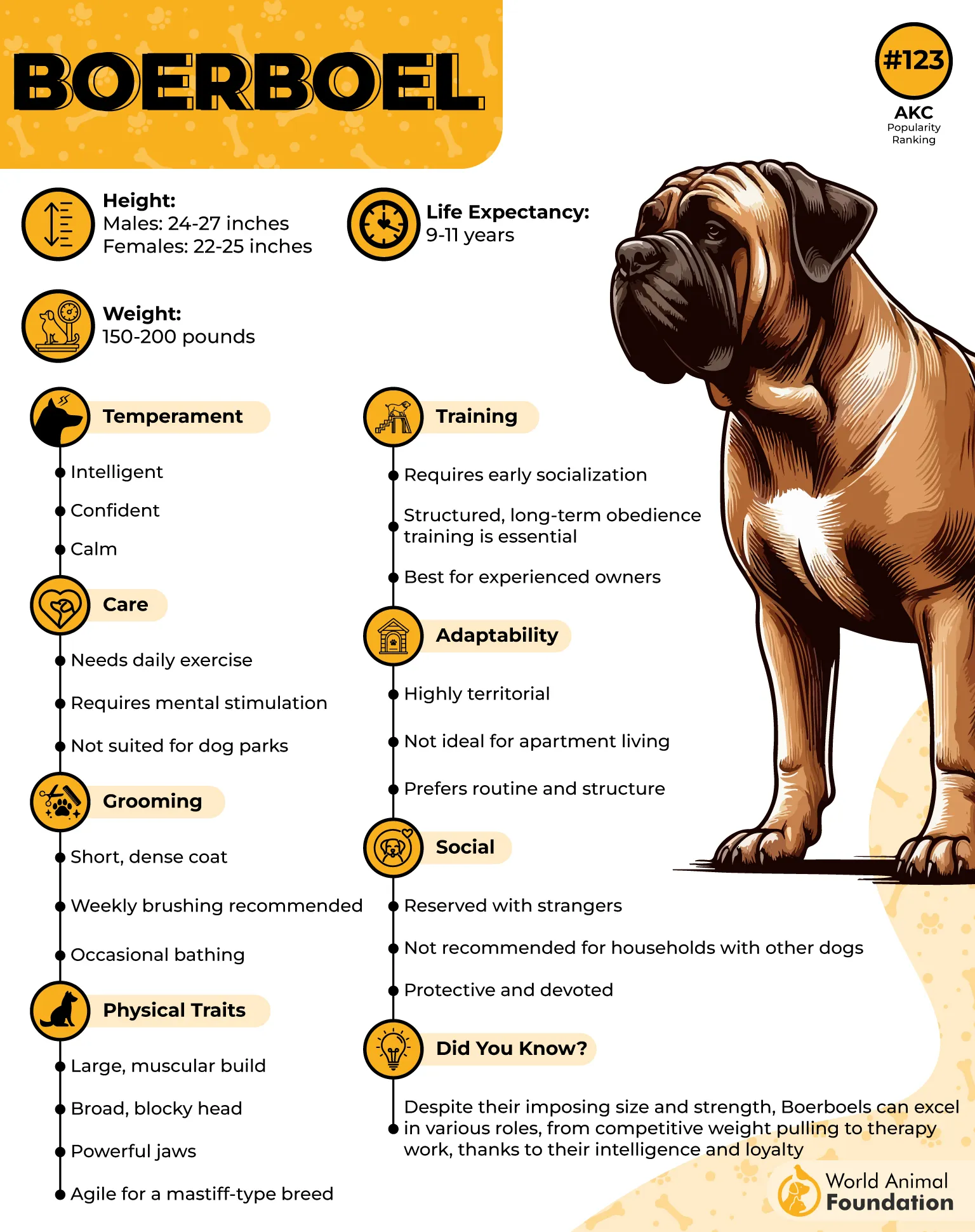
The Boerboel’s short, dense coat is fairly easy to manage and sheds moderately. Weekly brushing helps remove loose hair and keeps the coat healthy. Baths are only needed occasionally, but regular nail trimming is important to prevent discomfort and keep movement smooth.
Fun Fact
Although Boerboels have worked alongside humans for centuries, organized efforts to preserve and refine the breed began in the 1980s. That push helped standardize what many people recognize as the modern Boerboel today.
Conclusion
Calm and loyal guard dog breeds offer something truly special: a sense of security that never feels overwhelming. The protective dogs mentioned above stand out for their steady temperaments, strong attachment to family, and ability to protect without constant reactivity.
The right breed depends on your space, time, and experience, and the kind of daily companionship you want. They can be wonderful companions; their behavior also depends on whether they are properly trained and have their needs fulfilled. Therefore, before choosing a breed, ensure you can meet their specific requirements.
With the right match, these gentle guardians become more than watchdogs, offering comfort, confidence, and quiet reassurance you can count on.
If you’d like to discover even more amazing companions, some other breeds you can look up are the Bernese Mountain Dog, German Shepherd, Doberman Pinscher, Labrador Retriever, Golden Retriever, Australian Shepherd, Cocker Spaniel, and Belgian Malinois.
