




When we think of birds, we usually picture them singing sweet songs, fluttering from branch to branch, or pecking at seeds in a peaceful garden. But did you know that some birds surprise us with what they eat?
From snacks that make you do a double take to downright unexpected meals, these feathered friends aren’t always the gentle little creatures we imagine. In fact, many birds are pretty adventurous eaters—some even gobble up prey you wouldn’t expect at all!
So, whether they’re picking berries, hunting insects, or surprising us with their carnivorous side, birds have some seriously fascinating feeding habits. Ready to discover some of the wildest, weirdest, and most surprising bird diets out there? Let’s take a look!
Key Takeaways
Meet the vampire finch and bearded vulture—birds with diets you won’t believe.
Discover why the hoatzin smells like manure but thrives on leaves.
See how shoebills and hummingbirds use unique tricks to catch their meals.
Learn how oxpeckers drink blood and pelicans fish like pros.
Birds That Have Surprising Feeding Habits
1. Vampire Finch
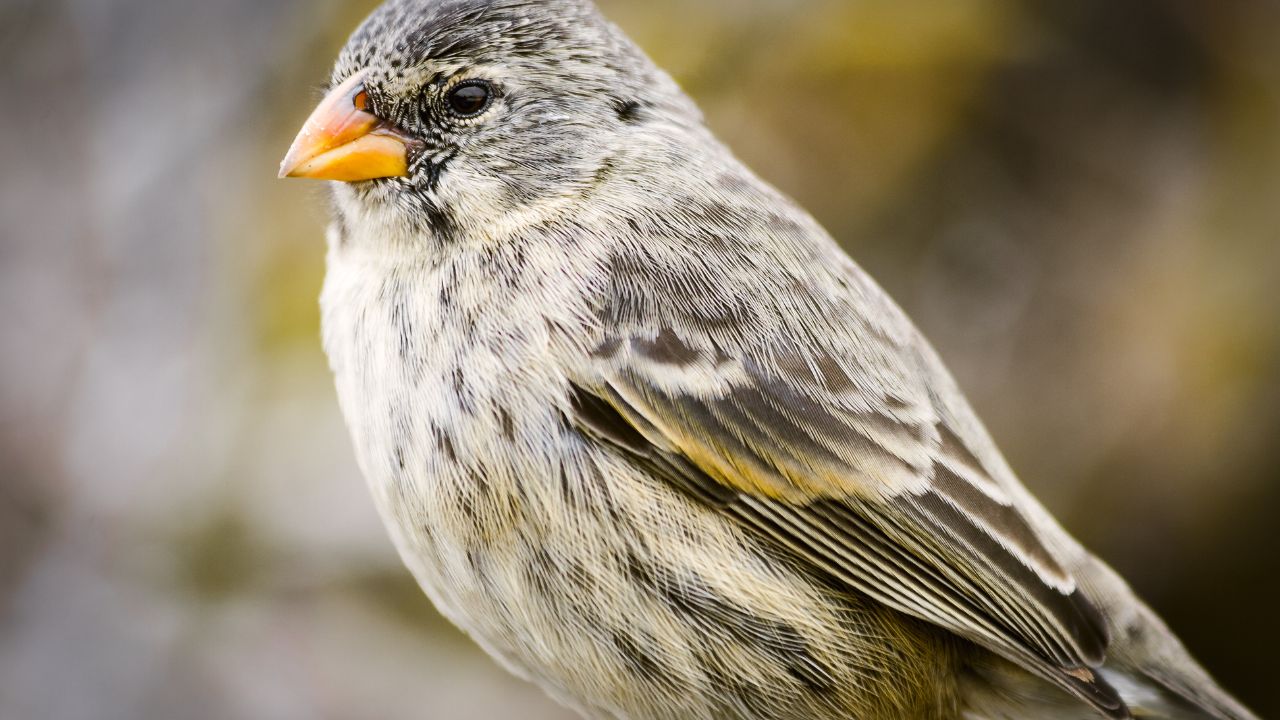
You might think all finches just nibble on seeds and insects, but the vampire finch is a fascinating exception. Found only on two remote islands in the Galápagos, these tiny birds have developed a unique survival strategy—they actually drink the blood of other birds.
This surprising behavior evolved as a way to cope with limited food sources during dry seasons, making the vampire finch one of nature’s most unusual diners.
How Did It Happen?
Vampire finches originally helped larger seabirds by picking off parasites from their feathers, a behavior seen in many bird species. Over time, this relationship took a strange turn.
When food became scarce, especially during droughts, the finches began pecking at the skin of birds like boobies to draw blood, which they then drink.
What’s on Their Menu?
Blood: Their signature feeding method involves using their sharp beaks to peck at the skin of larger birds until blood flows, which they drink directly.
Eggs: When the opportunity arises, vampire finches also feed on fresh eggs by cleverly rolling them against rocks to crack them open.
Seeds, insects, and nectar: Like other finches, they still eat typical foods when these are available, especially during wetter times of the year.
Surprisingly, the larger seabirds don’t usually fight back against the vampire finches. It seems they tolerate this minor annoyance because it takes less energy than constantly defending themselves. This balance allows both species to coexist, with the finches getting an unusual but vital source of nutrition.
2. Hoatzin
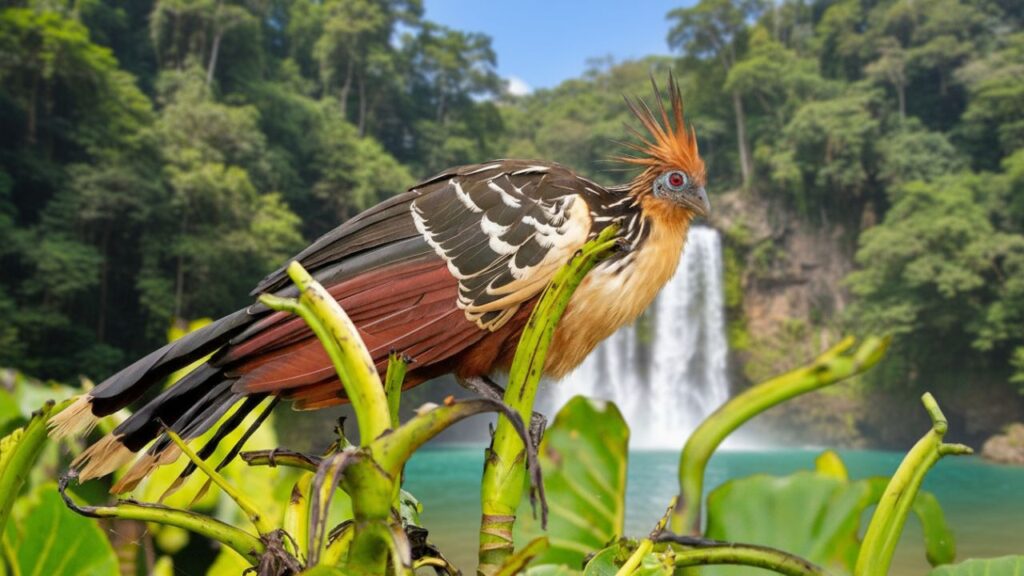
The hoatzin is one of the most unusual birds you’ll ever encounter—so much so that it’s nicknamed the stinkbird due to its strong, manure‑like smell, as mentioned by BBC Wildlife. This unique aroma comes from its extraordinary digestive system, which functions more like a cow’s than a typical bird’s.
Instead of quickly processing food in a gizzard, hoatzins ferment the leaves they eat in an enlarged crop and lower esophagus using friendly microbes. This slow fermentation lets them extract nutrients from tough vegetation that most birds can’t digest.
What Makes Its Diet So Weird?
The hoatzin is the only bird species in the world that feeds primarily on leaves, making folivory (leaf‑eating) its trademark feeding strategy. These birds spend most of their time in trees near rivers and swamps, munching on the fresh foliage of more than 50 plant species.
In fact, about 80‑82% of their diet consists of leaves, supplemented by flowers and fruits. Because leaves are low in nutrients and hard to break down, the hoatzin’s unusually large crop and specialized fermentation process allow it to thrive where other birds simply can’t.
How It Affects Their Lifestyle
Foregut fermentation: Like a cow’s rumen, the hoatzin’s crop and lower esophagus host bacteria that break down cellulose from leaves, a process rare in birds.
Slow digestion: Meals can take up to 45 hours to fully digest, which means hoatzins often spend much of their day resting in trees while the food breaks down.
Poor flight: The large, fermented gut crowding their chest muscles makes them weak fliers; they move around mostly by climbing branches or gliding short distances.
With a diet that defies typical bird eating habits and a digestive system that’s more mammalian than avian, the hoatzin is truly one of nature’s most bizarre and fascinating feeders.
3. Bearded Vulture
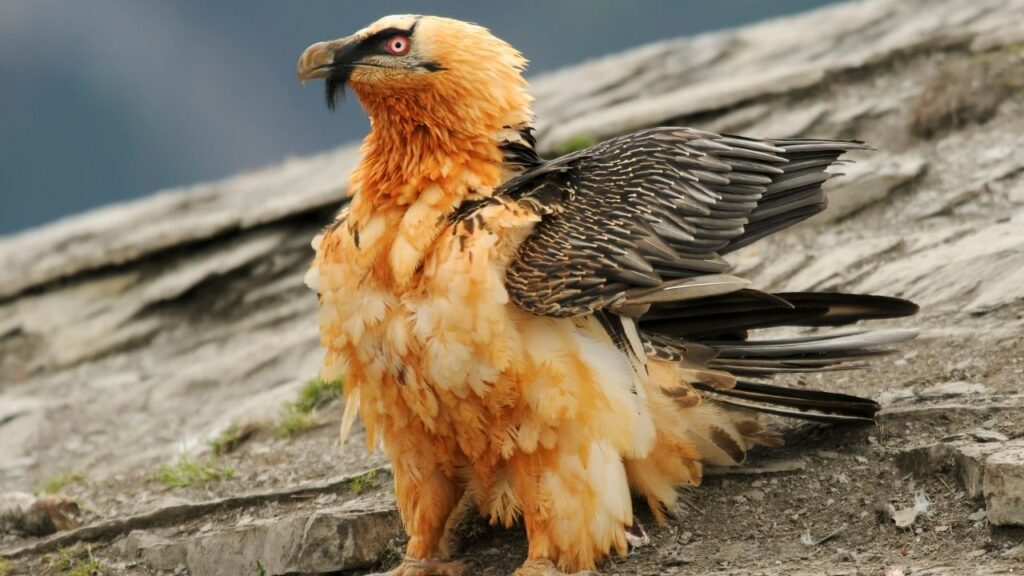
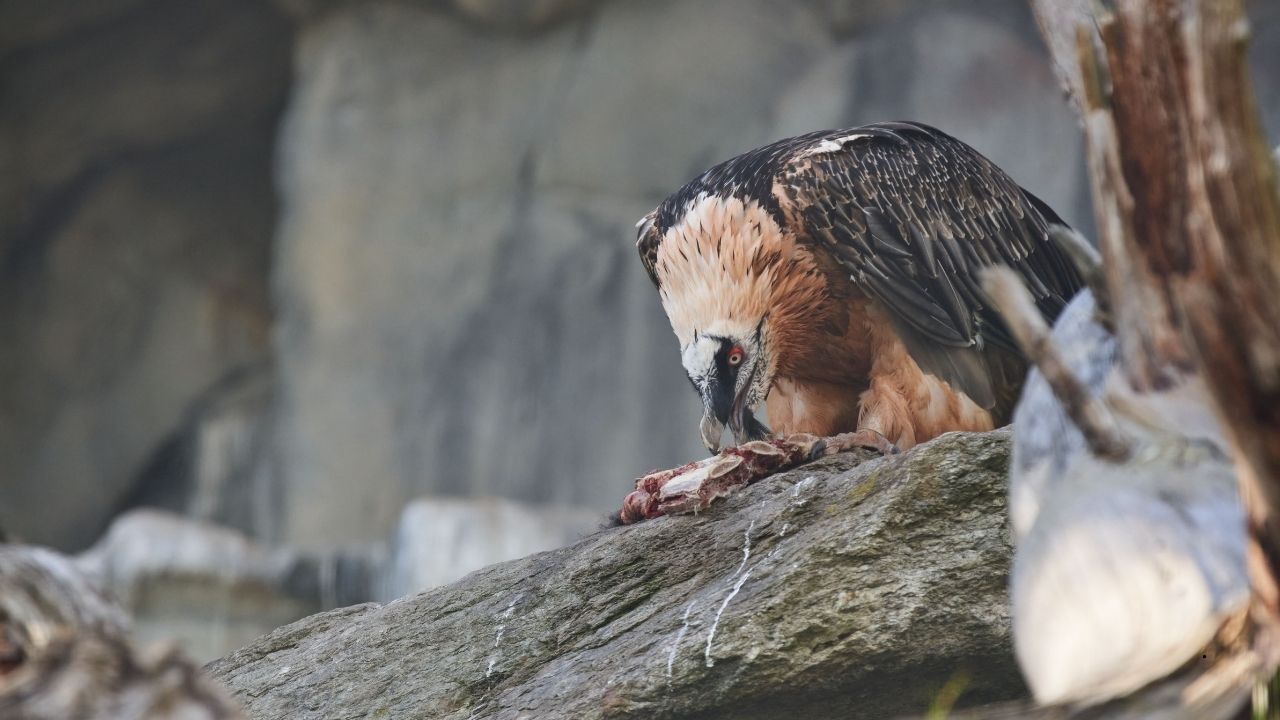
If there’s one bird that rewrites the rulebook on what’s edible, it’s the bearded vulture. Unlike most vultures that focus on carrion meat, Fauna Focus mentions that this remarkable raptor lives on a diet dominated by bones — up to 85‑90% of what it eats is bone and bone marrow.
In fact, it’s one of the only vertebrates known to specialize so heavily in bone consumption, tapping into a resource almost no other animal exploits.
The Art of Bone Feeding
Bearded vultures have developed some remarkable techniques to access the nutrients hidden inside bones. When they find a bone that’s too large to swallow, they carry it high into the air and drop it onto rocks below, breaking it into smaller, manageable pieces.
For smaller bones, they can swallow them whole, relying on their incredibly acidic stomach acids to dissolve the bones within about 24 hours—a digestive ability very few animals possess.
More Than Just Bones
Carrion remains: While bones are the focus, they also eat some skin or meat scraps, especially to feed chicks.
Occasional prey: If food is scarce, they may target small live animals or even tortoises, smashing shells the same way they break bones.
Living in mountainous regions across Europe, Asia, and Africa, the bearded vulture plays a critical role in recycling nutrients from animal remains that most other scavengers ignore. Its bone‑based diet is one of the most extreme feeding adaptations in the bird world.
4. Shoebill Stork
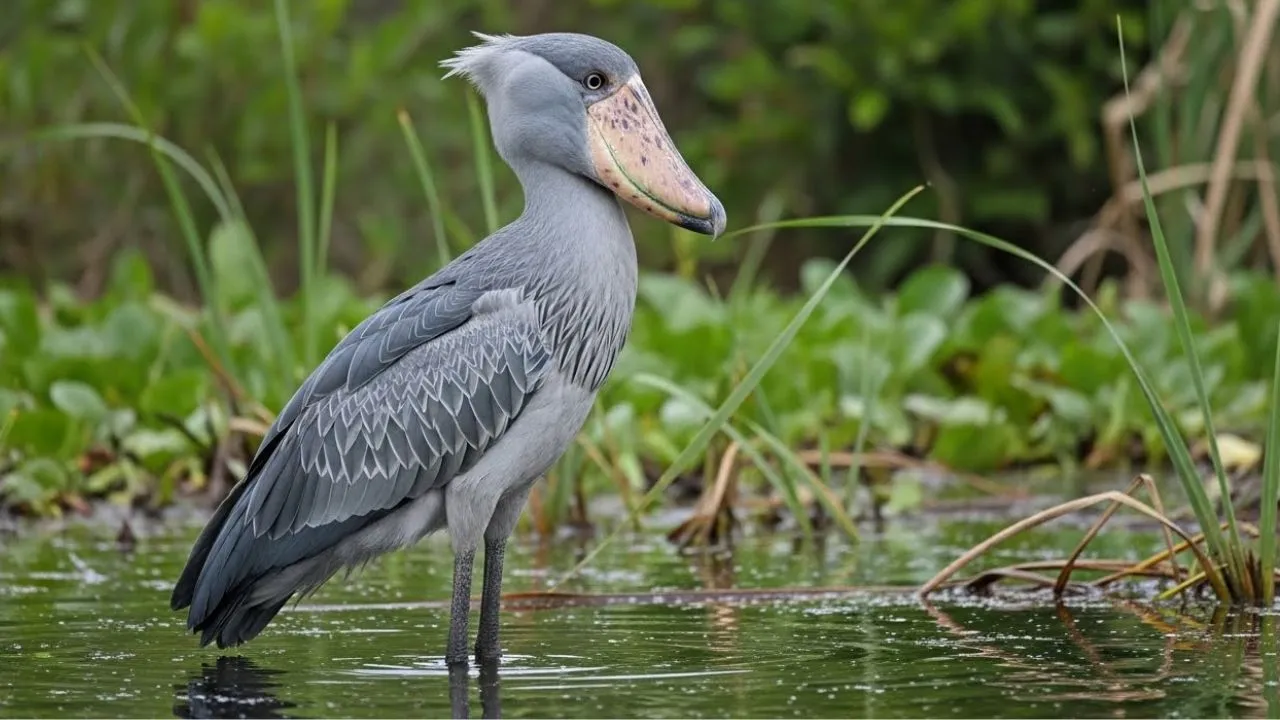
The shoebill stork is a truly unique bird known for its massive, shoe-shaped bill and striking prehistoric appearance. Found in the swamps and wetlands of central Africa, this large bird is a skilled and patient predator.
Unlike many noisy birds, shoebills are surprisingly quiet, often standing motionless for long periods while they watch for prey. Their calm hunting style, combined with their powerful bill, makes them expert fish catchers in their watery habitat.
Hunting Style and Behavior
Shoebills are patient hunters, often standing still for hours in shallow water waiting for the perfect moment to strike.
Their hunting technique involves slow, deliberate movements, and they use their large bills to grab prey quickly and efficiently. This stealthy, focused approach allows them to catch prey that many other birds might miss.
What’s on the Menu?
Shoebill storks primarily feast on aquatic animals. Their diet includes:
Large fish such as lungfish and catfish
Amphibians like frogs
Reptiles, including baby crocodiles and water snakes
Occasionally, small mammals and birds, when the opportunity arises
Their large bill isn’t just for show—it’s perfectly adapted to catch slippery prey by swiftly snapping shut with incredible force.
5. Hummingbird
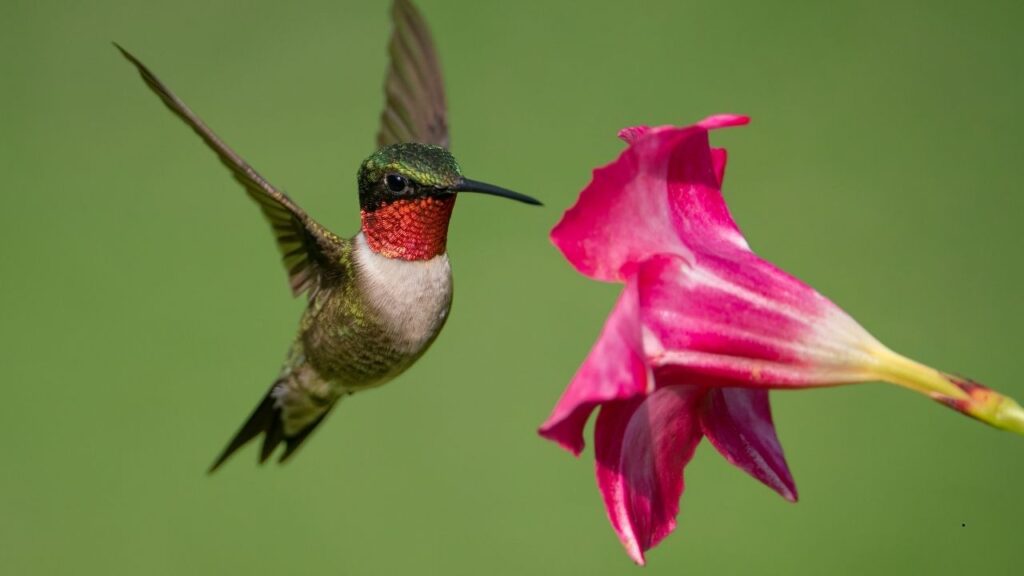
Hummingbirds are famous for their dazzling colors, incredible flight skills, and lightning-fast wing beats. These tiny birds have one of the highest metabolisms in the animal kingdom, which means they need to eat almost constantly to keep their energy up.
Feeding Adaptations
Hummingbirds have long, specialized bills and extendable tongues designed to reach deep into flowers. Their tongues work like tiny pumps, rapidly lapping up nectar.
Their ability to hover in place while feeding is thanks to unique wing anatomy and muscle structure, allowing them to maneuver precisely and efficiently.
What Do Hummingbirds Eat?
Nectar: Their primary food source is nectar from a wide variety of flowers, providing the sugar they need for energy.
Small insects and spiders: To get protein and other nutrients, hummingbirds also catch tiny insects and spiders, often while hovering or gleaning from leaves.
Tree sap: Occasionally, hummingbirds will feed on tree sap, especially if nectar is scarce.
Their constant need for energy means hummingbirds visit hundreds of flowers each day, making them essential pollinators in many ecosystems.
6. Oxpecker
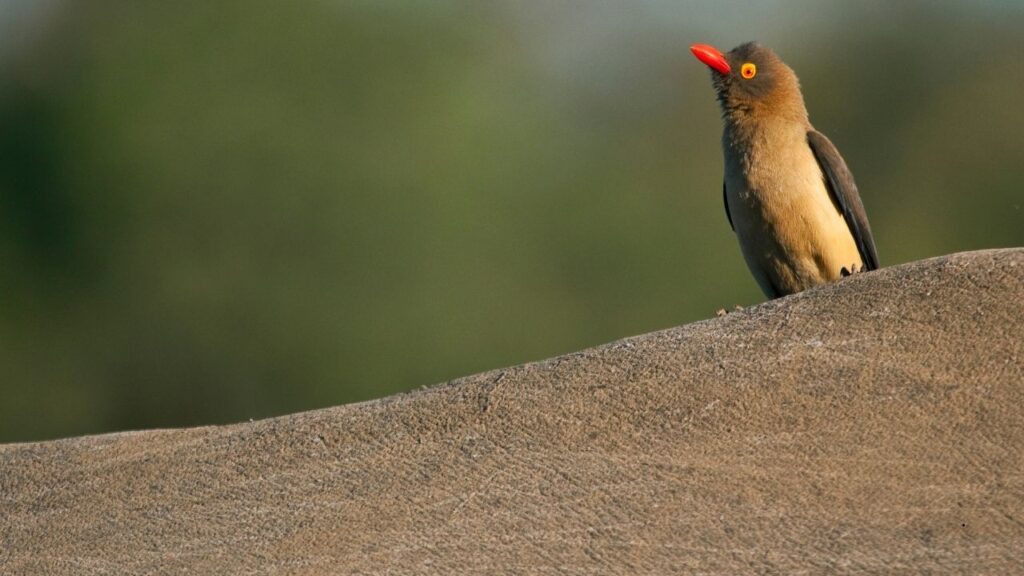
Oxpeckers are fascinating birds famous for their close relationship with large mammals like buffalo and giraffes. At first glance, they seem like helpful cleaners, feeding on ticks and other parasites that bother their hosts.
However, oxpeckers take their dining habits a step further — they also drink the blood of these animals by pecking at wounds and even keeping some wounds open to feed continuously.
Unique Behavior and Relationship
This mix of feeding on both parasites and blood makes oxpeckers somewhat controversial — while they provide a cleaning service, their blood-drinking can delay wound healing and irritate the animals.
Despite this, oxpeckers have evolved to live almost exclusively around large mammals, relying heavily on this unusual diet to survive.
What’s on Their Menu?
Ticks and parasites: Oxpeckers consume large quantities of ticks, helping reduce the parasite load on their mammal hosts.
Blood: When the opportunity arises, oxpeckers peck at wounds to drink blood, which provides extra nutrition.
Earwax and dandruff: They also feed on other sources like earwax and dead skin flakes from their hosts.
7. Pelican
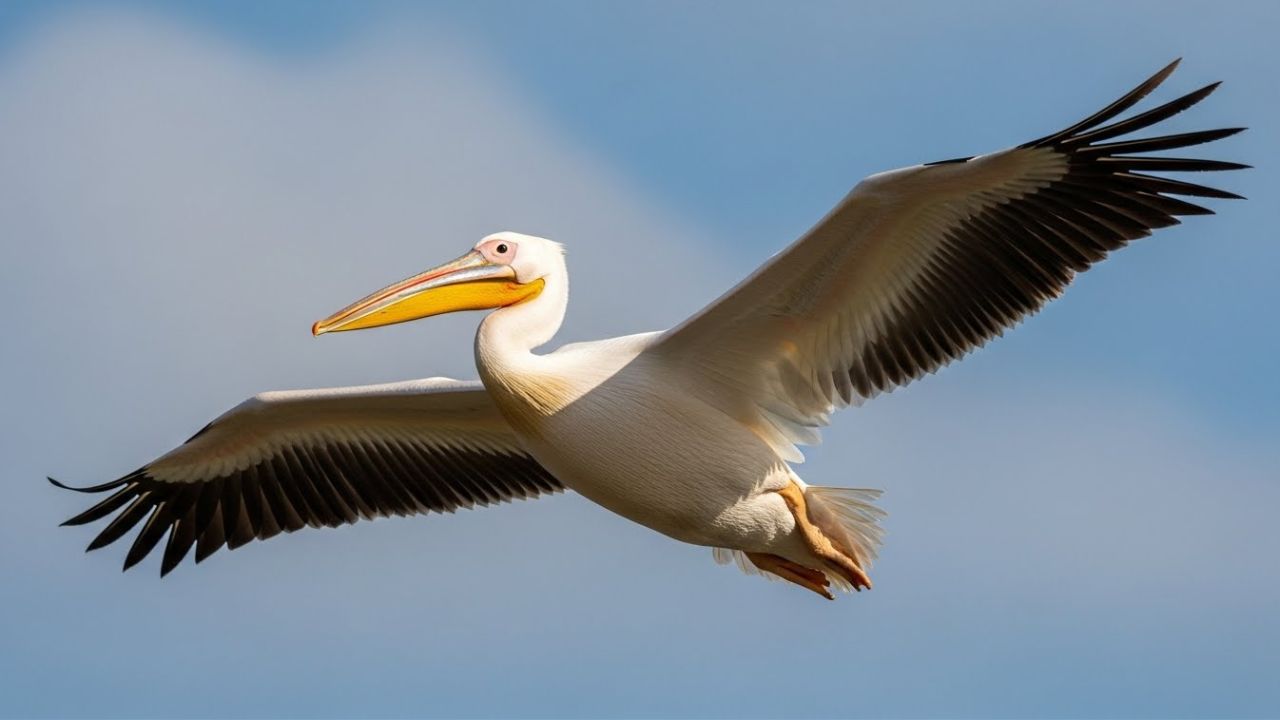
Pelicans are well-known for their impressive fishing skills and iconic large bills with expandable throat pouches.
These birds live near lakes, rivers, and coasts, where they hunt fish by scooping them up with their massive beaks. Pelicans often hunt in groups, working together to herd fish into shallow waters for easier capture.
How Pelicans Fish
Pelicans use their large, stretchy throat pouch as a fishing net, plunging it into the water to catch multiple fish at once, according to Britannica.
They then drain the water from the pouch before swallowing their catch whole. This efficient method allows them to gather food quickly and support their large bodies and energetic lifestyles.
What’s on Their Menu?
Fish: The bulk of a pelican’s diet is fish, ranging from small to medium sizes, depending on the species and availability.
Occasional amphibians and crustaceans: When fish are scarce, pelicans may also eat frogs, crustaceans, or even small birds.
Pelicans’ fishing teamwork, distinctive appearance, and unique feeding adaptations make them one of the most recognizable and fascinating birds in the world.
Conclusion
The avian world is full of surprises, especially when it comes to feeding habits. Many birds are opportunistic feeders, ready to grab lunch from plants, the ground, or even other little guys they encounter.
Evidence shows that some species tend to build nests with twigs and carefully plan their meals to get the most calories, while others simply fly in and snatch whatever falls their way.
Invasive species add another layer of complexity, often competing with native birds for food and space. Whether it’s gathering twigs for a nest or hunting on the ground, birds constantly adapt to their environment to survive and thrive. Their clever strategies in finding food prove that in nature, every calorie counts.
