




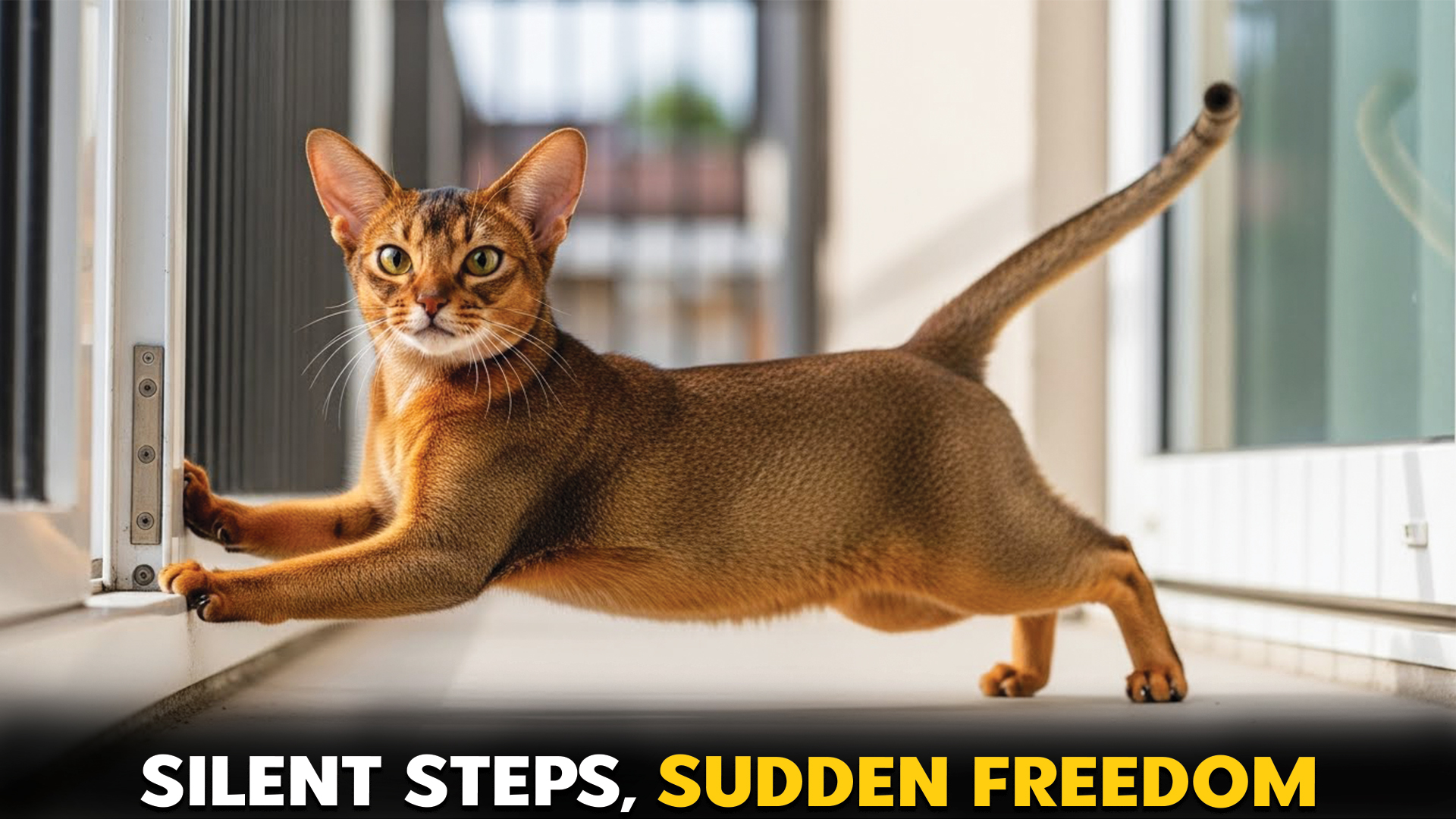
Cats show a surprising range of personalities when it comes to curiosity and independence, especially around the outdoors. While some felines are content watching birds from a windowsill, others are driven by an intense need to explore beyond the front door.
Animal behavior research suggests that curiosity and environmental stimulation play a major role in feline escape behavior, with more inquisitive cats being significantly more likely to attempt outdoor exploration than calmer, home-oriented companions.
Certain cats develop a reputation as true escape artists. Boredom and lack of stimulation are common triggers for door-darting behavior, while enticing outdoor scents can further fuel the urge to roam.
These cats may bolt the moment a door opens or patiently hide and wait for the perfect chance to slip out unnoticed. For cat owners, this constant vigilance can be stressful and emotionally draining.
Indoor cats who escape face elevated risks, including getting lost, exposure to disease, traffic accidents, and conflicts with other animals. Understanding why some cats are determined to escape is the first step toward prevention.
Below, we explore seven cat breeds most known for escape-artist tendencies and how to keep them safe.
Cat Breeds That Are Escape Artists
1. Bengal
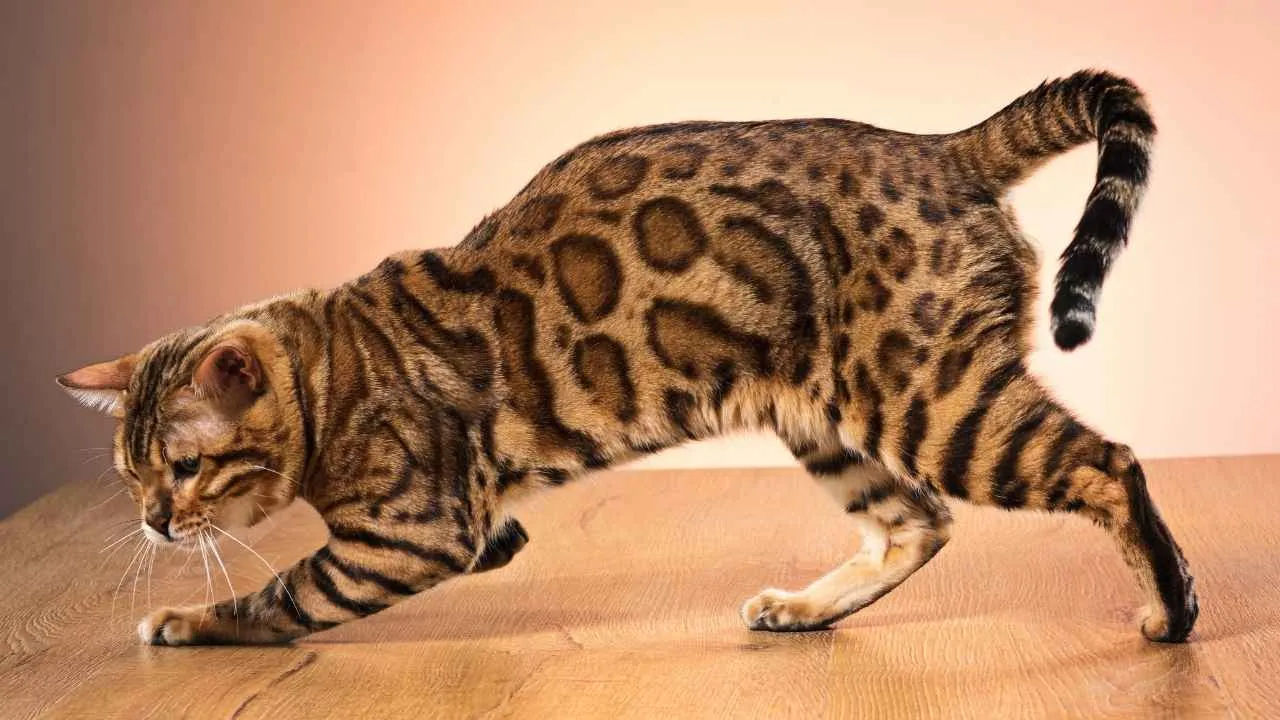
Also known simply as the Bengal cat, this breed descends from the Asian leopard cat and is instantly recognizable by its bold rosettes, marbling, and sleek, muscular build. Its wild look mirrors a restless, highly curious personality.
Purina notes that Bengals can be excellent pets for experienced cat owners who want an active, curious, dog-like cat and can keep them engaged with toys, games, and plenty of enrichment.
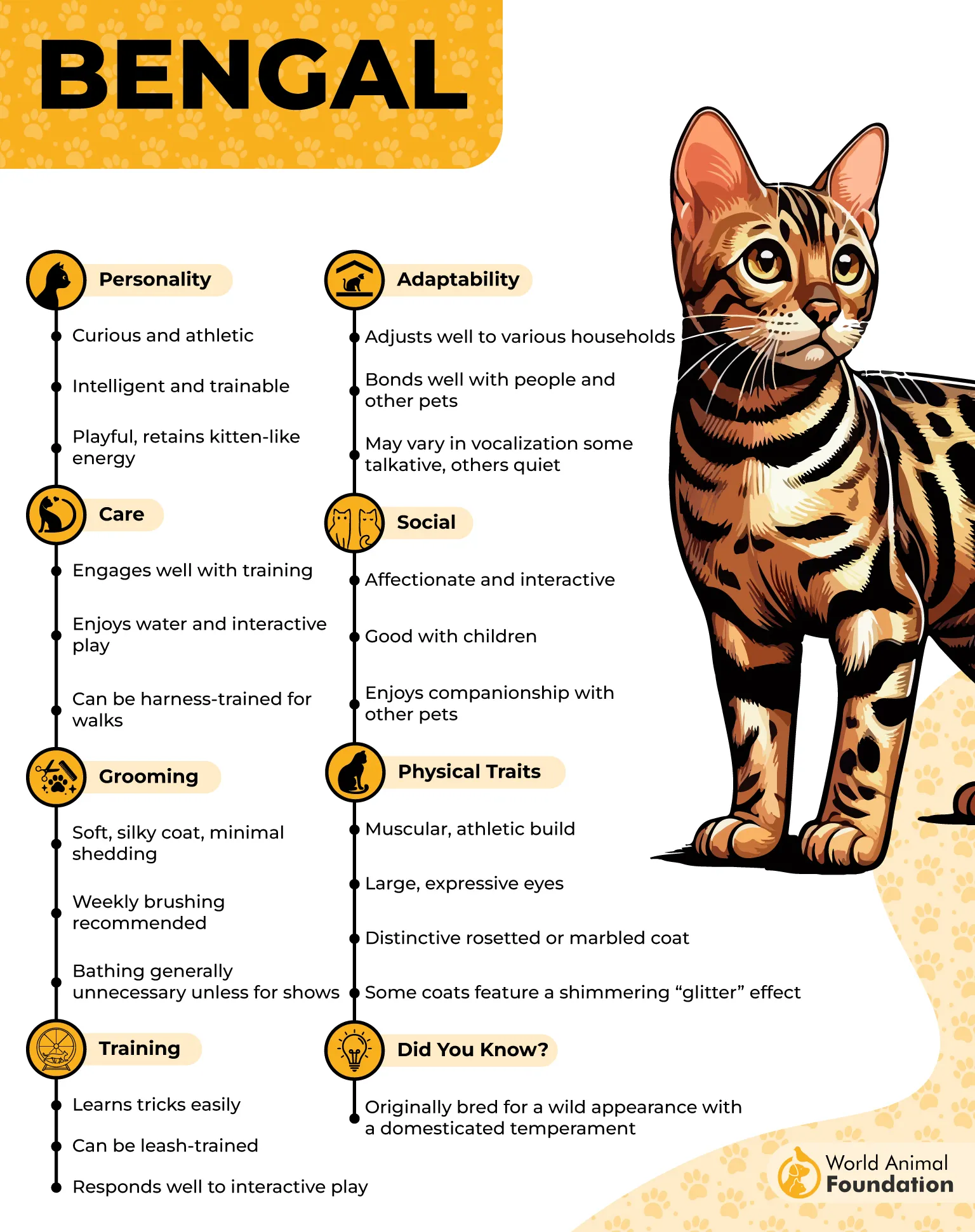
Bengals are true escape artists because they crave stimulation and territory. Masters of climbing and jumping, they can scale fences, trees, and furniture with ease, often using height to plot their next outdoor adventure.
When indoor life feels boring, Bengals look for excitement beyond the door. Their sharp senses and fearless confidence push them to chase sounds, scents, and movement, making door-darting and roaming common behaviors.
To manage a Bengal’s escape tendencies, owners must provide intense enrichment, vertical spaces, and interactive play.
Fun fact: Bengals’ strong hunting instincts often lead them to patrol large areas and wander far from home before returning.
2. Abyssinian
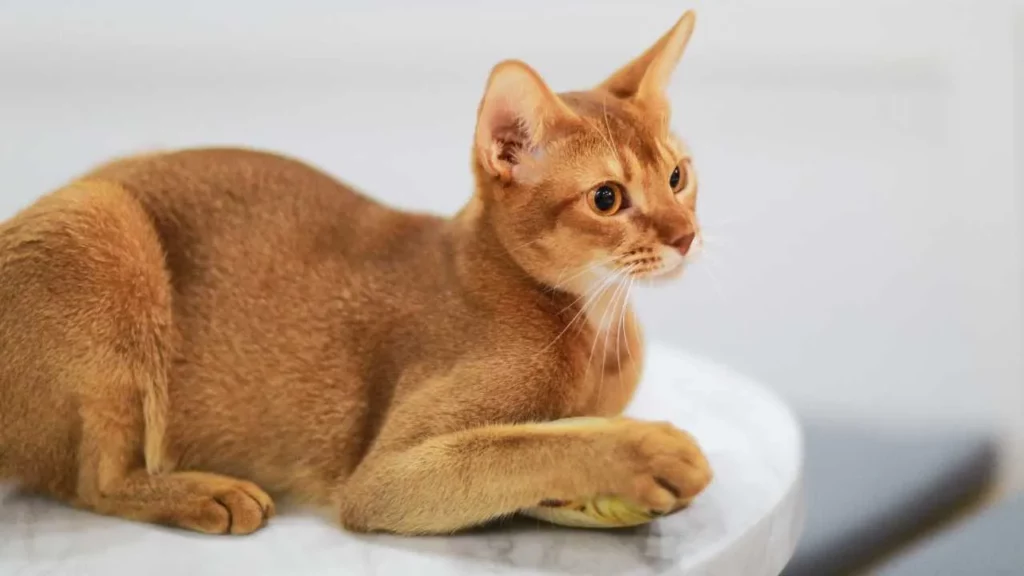
Also known as the “Aby,” the Abyssinian is a sleek, graceful breed with a long, slender body, fine paws, and a tail nearly matching its body length. Its alert posture and tiptoe stance hint at constant readiness to move.
PetMD states that although they need lots of mental and physical stimulation to stay happy and healthy, they’re relatively easy to care for and don’t require much grooming.
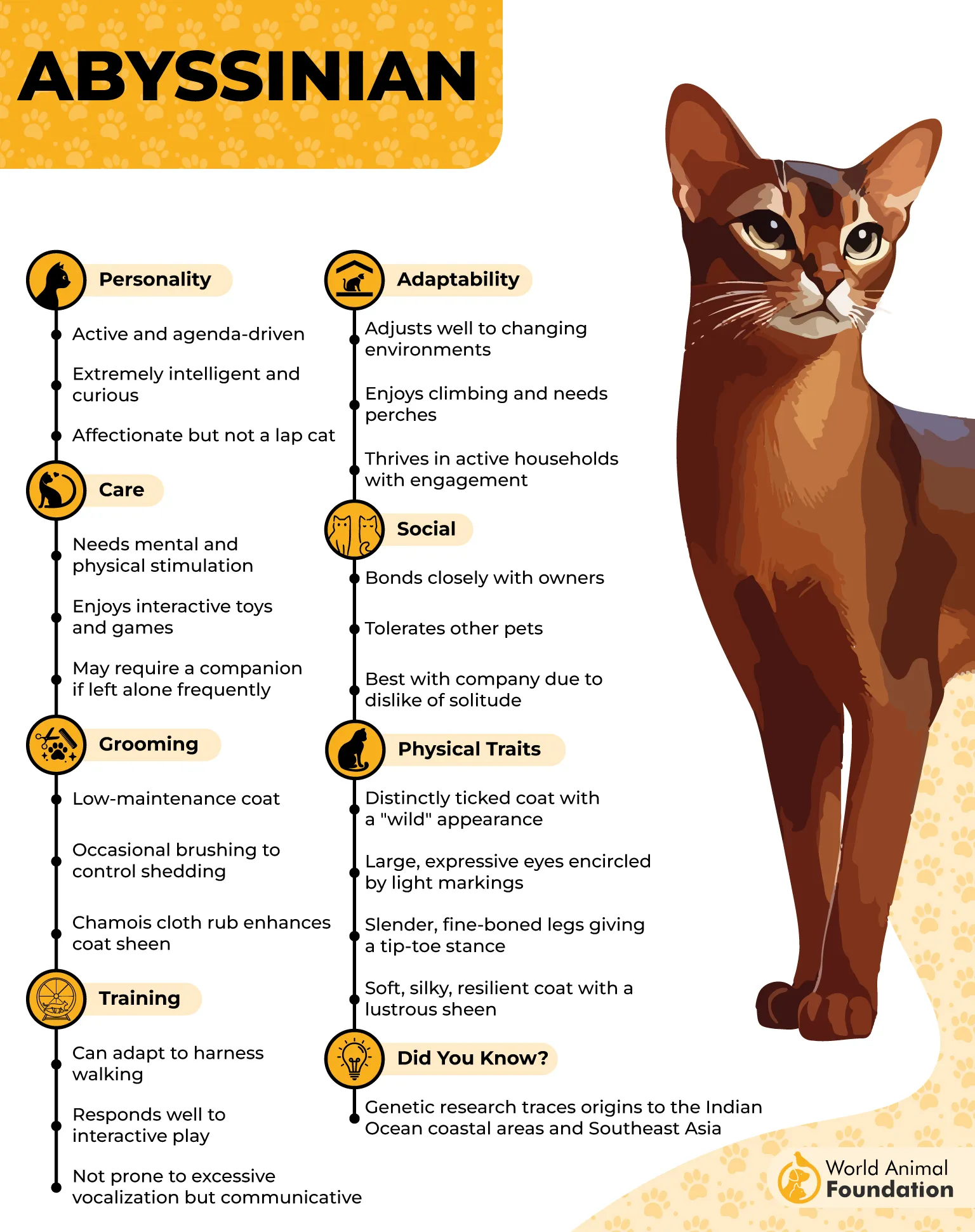
Clever problem-solvers with quick paws, Abyssinians are driven by relentless curiosity. Their sharp intelligence pushes them to investigate doors, windows, and any weak point that might lead to new territory beyond the home.
Their agile build makes slipping through tight spaces and scaling heights effortless. When given the chance outdoors, Abyssinians often establish surprisingly large roaming ranges, confidently exploring far beyond familiar boundaries.
Fearless and independent by nature, this breed rarely hesitates in unfamiliar settings.
Fun fact: Abyssinians are known to climb to impressive heights and can wander several blocks from home when allowed outside.
3. Siamese
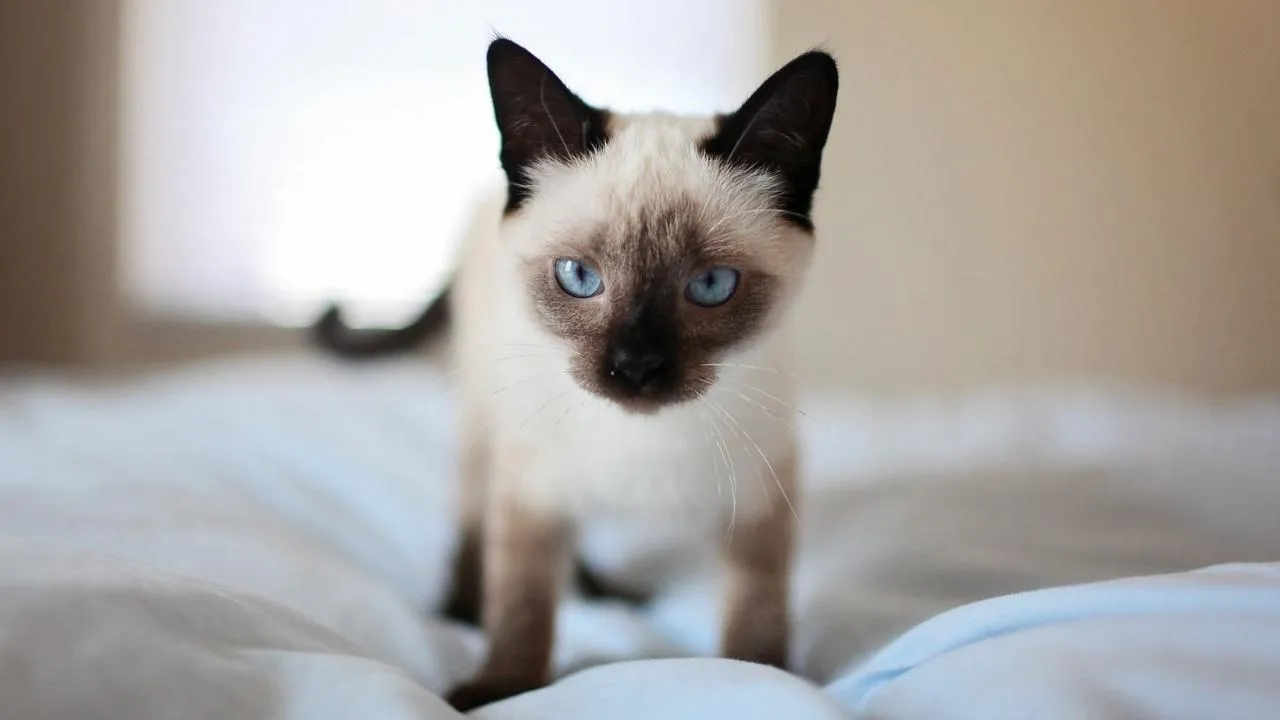
Also known as the Thai cat or Traditional Siamese, this iconic breed is instantly recognizable by its sleek body, pointed coat pattern, and striking blue eyes.
According to Britannica, despite its graceful build and relatively small size, the Siamese is still muscular and agile. Originating from Thailand, Siamese cats combine elegance with sharp intelligence.
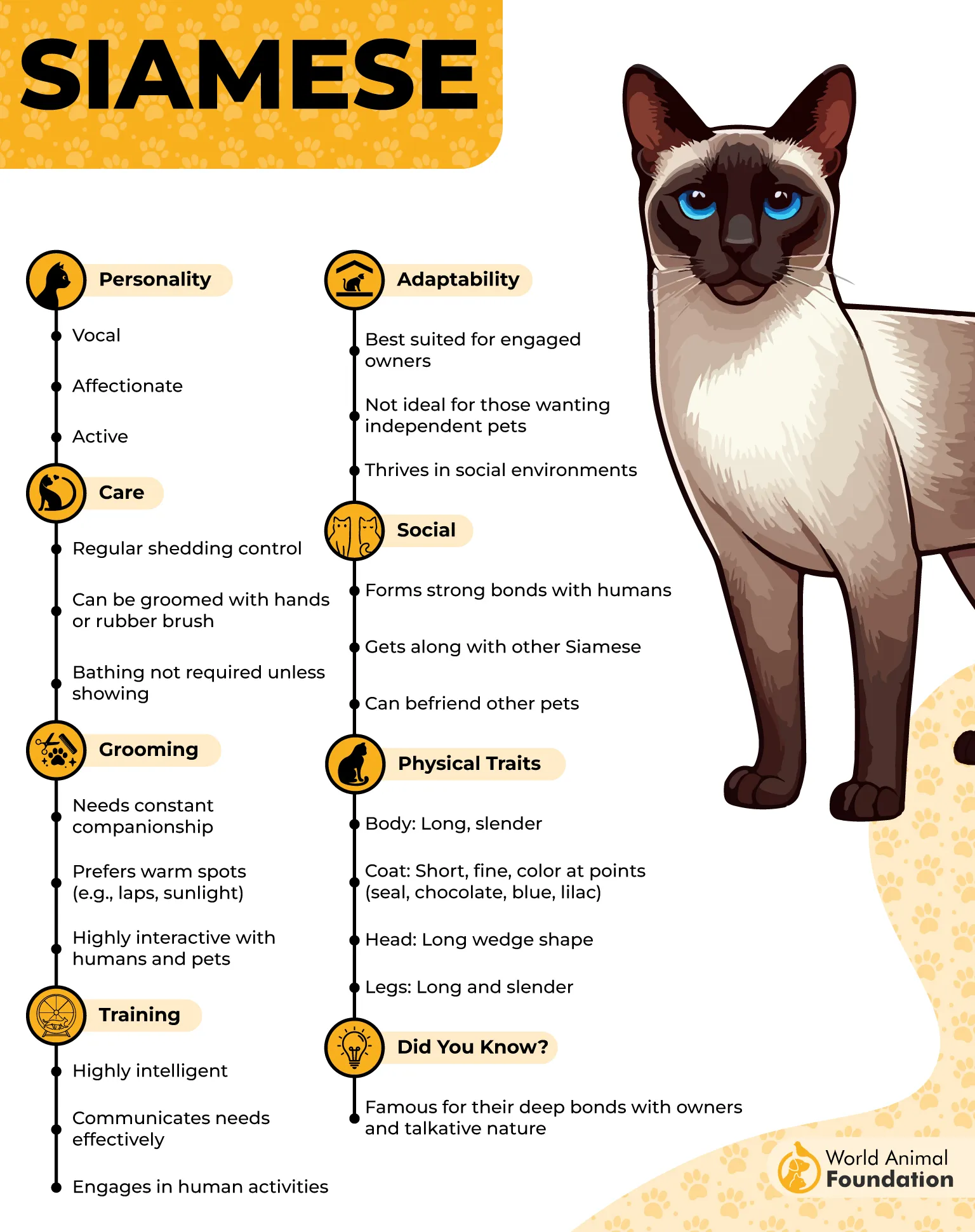
Clever problem-solvers with quick paws, Siamese cats are famous for figuring out door handles, sliding panels, and small openings. Their curiosity pushes them to investigate every possible exit, especially when something interesting lies beyond it.
Their athletic build and long legs allow fast, agile movement, making escapes swift and deliberate rather than accidental. A Siamese may slip outside to follow intriguing sounds, scents, or even friendly neighbors offering attention.
Highly social yet independent, Siamese cats patrol their surroundings confidently and dislike long periods alone.
Fun fact: Their intelligence and curiosity make them so skilled at opening doors that harness training is often recommended to satisfy their need for exploration safely.
4. Maine Coon
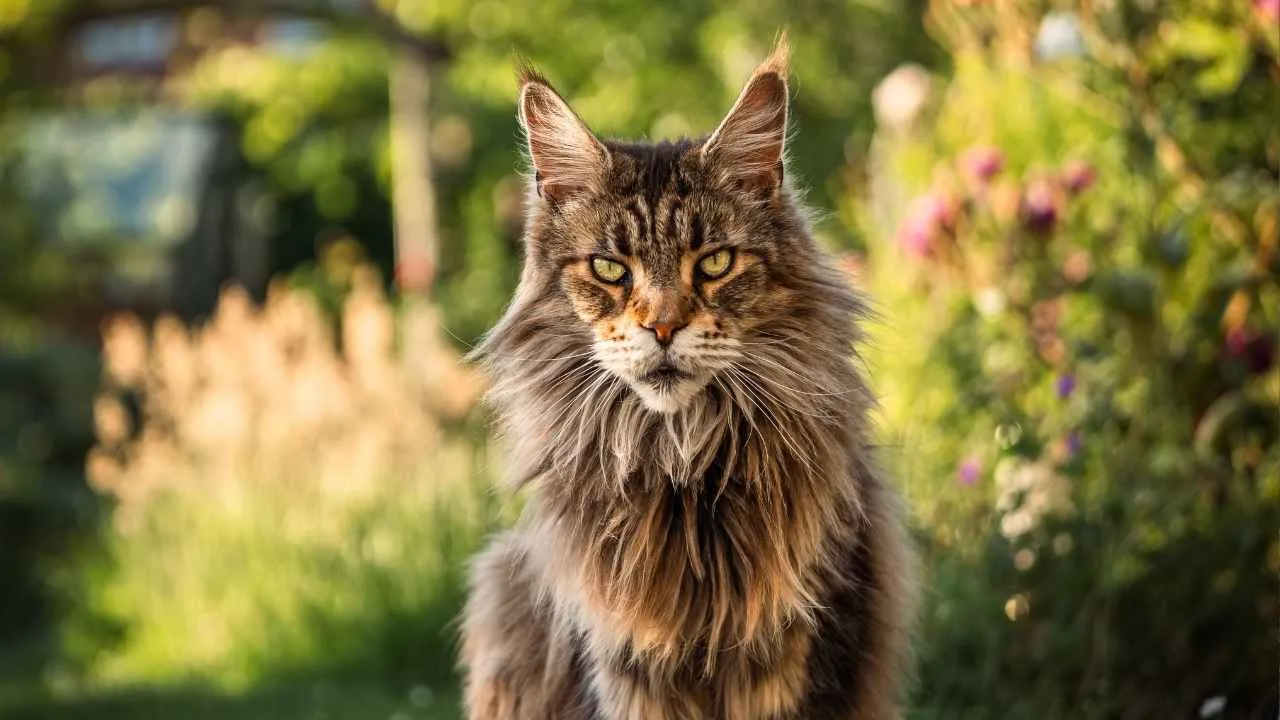
Also called the “gentle giant,” the Maine Coon is one of the largest domestic cat breeds, known for its tufted ears, bushy tail, and rugged good looks. Beneath that friendly exterior lies a deeply curious and adventurous spirit.
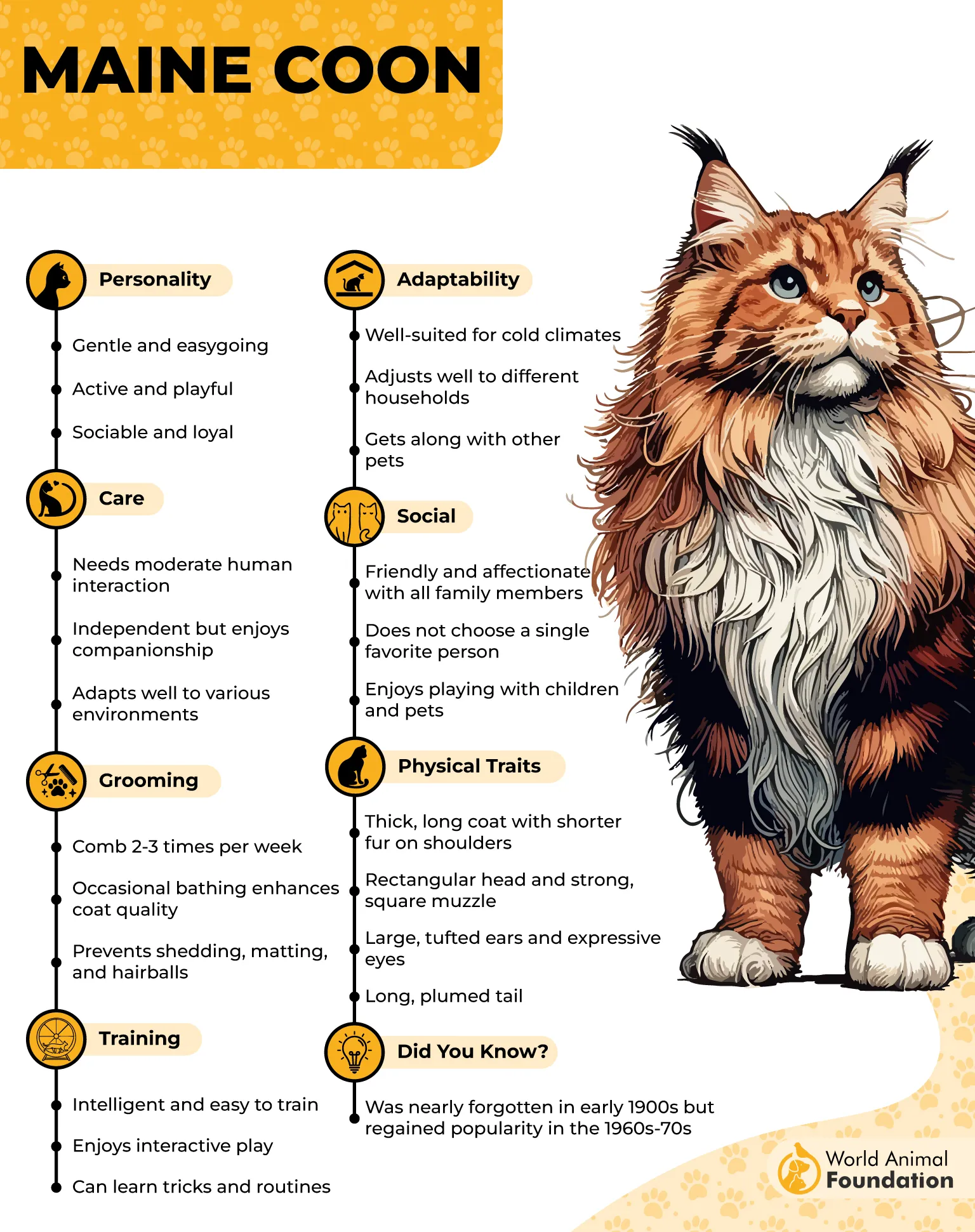
Maine Coons have curious minds that hate being confined. Despite their size, they are agile explorers who enjoy surveying new spaces, slipping through open doors, and wandering far if given the opportunity.
Their working-cat heritage fuels strong roaming instincts. Thick, water-resistant coats and tufted paws allow them to handle outdoor conditions easily, making fields, yards, and wooded areas especially tempting.
When allowed outside, Maine Coons may establish surprisingly large territories and even visit neighboring homes out of curiosity.
Fun fact: Many owners report Maine Coons covering several acres when roaming, sometimes confusing neighbors about where they belong.
5. Norwegian Forest Cat
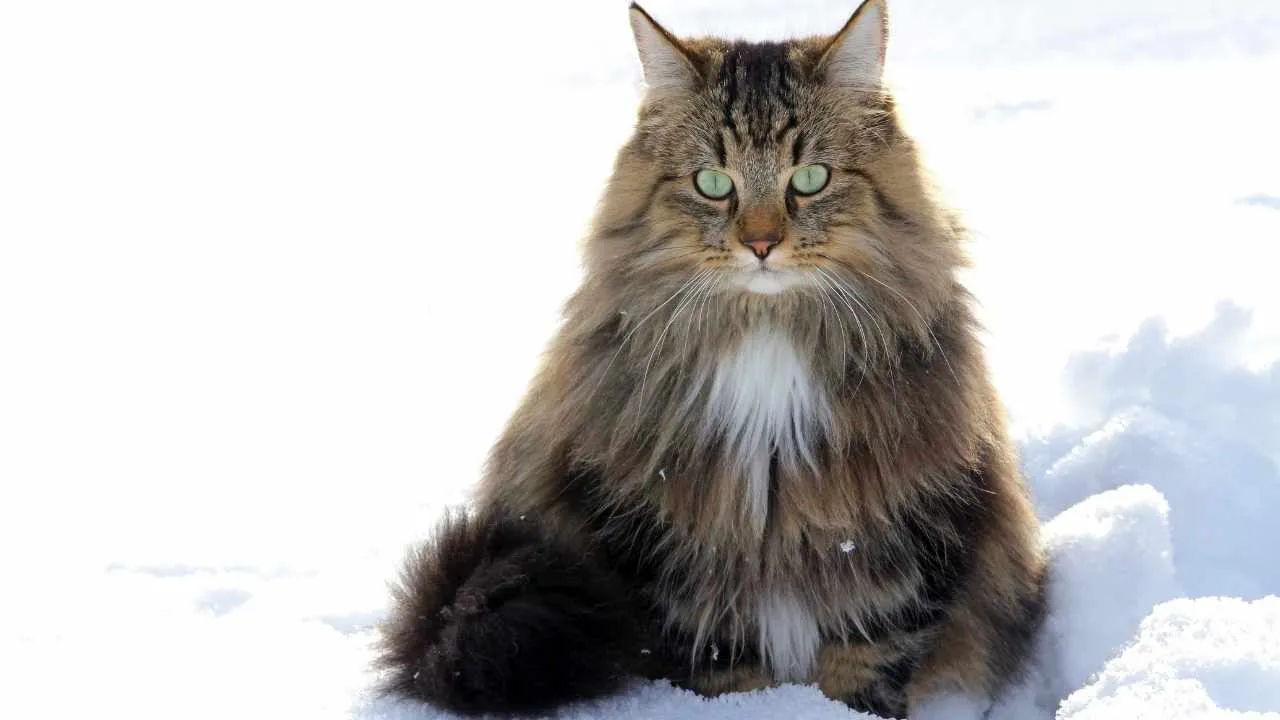
Also called the Wegie, the Norwegian Forest Cat is a large, rugged breed developed in Scandinavia to survive harsh outdoor conditions. Its thick, weather-resistant coat and powerful frame reflect a cat built for independence and exploration.
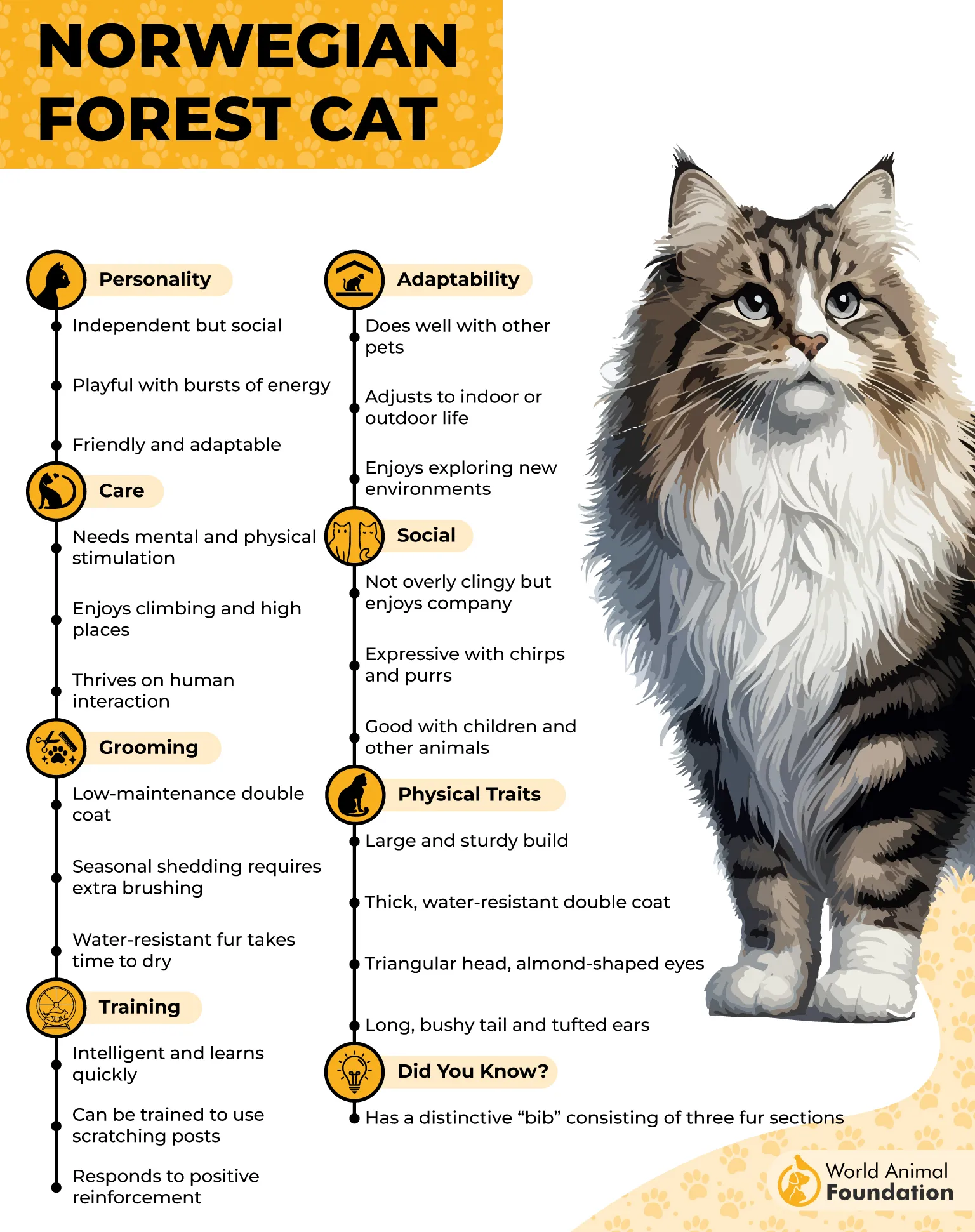
Agile athletes built for stealthy escapes, these cats are exceptional climbers that instinctively seek high vantage points. Their strength and balance allow them to scale trees, fences, and structures with little effort.
Norwegian Forest Cats are comfortable roaming wide territories and often wander farther than expected. Their calm confidence and sharp instincts make slipping outdoors and navigating unfamiliar areas feel natural rather than risky.
Because they’re independent by nature, they may ignore calls and return home on their own schedule.
Fun fact: Many owners describe Norwegian Forest Cats as part-time adventurers who split their time between cozy indoor life and outdoor exploration.
6. Savannah
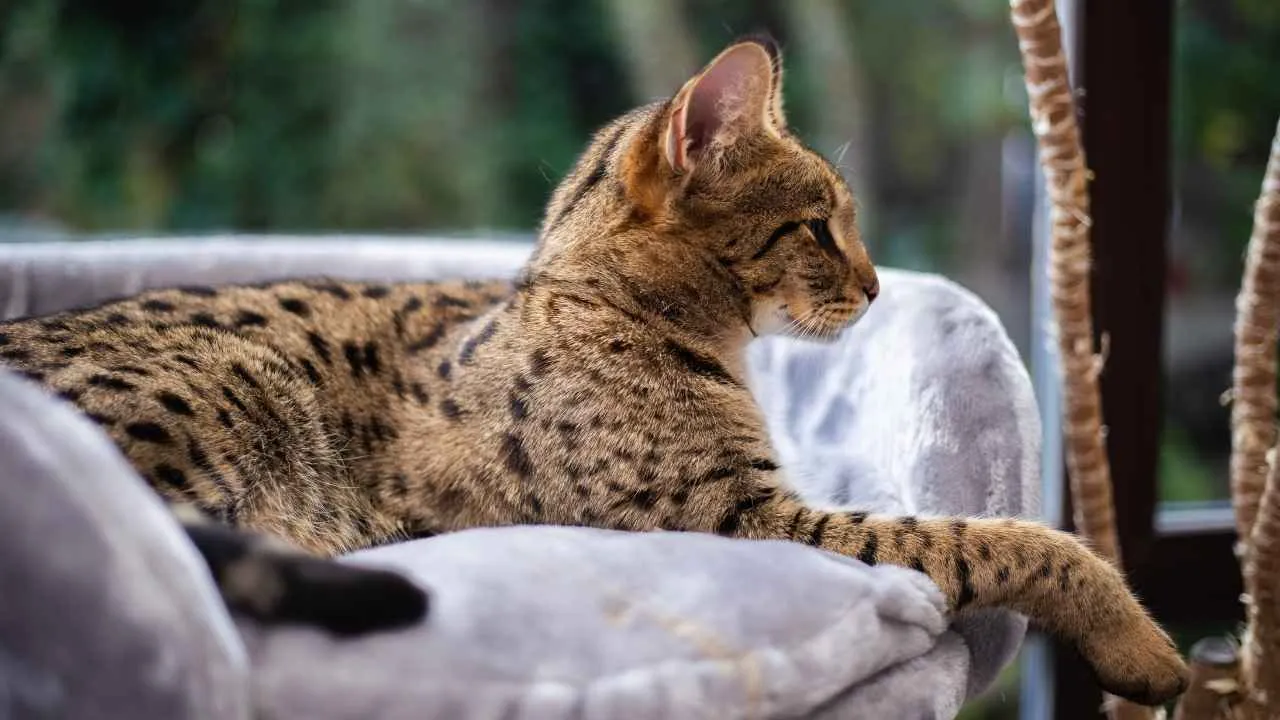
Often called the Savannah cat, this striking hybrid traces its roots to serval ancestors, giving it long legs, a slim athletic frame, and a naturally bold presence. Its wild lineage fuels a constant desire to explore beyond familiar boundaries.
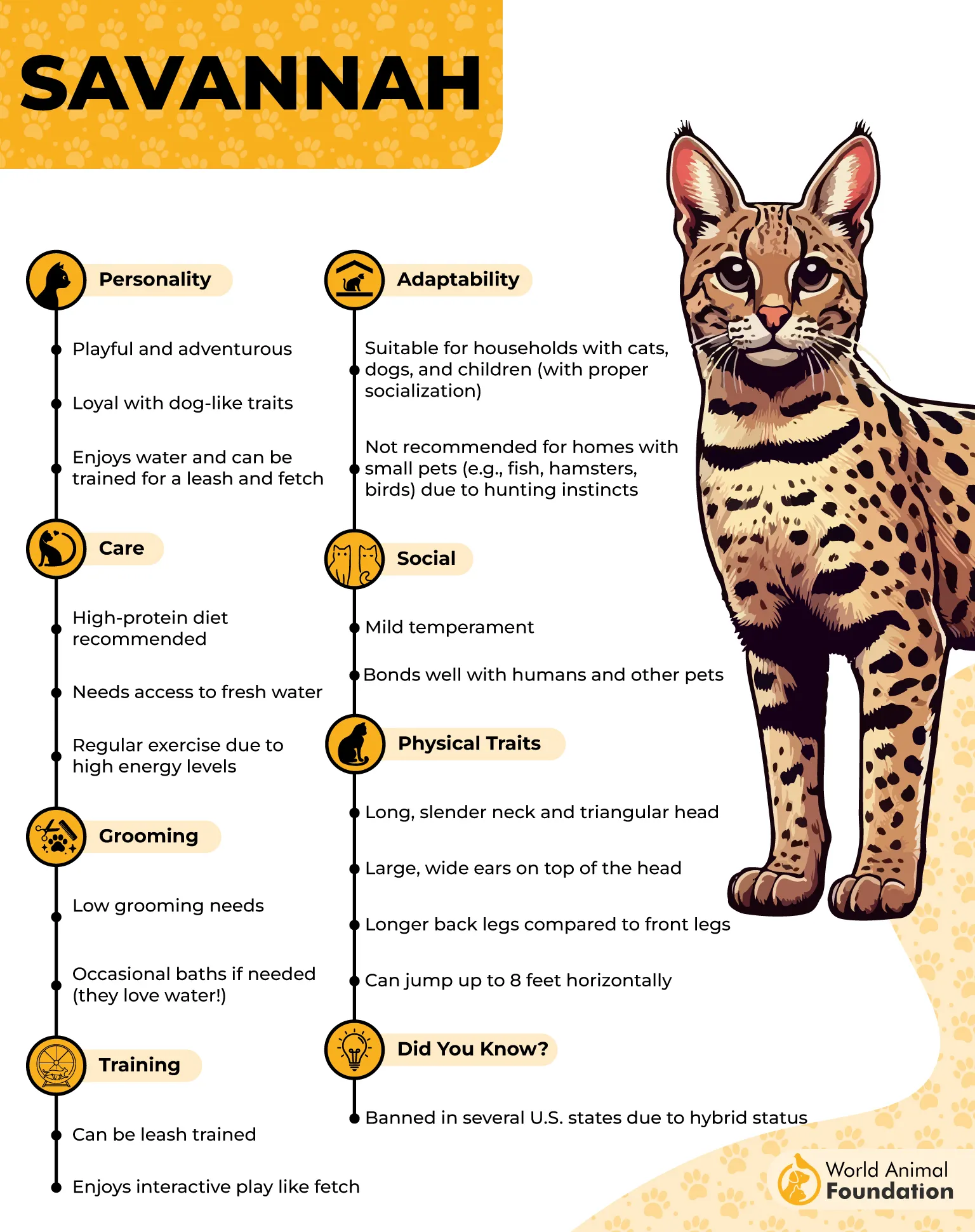
Savannahs are intelligent cats that learn human habits quickly, making them notorious escape artists. They observe routines closely, timing door openings or testing windows to seize opportunities to slip outside and roam new territory.
Their powerful legs and lean bodies allow impressive speed and vertical leaps, making fences and barriers easy challenges. This physical confidence, paired with curiosity, drives them to investigate every scent or movement beyond the home.
Because Savannahs crave space and stimulation, owners often rely on secure enclosures rather than traditional containment.
Fun fact: Savannah cats are known to figure out door handles and latches, using problem-solving skills inherited from their wild ancestors.
7. Turkish Van
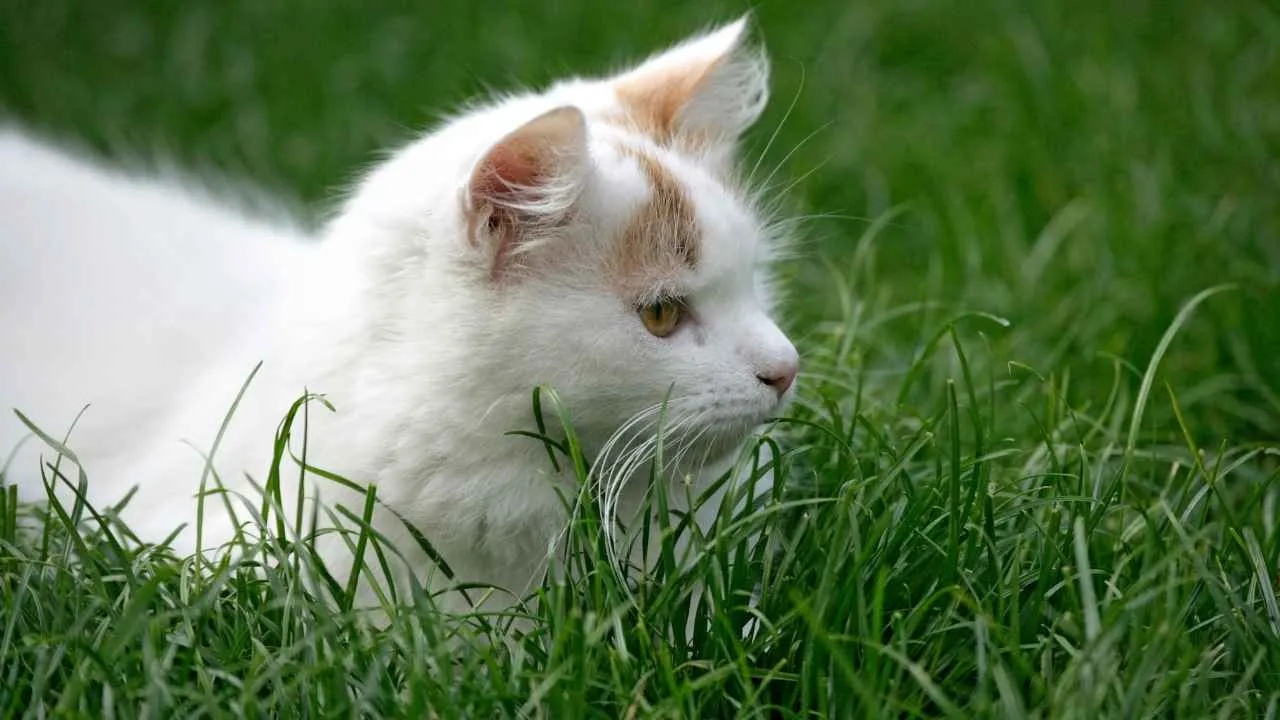
Also called the “Swimming Cat,” the Turkish Van is a medium- to large-sized breed originating near Lake Van in Turkey. Its strong build, semi-long silky coat, and striking head-and-tail markings reflect an athletic and confident nature.
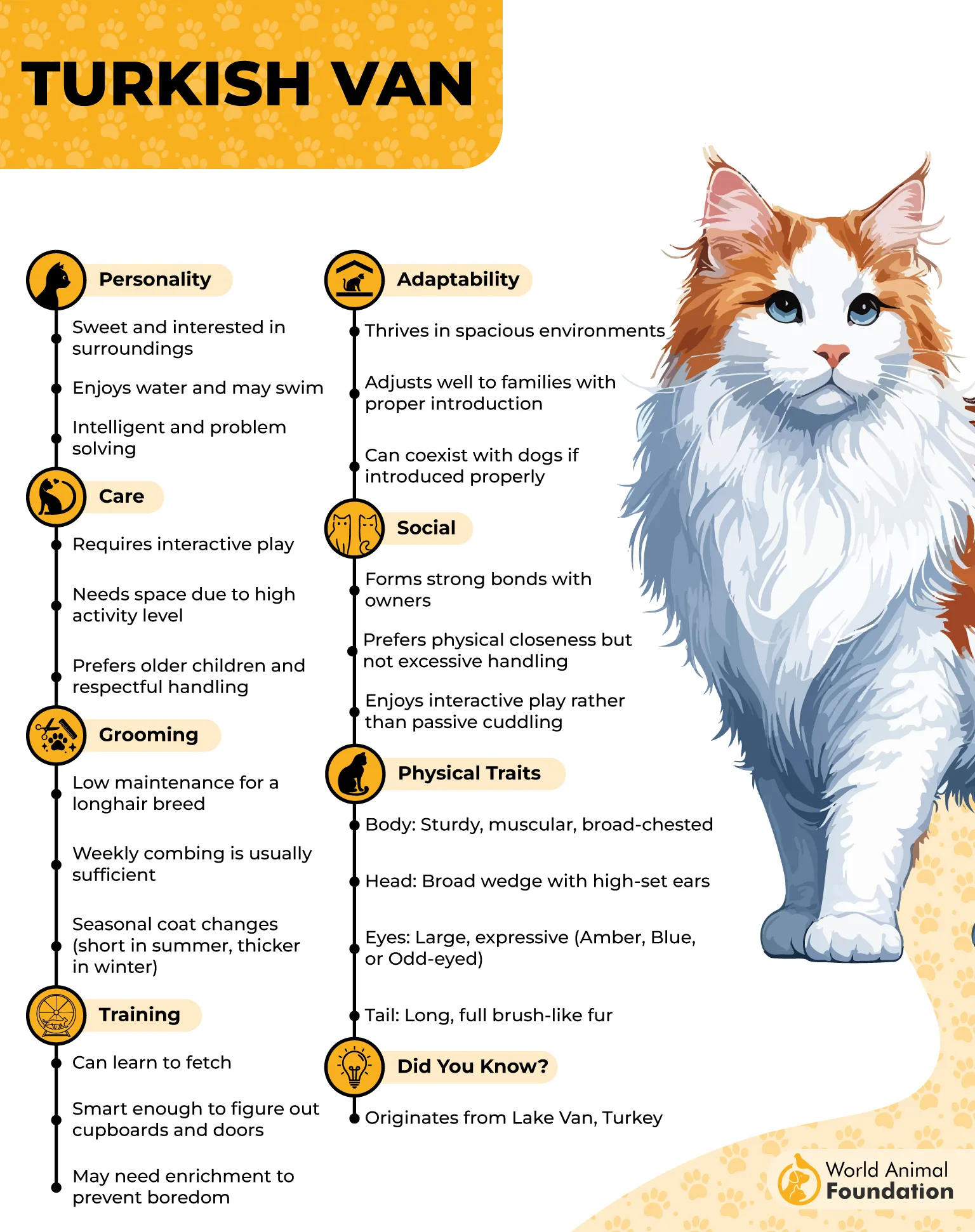
Independent spirits with a taste for freedom, Turkish Vans are natural explorers. Their powerful legs and muscular bodies allow them to roam widely, often treating open doors and windows as invitations to adventure.
This breed’s fascination with water adds another escape route. Streams, ponds, and even household bathrooms can lure them far from home, as their fearless curiosity pushes them to investigate every new environment.
Because they establish large territories, Turkish Vans may vanish for hours on solo outings before returning.
Fun fact: Their unusual love of swimming developed from living near Lake Van, where water exploration became part of their roaming lifestyle.
Conclusion
Cat breeds known as escape artists share a powerful mix of curiosity, confidence, and athletic ability. Their behavior isn’t about disobedience—it’s driven by individual personality, strong instincts, and a desire to explore beyond familiar walls.
Highly active breeds like Bengals and Turkish Vans thrive on movement, territory, and novelty, which makes them more likely to test doors, windows, and boundaries when opportunities arise.
For any pet with escape tendencies, prevention starts indoors. Providing consistent mental stimulation, vertical spaces, interactive play, and engaging routines can significantly reduce the urge to roam.
Understanding why certain cats are drawn outside helps owners create safer, more enriching environments that meet their needs while keeping them protected. With the right balance of stimulation and supervision, even the most adventurous cats can live happy, secure lives at home.
