




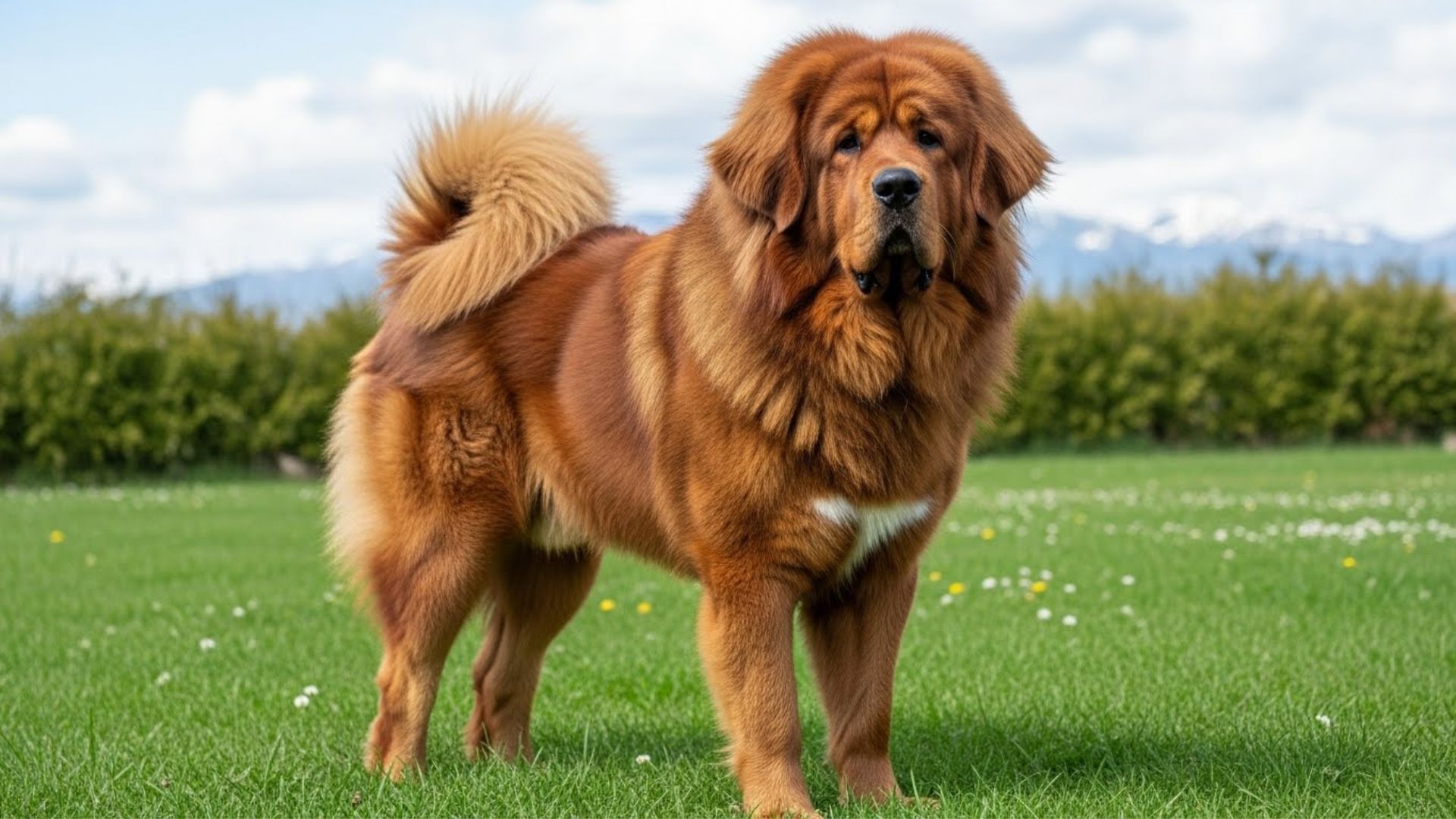
Ever wondered how a furry companion can cost as much as a luxury car? From jaw-dropping prices to eye-watering upkeep, the world of elite canine ownership is surprising, fascinating, and sometimes downright unbelievable.
The record for the most expensive sheepdog proves just how serious this market can be. According to Guinness World Records, a 12-month-old female red and white border collie named Kim sold for $38,893 at an online auction held in Wales in February 2021, shocking animal lovers worldwide.
These figures are not just about rarity or looks. They reflect careful breeding, history, demand, and the prestige attached to owning something truly exceptional, where cost becomes part of the story.
This blog explores some of the most expensive dog breeds. We will break down their purchase costs, lifelong expenses, and ownership realities, so you know exactly what prestige truly demands.
Prestigious Dog Breeds And the High Cost of Ownership
1. Samoyed
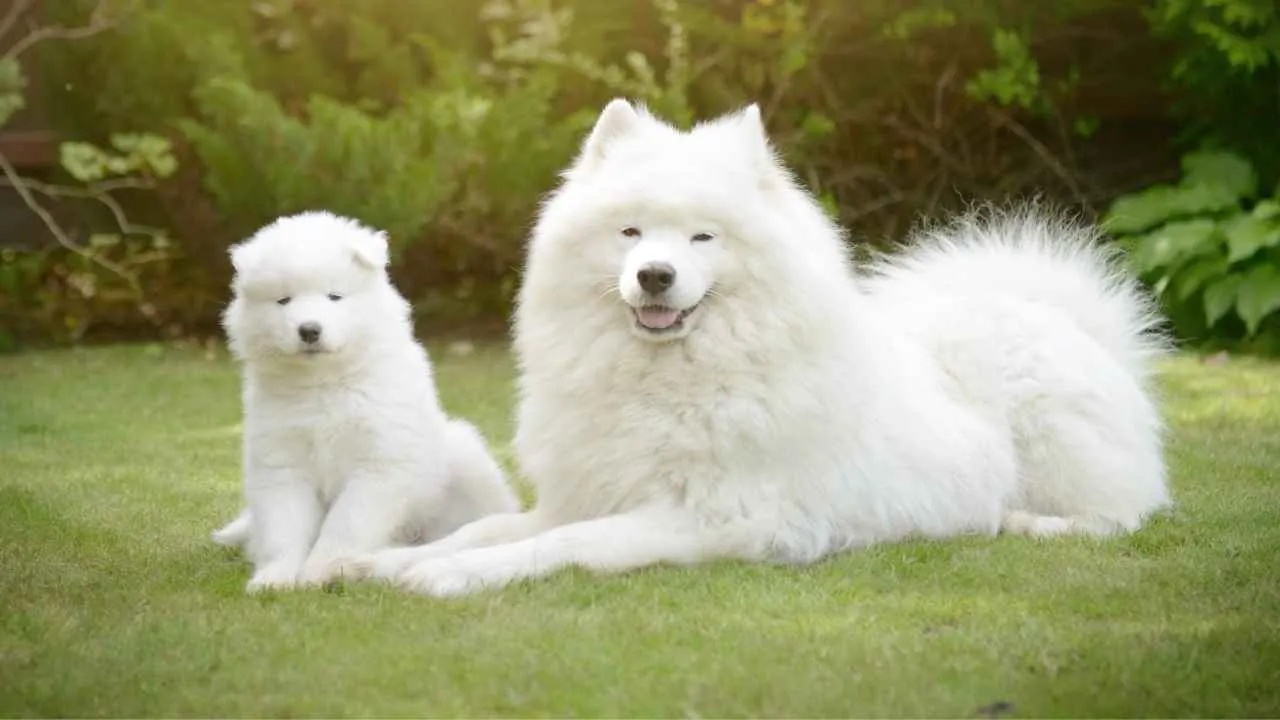
The Samoyeds are stunning, but why do they stand among expensive dog breeds? One of the reasons is high breeding costs. Maintaining the health and aesthetic standards of a Samoyed line requires significant investment from the breeder. Because they were originally bred for harsh Siberian winters, quality is a top priority.
A Samoyed puppy ranges between $1,500 and $4,000, but can escalate to $6,000. Reputation is the major factor in the final price. Buying from a breeder with a long history ensures you get a show-quality dog that meets strict breed standards.
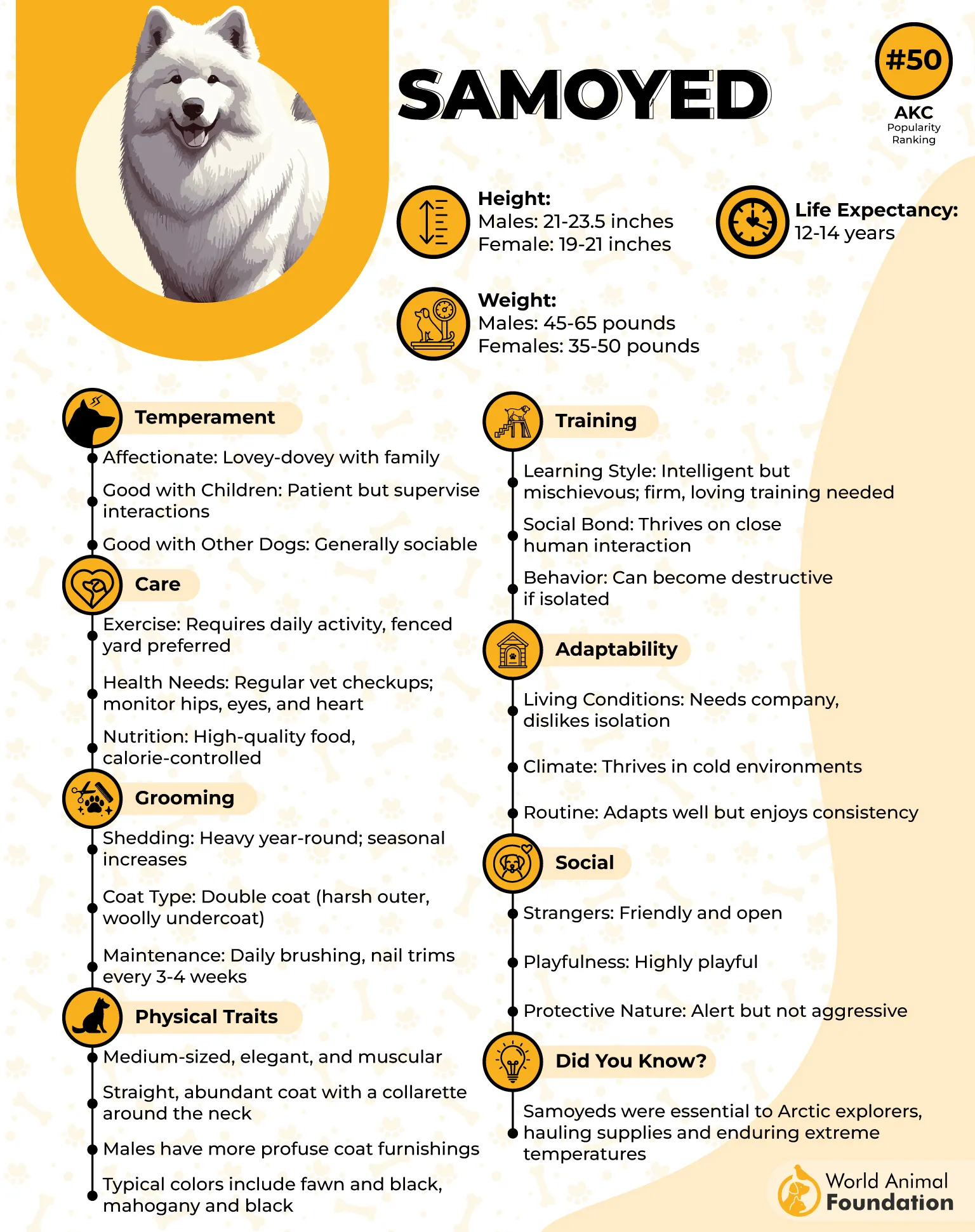
Yearly veterinary expenses total $880 to $2,960 for the first year. Costs vary based on your area and care quality. Subsequent years may be lower if no major health issues arise. Remember, the purchase is just the beginning of your financial journey.
Sammies need structure in their training. Without a firm framework, these dogs can become overly independent. Owners must budget for professional guidance to prevent destructive behaviors and keep the dog focused during its energetic and curious formative months.
2. Tibetan Mastiff
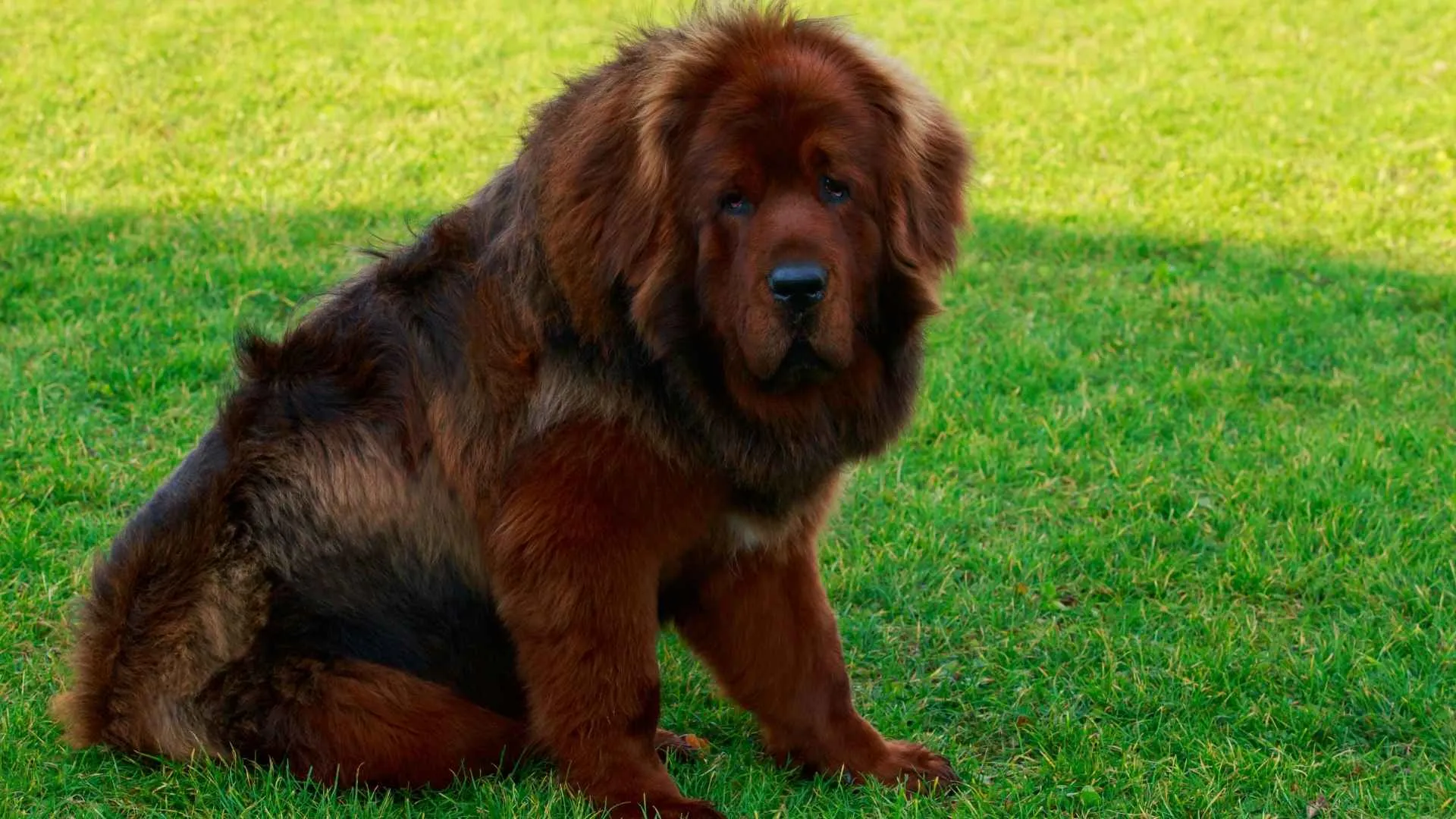
The Tibetan Mastiff is a majestic dog breed. They are loyal and great with families, but require experienced owners. As an ancient dog breed, these independent dogs won’t always obey commands or perform tasks for treats.
This is an expensive breed because it serves as a prestigious symbol of wealth, especially in China. Tibetan Mastiffs’ history as an ancient guard dog adds allure, making them one of the most expensive breeds in the world.
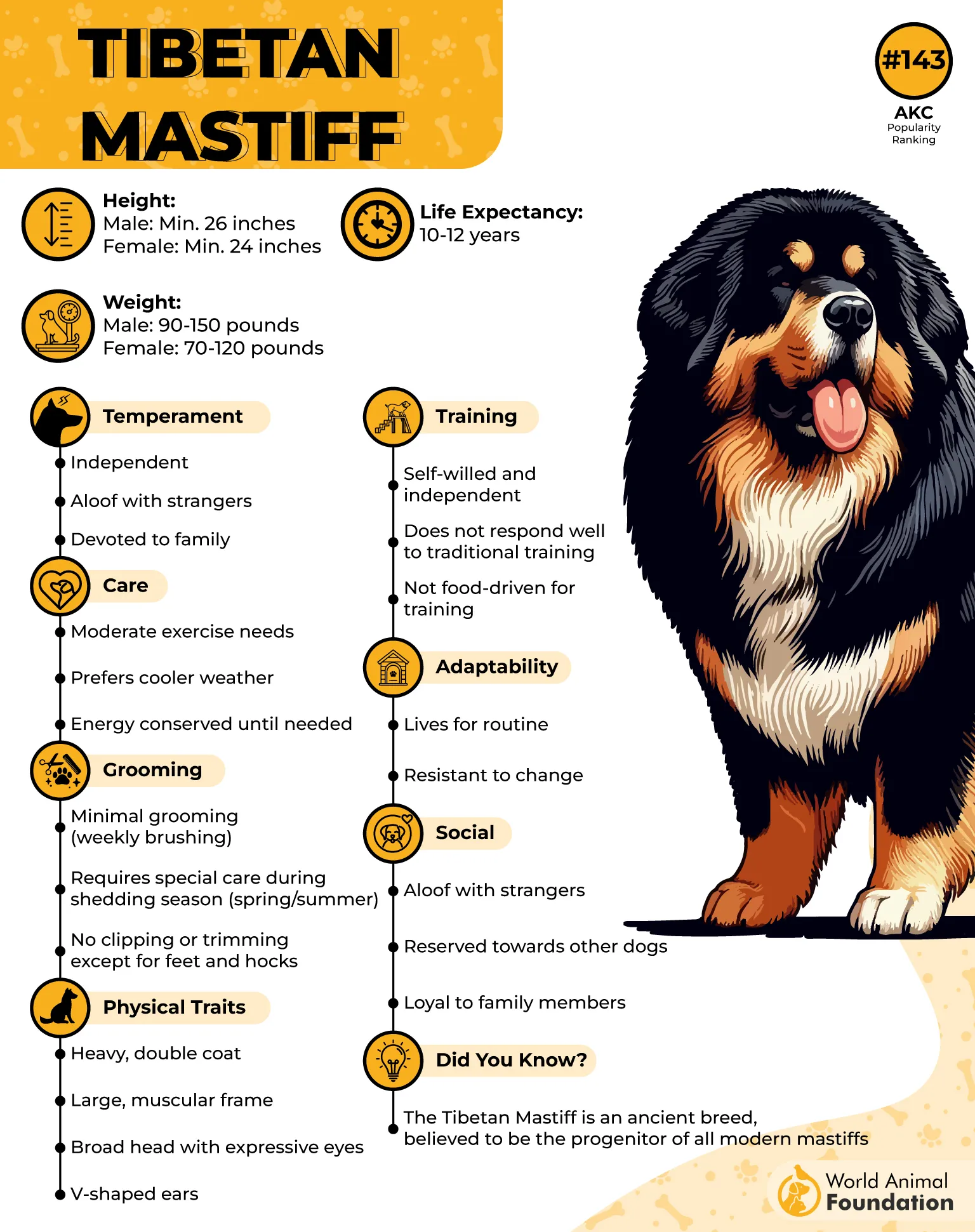
Their massive size contributes to high costs, as every aspect of care is supersized. Tibetan Mastiffs require more food and higher doses of medications, which increases the total lifetime costs. These powerful dogs require a significant commitment of financial resources.
Buying from a breeder costs $2,000 to $6,000, as they are among the rarest breeds. Factors like coat color and sex affect the price. Finding a high-quality specimen is a lengthy process for anyone seeking specific rare bloodlines.
3. Löwchen
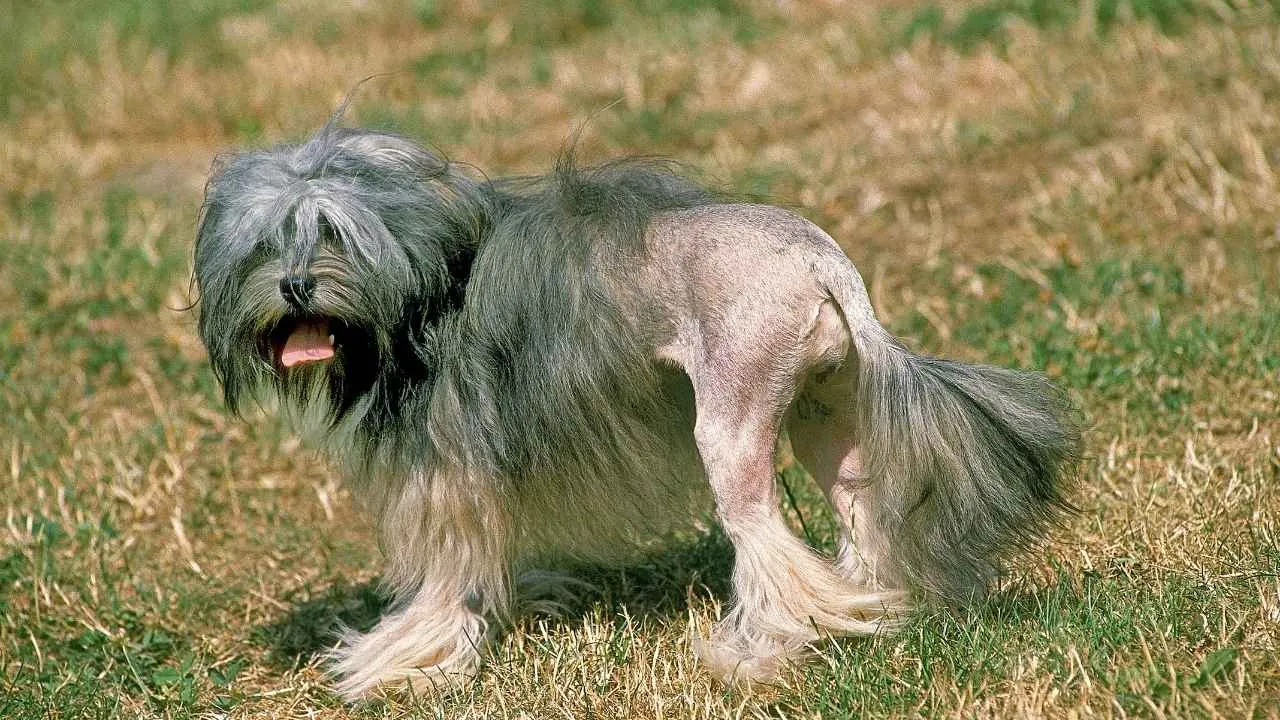
The Löwchen has been a popular pet among Europeans for over 500 years. This portable, non-shedding little lion dog is affectionate and brave. Small dogs with an affectionate nature, Löwchen stand just over a foot tall, perfect for a compact indoor companion.
Despite being small, Löwchen cost $2,000 to $4,000 due to rarity. This price doesn’t include initial supplies for these dogs, such as high-end bedding and toys. Finding a puppy can be a massive challenge for most prospective buyers.

The biggest factor in price is the breeder’s experience. Breeders who produce quality puppies charge more because the extra care and socialization add up quickly. Löwchen puppies that receive individualized attention before they reach homes are naturally more expensive.
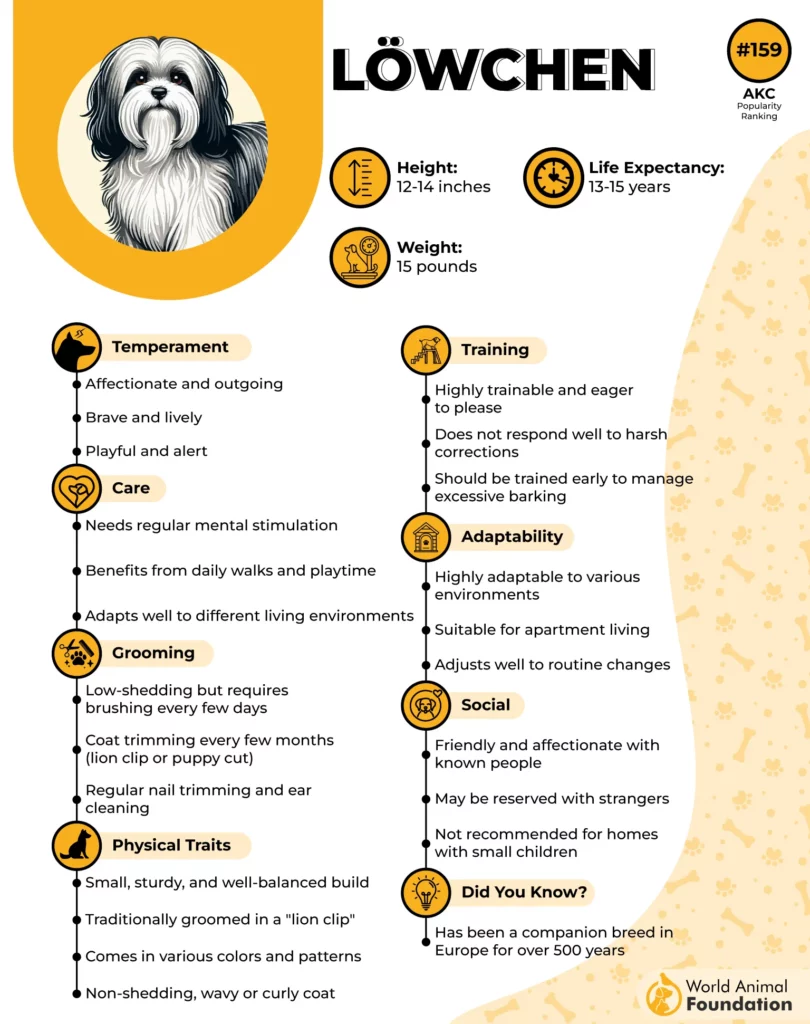
Puppies require significant veterinary care within their first year. You’ll also pay for vet costs for the rest of their life. Many owners find that pet insurance is a necessary expense to manage these substantial and long-term medical costs.
4. Chow Chows

The Chow Chow, an ancient dog of China, is a muscular aristocrat. They are famous for their lion-like mane and unique blue-black tongue. To own a Chow is to own history that carries a refined, stoic, and independent dignity.
Chow Chows housebreak easily, have little odor, and are as fastidious as cats. Well-socialized chow chows are refined rather than fierce. They prefer to observe with a calm presence rather than seeking constant attention, making them excellent for reserved owners.
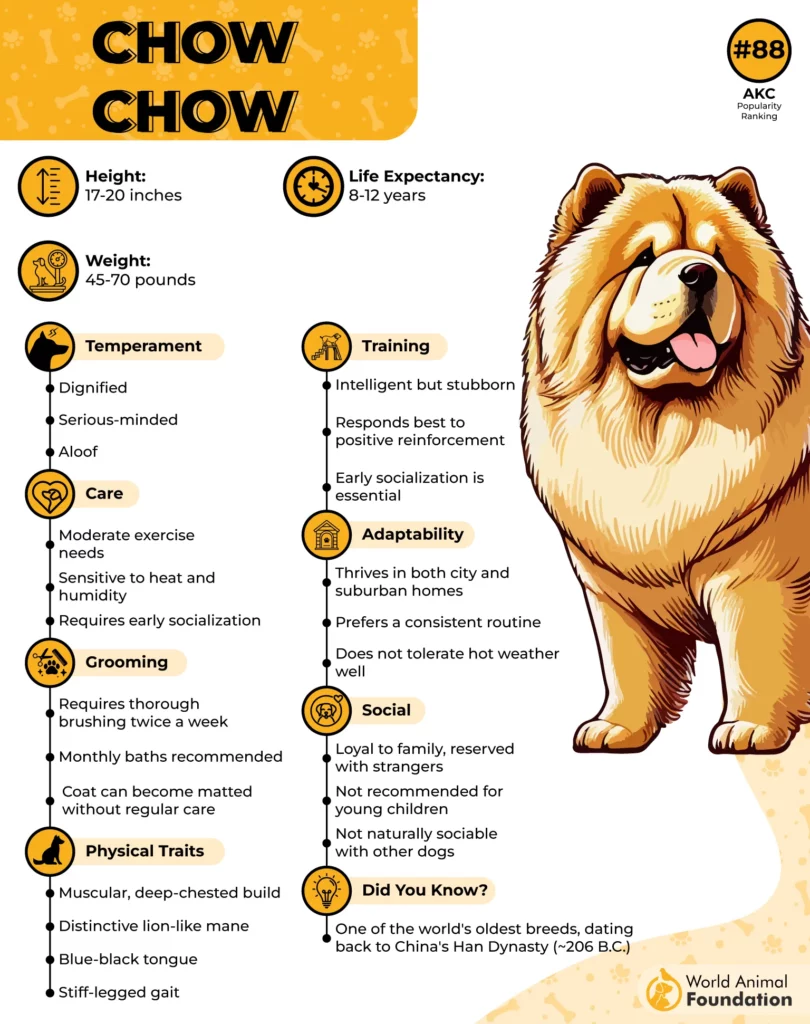
They cost between $1,000 and $4,000 because their large size makes breeding expensive. Breeders must screen for health concerns. It takes more food and space to properly breed a Chow, which increases the final price of the puppy.
The first year costs $5,000, including supplies and vet visits. Afterward, maintenance decreases to about $1,900 annually. It is essential to budget for these high costs to manage their breed-specific requirements over a full and healthy lifetime.
5. Pharaoh Hound

Pharaoh Hounds are a rare dog breed with a lineage from Malta. Traditionally used to hunt rabbits, they possess a regal look suggesting royalty. Despite the name, they aren’t native to Egypt, but remain sought-after for their unique history.
Pharaoh hound puppies are generally healthy but require regular medical care. Investing in early vaccinations is a hallmark of responsible dog ownership. This is a necessary initial expense for this elegant, active, and ancient hunting breed from the Mediterranean.
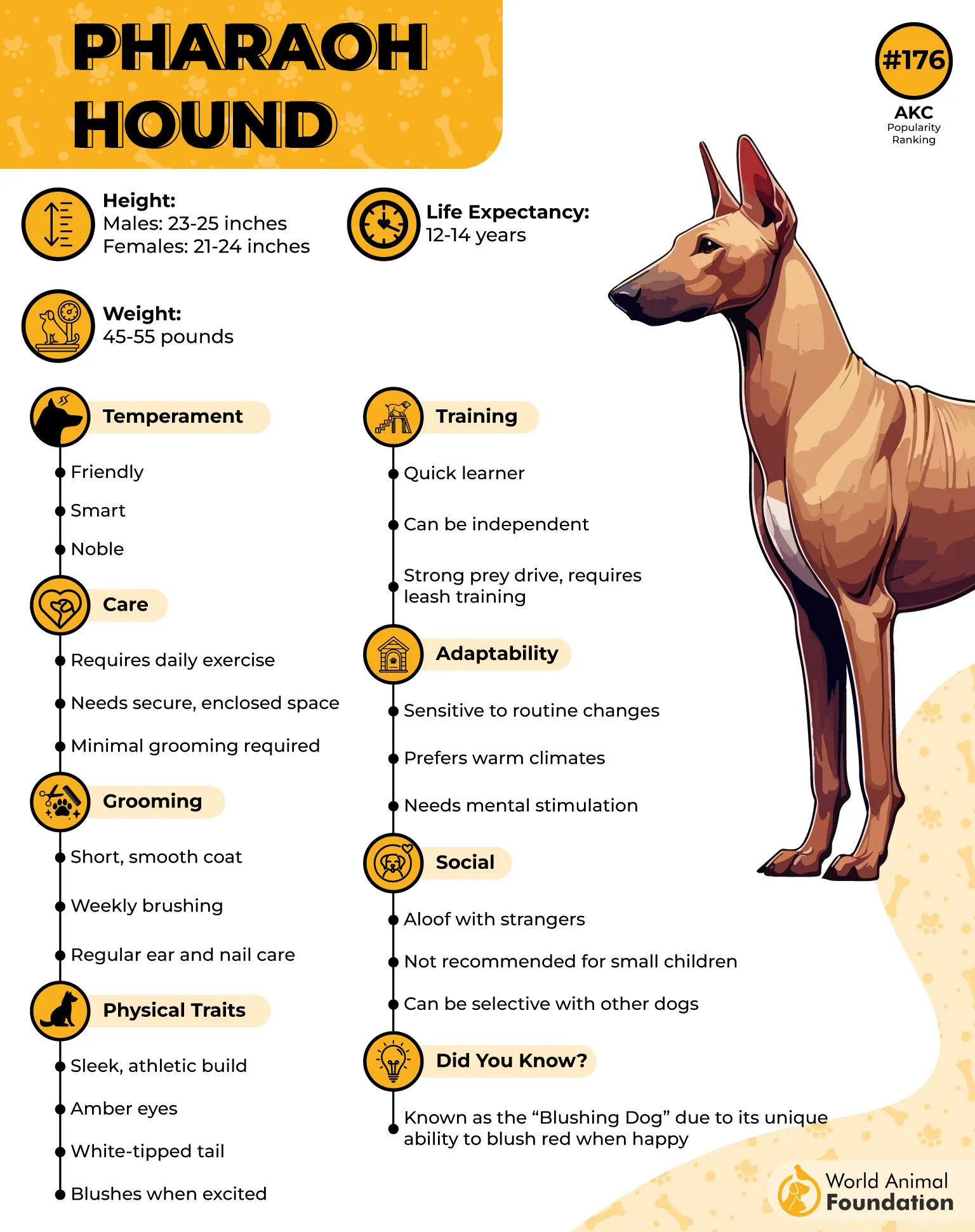
Food is a recurring expense, costing $50 to $70 monthly. Owners shouldn’t be fooled by boutique formulas; most thrive on a balanced diet. Basic supplies and medical care are the most obvious expenses for keeping this specific breed healthy.
Their temperament is friendly and sociable. PetMD states that Pharaoh hounds have a playful nature that requires regular exercise. This energetic nature means they thrive when they can run safely, requiring owners to invest time and resources into daily activity and play.
6. French Bulldog

French Bulldog puppies are among the most popular dogs globally. With bat ears and stocky bodies, they are undeniably charming. Their personalities match their looks, as they are comical and incredibly affectionate companions in any home they join.
They often require artificial insemination, making them very expensive to produce. Each dog must undergo health and fertility testing before the process begins. Their body shape makes natural breeding difficult, adding significantly to the breeder’s overhead costs.
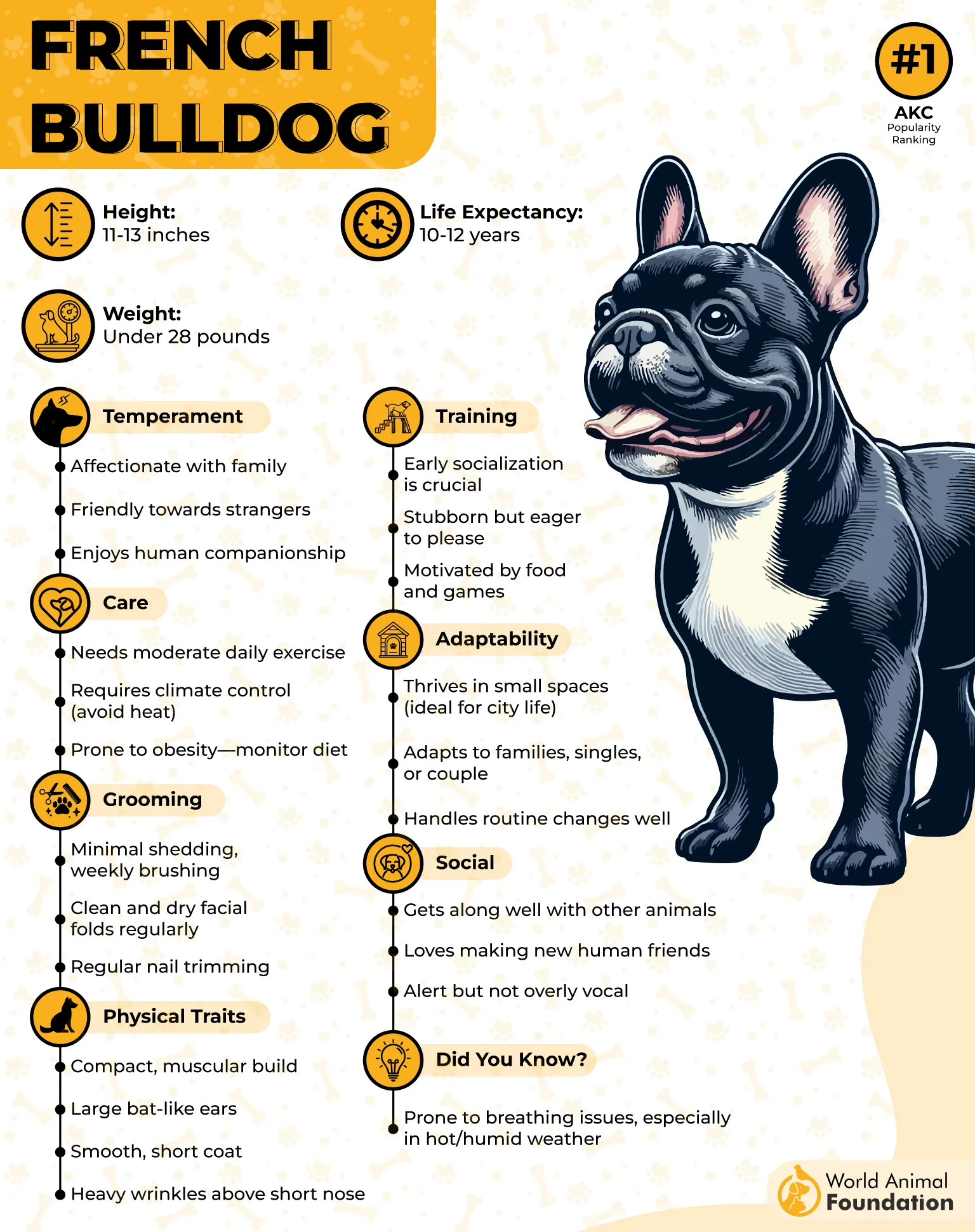
Almost all Frenchies are born via C-section due to large skulls and narrow birth canals. This surgical intervention increases the medical overhead. It is difficult for them to pass through naturally, so expensive intervention is a standard requirement.
Prices are based on markings, with rare colors costing $5,000 to $10,000. Their popularity ensures they remain a significant investment. Owners pay a massive premium for unique patterns that make their dog stand out from the rest.
7. Afghan Hound
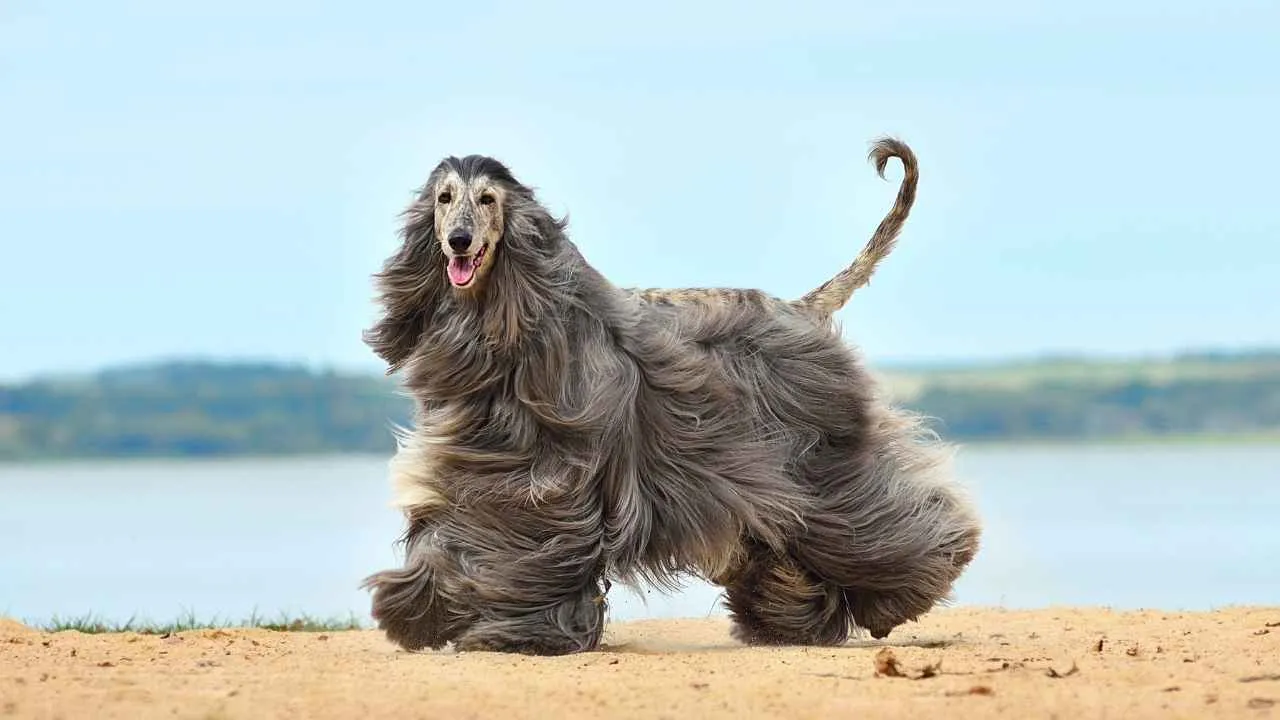
The Afghan Hound is expensive due to its rarity and the intensive grooming needed for its silky coat. Breeding standards are strict to maintain their traits. Owners must prepare for the financial commitment required for regular professional grooming sessions.
Their aristocratic lineage justifies prices for purebred puppies ranging from $1,000 to $3,000. These costs reflect the heritage of an elegant hunting dog. Beyond purchase, specialized tools and grooming make them expensive to maintain in peak condition for appearance.
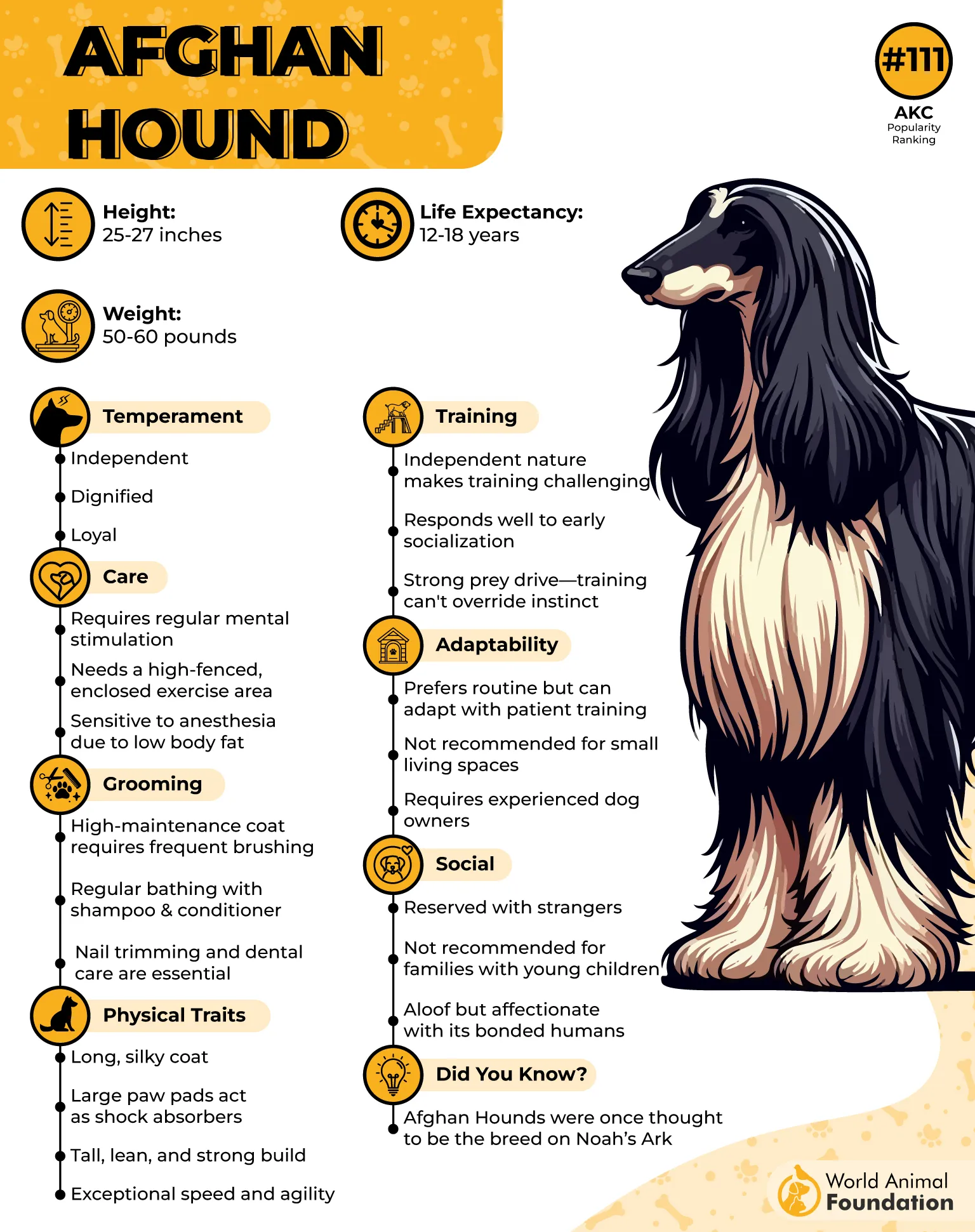
Afghan Hounds choose a favorite person, but are good family dogs with proper training. PDSA suggests that socialization helps them adapt to busy households. They respond best to gentle guidance while maintaining their characteristic and dignified aloof personality within the home environment.
They are quiet and possess a gentle nature. However, their long hair requires a massive time commitment. Owning an Afghan Hound is as much about the lifestyle and time spent on care as the financial cost of upkeep.
Conclusion
Owning a high-status canine is rarely about the purchase price alone. What truly defines the cost is the long-term responsibility, including health care, nutrition, grooming, and training. These priciest dog breeds demand consistent investment, patience, and planning from day one.
Beyond finances, lifestyle compatibility matters just as much. Many of these dogs require structured training, regular exercise, and experienced handling to thrive. Without proper commitment, even the most beautiful companion can become a challenge rather than a joy.
Ultimately, prestige comes with responsibility. Choosing such a companion should be a thoughtful decision, balancing admiration with realistic expectations.
