




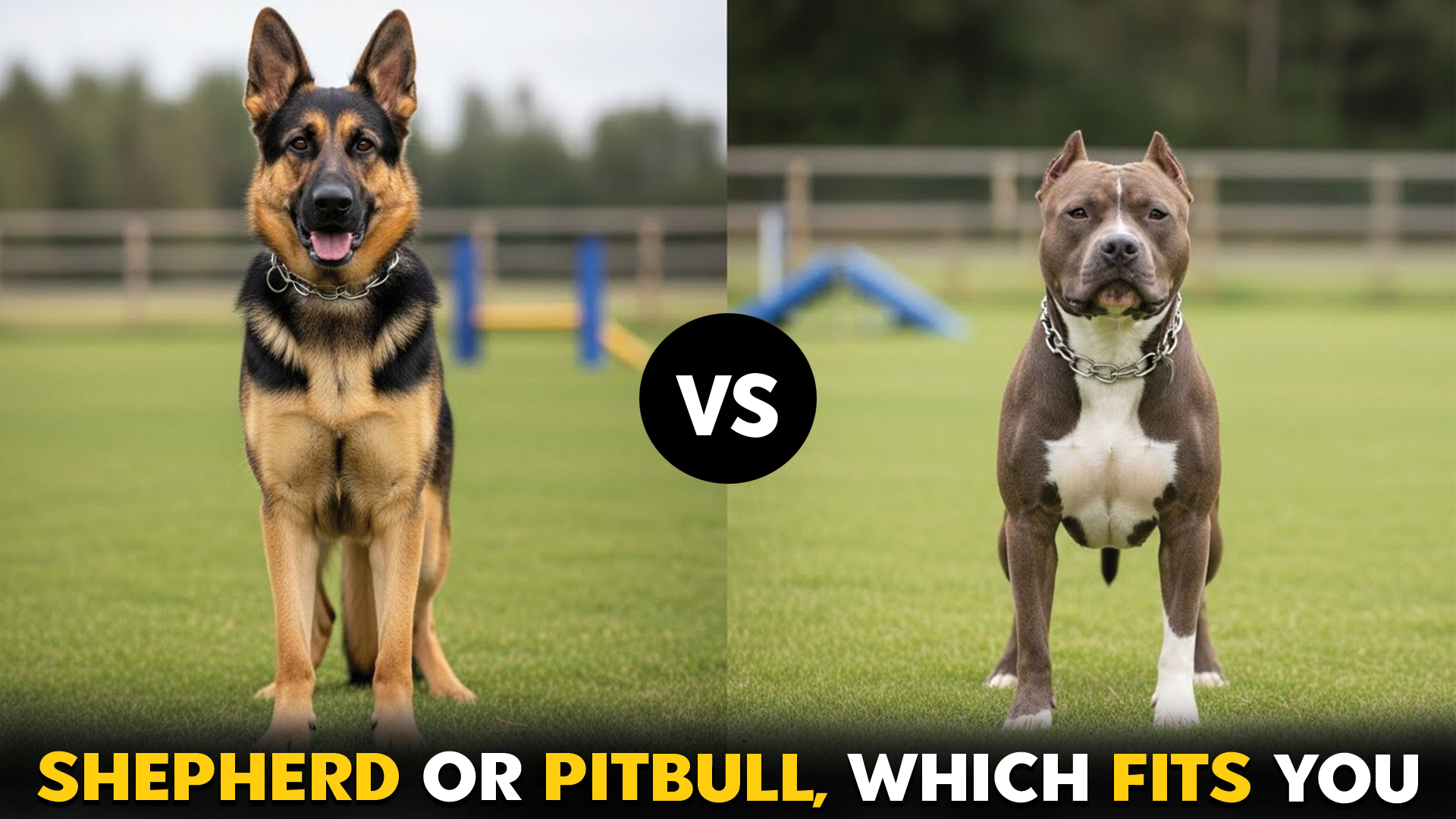
Choosing a dog can feel like choosing a new roommate, best friend, and workout partner all at once. Sounds crazy, right?. And when the choice is a German Shepherd or a Pitbull, the pressure gets real.
These two dog breeds have huge fan clubs, loud opinions, and a lot of myths attached to them. Some people want a loyal shadow that keeps watch. Others want a happy goofball who thinks your couch is a five-star hotel.
And here’s the best part! You do not have to guess. With the right facts, you can match the breed to your life, not the other way around.
This blog will walk you through helpful details and a warm nudge toward a smart choice.
German Shepherd vs. Pitbull: Analyzing These Two Dog Breeds
German Shepherd vs. Pitbull
German Shepherd
The German Shepherd Dog was shaped for work. Max von Stephanitz pushed for a smart, steady, useful breed that could protect sheep and still listen closely to a handler.
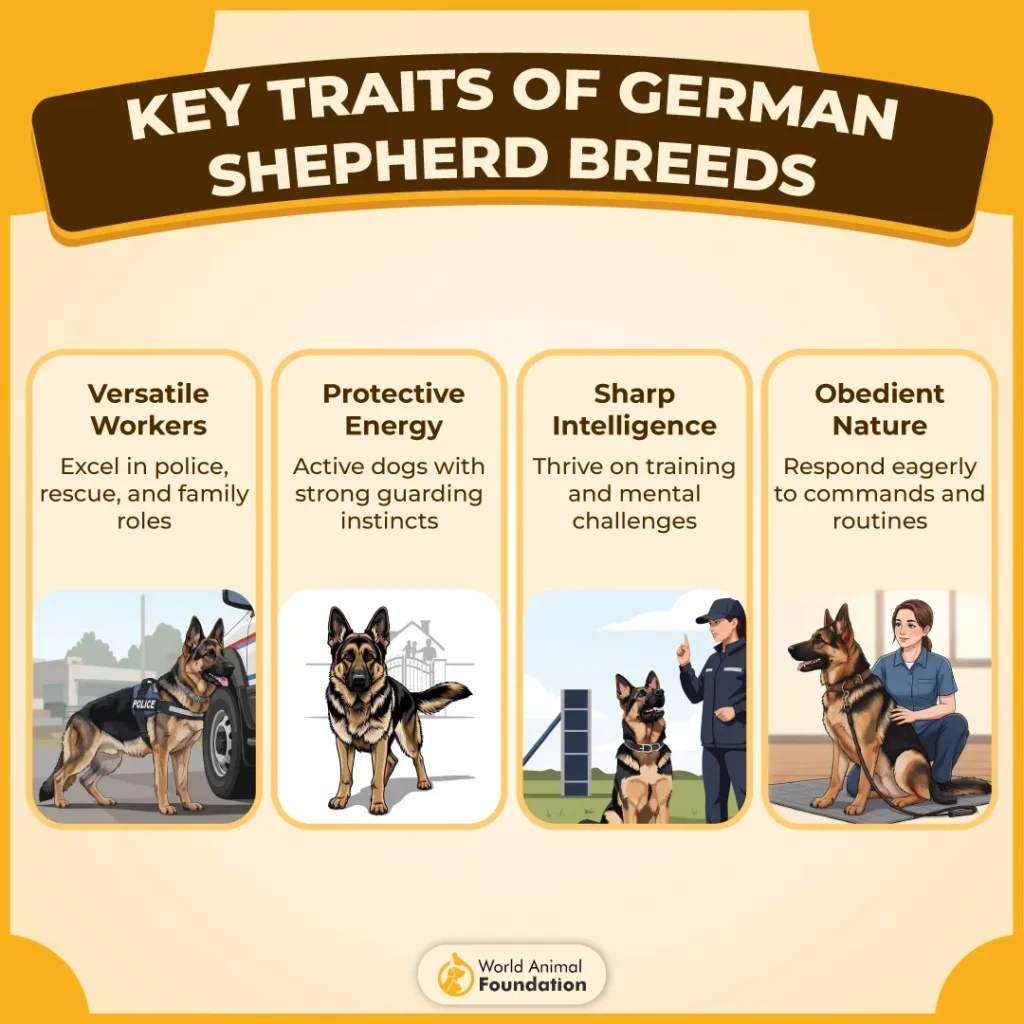
That focus made this pup one of the most intelligent dogs in the working world. You will see this dog in police dogs, guard dogs, and even military dogs.
A well-raised one can be a loyal and protective companion who bonds hard with family members.
Pitbull
The term Pitbull can mean a type, not one single registry label. Many people use it for the American Pit Bull Terrier, and sometimes for close cousins, too.
Long ago, bull baiting fed cruel form of entertainment, and later dog fighting and fighting rings kept the worst stories alive. It gets even worse, though, because modern Pit Bull owners still pay for that history with unfair fear.
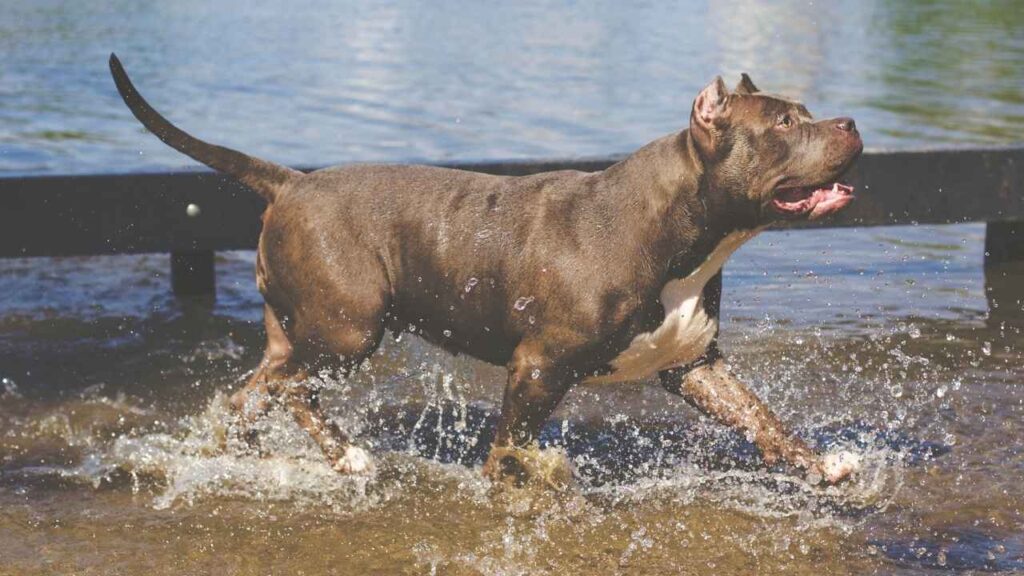
With proper socialization, a Pit Bull can be affectionate, funny, and deeply people-focused. Some folks even called them nanny dogs, though that label gets argued a lot.
Either way, this dog can be a protective companion when raised with care.
Important note: Both the German Shepherd and the Pit Bull breed can be amazing. Both can also be a mess if their needs are ignored. Most dogs become “problem dogs” when humans skip the basics.
Physical Features
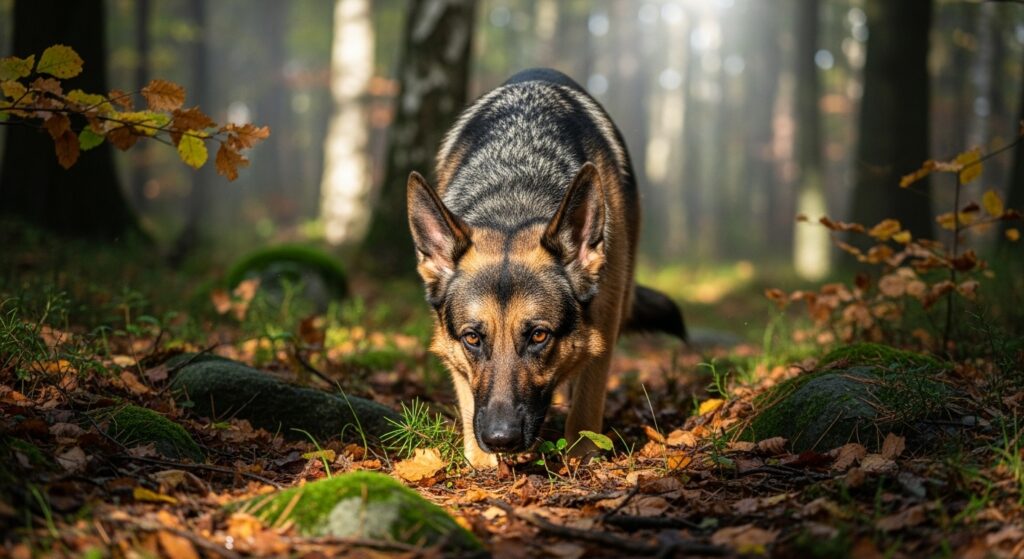
According to the AKC, the German Shepherd is usually a larger breed with a long outline and a confident stance. The body often looks athletic, with strong hind legs built for drive and quick turns.
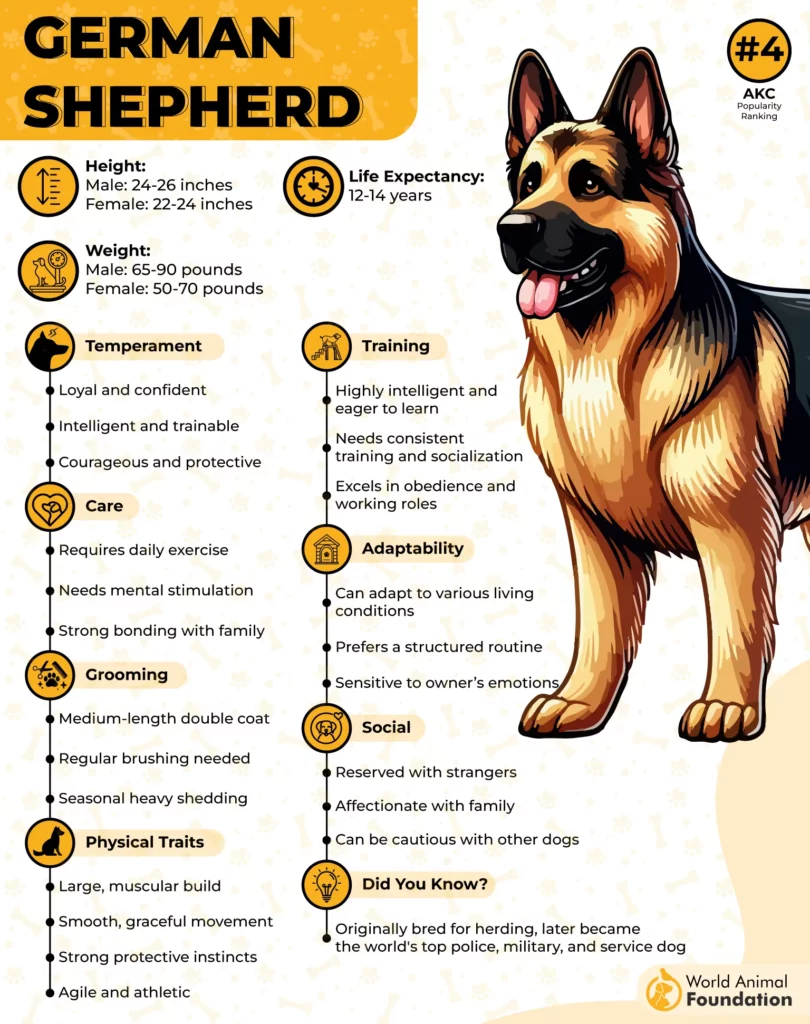
The head is wedge-shaped, and many have pointed ears that stand tall. The coat is often a double coat, which means fluff and shedding are part of the deal.
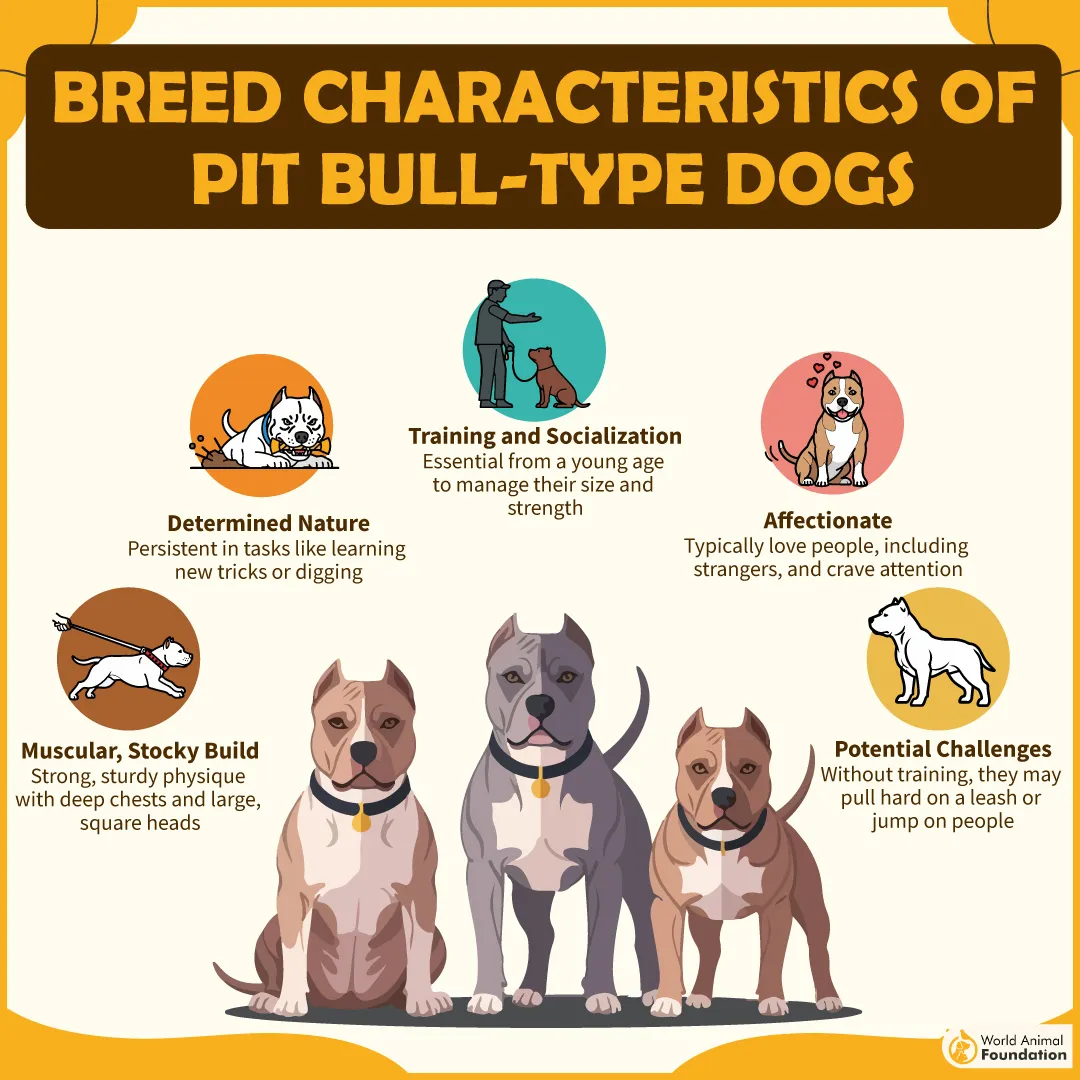
A Pit Bull is more compact and stocky. The chest is broad, the neck is thick, and the head can look blocky. A Pit Bull usually has a short coat, so grooming is simpler, but skin problems can show up faster because there is less fur “buffer.”
In many homes, these two breeds look like total opposites. One is built like a runner. The other looks like a tiny tank.
Fun fact: Some people mix them and call the mix a german sheppit. It is not a designer dog in the fancy, planned sense. It is just a mixed-breed combo you might see in animal shelters or a local shelter.
Speed & Strength
German Shepherd vs pit bull debates often turn into “who is stronger” talk. But why bother with that? Strength matters, sure, but control matters more.
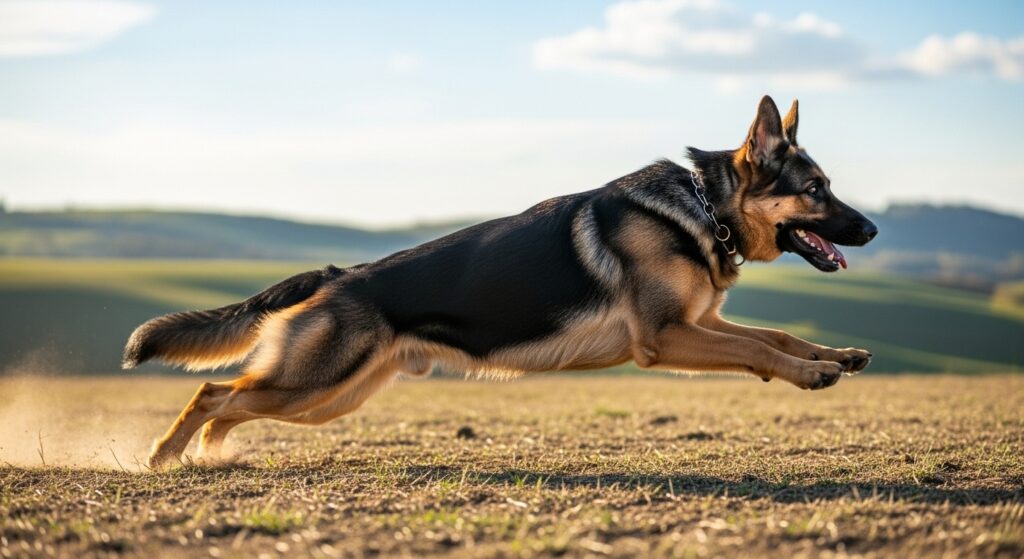
A German Shepherd is quick, agile, and built for long work. The stride is smooth. The body is made for chasing, tracking, and switching directions fast. That athletic build is one reason why these dogs are common in police work and search work.
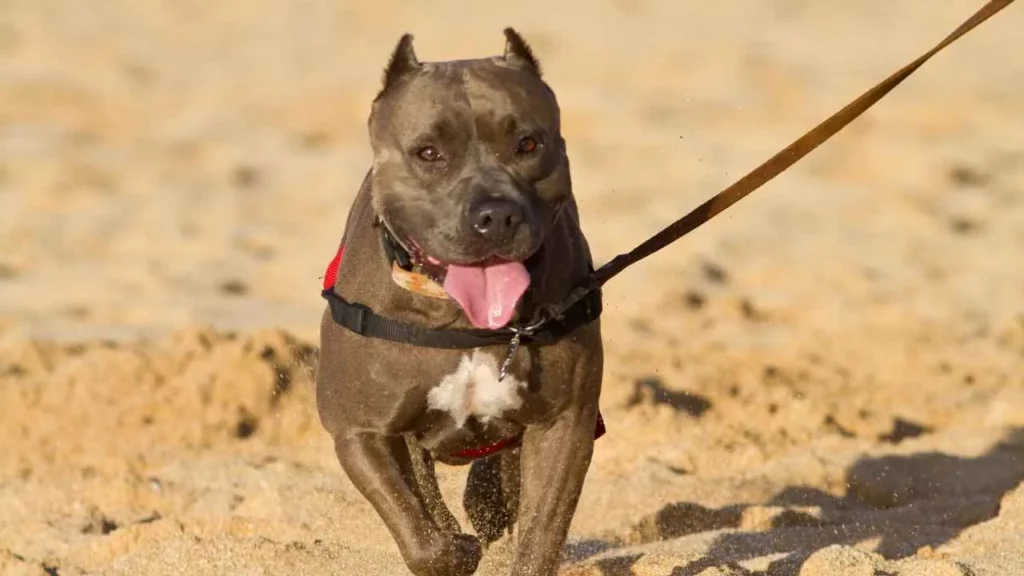
A Pit Bull is powerful for its size. The muscles are dense, and the dog can pull and wrestle like a champ. This does not mean the dog is naturally aggressive. It means the dog is strong. Pair that strength with poor handling, and people can panic.
Important note: An aggressive dog is not “born from a label.” Behavior is shaped by genetics, early life, stress, pain, and human choices. Most dogs, including these dog breeds, do best when their strength is guided with structure.
Exercise & Energy Levels
Both need movement. Two dogs with big energy in a small home can drive you up the wall.
A German Shepherd often has a busy brain and a body that wants a job. German Shepherds tend to get restless when the day is boring. Regular exercise helps, but it cannot be just a quick potty trip.
Think brisk walks, training games, fetch, hikes, and safe running. Add mental stimulation, like scent games or puzzle feeders, and the dog looks calmer.
PetMD notes that a Pit Bull also needs a solid exercise routine. Many love tug, flirt poles, and fast play sessions. They often enjoy short bursts of hard play, then nap like a rock.
But wait, there’s more! A Pit Bull can also get frustrated if life feels скучно. A simple daily structure helps a lot.
If you have different lifestyles, you can still make either work. Just be honest. If you hate walking, do not bring home a high-drive dog and hope love fixes it. Love is great. It is not a treadmill.
Training & Intelligence
Here’s the good part. Training can be fun. It can feel like you and your dog are learning a shared language.
A German Shepherd is famous for learning fast. The German Shepherd Dog often shines in obedience training because it tends to watch the handler closely. That focus is why it became one of the most intelligent dogs in popular lists of intelligent dogs.
Still, quick learning can come with stubborn moments. If the dog learns bad habits early, it will repeat them. That is why consistent training matters.
A Pit Bull is also smart, but the style can feel different. Many Pit Bull dogs are eager, goofy, and driven by people time. Some are also strong-willed.
A Pit Bull can test limits, not out of evil, but because it works. The trick is positive reinforcement, clear rules, and steady practice. Keep sessions short. Keep it upbeat. Praise the wins. Reset after mistakes.
Proper training is not optional with either. If you want a calm adult dog, start at a young age. Make training part of daily life, like brushing your teeth.
Socialization & living environment
Social stuff can make or break the experience, especially with these two breeds.
As per Purina, German Shepherds often bond tightly to one home base. Protective instincts can show up as “stranger danger” if early socialization is skipped.
Early socialization means calm exposure to new people, places, sounds, and safe situations. It is not throwing the dog into chaos. It is teaching the dog that the world is normal.
A Pit Bull may be very friendly with people, but some lines can have dog-to-dog tension. That is why careful introductions to other dogs matter. This does not mean the dog is naturally aggressive. It means you should be smart.
Use proper socialization, good leashes, and avoid risky dog park drama if your dog gets too intense.
Living environment matters too. Apartment life can work if exercise is real. A yard helps, but it is not magic. Two breeds like these still need your time.
Important note: If you have other animals, like cats, take it slow. Watch prey drive. Teach calm. Reward gentle choices. Management is love.
Coat grooming needs
A German Shepherd sheds. A lot. Sometimes it feels like the dog is quietly building a second dog out of loose fur behind your couch. The double coat needs brushing several times a week, and more during seasonal sheds. This also helps the skin stay healthy.
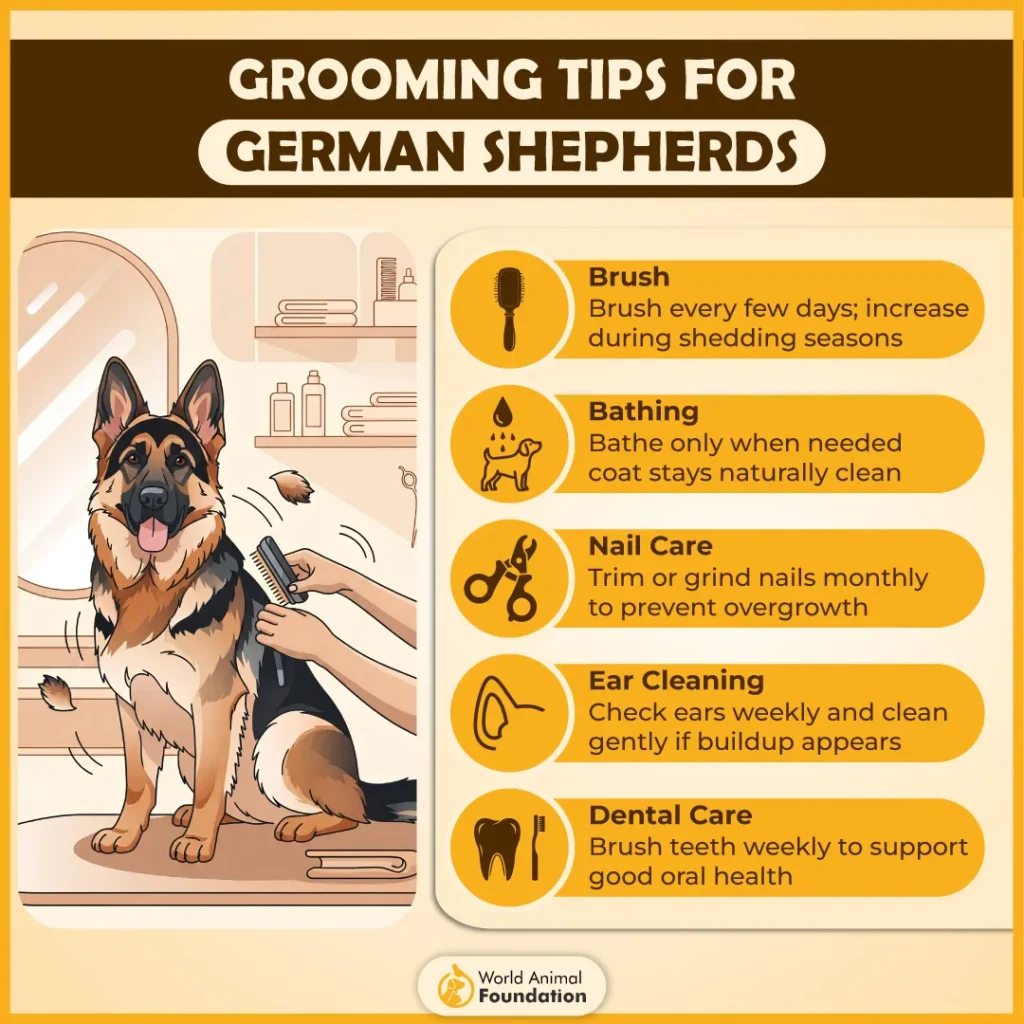
A Pit Bull coat is short and easy, but do not confuse “easy grooming” with “no care.” Many of these dogs deal with skin problems, food allergies, and even grass allergies. Baths with gentle products, wiping paws after walks, and watching for itching can help.
Both need basics: nail trims, ear checks, dental care, and clean bedding. Health care is not glamorous, but it keeps the dog comfortable. And a comfortable dog is a happier dog.
Fun fact: Some owners use soft rubber brushes on a pitbull coat. The dog often treats it like a spa day.
Health & Lifespan
Every breed has weak spots. Knowing them early can save money, stress, and heartbreak.
A German Shepherd can face hip dysplasia and elbow dysplasia. These are joint problems that can limit movement and cause pain. Some also face degenerative myelopathy, which affects the back end over time.
Good breeders wanted stronger hips and steadier nerves, but no line is perfect. Keeping the dog lean helps the joints. Smart exercise helps too.
A Pit Bull can have allergies, skin issues, and digestive issues. Some get sensitive stomachs and react to certain proteins. Others react to pollen. Regular vet checks help catch problems early.
Life span and life expectancy vary with genetics, care, and luck. A common average lifespan range for both is around 10 to 14 years, though individuals can fall outside that. The goal is simple: keep the dog fit, feed well, and treat pain early.
Important note: Avoid backyard breeders. Ask about health testing. If adopting from animal shelters, ask what the shelter knows, then plan a vet visit anyway.
Are German Shepherds & Pit Bulls good family dogs?
Yes, they can be. But “family dog” is not a sticker you slap on a breed. It is a daily plan.
A German Shepherd can be incredible with a stable home. Many are gentle, especially with children they know well. They often like being near the family and can become a steady, loyal, and protective companion.
The flip side is that a bored, under-trained dog can become noisy, anxious, and pushy. That is where consistent training and calm rules matter.
A Pit Bull can be a big cuddle bug who thinks your lap is the best place on Earth. Many are patient and silly with small children when supervised.
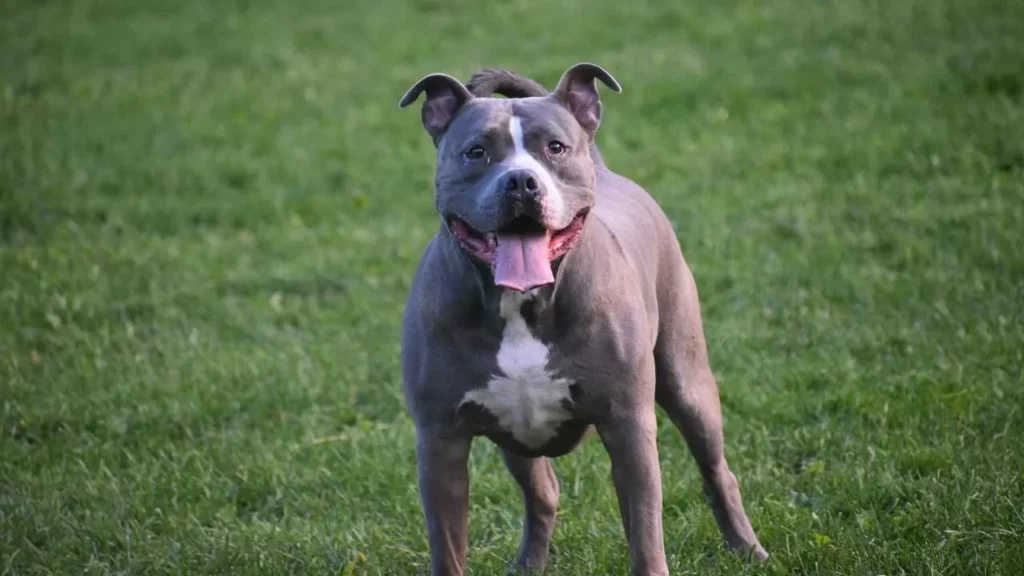
But supervision is not optional. Any dog can knock a kid down by accident. And because the Pit Bull is strong, manners matter early.
Also, breed rules and housing rules can be a headache. Some places restrict Pit Bull-type dogs. That is not fair, but it is real. Plan for it before you commit.
Which breed would you choose: a German Shepherd or a Pitbull?
This is where the heart and the real-life details meet.
Choose a German Shepherd if you want a focused partner. This dog often loves jobs, learning, and staying close. If you like training, hiking, and building skills, it can feel like having a teammate.
Shepherd vs couch potato is not a great match, though. If your days are packed and your nights are lazy, this breed might get frustrated.
Choose a Pit Bull if you want a playful, people-loving dog with a big personality. Many pit bull dogs thrive on affection and simple routines.
They can fit city life if you commit to exercise and a calm structure. If you want a dog that may need extra care around other dogs, be honest about that, too. You can do it. You just have to choose it.
And here’s the best part! You do not have to buy. Consider a local shelter. Many great dogs wait there, including mixes from other breeds. Meet the dog. Watch how the dog handles touch, noise, and new people. Ask questions. Take your time.
Conclusion
German Shepherd vs Pit Bull is not a “winner” story. It is a lifestyle match. A German Shepherd often brings focus, work drive, and protective instincts that shine with training.
A Pit Bull often brings people love, muscle, and a huge heart that shines with structure. Both dogs can be safe, steady, and joyful with early socialization, positive reinforcement, and real daily care.
Both can also struggle if you skip time, rules, or exercise. So pick the dog you can truly show up for. Then show up every day. You will not just get a pet. You will get a bond that changes your whole home.
