




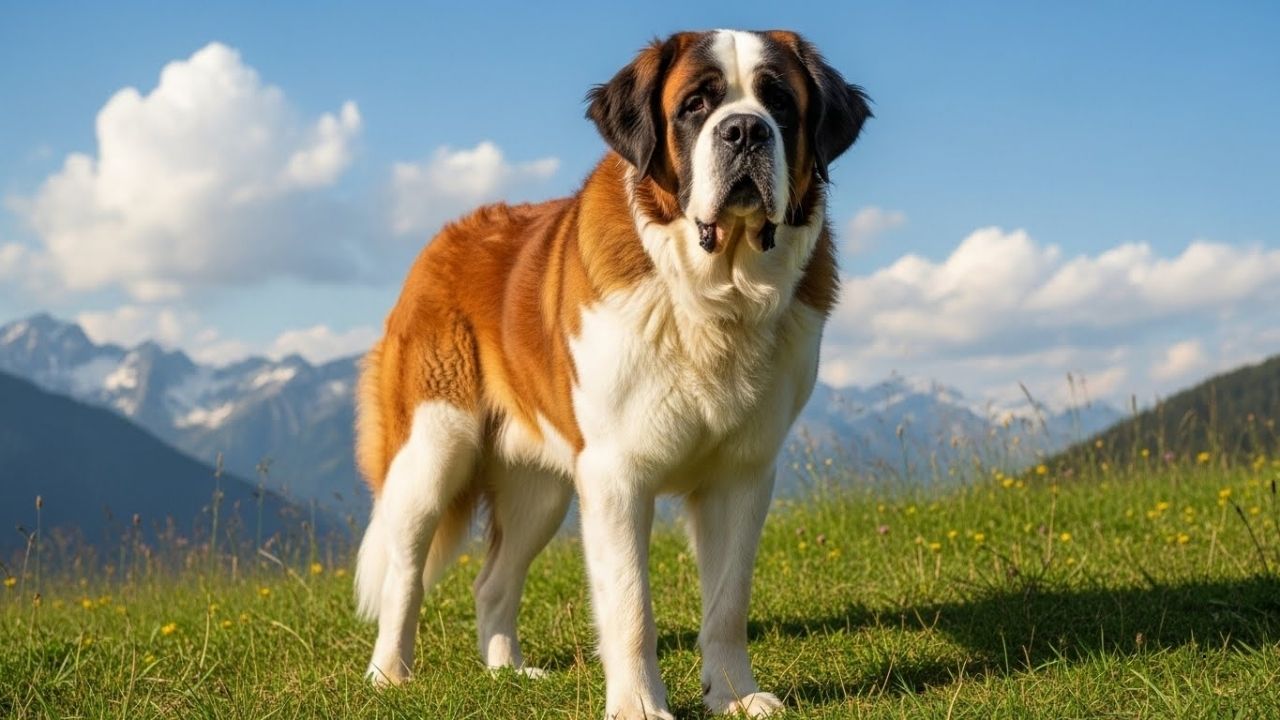
If you’ve ever wanted a dog that feels like a warm, living blanket and acts like a loyal roommate, giant breeds might be your perfect match. These gentle giants can be sweet, steady, and endearingly clueless about how much space they take up.
But bigger dogs come with bigger needs, too: more room to stretch out, thoughtful training, and care that keeps them comfortable from nose to tail.
Ahead, we’ll explore wonderful giant dog breeds, what their personalities are like, and the everyday basics that help them thrive, so you can enjoy the cuddles without the chaos.
Fun Fact
Some giant dogs were originally bred for serious work like guarding property or pulling carts, which helps explain their calm confidence and impressive strength.
Wonderful Giant Dog Breeds: Personality and Care
1. Mastiff
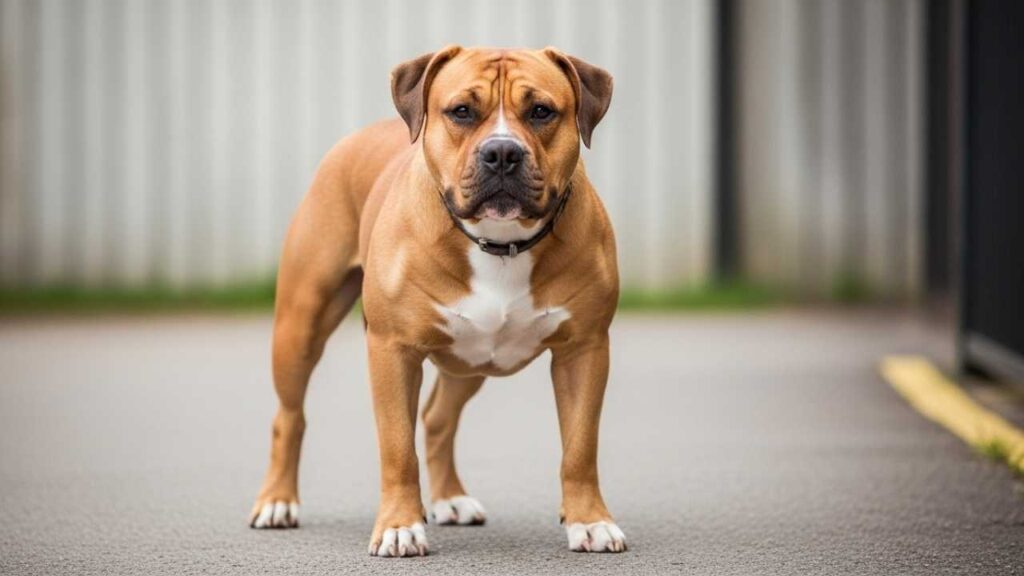
At home, the English Mastiff acts like a professional couch tester, calm, patient, and happy to lounge. As mentioned by AKC, that relaxed vibe can switch fast if a stranger steps inside, because guarding is baked into their instincts. They tend to be very affectionate and make wonderful family pets.
Good manners matter with such a large dog breed. Early socialization helps them accept new visitors instead of treating every doorbell like a breaking-news bulletin. Mastiffs learn quickly and aim to please, so keep training short, upbeat, and reward-focused, and get help from a certified trainer if you need backup.
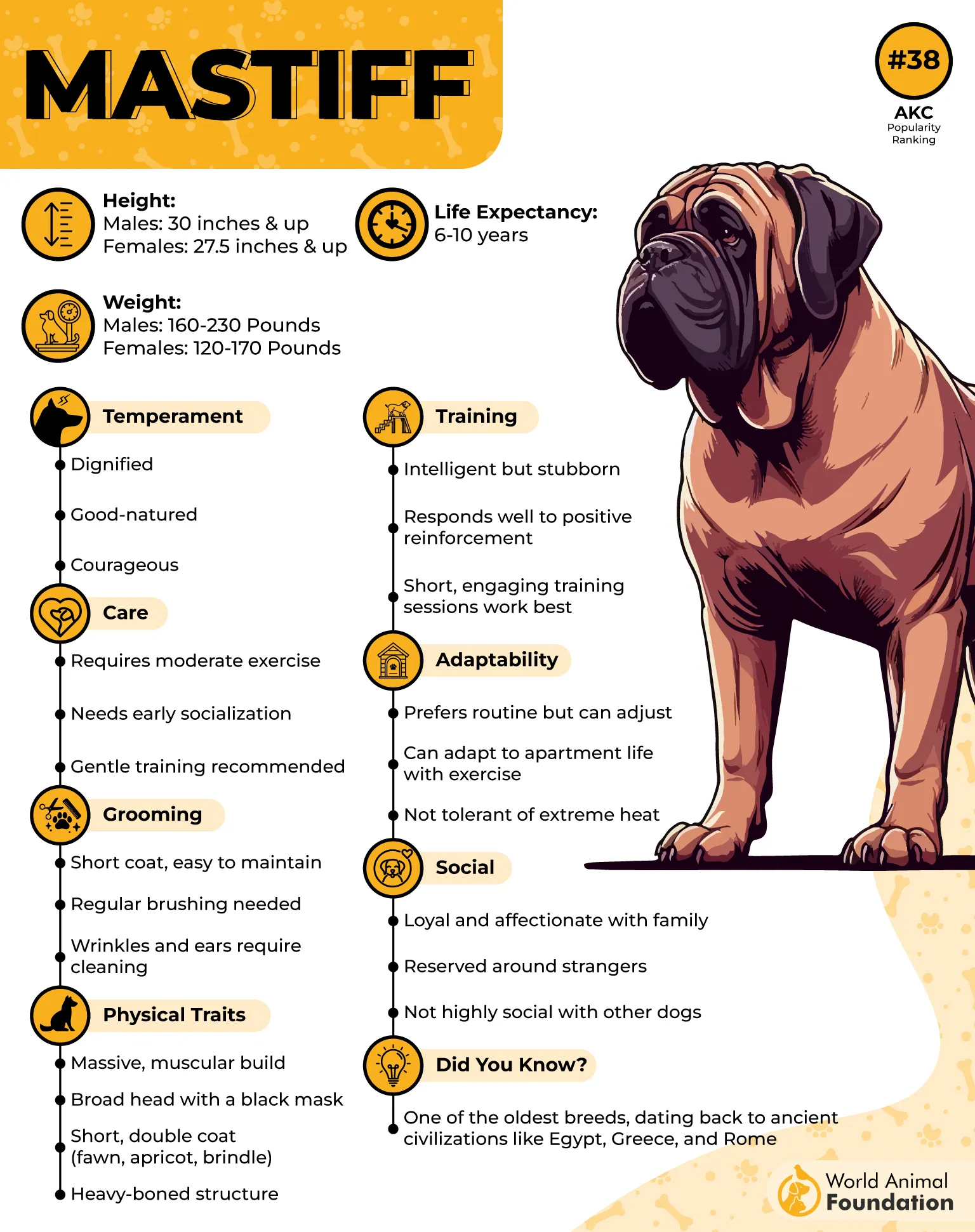
Coat care is simple with a short, dense coat, but drool management is a hobby, so keep a cloth nearby. Clean facial folds regularly to reduce moisture and debris buildup. Feeding two or three smaller meals a day and avoiding exercise for an hour before and after meals are common ways to help lower bloat risk.
Fun Fact
Chaucer once compared the Mastiff to a steer. Famous Mastiff owners have included King Henry VIII, Marlon Brando, and Bob Dylan.
2. Leonberger
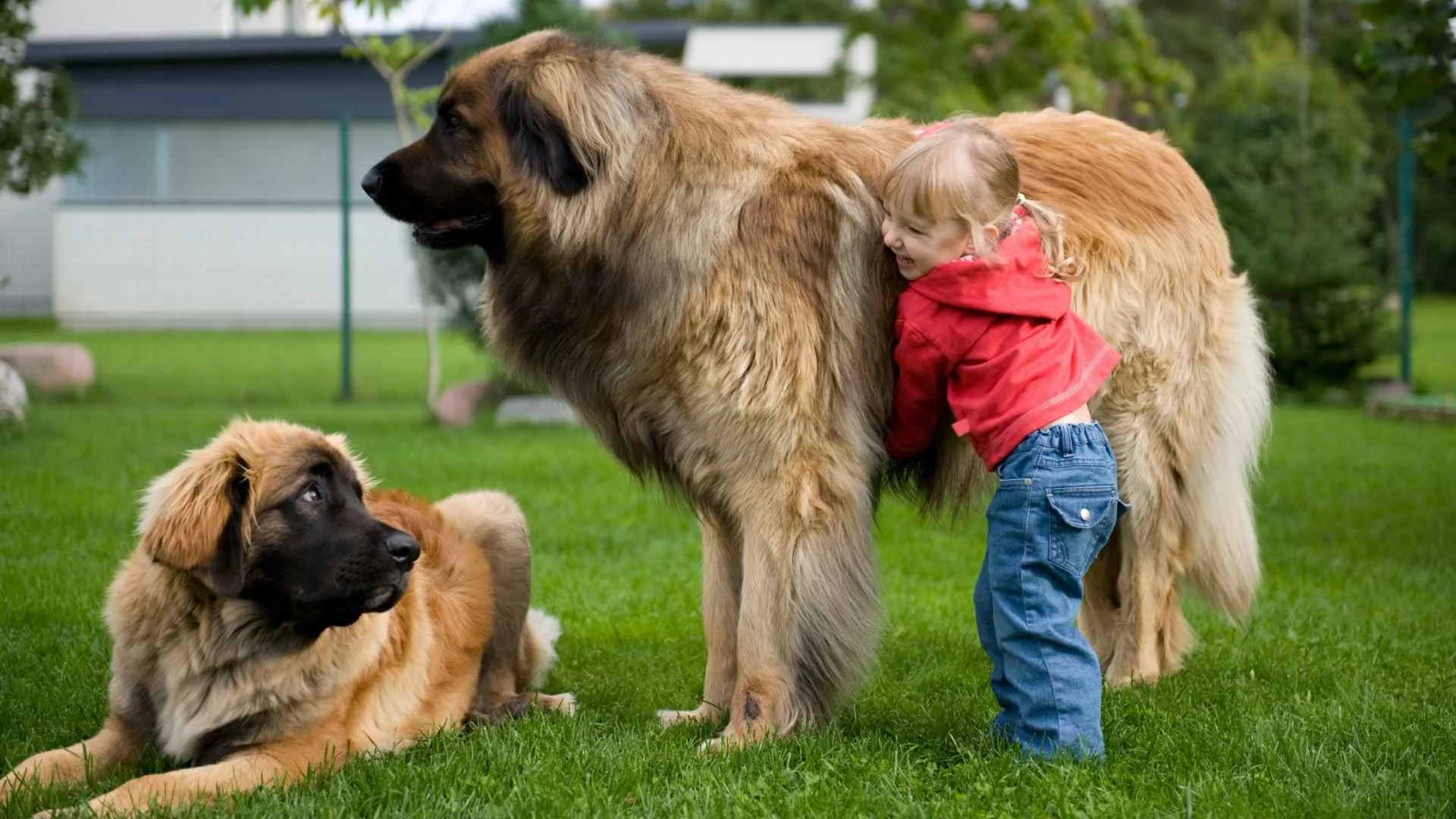
Leonbergers have a surprisingly easygoing vibe for such a big dog breed. They’re sensitive to their people and can be quiet housemates who rarely bark or dig much. They’re loyal companions who like to stay involved in whatever’s happening, even if it’s just moving from room to room.
To help lower the risk of bloat and GDV, serve meals in sensible portions and keep things calm for a bit before and after eating. Stay on top of ear cleaning, dental care, and regular nail trims to keep your dog comfortable and tidy.
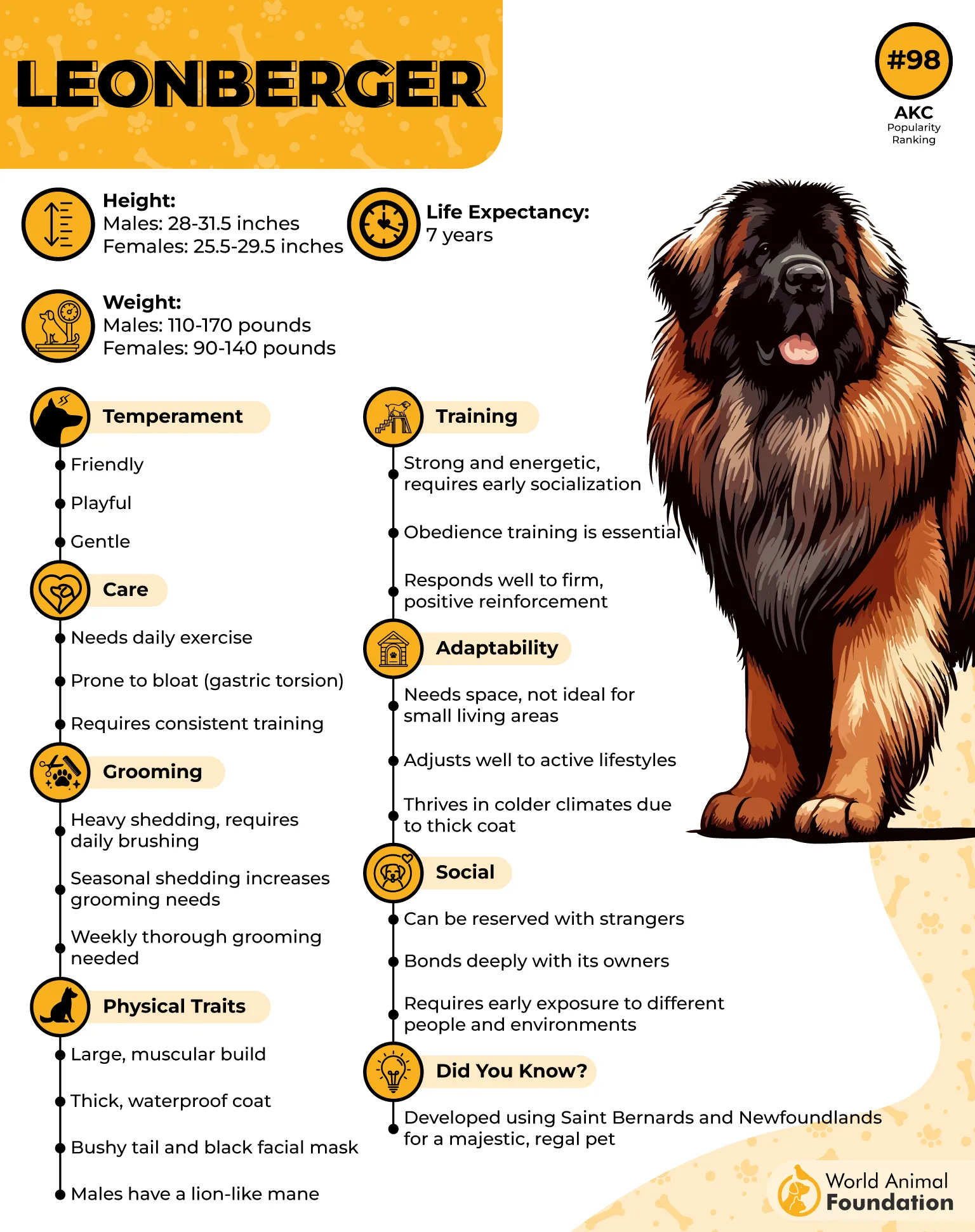
As per PetMD, brisk exercise every day helps this muscular dog stay content. Many Leonbergers light up when they have a job, whether that’s swimming, pulling sleds, or agility training. Mix in long walks, hikes, and fetch so their body gets a workout.
Fun Fact
The Leonberger was created in Leonberg, Germany, to resemble the lion on the town’s coat of arms. The American Kennel Club recognized the breed in 2010.
3. Estrela Mountain Dog
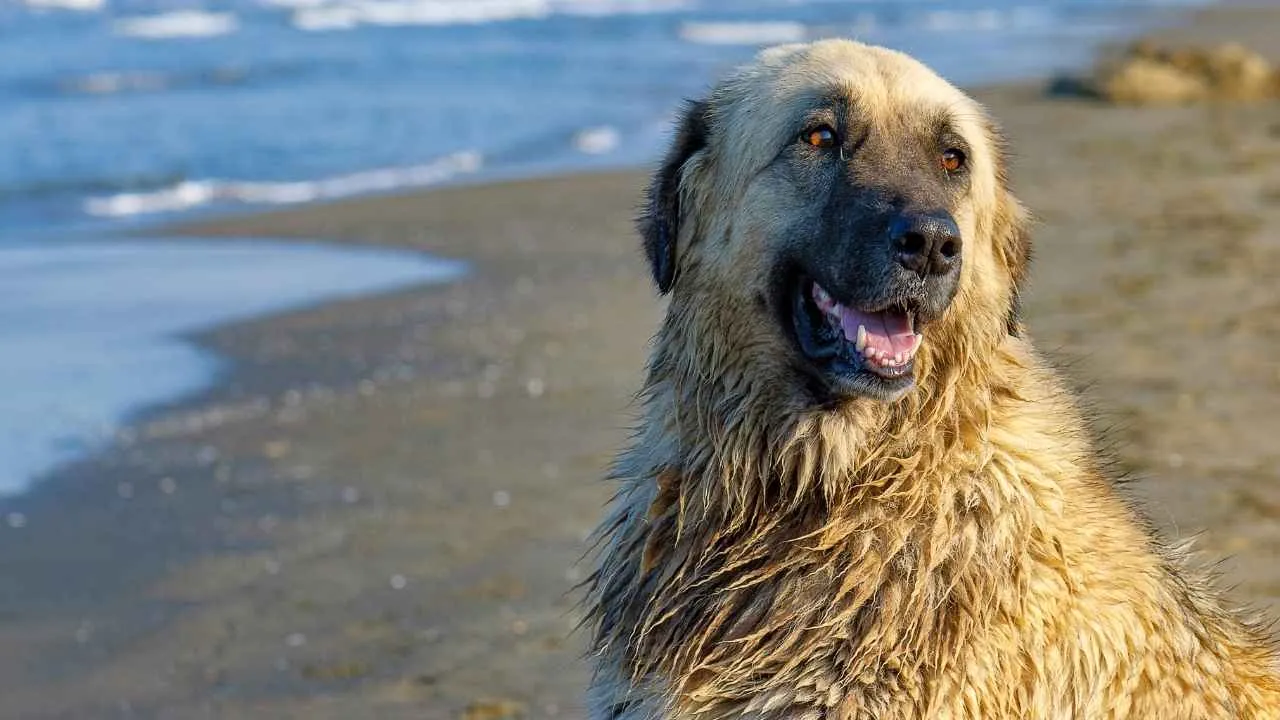
The Estrela Mountain Dog was bred in Portugal to herd and protect livestock, and that guardian mindset still shows. They’re alert and intelligent, with an independent streak that responds best to clear rules and steady routines.
Begin training when they’re young and keep it consistent, because the breed’s natural dominance needs direction. A treat-and-praise approach works well, and regular practice helps them stay polite while still protective. Ongoing sessions also give their smart brains something to do when they’re not patrolling.
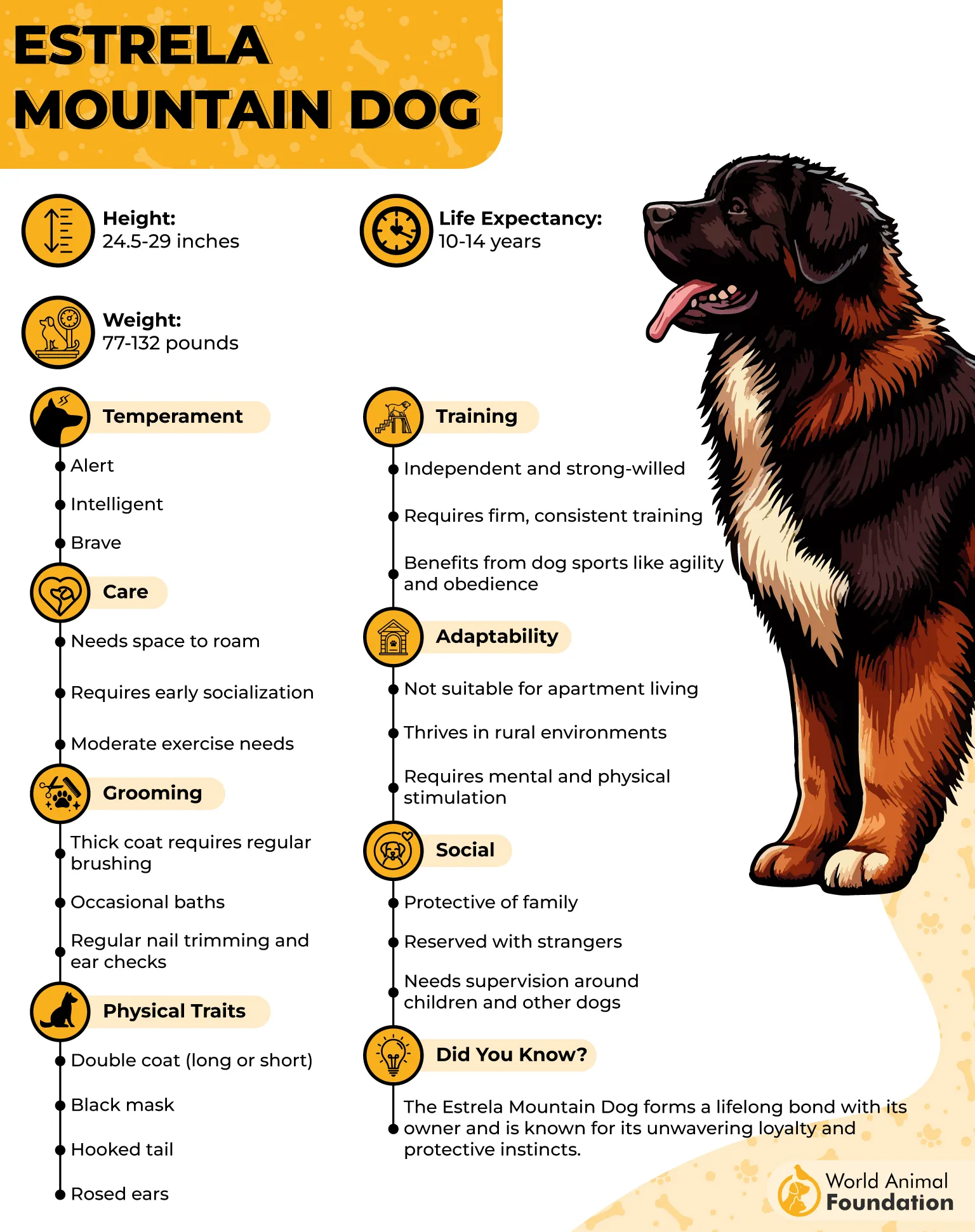
Like many large dog breeds, this is not a small-space dog; they do best with room to roam and a daily routine that includes steady walks, playtime, and exercise. With enough space and regular activity, they’re much more likely to stay settled and content day to day.
Fun Fact
Written standards only appeared in the early 1920s, and the first official standard was finalized in 1933. Estrelas are also used as police dogs in Portugal.
4. Newfoundland
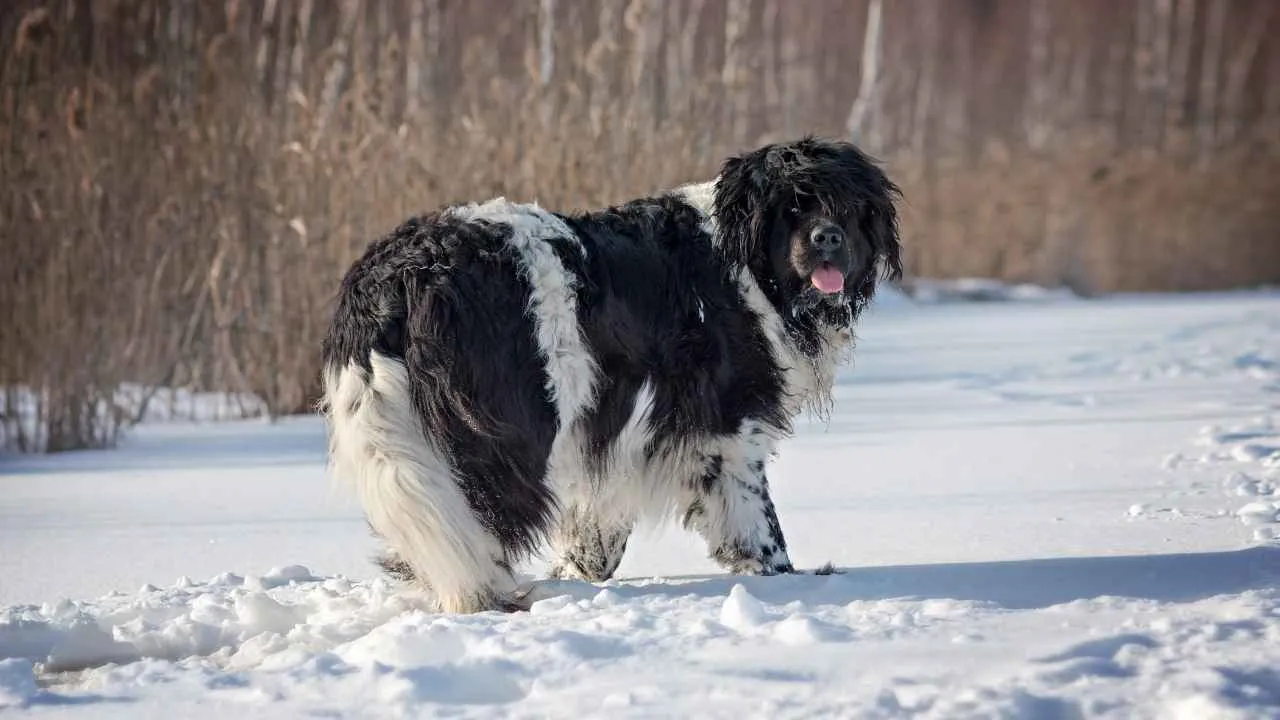
The Newfoundland is a massive breed from the Canadian coast, recognized for its immense strength and natural lifesaving instincts. Originally utilized by fishermen to haul nets and retrieve objects from the sea, these dogs are defined by their incredibly calm nature and exceptional swimming ability.
Bred for life on the water, the Newfoundland naturally excels as a water rescue dog. Webbed paws and a thick, protective coat made for swimming help them handle cold, wet conditions. Many enjoy regular exercise that includes swims, hikes, and long walks.
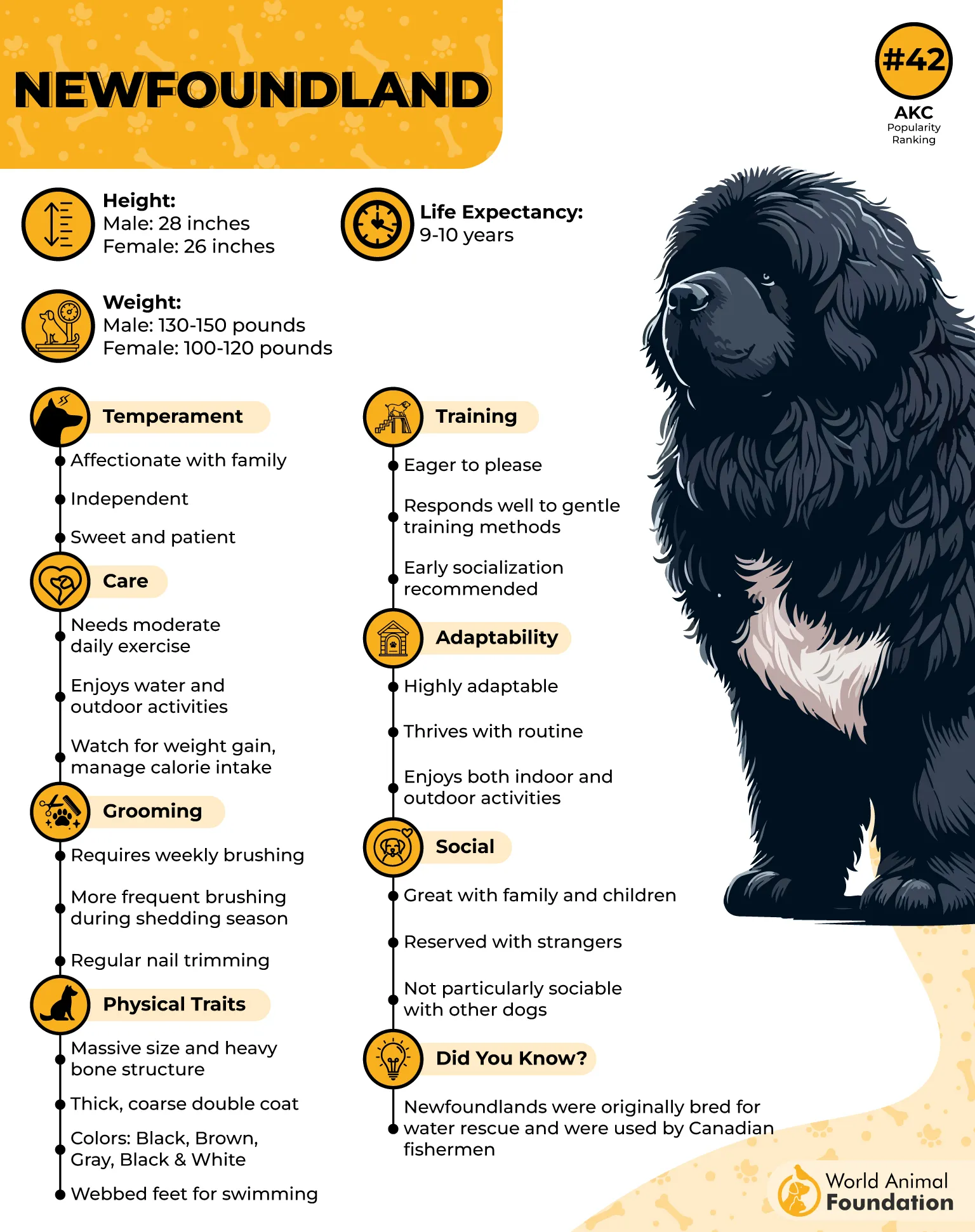
Plan on brushing that thick coat often so it stays neat and comfortable. Training tends to go smoothly with consistent, reward-based methods, while harsh approaches can slow progress. Keep up with routine care and stay alert for health issues the breed can face, including joint, heart, ear, and bloat problems.
Fun Fact
Lewis and Clark traveled with a Newfoundland named Seaman on their expedition. The breed has also been kept by well-known writers, musicians, and U.S. presidents.
5. Great Pyrenees
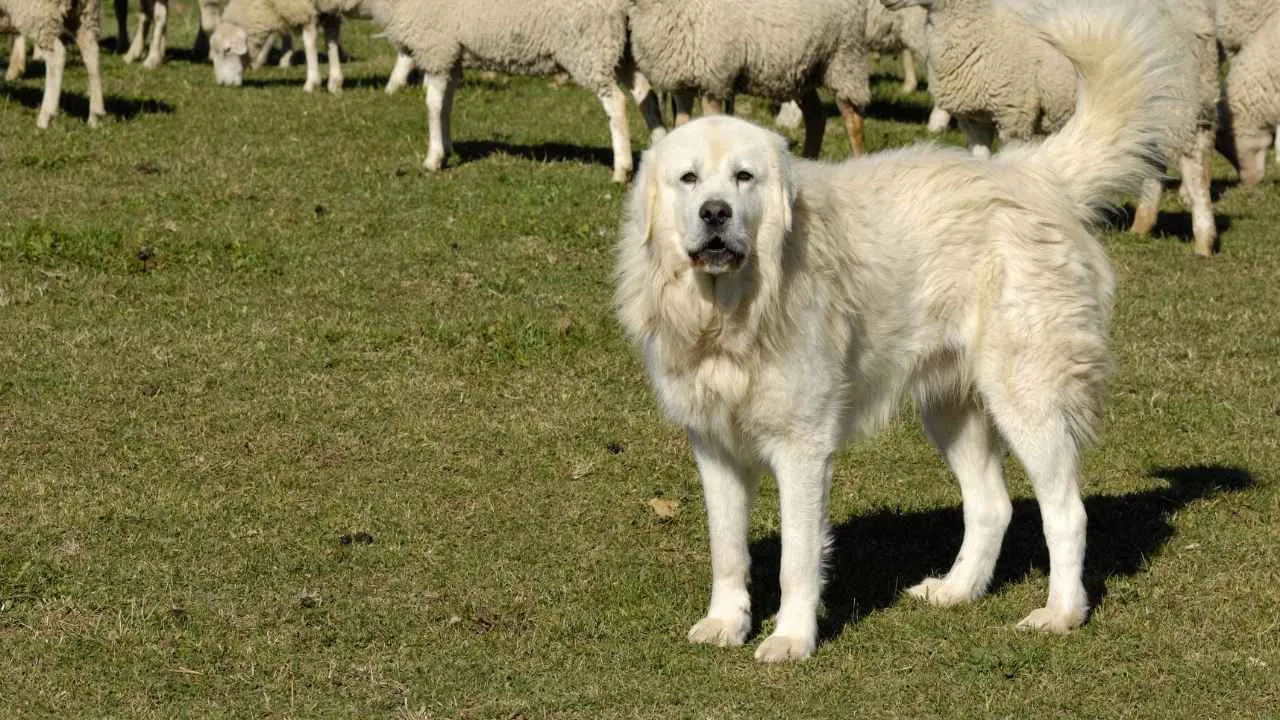
The Great Pyrenees is one of the tallest dog breeds in the world, known for its calm temperament and gentle giant personality. Originally bred to guard sheep in the Pyrenees Mountains between France and Spain, these dogs are both courageous and affectionate.
They aren’t highly active, but they enjoy roaming outside and scanning the yard like it’s their patrol route. A sturdy fence helps keep them from wandering off and getting lost. Barking is common, sometimes set off by a mail carrier.
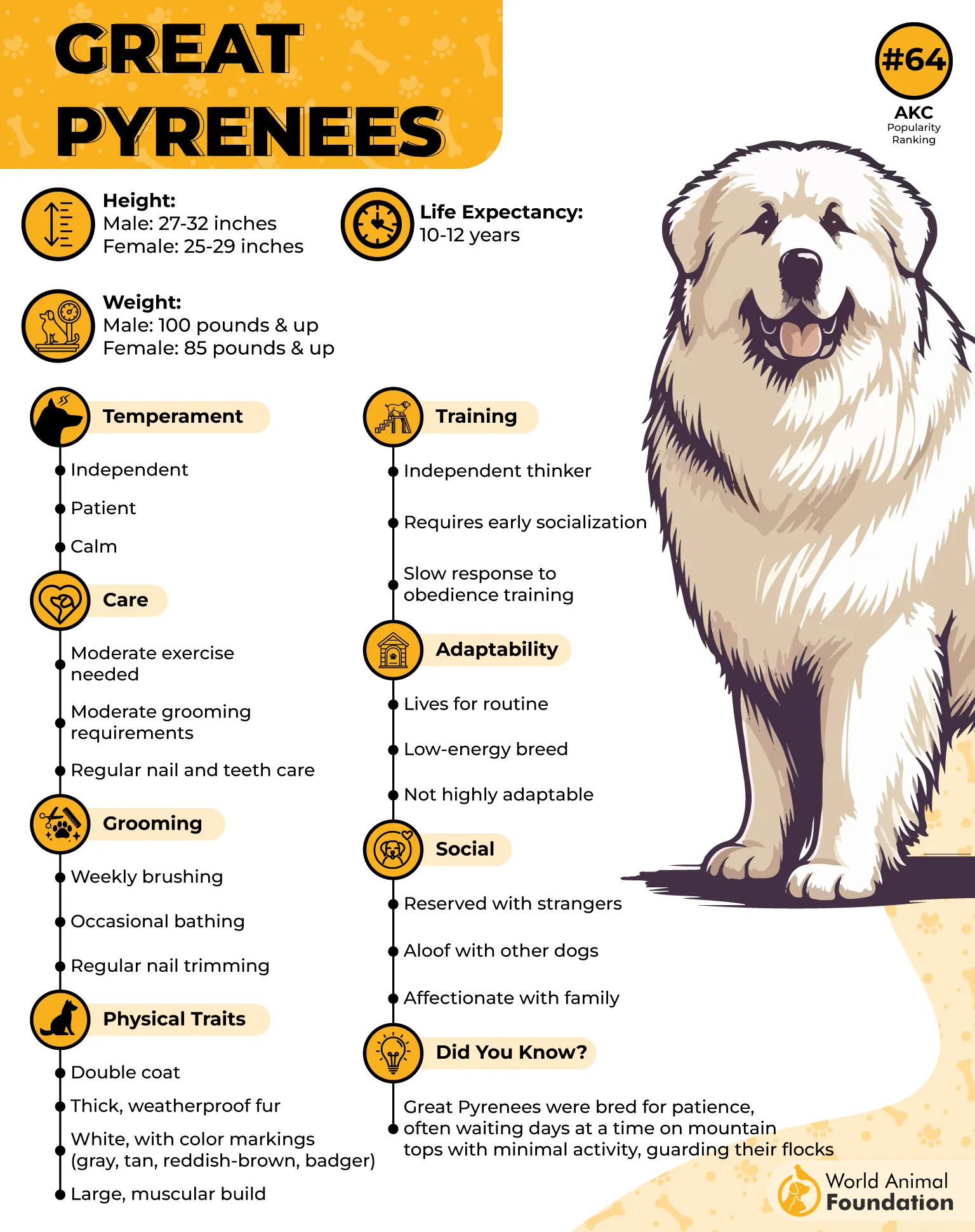
Training can take time, so obedience classes can be a smart move for first-time pet parents. Consistency, positive reinforcement, and plenty of new experiences early on help shape good manners. Their long outer coat resists tangles and dirt, and weekly brushing helps manage heavy shedding.
Fun Fact
Great Pyrenees are not often found excelling in obedience championships because they prefer independent thinking. With patience and routine, they can still become well-mannered, trustworthy companions.
6. Saint Bernard
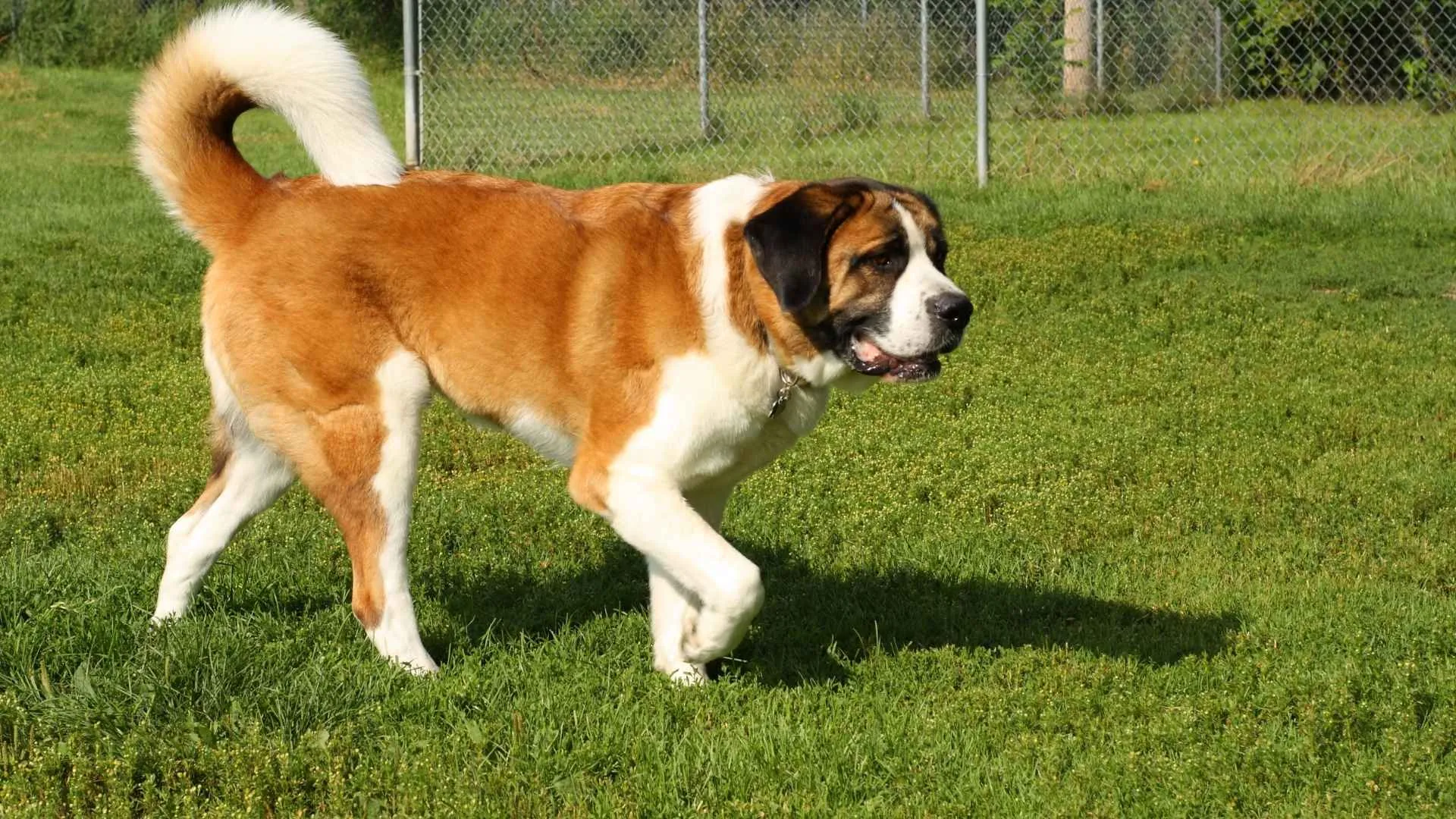
Saint Bernards are famously gentle, with a temperament that fits well into family life. They are often patient around children and prefer to be where the action is, rather than tucked away in a back room. Long stretches alone can be tough for this people-oriented breed.
Their roots trace to the Swiss Alps, where monks developed them as companions, watchdogs, and rescuers for travelers in trouble. That steady work ethic still shows up in the way many Saint Bernards enjoy having a “job,” even if it’s supervising the household.
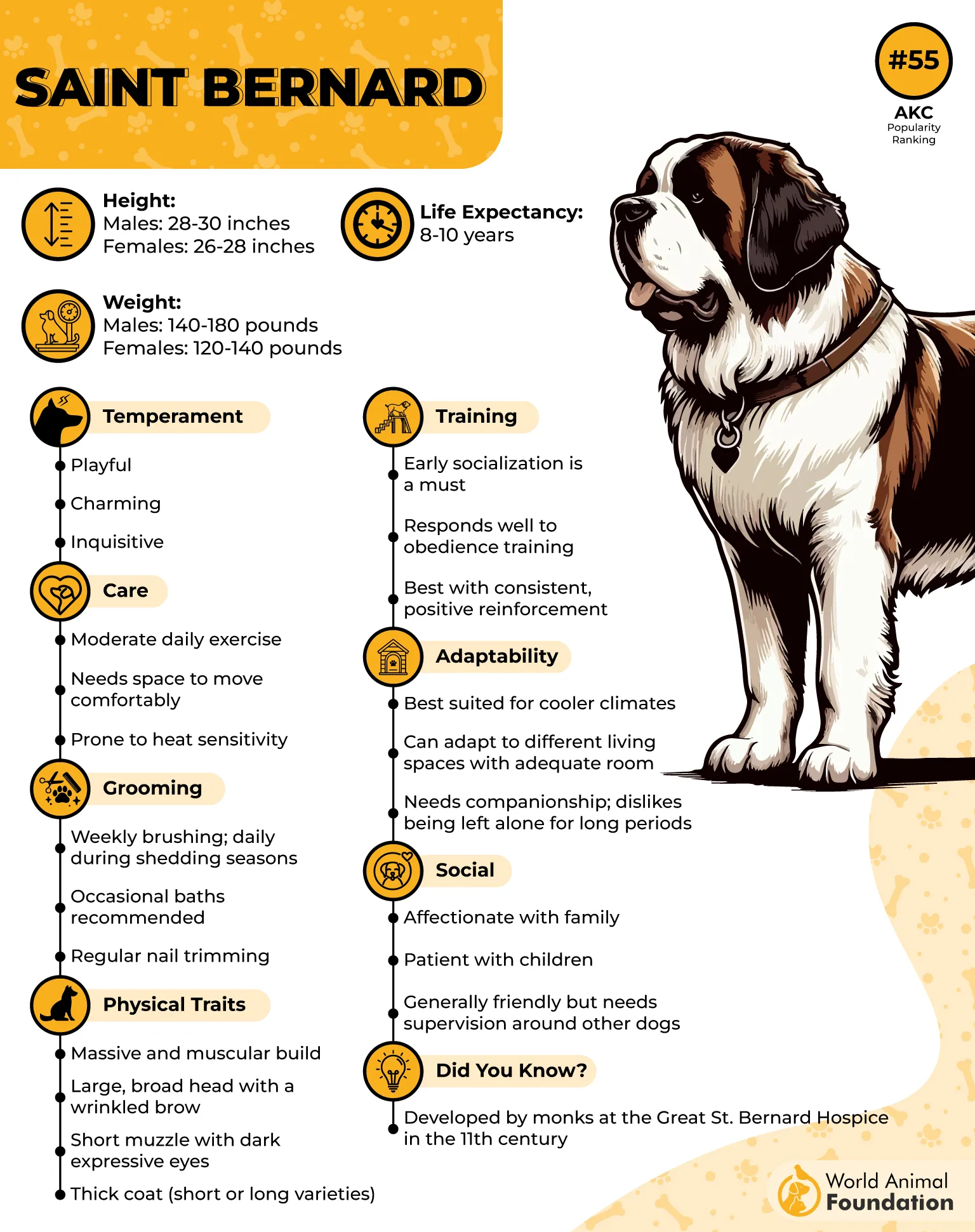
Plan for consistent training and broad puppyhood experiences so their size stays manageable in everyday life. As mentioned by WebMD, they have a short coat and don’t require extensive grooming, so brushing once a week is usually fine.
Fun Fact
Saint Bernards have appeared in pop culture, including the Beethoven movies and Stephen King’s novel Cujo. They’re also known for a highly developed sense of smell that helps them track people in snow.
7. Neapolitan Mastiff
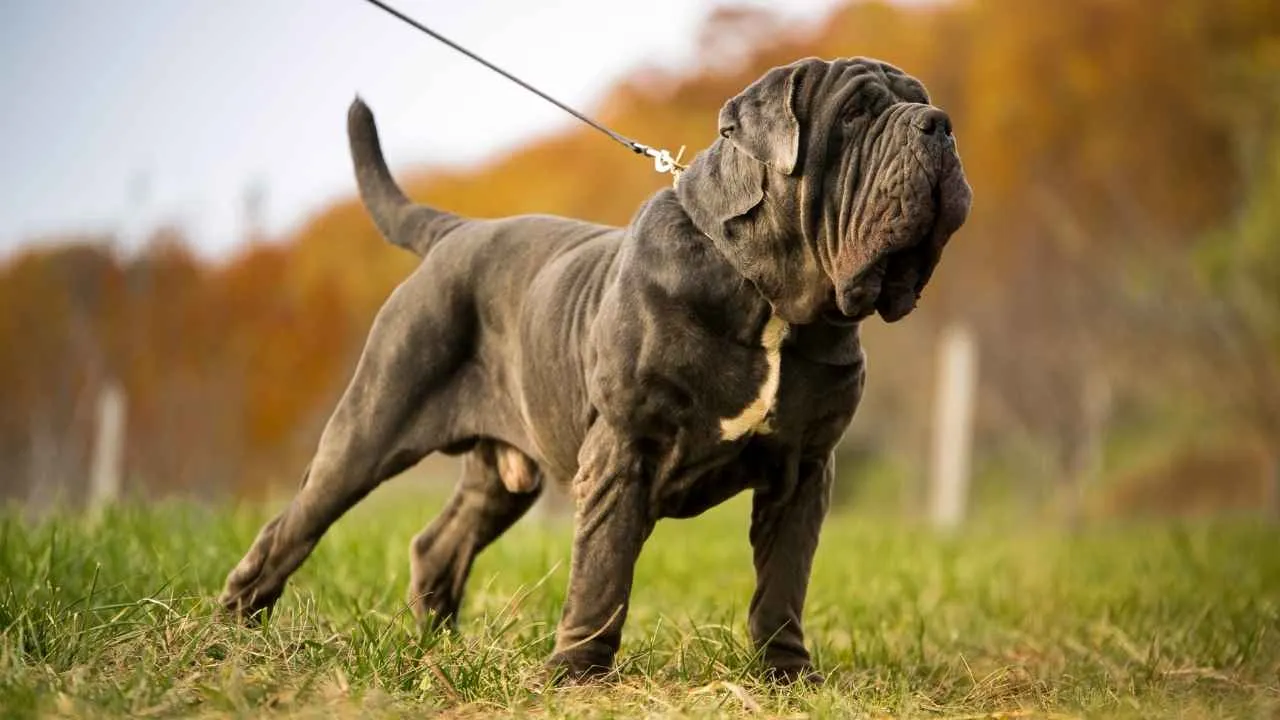
The Neapolitan Mastiff has an unmistakable look: a massive head, deep-set eyes, and loose skin that forms heavy folds and wrinkles. That intimidating face hides a dog that’s usually loyal to family and well-known friends, and often even-tempered at home.
They are great guard dogs with strong protective instincts, so they may bark to alert their owners if they perceive a threat. They can have issues with unknown dogs and may need extra supervision around other pets or children. Neapolitan Mastiffs tend to suit experienced owners who can provide structured training early.
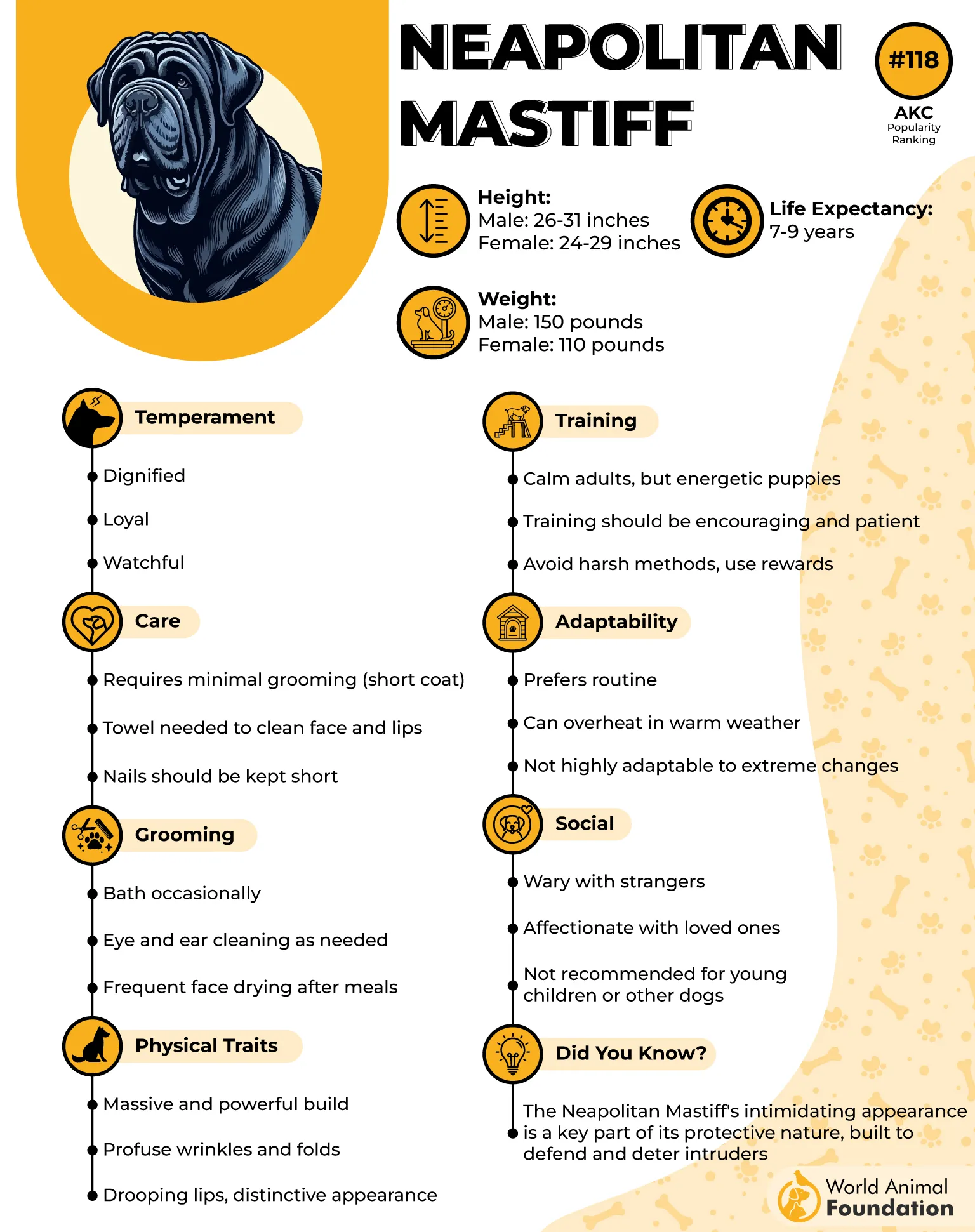
As brachycephalic dogs, Saint Bernards may face breathing difficulties during exercise, and their skin folds require regular cleaning to prevent irritation or infection. The breed is also predisposed to certain health conditions, including elbow and hip dysplasia, bloat (GDV), heart diseases like dilated cardiomyopathy, and eye conditions such as cherry eye.
Fun Fact
Neapolitan Mastiff owners often pick bold names, Achilles or Diesel for males and Luna or Medusa for females. Many young Neos are comically clumsy on staircases, so good footing helps.
Conclusion
We can see from the above-mentioned breeds that giant dogs can be incredibly gentle, with steady temperaments, patient nature, and affectionate personalities that help them bond deeply with their family. With proper training, these large breeds can become great companions.
Some have higher energy and suit active households, while others are calm and prefer a relaxed lifestyle, so you have plenty of options no matter what your daily routine looks like. Before bringing one home, remember they often need enough room, more food, and regular veterinary care, since large dogs can face more health problems and may have a shorter lifespan than smaller breeds.
These large dogs can offer a lot of love and make amazing companions, and you can pick the right one based on the personality and energy level that fits your lifestyle.
