




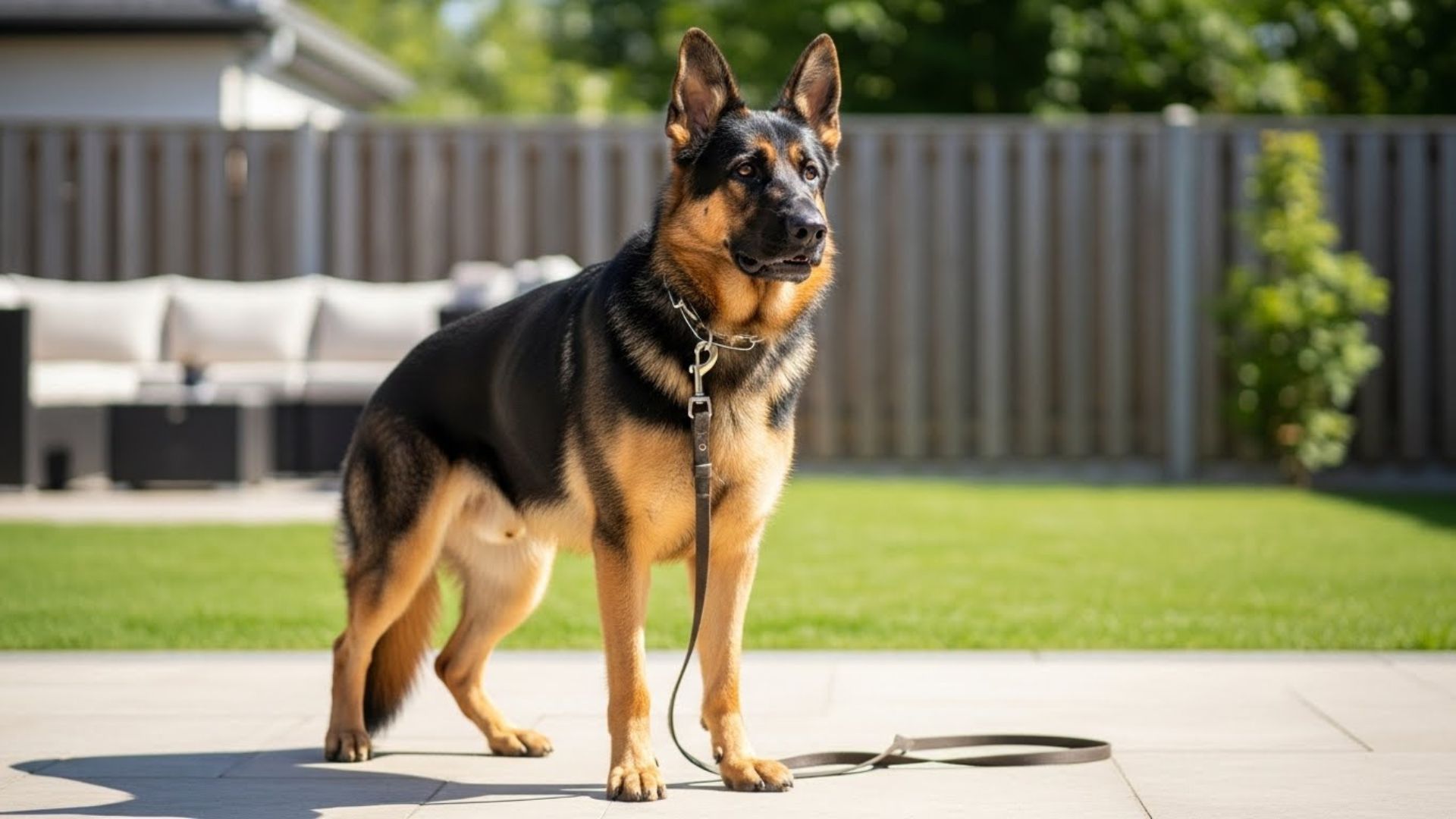
There’s something deeply comforting about knowing you have a loyal protector watching over your home and loved ones. Maybe it’s the sound of their alert bark when someone approaches, or the way they position themselves between you and anything they perceive as a threat. Whatever it is, having the right protective dog can give you a level of peace of mind that security systems and cameras can’t match.
But here’s the thing—not all dogs are cut out for protection work. Sure, plenty of dog breeds will bark when the doorbell rings, but we’re talking about something different here. We’re talking about dogs with natural guarding instincts, breeds that were originally bred specifically to protect families, guard livestock, or defend property. These are dogs that combine loyalty, intelligence, and courage, making them exceptional guardians.
So whether you’re a first-time dog owner researching options or an experienced owner looking for your next furry friend, let’s dive into the world of naturally protective breeds that can transform how safe and secure you feel in your own home.
Protective Dog Breeds for Ultimate Peace of Mind
1. German Shepherd
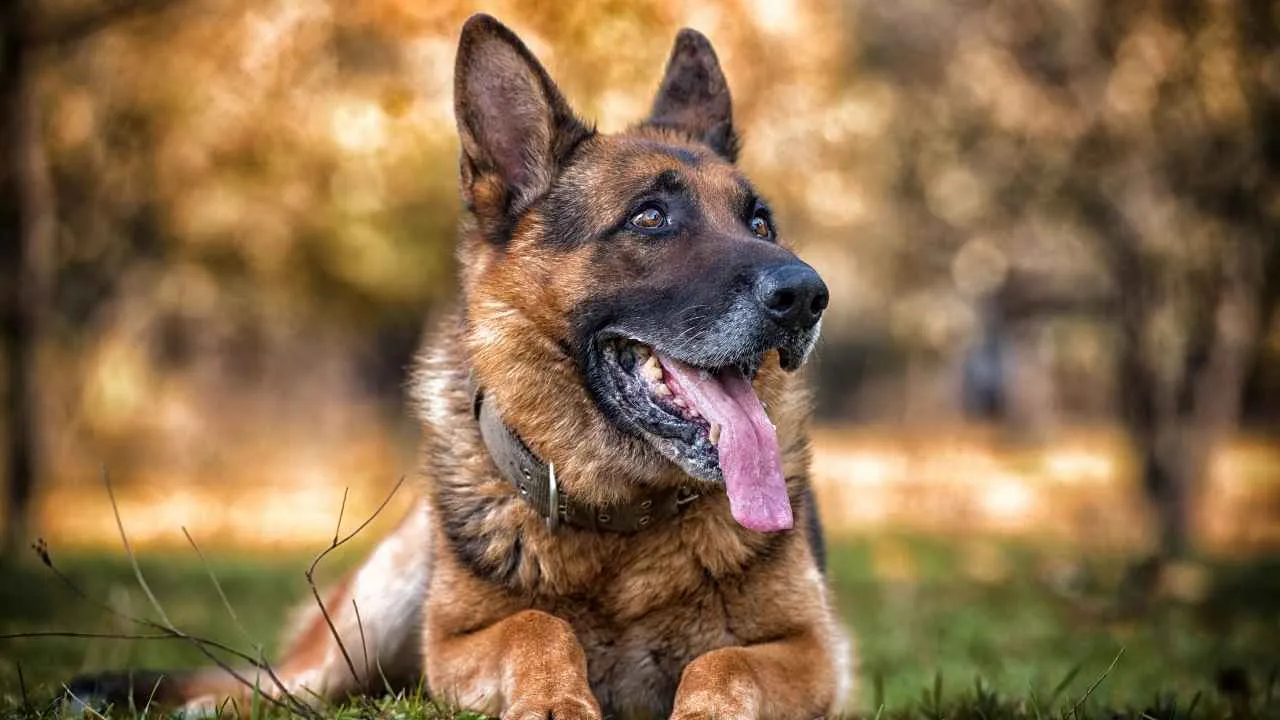
Let’s start with the breed that probably comes to mind immediately when you think about guard dogs: the German Shepherd. And honestly, there’s a reason this breed is so synonymous with protection. German Shepherds have earned their reputation through decades of proven service as police dogs, military working dogs, and family protectors.
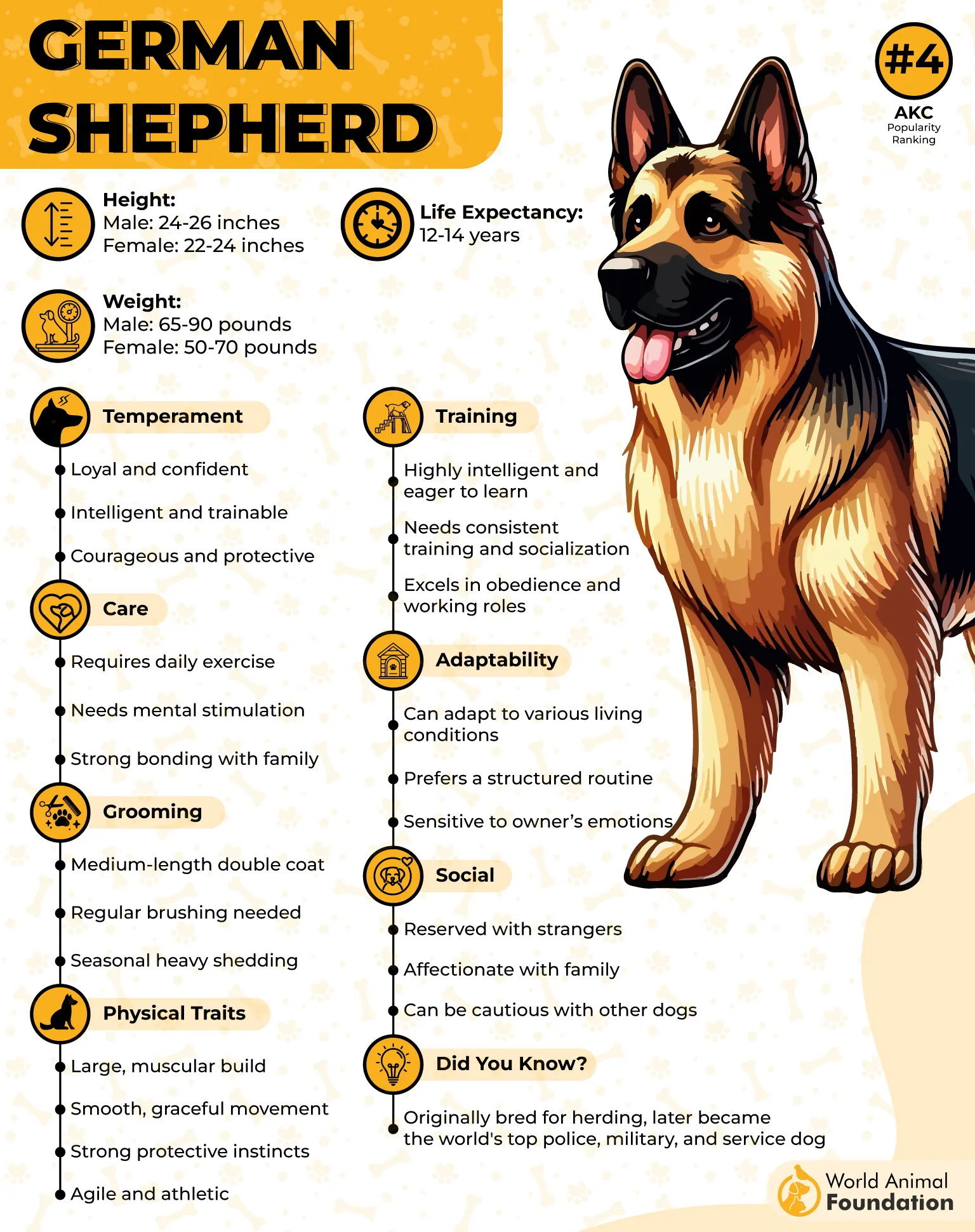
What makes German Shepherds such excellent security dogs? Pretty much everything. They’re consistently ranked among the most intelligent breeds, making them incredibly easy to train.
They can learn complex commands quickly and retain that training throughout their lives. This intelligence, combined with their natural guarding instincts, creates a dog that’s both protective and discerning.
These dogs form deep bonds with family members and are incredibly loyal companions. They’re generally excellent with children when properly socialized, and they often become especially protective of the youngest family members. Many families report that their German Shepherd seems to understand that children need extra gentleness and protection instinctively.
They need mental stimulation and regular exercise—they’re working dogs at heart and thrive when they have jobs to do. A bored German Shepherd can become destructive or develop behavioral problems, but give them adequate activity and training, and they’re absolute joys to live with. They excel at various dog sports, obedience work, and training activities that keep their sharp minds engaged.
2. Cane Corso
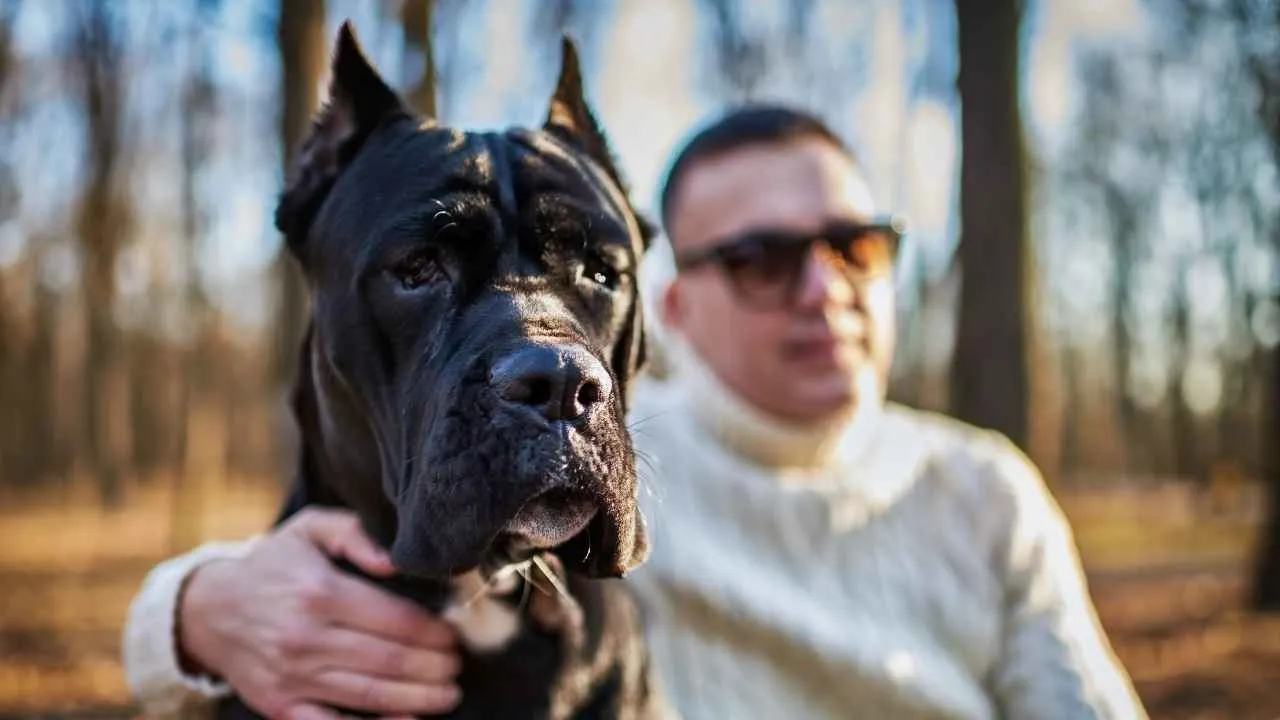
Moving from one classic to a breed that’s been gaining serious recognition in recent years—the Cane Corso, also known as the Italian Mastiff. These impressive dogs are descendants of ancient Roman war dogs, and that warrior heritage shows in everything they do.
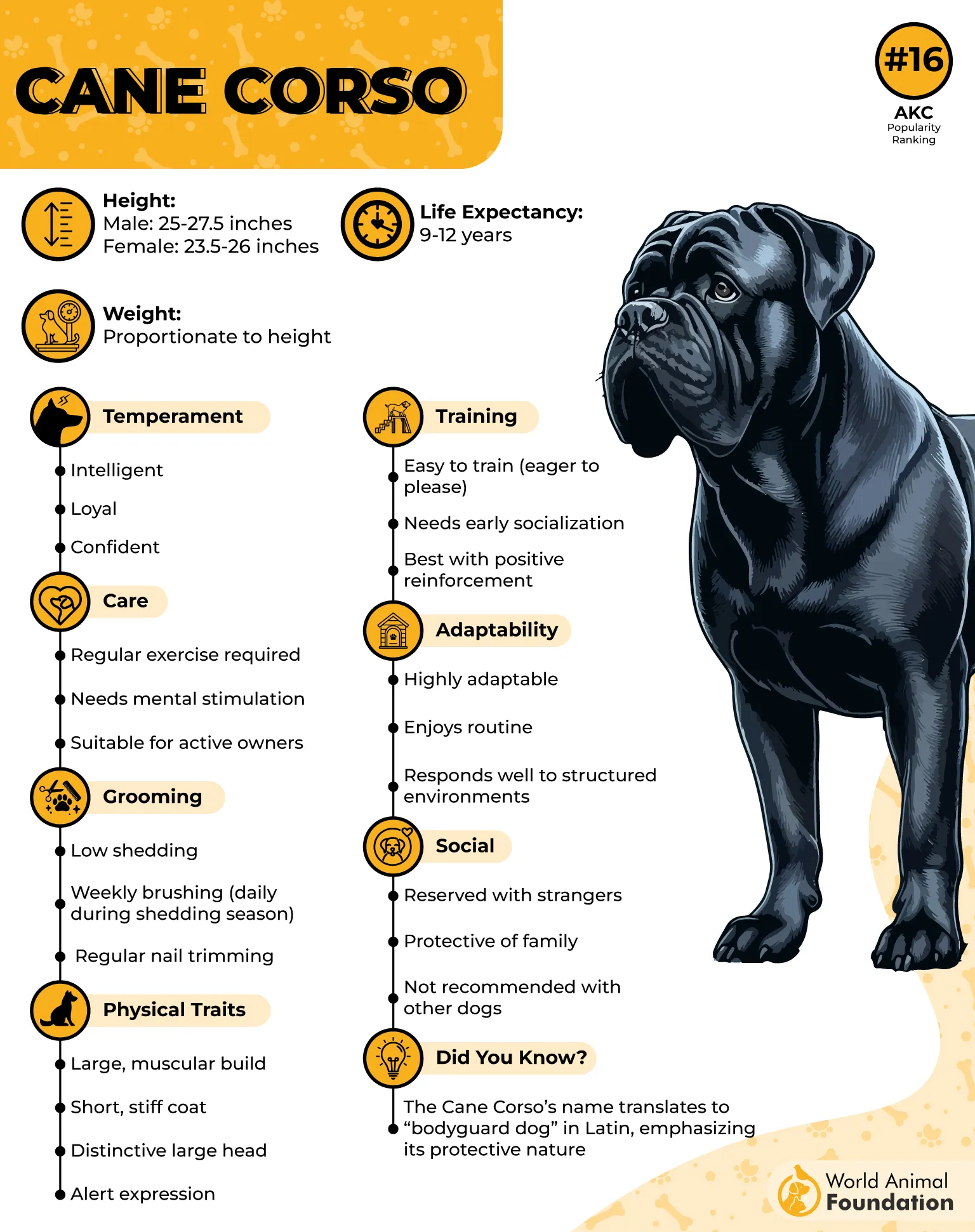
Cane Corsos are powerful, muscular dogs with a commanding presence that alone is enough to deter intruders. We’re talking about large dogs that can weigh anywhere from ninety to one hundred and twenty pounds of solid muscle. Their appearance sends a clear message: this home is protected. But beneath that intimidating exterior is a dog who can be surprisingly gentle with family members.
They are naturally wary of strangers and have sharp instincts about potential threats. They don’t warm up to strangers quickly, which is precisely what you want in a protective dog. But with their family? They’re affectionate, loyal, and often surprisingly playful.
Many owners report that their dogs seem to have two modes: serious guardian when on duty, and gentle giant when relaxing with family.
These dogs absolutely require proper training & socialization from puppyhood. Without it, their protective nature can become problematic. They need clear boundaries, consistent rules, and an owner who can provide confident leadership. But when raised correctly, they’re wonderful family pets who offer incredible peace of mind.
3. Appenzeller Sennenhund
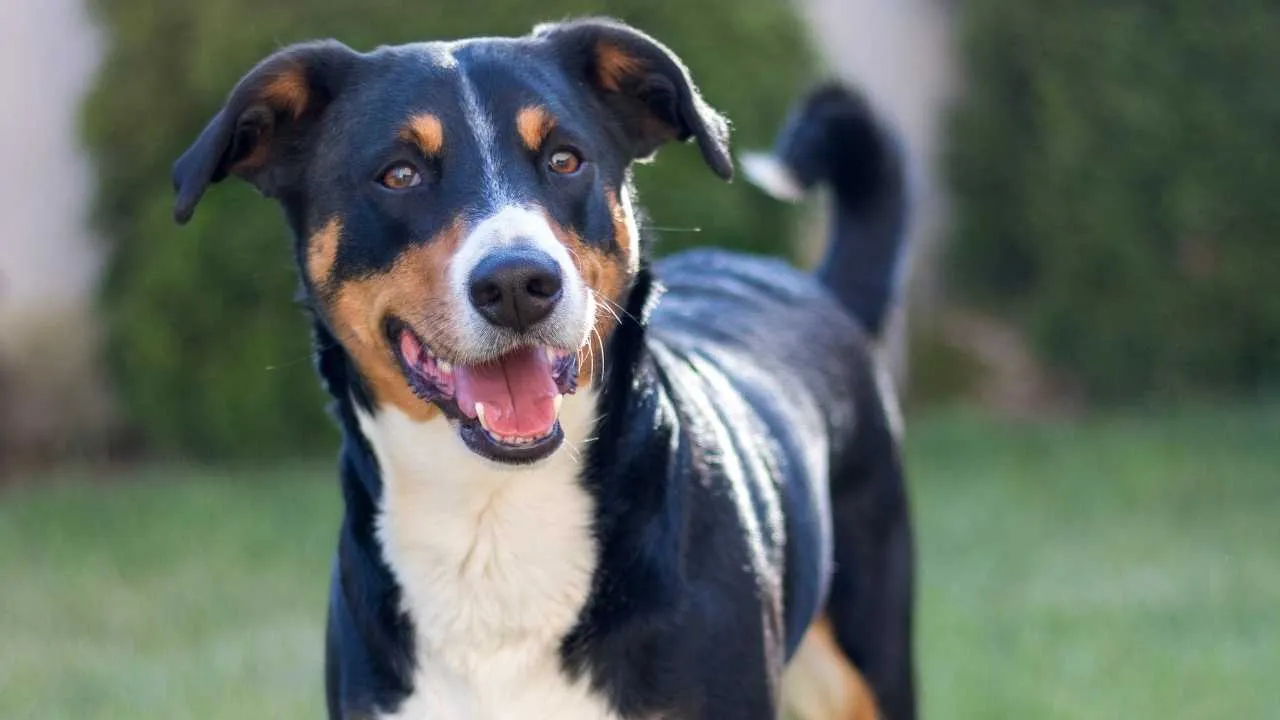
Here’s a breed that deserves way more recognition than it gets. The Appenzeller Sennenhund is a Swiss mountain dog originally bred to herd cattle, pull carts, and guard farms in the Swiss Alps. These medium to large dogs are the definition of versatile working dogs.
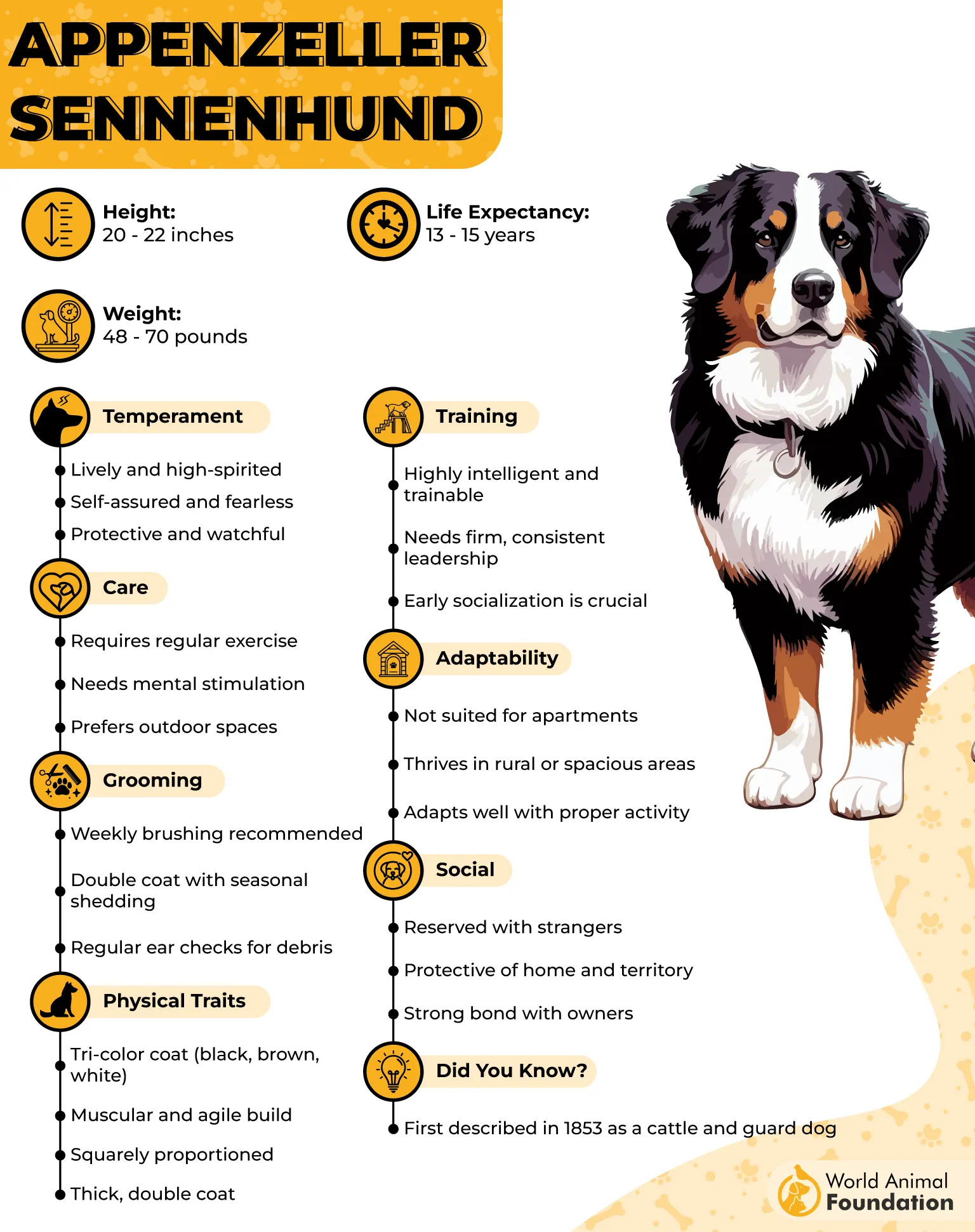
What makes them exceptional protective dogs is their combination of energy, intelligence, and natural guarding instincts. These are dogs that were bred to work hard all day, and they bring that same dedication to protecting their families. They’re alert, observant, and take their guardian duties seriously without being overly aggressive.
These dogs are incredibly loyal companions and form strong bonds with their families. They’re generally excellent with children and can be pretty playful and affectionate with family members. However, their herding heritage means they might try to “herd” young children, which is something to be aware of and manage through training.
Here’s the catch with them: they need a lot of mental and physical stimulation. We’re talking about significant daily exercise and activities. A bored Appenzeller is a destructive Appenzeller. But for active families who can provide plenty of exercise, training, and jobs, they’re fantastic companions who also happen to be excellent watchdogs.
4. Akita
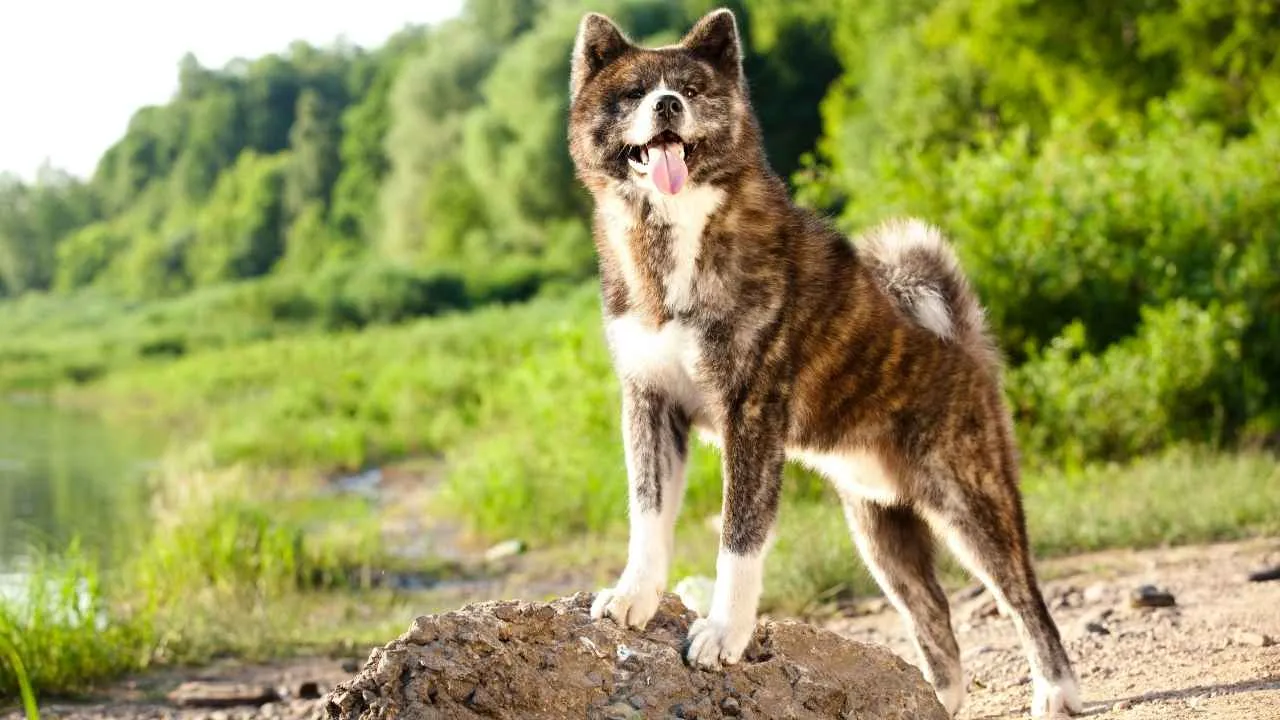
The Akita is an ancient breed from Japan with a rich history of guarding nobility and hunting large game, such as bears. This heritage has produced a dog with courage, dignity, and protective instincts that are second to none. When you want peace of mind, an Akita delivers in spades.
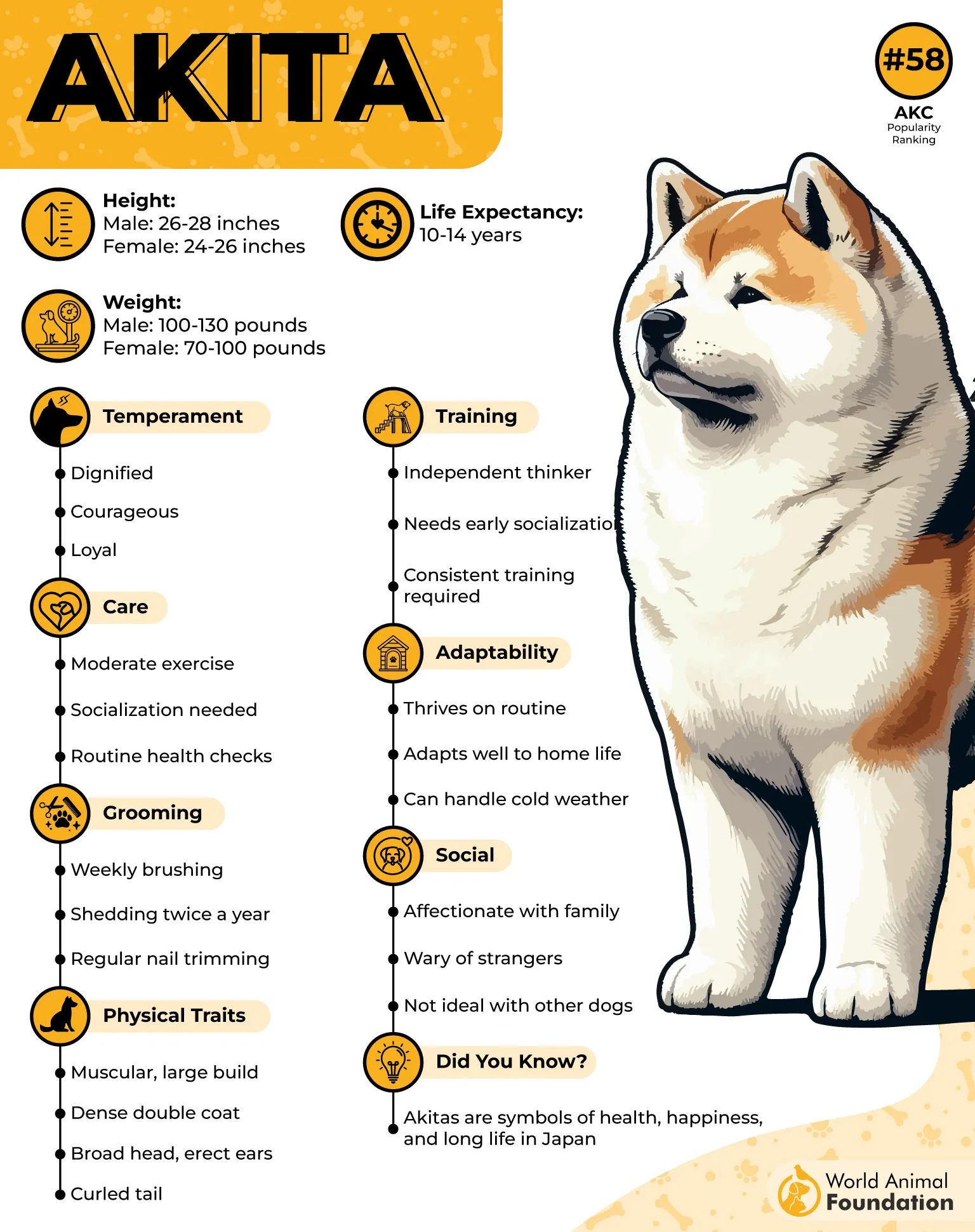
Akitas are naturally protective without being taught, as per PDSA. It’s just who they are. They’re naturally wary of strangers and maintain an alert, watchful demeanor that makes them exceptional guardians. Their impressive size—males can weigh up to 130 pounds—combined with their confident bearing, makes them natural protection dogs whose mere presence deters intruders.
They form powerful bonds with their families and are fiercely loyal. With family members, they can be affectionate and surprisingly playful, though they typically show this side only to their inner circle. They’re often described as being aloof with strangers while being devoted to their families—precisely what you want in a protective dog breed.
Training an Akita requires patience and understanding. They’re intelligent but not particularly eager to please, unlike breeds like German Shepherds. They need to respect you as a leader, and they respond best to calm, firm, consistent training methods. Harsh corrections will backfire with this proud breed.
5. Kuvasz
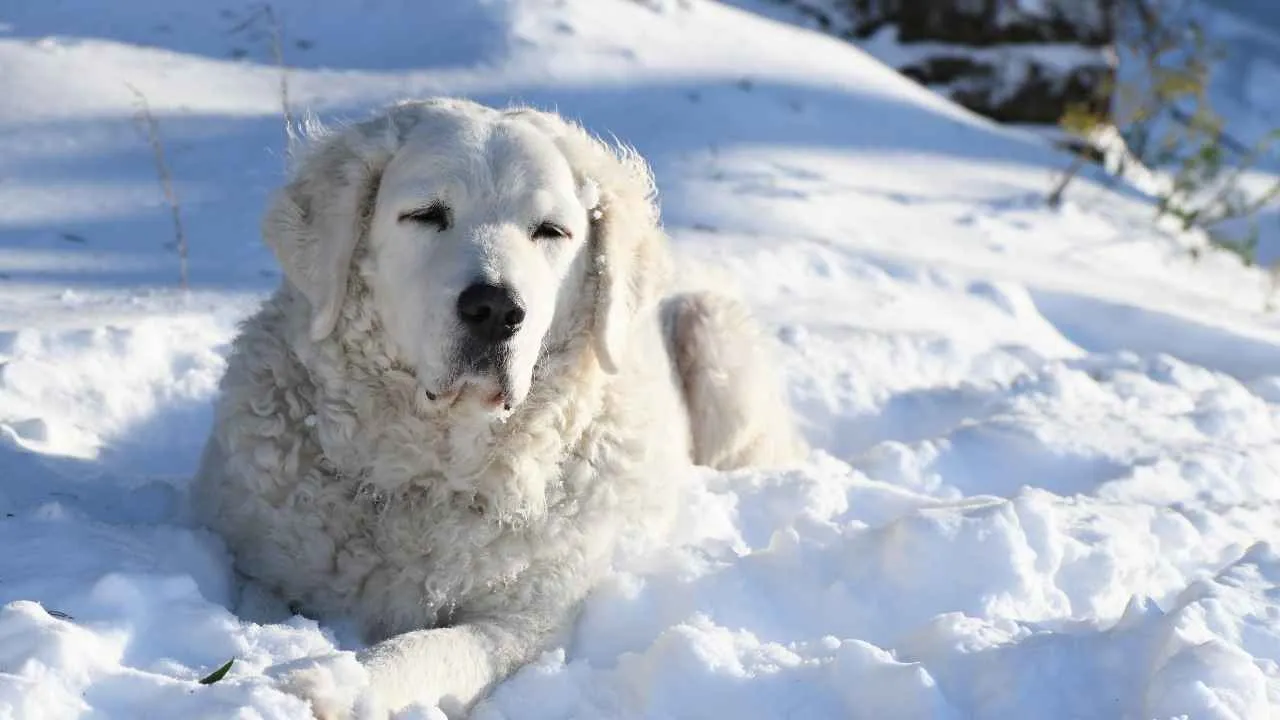
The Kuvasz is a large Hungarian breed originally bred as a flock guardian, protecting livestock from predators such as wolves and bears. This ancient breed brings that same dedication to protecting modern families, making them one of the most capable protective dogs available.
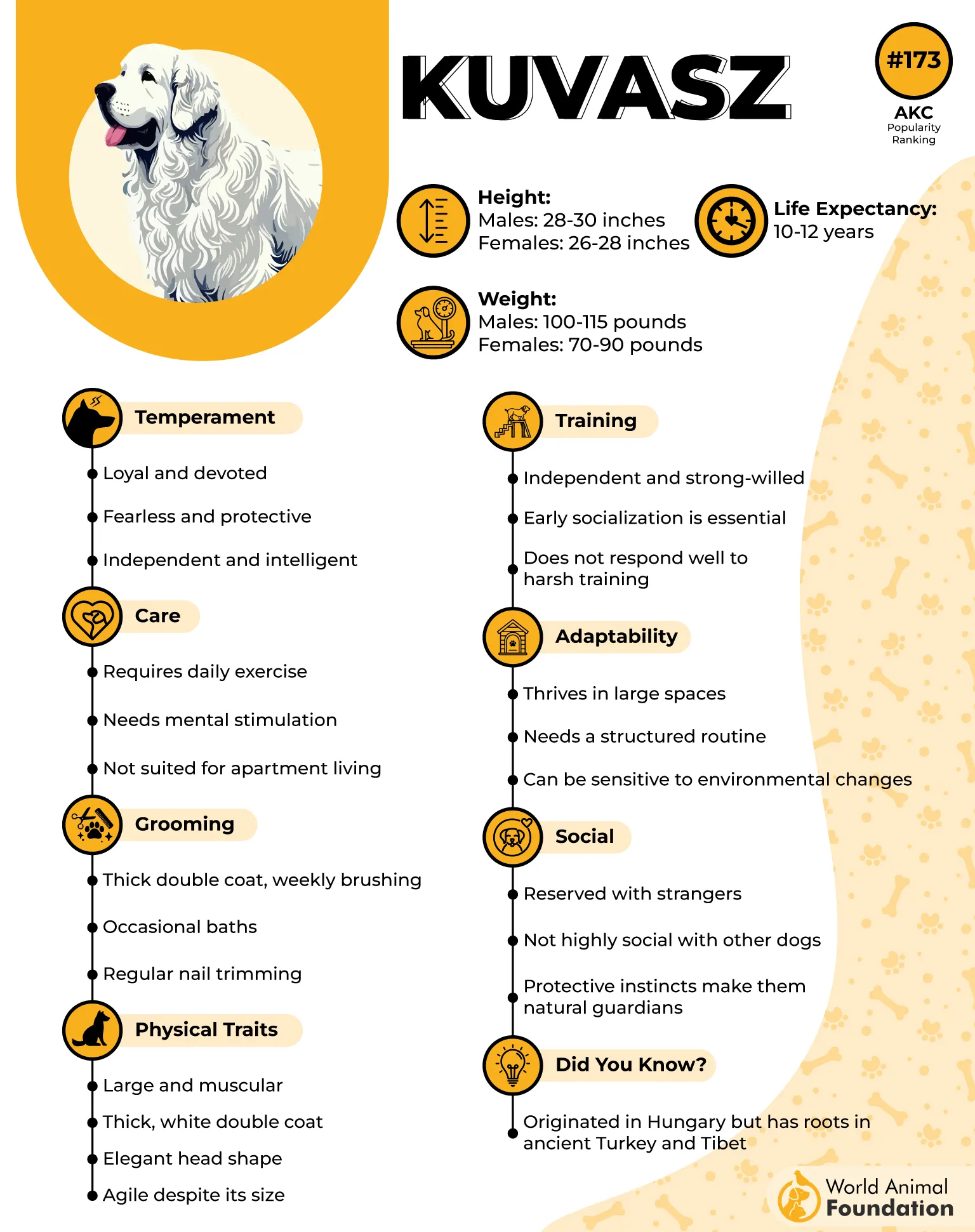
Kuvaszok (the proper plural) are large dogs with an impressive white coat that makes them stand out. But it’s not their appearance that makes them excellent guard dogs—it’s their temperament and instincts. These dogs are naturally protective and have an independent nature, allowing them to work without constant human direction when guarding flocks.
What makes the Kuvasz special is their intelligence and defensive nature. They’re smart enough to assess situations independently and make decisions about threats. This independence is fantastic when you need a dog who can think for themselves, but it also means they need an experienced owner who understands working breeds.
These dogs need space. They’re not apartment dogs. They were bred to patrol large areas while guarding livestock, and they maintain that need to mark territory. A Kuvasz in a home with a yard to patrol is a happy, confident dog. A Kuvasz in a confined space is likely to be frustrated.
6. Rottweiler
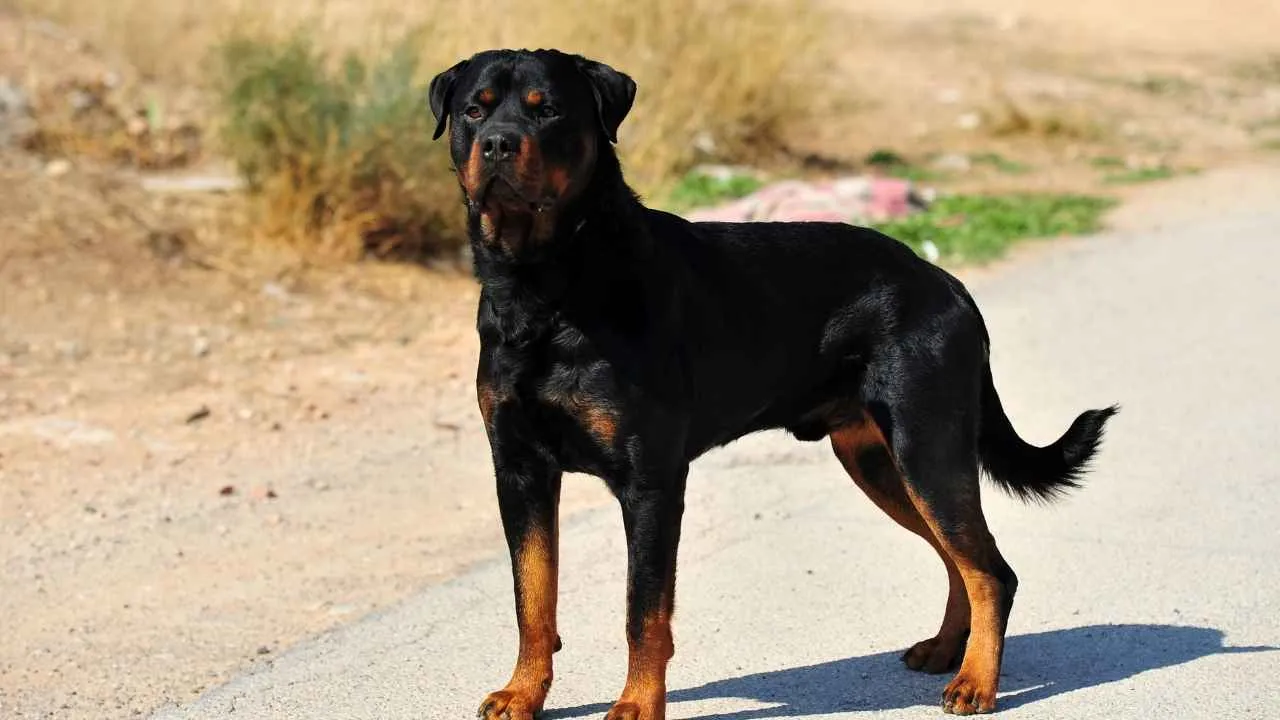
Rottweilers, or “Rotties” as they’re affectionately called, are one of the most recognizable protective dogs. These powerful dogs have a long history of working alongside humans, from driving cattle to market to pulling carts for butchers to serving as police dogs. That working heritage has produced a breed that’s both capable and devoted.
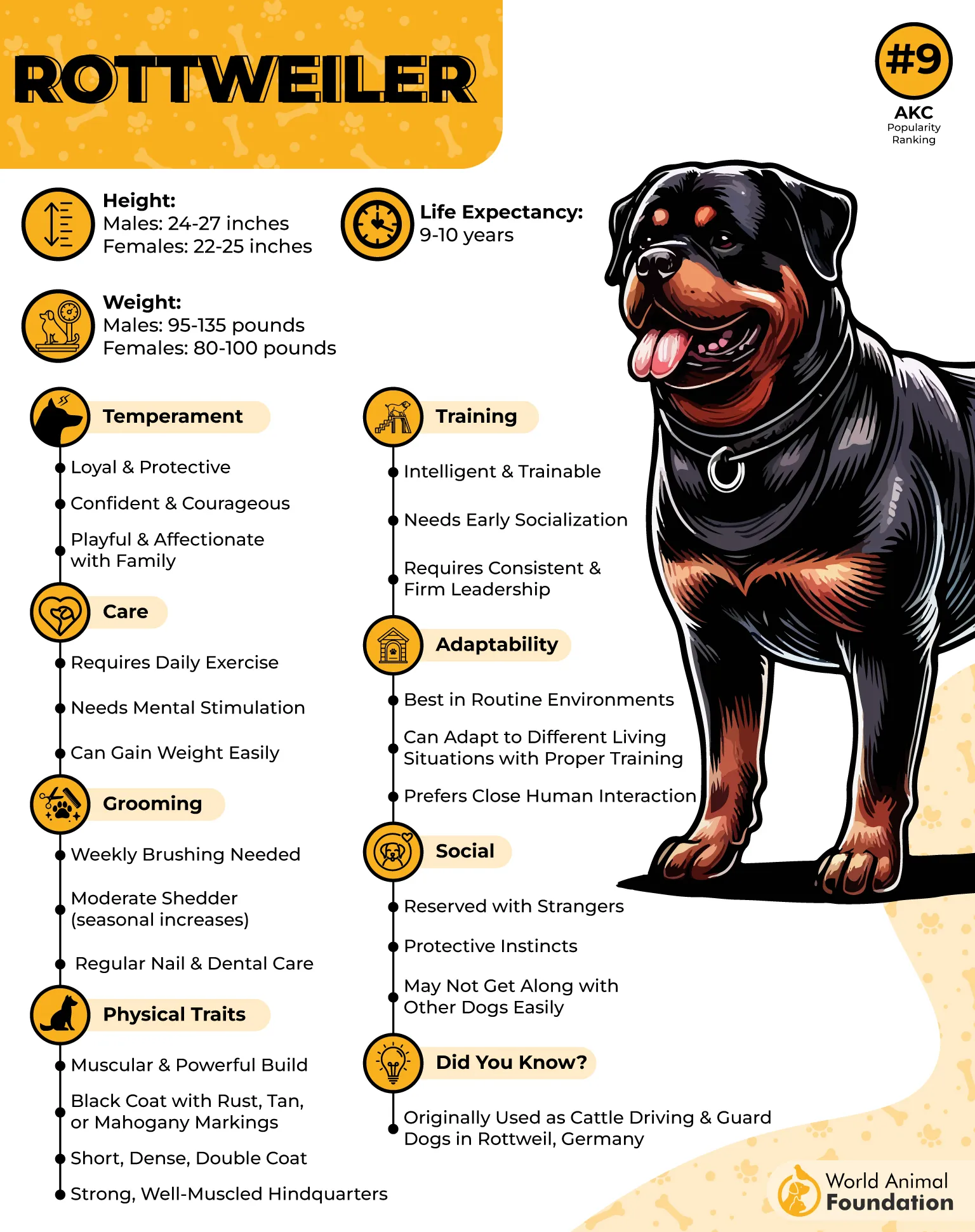
What makes them such excellent guard dogs is their combination of physical power, intelligence, and loyalty. These are muscular, strong dogs with the physical capability to back up their protective instincts. But they’re also brilliant and trainable, which means they can learn to channel their defensive nature appropriately.
Rottweilers are naturally protective of family members and territory. They don’t need to be trained to be protective—it’s instinctive. However, they do require proper training to ensure their protective instincts are expressed appropriately. A well-trained Rottweiler is confident, calm, and reliable. They’re alert without being reactive, protective without being aggressive.
They need mental stimulation and regular physical activity to thrive. They’re working dogs who need jobs to do, whether that’s formal obedience training, dog sports, or just regular training sessions and activities. A bored Rottweiler can develop behavioral problems, but a well-exercised, mentally engaged Rottie is a joy to live with.
7. Giant Schnauzer
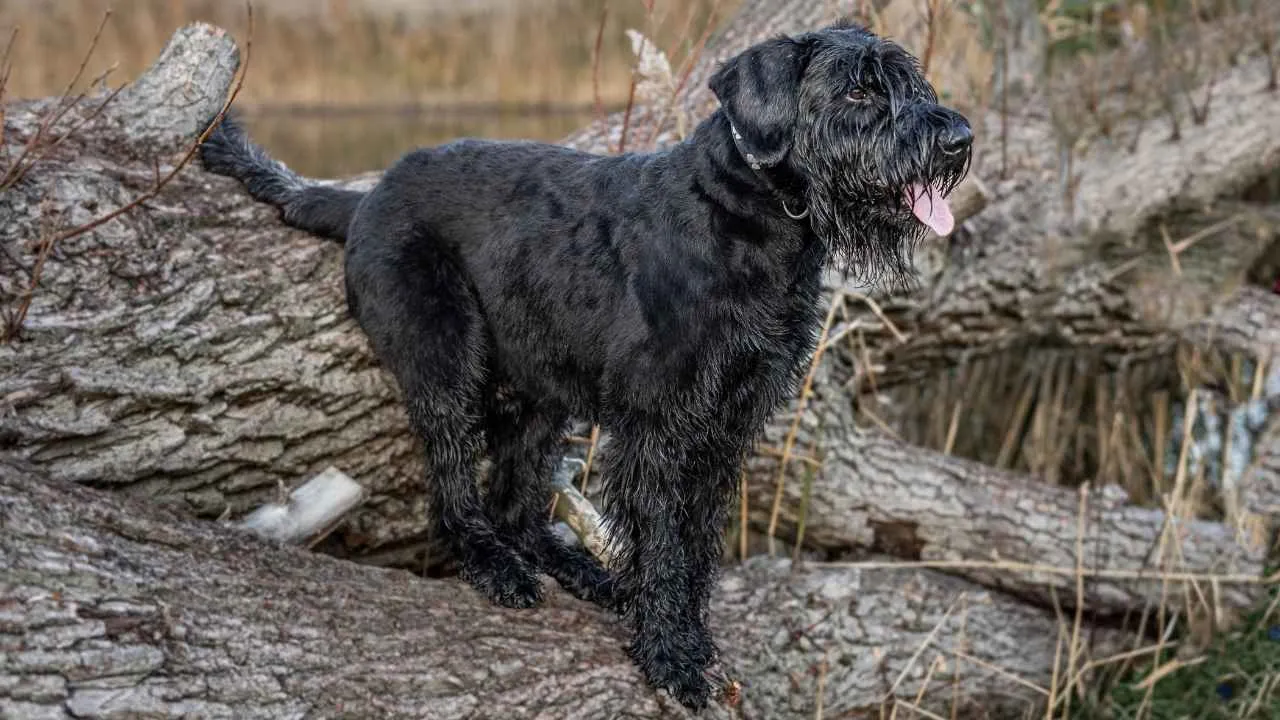
Giant Schnauzers are often overlooked when people discuss the best guard dogs, but that’s a mistake. These powerful, intelligent dogs were initially bred in Germany to drive cattle and guard breweries and butcher shops. That protective heritage runs deep, making them exceptional guardians.
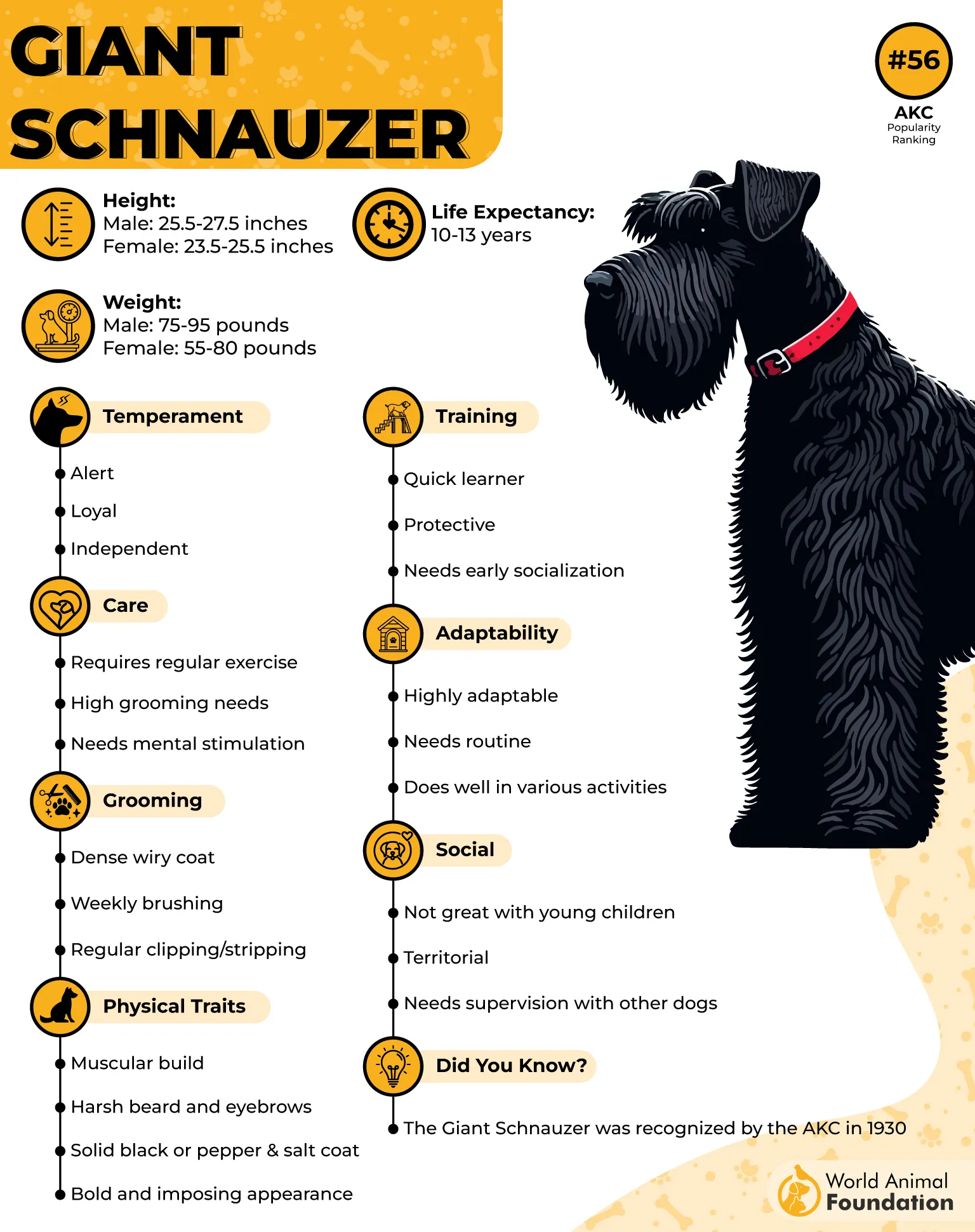
What sets giant schnauzers apart is their incredible intelligence. AKC says these are genuinely among the most intelligent breeds when it comes to working intelligence and problem-solving. They learn quickly, retain training exceptionally well, and can handle complex tasks. This intelligence makes them highly trainable for protection work, but it also means they need substantial mental stimulation to stay happy.
Giant schnauzers are naturally protective and take their guardian duties seriously. They’re alert, vigilant, and confident when dealing with potential threats. Their combination of size, strength, and determination makes them formidable protectors, while their intelligence enables them to assess situations accurately rather than react.
They can be territorial and protective, which means proper socialization with other dogs, other pets, and strangers from a young age is crucial. They need an experienced owner who can provide firm, consistent leadership. These aren’t dogs for first-time owners or anyone who can’t commit to their exercise and training needs.
8. Rhodesian Ridgeback
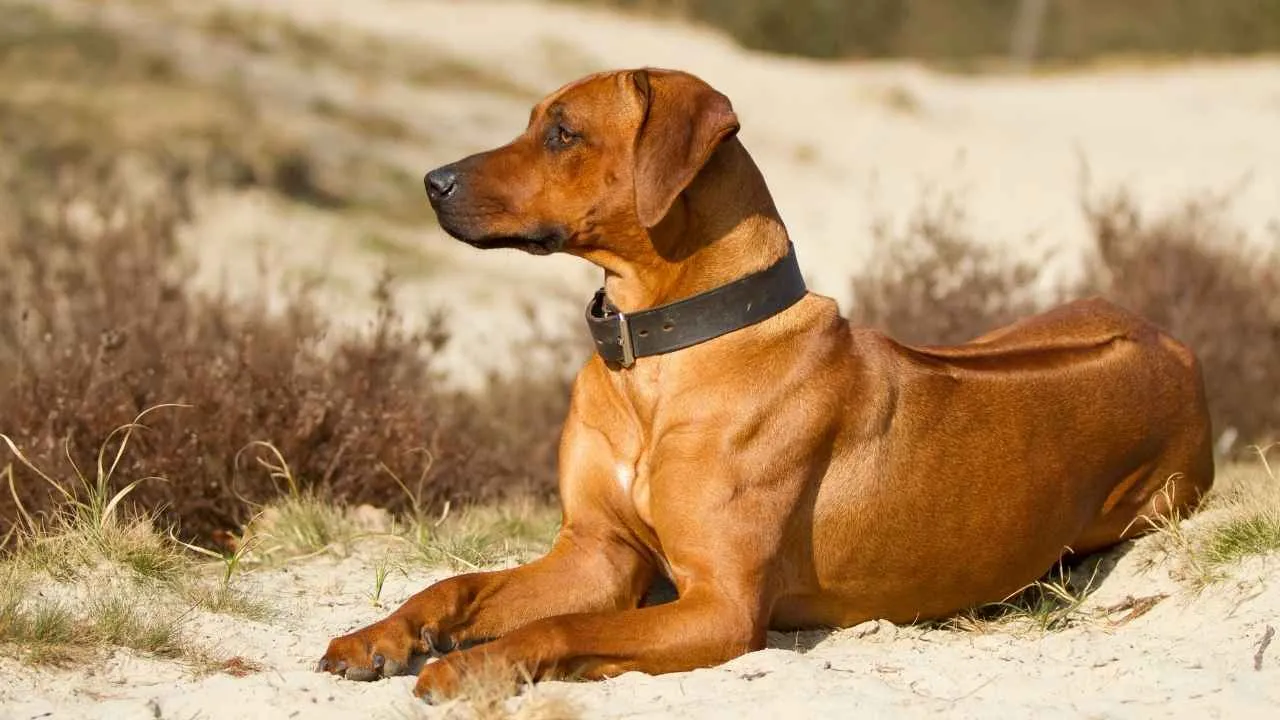
The Rhodesian Ridgeback is an ancient breed from southern Africa that was initially bred to hunt lions—yes, lions—and guard homesteads. That heritage has produced a dog with courage, independence, and protective instincts that make them unique among protective dogs.
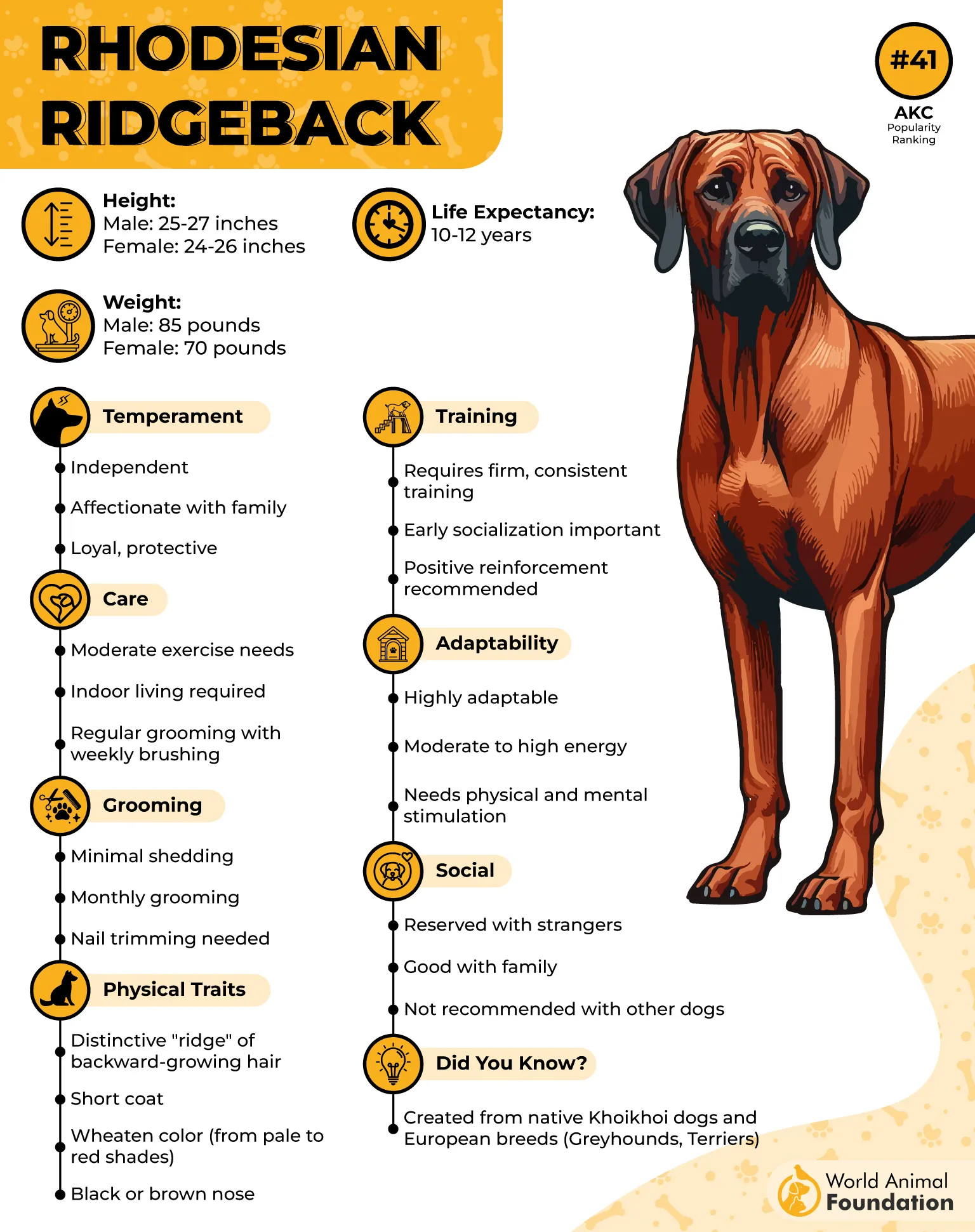
They are named for the distinctive ridge of hair running along their backs in the opposite direction from the rest of their coat. But it’s not their appearance that makes them excellent guard dogs—it’s their temperament and instincts. These dogs are naturally protective and have an independent nature that can be both an asset and a challenge.
What makes ridgebacks special as guardians is their approach to protection. They’re not aggressive or reactive dogs. Instead, they’re observant and thoughtful. They position themselves so they can monitor situations and assess before responding. This measured approach makes them reliable guardians who won’t embarrass you by going wild at every delivery person.
They are incredibly loyal to their families and can be affectionate and gentle with family members. They often bond especially closely with one or two people, though they’re protective of the entire household. However, they maintain a healthy wariness of strangers, which is precisely what you want in a naturally protective dog.
9. Doberman Pinscher
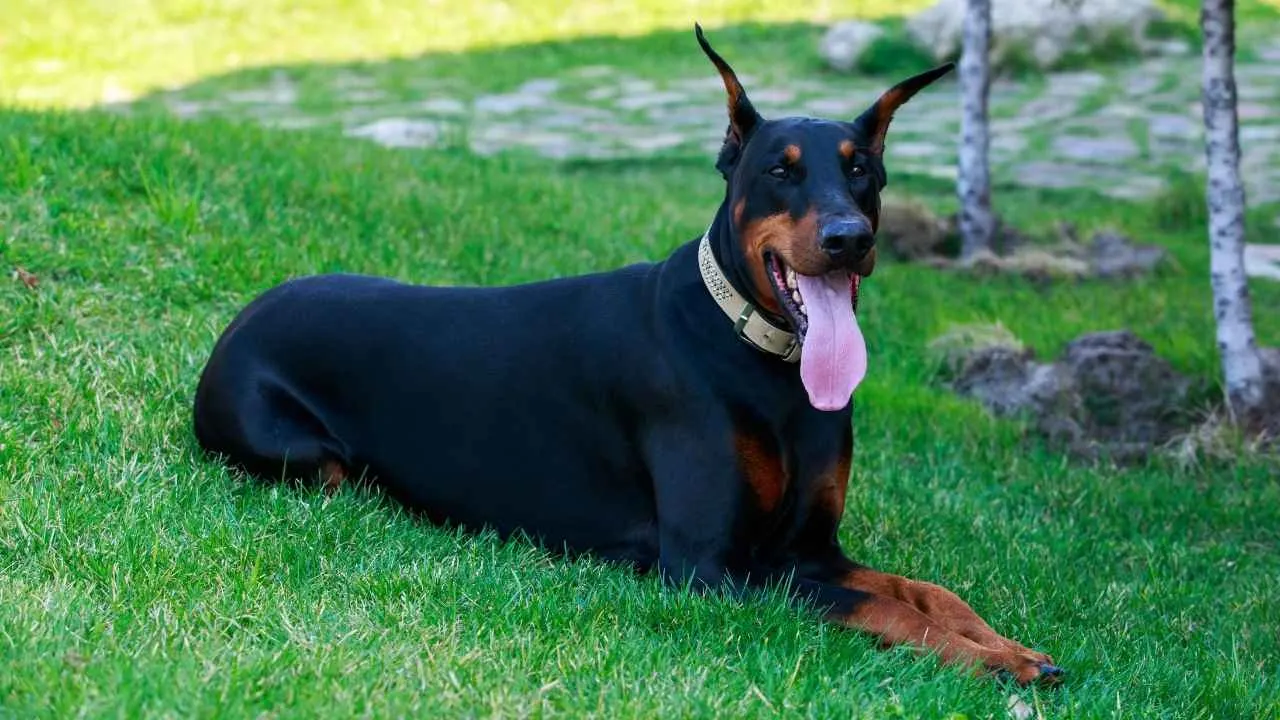
The Doberman Pinscher is one of the most recognizable protective dog breeds, and for good reason. These sleek, athletic dogs were specifically developed in Germany as guard dogs, and they excel at this role like few other breeds. When you see a Doberman, you know you’re looking at a serious guardian.
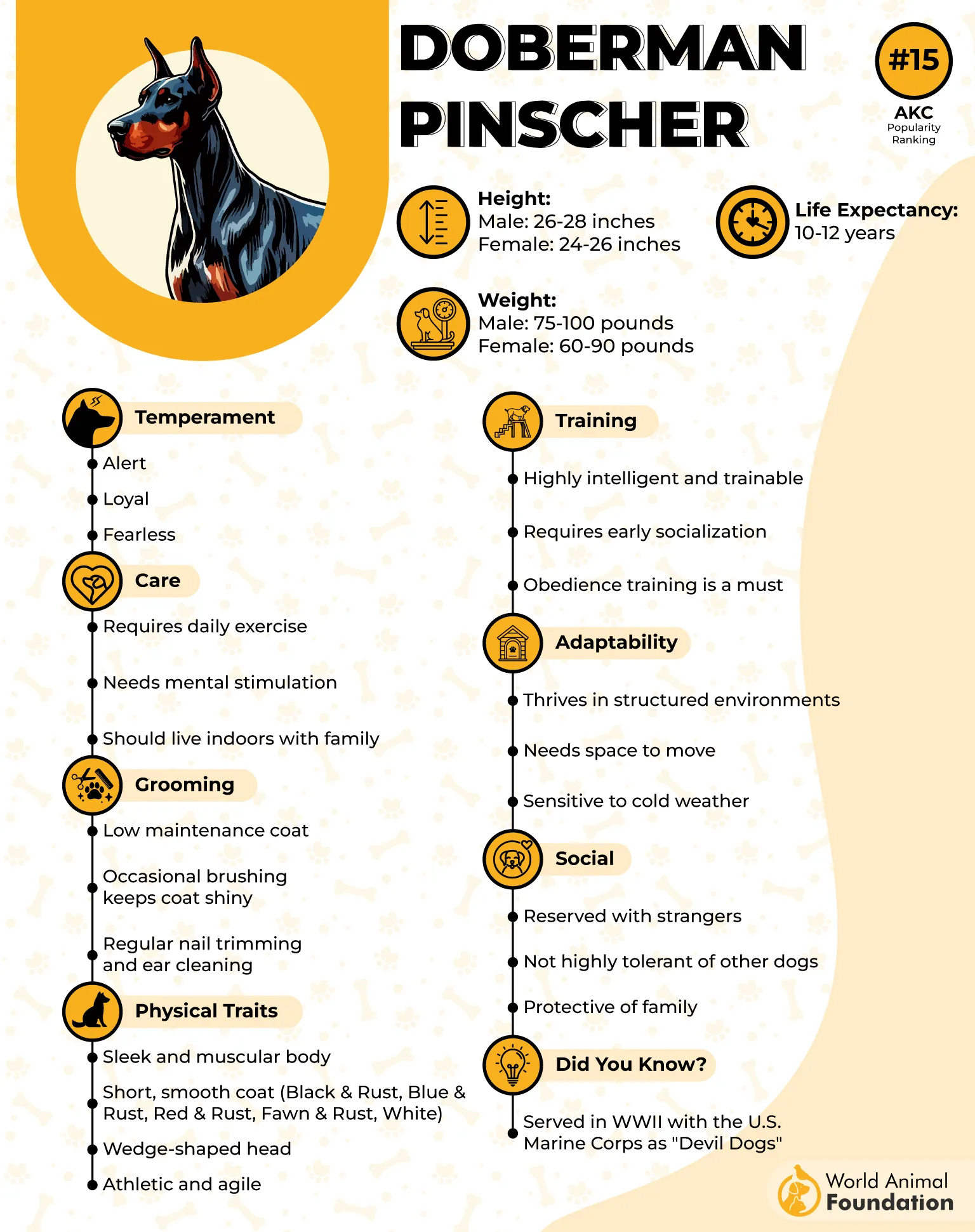
What makes Doberman Pinschers such excellent guard dogs is their combination of physical ability, intelligence, and loyalty. These are athletic, powerful dogs with speed and agility that many other guard dog breeds lack. A Doberman can respond to threats quickly and effectively, and its impressive appearance alone is often enough to deter intruders.
Doberman pinschers need substantial exercise and mental stimulation, according to Britannica. These are athletic, energetic dogs who need regular physical activity and training to stay balanced. A well-exercised Doberman is typically calm indoors, but a bored Doberman can become destructive. They excel at various dog sports and activities that challenge them both physically and mentally.
Proper training and socialization from a young age are essential with Dobermans. Without it, their protective nature can become problematic. They need to learn appropriate responses to different situations and should be exposed to various people, places, and experiences as puppies.
One concern with them is that they can develop separation anxiety due to their strong attachment to family. They don’t do well being left alone for long periods. They thrive in households where someone is home regularly or where they can accompany their owners.
10. Bullmastiff
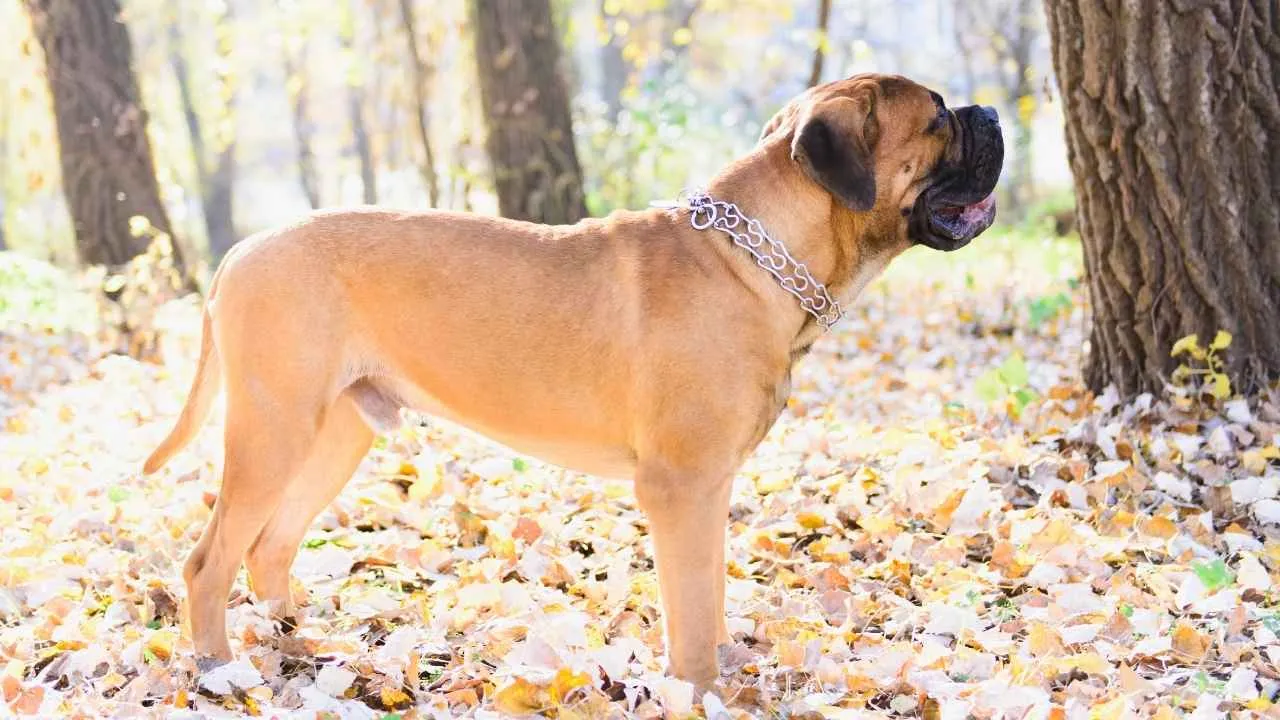
Rounding out our list is the Bullmastiff, a breed that perfectly exemplifies the term “gentle giant.” These massive dogs were initially bred in England to guard estates and game preserves from poachers. Their method was unique: instead of attacking, they were trained to knock down and hold intruders until their handler arrived. This approach speaks to the breed’s temperament—powerful but controlled.
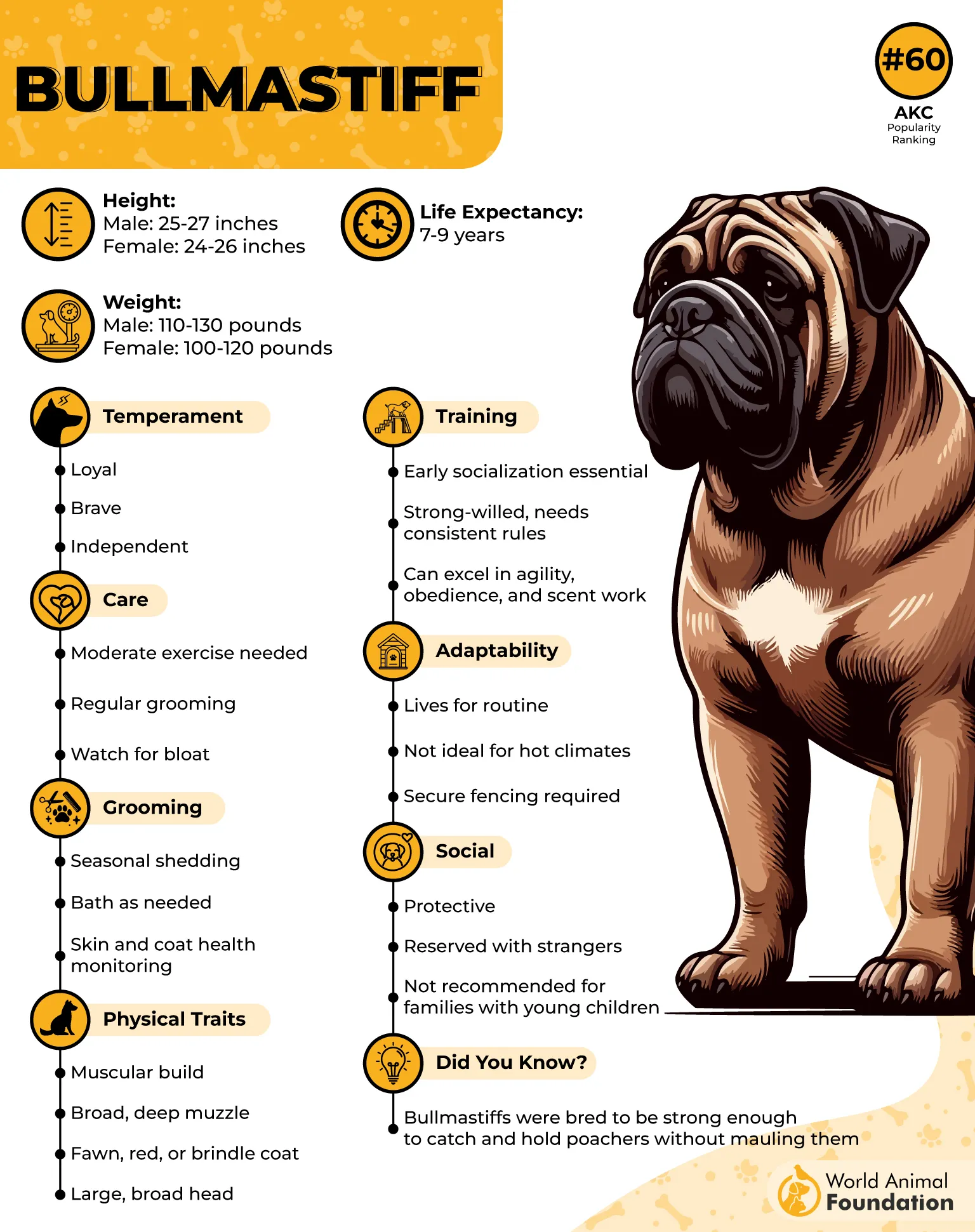
They are genuinely large dogs, with males weighing between 130 and 150 pounds. Their size alone is intimidating, and their muscular build makes it clear they could back up any threats if necessary. But what makes them such effective protective dogs is that they typically don’t need to resort to aggression. Their presence and alert bark are usually sufficient.
What sets them apart from many other defensive dog breeds is their calm demeanor. These aren’t hyperactive, constantly vigilant dogs. Instead, they’re laid-back and quiet most of the time, conserving their energy for when it’s actually needed. They’re observant and alert but not reactive. This makes them easier to live with than some more intense guardian breeds.
With family members, they are affectionate, gentle, and often comically unaware of their size. They’re known for trying to sit in laps, lean against people, and generally be as close to their loved ones as possible. They’re typically excellent with children, though their size means supervision is vital with smaller kids who could be accidentally knocked over.
Conclusion
So we’ve covered ten amazing protective dog breeds for ultimate peace of mind, from the athletic Doberman Pinscher to the gentle Bullmastiff, from the versatile German Shepherd to the independent Rhodesian Ridgeback. Each brings something unique to the table, but they all share the ability to be both effective guardians and wonderful family pets.
But here’s the critical question: how do you choose which one is right for you?
Think about your living situation and lifestyle. Some of these breeds, like the Appenzeller Sennenhund and Giant Schnauzer, need lots of space and exercise. Others, like the Bullmastiff, are more adaptable. Consider breeds like the Bernese Mountain Dog for a gentler protective presence, or even a Staffordshire Bull Terrier for a smaller option (though they’re not traditionally considered guard dogs or protection specialists).
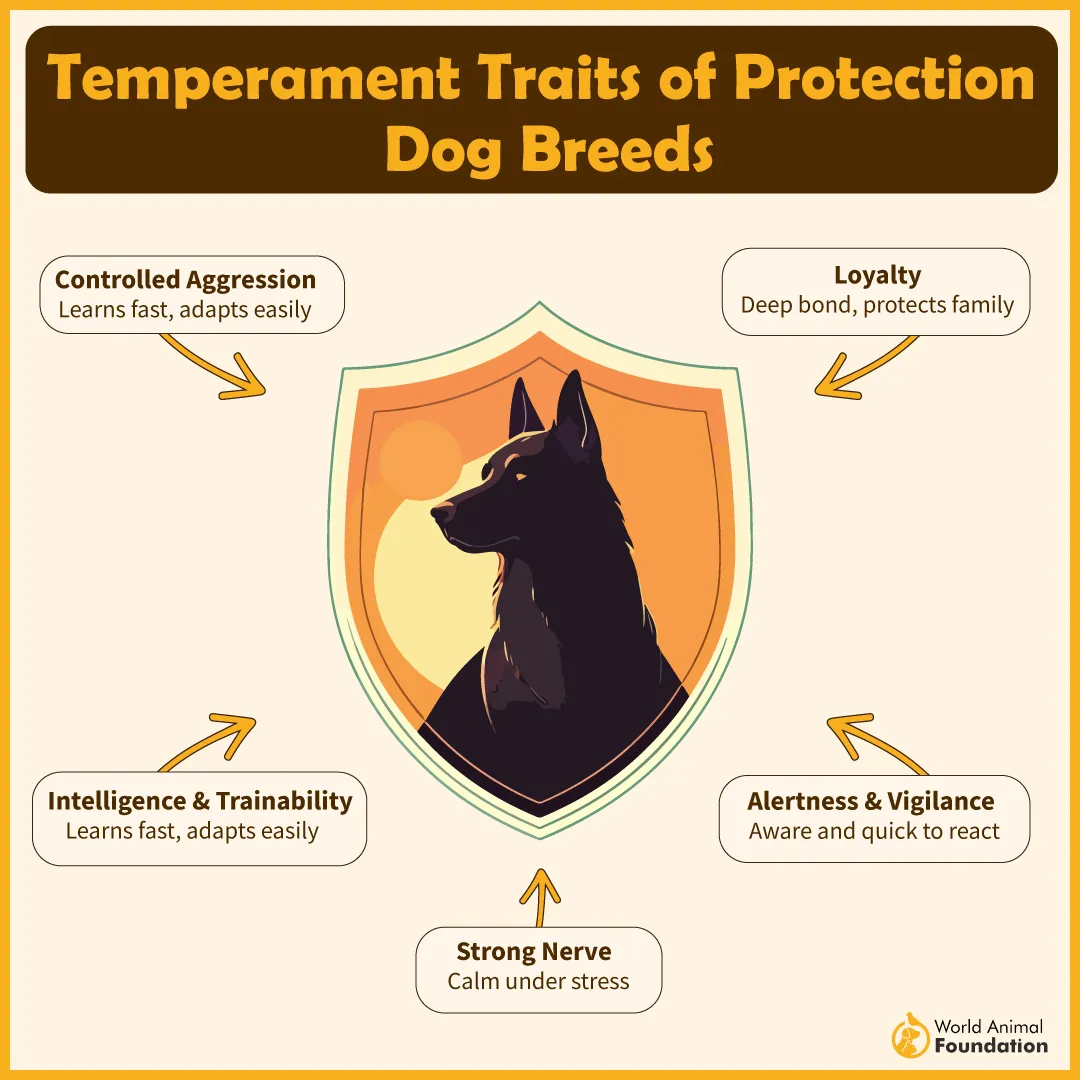
Remember that all protective dog breeds, regardless of their natural guarding instincts, need training and socialization. The best guard dogs aren’t just naturally protective—they’re well-trained, well-socialized, and adequately managed. This means committing to early training, ongoing mental stimulation, and consistent leadership throughout their lives.
