




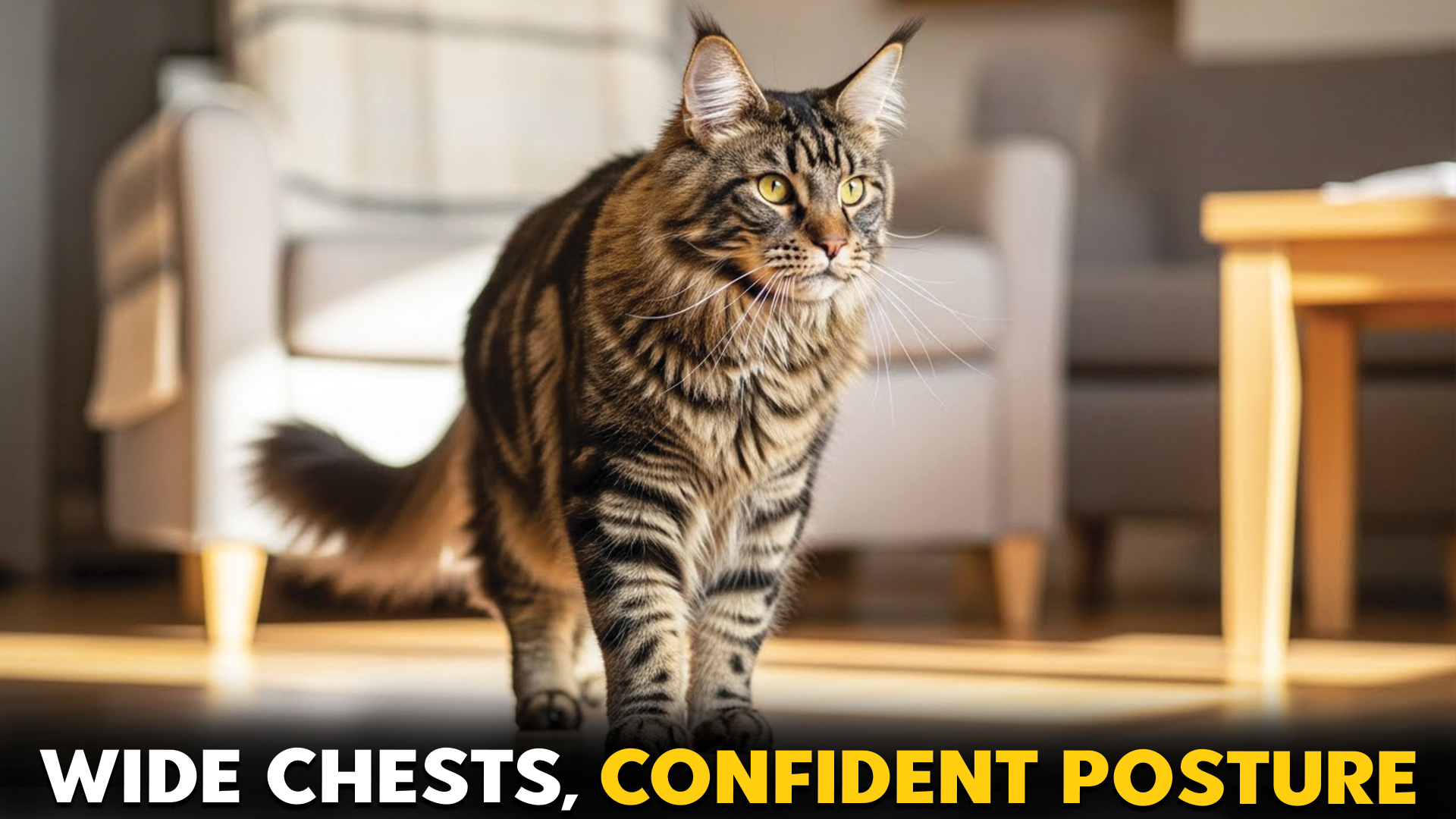
Some cats look like they could bench-press the treat jar, all thanks to a broad chest that gives them that sturdy, “built like a tiny tank” vibe. It is not about being bulky or bossy, though. It is simply a body shape that can make certain breeds look extra powerful even when they are doing absolutely nothing.
If you have ever seen a cat sit upright and somehow look like a little lion statue, you have already met the broad-chested effect. It is part posture, part proportions, and part pure confidence. Let’s meet the breeds that bring the broad-chest energy without even trying.
Fun Fact
A cat’s collarbone is not attached to other bones, which helps them squeeze through surprisingly small spaces.
Cat Breeds with Broad Chests
1. Maine Coon
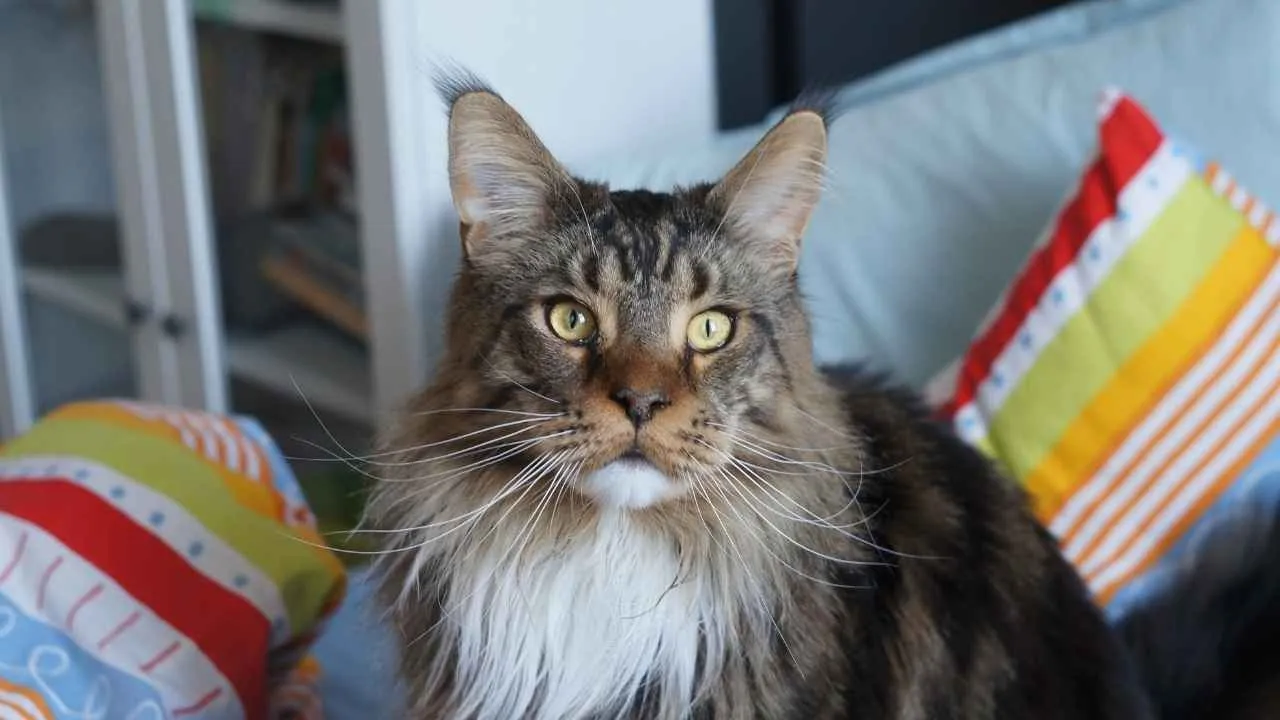
The Maine Coon walks in looking like it owns the hallway, and that broad chest is a big reason why. Pair it with strong legs and that famous long, fuzzy tail, and the whole silhouette reads big, confident, and unmistakable. If you want a big cat breed with a bold presence, the Maine Coon checks all the boxes.
This breed is sociable and usually wants to be near the action. It may trail you from room to room, then sit close by instead of demanding your lap. Many keep a playful streak into adulthood and may chase, pounce, and even bring toys back for you.
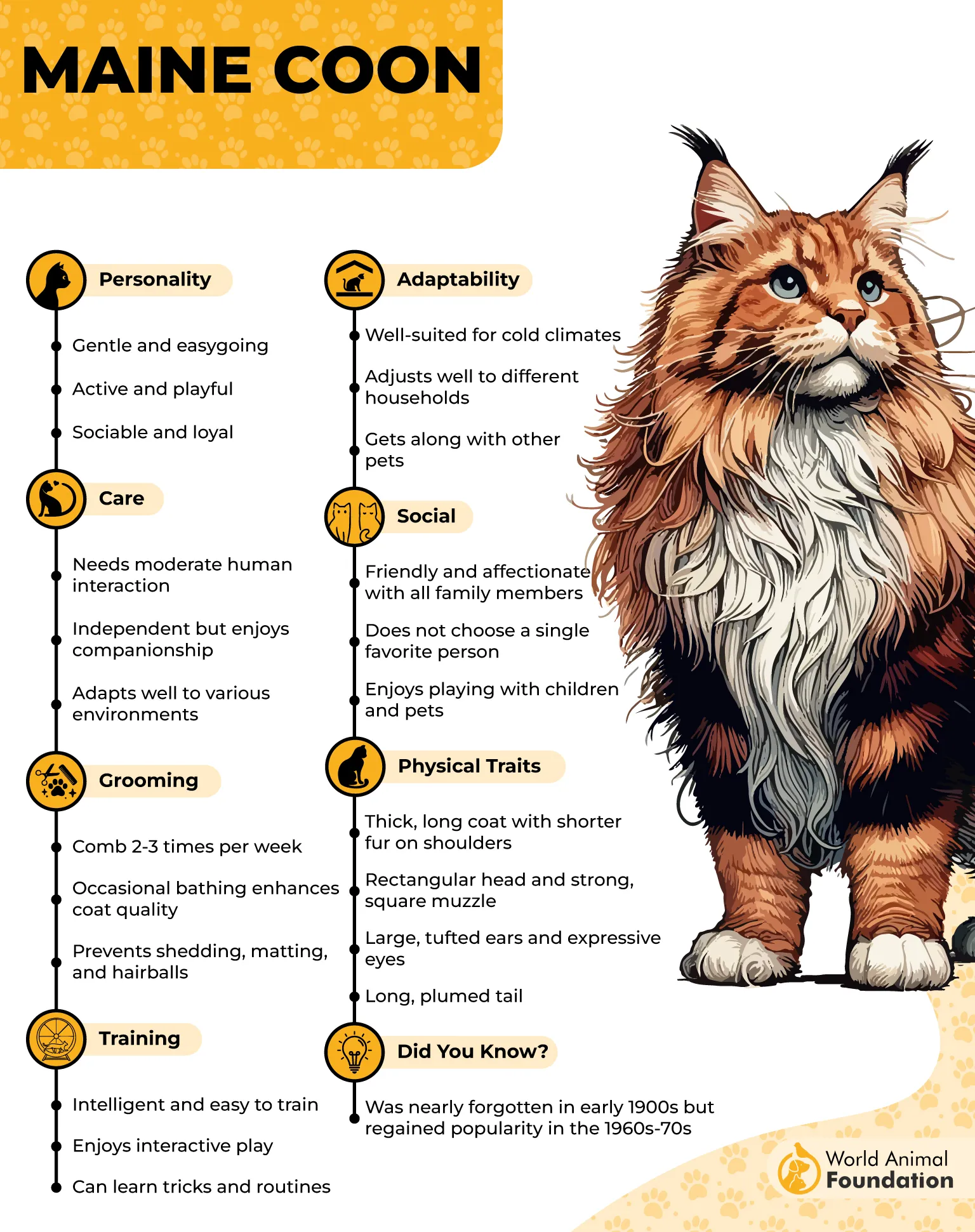
Grooming is part of the deal because the coat needs regular brushing and combing. Maine Coons are often easygoing in family homes and can do well with kids and other pets, including friendly dogs. Think friendly “supervisor cat” with a sense of humor.
Fun Fact
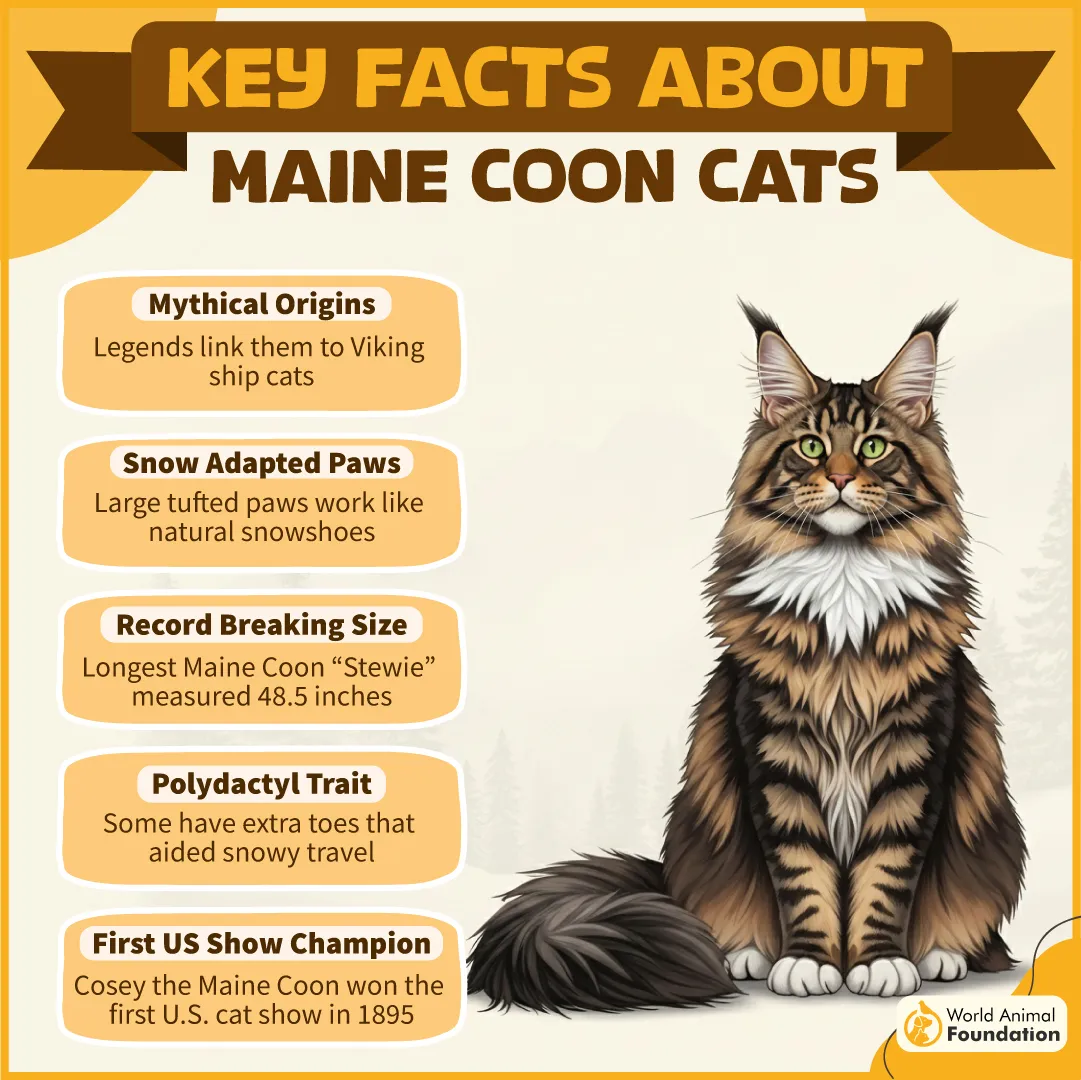
A Maine Coon named Captain Jenks of the Horse Marines was mentioned in 1861. In 1895, a female brown tabby Maine Coon was named “Best Cat” at a Madison Square Garden show.
2. British Shorthair
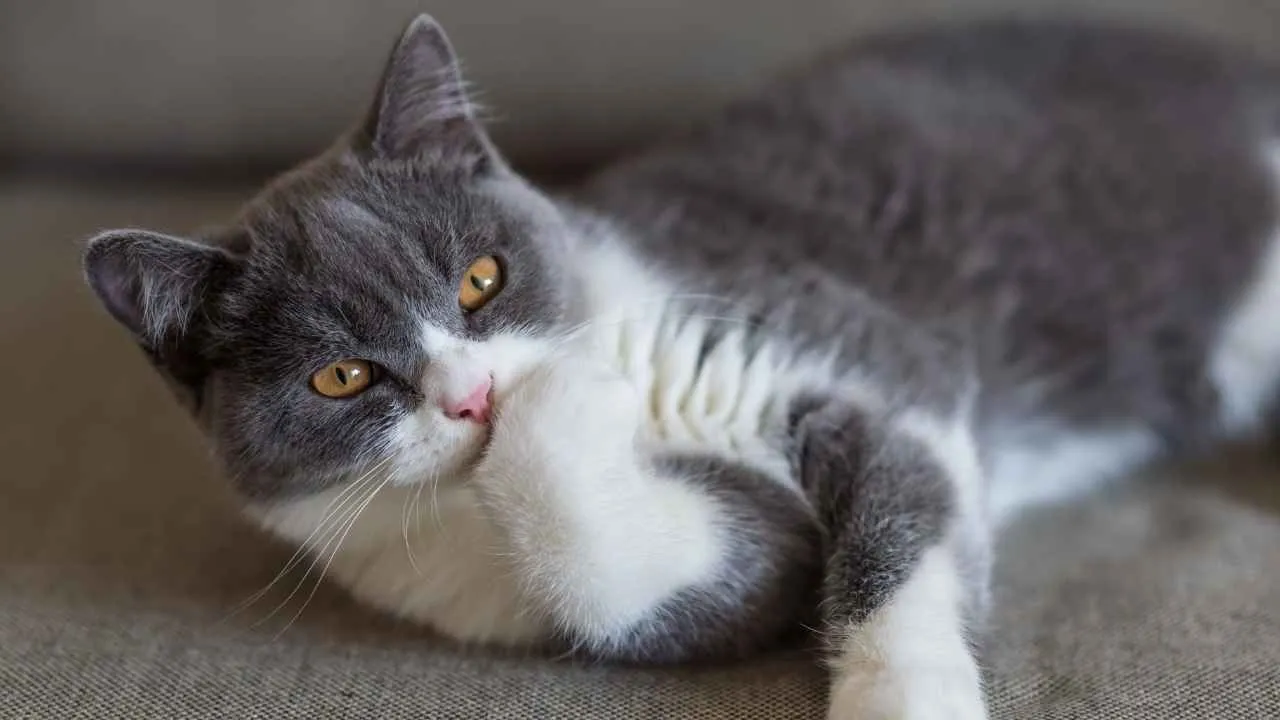
Often called the teddy-bear cat, the British Shorthair pairs a plush, round look with an easygoing attitude. Its story runs from ancient Egypt to Rome to Britain, where it earned its keep chasing mice. Today, it’s one of the most popular cat breeds in the UK.
They are not known for athletic drama, so play sessions and puzzle toys work well for mental stimulation. As mentioned by Purina, British Shorthairs can gain weight easily, so measured meals and regular vet care are smart habits.
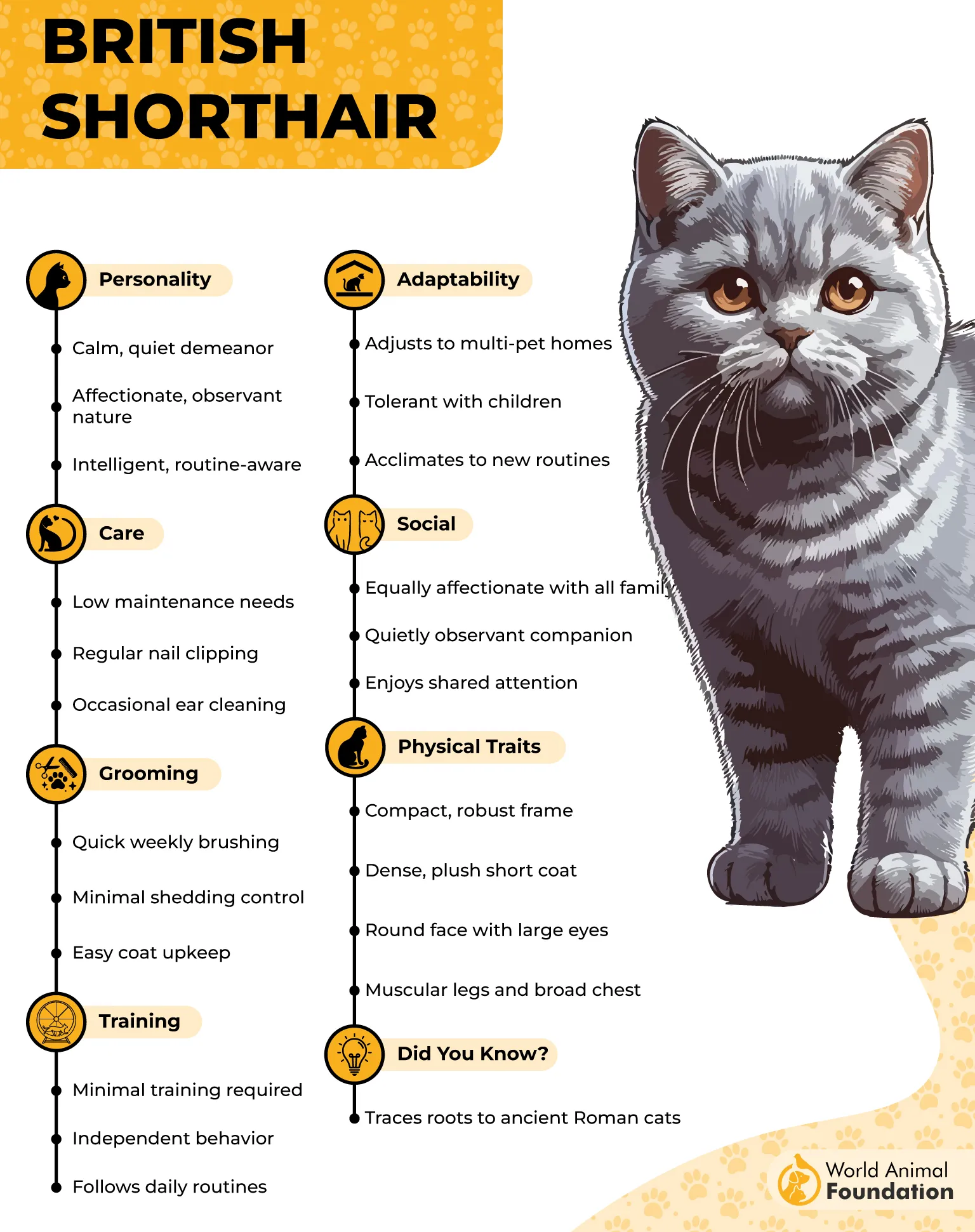
British Shorthairs often enjoy pleasing their people, so reward-based training tends to work well. Start early with gentle socialization, and take your time with introductions to new people, pets, and spaces. An enriching setup at home helps steer them away from unwanted behaviors.
Fun Fact
Europe’s first well-documented formal cat show took place in London at Crystal Palace in 1871, and a British Shorthair won Best in Show. Lewis Carroll used a British Shorthair as the model for the Cheshire Cat in Alice in Wonderland.
3. Norwegian Forest Cat
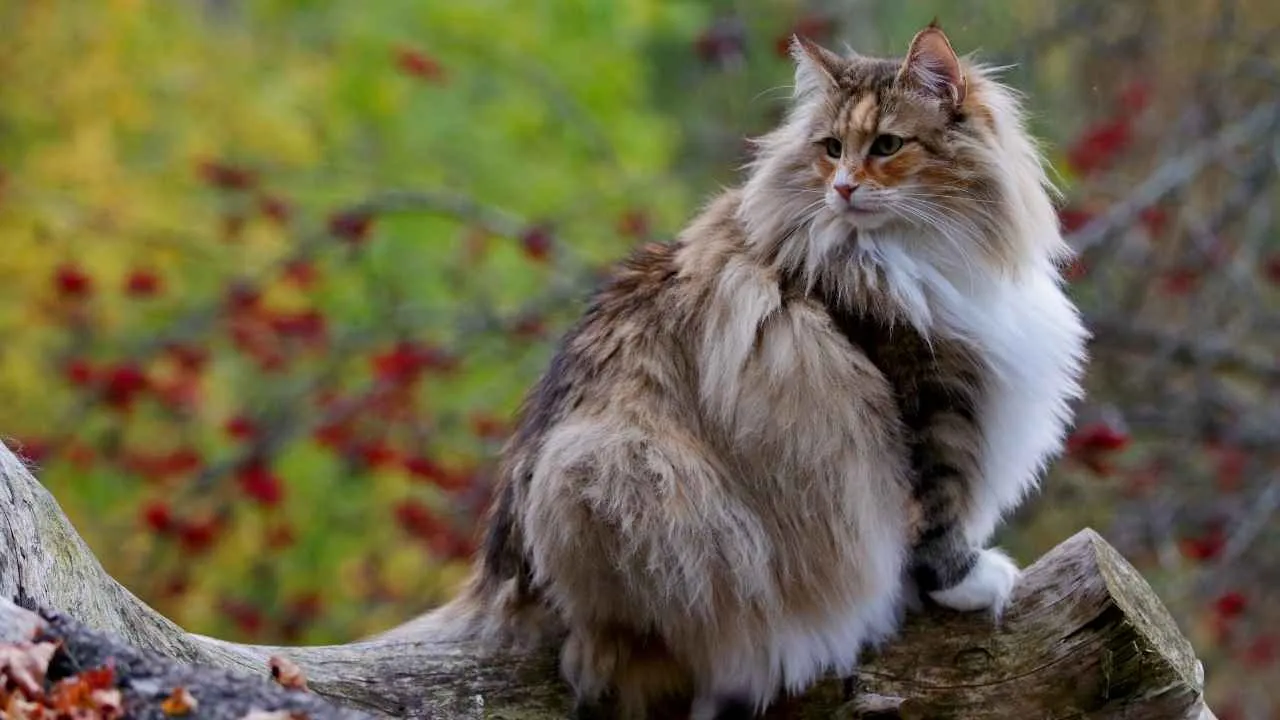
With a flowing, water-repellent coat and a sturdy frame, the Norwegian Forest Cat looks ready for cold weather. The semi-long fur has a dense undercoat, so weekly combing is a regular chore, with extra effort during heavy shedding seasons.
This big house cat is often described as a gentle giant that befriends people while keeping an independent streak. Many Wegies devote themselves to one favorite human but still enjoy attention from the whole household. They’re usually laid-back and fairly quiet, saving their voice for the occasional chirp.
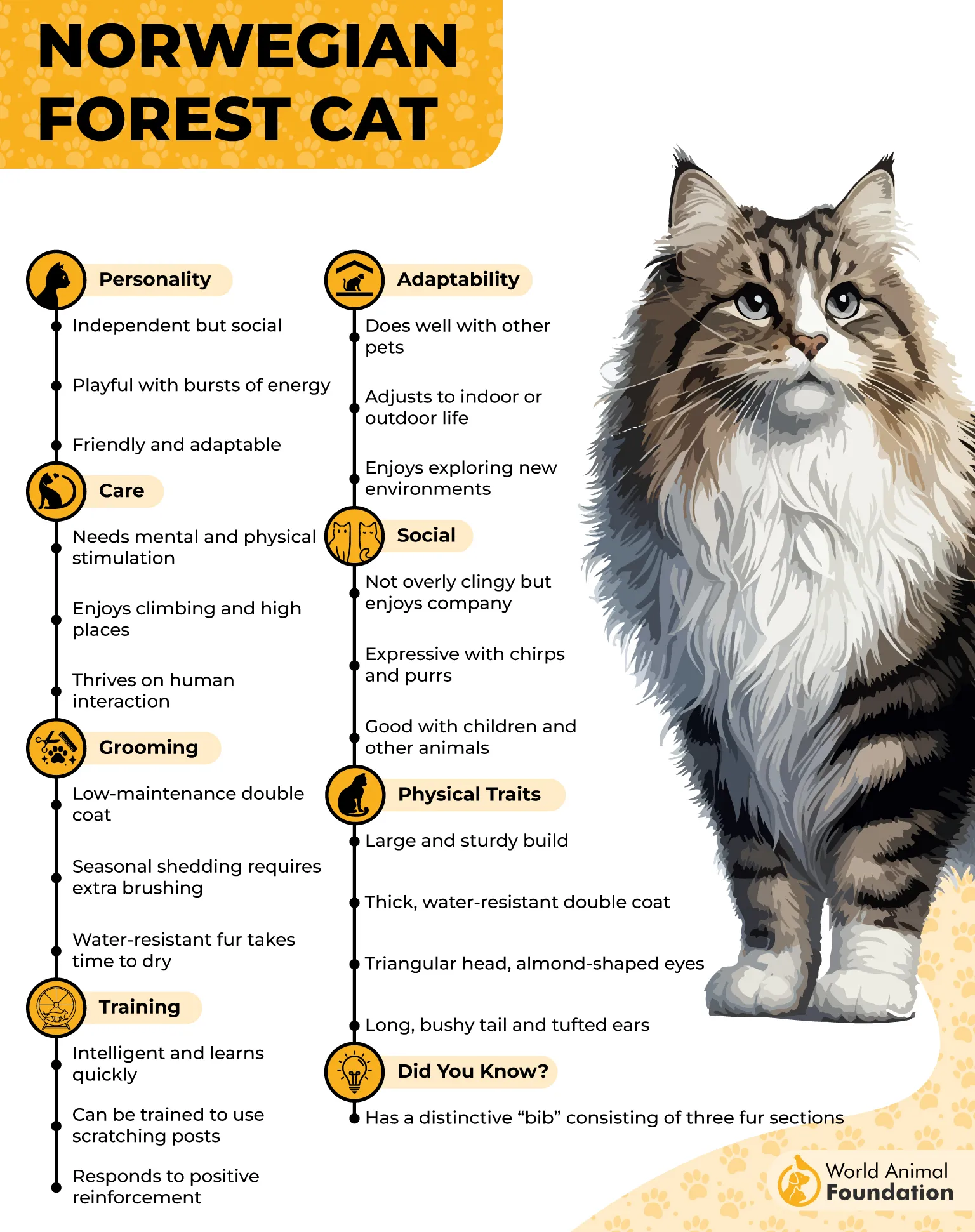
Give them tall cat trees and sturdy shelves, because they love climbing and hanging out up high. Feather wands and mouse-style toys let them channel that true-hunter drive, and if they get outdoor time, keep it supervised or secure so a sudden bird chase doesn’t turn into an unplanned adventure.
Fun Fact
In Norway, the breed is known as skogkatt, which literally means “forest cat.” It is also Norway’s official cat breed.
4. Ragdoll
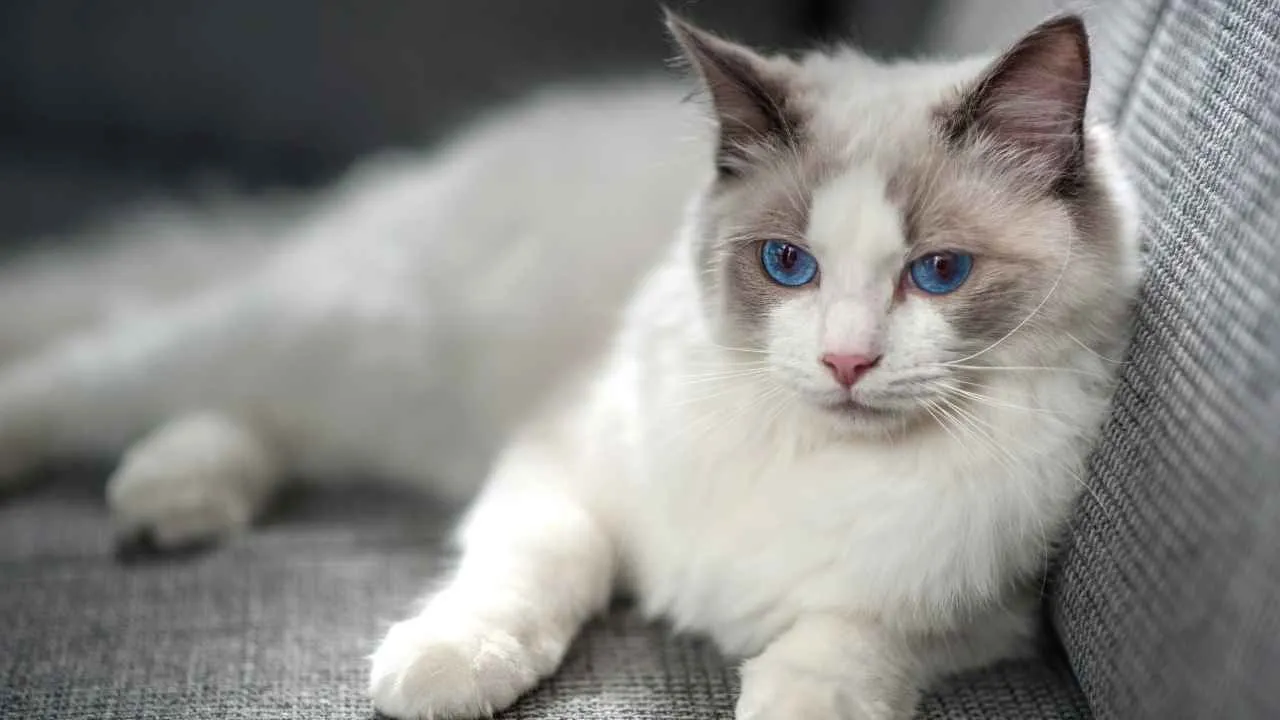
The Ragdoll gets its name from its famously floppy, relaxed response to being held or cuddled. With bright blue eyes and a soft, medium-length coat in several colors and patterns, it’s a notably large cat with a gentle vibe.
Their look is just as memorable. Ragdolls are one of the largest cat breeds, with a broad chest, a long body, and sturdy boning that gives them a solid, substantial presence. All Ragdolls carry the colorpoint gene, meaning the body stays lighter while the head, legs, and tail develop deeper color with clearly defined points.
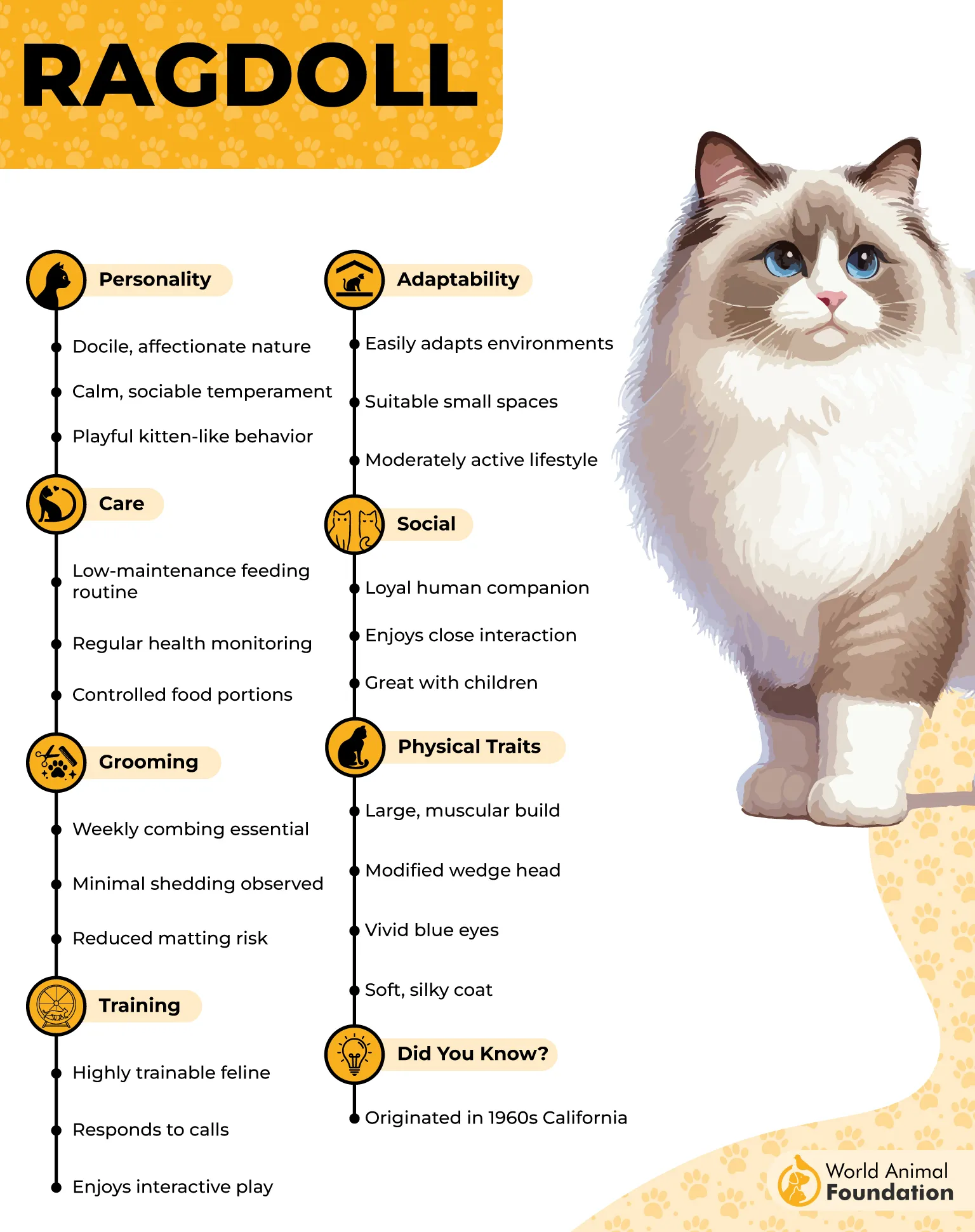
As per WebMD, coat care is pleasantly low-drama for a longhaired cat. The semi-long coat is mostly guard hair with little undercoat, which helps cut down on matting and heavy shedding. Regular brushing with a steel comb usually keeps it neat and touchably silky.
Fun Fact
The breed was developed in the 1960s by breeder Ann Baker in Riverside, California. All Ragdolls trace back to a foundation cat named Josephine, a white domestic longhair.
5. Siberian
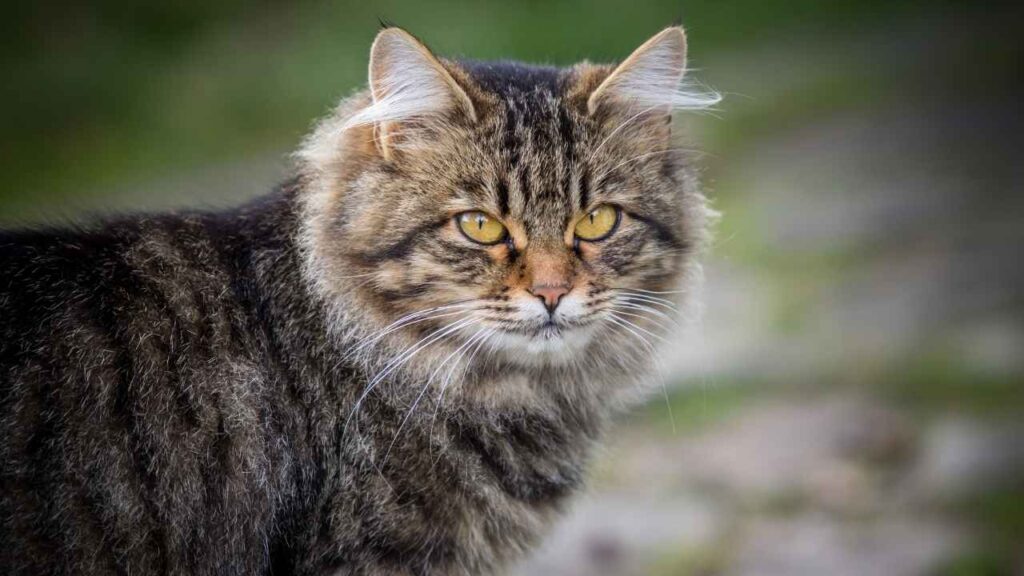
The Siberian cat has a broad chest and an athletic build that makes it look ready to move, even when it’s doing nothing. The front-on silhouette feels strong and balanced, like a cat built for climbing and quick turns. If you want a wide-set, sporty look, the Siberian stands out.
Siberians are generally healthy, but it’s still worth keeping a few things on your radar. As mentioned by PetMD, Hypertrophic cardiomyopathy can look like low appetite, lethargy, breathing trouble, or it may show up quietly as a heart murmur at a routine exam.
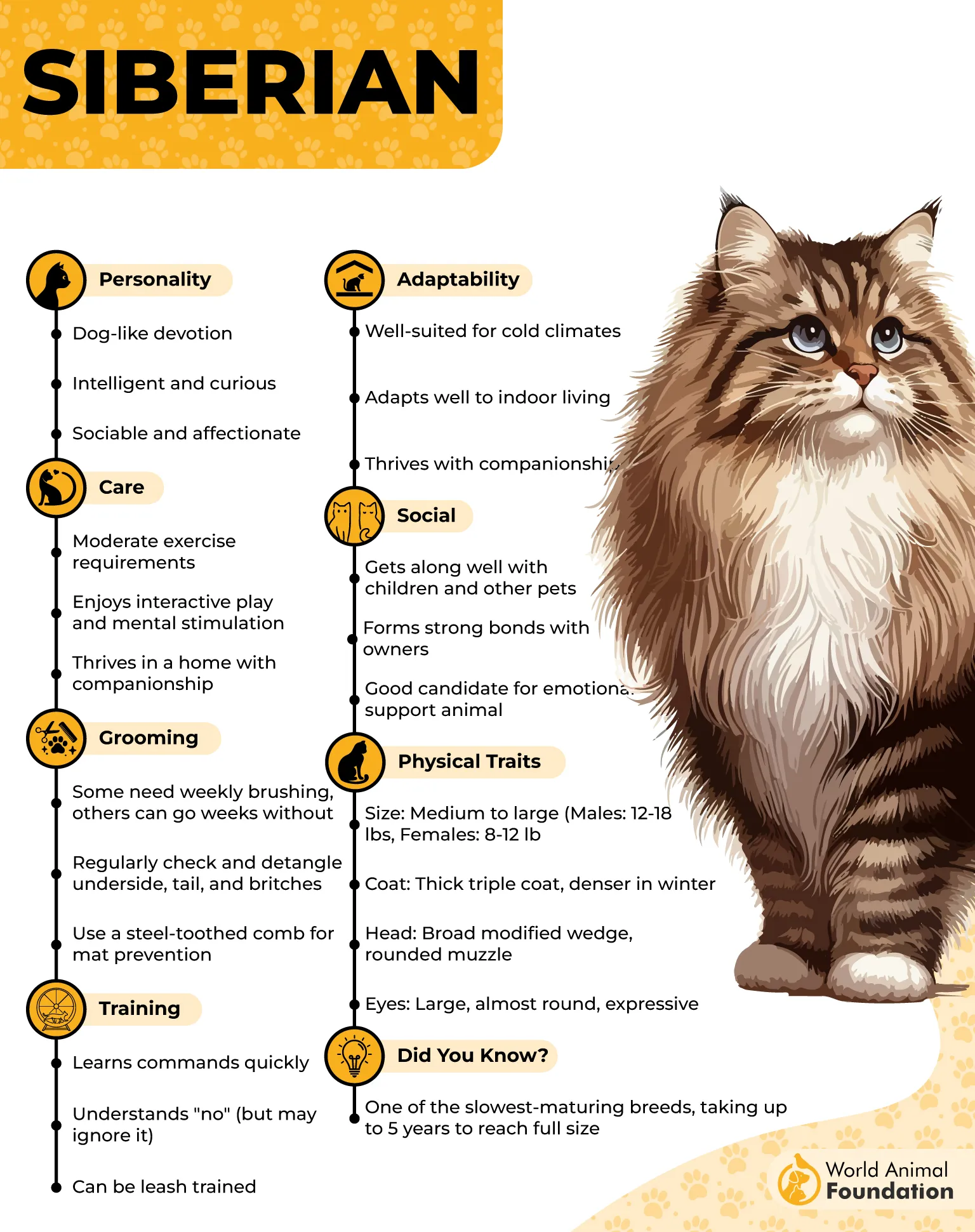
Training can be surprisingly fun because they’re bright, and some even do well with a harness. Since they’re built broad and sturdy through the chest, keeping portions measured helps prevent extra weight from sneaking on.
Fun Fact
A Siberian’s coat includes three types of hair: guard hair, awn hair, and undercoat. Building a grooming habit early can make brushing feel like a normal hangout, not a wrestling match.
6. Chartreux
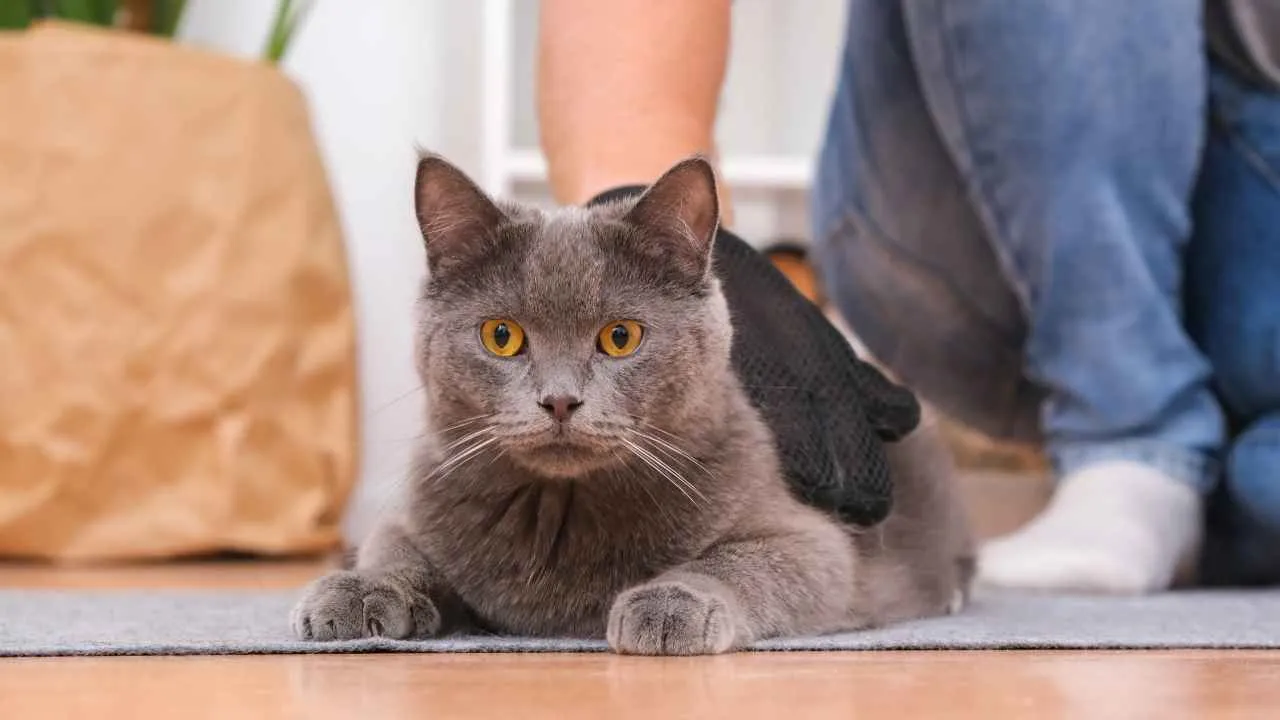
Meet the Chartreux, a gray-blue cat from France with a short coat and copper-to-gold eyes. That smoky color comes from a genetic dilution of black pigment. It is also a natural breed, shaped over time without intentional human crossing.
Most Chartreux are calm and sweet, and they can do well with kids and other pets when introductions are slow. If they “talk,” it is often with small chirps and pointed body language. They stay playful through life and enjoy sneak-and-chase games with interactive toys.
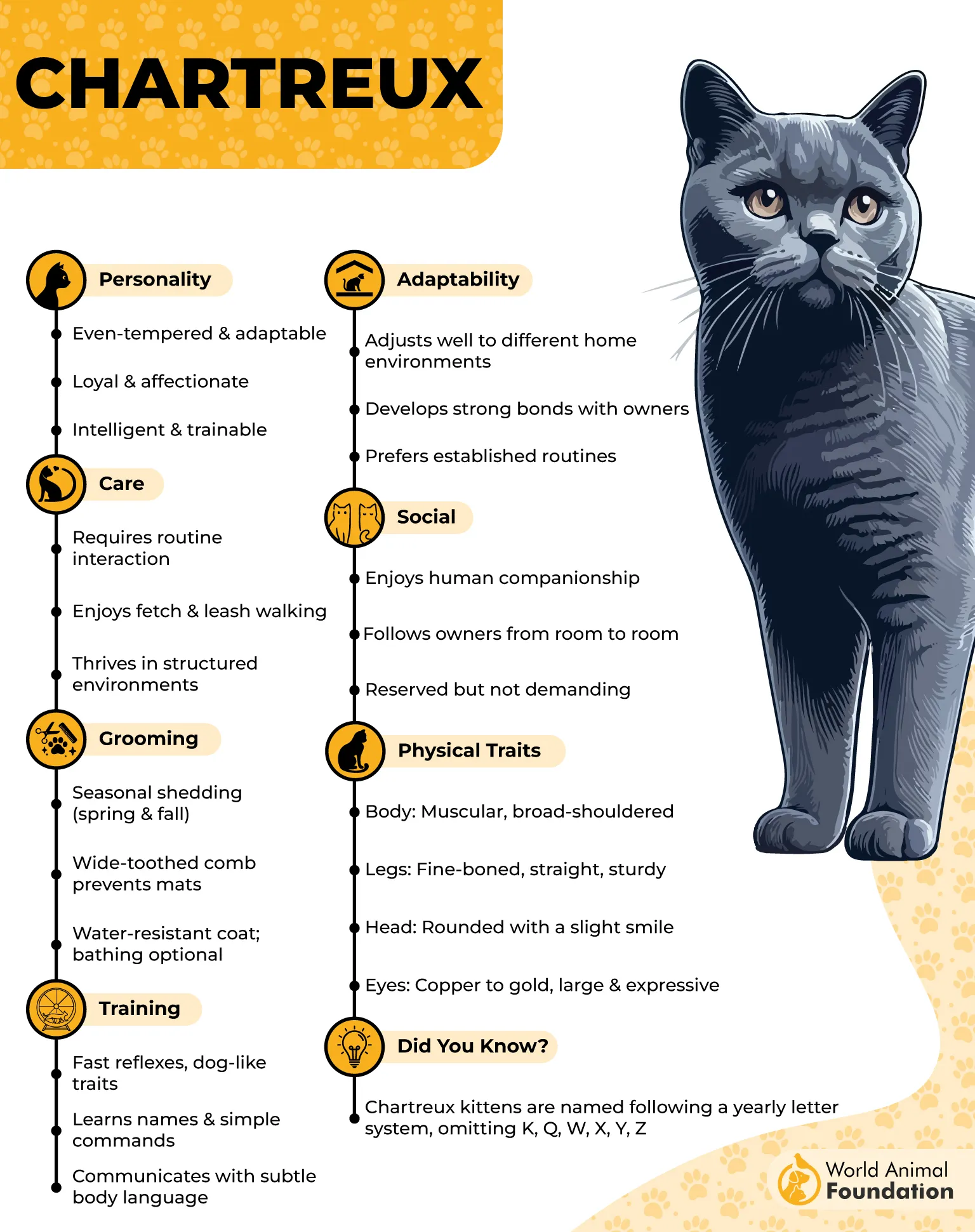
Grooming is pretty low effort: weekly brushing usually does the job, with a little extra help during seasonal shedding. Keep nails trimmed regularly to prevent snagging and scratches. Brushing their teeth a few times a week is also a good habit.
Fun Fact
Most people pronounce it “shaar-troos.” The name is often connected to a famously plush French wool, a nod to that extra-soft coat texture.
7. Manx
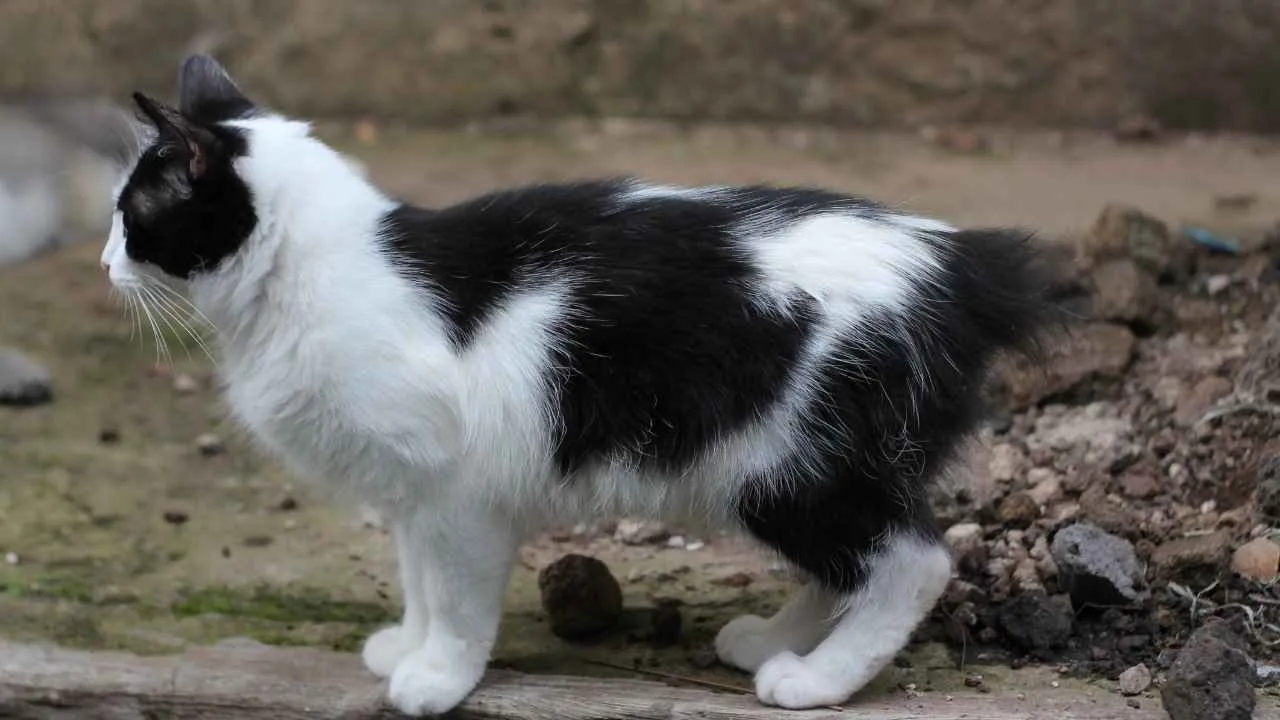
The Manx is the cat that shows up without a tail and seems proud of it. Tail length can range from tailless “rumpy” to short “stumpy” or half-tail “longy.” The rounded head, long hind legs, wide-set ears, and compact body give it a very circular look.
From the front, that wide, solid chest gives the whole cat a confident, rounded presence, like it’s built to launch into a jump at a moment’s notice. It’s the kind of shape that makes a Manx look strong without trying, and honestly, it’s hard not to admire.
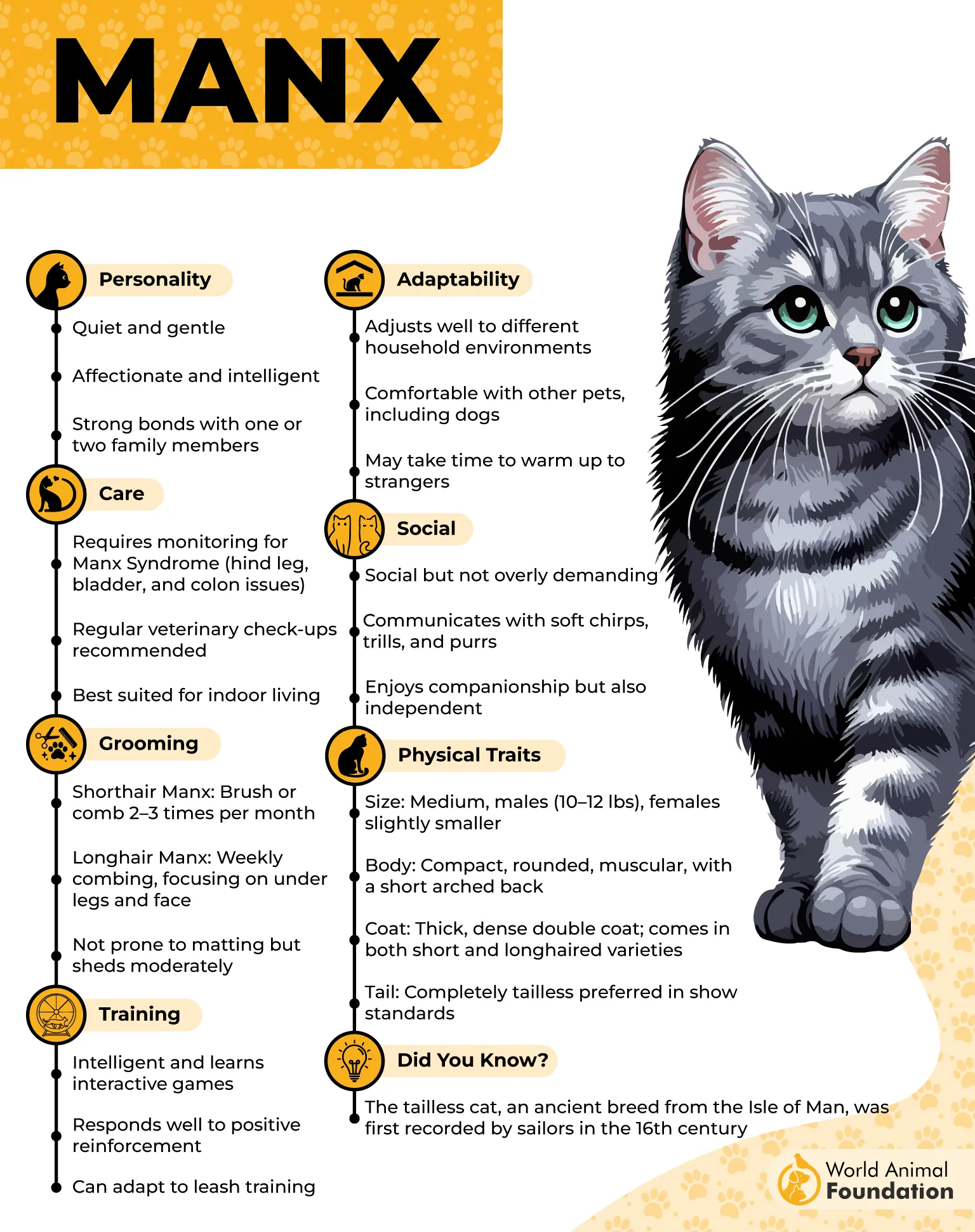
Pet parents should keep in mind that the tailless gene can sometimes affect the end of the spine and nerves, so handle the hind end gently and support it when lifting. If any issues show up, a veterinarian can help you manage the complications.
Fun Fact
The Manx appear on Isle of Man coins, stamps, and tourist souvenirs. A well-known cartoon Manx is Stimpson “Stimpy” J. Cat from Ren and Stimpy.
Conclusion
Broad-chested cat breeds have a strong, solid look that’s hard to miss. But the best choice is not just about appearance, it’s about what fits your home and your day-to-day life.
Think about how active you want your cat to be, how much attention it likes, and how much grooming you are willing to do. Some are more laid-back, some stay playful, and some love climbing and exploring.
Pick the cat whose personality feels right for you. When you choose based on your routine and the cat’s temperament, you are much more likely to end up with a happy match on both sides. If you want to explore other breeds, you might also enjoy looking up the Savannah cat, Siamese cat, Turkish Van, the Wild Jungle cat (Felis chaus), and Selkirk Rex.
