




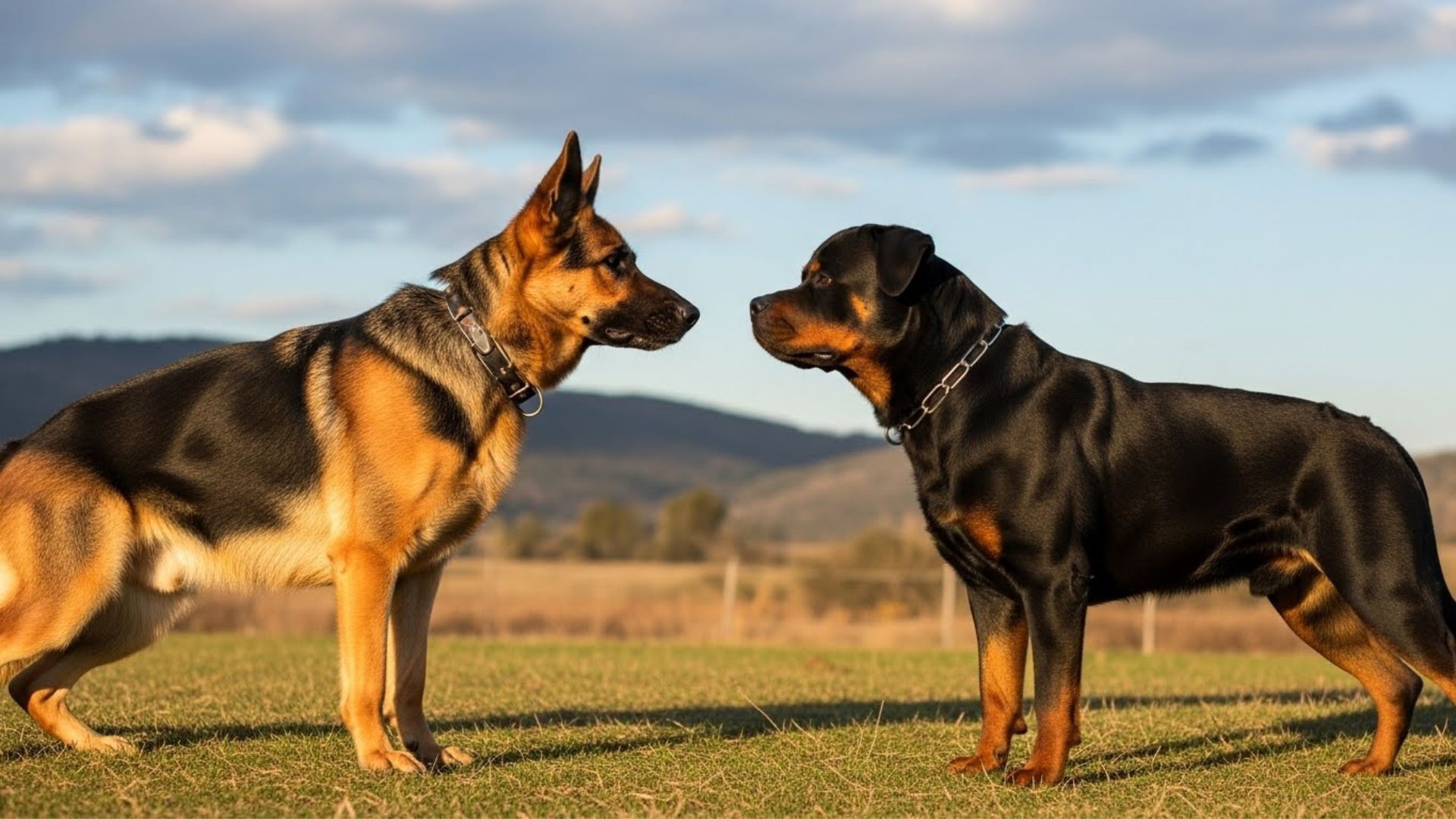
If dogs could guard a wall like legends, the German Shepherd and Rottweiler would lead the pack. These two breeds are known for power, focus, and loyalty.
It is no surprise that they rank among the most popular and excellent guard dogs in the United States. Families admire them. Active homes respect them. First-time dog owners often dream about them too.
The German Shepherd brings sharp thinking to the table. According to Britannica, the breed is known for high intelligence and quick learning, which helps it excel in demanding roles.
The Rottweiler matches that reputation with confidence and strength. Together, these dogs share courage, devotion, and presence. Still, they are far from identical. Their personalities, needs, and lifestyles can feel very different once you look closer.
So how do you decide between them?
That is exactly why we are here.
In this guide, we explore German Shepherds vs. Rottweilers, which dog breed to pick, in a clear, simple way. Keep an open mind. Do your research. Think about your home, your time, and your energy.
Now, let’s get into it.
German Shepherd vs. Rottweiler: Breed Overview
German Shepherds and Rottweilers are often compared for good reason. Both breeds stand out as powerful, confident dogs with strong reputations in the United States.
You will see them working, guarding, and living with families across the country. Their presence alone commands attention.
These dogs are commonly chosen for roles that demand reliability and control. Many people trust them for guarding homes, assisting professionals, and protecting property. Because of this, German shepherds and Rottweilers are often seen as top choices for serious dog owners.
At the same time, both breeds have earned loyal followings beyond work. Families admire their devotion. Active households respect their drive. While they share many surface similarities, their paths, needs, and daily lives can differ more than expected.
We will explore those differences step by step as we move forward.
Origin & Historical Background
German Shepherd
The German Shepherd began its story in Germany during the late 1800s. The breed was originally bred to help farmers manage and protect sheep. Because of this role, German Shepherd breeds come from strong herding dog roots. Speed, focus, and control mattered most at the time.
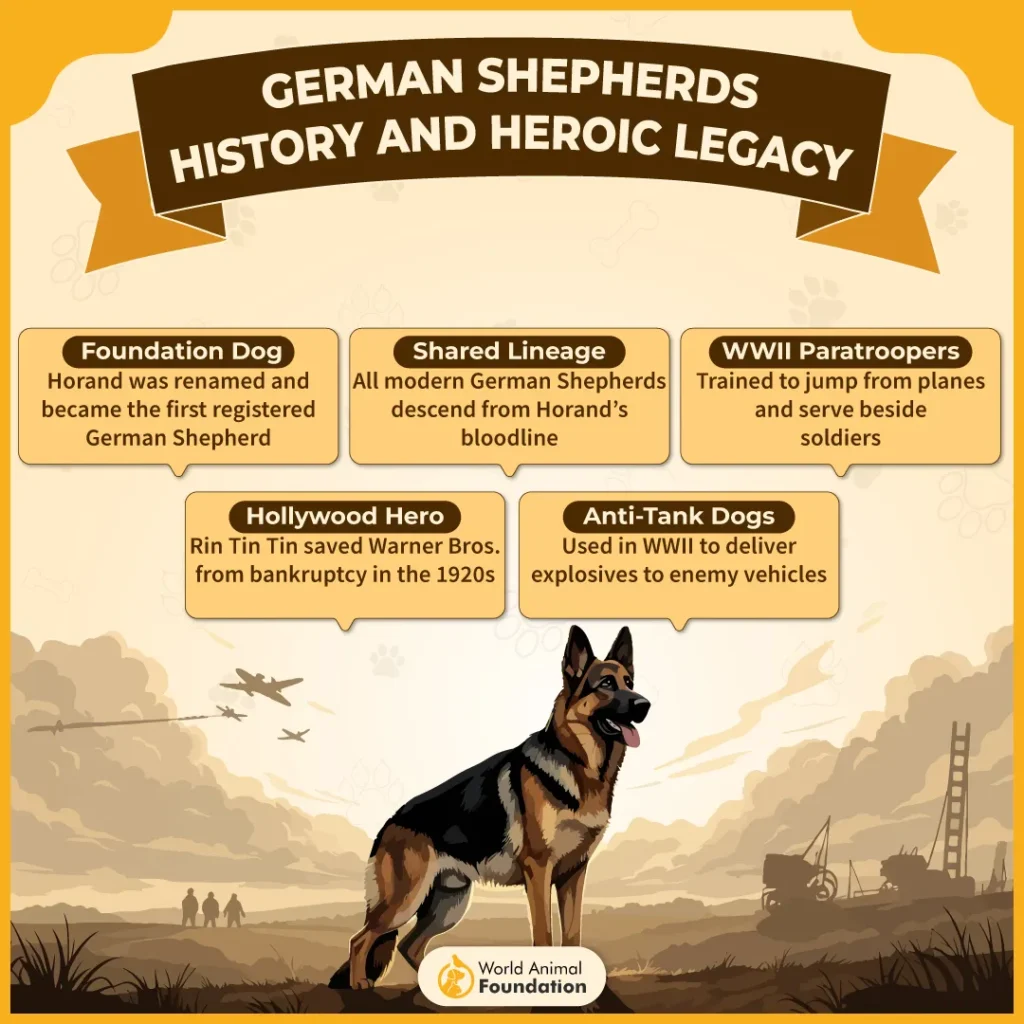
The name “German Shepherd” comes directly from this early purpose. These dogs were meant to shepherd and guard livestock across open land. Captain Max von Stephanitz played a key role in shaping the breed. He worked to standardize its look and working ability.
As time passed, the breed moved beyond farms. They became trusted working dogs in police units and military work due to their reliability. The American Kennel Club officially recognized the breed in 1908, helping it gain popularity in the United States.
Rottweiler
The Rottweiler has a much older and tougher history. Its story begins in ancient Rome. Roman soldiers traveled long distances with strong dogs that guarded supplies and moved cattle along roads. These dogs needed power, stamina, and control.
When the Romans reached what is now Germany, the dogs stayed behind. They settled near the town of Rottweil. There, the breed became known as butcher’s dogs. They helped drive cattle to markets and guarded money pouches. Over time, this work shaped the Rottweiler into a reliable protector.
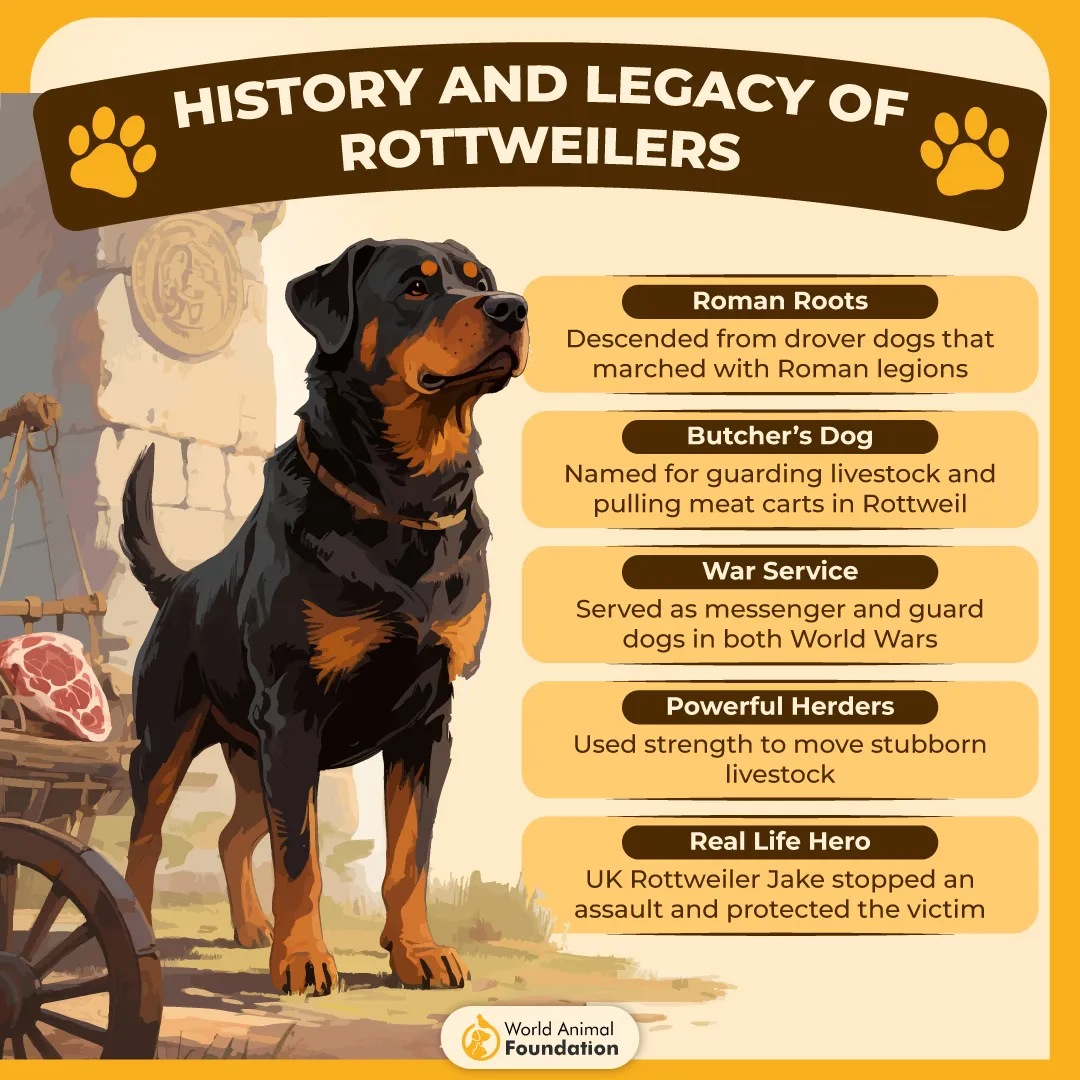
The breed takes its name from the town of Rottweil, where it became well known for strength and dependability. The American Kennel Club officially recognized the Rottweiler in 1931, which helped spread its popularity in the United States. This long working past defines the breed’s identity today.
Size, Build & Physical Appearance Comparison
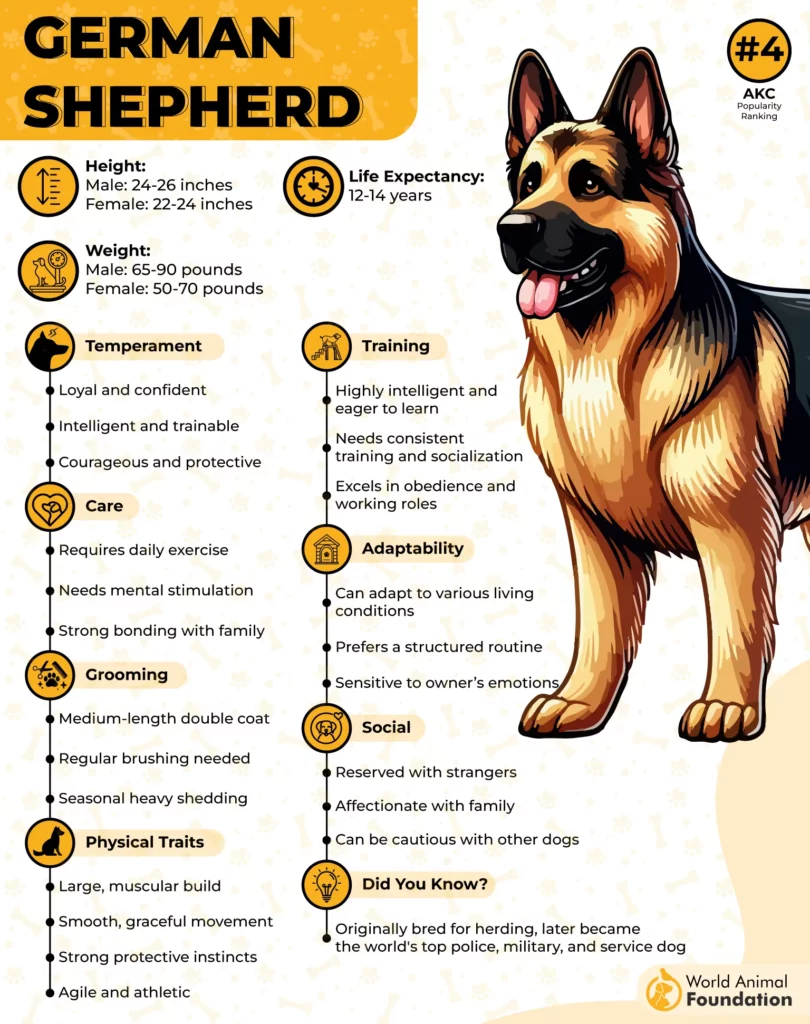
German Shepherd
They have a strong yet athletic frame built for movement and control.
The body appears longer than tall, giving a smooth, balanced outline.
A deep chest and firm back support agility and working posture.
Their size places them among big, tough dogs, but with a leaner look.
Rottweiler
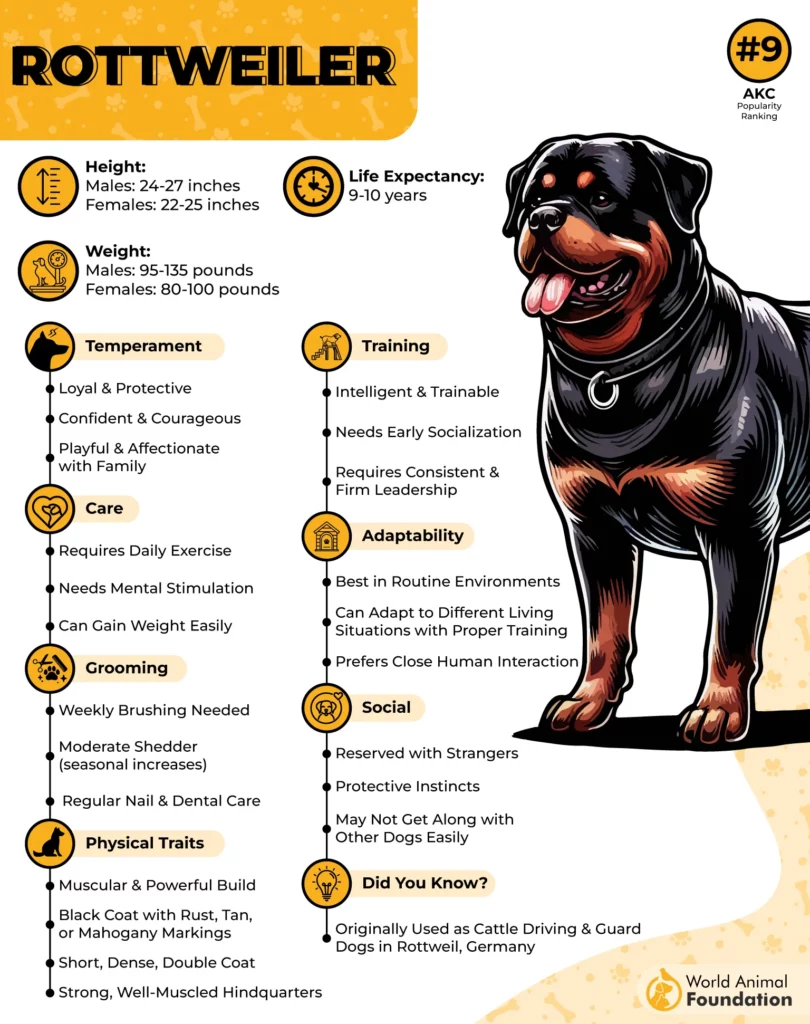
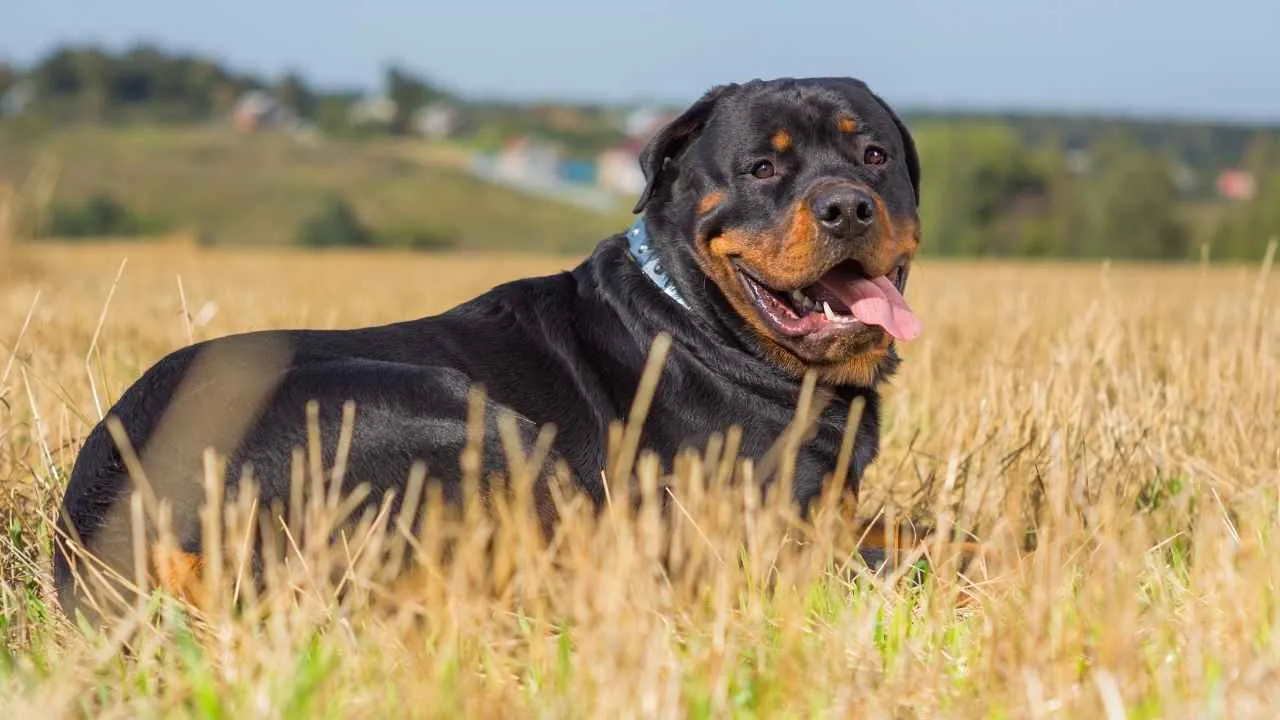
Rottweilers are known for a thick, muscular physique and compact power.
The body is broad and solid, creating an imposing size at first glance.
A wide chest and heavy bone structure add to their strength-based build.
This big dog structure gives the Rottweiler a bold, commanding presence.
Temperament, Personality & Behavioral Traits
German Shepherd
They are known for sharp minds and steady focus. They learn quickly and enjoy tasks that challenge them. Their high intelligence allows them to understand patterns, routines, and commands with ease. This makes daily interaction feel smooth and rewarding.
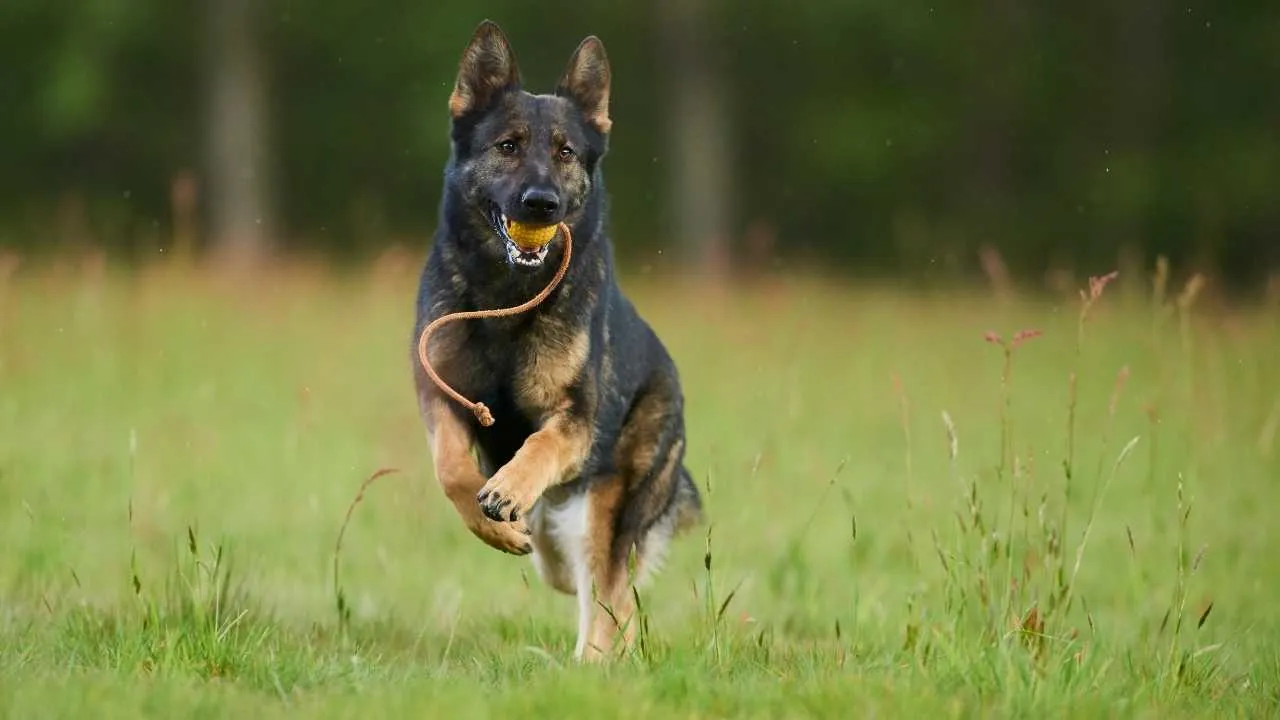
The breed also shows strong problem-solving skills. These Shepherds like figuring things out instead of waiting for direction. They stay focused during tasks and often enjoy structured activities. This focus helps them stay engaged without becoming restless.
Loyalty is another defining trait. German Shepherds tend to form close bonds with their family members. They enjoy being involved in daily life and prefer clear routines. As noted by PetMD, this mix of intelligence and dedication makes them highly responsive companions when given guidance and purpose.
Rottweiler
Rottweilers are known for their calm confidence. They move through life with a steady, balanced presence that many families admire. This confidence makes them dependable companions in both busy homes and quiet settings.
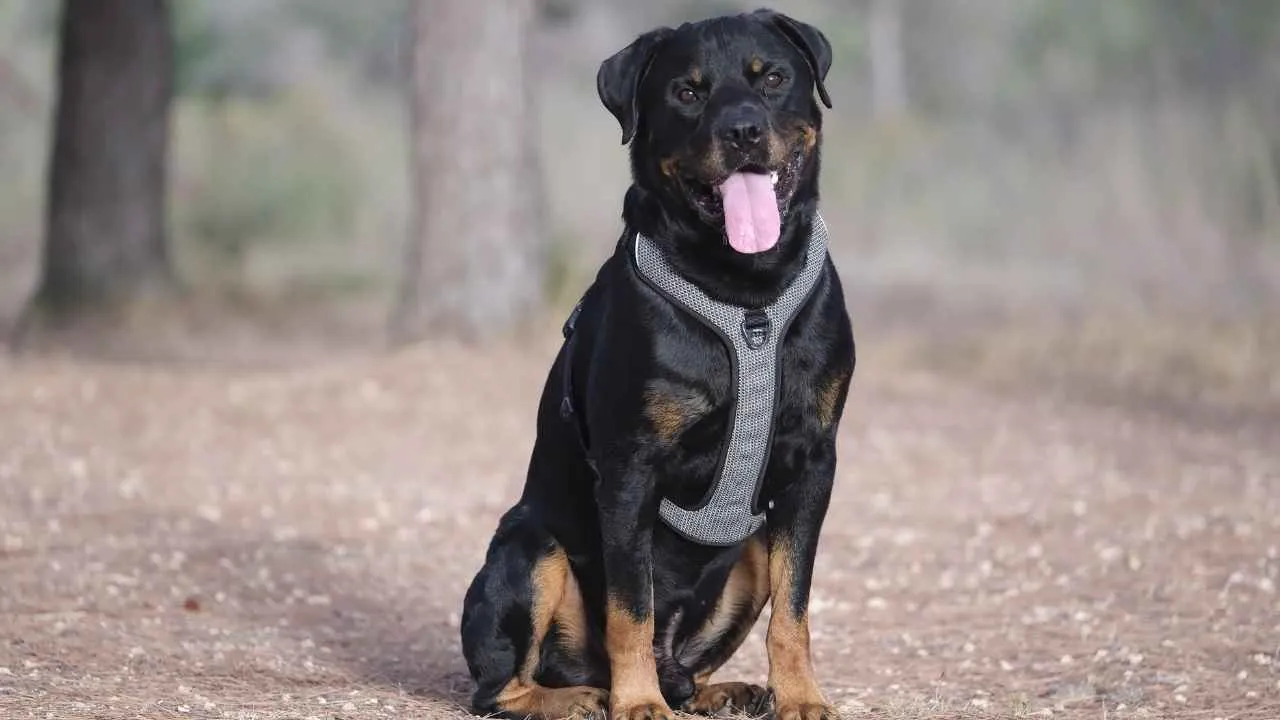
They are particularly gentle around small children when properly socialized. Many Rottweilers enjoy being near kids, observing them, and joining in family activities without becoming overwhelming. Their steady nature helps create a sense of safety for little ones.
Rottweilers also form strong bonds with their pet owners. They value time spent with family and often follow daily routines closely. Loyalty and devotion define their relationships, making them both affectionate and reliable companions. With attention and care, they thrive as integral members of the household.
Exercise Needs & Energy Levels
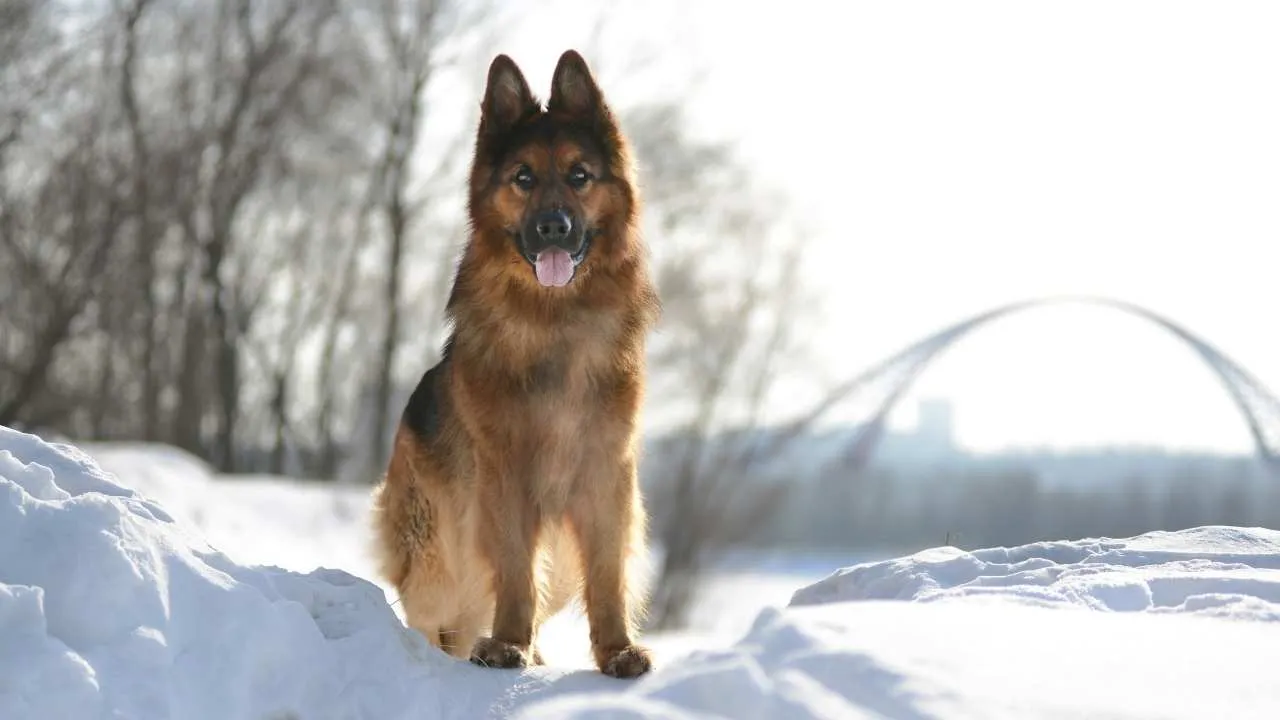
Both are active breeds that need regular movement to stay healthy and happy. German Shepherds thrive with daily walks, runs, and playtime that challenge their stamina. They enjoy activities that allow them to stretch their long legs and use their athletic frame. Without proper activity, they can become restless or bored.
Rottweilers, while slightly more grounded, also require regular exercise. Daily walks and play sessions help maintain their muscular physique and overall well-being. They benefit from moderate to vigorous activities, such as fetch, jogging, or structured play in a secure yard.
For active families, both breeds fit well when their exercise needs are met. Ideally, they should have at least an hour or more of movement each day. Meeting these needs keeps them physically fit and mentally balanced, while giving families a loyal, energetic companion to enjoy outdoor time with.
Intelligence, Trainability & Working Ability
Both are celebrated for their impressive intelligence and ability to learn quickly. German Shepherds, especially those from the working line GSD, are highly responsive to training. They excel in structured environments, making them ideal for service dogs, police work, and dog sports.
Their problem-solving skills allow them to adapt to new tasks efficiently. Consistent training and clear commands help these dogs reach their full potential, whether in a family home or as part of specialized working roles.
As noted by VCA Hospitals, these Shepherds are particularly suited to these demanding roles due to their intelligence and versatility.
Rottweilers also show remarkable intelligence and are quick learners, though their style tends to be more methodical. They benefit from proper training and steady reinforcement to master tasks. As a working breed, Rottweilers have been used for herding, guarding, and service roles.
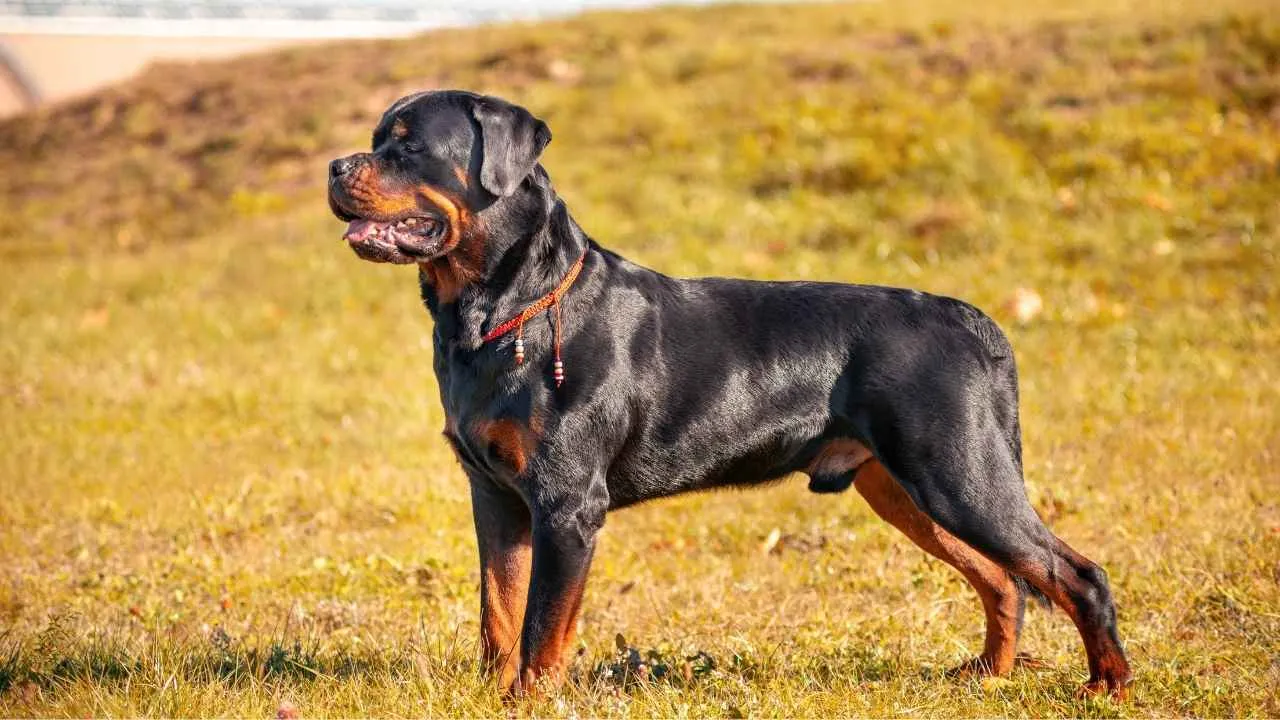
According to Wikipedia, Rottweilers’ strong work ethic and focus on working make them reliable partners in activities that require sheer strength and dedication.
Both breeds thrive when given challenging tasks, structured routines, and plenty of opportunities to use their skills. Families and active owners who commit to consistent training often find that these dogs excel in multiple roles while remaining adaptable and responsive companions.
Protective Instincts, Alertness & Guarding Style
Both Rottweilers and German Shepherds are known for their natural protective instincts, which make them reliable companions for families and active households.
The Shepherds are alert and watchful, often observing their surroundings carefully before reacting. Their guarding style relies on intelligence and quick assessment, making them ideal protection dogs for homes and properties.
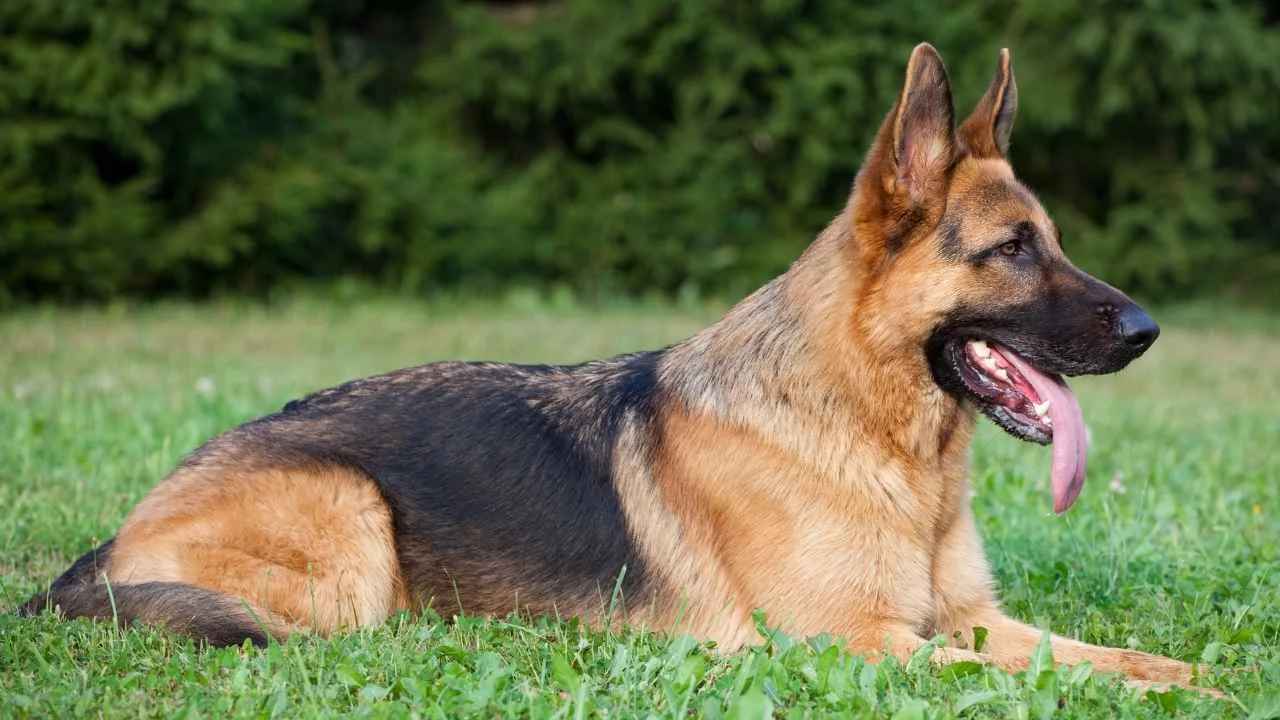
Rottweilers, on the other hand, show a strong protective instinct paired with calm confidence. They stand their ground steadily and assess situations with a measured approach. This makes them excellent choices for personal protection, while still being predictable and manageable for experienced owners.
While both breeds respond to potential threats, their styles differ. German Shepherds are more active and ready to move quickly, whereas Rottweilers are more composed, relying on presence and strength to discourage danger.
Together, these qualities explain why both breeds remain among the most trusted guardians in the U.S.
Coat Type, Grooming Needs & Shedding Patterns
Both German Shepherds and Rottweilers have double coats that require attention to keep them healthy and clean. Understanding their coat type and grooming needs helps owners manage shedding and maintain a neat appearance.
German Shepherd
They have a dense, double-layered coat. The undercoat sheds throughout the year, while the outer coat is straighter and protects against the weather. Frequent brushing is recommended, especially during shedding season, to remove dead hair and prevent mats.
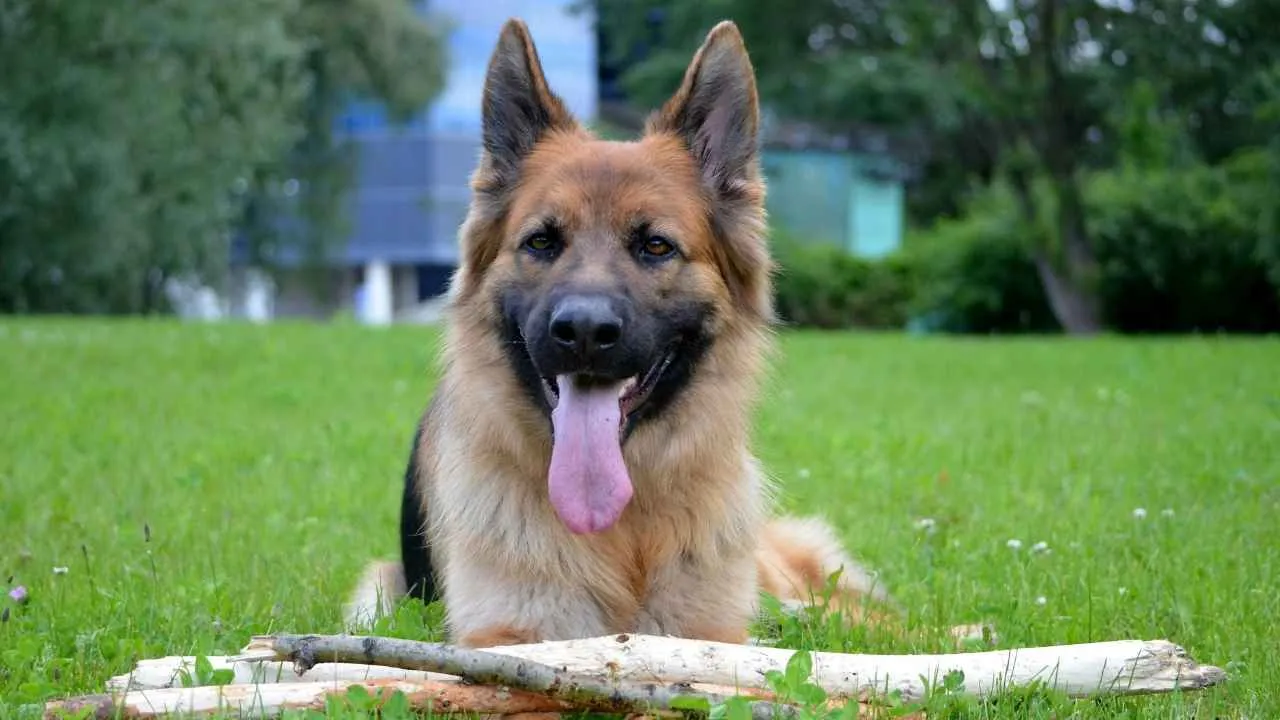
Regular brushing not only keeps their coat looking healthy but also reduces hair around the home.
Rottweiler
Rottweilers have a short, coarse, and dense double coat that lies close to the body. Their grooming needs are simpler than German Shepherds’, but frequent brushing helps remove loose hair and keeps their muscular physique clean.
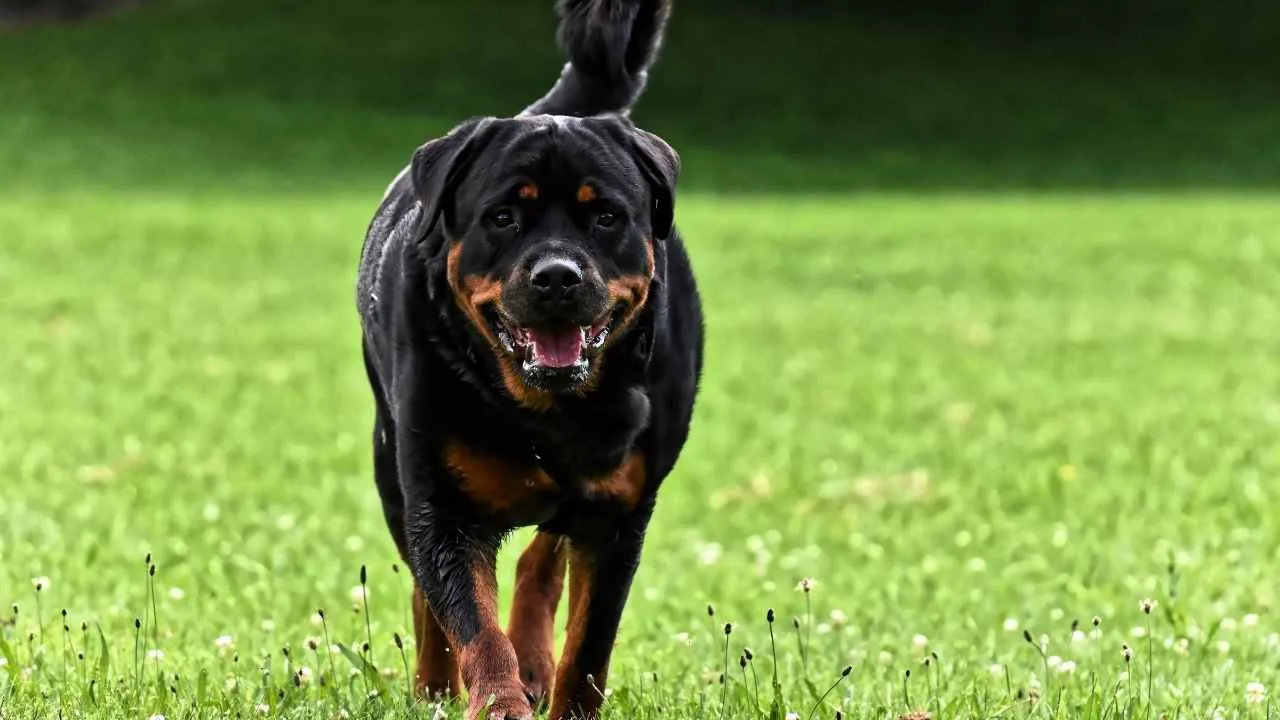
According to Royal Canin, brushing a few times a week is usually sufficient, and it helps distribute natural oils for a healthy shine.
Common Health Concerns & Lifespan Comparison
Both German Shepherds and Rottweilers are generally healthy, but like all large breeds, they have certain health problems. Understanding these health issues helps owners provide proper care and maintain a balanced diet to support longevity. Lifespan can vary based on genetics, exercise, and nutrition.
German Shepherd
Life expectancy of 9–13 years.
Common concerns include hip dysplasia and elbow dysplasia.
Some dogs may develop degenerative myelopathy, which can affect mobility.
Certain cancers and heart conditions can occur, though reputable GSD breeders work to reduce risks.
Choosing a good breeder and ensuring a balanced diet are essential for long-term health.
Early proper care and regular veterinary check-ups help maintain quality of life.
Rottweiler
Life expectancy is from 8 to 10 years, slightly shorter lifespan than that of German Shepherds.
Prone to hip dysplasia and elbow dysplasia.
May develop bone cancer and certain other cancers with age.
Heart issues are another health consideration for this breed.
Working with a reputable breeder ensures healthier lines and reduces genetic risks.
A balanced diet and proper care, including proper exercise, vet visits, and weight management, improve lifespan and overall well-being.
Suitability for Families, Guard Duty & Living Environments
German Shepherds and Rottweilers can both be excellent companions for the right households. These breeds are family-friendly, forming strong bonds with members and enjoying shared activities.
However, their size and exercise needs make them better suited for homes with space rather than small apartments. Proper planning and daily interaction help prevent separation anxiety, ensuring they remain well-adjusted and happy.
For active families, both breeds can fit seamlessly into a busy lifestyle. German Shepherds may enjoy more movement and mental challenges, while Rottweilers prefer structured play and consistent routines.
Each breed suits owners who can provide attention, physical activity, and a secure living environment. When matched to the right home and lifestyle, these dogs thrive as loyal companions and reliable protectors.
Conclusion
So, which strong dog breed should you pick: a German Shepherd or a Rottweiler?
The truth is, both can be excellent companions when matched to the right home and lifestyle. Choosing one is less about appearance and more about the life you can provide.
Consider your household, activity level, and daily routines before deciding.
German Shepherds may appeal to families who enjoy active days and mental engagement, while Rottweilers suit owners who value steady confidence and calm loyalty.
Ultimately, both breeds offer devotion, presence, and a deep bond with their people.
Rather than focusing on looks or trends, think about which breed fits your life. With the right match, either a German Shepherd or a Rottweiler will reward you with years of companionship, love, and unmatched loyalty.
