




When you think of birds, what’s the first thing that pops into your mind? Probably wings flapping through the sky, right? Flying seems like the ultimate bird superpower. But here’s a fun twist: not all birds actually take to the air.
In fact, out of thousands of bird species around the world, a small but fascinating group has completely given up flying—and they’ve found clever ways to thrive without it.
So, why would a bird decide flying is overrated? It often comes down to one big reason: safety. When there are no predators around to chase them, some birds simply don’t need to waste energy flying.
Instead, they get comfy on the ground, where food is easier to find, nests are easier to build, and meeting mates doesn’t require a flight plan.
Ready to meet some flightless birds you might not have heard of? Let’s dive into their world and discover just how amazing life on the ground can be!
Key Takeaways
Meet flightless birds like the kakapo, cassowary, and cormorant that thrive without flying.
See how predators and nature shaped their unique survival tricks.
Uncover cool facts about ostriches, kiwis, and more you didn’t know.
Learn why some birds gave up flight and how we’re helping them survive.
Flightless Birds You Might Not Know About
1. North African Ostrich
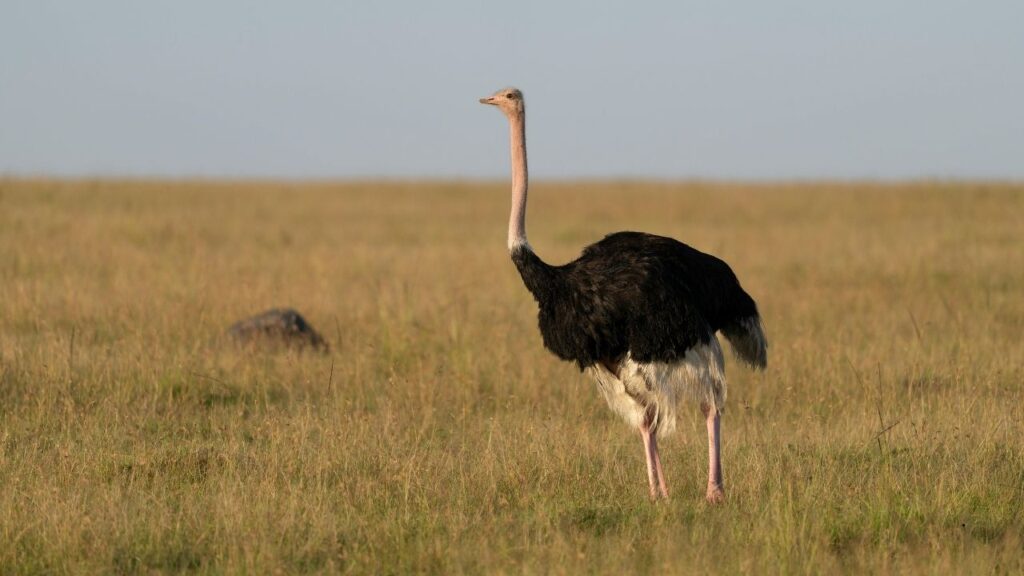
When it comes to flightless birds, the ostrich is a true powerhouse of the animal kingdom. Though it can’t take to the skies, it more than makes up for it with incredible speed and strength. These birds have powerful legs built for running and defending themselves.
Fastest runners on land: Ostriches can sprint up to 70 km/h, making them the fastest birds on land.
Wings for balance, not flying: They have small wings compared to their large bodies and help mainly with balance and attracting mates during courtship.
Savanna survivors: They live in open spaces like savannas and deserts, where they eat plants, seeds, and insects.
PBS mentions that Ostriches also lay the largest eggs of any bird species, with each egg weighing around 3 pounds.
This giant egg is just another remarkable feature of this grounded, speedy bird. Their amazing speed and strong legs have helped them survive in tough environments where flying isn’t an option.
Because they can’t fly, ostriches rely on their keen eyesight to spot danger from far away. When threatened, they either run at full speed or defend themselves with powerful kicks. This combination of speed and strength makes them a true survivor among flightless birds.
2. Kakapo
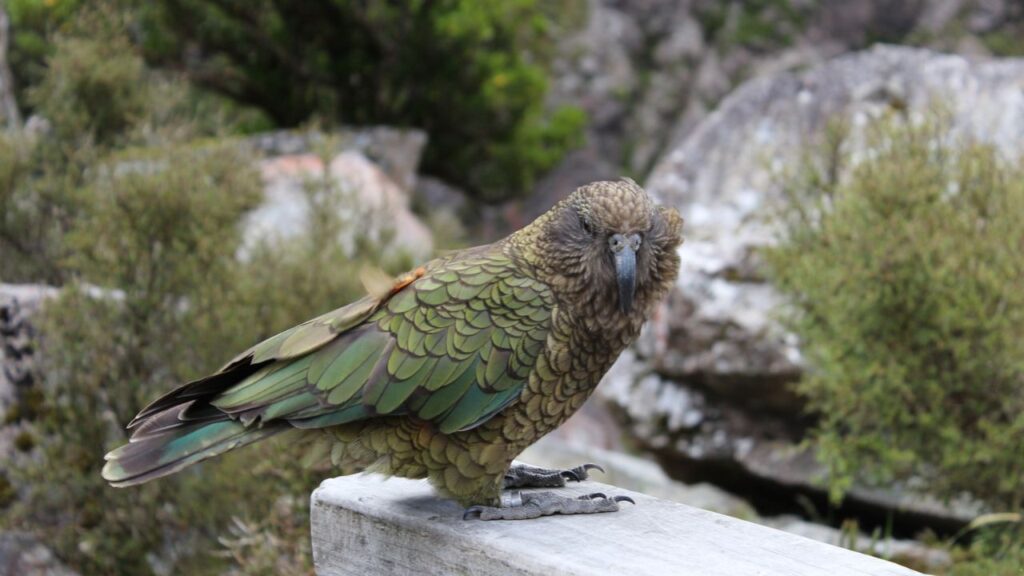
The kakapo is a truly unique bird. It’s the only parrot in the world that cannot fly. Instead, this heavy, nocturnal bird lives mostly on the ground in New Zealand’s forests. Its moss-green feathers help it blend perfectly into its surroundings.
Nighttime wanderer: Kakapos are active at night, feeding on plants, seeds, and fruits.
Strong legs and climbers: Even though they can’t fly, kakapos have strong legs and can climb trees, sometimes gliding down by spreading their wings.
Unusual mating: Male kakapos use loud calls to attract females in a lek system, where several males compete to be chosen.
Sadly, kakapos faced serious dangers when predators like cats and rats were introduced to their habitat. Their numbers dropped drastically, but thanks to intense conservation work, their population is slowly growing. As of 2022, there are over 250 kakapos alive—a hopeful sign for this rare bird’s future.
Because kakapos have low genetic diversity, breeding is a challenge. Conservationists carefully manage their mating, sometimes using artificial insemination to help boost numbers. This dedicated effort shows how people can make a real difference for even the most vulnerable species.
3. Cassowary
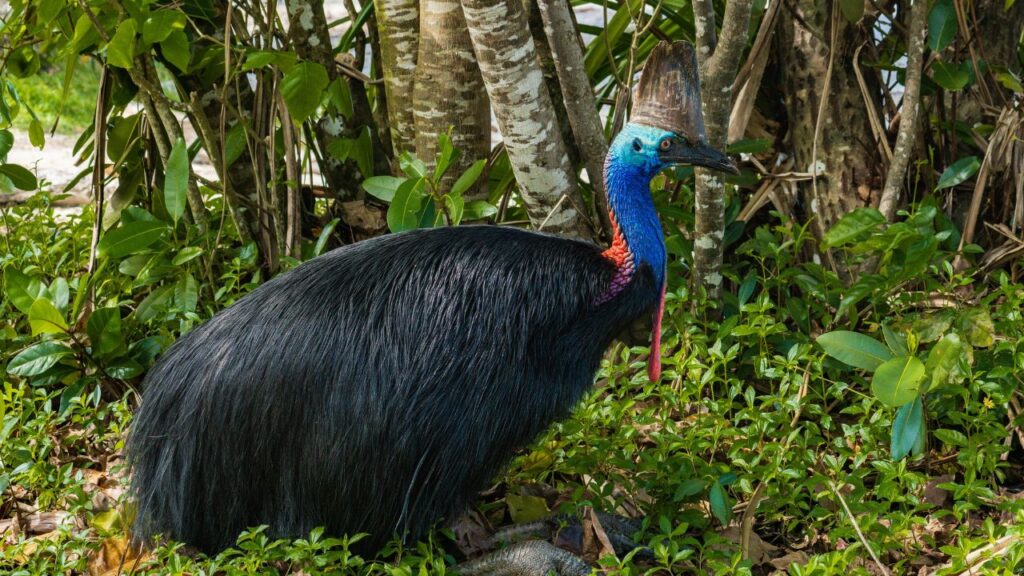
The cassowary is one of the most striking flightless birds you might not know about. Living in the tropical forests of New Guinea and northeastern Australia, this bird looks like a creature from prehistoric times.
With its black feathers, bright blue and red neck, and a helmet-like casque on its head, it’s truly a sight to behold.
Second heaviest bird: Cassowaries are the second heaviest birds in the world, with females growing larger and more colorful than males.
Built for strength and speed: They have strong legs, sharp claws, and can run up to 50 km/h, using powerful kicks to defend themselves.
Important seed dispersers: Cassowaries help spread seeds across the forest, playing a key role in keeping their ecosystems healthy.
The casque on their head may help them move through dense forest undergrowth or make deep sounds that travel far. Despite their tough appearance, cassowaries mainly avoid humans unless provoked. However, habitat loss and road accidents remain serious threats to their survival.
These birds are fascinating not just for their power but also for their mysterious behavior. They are shy and secretive, often hard to spot in the wild. Their role in maintaining the forest environment makes protecting them crucial for preserving the health of their habitats.
4. Takahē
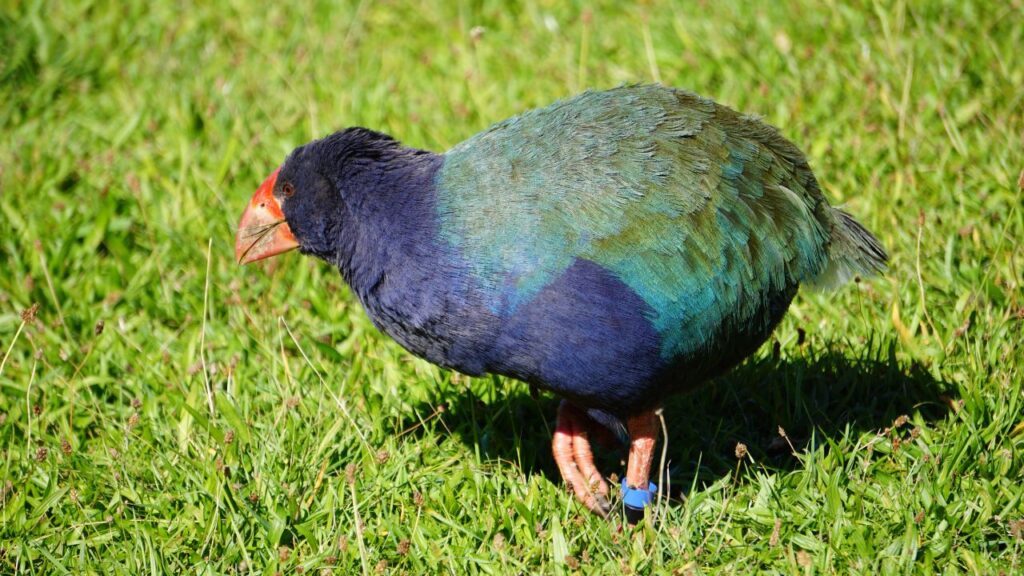
The takahē is a remarkable example of nature’s surprises. For many years, this large flightless bird was thought to be extinct. But then, in a thrilling twist, it was rediscovered alive and well in the remote mountains of New Zealand.
Lost and found: Believed extinct since the late 1800s, the takahē was famously rediscovered in 1948 by Dr. Geoffrey Orbell, who had long suspected the bird still existed.
Hidden in the wild: Dr. Orbell and his friends trekked into the rugged Murchison Mountains and found the bird, capturing photos that amazed scientists worldwide.
A symbol of hope: This discovery reminded the world that even species thought lost can sometimes surprise us.
Since its rediscovery, conservationists have worked hard to protect the takahē’s shrinking habitat. Their efforts include breeding programs and predator control, which have helped increase the population. Though still rare, the takahē now represents a successful story of wildlife recovery.
These birds are shy and elusive, living in remote alpine grasslands where they feed mainly on grasses and shoots. Their survival depends on careful management and ongoing support to ensure future generations can continue to thrive in New Zealand’s wild landscapes.
5. Kiwi
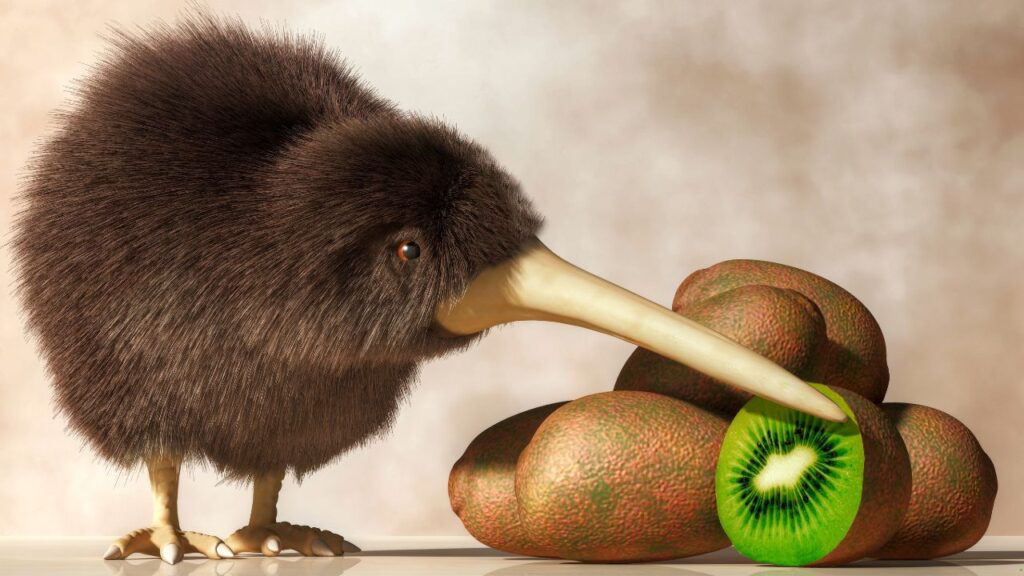
The kiwi is one of the most famous flightless birds, but you might not know much about it. Small and round, with feathers that look more like fur, this shy bird is a true icon of New Zealand. Despite its tiny wings, the kiwi has adapted perfectly to life on the forest floor.
Unique nose: Unlike other birds, kiwis have nostrils at the tip of their long bills, helping them sniff out insects and worms underground.
Nighttime forager: Kiwis are nocturnal and rely on their strong sense of smell to find food in the dark.
Loyal partners: These birds often mate for life, staying together for up to 20 years.
Kiwis lay huge eggs compared to their body size—one of the largest egg-to-body ratios in the bird world, as mentioned by the National Audubon Society. Though they face threats from predators and habitat loss, conservation efforts are helping protect these beloved birds and their forest homes.
There are five different species of kiwi, each with its own unique traits and habitat. Some are more at risk than others, with a few classified as endangered or critically endangered.
Protecting all kiwi species is a priority for New Zealand, as these birds play an important role in the ecosystem and national identity.
6. Flightless Cormorant
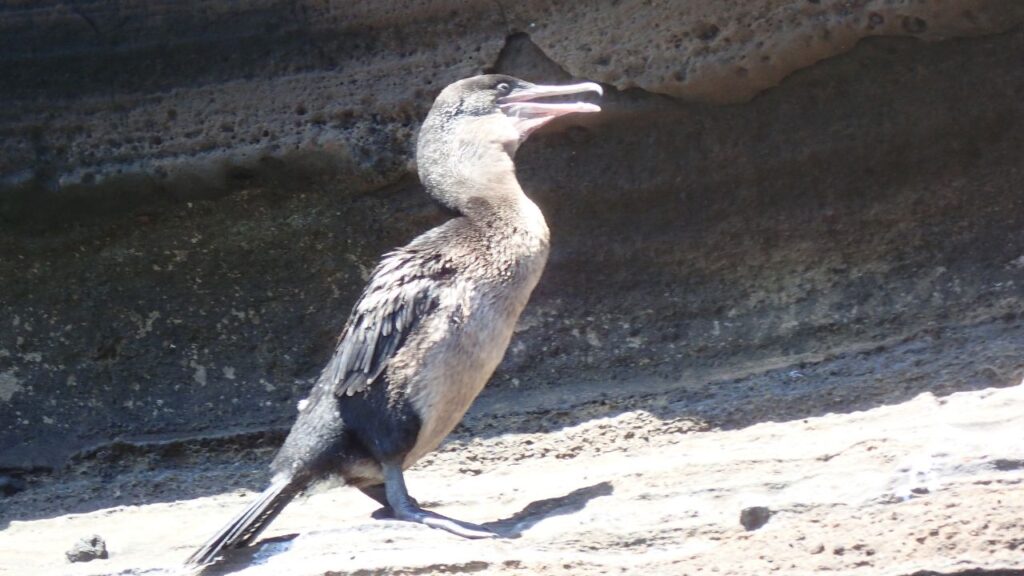
The flightless cormorant is one of the rarest and most unusual birds in the world. Found only on the Galapagos Islands, this bird gave up flying long ago and instead became an expert swimmer. Its tiny wings are too small for flight but perfect for diving underwater.
Unique swimmer: With wings only about one-third the size needed for flying, it uses its strong legs to dive and swim deep in search of fish.
Special adaptations: It has dense bones and a hooked bill that help catch slippery prey underwater.
Rare and vulnerable: With just around 1,500 birds left, this species faces threats from predators, fishing nets, and environmental changes.
According to Axios, scientists discovered that many mutated genes affect the cormorant’s wing and bone growth, explaining why it lost the ability to fly. Despite being vulnerable, the bird can breed up to three times a year, giving hope for population recovery after natural disasters.
The Galapagos environment shaped this bird’s unique lifestyle. With few natural predators on land and rich fishing grounds nearby, flying became less useful. Over thousands of years, the flightless cormorant evolved to spend most of its time in water, perfectly adapted to its island home.
7. Weka
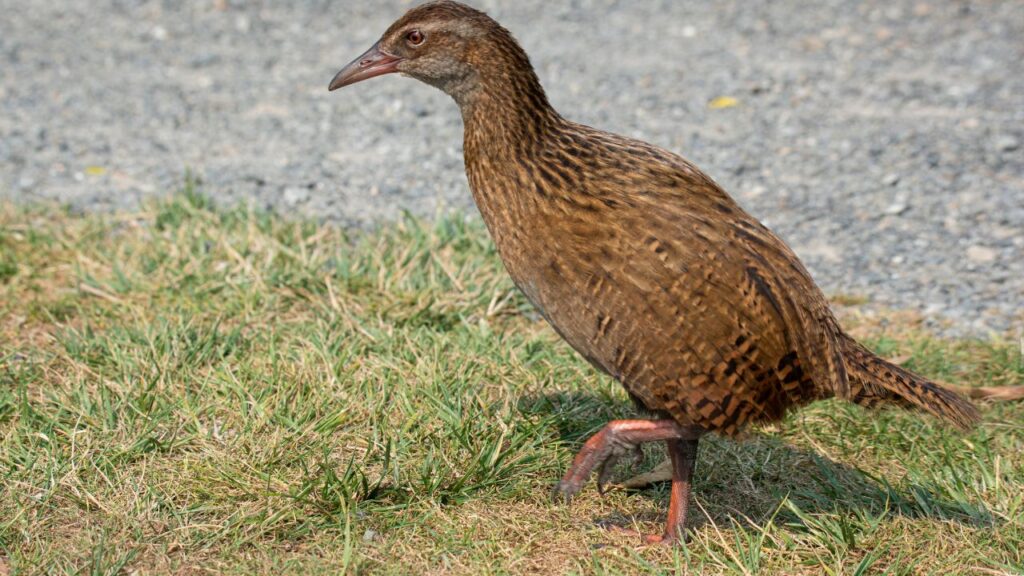
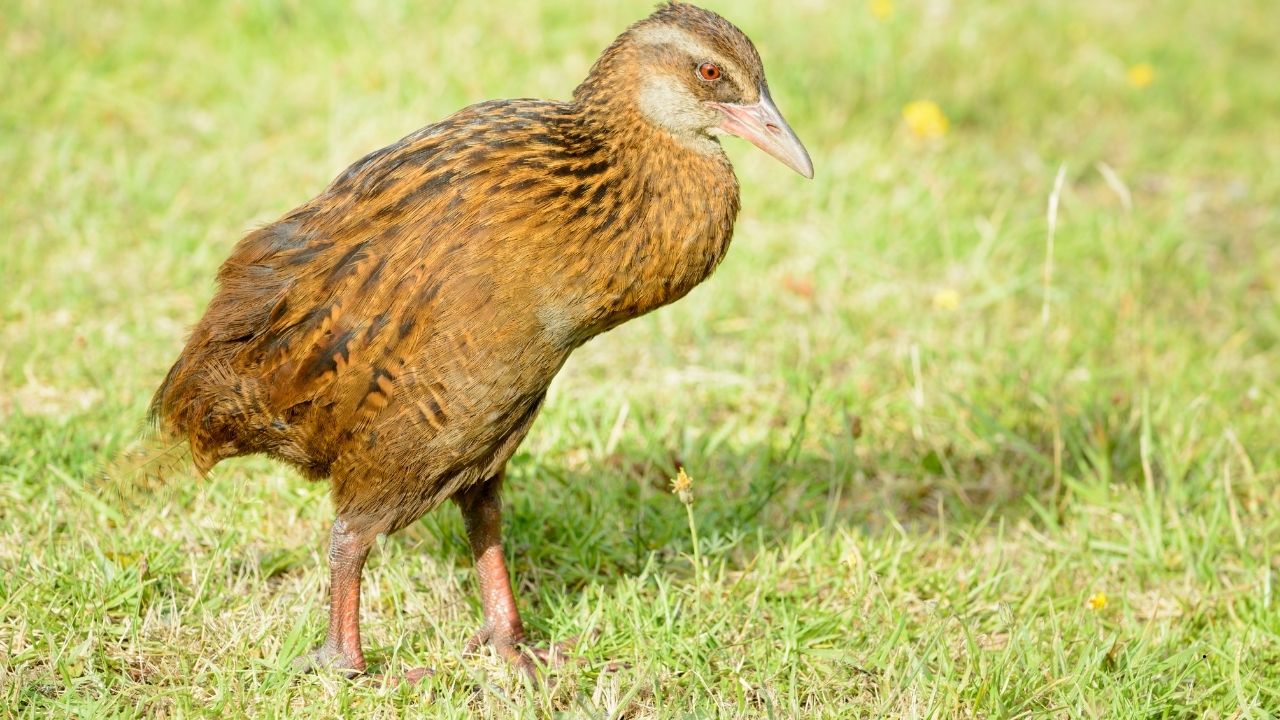
The weka is a large, brown, flightless bird native to New Zealand. Known for its bold and curious nature, the weka stands out from other shy rail species. There are four main subspecies, each with its own unique traits and habitat.
Curious and cheeky: Wekas are famous for stealing food, shiny objects, and even bags of sugar, often hiding their “treasures” nearby.
Habitat and behavior: They prefer open areas like stream sides and fern-covered land, avoiding dense woods.
Cultural importance: For some Māori iwi, the weka is valued for food, feathers, perfume, and medicinal oils.
Wekas can be heard more often than seen, thanks to their secretive and playful habits. Unfortunately, they face many threats like drought, car accidents, and pest control efforts. Their numbers can change quickly depending on food availability and environmental conditions.
Despite these challenges, the weka’s spirited personality and important role in the ecosystem make it a fascinating bird to learn about and protect.
Conclusion
Many birds have evolved in fascinating ways, especially those that lost the ability to fly. Introduced predators have played a major role in shaping the fate of many species, often leading to extinction.
Birds with puny, vestigial wings and lacking the strong pectoral muscles required for flight have adapted to dive deep or rely on other highly developed senses to survive.
Natural selection has shaped these unique adaptations, as some birds may have developed exchange abilities or ways to possibly lift small objects, helping them thrive despite not taking flight.
While their wings might not carry them long distances, these remarkable creatures show how diverse survival strategies can be in the wild.
There are other bird species as well that are completely flightless. These include the Inaccessible Island Rail, Southern Cassowary, Fuegian Steamer Duck, Lesser Rhea, Penguin, Northern Cassowary, Titicaca Grebe, Campbell Teal, and Short-Winged Grebe.
